Review

Recent Advances in Catalytic Compounds Developed by Thermal Treatment of (Zr-Based) Metal–Organic Frameworks

by
Catarina E. S. Ferreira
,
Salete S. Balula
and
Luís Cunha-Silva
*
LAQV-REQUIMTE & Departamento de Química e Bioquímica, Faculdade de Ciências da Universidade do Porto, Rua do Campo Alegre, 4169-007 Porto, Portugal
*
Author to whom correspondence should be addressed.
Compounds 2024, 4(2), 315-337; https://doi.org/10.3390/compounds4020017

Submission received: 10 February 2024 / Revised: 4 April 2024 / Accepted: 16 April 2024 / Published: 30 April 2024

Abstract

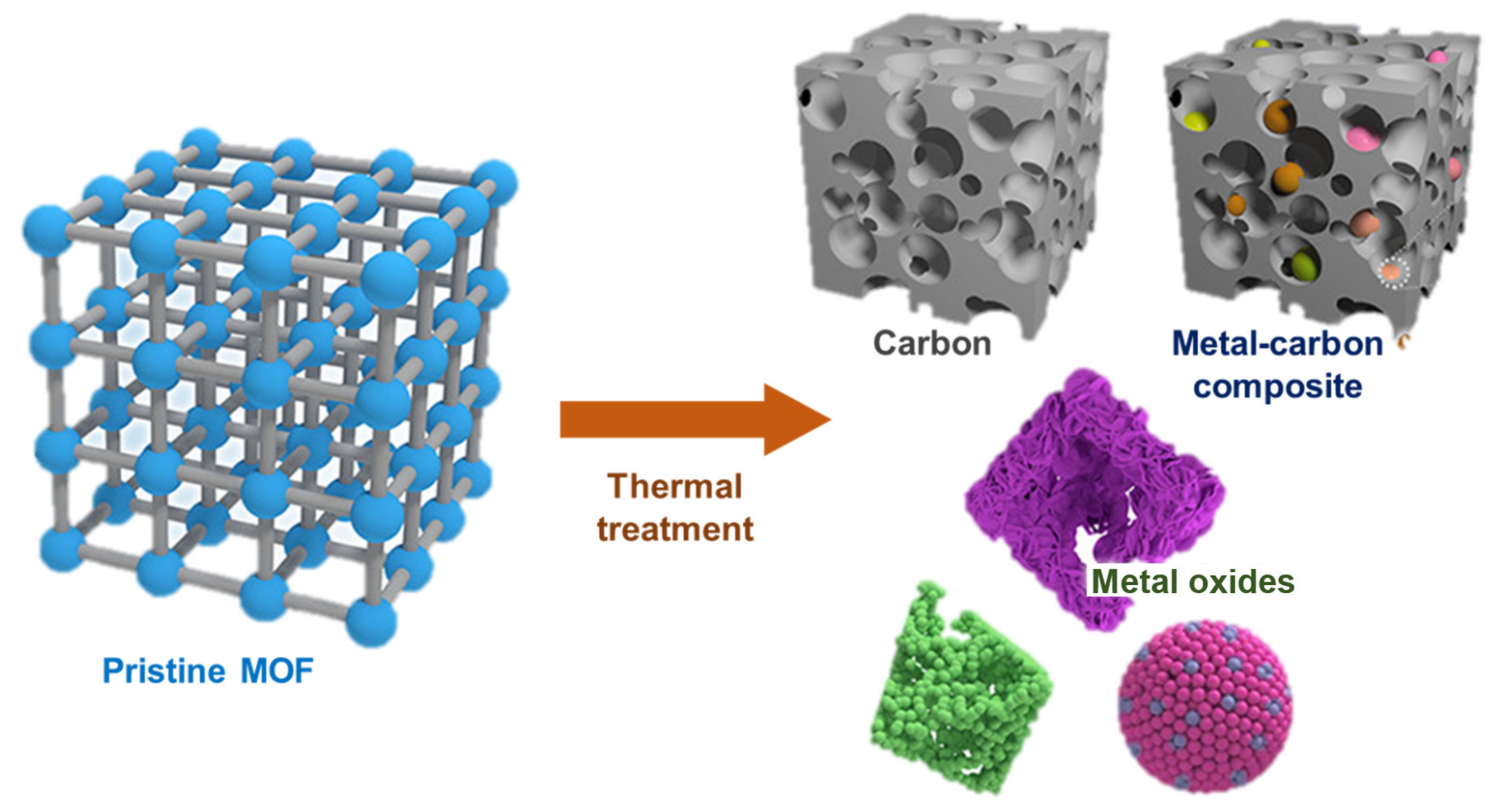
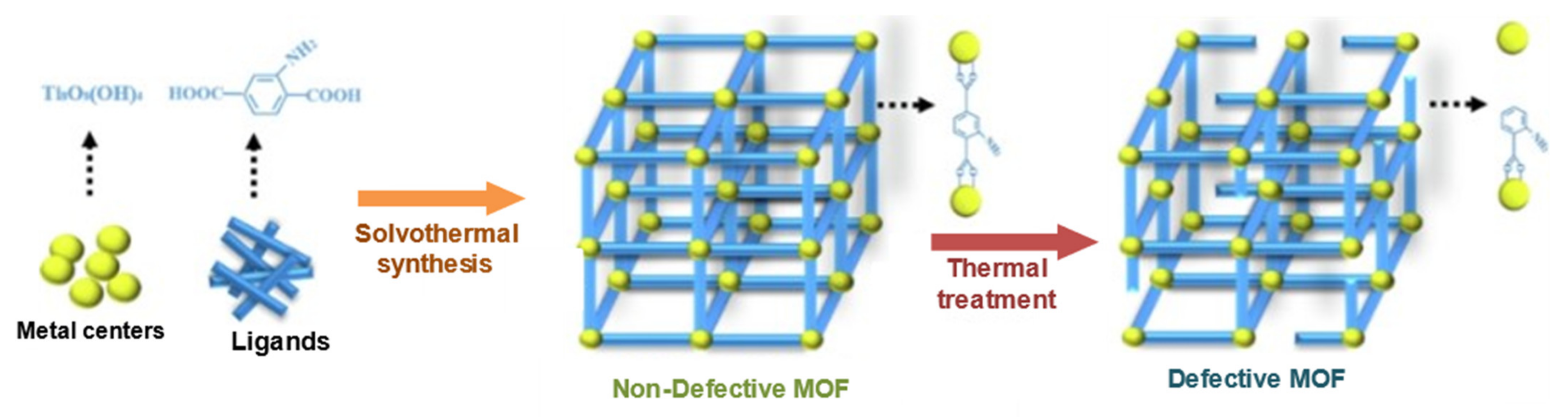
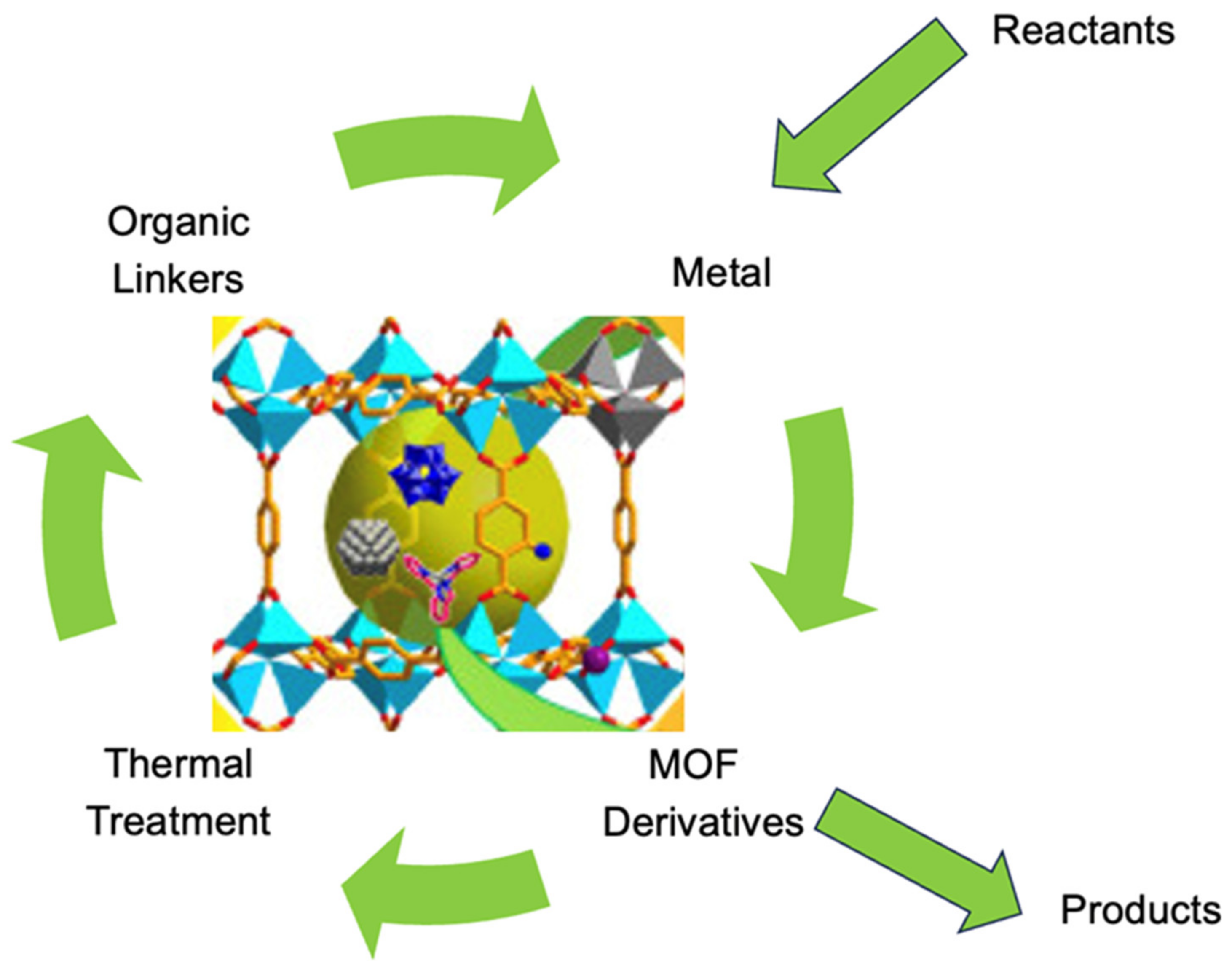
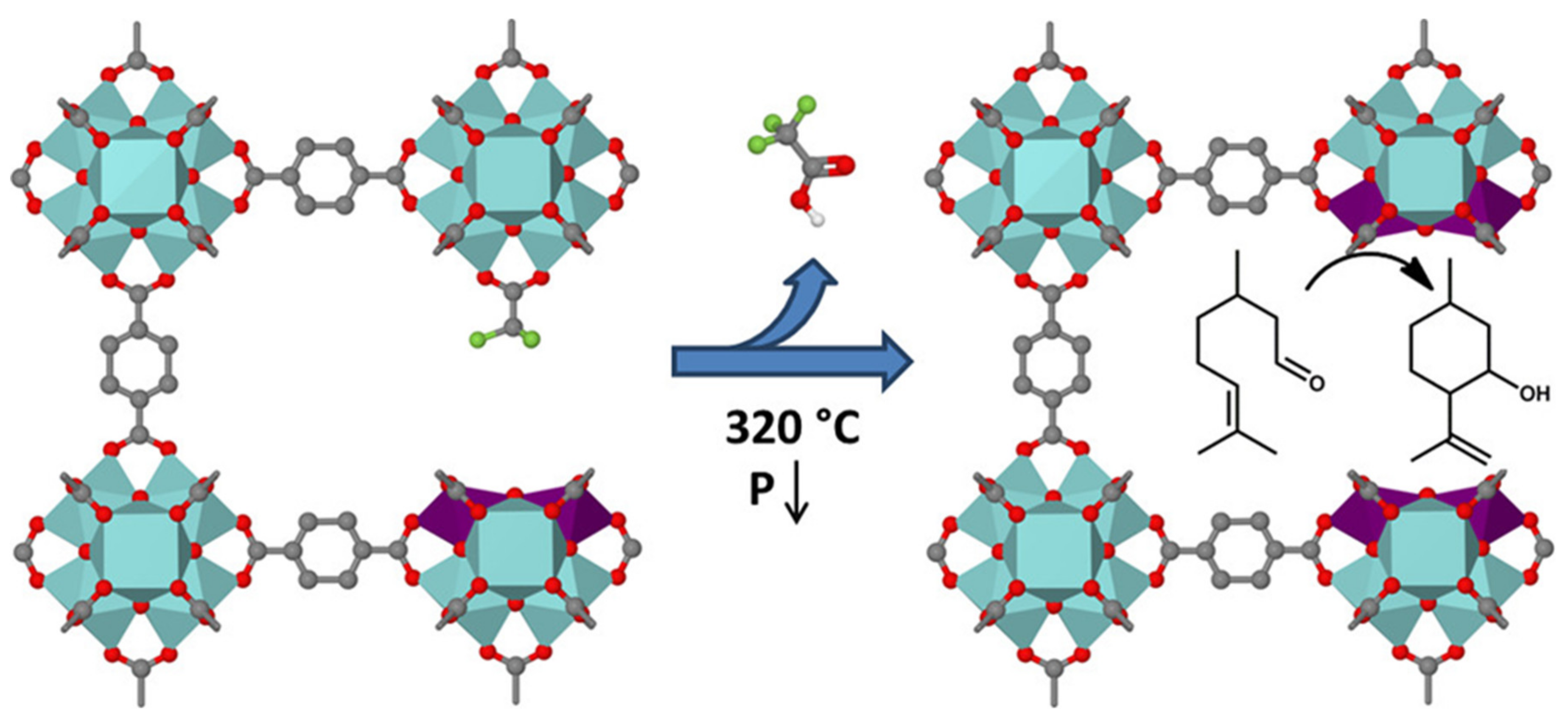
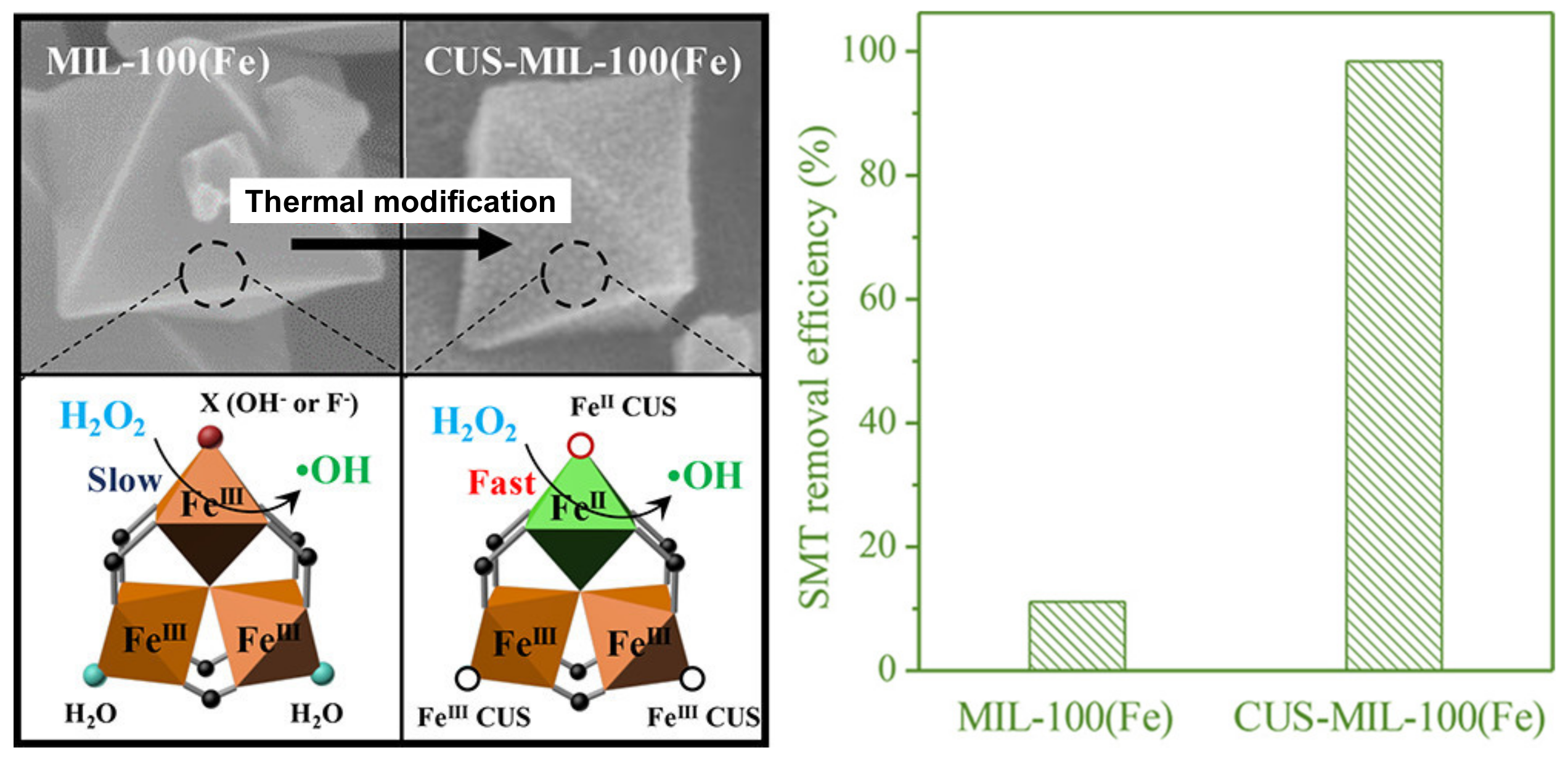
Metal–organic frameworks (MOFs) have been the subject of extensive scientific investigation in the last three decades and, currently, they make up one of the types of compounds most studied for their potential application in a wide range of distinct catalytic processes. Pristine MOF compounds provide several intriguing benefits for catalytic applications, including large interior surface areas and high densities of active sites; high catalytic reaction rates per volume; post-synthesis modifications with complementary catalytic groups; and the ability for multiple functional groups to catalyze the reaction. For most large-scale catalytic applications, including those in fuel processing, gas emission reduction, and chemical synthesis, pristine MOFs often show limited stabilities and opportunities for regeneration at high temperatures. As a result, the real applications of MOFs in these technologies are likely to be constrained, and a controlled thermal modification to prepare MOF-derivative compounds has been applied to induce crystalline structural changes and increase the structural stability of the MOFs, enhancing their potential applicability in more severe catalytic processes. Recent advances concerning the use of this strategy to boost the catalytic potential of MOF-derivative compounds, particularly for stable Zr-based MOFs, are outlined in this short review article.
Keywords: metal–organic frameworks (MOFs); Zr-based MOF; MOF-derivative compounds; thermal treatment; structural defects; sustainable catalytic processes metal–organic frameworks (MOFs); Zr-based MOF; MOF-derivative compounds; thermal treatment; structural defects; sustainable catalytic processes