Article

A Non-Racial Approach to Assessing Group Membership of Victims in a Mass Grave Using Cranial Data


Department of Integrative Biology, University of Windsor, Windsor, ON N9B 3P4, Canada
*
Author to whom correspondence should be addressed.
Forensic Sci. 2023, 3(1), 22-33; https://doi.org/10.3390/forensicsci3010004

Submission received: 27 December 2022 / Revised: 11 January 2023 / Accepted: 16 January 2023 / Published: 25 January 2023
(This article belongs to the Special Issue Feature Papers in Forensic Sciences in 2022)

Abstract

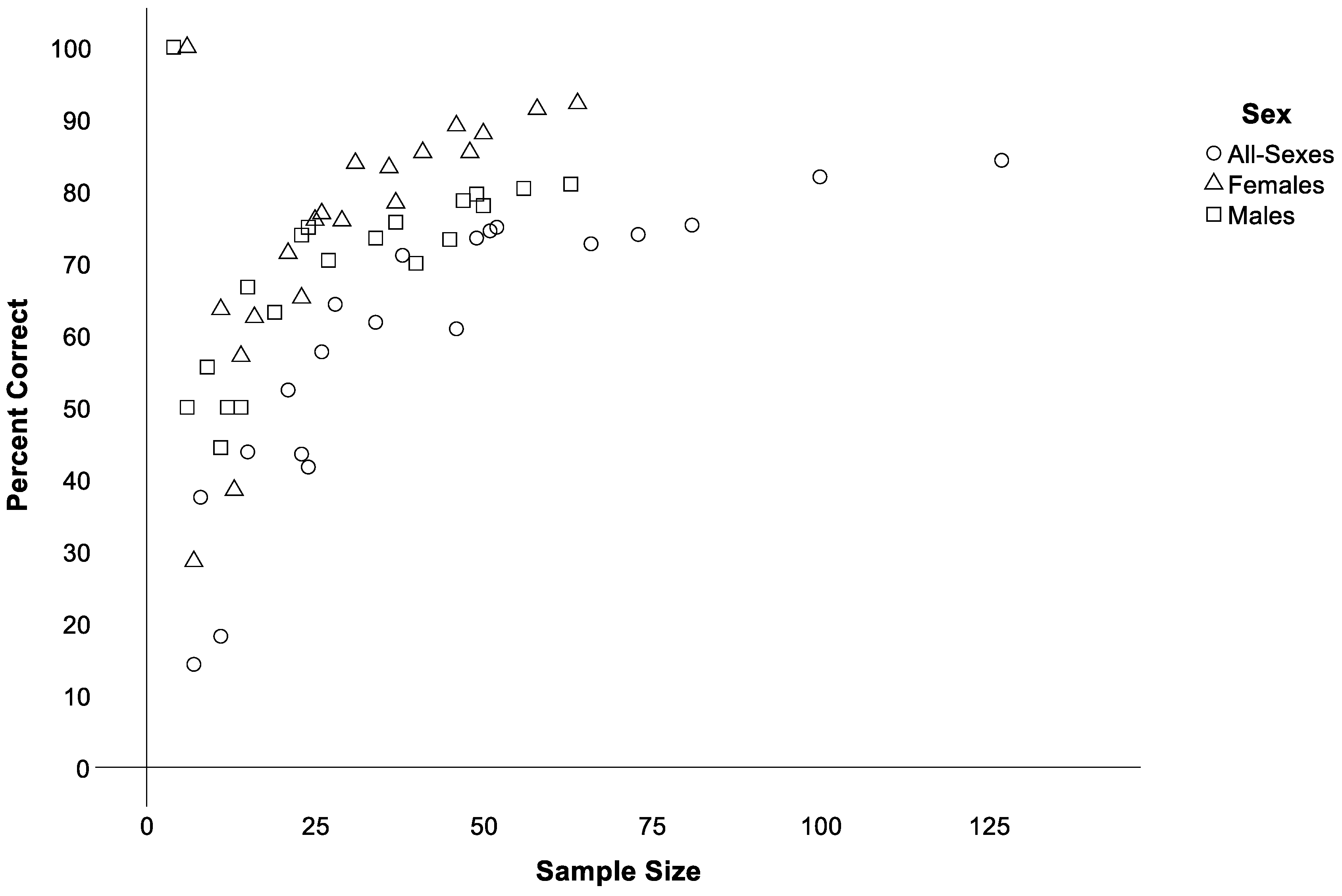
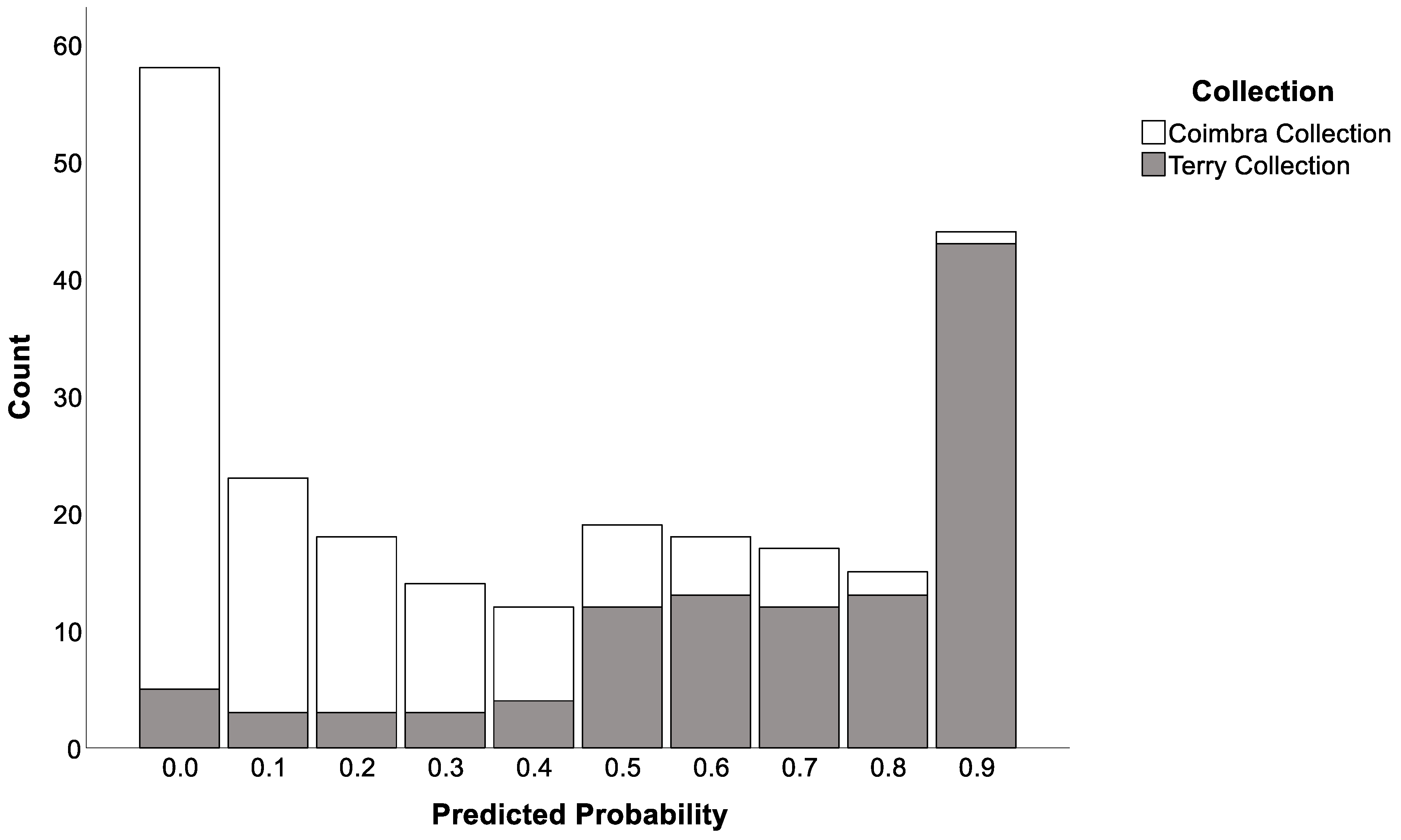
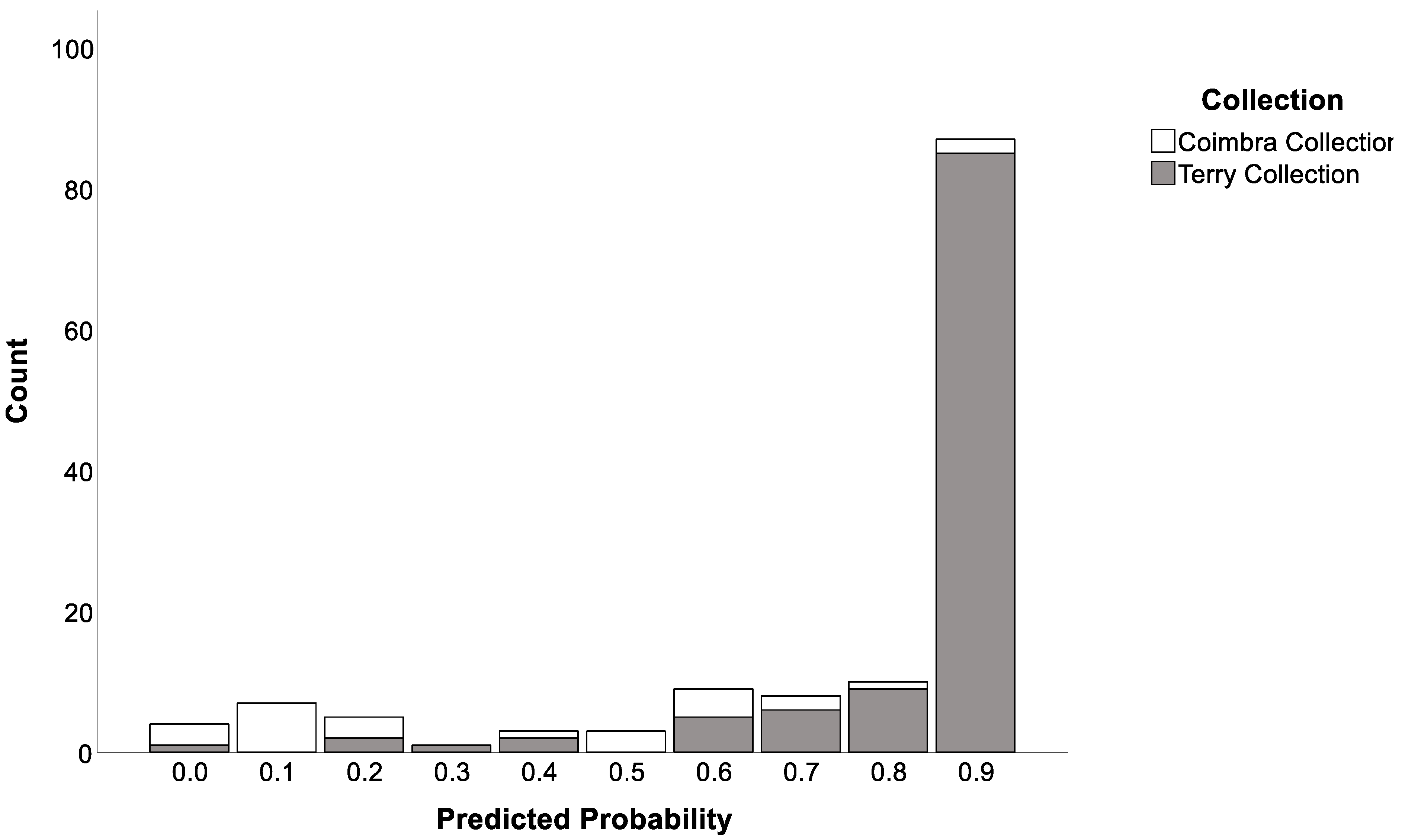
In some jurisdictions, race, ancestry, or population affinity have been used for historical and po-litical, rather than biological, reasons in forensic anthropology when identifying individuals. The approach persists even though the genetic and skeletal data clearly demonstrate that human variation does not cluster into these groups. For over 60 years, these methods have consistently performed poorly when independently tested using large samples. By racializing the deceased, these methods have further marginalized the living. However, there is a need in the investigation of genocide and human rights violations to demonstrate that a specific group was targeted. Without relying on the outdated typological concepts of human variation, in this paper we present preliminary results for a method that can be used in a mass grave context to demonstrate that a specific group was targeted. Using samples from two identified reference collections, we created subsamples from one relatively homogeneous collection to model various mass grave scenarios and used the relatively heterogenous sample from the other collection as a reference for com-parison. In scenarios that varied by sample size and sex, it was possible to determine that a specific group was targeted if the sample size in a hypothetical mass grave was greater than 25 for a multi-sex sample, when sex is not known, and a minimum of 14 if sex could be estimated.
Keywords: forensic anthropology; cranial measurements; critique of race; ancestry; racialization; human rights; genocide forensic anthropology; cranial measurements; critique of race; ancestry; racialization; human rights; genocide