Review

The Use of Benzodiazepines as an Adjuvant in Pain Management: A Narrative Review with Systematic Search


by
Alexandra da Costa-Duarte
1,
Rita Rodrigues-Lopes
1,
Ana Severino
1,
Matilde Oliveira
1,
Inês Guerra
1,
Mariana Santos
2,
Carolina Damas Pereira
2,
Beatriz Sousa
2,
Pedro Fernandes-Moutinho
3,
Carolina Vilela Teixeira
3,
Gonçalo Silva
4,
Carolina Portela
4,
Duarte Mendes
4,
Marco Araújo
4,
Mariana Fragão-Marques
5,
João Rocha-Neves
6,7,8,
Ívis Martins
9 and
Hugo Ribeiro
8,10,11,12,13,*
1
Family Health Unit Arca d’Água—Local Health Unit São João, 4200-319 Porto, Portugal
2
Family Health Unit Nuno Grande—Local Health Unit Trás-os-Montes e Alto Douro, 5000-001 Vila Real, Portugal
3
Family Health Unit Nova Mateus—Local Health Unit Trás-os-Montes e Alto Douro, 5000-001 Vila Real, Portugal
4
Family Health Unit Corgo—Local Health Unit Trás-os-Montes e Alto Douro, 5000-001 Vila Real, Portugal
5
Department of Immuno-Physiology and Pharmacology, Abel Salazar Institute for the Biomedical Sciences (ICBAS), 4050-313 Porto, Portugal
6
Department of Vascular Surgery, Unidade Local de Saúde do Alto Ave (ULSAAVE), 4835-044 Guimarães, Portugal
7
Unit of Anatomy, Department of Biomedicine, Faculty of Medicine, University of Porto, 4200-319 Porto, Portugal
8
RISE-Health, Faculdade de Medicina, Universidade do Porto, Alameda Prof. Hernâni Monteiro, 4200-319 Porto, Portugal
9
School of Pharmaceutical Sciences of Ribeirão Preto, University of São Paulo, Ribeirão Preto 14040-903, São Paulo, Brazil
10
Community Palliative Care Team—Local Health Unit Gaia and Espinho, 4400-001 Vila Nova de Gaia, Portugal
11
Palliative Care Center Study, Faculty of Medicine, University of Coimbra, 3000-548 Coimbra, Portugal
12
Departamento de Medicina da Comunidade, Informação e Decisão em Saúde, Faculty of Medicine, University of Porto, 4200-319 Porto, Portugal
13
Coimbra Institute for Clinical and Biomedical Research, 3000-548 Coimbra, Portugal
*
Author to whom correspondence should be addressed.
BioChem 2026, 6(3), 19; https://doi.org/10.3390/biochem6030019
Submission received: 7 July 2026 / Revised: 24 July 2026 / Accepted: 28 July 2026 / Published: 30 July 2026

Abstract

Background/objectives: Benzodiazepines are widely prescribed as adjuvants in pain management, particularly for musculoskeletal conditions, with prescription rates for back and chronic pain more than doubling between 2003 and 2015. Yet, the evidence supporting this practice remains poorly defined. This study evaluates the efficacy of benzodiazepines in pain management, analyzing comparative data, pharmacological mechanisms, and global clinical guidelines. Methods: Narrative review informed by a predefined systematic search of PubMed, Scopus, Cochrane Library and Web of Science. We searched for direct comparative studies between diazepam, alprazolam, and lorazepam in pain management identified no eligible studies, revealing a significant evidence gap despite decades of clinical use. This absence of comparative evidence prompted a broader narrative examination of the evidence base for benzodiazepines across pain conditions. Results: The available literature consistently fails to support benzodiazepine analgesia. Across 111 chronic pain conditions, analgesic benefit has been demonstrated for only two rare conditions: burning mouth syndrome (evidence primarily for topical clonazepam) and stiff person syndrome (primarily case series and clinical experience). In low back pain, the condition most associated with benzodiazepine prescribing, recent randomized trials show no benefit or even harm compared to placebo, and the only positive pooled evidence derived from trials of tetrazepam, a drug withdrawn from the European market in 2013. In rheumatoid arthritis, pooled data from six small trials show no benefit over placebo at any time point. The pharmacological basis for this clinical failure is now well characterized: conventional non-selective benzodiazepines produce dose-limiting sedation before achieving sufficient receptor occupancy at the α2/α3 GABA-A subtypes responsible for antihyperalgesic effects. Despite the lack of demonstrated efficacy, prescribing persists, likely driven by clinical inertia and patient expectations reflecting anxiolytic rather than analgesic properties. Guidelines from the WHO, NICE, the VA/DoD, the American College of Physicians, the American Academy of Family Physicians, and the Wilderness Medical Society uniformly recommend against benzodiazepine use for pain. This convergence of absent efficacy, well-documented harm, and unanimous guideline opposition supports the conclusion that benzodiazepines should not be prescribed as analgesic adjuvants. Conclusions: Although the focused search targeted head-to-head trials, a broader narrative synthesis and prior comprehensive reviews likewise demonstrate a paucity of high-quality evidence for benzodiazepine analgesia. Future research should focus on subtype-selective GABA-A modulators and on strategies to align clinical practice with the existing evidence, including structured deprescribing interventions.

1. Introduction

The use of benzodiazepines, particularly diazepam, as a muscle relaxant and adjuvant in the treatment of musculoskeletal pain is common in clinical practice [1]. Prescription rates for low back pain and chronic pain increased from 3.6% to 8.5% between 2003 and 2015, a proportionally greater increase than for anxiety disorders [2].
This practice is primarily based on their anxiolytic and central muscle relaxant properties [3]. Benzodiazepines exert their action by modulating GABA-A receptors, binding to specific sites and increasing the receptor’s affinity for GABA, an inhibitory neurotransmitter, thereby potentiating its inhibitory effect in the central nervous system [4]. The myorelaxant activity is mediated primarily by α2 GABA-A receptors [3] while the anxiolytic action is also mediated by α2 and α3 subunits [5]. This muscle relaxant effect, combined with anxiolytic action, provides a theoretical rationale for its use as an adjuvant in pain management, particularly in contexts of muscle spasm with an associated anxiety component [6,7].
Nevertheless, it is important to emphasize that pharmacological plausibility alone is insufficient to support clinical efficacy. Although preclinical studies have demonstrated genuine antihyperalgesic effects mediated by spinal GABA-A receptors in animal models, insufficient efficacy with systemic administration and adverse effects preclude their use in routine pain therapy [8,9].
Despite widespread prescription, the robustness of the evidence supporting the use of benzodiazepines as a class for musculoskeletal pain remains questionable. A careful review of the literature reveals insufficient evidence to support the claim that benzodiazepines have significant analgesic properties in most clinical circumstances [7,10,11,12].
With the aim of critically evaluating the available evidence, we set out to conduct a systematic review comparing the use of diazepam as an analgesic adjuvant vs. other benzodiazepines, namely alprazolam and lorazepam.

2. Methodology

This study is a narrative review informed by a predefined systematic literature search. We conducted a comprehensive search across PubMed, Scopus, Cochrane Library, and Web of Science using MeSH and keyword terms (see Search strategy). The search and selection processes were conducted and reported following PRISMA-ScR guidance [13]. Because our objective included identifying direct comparative trials between diazepam, alprazolam and lorazepam and none were found, we present a narrative synthesis of the broader evidence base rather than a formal systematic review or meta-analysis.
No external preregistered protocol was produced for this project. The overall approach and the decision rules (including the prespecified focus on head-to-head comparisons and the plan to perform a narrative synthesis if no such trials were identified) were defined a priori by the study team and are summarized in this section.
We performed comprehensive database searches from database inception to 31 December 2025. No language restrictions were applied. The search strategy combined MeSH headings and free-text terms for diazepam, lorazepam, alprazolam and pain. Search results were exported to Mendeley and deduplicated prior to screening.
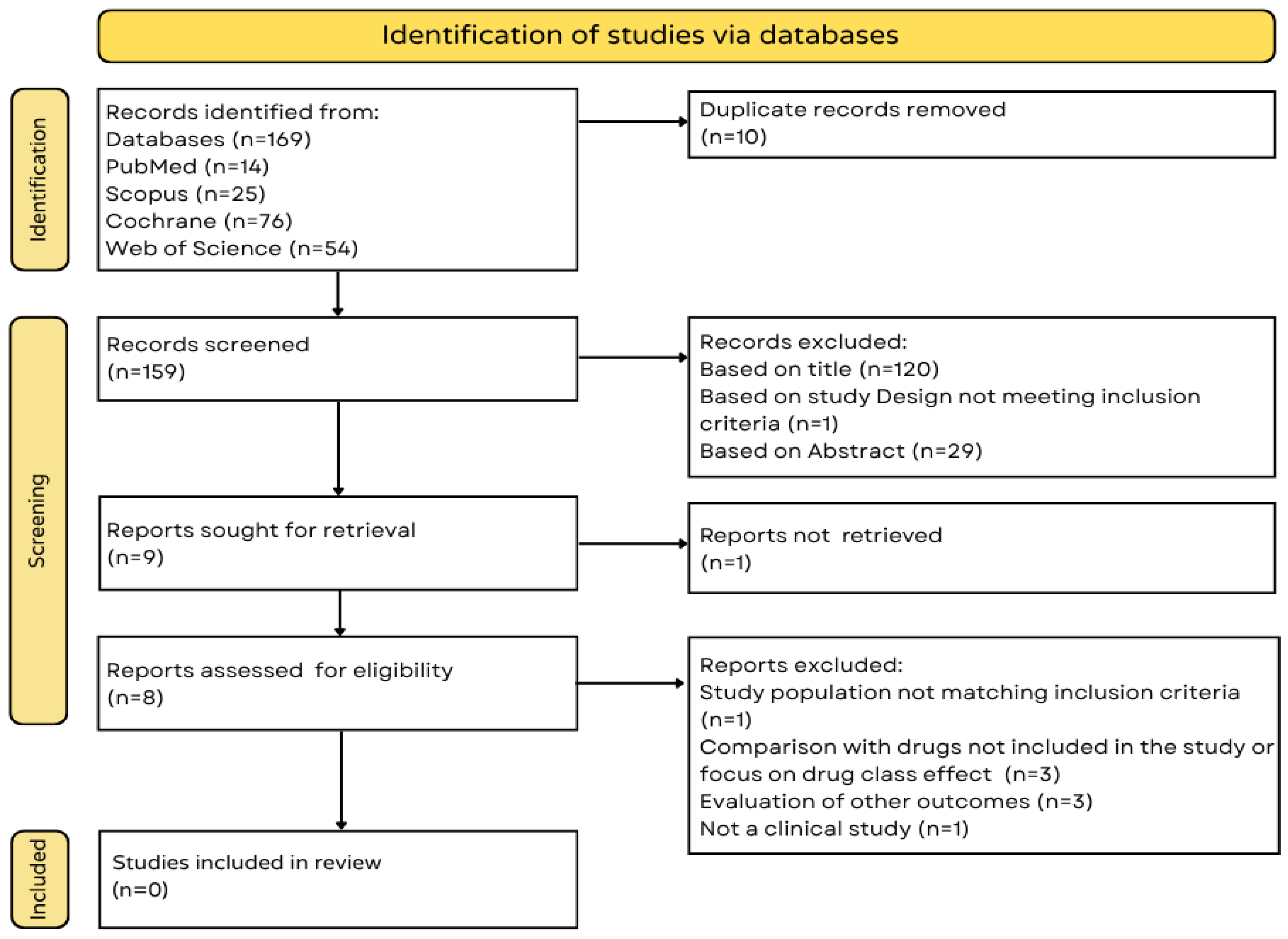
Screening and selection: Titles and abstracts were independently screened by six reviewers in pairs. Full texts of potentially eligible records were retrieved and assessed independently by two reviewers against prespecified inclusion and exclusion criteria. Disagreements at either screening or full-text stages were resolved by discussion and, if required, adjudication by a third senior reviewer. Reasons for exclusion at full text were recorded and are reported in the PRISMA flow diagram (Figure 1).
Data extraction and management: Data were extracted by one reviewer using a standardized form and checked independently by a second reviewer. Extracted items included study design, population, intervention(s), comparator(s), outcomes (pain intensity, function, adverse events), follow-up duration, and funding. Given that no direct comparative trials were identified, no formal meta-analysis or study-level risk-of-bias synthesis of head-to-head trials was performed.
Studies were included if they met the following criteria: participants were adults aged 18 years or older; the study compared diazepam with lorazepam or alprazolam in the management of pain; and outcomes assessed, either as primary or secondary endpoints, included pain intensity, quality of life, well-being, or adverse effects, whether measured through patient-reported, clinician-assessed, or caregiver-reported instruments. Eligible study designs comprised meta-analyses, systematic reviews, observational studies, and randomized controlled trials (RCTs).
Studies were excluded if they focused on pain in a perioperative or surgical context, or evaluated benzodiazepines administered by routes other than oral.
Risk-of-bias and evidence-quality assessment: Although no eligible head-to-head comparative trials were identified, we appraised the methodological quality of randomized trials, systematic reviews, and observational studies included in the broader narrative synthesis. For randomized controlled trials, we used the Cochrane Risk of Bias 2.0 (RoB 2) tool; for non-randomized comparative studies, we used ROBINS-I; and for systematic reviews, we used AMSTAR-2. Two reviewers independently performed each assessment; disagreements were resolved by discussion or third-party adjudication. Where feasible, we summarized overall certainty for key outcomes using GRADE principles (considering risk of bias, inconsistency, indirectness, imprecision, and publication bias) and report these judgments descriptively in the Results.
Choice of comparators: Our predefined systematic search targeted direct head-to-head comparisons of diazepam versus lorazepam or alprazolam. This a priori restriction responded to the clinically common question of which benzodiazepine to use as an adjuvant when prescribers select among commonly available agents.
Rationale for approach: Given the paucity of direct comparative trials identified by the systematic search, we elected a narrative synthesis to map the available evidence across pain conditions, summarize randomized trials, reviews and guideline recommendations, and highlight gaps and future research needs. This approach preserves the transparency of a systematic search while allowing interpretive synthesis where pooled quantitative analysis was not possible.

Extension of Search and Selection for the Narrative Synthesis

Because the predefined systematic search for direct head-to-head trials of diazepam versus lorazepam or alprazolam returned no eligible comparative clinical trials, we performed a transparent, prespecified extension to identify and summarize relevant evidence for the narrative synthesis. The extension steps were defined a priori and were as follows:
  • Expanded search scope: We retained the original search results and then identified additional evidence by (a) screening the reference lists of key systematic reviews and narrative reviews returned by the initial search, (b) searching for randomized controlled trials of individual benzodiazepines (any agent) versus placebo or non-benzodiazepine comparators using broader search terms (benzodiazepine AND pain OR analgesia), and (c) retrieving major guideline documents, overviews, and high-impact observational studies addressing harms. These expanded searches used the same databases (PubMed, Scopus, Cochrane, Web of Science) and were completed up to 31 December 2025.
  • Inclusion criteria for the narrative synthesis: We included randomized controlled trials (any benzodiazepine vs. placebo or other comparators), systematic reviews, meta-analyses, major observational studies addressing harms (e.g., hip fracture, overdose), preclinical mechanistic studies of GABA-A subtype pharmacology with clear translational relevance, and clinical practice guidelines from major organizations. We excluded perioperative/surgical analgesia studies and non-oral routes unless directly relevant to a pain indication discussed in the review.
  • Selection and appraisal process: Candidate records for the narrative synthesis were identified by two reviewers (one performing the search/identification and one independently verifying key citations). For systematic reviews and overviews, we preferentially selected the most recent and comprehensive reports. For trials, we prioritized (in this order) randomized controlled trials, high-quality systematic reviews/meta-analyses, and large observational studies addressing harms.
  • Rationale and transparency safeguards: Our goal was not to conduct a second exhaustive systematic review of all benzodiazepines but to bring together the highest-relevance evidence to contextualize the absence of direct comparative trials. To minimize selection bias, we (a) relied on established high-quality syntheses (Cochrane reviews, overviews) where available, (b) prioritized recent RCTs and large observational studies, and (c) documented and reported reasons for excluding studies that otherwise met broad topical relevance (e.g., wrong population, perioperative context).

3. Results

3.1. Findings from the Predefined Systematic Search

From the systematic search: The search identified 169 abstracts; after deduplication and screening (Figure 1), 159 records were screened and, following full-text review, no eligible direct comparative clinical trials of diazepam versus alprazolam or lorazepam for pain management were identified.
As shown in Figure 1, after full reading, all 8 retrieved studies were excluded: 1 due to inappropriate study population [14], 3 because the comparison involved drugs not included in the scope of this review or did not focus on class effect [7,15,16], 3 due to evaluation of outcomes other than analgesia [17,18,19], and 1 preclinical study that did not evaluate analgesic effects in a clinical population [20]. When considering the full set of excluded records, the majority focused predominantly on sedative effects of benzodiazepines rather than their analgesic properties.
No direct comparative studies between diazepam, alprazolam, and lorazepam in the context of pain management were identified. This absence is itself a significant finding: despite decades of clinical use, the evidence base for benzodiazepines as analgesic adjuvants remains remarkably thin, fragmented, and methodologically weak.

3.2. Narrative Synthesis of the Broader Evidence

From the broader literature: Given the absence of eligible comparative trials, we conducted a narrative synthesis of randomized trials (vs placebo or other comparators), systematic reviews, observational studies, preclinical mechanistic work, and clinical guideline statements; these are summarized below.
Risk-of-bias and certainty of evidence: Methodological appraisal showed that most randomized trials were small (median n < 100), often short-term (typically ≤2 weeks), and frequently rated at unclear or high risk of bias on RoB 2 due to inadequate randomization reporting, lack of allocation concealment, incomplete outcome data, and incomplete blinding. Systematic reviews varied in quality but frequently relied on the same small, heterogeneous trials (AMSTAR-2: many reviews rated low or critically low overall confidence because of missing protocol registration, lack of comprehensive searches, or inadequate meta-analytic methods). Observational studies addressing harms were generally at moderate to serious risk of bias on ROBINS-I due to confounding and measurement limitations. Applying GRADE principles where possible resulted in low or very low overall certainty for efficacy outcomes across most pain conditions; evidence of harm (falls, cognitive events, overdose risk) was more consistent but still limited by potential confounding in observational datasets. These assessments informed our interpretation and the conservative conclusions presented.

3.2.1. Benzodiazepines in Pain Management: Mapping the Evidence Base

Benzodiazepine Efficacy Across Chronic Pain Conditions
A 2020 narrative review on benzodiazepine use analyzed 336 publications retrieved from 12,669 citations in PubMed, exploring 111 chronic pain conditions spanning musculoskeletal, neuropathic, head and facial, and abdominal–pelvic categories [10]. Data were identified for only 29 conditions (26%), with analgesic benefit of benzodiazepines demonstrated in just 2 (1.8%): burning mouth syndrome and stiff person syndrome.
For burning mouth syndrome, a 2016 Cochrane review [21] included 3 studies with 131 participants, with 2 of these studies showing improvement with topical clonazepam versus placebo at short-term (≤3 months), with a mean reduction of 1.89 points on a 0-to-10 VAS scale (95% CI, −2.19 to −1.59) [22,23], and 1 study demonstrating long-term benefit (>3 to ≤6 months) [23]. A 2023 network meta-analysis included 44 trials confirming clonazepam probably reduces pain compared with placebo (MD, −1.88; 95% CI, −2.61 to −1.16; moderate certainty), the only treatment reaching the minimal important difference with at least moderate certainty [24]. A study included a total of 240 patients with follow-up ranging from 6 weeks to 3 months, consistently showing modest pain reduction with clonazepam, with mean VAS reductions ranging from approximately 1.2 to 2.7 points, though response rates varied considerably depending on combination therapy and patient subgroup [25,26,27]. Importantly, the evidence of benefit in burning mouth syndrome pertains largely to topical clonazepam formulations applied locally to the oral mucosa. These studies do not evaluate systemic (oral or parenteral) benzodiazepines, and therefore the observed effects cannot be assumed to generalize to conventional systemic benzodiazepines such as diazepam, lorazepam, or alprazolam.
For stiff person syndrome, benzodiazepines are considered first-line therapy for muscle rigidity and spasms, though evidence comes primarily from case series without large controlled trials, and durability of benefit is uncertain due to tachyphylaxis [28,29,30,31]. For the remaining 109 conditions, absence of research, trial heterogeneity, and small sample sizes prevented conclusions about efficacy [10]. Importantly, in stiff-person syndrome benzodiazepines are used primarily for symptomatic control of muscle rigidity and spasms rather than as direct analgesics. The reported clinical benefits in this disorder therefore reflect improved spasm control and functional relief rather than proven analgesic effects per se.
Evidence in Low Back Pain
The evidence in low back pain, the condition most commonly associated with benzodiazepine prescribing for pain, is particularly revealing. The 2022 Veterans Affairs/Department of Defense Clinical Practice Guidelines report moderate-quality evidence for acute low back pain and low-quality evidence for chronic low back pain, indicating that the harms of benzodiazepine use outweigh the benefits [32]. The studies supporting this recommendation challenge conventional clinical practice in striking ways. In acute non-radicular low back pain, a randomized trial of 114 emergency department patients receiving naproxen plus either diazepam 5 mg or placebo found identical functional outcomes between groups after one week, and a higher proportion of patients in the diazepam group reported moderate or severe pain at one week and three months, suggesting potential harm rather than mere inefficacy [33]. Even more paradoxical, a study of chronic low back pain with radiculopathy demonstrated that the probability of achieving greater than 50% pain reduction was twice as high with placebo compared to diazepam, with shorter hospital stays and better outcomes across all secondary measures favoring placebo [34]. These counterintuitive findings suggest that benzodiazepines may actively impair recovery, possibly through sedative effects that limit mobilization, cognitive impacts that interfere with rehabilitation, or disruption of natural recovery processes.
A recent Cochrane overview of pharmacological treatments for low back pain provides a comprehensive synthesis that reinforces these findings [35]. This synthesis of 7 systematic reviews, 103 randomized controlled trials, and over 22,000 participants concluded that pharmacological interventions for non-specific low back pain are broadly “ineffective or only marginally effective” and carry an increased risk of adverse events [35]. Regarding benzodiazepines specifically, the only pooled evidence suggesting benefit for chronic pain at 10–14 days, was graded as low-certainty and derived from just two small trials testing tetrazepam, a benzodiazepine subsequently withdrawn from the European market in 2013 [36,37]. The sole trial evaluating diazepam for chronic low back pain found no difference compared to placebo in reducing muscle spasm [38], and for acute low back pain, the evidence was limited to a single 50-patient study from 1973 reporting marginal benefit offset by substantially more central nervous system side effects [39]. Thus, the entirety of the “favorable” evidence for benzodiazepines in low back pain rests on a handful of decades-old, small trials, the most positive of which tested a drug no longer available, while more recent and methodologically rigorous studies have consistently shown no benefit or even harm [33,34].
Evidence in Rheumatoid Arthritis
The evidence in rheumatoid arthritis is equally unconvincing. A 2012 Cochrane review identified six small trials (n = 126) and reported that these trials were at high risk of bias; none lasted longer than two weeks, and half were single-dose studies [16]. When pooled, benzodiazepines showed no benefit over placebo in pain scores at any time point [16]. The only trial reporting a statistically significant result found a modest improvement of merely 0.9 cm on a 10 cm VAS scale, a difference of questionable clinical significance, limited to a single dose in hospitalized patients [40]. No study reported the clinically meaningful outcome of patient-reported pain relief of 30% or greater [16]. Despite this absence of benefit, muscle relaxant use was associated with significantly more adverse events, predominantly dizziness and drowsiness [16].
Preclinical Evidence
The pharmacological rationale for benzodiazepine analgesia deserves scrutiny, as it explains the paradox of robust preclinical evidence coexisting with consistent clinical failure. While preclinical studies have convincingly demonstrated genuine antihyperalgesic effects through spinal GABA-A receptors, particularly those containing α2 and α3 subunits, these effects cannot be achieved clinically with conventional non-selective benzodiazepines such as diazepam [9]. A study using point-mutated mice demonstrated that targeting only α2-GABA-A receptors achieves strong antihyperalgesia without sedation, motor impairment, or tolerance development, but that non-selective benzodiazepines produce dose-limiting sedation before achieving sufficient receptor occupancy at analgesic-relevant α2/α3 subtypes [9]. Similarly, preclinical research showed that the subtype-selective positive allosteric modulators NS11394 and TPA023 attenuated pain behaviors in inflammatory and neuropathic models. In contrast, diazepam was ineffective in all models tested [41]. This fundamental pharmacodynamic limitation means that the analgesic potential of GABA-A modulation exists, but conventional benzodiazepines are the wrong tools to exploit it.

3.2.2. Clinical Use Landscape

Against this backdrop of absent efficacy, the widespread clinical use of benzodiazepines for pain represents a striking discrepancy between practice and evidence. Epidemiological data show that benzodiazepine prescription rates for back and chronic pain more than doubled between 2003 and 2015, a proportionally much greater increase than for anxiety or insomnia [2]. This trend may reflect several converging factors: the rapid onset of subjective relief provided by benzodiazepines, limited availability of effective alternatives for chronic pain, and an underappreciation of the risks associated with these agents, particularly as opioids have fallen out of favor among prescribers [2].
The persistence of benzodiazepine prescribing for pain likely reflects clinical inertia and tradition rather than evidence-based decision-making. Indeed, the perceived benefit reported by many patients may predominantly reflect the sedative and anxiolytic properties of these drugs rather than a true analgesic effect. As noted over three decades ago, benzodiazepines “may reduce complaints of pain, but this seems to be an indirect effect related to their psychotropic properties, such as alleviation of anxiety.” [7]. This interpretation is further supported by recent research demonstrating that pain intensity is positively associated with frequency of benzodiazepine use, severity of dependence, and misuse behaviors [42]. The Expectancies for Benzodiazepine Analgesia (EBA) scale, recently validated in 306 adults with chronic pain and current benzodiazepine prescriptions, found that higher analgesic expectancies correlated with greater likelihood of use not as prescribed, more dependence symptoms, and higher-risk opioid use behaviors [42]. These findings suggest that the subjective perception of analgesic benefit may itself contribute to a cycle of escalating use and dependence.

3.2.3. Adverse Events

Their well-documented adverse effect profile further undermines the risk–benefit balance for benzodiazepines in pain management. Physiologic dependence develops in 20 to 100% of patients using these agents for more than one month [10]. In 2020, the FDA updated the required Boxed Warning for all benzodiazepine medications to describe the risks of physical dependence, withdrawal, and benzodiazepine use disorder, encouraging prescribers to carefully weigh risks and benefits, limit dose and duration, and monitor for misuse [43]. Observational studies and meta-analyses indicate that concurrent benzodiazepine–opioid use is associated with substantially increased risk of fatal overdose; pooled estimates suggest approximately a 2–4-fold higher risk compared with opioids alone. The American College of Medical Toxicology and the American Society of Addiction Medicine 2024 Joint Clinical Practice Guideline on Benzodiazepine Tapering further emphasizes that long-term benzodiazepine use is often associated with more risks than benefits, including oversedation, cognitive impairment, falls, motor vehicle accidents, and fatal and nonfatal overdose [43].
These general warnings are substantiated by extensive evidence documenting specific adverse effects across multiple domains. A comprehensive review in the New England Journal of Medicine described dose-dependent adverse effects encompassing drowsiness, lethargy, fatigue, impaired concentration and attention, and increased risk of motor vehicle accidents, falls, and fractures [4]. In older adults specifically, a meta-analysis of 24 randomized controlled trials including 2417 participants aged 60 years or older found that benzodiazepines compared to placebo were associated with a 4.78-fold increase in adverse cognitive events, a 3.82-fold increase in daytime sedation, and a 2.61-fold increase in adverse psychomotor events including falls and motor vehicle accidents [44]. A separate meta-analysis of 33 studies encompassing 169,660 hip fracture cases demonstrated that benzodiazepine use was associated with a significantly increased risk of hip fracture [45]. Accordingly, the American Geriatrics Society Beers Criteria recommends avoiding both long and short acting benzodiazepines in adults over 65 years of age, noting that these agents more than double the risk of falls and hip fractures leading to hospitalization and death [46]. The risk–benefit balance is likely to be even less favourable among patients with frailty, multimorbidity, and polypharmacy, who are simultaneously more vulnerable to medication related adverse outcomes and more frequently exposed to chronic pain conditions [43]. These risks assume particular clinical relevance when the intended benefit of analgesia remains undemonstrated.

3.2.4. International Guideline Consensus

The convergence of evidence from multiple clinical practice guidelines across different countries and medical specialties reinforces the conclusion that benzodiazepines should not be used for pain management. Key guideline recommendations are summarized in Table 1; the following text highlights overarching themes.
For low back pain specifically, the guidelines draw largely on the trial evidence discussed above. The 2022 Veterans Affairs/Department of Defense Clinical Practice Guidelines, citing the available randomized controlled trials, reports moderate-quality evidence for acute low back pain and low-quality evidence for chronic low back pain indicating that the harms outweigh the benefits [32]. The World Health Organization 2023 guideline found no trials evaluating the benefits or harms of benzodiazepines for chronic primary low back pain, and concluded, based on expert consensus and indirect evidence of harm, that benzodiazepines are not considered to be an appropriate medicine for the management of acute and chronic low back pain, especially in older people [47]. The National Institute for Health and Care Excellence issued two separate recommendations against benzodiazepine use: for sciatica, stating there is “no overall evidence of benefit and there is evidence of harm” [48], and for chronic primary pain, noting that psychological and physical functioning were poorer with benzodiazepines than with placebo and recommending against initiating treatment given their addictive properties [49]. The American Academy of Family Physicians states that “benzodiazepines have no benefit compared with placebo and there is significant risk of harm” for chronic low back pain [50], and its 2025 guideline on acute low back pain similarly recommends against their use [52]. A systematic review of 11 clinical practice guidelines from seven countries including Belgium, Canada, England, France, Japan, Korea, and the United States, found that no guideline recommended prescribing benzodiazepines for lumbosacral radiculopathy, and three guidelines did not recommend any medications at all, instead favoring nonpharmacologic therapy [53]. Notably, the evolution of the American College of Physicians’ position is illustrative: while the 2007 systematic review found “fair evidence” supporting efficacy [54], the 2017 update found insufficient evidence for acute or subacute low back pain and only low-quality evidence for chronic low back pain, derived entirely from trials of tetrazepam, with harms poorly reported and no study assessing long-term risks [12].
Beyond low back pain, the consensus extends across pain conditions. The National Institute for Health and Care Excellence recommends against benzodiazepine use for chronic primary pain, noting that psychological and physical functioning were poorer with benzodiazepines than with placebo in the available randomized controlled trials, and advising against initiating treatment given their addictive properties [49]. The Lancet Series on Chronic Pain describes “scant evidence” for benzodiazepine efficacy while highlighting the risks of physical dependence and opioid-related complications [11]. The Wilderness Medical Society 2024 Clinical Practice Guidelines issued a strong recommendation against benzodiazepine use for pain treatment based on the cumulative evidence, a striking shift from the Society’s 2014 guidelines, which made no formal recommendation [51,55].
This remarkable convergence spanning the World Health Organization, the National Institute for Health and Care Excellence, the American College of Physicians, the American Academy of Family Physicians, Veterans Affairs/Department of Defense, and the Wilderness Medical Society across multiple countries and clinical contexts, from primary care to austere environments, underscores that the evidence against benzodiazepine use for pain is not merely insufficient, but actively discouraging. It should be noted that several of these recommendations, particularly those of the World Health Organization, are based primarily on expert consensus and indirect evidence of harm rather than on dedicated randomized controlled trials, reflecting the very evidence gap identified in this review.
Limitations and Future Perspectives
This review has several limitations that should be acknowledged. First, the systematic search was restricted to studies comparing diazepam with lorazepam or alprazolam specifically, which, while appropriate for the stated objective, may have excluded relevant studies comparing individual benzodiazepines with non-benzodiazepine comparators. Second, the exclusion of perioperative and non-oral routes of administration, though methodologically justified, limits the generalizability of the findings to all clinical contexts. Third, the narrative synthesis of the broader literature presented in the Discussion, while necessary given the absence of direct comparative evidence, is inherently subject to selection bias. Notably, prior broader reviews and overviews (e.g., Wright 2020; Richards et al. 2012; Cashin et al. 2023) [10,16,35] report similarly sparse, small, and low-quality trials across the benzodiazepine class. Thus, although our focused search explains the absence of head-to-head trials, the broader evidence base remains insufficient to support benzodiazepine analgesic efficacy.
Additional limitations merit mention. Publication bias may have inflated the apparent balance of evidence: small negative or unpublished trials are less likely to be retrievable, and we did not perform formal small-study/publication-bias analyses because no head-to-head trials were available for meta-analysis. Although we applied no language restrictions in the searches, the practical reliance on indexed English-language databases and on English-language systematic reviews may introduce language bias and underrepresent relevant non-English or regional literature. We also did not systematically search the grey literature (trial registries, conference abstracts, regulatory documents) for all benzodiazepine pain indications; therefore unpublished or ongoing studies that were not captured could exist. Finally, the narrative synthesis necessarily depends heavily on secondary sources (systematic reviews, overviews, and guideline reports) and older small primary trials; while these sources increase efficiency and context, they propagate the limitations of the underlying studies and are susceptible to selective reporting and citation bias. Together, these factors further limit the certainty of the conclusions and reinforce the need for prospective, well-reported trials.
We emphasize that, following a systematic search that returned no direct comparative trials, the paper provides a narrative synthesis rather than a formal systematic review/meta-analysis.
The limitations of the existing evidence base itself represent perhaps the most important finding of this review. The clinical trials evaluating benzodiazepines for pain are characterized by remarkably small sample sizes (ranging from 15 to 114 participants), short follow-up periods (typically one to two weeks), high risk of bias, and heterogeneous outcome measures.
Some of the studies cited are decades old. The sole trial evaluating benzodiazepines for acute low back pain dates from 1973 [39], while the only trial of diazepam for chronic low back pain with muscle spasm was published in 1978 [38]. As discussed, the most positive pooled evidence derived from trials of tetrazepam, a drug no longer available, limiting the current clinical relevance of these findings [36,37].
There is a clear need for adequately powered, well-designed randomized controlled trials evaluating the analgesic efficacy of individual benzodiazepines in specific pain conditions, with standardized outcome measures, clinically meaningful endpoints (such as ≥30% pain reduction), and sufficient follow-up duration. Such trials should include active comparators (e.g., NSAIDs, non-benzodiazepine muscle relaxants) rather than placebo alone, to better inform clinical decision-making.
Second, the preclinical evidence for GABA-A receptor subtype-selective modulation as an analgesic strategy remains compelling. As discussed, conventional benzodiazepines fail to achieve sufficient receptor occupancy at analgesic-relevant α2/α3 subtypes before dose-limiting sedation occurs [9,41]. However, compounds selectively targeting these subunits have demonstrated profound analgesia in animal models with markedly improved tolerability profiles [9,41]. Early human experimental data suggest that some benzodiazepines may exert anti-hyperalgesic effects in models of secondary hyperalgesia and deep pain, with recommendations that future research focus on subtype-selective compounds capable of achieving higher receptor occupancy without sedation [56]. The translation of these preclinical and early experimental findings into clinical analgesics represents a promising but as yet unrealized avenue of investigation.
From a clinical practice perspective, given the current evidence against benzodiazepine use for pain, future efforts should also address the challenge of deprescribing in patients already receiving long-term therapy. The American Society of Addiction Medicine 2024 Joint Clinical Practice Guideline, developed with ten professional societies, recommends individualized gradual tapering with shared decision-making, adjunctive psychosocial interventions, and reassessment of risks and benefits at least every three months [43]. A systematic review and meta-analysis of 49 randomized controlled trials involving over 39,000 patients found low-certainty evidence that patient education, structured medication review, and pharmacist-led interventions may increase benzodiazepine discontinuation rates compared with usual care [57]. A systematic review of 30 studies involving approximately 11,000 older adults confirmed that structured deprescribing is generally safe, with withdrawal symptoms typically mild and transient, and that gradual patient-centred tapering achieves the highest discontinuation rates [58]. Integrating structured medication review and deprescribing programs into routine clinical practice, particularly for patients with chronic pain who may have been prescribed benzodiazepines without adequate evidence of analgesic benefit, represents an important and actionable direction for improving patient safety [59,60,61].
We appraised the methodological quality of key trials, systematic reviews, and observational studies cited in the narrative synthesis; summary judgments are shown in Table 2.
These assessments informed our interpretation throughout the manuscript and underlie our conservative, evidence-quality-aware conclusions.
Because we present a narrative synthesis following a systematic search (rather than a formal systematic review/meta-analysis), quantitative pooling was not performed.

4. Conclusions

While our systematic search found no direct comparative trials and broader evidence is generally low or very low certainty, the balance of current data (limited efficacy signals coupled with substantive evidence of harms) does not support routine use of conventional benzodiazepines as analgesic adjuvants. Clinicians should avoid initiating benzodiazepines for analgesia in most settings, reserve them for exceptional circumstances (including established palliative indications), and prioritize time-limited prescribing with deprescribing plans. High-quality trials are needed to address remaining uncertainties.
This broader body of evidence reinforces the same conclusion: across 111 chronic pain conditions, analgesic benefit has been demonstrated for only two rare conditions, burning mouth syndrome (for which benefit has been reported mainly with topical clonazepam) and stiff person syndrome (evidence mainly from case series and clinical practice), while evidence in low back pain and rheumatoid arthritis consistently shows no benefit or even harm. We note that for stiff-person syndrome, the therapeutic goal of benzodiazepine therapy is reduction of muscle rigidity and spasms; improvements in pain or discomfort reported in the case series likely stem from decreased spasm and improved mobility rather than a direct analgesic mechanism. This distinction limits generalization of stiff-person syndrome experience to other pain conditions.
The pharmacological explanation for this clinical failure is now well understood: conventional non-selective benzodiazepines produce dose-limiting sedation before achieving sufficient receptor occupancy at the α2/α3 GABA-A subtypes responsible for antihyperalgesic effects, making them inherently unsuitable tools for analgesia despite the genuine analgesic potential of GABA-A modulation.
Despite this absence of efficacy, benzodiazepine prescribing for pain has more than doubled over the past two decades, driven by clinical inertia, patient expectations of relief that likely reflect anxiolytic and sedative rather than analgesic properties, and an underappreciation of the substantial risks these agents carry, including physiologic dependence, cognitive impairment, falls, fractures, and substantially increased overdose mortality when combined with opioids.
The international consensus is unequivocal, with guidelines uniformly recommending against benzodiazepine use for pain management. It should be acknowledged that these conclusions apply specifically to the use of benzodiazepines as analgesic adjuvants and do not extend to their established role in palliative and end-of-life care, where benzodiazepines remain recommended by expert consensus for the management of anxiety-related distress, refractory agitation in terminal delirium, and dyspnea in dying patients.
This convergence of absent efficacy, well-documented harm, and unanimous guideline opposition compels a clear conclusion: benzodiazepines should not be prescribed as analgesic adjuvants.

Author Contributions

Conceptualization—H.R., A.d.C.-D., R.R.-L., A.S., M.O., I.G., M.S., P.F.-M., C.D.P., B.S., C.V.T., G.S., C.P., D.M. and M.A. Methodology—H.R., A.d.C.-D., R.R.-L., A.S., M.O., I.G., M.S. and P.F.-M. Software—A.d.C.-D. and R.R.-L. Validation—R.R.-L. Formal analysis—A.d.C.-D. Investigation—A.d.C.-D., R.R.-L., A.S., M.O., I.G., M.S. and P.F.-M. Resources—R.R.-L. and G.S. Data Curation—A.d.C.-D. and R.R.-L. Writing—Original Draft—A.d.C.-D. Writing—Review and Editing—H.R., M.F.-M., J.R.-N. and Í.M. Visualization—A.d.C.-D. Supervision—H.R. Project administration—A.d.C.-D. and H.R. Funding acquisition—H.R. All authors have read and agreed to the published version of the manuscript.

Funding

This research was supported by National Funds through FCT—Fundação para a Ciência e Tecnologia, I.P., within CINTESIS, R&D Unit (reference UIDB/4255/2020) and within the scope of the project RISE, Associated Laboratory (reference LA/P/0053/2020). We also acknowledge the support of the São Paulo Research Foundation (FAPESP) PhD scholarship (No. 2025/22039-3).

Institutional Review Board Statement

Not applicable.

Informed Consent Statement

Not applicable.

Data Availability Statement

The datasets used and/or analysed during the current study are available from the corresponding author on reasonable request.

Conflicts of Interest

The authors have no conflicts of interest to declare.

References

  1. Cunningham, J.L.; Craner, J.R.; Evans, M.M.; Hooten, W.M. Benzodiazepine use in patients with chronic pain in an interdisciplinary pain rehabilitation program. J. Pain Res. 2017, 10, 311–317. [Google Scholar] [CrossRef] [PubMed]
  2. Agarwal, S.D.; Landon, B.E. Patterns in outpatient benzodiazepine prescribing in the United States. JAMA Netw. Open. 2019, 2, e187399. [Google Scholar] [CrossRef] [PubMed]
  3. Crestani, F.; Löw, K.; Keist, R.; Mandelli, M.; Möhler, H.; Rudolph, U. Molecular targets for the myorelaxant action of diazepam. Mol. Pharmacol. 2001, 59, 442–445. [Google Scholar] [CrossRef]
  4. Soyka, M. Treatment of benzodiazepine dependence. N. Engl. J. Med. 2017, 376, 1147–1157. [Google Scholar] [CrossRef] [PubMed]
  5. Trincavelli, M.L.; Da Pozzo, E.; Daniele, S.; Martini, C. The GABAA-BZR complex as target for the development of anxiolytic drugs. Curr. Top. Med. Chem. 2012, 12, 254–269. [Google Scholar] [CrossRef] [PubMed]
  6. Lucchetti, G.; Oliveira, A.B.; Mercante, J.P.; Peres, M.F. Anxiety and fear-avoidance in musculoskeletal pain. Curr. Pain Headache Rep. 2012, 16, 399–406. [Google Scholar] [CrossRef]
  7. Reddy, S.; Patt, R.B. The benzodiazepines as adjuvant analgesics. J. Pain Symptom. Manag. 1994, 9, 510–514. [Google Scholar] [CrossRef]
  8. Knabl, J.; Zeilhofer, U.B.; Crestani, F.; Rudolph, U.; Zeilhofer, H.U. Genuine antihyperalgesia by systemic diazepam revealed by experiments in GABAA receptor point-mutated mice. Pain 2009, 141, 233–238. [Google Scholar] [CrossRef] [PubMed]
  9. Ralvenius, W.T.; Benke, D.; Acuña, M.A.; Rudolph, U.; Zeilhofer, H.U. Analgesia and unwanted benzodiazepine effects in point-mutated mice expressing only one benzodiazepine-sensitive GABAA receptor subtype. Nat. Commun. 2015, 6, 6803. [Google Scholar] [CrossRef] [PubMed]
  10. Wright, S.L. Limited utility for benzodiazepines in chronic pain management: A narrative review. Adv. Ther. 2020, 37, 2604–2619. [Google Scholar] [CrossRef] [PubMed]
  11. Cohen, S.P.; Vase, L.; Hooten, W.M. Chronic pain: An update on burden, best practices, and new advances. Lancet 2021, 397, 2082–2097. [Google Scholar] [CrossRef] [PubMed]
  12. Chou, R.; Deyo, R.; Friedly, J.; Skelly, A.; Weimer, M.; Fu, R.; Dana, T.; Kraegel, P.; Griffin, J.; Grusing, S. Systemic pharmacologic therapies for low back pain: A systematic review for an American College of Physicians clinical practice guideline. Ann. Intern. Med. 2017, 166, 480–492. [Google Scholar] [CrossRef] [PubMed]
  13. Tricco, A.C.; Lillie, E.; Zarin, W.; O’Brien, K.K.; Colquhoun, H.; Levac, D.; Moher, D.; Peters, M.D.J.; Horsley, T.; Weeks, L.; et al. PRISMA extension for scoping reviews (PRISMA-ScR): Checklist and explanation. Ann. Intern. Med. 2018, 169, 467–473. [Google Scholar] [CrossRef] [PubMed]
  14. Liu, L.L.; Gropper, M.A. Postoperative analgesia and sedation in the adult intensive care unit: A guide to drug selection. Drugs 2003, 63, 755–767. [Google Scholar] [CrossRef] [PubMed]
  15. Mujakperuo, H.R.; Watson, M.; Morrison, R.; Macfarlane, T.V. Pharmacological interventions for pain in patients with temporomandibular disorders. Cochrane Database Syst. Rev. 2010, CD004715. [Google Scholar] [CrossRef] [PubMed]
  16. Richards, B.L.; Whittle, S.L.; Buchbinder, R. Muscle relaxants for pain management in rheumatoid arthritis. Cochrane Database Syst. Rev. 2012, 1, CD008922. [Google Scholar] [CrossRef]
  17. Dreucean, D.; Harris, J.E.; Voore, P.; Donahue, K.R. Approach to sedation and analgesia in COVID-19 patients on venovenous extracorporeal membrane oxygenation. Ann. Pharmacother. 2022, 56, 73–82. [Google Scholar] [CrossRef] [PubMed]
  18. Fullwood, D.; Sargent, S. An overview of sedation for adult patients in hospital. Nurs. Stand. 2010, 24, 48–56. [Google Scholar] [CrossRef] [PubMed]
  19. Kang, S.H.; Kim, H.A.; Choi, I.; Park, C.M.; Jhang, H.; Kim, J.; Go, D.J.; Jang, S. Psychotropic drug use in Korean patients with osteoarthritis. J. Korean Med. Sci. 2025, 40, e53. [Google Scholar] [CrossRef] [PubMed]
  20. Masiulis, S.; Desai, R.; Uchański, T.; Serna Martin, I.; Laverty, D.; Karia, D.; Malinauskas, T.; Zivanov, J.; Pardon, E.; Kotecha, A.; et al. GABAA receptor signalling mechanisms revealed by structural pharmacology. Nature 2019, 565, 454–459. [Google Scholar] [CrossRef] [PubMed]
  21. McMillan, R.; Forssell, H.; Buchanan, J.A.G.; Glenny, A.M.; Weldon, J.C.; Zakrzewska, J.M. Interventions for treating burning mouth syndrome. Cochrane Database Syst. Rev. 2016, 2016, CD002779. [Google Scholar] [CrossRef] [PubMed]
  22. Gremeau-Richard, C.; Woda, A.; Navez, M.L.; Attal, N.; Bouhassira, D.; Gagnieu, M.; Laluque, J.F.; Picard, P.; Pionchon, P.; Tubert, S. Topical Clonazepam in Stomatodynia: A Controlled Study; IADR: Göteborg, France, 2003. [Google Scholar]
  23. de Rivera-Campillo, M.R.; López-López, J.; Chimenos-Küstner, E. Treatment of burning mouth syndrome with topical clonazepam. Piel 2011, 26, 263–268. [Google Scholar]
  24. Alvarenga-Brant, R.; Costa, F.O.; Mattos-Pereira, G.; Esteves-Lima, R.P.; Belém, F.V.; Lai, H.; Ge, L.; Gomez, R.S.; Martins, C.C. Treatments for burning mouth syndrome: A network meta-analysis. J. Dent. Res. 2023, 102, 135–145. [Google Scholar] [CrossRef] [PubMed]
  25. Fenelon, M.; Quinque, E.; Arrive, E.; Catros, S.; Fricain, J.C. Pain-relieving effects of clonazepam and amitriptyline in burning mouth syndrome: A retrospective study. Int. J. Oral Maxillofac. Surg. 2017, 46, 1505–1511. [Google Scholar] [CrossRef] [PubMed]
  26. Shin, H.I.; Bang, J.I.; Kim, G.J.; Kim, M.R.; Sun, D.I.; Kim, S.Y. Therapeutic effects of clonazepam in patients with burning mouth syndrome and various symptoms or psychological conditions. Sci. Rep. 2023, 13, 7257. [Google Scholar] [CrossRef] [PubMed]
  27. Han, S.; Lim, J.H.; Bang, J.; Cho, J.H. Use of a combination of N-acetylcysteine and clonazepam to treat burning mouth syndrome. Oral Surg. Oral Med. Oral Pathol. Oral Radiol. 2021, 132, 532–538. [Google Scholar] [CrossRef] [PubMed]
  28. Levy, L.M.; Dalakas, M.C.; Floeter, M.K. The stiff-person syndrome: An autoimmune disorder affecting neurotransmission of gamma-aminobutyric acid. Ann. Intern. Med. 1999, 131, 522–530. [Google Scholar] [CrossRef] [PubMed]
  29. Murinson, B.B. Stiff-person syndrome. Neurologist 2004, 10, 131–137. [Google Scholar] [CrossRef] [PubMed]
  30. McEvoy, K.M. Stiff-man syndrome. Mayo Clin. Proc. 1991, 66, 300–304. [Google Scholar] [CrossRef] [PubMed]
  31. Zdziarski, P. A case of stiff person syndrome: Immunomodulatory effect of benzodiazepines: Successful rituximab and tizanidine therapy. Medicine 2015, 94, e954. [Google Scholar] [CrossRef] [PubMed]
  32. Anderson, D.; Annaswamy, T.M.; Bevevino, A.J.; Buelt, A.; Coller, R.R.; Glotfelter, M.A.; Gusman, M.; Heideman, P.; Kang, D.; Konitzer, L.; et al. Diagnosis and Treatment of Low Back Pain (LBP); Department of Veterans Affairs: Washington, DC, USA, 2022.
  33. Friedman, B.W.; Irizarry, E.; Solorzano, C.; Khankel, N.; Zapata, J.; Zias, E.; Gallagher, E.J. Diazepam is no better than placebo when added to naproxen for acute low back pain. Ann. Emerg. Med. 2017, 70, 169–176.E1. [Google Scholar] [CrossRef] [PubMed]
  34. Brötz, D.; Maschke, E.; Burkard, S.; Engel, C.; Mänz, C.; Ernemann, U.; Wick, W.; Schick, F.; Claussen, C.D.; Yoon, M.-S.; et al. Is there a role for benzodiazepines in the management of lumbar disc prolapse with acute sciatica? Pain 2010, 149, 470–475. [Google Scholar] [CrossRef] [PubMed]
  35. Cashin, A.G.; Wand, B.M.; O’Connell, N.E.; Lee, H.; Rizzo, R.R.N.; Bagg, M.K.; O’Hagan, E.; Maher, C.G.; Furlan, A.D.; van Tulder, M.W.; et al. Pharmacological treatments for low back pain in adults: An overview of Cochrane Reviews. Cochrane Database Syst. Rev. 2023, 2023, CD013815. [Google Scholar] [CrossRef] [PubMed]
  36. van Tulder, M.W.; Touray, T.; Furlan, A.D.; Solway, S.; Bouter, L.M. Muscle relaxants for non-specific low-back pain. Cochrane Database Syst. Rev. 2003, 2003, CD004252. [Google Scholar] [CrossRef] [PubMed]
  37. Proy-Vega, B.; Aguirre, C.; de Groot, P.; Solís-García del Pozo, J.; Jordán, J. On the clinical evidence leading to tetrazepam withdrawal. Expert Opin. Drug Saf. 2014, 13, 705–712. [Google Scholar] [CrossRef] [PubMed]
  38. Basmajian, J.V. Cyclobenzaprine hydrochloride effect on skeletal muscle spasm in the lumbar region and neck: Two double-blind controlled clinical and laboratory studies. Arch. Phys. Med. Rehabil. 1978, 59, 58–63. [Google Scholar] [PubMed]
  39. Moll, W. Zur Therapie akuter lumbaler Syndrome. Med. Monatsschrift 1973, 27, 457–460. [Google Scholar]
  40. Bayley, T.J.; Clements, J.A. Diazepam in rheumatoid arthritis: A double-blind controlled trial. Ann. Phys. Med. 1976, 10, 44–47. [Google Scholar]
  41. Munro, G.; Erichsen, H.K.; Rae, M.G.; Mirza, N.R. A question of balance—Positive versus negative allosteric modulation of GABA(A) receptor subtypes as a driver of analgesic efficacy in rat models of inflammatory and neuropathic pain. Neuropharmacology 2011, 61, 121–132. [Google Scholar] [CrossRef] [PubMed]
  42. Lape, E.C.; Powers, J.M.; LaRowe, L.R.; Ditre, J.W. Initial validation of the Expectancies for Benzodiazepine Analgesia Scale. Exp. Clin. Psychopharmacol. 2024, 32, 369–378. [Google Scholar] [CrossRef] [PubMed]
  43. Brunner, E.; Chen, C.-Y.A.; Klein, T.; Maust, D.T.; Mazer-Amirshahi, M.; Mecca, M.; Najera, D.; Ogbonna, C.; Rajneesh, K.F.; Roll, E.; et al. The Joint Clinical Practice Guideline on Benzodiazepine Tapering: Considerations when Benzodiazepine Risks Outweigh Benefits; American College of Medical Toxicology: Rockville, MD, USA, 2024. [Google Scholar]
  44. Glass, J.; Lanctôt, K.L.; Herrmann, N.; Sproule, B.A.; Busto, U.E. Sedative hypnotics in older people with insomnia: Meta-analysis of risks and benefits. BMJ 2005, 331, 1169. [Google Scholar] [CrossRef] [PubMed]
  45. Poly, T.N.; Islam, M.M.; Yang, H.C.; Li, Y.J. Association between benzodiazepines use and risk of hip fracture in the elderly people: A meta-analysis of observational studies. Jt. Bone Spine 2020, 87, 241–249. [Google Scholar] [CrossRef] [PubMed]
  46. American Geriatrics Society. 2023 Updated AGS Beers Criteria® for potentially inappropriate medication use in older adults. J. Am. Geriatr. Soc. 2023, 71, 2052–2081. [Google Scholar] [CrossRef] [PubMed]
  47. World Health Organization. WHO Guideline for Non-Surgical Management of Chronic Primary Low Back Pain in Adults in Primary and Community Care Settings; World Health Organization: Geneva, Switzerland, 2023. [Google Scholar]
  48. National Institute for Health and Care Excellence. Low Back Pain and Sciatica in Over 16s: Assessment and Management; NICE Guideline (NG59); NICE: London, UK, 2020. [Google Scholar]
  49. National Institute for Health and Care Excellence. Chronic Pain (Primary and Secondary) in Over 16s: Assessment of all Chronic Pain and Management of Chronic Primary Pain; NICE Guideline (NG193); NICE: London, UK, 2021. [Google Scholar]
  50. Maharty, D.C.; Hines, S.C.; Brown, R.B. Chronic low back pain in adults: Evaluation and management. Am. Fam. Physician. 2024, 109, 233–244. [Google Scholar] [PubMed]
  51. Fink, P.B.; Wheeler, A.R.; Smith, W.R.; Cushing, T.A.; Heggie, T.W.; Islas, A.A.; Johnson, M.B.; McLellan, S.L.; Otten, E.J.; Sward, D.G.; et al. Wilderness Medical Society clinical practice guidelines for the treatment of acute pain in austere environments: 2024 update. Wilderness Environ. Med. 2024, 35, 198–218. [Google Scholar] [CrossRef] [PubMed]
  52. Earwood, J.S.; Doles, N.A.; Russell, R.S. Acute low back pain: Diagnosis and management. Am. Fam. Physician. 2025, 112, 526–536. [Google Scholar] [PubMed]
  53. Price, M.R.; Mead, K.E.; Cowell, D.M.; Troutner, A.M.; Barton, T.E.; Walters, S.A.; Daniels, C.J. Medication recommendations for treatment of lumbosacral radiculopathy: A systematic review of clinical practice guidelines. Phys. Med. Rehabil. 2024, 16, 1128–1142. [Google Scholar] [CrossRef] [PubMed]
  54. Chou, R.; Huffman, L.H. Medications for acute and chronic low back pain: A review of the evidence for an American Pain Society/American College of Physicians clinical practice guideline. Ann. Intern. Med. 2007, 147, 505–514. [Google Scholar] [CrossRef] [PubMed]
  55. Russell, K.W.; Scaife, C.L.; Weber, D.C.; Auerbach, P.S.; Cushing, T.A.; Islas, A.A.; Johnson, M.B.; McMullan, J.T.; Zafren, K.; Zorn, E.; et al. Wilderness Medical Society practice guidelines for the treatment of acute pain in remote environments: 2014 update. Wilderness Environ. Med. 2014, 25, S96–S104. [Google Scholar] [CrossRef] [PubMed]
  56. Vuilleumier, P.H.; Besson, M.; Desmeules, J.; Arendt-Nielsen, L.; Curatolo, M. Evaluation of anti-hyperalgesic and analgesic effects of two benzodiazepines in human experimental pain: A randomized placebo-controlled study. PLoS ONE 2013, 8, e43896. [Google Scholar] [CrossRef] [PubMed]
  57. Zeraatkar, D.; Neumann, I.; Guyatt, G.; Briel, M.; Brignardello-Petersen, R.; Busse, J.W.; Carrasco-Labra, A.; Darzi, A.; Iorio, A.; Jansen, J.P.; et al. Comparative effectiveness of interventions to facilitate deprescription of benzodiazepines and other sedative hypnotics: Systematic review and meta-analysis. BMJ 2025, 389, e082492. [Google Scholar] [CrossRef]
  58. O’Hara-Veintimilla, K.; D’Andrea, K.; Hamer, M.; Koyama, A.; Morin, C.M.; Pottie, K.; Thompson, W.; van der Linden, L.; Wiese, B.S.; Wong, J.; et al. Safety and effectiveness of strategies to deprescribe chronic benzodiazepine receptor agonist use in older adults: A systematic review. Age Ageing 2026, 55, afae098. [Google Scholar] [CrossRef]
  59. Blinderman, C.D.; Billings, J.A. Comfort care for patients dying in the hospital. N. Engl. J. Med. 2015, 373, 2549–2561. [Google Scholar] [CrossRef] [PubMed]
  60. Hui, D.; De La Rosa, A.; Tsai, J.S.; Dev, R.; Nguyen, T.; Bruera, E.; Chisholm, G.; Cardenas, M.; Delgado-Guay, M.O.; Dalal, S.; et al. Proportional sedation for persistent agitated delirium in palliative care: A randomized clinical trial. JAMA Oncol. 2025, 11, 1031–1043. [Google Scholar] [CrossRef] [PubMed]
  61. Durán-Crane, A.; Laserna, A.; López-Olivo, M.A.; Sifuentes, H.; Paudel, S.; Mushtaq, R.; Ponce, O.J.; Gionfriddo, M.R.; Asi, N.; Wang, Z.; et al. Clinical practice guidelines and consensus statements about pain management in critically ill end-of-life patients: A systematic review. Crit. Care Med. 2019, 47, 1619–1627. [Google Scholar] [CrossRef] [PubMed]
Figure 1. PRISMA flow diagram showing the systematic search and study selection that informed the narrative review.
Biochem 06 00019 g001
Table 1. Summary of international guideline recommendations regarding benzodiazepine use for pain.
Condition/ContextGuideline (Year)/OrganizationRecommendation (Short)Evidence Grade/Strength (as Reported)Reference
Acute non-radicular low back painVeterans Affairs/DoD (2022)Harms outweigh benefits; do not recommend routine benzodiazepine useModerate (acute)[32]
Chronic low back painVeterans Affairs/DoD (2022)Harms outweigh benefits; advise against useLow[32]
Chronic primary low back pain (older adults)World Health Organization (2023)Not considered appropriate for acute or chronic low back pain, esp. olderExpert consensus/indirect evidence of harm[47]
Sciatica/lumbosacral radiculopathyNICE (NG59) (2020)No overall evidence of benefit and evidence of harm; recommend against use(NICE grading as per guideline)[48]
Chronic primary pain (general)NICE (NG193) (2021)Recommend against initiating benzodiazepines; poorer functioning reportedLow/recommendation against[49]
Acute and chronic low back pain (general)American College of Physicians (systematic review, updated 2017)/ACP guidanceInsufficient/low-quality evidence for benefit; harms poorly reported —caution or againstLow/insufficient[12]
Chronic low back pain (primary care)American Academy of Family Physicians (2024)No benefit vs placebo; significant risk of harm—recommend against useLow/recommendation against[50]
Acute pain in austere/remote environmentsWilderness Medical Society (2024)Strong recommendation against benzodiazepine use for painStrong recommendation based on cumulative evidence[51]
VA/DoD = Veterans Affairs/Department of Defense; WHO = World Health Organization; NICE = National Institute for Health and Care Excellence; NG59 = NICE Guideline 59 (Low back pain and sciatica in over 16s); NG193 = NICE Guideline 193 (Chronic pain: assessment and management); ACP = American College of Physicians; AAFP = American Academy of Family Physicians; WMS = Wilderness Medical Society; RCT = Randomized Controlled Trial; vs = versus.
Table 2. Summary risk-of-bias/evidence-quality assessments for key studies and reviews.
Study (Year)—DesignTool UsedOverall JudgementKey Reasons/Domains Driving JudgementImpact on Interpretation
Friedman et al. (2017)—RCT (diazepam + naproxen vs naproxen + placebo) [33]RoB 2Some concerns → Low certaintyModest sample (n = 114); short follow-up; incomplete reporting on missing data/blinding → possible performance/detection biasTreated as low-certainty evidence of no benefit/possible harm; downgraded for bias and imprecision
Brötz et al. (2010)—RCT (benzodiazepine in acute sciatica) [34]RoB 2High risk → Very low certaintySmall sample; inadequate reporting of randomization/allocation concealment; short follow-up; selective reporting concernsConsidered very low certainty; cannot support efficacy claims
Bayley & Clements (1976)—RCT (diazepam in rheumatoid arthritis) [40]RoB 2 (historic)High risk → Very low certaintySingle-dose/very short duration; small sample; sparse methodological detail; unclear blindingAny positive signal judged clinically questionable and of very low certainty
Richards et al. (2012)—Cochrane review (muscle relaxants in RA) [16]AMSTAR-2Moderate → conclusions limited by primary studiesIncluded many small, short, high-risk trials; review constrained by primary study quality; some reporting domains limitedUsed for context only; conclusions reflect low-certainty primary evidence
Cashin et al. (2023)—Overview of Cochrane reviews (pharmacologic LBP) [35]AMSTAR-2Moderate confidenceComprehensive methods; underlying trials small/heterogeneous; many outcomes graded low/very lowSupports that pharmacologic evidence for non-specific LBP is largely low certainty
Poly et al. (2020)—Meta-analysis (benzodiazepines & hip fracture risk)—observational studies [45]ROBINS-I (conceptual)Moderate → Serious risk (observational)Confounding by indication; exposure misclassification; heterogeneity; residual confounding likelySupports signals of harm but causal inference limited; interpreted cautiously
Zeraatkar et al. (2025)—Systematic review/meta-analysis (deprescribing interventions) [57]AMSTAR-2Moderate confidenceMany RCTs but heterogeneity in interventions/outcomes; variable trial qualitySupports feasibility and modest effectiveness of deprescribing interventions (low–moderate certainty)
RCT = Randomized Controlled Trial; RoB 2 = Cochrane Risk of Bias 2.0 tool; ROBINS-I = Risk Of Bias In Non-randomized Studies; AMSTAR-2 = A MeaSurement Tool to Assess systematic Reviews (version 2); n = sample size; LBP = Low Back Pain.
Disclaimer/Publisher’s Note: The statements, opinions and data contained in all publications are solely those of the individual author(s) and contributor(s) and not of MDPI and/or the editor(s). MDPI and/or the editor(s) disclaim responsibility for any injury to people or property resulting from any ideas, methods, instructions or products referred to in the content.