


Abstract
Stock returns are a key indicator of investor confidence and capital allocation in the tourism sector, particularly during crises that compress demand and elevate liquidity risk. This study investigates firm-level determinants of stock returns among 27 Indonesian listed tourism firms over 2019–2023, covering the COVID-19 disruption and initial recovery. Operational efficiency is estimated using an input-oriented, constant returns to scale (CRS) Data Envelopment Analysis (DEA) model, and stock returns are modeled with Generalized Estimating Equations (GEE) to account for the longitudinal panel structure. The results indicate that higher DEA-based efficiency and a stronger liquidity position (current ratio) are positively and significantly associated with stock returns, whereas profitability (ROA, ROE) is not significant. Leverage, growth, and firm age also show no significant effects. In contrast, higher valuation multiples (price-to-book and price-to-sales ratios) are associated with lower subsequent returns, and larger firms exhibit lower returns over the sample horizon. The findings support signaling and resource-based interpretations, suggesting that in crisis periods investors reward operational efficiency as an indicator of disciplined resource use that helps preserve cash and sustain liquidity, while discounting firms priced at high multiples.
1. Introduction
The tourism industry is a vital pillar of Indonesia’s economy, contributing significantly to national income, foreign exchange earnings, and employment (BPS, 2025c; Ministry of Tourism, 2025; Sihombing & Sinaga, 2020). In recent years, the government has prioritized tourism as a key driver of growth, given Indonesia’s rich cultural and natural attractions. Prior to the COVID-19 pandemic, the sector was flourishing: in 2019 the country welcomed over 16 million international visitors and travel-tourism directly accounted for roughly 5% of Indonesia’s GDP (BPS, 2025c; Ministry of Tourism, 2025). It also supported millions of jobs across the archipelago, underscoring its socio-economic importance (Ministry of Tourism, 2025).
However, in early 2020, this thriving sector was abruptly devastated by the COVID-19 pandemic. International travel ground to a halt as lockdowns and travel restrictions took effect, and Indonesia’s tourism metrics saw an unprecedented collapse. International tourist arrivals plummeted by over 75% in 2020 (Ministry of Tourism, 2025), and the travel and tourism sector’s contribution to GDP was nearly halved compared to the prior year (BPS, 2025c). Foreign exchange earnings from tourism fell to only around 18% of their 2019 value, reflecting an 80%+ contraction in revenue. This crisis erased years of growth and left tourism firms struggling to sustain operations. Many businesses faced acute financial distress and were forced into aggressive cost-cutting to survive. Nevertheless, operational performance deteriorated: for instance, Wybawa et al. (2023) reported that the average technical efficiency score of Indonesia’s listed tourism companies dropped by approximately 20% in 2020. The pandemic’s severe disruption thus not only hurt top-line indicators but also undermined firms’ productive efficiency.
Although firms’ fundamentals often deteriorate during crises, stock market performance does not always move in lockstep with contemporaneous financial outcomes because equity prices also incorporate investor expectations, policy signals, and market sentiment during periods of extreme uncertainty (Bai et al., 2023; S. R. Baker et al., 2020; Gormsen & Koijen, 2020; Ramelli & Wagner, 2020). Specifically, S. R. Baker et al. (2020) finds that the early COVID-19 market crash and volatility were closely tied to pandemic news and policy developments, underscoring how rapidly shifting information can dominate pricing. Using market-based expectations, Gormsen and Koijen (2020) shows that investors’ forward-looking beliefs about growth and cash flows can diverge from contemporaneous economic and firm conditions during the shock. Evidence also indicates that financial market sentiment is significantly associated with stock returns during COVID-19 (Bai et al., 2023), while cross-sectional reactions reflect crisis-specific risk transmission—such as exposure and financial vulnerabilities—rather than realized operating performance alone (Ramelli & Wagner, 2020).
Two conceptual frameworks are particularly useful for explaining why stock prices may diverge from firm fundamentals during crisis periods: signaling theory and investor behavior (behavioral finance) theory. Signaling Theory posits that corporate financial actions and disclosures serve as signals of firm quality to the market (Ross, 1977; Spence, 1973). Managers of fundamentally strong firms will try to convey positive signals (e.g., stable earnings, dividends) even during downturns, but such signals may be obscured or misinterpreted under extreme conditions. Meanwhile, Investor Behavior Theory emphasizes the role of psychology and sentiment, arguing that investors are not always rational and often react based on fear, heuristics, or herd behavior (H. K. Baker & Ricciardi, 2014). In a crisis, negative sentiment and behavioral biases can dominate, causing stock prices to deviate from the intrinsic values suggested by financial fundamentals. These theories imply that during an unprecedented shock like COVID-19, even robust financial performance might not translate into proportional stock market gains, and vice versa.
Empirical evidence suggests that traditional financial metrics do not always explain cross-firm differences in stock returns (Musallam, 2018; Prayoga & Wahyudi, 2021). Musallam (2018), for instance, reports that although some earnings-based ratios are associated with stock returns, several widely used indicators—such as return on assets (ROA) and return on equity (ROE)—exhibit no statistically significant relationship with market performance. Consistently, evidence from Indonesian firms documents mixed or insignificant links between profitability, leverage, and stock returns (Prayoga & Wahyudi, 2021). Taken together, these findings imply that investor valuation may be shaped by factors beyond conventional ratio-based fundamentals, particularly during periods of stress or disruption. This motivates a central question: in crisis conditions, which firm attributes are most relevant for sustaining investor confidence? Addressing this question is especially important in the tourism sector, where demand shocks and liquidity pressures can be acute, and where clearer evidence on return drivers can inform both portfolio resilience and firms’ signaling strategies under adversity.
Q. Liu et al. (2021), Mirzaei et al. (2024), and Neukirchen et al. (2022) suggest that during crisis periods investors may place greater weight on firms’ operational adaptability and efficiency—interpreted as signals of resilience and cash-flow protection—than on contemporaneous accounting profits that can be temporarily depressed or distorted by shock conditions; consistent with this view, they document that higher efficiency and greater operating flexibility are associated with stronger crisis-period stock performance. This rationale is consistent with the Resource-Based View (J. B. Barney et al., 2021; Teece, 2018), which emphasizes that firm-specific resources and capabilities underpin sustained performance and competitive advantage. From an RBV perspective, operational efficiency can be understood as a strategic internal capability that strengthens resilience by enabling firms to maximize outputs while minimizing inputs, thereby generating cost savings, improving agility, and enhancing their capacity to absorb adverse demand and financing shocks (Attah-Boakye et al., 2023; Shi et al., 2025; Sohl & Folta, 2021). In this sense, efficiency not only supports financial performance through tighter resource utilization but may also function as a credible signal of management quality, implying that more efficient firms can maintain investor confidence and exhibit relatively better stock performance during a crisis even when the broader industry remains under pressure.
Building on prior evidence that investors may reward operational efficiency and adaptive capacity as signals of resilience—thereby shaping stock prices and, ultimately, stock returns—this study examines whether this mechanism is also relevant in the Indonesian tourism sector, particularly during the COVID-19 crisis. Existing Indonesian research on stock return determinants has predominantly relied on conventional accounting-based ratios—such as profitability, liquidity/solvency, and leverage—and has generally been estimated under relatively stable economic conditions, often yielding mixed or statistically insignificant relationships with stock returns (Anugrah & Syaichu, 2017; Effendi & Hermanto, 2017; Prayoga & Wahyudi, 2021; Purba, 2019; Suciati, 2018). To address this gap, the present research introduces an efficiency perspective by incorporating a DEA-based (Data Envelopment Analysis) technical efficiency score as a proxy for operational capability, alongside traditional financial indicators. To the best of our knowledge, no prior study has jointly applied an efficiency-based lens while explicitly examining crisis-period stock return dynamics among Indonesian tourism firms—an omission this study seeks to address. Accordingly, we pose two research questions:
(RQ1) Do firms’ DEA-based technical efficiency scores differ significantly across years within the observation window?
(RQ2) What key financial factors—including operational efficiency and traditional performance ratios—determine the stock returns of Indonesian tourism firms during a crisis period?
Although prior studies in Indonesia typically test conventional financial ratios as predictors of stock returns and are largely conducted in non-crisis periods, the evidence remains fragmented and provides limited guidance for tourism firms facing an abrupt demand shock. In particular, the literature has not yet examined whether changes in technical efficiency are observable across the pre-pandemic, pandemic, and early recovery years, nor whether a DEA-based efficiency measure adds explanatory power for tourism stock returns beyond standard liquidity, leverage, profitability, and valuation indicators. Addressing these gaps requires firm-level empirical data that are consistent across time and comparable across firms; therefore, this study combines audited financial statements of listed tourism firms with market price data over 2019–2023 to identify which firm characteristics were rewarded by investors during the crisis.
By linking frontier-based efficiency metrics to market outcomes in a crisis-hit emerging-market setting, this study provides evidence that complements both production-economics and capital-market research. Methodologically, the study advances prior work by integrating a DEA-based efficiency assessment with a Generalized Estimating Equations (GEE) modeling framework: DEA is first used to generate firm-year efficiency scores, which are then incorporated into GEE to estimate the population-averaged effects of efficiency and financial fundamentals on stock returns while accommodating repeated observations and within-firm correlation. This DEA–GEE integration strengthens inference in a longitudinal panel setting by addressing both the measurement of operational capability and the dependence structure inherent in firm-level time series. Empirically, the study documents DEA efficiency patterns for Indonesian tourism firms across 2019–2023 and evaluates how efficiency interacts with conventional financial indicators in shaping crisis-period stock performance. The resulting findings offer a clearer, data-driven basis for interpreting investor responses to operational discipline and liquidity under severe uncertainty, and they provide a benchmark for future work that extends to broader tourism segments, alternative efficiency specifications, and longer post-crisis horizons.
This article is structured as follows: Section 2 reviews the relevant literature and hypotheses framework. Section 3 details the research methodology, including data sources, sample selection, the DEA efficiency model, and the GEE estimation approach. Section 4 presents the empirical results. Section 5 discusses the findings in light of existing literature, and Section 6 concludes with key contributions, limitations, and suggestions for future research.
2. Literature Review
2.1. Theoretical Background
Stock return—the primary outcome variable in this study—refers to the gain earned by investors from equity investment over either long- or short-term horizons (Brigham & Ehrhardt, 2017). Investors generally expect positive returns on the shares they hold, and stock returns are widely used as an indicator of investment performance and a key consideration in investment decision-making (Budiarso & Pontoh, 2019). Because crisis-period profits can be temporarily compressed by demand shocks, investors may place greater emphasis on indicators of operational discipline and resilience than on contemporaneous profitability; therefore, the next section introduces operational efficiency and explains how it is measured in this study.
In economic research, a core indicator of firm performance is operational efficiency—the extent to which inputs are transformed into outputs with minimal waste (Coelli et al., 2005). While single-factor productivity is straightforward, real firms combine multiple inputs and outputs across decision-making units (DMUs), motivating frontier methods to benchmark multi-factor productivity against a best-practice frontier (Coelli et al., 2005). Importantly, macro shocks can depress sectoral productivity without implying firm-level inefficiency when conditions are common to all firms (Benicio & Soares de Mello, 2015).
Building on these theories, Data Envelopment Analysis (DEA) offers a nonparametric approach to compute relative technical efficiency (input- or output-oriented) for each firm-year by comparing observed input–output bundles to an empirical frontier (Charnes et al., 1978; Coelli et al., 2005). The resulting efficiency scores summarize the extent of feasible input contraction (or output expansion) without changing outputs (or inputs), making DEA well suited for cross-firm comparisons under broadly similar external conditions. In crisis contexts—when demand collapses and cost control becomes paramount—DEA’s multi-input, multi-output perspective can capture operational discipline that single profitability ratios, such as ROA or ROE, may fail to reflect (Mirzaei et al., 2024; Neukirchen et al., 2022).
Complementing production economics, the Resource-Based View (RBV) explains persistent performance differences via firm-specific, valuable, rare, inimitable, and non-substitutable resources and capabilities (J. Barney, 1991; Wernerfelt, 1984). Under RBV, embedded routines—e.g., process discipline, human capital, IT, and coordination—enable superior input–output conversion, pushing firms closer to the frontier. Dynamic capabilities extend RBV to turbulent environments: firms that integrate, build, and reconfigure competencies adapt better to shocks (Teece, 2018; Teece et al., 1997). In crisis settings, resource slack and operational acumen become especially consequential, linking efficiency not only to cost outcomes but also to resilience and investor confidence.
Translating internal performance into market performance invokes capital-market theories. Under market efficiency, prices reflect fundamentals (Fama & French, 1992, 2021), while signaling theory posits that managers convey private information through observable policies—earnings, payout, financing, and investment choices (Ross, 1977; Spence, 1973). If investors interpret signals accurately, superior fundamentals (e.g., higher efficiency, profitability, and liquidity) should earn higher returns, while weaker fundamentals should be discounted. Yet the mapping from fundamentals to prices is often noisy. Incomplete information and bounded attention can distort signal processing (Białkowski et al., 2022; Li & Yu, 2012). Behavioral finance further documents that heuristics, sentiment, and culture can decouple prices from fundamentals—especially under uncertainty (Duz Tan & Tas, 2021; Fernandez-Perez et al., 2021). During COVID-19, markets with higher uncertainty-avoidance exhibited sharper swings despite similar fundamentals, consistent with fear-driven trading (Ashraf, 2021). Conversely, optimism and overconfidence can delay price corrections even as performance weakens (Apergis, 2022; Q. Liu et al., 2021), while social and media dynamics can amplify mispricing (Bellofatto et al., 2018). These insights imply that during crises, credible signals and robust internal capabilities jointly shape return outcomes.
Empirically, traditional financial signals remain central. Profitability (ROA, ROE) indicates effective resource use and is generally priced positively (Brigham & Houston, 2019; Dewanti et al., 2019; Halim et al., 2022). Liquidity (current ratio) signals solvency and short-term resilience, which investors value in turbulent periods (Marito & Sjarif, 2020; Nam & Tuyen, 2024). Earnings growth (EGR) provides a forward-looking signal of expansion and long-run value creation (Arofatin et al., 2023; Azis et al., 2024). Other firm attributes affect returns through risk and valuation channels: leverage (DER) may raise distress risk yet can indicate confident growth if supported by fundamentals (Affifah & Susanty, 2019; Nurwulandari & Wahid, 2024); valuation ratios such as PBR and PSR proxy for mispricing—lower multiples often precede higher subsequent returns in value frameworks (Akhtar, 2021; Fama & French, 2021). Firm size (log market cap) and age capture structural heterogeneity: larger firms typically exhibit stability and visibility (Helia et al., 2020; Nguyen & Nguyen, 2016), while age effects may be nonlinear—youthful agility versus late-stage rigidity—hence the inclusion of age and age2 (Agiomirgianakis et al., 2013; F.-L. Lin & Chang, 2011; Matemilola et al., 2017).
Synthesizing the above, the literature implies that (i) technical efficiency—rooted in production economics and consistent with Resource-Based View (RBV)—captures operational prowess that matters acutely in crises (J. Barney, 1991; Coelli et al., 2005; Teece, 2018; Teece et al., 1997); (ii) classical financial indicators continue to act as signals that, when credibly interpreted, align with return premia (Brigham & Houston, 2019; Ross, 1977; Spence, 1973); and (iii) investor behavior and information frictions can attenuate or amplify these relations under uncertainty (Ashraf, 2021; Białkowski et al., 2022; Li & Yu, 2012). Accordingly, integrating DEA-based efficiency with standard financial ratios offers a theoretically grounded and empirically promising route to explain stock return variation in crisis-hit, sentiment-sensitive sectors such as tourism.
2.2. Tourism Recovery and Investment Outlook in Indonesia
Across emerging economies, tourism and hospitality investment is shaped not only by demand prospects, but also by the attractiveness of projects to investors and the credibility of policy frameworks that reduce downside risk—especially after major shocks such as COVID-19. Crisis-era evidence shows that targeted sectoral support can help stabilize investor confidence in tourism-related firms by easing short-term concerns over default risk and financing constraints, thereby supporting capital-market sentiment toward the sector (Corbet et al., 2022). In this sense, post-crisis investment interest depends on the extent to which policy and financial arrangements strengthen firms’ capacity to sustain operations and secure funding under heightened uncertainty.
Indonesia’s tourism direct GDP (TDGDP) exhibits a clear pre-pandemic, pandemic, and reopening trajectory that helps frame the sector’s current recovery narrative and forward outlook. TDGDP stood at USD 55.58 billion in 2019, then contracted sharply during the COVID-19 shock to USD 23.62 billion in 2020 and only partially improved to USD 27.24 billion in 2021 (BPS, 2025b), reflecting the collapse in mobility and tourism demand. The reopening phase brought a rapid rebound, with TDGDP rising to USD 49.10 billion in 2022 and surpassing the pre-pandemic level at USD 64.00 billion in 2023 (BPS, 2025b), indicating broad normalization in tourism-related value creation. Consistent with this macro rebound, recent performance indicators point to continued strengthening into 2024, where Statistics Indonesia reported tourism-linked segments among the fastest-growing: accommodation and food-and-beverage services grew 8.56% and other services 9.80%, supported by higher public mobility, domestic tourism, and recreation activities (BPS, 2025a). External-demand indicators align with the recovery momentum: 11.7 million foreign tourist arrivals in 2023 generated around USD 14 billion in tourism receipts (Bank Indonesia et al., 2024), while WTTC (2024) estimated travel and tourism expanded 29.5% in 2023 to nearly IDR 1,008 trillion (≈4.8% of national output) and supported over 12 million jobs, approaching pre-pandemic employment. Beyond its direct contribution to output, tourism also activates a wide production network through tourist spending on accommodation, transport, communication, entertainment, trade, and food services, which reinforces demand across related industries and encourages supply-side expansion.
Consistent with the recovery phase, investment momentum in tourism-related development has remained substantial and increasingly policy-mediated. UN Tourism (WTO, 2025) reported that Indonesia attracted USD 60 billion in foreign direct investment (FDI) across all sectors in 2024, exceeding its ten-year average. Within tourism specifically, cumulative investment since 2018 reached about USD 16.1 billion, comprising USD 5.6 billion (34.7%) from foreign investors and USD 10.5 billion (66.3%) from domestic investors; within this total, hotels and restaurants accounted for around USD 12.2 billion (including about USD 4.2 billion from foreign investors) (WTO, 2025). This investment narrative is reinforced by Indonesia’s policy focus on priority tourism destinations and tourism-oriented Special Economic Zones, which function as institutional vehicles to structure investable opportunities and support destination upgrading (Ferza & Hamudy, 2020).
From a capital-market perspective, these developments matter because they shape the investable universe of listed tourism-related firms. Under the Indonesia Stock Exchange Industrial Classification (IDX-IC), issuers in the tourism-related domain are classified under Industry E51 (Tourism & Recreation), which is disaggregated into five sub-industries reflecting distinct business models and revenue sources: E511 (Gaming Venue), E512 (Hotels, Resorts & Cruise Lines), E513 (Travel Agencies), E514 (Recreational & Sports Facilities), and E515 (Restaurants). According to IDX statistics, there are 51 publicly listed companies in the E51 industry (IDX, 2023). Given sustained investment momentum and continued destination upgrading, the sector may attract additional listings in the coming years, potentially expanding the investable set of tourism and recreation equities.
2.3. Hypotheses Development
This study formulates eleven hypotheses to examine the determinants of stock return in the tourism sector in Indonesia during crisis and recovery periods. The proposed hypotheses incorporate efficiency scores, financial ratios, and firm-specific attributes to capture both performance and structural factors influencing stock outcomes. The research model is shown in Figure 1.
Figure 1.
Research model.
H1.
There is a positive relationship between efficiency score and stock return.
From a resource-based and dynamic-capabilities perspective, higher operational efficiency reflects superior resource orchestration and reconfiguration capacity, allowing firms to contain costs, preserve cash, and maintain service continuity when demand collapses—capabilities that markets may reward through higher valuations and, consequently, stronger stock returns during crisis and recovery phases (J. B. Barney et al., 2021; Teece, 2018). Signaling theory further suggests that peer-relative efficiency performance is not easily replicated in the short run, making it a credible signal of managerial quality and operational control; under heightened uncertainty, this signal can strengthen investor expectations and valuation, thereby supporting higher returns for more efficient firms (Connelly et al., 2025).
H2.
There is a positive relationship between ROA and stock return.
H3.
There is a positive relationship between ROE and stock return.
The rationale draws on signaling theory and classical finance principles. Profitability ratios (ROA, ROE) summarize how effectively firms convert assets and equity into earnings and are commonly interpreted as positive performance signals by the market (Brigham & Houston, 2019; Fama & French, 2018; Q. Lin & Lin, 2019). In theory, investors reward firms with stronger ROA/ROE because sustained profitability indicates sound management and earnings capacity, which should support valuation and, ultimately, stock returns (Halim et al., 2022). Thus, even during a crisis, firms that maintain profitability would be expected to generate relatively better stock returns.
H4.
There is a positive relationship between current ratio and stock return.
This hypothesis is supported by the idea that liquidity provides a safety cushion, especially valuable in turbulent periods. A high current ratio signals solvency and short-term resilience (Marito & Sjarif, 2020). According to signaling theory, firms with strong liquidity send a credible positive signal that they can meet obligations and continue operations despite the crisis. Investors are likely to reward such signals of stability, expecting liquid firms to better weather uncertainty (Nam & Tuyen, 2024). Therefore, a higher current ratio should correlate with higher stock returns in a crisis.
H5.
There is a positive relationship between earning growth rate and stock return.
This research posits a positive relationship for earnings growth because earnings growth (EGR) serves as a forward-looking indicator of a firm’s expansion and future prospects (Arofatin et al., 2023; Azis et al., 2024). Under signaling theory, even during a crisis, firms that manage to grow earnings send a strong positive signal about future performance and competitive positioning. Investors, anticipating long-run value creation, would bid up the stock prices of firms with higher growth rates (Lim et al., 2024). Thus, despite overall downturns, higher EGR is expected to associate with better stock returns.
H6.
There is a negative relationship between debt-to-equity ratio and stock return.
The rationale for a negative leverage effect is rooted in risk signaling and behavioral responses under stress. A high debt-to-equity ratio (DER) generally raises concerns about financial distress risk, especially when cash flows become volatile. In a crisis context, investors are likely to interpret high leverage as a red flag for vulnerability, outweighing any positive signal of confident expansion that moderate debt might convey (Affifah & Susanty, 2019). Evidence from the COVID-19 shock also shows that highly levered firms tended to experience weaker stock market reactions as investors priced higher downside risk (Ramelli & Wagner, 2020). Behavioral finance insights further suggest that during turbulent times investors become more risk-averse and amplify negative signals (H. K. Baker & Ricciardi, 2014). Therefore, we hypothesize that higher leverage will correlate with lower stock returns, as cautious investors penalize heavily indebted firms amid uncertainty.
H7.
There is a negative relationship between price-to-book ratio and stock return.
H8.
There is a negative relationship between price-to-sales ratio and stock return.
The classic value effect from finance theory implies that valuation multiples such as Price-to-Book (P/B) and Price-to-Sales (P/S) proxy how richly a stock is priced relative to fundamentals. From a value-investing perspective, firms with lower multiples (i.e., relatively undervalued) tend to deliver higher subsequent returns, whereas high-multiple firms are more prone to future return corrections when expectations normalize (Fama & French, 2021; Akhtar, 2021). In a crisis, elevated valuations become especially vulnerable as sentiment shifts toward fundamentals. Behavioral finance theory likewise suggests that overly optimistic pricing is more likely to be corrected when fear and uncertainty rise, leading to lower returns for highly valued stocks (Fernandez-Perez et al., 2021). Thus, we expect an inverse relationship: higher P/B or P/S is associated with lower stock returns.
H9.
There is a negative relationship between firm size and stock return.
Firm size is hypothesized to have a negative relationship with returns, consistent with the size premium embedded in the Fama–French factor framework (Fama & French, 2018). Larger firms tend to be more stable and widely followed (Helia et al., 2020), which can mean lower risk but also lower growth potential. In crisis periods, while large firms have the advantage of stability, smaller firms can sometimes rebound more sharply due to their agility and lower base (Nguyen & Nguyen, 2016). Accordingly, we expect larger firms to yield lower returns, as investors may assign relatively higher upside to smaller, more agile firms when recovery prospects improve.
H10.
There is a positive relationship between firm age and stock return.
H11.
There is a negative relationship between (firm age)2 and stock return.
This research posits a non-linear relationship between firm age and stock performance. Initially, older firms may enjoy a positive effect on returns because a longer track record can signal experience, established reputation, and accumulated resources—all of which inspire investor confidence (Agiomirgianakis et al., 2013). However, beyond a certain age, the effect may reverse, as very old firms could suffer from organizational inertia or outdated practices (F.-L. Lin & Chang, 2011; Matemilola et al., 2017). This reflects a life-cycle theory: younger firms have agility and growth potential, while very mature firms might become less adaptable (Mosca et al., 2021). Therefore, age is expected to improve returns up to a point, after which additional age becomes a liability (hence the negative coefficient on age2).
3. Methods
This study is an explanatory quantitative study that investigates factors associated with stock returns using firm-year panel data. The empirical strategy combines efficiency estimation and panel regression-based hypothesis testing to accommodate the longitudinal structure of the data and provide robust inference. All analyses are conducted in R, and Figure 2 summarizes the sequence of analysis.
Figure 2.
Methodological flowchart.
Figure 2 summarizes the study’s quantitative workflow and the sequence of hypothesis testing. The process begins with defining the population, study period, and sample screening (Steps 1–2; Section 3.1), followed by data collection and variable construction (Steps 3–4; Section 3.1). Technical efficiency is then estimated using DEA (Step 5; Section 3.2), and preliminary diagnostics describe the efficiency-score distribution and within-firm changes over time (Step 6; results in Section 4.1). Hypotheses are tested using GEE on firm-year panel data (Step 7; Section 3.3), with working-correlation structures compared using QIC to document model adequacy (Step 8; Section 3.3). Finally, results are interpreted and robustness checks are conducted to assess stability across alternative specifications (Step 9; Section 4).
3.1. Data Sources, Population, and Sample
The data for this study were obtained from two main sources. Stock price data was sourced from Yahoo Finance (https://finance.yahoo.com/ accessed on 18 February 2025), while other relevant financial data such as revenue or sales, profit, debt, equity, current assets, current liabilities, and total outstanding shares were gathered from the companies’ financial statements publicly disclosed on the IDX website (https://idx.co.id/ accessed on 25 February 2025). The study period spans 2019–2023. Following the DEA rule of thumb 3(i + o) for minimum DMUs (Ozcan, 2014; Wybawa et al., 2023), and using 3 inputs and 2 outputs (see Section 3.2 on measurement of efficiency), the minimum annual sample required is 15 DMUs.
The study employs a census approach by initially considering all firms classified under E51 (Tourism and Recreation) on the Indonesia Stock Exchange (IDX, 2023). The initial population comprised 50 listed companies. The sample was then refined through data screening to ensure consistency and completeness for the 2019–2023 analysis period. Specifically, firms were included only if they (1) were not halted or suspended during the observation period, ensuring continuous tradability; (2) had been publicly listed throughout the research period, thereby providing a complete set of daily stock price data for each year; (3) reported non-negative equity, to avoid financially distressed firms with balance-sheet anomalies that could bias ratio-based measures; and (4) had complete financial statement information required to construct all study variables. After applying these criteria, the final sample consisted of 27 listed companies: BAYU, BLTZ, BOLA, DFAM, EAST, FAST, FITT, HRME, JGLE, JIHD, JSPT, KPIG, MAPB, MINA, NASA, NATO, PANR, PDES, PGLI, PJAA, PNSE, PSKT, PTSP, PZZA, RISE, SHID, and SOTS.
Within the IDX-IC Tourism and Recreation industry (E51), the 27 sampled firms are distributed across four sub-industries. E512 (Hotels, Resorts & Cruise Lines) comprises DFAM, EAST, FITT, HRME, JIHD, JSPT, KPIG, MINA, NASA, NATO, PGLI, PNSE, PSKT, RISE, SHID, and SOTS. E513 (Travel Agencies) includes BAYU, PANR, and PDES. E514 (Recreational & Sports Facilities) covers BLTZ, BOLA, JGLE, and PJAA, while E515 (Restaurants) consists of FAST, MAPB, PTSP, and PZZA. Overall, the distribution is concentrated in accommodation-related businesses: E512 accounts for 59.26% (16/27) of the sample, followed by E514 at 14.81% (4/27) and E515 at 14.81% (4/27), while E513 represents 11.11% (3/27). No sampled firms fall under E511 (Gaming Venue). On average, these listed firms collectively represent about 3.65% of Indonesia’s tourism direct GDP over 2019–2023, portraying the measurable contribution of active publicly listed tourism companies to the national tourism economy across the five-year horizon.
3.2. Measurement of Efficiency
The measurement of firm efficiency in this study is conducted using the non-parametric Data Envelopment Analysis (DEA) method developed by Charnes et al. (1978). Each publicly listed company, treated as a Decision-Making Unit (DMU), is evaluated based on selected input and output variables derived from audited financial statements. The DEA framework assumes that firms convert inputs—resources consumed in the course of business—into outputs, which reflect value generation (Hidayati et al., 2017; Widiarti et al., 2015). Greater efficiency is indicated when a firm produces higher outputs using relatively fewer inputs (Cooper et al., 2007). All input and output values used in the DEA model are obtained directly from the firms’ annual financial reports, as officially published by the Indonesia Stock Exchange (IDX).
In this study, three input variables are utilized: Cost of Sales, Operating Expenses, and Fixed Assets. Cost of Sales reflects all direct expenditures associated with producing goods or delivering services, while Operating Expenses include administrative, selling, and marketing costs necessary to maintain operations. Fixed Assets represent long-term tangible assets used in production or service delivery, which are not readily convertible to cash within a fiscal year. On the output side, two variables are employed: Revenue and Net Income. Revenue captures the total income earned from the firm’s core business activities, whereas Net Income reflects the final profit after deducting all operating and non-operating costs, including taxes, interest, and depreciation. The selection of these variables is guided by prior empirical studies in the field of efficiency measurement and corporate financial performance (Hou & Li, 2018; Lopez-Penabad et al., 2020; Wybawa et al., 2023).
The technical efficiency score is calculated using the input-oriented DEA Constant Returns to Scale (CRS) model. The CRS assumption implies that any increase in output must be accompanied by a proportional increase in input (Charnes et al., 1978; Coelli et al., 2005). The input orientation is selected based on the consideration that during periods of crisis, firms tend to focus on optimizing input usage (costs) rather than increasing output (sales). The general formulation of this method is presented in Equation (1). In this context, represents the total number of Decision-Making Units (DMUs), where each DMU produces outputs using inputs. The -th output is denoted by , and the -th input is denoted by . The weights assigned to each of the units are represented by , and the efficiency score is denoted by . To obtain an overall efficiency score, each DMU must satisfy the set of predefined constraints in the model.
In the DEA framework, a Decision-Making Unit (DMU) is considered efficient when its technical efficiency score equals 1 (θ = 1), indicating that it lies directly on the efficiency frontier. In contrast, a non-efficient DMU will have a score between 0 and 1 (0 < θ < 1), reflecting its distance from the frontier and a corresponding level of inefficiency relative to the best-performing peers. As a non-parametric method, DEA does not rely on a predefined production function and does not require information on input or output prices. Its key strength lies in its flexibility to evaluate the performance of DMUs based on a frontier constructed from the most efficient firms in the sample, while accommodating multiple inputs and outputs within a unified measurement framework (Coelli et al., 2005; Huguenin, 2012).
Prior to the regression stage, preliminary diagnostics were conducted. Given the bounded [0, 1] nature of DEA scores and frequent ties at θ = 1, within-firm changes in efficiency across 2019–2023 were evaluated using the Friedman test for related samples, a nonparametric procedure that does not require normality (Friedman, 1937). The results of these diagnostics are reported in Section 4.1. For hypothesis testing, the panel structure of the data (repeated firm observations) motivates the use of Generalized Estimating Equations (GEE) in Section 3.3 to account for within-firm correlation and provide robust population-averaged estimates.
3.3. Hypothesis Testing and Research Model
This study employs the Generalized Estimating Equations (GEE) panel regression model (M. Wang et al., 2015; Westgate & Burchett, 2017; Zeger & Liang, 1986) to test the proposed hypotheses using firm-year data with repeated observations for each firm. Because observations from the same firm are likely to be correlated over time, GEE accounts for within-firm dependence through a working-correlation structure and estimates population-averaged effects. Inference is based on robust (sandwich) standard errors, which remain valid even if the working-correlation structure is misspecified. Hypotheses are evaluated by testing whether each coefficient differs from zero, with statistical significance assessed at the 5% level. The regression model used in this study is formally specified in Equation (2).
In this specification, denotes the stock return for firm i in year t. is the efficiency score obtained from the previous DEA measurement. refers to the debt-to-equity ratio, is the current ratio, represents the price-to-book ratio, and is the price-to-sales ratio. indicates the earnings growth rate. The variable is the natural logarithm of the firm’s market capitalization, used to represent firm size. Both and its squared term are included to capture potential non-linear effects of firm age on stock return. Firm age is mean-centered prior to squaring to mitigate multicollinearity. Year dummy variables from 2020 to 2023 are incorporated to control for time-fixed effects, with the year 2019 serving as the reference category.
Robustness is assessed in two complementary ways. First, proxy-robustness replaces the DEA-based efficiency score with ROA and ROE—standard profitability measures in performance studies—while holding the family, link, covariate set, and working-correlation structure constant to isolate the role of the performance construct. Second, macroeconomic controls (GDP growth and the inflation rate) are introduced to guard against confounding by aggregate shocks; potential collinearity is mitigated by residualizing GDP growth on inflation and using the orthogonalized series in the regressions. Robustness is concluded when the signs, magnitudes, and statistical significance of the core coefficients remain stable across these alternative specifications.
Competing working-correlation structures are evaluated using the Quasi-likelihood under the Independence model Criterion (QIC); the specification with the lowest QIC is retained for hypothesis testing (Yonar & İyit, 2021). QIC values are reported alongside coefficient estimates to document model adequacy and to support robustness comparisons across alternative performance proxies and macro-control specifications.
4. Results
The results of this study are presented in a structured sequence consisting of two main stages. First, the efficiency measurement is conducted using the DEA Constant Returns to Scale (CRS) input-oriented model to calculate the technical efficiency scores of each firm. This is followed by the hypothesis testing, where the proposed regression model is estimated to assess the effects of the efficiency score, financial ratios, and firm-specific characteristics on stock returns.
4.1. Technical Efficiency Estimation
Table 1 presents the yearly descriptive statistics for the input and output variables used in the DEA model, including the maximum, minimum, mean, median, and standard deviation. These statistics provide an overview of the data distribution and variability across the five-year observation period. The use of annual descriptive statistics aligns with the efficiency measurement approach employed in this study, where technical efficiency is calculated on a year-by-year basis using separate production frontiers for each period. This method reflects the dynamic economic context and technological conditions that may influence firm performance across different years.
Table 1.
Descriptive Statistics of DEA Variables.
Across the sample, the pandemic is reflected in a sharp contraction in average tourism revenue, with the steepest decline in 2020 and continued weakness in 2021, followed by a recovery in 2022–2023. Correspondingly, profitability—as indicated by net income—deteriorated into losses for several firms, with the largest losses occurring in 2020, but it improved in 2021 and 2022 and returned to a positive position in 2023. This revenue–profit squeeze provides the backdrop for assessing whether operational efficiency shifted materially despite the crisis.
Following the presentation of descriptive statistics, the next stage involves calculating the technical efficiency scores for each of the 27 tourism companies in the sample. Efficiency measurement is conducted using the DEA Constant Returns to Scale (CRS) input-oriented model, applying three input variables (Cost of Sales, Operating Expenses, and Fixed Assets) and two output variables (Revenue and Net Income). The DEA model is executed using the function from the deaR package in R-Studio. Since scale efficiency is not the focus of this study, the CRS assumption is preferred over the Variable Returns to Scale (VRS) model to capture pure technical efficiency (Banker et al., 1984). Table 2 provides a snapshot of the technical efficiency scores for 27 tourism firms across the five-year observation period from 2019 to 2023.
Table 2.
Efficiency Score.
A nonparametric Friedman test was applied to assess within-firm changes in DEA efficiency across 2019–2023; the result, χ2(4) = 2.7509 with p = 0.6003, indicates no statistically significant differences in median efficiency across years. Concomitantly, distributional diagnostics rejected normality for the pooled efficiency scores based on the Shapiro–Wilk test (W = 0.791, p = 1.32 × 10⁻¹²), consistent with the bounded [0, 1] support and frequent ties at θ = 1. The Friedman procedure is therefore appropriate for this data structure, and the non-significant omnibus outcome suggests that year-to-year variation in efficiency is not systematic at the sample level.
Efficiency scores enter as a key independent variable in the GEE model of stock returns. Derived from an input-oriented DEA, they capture a firm’s ability to minimize inputs (e.g., costs, assets) for a given level of output; higher scores indicate tighter resource use and stronger operational discipline. Combined with traditional financial ratios and firm characteristics, these scores enable testing whether operational efficiency—defined via input minimization—is associated with superior stock market performance.
4.2. Hypotheses Testing
Table 3 presents the descriptive statistics for all variables used in the panel regression analysis covering the period from 2019 to 2023. The dependent variable is stock return (SR), which reflects the market performance of each firm. Among the explanatory variables, operational efficiency (EFF) is measured using DEA scores that capture the firm’s ability to optimize input usage while maintaining output levels. Profitability is represented by Return on Assets (ROA) and Return on Equity (ROE), indicating how effectively a firm generates earnings from its assets and shareholders’ equity. Leverage is proxied by the Debt-to-Equity Ratio (DER), while liquidity is measured by the Current Ratio (CR), showing a firm’s capacity to cover short-term obligations.
Table 3.
Descriptive Statistics for GEE Panel Model.
The table also includes valuation metrics, namely the Price-to-Book Ratio (PBR) and Price-to-Sales Ratio (PSR), which reflect how the market values the firm relative to its book value and revenue, respectively. Earnings Growth Rate (EGR) is used as a growth indicator. Two firm-specific characteristics are incorporated: firm size (ln MarketCap), expressed as the natural logarithm of market capitalization, and firm age (Age) along with its squared term (Age2) to capture potential non-linear lifecycle effects. Additionally, two macroeconomic control variables—GDP residuals and inflation rate—are included. The GDP residuals are computed by regressing GDP growth on inflation to address multicollinearity concerns, while still preserving the distinct influence of macroeconomic factors in subsequent regression modeling.
As part of the model selection process, the normality of residuals was evaluated to guide the choice of an appropriate panel regression method. The Shapiro–Wilk test was employed to assess the normality of residuals (Shapiro & Francia, 1972; Shapiro & Wilk, 1965). This test examines whether the residuals from the regression model follow a normal distribution. A significant p-value (p < 0.05) indicates a deviation from normality. In this case, the p-value (Prob > z = 0.000) is well below the threshold, leading to the rejection of the null hypothesis and confirming that the residuals are not normally distributed, thereby violating a key assumption of ordinary least squares (OLS) regression. Along with the results of the Shapiro–Wilk test, the histogram of residuals is carried out to further examine the distribution. Figure 2 provides additional evidence of non-normality, as the residuals deviate from the red bell-shaped curve, which represents the expected normal distribution.
In response to the non-normality of residuals, this study employs the Generalized Estimating Equations (GEE) model for regression analysis. As a semiparametric approach, GEE relaxes the assumption of normally distributed residuals, making it suitable when classical linear model assumptions are violated. It is particularly effective for panel data as it accounts for intra-group correlations arising from repeated observations over time. GEE is preferred over other robust alternatives due to its ability to produce consistent and reliable parameter estimates while accommodating within-cluster correlation, making it the most appropriate modeling choice for this research.
Spearman’s rank correlation coefficients (ρ) among the explanatory variables (Spearman, 1961) are summarized in Table 4. The analysis shows that none of the coefficients exceed the commonly accepted multicollinearity threshold of |ρ| > 0.8. Although ROE and ROA are highly correlated (ρ = 0.988), they are not included in the same model specification. Instead, each is tested in a separate regression equation alongside SR to compare predictive strength, along with EFF in alternative model sets. This approach prevents multicollinearity concerns arising from their strong linear association.
Table 4.
Spearman’s Rank Correlation Coefficients.
Multicollinearity is further addressed by preprocessing variables susceptible to correlation. The Age variable is mean-centered before being squared to construct Age2, allowing the model to capture non-linear age effects without inflating variance inflation factors (VIF). Similarly, GDP_residual is computed by regressing GDP on the inflation rate, and the resulting residuals are used to avoid collinearity between these macroeconomic controls. With these adjustments, all predictors—SR, ROE, DER, CR, PBR, PSR, EGR, ln MarketCap, Age, Age2, Year (dummy), GDP_residual, and Inflation rate—can be confidently retained for the GEE panel regression models to test their impact on stock return.
Table 5 presents the estimation results from the Generalized Estimating Equations (GEE) model, used to evaluate the influence of financial ratios and firm-specific characteristics on stock returns (SR). The table reports the coefficient estimates and their statistical significance levels for each predictor, with p-values shown in brackets. The GEE estimation adopts an exchangeable working correlation structure, accounting for intra-firm correlation across time. The panel consists of 27 clusters, each representing a listed tourism company, observed annually from 2019 to 2023, forming a balanced dataset.
Table 5.
GEE Model Coefficient Estimates.
Model 1 serves as the main specification and incorporates the DEA-based efficiency score (EFF) as the key explanatory variable. Robustness is then evaluated using Models 2 and 3 by substituting conventional profitability measures—Return on Assets (ROA) and Return on Equity (ROE)—for EFF, and using Model 4 by augmenting the baseline with macroeconomic controls (GDP_resid and INFLATION).
In Model 1, the efficiency score (EFF) shows a positive and statistically significant relationship with stock returns (p = 0.032), supporting the hypothesis that firms operating more efficiently tend to generate higher market returns. The Current Ratio (CR) also has a positive and highly significant effect (p = 0.000), suggesting that firms with stronger liquidity positions are better rewarded by investors. Meanwhile, valuation indicators—Price-to-Book Ratio (PBR) and Price-to-Sales Ratio (PSR)—demonstrate negative and highly significant coefficients (p = 0.000 for both), indicating that higher valuation multiples are associated with lower subsequent returns. Firm size, measured by the natural logarithm of market capitalization, is negatively and significantly related to stock return (p = 0.016), implying that larger firms may be less responsive in delivering capital gains. Other variables, including DER (p = 0.735), EGR (p = 0.769), Age (p = 0.735), and Age2 (p = 0.637), do not exhibit statistically significant effects, indicating a limited contribution to explaining stock return variation in the model. The year dummy variables are likewise insignificant, suggesting that returns are not driven by systematic year-to-year shifts over the 2019–2023 period.
Models 2 and 3 provide comparative estimations by replacing the technical efficiency score (EFF) with alternative profitability measures—ROA in Model 2 and ROE in Model 3. Despite this substitution, the main predictors—CR, PBR, PSR, and ln MarketCap—remain consistently significant across both models (p ≤ 0.05), demonstrating robustness relative to the main model (Model 1). This indicates a stable relationship between liquidity, valuation, firm size, and stock returns. In contrast, ROA (Model 2) and ROE (Model 3) do not demonstrate significant explanatory power (p = 0.900 and 0.850, respectively), suggesting that profitability alone may not sufficiently capture return variation during the observation period. Similarly, DER, EGR, Age, and Age2 remain insignificant across both models (p ≥ 0.05). The year dummies are also insignificant in Models 2 and 3, implying no systematic differences in returns across years.
In assessing model fit, the Quasi-likelihood under the Independence model Criterion (QIC) is employed (Yonar & İyit, 2021). Among the initial specifications, Model 1—using EFF—records the lowest QIC value (22.80) relative to the profitability-proxy alternatives (23.94 for ROA and 23.44 for ROE), indicating superior fit for the main model. Model 4, designed as a supplementary extension of Model 1, introduces macroeconomic variables (GDP_resid and INFLATION) to test for robustness and yields an even lower QIC (18.60), indicating improved overall fit; because these macro indicators are constant across firms within a year, year dummies are excluded to avoid multicollinearity. Importantly, the core significant predictors in Model 4 (CR, PBR, PSR, and firm size) remain consistent with those in Model 1, supporting the conclusion that the main model’s findings are robust to both alternative performance proxies and the inclusion of macroeconomic conditions. Although the efficiency score (EFF) is not significant at the 5% level in Model 4, it remains statistically significant at the 10% level (p = 0.064), indicating a weaker but still detectable association with stock returns under a more permissive threshold. This result suggests that the positive efficiency–return relationship is broadly robust across specifications, even after accounting for alternative performance proxies and macroeconomic controls.
Based on the estimation results across Models 1 to 4, several hypotheses are supported. H1 is supported, as the efficiency score (EFF) shows a positive and significant effect on stock return in Model 1 and Model 4. H4, H7, H8, and H9 are also supported across all models, with the current ratio (CR) having a positive and highly significant relationship, and both price-to-book ratio (PBR) and price-to-sales ratio (PSR) demonstrating negative and significant effects. Firm size also shows a consistently negative and significant relationship with stock return, supporting H9. In contrast, H2 and H3 are not supported, as neither ROA nor ROE show significant effects in Models 2 and 3, respectively. Similarly, H5, H6, H10, and H11 are not supported, as earning growth rate (EGR), debt-to-equity ratio (DER), firm age, and squared firm age do not exhibit statistically significant relationships with stock return in any model specification.
5. Discussion
Stock return is a central reference for investment decisions because it condenses market expectations about current performance and future prospects into a single outcome, and researchers and practitioners therefore commonly model returns using observable firm characteristics and traditional financial indicators (Chen et al., 2020). Crisis periods intensify this dynamic; as ambiguity rises, information frictions and fear can increase the market’s reliance on credible signals and simplified decision rules, sometimes reinforcing herding-like behavior and weakening textbook reactions to accounting outcomes (Espinosa-Méndez & Arias, 2021). Under such conditions, cross-sectional differences in returns are more likely to reflect how convincingly firms demonstrate resilience, adaptability, and access to survival resources than how they perform on short-horizon profitability alone. Accordingly, dynamic capabilities—the organizational routines that integrate, reconfigure, and renew resources—become particularly consequential in turbulent environments because they enable firms to execute demand-efficient adjustments, including rapid efficiency changes in cost structures, capacity deployment, and revenue models, thereby sustaining viability and shaping how investors interpret firm quality and crisis readiness (Gupta et al., 2024).
During the COVID-19 period, tourism and hospitality firms commonly sustained operational viability through cash-preserving efficiency actions, including tighter cost control, postponement of discretionary expenditures, operational simplification, and rapid adjustments to revenue models, rather than relying on short-run profitability expansion. Evidence from restaurant operators shows that crisis-response strategies often prioritized off-premise channels (e.g., delivery and take-away) alongside cost-recovery initiatives and cash preservation to maintain business continuity under demand shocks (Yost et al., 2021). In the hotel segment, industry guidance highlights vouchers and similar “pay-now, redeem-later” instruments as practical tools to generate near-term cash inflows when properties face temporary closures or persistently suppressed demand (Jang et al., 2022). More broadly, tourism-resilience research emphasizes that financial slack and cash holdings are central components of coping capacity during pandemic shocks, reinforcing the salience of liquidity buffers in crisis conditions (Wieczorek-Kosmala, 2021). From a capital-market perspective, targeted tourism-support measures and credit facilities have been linked to more favorable market responses, including positive abnormal returns and reduced investor concerns about near-term default risk and financing constraints (Corbet et al., 2022). Related evidence further suggests that containment and health measures, alongside economic-support policies, can benefit travel-and-leisure stock performance, particularly during adverse market states (Y. Wang et al., 2021). Consistent with this crisis-resilience logic, the positive roles of efficiency and liquidity in explaining tourism stock returns support the view that investors rewarded credible signals of operational discipline and near-term solvency during disruption. Accordingly, H1 and H4 are supported.
Building on this operational- and liquidity-centered adjustment process, it is unsurprising that profitability-based indicators in this study are insignificant across ROA, ROE, and earnings growth (EGR), all of which are derived from net profit. During the COVID-19 disruption and early recovery phase, tourism firms’ profits were exposed to abrupt demand shocks, base effects, and potential one-off items, making net-profit measures unusually volatile and less comparable across firms. Under these conditions, profitability growth can lose its signaling power for equity returns because earnings information becomes noisier and less informative for pricing expected cash flows. This interpretation is consistent with evidence that the informativeness (value relevance) of earnings weakened during the pandemic (Fabrizi et al., 2023; G. Liu & Sun, 2022) and that travel-and-leisure stock returns were strongly shaped by policy responses and uncertainty channels during COVID-19 (Chen et al., 2020). It also aligns with this study’s finding that year effects in stock returns are not statistically significant, suggesting that pandemic-era profit swings did not translate into systematic return differences across the research years once firm-specific characteristics were considered. These mechanisms imply that ROA, ROE, and EGR may be less predictive of stock returns when earnings are unusually volatile and operating restrictions dominate outcomes. Thus, H2, H3, and H5 are not supported.
A closely related implication of crisis-time repricing is that leverage, proxied by DER, may also lose explanatory power. During the COVID-19 shock, market movements were dominated by systemic uncertainty and shifting recovery expectations, which can overwhelm firm-level balance-sheet signals such as leverage. Empirical evidence from Indonesia supports this interpretation: DER is frequently reported as statistically insignificant for returns in pandemic windows, alongside indications that investors placed less emphasis on leverage when uncertainty was elevated (Hasibuan & Puspitasari, 2025). Comparable non-significant effects of DER on returns are also documented in samples spanning both pre- and during-COVID periods (Janismukowati et al., 2025). In tourism-related firms, leverage appears weakly priced during the acute pandemic and early-recovery quarters (2020Q1–2022Q1), where conventional firm ratios explain only a limited share of market variation, implying that return dynamics were largely driven by sector-wide shocks and time-varying news rather than cross-firm differences in leverage (Amalia & Arnita, 2024). Moreover, policy support, including debt restructuring (OJK, 2021), likely reduced the near-term default-risk content of leverage and further weakened the DER–return linkage. Accordingly, H6 is not supported.
While profitability and leverage became less informative in this environment, valuation multiples retained their explanatory role, consistent with classic asset-pricing intuition and crisis-time corrections of mispricing. The negative and significant relations of PBR and PSR with returns reinforce a valuation discipline logic: paying less for fundamentals tends to yield higher subsequent returns. In value-pricing terms, low P/B (high book-to-market) and low P/S firms outperformed richly valued peers, consistent with long-documented value premia (Fama & French, 2021) and with evidence that high sales multiples are associated with weaker future performance (Akhtar, 2021; Ozturk & Karabulut, 2020). This mechanism is particularly plausible in crisis contexts, where mispricing can widen as uncertainty rises. In travel and tourism equities, COVID-19-era evidence suggests that investors panicked and oversold stocks as earnings deteriorated and uncertainty intensified (Valadkhani, 2024). Under these conditions, valuation multiples can embed excessive pessimism or, conversely, overly optimistic recovery narratives, and subsequent returns reflect the correction of these pricing errors as recovery timelines and operating realities become clearer. Accordingly, firms trading at lower PBR and PSR, implying less aggressive pricing of fundamentals, were positioned to realize higher subsequent returns as valuations normalized. Therefore, H7 and H8 are supported.
This valuation-correction channel naturally connects to the negative and significant size effect, because crisis pricing often magnifies cross-sectional return dispersion by firm characteristics that influence perceived survivability and recovery optionality. During the COVID-19 period, the size effect can become more strongly negative because crisis pricing amplifies differences in perceived survivability and the required risk compensation. Smaller firms tend to face tighter financing constraints and higher distress risk, so investors demand higher returns from them, consistent with the size premium interpretation in Fama and French (2018). Empirical cross-sectional evidence from the COVID crash indicates that firm size, proxied by the natural logarithm of total assets, is inversely related to stock performance, implying that larger firms earned lower returns in the crisis window (Cui et al., 2021; Mirzaei et al., 2024). Moreover, panic-driven illiquidity and information frictions can intensify mispricing in smaller firms, leading to deeper sell-offs followed by stronger rebounds as policy support and recovery expectations improve, thereby reinforcing the observed pattern that smaller firms realize higher returns during crisis and early recovery phases (Cui et al., 2021; O’Donnell et al., 2024). This mechanism is especially plausible in tourism and hospitality, where abrupt demand contraction and high fixed-cost structures increase vulnerability among smaller operators, strengthening the linkage between firm size and stock return differentials during severe disruption (Fama & French, 2018). Therefore, H9 is supported.
In contrast to the significance of valuation and size, the insignificance of firm age and its quadratic term suggests that lifecycle maturity did not provide incremental pricing information once crisis-relevant fundamentals were considered. During crisis periods like COVID-19, firm age often carries little incremental information for stock returns once investors price liquidity position, financing capacity, operating flexibility, and crisis exposure. In cross-sectional return regressions, evidence shows firm age is statistically insignificant; for example, in a large-sample stock-return setting, firm age does not explain returns after controlling for key firm characteristics (Taussig, 2024). Likewise, in short-horizon market-reaction tests, adding firm age as a control does not materially change abnormal-return results, indicating that age is not a priced driver of return variation around major information events (Byun et al., 2024). Extending this to a nonlinear specification is also intuitive in a pandemic because age contains offsetting channels: older firms may benefit from reputation, experience, and stakeholder relationships that strengthen resilience, yet may also be penalized for rigidity, legacy cost structures, and slower strategic pivots that weaken resilience. These opposing forces can cancel out in the cross-section, so both the linear and quadratic terms may wash out statistically, leaving returns to be explained primarily by balance-sheet capacity, operating flexibility, and crisis-specific exposure rather than organizational longevity. In the tourism sector, where revenues were highly sensitive to mobility restrictions and reopening timelines, investors are more likely to have differentiated firms based on short-run survivability and recovery capacity than on age, which is consistent with the insignificance of Age and Age2 in the tourism stock setting. Accordingly, H10 and H11 are not supported.
The absence of significant year effects deserves emphasis because it helps reconcile the severity of the pandemic shock with the lack of systematic calendar-time return patterns. Although COVID-19 might be expected to generate a uniform return penalty in the peak-disruption year and lingering effects thereafter, returns do not display a consistent pattern driven simply by the calendar year once firm fundamentals are included. This suggests that aggregate shocks mainly set the uncertainty environment, while return dispersion was shaped by how credibly each firm signaled resilience through observable attributes. In Indonesia’s tourism sector, that environment was also accompanied by visible government measures that supported reopening and stabilized recovery expectations—domestic-travel reopening with strict entry and protocol compliance (Utama et al., 2020), national public-facility health guidance (Sukmana, 2021), CHSE (Cleanliness, Health, Safety, and Environmental Sustainability) standards and certification to operationalize safe operations (Hakim et al., 2023; Illiyyina et al., 2021), and financial relief that eased liquidity pressure through credit restructuring and broader recovery programs (OJK, 2020; Utami & Kafabih, 2021). These initiatives provided sector-wide credibility signals that reduced perceived policy uncertainty and downside risk, helping keep investor confidence relatively stable—consistent with the absence of year effects and the stability of returns and efficiency—even as earnings deteriorated.
This pattern aligns with investor behavior in which policy support and recovery narratives can sustain prices even when contemporaneous earnings remain weak (Bai et al., 2023; Espinosa-Méndez & Arias, 2021). As mobility conditions normalized, investors may have priced tourism stocks more on anticipated recovery than on short-term distress, making firm-specific signals especially influential. Consequently, the findings imply that crisis-period performance is better understood through a selection logic that prioritizes efficiency and liquidity, applies valuation discipline, and treats short-run profitability cautiously—particularly when sentiment can amplify mispricing (H. K. Baker & Ricciardi, 2014). The results also reinforce the interplay of signaling theory and the RBV: under uncertainty, credible capability-like efficiency and financial slack support reconfiguration and are more informative to investors than calendar-time effects (González-Torres et al., 2021; Wieczorek-Kosmala, 2021).
6. Conclusions
Amid limited evidence on crisis-time return drivers in emerging markets, this study assesses whether operational efficiency, alongside standard financial ratios and firm characteristics, is systematically associated with stock returns for Indonesia’s listed tourism firms during 2019–2023. The findings indicate that efficiency and liquidity are the most informative firm-level attributes for explaining cross-sectional tourism stock returns during the COVID-19 disruption, whereas profitability, leverage, growth, and lifecycle variables provide limited discrimination. Consistent with a crisis-resilience interpretation, operational efficiency is positively and significantly related to stock returns, suggesting that firms able to sustain outputs with tighter input discipline were rewarded by the market when demand collapsed and operating costs remained sticky. This pattern is consistent with pandemic-era operational responses in tourism and hospitality that emphasized capacity right-sizing, process redesign, and service innovations that preserved service delivery with fewer resources. In parallel, the absence of a significant year-to-year shift in efficiency implies that, even as earnings deteriorated sharply during the pandemic, firms’ relative efficiency positions were broadly maintained, reflecting adaptation through input discipline rather than profitability expansion.
In addition to rewarding resilience signals, investors also appeared to rotate toward tourism firms that were priced more conservatively and those with smaller scale, anticipating stronger upside as the sector normalized. During crisis-to-recovery transitions, depressed prices can reflect excessive pessimism and liquidity frictions, creating room for subsequent revaluation once uncertainty fades and demand begins to return. Smaller firms may be viewed as having greater recovery optionality because they can often reconfigure operations more quickly, resize capacity, and pivot offerings toward segments that recover first, which can translate into sharper performance stabilization and improved market sentiment. As reopening momentum strengthens, these expectations can lead to faster price adjustments for firms perceived as undervalued and agile, thereby generating higher realized returns.
The findings imply practical crisis guidance for managers, investors, and regulators. For tourism and hospitality managers, the immediate priority is cash and cost discipline: monitor cash burn frequently, tighten working-capital cycles (receivables, payables, inventory), and rebase fixed costs through lease renegotiation and flexible staffing. In parallel, managers should actively develop alternative income channels that are less dependent on full demand recovery, such as long-stay or corporate packages, delivery/cloud-kitchen models for food-and-beverage operations, and bundled offerings with local attractions. For investors, profitability alone is a weak signal during shocks; analysis should emphasize peer-relative operational efficiency and short-term liquidity strength to identify firms more likely to withstand disruption and benefit from recovery, while avoiding valuation premiums unsupported by cost discipline and cash buffers. For regulators, tourism’s rebound potential supports targeted assistance for tourism MSMEs through credit guarantees, working-capital facilities, and temporary relief, complemented by demand-side measures that expand access for domestic and international tourists.
Several limitations should be considered when interpreting the results. First, Indonesia has a relatively small universe of publicly listed tourism and recreation firms, and the sample is unevenly distributed across sub-industries—dominated by hotels and resorts. Ideally, each sub-industry would be analyzed separately because return behavior and financial structures can differ across business models; however, the limited number of listed firms required pooling sub-industries to satisfy the minimum DMU requirement for constructing a reliable DEA frontier (see Section 3.1 on data sources, population, and sample). Accordingly, future work should pursue sub-sector/sub-industry-specific analyses where feasible. Second, because IDX-listed firms’ revenues represent, on average, only about 3.65% of Indonesia’s tourism direct GDP over 2019–2023, the findings should not be interpreted as representative of the national tourism economy where private firms generate a substantial share of activity. Future research could expand coverage to include both listed and private tourism businesses, using an appropriate weighting scheme to better reflect national performance. Third, results may be sensitive to DEA input–output choices and data quality; robustness checks using alternative efficiency frameworks (e.g., Malmquist indices, stochastic frontier analysis) and complementary econometric designs could further validate the efficiency–return linkage.
Author Contributions
Conceptualization—E.P.W., H.S. and A.R.; Methodology—E.P.W. and H.S.; Formal Analysis—E.P.W., H.S. and L.A.; Investigation—E.P.W. and L.A.; Resources—E.P.W. and A.R.; Data Curation—E.P.W.; Writing—Original Draft—E.P.W. and L.A.; Writing—Review & Editing—E.P.W., H.S., A.R. and L.A.; Supervision—H.S., A.R. and L.A.; Project Administration—E.P.W. All authors have read and agreed to the published version of the manuscript.
Funding
This research received no external funding.
Institutional Review Board Statement
Not applicable.
Informed Consent Statement
Not applicable.
Data Availability Statement
The data supporting the findings of this study are publicly available. Annual and financial reports for listed companies were obtained from the Indonesia Stock Exchange (IDX) “Financial Statements and Annual Report” portal (https://www.idx.co.id/en/listed-companies/financial-statements-and-annual-report accessed on 18 February 2025). Stock price and return data were retrieved from Yahoo Finance (https://finance.yahoo.com/ accessed on 25 February 2025). All variables were constructed from these public sources, and the processed dataset used for analysis is available from the corresponding author upon reasonable request.
Conflicts of Interest
The authors declare no conflicts of interest.
References
- Affifah, Z., & Susanty, M. (2019). Determinan nilai perusahaan pada perusahaan non-keuangan yang tercatat di Bursa Efek Indonesia. Jurnal Bisnis dan Akuntansi, 21(1a–1), 83–96. Available online: https://jurnaltsm.id/index.php/JBA/article/view/711 (accessed on 13 April 2025).
- Agiomirgianakis, G. M., Magoutas, A. I., & Sfakianakis, G. (2013). Determinants of profitability in the Greek tourism sector revisited: The impact of economic crisis. Journal of Tourism and Hospitality Management, 1(1), 12–17. Available online: https://jthm.thebrpi.org/vol-1-no-1-december-2013-abstract-2-jthm (accessed on 13 April 2025).
- Akhtar, T. (2021). Market multiples and stock returns among emerging and developed financial markets. Borsa Istanbul Review, 21(1), 44–56. [Google Scholar] [CrossRef] [Scilit]
- Amalia, R., & Arnita, V. (2024). The effect of financial and macroeconomic performance on stock value in companies in the restaurant, hotel and tourism sub-sector companies listed on the IDX during the COVID-19 pandemic. Journal of Community Research and Service, 8(2), 1–16. [Google Scholar] [CrossRef] [Scilit]
- Anugrah, A., & Syaichu, M. (2017). Analisis pengaruh return on equity, debt to equity ratio, current ratio, dan price to book value terhadap return saham syariah (Studi kasus pada perusahaan yang terdaftar dalam Jakarta Islamic Index periode 2011–2015). Diponegoro Journal of Management, 6(1), 1–12. Available online: https://ejournal3.undip.ac.id/index.php/djom/article/view/17510 (accessed on 7 February 2026).
- Apergis, N. (2022). Overconfidence and US stock market returns. Finance Research Letters, 41, 102186. [Google Scholar] [CrossRef] [Scilit]
- Arofatin, N., Supriadi Bahrim, S. M., Mardiono, V. E. P., & Pandin, M. Y. R. (2023). The effect of earnings growth, financial ratios, and dividends on stock prices in manufacturing companies listed on the LQ45 index for the period 2020–2022. Brilliant International Journal of Management and Tourism, 4(1), 1–11. Available online: https://journalcenter.org/index.php/BIJMT/article/view/2444/1906 (accessed on 27 April 2025). [CrossRef] [Scilit]
- Ashraf, B. N. (2021). Stock markets’ reaction to COVID-19: Moderating role of national culture. Finance Research Letters, 41, 101857. [Google Scholar] [CrossRef] [Scilit]
- Attah-Boakye, R., Adams, K., Hernandez-Perdomo, E., Yu, H., & Johansson, J. (2023). Resource re-orchestration and firm survival in crisis periods: The role of business models of technology MNEs during COVID-19. Technovation, 125, 102769. [Google Scholar] [CrossRef] [Scilit]
- Azis, M., Anwar, A., & Yoshita, R. (2024). The effect of profit growth and price earnings ratio on stock return in property and real estate companies listed on the Indonesia stock exchange for the 2020–2022 period. AKUNSIKA: Jurnal Akuntansi dan Keuangan, 5(2), 70–78. [Google Scholar] [CrossRef] [Scilit]
- Bai, C., Duan, Y., Fan, X., & Tang, S. (2023). Financial market sentiment and stock return during the COVID-19 pandemic. Finance Research Letters, 54, 103709. [Google Scholar] [CrossRef] [Scilit]
- Baker, H. K., & Ricciardi, V. (Eds.). (2014). Investor behavior: The psychology of financial planning and investing. John Wiley & Sons, Inc. [Google Scholar] [CrossRef] [Scilit]
- Baker, S. R., Bloom, N., Davis, S. J., Kost, K., Sammon, M., & Viratyosin, T. (2020). The unprecedented stock market reaction to COVID-19. The Review of Asset Pricing Studies, 10(4), 742–758. [Google Scholar] [CrossRef] [Scilit]
- Banker, R. D., Charnes, A., & Cooper, W. W. (1984). Some models for estimating technical and scale inefficiencies in data envelopment analysis. Management Science, 30(9), 1078–1092. [Google Scholar] [CrossRef] [Scilit]
- Bank Indonesia, Coordinating Ministry for Maritime Affairs and Investment, Ministry of National Development Planning & Ministry of Tourism and Creative Economy. (2024). Accelerating quality tourism development for sustainable growth: Insight report 2024. Bank Indonesia. Available online: https://www.bi.go.id/en/bi-institute/publikasi/Documents/Insight-Report-2024-Accelerating-Quality-Tourism.pdf (accessed on 8 February 2026).
- Barney, J. (1991). Firm resources and sustained competitive advantage. Journal of Management, 17(1), 99–120. [Google Scholar] [CrossRef] [Scilit]
- Barney, J. B., Ketchen, D. J., Jr., & Wright, M. (2021). Resource-based theory and the value creation framework. Journal of Management, 47(7), 1936–1955. [Google Scholar] [CrossRef] [Scilit]
- Bellofatto, A., D’Hondt, C., & De Winne, R. (2018). Subjective financial literacy and retail investors’ behavior. Journal of Banking and Finance, 92, 168–181. [Google Scholar] [CrossRef] [Scilit]
- Benicio, J., & Soares de Mello, J. C. S. (2015). Productivity analysis and variable returns of scale: DEA efficiency frontier interpretation. Procedia Computer Science, 55, 341–349. [Google Scholar] [CrossRef] [Scilit]
- Białkowski, J., Dang, H. D., & Wei, X. (2022). High policy uncertainty and low implied market volatility: An academic puzzle? Journal of Financial Economics, 143(3), 1185–1208. [Google Scholar] [CrossRef] [Scilit]
- BPS. (2025a). Indonesia economic growth Q4-2024. BPS-Statistics Indonesia. Available online: https://www.bps.go.id/id/pressrelease/2025/02/05/2408/ekonomi-indonesia-tahun-2024-tumbuh-5-03-persen--c-to-c---ekonomi-indonesia-triwulan-iv-2024-tumbuh-5-02-persen--y-on-y---ekonomi-indonesia-triwulan-iv-2024-tumbuh-0-53-persen--q-to-q--.html (accessed on 8 February 2026).
- BPS. (2025b). Indonesia tourism satellite accounts 2019–2023 (Vol. 5). Publication No. 07100.25005. BPS-Statistics Indonesia. Available online: https://www.bps.go.id/en/publication/2025/06/30/9882e9804970a1d1b9a69be3/indonesia-tourism-satellite-accounts-2019-2023.html (accessed on 8 February 2026).
- BPS. (2025c). International visitor arrivals statistics 2024. BPS-Statistics Indonesia. Available online: https://www.bps.go.id/id/publication/2025/03/20/a85d584df19ea65a5e2b3d0b/statistik-kunjungan-wisatawan-mancanegara-2024.html (accessed on 5 May 2025).
- Brigham, E. F., & Ehrhardt, M. C. (2017). Financial management: Theory & practice (15th ed.). Cengage Learning. [Google Scholar]
- Brigham, E. F., & Houston, J. F. (2019). Fundamentals of financial management (15th ed.). Cengage Learning. Available online: https://www.cengage.com/c/fundamentals-of-financial-management-15e-brigham-houston/9781337395250/ (accessed on 25 May 2025).
- Budiarso, N. S., & Pontoh, W. (2019). Does maturity signals high risk and high return? Indonesia Accounting Journal, 1(1), 1–5. [Google Scholar] [CrossRef] [Scilit]
- Byun, S., Roland, K. C., & Kang, D. (2024). The determinants and information effects of earnings announcement date variability. Journal of Risk and Financial Management, 17(10), 462. [Google Scholar] [CrossRef] [Scilit]
- Charnes, A., Cooper, W. W., & Rhodes, E. (1978). Measuring the efficiency of decision-making units. European Journal of Operational Research, 2(6), 429–444. [Google Scholar] [CrossRef] [Scilit]
- Chen, M.-H., Demir, E., García-Gómez, C. D., & Zaremba, A. (2020). The impact of policy responses to COVID-19 on U.S. travel and leisure companies. Annals of Tourism Research Empirical Insights, 1(1), 100003. [Google Scholar] [CrossRef] [Scilit]
- Coelli, T. J., Rao, D. S. P., O’Donnell, C. J., & Battese, G. E. (2005). An introduction to efficiency and productivity analysis (2nd ed.). Springer Science. Available online: https://link.springer.com/book/10.1007/b136381 (accessed on 18 April 2025).
- Connelly, B. L., Certo, S. T., Reutzel, C. R., DesJardine, M. R., & Zhou, Y. S. (2025). Signaling theory: State of the theory and its future. Journal of Management, 51(1), 24–61. [Google Scholar] [CrossRef] [Scilit]
- Cooper, W. W., Seiford, L. M., & Tone, K. (2007). Data envelopment analysis: A comprehensive text with models, applications, references and DEA-Solver software (2nd ed.). Springer Science + Business Media LLC. Available online: https://link.springer.com/book/10.1007/978-0-387-45283-8 (accessed on 18 April 2025).
- Corbet, S., Hou, Y., Hu, Y., & Oxley, L. (2022). Did COVID-19 tourism sector supports alleviate investor fear? Annals of Tourism Research, 95, 103434. [Google Scholar] [CrossRef] [Scilit] [PubMed]
- Cui, L., Kent, P., Kim, S., & Li, S. (2021). Accounting conservatism and firm performance during the COVID-19 pandemic. Accounting & Finance, 61(4), 5543–5579. [Google Scholar] [CrossRef] [Scilit]
- Dewanti, A. L., Chomsatu, Y., & Masitoh, E. (2019). The influence of financial ratio against the stock return of bank companies in Indonesia Stock Exchange in 2014–2017. Jurnal Widya Ganeswara, 28(2), 35–48. Available online: https://garuda.kemdiktisaintek.go.id/documents/detail/1064620 (accessed on 23 May 2025).
- Duz Tan, S., & Tas, O. (2021). Social media sentiment in international stock returns and trading activity. Journal of Behavioral Finance, 22(2), 221–234. [Google Scholar] [CrossRef] [Scilit]
- Effendi, E. S., & Hermanto, S. B. (2017). Pengaruh rasio keuangan dan volume perdagangan terhadap return saham. Jurnal Ilmu dan Riset Akuntansi, 6(11), 1–23. Available online: https://jurnalmahasiswa.stiesia.ac.id/index.php/jira/article/view/1878/1881 (accessed on 7 February 2026).
- Espinosa-Méndez, C., & Arias, J. (2021). COVID-19 effect on herding behaviour in European capital markets. Finance Research Letters, 38, 101787. [Google Scholar] [CrossRef] [Scilit]
- Fabrizi, M., Mallin, C., Michelon, G., & Trojanowski, G. (2023). The informativeness of earnings announcements during the COVID-19 pandemic. Corporate Governance: An International Review, 31(5), 795–813. [Google Scholar] [CrossRef] [Scilit]
- Fama, E. F., & French, K. R. (1992). The cross-section of expected stock returns. Journal of Finance, 47(2), 427–465. [Google Scholar] [CrossRef] [Scilit]
- Fama, E. F., & French, K. R. (2018). Choosing factors. Journal of Financial Economics, 128(2), 234–252. [Google Scholar] [CrossRef] [Scilit]
- Fama, E. F., & French, K. R. (2021). The value premium. The Review of Asset Pricing Studies, 11(1), 105–121. [Google Scholar] [CrossRef] [Scilit]
- Fernandez-Perez, A., Gilbert, A., Indriawan, I., & Nguyen, N. H. (2021). COVID-19 pandemic and stock market response: A culture effect. Journal of Behavioral and Experimental Finance, 29, 100454. [Google Scholar] [CrossRef] [Scilit]
- Ferza, R., & Hamudy, M. I. A. (2020). Policy design of the regional and central government for the development of Mandalika special economic zone (SEZ). Jurnal Ilmu Pemerintahan, 6(2), 167–184. [Google Scholar] [CrossRef] [Scilit]
- Friedman, M. (1937). The use of ranks to avoid the assumption of normality implicit in the analysis of variance. Journal of the American Statistical Association, 32(200), 675–701. [Google Scholar] [CrossRef]
- González-Torres, T., Rodríguez-Sánchez, J.-L., & Pelechano-Barahona, E. (2021). Managing relationships in the tourism supply chain to overcome epidemic outbreaks: The case of COVID-19 and the hospitality industry in Spain. International Journal of Hospitality Management, 92, 102733. [Google Scholar] [CrossRef] [Scilit]
- Gormsen, N. J., & Koijen, R. S. J. (2020). Coronavirus: Impact on stock prices and growth expectations. The Review of Asset Pricing Studies, 10(4), 574–597. [Google Scholar] [CrossRef] [Scilit]
- Gupta, N., Sardana, D., & Lee, R. (2024). Dynamic capabilities that matter for business failure versus survival. Industrial Marketing Management, 116, 40–50. [Google Scholar] [CrossRef] [Scilit]
- Hakim, I. N., Rosyidi, M. I., & Faisyal, F. (2023). The value of CHSE hotel certificates in increasing hotel loyalty among domestic tourists. Journal of Governance and Public Policy, 10(3), 216–233. [Google Scholar] [CrossRef] [Scilit]
- Halim, B., Sembel, R., & Malau, M. (2022). Financial performance analysis and the effect of profitability and market return on the stock return of PT. Adaro Energy Indonesia Tbk—A coal mining company in Indonesia. In Proceedings of the 5th international CEO congress (pp. 994–1012). NCM Publishing House. Available online: https://www.ceocongress.org/files/E-Book/E-Book%204.pdf?_t=1690234190 (accessed on 2 May 2025).
- Hasibuan, K., & Puspitasari, E. (2025). Before, during, and after the COVID-19 pandemic (2018–2023), the creditability of stock returns. Economic Education Analysis Journal, 14(2), 213–226. [Google Scholar] [CrossRef] [Scilit]
- Helia, S., Putra, E. E., & Hidayati, H. (2020). Firm size and price book value impact on stock return: Evidence from the Indonesian Stock Exchange. Budapest International Research and Critics Institute (BIRCI-Journal): Humanities and Social Sciences, 3(3), 2567a–2567i. Available online: https://bircu-journal.com/index.php/birci/article/view/2519/pdf (accessed on 2 May 2025).
- Hidayati, N., Siregar, H., & Pasaribu, S. H. (2017). Determinant of efficiency of Islamic banking in Indonesia. Buletin Ekonomi Moneter dan Perbankan, 20(1), 29–48. [Google Scholar] [CrossRef] [Scilit]
- Hou, M., & Li, L. (2018). Study of efficiency of agricultural listed companies based on DEA model. Asian Agricultural Research, 10(6), 8–13. Available online: https://ageconsearch.umn.edu/record/279495/files/Study%20of%20Efficiency%20of%20Agricultural%20Listed%20Companies%20Based%20on%20DEA%20Model.pdf (accessed on 2 May 2025).
- Huguenin, J.-M. (2012). Data envelopment analysis: A pedagogical guide for decision makers in the public sector. Institut de Hautes Études en Administration Publique (IDHEAP). Available online: https://api.unil.ch/iris/server/api/core/bitstreams/b2899acf-8612-4f71-b101-95388c8a879a/content (accessed on 28 March 2025).
- IDX. (2023). IDX quarterly statistics: 2nd quarter 2023. Indonesia Stock Exchange. Available online: https://www.idx.co.id/Media/l1jifw4h/idx_2nd-quarter_2023.pdf (accessed on 18 February 2025).
- Illiyyina, I., Rahmi, F. A., Lesmana, R. H., & Kriswibowo, A. (2021). Analysis of public trust toward cleanliness, health, safety, and environmental sustainability (CHSE) certification policy in Surabaya City. Journal of Local Government Issues, 4(2), 121–135. [Google Scholar] [CrossRef] [Scilit]
- Jang, Y., Miao, L., & Chen, C.-C. (2022). Pay now or pay later: The impact of time on payment preference in hotel booking. Journal of Vacation Marketing, 28(4), 439–454. [Google Scholar] [CrossRef] [Scilit]
- Janismukowati, J., Rakhman, M. A., & Handriani, E. (2025). The effect of company fundamentals before and during the COVID-19 pandemic on stock returns (A case study of the Jakarta Islamic index 70, 2018–2021 period). Business Economic Entrepreneurship, 8(2), 91–110. Available online: https://ejournal.undaris.ac.id/index.php/biceser/article/download/757/582 (accessed on 8 February 2026).
- Li, J., & Yu, J. (2012). Investor attention, psychological anchors, and stock return predictability. Journal of Financial Economics, 104(2), 401–419. [Google Scholar] [CrossRef] [Scilit]
- Lim, B., Sotes-Paladino, J., Wang, G. J., & Yao, Y. (2024). The value of growth: Changes in profitability and future stock returns. Journal of Banking & Finance, 158, 107036. [Google Scholar] [CrossRef] [Scilit]
- Lin, F.-L., & Chang, T. (2011). Does debt affect firm value in Taiwan? A panel threshold regression analysis. Applied Economics, 43(1), 117–128. [Google Scholar] [CrossRef] [Scilit]
- Lin, Q., & Lin, X. (2019). Expected profitability and the cross-section of stock returns. Economics Letters, 183, 108547. [Google Scholar] [CrossRef] [Scilit]
- Liu, G., & Sun, J. (2022). The impact of COVID-19 pandemic on earnings management and the value relevance of earnings: US evidence. Managerial Auditing Journal, 37(7), 850–868. [Google Scholar] [CrossRef] [Scilit]
- Liu, Q., Tse, Y., & Zheng, K. (2021). The impact of trading behavioral biases on market liquidity under different volatility levels: Evidence from the Chinese commodity futures market. Financial Review, 56(2), 313–340. [Google Scholar] [CrossRef] [Scilit]
- Lopez-Penabad, M. C., Maside-Sanfiz, J. M., Manent, J. T., & Iglesias-Casal, A. (2020). Application of the DEA double bootstrap to analyze efficiency in Galician sheltered workshops. Sustainability, 12, 6625. [Google Scholar] [CrossRef] [Scilit]
- Marito, B. C., & Sjarif, A. D. (2020). The impact of current ratio, debt to equity ratio, return on assets, dividend yield, and market capitalization on stock return (Evidence from listed manufacturing companies in Indonesia stock exchange). Scientific Journal of PPI–UKM, 7(1), 10–16. [Google Scholar]
- Matemilola, B. T., Bany-Ariffin, A. N., Nassir, A. M., & Azman-Saini, W. N. W. (2017). Moderating effects of firm age on the relationship between debt and stock returns. Journal of Asia-Pacific Business, 18(1), 81–96. [Google Scholar] [CrossRef] [Scilit]
- Ministry of Tourism. (2025). Trends in tourism foreign-exchange earnings, 2015–2024. Ministry of Tourism of the Republic of Indonesia. Available online: https://kemenpar.go.id/direktori-statistik/perkembangan-jumlah-devisa-sektor-pariwisata-tahun-2015-2024 (accessed on 6 September 2024).
- Mirzaei, A., Saad, M., & Emrouznejad, A. (2024). Bank stock performance during the COVID-19 crisis: Does efficiency explain why Islamic banks fared relatively better? Annals of Operations Research, 334(1), 317–355. [Google Scholar] [CrossRef] [Scilit] [PubMed]
- Mosca, L., Gianecchini, M., & Campagnolo, D. (2021). Organizational life cycle models: A design perspective. Journal of Organization Design, 10, 3–18. [Google Scholar] [CrossRef] [Scilit]
- Musallam, S. R. M. (2018). Exploring the relationship between financial ratios and market stock returns. Eurasian Journal of Business and Economics, 11(21), 101–116. [Google Scholar] [CrossRef] [Scilit]
- Nam, N. H. P., & Tuyen, T. T. M. (2024). Impact of liquidity on capital structure and financial performance of non-financial-listed companies in the Vietnam stock market. Future Business Journal, 10, 126. [Google Scholar] [CrossRef] [Scilit]
- Neukirchen, D., Engelhardt, N., Krause, M., & Posch, P. N. (2022). Firm efficiency and stock returns during the COVID-19 crisis. Finance Research Letters, 44, 102037. [Google Scholar] [CrossRef] [Scilit]
- Nguyen, T. D., & Nguyen, P. H. P. (2016). The relationship between firm sizes and stock returns of service sector in Ho Chi Minh City stock exchange. Review of European Studies, 8(4), 210–219. [Google Scholar] [CrossRef] [Scilit]
- Nurwulandari, A., & Wahid, R. S. (2024). The effect of debt-to-equity ratio, return on asset, current ratio, and total asset turnover on stock price: The intervening effect of intrinsic value in Indonesia’s retail business. Shirkah: Journal of Economics and Business, 9(1), 1–16. [Google Scholar] [CrossRef] [Scilit]
- O’Donnell, N., Shannon, D., Sheehan, B., & Ashraf, B. N. (2024). The impact of COVID-19 on the Fama-French five-factor model: Unmasking industry dynamics. International Journal of Financial Studies, 12(4), 98. [Google Scholar] [CrossRef] [Scilit]
- OJK. (2020). Peraturan Otoritas Jasa Keuangan Republik Indonesia Nomor 11/POJK.03/2020 tentang stimulus perekonomian nasional sebagai kebijakan countercyclical dampak penyebaran Coronavirus Disease 2019. Otoritas Jasa Keuangan. Available online: https://peraturan.bpk.go.id/Download/126415/Peraturan%20OJK%20Nomor%2011%20Tahun%202020.pdf (accessed on 8 February 2026).
- OJK. (2021). The Indonesian financial services sector master plan 2021–2025: To recover the national economy and enhance the financial services sector resiliency and competitiveness. Otoritas Jasa Keuangan. Available online: https://ojk.go.id/id/berita-dan-kegiatan/publikasi/Documents/Pages/Master-Plan-Sektor-Jasa-Keuangan-Indonesia-2021-2025/The%20Indonesian%20Financial%20Services%20Sector%20Master%20Plan%202021-2025.pdf (accessed on 8 February 2026).
- Ozcan, Y. A. (2014). Performance measurement using data envelopment analysis (DEA). In Health care benchmarking and performance evaluation: An assessment using data envelopment analysis (DEA). Springer. [Google Scholar] [CrossRef] [Scilit]
- Ozturk, H., & Karabulut, T. A. (2020). Impact of financial ratios on technology and telecommunication stock returns: Evidence from an emerging market. Investment Management and Financial Innovations, 17(2), 76–87. [Google Scholar] [CrossRef] [Scilit]
- Prayoga, J., & Wahyudi, A. S. (2021). Effect of financial ratios to stock return on companies registered at IDX. E-Jurnal Manajemen TSM, 1(3), 33–48. Available online: https://jurnaltsm.id/index.php/EJMTSM/article/view/1176/656 (accessed on 18 April 2025). [CrossRef] [Scilit]
- Purba, N. M. B. (2019). Pengaruh profitabilitas, likuiditas, dan leverage terhadap return saham perusahaan manufaktur di BEI. Jurnal Akuntansi Keuangan dan Bisnis, 12(2), 67–76. [Google Scholar] [CrossRef] [Scilit]
- Ramelli, S., & Wagner, A. F. (2020). Feverish stock price reactions to COVID-19. The Review of Corporate Finance Studies, 9(3), 622–655. [Google Scholar] [CrossRef] [Scilit]
- Ross, S. A. (1977). The determination of financial structure: The incentive signaling approach. The Bell Journal of Economics, 8(1), 23–40. [Google Scholar] [CrossRef] [Scilit]
- Shapiro, S. S., & Francia, R. S. (1972). An approximate analysis of variance test for normality. Journal of the American Statistical Association, 67(337), 215–216. [Google Scholar] [CrossRef]
- Shapiro, S. S., & Wilk, M. B. (1965). An analysis of variance test for normality (complete samples). Biometrika, 52(3/4), 591–611. [Google Scholar] [CrossRef] [Scilit]
- Shi, X., Prajogo, D., Fan, D., & Oke, A. (2025). Is operational flexibility a viable strategy during major supply chain disruptions? Evidence from the COVID-19 pandemic. Transportation Research Part E: Logistics and Transportation Review, 195, 103952. [Google Scholar] [CrossRef] [Scilit]
- Sihombing, P., & Sinaga, F. F. (2020). Determinants of fundamental stock return factors at textile and garment company: Analysis data panel for period 2012–2019. Dinasti International Journal of Economics, Finance & Accounting, 1(4), 581–592. [Google Scholar] [CrossRef] [Scilit]
- Sohl, T., & Folta, T. B. (2021). Market exit and the potential for resource redeployment: Evidence from the global retail sector. Strategic Management Journal, 42(12), 2273–2293. [Google Scholar] [CrossRef] [Scilit]
- Spearman, C. (1961). The proof and measurement of association between two things. In J. J. Jenkins, & D. G. Paterson (Eds.), Studies in individual differences: The search for intelligence (pp. 45–58). Appleton-Century-Crofts. [Google Scholar] [CrossRef] [Scilit]
- Spence, M. (1973). Job market signaling. The Quarterly Journal of Economics, 87(3), 355–374. [Google Scholar] [CrossRef] [Scilit]
- Suciati, N. H. D. (2018). The effect of financial ratio and firm size on stock return in property and real estate companies listed on the Indonesia Stock Exchange. The Indonesian Accounting Review, 8(1), 96–108. [Google Scholar] [CrossRef] [Scilit]
- Sukmana, H. (2021). Implementation of the policy of the Minister of Health of the Republic of Indonesia concerning the health protocol for the community in place and public facilities to press the spread of COVID-19 in the Sidoarjo area. Jurnal Kebijakan dan Manajemen Publik, 9(1), 1–9. [Google Scholar] [CrossRef] [Scilit]
- Taussig, R. D. (2024). Operating cost flexibility and implications for stock returns. Risks, 12(10), 161. [Google Scholar] [CrossRef] [Scilit]
- Teece, D. J. (2018). Business models and dynamic capabilities. Long Range Planning, 51(1), 40–49. [Google Scholar] [CrossRef] [Scilit]
- Teece, D. J., Pisano, G., & Shuen, A. (1997). Dynamic capabilities and strategic management. Strategic Management Journal, 18(7), 509–533. [Google Scholar] [CrossRef] [Scilit]
- Utama, I. G. B. R., Junaedi, I. W. R., Krismawintari, N. P. D., Pramono, J., & Laba, I. N. (2020). New normal acceleration strategy for Bali tourism destination recovery with e-tourism and special health protocol for the tourism sector. Technium Social Sciences Journal, 10(1), 156–166. [Google Scholar] [CrossRef] [Scilit]
- Utami, B. S. A., & Kafabih, A. (2021). Sektor pariwisata Indonesia di tengah pandemi COVID-19. Jurnal Dinamika Ekonomi Pembangunan, 4(1), 8–14. [Google Scholar] [CrossRef] [Scilit]
- Valadkhani, A. (2024). Investment sensitivity to market uncertainty in the travel and tourism sector. Tourism Economics, 30(1), 236–254. [Google Scholar] [CrossRef] [Scilit]
- Wang, M., Kong, L., Li, Z., & Zhang, L. (2015). Covariance estimators for generalized estimating equations (GEE) in longitudinal analysis with small samples. Statistics in Medicine, 35(10), 1706–1721. [Google Scholar] [CrossRef] [Scilit]
- Wang, Y., Zhang, H., Gao, W., & Yang, C. (2021). COVID-19-related government interventions and travel and leisure stock. Journal of Hospitality and Tourism Management, 49, 189–194. [Google Scholar] [CrossRef] [Scilit]
- Wernerfelt, B. (1984). A resource-based view of the firm. Strategic Management Journal, 5(2), 171–180. [Google Scholar] [CrossRef] [Scilit]
- Westgate, P. M., & Burchett, W. W. (2017). A comparison of correlation structure selection penalties for generalized estimating equations. The American Statistician, 71(4), 344–353. [Google Scholar] [CrossRef] [Scilit] [PubMed]
- Widiarti, A. W., Siregar, H., & Andati, T. (2015). The determinants of bank efficiency in Indonesia. Buletin Ekonomi Moneter dan Perbankan, 18(2), 129–156. [Google Scholar] [CrossRef] [Scilit]
- Wieczorek-Kosmala, M. (2021). COVID-19 impact on the hospitality industry: Exploratory study of financial-slack-driven risk preparedness. International Journal of Hospitality Management, 94, 102799. [Google Scholar] [CrossRef] [Scilit]
- WTO. (2025). Tourism doing business—Investing in Indonesia. World Tourism Organization (UN Tourism). Available online: https://www.untourism.int/investment/tourism-doing-business-investing-in-indonesia (accessed on 8 February 2026).
- WTTC. (2024). Indonesia’s booming travel & tourism to support more than 12.5 million jobs [Press release]. World Travel & Tourism Council. Available online: https://wttc.org/news/indonesias-booming-travel-and-tourism-to-support-more-than-12-5-million-jobs (accessed on 8 February 2026).
- Wybawa, E. P., Rahmanita, M., Mumin, A. T., Nurbaeti, N., & Siregar, H. (2023). Efficiency measurement of tourism and recreation companies (Industry Code E51) listed on the Indonesia Stock Exchange. International Journal of Sustainable Development and Planning, 18, 591–601. [Google Scholar] [CrossRef] [Scilit]
- Yonar, H., & İyit, N. (2021). Some generalized estimating equations models based on causality tests for investigation of the economic growth of the country groups. Foundations of Computing and Decision Sciences, 46(3), 295–315. [Google Scholar] [CrossRef] [Scilit]
- Yost, E., Kizildag, M., & Ridderstaat, J. (2021). Financial recovery strategies for restaurants during COVID-19: Evidence from the US restaurant industry. Journal of Hospitality and Tourism Management, 47, 408–412. [Google Scholar] [CrossRef] [Scilit]
- Zeger, S. L., & Liang, K.-Y. (1986). Longitudinal data analysis for discrete and continuous outcomes. Biometrics, 42(1), 121–130. [Google Scholar] [CrossRef] [Scilit] [PubMed]
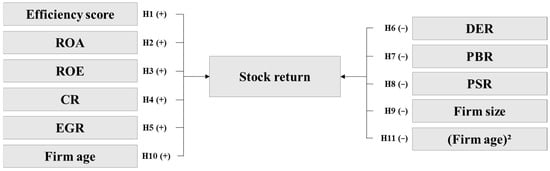
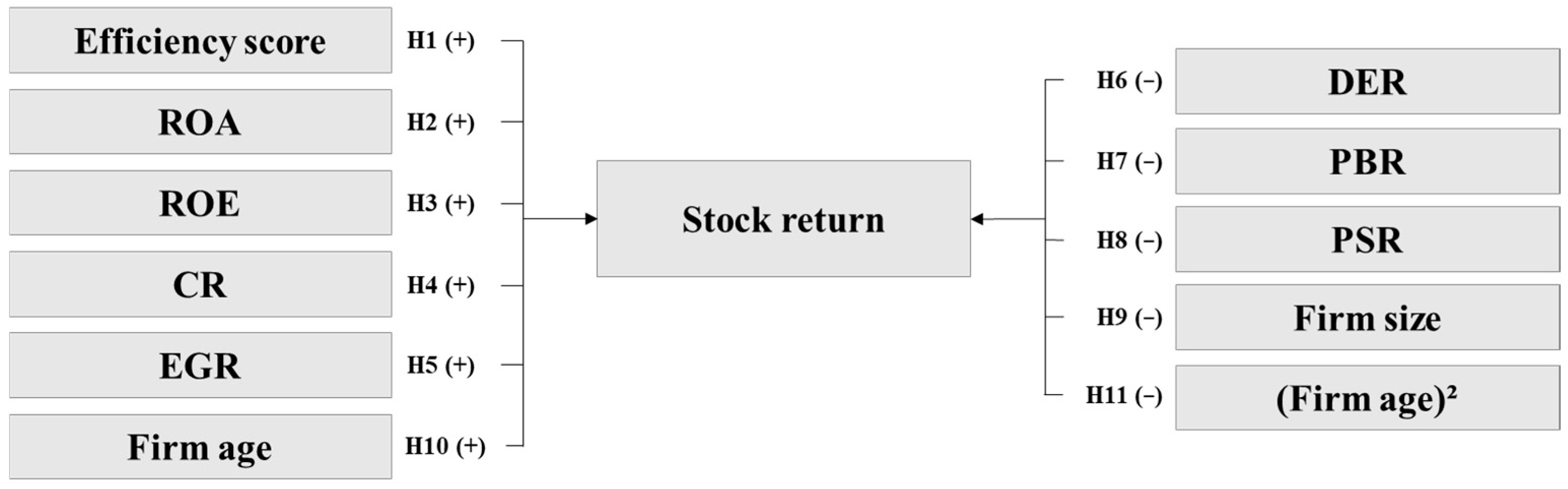
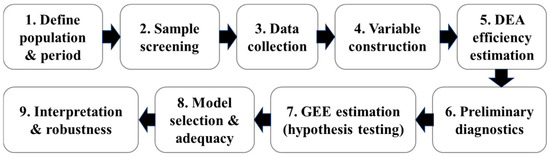
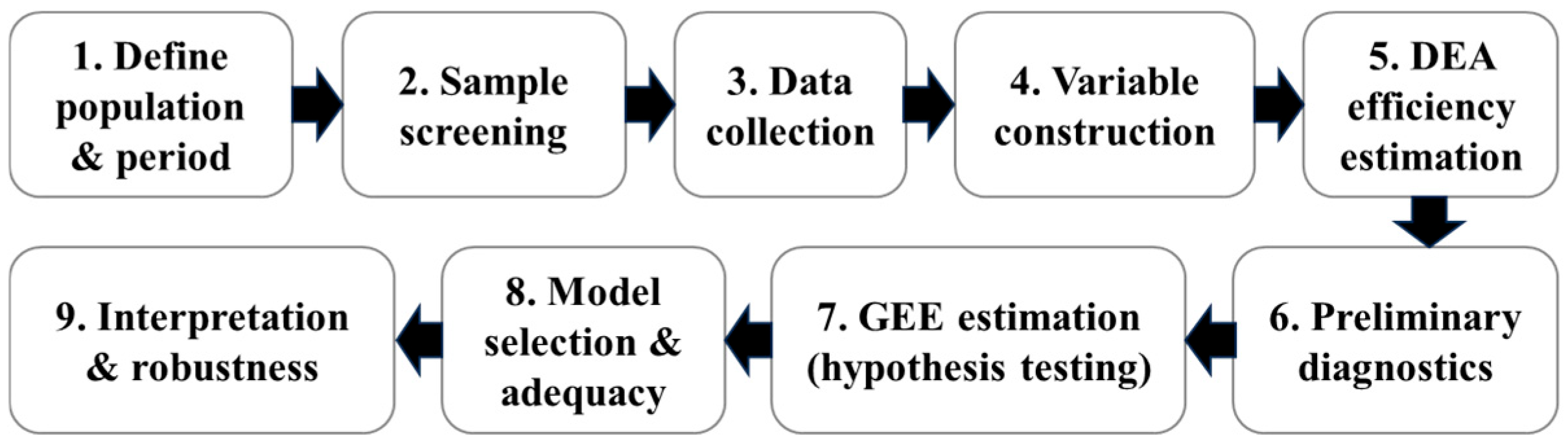

Disclaimer/Publisher’s Note: The statements, opinions and data contained in all publications are solely those of the individual author(s) and contributor(s) and not of MDPI and/or the editor(s). MDPI and/or the editor(s) disclaim responsibility for any injury to people or property resulting from any ideas, methods, instructions or products referred to in the content. |
© 2026 by the authors. Licensee MDPI, Basel, Switzerland. This article is an open access article distributed under the terms and conditions of the Creative Commons Attribution (CC BY) license.