1. Introduction
Movement of animals within and between zoological facilities is an essential part of population management. Animals are moved for a myriad of reasons—the upgrading of housing and enclosure provision, exhibition in a new location within the zoo, or development of the zoo’s footprint or species plan that necessitates change to where species are located. Animal behaviour study in the zoo is commonplace [
1], used to assess how species utilise space [
2] and the appropriateness of such space [
3], or as a way of inferring current welfare state [
4]. Research is less often conducted on post-occupancy evaluation [
5], which can inform future enclosure design and identify changes to current housing to improve animal comfort. Such post-occupancy evaluation provides valuable information on habitat areas that need augmenting or improving to enhance their usage and accessibility, and it can illustrate how animals are responding to the flow of visitors around the enclosure [
6].
For animals that have been housed in an enclosure for a long period of time, a move to a new exhibit may be particularly challenging. Reviewing the responses of animals to such environmental upheaval is helpful to physical health and welfare monitoring, as well as providing evidence for adaptation of the enclosure to promote species-typical behaviours and use of all exhibit areas. Animals housed in enclosures that allow the entry of local, native species may also find themselves sharing their space with wild animals in different numbers or of different varieties than they may have previously experienced. Therefore, consideration of how such native species enter an exhibit and what resources they attempt to utilise should also be investigated from a health and welfare perspective.
Flamingos (Phoenicopteriformes) are popular zoo-housed birds that live for a long time [
7] and who, therefore, may spend many decades within the same enclosure. Whilst aviary housing for flamingos is being developed [
8], many flocks are still housed in naturalistic, open-topped enclosures. Wild animals, particularly waterbirds, are therefore often found sharing the flamingos’ space and their presence may impact on how the flamingos behave and use different habitat areas within an enclosure. Monitoring animal behaviour within an enclosure, as well as recording the presence and impact of wild (naturally occurring) animals within the exhibit can be undertaken by animal care staff when they attend to zoo animals as part of daily husbandry and management duties. When trained to follow a specific method, such keeper-generated data have been shown to be robust and reliable evidence for how animals respond to their housing and care [
9,
10]. This article documents the behavioural responses of a large flock of Chilean flamingos (
Phoenicopterus chilensis), after their move from an enclosure that had housed these birds for at least five decades, to a new enclosure formally inhabited by a flock of greater flamingos (
P. roseus). The aims of the research were to (i) determine the usefulness of keeper-generated data to the behavioural monitoring of zoo-housed flamingos, (ii) evaluate behaviour patterns and enclosure zone occupancy during the flamingos’ first four months of residence in their exhibit, and (iii) collect information on the number of wild animals apparent within an enclosure to understand any potential impacts on flamingo activity and space use.
2. Materials and Methods
The WWT Slimbridge flock of Chilean flamingos moved from an enclosure that had housed this species since (we believe) the 1960s to an exhibit that was developed in 2012 for greater flamingos. The Chilean flamingos moved from their old enclosure to the new exhibit in October 2023, and they were confined to a large indoor house whilst maintenance works on the pond, island, and surrounding bankside areas was completed. The flamingo house is c25m long × c10m wide (c250m2) and is accessed from the main enclosure through a large door where the whole flock can walk through. The indoor house contains aquatic and terrestrial areas, as well as lighting, heating and ventilation systems, and windows for natural light. However, when indoors, the flamingos do not have a view of their outdoor exhibit. The flamingo flock remained in their house until March 2024.
To understand how the flamingos responded to their new home, animal care staff and volunteers (
n = 9) recorded behavioural data when attending to this flamingo enclosure for daily husbandry procedures, prior to the birds’ afternoon feed (at 15:00). There was no change to husbandry or bird management in the new enclosure compared to what the flamingos would have experienced in their former enclosure.
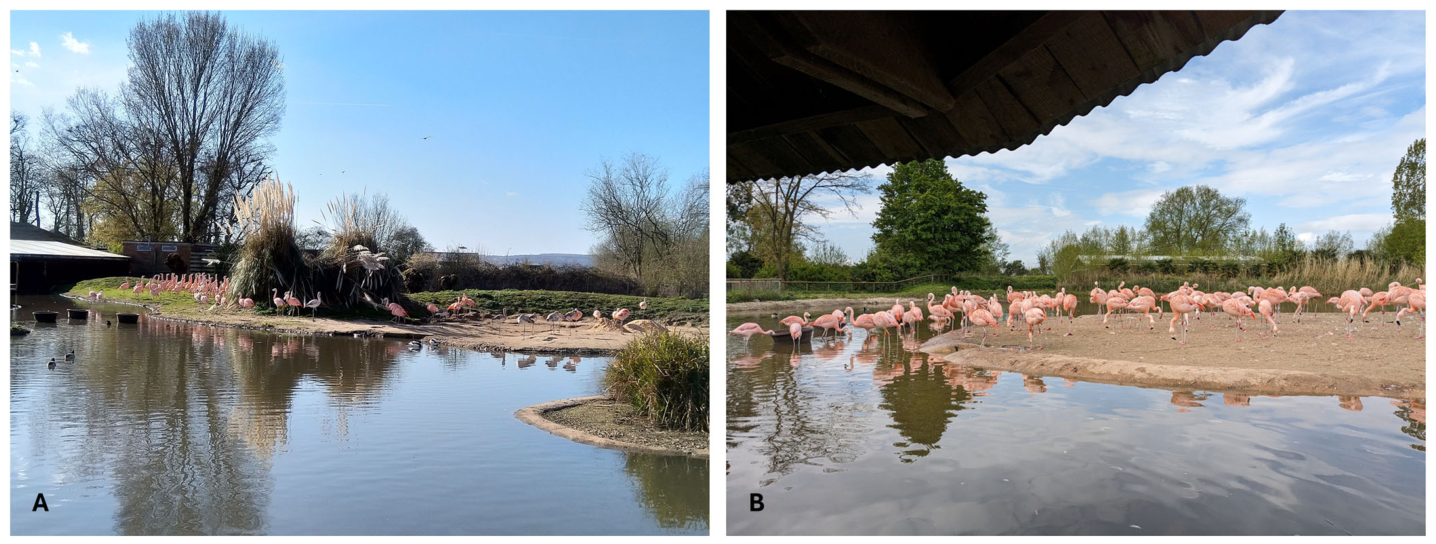
Figure 1 shows the Chilean flamingo flock in their former enclosure (A) and in their current (new) exhibit (B). Both photographs were taken from the main public viewing area in each exhibit.
The time of data collection was kept consistent across all observers. Written instructions were provided to ensure consistency of data collection across all those participating in this study. Each keeper took a photo on their mobile phone of the flock from the same fixed location in the enclosure and then counted the number of birds performing specific state behaviours, as well as recording the number of individuals within pre-determined areas of the enclosure. Photographic recording of flamingo behaviour is a reliable method of scoring what birds are doing under different situations [
11,
12,
13,
14] and was used during this study to maximise efficiency of data collection.
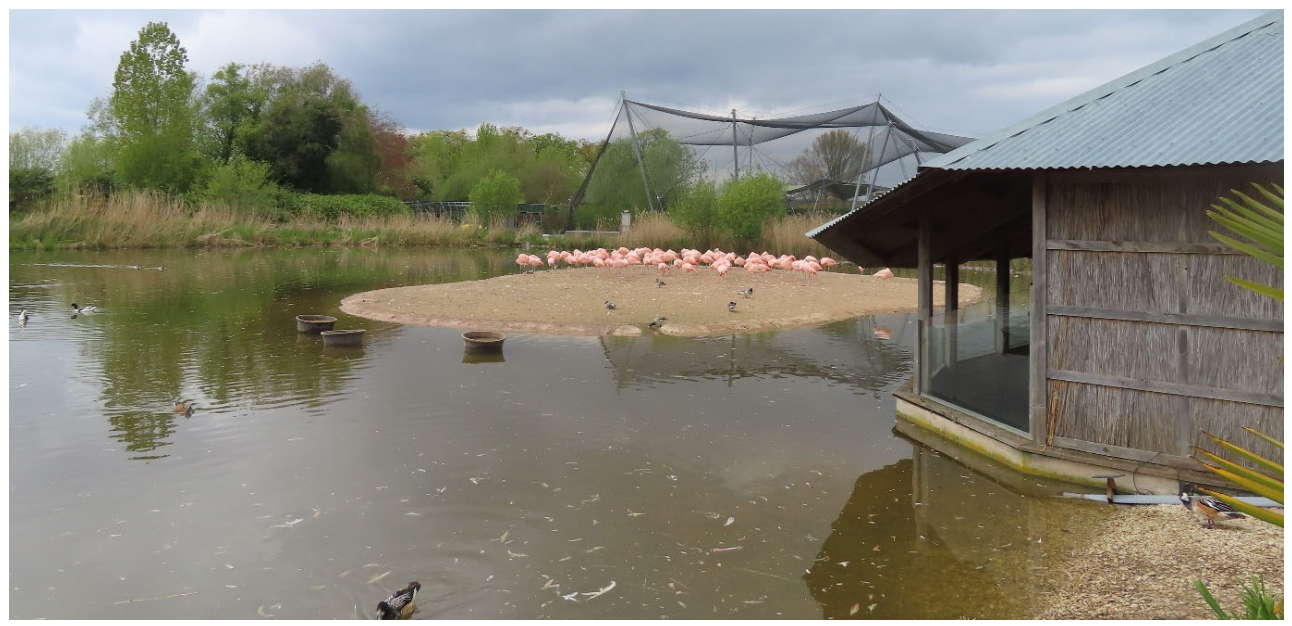
Figure 2 shows an example of how a photograph was taken for data collection. The number of wild animals that can freely enter the flamingo exhibit was also recorded during each instance of data collection. As such, an instantaneous scan sampling method for documenting behaviour was employed for this research [
15]. State behaviours [
15], the long duration activities that account for the majority of an individual’s daily time activity budget, were defined and described based on a pre-existing ethogram (
Table 1) that was provided to all those collecting and inputting data.
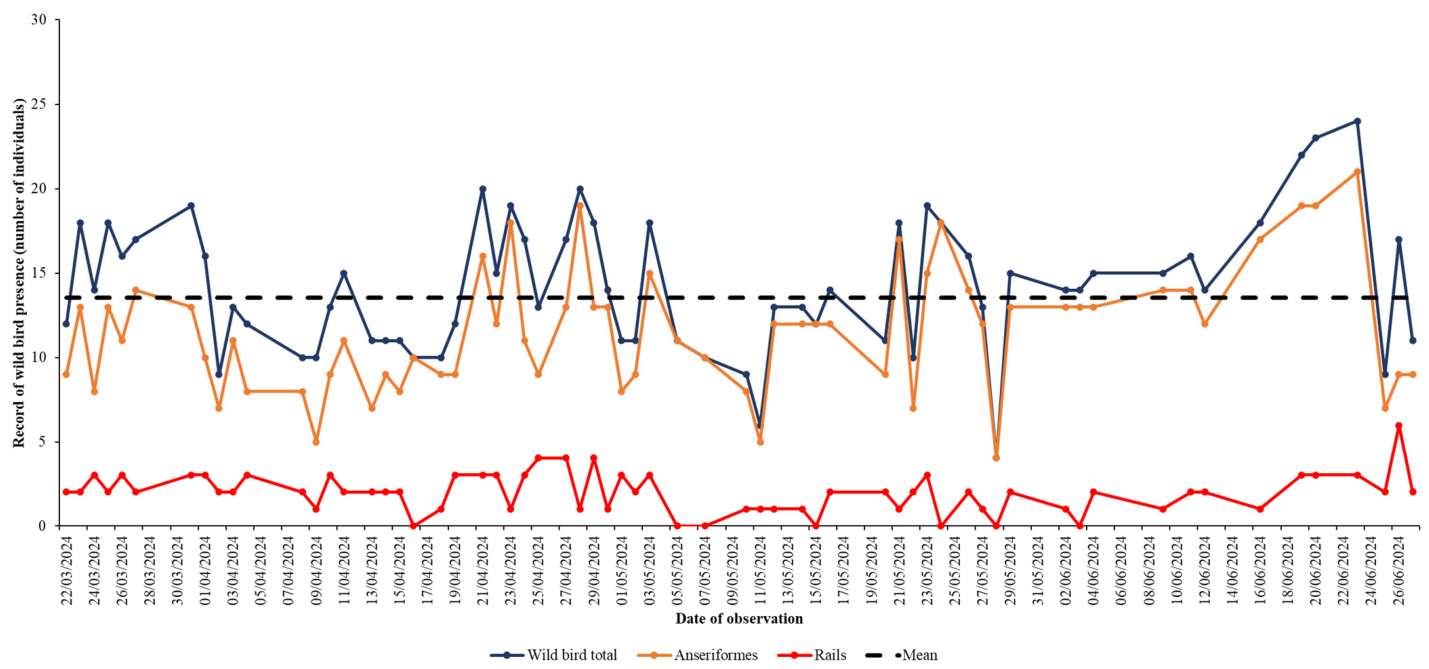
The enclosure areas were defined as the flamingo’s island (a sanded island within the pool that all birds could access), the pool itself as the body of water within the exhibit, and the land areas of bankside grass and concrete pool margins around the edge of the enclosure. Recording first took place on the 20 March 2024 to practice methods and determine the number of individuals for different wild animal species that were present in the exhibit. The flamingos were first provided with access to their new exhibit on 22 March 2024. Recordings continued until 27 June 2024, giving a total of 66 observations overall. Wild bird numbers were recorded for the following taxonomic groups: Anseriformes (mute swan, Cygnus olor; greylag goose, Anser anser; Canada goose, Branta canadensis; common shelduck, Tadorna tadorna; gadwall, Mareca strepera; and tufted duck, Aythya fuligula); gulls (lesser black-backed gull, Larus fuscus; herring gull, Larus argentatus; and black-headed gull, Chroicephalus ridibundus); rails (coot, Fulica atra and moorhen, Gallinula chloropus); “other” (e.g., wood pigeon, Columba palambus; oystercatcher, Haematopus ostralegus; and pied wagtail, Motacilla alba yarrelli).
“Out of view” was included in the analysis as a proxy for clustering and flock cohesion, although this measure may also reflect observational constraints. The more birds that could not be identified due to the tight arrangement of the flock, the more likely it was that all flamingos were in one place. The presence of wild birds was noted during each observation to record the presence of different species in the exhibit at that specific time point. As flamingos may respond to human visitors, depending on circumstances and environmental conditions [
16] and because zoo-housed birds in general can alter their behaviour in response to the presence of caregivers [
17], the presence of visitors (yes/no) and WWT staff (yes/no) was also recorded during each observation. Activity rates of the flock in their new enclosure were also compared against findings from previous research that had taken place in this flamingo flock’s former exhibit using the same method of counting the number of birds performing state behaviours from a photograph [
13]. Data for the afternoon session of 15:00 from Rose et al. [
13], for the overall proportion of Chilean flamingos seen active, were compared to active behaviours (movement and foraging) for this study.
Data Analysis
All analyses were conducted using RStudio v.2024.09.0 [
18] run in the computer programme R v.4.4.1 [
19], and the alpha level for significance was set at 5%. Data were tested for normality using a Shapiro–Wilk test and were found to not follow this distribution (all
p values were <0.001), a Poisson regression was fitted to count data (for behaviour and for enclosure area occupancy), and then the model output was checked for overdispersion. Behavioural data and enclosure usage data were over-dispersed (values from the calculated over dispersion statistic were all greater than 1). Therefore a negative binomial regression, using the MASS package [
20], was chosen as the final model run. The following predictors (month of observation, count of wild birds present, presence of visitors, and presence of WWT staff) were included to determine their effect on flamingo behaviour (foraging, preening, movement, and inactivity) and on enclosure usage (presence of birds on land, on their island, or in their pool). The same model was also used to determine any impacts of these predictors on the number of birds being out of sight for each observation. Observations were treated as independent due to daily sampling intervals; however, potential temporal autocorrelation cannot be fully excluded, and we make note of this in our Discussion. Finally, to determine any change in activity between the former and the new enclosure, a student’s
t-test was used to compare the observed counts of active (foraging, movement, preening) behaviours from the current study with the mean activity rate (of these same states behaviours) from previous research conducted in the former enclosure [
13]. All raw data are available at
https://doi.org/10.6084/m9.figshare.26535913 (accessed on 18 May 2026), and this includes a blank template for others to use to replicate our methods of post-occupancy evaluation if they wish.
4. Discussion
This article shows the value of keeper-generated data collection to applied research that seeks to evidence animal responses to their husbandry and care. Our research has shown that flamingos settle into a new enclosure in a relatively short period of time, being comfortable to explore their new environment but reverting to a pattern of activity that was also noted in their previous enclosure. This may indicate that these birds were not unduly disturbed by a change of environment. However, behavioural stability should not be interpreted as definitive evidence of unchanged welfare state but rather as an absence of detectable behavioural disruption under the sampling regime used. Being moved as a flock, all at the same time, is likely to have promoted good welfare by enabling birds to cope with upheaval to their physical environmental because their social environment remained constant. The planning of the move and consideration given to the flamingos’ needs in the new exhibit (including managing the birds inside their house prior to release into the outdoor enclosure) likely contributed to smooth transition from one exhibit to another. Comfort behaviours in flamingos are poorly defined in the literature, but wild flamingos will actively move away from potential threats [
21,
22], and zoo-birds will clump together and use little of their available space [
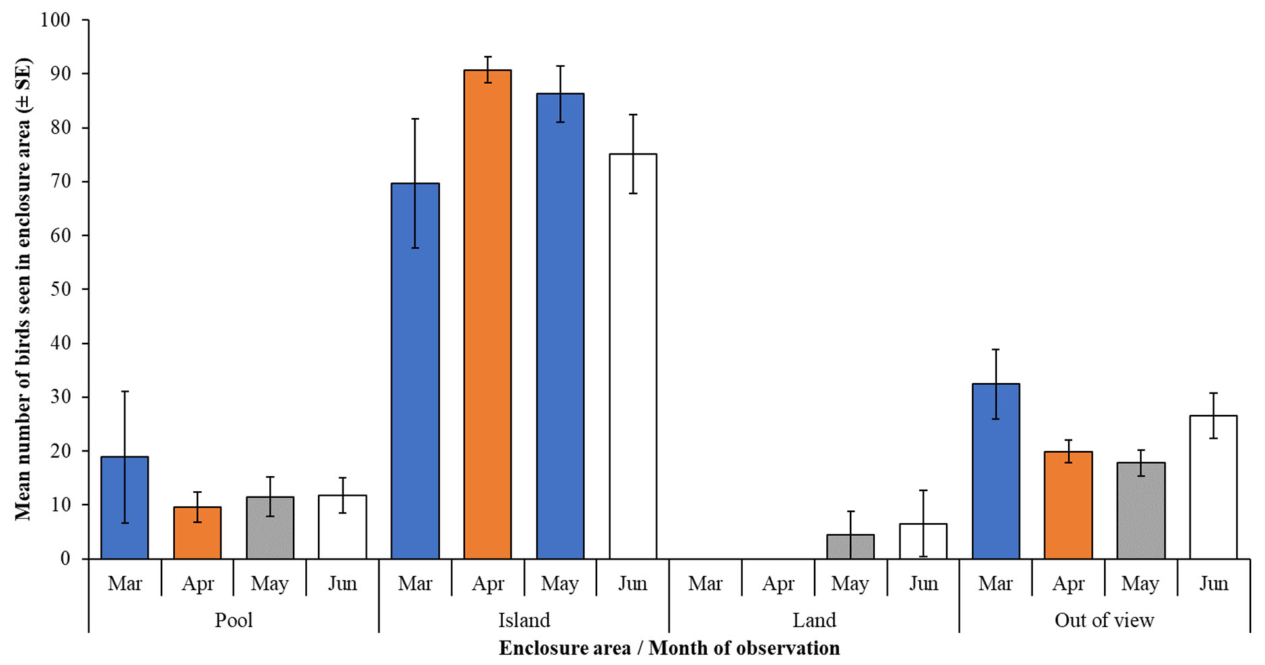
23]. Given that these Chilean flamingos were actively spread out across their enclosure (
Figure 4) and displayed increased rates of foraging (
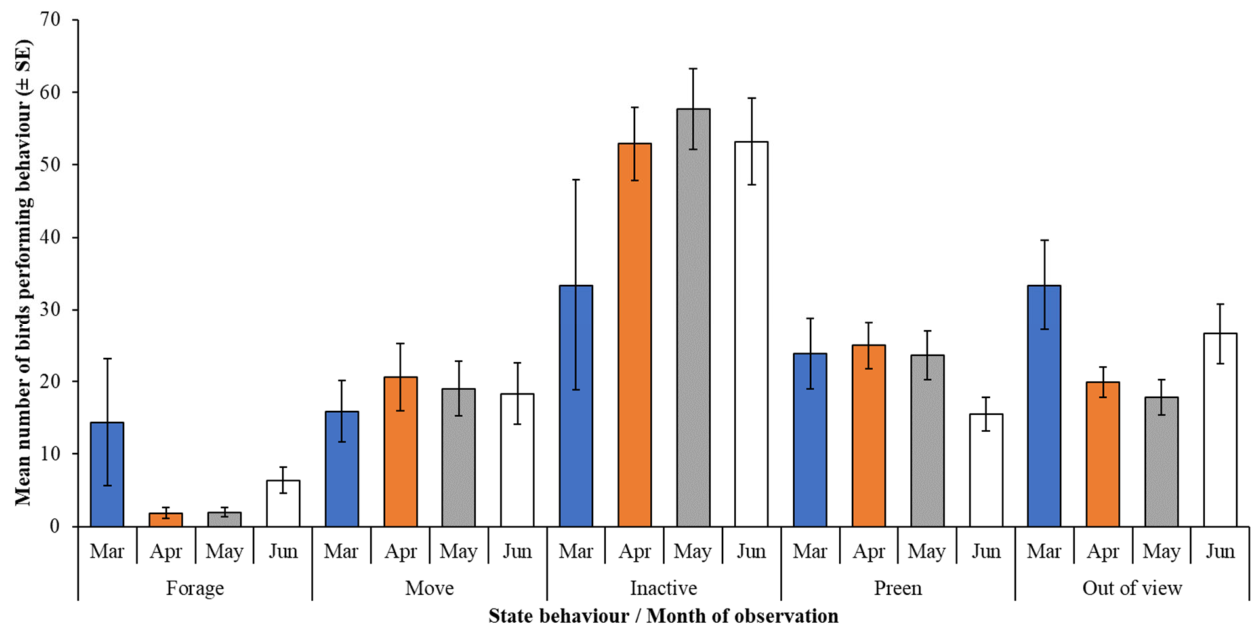
Figure 3) highlights their interest in, and engagement with, their new environment and is not indicative of stress or discomfort.
Our data show that these flamingos had preferences for resource occupancy at that specific time of the day (i.e., when they were observed). This preference for occupying specific enclosure zones is noted in other research on flamingo spatial occupancy [
13,
24,
25]. Our recorded rates of inactivity may be linked to the birds’ preference for utilising a specific resource area at that specific time of the day. Given that these flamingos were provided with a range of resources to engage with in their exhibit, the choice of the birds to be inactive at this time, in a specific place, can be a useful indicator of their preferences and organisation of their behaviour patterns. These flamingos did not significantly differ in the occurrence of active or inactive behaviours between the two enclosures, suggesting that habituation to the overall environment may occur relatively quickly. Habituation is not unusual in zoo-housed animals and is noted across species [
26]; thus, we can demonstrate that these flamingos were not unduly stressed by this change to housing.
As the flamingos showed a desire to forage and explore their pool when sufficiently incentivised (i.e., when the environment was novel immediately post move), zoos could build on this moving forward, to consider ways in which to further design, develop and implement occupational enrichment for these birds. The availability of aquatic invertebrates and algae, which may have bloomed in the unoccupied pool, is likely to have encouraged more water-based foraging activity. This information is useful to those developing husbandry plans and environmental enrichment schedules for zoo-housed flamingos to provide opportunities for naturalistic foraging where possible. As well as identifying opportunities for environmental exploration, our results also highlight that specific resources and enclosure areas are relied upon by the inhabitants of an exhibit. In this case, the island is particularly important, and therefore such features should be maintained to ensure that access to the resource is reliable. Thus, a balance is required between resource access for comfort and the provision of novel, ecologically relevant stimuli to encourage diversity in behaviour patterns.
Depending on enclosure design, zoo animals will experience unusual stimuli to a greater or lesser extent that may impact their choice of behavioural performance and use of space (e.g., visitor presence and free-living species entering an enclosure). Therefore, it is important to consider the impact of such stimuli when evaluating how zoo animals respond to a change to their environment because any alteration in behaviour pattern, or change to resource access, may be better explained by external stimuli compared to features of the new environment. As we have seen in some “visitor effect” studies [
17,
27], there can be better predictors of animal behaviour change (e.g., weather and time of day) than the presence of visitors. And whilst visitor effects are well studied [
28], certainly for zoo-housed mammals [
29], research on wild animal influences on zoo animal behaviour and space use appears non-existent. We set out to document the impacts of humans and free-living species on these flamingos as they settled into their new home. Our findings show that flamingos may respond to wild bird presence in their exhibit and that the presence of animal care staff can alter the behaviour they were performing. Staff presence appeared to be associated with decreased locomotion, and wild bird numbers seemed to be associated with increased preening. The “snapshot” aspect of data collection does not fully elucidate the reasons behind such relationships, but what we have identified provides relevant questions for research extension that can further zoo flamingo husbandry and housing. Berger [
30] notes the importance of considering temporal influences on activity patterns and consideration of circadian rhythms when assessing zoo animal behaviour—especially when behaviour is used as a way of understanding disruption or change to routine (such as a move into a new environment).
Occurrence of wild birds in the enclosure fluctuated across observations, showing no clear pattern of species assemblage or presence. Waterbirds (ducks, geese, swans, and rails) were the commonest species encountered, likely to be expected given the resources available in the flamingo enclosure. The large size of the flamingo pool coupled with easy foraging options is likely a draw for these wild birds. Higher numbers of wild birds may be associated with increased rates of flamingo preening. This could indicate that (i) preening is a comfort behaviour that flamingos perform when external stressors are present or (ii) wild birds take advantage of natural low periods of flamingo activity to utilise resources in the enclosure. Data collection during different seasons and time of day are required, however, to draw more substantial conclusions than we can offer in this case study.
Overall, we show that keeper-driven data collection provides valuable information on flamingo behavioural responses to a new enclosure, as well as on how these birds respond to the presence of wild animals within their exhibit, and to people who arrive at their enclosure. We encourage other zoos to use our method of quick and easy behaviour data collection, and we share our template for data input at this link for others to use for similar projects. Zoological collections have a duty of care to ensure that operational procedures do not impact negatively on animal welfare states [
31]. Zoo personnel should, therefore, factor in time and resources for the assessment of impacts of any change in housing and husbandry to ensure that all individuals can cope with environmental disruption (and to evidence what may be needed for those animals who may show signs of not). Individual facility [
9], and multi-facility [
32] research can be completed objectively and validly using in-house data collection by the zoo’s staff and volunteers. We hope to add to this pool of studies that show the importance of engaging a zoo’s animal care staff with scientific research and its application. We recommend similar easy-to-implement approaches, such as the one documented in this paper, to provide an instant assessment of animal behaviour and enclosure use. Such evidence can then be used to identify whether further intervention or more prolonged observation is required to mitigate any welfare challenges within a new enclosure that manifests via abnormal or unusual behaviour patterns.
Research Extensions and Methodological Developments
Although our observations were limited to a single daily sampling period, likely restricting detection of diurnal behavioural variation, the consistency and duration of data collection enabled reliable identification of broad behavioural responses to enclosure change under routine husbandry conditions. Future studies could use multiple daily sampling periods, such as before morning and afternoon husbandry events, to provide a more complete understanding of flamingo behavioural responses throughout the day, if staff availability and time allow.
The logistics of the flamingo move and the need to ensure birds had access to their new enclosure as quickly as possible meant that training was provided over Microsoft Teams meetings and via instructions provided by email. Under more controlled conditions, interobserver reliability scoring [
15] could have been conducted prior to data collection commencing to ensure the validity of how observers followed an ethogram. However, we have confidence in our results given that flamingo behaviour becomes consistent over time and shows similarity to previous observations. Consistent training for observers collecting behavioural data on populations at multiple locations leads to robust and valid behavioural datasets [
32]. As we followed this approach, but on a smaller scale, we believe our dataset to be a true reflection of the birds’ activity at that time of day.
Ideally, more data collection points per day would be useful for illustrating the flock’s temporal activity patterns as zoo-housed flamingos show variation in performance of state behaviours across the day. Data were collected at a single daily time point and therefore represent a snapshot of behaviour rather than full daily activity budgets. Flamingos can become more active, using a wider range of enclosure areas in the later afternoon compared to the middle of the day [
13]. Whilst these observations did occur in the mid-afternoon, we should consider extending this study to see what flamingos are doing and where they are located at the end of the day. This could be achieved by implementing such photographic data collection techniques during grounds clearance when the Centre is due to close to visitors. Whilst data collection methods were consistent with Rose et al. (2018) [
13], differences in temporal context, environmental conditions, and observer composition should be considered when interpreting comparisons between enclosures and making wider inferences of welfare outputs. As data were collected once per day from the same flock, we assumed independence of observations. Some degree of temporal autocorrelation is possible, however, but given the spacing of observations and the aim to assess overall flock-level patterns, data points were treated as independent for the purposes of analysis. The use of mixed-effects models (e.g., incorporating date or observer as random effects) was considered but was not feasible due to the limited replication within these factors. As such, results should be interpreted as indicative of associations rather than definitive causal relationships and with recognition of potential unmodelled sources of variation.
More data are needed to reduce any impact of out-of-view birds on our conclusions. Birds at the rear of the flock could not be counted easily, or at all, due to the expansive nature of the enclosure and the mass of flamingos flocking together. Out-of-view birds may have been preening or moving and therefore could have had a positive impact on the flock-wide rates of activity during this study. Installation of camera traps or livestream footage could help record behaviour in areas currently inaccessible to human observers and augment in-person observation schedules.
We recommend more research into any interaction between flamingo behaviour and the presence of wild birds in their enclosure to determine the context of any response given by the flamingos. Encouraging further activity in the flamingos, for example, by changing feeding schedules, could encourage a wider range of pool-based behaviour and this may displace wild birds from the area. Our data presented in
Figure 4 provide a potential solution in the form of developing enrichment practices (such as the provision of duckweed,
Lemma sp., or other forms of water-based nutritional and occupational enrichment) that encourage more pool-based behavioural diversity [
33]. Ex situ flamingo flocks can show longer foraging periods when food is presented in a naturalistic manner [
12], which may, in turn, increase visitor interest in the exhibit and the birds themselves.
Any relationship between preening and visitor numbers (i.e., lower preening rates when visitors are present) needs to be further investigated. We feel that this is a spurious relationship as visitors may be attracted to the enclosure in a greater number when flamingos were “busy”. Therefore, visitors were observing the birds performing more active behaviours. A further confound is that we observed more flamingos inactive when staff were present; therefore, flamingos may have decreased preening rates to stop and observe staff (and thus did not respond to visitor presence). A research extension would be to count the number of visitors and staff present to model the effect of change in human presence on bird behavioural responses. Data on the time taken for flamingos to return to their previous behaviour following the presence of visitors or staff would help clarify human influences on the behaviour of flamingos and other zoo-housed birds. Such information needs to be evaluated alongside of weather condition, as rainfall (for example) is known to impact flamingo maintenance behaviours [
14,
16,
34], and thus any covariation needs to be considered when identifying human impacts on zoo animal behaviour [
17,
27].
5. Conclusions
This research has shown that a large flock of Chilean flamingos coped well with a move into a new enclosure, displaying similar rates of state behaviours to those recorded at the birds’ former exhibit. The scale of the dataset and its integration into routine husbandry represent a key strength of this approach compared to traditional short-term observational studies. Whilst behavioural data were collected at a single consistent daily time point and therefore may not reflect the full range of behavioural variation expressed throughout the day, the longitudinal nature of sampling across several months provides confidence in the robustness of the overall patterns observed.
We demonstrate that keeper-generated observational data are useful to how we assess and evaluate the success of such relocation of zoo-housed birds from a behavioural and space use perspective. The planning, enclosure modifications, and careful flock management prior to release into the new environment likely contributed to the smooth acclimation of the flamingos. Although flamingos decreased exploratory and foraging behaviours a few weeks after the move had occurred, we evidence that flamingos will actively explore a novel environment when this is provided to them. Thus, we recommend that those developing housing and husbandry guidelines for zoo-housed flamingos consider how to maintain interest by the creation of dynamic resources that birds can be provided with. We also emphasise the importance of considering bird comfort in enclosure design and providing flamingos the choice to be in a specific area of their enclosure at a specific time of the day.
Regular monitoring for several months, across a consistent period of time, has enabled living collections staff to identify specific aspects of control and choice that are displayed by this flock and therefore ensure access to important resources remains constant. Encouraging foraging and enclosure exploration by zoo-housed flamingos may reduce wild bird presence and encourage beneficial behavioural diversity that further enhances flamingo health and welfare. We recommend further research into preening as a potential welfare indicator for zoo-housed flamingo flocks due to the potential relationship between preening rates and wild bird presence, and visitor presence. We hope that our approach and implementation of an easy-to-run, low-tech method of recording flock-wide behaviour will encourage other zoos to record how their animals experience environmental change to generate the evidence needed for supporting better practice approaches to husbandry and care.