


Abstract
Fluoxetine and carbamazepine are widely prescribed psychotropic drugs, yet few studies have quantified metal(loid) impurities in these medicines, which may pose health risks to patients. This study aimed to determine concentrations of As, Cd, Cr, Cu, Fe, K, Mg, Mn, P, Pb, Se, and Zn in brand, similar, and generic samples of fluoxetine and carbamazepine marketed in Campo Grande, Brazil. Drug samples were purchased from local pharmacies, digested with acid, and analyzed by Inductively Coupled Plasma Optical Emission Spectrometry (ICP OES). Results showed that arsenic was detected only in fluoxetine samples, with concentrations ranging from 0.068 to 0.217 mg/kg, all below national and international limits. Phosphorus presented the highest levels, especially in fluoxetine, reaching up to 14,000 mg/kg, and up to 93 mg/kg in carbamazepine. Other elements such as Fe (0.07–3.03 mg/kg), Mg (0.21–259 mg/kg), K (up to 45 mg/kg), Se (up to 1.5 mg/kg), and Zn (up to 4.2 mg/kg) were also quantified, while Cd, Cr, Cu, and Pb were below detection limits. The hazard index (HI) exceeded 1 for all carbamazepine samples and for one brand, two similar, and three generic fluoxetine samples, indicating that the intake of these medications may pose potential health concerns. These findings underscore the need for stricter monitoring of metal(loid) impurities in psychotropic drugs to protect patient safety and ensure regulatory compliance.
Keywords:
depression; heavy metal; metal; metalloid; mental health; mental pathology; psychiatric disorder; toxicity; treatment 1. Introduction
According to the World Health Organization (WHO), depression is a common mental disorder affecting approximately 3.8% of the global population, including 5% of adults and 5.7% of adults over 60 [1,2]. It is characterized by persistent sadness, loss of interest or pleasure in activities, and various emotional and physical symptoms that interfere with daily life. Depression can affect relationships, work, and overall functioning, and risk is higher in individuals exposed to abuse, severe loss, or other stressful events. Worldwide, depression affects about 280 million people, is roughly 50% more common in women, and contributes to over 700,000 annual suicides, making suicide the fourth leading cause of death among individuals aged 15–29 [3].
In contrast, bipolar disorder, also known as bipolar affective disorder, is described as a mental health condition that causes extreme mood swings. Recurrent episodes of depression and mania or hypomania characterize bipolar disorder. Manic and hypomanic episodes are characterized by a distinct change in mood and behavior over discrete periods. The age of onset is usually between 15 and 25 years, and depression is the most common initial presentation. Approximately 75% of symptomatic time consists of depressive episodes or symptoms. Early diagnosis and treatment are associated with a more favorable prognosis. Diagnosis and optimal treatment are often delayed by an average of approximately 9 years after an initial depressive episode [4]. According to Vieta et al. (2018) [5], bipolar disorders are chronic and recurrent disorders that affect > 1% of the global population. Bipolar disorders are the leading causes of disability in young people, as they can lead to cognitive and functional impairment and increased mortality, particularly from suicide and cardiovascular disease. Psychiatric and non-psychiatric medical comorbidities are common in patients and may also contribute to increased mortality [6]. Bipolar disorders are among the most heritable psychiatric disorders, although a gene-environment model is believed to explain the etiology best. Early and accurate diagnosis is difficult in clinical practice, as the onset of bipolar disorder is commonly characterized by nonspecific symptoms, mood lability, or a depressive episode, which may be similar in presentation to unipolar depression. Furthermore, patients and their families do not always understand the significance of their symptoms, especially with hypomanic or manic symptoms.
There are various treatment options for depression. They include medication such as fluoxetine, belonging to the selective serotonin reuptake inhibitor (SSRI) class. Its discovery and development marked a new era in the treatment of depression and other psychiatric conditions [7]. Conversely, for the treatment of bipolar disorders, the drug “Carbamazepine” is used, which has the function of preventing or attenuating manic recurrences [8]. In addition, this drug is also used to treat epilepsy, idiopathic neuralgia, and diabetes.
The presence of heavy metals or metalloids in medicines can interfere with treatments or cause harm to health. In other words, contamination by heavy metals in medicines is a global threat to humans, especially at levels above known limit concentrations [9]. A study carried out in the United Arab Emirates found the presence of cadmium, nickel, and lead in pharmaceutical products (syrups, tablets) sold in the country, with some products showing lead concentrations above the permitted daily oral exposure levels. Thus, according to the authors, the raw materials used in the manufacture of these medicinal agents may be responsible for the presence of higher levels of lead [10]. In the study carried out by Leal et al. (2016) [11], using samples of fluoxetine manipulated and marketed by different compounding pharmacies in Belo Horizonte, state of Minas Gerais (MG), Brazil, irregularities were observed in some samples, such as in the labeling and heavy metal content testing. The results showed the presence of elements such as As, Br, Co, Cr, and Hf, which, even in low concentrations, can be harmful to human health if consumed constantly over a long period [11]. Some elements like K, Mg, Ca, Fe, Mn, Co, Cu, Zn, Mo and Se are essential for life and our body; however, they must be consumed in appropriate amounts [12].
Concerned with the quality of medicines available on the market and the safety of the population, each country establishes standards and permissible limits for the presence of heavy metals in pharmaceuticals. In Brazil, the Brazilian Pharmacopoeia (FB) defines, through chapters, methods, and monographs, the minimum requirements for the quality, authenticity, and purity of pharmaceutical inputs, as well as finished medicines and other products subject to health surveillance. Failure to comply with pharmacopoeia requirements may result in a product being classified as altered, adulterated, or unfit for use, and the manufacturer may be subject to penalties under Brazilian law [13].
In Brazil, pharmaceuticals are officially classified into three main categories: brand drugs (reference medicines approved and marketed under a registered brand name), similar drugs (medicines with the same active ingredient, dosage form, and therapeutic indication as the reference drug, but marketed under a different name and often with minor differences in excipients), and generic drugs (equivalent copies of the reference drug that demonstrate bioequivalence and are marketed under the name of the active ingredient). This classification ensures therapeutic equivalence, supports regulatory oversight, and guides patient access. Similar classification systems exist in other countries; for example, most regulatory agencies recognize reference (brand-name) medicines and generic medicines, but the ‘similar drug’ category is specific to Brazil and some Latin American countries.
Although some studies have quantified elements such as As, Br, Co, Cr, and Hf in compounded (manipulated) samples of fluoxetine [11], there is still a scarcity of studies quantifying metal(loid)s in commercially manufactured fluoxetine and carbamazepine. Therefore, this study aimed to quantify As, Cd, Cr, Cu, Fe, K, Mg, Mn, P, Pb, Se, and Zn in samples of fluoxetine and carbamazepine—including brand drugs, similar drugs, and generic drugs—marketed in Campo Grande, Mato Grosso do Sul (MS), Brazil. Calculating the health risks to adults due to the ingestion of fluoxetine and carbamazepine containing concentrations of As, Cd, Cr, Cu, Fe, K, Mg, Mn, P, Pb, Se, and Zn was also performed. The samples acquired through purchases in Brazilian pharmacies were digested in acidic solutions and then the quantification of elements was performed using the Inductively Coupled Plasma Optical Emission Spectrometry (ICP OES) technique.
2. Materials and Methods
2.1. Acquisition of Samples
The drug samples in tablet form were purchased from pharmacies in the city of Campo Grande (MS), Brazil. In Brazil, the classification of drugs includes brand, similar, and generic drugs, each with distinct characteristics. Similar drugs contain the same active ingredient as their reference counterparts (brand) but may differ in formulation or excipients.
For fluoxetine, six batches from different manufacturers were selected, all commercially available throughout Brazil, including:
Brand Drug: 5 samples of FXT1.
Similar Drugs: 5 samples of FXT2, 5 of FXT3, and 5 of FXT4.
Generic Drugs: 5 samples of FXT5, 5 of FXT6, 5 of FXT7, 5 of FXT8, 5 of FXT9, and 5 of FXT10.
For carbamazepine, the following samples were purchased:
Brand Drug: 5 samples of CBZ1.
Similar Drug: 5 samples of CBZ2.
Generic Drugs: 5 samples of CBZ3, 5 of CBZ4, 5 of CBZ5, and 5 of CBZ6.
In total, 80 drug samples (50 of fluoxetine and 30 of carbamazepine) were analyzed. Given the wide variety of brands available in Brazil, this study focused only on the industrialized drugs listed in Table 1.
Table 1.
Classification of drugs and abbreviations for the drugs fluoxetine (FXT) and carbamazepine (CBZ).
2.2. Microwave Digestion Procedure and Quantification of Metal(loid)s Using ICP OES
For each sample analyzed, amounts of 0.25 g of carbamazepine and fluoxetine were individually weighed and placed in graduated digestion tubes. Next, 2.5 mL of HNO3 (65%, ultrapure grade, Merck—Darmstadt, Germany), 1 mL of H2O2, and 1 mL of ultrapure water were added to each tube. The samples were then subjected to digestion using a digestion block (Tecnal, Piracibaba, São Paulo, Brazil). The optimized digestion program was performed in stages: Stage 1: 100 °C, 15 min ramp, 60 min; Stage 2: 130 °C, 15 min ramp; Stage 3: 150 °C, 15 min ramp.
The chemical elements As, Cd, Cr, Cu, Fe, K, Li, Mg, Mn, P, Pb, Se, and Zn present in the carbamazepine and fluoxetine samples were quantified by the Inductively Coupled Plasma Optical Emission Spectrometry (ICP OES, iCAP 6,300, Thermo Fisher Scientific—Bremen, Germany) under manufacturer-recommended conditions for RF power (1.250 W), auxiliary Gas Flow (0.45 L/min), torch mode–axial, nebulizer concentric, coolant Gas Flow (12 L/min) and nebulizer pressure (20 psi). The following wavelengths with low interference were selected: As (189.042 nm), Cd (228.802 nm), Cr (283.563 nm), Cu (324.754 nm), Fe (259.940 nm), K (766.490 nm), Mn (257.610 nm), P (177.495 nm), Pb (220.353 nm), Se (196.090 nm), Zn (213.856 nm).
Spike-and-recovery experiments were used to verify and evaluate the accuracy of ICP OES. In spike and recovery, 1.0 ppm of each element (As, Cd, Cr, Cu, Fe, K, Li, Mg, Mn, P, Pb, Se, and Zn) was added (spiked) into the natural test sample matrix. The optimized procedures provided a recovery in the range of 99.99%. The limit of detection (LODs), limit of quantification (LOQ), and correlation coefficients (R2) were calculated according to Geronimo et al. (2021) [14] (Table 2).
Table 2.
Element, limit of detection (LOD), limit of quantification (LOQ), and correlation coefficients (R2).
2.3. Human Health Risk Assessment
The estimated daily intake (mg/kg/day) of As, Cd, Cr, Cu, Fe, K, Mg, Mn, P, Pb, Se, and Zn due to the intake of fluoxetine and carbamazepine tablets is obtained through Equation (1) [14].
EDI = (Ir × Cv)/BW
In Equation (1), Ir represents the daily intake of tablets consumed by adults (g/person/day). Cv represents the average concentration of heavy metals (or metalloids) quantified in the medications using the ICP OES (mg/kg, fresh weight), and BW refers to body weight (kg), with a value of 70 kg being considered for adults, according to the WHO [15]. According to the package insert, the recommended dose of fluoxetine varies between 20 and 60 mg/day for the treatment of Obsessive–Compulsive Disorder, and according to Buchman et al. (2002) [16], some patients use this medication for a period of 5 to 10 years. On the other hand, the dose of carbamazepine used to treat acute mania and bipolar affective disorders ranges from 400 to 1600 mg/day, with the usual dosage being 400 to 600 mg/day. Based on the study by Chen et al. (2012) [17], it is considered that patients can use this medication for 10 years. For calculation purposes in our study, the maximum values recommended in the package inserts of both medications will be considered.
The health risk assessment, considering the possibility of exposure to heavy metals or metalloids through the ingestion of each medication, was performed by calculating the chronic daily intake (CDI). The CDI value (mg/kg of body weight/day) is determined by the following Equation (2) [14,18].
where EDI (mg/kg/day) is the estimated daily intake of metals or metalloids due to medication consumption as described in Equation (1); FE corresponds to the frequency of exposure (365 days/year); DEtotal refers to the duration of exposure, considered as 10 years for adults [16]; AT represents the average time of exposure for non-carcinogenic effects, expressed in days for adults, and is calculated as AT = 10 years × 365 days/year = 10,950 days [19].
CDI = (EDI × FE × DEtotal)/AT
Non-carcinogenic risks were assessed using the target hazard quotient (HQ), considering the intake of heavy metals or metalloids present in medications, according to Equation (3) [19].
HQ = CDI/RfD
Here, CDI represents the chronic daily intake of heavy metals or metalloids (mg/kg/day), as calculated using Equation (2). The term RfD refers to the USEPA-recommended oral reference dose for each element: As (0.0003 mg/kg/day), Fe (0.7 mg/kg/day), Mn (0.14 mg/kg/day), P (0.00002 mg/kg/day), Se (0.005 mg/kg/day), Cu (4.0 × 10⁻² mg/kg/day), Cd (1.0 × 10⁻⁴ mg/kg/day), and Zn (0.3 mg/kg/day) [20], in addition to Pb (0.0035 mg/kg/day) [21]. To date, there are no established daily reference dose values for K and Mg.
The hazard index (HI) is calculated by adding the hazard quotients (HQ) of all chemical elements quantified in the tablets of each manufacturer (Equation (4)), and is obtained by considering Equation (3).
HI = HQAs + HQCd + HQCr + HQFe + HQCu + HQP + HQSe + HQZn + HQPb + HQMn
When HI values < 1, taking the medication is considered safe; however, the level is of concern when 1 < HI < 5 [22].
2.4. Comparative Study
The daily intake values obtained by Equation (1) will be compared with the minimum risk levels (MRLs) established by ATSDR (2024) [23]. MRLs are health guidelines developed by the Agency for Toxic Substances and Disease Registry (ATSDR) to assess the risk of adverse health effects from exposure to hazardous substances. MRLs are defined for different durations of exposure: acute (1 to 14 days), intermediate (15 to 364 days), and chronic (365 days or more). In addition, the concentration (mg/kg) of metal (or metalloid) contents quantified in the drug samples was compared to the permitted limits of elemental impurities for individual components (concentration limits in mg/kg for oral pharmaceutical products), as established by the Brazilian Pharmacopoeia (BF) [13] and United States Pharmacopoeia Convention (USP) [24], and International Council for Harmonisation of Technical Requirements for Pharmaceuticals for Human Use (ICH Q3D(R2)—Guideline for Elemental Impurities) [25].
The average values of the concentrations of the elements quantified in the samples, as well as the graphs, were obtained using the Origin 9.0 software (OriginLab Corporation, Northampton, MA, USA).
2.5. Statistical Analysis
Statistical analyses were conducted using Origin 9.0 (OriginLab Corporation, Northampton, MA, USA). All data are presented as mean ± standard deviation (SD) from triplicate determinations. Normality of the distributions was assessed using the Shapiro–Wilk test. Comparative differences among groups were evaluated by one-way analysis of variance (ANOVA), followed by Tukey’s post hoc test for pairwise comparisons, with statistical significance set at p < 0.05. Percentage differences between mean values were additionally calculated to illustrate the magnitude of variation across groups. Correlation coefficients (R2) were obtained through linear regression analysis.
3. Results
The results of the quantification of metals and metalloids in fluoxetine and carbamazepine samples are presented in Table 3 and Table 4. The concentrations of the quantified elements in carbamazepine decrease in the following order:
Table 3.
Concentration of elements identified in samples of the drug carbamazepine (mg/kg).
Table 4.
Concentration of elements identified in samples of the drug fluoxetine (mg/kg).
- For Fe, quantified in only two samples, it was found that CBZ1 > CBZ2.
- Considering K, CBZ1 > CBZ2 > CBZ4 > CBZ3 > CBZ6.
- In relation to the element Mg, the decreasing order of concentration values was CBZ2 > CBZ6 > CBZ1 > CBZ4 > CBZ3.
- For the element Mn, the following order was observed: CBZ1 > CBZ2 > CBZ4 > CBZ3.
- For P, it was observed that CBZ1 > CBZ2 > CBZ4 > CBZ3 > CBZ6 > CBZ5.
- For Se concentration values, CBZ6 > CBZ2 > CBZ5 > CBZ4 > CBZ3 > CBZ1.
- Concerning the element Zn, CBZ1 > CBZ2 > CBZ4 > CBZ3.
According to Table 4, in the fluoxetine samples, the values of the mean concentration of quantified elements decreased in the following order:
- For the As concentration values in fluoxetine, it was observed that FXT4 > FXT2 > FXT3 > FXT5 > FXT1.
- Fe concentration values decrease in the following order: FXT2 > FXT8 > FXT4 > FXT3 > FXT7 > FXT6 > FXT9 = FXT10 > FXT5 > FXT1.
- For element K, it was observed that the order decreases as follows: FXT8 > FXT6 > FXT9 > FXT2.
- Mg concentration values decrease in the following order, FXT4 > FXT7 > FXT10 > FXT6 > FXT9 > FXT2 > FXT3 > FXT1 > FXT8 > FXT5.
- The mean values of Mn concentrations decrease as follows: FXT4 > FXT10 > FXT9 > FXT2 > FXT3 > FXT5 > FXT8 > FXT7 > FXT6 > FXT1.
- For the P element quantified in the fluoxetine samples, it was observed that the order decreases as follows: FXT4 > FXT8 > FXT1 > FXT5 > FXT3 > FXT6 > FXT9 > FXT10 > FXT2 > FXT7.
- Only two samples quantified the element Pb; therefore, the decreasing order in values is FXT4 > FXT10.
- Se concentration decreases as follows: FXT4 > FXT10 > FXT9 > FXT7 > FXT2 > FXT3 > FXT8 > FXT6 > FXT5 > FXT1.
There was no quantification of As in the carbamazepine samples. On the other hand, in the fluoxetine samples, the As concentration varied significantly between different products. The mean values of As concentration are below those studies that quantified 1.70 mg/kg of As in herbal medicines [14] and safety limits established by the Brazilian, American pharmacopoeia and ICH Q3D(R2)—guideline, whose value is 1.5 mg/kg [13,24,25].
The Fe concentrations in the carbamazepine samples (Table 3, 0.07 ± 0.05–0.53 ± 0.01 mg/kg) and in the fluoxetine samples (Table 4, 0.33 ± 0.01–3.04 ± 0.14 mg/kg) are below the limits established by the Brazilian Pharmacopoeia (400 mg/kg) [13] and those reported for herbal medicines (36.8 ± 3.4 mg/kg) [14]. There are no Fe values established by USP [24] and ICH Q3D(R2)—guideline [25].
The K concentration in carbamazepine ranged from 0.40 ± 0.05 to 45.04 ± 0.74 mg/kg (Table 3), and for fluoxetine, the range was 0.04 ± 0.01 mg/kg (Table 4). There are no permitted limits for impurities established by the Brazilian [13] and American Pharmacopoeia [24] and ICH Q3D(R2)—guideline [25], considering K.
The Mg concentration in carbamazepine samples ranged from 145.84 ± 5.64 to 259.51 ± 4.05 mg/kg (Table 3). In contrast, fluoxetine samples showed concentrations ranging from 0.21 ± 0.03 to 21.57 ± 0.56 mg/kg (Table 4). Neither the Brazilian and American Pharmacopoeias nor the ICH Q3D(R2) guideline establish permissible limits for Mg when considered as an impurity.
The Mn concentrations measured in carbamazepine samples ranged from 1.45 ± 0.06 to 5.33 ± 0.10 mg/kg (Table 3), while in fluoxetine samples they ranged from 0.32 ± 0.02 to 1.49 ± 0.07 mg/kg (Table 4). These Mn levels (Table 3 and Table 4) are well below the concentration limit of 250 mg/kg established by the Brazilian Pharmacopoeia for impurities in drugs [13]. No limits for Mn are specified by the USP or the ICH Q3D(R2) Guideline.
The concentration of P quantified in the carbamazepine samples ranged from 10.07 ± 0.69 to 30.41 ± 0.69 mg/kg (Table 3). However, the variation in the concentration of the element quantified in fluoxetine was 4.08 ± 0.22–14,000.17 ± 211.63 mg/kg (Table 4). Neither the Brazilian and American Pharmacopoeias nor the ICH Q3D(R2) Guideline establish limits for P in drugs.
Regarding Pb, the concentration in the FXT3 sample was 0.44 ± 0.02 mg/kg, and in the FXT10 sample it was 0.011 ± 0.008 mg/kg (Table 4). These values are below the limits established for Pb in drugs by the Brazilian Pharmacopoeia (1 mg/kg) [13] and by both the United States Pharmacopeia [24] and the ICH Q3D(R2) Guideline (0.50 mg/kg) [25].
For Se, concentrations ranged from 1.01 ± 0.10 to 1.50 ± 0.08 mg/kg in carbamazepine samples (Table 3) and from 0.05 ± 0.01 to 1.03 ± 0.04 mg/kg in fluoxetine samples (Table 4). These values are well below the limit established by the ICH Q3D(R2) Guideline (15 mg/kg) [25]. No limits for Se are specified by the Brazilian Pharmacopoeia or the United States Pharmacopeia.
The Zn concentration in the carbamazepine samples ranged from 0.05 ± 0.06 to 4.29 ± 0.12 mg/kg. No limits for Zn impurities in drugs are established by the Brazilian Pharmacopoeia, the United States Pharmacopeia, or the ICH Q3D(R2) Guideline.
The values of the concentration of elements quantified in the carbamazepine samples (mg/kg) presented in Table 3 can be better visualized in Figure 1, in which the different brands of carbamazepine are shown according to the concentration of chemical elements quantified in units of mg/kg. The element that presented a high concentration was Mg in all samples. In this case, the CBZ2 sample has the highest concentration (in red).
Figure 1.
Matrix plot: different brands of carbamazepine as a function of the average values of the concentrations of the elements quantified in mg/kg.
The concentration of elements quantified in the samples of the drug fluoxetine (mg/kg) in Table 4 can also be interpreted using Figure 2, where the different brands of fluoxetine are in function of their respective concentration of elements. It is important to highlight the higher concentration of P for the FXT4 sample.
Figure 2.
Matrix plot: different brands of fluoxetine as a function of the average values of the concentrations of the elements quantified in mg/kg.
The results of the estimation of the daily intake of heavy metals or metalloids due to the intake of carbamazepine and fluoxetine were calculated using Equation (1) and presented in Table 5 and Table 6. It is worth noting that an average daily consumption of fluoxetine of 60 mg/day was considered for the treatment of Obsessive–Compulsive Disorder, for patients using this medication over a period of 10 years. In contrast, the dosage used for carbamazepine to treat acute mania and maintenance treatment in bipolar affective disorders was 600 mg/day, considering 2 to 3 divided doses. In addition, for this medication, an exposure period of 10 years was also considered.
Table 5.
Estimation of daily intake (mg/kg/day) of heavy metals or metalloids due to ingestion of carbamazepine (CBZ) tablets.
Table 6.
Estimation of daily intake (mg/kg/day) of heavy metals or metalloids due to ingestion of fluoxetine (FXT) tablets.
There are no values for Fe, K, and Mg according to the minimum risk levels (MRLs). However, according to the EDI values presented in Table 5, the daily intake obtained for P present in the samples CBZ1, CBZ2 and CBZ4 are higher than the limits established by the MRLs for P, whose value is 0.0002 mg/kg/day, while the EDI values for CBZ3, CBZ5 and CBZ6 are lower than the MRLs values for the element P. Conversely, all EDI values obtained for Se and Zn are lower than those established by the MRLs considering the oral and intermediate duration for Se (0.005 mg/kg/day), and intermediate oral duration (0.3 mg/kg/day) and chronic duration for Zn (0.3 mg/kg/day).
All estimated daily intake values for As in the fluoxetine tablet samples are below the duration of acute (0.005 mg/kg/day) and chronic (0.0003 mg/kg/day) oral exposure established by the ATSDR minimum risk levels. Except for the FXT4 sample, the EDI calculations considering P intake in the other samples are below the ATSDR minimum risk levels for intermediate oral exposure (0.0002 mg/kg/day). Furthermore, as shown in Table 6, the daily intake values for Se in the fluoxetine samples are below the ATSDR minimum risk levels considering chronic oral exposure (0.005 mg/kg/day).
The hazard quotient (HQ) calculations due to the ingestion of heavy metals or metalloids present in the drug samples are presented in Table 7 and Table 8. According to the methodology presented above, the hazard index (HI) is defined as the sum of HQ values of all quantified elements. Considering carbamazepine (Table 7), the HI was calculated as: HI = HQFe + HQMn + HQP + HQSe + HQZn. In this case, it is considered that all elements quantified in the samples should be considered as ingested. As a result, all HI values for each drug are above 1, which can be explained by the high P value quantified in the carbamazepine samples. This makes the use of this drug a concern.
Table 7.
Calculations of hazard quotient (HQ) and hazard index (HI) due to ingestion of heavy metals or metalloids present in samples of carbamazepine (CBZ).
Table 8.
Calculations of hazard quotient (HQ) and hazard index (HI) due to ingestion of heavy metals or metalloids present in samples of fluoxetine (FXT).
The HI was calculated for fluoxetine, considering HI = HQAs + HQFe + HQMn + HQP + HQSe + HQZn. In this case, the HI calculations for the samples FXT2, FXT7, FXT9, and FXT10 are below 1, that is, when the HI values are <1, the ingestion or consumption of the drug is considered safe. However, for the samples FXT1, FXT3, FXT4, FXT5, FXT6, and FXT8 the level is of concern, since 3.58 < HI < 600 [22].
4. Discussion
The classification of drugs into brand, similar, and generic formulations (Table 1) reflects important distinctions in pharmaceutical development and regulation. Brand drugs are reference products that establish safety, efficacy, and quality standards. Similar drugs contain the same active pharmaceutical ingredient (API) as their reference counterparts but may differ in formulation, manufacturing processes, or excipients. Generic drugs, in turn, are considered therapeutically equivalent to the brand reference but often employ different excipients and may undergo simplified approval pathways. These differences in composition and production can contribute to variations in the levels of elemental impurities.
In the case of carbamazepine (Table 3; Figure 1), magnesium (Mg) and phosphorus (P) were consistently detected across most samples, with concentrations ranging from 145.84 to 259.51 mg/kg and from 10.07 to 30.41 mg/kg, respectively. Notably, brand and similar drugs (CBZ1 and CBZ2) exhibited higher levels of potassium (K) and manganese (Mn) compared to most generic formulations, suggesting that excipient choice or manufacturing processes may influence impurity profiles. Zinc (Zn) was also quantified in some samples, particularly in the brand formulation (CBZ1), whereas lead (Pb), cadmium (Cd), and chromium (Cr) were below the limit of detection (LOD) in all carbamazepine samples.
For fluoxetine (Table 4; Figure 2), the variability among formulations was more pronounced. Phosphorus (P) concentrations varied widely, ranging from 4.08 mg/kg (FXT7) to extremely elevated levels in FXT4 (14,000.17 mg/kg), which could indicate the use of excipients rich in phosphates. Magnesium (Mg) also showed significant differences, with the brand drug (FXT1) containing only 0.21 mg/kg, whereas some generics (e.g., FXT4 and FXT7) reached up to 21.57 and 15.27 mg/kg, respectively. Unlike carbamazepine, low but quantifiable levels of arsenic (As) were detected in all fluoxetine samples, although still below regulatory thresholds. Trace amounts of lead (Pb) were found only in FXT4 and FXT10.
The comparative analysis of carbamazepine (CBZ) and fluoxetine (FXT) revealed marked differences in elemental concentrations. Iron (Fe) was approximately 400–600% higher in FXT compared to CBZ. Potassium (K) levels were substantially greater in CBZ, exceeding those in FXT by more than 15,000%. Magnesium (Mg) concentrations in CBZ were on average 1500–2000% higher than in FXT. Manganese (Mn) levels in CBZ also surpassed those in FXT by 300–1000%. In contrast, phosphorus (P) was generally 300–500% higher in FXT, with one generic sample (FXT4) representing an extreme outlier nearly 45,000% higher than CBZ. Selenium (Se) showed modest differences, with CBZ values about 20–30% higher. Zinc (Zn) was detected exclusively in CBZ, corresponding to a 100% difference. Conversely, arsenic (As) and lead (Pb) were absent in CBZ but consistently present in FXT, reflecting a qualitative difference of 100%. These findings indicate not only pronounced compositional divergences between CBZ and FXT, but also confirm, through ANOVA and Tukey’s post hoc analysis, that such differences are statistically significant. The presence of outliers, such as the extreme P value in FXT4, further underscores the variability among manufacturers and formulations, highlighting the relevance of continuous monitoring of elemental content in pharmaceutical products.
Our results regarding elemental impurities corroborate those reported by Pinheiro et al. (2020) [12], who identified 23 elements in omeprazole formulations across brand, similar, and generic classes using ICP-MS. While both studies demonstrate that impurity concentrations remain within the acceptable limits established by international pharmacopoeias, the recurrent detection of multiple elements suggests that trace metal contamination is intrinsic to the production chain. Importantly, our findings also reveal that differences between brand, similar, and generic drugs are not restricted to the active ingredient but extend to the impurity profile, as evidenced by the variability in phosphorus and magnesium concentrations among fluoxetine formulations. This heterogeneity likely reflects differences in excipient composition and manufacturing practices, underscoring the potential influence of formulation type and production process on elemental profiles. Although all detected values remained within or below international safety limits [13,24,25], these results highlight the necessity of continuous monitoring and stricter quality assurance measures to ensure the safety and uniformity of pharmaceuticals across different drug classes and manufacturers.
The estimated daily intake (EDI) of metals and metalloids from carbamazepine (CBZ) and fluoxetine (FXT) tablets showed notable differences among brand, similar, and generic drugs (Table 5 and Table 6). Carbamazepine, used for the treatment of acute mania and maintenance therapy in bipolar affective disorders, was evaluated as CBZ1 (brand), CBZ2 (similar), and CBZ3–CBZ6 (generic). Fluoxetine, prescribed for the treatment of Obsessive–Compulsive Disorder, was studied as FXT1 (brand), FXT2–FXT4 (similar), and FXT5–FXT10 (generic). Phosphorus intake exceeded ATSDR MRLs in some CBZ samples, whereas selenium and zinc levels remained consistently below MRLs across all CBZ formulations. For fluoxetine, arsenic intake was within safe limits for both acute and chronic exposure, although phosphorus in one similar drug approached a higher exposure threshold. In fact, these results demonstrate that the daily intake of elements can vary considerably among drug formulations: for example, phosphorus intake can differ by more than tenfold between certain CBZ samples, magnesium intake in FXT formulations can vary by nearly 100-fold, and trace elements such as Se and Zn show smaller but detectable differences.
The hazard index (HI) calculations for carbamazepine (CBZ—Table 7) and fluoxetine (FXT—Table 8) tablets reveal significant differences in potential risk due to elemental impurities. For carbamazepine, all samples presented HI values above 1, primarily driven by the high phosphorus content, indicating that cumulative exposure from these elements may pose a concern despite the absence of intentionally added toxic metals. This suggests that excipients or manufacturing processes may contribute substantially to phosphorus contamination in CBZ formulations. In contrast, the HI values for fluoxetine varied across samples. Several formulations (FXT2, FXT7, FXT9, and FXT10) showed HI values below 1, indicating a low potential risk. However, other samples (FXT1, FXT3, FXT4, FXT5, FXT6, and FXT8) exhibited elevated HI values, with the sample FXT4 presenting an exceptionally high index. These variations reflect differences in elemental profiles among brand, similar, and generic drugs and highlight that not all formulations are equally safe with respect to cumulative exposure to metal(loid)s.
Overall, although the high HI values are largely driven by phosphorus (Table 7 and Table 8), disregarding its contribution does not imply that the other studied elements cannot pose potential health risks. That is, a hazard index (HI) below one for the quantified metal(loid)s (Table 7 and Table 8, excluding phosphorus) does not imply that the ingestion of these medications is completely safe. For instance, arsenic remains strictly regulated in pharmaceuticals due to its toxicity. Although arsenic is not intentionally added, trace amounts may occur as contaminants from raw materials, manufacturing processes, or environmental exposure. Regulatory limits focus on the inorganic forms, which are more toxic, with the oral permissible daily exposure (PDE) set at 15 μg/day, consistent with both the United States Pharmacopeia [24] and the ICH Q3D guidelines.
Arsenic accumulated in the body during childhood can induce neurobehavioral abnormalities during puberty and neurobehavioral changes in adulthood [26]. The presence of this element causes neuropsychological, neural and nervous dysfunctions, including language learning, executive functioning, memory, processing speed, intellectual disability and developmental disabilities [27,28].
According to the study carried out by Tyler et al. (2014) [29], there is an association between exposure to arsenic and increased rates of psychiatric disorders, including depression in exposed populations. In addition, exposure to low amounts of arsenic induces depression in adulthood, along with several morphological and molecular changes, particularly associated with the hippocampus and the hypothalamic–pituitary–adrenal (HPA) axis. The authors’ proof of several alternatives is based on studies conducted with rodents, where perinatal exposure to arsenic induced symptoms similar to those of depression in a mild learned helplessness task and the forced swimming task after acute exposure to a predator odor (2,4,5-trimethylthiazoline, TMT). Chronic fluoxetine treatment prevented these behaviors in both tasks in arsenic-exposed animals. It ameliorated the attenuated arsenic-induced stress responses as measured by corticosterone (CORT) levels before and after TMT exposure. Morphologically, chronic fluoxetine treatment reversed deficits in adult hippocampal neurogenesis (AHN) after PAE, specifically the differentiation and survival of neural progenitor cells. Protein expression of BDNF, CREB, the glucocorticoid receptor (GR), and HDAC2 was significantly increased in animals after fluoxetine treatment. Therefore, according to the authors, their study demonstrates that the impairment induced by perinatal arsenic exposure is reversible with chronic fluoxetine treatment, resulting in the restoration of resilience to depression through a neurogenic mechanism.
Research supports Tyler et al. (2014) [29], confirming that several epidemiological and rodent studies have shown a link between exposures during gestation or early development and a higher risk of developing psychiatric disorders [30,31,32]; in fact, exposure to arsenic has been linked to depression in epidemiological studies [33].
The toxicological relevance of lead (Pb) and cadmium (Cd) in psychiatry is well established. Several studies have demonstrated positive associations between elevated Pb exposure and depression, schizophrenia, bipolar disorder, and mood disorders [34,35,36,37,38,39]. Although Cd and Pb were below the detection limit in carbamazepine samples (Table 3), Cd was also undetectable in fluoxetine, while Pb was detected in fluoxetine (Table 4). These results highlight the importance of monitoring such elements in pharmaceuticals, even at low or undetectable levels, due to their strong links with psychiatric outcomes. Elevated Pb and Cd levels have been reported in patients with mental disorders compared to healthy controls [40], with Pb particularly increased in schizophrenia and bipolar disorder [38,41]. Some authors suggest that mechanisms reducing Pb burden could alleviate psychiatric symptoms [41,42]. Long-term evidence also indicates that childhood Pb exposure is associated with adult psychopathology and personality alterations, independent of socioeconomic status or family background [43]. Taken together, these findings reinforce the neuropsychiatric risks of Pb and Cd exposure and justify further investigation.
Chromium (Cr) is an essential trace element involved in glucose and lipid metabolism through its interaction with insulin, mainly as part of chromodulin, which enhances insulin sensitivity and glucose uptake [44,45]. Beyond its metabolic role, some studies have suggested a relationship between chromium and mood regulation, with evidence indicating potential benefits of chromium supplementation in depressive disorders, particularly atypical depression and cases with insulin resistance [46,47,48,49]. However, the current evidence remains limited and heterogeneous, requiring further investigation. In our study, Cr was not quantified in carbamazepine samples (Table 3) or fluoxetine (Table 4), underscoring the importance of continued monitoring of this element in psychotropic drugs.
In our study, Cu was not quantified in either carbamazepine (Table 3) or fluoxetine (Table 4) samples. However, Cu plays a crucial role in several biological functions, including neurotransmission and antioxidant defense. However, in the context of bipolar disorder, copper presents a complex relationship, being investigated both as a potentially therapeutic factor and as an element involved in the pathophysiology of the disease. There are relationships between copper and bipolar disorder; in this case, copper is essential for the activity of enzymes involved in the synthesis and metabolism of neurotransmitters, such as dopamine and norepinephrine [50]. Alterations in these systems are often related to the symptoms of mood disorders, including bipolar disorder [51]. Enzymes such as dopamine β-hydroxylase, which convert dopamine to norepinephrine, depend on copper for their functionality.
Copper imbalance occurs when elevated blood copper levels have been associated with increased oxidative stress, which may contribute to the brain dysfunction seen in bipolar disorder. In contrast, copper deficiency can compromise the antioxidant activity of enzymes such as superoxide dismutase, exacerbating oxidative damage [52]. Bipolar disorder has been associated with inflammatory processes, and copper plays a role in the modulation of inflammatory cytokines. Changes in copper levels may influence the course of the disease [53].
Significant Fe concentrations were quantified in carbamazepine (Table 3, Figure 1) and fluoxetine samples (Table 4, Figure 2). Although no reference values for Fe are established according to the minimum risk levels (MRLs), this element plays an essential role in brain function, participating in key metabolic processes such as neurotransmitter synthesis, mitochondrial ATP production, and the maintenance of cognitive functions. Alterations in iron levels have been associated with psychiatric disorders, including bipolar disorder and depression. Research indicates that iron deficiency can exacerbate psychiatric disorders, while iron supplementation can alleviate symptoms [54]. Iron is crucial for synthesizing neurotransmitters such as dopamine, serotonin, and norepinephrine, which regulate mood and emotional behavior [55,56]. On the other hand, iron deficiencies can lead to impaired monoamine metabolism, affecting emotional stability and cognitive functions [57]. Iron supplementation has demonstrated a reduction in psychiatric symptoms in several studies, indicating its potential as a therapeutic intervention [58]. It has also shown potential to improve symptoms of bipolar disorder and depression, with evidence suggesting a causal link between iron deficiency and these psychiatric disorders [59]. Furthermore, innovative approaches, such as the use of superparamagnetic iron oxide nanoparticles, have shown rapid antidepressant effects in animal models, highlighting the evolving strategies in iron-based therapies [60]. Conversely, although iron supplementation is promising, excess iron can lead to oxidative stress and neurotoxicity, complicating treatment strategies. This duality requires careful monitoring of iron levels in patients with psychiatric disorders to optimize therapeutic outcomes [61,62].
Potassium was quantified in all carbamazepine samples (Table 3, Figure 1) and only in four fluoxetine samples (Table 4, Figure 2). There are no values for K according to the minimum risk levels (MRLs); however, some oral medications containing potassium chloride with more than 99 mg of potassium per tablet are considered unsafe due to associations with small bowel injury [63]. Consequently, the FDA requires warning labels for these products [64], although by congressional ruling it cannot generally limit nutrient levels, including potassium, except for safety reasons. To date, no ruling has been issued requiring dietary supplements with more than 99 mg of potassium to carry such warnings [65]. In healthy individuals, high potassium intake does not pose health risks due to renal excretion [66]. However, studies on potassium concentrations in foods and drugs show conflicting results regarding their health effects.
Quantifying potassium in medications used for depression and bipolar disorder is essential because of its role in electrolyte balance and cellular function, particularly in neurons and muscle cells [67,68]. Both deficiency and excess of potassium can affect excitability and central nervous system function. Psychotropic medications, including antidepressants and mood stabilizers like lithium, may alter potassium levels, with possible effects on cardiac and muscle function [69]. Moreover, drug interactions, such as with diuretics or agents affecting renal function, can influence potassium retention or excretion. Monitoring and quantifying potassium levels in such patients is critical to prevent complications like hypokalemia, optimize treatment, and maintain therapeutic efficacy [70,71].
The Mg concentrations in the samples of the drug carbamazepine (Table 3, Figure 1) are higher than those quantified in samples of the drug fluoxetine (Table 4, Figure 2). This difference is relevant because each medication has its own therapeutic application—carbamazepine being primarily prescribed for epilepsy and bipolar disorder, while fluoxetine is widely used in the treatment of depression. Considering the essential role of magnesium (Mg) in the nervous system, its presence in these drugs may have implications for patient health. It is important to note that there are no established values for Mg according to the minimum risk levels (MRLs).
Magnesium is a crucial chemical element in the etiology, progression, and treatment of depression, as it modulates neurotransmitters such as serotonin, dopamine, and glutamate, which are directly linked to mood and emotional balance [72]. Being the fourth most abundant cation in the body and a cofactor in more than 350 enzymes, Mg influences brain function, mood regulation, neuromuscular activity, cardiovascular health, and electrolyte balance [72,73,74,75,76]. Evidence from both animal and human studies suggests that Mg supplementation can improve depressive symptoms, highlighting its importance in mental health and in disorders such as major depressive disorder (MDD), schizophrenia, anxiety, ADHD, or ASD [73,74].
Therefore, the quantification of magnesium in medications such as carbamazepine and fluoxetine becomes particularly significant. On one hand, low Mg intake may exacerbate mood disorders [75], while excessive Mg may also be associated with adverse clinical effects. The higher concentrations found in carbamazepine compared to fluoxetine suggest that patients taking these drugs may be exposed to different Mg levels, which could influence not only therapeutic efficacy but also the risk of interactions or side effects. For this reason, monitoring Mg concentrations in psychotropic medications is essential, since its balance contributes to the safe and effective management of neurological and psychiatric conditions.
Manganese (Mn) was detected in both carbamazepine (Table 3, Figure 1) and fluoxetine (Table 4, Figure 2) at concentrations below the limits for elemental impurities set by the Brazilian Pharmacopoeia. Mn is an essential mineral involved in neurotransmitter metabolism, protection against oxidative stress, and regulation of multiple physiological processes, including immune function, energy metabolism, and wound healing [77]. It can cross the blood–brain and blood–cerebrospinal fluid barriers, reaching the CNS [78], where dysregulation may affect dopamine, GABA, glutamate, or acetylcholine levels and mitochondrial function, contributing to neurotoxicity [79].
Although less studied than other minerals such as magnesium, emerging evidence suggests that manganese may be associated with mental health, including depression and bipolar disorders [80]. Indeed, manganese participates in enzymatic processes that regulate energy metabolism in the brain. An adequate supply of neuronal energy is essential for emotional balance and cognitive function. A study conducted in Spanish schools revealed that the average intake of Mn was lower among students who presented depressive symptoms (2.63 ± 1.26 mg per day) as opposed to those who did not manifest such signs (3.09 ± 2.38 mg per day) [81]. In other words, the study aimed to evaluate the levels of manganese consumption among students, possibly concerning daily nutritional recommendations, as well as to identify associations between manganese consumption and mental health indicators, such as the presence or absence of depressive symptoms. In a way, this study contributed to the understanding of the role of micronutrients in child and adolescent mental health, considering that manganese is essential for neurological and metabolic functions.
Another study found that there was a negative correlation between manganese intake and symptoms of depression among Japanese women during pregnancy [82]. Depressive symptoms during pregnancy were found in 19.3% of the 1745 study participants. The average energy-adjusted daily intake of manganese was 3.6 mg. MnSOD (Superoxide dismutase) activity may be reduced due to manganese deficiency, which may contribute to the development of depressive symptoms [83].
The research conducted above often has implications for school nutrition and public health policy, highlighting the need for balanced nutritional approaches to support the mental health of young people and pregnant women. Thus, the quantification of manganese (Mn) in medications used to treat bipolar disorder and depression is important for several reasons, as this element plays an essential role in the synthesis and functioning of neurotransmitters, such as dopamine and serotonin, which are crucial for mood regulation. As these chemicals are closely associated with conditions such as depression and bipolar disorder, manganese may directly influence the therapeutic effect of medications.
Manganese is also related to mineral balance and mental health, that is, this element is a vital micronutrient for mental health, as it is involved in several antioxidant enzymes, such as superoxide dismutase, which protects the brain against damage caused by free radicals. Imbalanced levels of manganese, both deficient and excessive, can contribute to the worsening of psychiatric disorders [84]. Therefore, it is important to monitor the amount of manganese present in medications to ensure that it is at adequate levels.
Phosphorus was detected in both carbamazepine (Table 3, Figure 1) and fluoxetine (Table 4, Figure 2) samples and accounts for the elevated hazard index values observed (Table 7 and Table 8). Phosphorus plays a key role in mental health due to its essential function in cellular energy metabolism, neural signaling, and the maintenance of cell membranes. Although its role in the treatment of depression and bipolar disorder is not directly established as a therapeutic element, it is involved in processes that can influence mental health, playing an indirect role in the synthesis and functioning of neurotransmitters such as serotonin and dopamine, which are closely linked to mood and psychiatric disorders [85]. Several chemicals have been discovered in the last century, and they continue to be identified and studied for their action on brain health, and influencing various functions, including emotions, thoughts, memories, learning, and movements. Thus, disturbances in neurotransmitter homeostasis have begun to be correlated with other neurological and neurodegenerative disorders [85].
Research has shown that supplementation with a phosphatidylserine/phosphatidic acid complex effectively normalized the HPA (hypothalamic–pituitary–adrenal) axis response to stress in chronically stressed individuals, reducing elevated ACTH and cortisol levels [86]. Furthermore, phosphatidylserine (PS) is believed to influence the release of corticotropin-releasing factor (CRF), which is critical in activating the HPA axis [87].
Regarding its implications for mood disorders, that is, HPA axis dysregulation, often characterized by hyperactivity, is prevalent in major depressive disorders, affecting 30–50% of cases [88]. Given its role in HPA modulation, PS supplementation may represent a novel therapeutic approach for the management of stress-related mood disorders [89]. Conversely, while phosphorus and its compounds show promise in modulating the HPA axis, the complexity of the HPA system suggests that other factors, such as genetic predispositions and environmental stressors, also contribute significantly to mood disorders, indicating that a multifaceted approach is necessary for treatment [84].
A cross-sectional study involving 100 patients with schizophrenia and 100 with depression found no differences in serum phosphorus (P) levels between depressed patients and healthy controls [90]. Another study analyzing brain phosphorus metabolism in 22 patients with depressive disorders reported that phosphomonoester (PME) and intracellular pH were elevated in bipolar patients during depressive states, while phosphocreatine (PCr) was decreased in severely depressed patients compared to mildly depressed ones [91]. These findings indicate that high-energy phosphate metabolism, intracellular pH, and membrane phospholipid metabolism are altered in depressive disorders.
Excess phosphorus may exacerbate stress and inflammation, contributing to depressive symptoms and potentially complicating treatment [92]. Hyperphosphatemia is linked to neurodegenerative conditions, and while phosphate binders are used therapeutically, their efficacy is limited [93]. Conversely, creatine supplementation can improve brain bioenergetics and may enhance treatment outcomes by addressing low phosphocreatine levels [94]. Since phosphorus imbalances—both high and low—can affect cognition and mood, monitoring and quantifying phosphorus in psychiatric patients and medications is essential to avoid adverse effects and support therapeutic efficacy.
For these reasons, accurate quantification of phosphorus in medications for depression and bipolar disorder can help optimize treatments and minimize potential side effects, promoting a more effective and safer recovery for patients.
Selenium was quantified in all samples of carbamazepine (Table 3) and fluoxetine (Table 4), with concentrations below the limits established by the ICH Q3D(R2) guideline and the estimated daily intake according to the MRLs. Although present at low levels, selenium remains an essential trace element with antioxidant properties, crucial for brain health through selenoproteins such as glutathione peroxidases (GPx) and thioredoxin reductases [95]. It protects cells against oxidative stress, which is implicated in psychiatric disorders, including depression and bipolar disorder [84]. In the CNS, selenium supports GABAergic interneurons, acetylcholine neurotransmission, and neuroprotection in the nigrostriatal pathway [96]. Deficiency may increase pro-inflammatory cytokines, affect neuroplasticity and neurotransmitter function [73], and impair thyroid hormone conversion (T4 to T3), linking it to depression and bipolar disorder [97].
Excessive selenium intake may have both beneficial and adverse effects on depression treatment. While selenium’s antioxidant properties can help alleviate depressive symptoms, particularly in postpartum women [98,99], some studies suggest higher selenium levels may increase the risk of major depressive disorder (MDD) and autism spectrum disorder (ASD) [100]. However, findings are inconsistent, with some research showing no significant differences in selenium levels between depressed and healthy individuals [98]. Therefore, careful monitoring of selenium intake is essential to optimize therapeutic outcomes and avoid potential complications [101].
Selenium plays a complex role in mental health. Studies suggest that although selenium may offer therapeutic benefits due to its antioxidant properties and its influence on neurochemical mechanisms, excess selenium in the body may lead to adverse effects [98]. In the specific case of depression, adequate levels of selenium may help modulate oxidative stress and neuronal protection, but its excess is associated with complications that may hinder treatment strategies, potentially causing cellular toxicity or imbalances in metabolic processes [102,103]. This duality highlights the importance of personalizing treatments and considering dosage carefully, especially in approaches that involve supplementation or dietary interventions.
Zinc, quantified only in carbamazepine samples (Table 3), was below the minimum risk levels (MRLs). As an essential trace element, zinc supports brain functions such as synaptic plasticity, neurotransmitter regulation, and oxidative stress protection. Altered zinc levels have been linked to psychiatric disorders, including depression, schizophrenia, and bipolar disorder, highlighting its potential role in their pathophysiology and treatment [104,105].
Zinc deficiency is accompanied not only by neurological and somatic symptoms but also by psychopathological symptoms that substantially coincide with depressive symptoms. Zinc levels have been increasingly recognized as a potential factor in psychiatric disorders, with several studies highlighting zinc deficiencies and excesses as relevant to mental health. The relationship between zinc and psychiatric conditions is complex, involving neurobiological mechanisms and clinical observations. Regarding zinc deficiency and psychiatric disorders, some case studies indicated that 25% of psychiatric patients with acute illnesses presented clinical zinc insufficiency, correlating low zinc levels with depression and aggressive behaviors [106]. Zinc deficiency has been associated with impaired neurogenesis and increased neuronal apoptosis, which may contribute to disorders such as depression and Alzheimer’s disease [107].
Excess zinc has been linked to psychotic symptoms in some patients, including those with Parkinson’s disease, suggesting that both low and high zinc levels can affect mental health [106,108]. Nonetheless, population studies, such as those in Korea, have found no consistent association between serum zinc levels and psychiatric symptoms [109], highlighting the need for further research to clarify these relationships. Therefore, to better understand the role of Zn present in carbamazepine and fluoxetine samples, additional studies are needed to understand whether the concentration quantified in our study is a cause or not of clinical stability. Future research should explore the mechanisms underlying this change and investigate the impact of zinc supplementation or drug interventions in the management of bipolar disorder or depression.
According to Duman (2009) [110] and Serafini (2012) [111], in the central nervous system, zinc affects the activity of excitatory amino acid neurotransmitter systems and related synaptic plasticity, which may be connected with a biological basis for depression.
5. Conclusions
We detected the presence of Fe, K, Mg, Mn, P, Se, and Zn in carbamazepine samples. However, the values of As, Cd, Cr, Cu, and Pb were below the detection limit. In all fluoxetine samples, As, Fe, K, Mg, Mn, P, and Se were quantified. Pb was quantified only in one fluoxetine sample (FXT4), whereas Cd, Cr, Cu, Pb, and Zn were not quantified.
High concentrations of P were quantified in the carbamazepine and fluoxetine samples. In this case, the daily intake obtained for P present in the reference carbamazepine (CBZ1), similar carbamazepine (CBZ2), and generic carbamazepine (CBZ4) samples is higher than the limits established by the MRLs for P.
The estimated daily intake values for As and Se in the fluoxetine samples are below the duration of acute and chronic oral exposure established by regulatory agencies. Except for the similar fluoxetine (FXT4), the EDI calculations considering P intake in the other samples are below the ATSDR minimum risk levels for intermediate oral exposure.
The hazard index (HI) greater than 1 for all carbamazepine samples and for the samples of fluoxetine brand (FXT1), fluoxetine similar (FXT3), fluoxetine similar (FXT4), fluoxetine generic (FXT5), fluoxetine generic (FXT6) and fluoxetine generic (FXT8) revealed that the intake of these medications is a concern. Given this, our findings showed that future research needs to be carried out on the quantification of metals and metalloids in medications used to treat depression and bipolar disorders, since such elements can accumulate in the body over time and lead to adverse effects.
Author Contributions
Conceptualization, S.A.d.S., G.K.V.N. and V.A.d.N.; methodology, S.A.d.S., G.K.V.N. and E.S.d.P.M.; validation, E.S.d.P.M. and D.A.Z.G.; formal analysis, S.A.d.S., E.S.d.P.M. and V.A.d.N.; investigation, S.A.d.S., G.K.V.N. and V.A.d.N.; resources, V.A.d.N.; data curation, E.S.d.P.M. and V.A.d.N.; writing—original draft preparation, V.A.d.N.; writing—review and editing, S.A.d.S., E.S.d.P.M., G.K.V.N. and V.A.d.N.; visualization, S.A.d.S. and M.A.P.A.; supervision, V.A.d.N.; project administration, V.A.d.N.; funding acquisition, V.A.d.N. All authors have read and agreed to the published version of the manuscript.
Funding
This research was funded by the Brazilian National Council for Scientific and Technological Development (Conselho Nacional de Desenvolvimento Científico e Tecnológico—CNPq) (grant number 314551/2023-9) and Coordenação de Aperfeiçoamento de Pessoal de Nível Superior-Brasil (CAPES) (Finance Code 001).
Institutional Review Board Statement
Not applicable.
Informed Consent Statement
Not applicable.
Data Availability Statement
All data supporting the findings of this study are contained within the article.
Acknowledgments
The authors thank the Federal University of Mato Grosso do Sul, Faculty of Medicine, for their scientific support.
Conflicts of Interest
The authors declare no conflicts of interest.
References
- World Health Organization. Depression. 2023. Available online: https://www.who.int/news-room/fact-sheets/detail/depression (accessed on 10 November 2024).
- Marx, W.; Penninx, B.W.J.H.; Solmi, M.; Furukawa, T.A.; Firth, J.; Carvalho, A.F.; Berk, M. Major depressive disorder. Nat. Rev. Dis. Primers 2023, 9, 44. [Google Scholar] [CrossRef] [Scilit] [PubMed]
- Woody, C.A.; Ferrari, A.J.; Siskind, D.J.; Whiteford, H.A.; Harris, M.G. A systematic review and meta-regression of the prevalence and incidence of perinatal depression. J. Affect. Disord. 2017, 219, 86–92. [Google Scholar] [CrossRef] [Scilit] [PubMed]
- Nierenberg, A.A.; Agustini, B.; Köhler-Forsberg, O.; Cusin, C.; Katz, D.; Sylvia, L.G.; Peters, A.; Berk, M. Diagnosis and treatment of bipolar disorder: A review. JAMA 2023, 330, 1370–1380. [Google Scholar] [CrossRef] [Scilit]
- Vieta, E.; Berk, M.; Schulze, T.G.; Carvalho, A.F.; Suppes, T.; Calabrese, J.R.; Gao, K.; Miskowiak, K.W.; Grande, I. Bipolar disorders. Nat. Rev. Dis. Primers 2018, 4, 18008. [Google Scholar] [CrossRef] [Scilit]
- Momen, N.C.; Plana-Ripoll, O.; Agerbo, E.; Christensen, M.K.; Ibrug, K.M.; Laursen, T.M.; Mortensen, P.B.; Pedersen, C.B.; Prior, A.; Weye, N.; et al. Mortality associated with mental disorders and comorbid general medical conditions. JAMA Psychiatry 2022, 79, 444–453. [Google Scholar] [CrossRef] [Scilit]
- Sohel, A.J.; Shutter, M.C.; Patel, P.; Molla, M. Fluoxetine. In StatPearls; StatPearls Publishing: Treasure Island, FL, USA, 2025. Available online: https://www.ncbi.nlm.nih.gov/books/NBK459223/ (accessed on 10 January 2024).
- Grunze, H.; Schaefer, M.; Scherk, H.; Born, C.; Preuss, U.W. Comorbid bipolar and alcohol use disorder-A therapeutic challenge. Front. Psychiatry 2021, 12, 660432. [Google Scholar] [CrossRef] [Scilit]
- Luo, L.; Wang, B.; Jiang, J.; Fitzgerald, M.; Huang, Q.; Yu, Z.; Li, H.; Zhang, J.; Wei, J.; Yang, C.; et al. Heavy metal contaminations in herbal medicines: Determination, comprehensive risk assessments, and solutions. Front. Pharmacol. 2021, 11, 595335. [Google Scholar] [CrossRef] [Scilit]
- Nessa, F.; Khan, S.A.; Abu Shawish, K.Y. Lead, cadmium and nickel contents of some medicinal agents. Indian. J. Pharm. Sci. 2016, 78, 111–119. [Google Scholar] [CrossRef]
- Leal, A.S.; Melo, F.P.S.; Gomes, T.C.B.; Santana, A.S.; da Cunha, L.H.; Saiki, M. Preliminary assessment of the quality of the fluoxetine commercialized by pharmacies of manipulation from the city of Belo Horizonte/Brazil. Vigil. Sanit. Debate 2017, 5, 76–83. Available online: https://www.redalyc.org/journal/5705/570562912011/570562912011.pdf (accessed on 21 September 2025).
- Pinheiro, F.C.; Barros, A.I.; Nóbrega, J.A. Elemental impurities analysis in name-brand and generic omeprazole drug samples. Heliyon 2020, 6, e03359. [Google Scholar] [CrossRef] [Scilit] [PubMed]
- Agência Nacional de Vigilância Sanitária. Farmacopeia Brasileira, 6th ed. Available online: https://www.gov.br/anvisa/pt-br/assuntos/farmacopeia/farmacopeia-brasileira (accessed on 8 October 2024).
- Gerônimo, A.C.R.; Melo, E.S.P.; Silva, K.R.N.; Pereira, H.S.; Nascimento, V.A.; Machate, D.J.; Nascimento, V.A. Human health risk assessment of heavy metals and metalloids in herbal medicines used to treat anxiety: Monitoring of safety. Front. Pharmacol. 2021, 12, 772928. [Google Scholar] [CrossRef] [Scilit]
- World Health Organization. Evaluation of certain food additives and contaminants. In Forty-First Report of the Joint FAO/WHO Expert Committee on Food Additives; WHO Technical Series; World Health Organization: Geneva, Switzerland, 1993; p. 837. [Google Scholar]
- Buchman, N.; Strous, R.D.; Baruch, Y. Side effects of long-term treatment with fluoxetine. Clin. Neuropharmacol. 2002, 25, 55–57. [Google Scholar] [CrossRef] [Scilit]
- Chen, C.H.; Lin, S.K. Carbamazepine treatment of bipolar disorder: A retrospective evaluation of naturalistic long-term outcomes. BMC Psychiatry 2012, 12, 47. [Google Scholar] [CrossRef] [Scilit] [PubMed]
- Geronimo, A.C.R.; Melo, E.S.P.; Silva, K.R.N.; Pereira, H.S.; Machate, D.J.; Nascimento, V.A.D. Human health risk assessment of heavy metals in soil-vegetable system: A multi-medium analysis. Sci. Total Environ. 2013; 463–464, pp. 530–540. [CrossRef] [Scilit]
- Bamuwamye, M.; Ogwok, P.; Tumuhairwe, V. Cancer and non-cancer risks associated with heavy metal exposures from street foods: Evaluation of roasted meats in an urban setting. J. Environ. Pollut. Hum. Health 2015, 3, 24–30. [Google Scholar] [CrossRef]
- United States Environmental Protection Agency (USEPA). Proposed Oral Reference Dose (RfD) for Barium and Compounds; Report No. DW-89939822-01-0; ORISE: Atlanta, GA, USA, 2004. [Google Scholar]
- United States Environmental Protection Agency (USEPA). Regional Screening Levels (RSLs)—Generic Tables—Summary Table. [WWW Document]; 2023. Available online: https://www.epa.gov/risk/regional-screening-levels-rsls-generic-tables (accessed on 29 April 2023).
- Guerra, F.; Trevizam, A.R.; Muraoka, T.; Marcante, N.C.; Canniatti-Brazaca, S.G. Heavy metals in vegetables and potential risk for human health. Sci. Agric. 2012, 69, 54–60. [Google Scholar] [CrossRef] [Scilit]
- Agency for Toxic Substances and Disease Registry (ATSDR). Minimal Risk Levels (MRLs)—For Professionals. Available online: https://www.atsdr.cdc.gov/mrls/index.html (accessed on 25 September 2024).
- USP (United States Pharmacopeia). Chapter <232> Elemental Impurities–Limits. USP 40–NF 35, First Supplement. 2017. Available online: https://www.usp.org/sites/default/files/usp/document/our-work/chemical-medicines/key-issues/232-40-35-1s.pdf (accessed on 18 January 2025).
- International Council for Harmonisation of Technical Requirements for Pharmaceuticals for Human Use (ICH). ICH Q3D(R2): Guideline for Elemental Impurities. Final Version. 26 April 2022. Available online: https://database.ich.org/sites/default/files/Q3D-R2_Guideline_Step4_2022_0308.pdf (accessed on 28 August 2025).
- Tsai, S.Y.; Chou, H.Y.; The, H.W.; Chen, C.M.; Chen, C.J. The effects of chronic arsenic exposure from drinking water on the neurobehavioral development in adolescence. Neurotoxicol 2003, 24, 747–753. [Google Scholar] [CrossRef] [Scilit]
- Brinkel, J.; Khan, M.H.; Kraemer, A. A systematic review of arsenic exposure and its social and mental health effects with special reference to Bangladesh. Int. J. Environ. Res. Public Health 2009, 6, 1609–1619. [Google Scholar] [CrossRef] [Scilit]
- O’Bryant, S.E.; Edwards, M.; Menon, C.V.; Gong, G.; Barber, R. Long-term low-level arsenic exposure is associated with poorer neuropsychological functioning: A project FRONTIER study. Int. J. Environ. Res. Public Health 2011, 8, 861–874. [Google Scholar] [CrossRef] [Scilit] [PubMed]
- Tyler, C.R.; Solomon, B.R.; Ulibarri, A.L.; Allan, A.M. Fluoxetine treatment ameliorates depression induced by perinatal arsenic exposure via a neurogenic mechanism. Neurotoxicology 2014, 44, 98–109. [Google Scholar] [CrossRef] [Scilit]
- Hellemans, K.G.; Sliwowska, J.H.; Verma, P.; Weinberg, J. Prenatal alcohol exposure: Fetal programming and later life vulnerability to stress, depression and anxiety disorders. Neurosci. Biobehav. Rev. 2010, 34, 791–807. [Google Scholar] [CrossRef] [Scilit] [PubMed]
- Davis, D.A.; Bortolato, M.; Godar, S.C.; Sander, T.K.; Iwata, N.; Pakbin, P.; Shih, J.C.; Berhane, K.; McConnell, R.; Sioutas, C.; et al. Prenatal exposure to urban air nanoparticles in mice causes altered neuronal differentiation and depression-like responses. PLoS ONE 2013, 8, e64128. [Google Scholar] [CrossRef] [Scilit] [PubMed]
- Talati, A.; Bao, Y.; Kaufman, J.; Shen, L.; Schaefer, C.A.; Brown, A.S. Maternal smoking during pregnancy and bipolar disorder in offspring. Am. J. Psychiatry 2013, 170, 1178–1185. [Google Scholar] [CrossRef] [Scilit] [PubMed]
- Zierold, K.M.; Knobeloch, L.; Anderson, H. Prevalence of chronic diseases in adults exposed to arsenic-contaminated drinking water. Am. J. Public Health 2004, 94, 1936–1937. [Google Scholar] [CrossRef] [Scilit]
- Hanninen, H.; Mantere, P.; Hernberg, S.; Seppalainen, A.M.; Kock, B. Subjective symptoms in low-level exposure to lead. Neurotoxicology 1979, 1, 333–347. [Google Scholar]
- Karim, P.; Hossain, M.I.; Sadat, A.N.; Nahar, Z.; Hossain, M.K.; Hasnat, A. Serum levels of cadmium, calcium, lead and iron in schizophrenic patients. Dhaka Univ. J. Pharm. Sci. 2006, 5, 9–13. [Google Scholar] [CrossRef] [Scilit]
- Opler, M.G.; Buka, S.L.; Groeger, J.; McKeague, I.; Wei, C.; Factor-Litvak, P.; Bresnahan, M.; Graziano, J.; Goldstein, J.M.; Seidman, L.J.; et al. Prenatal exposure to lead, delta-aminolevulinic acid, and schizophrenia: Further evidence. Environ. Health Perspect. 2008, 116, 1586–1590. [Google Scholar] [CrossRef] [Scilit]
- Bouchard, M.F.; Bellinger, D.C.; Weuve, J.; Matthews-Bellinger, J.; Gilman, S.E.; Wright, R.O.; Schwartz, J.; Weisskopf, M.G. Blood lead levels and major depressive disorder, panic disorder, and generalized anxiety disorder in US young adults. Arch. Gen. Psychiatry 2009, 66, 1313–1319. [Google Scholar] [CrossRef] [Scilit]
- Arinola, G.; Idonije, B.; Akinlade, K.; Ihenyen, O. Essential trace metals and heavy metals in newly diagnosed schizophrenic patients and those on anti-psychotic medication. J. Res. Med. Sci. 2010, 15, 245–249. [Google Scholar]
- Orisakwe, O.E. The role of lead and cadmium in psychiatry. N. Am. J. Med. Sci. 2014, 6, 370–376. [Google Scholar] [CrossRef] [Scilit] [PubMed]
- Stanley, P.C.; Wakwe, V.C. Toxic trace metals in the mentally ill patients. Niger. Postgrad. Med. J. 2002, 9, 199–204. [Google Scholar] [CrossRef] [Scilit]
- González-Estecha, M.; Trasobares, E.M.; Tajima, K.; Cano, S.; Fernández, C.; López, J.L.; Unzeta, B.; Arroyo, M.; Fuentenebro, F. Trace elements in bipolar disorder. J. Trace Elem. Med. Biol. 2011, 25 (Suppl. S1), S78–S83. [Google Scholar] [CrossRef] [Scilit]
- Kanofsky, J.D.; Rosen, W.A.; Ryan, P.B.; Decina, P.; Fieve, R.R.; Kanofsky, P.B. Lead levels in the hair of bipolar patients and normal controls. Med. Hypotheses 1986, 20, 151–155. [Google Scholar] [CrossRef] [Scilit]
- Sancar, F. Childhood lead exposure may affect personality, mental health in adulthood. JAMA 2019, 321, 1445–1446. [Google Scholar] [CrossRef] [Scilit]
- Iskra, R.; Antonyak, H. Chromium in health and longevity. In Trace Elements and Minerals in Health and Longevity; Springer: Cham, Switzerland, 2018; pp. 133–162. [Google Scholar] [CrossRef] [Scilit]
- Pechova, A.; Pavlata, L. Chromium as an essential nutrient: A review. Veterinární Medicína 2007, 52, 1–18. [Google Scholar] [CrossRef] [Scilit]
- Mcleod, M.N.; Gaynes, B.N.; Golden, R.N. Chromium potentiation of antidepressant pharmacotherapy for dysthymic disorder in 5 patients. J. Clin. Psychiatry 1999, 60, 237–240. [Google Scholar] [CrossRef] [Scilit] [PubMed]
- Brownley, K.A.; Boettiger, C.A.; Young, L.; Cefalu, W.T. Dietary chromium supplementation for targeted treatment of diabetes patients with comorbid depression and binge eating. Med. Hypotheses 2015, 85, 45–48. [Google Scholar] [CrossRef] [Scilit]
- Piotrowska, A.; Siwek, A.; Wolak, M.; Nowak, G. Analysis of density changes of selected brain receptors after a 14-day supply of Chromium(III) and evaluation of Chromium(III) affinity to selected receptors and transporters. Biol. Trace Elem. Res. 2020, 196, 359–364. [Google Scholar] [CrossRef] [Scilit]
- Sack, D.; Roffman, M.; Finch, M.; Komorowski, J. A double-blind, placebo-controlled, exploratory trial of chromium picolinate in atypical depression: Effect on carbohydrate craving. J. Psychiatr. Pract. 2005, 11, 302–314. [Google Scholar] [CrossRef] [Scilit]
- Turnlund, J.R. Copper status and metabolism studied with isotopic tracers. In Advances in Isotope Methods for the Analysis of Trace Elements in Man; Jackson, M., Lowe, N., Eds.; CRC Press: Boca Raton, FL, USA, 2000. [Google Scholar]
- Chen, J.; Song, W.; Zhang, W. The emerging role of copper in depression. Front. Neurosci. 2023, 17, 1230404. [Google Scholar] [CrossRef] [Scilit]
- Correia, A.S.; Cardoso, A.; Vale, N. Oxidative stress in depression: The link with the stress response, neuroinflammation, serotonin, neurogenesis and synaptic plasticity. Antioxidants 2023, 12, 470. [Google Scholar] [CrossRef] [Scilit]
- Xu, J.; He, K.; Zhang, K.; Yang, C.; Nie, L.; Dan, D.; Liu, J.; Zhang, C.-E.; Yang, X. Low-dose copper exposure exacerbates depression-like behavior in ApoE4 transgenic mice. Oxid. Med. Cell. Longev. 2021, 2021, 6634181. [Google Scholar] [CrossRef] [Scilit]
- Chen, M.H.; Su, T.P.; Chen, Y.S.; Hsu, J.W.; Huang, K.L.; Chang, W.H.; Chen, T.J.; Bai, Y.M. Association between psychiatric disorders and iron deficiency anemia among children and adolescents: A nationwide population-based study. BMC Psychiatry 2013, 13, 161. [Google Scholar] [CrossRef] [Scilit]
- Hare, D.; Ayton, S.; Bush, A.; Lei, P. A delicate balance: Iron metabolism and diseases of the brain. Front. Aging. Neurosci. 2013, 5, 34. [Google Scholar] [CrossRef] [Scilit] [PubMed]
- Kulaszynska, M.; Kwiatkowski, S.; Skonieczna-Żydecka, K. The iron metabolism with a specific focus on the functioning of the nervous system. Biomed. 2024, 12, 595. [Google Scholar] [CrossRef] [Scilit] [PubMed]
- Kim, J.; Wessling-Resnick, M. Iron and mechanisms of emotional behavior. J. Nutr. Biochem. 2014, 25, 1101–1107. [Google Scholar] [CrossRef] [Scilit]
- Maryam, B.; Bini, B.; Basharat, D.S.; Qamar, M.; Basharat, A.; Basharat, B. Iron supplementation intermittently in reducing the severity of depression: Original article. ASRJETS 2020, 69, 167–174. [Google Scholar]
- Khadrawy, Y.; Hosny, E.; Hakim, M.; Mohammed, H. Antidepressant effects of curcumin-coated iron oxide nanoparticles in a rat model of depression. Eur. J. Pharmacol. 2021, 908, 174384. [Google Scholar] [CrossRef] [Scilit]
- Wu, Q.; Ren, Q.; Meng, J.; Gao, W.J.; Chang, Y.Z. Brain iron homeostasis and mental disorders. Antioxidants 2023, 12, 1997. [Google Scholar] [CrossRef] [Scilit]
- Korkmaz, S.; Yildir, S.; Korucu, T.; Gundogan, B.; Sunbul, Z.E.; Korkmaz, H.; Atmaca, M. Frequency of anemia in chronic psychiatry patients. Neuropsychiatr. Dis. Treat. 2015, 11, 2737–2741. [Google Scholar] [CrossRef] [Scilit]
- Lee, H.S.; Chao, H.H.; Huang, W.T.; Chen, S.C.; Yang, H.Y. Psychiatric disorders risk in patients with iron deficiency anemia and association with iron supplementation medications: A nationwide database analysis. BMC Psychiatry 2020, 20, 216. [Google Scholar] [CrossRef] [Scilit]
- U.S. Food and Drug Administration (FDA). List of Drug Products That Have Been Withdrawn or Removed from the Market for Reasons of Safety or Effectiveness; Federal Register: Washington, DC, USA, 1998; p. 63. [Google Scholar]
- Council For Responsible Nutrition (CRN). Food Labeling: Revision of the Nutrition and Supplement Facts Labels; Re: Docket No. FDA-2012-N-1210; Food and Drug Administration: Silver Spring, MD, USA, 2014. [Google Scholar]
- U.S. Food and Drug Administration (FDA). Guidance for Industry: A Food Labeling Guide. 2013. Available online: https://www.fda.gov/regulatory-information/search-fda-guidance-documents/guidance-industry-food-labeling-guide (accessed on 20 January 2025).
- Institute of Medicine. Dietary Reference Intakes for Water, Potassium, Sodium, Chloride, and Sulfate (DRI); Panel on Dietary Reference Intakes for Electrolytes and Water, Standing Committee on the Scientific Evaluation of Dietary Reference Intakes; The National Academies Press: Washington, DC, USA, 2004; 640p, ISBN 0-309-53049-0. Available online: http://www.nap.edu/catalog/10925.html (accessed on 20 January 2025).
- MClean, R.M.; Wang, N.X. Chapter Three—Potassium. In Advances in Food and Nutrition Research; Eskin, N.A.M., Ed.; Academic Press: Cambridge, MA, USA, 2021; pp. 89–121. [Google Scholar] [CrossRef] [Scilit]
- Walz, W. Potassium homeostasis in the brain at the organ and cell level. In Advances in Molecular and Cell Biology; Elsevier: Amsterdam, The Netherlands, 2003; pp. 595–609. [Google Scholar] [CrossRef] [Scilit]
- Yekehtaz, H.; Farokhnia, M.; Akhondzadeh, S. Cardiovascular considerations in antidepressant therapy: An evidence-based review. J. Tehran Heart Cent. 2013, 8, 169–176. [Google Scholar]
- Lynn, K.L.; Bailey, R.R.; Swainson, C.P.; Sainsbury, R.; Low, W.I. Renal failure with potassium-sparing diuretics. N. Z. Med. J. V 1985, 98, 629–633. [Google Scholar]
- Castro, D.; Sharma, S. Hypokalemia. In StatPearls [Internet]; StatPearls Publishing: Treasure Island, FL, USA, 2025. Available online: https://www.ncbi.nlm.nih.gov/books/NBK482465/ (accessed on 21 September 2025).
- Serefko, A.; Szopa, A.; Wlaz, P.; Nowak, G.; Radziwon-Zaleska, M.; Skalski, M.; Poleszak, E. Magnesium in depression. Pharmacol. Rep. 2013, 65, 547–554. [Google Scholar] [CrossRef] [Scilit]
- Wang, J.; Um, P.; Dickerman, B.A.; Liu, J. Zinc, magnesium, selenium and depression: A review of the evidence, potential mechanisms and implications. Nutrients 2018, 10, 584. [Google Scholar] [CrossRef] [Scilit] [PubMed]
- Botturi, A.; Ciappolino, V.; Delvecchio, G.; Boscutti, A.; Viscardi, B.; Brambilla, P. The role and the effect of magnesium in mental disorders: A systematic review. Nutrients 2020, 12, 1661. [Google Scholar] [CrossRef] [Scilit] [PubMed]
- Nikseresht, S.; Sahabeh, E.; Hamid Reza, S.R.; Reza, Z.M.; Morteza, K.S.; Fatemeh, N.Z. The role of nitrergic system in antidepressant effects of acute administration of zinc, magnesium and thiamine on progesterone induced postpartum depression in mice. Tehran. Univ. Med. J. 2010, 68, 261–267. [Google Scholar]
- Kirkland, A.; Sarlo, G.; Holton, K. The role of magnesium in neurological disorders. Nutrients 2018, 10, 730. [Google Scholar] [CrossRef] [Scilit]
- Nakamura, M.; Miura, A.; Nagahata, T.; Shibata, Y.; Okada, E.; Ojima, T. Low zinc, copper, and manganese intake is associated with depression and anxiety symptoms in the Japanese working population: Findings from the eating habit and well-being study. Nutrients 2019, 11, 847. [Google Scholar] [CrossRef] [Scilit]
- Bornhorst, J.; Wehe, C.A.; Hüwel, S.; Karst, U.; Galla, H.J.; Schwerdtle, T. Impact of manganese on and transfer across blood-brain and blood-cerebrospinal fluid barrier in vitro. J. Biol. Chem. 2012, 287, 17140–17151. [Google Scholar] [CrossRef] [Scilit]
- Soares, A.T.G.; Silva, A.C.; Tinkov, A.A.; Khan, H.; Santamaría, A.; Skalnaya, M.G.; Skalny, A.V.; Tsatsakis, A.; Bowman, A.B.; Aschner, M.; et al. The impact of manganese on neurotransmitter systems. J. Trace Elem. Med. Biol. 2020, 61, 126554. [Google Scholar] [CrossRef] [Scilit] [PubMed]
- Li, D.; Wu, Q.; Xu, W.; Zheng, H.; Tong, Y.; LI, Y. Dietary manganese intake is inversely associated with depressive symptoms in midlife women: A cross-sectional study. J. Affect. Disord. 2020, 276, 914–919. [Google Scholar] [CrossRef] [Scilit]
- Rubio-López, N.; Morales-Suárez-Varela, M.; Pico, Y.; Livianos-Aldana, L.; Llopis-González, A. Nutrient intake and depression symptoms in Spanish children: The ANIVA study. Int. J. Environ. Res. Public Health 2016, 13, 352. [Google Scholar] [CrossRef] [Scilit] [PubMed]
- Miyake, Y.; Tanaka, K.; Okubo, H.; Sasaki, S.; Furukawa, S.; Arakawa, M. Manganese intake is inversely associated with depressive symptoms during pregnancy in Japan: Baseline data from the Kyushu Okinawa Maternal and Child Health Study. J. Affect. Disord. 2017, 211, 124–129. [Google Scholar] [CrossRef] [Scilit] [PubMed]
- Black, C.N.; Bot, M.; Scheffer, P.G.; Cuijpers, P.; Penninx, B.W.J.H. Is depression associated with increased oxidative stress? A systematic review and meta-analysis. Psychoneuroendocrinology 2015, 51, 164–175. [Google Scholar] [CrossRef] [Scilit]
- Baj, J.; Bargiel, J.; Cabaj, J.; Skierkowski, B.; Hunek, G.; Portincasa, P.; Flieger, J.; Smolen, A. Trace elements levels in major depressive disorder—Evaluation of potential threats and possible therapeutic approaches. Int. J. Mol. Sci. 2023, 24, 15071. [Google Scholar] [CrossRef] [Scilit]
- Teleanu, R.I.; Niculescu, A.-G.; Roza, E.; Vladâcenco, O.; Grumezescu, A.M.; Teleanu, D.M. Neurotransmitters: Key factors in neurological and neurodegenerative disorders of the central nervous system. Int. J. Mol. Sci. 2022, 23, 5954. [Google Scholar] [CrossRef] [Scilit]
- Hellhammer, J.; Vogt, D.; Franz, N.; Freitas, U.; Rutenberg, D. A soy-based phosphatidylserine/phosphatidic acid complex (PAS) normalizes the stress reactivity of hypothalamus-pituitary-adrenal-axis in chronically stressed male subjects: A randomized, placebo-controlled study. Lipids Health Dis. 2014, 13, 121. [Google Scholar] [CrossRef] [Scilit]
- Ozbolt, L.B.; Nemeroff, C.B. HPA Axis Modulation in the Treatment of Mood Disorders. In Psychiatric Disorders—New Frontiers in Affective Disorders; InTechOpen: London, UK, 2013; Available online: https://www.intechopen.com/chapters/44823 (accessed on 10 January 2025). [CrossRef] [Scilit]
- Naughton, M.; Dinan, T.; Scott, L. Corticotropin-releasing hormone and the hypothalamic-pituitary-adrenal axis in psychiatric disease. Handb. Clin. Neurol. 2014, 124, 69–91. [Google Scholar] [PubMed]
- Brothers, S.P.; Wahlestedt, C.; Nemeroff, C.B. Chapter 11—Modulation of HPA Axis Function for Treatment of Mood Disorders. In Drug Discovery for Psychiatric Disorders; The Royal Society of Chemistry: London, UK, 2012; pp. 276–299. [Google Scholar]
- Jamilian, H.; Bagherzadeh, K.; Nazeri, Z.; Hassanijirdehi, M. Vitamin D, parathyroid hormone, serum calcium and phosphorus in patients with schizophrenia and major depression. Int. J. Psychiatry. Clin. Pract. 2012, 17, 30–34. [Google Scholar] [CrossRef] [Scilit]
- Kato, T.; Takahashi, S.; Shioiri, T.; Inubushi, T. Brain phosphorous metabolism in depressive disorders detected by phosphorus-31 magnetic resonance spectroscopy. J. Affect. Disord. 1992, 26, 223–230. [Google Scholar] [CrossRef] [Scilit]
- Brown, R.B. Stress, inflammation, depression, and dementia associated with phosphate toxicity. Mol. Biol. Rep. 2020, 47, 9921–9929. [Google Scholar] [CrossRef] [Scilit]
- Forfang, D.; Edwards, D.P.; Kalantar-Zadeh, K. The impact of phosphorus management today on quality of life: Patient perspectives. Kidney Med. 2022, 4, 100437. [Google Scholar] [CrossRef] [Scilit]
- Sung, Y.-H.; Shi, X.; Nielson, H.; Kondo, D.; Renshaw, P.; Kious, B. 221. Brain Phosphorus bioenergetics improves in depressed subjects after eight weeks of creatine monohydrate supplementation. Biol. Psychiatry 2024, 95, S109. [Google Scholar] [CrossRef] [Scilit]
- Cardoso, B.R.; Roberts, B.R.; Bush, A.I.; Hare, D.J. Selenium, selenoproteins and neurodegenerative diseases. Met. Integr. Biometal Sci. 2015, 7, 1213–1228. [Google Scholar] [CrossRef] [Scilit] [PubMed]
- Solovyev, N.D. Importance of selenium and selenoprotein for brain function: From antioxidant protection to neuronal signalling. J. Inorg. Biochem. 2015, 153, 1–12. [Google Scholar] [CrossRef] [Scilit] [PubMed]
- Rayman, M.P.; Thompson, A.J.; Bekaert, B.; Catterick, J.; Galassini, R.; Hall, E.; Warren-Perry, M.; Beckett, G.J. Randomized controlled trial of the effect of selenium supplementation on thyroid function in the elderly in the United Kingdom. AJCN 2008, 87, 370–378. [Google Scholar] [CrossRef] [Scilit]
- Sajjadi, S.S.; Foshati, S.; Haddadian-Khouzani, S.; Rouhani, M.H. The role of selenium in depression: A systematic review and meta-analysis of human observational and interventional studies. Dent. Sci. Rep. 2022, 12, 1045. [Google Scholar] [CrossRef] [Scilit] [PubMed]
- Karkoszka, N.; Gibula-Tarlowska, E.; Kotlinska, J.H.; Bielenica, A.; Gawel, K.; Kedzierska, E. Selenium intake and postnatal depression—A short review. Nutrients 2024, 16, 1926. [Google Scholar] [CrossRef] [Scilit]
- Guo, X.; Tang, P.; Hou, C.; Li, R. Mendelian randomization investigation highlights different roles of selenium status in mental disorders. Prog. Neuropsychopharmacol. Biol. Psychiatry 2023, 122, 110694. [Google Scholar] [CrossRef] [Scilit]
- Ferreira de Almeida, T.L.; Petarli, G.B.; Cattafesta, M.; Zandonade, E.; Bezerra, O.M.P.A.; Tristão, K.G.; Salaroli, L.B. Association of selenium intake and development of depression in Brazilian Farmers. Front. Nutr. 2021, 8, 671377. [Google Scholar] [CrossRef] [Scilit]
- Casaril, A.M.; Domingues, M.; Bampi, S.R.; Lourenço, D.d.A.; Padilha, N.B.; Lenardão, E.J.; Sonego, M.; Seixas, F.K.; Collares, T.; Nogueira, C.W.; et al. The selenium-containing compound 3-((4-chlorophenyl)selanyl)-1-methyl-1H-indole reverses depressive-like behavior induced by acute restraint stress in mice: Modulation of oxido-nitrosative stress and inflammatory pathway. Psychopharm. 2019, 236, 2867–2880. [Google Scholar] [CrossRef] [Scilit]
- Savaskan, N.E.; Hore, N.; Eyupoglu, I.Y. Selenium and Selenoproteins in Neuroprotection and Neuronal Cell Death. In Metal Ion in Stroke; Springer Series in Translational Stroke Research; Li, Y., Zhang, J., Eds.; Springer: New York, NY, USA, 2012. [Google Scholar] [CrossRef] [Scilit]
- Jonsson, B.H.; Orhan, F.; Bruno, S.; Oliveira, A.O.; Sparding, T.; Landen, M.; Sellgren, C.M. Serum concentration of zinc is elevated in clinically stable bipolar disorder patients. Brain Behav. 2022, 12, e2472. [Google Scholar] [CrossRef] [Scilit] [PubMed]
- Kanyal, L.; Ambad, R.; Kacchwa, K. Zinc and Psychiatric Disorders: A Review. Int. J. Res. Pharm. Sci. 2021, 11, 4331. [Google Scholar] [CrossRef] [Scilit]
- Joe, P.; Getz, M.; Redman, S.; Petrilli, M.; Kranz, T.M.; Ahmad, S.; Malaspina, D. Serum zinc levels in acute psychiatric patients: A case series. Psychiatry Res. 2018, 261, 344–350. [Google Scholar] [CrossRef] [Scilit]
- Szewczyk, B. Zinc homeostasis and neurodegenerative disorders. Front. Aging Neurosci. 2013, 5, 33. [Google Scholar] [CrossRef] [Scilit]
- Dos Santos, A.; Bezerra, M.; Rocha, M.; Barreto, G.; Kohlmeier, K. Higher zinc concentrations in hair of Parkinson’s disease are associated with psychotic complications and depression. J. Neural Transm. 2019, 126, 1291–1301. [Google Scholar] [CrossRef] [Scilit]
- Kim, N.R.; Kim, K.W.; Kim, H.N.; Song, S.W. Associations between serum zinc levels and mental health: Findings from the 2010 Korean National Health and Nutrition Examination Survey. Biol. Trace Elem. Res 2018, 181, 192–198. [Google Scholar] [CrossRef] [Scilit]
- Duman, R.S. Neuronal damage and protection in the pathophysiology and treatment of psychiatric illness: Stress and depression. Dialogues Clin. Neurosci. 2009, 11, 239–255. [Google Scholar] [CrossRef] [Scilit] [PubMed]
- Serafini, G. Neuroplasticity and major depression, the role of modern antidepressant drugs. World J. Psychiatry 2012, 22, 49–57. [Google Scholar] [CrossRef] [Scilit] [PubMed]
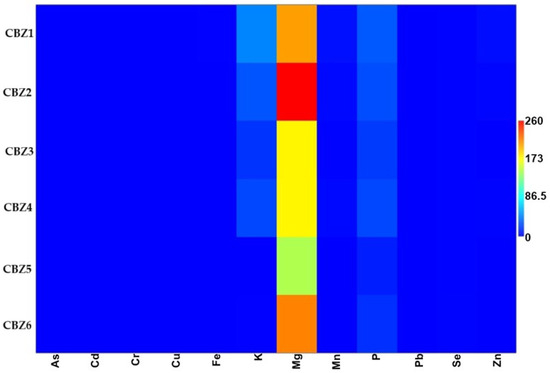
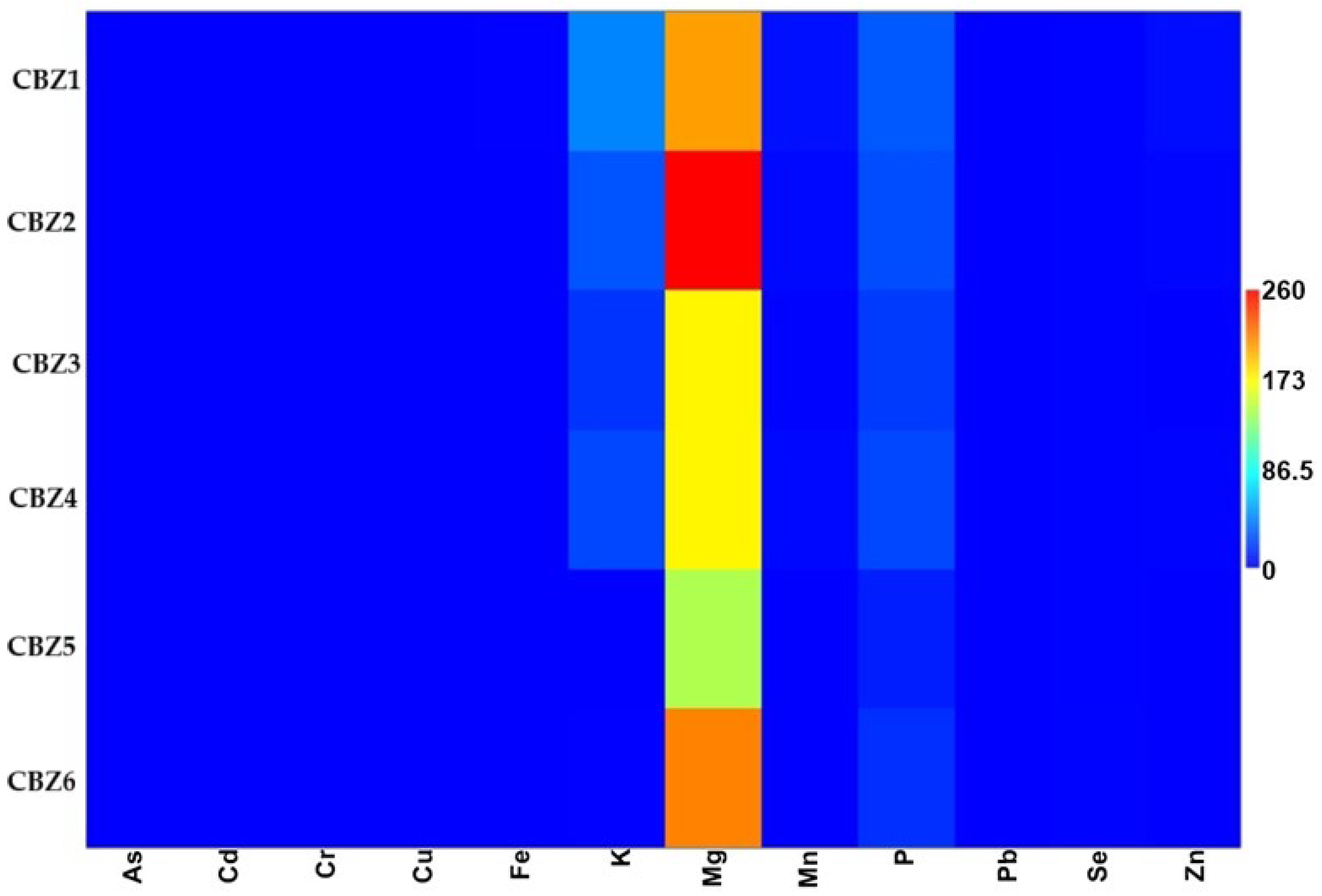
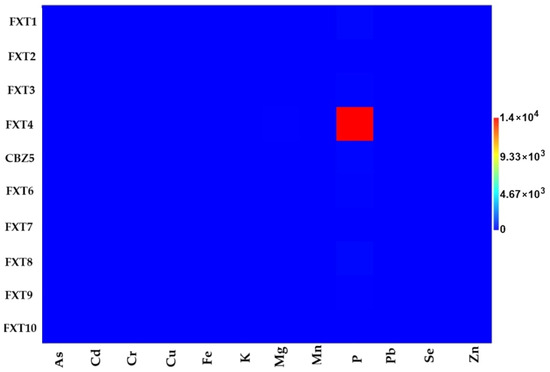
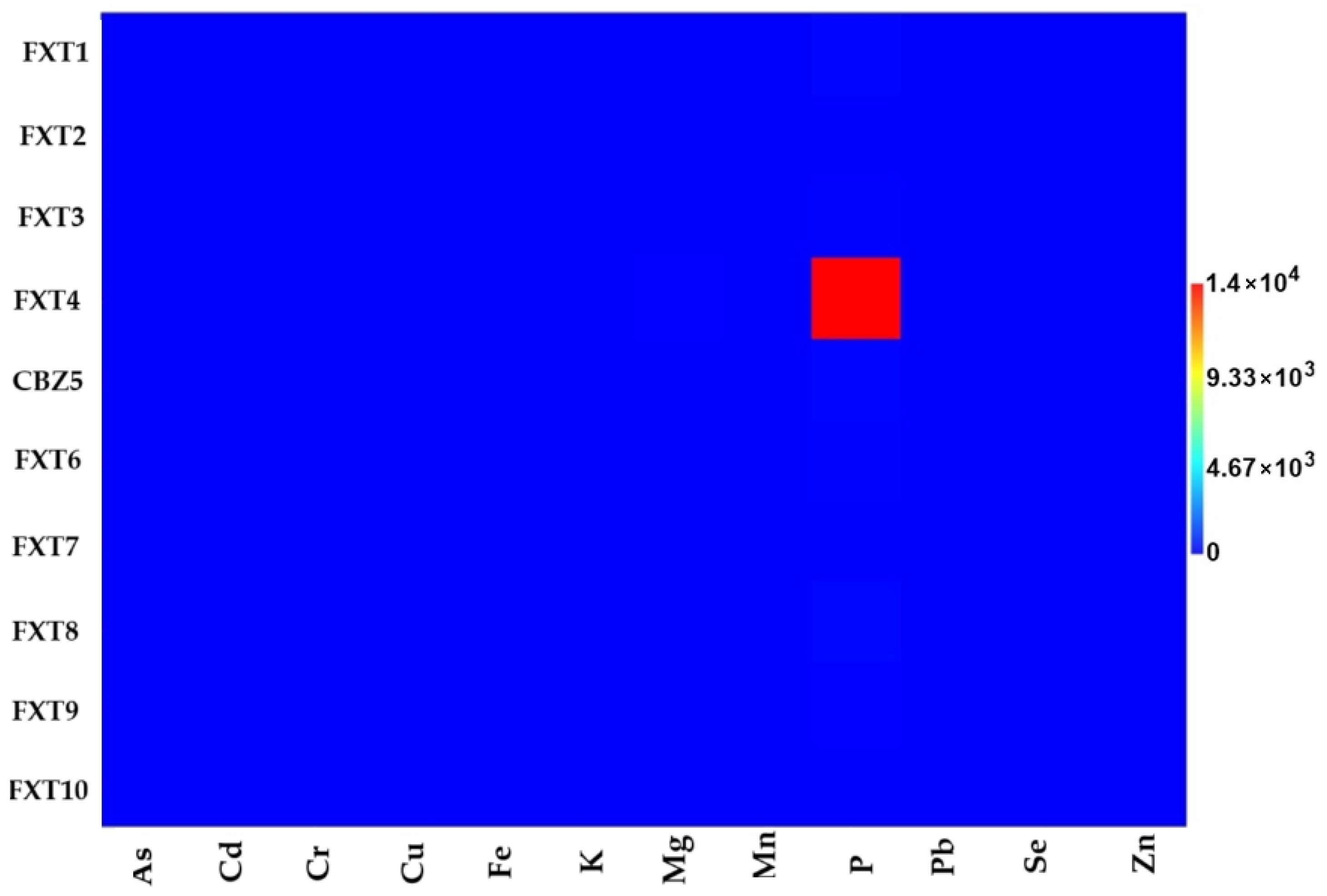

Disclaimer/Publisher’s Note: The statements, opinions and data contained in all publications are solely those of the individual author(s) and contributor(s) and not of MDPI and/or the editor(s). MDPI and/or the editor(s) disclaim responsibility for any injury to people or property resulting from any ideas, methods, instructions or products referred to in the content. |
© 2025 by the authors. Licensee MDPI, Basel, Switzerland. This article is an open access article distributed under the terms and conditions of the Creative Commons Attribution (CC BY) license.