

Proceeding Paper

Wireless Soil Health Beacons: An Intelligent Sensor-Based System for Real-Time Monitoring in Precision Agriculture †

by
Vijayalakshmi Subramanian
1,*,
Alwin Joseph
1,
Durgadevi Paramasivam
2,
Akilan Tamilselvan
3 and
Mahesh Kumar Thangavel
4
1
School of Sciences, CHRIST University, Bengaluru 560029, India
2
Alliance School of Advanced Computing, Alliance University, Bengaluru 560068, India
3
Department of Internal Quality Assurance Cell, Amity University, Kolkata 700135, India
4
Department of Commerce, CHRIST University, Bengaluru 560029, India
*
Author to whom correspondence should be addressed.
Presented at the 12th International Electronic Conference on Sensors and Applications, 12–14 November 2025; Available online: https://sciforum.net/event/ECSA-12.
Eng. Proc. 2025, 118(1), 12; https://doi.org/10.3390/ECSA-12-26539
Published: 7 November 2025

Abstract

Precision agriculture is a modern technology that focuses on the crop by meeting the specific needs of the field. This research presents the Wireless Soil Health Beacons design that can be used in precision agriculture to enhance the production and real-time monitoring of the soil and field parameters. The proposed system integrates bio and physical sensors into an IoT-enabled Wireless Soil Health Beacons (WSHB) to provide detailed and real-time soil health parameters. The beacons are compact and are powered by solar, which is weather-resistant and interconnected via wireless nodes. A set of beacons will be implanted to capture biological and environmental data. The biosensor module detects key soil microbiological parameters such as nitrogen-fixing microbial activity, soil pathogen presence, and general microbial population shifts indicative of soil fertility and disease conditions. The physical sensor module continuously measures soil moisture levels, temperature, and salinity. The data is passed from the nodes to a processing module, which collects and analyses the critical parameters directly related to plant growth, water management, and fertiliser optimisation. A mobile interface assists the farmers and stakeholders with the required information, such as field maps, real-time soil health indicators, and critical alerts related to drought, salinity stress, or pathogen hotspots. The proposed system forms as a multi-dimensional soil profiling tool capable of supporting precision agriculture. Most existing soil monitoring systems rely on environmental parameters, while the proposed system allows the continuous tracking of ecological and microbial dynamics in the area. The mesh network architecture helps the system to be redundant and enhances the outcomes. The proposed system helps with sustainable agriculture and improves the yields with minimal environmental degradation, enabling an adaptive and precise farm management system.

1. Introduction

Precision agriculture (PA) is a farming technique that uses technological advances. The method helps farmers make data-driven decisions with the help of data captured from sensors, drones, and other sources, all of which aim to optimise crop yields, decrease predictions, manage needs, and efficiently use resources [1]. The sensing techniques promote real-time analytics, help identify the variables across the field, and help farmers make decisions on irrigation, fertilisation, and pest control [2]. There is an increase in the demand for sustainable practices, which increases the need for the application of sensing techniques to obtain real-time status of the crops and fields. Various parallel methods have also been implemented to optimise and validate the predictions from one approach.
Integrating biosensors in agriculture offers the ability to continuously monitor microbial activity, soil pathogen presence, and shifts in microbial populations, which are direct indicators of soil fertility and crop health [3,4]. Wireless sensor networks (WSNs) and IoT-enabled systems promote advancements through remote sensing, real-time data collection, and coverage across large agricultural fields. The systems, powered using solar, weather-resistant nodes connected in a mesh network, facilitate seamless data transfer and validation mechanisms with redundancy. With the help of mobile interfaces, these systems provide farms with field maps, health indicators, and alerts [5,6]. Integrating biosensors and physical sensors into WSNs is a field profiling tool that helps support PA systems for sustainable and adaptive farm management.

2. Related Work

Internet of Things (IoT) sensing, along with the application of AI/ML, can process complex data and reshape PA, helping with the advisories across irrigation, nutrient management, and monitoring of the fields. There are practical constraints in rural areas, which include network issues, extreme climatic conditions, maintenance of the systems, and the conversion of raw data from the sensors into prescriptions with limited information [7]. Ritesh et al. proposed the application of LoRaWAN in PA performed in greenhouses, but such systems lack practical application in real fields [6]. Sui and Baggard demonstrated WSN deployment for soil moisture and weather monitoring using sensors at multiple depths, wireless data loggers, and GPRS connectivity. The field trials showed successful data collection at 1 h intervals with wireless transmission to internet-based platforms in agricultural WSN systems [8]. Deploying beacons or similar nodes across farms poses challenges with data fusion and analytics to extract actionable insights.
Navarro et al. conducted a review of IoT solutions for smart farming, analysing 159 research papers and identifying crop monitoring (47% of applications) and irrigation control as primary use cases [9]. Wu et al. developed an advanced IoT-based multiple-sensor monitoring system incorporating temperature, moisture, and pH sensors with smartphone integration [10]. AI-driven models can predict soil conditions, optimise irrigation schedules, and provide crop recommendations based on real-time sensor data. Deep reinforcement learning approaches show particular promise for edge computing optimisation in IoT agricultural systems [11]. There is rapid evolution of advanced soil and plant sensors, but there exist data integration issues with farm management systems [12]. Monitoring soil macronutrients (N, P, K) helps in planning efficient fertilisation strategies.
ML algorithms combined with wireless sensor data (for NPK, pH, and moisture) helped to give improved crop recommendations and soil health forecasting compared to traditional monitoring [13]. Networks consist of sensor nodes that measure various environmental parameters such as soil moisture, pH, temperature, and humidity. The data collected is transmitted wirelessly to a central hub or decision support system [14,15,16]. Energy-efficient protocols and low-power sensor nodes are crucial for the sustainability of WSNs in agriculture. Techniques like dynamic data routing and the use of solar panels for power supply help in maintaining long-term operations [17]. By accurately measuring and analysing soil health parameters, WSNs help in optimising the use of water and fertilisers, leading to improved crop health and yield [17]. Efficient data collection, storage, and processing are essential for the effective use of WSNs. Systems like the WSN Management Framework for Precision Agriculture (MFPA) ensure real-time data availability and decision support [18].

3. Wireless Soil Health Beacons

The proposed Wireless Soil Health Beacons are used to monitor the soil parameters in real time. The sensors equipped as part of the beacons continuously measure the soil parameters and send the data at regular intervals to the centralised node, which then processes and analyses the data and sends it to the application server to generate recommendations and provide real-time monitoring of the parameters in the fields. An intelligent agent is designed as part of WSHB, which gathers the data inputs from the regional weather forecasts and obtains the historical data that is required for further processing of the systems in the central node. Here, we present the abstract view of the proposed system, detailing the workings and overall processing that the system contributes to sustainable agriculture driven by data-driven systems.
Figure 1 shows the block diagram of the proposed WSHB, which has a set of sensors aimed at detecting key soil microbiological parameters such as nitrogen-fixing microbial activity, soil pathogen presence, and general microbial population shifts that help to measure the soil fertility and disease conditions. The physical sensor array continuously measures various parameters, including soil moisture levels, temperature, and salinity. The data is passed from the nodes to a processing module, which collects and analyses the critical parameters directly related to plant growth, water management, and fertiliser optimisation. The detailed functions of some of the key components of the proposed soil beacons are mentioned in Table 1.
The WSHB unit measures the data and passes it to a centralised node, where the data from the beacons is stored and processed. The data shared across to the central node is transmitted to the node in two ways: one via a direct connection and the other via a mesh network. The data will reach the central node, even if any one of the means is set up and working, providing a redundancy in operation.
Table 2 shows the data that has been transmitted from one beacon to the central node and the subsequent nearby beacons in a mesh network. The capability of transmitting the data from the neighbour beacon to the next one into the network ensures that the beacons can be deployed in regions where there is limited network availability and can cover a large area. Upon receiving the data in the central processing unit from the beacons, the data is processed and validated with three entries captured from multiple beacons. Real-time parameters and factors are also captured from other data sources and weather reports. Based on the nature of the plant that is cultivated in the field, the decisions, real-time map of the field, etc., are generated and are shared with the farmers in their interfaces to make the required steps to address the issues.
Table 3 presents the action insights generated from the data that is captured from the beacons after processing. These action items are identified with the help of data aggregation and processing. The system that is used for the data processing and aggregation is a new study, which details the components, AI and ML models applied, diverse decision-making processes, and strategies. The system is also equipped with a mobile interface that is connected with the central node to assist the farmers and stakeholders with the required information, such as field maps, real-time soil health indicators, and critical alerts related to drought, salinity stress, or pathogen hotspots. The proposed system forms as a multi-dimensional soil profiling tool capable of supporting precision agriculture. The proposed WSHB and the comprehensive processing unit help to capture data from fields and drive precision data-driven agriculture with the support of an informed decision-making system.

4. Conclusions

Soil beacons are set in fields to capture live updates from the fields. The sensors embedded in the beacons capture a variety of parameters that drive the plant’s growth and monitor the soil’s fertility. Combined with the data captured from the beacon array, along with the parameters required for crops, the farmers can make informed decisions to maximise their production. The major challenge is detecting specific pathogens, which requires specialised biosensors that need constant development and upgrades. The set of beacons that form a mesh network could give comprehensive data about the field, which needs to be enhanced into a field map, and automations can be brought in terms of irrigation, essential manuring and so on, which again requires significant research and development. The application of artificial intelligence in processing data is another significant milestone that needs to be applied, along with the capability to process and gain insights from multimodal data. The soil beacons promote sustainable growth by helping the stakeholders to plan and make informed decisions, which are required for the effective management of the field.

Author Contributions

Conceptualisation, V.S. and A.J.; methodology, D.P.; validation, A.T., M.K.T. and V.S.; formal analysis, A.J.; investigation, D.P.; writing—original draft preparation, A.J.; writing—review and editing, V.S., M.K.T. and A.T.; visualisation, A.J.; supervision, V.S.; project administration, V.S. All authors have read and agreed to the published version of the manuscript.

Funding

This research received no external funding.

Institutional Review Board Statement

Not applicable.

Informed Consent Statement

Not applicable.

Data Availability Statement

The data used in the research will be shared upon request to the corresponding author.

Conflicts of Interest

The authors declare no conflicts of interest.

References

  1. Khanna, A.; Kaur, S. Evolution of Internet of Things (IoT) and its significant impact in the field of Precision Agriculture. Comput. Electron. Agric. 2019, 157, 218–231. [Google Scholar] [CrossRef]
  2. Hopkins, M. ISPA Forms Official Definition of ‘Precision Agriculture’, Global Ag Tech Initiative. 2021. Available online: https://www.globalagtechinitiative.com/market-watch/ispa-forms-official-definition-of-precision-agriculture/ (accessed on 30 November 2025).
  3. PsiBorg Technologies Pvt. Ltd. Soil Health Monitoring System for Better Crop Yield. 27 February 2025. Available online: https://psiborg.in/iot-case-studies/soil-health-monitoring-system-for-better-crop-yield/ (accessed on 30 November 2025).
  4. DeFord, L.; Yoon, J.Y. Soil microbiome characterization and its future directions with biosensing. J. Biol. Eng. 2024, 18, 50. [Google Scholar] [CrossRef] [PubMed]
  5. DADB. 10 Applications of IoT in Agriculture: Transforming Farming Practices. DADB India. 20 February 2025. Available online: https://dadb.com/in/blog/10-applications-of-iot-in-agriculture-transforming-farming-practices/ (accessed on 30 November 2025).
  6. Singh, R.K.; Aernouts, M.; De Meyer, M.; Weyn, M.; Berkvens, R. Leveraging LoRaWAN Technology for Precision Agriculture in Greenhouses. Sensors 2020, 20, 1827. [Google Scholar] [CrossRef] [PubMed]
  7. Miller, T.; Mikiciuk, G.; Durlik, I.; Mikiciuk, M.; Łobodzińska, A.; Śnieg, M. The IoT and AI in Agriculture: The Time Is Now—A Systematic Review of Smart Sensing Technologies. Sensors 2025, 25, 3583. [Google Scholar] [CrossRef] [PubMed]
  8. Sui, R.; Baggard, J. Wireless sensor network for monitoring soil moisture and weather conditions. Appl. Eng. Agric. 2015, 31, 193–200. [Google Scholar] [CrossRef]
  9. Navarro, E.; Costa, N.; Pereira, A. A Systematic Review of IoT Solutions for Smart Farming. Sensors 2020, 20, 4231. [Google Scholar] [CrossRef] [PubMed]
  10. Shahab, H.; Naeem, M.; Iqbal, M.; Aqeel, M.; Ullah, S.S. IoT-driven smart agricultural technology for real-time soil and crop optimization. Smart Agric. Technol. 2025, 10, 100847. [Google Scholar] [CrossRef]
  11. Gómez-Chabla, R.; Real-Avilés, K.; Morán, C.; Grijalva, P.; Recalde, T. IoT applications in agriculture: A systematic literature review. In Proceedings of the 2nd International Conference on ICTs in Agronomy and Environment, Guayaquil, Ecuador, 22–25 January 2019; pp. 68–76. [Google Scholar]
  12. Faqir, Y.; Qayoom, A.; Erasmus, E.; Schutte-Smith, M.; Visser, H.G. A review on the application of advanced soil and plant sensors in the agriculture sector. Comput. Electron. Agric. 2024, 226, 109385. [Google Scholar] [CrossRef]
  13. Islam, M.R.; Oliullah, K.; Kabir, M.M.; Alom, M.; Mridha, M.F. Machine learning enabled IoT system for soil nutrients monitoring and crop recommendation. J. Agric. Food Res. 2023, 14, 100880. [Google Scholar] [CrossRef]
  14. Thakur, D.; Kumar, Y.; Kumar, A.; Singh, P.K. Applicability of wireless sensor networks in precision agriculture: A review. Wirel. Pers. Commun. 2019, 107, 471–512. [Google Scholar] [CrossRef]
  15. Sun, Y.; Shen, M.; Zhou, L.; Ma, F.; Lin, X.; Xiong, Y. Design of a wireless sensor network for farmland monitoring. In Proceedings of the 2010 Fifth International Conference on Frontier of Computer Science and Technology, Changchun, China, 18–22 August 2010; pp. 370–375. [Google Scholar]
  16. Gupta, A.; Sharma, D.K.; Sahai, D.N. A High QoS Cluster Routing Scheme for Wireless Sensor Networks in Smart Agriculture Application. In International Conference on Information Technology; Springer Nature: Singapore, 2024; pp. 83–95. [Google Scholar]
  17. Bhosale, T.; Patil, M.; Wadhai, V. A smart farming alternative for small Pomegranate farms of India. In Proceedings of the 2015 International Conference on Communications and Signal Processing (ICCSP), Melmaruvathur, India, 2–4 April 2015; pp. 0540–0544. [Google Scholar]
  18. Le, T.D.; Tan, D.H. Design and deploy a wireless sensor network for precision agriculture. In Proceedings of the 2015 2nd National Foundation for Science and Technology Development Conference on Information and Computer Science (NICS), Ho Chi Minh City, Vietnam, 16–18 September 2015; pp. 294–299. [Google Scholar]
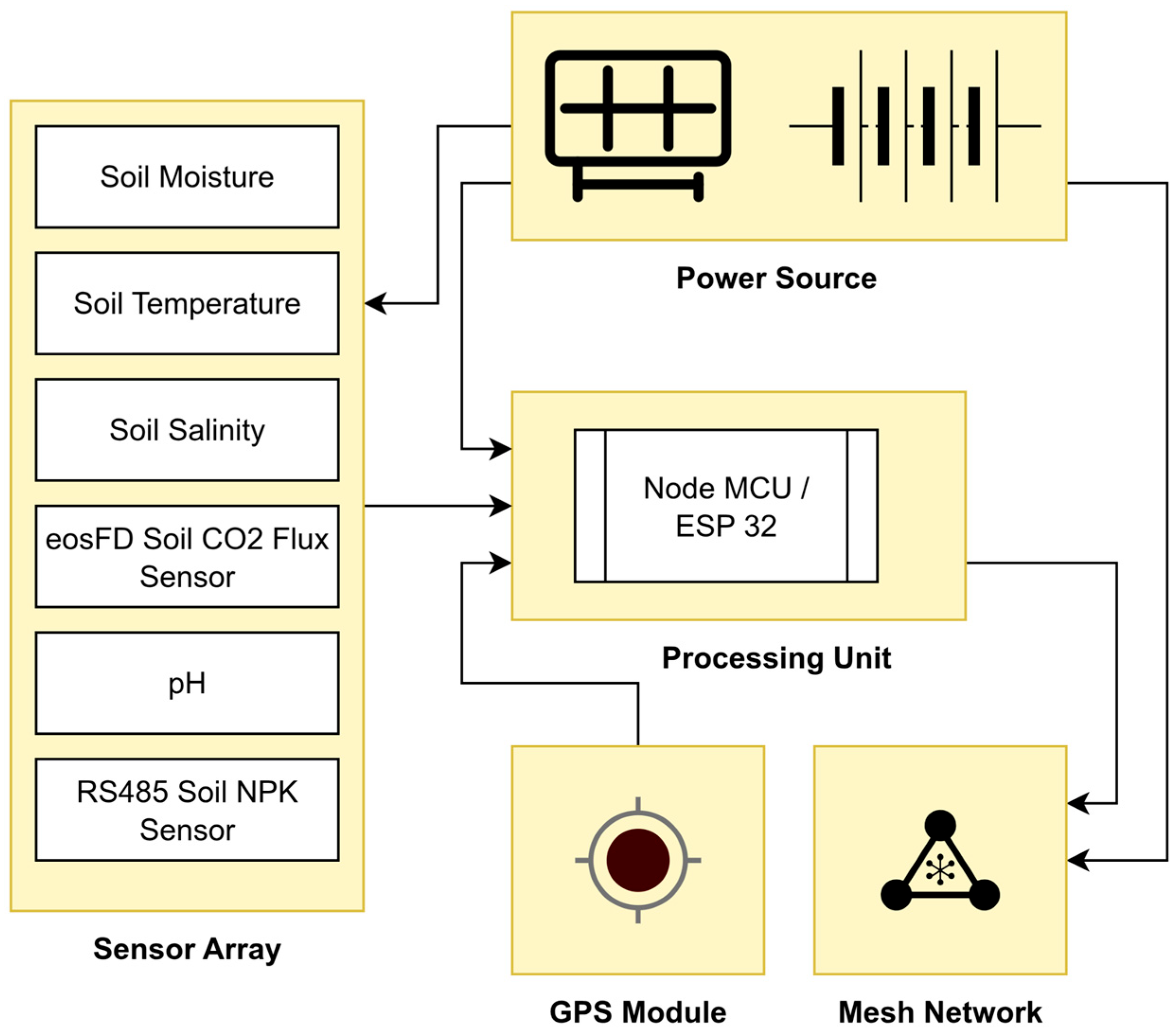
Figure 1. Block diagram of the proposed beacons.
Engproc 118 00012 g001
Table 1. Sensors and major components that were used in the proposed beacons.
ParameterSensorManufacturerFunction
Soil Moisture31076
Capacitive Soil Moisture
Physiz Agtech Private Limited, Mumbai, Maharashtra, IndiaMeasures the volumetric water content in the soil. Triggering alerts and optimising irrigation schedules to prevent plant stress.
Soil TemperatureDS18B20 Waterproof Temperature Analog Devices, Bangalore, Karnataka, IndiaMonitors soil temperature, which has a direct influence on the microbial activity, nutrient availability, and seed germination.
Soil SalinityPHYFARM
Electrical Conductivity (EC)
Physiz Agtech Private Limited, Mumbai, Maharashtra, IndiaMeasures the concentration of soluble salts in the soil by testing its electrical conductivity (EC), as high salinity limits plant water uptake.
General Microbial ActivityeosFD Soil CO2 Flux Sensor Eosense, Dartmouth, Nova Scotia, CanadaSoil respiration strongly indicates the overall microbial population and metabolic activity. Shifts in CO2 levels can indicate changes in soil fertility and health.
pH Soil Sensor JXBS-3001-PH-I20JXCT, Mumbai, Maharashtra, IndiaMeasures the pH value of the soil that controls nutrient availability and microbial health
NPK Availability RS-485 Soil NPK SensorREES52, Delhi, IndiaIt measures nitrate concentration (NO3), the primary form of nitrogen absorbed by plants, which is used for fertiliser optimisation and understanding nutrient availability.
Processing UnitESP32Espressif Systems, Pune, Maharashtra, IndiaA microcontroller with integrated Wi-Fi and Bluetooth for data aggregation, local processing, and communication with the cloud platform.
Power Sourcesolar panel, LiPo/Li-ion battery, charge controller Provides a self-sustaining power source, enabling long-term, unattended deployment of the beacons in the field.
GPSGPS/GNSS Receiver Module (M20050-1)Antenova, Hatfield, Hertfordshire, UKGPS Location for geotagging
Mesh NetworkHopeRF RFM95REES52, Delhi, IndiaMesh network configuration for long-range, low-power data transmission between beacons and the central gateway, ensuring robust connectivity across a large field.
Table 2. Data that is transmitted from one beacon to the central node.
{
“beacon_id”: “WSHB-03”,
“timestamp”: “2025-08-10T14:30:00+05:30”,
“soil”: {
“moisture_vwc_pct”: 21.8,
“temperature_c”: 25.7,
“ec_ds_m”: 1.82,
“ph”: 6.7,
“co2_flux_umol_m2_s”: 3.2,
“nitrate_mg_kg”: 35,
“phosphate_mg_kg”: 18,
“potassium_mg_kg”: 152
},
“device”: {
“battery_v”: 3.93,
“fw”: “1.0.0”,
“seq”: 1248
}
}
Table 3. Insights generated from the data that is captured from the beacons after processing.
Condition DetectedEvidenceRule/Trigger (Generic)Recommendation/ActionPriorityAction Window
Irrigation watch (near-dry)VWC 21.8% (midday)If VWC < 22% and falling over 2 readingsMonitor next 2–3 h; if still ↓, irrigate overnight (light cycle) to avoid stress and minimise evap.MediumCheck again
Salinity cautionEC 1.82 dS/mIf EC ≥ 1.5 dS/m (sensitive crops)Avoid saline fertigation today; after irrigation, consider leaching if EC stays ≥1.8; use low-EC water if available.MediumCheck again
pH acceptablepH 6.7Target 6.0–7.5No liming/sulfur needed. Keep as-is.Low
Temperature optimal25.7 °CCrop-optimal 20–30 °C for rootsGood for root activity; keep moisture steady to avoid heat and salt stress.Low
Microbial activity normalCO2 flux 3.2Within the local baseline bandNo action; use as bio health reference. If it drops with drying, prioritise irrigation.Low
Nitrogen status adequateNO3 35 mg/kgIf 25–40 mg/kg = OKHold N today; consider light top-dress next irrigation only if crop demand is rising.LowNext irrigation
Phosphorus adequateP 18 mg/kgIf >10–15 mg/kg = adequate (Olsen-P equiv.)No P this cycle; reassess pre-flowering/critical growth stage.LowNext check in 2–3 weeks
Potassium adequateK 152 mg/kgIf >120 mg/kg = adequate (crop/soil dependent)No K this cycle; monitor leaf symptoms and soil trend.LowNext check in 2–3 weeks
Data quality checkEC high + VWC near thresholdIf EC ≥ 1.8 and VWC < 25%Rinse EC probe at service visit; ensure temp compensation enabled; verify soil-specific moisture calibration.MediumWithin 1–2 days
Device healthBattery 3.93 VIf >3.6 V = OKNo action. Log RSSI/SNR on the next uplink for link QA.Low
Disclaimer/Publisher’s Note: The statements, opinions and data contained in all publications are solely those of the individual author(s) and contributor(s) and not of MDPI and/or the editor(s). MDPI and/or the editor(s) disclaim responsibility for any injury to people or property resulting from any ideas, methods, instructions or products referred to in the content.