
Proceeding Paper

Insilico Evaluation of Chrome-4-One Derivatives as a Potential α-Glucosidase Inhibitor: Molecular Docking and ADMET Profiling †

1
Department of Chemistry, Federal College of Education, Yola 640102, Nigeria
2
Department of Chemistry, Air Force Institute of Technology, Kaduna 800282, Nigeria
3
Department of Integrated Science, Federal College of Education, Yola 640102, Nigeria
*
Author to whom correspondence should be addressed.
Presented at the 29th International Electronic Conference on Synthetic Organic Chemistry, 14–28 November 2025; Available online: https://sciforum.net/event/ecsoc-29.
Chem. Proc. 2025, 18(1), 51; https://doi.org/10.3390/ecsoc-29-26856
Published: 12 November 2025

Abstract

Diabetes is a chronic metabolic disorder characterized by persistently high blood glucose levels due to insulin malfunction, defective insulin secretion, or both. Chromen-4-one, known to have diverse biological activity, is a core structure found in many natural products, particularly in the flavonoid and isoflavonoid families. The study aims to explore the potential of Chrome-4-one derivatives as a potential antidiabetic agent through the α-glucosidase inhibition mechanism. The compounds were retrieved from the PubChem database, optimized, and prepared using ChemDraw 12.0, Spartan14, and UCSF Chimera. The post-docking analysis was performed using BIOVIA Discovery Studio. Theoretical oral bioavailability and toxicity predictions were performed using ADMETlab3.0. Molecular docking of the compounds against the α-glucosidase enzyme (PDB ID: 3A4A) was carried out using AutoDock Vina 1.2.5. According to Lipinski’s rule of five (5), all the ligands passed the oral bioavailability and are druggable. The binding score of all the ligands was better than the native ligand (−5.7 Kcal/mol) but slightly lower than that of Acarbose (−9.0 Kcal/mol), except for L7 (Myricetin), which equals the standard drug. The ligands revealed good interaction with the enzyme’s active site residues. The most notable interactions were hydrogen bonding, van der Waals, Pi–anion, Pi–cation, Pi–Pi T-shape, Pi–Sigma, and carbon–hydrogen bonds. The ligands interacted with the key catalytic residues: Asp352, Glu277, Glu411, Trp158, and Arg442, which are responsible for α-glucosidase inhibition. The result of the study suggests that the chrome-4-one derivatives have the potential to be utilized as a lead molecule for orally available α-glucosidase inhibitors.

1. Introduction

Diabetes represents a prevalent condition impacting millions worldwide, distinguished by elevated blood glucose levels resulting from insulin-related complications [1]. Diabetes classification based on the WHO identifies two main types [2]: type 1, caused by the destruction of pancreatic β-cells, resulting in the inability to produce insulin, and type 2, primarily due to insufficient insulin secretion or malfunction [3]. Studies revealed that long-term diabetes has been associated with various health complications, including cardiovascular disease, kidney dysfunction, and neuropathy [4]. The inhibition of α-glucosidase, an enzyme responsible for the hydrolysis of starch into simple sugars, serves as a recognized and effective approach to regulating blood glucose levels in the management of type 2 diabetes [5]. Chromones (4H-chromen-4-ones) represent a class of heterocyclic compounds characterized by a benzo-γ-pyrone framework [6]. The naturally occurring benzopyrones possess diverse biological properties like antiallergic, anti-inflammatory, and antidiabetic [7]. This study aims to explore the potential of Chrome-4-one derivatives as an antidiabetic agent through the α-glucosidase inhibition mechanism.

2. Methods

2.1. Ligand Preparation

Chromen-4-one derivatives used in this research were queried from the PubChem database. The 2D structures were generated using ChemDraw Ultra version 12.0.2, and Spartan 14v 114 was used to convert the 2D structures to 3D structures. The ligands were optimized and saved as mol2 files.

2.2. Receptor Preparation

The crystal structure of yeast α-glucosidase (PDB: 3A4A) protein was downloaded from the Protein Data Bank (PDB, http://www.rcsb.org accessed on 8 August 2025). The enzyme was prepared by removing all non-residues followed by the addition of hydrogen atoms and Gasteiger charges to the amino acid residues, using UCSF Chimera version 1.17.3 [8].

2.3. Molecular Docking

The prepared 3D ligands and the receptor were converted to pdbqt by utilizing AutoDockTool version 1.5.6 [9]. The molecular docking of the ligands and target enzyme was carried out using Autodock Vina 1.2.5 [10] with the aid of a Cygwin64 terminal. The docking calculations were viewed using UCFS chimera version 1.17.3 [8] and were saved in pdb format. The saved pdb files were viewed using Discovery Studio Visualizer version 20.1.0 for receptor–ligand interactions.

2.4. Theoretical Oral Bioavailability

The oral bioavailability prediction was carried out using an online web server (ADMETlab 3.0).

3. Results and Discussion

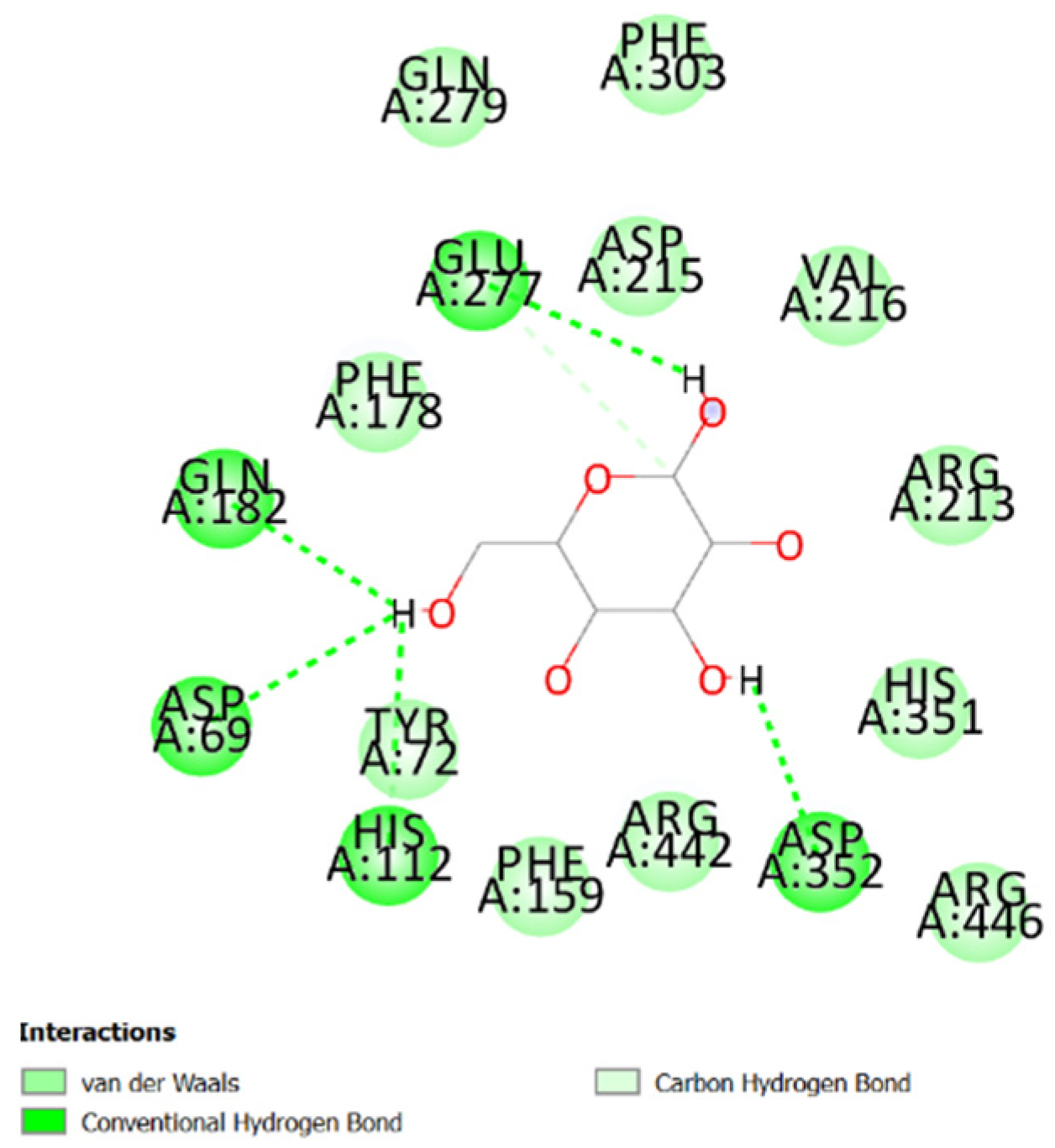
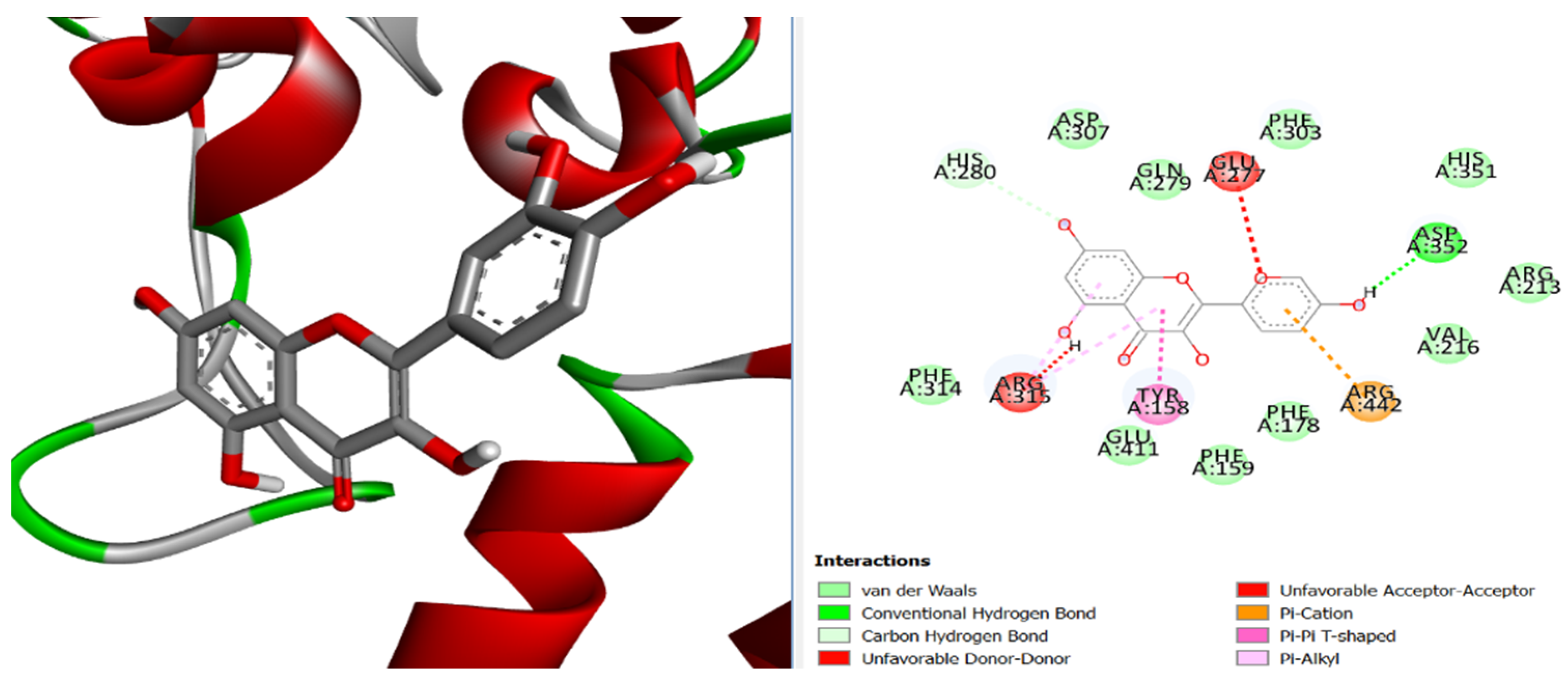
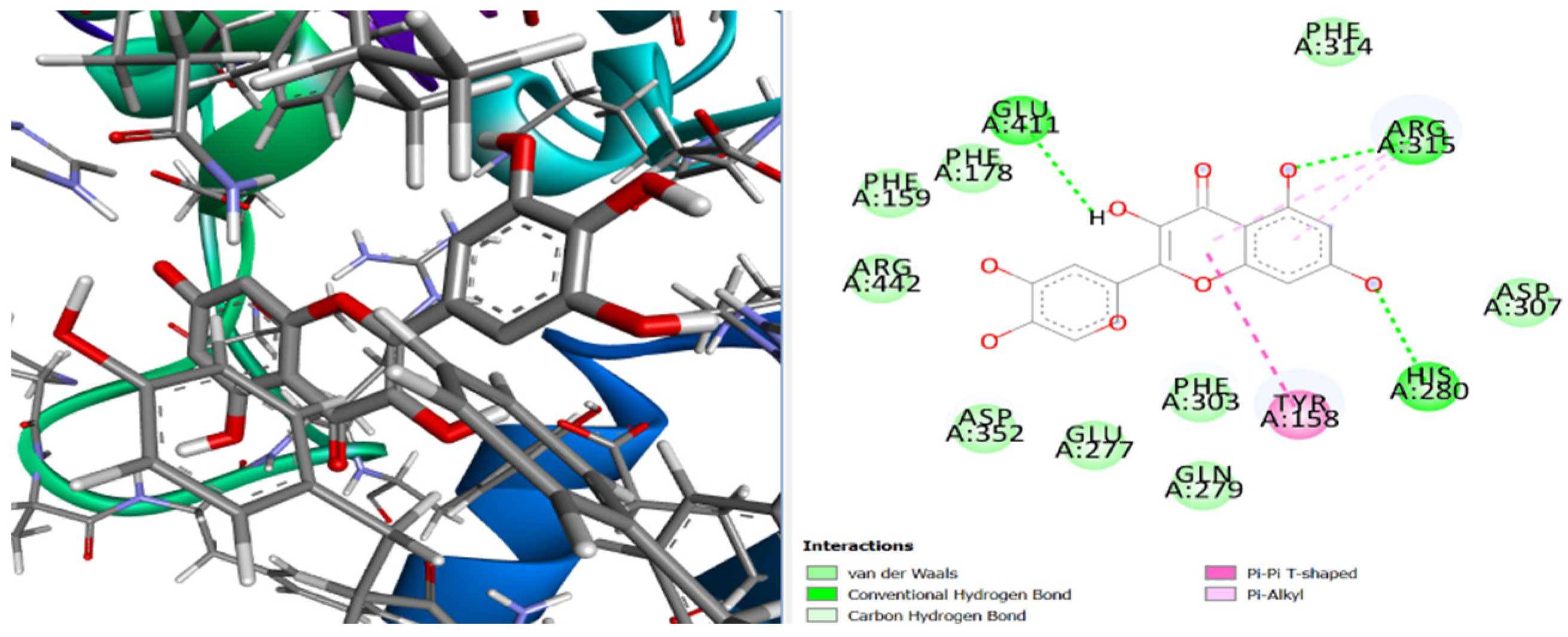
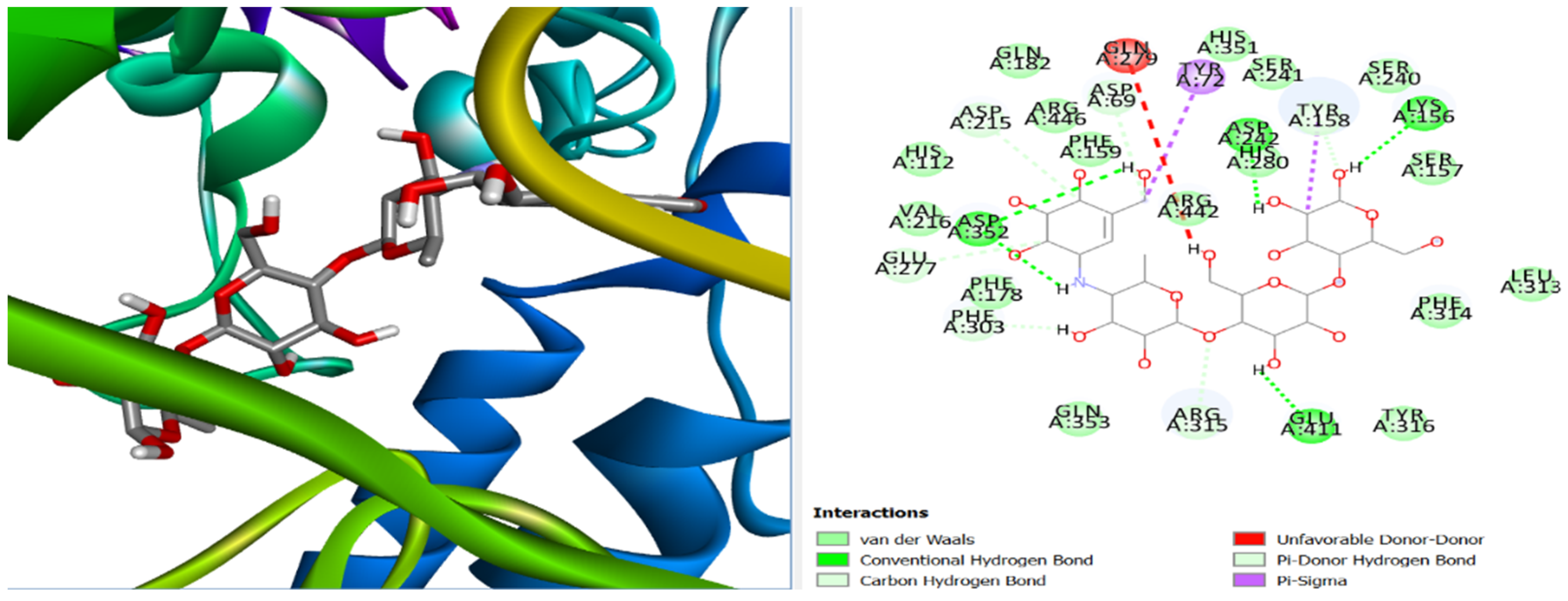
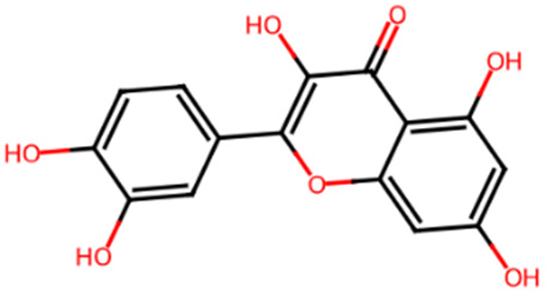
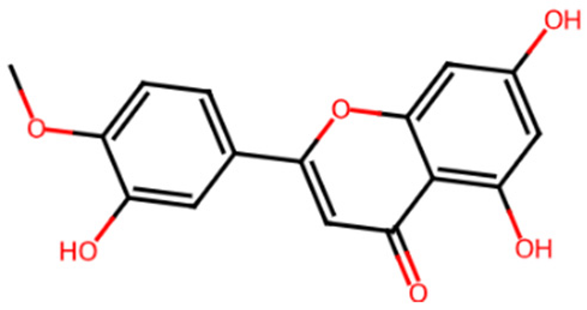
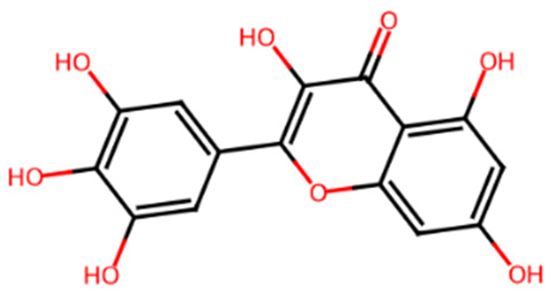
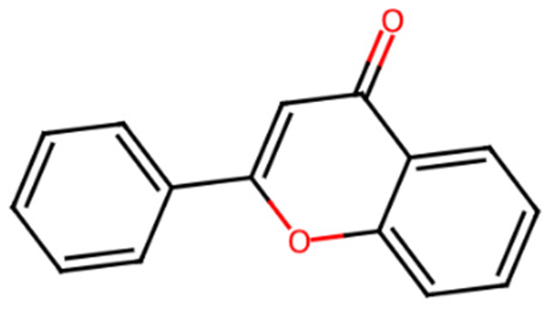
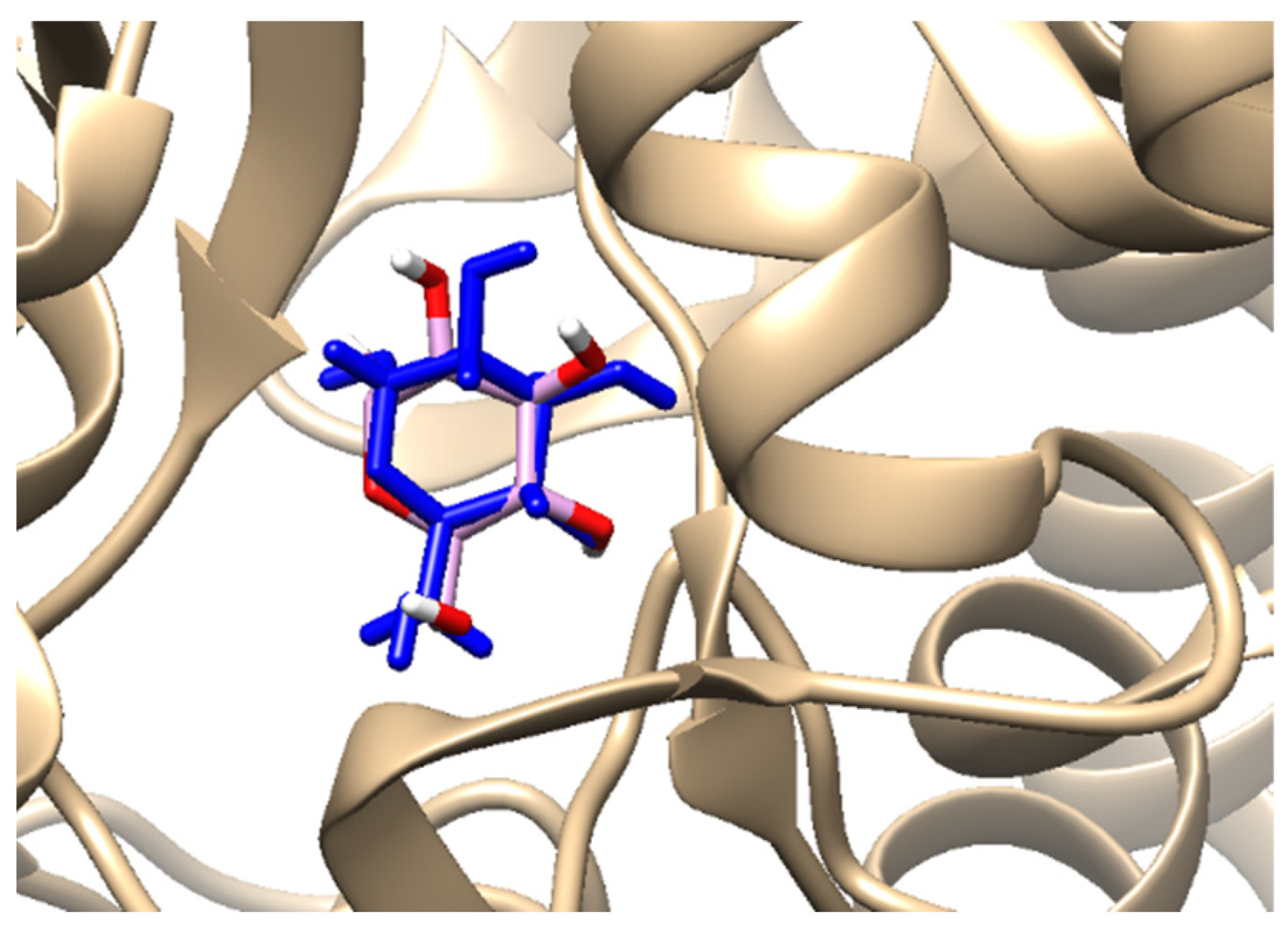
Table 1 shows the chemical description of the ligands. The result of theoretical oral bioavailability in Table 2 showed that all the designed ligands passed Lipinski’s rule of five, meaning they are all druggable. All the ligands have a good synthetic accessibility score (<6). The binding score of all the ligands in Figure 1 were better than the native ligand (−5.7 Kcal/mol) but slightly lower than that of Acarbose (−9.0 Kcal/mol), except for L7 (Myricetin), which equals the standard drug. Figure 2 reveals the docking validation of the native ligand. The ligands revealed good interaction with the enzyme’s active site residues. The most significant interactions were hydrogen bonding, van der Waals, Pi–anion, Pi–cation, Pi–Pi T-shape, Pi–Sigma, and carbon–hydrogen bonds. The ligands interacted with the key catalytic residues: Asp352, Glu277, Glu411, Trp158, and Arg442, which are responsible for α-glucosidase inhibition (Figure 3, Figure 4, Figure 5 and Figure 6). The molecular docking studies revealed that chromen-4-one derivatives have a promising inhibitory activity. This is in agreement with the work of Kumara et al. (2025) which reveals that chromones have the potential as α-glucosidase inhibitors with good pharmacokinetic properties [3]. The result in Table 2 correlates with the binding affinity (Figure 1). L7 shows higher lipophilicity (LogP value) in Table 2, which correlates with the binding affinity (related to biological activity) of −9.0 Kcal/mol, which has the best affinity.

4. Conclusions

The ligand interacts with amino acid residues at the enzyme’s active site, which is responsible for α-glucosidase inhibition. This suggests that the chromen-4-one derivatives have the potential to be used as α-glucosidase inhibitors.

Author Contributions

Conceptualization, writing—original draft preparation, writing—review and editing, project administration, funding acquisition, I.G.; methodology, software, validation, A.S.B. and M.I.; formal analysis, investigation, resources, data curation, visualization, supervision, Y.A.G. and Y.I. All authors have read and agreed to the published version of the manuscript.

Funding

This research received no external funding.

Institutional Review Board Statement

Not applicable.

Informed Consent Statement

Not applicable.

Data Availability Statement

Data are available in this manuscript.

Conflicts of Interest

The authors declare no conflicts of interest.

References

  1. American Diabetes Association. Diagnosis and classification of diabetes mellitus. Diabetes Care 2009, 37, S62–S67. [Google Scholar]
  2. Mendes, A.L.; Miot, H.A.; Junior, V.H. Diabetes mellitus and the skin. An Bras. Dermatol. 2017, 92, 8–20. [Google Scholar] [CrossRef] [PubMed]
  3. Kumara, S.T.; Patrudu, T.B.; Polisetti, V.K.; Chinnachennaiahgari, V.B.; Yatam, S.; Katari, N.K.; Gundla, R. Dihydropyrimidinone-Based Chromones as New α-Glucosidase Inhibitors. ChemistrySelect 2025, 10, e05463. [Google Scholar] [CrossRef]
  4. Padhi, S.; Kumar, A.; Behera, A. Biomedicine & pharmacotherapy type II diabetes mellitus: A review on recent drug-based therapeutics. Biomed. Pharmacother. 2020, 131, 110708. [Google Scholar] [PubMed]
  5. Dirir, A.; Daou, M.; Yousef, A.; Yousef, L. A review of alpha-glucosidase inhibitors from plants as potential candidates for the treatment of type-2 diabetes. Phytochem. Rev. 2021, 21, 1049–1079. [Google Scholar] [CrossRef]
  6. Kuldeep, T.P.; Santosh, S.C.; Manoj Damale Jaiprakash, N.S.; Navanand, B.W.; Gokul, V.S.; Ramesh, S.N.; Sunil, V.G. Design, synthesis, and pharmacological profiling of 2-(Furan-2-yl)- chromen-4-one derivatives: Theoretical and molecular insights. Results Chem. 2025, 17, 102588. [Google Scholar] [CrossRef]
  7. Benny, A.T.; Arikkatt, S.D.; Vazhappilly, C.G.; Kannadasan, S.; Leelabaiamma, M.S.N.; Thomas, R.; Radha, E.K.; Shanmugam, P. Chromone, A Privileged Scaffold in Drug Discovery: Developments in the Synthesis and Bioactivity. Mini-Rev. Med. Chem. 2022, 22, 1030–1063. [Google Scholar] [PubMed]
  8. Pettersen, E.F.; Goddard, T.D.; Huang, C.C.; Couch, G.S.; Greenblatt, D.M.; Meng, E.C.; Ferrin, T.E. UCSF Chimera—A visualization system for exploratory research and analysis. J. Comput. Chem. 2004, 25, 1605–1612. [Google Scholar] [CrossRef] [PubMed]
  9. Sanner, M.F. Python: A Programming Language for Software Integration and Development. J. Mol. Graph. Mod. 1999, 17, 57–61. [Google Scholar]
  10. Trott, O.; Olson, A.J. AutoDock Vina: Improving the speed and accuracy of docking with a new scoring function, efficient optimization, and multithreading. J. Comput. Chem. 2010, 31, 455–461. [Google Scholar] [CrossRef] [PubMed]
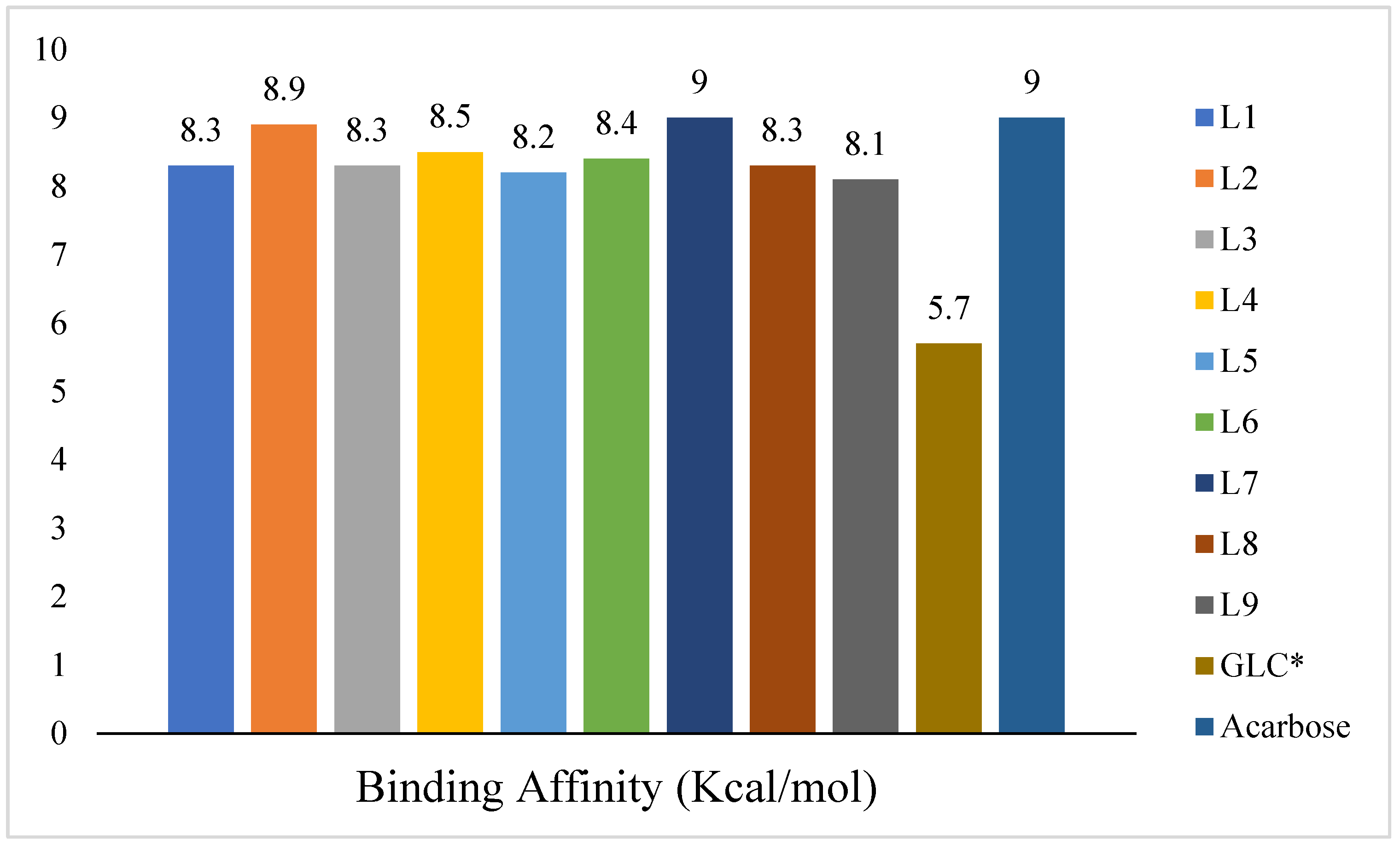
Figure 1. Binding affinities of the docked ligands (chromen-4-one derivatives), native ligand (GLC*), and Acarbose (standard drug).
Chemproc 18 00051 g001
Figure 2. Crystal structure of α-glucosidase (blue) and re-docked ligand (pink–red edge) superimposed on the crystal structure for validation purposes.
Chemproc 18 00051 g002
Figure 3. Two-dimensional pose interaction of native ligand at the active site of α-glucosidase.
Chemproc 18 00051 g003
Figure 4. Three-dimensional and two-dimensional pose interaction of L2 at the active site of α-glucosidase.
Chemproc 18 00051 g004
Figure 5. Three-dimensional and two-dimensional pose interaction of L7 at the active site of α-glucosidase.
Chemproc 18 00051 g005
Figure 6. Three-dimensional and two-dimensional pose interaction of Acarbose at the active site of α-glucosidase.
Chemproc 18 00051 g006
Table 1. Common name, PubChem ID, IUPAC name, chemical structure, and SMILES of the selected chrome-4-one derivatives.
Common Name CodePubChem IDIUPAC NameChemical StructureSMILES
GenisteinL152809615,7-dihydroxy-3-(4-hydroxyphenyl)chromen-4-oneChemproc 18 00051 i001C1=CC(=CC=C1C2=COC3=CC(=CC(=C3C2=O)O)O)O
QuercetinL252803432-(3,4-dihydroxyphenyl)-3,5,7-trihydroxychromen-4-oneChemproc 18 00051 i002C1=CC(=C(C=C1C2=C(C(=O)C3=C(C=C(C=C3O2)O)O)O)O)O
ApigeninL352804435,7-dihydroxy-2-(4-hydroxyphenyl)chromen-4-oneChemproc 18 00051 i003C1=CC(=CC=C1C2=CC(=O)C3=C(C=C(C=C3O2)O)O)O
DiosmetinL452816125,7-dihydroxy-2-(3-hydroxy-4-methoxyphenyl)chromen-4-oneChemproc 18 00051 i004COC1=C(C=C(C=C1)C2=CC(=O)C3=C(C=C(C=C3O2)O)O)O
TangeretinL5680775,6,7,8-tetramethoxy-2-(4-methoxyphenyl)chromen-4-oneChemproc 18 00051 i005COC1=CC=C(C=C1)C2=CC(=O)C3=C(O2)C(=C(C(=C3OC)OC)OC)OC
kaempferolL652808633,5,7-trihydroxy-2-(4-hydroxyphenyl)chromen-4-oneChemproc 18 00051 i006C1=CC(=CC=C1C2=C(C(=O)C3=C(C=C(C=C3O2)O)O)O)O
MyricetinL752816723,5,7-trihydroxy-2-(3,4,5-trihydroxyphenyl)chromen-4-oneChemproc 18 00051 i007C1=C(C=C(C(=C1O)O)O)C2=C(C(=O)C3=C(C=C(C=C3O2)O)O)O
DaidzeinL852817087-hydroxy-3-(4-hydroxyphenyl)chromen-4-oneChemproc 18 00051 i008C1=CC(=CC=C1C2=COC3=C(C2=O)C=CC(=C3)O)O
FlavoneL9106802-phenylchromen-4-oneChemproc 18 00051 i009C1=CC=C(C=C1)C2=CC(=O)C3=CC=CC=C3O2
Table 2. Insilico theoretical oral bioavailability of the designed chromen-4-one derivatives.
S/NoCodeMw (g/mol)GI AbsorptionLogPn-HAn-HDSA ScoreLipinski’s ViolationInference
1L1270High2.07532.00Pass
2L2302High1.45752.00Pass
3L3270High2.98532.00Pass
4L4300High2.63632.00Pass
5L5372High2.45702.00Pass
6L6286High1.97642.00Pass
7L7318High1.12862.01Pass
8L8254High2.22422.00Pass
9L9222High3.80202.00Pass
Mw: molecular weight; GI: gastrointestinal; n-HA: number of hydrogen bond acceptor; n-HD: number of hydrogen bond donor; SA: synthetic accessibility.
Disclaimer/Publisher’s Note: The statements, opinions and data contained in all publications are solely those of the individual author(s) and contributor(s) and not of MDPI and/or the editor(s). MDPI and/or the editor(s) disclaim responsibility for any injury to people or property resulting from any ideas, methods, instructions or products referred to in the content.