
Metabolic Dysfunction-Associated Steatotic Liver Disease in People Living with HIV: A Scoping Review


Abstract
1. Introduction
2. Methods
3. Results
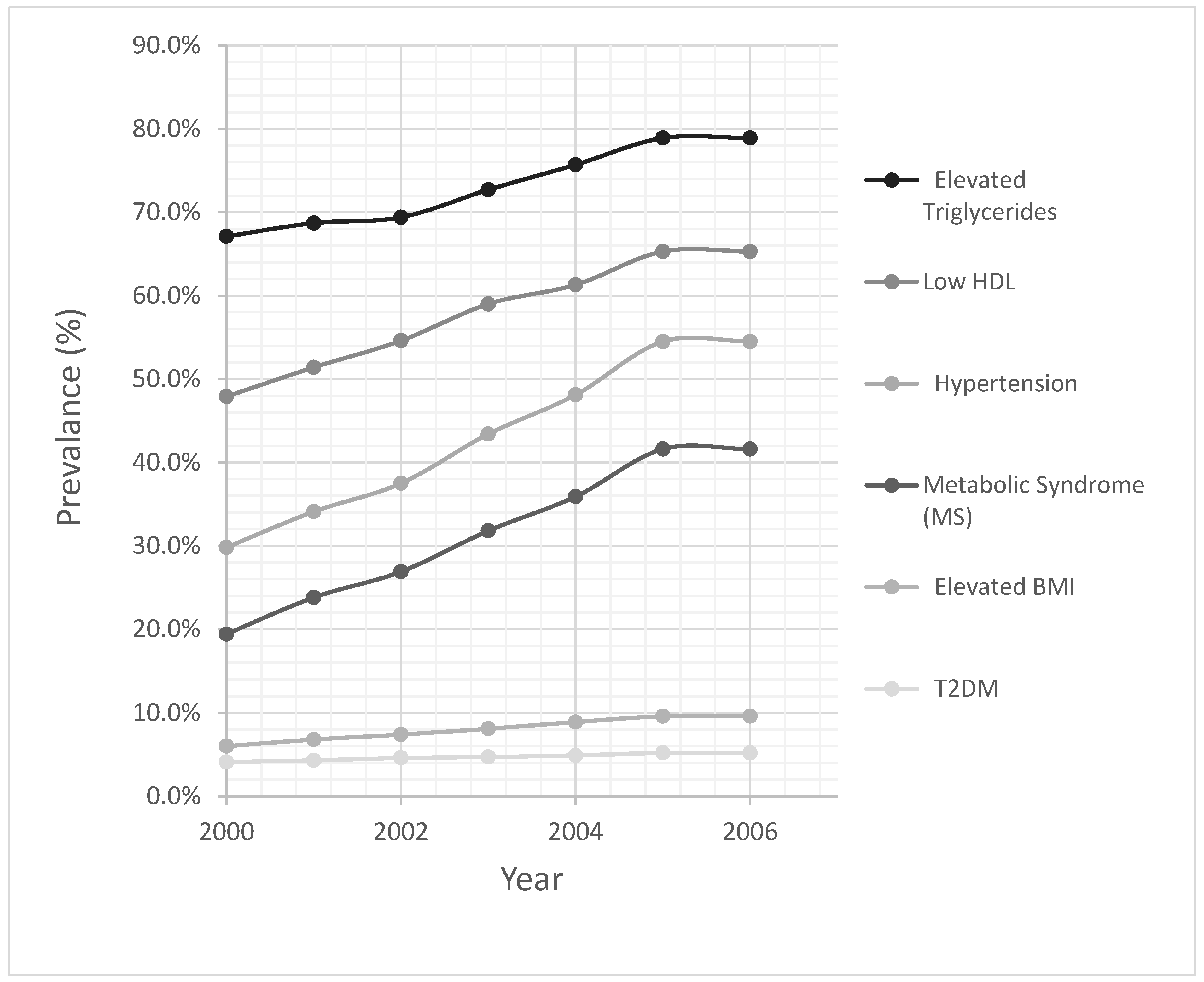
3.1. Metabolic Syndrome in HIV
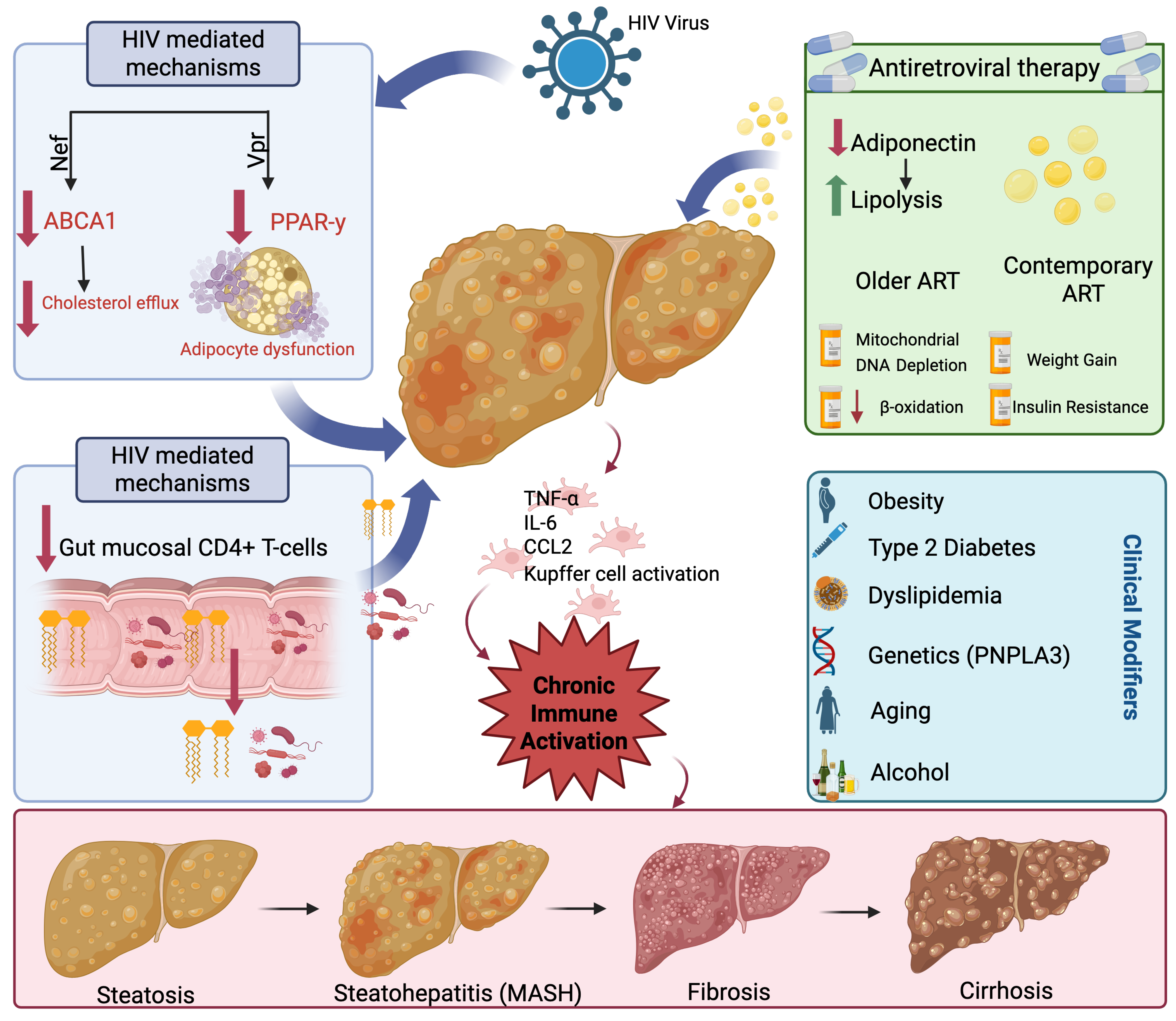
3.2. Hepatic Steatosis in PLWH
3.3. NASH in PLWH
3.4. Diagnosis of Steatosis and NASH in PLWH
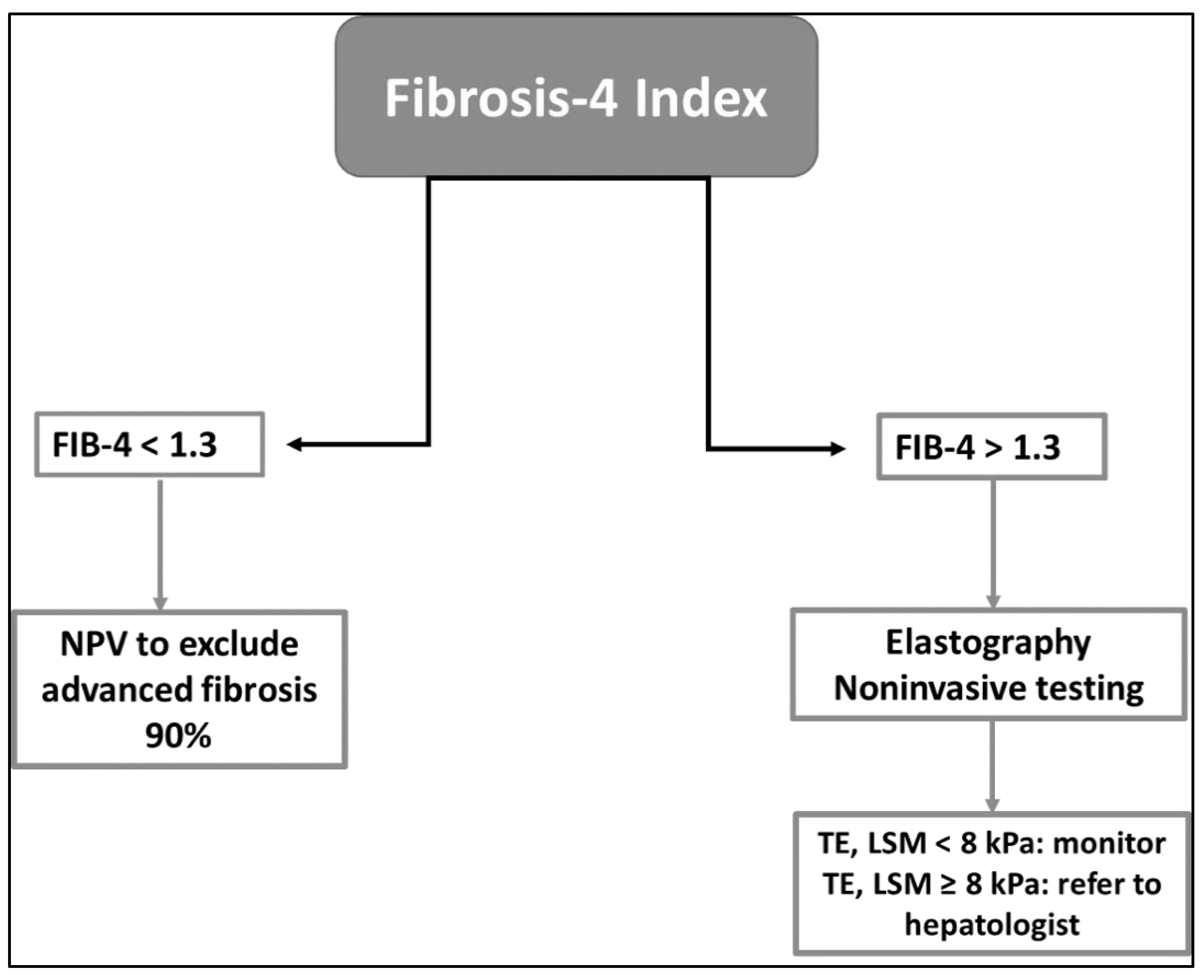
3.4.1. Non-Invasive Diagnosis
3.4.2. Histological Diagnosis
3.5. Management of NAFLD/MASLD in PLWH
3.5.1. Lifestyle Modifications
3.5.2. Pharmacotherapy
3.5.3. HIV Management
3.5.4. Role of Genetics and Epigenetics
4. Discussion
5. Conclusions
Supplementary Materials
Author Contributions
Funding
Institutional Review Board Statement
Informed Consent Statement
Data Availability Statement
Conflicts of Interest
Abbreviations
| AASLD | American Association for the Study of Liver Diseases |
| AGA | American Gastroenterological Association |
| ALT | Alanine aminotransferase |
| APRI | Aspartate aminotransferase-to-platelet ratio index |
| ART | Antiretroviral therapy |
| AST | Aspartate aminotransferase |
| AUROC | Area under the receiver operating characteristic curve |
| BMI | Body mass index |
| CAP | Controlled attenuation parameter |
| CK-18 | Cytokeratin-18 |
| CMRF | Cardiometabolic risk factor |
| CT | Computed tomography |
| CVD | Cardiovascular disease |
| FIB-4 | Fibrosis-4 index |
| FAST | FibroScan-AST score |
| HBV | Hepatitis B virus |
| HCC | Hepatocellular carcinoma |
| HCV | Hepatitis C virus |
| HDL | High-density lipoprotein |
| HFF | Hepatic fat fraction |
| HIV | Human immunodeficiency virus |
| INSTI | Integrase strand transfer inhibitor |
| LSM | Liver stiffness measurement |
| MAFLD | Metabolic dysfunction-associated fatty liver disease |
| MASLD | Metabolic dysfunction-associated steatotic liver disease |
| MASH | Metabolic dysfunction-associated steatohepatitis |
| MetS | Metabolic syndrome |
| MRI | Magnetic resonance imaging |
| MRI-PDFF | Magnetic resonance imaging proton-density fat fraction |
| MRE | Magnetic resonance elastography |
| MR | Magnetic resonance |
| NAFLD | Non-alcoholic fatty liver disease |
| NASH | Non-alcoholic steatohepatitis |
| NPV | Negative predictive value |
| PPV | Positive predictive value |
| PLWH | People living with HIV |
| SLD | Steatotic liver disease |
| TAF | Tenofovir alafenamide |
| T2DM | Type 2 diabetes mellitus |
| TE | Transient elastography |
| VCTE | Vibration-controlled transient elastography |
References
- Kanwal, F.; Neuschwander-Tetri, B.; Loomba, R.; Rinella, M. Metabolic dysfunction-associated steatotic liver disease: Update and impact of new nomenclature on the American Association for the Study of Liver Diseases practice guidance on nonalcoholic fatty liver disease. Hepatology 2024, 79, 1212–1219. [Google Scholar] [CrossRef]
- Huang, D.Q.; Wong, V.W.S.; Rinella, M.E.; Boursier, J.; Lazarus, J.V.; Yki-Järvinen, H.; Loomba, R. Metabolic dysfunction-associated steatotic liver disease in adults. Nat. Rev. Dis. Primers 2025, 11, 14. [Google Scholar] [CrossRef]
- Targher, G.; Byrne, C.D.; Tilg, H. MASLD: A systemic metabolic disorder with cardiovascular and malignant complications. Gut 2024, 73, 691–702. [Google Scholar] [CrossRef]
- Younossi, Z.M.; Paik, J.M.; Stepanova, M.; Ong, J.; Alqahtani, S.; Henry, L. Clinical profiles and mortality rates are similar for metabolic dysfunction-associated steatotic liver disease and non-alcoholic fatty liver disease. J. Hepatol. 2024, 80, 694–701. [Google Scholar] [CrossRef]
- Bosh, K.A.; Hall, H.I.; Eastham, L.; Daskalakis, D.C.; Mermin, J.H. Estimated Annual Number of HIV Infections—United States, 1981–2019. MMWR Morb. Mortal. Wkly. Rep. 2021, 70, 801–806. [Google Scholar] [CrossRef]
- Sullivan, P.S.; Satcher Johnson, A.; Pembleton, E.S.; Stephenson, R.; Justice, A.C.; Althoff, K.N.; Bradley, H.; Castel, A.D.; Oster, A.M.; Rosenberg, E.S.; et al. Epidemiology of HIV in the USA: Epidemic burden, inequities, contexts, and responses. Lancet 2021, 397, 1095–1106. [Google Scholar] [CrossRef]
- Centers for Disease Control and Prevention. Diagnoses, Deaths, and Prevalence of HIV in the United States and 6 Territories and Freely Associated States 2022. HIV Surveill. Rep. 2024, 35. Available online: https://www.cdc.gov/hiv-data/nhss/hiv-diagnoses-deaths-prevalence.html (accessed on 1 August 2025).
- Collins, L.F.; Sheth, A.N.; Mehta, C.C.; Naggie, S.; Golub, E.T.; Anastos, K.; French, A.L.; Kassaye, S.; Taylor, T.; Fischl, M.A.; et al. The Prevalence and Burden of Non-AIDS Comorbidities Among Women Living With or at Risk for Human Immunodeficiency Virus Infection in the United States. Clin. Infect. Dis. 2021, 72, 1301–1311. [Google Scholar] [CrossRef]
- Yang, H.Y.; Beymer, M.R.; Suen, S.C. Chronic Disease Onset Among People Living with HIV and AIDS in a Large Private Insurance Claims Dataset. Sci. Rep. 2019, 9, 18514. [Google Scholar] [CrossRef]
- Michel, M.; Labenz, C.; Armandi, A.; Kaps, L.; Kremer, W.M.; Galle, P.R.; Grimm, D.; Sprinzl, M.; Schattenberg, J.M. Metabolic dysfunction-associated fatty liver disease in people living with HIV. Sci. Rep. 2023, 13, 9158. [Google Scholar] [CrossRef]
- Peters, M.D.J.; Marnie, C.; Tricco, A.C.; Pollock, D.; Munn, Z.; Alexander, L.; McInerney, P.; Godfrey, C.M.; Khalil, H. Updated methodological guidance for the conduct of scoping reviews. JBI Evid. Synth. 2020, 18, 2119–2126. [Google Scholar] [CrossRef]
- Sterling, R.K.; Patel, K.; Duarte-Rojo, A.; Asrani, S.K.; Alsawas, M.; Dranoff, J.A.; Fiel, M.I.; Murad, M.H.; Leung, D.H.; Levine, D.; et al. AASLD Practice Guideline on blood-based noninvasive liver disease assessment of hepatic fibrosis and steatosis. Hepatology 2025, 81, 321–357. [Google Scholar] [CrossRef]
- Grundy, S.M.; Stone, N.J.; Bailey, A.L.; Beam, C.; Birtcher, K.K.; Blumenthal, R.S.; Braun, L.T.; de Ferranti, S.; Faiella-Tommasino, J.; Forman, D.E.; et al. 2018 AHA/ACC/AACVPR/AAPA/ABC/ACPM/ADA/AGS/APhA/ASPC/NLA/PCNA Guideline on the Management of Blood Cholesterol: A Report of the American College of Cardiology/American Heart Association Task Force on Clinical Practice Guidelines. J. Am. Coll. Cardiol. 2019, 73, e285–e350. [Google Scholar] [CrossRef]
- Whelton, P.K.; Carey, R.M.; Aronow, W.S.; Casey, D.E., Jr.; Collins, K.J.; Dennison Himmelfarb, C.; DePalma, S.M.; Gidding, S.; Jamerson, K.A.; Jones, D.W.; et al. 2017 ACC/AHA/AAPA/ABC/ACPM/AGS/APhA/ASH/ASPC/NMA/PCNA Guideline for the Prevention, Detection, Evaluation, and Management of High Blood Pressure in Adults: A Report of the American College of Cardiology/American Heart Association Task Force on Clinical Practice Guidelines. Circulation 2018, 138, e484–e594. [Google Scholar]
- Meschia, J.F.; Bushnell, C.; Boden-Albala, B.; Braun, L.T.; Bravata, D.M.; Chaturvedi, S.; Creager, M.A.; Eckel, R.H.; Elkind, M.S.; Fornage, M.; et al. Guidelines for the primary prevention of stroke: A statement for healthcare professionals from the American Heart Association/American Stroke Association. Stroke 2014, 45, 3754–3832. [Google Scholar] [CrossRef]
- Trachunthong, D.; Tipayamongkholgul, M.; Chumseng, S.; Darasawang, W.; Bundhamcharoen, K. Burden of metabolic syndrome in the global adult HIV-infected population: A systematic review and meta-analysis. BMC Public Health 2024, 24, 2657. [Google Scholar] [CrossRef]
- Bonfanti, P.; Giannattasio, C.; Ricci, E.; Facchetti, R.; Rosella, E.; Franzetti, M.; Cordier, L.; Pusterla, L.; Bombelli, M.; Sega, R.; et al. HIV and Metabolic Syndrome: A Comparison With the General Population. JAIDS J. Acquir. Immune Defic. Syndr. 2007, 45, 426–431. [Google Scholar] [CrossRef]
- Gazzaruso, C.; Sacchi, P.; Garzaniti, A.; Fratino, P.; Bruno, R.; Filice, G. Prevalence of metabolic syndrome among HIV patients. Diabetes Care 2002, 25, 1253–1254. [Google Scholar] [CrossRef][Green Version]
- Bruno, R.; Gazzaruso, C.; Sacchi, P.; Zocchetti, C.; Giordanetti, S.; Garzaniti, A.; Ciappina, V.; Maffezzini, E.; Maserati, R.; Filice, G. High prevalence of metabolic syndrome among HIV-infected patients: Link with the cardiovascular risk. J. Acquir. Immune Defic. Syndr. 2002, 31, 363–365. [Google Scholar] [CrossRef]
- Jericó, C.; Knobel, H.; Montero, M.; Ordoñez-Llanos, J.; Guelar, A.; Gimeno, J.L.; Saballs, P.; López-Colomés, J.L.; Pedro-Botet, J. Metabolic syndrome among HIV-infected patients: Prevalence, characteristics, and related factors. Diabetes Care 2005, 28, 132–137. [Google Scholar] [CrossRef]
- Samaras, K.; Wand, H.; Law, M.; Emery, S.; Cooper, D.; Carr, A. Prevalence of metabolic syndrome in HIV-infected patients receiving highly active antiretroviral therapy using International Diabetes Foundation and Adult Treatment Panel III criteria: Associations with insulin resistance, disturbed body fat compartmentalization, elevated C-reactive protein, and [corrected] hypoadiponectinemia. Diabetes Care 2007, 30, 113–119. [Google Scholar]
- Crum-Cianflone, N.; Dilay, A.; Collins, G.; Asher, D.; Campin, R.; Medina, S.; Goodman, Z.; Parker, R.; Lifson, A.; Capozza, T.; et al. Nonalcoholic fatty liver disease among HIV-infected persons. J. Acquir. Immune Defic. Syndr. 2009, 50, 464–473. [Google Scholar] [CrossRef]
- Worm, S.W.; Friis-Møller, N.; Bruyand, M.; D’Arminio Monforte, A.; Rickenbach, M.; Reiss, P.; El-Sadr, W.; Phillips, A.; Lundgren, J.; Sabin, C. High prevalence of the metabolic syndrome in HIV-infected patients: Impact of different definitions of the metabolic syndrome. Aids 2010, 24, 427–435. [Google Scholar] [CrossRef]
- Alencastro, P.R.; Wolff, F.H.; Oliveira, R.R.; Ikeda, M.L.; Barcellos, N.T.; Brandão, A.B.; Fuchs, S.C. Metabolic syndrome and population attributable risk among HIV/AIDS patients: Comparison between NCEP-ATPIII, IDF and AHA/NHLBI definitions. AIDS Res. Ther. 2012, 9, 29. [Google Scholar] [CrossRef]
- Wu, P.Y.; Hung, C.C.; Liu, W.C.; Hsieh, C.Y.; Sun, H.Y.; Lu, C.L.; Wu, H.; Chien, K.L. Metabolic syndrome among HIV-infected Taiwanese patients in the era of highly active antiretroviral therapy: Prevalence and associated factors. J. Antimicrob. Chemother. 2012, 67, 1001–1009. [Google Scholar] [CrossRef]
- Ang, L.W.; Ng, O.T.; Boudville, I.C.; Leo, Y.S.; Wong, C.S. An observational study of the prevalence of metabolic syndrome in treatment-experienced people living with HIV in Singapore. PLoS ONE 2021, 16, e0252320. [Google Scholar] [CrossRef]
- Mohan, J.; Ghazi, T.; Chuturgoon, A.A. A Critical Review of the Biochemical Mechanisms and Epigenetic Modifications in HIV- and Antiretroviral-Induced Metabolic Syndrome. Int. J. Mol. Sci. 2021, 22, 12020. [Google Scholar] [CrossRef]
- Kalra, D.K.; Vorla, M.; Michos, E.D.; Agarwala, A.; Virani, S.; Duell, P.B.; Raal, F.J. Dyslipidemia in Human Immunodeficiency Virus Disease: JACC Review Topic of the Week. J. Am. Coll. Cardiol. 2023, 82, 171–181. [Google Scholar] [CrossRef]
- Masenga, S.K.; Elijovich, F.; Koethe, J.R.; Hamooya, B.M.; Heimburger, D.C.; Munsaka, S.M.; Laffer, C.L.; Kirabo, A. Hypertension and Metabolic Syndrome in Persons with HIV. Curr. Hypertens. Rep. 2020, 22, 78. [Google Scholar] [CrossRef]
- Liu, M.; He, K.; Wu, Y.; Yu, Q.; Sun, N.; Teng, X.; Meng, X.; Yuan, J.; Yang, H. Prevalence of, risk factors for, and target organ damage from metabolic syndrome among people living with HIV on ART: A cross-sectional analysis in Chongqing, China. HIV Med. 2024, 25, 529–539. [Google Scholar] [CrossRef]
- Abdela, A.A.; Yifter, H.; Reja, A.; Shewaamare, A.; Ofotokun, I.; Degu, W.A. Prevalence and risk factors of metabolic syndrome in Ethiopia: Describing an emerging outbreak in HIV clinics of the sub-Saharan Africa—a cross-sectional study. BMJ Open 2023, 13, e069637. [Google Scholar] [CrossRef]
- Ortíz, D.W.; Marroquin, H.E.; Larson, L.; Franco, K.B.; Spec, A.; Melendez, J.R.; Pinzón, R.; Samayoa, A.J.; Mejia-Chew, C.; Halloran, J.A.O. Metabolic syndrome in people with HIV from Guatemala: Analysis of components and risk factors. Int. J. STD AIDS 2022, 33, 987–994. [Google Scholar] [CrossRef]
- Gawrieh, S.; Lake, J.E.; Debroy, P.; Sjoquist, J.A.; Robison, M.; Tann, M.; Akisik, F.; Bhamidipalli, S.S.; Saha, C.K.; Zachary, K.; et al. Burden of fatty liver and hepatic fibrosis in persons with HIV: A diverse cross-sectional US multicenter study. Hepatology 2023, 78, 578–591. [Google Scholar] [CrossRef]
- Kalligeros, M.; Vassilopoulos, A.; Shehadeh, F.; Vassilopoulos, S.; Lazaridou, I.; Mylonakis, E.; Promrat, K.; Wands, J.R. Prevalence and Characteristics of Nonalcoholic Fatty Liver Disease and Fibrosis in People Living With HIV Monoinfection: A Systematic Review and Meta-analysis. Clin. Gastroenterol. Hepatol. 2023, 21, 1708–1722. [Google Scholar] [CrossRef]
- Hadigan, C.; Liebau, J.; Andersen, R.; Holalkere, N.S.; Sahani, D.V. Magnetic resonance spectroscopy of hepatic lipid content and associated risk factors in HIV infection. J. Acquir. Immune Defic. Syndr. 2007, 46, 312–317. [Google Scholar] [CrossRef]
- Moreno-Torres, A.; Domingo, P.; Pujol, J.; Blanco-Vaca, F.; Arroyo, J.A.; Sambeat, M.A. Liver triglyceride content in HIV-1-infected patients on combination antiretroviral therapy studied with 1H-MR spectroscopy. Antivir. Ther. 2007, 12, 195–203. [Google Scholar] [CrossRef]
- Guaraldi, G.; Squillace, N.; Stentarelli, C.; Orlando, G.; D’Amico, R.; Ligabue, G.; Fiocchi, F.; Zona, S.; Loria, P.; Esposito, R.; et al. Nonalcoholic fatty liver disease in HIV-infected patients referred to a metabolic clinic: Prevalence, characteristics, and predictors. Clin. Infect. Dis. 2008, 47, 250–257. [Google Scholar] [CrossRef]
- Ryan, P.; Blanco, F.; García-Gascó, P.; García-Merchán, J.; Vispo, E.; Barreiro, P.; Labarga, P.; González-Lahoz, J.; Soriano, V. Predictors of severe hepatic steatosis using abdominal ultrasound in HIV-infected patients. HIV Med. 2009, 10, 53–59. [Google Scholar] [CrossRef]
- Li Vecchi, V.; Giannitrapani, L.; Di Carlo, P.; Mazzola, G.; Colletti, P.; La Spada, E.; Vizzini, G.; Montalto, G.; Soresi, M. Non-invasive assessment of liver steatosis and fibrosis in HIV/HCV-and HCV-infected patients. Ann. Hepatol. 2013, 12, 740–748. [Google Scholar] [CrossRef]
- Borghi, V.; Bisi, L.; Manzini, L.; Cossarizza, A.; Mussini, C. Absence of liver steatosis in HIV-HCV co-infected patients receiving regimens containing tenofovir or abacavir. Infection 2013, 41, 425–429. [Google Scholar] [CrossRef]
- Sterling, R.K.; Lissen, E.; Clumeck, N.; Sola, R.; Correa, M.C.; Montaner, J.; Sulkowski, M.S.; Torriani, F.J.; Dieterich, D.T.; Thomas, D.L.; et al. Development of a simple noninvasive index to predict significant fibrosis in patients with HIV/HCV coinfection. Hepatology 2006, 43, 1317–1325. [Google Scholar] [CrossRef]
- Nishijima, T.; Gatanaga, H.; Shimbo, T.; Komatsu, H.; Nozaki, Y.; Nagata, N.; Kikuchi, Y.; Yanase, M.; Oka, S. Traditional but not HIV-related factors are associated with nonalcoholic fatty liver disease in Asian patients with HIV-1 infection. PLoS ONE 2014, 9, e87596. [Google Scholar] [CrossRef]
- Price, J.C.; Seaberg, E.C.; Latanich, R.; Budoff, M.J.; Kingsley, L.A.; Palella, F.J., Jr.; Witt, M.D.; Post, W.S.; Thio, C.L. Risk factors for fatty liver in the Multicenter AIDS Cohort Study. Am. J. Gastroenterol. 2014, 109, 695–704. [Google Scholar] [CrossRef]
- Macías, J.; González, J.; Tural, C.; Ortega-González, E.; Pulido, F.; Rubio, R.; Cifuentes, C.; Díaz-Menéndez, M.; Jou, A.; Rubio, P.; et al. Prevalence and factors associated with liver steatosis as measured by transient elastography with controlled attenuation parameter in HIV-infected patients. Aids 2014, 28, 1279–1287. [Google Scholar] [CrossRef]
- Sulyok, M.; Makara, M.; Rupnik, Z.; Ferenci, T.; Újhelyi, E.; Kormos, L.; Gerlei, Z.; Szlávik, J.; Horváth, G.; Vályi-Nagy, I. Hepatic steatosis in individuals living with HIV measured by controlled attenuation parameter: A cross-sectional study. Eur. J. Gastroenterol. Hepatol. 2015, 27, 679–685. [Google Scholar] [CrossRef]
- Sebastiani, G.; Rollet-Kurhajec, K.C.; Pexos, C.; Gilmore, N.; Klein, M.B. Incidence and predictors of hepatic steatosis and fibrosis by serum biomarkers in a large cohort of human immunodeficiency virus mono-infected patients. Open Forum Infect. Dis. 2015, 2, ofv015. [Google Scholar] [CrossRef]
- Shur, N.F.; Tan, Y.; Goubet, S.; Fisher, M.; Gilleece, Y.; Verma, S. Non-viral liver disease burden in HIV-monoinfected individuals: A longitudinal observational retrospective cohort study. AIDS Care 2016, 28, 1522–1527. [Google Scholar] [CrossRef]
- Lui, G.; Wong, V.W.; Wong, G.L.; Chu, W.C.; Wong, C.K.; Yung, I.M.; Wong, R.Y.; Yeung, S.L.; Yeung, D.K.; Cheung, C.S.; et al. Liver fibrosis and fatty liver in Asian HIV-infected patients. Aliment. Pharmacol. Ther. 2016, 44, 411–421. [Google Scholar] [CrossRef]
- Lombardi, R.; Sambatakou, H.; Mariolis, I.; Cokkinos, D.; Papatheodoridis, G.V.; Tsochatzis, E.A. Prevalence and predictors of liver steatosis and fibrosis in unselected patients with HIV mono-infection. Dig. Liver Dis. 2016, 48, 1471–1477. [Google Scholar] [CrossRef]
- Vuille-Lessard, É.; Lebouché, B.; Lennox, L.; Routy, J.P.; Costiniuk, C.T.; Pexos, C.; Giannakis, A.; Szabo, J.; Klein, M.B.; Sebastiani, G. Nonalcoholic fatty liver disease diagnosed by transient elastography with controlled attenuation parameter in unselected HIV monoinfected patients. Aids 2016, 30, 2635–2643. [Google Scholar] [CrossRef]
- Maurice, J.B.; Patel, A.; Scott, A.J.; Patel, K.; Thursz, M.; Lemoine, M. Prevalence and risk factors of nonalcoholic fatty liver disease in HIV-monoinfection. Aids 2017, 31, 1621–1632. [Google Scholar] [CrossRef]
- Perazzo, H.; Cardoso, S.W.; Yanavich, C.; Nunes, E.P.; Morata, M.; Gorni, N.; da Silva, P.S.; Cardoso, C.; Almeida, C.; Luz, P.; et al. Predictive factors associated with liver fibrosis and steatosis by transient elastography in patients with HIV mono-infection under long-term combined antiretroviral therapy. J. Int. AIDS Soc. 2018, 21, e25201. [Google Scholar] [CrossRef]
- Torgersen, J.; So-Armah, K.; Freiberg, M.S.; Goetz, M.B.; Budoff, M.J.; Lim, J.K.; Taddei, T.; Butt, A.A.; Rodriguez-Barradas, M.C.; Justice, A.C.; et al. Comparison of the prevalence, severity, and risk factors for hepatic steatosis in HIV-infected and uninfected people. BMC Gastroenterol. 2019, 19, 52. [Google Scholar] [CrossRef]
- Kirkegaard-Klitbo, D.M.; Fuchs, A.; Stender, S.; Sigvardsen, P.E.; Kühl, J.T.; Kofoed, K.F.; Køber, L.; Nordestgaard, B.G.; Bendtsen, F.; Mocroft, A.; et al. Prevalence and Risk Factors of Moderate-to-Severe Hepatic Steatosis in Human Immunodeficiency Virus Infection: The Copenhagen Co-morbidity Liver Study. J. Infect. Dis. 2020, 222, 1353–1362. [Google Scholar] [CrossRef]
- Lake, J.E.; Taron, J.; Ribaudo, H.J.; Leon-Cruz, J.; Utay, N.S.; Swaminathan, S.; Fitch, K.V.; Kileel, E.M.; Paradis, K.; Fulda, E.S.; et al. Hepatic steatosis and nonalcoholic fatty liver disease are common and associated with cardiometabolic risk in a primary prevention cohort of people with HIV. Aids 2023, 37, 2149–2159. [Google Scholar] [CrossRef]
- Sterling, R.K.; Smith, P.G.; Brunt, E.M. Hepatic steatosis in human immunodeficiency virus: A prospective study in patients without viral hepatitis, diabetes, or alcohol abuse. J. Clin. Gastroenterol. 2013, 47, 182–187. [Google Scholar] [CrossRef]
- Walker, U.A.; Bäuerle, J.; Laguno, M.; Murillas, J.; Mauss, S.; Schmutz, G.; Setzer, B.; Miquel, R.; Gatell, J.M.; Mallolas, J. Depletion of mitochondrial DNA in liver under antiretroviral therapy with didanosine, stavudine, or zalcitabine. Hepatology 2004, 39, 311–317. [Google Scholar] [CrossRef]
- Kirkegaard-Klitbo, D.M.; Thomsen, M.T.; Gelpi, M.; Bendtsen, F.; Nielsen, S.D.; Benfield, T. Hepatic Steatosis Associated With Exposure to Elvitegravir and Raltegravir. Clin. Infect. Dis. 2021, 73, e811–e814. [Google Scholar] [CrossRef]
- McGovern, B.H.; Ditelberg, J.S.; Taylor, L.E.; Gandhi, R.T.; Christopoulos, K.A.; Chapman, S.; Schwartzapfel, B.; Rindler, E.; Fiorino, A.M.; Zaman, M.T.; et al. Hepatic steatosis is associated with fibrosis, nucleoside analogue use, and hepatitis C virus genotype 3 infection in HIV-seropositive patients. Clin. Infect. Dis. 2006, 43, 365–372. [Google Scholar] [CrossRef]
- Capeau, J.; Bouteloup, V.; Katlama, C.; Bastard, J.P.; Guiyedi, V.; Salmon-Ceron, D.; Protopopescu, C.; Leport, C.; Raffi, F.; Chêne, G. Ten-year diabetes incidence in 1046 HIV-infected patients started on a combination antiretroviral treatment. Aids 2012, 26, 303–314. [Google Scholar] [CrossRef]
- Lemoine, M.; Barbu, V.; Girard, P.M.; Kim, M.; Bastard, J.P.; Wendum, D.; Paye, F.; Housset, C.; Capeau, J.; Serfaty, L. Altered hepatic expression of SREBP-1 and PPARgamma is associated with liver injury in insulin-resistant lipodystrophic HIV-infected patients. Aids 2006, 20, 387–395. [Google Scholar] [CrossRef]
- Cinque, F.; Cespiati, A.; Lombardi, R.; Guaraldi, G.; Sebastiani, G. Nutritional and Lifestyle Therapy for NAFLD in People with HIV. Nutrients 2023, 15, 1990. [Google Scholar] [CrossRef]
- Perakakis, N.; Harb, H.; Hale, B.G.; Varga, Z.; Steenblock, C.; Kanczkowski, W.; Alexaki, V.I.; Ludwig, B.; Mirtschink, P.; Solimena, M.; et al. Mechanisms and clinical relevance of the bidirectional relationship of viral infections with metabolic diseases. Lancet Diabetes Endocrinol. 2023, 11, 675–693. [Google Scholar] [CrossRef]
- Khalili, M.; King, W.C.; Kleiner, D.E.; Jain, M.K.; Chung, R.T.; Sulkowski, M.; Lisker-Melman, M.; Wong, D.K.; Ghany, M.; Sanyal, A.; et al. Fatty Liver Disease in a Prospective North American Cohort of Adults With Human Immunodeficiency Virus and Hepatitis B Virus Coinfection. Clin. Infect. Dis. 2021, 73, e3275–e3285. [Google Scholar] [CrossRef]
- Pembroke, T.; Deschenes, M.; Lebouché, B.; Benmassaoud, A.; Sewitch, M.; Ghali, P.; Wong, P.; Halme, A.; Vuille-Lessard, E.; Pexos, C.; et al. Hepatic steatosis progresses faster in HIV mono-infected than HIV/HCV co-infected patients and is associated with liver fibrosis. J. Hepatol. 2017, 67, 801–808. [Google Scholar] [CrossRef]
- Iacob, S.A.; Iacob, D.G. Non-Alcoholic Fatty Liver Disease in HIV/HBV Patients—a Metabolic Imbalance Aggravated by Antiretroviral Therapy and Perpetuated by the Hepatokine/Adipokine Axis Breakdown. Front. Endocrinol. 2022, 13, 814209. [Google Scholar] [CrossRef]
- Benmassaoud, A.; Ghali, P.; Cox, J.; Wong, P.; Szabo, J.; Deschenes, M.; Osikowicz, M.; Lebouche, B.; Klein, M.B.; Sebastiani, G. Screening for nonalcoholic steatohepatitis by using cytokeratin 18 and transient elastography in HIV mono-infection. PLoS ONE 2018, 13, e0191985. [Google Scholar] [CrossRef]
- Michel, M.; Labenz, C.; Wahl, A.; Anders, M.; Armandi, A.; Huber, Y.; Galle, P.R.; Sprinzl, M.; Schattenberg, J.M. Prevalence and risk factors of nonalcoholic steatohepatitis with significant fibrosis in people with HIV. Aids 2022, 36, 1665–1674. [Google Scholar] [CrossRef]
- Maurice, J.B.; Goldin, R.; Hall, A.; Price, J.C.; Sebastiani, G.; Morse, C.G.; Prat, L.I.; Perazzo, H.; Garvey, L.; Ingiliz, P.; et al. Increased Body Mass Index and Type 2 Diabetes Are the Main Predictors of Nonalcoholic Fatty Liver Disease and Advanced Fibrosis in Liver Biopsies of Patients With Human Immunodeficiency Virus Monoinfection. Clin. Infect. Dis. 2021, 73, e2184–e2193. [Google Scholar] [CrossRef]
- Duarte, M.; Tien, P.; Ma, Y.; Noworolski, S.M.; Korn, N.; Price, J.C. Controlled attenuation parameter accurately detects liver steatosis in people with HIV. Aids 2022, 36, 2147–2152. [Google Scholar] [CrossRef]
- Lemoine, M.; Assoumou, L.; De Wit, S.; Girard, P.M.; Valantin, M.A.; Katlama, C.; Necsoi, C.; Campa, P.; Huefner, A.D.; Schulze Zur Wiesch, J.; et al. Diagnostic Accuracy of Noninvasive Markers of Steatosis, NASH, and Liver Fibrosis in HIV-Monoinfected Individuals at Risk of Nonalcoholic Fatty Liver Disease (NAFLD): Results From the ECHAM Study. J. Acquir. Immune Defic. Syndr. 2019, 80, e86–e94. [Google Scholar] [CrossRef]
- Lemoine, M.; Assoumou, L.; Girard, P.M.; Valantin, M.A.; Katlama, C.; De Wit, S.; Campa, P.; Rougier, H.; Meynard, J.L.; Necsoi, C.; et al. Screening HIV Patients at Risk for NAFLD Using MRI-PDFF and Transient Elastography: A European Multicenter Prospective Study. Clin. Gastroenterol. Hepatol. 2023, 21, 713–722.e3. [Google Scholar] [CrossRef]
- Sterling, R.K.; Vilar-Gomez, E.; Wilson, L.A.; Loomba, R.; Gawrieh, S.; Price, J.; Naggie, S.; Lake, J.E.; Heath, S.; Tonascia, J.; et al. Diagnostic Ability of Simple Noninvasive Blood Tests to Predict Increased Liver Stiffness in People Living With HIV and Steatotic Liver Disease. Am. J. Gastroenterol. 2024, 119, 1483–1495. [Google Scholar] [CrossRef]
- Sebastiani, G.; Milic, J.; Kablawi, D.; Gioè, C.; Al Hinai, A.S.; Lebouché, B.; Tsochatzis, E.; Finkel, J.; Ballesteros, L.R.; Ramanakumar, A.V.; et al. Fibroscan-Aspartate Aminotransferase Score Predicts Liver-Related Outcomes, but Not Extrahepatic Events, in a Multicenter Cohort of People With Human Immunodeficiency Virus. Clin. Infect. Dis. 2023, 77, 396–404. [Google Scholar] [CrossRef]
- Grady, J.T.; Cyrus, J.W.; Sterling, R.K. Novel Noninvasive Tests for Liver Fibrosis: Moving Beyond Simple Tests in Metabolic Dysfunction Associated Steatotic Liver Disease. Clin. Gastroenterol. Hepatol. 2026, 24, 342–345.e2. [Google Scholar] [CrossRef]
- Wattacheril, J.J.; Abdelmalek, M.F.; Lim, J.K.; Sanyal, A.J. AGA Clinical Practice Update on the Role of Noninvasive Biomarkers in the Evaluation and Management of Nonalcoholic Fatty Liver Disease: Expert Review. Gastroenterology 2023, 165, 1080–1088. [Google Scholar] [CrossRef]
- Sterling, R.K.; Duarte-Rojo, A.; Patel, K.; Asrani, S.K.; Alsawas, M.; Dranoff, J.A.; Fiel, M.I.; Murad, M.H.; Leung, D.H.; Levine, D.; et al. AASLD Practice Guideline on imaging-based noninvasive liver disease assessment of hepatic fibrosis and steatosis. Hepatology 2025, 81, 672–724. [Google Scholar] [CrossRef]
- Rinella, M.E.; Neuschwander-Tetri, B.A.; Siddiqui, M.S.; Abdelmalek, M.F.; Caldwell, S.; Barb, D.; Kleiner, D.E.; Loomba, R. AASLD Practice Guidance on the clinical assessment and management of nonalcoholic fatty liver disease. Hepatology 2023, 77, 1797–1835. [Google Scholar] [CrossRef]
- Sterling, R.K.; King, W.C.; Wahed, A.S.; Kleiner, D.E.; Khalili, M.; Sulkowski, M.; Chung, R.T.; Jain, M.K.; Lisker-Melman, M.; Wong, D.K.; et al. Evaluating Noninvasive Markers to Identify Advanced Fibrosis by Liver Biopsy in HBV/HIV Co-infected Adults. Hepatology 2020, 71, 411–421. [Google Scholar] [CrossRef]
- Siddiqui, M.S.; Fuchs, M.; Idowu, M.O.; Luketic, V.A.; Boyett, S.; Sargeant, C.; Stravitz, R.T.; Puri, P.; Matherly, S.; Sterling, R.K.; et al. Severity of nonalcoholic fatty liver disease and progression to cirrhosis are associated with atherogenic lipoprotein profile. Clin. Gastroenterol. Hepatol. 2015, 13, 1000–1008.e3. [Google Scholar] [CrossRef]
- Eddowes, P.J.; Sasso, M.; Allison, M.; Tsochatzis, E.; Anstee, Q.M.; Sheridan, D.; Guha, I.N.; Cobbold, J.F.; Deeks, J.J.; Paradis, V.; et al. Accuracy of FibroScan Controlled Attenuation Parameter and Liver Stiffness Measurement in Assessing Steatosis and Fibrosis in Patients With Nonalcoholic Fatty Liver Disease. Gastroenterology 2019, 156, 1717–1730. [Google Scholar] [CrossRef]
- Morse, C.G.; McLaughlin, M.; Matthews, L.; Proschan, M.; Thomas, F.; Gharib, A.M.; Abu-Asab, M.; Orenstein, A.; Engle, R.E.; Hu, X.; et al. Nonalcoholic Steatohepatitis and Hepatic Fibrosis in HIV-1-Monoinfected Adults With Elevated Aminotransferase Levels on Antiretroviral Therapy. Clin. Infect. Dis. 2015, 60, 1569–1578. [Google Scholar] [CrossRef]
- Bedossa, P.; FLIP Pathology Consortium. Utility and appropriateness of the fatty liver inhibition of progression (FLIP) algorithm and steatosis, activity, and fibrosis (SAF) score in the evaluation of biopsies of nonalcoholic fatty liver disease. Hepatology 2014, 60, 565–575. [Google Scholar] [CrossRef]
- Kleiner, D.E.; Brunt, E.M.; Van Natta, M.; Behling, C.; Contos, M.J.; Cummings, O.W.; Ferrell, L.D.; Liu, Y.C.; Torbenson, M.S.; Unalp-Arida, A.; et al. Design and validation of a histological scoring system for nonalcoholic fatty liver disease. Hepatology 2005, 41, 1313–1321. [Google Scholar] [CrossRef]
- Gaslightwala, I.; Bini, E.J. Impact of human immunodeficiency virus infection on the prevalence and severity of steatosis in patients with chronic hepatitis C virus infection. J. Hepatol. 2006, 44, 1026–1032. [Google Scholar] [CrossRef]
- Castéra, L.; Loko, M.A.; Le Bail, B.; Coffie, P.; De Ledinghen, V.; Trimoulet, P.; Winnock, M.; Dabis, F.; Neau, D. Hepatic steatosis in HIV-HCV coinfected patients in France: Comparison with HCV monoinfected patients matched for body mass index and HCV genotype. Aliment. Pharmacol. Ther. 2007, 26, 1489–1498. [Google Scholar] [CrossRef]
- Mohammed, S.S.; Aghdassi, E.; Salit, I.E.; Avand, G.; Sherman, M.; Guindi, M.; Heathcote, J.E.; Allard, J.P. HIV-positive patients with nonalcoholic fatty liver disease have a lower body mass index and are more physically active than HIV-negative patients. J. Acquir. Immune Defic. Syndr. 2007, 45, 432–438. [Google Scholar] [CrossRef]
- Ingiliz, P.; Valantin, M.A.; Duvivier, C.; Medja, F.; Dominguez, S.; Charlotte, F.; Tubiana, R.; Poynard, T.; Katlama, C.; Lombès, A.; et al. Liver damage underlying unexplained transaminase elevation in human immunodeficiency virus-1 mono-infected patients on antiretroviral therapy. Hepatology 2009, 49, 436–442. [Google Scholar] [CrossRef]
- Halfon, P.; Pénaranda, G.; Carrat, F.; Bedossa, P.; Bourlière, M.; Ouzan, D.; Renou, C.; Tran, A.; Rosenthal, E.; Wartelle, C.; et al. Influence of insulin resistance on hepatic fibrosis and steatosis in hepatitis C virus (HCV) mono-infected compared with HIV-HCV co-infected patients. Aliment. Pharmacol. Ther. 2009, 30, 61–70. [Google Scholar] [CrossRef]
- Rivero-Juárez, A.; Camacho, A.; Merchante, N.; Pérez-Camacho, I.; Macias, J.; Ortiz-Garcia, C.; Cifuentes, C.; Torre-Cisneros, J.; Peña, J.; Pineda, J.A.; et al. Incidence of liver damage of uncertain origin in HIV patients not co-infected with HCV/HBV. PLoS ONE 2013, 8, e68953. [Google Scholar] [CrossRef][Green Version]
- Vodkin, I.; Valasek, M.A.; Bettencourt, R.; Cachay, E.; Loomba, R. Clinical, biochemical and histological differences between HIV-associated NAFLD and primary NAFLD: A case-control study. Aliment. Pharmacol. Ther. 2015, 41, 368–378. [Google Scholar] [CrossRef]
- Fourman, L.T.; Stanley, T.L.; Zheng, I.; Pan, C.S.; Feldpausch, M.N.; Purdy, J.; Aepfelbacher, J.; Buckless, C.; Tsao, A.; Corey, K.E.; et al. Clinical Predictors of Liver Fibrosis Presence and Progression in Human Immunodeficiency Virus-Associated Nonalcoholic Fatty Liver Disease. Clin. Infect. Dis. 2021, 72, 2087–2094. [Google Scholar] [CrossRef]
- Ishak, K.; Baptista, A.; Bianchi, L.; Callea, F.; De Groote, J.; Gudat, F.; Denk, H.; Desmet, V.; Korb, G.; MacSween, R.N.; et al. Histological grading and staging of chronic hepatitis. J. Hepatol. 1995, 22, 696–699. [Google Scholar] [CrossRef]
- Brunt, E.M.; Janney, C.G.; Di Bisceglie, A.M.; Neuschwander-Tetri, B.A.; Bacon, B.R. Nonalcoholic steatohepatitis: A proposal for grading and staging the histological lesions. Am. J. Gastroenterol. 1999, 94, 2467–2474. [Google Scholar] [CrossRef]
- French METAVIR Cooperative Study Group; Bedossa, P. Intraobserver and interobserver variations in liver biopsy interpretation in patients with chronic hepatitis C. Hepatology 1994, 20, 15–20. [Google Scholar] [CrossRef]
- Scheuer, P.J. Classification of chronic viral hepatitis: A need for reassessment. J. Hepatol. 1991, 13, 372–374. [Google Scholar] [CrossRef]
- Monto, A.; Dove, L.M.; Bostrom, A.; Kakar, S.; Tien, P.C.; Wright, T.L. Hepatic steatosis in HIV/hepatitis C coinfection: Prevalence and significance compared with hepatitis C monoinfection. Hepatology 2005, 42, 310–316. [Google Scholar] [CrossRef]
- Hoffmann, C.J.; Hoffmann, J.D.; Kensler, C.; van der Watt, M.; Omar, T.; Chaisson, R.E.; Martinson, N.A.; Variava, E. Tuberculosis and hepatic steatosis are prevalent liver pathology findings among HIV-infected patients in South Africa. PLoS ONE 2015, 10, e0117813. [Google Scholar] [CrossRef]
- Fourman, L.T.; Stanley, T.L.; Billingsley, J.M.; Sui, S.J.H.; Feldpausch, M.N.; Boutin, A.; Zheng, I.; McClure, C.M.; Corey, K.E.; Torriani, M.; et al. Delineating tesamorelin response pathways in HIV-associated NAFLD using a targeted proteomic and transcriptomic approach. Sci. Rep. 2021, 11, 10485. [Google Scholar] [CrossRef]
- Kanwal, F.; Shubrook, J.H.; Adams, L.A.; Pfotenhauer, K.; Wai-Sun Wong, V.; Wright, E.; Abdelmalek, M.F.; Harrison, S.A.; Loomba, R.; Mantzoros, C.S.; et al. Clinical Care Pathway for the Risk Stratification and Management of Patients With Nonalcoholic Fatty Liver Disease. Gastroenterology 2021, 161, 1657–1669. [Google Scholar] [CrossRef]
- Li, G.; Wong, V.W.; Chan, R.S.; Sin, D.M.; Chu, W.; Wong, V.; Cheung, C.; Lam, S.; Lin, H.; Yeung, S.; et al. Lifestyle modification programme for people living with HIV with metabolic dysfunction-associated steatotic liver disease: A randomised controlled trial. Lancet HIV 2025, 12, e416–e427. [Google Scholar] [CrossRef]
- Sebastiani, G.; Saeed, S.; Lebouche, B.; de Pokomandy, A.; Szabo, J.; Haraoui, L.P.; Routy, J.P.; Wong, P.; Deschenes, M.; Ghali, P.; et al. Vitamin E is an effective treatment for nonalcoholic steatohepatitis in HIV mono-infected patients. Aids 2020, 34, 237–244. [Google Scholar] [CrossRef]
- Cusi, K.; Isaacs, S.; Barb, D.; Basu, R.; Caprio, S.; Garvey, W.T.; Kashyap, S.; Mechanick, J.I.; Mouzaki, M.; Nadolsky, K.; et al. American Association of Clinical Endocrinology Clinical Practice Guideline for the Diagnosis and Management of Nonalcoholic Fatty Liver Disease in Primary Care and Endocrinology Clinical Settings: Co-Sponsored by the American Association for the Study of Liver Diseases (AASLD). Endocr. Pract. 2022, 28, 528–562. [Google Scholar]
- Lake, J.E.; Kitch, D.W.; Kantor, A.; Muthupillai, R.; Klingman, K.L.; Vernon, C.; Belaunzaran-Zamudio, P.F.; Fichtenbaum, C.J.; Heath, S.; Perazzo, H.; et al. The Effect of Open-Label Semaglutide on Metabolic Dysfunction-Associated Steatotic Liver Disease in People With HIV. Ann. Intern. Med. 2024, 177, 835–838. [Google Scholar] [CrossRef]
- Harrison, S.A.; Bedossa, P.; Guy, C.D.; Schattenberg, J.M.; Loomba, R.; Taub, R.; Labriola, D.; Moussa, S.E.; Neff, G.W.; Rinella, M.E.; et al. A Phase 3, Randomized, Controlled Trial of Resmetirom in NASH with Liver Fibrosis. N. Engl. J. Med. 2024, 390, 497–509. [Google Scholar] [CrossRef]
- Francque, S.M.; Bedossa, P.; Ratziu, V.; Anstee, Q.M.; Bugianesi, E.; Sanyal, A.J.; Loomba, R.; Harrison, S.A.; Balabanska, R.; Mateva, L.; et al. A Randomized, Controlled Trial of the Pan-PPAR Agonist Lanifibranor in NASH. N. Engl. J. Med. 2021, 385, 1547–1558. [Google Scholar] [CrossRef]
- McCabe, L.; Burns, J.E.; Latifoltojar, A.; Post, F.A.; Fox, J.; Pool, E.; Waters, A.; Santana, B.; Garvey, L.; Johnson, M.; et al. MAVMET trial: Maraviroc and/or metformin for metabolic dysfunction associated fatty liver disease in adults with suppressed HIV. Aids 2024, 38, 1513–1522. [Google Scholar] [CrossRef]
- Stanley, T.L.; Feldpausch, M.N.; Oh, J.; Branch, K.L.; Lee, H.; Torriani, M.; Grinspoon, S.K. Effect of tesamorelin on visceral fat and liver fat in HIV-infected patients with abdominal fat accumulation: A randomized clinical trial. JAMA 2014, 312, 380–389. [Google Scholar] [CrossRef]
- Stanley, T.L.; Fourman, L.T.; Feldpausch, M.N.; Purdy, J.; Zheng, I.; Pan, C.S.; Aepfelbacher, J.; Buckless, C.; Tsao, A.; Kellogg, A.; et al. Effects of tesamorelin on non-alcoholic fatty liver disease in HIV: A randomised, double-blind, multicentre trial. Lancet HIV 2019, 6, e821–e830. [Google Scholar] [CrossRef]
- Macías, J.; Mancebo, M.; Merino, D.; Téllez, F.; Montes-Ramírez, M.L.; Pulido, F.; Rivero-Juárez, A.; Raffo, M.; Pérez-Pérez, M.; Merchante, N.; et al. Changes in Liver Steatosis After Switching From Efavirenz to Raltegravir Among Human Immunodeficiency Virus-Infected Patients With Nonalcoholic Fatty Liver Disease. Clin. Infect. Dis. 2017, 65, 1012–1019. [Google Scholar] [CrossRef]
- Calza, L.; Colangeli, V.; Borderi, M.; Coladonato, S.; Tazza, B.; Fornaro, G.; Badia, L.; Guardigni, V.; Verucchi, G.; Viale, P. Improvement in liver steatosis after the switch from a ritonavir-boosted protease inhibitor to raltegravir in HIV-infected patients with non-alcoholic fatty liver disease. Infect. Dis. 2019, 51, 593–601. [Google Scholar] [CrossRef]
- Biały, M.; Czarnecki, M.; Inglot, M. Impact of Combination Antiretroviral Treatment on Liver Metabolic Health in HIV-Infected Persons. Viruses 2023, 15, 2432. [Google Scholar] [CrossRef]
- Lake, J.E.; Overton, T.; Naggie, S.; Sulkowski, M.; Loomba, R.; Kleiner, D.E.; Price, J.C.; Chew, K.W.; Chung, R.T.; Corey, K.E. Expert Panel Review on Nonalcoholic Fatty Liver Disease in Persons With Human Immunodeficiency Virus. Clin. Gastroenterol. Hepatol. 2022, 20, 256–268. [Google Scholar] [CrossRef]
- Moretti, V.; Romeo, S.; Valenti, L. The contribution of genetics and epigenetics to MAFLD susceptibility. Hepatol. Int. 2024, 18, 848–860. [Google Scholar] [CrossRef]
- Valenti, L.; Al-Serri, A.; Daly, A.K.; Galmozzi, E.; Rametta, R.; Dongiovanni, P.; Nobili, V.; Mozzi, E.; Roviaro, G.; Vanni, E.; et al. Homozygosity for the patatin-like phospholipase-3/adiponutrin I148M polymorphism influences liver fibrosis in patients with nonalcoholic fatty liver disease. Hepatology 2010, 51, 1209–1217. [Google Scholar] [CrossRef]
- Wang, J.J.; Chen, X.Y.; Zhang, Y.R.; Shen, Y.; Zhu, M.L.; Zhang, J.; Zhang, J.J. Role of genetic variants and DNA methylation of lipid metabolism-related genes in metabolic dysfunction-associated steatotic liver disease. Front. Physiol. 2025, 16, 1562848. [Google Scholar] [CrossRef]
- Gawrieh, S.; Vilar-Gomez, E.; Woreta, T.A.; Lake, J.E.; Wilson, L.A.; Price, J.C.; Naggie, S.; Sterling, R.K.; Heath, S.; Corey, K.E.; et al. Prevalence of steatotic liver disease, MASLD, MetALD and significant fibrosis in people with HIV in the United States. Aliment. Pharmacol. Ther. 2024, 59, 666–679. [Google Scholar] [CrossRef]



| Study (Year) | Sample Size | Country | MS Criteria | Prevalence |
|---|---|---|---|---|
| Gazzaruso et al. (2002) [18] | 533 PLWH | Italy | NCEP-ATPIII | 45.4% |
| Bruno et al. (2002) [19] | 201 PLWH | Italy | EGIR | 39.8% |
| Jericó et al. (2005) [20] | 710 PLWH | Spain | NCEP-ATPIII | 17% |
| Bonfanti et al. (2007) [17] | 12463 PLWH | Italy | NCEP-ATPIII | 21% |
| Samaras et al. (2007) [21] | 788 PLWH | USA | IDF | 14% |
| Crum-Cianflone et al. (2009) [22] | 216 PLWH | USA | NCEP-ATPIII | 75% |
| Worm et al. (2010) [23] | 23 853 PLWH | Europe Australia/USA D.A.D | NCEP | 41.6% |
| Alencastro et al. (2012) [24] | 1240 PLWH | Brazil | AHA/NHLBI (higher than NCEP-ATPIII and IDF) | 24.7% |
| Wu et al. (2012) [25] | 877 PLWH | Taiwan | NCEP-ATPIII | 26.2% |
| Study (Year) | Country | Sample Size | Modality of Steatosis Assessment | Prevalence of NAFLD (Threshold) | Risk Factors |
|---|---|---|---|---|---|
| Hadigan et al. (2007) [35] | USA | 33 | MR spectroscopy | 42% | ALT, triglyceride, BMI, visceral adiposity (p < 0.001) |
| Moreno-Torres et al. (2007) [36] | Spain | 29 | MR spectroscopy | 58% | |
| Guaraldi et al. (2008) [37] | Italy | 225 | CT | 37% | |
| Crum-Cianflone et al. (2009) [22] | USA | 216 | Ultrasound | 31% | |
| Ryan et al. (2009) [38] | Spain | 830 | Ultrasound | 13% (severe) | |
| Li Vecchi et al. (2013) [39] | Italy | 68 (HIV-HCV) | Ultrasound | 51% (US) | |
| Borghi et al. (2013) [40] | Italy | 205 (HIV-HCV) | Biopsy, Ishak criteria | 47.8% | |
| Sterling et al. (2013) [56] | USA | 14 HIV mono-infection) | Biopsy | 65% | |
| Nishijima et al. (2014) [42] | Japan | 435 | Ultrasound | 31% | Higher BMI, hyperlipidemia, and higher ALT/AST ratio |
| Price et al. (2014) [43] | USA | 465 HIV, HIV/HCV | CT | 13% | |
| Macías et al. (2014) [44] | Spain | 326 HIV, HCV, HBV | VCTE/CAPTM, CAP threshold of 238 dB/m | 40% | BMI highest predictor |
| Sulyok et al. (2015) [45] | Hungary | 136 | VCTE/CAPTM (CAP threshold of 238 dB/m) | 49% (238 dB/m) 30% 9260 db/m) | |
| Sebastiani et al. (2015) [46] | Canada | 796 | Hepatic Steatosis Index | 24% | |
| Shur et al. (2016) [47] | UK | 44 | Biopsy | 5% | |
| Lui et al. (2016) [48] | Japan | 80 | MR spectroscopy | 28% | |
| Lombardi et al. (2016) [49] | Greece | 125 | VCTE/CAPTM (threshold not stated) | 55% | |
| Vuille-Lessard et al. (2016) [50] | Canada | 300 | VCTE/CAPTM (CAP threshold of at least 238 dB) | 48% (238 dB/m) 33.7% (260 dB/m) | |
| Maurice et al.(2017) [51] | Meta-analysis | 1256 | Imaging (various) | 35% | |
| Perazzo et al. (2018) [52] | Brazil | 395 | VCTE/CAPTM (CAP threshold ≥ 248 dB/m) | 35% (248 dB/M) | |
| Torgersen et al. (2019) [53] | USA (VA study) | 171 | CT | 7.6% (moderate-severe) | |
| Kirkegaard-Klitbo et al. (2020) [54] | Denmark | 453 | CT | 8.6% (moderate-severe) | |
| Gawrieh et al. (2023) [33] | USA | 200 | VCTE | 35–39% | BMI, White, waist circumference, higher AST, T2DM. |
| Study | Exposure | Risk Factor/Prevalence of NAFLD | Risk Factor/Prevalence of NASH |
|---|---|---|---|
| Wu et al. (2012) [25] | NRTIs and protease inhibitors | T2DM | |
| Capeau et al. (2012) [60] | NRTIs and protease inhibitors | T2DM | |
| Lemoine et al. (2006) [61] | HAART, with or without T2DM) | HAART-related lipodystrophy with insulin resistance | |
| Jericó et al. (2005) [20] | Protease inhibitors (stavudine and lopinavir/ritonavir only after adjusting for age and BMI) | Stavudine (OR 1.74 (1.01–2.98)), lopinavir/ritonavir (OR 2.46 (1.28–4.71)) | |
| Samaras et al. (2007) [21] | Protease inhibitors | MS (p = 0.04) | |
| Nishijima et al. (2014) [42] | Dideoxynucleoside analogues or duration of HAART | No association | |
| Guaraldi et al. (2008) [37] | Each year of nucleoside reverse-transcriptase inhibitor use | 11% increase in the odds ratio |
| Modality | AUROC, Sensitivity/Specificity | PPV, NPV |
|---|---|---|
| VCTE optimal cut off ≥7.8 kPa [79] | AUROC: 0.778, sensitivity: 61.5%, specificity: 94% | PPV 72.7%, NPV 90.5% |
| FIB-4, optimal cut off ≥1.76 [79] | Sensitivity: 50%, specificity: 76.8 | |
| FIB-4 score < 1.45 [79] | Sensitivity: 70% | NPV of 90% |
| FIB-score > 3.25 [79] | Specificity: 97% | PPV of 65% |
| APRI [80] | AUROC: 0.69, sensitivity: 62.5%, specificity: 73.2% Optimal cut-off ≥0.42 | |
| VCTE [81] | AUROC: 0.70 to 0.87 in identifying steatosis with CAP | |
| VCTE [82] | AUROC: 93% to detect moderate fibrosis (highest sensitivity/specificity over APRI, FIB-4 and NFS) | |
| LSM by VCTE [81] | AUROC: 0.77–0.89 | |
| Liver fat Score [80] | AUROC: 0.97, sensitivity: 100%, specificity: 84% Cut-off score −0.234. | |
| LAP score [80] | AUROC of 0.91 with 89% sensitivity, 83% specificity at a cut-off ≥42 |
| Study (Year) | Country | Sample Size | Prevalence of NASH | Significant Fibrosis | Histologic Scoring System |
|---|---|---|---|---|---|
| Monto et al. (2005) [97] | USA | 92 (HIV-HCV) | 50% Stage 0–1 Fibrosis | Batts–Ludwig | |
| Lemoine et al. (2006) [61] | France | 14 (on HAART, with or without T2DM) | 56% | 29% | Brunt |
| Gaslightwala et al. (2006) [85] | USA | 154 (HIV-HCV) | Stage 3/4 fibrosis (43.5%) | Brunt/Ishak/Scheuer | |
| Sterling et al. (2006) [41] | USA | 222 (HIV-HCV) | Brunt/Ishak | ||
| Castéra et al. (2007) [86] | France | 137 (HIV-HCV) | Severe fibrosis F3–F4: 33.1% | METAVIR | |
| Mohammed et al. (2007) [87] | Canada | 26 | 55% | - | Brunt |
| Crum-Cianflone et al. (2009) [22] | USA | 55 | 20% | - | Ishak |
| Ingiliz et al. (2009) [88] | France | 30 | 53% | 30% | NASH-CRN |
| Halfon et al. (2009) [89] | France | 170 (HIV-HCV) | OR = 5.56 (1.64–20) | ≥F2 | METAVIR |
| Sterling et al. (2013) [56] | USA | 14 | 26% | 14% | Ishak, NASH-CRN, Brunt |
| Rivero-Juarez et al. (2013) [90] | Spain | 10 | 20% | 30% | Scheuer, Brunt |
| Morse et al. (2015) [82] | USA | 62 | 55% | 18% | Ishak, NASH-CRN |
| Vodkin et al. (2015) [91] | USA | 33 | 63% | 18.2% | NASH-CRN |
| Hoffmann et al. (2015) [98] | South Africa | 108 | 14% | Not stated | |
| Lombardi et al. (2016) [49] | Greece | 125 | 17.6% (>7.4 kPa) by VCTE | ||
| Shur et al. (2016) [47] | UK | 44 | 66% ≥ Grade F1 fibrosis, 21% Grade F3–4 fibrosis by biopsy | METAVIR | |
| Maurice (2017) [51] | Meta-analysis | 208 | 35% | Not stated | |
| Sterling et al. (2020) [79] | NA | 112 | 10% | - | Ishak, NASH-CRN |
| Maurice et al. (2021) [69] | USA | 116 | 49% | 31% | NASH-CRN |
| Fourman et al. (2021) [99] | USA | 58 | 43% | NASH CRN | |
| Gawrieh (2023) [33] | 7–20% by VCTE |
Disclaimer/Publisher’s Note: The statements, opinions and data contained in all publications are solely those of the individual author(s) and contributor(s) and not of MDPI and/or the editor(s). MDPI and/or the editor(s) disclaim responsibility for any injury to people or property resulting from any ideas, methods, instructions or products referred to in the content. |
© 2026 by the authors. Licensee MDPI, Basel, Switzerland. This article is an open access article distributed under the terms and conditions of the Creative Commons Attribution (CC BY) license.
Share and Cite
Jahagirdar, V.; Parajuli, P.; Hargrove, S.; Sterling, R.K. Metabolic Dysfunction-Associated Steatotic Liver Disease in People Living with HIV: A Scoping Review. Livers 2026, 6, 12. https://doi.org/10.3390/livers6010012
Jahagirdar V, Parajuli P, Hargrove S, Sterling RK. Metabolic Dysfunction-Associated Steatotic Liver Disease in People Living with HIV: A Scoping Review. Livers. 2026; 6(1):12. https://doi.org/10.3390/livers6010012
Chicago/Turabian StyleJahagirdar, Vinay, Priyanka Parajuli, Skylar Hargrove, and Richard K. Sterling. 2026. "Metabolic Dysfunction-Associated Steatotic Liver Disease in People Living with HIV: A Scoping Review" Livers 6, no. 1: 12. https://doi.org/10.3390/livers6010012
APA StyleJahagirdar, V., Parajuli, P., Hargrove, S., & Sterling, R. K. (2026). Metabolic Dysfunction-Associated Steatotic Liver Disease in People Living with HIV: A Scoping Review. Livers, 6(1), 12. https://doi.org/10.3390/livers6010012