
A Reappraisal of the Principle of Maximum Power


Abstract
1. Life, Biosphere, Fluxes, and Evolution
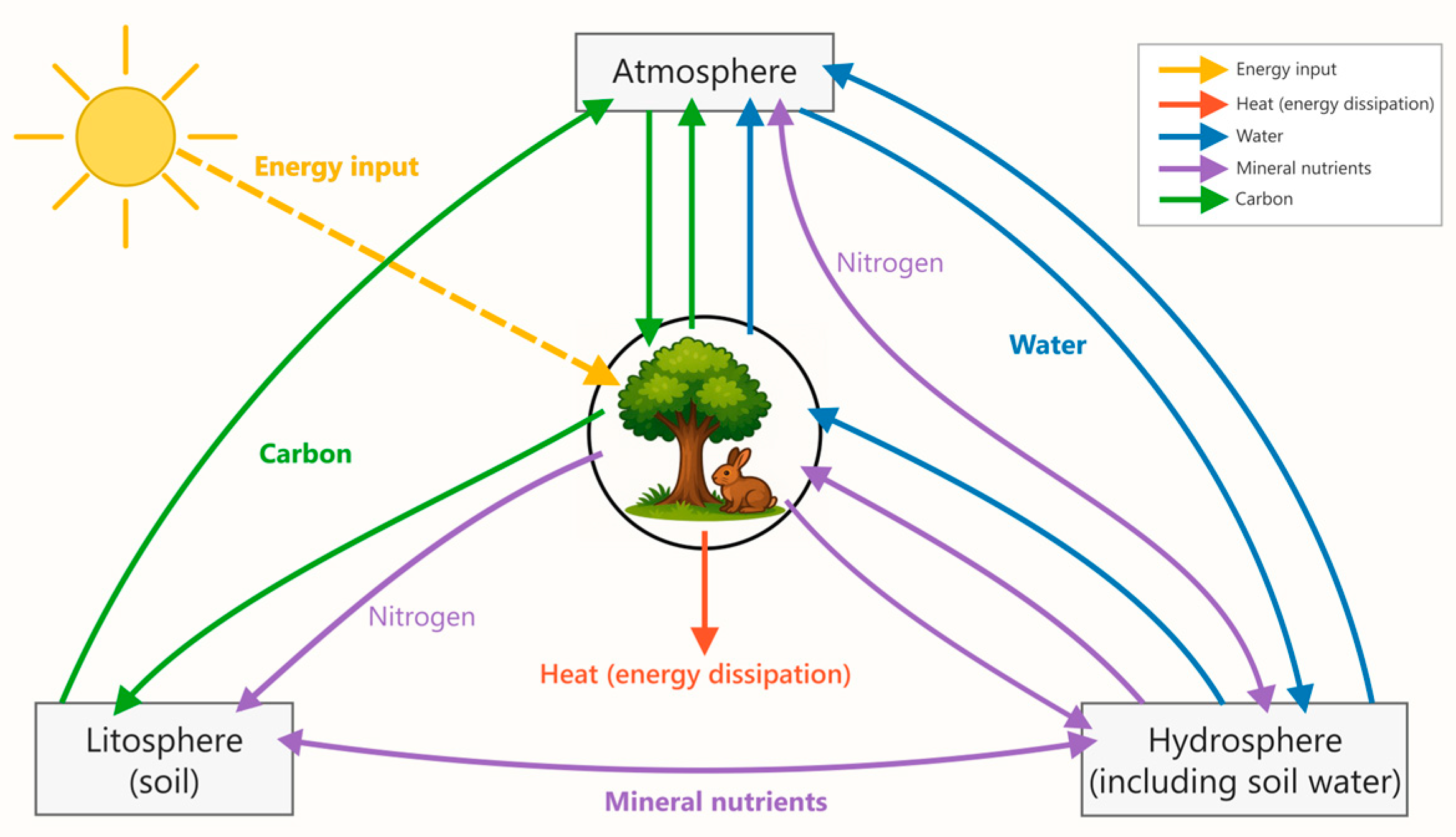
1.1. Biosphere
1.2. Basic Laws
1.3. Evolution
2. The Maximum Power Principle
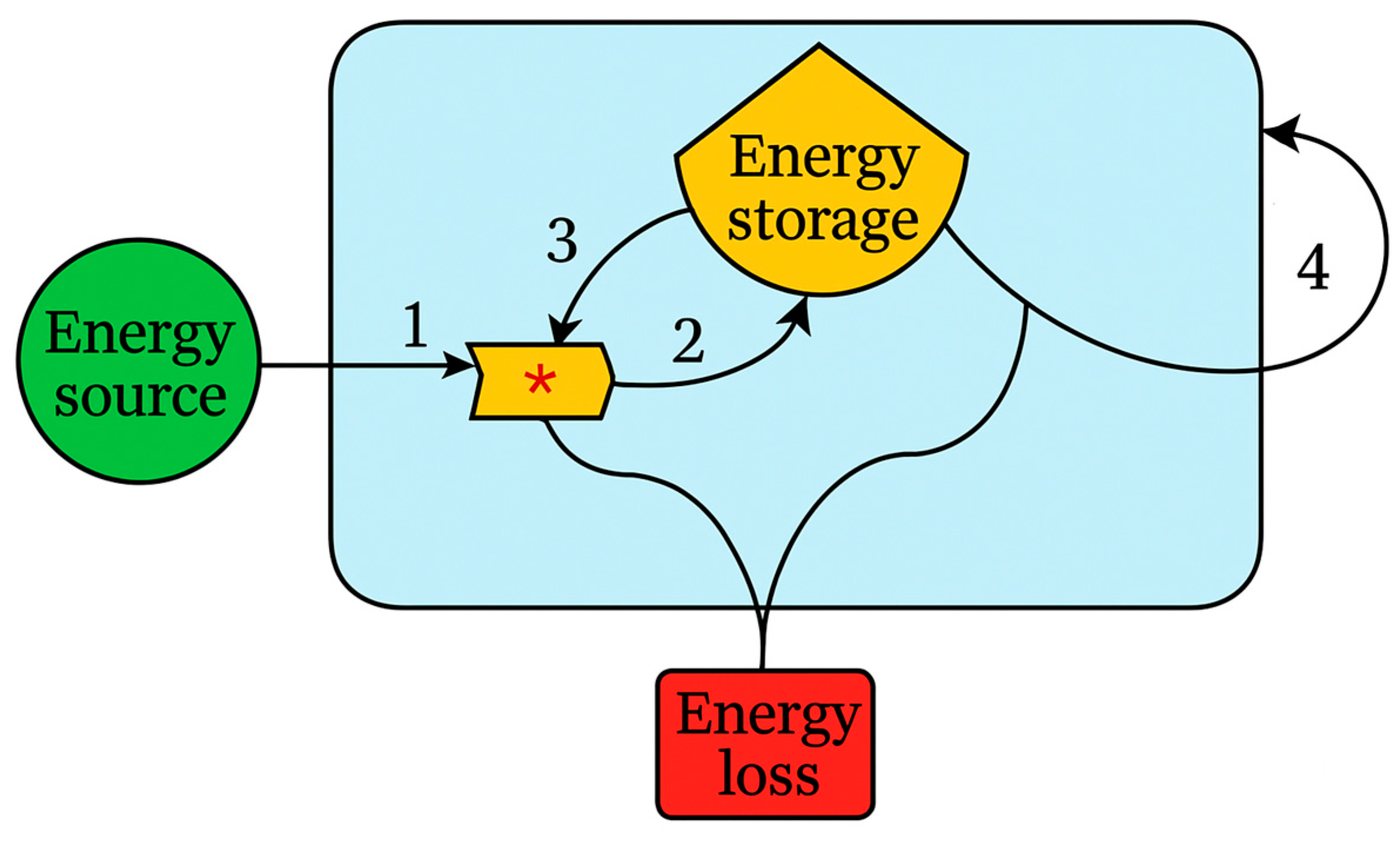
2.1. Definitions
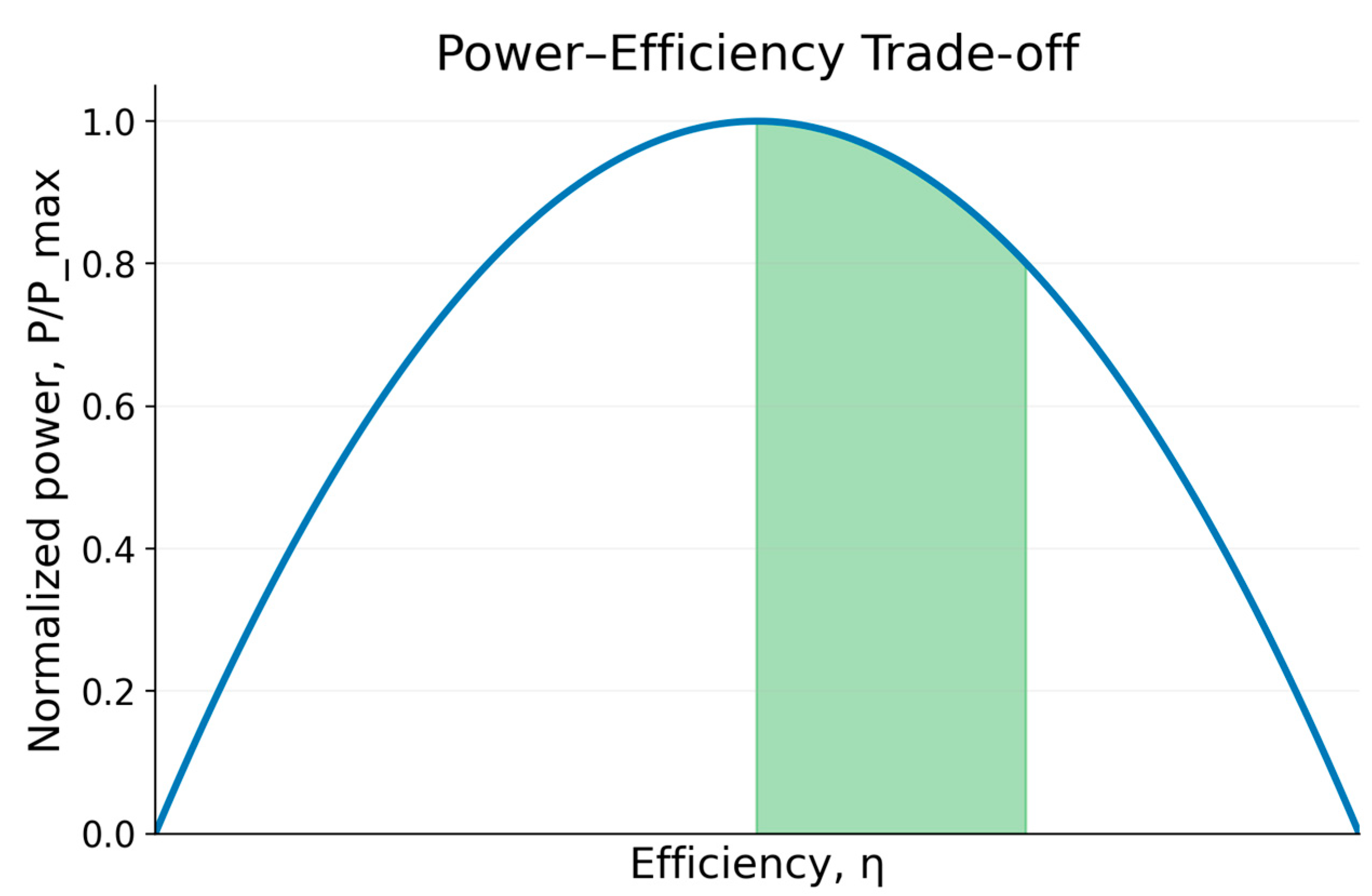
2.2. Efficiency
2.3. A Promising Thermodynamic Framework
2.4. The Maximum Entropy Production Principle (MEPP)
2.5. Usefulness and Biomass
2.6. Stability Favors Biomass Accumulation and, Thus, Promotes the MPP
3. The Maximum Power Principle Applies at Different Hierarchical Scales
3.1. Optimization Across Scales
3.2. Biodiversity and Complexity
3.3. Trophic Interactions and Food Chains
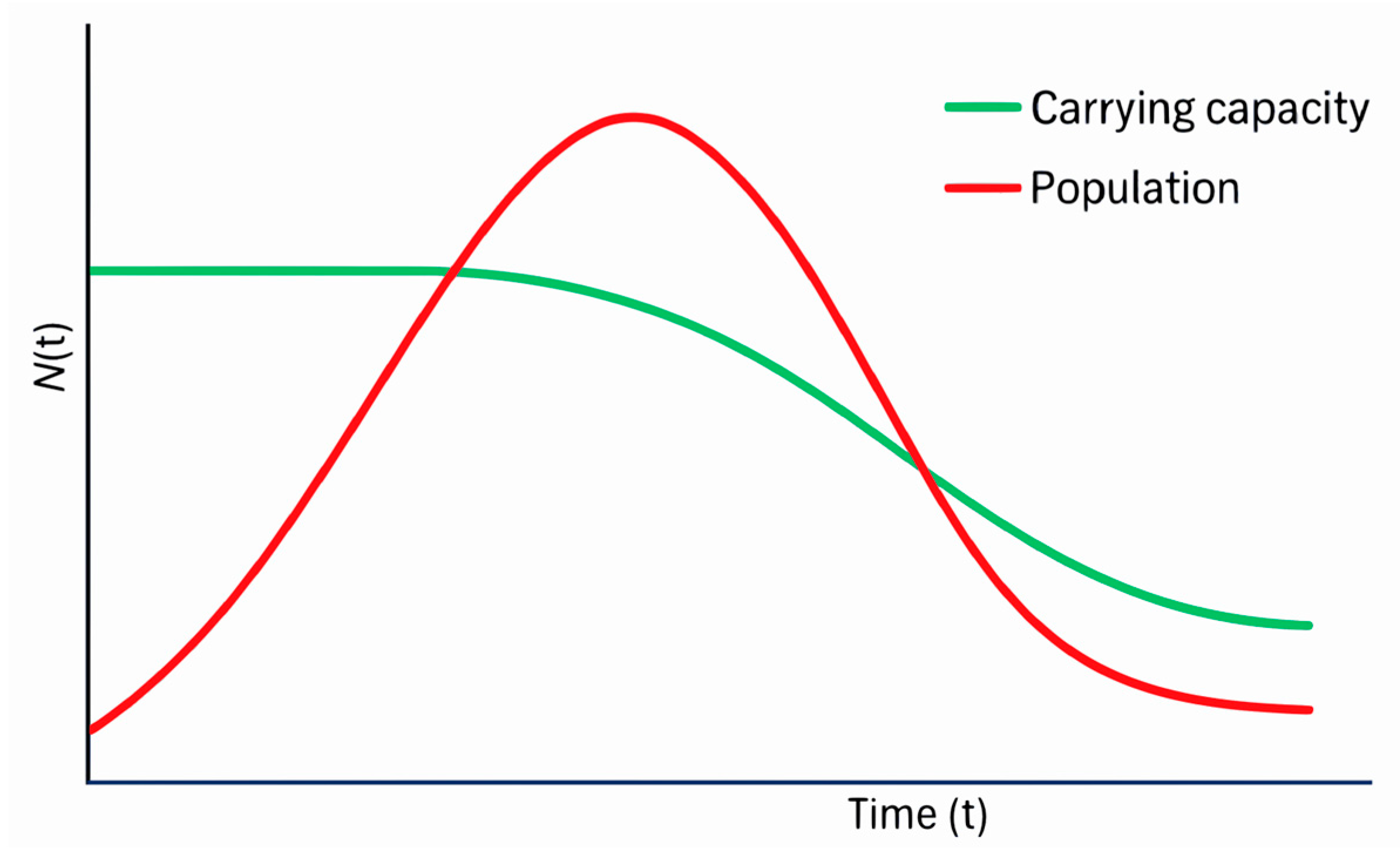
3.4. Carrying Capacity and Overshoot
3.5. Selected Experimental Studies from Literature
3.5.1. Laboratory Experiment with Unicellular Microorganisms
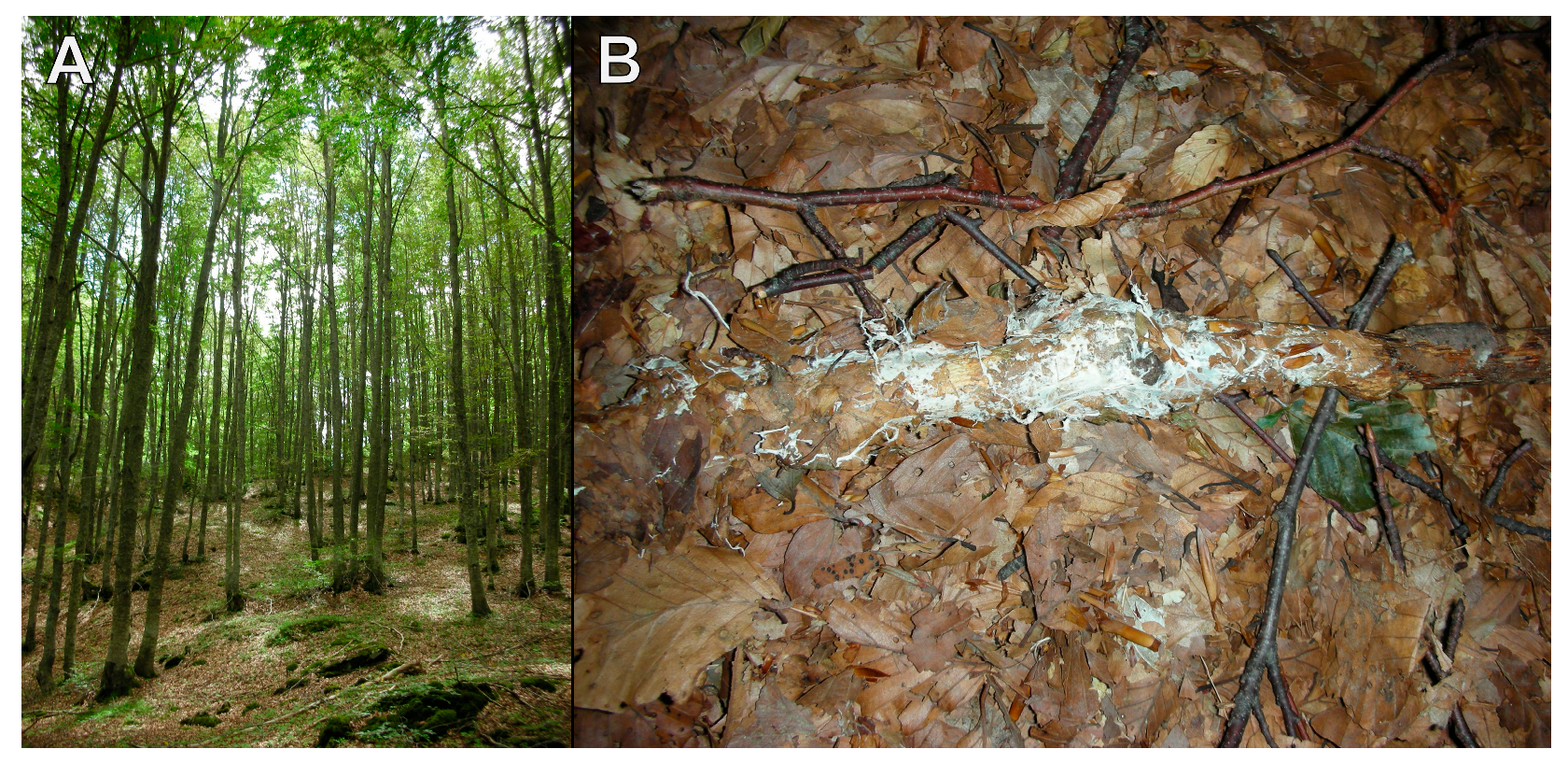
3.5.2. Forest Plantations
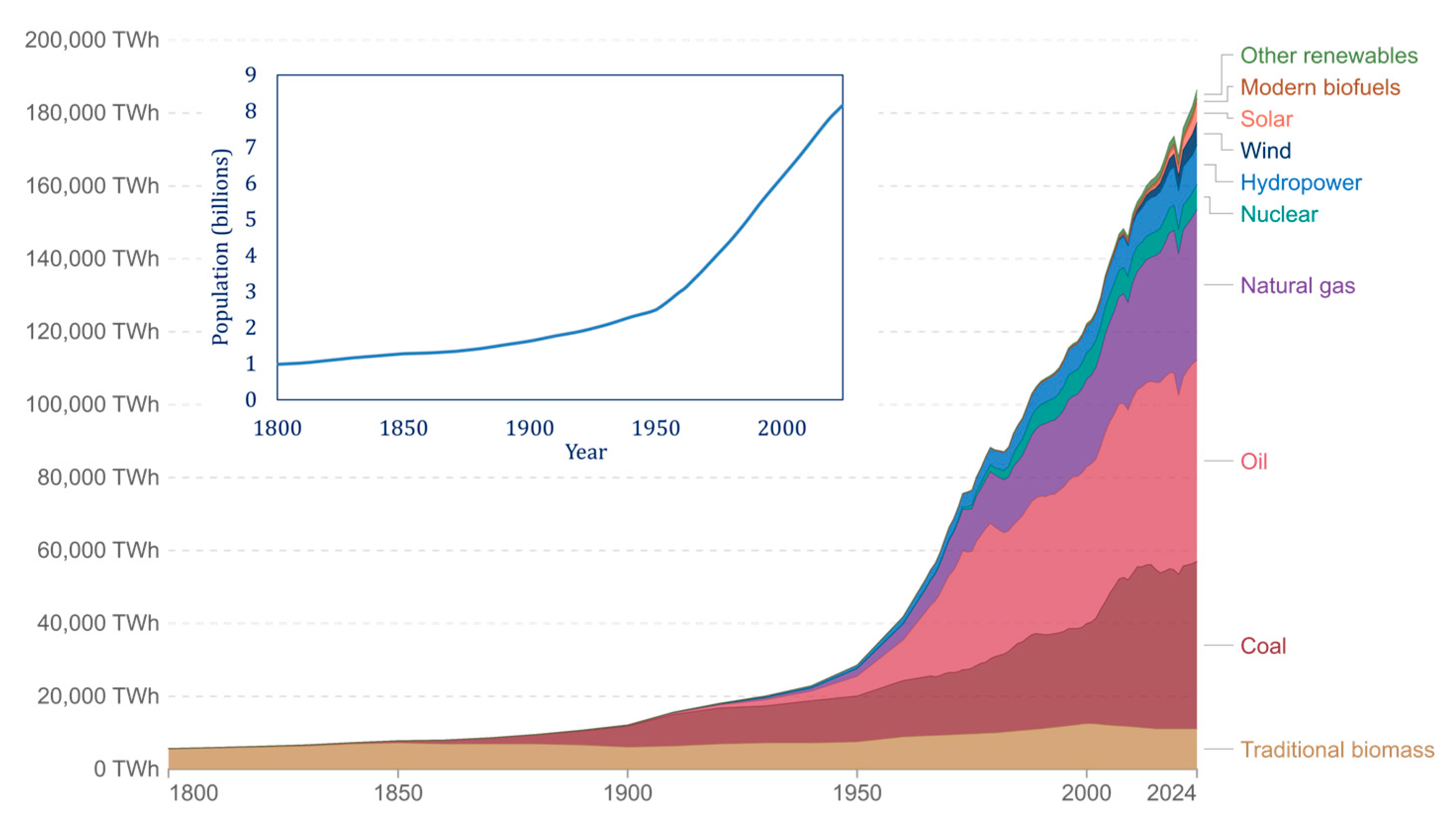
4. Humans, Culture and Externalization of Functions
5. A Scale Conflict
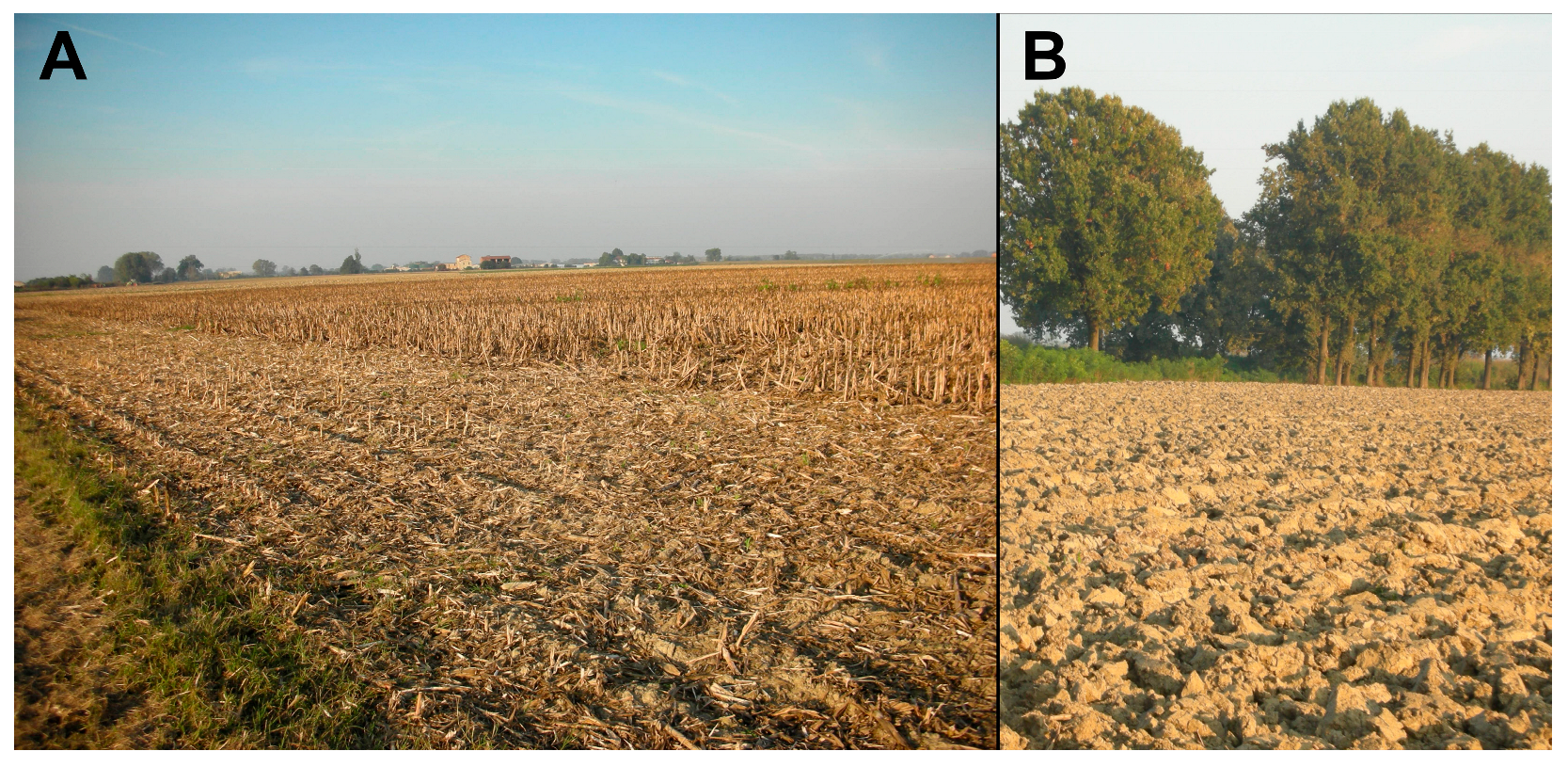
5.1. Anthropization of Biosystems
5.2. Loss in Global Biomass Is a MPP Failure at the Biosphere Level
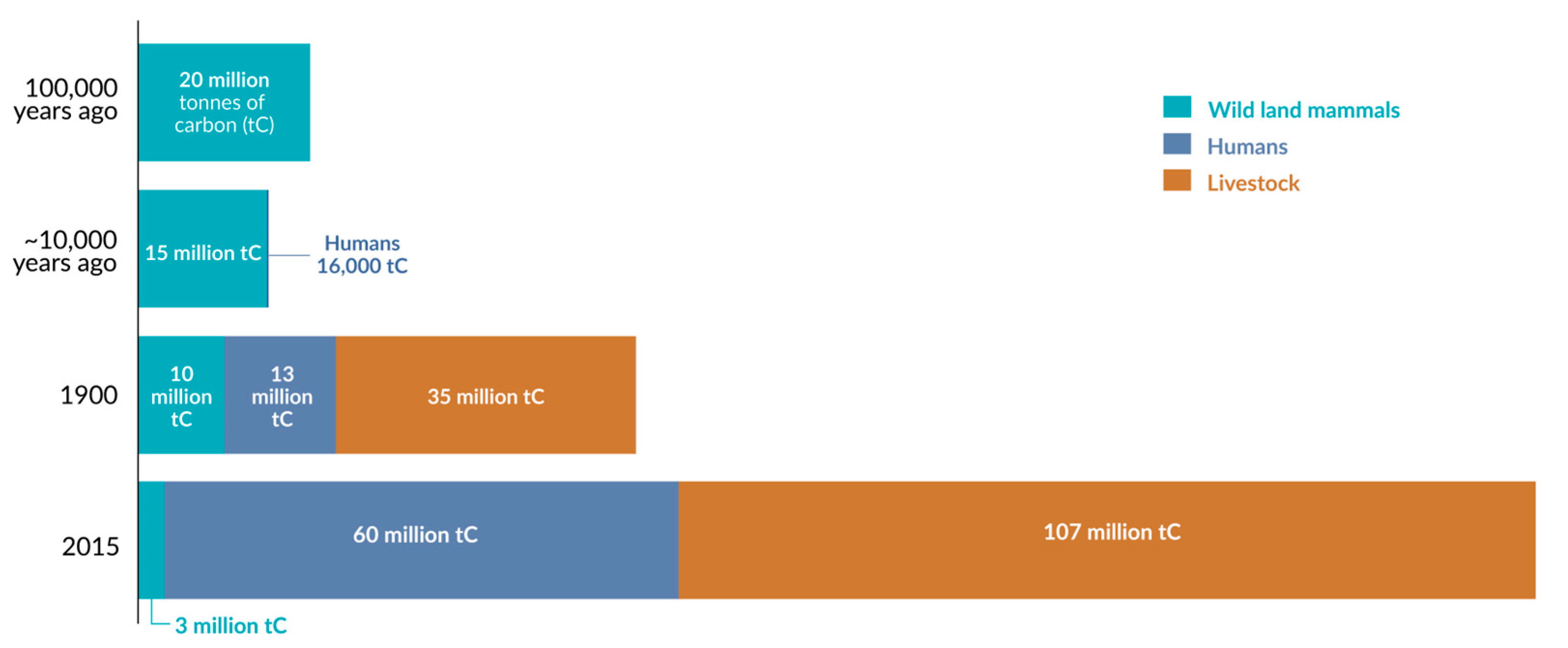
5.3. Mammals as a Paradigm of Anthropogenic Change
5.4. Linearity of Anthropic Systems Undermines Biosphere’s Stability: Time of Reckoning
5.5. Artificial Intelligence and the Time Constraint
6. Conclusions
Funding
Data Availability Statement
Acknowledgments
Conflicts of Interest
Abbreviations
| AI | Artificial Intelligence |
| MEPP | Maximum Entropy Production Principle |
| OVP | Onsager Variational Principle |
| MEMP | Maximum Empower Principle |
| MPP | Maximum Power Principle |
References
- Earle, S.; Panchuk, K. Physical Geology, 2nd ed.; BC Campus, BC Open Textbook Project: Victoria, BC, Canada, 2019. [Google Scholar]
- Odum, E.P.; Barrett, G.W. Fundamentals of Ecology, 5th ed.; Brooks/Cole: Belmont, CA, USA, 2005. [Google Scholar]
- Vermeij, G.J. The Illusion of Balance in the History of the Biosphere. Geobiology 2024, 22, e12584. [Google Scholar] [CrossRef] [Scilit]
- Pascal, R.; Pross, A.; Sutherland, J.D. Towards an Evolutionary Theory of the Origin of Life Based on Kinetics and Thermodynamics. Open Biol. 2013, 3, 130156. [Google Scholar] [CrossRef] [Scilit]
- Pross, A. The Driving Force for Life’s Emergence: Kinetic and Thermodynamic Considerations. J. Theor. Biol. 2003, 220, 393–406. [Google Scholar] [CrossRef] [Scilit]
- Gianinetti, A. An Account of Thermodynamic Entropy; Bentham Science Publishers: Sharjah, United Arab Emirates, 2017. [Google Scholar]
- Igamberdiev, A.U. Biological Thermodynamics: Ervin Bauer and the Unification of Life Sciences and Physics. BioSystems 2024, 235, 105089. [Google Scholar] [CrossRef] [Scilit]
- Gregory, P.J.; Nortcliff, S. (Eds.) Soil Conditions and Plant Growth; Wiley-Blackwell: Chichester, UK, 2013. [Google Scholar]
- Bergstrom, C.T.; Dugatkin, L.A. Evolution, 2nd ed.; W.W. Norton & Company: New York, NY, USA; London, UK, 2016. [Google Scholar]
- Whitham, T.G.; Bailey, J.K.; Schweitzer, J.A.; Shuster, S.M.; Bangert, R.K.; LeRoy, C.J.; Lonsdorf, E.V.; Allan, G.J.; DiFazio, S.P.; Potts, B.M.; et al. A Framework for Community and Ecosystem Genetics: From Genes to Ecosystems. Nat. Rev. Genet. 2006, 7, 510–523. [Google Scholar] [CrossRef] [Scilit] [PubMed]
- Hall, C.A.S.; McWhirter, T. Maximum Power in Evolution, Ecology and Economics. Philos. Trans. R. Soc. A 2023, 381, 20220290. [Google Scholar] [CrossRef] [Scilit]
- Månsson, B.Å.; McGlade, J.M. Ecology, Thermodynamics and H.T. Odum’s Conjectures. Oecologia 1993, 93, 582–596. [Google Scholar] [CrossRef] [Scilit] [PubMed]
- Odum, H.T. Energy Systems Concepts and Self-Organization: A Rebuttal. Oecologia 1995, 104, 518–522. [Google Scholar] [CrossRef] [Scilit]
- Glazier, D.S. Power and Efficiency in Living Systems. Sci 2024, 6, 28. [Google Scholar] [CrossRef] [Scilit]
- Sciubba, E. What Did Lotka Really Say? A Critical Reassessment of the “Maximum Power Principle.”. Ecol. Model. 2011, 222, 1347–1353. [Google Scholar] [CrossRef] [Scilit]
- Odum, H.T. Self-Organization and Maximum Empower. In Maximum Power: The Ideas and Applications of H.T. Odum; Hall, C.A.S., Ed.; Univesity Press of Colorado: Niwot, CO, USA, 1995; pp. 311–330. [Google Scholar]
- Odum, H.T.; Pinkerton, R.C. Time’s Speed Regulator: The Optimum Efficiency for Maximum Power Output in Physical and Biological Systems. Am. Sci. 1955, 43, 331–343. [Google Scholar]
- Abel, T. Howard T. Odum’s Contributions to Evolutionary Theory. Ecol. Model. 2025, 509, 111263. [Google Scholar] [CrossRef] [Scilit]
- Pross, A.; Pascal, R. How and Why Kinetics, Thermodynamics, and Chemistry Induce the Logic of Biological Evolution. Beilstein J. Org. Chem. 2017, 13, 665–674. [Google Scholar] [CrossRef] [Scilit]
- Grmela, M. Multiscale Thermodynamics. Entropy 2021, 23, 165. [Google Scholar] [CrossRef] [Scilit]
- Wang, H.; Qian, T.; Xu, X. Onsager’s Variational Principle in Active Soft Matter. Soft Matter 2021, 17, 3634–3653. [Google Scholar] [CrossRef] [Scilit]
- Brown, M.T. Biosphere Dynamic Empower: Howard T. Odum’s Contributions to Open Systems Thermodynamics. Ecol. Model. 2025, 509, 111250. [Google Scholar] [CrossRef] [Scilit]
- Kleidon, A.; Malhi, Y.; Cox, P.M. Maximum Entropy Production in Environmental and Ecological Systems. Philos. Trans. R. Soc. B 2010, 365, 1297–1302. [Google Scholar] [CrossRef] [Scilit] [PubMed]
- Krissansen-Totton, J.; Bergsman, D.S.; Catling, D.C. On Detecting Biospheres from Chemical Thermodynamic Disequilibrium in Planetary Atmospheres. Astrobiology 2016, 16, 39–67. [Google Scholar] [CrossRef] [Scilit]
- Harte, J.; Newman, E.A. Maximum Information Entropy: A Foundation for Ecological Theory. Trends Ecol. Evol. 2014, 29, 384–389. [Google Scholar] [CrossRef] [Scilit] [PubMed]
- Jaynes, E.T. Information Theory and Statistical Mechanics. Phys. Rev. 1957, 106, 620–630. [Google Scholar] [CrossRef] [Scilit]
- Pross, A. How Can a Chemical System Act Purposefully? Bridging between Life and Non-life. J. Phys. Org. Chem. 2008, 21, 724–730. [Google Scholar] [CrossRef] [Scilit]
- Bar-On, Y.M.; Phillips, R.; Milo, R. The Biomass Distribution on Earth. Proc. Natl. Acad. Sci. USA 2018, 115, 6506–6511. [Google Scholar] [CrossRef] [Scilit] [PubMed]
- Lotka, A.J. Note on the Economic Conversion Factors of Energy. Proc. Natl. Acad. Sci. USA 1921, 7, 192–197. [Google Scholar] [CrossRef] [Scilit] [PubMed]
- Lotka, A.J. Contribution to the Energetics of Evolution. Proc. Natl. Acad. Sci. USA 1922, 8, 147–151. [Google Scholar] [CrossRef] [Scilit]
- Pianka, E.R. On R- and K-Selection. Am. Nat. 1970, 104, 592–597. [Google Scholar] [CrossRef] [Scilit]
- Vermeij, G. The Evolution of Power: A New Understanding of the History of Life; Princeton University Press: Princeton, NJ, USA, 2023. [Google Scholar]
- Vasas, V.; Fernando, C.; Santos, M.; Kauffman, S.; Szathmáry, E. Evolution before Genes. Biol. Direct 2012, 7, 1. [Google Scholar] [CrossRef] [Scilit]
- Szathmáry, E. Toward Major Evolutionary Transitions Theory 2.0. Proc. Natl. Acad. Sci. USA 2015, 112, 10104–10111. [Google Scholar] [CrossRef] [Scilit]
- Özyuğuran, A.; Yaman, S. Prediction of Calorific Value of Biomass from Proximate Analysis. Energy Procedia 2017, 107, 130–136. [Google Scholar] [CrossRef] [Scilit]
- Barge, L.M.; Branscomb, E.; Brucato, J.R.; Cardoso, S.S.S.; Cartwright, J.H.E.; Danielache, S.O.; Galante, D.; Kee, T.P.; Miguel, Y.; Mojzsis, S.; et al. Thermodynamics, Disequilibrium, Evolution: Far-from-Equilibrium Geological and Chemical Considerations for Origin-of-Life Research. Orig. Life Evol. Biosph. 2017, 47, 39–56. [Google Scholar] [CrossRef] [Scilit]
- Sánchez-Baracaldo, P.; Cardona, T. On the Origin of Oxygenic Photosynthesis and Cyanobacteria. New Phytol. 2020, 225, 1440–1446. [Google Scholar] [CrossRef] [Scilit]
- Canfield, D.E. Carbon Cycle Evolution before and after the Great Oxidation of the Atmosphere. Am. J. Sci. 2021, 321, 297–331. [Google Scholar] [CrossRef] [Scilit]
- Lewis, L. Racing to Extinction: Why Humanity Will Soon Vanish; Endangered Press: Springfield, OR, USA, 2024. [Google Scholar]
- Luyssaert, S.; Schulze, E.-D.; Börner, A.; Knohl, A.; Hessenmöller, D.; Law, B.E.; Ciais, P.; Grace, J. Old-Growth Forests as Global Carbon Sinks. Nature 2008, 455, 213–215. [Google Scholar] [CrossRef] [Scilit] [PubMed]
- Law, B.E.; Moomaw, W.R.; Hudiburg, T.W.; Schlesinger, W.H.; Sterman, J.D.; Woodwell, G.M. Creating Strategic Reserves to Protect Forest Carbon and Reduce Biodiversity Losses in the United States. Land 2022, 11, 721. [Google Scholar] [CrossRef] [Scilit]
- Erb, K.-H.; Kastner, T.; Plutzar, C.; Bais, A.L.S.; Carvalhais, N.; Fetzel, T.; Gingrich, S.; Haberl, H.; Lauk, C.; Niedertscheider, M.; et al. Unexpectedly Large Impact of Forest Management and Grazing on Global Vegetation Biomass. Nature 2018, 553, 73–76. [Google Scholar] [CrossRef] [Scilit]
- Ellis, E.C. Land Use and Ecological Change: A 12,000-Year History. Annu. Rev. Environ. Resour. 2021, 46, 1–33. [Google Scholar] [CrossRef] [Scilit]
- Loreau, M.; Naeem, S.; Inchausti, P.; Bengtsson, J.; Grime, J.P.; Hector, A.; Hooper, D.U.; Huston, M.A.; Raffaelli, D.; Schmid, B.; et al. Biodiversity and Ecosystem Functioning: Current Knowledge and Future Challenges. Science 2001, 294, 804–808. [Google Scholar] [CrossRef] [Scilit]
- Reynolds, C.S. Ecological Pattern and Ecosystem Theory. Ecol. Model. 2002, 158, 181–200. [Google Scholar] [CrossRef] [Scilit]
- Landi, P.; Minoarivelo, H.O.; Brännström, Å.; Hui, C.; Dieckmann, U. Complexity and Stability of Ecological Networks: A Review of the Theory. Popul. Ecol. 2018, 60, 319–345. [Google Scholar] [CrossRef] [Scilit]
- Braakman, R.; Follows, M.J.; Chisholm, S.W. Metabolic Evolution and the Self-Organization of Ecosystems. Proc. Natl. Acad. Sci. USA 2017, 114, E3091–E3100. [Google Scholar] [CrossRef] [Scilit] [PubMed]
- DeLong, J.P. The Maximum Power Principle Predicts the Outcomes of Two-species Competition Experiments. Oikos 2008, 117, 1329–1336. [Google Scholar] [CrossRef] [Scilit]
- Martin, P.R.; Ghalambor, C.K. A Case for the “Competitive Exclusion–Tolerance Rule” as a General Cause of Species Turnover along Environmental Gradients. Am. Nat. 2023, 202, 1–17. [Google Scholar] [CrossRef] [Scilit]
- Müller, J.P.; Hauzy, C.; Hulot, F.D. Ingredients for Protist Coexistence: Competition, Endosymbiosis and a Pinch of Biochemical Interactions. J. Anim. Ecol. 2012, 81, 222–232. [Google Scholar] [CrossRef] [Scilit]
- Ferrell, J.E. Bistability, Bifurcations, and Waddington’s Epigenetic Landscape. Curr. Biol. 2012, 22, R458–R466. [Google Scholar] [CrossRef] [Scilit]
- Gianinetti, A. A Travel through Landscapes of Seed Dormancy. Plants 2023, 12, 3963. [Google Scholar] [CrossRef] [Scilit]
- Barber, J.N.; Sezmis, A.L.; Woods, L.C.; Anderson, T.D.; Voss, J.M.; McDonald, M.J. The Evolution of Coexistence from Competition in Experimental Co-Cultures of Escherichia Coli and Saccharomyces Cerevisiae. ISME J. 2021, 15, 746–761. [Google Scholar] [CrossRef] [Scilit] [PubMed]
- Chang, C.-Y.; Bajić, D.; Vila, J.C.C.; Estrela, S.; Sanchez, A. Emergent Coexistence in Multispecies Microbial Communities. Science 2023, 381, 343–348. [Google Scholar] [CrossRef] [Scilit] [PubMed]
- Li, L.; Lu, H.; Tilley, D.R.; Ren, H.; Shen, W. The Maximum Empower Principle: An Invisible Hand Controlling the Self-Organizing Development of Forest Plantations in South China. Ecol. Indic. 2013, 29, 278–292. [Google Scholar] [CrossRef] [Scilit]
- Henrich, J. The Secret of Our Success: How Culture Is Driving Human Evolution, Domesticating Our Species, and Making Us Smarter; Princeton University Press: Princeton, NJ, USA, 2015. [Google Scholar]
- Smil, V. Energy Transitions: Global and National Perspectives, 2nd ed.; Praeger: Santa Barbara, CA, USA, 2017. [Google Scholar]
- Statistical Review of World Energy 2025. Available online: https://www.energyinst.org/statistical-review (accessed on 27 November 2025).
- World Population Prospects 2024. Available online: https://population.un.org/wpp/ (accessed on 27 November 2025).
- Gapminder Population V7. Available online: http://gapm.io/dpop (accessed on 27 November 2025).
- Dasgupta, P.; Dasgupta, A.; Barrett, S. Population, Ecological Footprint and the Sustainable Development Goals. Environ. Resour. Econ. 2021, 84, 659–675. [Google Scholar] [CrossRef] [Scilit]
- Dasgupta, A.; Dasgupta, P. Human Population and the Biosphere. Popul. Dev. Rev. 2025, 51, 41–61. [Google Scholar] [CrossRef] [Scilit]
- Fanning, A.L.; Raworth, K. Doughnut of Social and Planetary Boundaries Monitors a World out of Balance. Nature 2025, 646, 47–56. [Google Scholar] [CrossRef] [Scilit]
- Van Vuuren, D.P.; Doelman, J.C.; Schmidt Tagomori, I.; Beusen, A.H.W.; Cornell, S.E.; Röckstrom, J.; Schipper, A.M.; Stehfest, E.; Ambrosio, G.; Van Den Berg, M.; et al. Exploring Pathways for World Development within Planetary Boundaries. Nature 2025, 641, 910–916. [Google Scholar] [CrossRef] [Scilit]
- Tucker, C. We Know How Many People the Earth Can Support. J. Popul. Sustain. 2020, 5, 77–85. [Google Scholar] [CrossRef] [Scilit]
- Rockström, J.; Donges, J.F.; Fetzer, I.; Martin, M.A.; Wang-Erlandsson, L.; Richardson, K. Planetary Boundaries Guide Humanity’s Future on Earth. Nat. Rev. Earth Environ. 2024, 5, 773–788. [Google Scholar] [CrossRef] [Scilit]
- Richardson, K.; Steffen, W.; Lucht, W.; Bendtsen, J.; Cornell, S.E.; Donges, J.F.; Drüke, M.; Fetzer, I.; Bala, G.; Von Bloh, W.; et al. Earth beyond Six of Nine Planetary Boundaries. Sci. Adv. 2023, 9, eadh2458. [Google Scholar] [CrossRef] [Scilit]
- Rees, W.E. The Human Ecology of Overshoot: Why a Major ‘Population Correction’ Is Inevitable. World 2023, 4, 509–527. [Google Scholar] [CrossRef] [Scilit]
- Drüke, M.; Lucht, W.; Von Bloh, W.; Petri, S.; Sakschewski, B.; Tobian, A.; Loriani, S.; Schaphoff, S.; Feulner, G.; Thonicke, K. The Long-Term Impact of Transgressing Planetary Boundaries on Biophysical Atmosphere–Land Interactions. Earth Syst. Dyn. 2024, 15, 467–483. [Google Scholar] [CrossRef] [Scilit]
- Catton, W.R. Overshoot: The Ecological Basis of Revolutionary Change; Illini Books Edition; University of Illinois Press: Urbana, IL, USA; Chicago, IL, USA, 1982. [Google Scholar]
- Meadows, D.H.; Meadows, D.L.; Randers, J.; Behrens, W.W., III. The Limits to Growth: A Report for the Club of Rome’s Project on the Predicament of Mankind, 5th ed.; Universe Books: New York, NY, USA, 1972. [Google Scholar]
- Ripple, W.J.; Wolf, C.; Mann, M.E.; Rockström, J.; Gregg, J.W.; Xu, C.; Wunderling, N.; Perkins-Kirkpatrick, S.E.; Schaeffer, R.; Broadgate, W.J.; et al. The 2025 State of the Climate Report: A Planet on the Brink. BioScience 2025, 75, 1016–1027. [Google Scholar] [CrossRef] [Scilit]
- Wackernagel, M.; Schulz, N.B.; Deumling, D.; Linares, A.C.; Jenkins, M.; Kapos, V.; Monfreda, C.; Loh, J.; Myers, N.; Norgaard, R.; et al. Tracking the Ecological Overshoot of the Human Economy. Proc. Natl. Acad. Sci. USA 2002, 99, 9266–9271. [Google Scholar] [CrossRef] [Scilit] [PubMed]
- Chave, J. The Problem of Pattern and Scale in Ecology: What Have We Learned in 20 Years? Ecol. Lett. 2013, 16, 4–16. [Google Scholar] [CrossRef] [Scilit]
- IPBES. The IPBES Assessment Report on Land Degradation and Restoration; Montanarella, L., Scholes, R., Brainich, A., Eds.; Secretariat of the Intergovernmental Science-Policy Platform on Biodiversity and Ecosystem Services: Bonn, Germany, 2018; p. 744. [Google Scholar]
- Gibbs, H.K.; Salmon, J.M. Mapping the World’s Degraded Lands. Appl. Geogr. 2015, 57, 12–21. [Google Scholar] [CrossRef] [Scilit]
- Perlin, J. A Forest Journey: The Role of Trees in the Fate of Civilization, 3rd ed.; Hardcover Edition; Patagonia: Ventura, CA, USA, 2023. [Google Scholar]
- Sands, R. A History of Human Interaction with Forests. In Forestry in a Global Context; Sands, R., Ed.; CABI: Oxfordshire, UK, 2013; pp. 1–36. [Google Scholar]
- FAO. Global Forest Resources Assessment 2025; FAO: Rome, Italy, 2025. [Google Scholar]
- Ritchie, H. The World Has Lost One-Third of Its Forests, but an End to Deforestation Is Possible. Available online: https://ourworldindata.org/world-lost-one-third-forests (accessed on 18 November 2025).
- Williams, M. Deforesting the Earth: From Prehistory to Global Crisis; University of Chicago Press: Chicago, IL, USA; London, UK, 2003. [Google Scholar]
- Smil, V. Harvesting the Biosphere: What We Have Taken from Nature; The MIT Press: Cambridge, MA, USA, 2013. [Google Scholar]
- Bhan, M.; Meyfroidt, P.; Matej, S.; Erb, K.-H.; Gingrich, S. A Mid-20th Century Inventory-Based Estimate of Global Terrestrial Vegetation Carbon Stocks. J. Land Use Sci. 2022, 17, 429–453. [Google Scholar] [CrossRef] [Scilit]
- Sharma, R.; Barange, M.; Agostini, V.; Barros, P.; Gutierrez, N.L.; Vasconcellos, M.; Fernandez Reguera, D.; Tiffay, C.; Levontin, P. (Eds.) Review of the State of World Marine Fishery Resources—2025; FAO Fisheries and Aquaculture Technical Papers; FAO: Rome, Italy, 2025. [Google Scholar]
- Ray, N.E.; Bonaglia, S.; Cavan, E.L.; Sampaio, F.G.; Gephart, J.A.; Hillman, J.R.; Hornborg, S.; Paradis, S.; Petrik, C.M.; Tiano, J.; et al. Biogeochemical Consequences of Marine Fisheries and Aquaculture. Nat. Rev. Earth Environ. 2025, 6, 163–177. [Google Scholar] [CrossRef] [Scilit]
- Philp, R.P. Formation and Geochemistry of Oil and Gas. In Treatise on Geochemistry; Elsevier: Amsterdam, The Netherlands, 2014; pp. 233–265. [Google Scholar]
- Perreault, C. The Pace of Cultural Evolution. PLoS ONE 2012, 7, e45150. [Google Scholar] [CrossRef] [Scilit]
- Snyder, B.F. The Genetic and Cultural Evolution of Unsustainability. Sustain. Sci. 2020, 15, 1087–1099. [Google Scholar] [CrossRef] [Scilit]
- Barnosky, A.D. Megafauna Biomass Tradeoff as a Driver of Quaternary and Future Extinctions. Proc. Natl. Acad. Sci. USA 2008, 105, 11543–11548. [Google Scholar] [CrossRef] [Scilit] [PubMed]
- Plumptre, A.J.; Baisero, D.; Belote, R.T.; Vázquez-Domínguez, E.; Faurby, S.; Jȩdrzejewski, W.; Kiara, H.; Kühl, H.; Benítez-López, A.; Luna-Aranguré, C.; et al. Where Might We Find Ecologically Intact Communities? Front. For. Glob. Change 2021, 4, 626635. [Google Scholar] [CrossRef] [Scilit]
- Schultz, T.R.; Brady, S.G. Major Evolutionary Transitions in Ant Agriculture. Proc. Natl. Acad. Sci. USA 2008, 105, 5435–5440. [Google Scholar] [CrossRef] [Scilit] [PubMed]
- Nygaard, S.; Hu, H.; Li, C.; Schiøtt, M.; Chen, Z.; Yang, Z.; Xie, Q.; Ma, C.; Deng, Y.; Dikow, R.B.; et al. Reciprocal Genomic Evolution in the Ant–Fungus Agricultural Symbiosis. Nat. Commun. 2016, 7, 12233. [Google Scholar] [CrossRef] [Scilit]
- Ivens, A.B.F.; Kronauer, D.J.C. Aphid-Farming Ants. Curr. Biol. 2022, 32, R813–R817. [Google Scholar] [CrossRef] [Scilit] [PubMed]
- IPBES. Global Assessment Report on Biodiversity and Ecosystem Services of the Intergovernmental Science-Policy Platform on Biodiversity and Ecosystem Services; Brondizio, E.S., Settele, J., Díaz, S., Ngo, H.T., Eds.; IPBES Secretariat: Bonn, Germany, 2019; p. 1148. [Google Scholar]
- Christenhusz, M.J.M.; Govaerts, R. Plant Extinction in the Anthropocene. Bot. J. Linn. Soc. 2025, 207, 183–196. [Google Scholar] [CrossRef] [Scilit]
- Finn, C.; Grattarola, F.; Pincheira-Donoso, D. More Losers than Winners: Investigating Anthropocene Defaunation through the Diversity of Population Trends. Biol. Rev. 2023, 98, 1732–1748. [Google Scholar] [CrossRef] [Scilit]
- Ceballos, G.; Ehrlich, P.R. Mutilation of the Tree of Life via Mass Extinction of Animal Genera. Proc. Natl. Acad. Sci. USA 2023, 120, e2306987120. [Google Scholar] [CrossRef] [Scilit] [PubMed]
- Herrero, M.; Havlík, P.; Valin, H.; Notenbaert, A.; Rufino, M.C.; Thornton, P.K.; Blümmel, M.; Weiss, F.; Grace, D.; Obersteiner, M. Biomass Use, Production, Feed Efficiencies, and Greenhouse Gas Emissions from Global Livestock Systems. Proc. Natl. Acad. Sci. USA 2013, 110, 20888–20893. [Google Scholar] [CrossRef] [Scilit] [PubMed]
- von Bertalanffy, L. General System Theory: Foundations, Development, Applications; Revised ed., 17 Paperback Print; Braziller: New York, NY, USA, 2009. [Google Scholar]
- Scheffer, M.; Carpenter, S.; Foley, J.A.; Folke, C.; Walker, B. Catastrophic Shifts in Ecosystems. Nature 2001, 413, 591–596. [Google Scholar] [CrossRef] [Scilit]
- Tilman, D.; Cassman, K.G.; Matson, P.A.; Naylor, R.; Polasky, S. Agricultural Sustainability and Intensive Production Practices. Nature 2002, 418, 671–677. [Google Scholar] [CrossRef] [Scilit]
- Foley, J.A.; Ramankutty, N.; Brauman, K.A.; Cassidy, E.S.; Gerber, J.S.; Johnston, M.; Mueller, N.D.; O’Connell, C.; Ray, D.K.; West, P.C.; et al. Solutions for a Cultivated Planet. Nature 2011, 478, 337–342. [Google Scholar] [CrossRef] [Scilit]
- Lotka, A.J. Evolution in Discontinuous Systems. II. J. Wash. Acad. Sci. 1912, 2, 49–59. [Google Scholar]
- Malthus, T.R. An Essay on the Principle of Population, as It Affects the Future Improvement of Society, with Remarks on the Speculations of Mr. Godwin, M. Condorcet, and Other Writers, 1st ed.; J. Johnson: London, UK, 1798. [Google Scholar]
- Brunnermeier, M.K.; Oehmke, M. Bubbles, Financial Crises, and Systemic Risk. In Handbook of the Economics of Finance; Elsevier: Amsterdam, The Netherlands, 2013; Volume 2, pp. 1221–1288. [Google Scholar]
- Shiller, R.J. Irrational Exuberance; Revised and Expanded Third Edition; Princeton University Press: Princeton, NJ, USA; Oxford, UK, 2015. [Google Scholar]
- Sharot, T. The Optimism Bias. Curr. Biol. 2011, 21, R941–R945. [Google Scholar] [CrossRef] [Scilit]
- Murphy, T.W. Limits to Economic Growth. Nat. Phys. 2022, 18, 844–847. [Google Scholar] [CrossRef] [Scilit]
- Ellis, E.C. The Anthropocene Condition: Evolving through Social–Ecological Transformations. Philos. Trans. R. Soc. B 2024, 379, 20220255. [Google Scholar] [CrossRef] [Scilit]
- Brooks, R.C. How Might Artificial Intelligence Influence Human Evolution? Q. Rev. Biol. 2024, 99, 201–229. [Google Scholar] [CrossRef] [Scilit]
- Segall, S.Z. Suffering and the Cessation of Suffering. In Buddhism and Human Flourishing; Springer International Publishing: Cham, Switzerland, 2020; pp. 81–113. [Google Scholar]
- Krüger, O. “The Singularity Is near!” Visions of Artificial Intelligence in Posthumanism and Transhumanism. Int. J. Interact. Multimedia Artif. Intell. 2021, 7, 16–23. [Google Scholar] [CrossRef] [Scilit]





| Core Concepts |
|
| Applicable Fields |
|
| Examples |
|
| Usefulness |
|
| Limitations |
|
Disclaimer/Publisher’s Note: The statements, opinions and data contained in all publications are solely those of the individual author(s) and contributor(s) and not of MDPI and/or the editor(s). MDPI and/or the editor(s) disclaim responsibility for any injury to people or property resulting from any ideas, methods, instructions or products referred to in the content. |
© 2026 by the author. Licensee MDPI, Basel, Switzerland. This article is an open access article distributed under the terms and conditions of the Creative Commons Attribution (CC BY) license.
Share and Cite
Gianinetti, A. A Reappraisal of the Principle of Maximum Power. Ecologies 2026, 7, 29. https://doi.org/10.3390/ecologies7010029
Gianinetti A. A Reappraisal of the Principle of Maximum Power. Ecologies. 2026; 7(1):29. https://doi.org/10.3390/ecologies7010029
Chicago/Turabian StyleGianinetti, Alberto. 2026. "A Reappraisal of the Principle of Maximum Power" Ecologies 7, no. 1: 29. https://doi.org/10.3390/ecologies7010029
APA StyleGianinetti, A. (2026). A Reappraisal of the Principle of Maximum Power. Ecologies, 7(1), 29. https://doi.org/10.3390/ecologies7010029