Article

Ex Situ and In Situ Conservation Approaches in Species-Rich Anatolian Steppe Ecosystem: A Case Study from Ankara, Türkiye


1
Department of Biology, Faculty of Science, Gazi University, Ankara 06560, Türkiye
2
Department of Biology, Bülent Ecevit University, Zonguldak 67100, Türkiye
3
Ekoiz Environment, Mustafa Kemal Mah., 2119 Cad., No: 9/17, Çankaya, Ankara 06510, Türkiye
4
Kazan Soda Electric, İncirlik Mah., İncirlik Küme Evleri, No: 122, Sincan, Ankara 06946, Türkiye
5
Department of Biology, Faculty of Engineering and Natural Sciences, Kırıkkale University, Yahşihan, Kırıkkale 71450, Türkiye
*
Author to whom correspondence should be addressed.
Ecologies 2024, 5(4), 664-678; https://doi.org/10.3390/ecologies5040039

Submission received: 19 August 2024 / Revised: 28 November 2024 / Accepted: 30 November 2024 / Published: 12 December 2024

Abstract

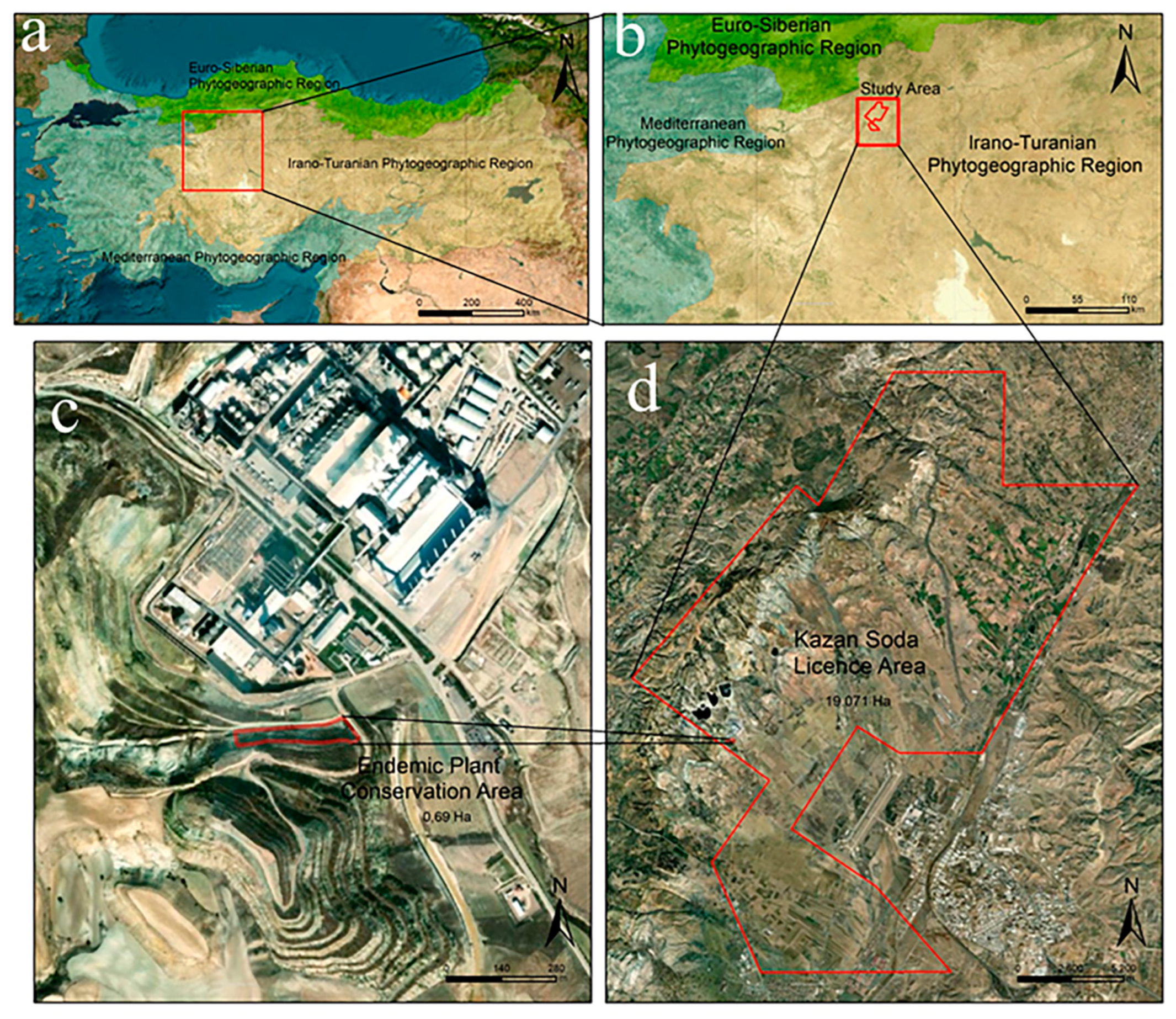
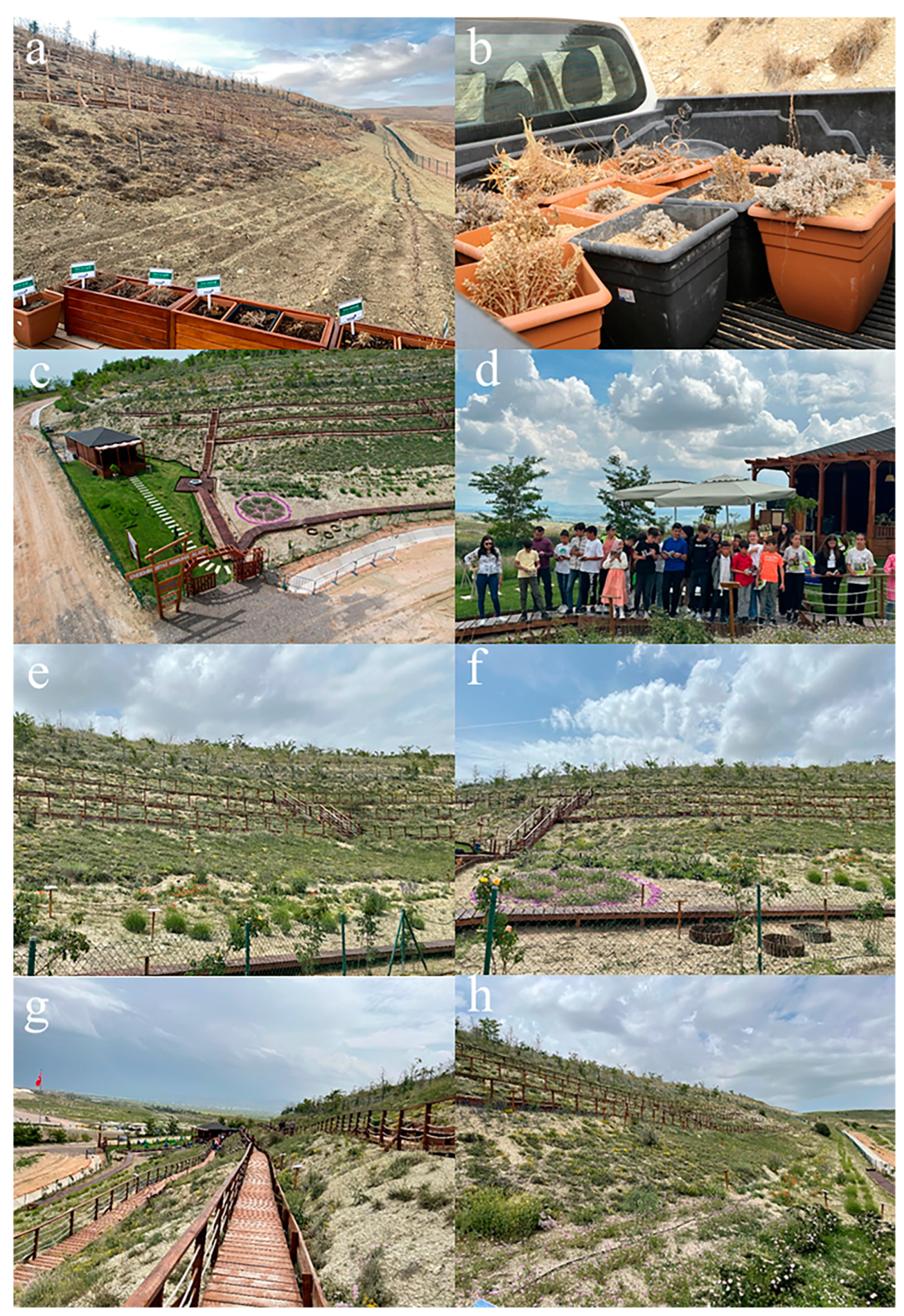
Ex situ and in situ conservation are the two most important methods for preserving and sustaining natural species. However, studies that combine in situ and ex situ studies are rather scarce. Ankara, the capital of Türkiye, is a rich biodiversity hotspot with 2353 plant species, 398 of which are endemic. Due to the rapidly growing population, agricultural areas, hobby gardens, and the urban areas of the city center, many plant species, especially local endemics, are at a high risk of extinction in the immediate vicinity of the Ankara city center. Therefore, we aimed to establish a plant protection area with both ex situ and in situ conservation approaches jointly in the Kazan Soda license area in the Kahramankazan county of Ankara. In total, 185 plant taxa belonging to 43 families, 29 of which are local or regional endemic, or rare, have been protected in the area. Although most of the taxa in the protected area grow there naturally, reproductive organs or whole plants of 11 taxa have been translocated from the immediate surroundings and habitat. Detailed information about the flora of the protected area and the license area is given. We also work in the protected area to raise awareness about biodiversity and nature conservation for local people and students.
Keywords: biodiversity; Central Anatolia; conservation; endemic plant species; steppe; Türkiye biodiversity; Central Anatolia; conservation; endemic plant species; steppe; Türkiye