1. Introduction
Analytical method development is a cornerstone of the pharmaceutical industry, supporting the integrity of data throughout a drug’s lifecycle. When monitoring the kinetics of a reaction or certifying the purity of a final product, the deployment of a burst analytical strategy is indispensable. Consequently, selecting the most appropriate method is a pivotal decision that bridges the gap between early-stage drug discovery and successful commercialization. The analytical techniques support further research pathways on how to proceed and improve particular processes involved in pharmaceutical product development [
1]. Thus, the analytical methods should be accurate, precise, fast, and reproducible for the intended purpose [
2,
3]. In the case of fixed-dose combinations or combined-dose formulations, it becomes more challenging to select an appropriate analytical method for the simultaneous determination of two or more API contents at the same time with better resolution. Thus, a new, fast, and reliable analytical method with high resolution is always in demand.
The US FDA (Food and Drug Administration) has nodded to a fixed dose combination of pregabalin and duloxetine hydrochloride for the management of neuropathic pain. This therapeutic regimen is specifically indicated for pain associated with diabetic neuropathic pain, injury of the spinal cord, postherpetic neuralgia, and fibromyalgia. The combination was also indicated by the agency for the treatment of fibromyalgia [
4], which is a chronic widespread pain illness that is commonly accompanied by sleep disturbances, depression, exhaustion, and cognitive dysfunction [
5]. Duloxetine, as an antidepressant, and pregabalin, as an anticonvulsant, represent the two distinct classes of pharmacotherapies that have secured regulatory approval globally for the management of fibromyalgia. Since these agents modulate pain signaling through separate pharmacological pathways, their distinct mechanisms of action provide a compelling scientific rationale for co-administration. This complementary approach suggests that combining the two could offer enhanced analgesic efficacy compared to monotherapy [
6,
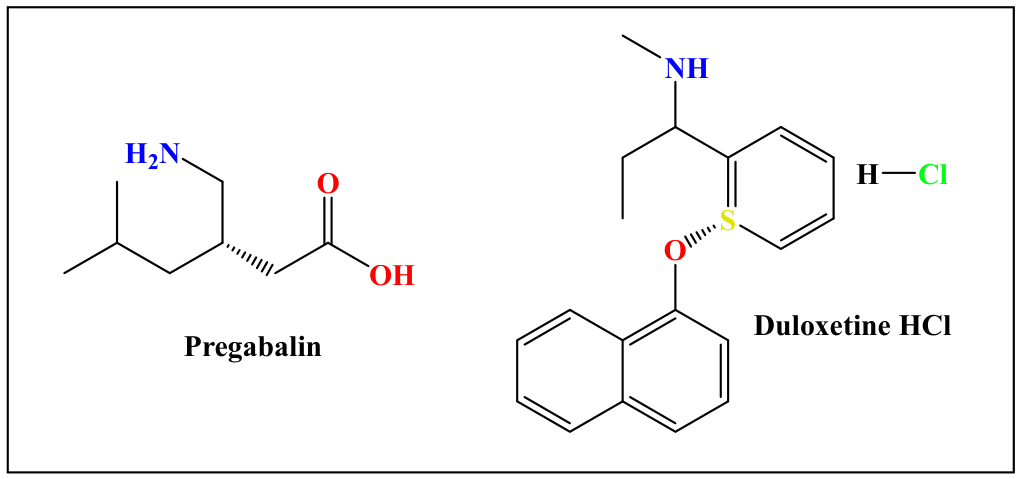
7]. Pregabalin, (S)-2(amino methyl)-5-methyl hexanoic acid, is a well-known anticonvulsant and analgesic drug (
Figure 1). It exists as an amorphous and crystalline solid, and is in water along with basic and acidic aqueous solutions [
8]. The FDA has given the drug pregabalin (brand name Lyrica) approval to treat diabetic peripheral neuropathy (DPN) and neuropathic pain as an adjuvant therapeutic in patients who show symptoms of or have partial-onset seizures [
9]. Pregabalin acts via binding to the alpha-2-delta (α2δ) subunit of the voltage-gated calcium channels to exert its anticonvulsant action [
10,
11]. Duloxetine hydrochloride, (+)-(S)-N-methyl--(1-naphthyloxy)-2-thiophenepropylamine hydrochloride, is an antidepressant drug (3). It is an SSNRI and belongs to the narcoleptic class of drugs [
12,
13]. It is clinically used as an add-on therapeutic to treat stress, urinary incontinence, and, in some cases, for the treatment of fibromyalgia [
4,
14]. Beyond its general application for neuropathic pain associated with neuropathy, duloxetine hydrochloride holds a critical place in diabetes care. It has successfully emerged as a primary therapeutic intervention for diabetic polyneuropathy, reflecting its status as a preferred agent for managing this debilitating condition [
15].
For a single analyte of both medications, numerous analytical and bioanalytical procedures have already been established. According to the literature survey, RP-HPLC, LC-MS, UV Spectroscopy, HPTLC, and others are examples of reported methods for a single drug [
16,
17,
18,
19,
20,
21,
22,
23,
24,
25]. Balaji et al. [
8], Kasawar et al. [
10], and Pingale et al. [
24] developed and validated HPLC methods for pregabalin in bulk and in different pharmaceutical dosage forms. Bhimanadhuni et al. [
14], Kumar et al. [
26], and Sinha et al. [
27] reported HPLC methods for the determination of duloxetine in different pharmaceutical formulations. According to our latest research, no such methods have been reported for the simultaneous estimation of pregabalin and duloxetine HCl in a combined dosage form by a solubility-based separation method. Thus, in continuation of our previous efforts in method developments [
28,
29], to develop a fast, accurate, and precise new solubility-based separation method, we developed and validated an RP-HPLC simultaneous estimation method for determination in the combined dosage form [
30].
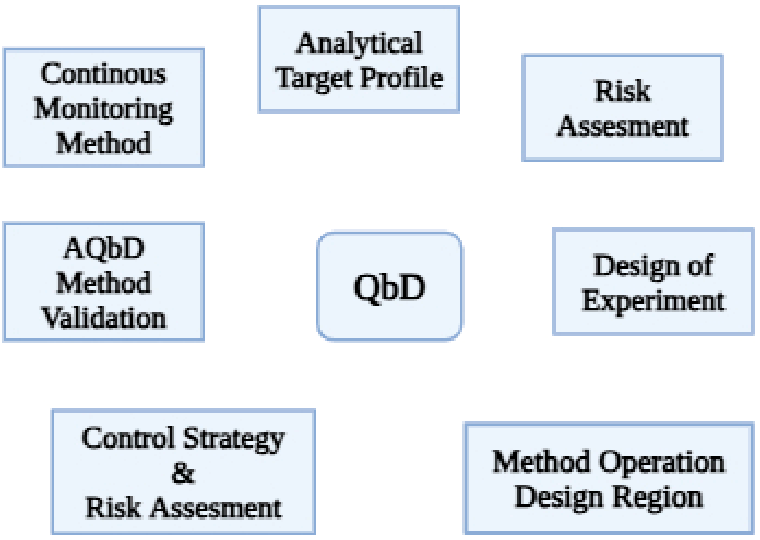
QbD serves as a systematic science-based approach in development that integrates quality risk management with predefined objectives. By focusing on process understanding and control, this strategy delivers an enhanced assurance of product quality and allows for regulatory flexibility.
Figure 2 highlights how these elements work together to foster a cycle of continual improvement [
12]. The QbD technique follows the principles established by the International Council for Harmonization (ICH), specifically guidelines Q8 (pharmaceutical development), Q9 (quality risk management), and Q10 (pharmaceutical quality system). Within this regulatory framework, analytical science is not merely a support function; it is an integral partner to pharmaceutical development, evolving concurrently with the product throughout its entire lifecycle [
13,
14,
15]. In recent years, the concept of analytical quality by design (AQbD) has emerged as a systemic and scientific approach for analytical method development. Unlike trial-and-error approaches, AQbD emphasizes predefined objectives, method understanding, and risk-based optimization for critical analytical variables [
31]. AQbD strives to produce analytical methods that are not only robust and rugged but also adaptable to future improvements. It aligns with regulatory expectations outlined in ICH guidelines such as Q8, Q9, and Q10, thereby supporting lifecycle management and regulatory compliance of analytical procedures. The ultimate output is a method that delivers consistent, intended results over the entire lifespan, paralleling the established success of the QbD process. In the recent literature, Singh et al. demonstrated the utility of this approach by establishing HPLC methods for the concurrent analysis of pregabalin and duloxetine hydrochloride [
32,
33].
Under the quality by design paradigm, assessing the robustness and ruggedness of HPLC methods during the initial development phase is critical. This proactive approach safeguards the methods’ efficiency and reliability throughout the entire product lifecycle [
15]. Failing to address robustness early can result in a significant operational burden, necessitating the resource-intensive redevelopment, revalidation, and retransfer of analytical methods. To mitigate this, the primary objective of AQbD is to preventively identify potential failure modes. By establishing a method operable design region (MODR), a safe zone for method parameters, AQbD ensures the method remains within meaningful suitability criteria throughout its entire lifecycle [
16]. Drawing parallels with the FDA’s guidance on process validation, analytical method validation is the best approach through a three-stage lifecycle. Stage 1 (method design) focuses on establishing method requirements and identifying critical controls. Stage 2 (method qualification) confirms the method satisfies its design intent. Finally, Stage 3 (continued method verification) ensures ongoing performance during routine use [
17,
18]. The implementation of AQbD begins with defining the target measurement through the Analytical Target Profile (ATP), which is equivalent to the QTPP in process design, and identifying the Critical Quality Attributes (CQAs). Once the requirements are set, the process moves to selecting a suitable analytical technique and conducting a risk assessment on method and material variables. By employing the design of experiment (DOE) during the method scouting, researchers generate the Method Operable Design Space (MODS). Finally, the lifecycle ensures ongoing assurance through a robust control strategy and continued method verification, allowing for continual improvement and sustained method reliability [
19,
20]. A pivotal step in developing HPLC methods under the QbD framework is the selection of critical method parameters and analytical responses. This selection is grounded in preliminary risk assessment experiments, which systematically filter high-risk variables from those with negligible impact [
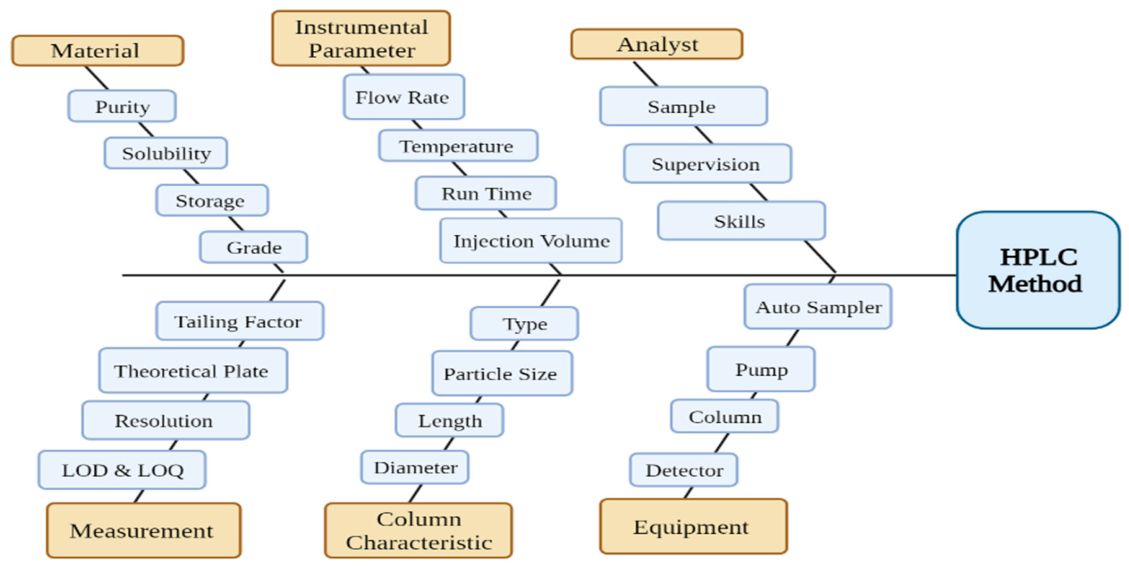
21]. From preliminary experimental data, an Ishikawa fishbone diagram is constructed to systematically map potential failure modes. This cause-and-effect visualization enables the identification and evaluation of critical method parameters (CMPs) capable of compromising method performance, recognizing that each analytical technique possesses a unique set of high-risk variables [
22]. In HPLC method development, risk assessment prioritizes critical method parameters (CMPs) across five key domains, such as materials, instrumentation, mobile phase composition, column properties, and human factors. Specifically, high-risk variables often include mobile phase attributes such as buffer type, concentration, pH, organic modifier ratios, elution modes, and column characteristics. Additionally, the impact of sample preparation and analyst variability are critical inputs that require rigorous evaluation [
23,
24]. To facilitate systematic risk identification and assessment, an Ishikawa fishbone diagram was employed, as shown in
Figure 3. This tool allows a structured visualization of potential failure modes.
The novelty of the present study lies in the development of a robust RP-HPLC method for simultaneous estimation of pregabalin and duloxetine HCl using a systematic AQbD approach. Unlike previously reported methods, the present work incorporates structured risk assessment and design of experiments (DOEs) for the identification and optimization of critical method parameters. This approach provides a deep understanding of method variability and ensures improved control over analytical performance. Consequently, the developed method demonstrates enhanced robustness, reproducibility, and reliability, making it highly suitable for routine quality control and regulatory applications.
2. Materials and Methods
2.1. Instrumentation and Software
For UV analysis, a double-beam UV 1700 UV-visible spectrophotometer (Shimadzu, Kyoto, Japan) was utilized. The HPLC method was developed and validated using a WATERS HPLC system comprising a 515 HPLC pump coupled to a Rheodyne injection valve and a 20 µL loop (Waters corporation, Milford, CT, USA). The HPLC system consisted of a WATERS 2489 UV-visible detector for analytical detection, and detected signals were processed using EMPOWER-2 (Version 2) software. The API sample identification was performed via IR analysis using a Microlab-equipped Agilent Cary 360 FT-IR spectrometer (Agilent Technologies, Santa Clara, CA, USA).
An ultra-bath sonicator of PCI analytics was employed for the sonication of samples (dissolving and mixing). Samples were weighed on the digital balance of the Mettler Toledo AB204-S/FACT scale. Cary Eclipse Fluorescence Spectrophotometer (made by Agilent Technologies, Santa Clara, CA, USA) and Cary WinFLR v5.3. software were used for spectrofluorimetric measurements. A slit width of 5.0 nm with a scan rate of 600 nm/min was used for the measurements. The measurements were carried out at room temperature in a 1 cm long quartz cell. A Jenway 3505 pH meter (Jenway, Stone, UK) was used to adjust the pH. A Shimadzu IR Spectrophotometer (Model 435, Shimadzu, Kyoto, Japan) was used to perform the IR spectrophotometric observations. Design-Expert® software, v7.1. (StatEase Inc., Minneapolis, MN, USA) was used to build designs for experimentation during the screening and optimization stages.
2.2. Materials and Reagents
Both the APIs, pregabalin and duloxetine hydrochloride, were received as samples from Hetero Drugs Limited, Hyderabad, India. The HPLC-grade solvents and other AR-grade chemicals were acquired from CDH (P) Ltd. and Rankem (New Delhi, India).
2.3. Selection of Solvent
Both pregabalin and duloxetine hydrochloride are soluble in methanol and water, soluble to a lesser extent in acetonitrile, and insoluble in hexane. As a result, the solubility parameter is used to differentiate between the two medications. Consequently, water was used as the solvent for pregabalin and duloxetine hydrochloride.
2.4. Absorption Wavelength Maxima (λmax)
Pregabalin and duloxetine HCl were separately dissolved in sufficient amounts using 10 mL of methanol to prepare a stock solution of 1000 µg/mL. The serial dilution method was followed to further dilute solutions to 100 µg/mL reference stocks, which were further utilized to prepare different concentrations from 02 µg/mL to 10 µg/mL. The 10 µg/mL concentration solutions of both pregabalin and duloxetine HCl were scanned in the 200–400 nm range (
Figure 3 and
Figure 4), and the
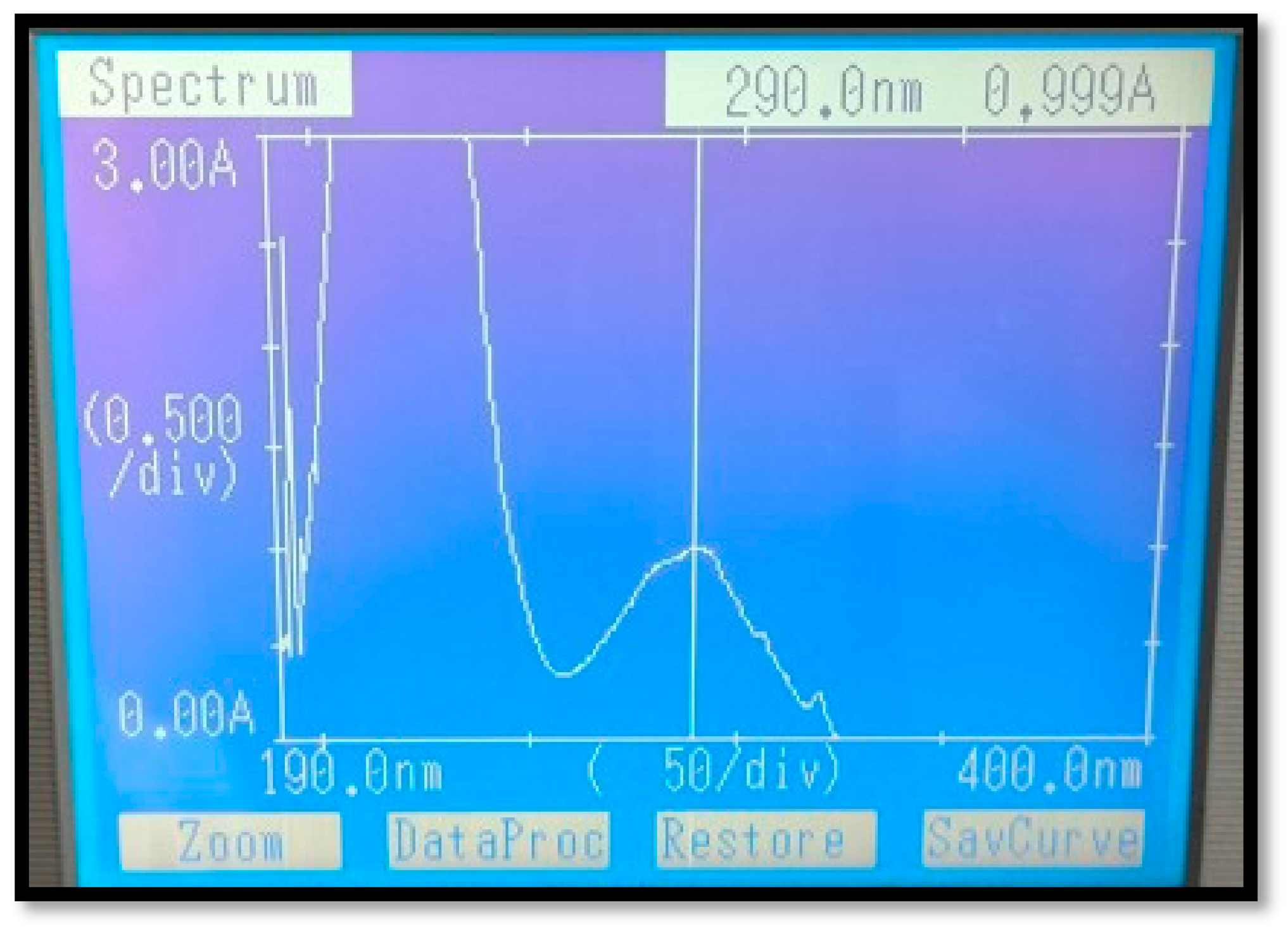
λmax were recorded, which were found to be 210 nm and 290 nm for pregabalin and duloxetine HCl, respectively.
2.5. Mobile Phase and HPLC Conditions for Method Development and Validation
The mobile phase comprised methanol, acetonitrile, and water in a 50:30:20 (v/v) ratio maintained at pH 5.0 (adjusted with orthophosphoric acid). To increase the peak sharpness, 0.1% triethylamine was added to the mobile phase. The solvent system was sonicated for half an hour for proper mixing and filtered through 0.22 µm filters before use in the HPLC system. The separation was carried out using a Waters Sunfire C18 column (4.6 mm × 250 mm, 5 μm) (Waters, Milford, MA, USA) with the above-mentioned mobile phase in isocratic mode at a flow rate of 1 mL/min at 2500–2600 psi pressure. The detector was set at 290 nm wavelength for the detection of both analytes. A volume of 20 μL of each analyte was injected into the HPLC system. These conditions were finalized after a series of experiments for the best separation and detection.
2.6. Preparation of Standard Stock Solution
2.6.1. Pregabalin (PGB, 200 µg/mL) and Duloxetine HCl (DU HCl, 100 µg/mL)
To make a standard solution, pregabalin (50 mg) was taken in a 25 mL volumetric flask with HPLC water, and the mixture was sonicated for 15 min. A stock solution of 2000 g/mL concentration was prepared, and the volume was adjusted using HPLC water. Then, 1 mL of this stock solution was further diluted to 10 mL with HPLC water to achieve a concentration of 200 µg/mL. Similarly, duloxetine HCl (25 mg) was taken in a 25 mL volumetric flask and dissolved in HPLC water to give a concentration of 1000 µg/mL, which was further diluted from 1 mL to 10 mL to give the 100 µg/mL concentration. Additionally, specified calibration concentration ranges of dilutions were prepared for both analytes using these stock solutions.
2.6.2. Estimation of Pregabalin and Duloxetine HCl in Their Combined Dosage Form
Sample Preparation
In total, 20 capsules of the combined dosage form of pregabalin and duloxetine HCl were taken. The capsules were opened to get the drug material from inside, followed by triturating to give a fine, coarse powder. Pregabalin in a powdered sample (200 mg) was weighed, transferred to a 100 mL volumetric flask, and then dissolved in HPLC water. The solution was sonicated for 15 min, and the volume was made up to the mark by adjustment. After sonication, the solution was filtered for any insoluble parts using a syringe filter assembly (0.22 µm). A solution of 100 µg/mL concentration was prepared by adding 5 mL of the above solution to a 10 mL volumetric flask, which was further diluted up to the mark with HPLC water. Additionally, 5 mL of a 100 µg/mL solution was pipetted out and transferred to a 10 mL volumetric flask. The volume was adjusted with HPLC water to give a 50 µg/mL solution containing pregabalin. Similarly, the other required dilutions were made from the stock solution to determine the concentrations.
3. Results and Discussion
3.1. AQbD Workflow
Adopting a risk-based approach is fundamental to safeguarding final product quality. Consistent with the ICH Q9 guideline, which emphasizes risk identification and analysis, this study performed a comprehensive assessment to isolate critical high-risk variables. These identified variables subsequently served as the primary inputs for the design of experiments (DOEs), effectively defining the experimental domain. Risk identification was initiated by constructing an Ishikawa fishbone diagram to map all potential factors influencing method development. As a foundational step, Critical Analytical Attributes (CAAs) and relevant method variables were defined, and their cause-and-effect relationship was visualized within the diagram. Subsequently, the risk analysis phase employed the Control Noise Experiment (C-N-X) method to systematically categorize and screen the potential risk factors derived from the Ishikawa diagram. To systematically identify the Critical Method Variables (CMVs), each factor was assigned a numerical score based on its severity. These scores were then aggregated to quantify the risk, effectively isolating the variables with the most significant impact on the method performance. On specific method variables, including instrument scanning speed, solvent selection, sampling interval, and sample integrity, variables identified as high risk were subsequently advanced to an experimental optimization design. This step was crucial for defining the optimal operating conditions required to satisfy the predetermined Analytical Target Profile (ATP). The ATP defines the intended purpose of the analytical method, specifying the requirements for accuracy, precision, sensitivity, and specificity for the simultaneous estimation of both drugs in pharmaceutical dosage form.
3.1.1. Optimization of Critical Method Variables (CMVs) Using QbD Approach
Following the C-N-X risk assessment, pH and flow rate were identified as the Critical Method Variables (CMVs) requiring systematic optimization. To establish a robust method, these factors were subjected to Central Composite Design (CCD) with a face-centered approach (α = 1). While pH and flow rate were varied according to the design matrix, other instrumental parameters, specifically scanning speed and scanning interval, were maintained at constant, pre-determined optimal levels to isolate the experimental effects, as shown in
Table 1. The experimental design utilized Central Composite Design
(CCD), generating a matrix of 13 randomized runs, which included five center points to estimate experimental error, as shown in
Table 2. The study focused on two critical responses in the form of absorbances. To statistically model and visualize the relation between these independent variables and the observed responses, data analysis was performed using Design Expert software (Version 13).
All optimization experiments were executed in triplicate to ensure data reproducibility. The experimental data were subsequently processed using Design Expert software, which generated a suitable mathematical model expressed as Equation (1). This model statistically correlates the independent method variables with dependent responses.
Here, Y is the predicted analytical response; X0 acts as the model intercept; the coefficients X1 and X2 quantify the primary linear effects of variables A and B; X3 accounts for their two-way interactive effect; and X4 and X5 evaluate the quadratic effects of the system.
3.1.2. Design Space
In accordance with ICH Q8 guidelines, a design space is established as the multidimensional combination of input variables and process parameters proven to ensure quality assurance. To mathematically delineate this working space, response surface methodology (RSM) was coupled with statistical optimization. The resulting design space defines the robust operative ranges for the chosen method variables: scanning speed and scanning interval. As mentioned in
Table 3, Central Composite Design (CCD) was applied, generating a matrix of 13 experimental runs to evaluate these parameters.
3.2. Risk Assessment
Defining the ATP and CAAs
Within the fitted model, each coefficient estimate quantifies the anticipated shift in the response variable corresponding to a one-unit change in a given factor, assuming all other variables remain constant. In the context of an orthogonal design, the intercept signifies the overall mean of the responses across all experimental runs, while the individual coefficients represent specific deviations from the baseline. Furthermore, the variance inflation factor (VIF) was evaluated to assess multicollinearity. A VIF of 1 denotes perfect orthogonality among factors. Values exceeding 1 indicate increasing multicollinearity, and VIF scores below 10 are generally statistically acceptable.
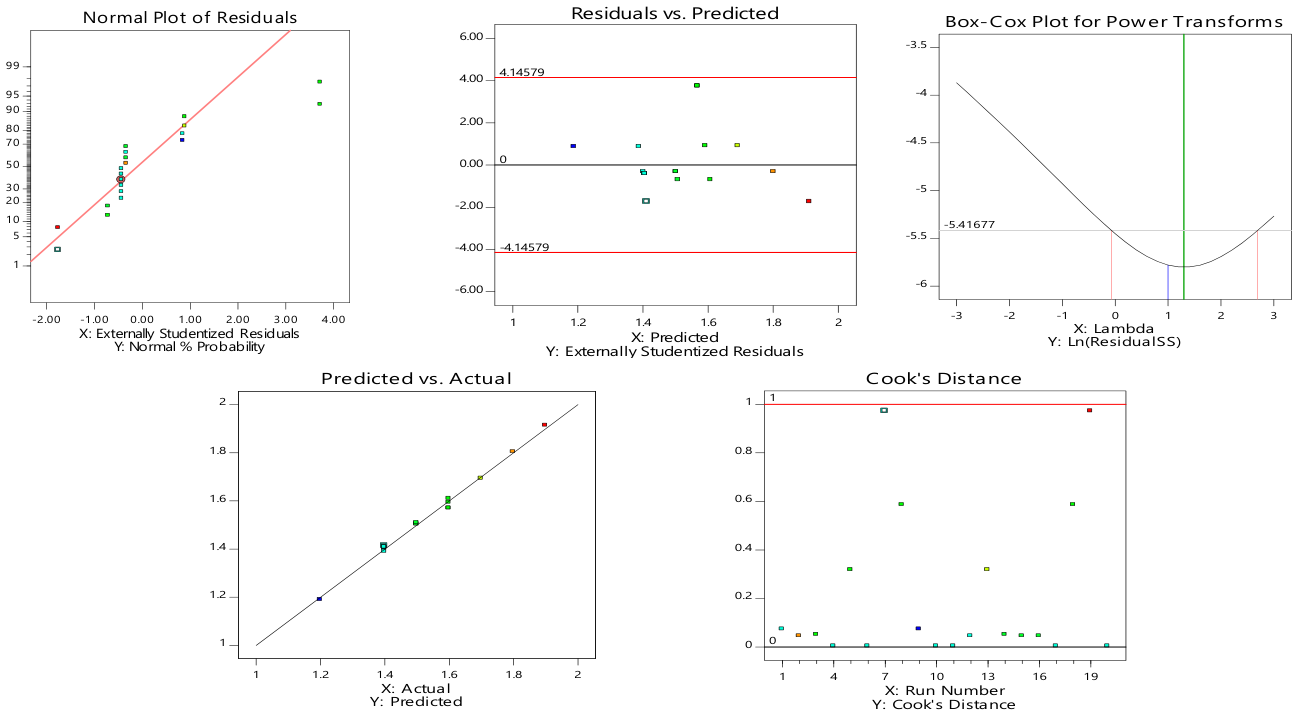
A series of statistically analyzed plots designed to assess the suitability and dependability of the established analytical model inside the AQbD framework are shown in
Figure 4. The reliability of these statistical hypotheses is supported by the typical probability plots of residuals, which verifies that the residuals are roughly normally distributed. The Box–Cox plots also help identify whether data processing is required to enhance variance stability and model fit. When taken as a whole, these charts confirm the improved analytical method’s sufficiency, predictability, and robustness.
The model F-value was found to be 182.04, which demonstrates the significance of this model. Furthermore, the probability of 0.01% indicates the role of noise in this favorable high F-value model. For
p-values, the models are considered significant if the value is less than 0.0500. Thus, the results from
Table 3 demonstrate that A, B, C, AB, AC, BC, A
2, B
2, and C
2 are significant model terms.
The difference between predicted R
2 (0.9606) and adjusted R
2 (0.9885) was found to be less than 0.2, which can be considered reasonable as per the guidelines (
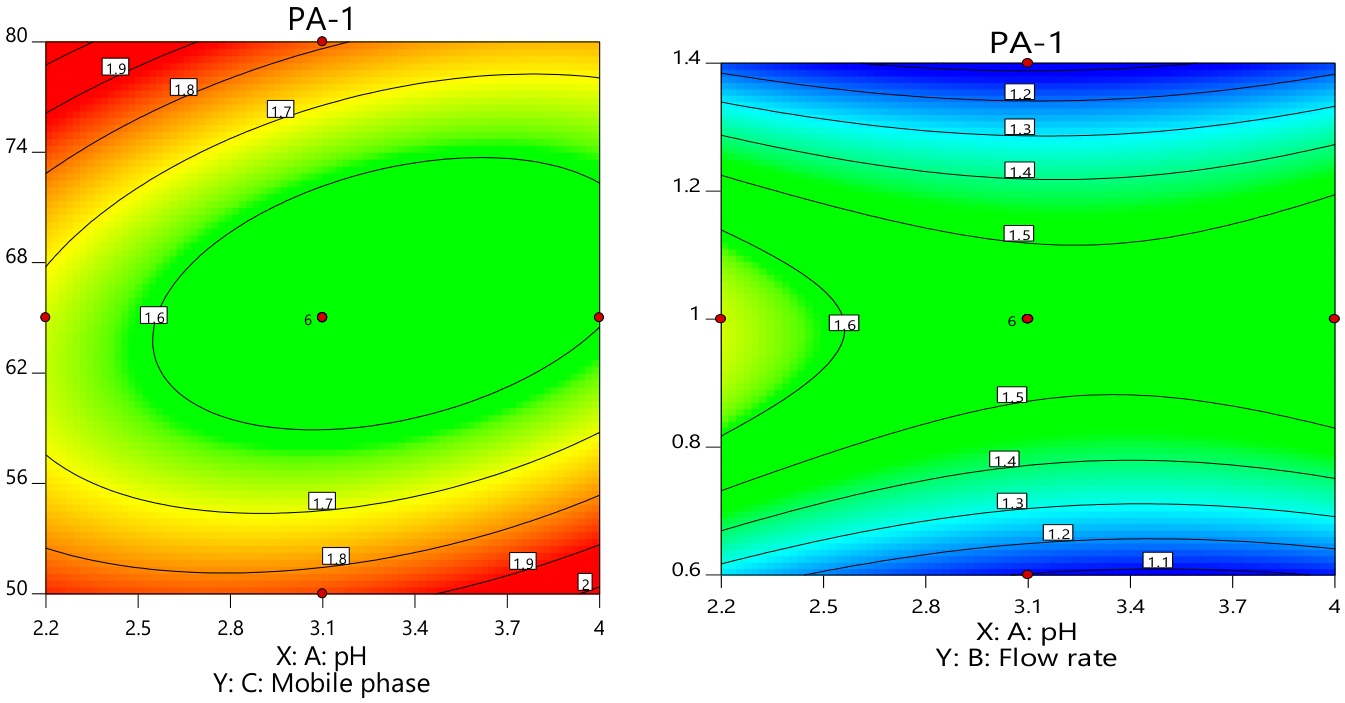
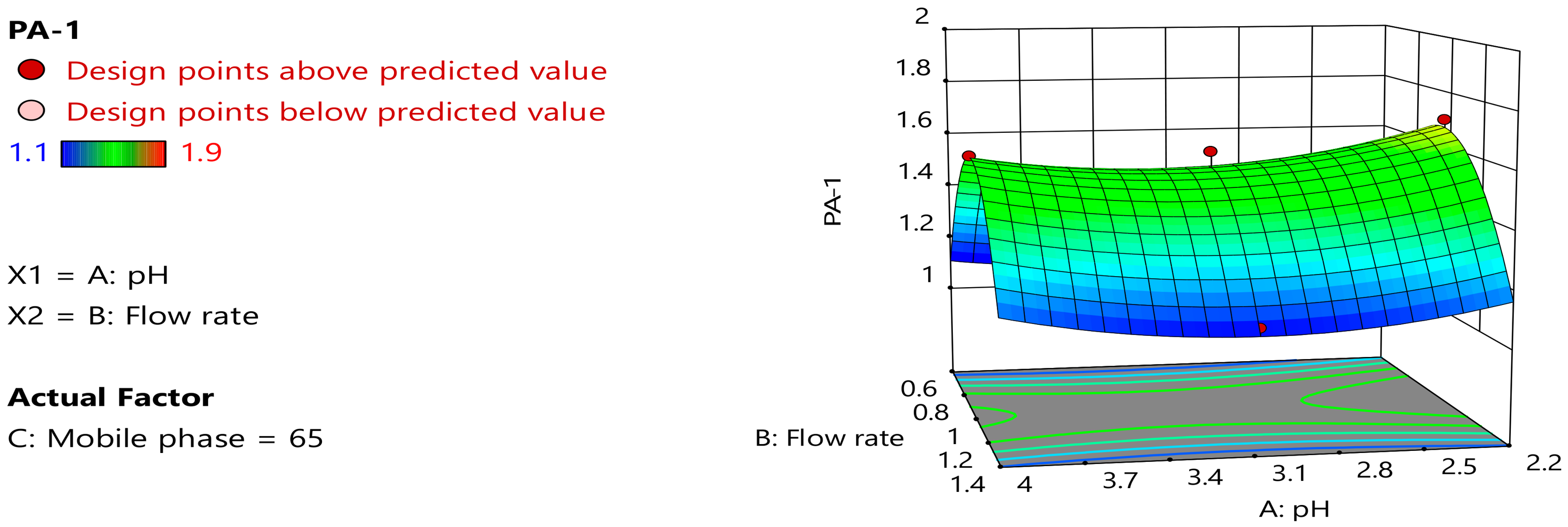
Table 4). Additionally, the adequate precision, which should be more than 4 (as per the guidelines), was found to be 58.209, which indicates the suitability of the selected parameters and applicability of the selected model to navigate the design space. The contour and response surface plots (
Figure 5 and
Figure 6) demonstrate the interactions between critical method parameters such as pH and flow rate. It is evident that variations in these parameters significantly influence retention time and peak symmetry, indicating their importance in method optimization.
Figure 5 and
Figure 6 show the output related to an analytical process, probably showing the analytical substance reaction characteristic or dissociation pattern under ideal chromatographic optimum conditions. It is essential for highlighting the actual performance of AQbD-based technique development, encompassing peak shape, resolution level, and signal strength. It confirms both qualitatively and semi-quantitatively that the chosen crucial procedure factors provide appropriate results.
3.3. Physical Characteristics
The traits and features of the drugs were noted by visual observation, as stated below in
Table 5.
3.4. Characterization Using Infrared Spectroscopy
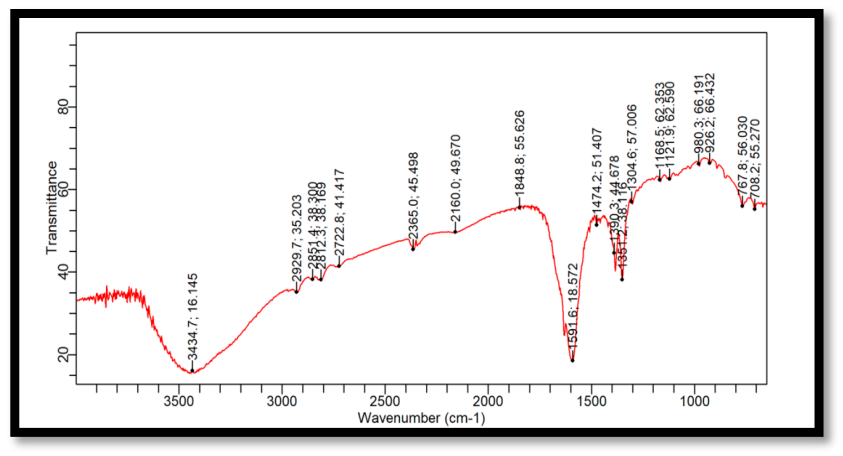
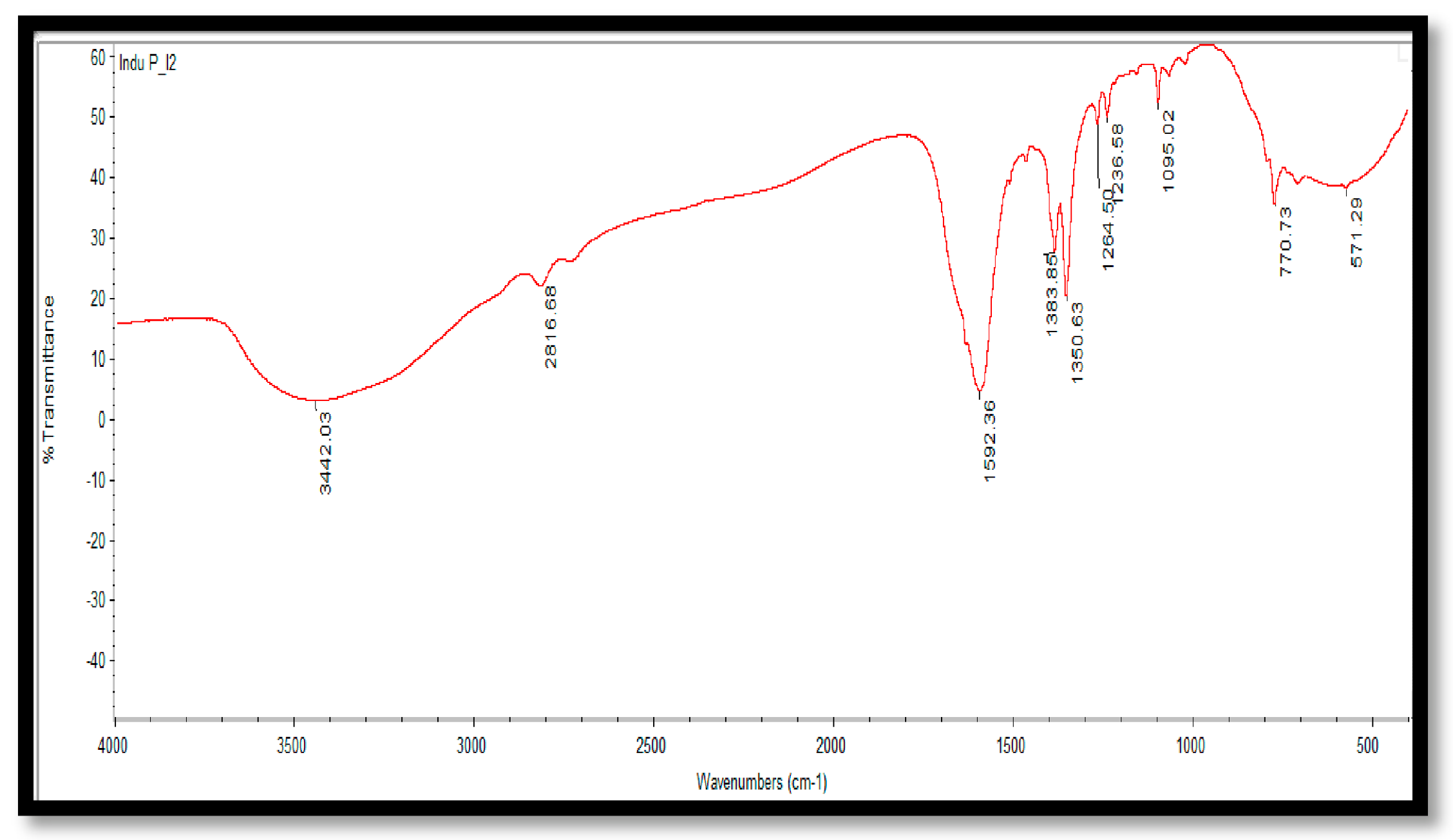
IR spectra generated information about functional groups present in the compound. IR transmission spectra of pregabalin and duloxetine HCl were recorded and found to comply with various specific bands for standard pregabalin and duloxetine HCl. The FT-IR spectra of both drugs have been shown in
Figure 7 and
Figure 8, and the wavenumber values (cm
−1) for each band have been recorded. The principal peaks in the IR spectrum of pregabalin are O–H stretching at 3434.7, C–H stretching at 2929.7, C–O stretching at 1591.6, C–N stretching at 1474.2, and C–O stretching at 1351.2.
The principal peaks in the IR spectrum of duloxetine HCl are C–H stretching at 2816.68, C–C stretching at 1592.36, C–N stretching at 1383.85, C–O stretching at 1350.63, and C–S stretching at 770.73.
3.5. λmax Determination Using UV-Spectrophotometer
The solubility of the medications informed the choice of solvent. Both pregabalin and duloxetine HCl were completely soluble in methanol and water. As a result, the stock solution and subsequent dilutions were prepared using methanol as a solvent for
λmax determination. Pregabalin and duloxetine HCl standard solutions (10–100 µg/mL) were scanned in the range of 200–400 nm against a blank to determine the analytical wavelength. The
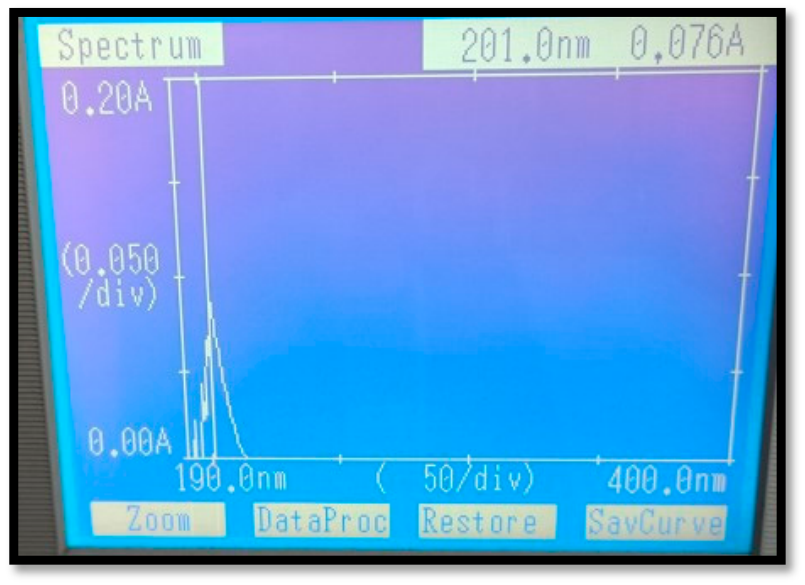
λmax of pregabalin in methanol was found to be 201 nm (
Figure 9), and duloxetine HCl in methanol was found to be 290 nm (
Figure 10). Though pregabalin shows less absorbance in UV, the desired wavelength was therefore selected in the range of 200–400 nm.
3.6. RP-HPLC Method Development
Pregabalin and duloxetine HCl in the combination dosage form are quantified using a reverse-phase HPLC method, having a mobile phase with various compositions, ratios, and pH levels. The best method conditions were chosen based on the difference in retention time, linearity, and accuracy of the method. Pregabalin was analyzed within a concentration range of 100–200 µg/mL, and duloxetine HCl within a concentration range of 20–120 µg/mL. This technique exhibited high linearity.
3.7. Analytical Method Development of Pregabalin and Duloxetine HCl Using HPLC
The sample type (ionic/ionizable/neutral molecule), molecular weight, and solubility are all important factors in choosing the right procedure. Chemically, duloxetine hydrochloride has a predicted pKa value of 9.34. The chemical characteristics of pregabalin and duloxetine HCl were advantageous for retention on the stationary phase; hence, the initial separation conditions were chosen based on these chemical characteristics and earlier UV spectrophotometric tests. Because of its simplicity, adaptability, robustness, and widespread usage, the HPLC was chosen as a separation technique. Pregabalin standard solution was injected with the following HPLC conditions, as shown in
Table 6.
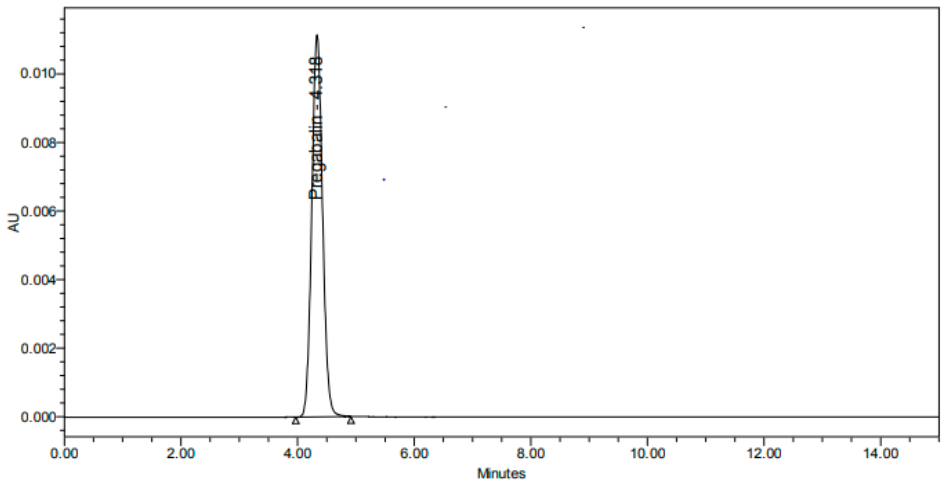
The mobile phase’s comprised methanol (MeOH); acetonitrile (ACN); and water (50:30:20), with 0.1% triethylamine added for peak sharpness, and the pH was raised to 5.0 using orthophosphoric acid. Pregabalin’s retention time was discovered to be 4.318 min, and the observed peak was distinct and symmetrical. The chromatogram is depicted in
Figure 11. In addition to the number of theoretical plates satisfying the BP limit, the peak was symmetrical. To enhance pregabalin’s peak characteristics and peak symmetry, additional modifications to the mobile phase were introduced. The chromatography images were recorded while using the flow rates of 0.8, 1, and 1.2 mL/min. The maxima of each of these flow rates were symmetrical and had respectable capacity factors. In the final optimized technique, a diluted pregabalin standard solution (2000 g/mL) was made up and injected into the HPLC. This speed was used for the current study since it provided the best back pressure. The optimized approach underwent system suitability evaluations. Duloxetine HCl dilute standard solution was injected under the following conditions. As per the HPLC technique, the method for duloxetine HCl is shown in
Table 7.
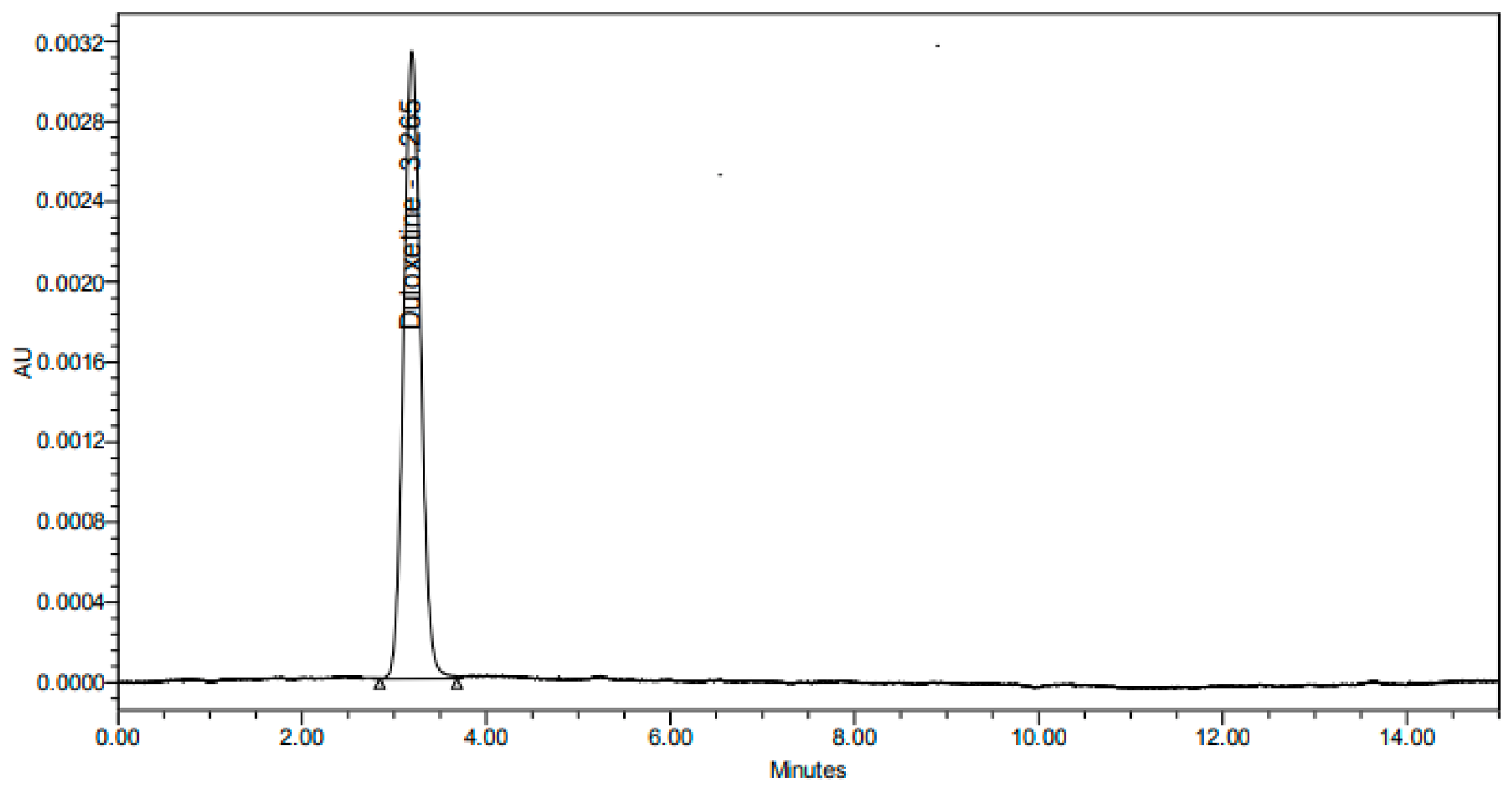
The mobile phase’s composition was methanol; acetonitrile; and water (50:30:20), with 0.1% triethylamine added for peak sharpness, and the pH was raised to 5.0 using orthophosphoric acid. Duloxetine HCl was found to have a retention time of 3.265 min, with a strong and symmetrical peak. The chromatogram is depicted in
Figure 12.
The peak of duloxetine HCl was observed at Rt 3.265 min in good shape. In addition to the number of theoretical plates satisfying the BP limit, the peak was symmetrical. To enhance the peak characteristics and peak symmetry of duloxetine HCl, additional adjustments were made to the mobile phase. Chromatograms were acquired while using flow rates of 0.8, 1, and 1.2 mL/min. The maxima of each of these flow rates were symmetrical and had respectable capacity factors. Due to the final optimized method’s optimal back pressure, 1 mL/min was used for the current study. A diluted duloxetine HCl standard solution (1000 µg/mL) was generated and injected into the HPLC. The optimized approach underwent system suitability evaluations.
3.8. Analytical Method Development of Pregabalin and Duloxetine HCl in Combined Form Using HPLC
Both the drugs, pregabalin and duloxetine HCl, were taken in a combined dosage form. Based on the single trials with both drugs, the chromatographic conditions were selected. For pregabalin, a 2000 μg/mL standard solution was prepared, and for duloxetine HCl, a 1000 μg/mL standard solution was prepared. From both solutions, 1 mL was taken out, and the chromatogram was recorded using mobile-phase methanol, acetonitrile, and water with 0.1% triethylamine. Showing in
Table 8.
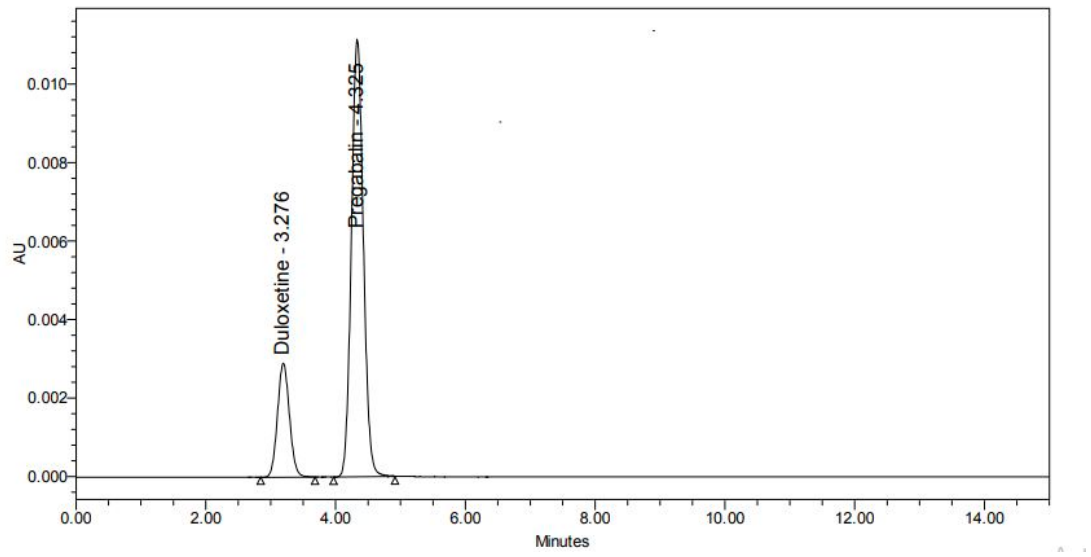
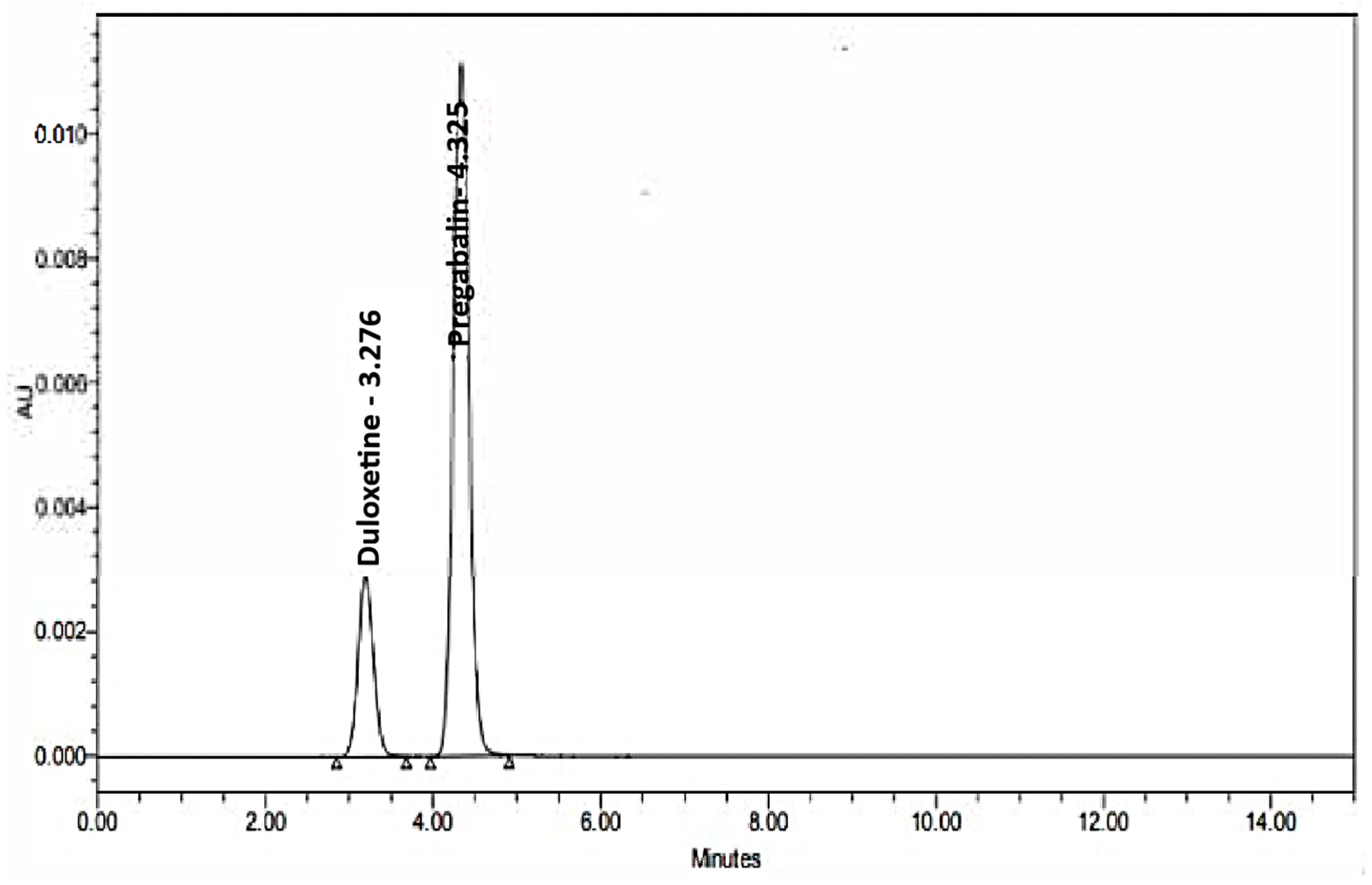
The mobile phase’s composition was changed to methanol: acetonitrile: water (50:30:20), with 0.1% triethylamine for peak sharpness, and the pH was raised to 5.0 using orthophosphoric acid. Retention times of 4.325 min and 3.276 min were observed for pregabalin and duloxetine HCl, respectively, with a strong and symmetric peak. The recorded chromatogram is depicted in
Figure 13.
3.9. System Suitability
The system suitability studies of the optimized method conditions were performed, and the results are described in
Table 9 and
Table 10.
3.10. Assay Method Validation of Pregabalin and Duloxetine HCl in Bulk Drug Using HPLC
Pregabalin and duloxetine HCl concentration in bulk pharmaceuticals was determined using HPLC in accordance with ICH Q2R1 guidelines, and assay technique validation was used. Typically, method validation is seen as being closely related to the point at which method development ends and validation starts. In actuality, many of the method outcomes linked to method validation are typically examined, at least roughly, throughout the method creation process.
3.11. Pre-Validation Parameters
The validation of the HPLC assay method for pregabalin and duloxetine HCl was performed using the mobile phase comprising MeOH, ACN, and water. The drug’s broad concentration range and peak area in the chosen diluent showed a solid linear connection. For this experiment, the test concentrations of pregabalin and duloxetine HCl were set as 200 µg/mL and 100 µg/mL, respectively. These concentrations can be easily prepared via serial dilutions from stock solutions (2000 µg/mL → 200 µg/mL); (1000 µg/mL → 100 µg/mL).
3.12. Assay Validation Parameters
The HPLC method of pregabalin and duloxetine HCl bulk dosage form was validated by identifying various validation parameters, such as specificity of method, LOD, LOQ, range, linearity, accuracy, precision, and robustness.
3.12.1. Specificity
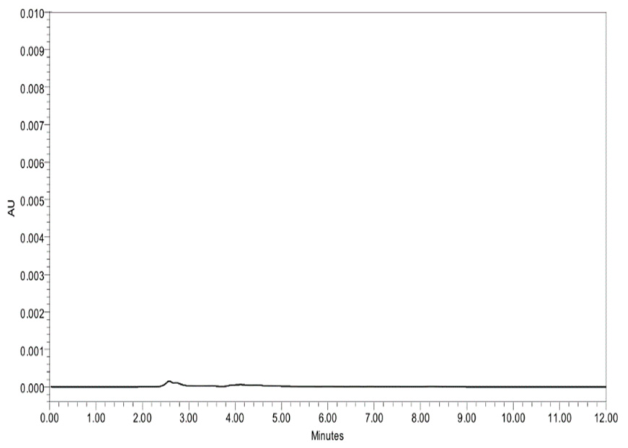
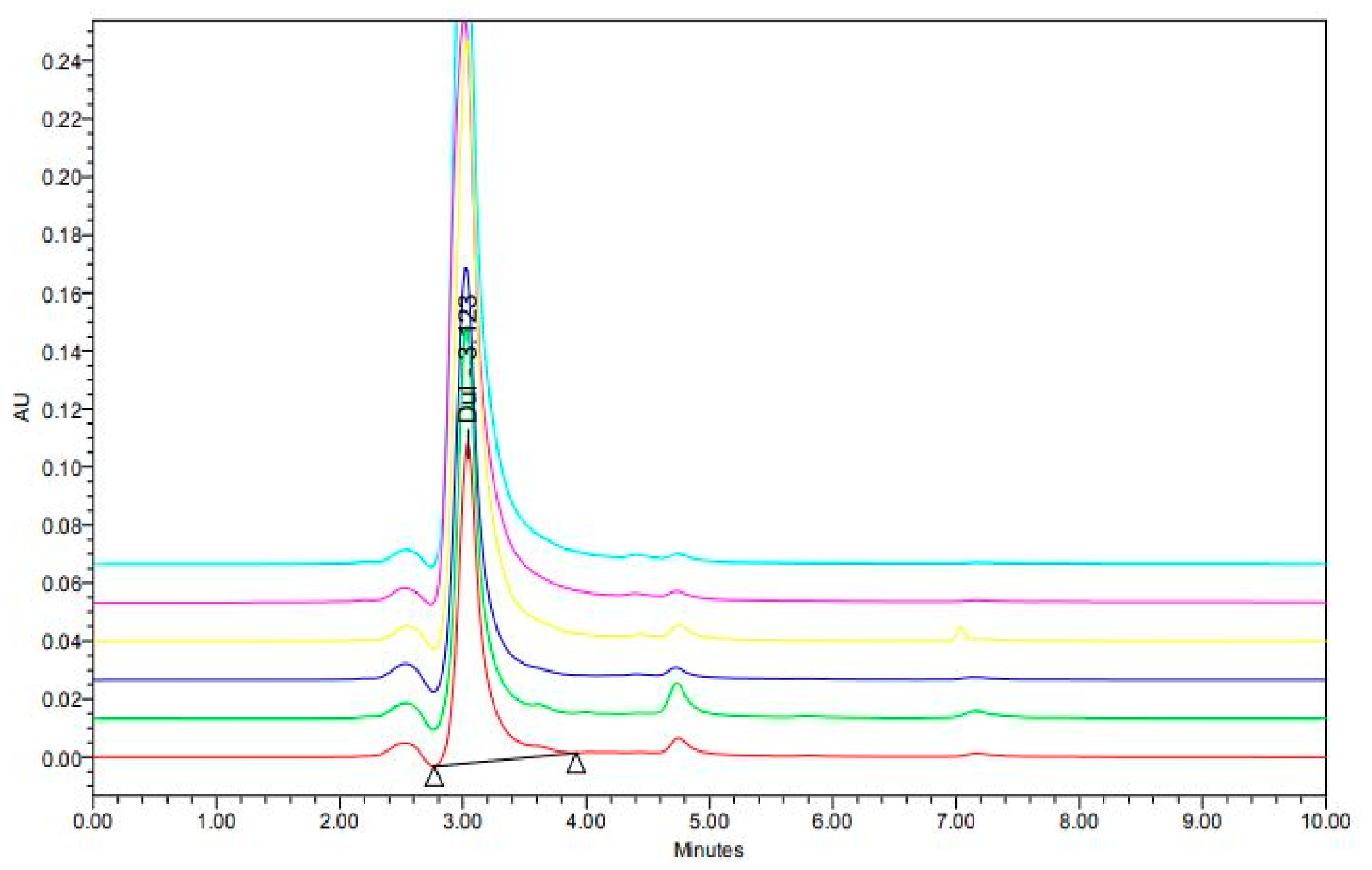
The signals of non-drug constituents of the matrix need to be determined and distinguished from the instrument signal of the target analyte during specificity investigations. The sum of the spectrum elucidation of the components present in an analytical solution makes up the bulk of the HPLC analysis. The chromatographic method needs to be effective in separating the interferences. For the specificity investigation, the solvent’s chromatogram was taken, and interference at the
λmax of diluted pregabalin and duloxetine HCl standard solution was examined. The chromatogram is shown in
Figure 14 and
Figure 15.
3.12.2. Linearity and Range
For any quantitative method, the range of analyte concentrations needs to be established. Pregabalin 200 µg/mL and duloxetine HCl 100 µg/mL were used as test concentrations for the assay technique validation, and the acceptable range was 80–120% of the test concentration. By preparing the linearity curve assay concentration of 100–200 µg/mL of pregabalin and 80–120 µg/mL of duloxetine HCl, the suggested method’s linearity was tested.
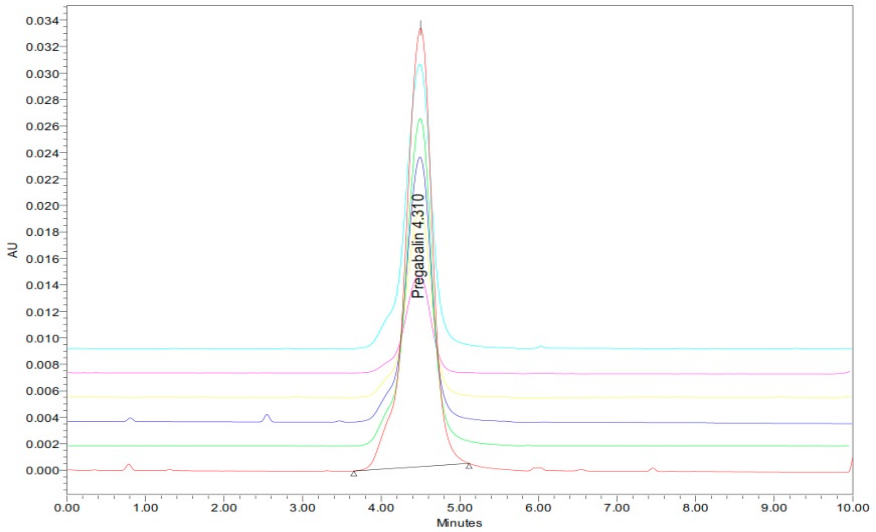
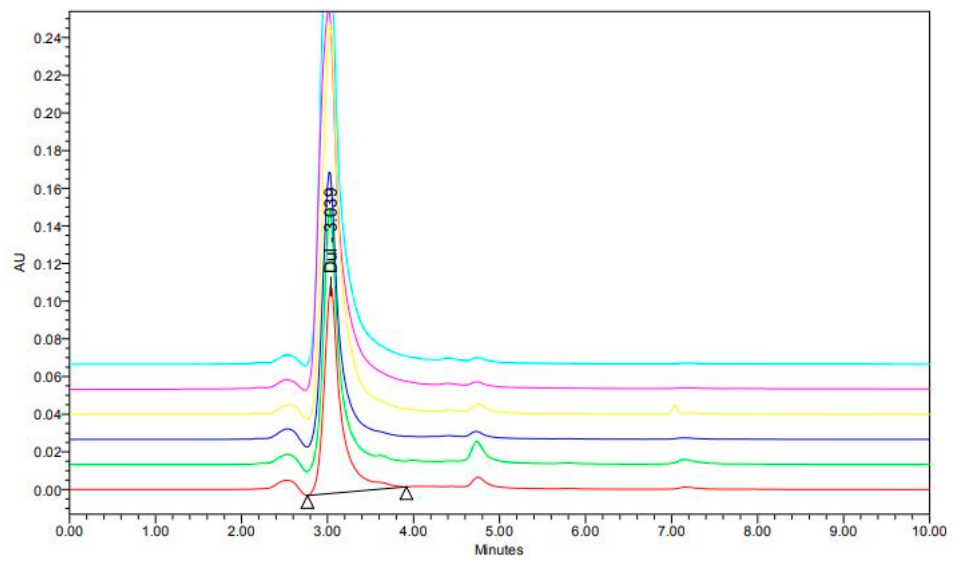
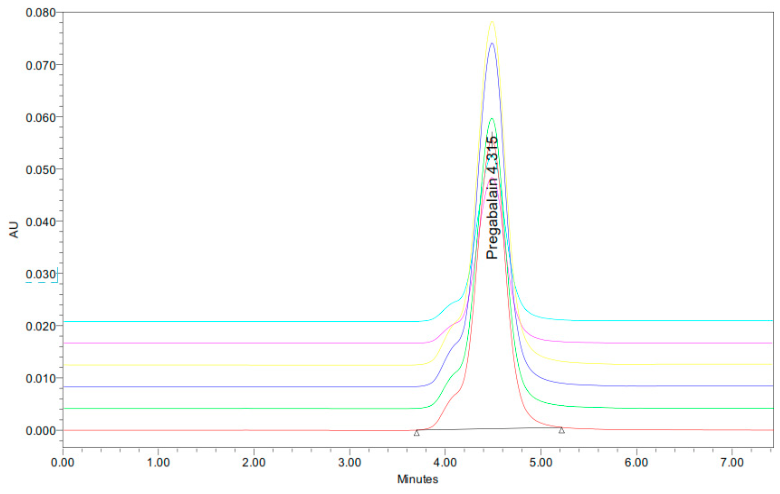
The conventional solutions for linearity were created in duplicate. The peak area was measured twice, and the mean peak area was determined for each concentration. The results are provided in
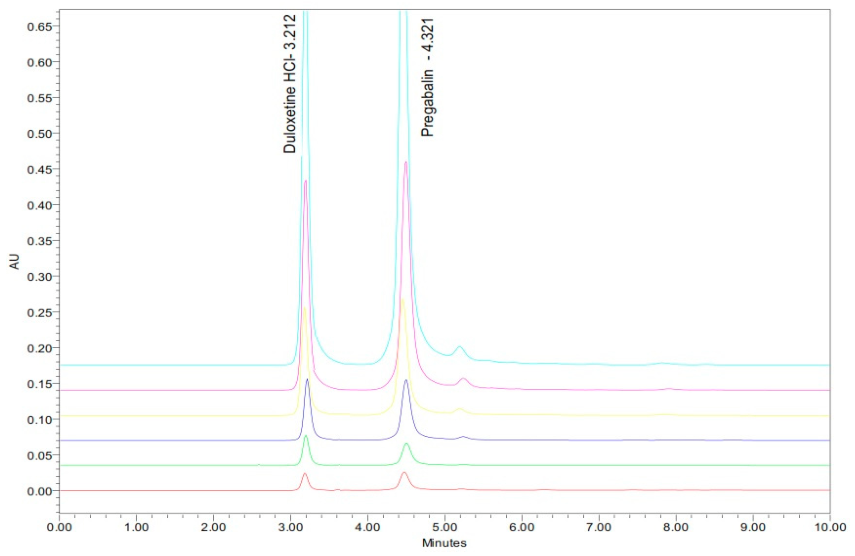
Table 11a,b, and the overlaid chromatograms are shown in
Figure 16 and
Figure 17.
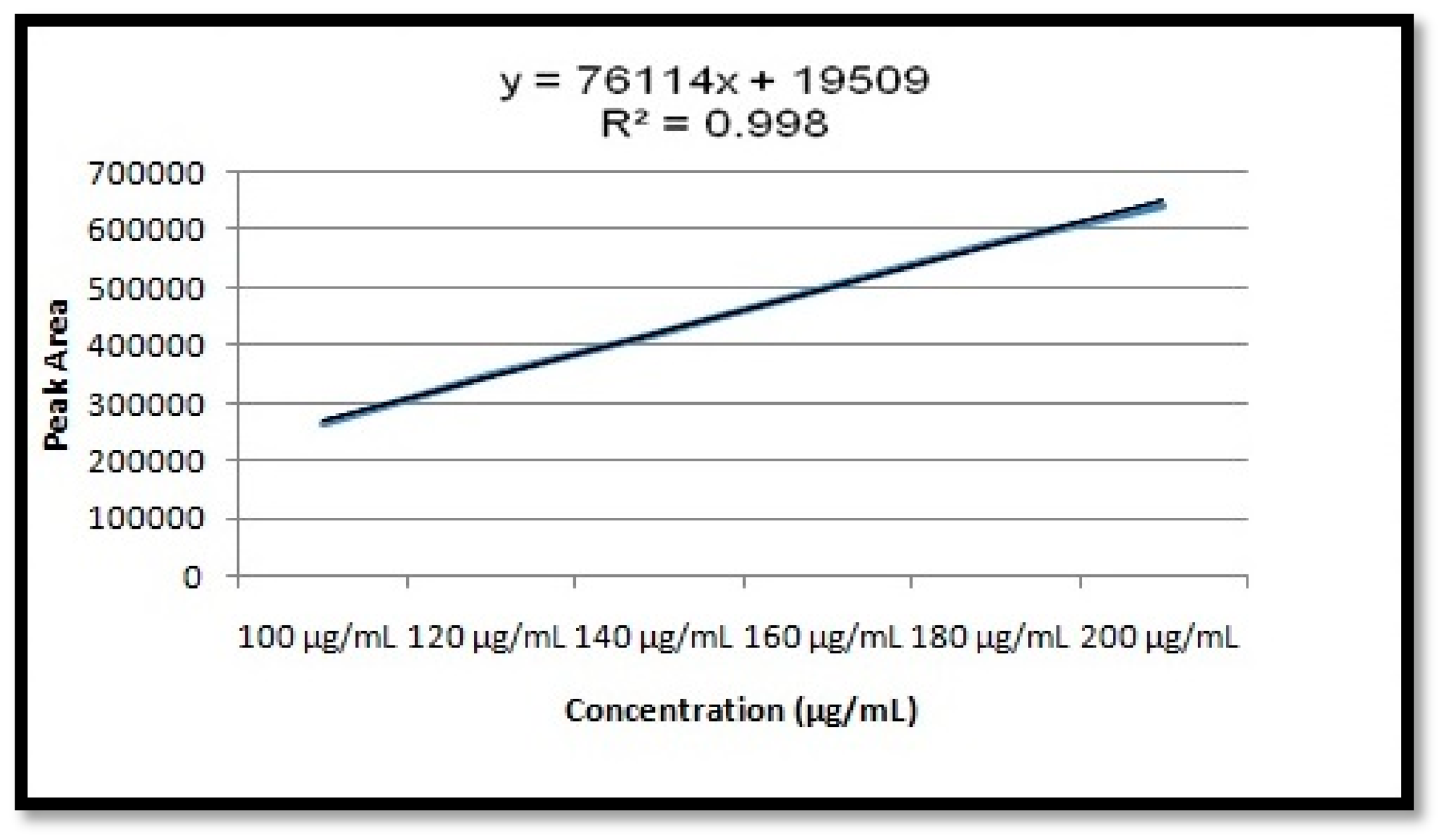
The linearity curve for pregabalin was plotted between the mean area and concentration, as shown in
Figure 18. In the range of pregabalin concentrations of 100–200 µg/mL, the results demonstrated that the technique was linear. The linearity curve’s equation is y = 76,114x + 19,509, and the correlation coefficient r
2 was 0.998.
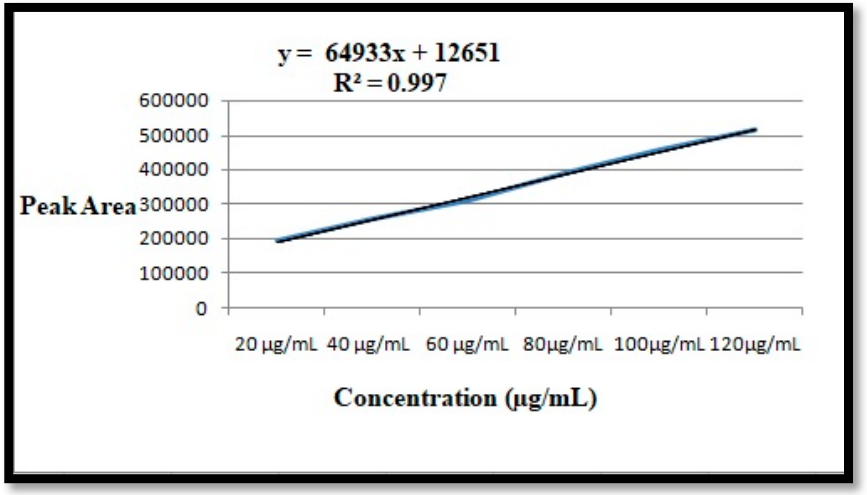
The relationship between the mean area and concentration and the duloxetine HCl linearity curve is shown in
Figure 19. The results showed that the method was linear in the concentration range of 20–120 µg/mL of duloxetine HCl, because the linearity curve’s line equation is y = 64,933x + 12,651 and the correlation coefficient r
2 was 0.997.
3.12.3. Precision
Normally, precision is defined for particular situations, though in actuality, these can vary. To assess instrument error, the instrument or system precision is used. By taking six successive peaks of the same solution, as illustrated in
Table 12, the precision was evaluated.
Pregabalin and duloxetine HCl’s method precision had % RSD of 1.179% and 1.14%, respectively, which was within the acceptable range. Along with the accuracy of the system, sample preparation factors like weight variability, aliquoting, extraction, homogenization, etc., also contribute to the short-term variations. This makes it essential to repeat the full analytical procedure and calculate the coefficient of variation. Precision and intermediate precision were evaluated again at test concentrations of both analytes by measuring the peak area at 290 nm. Data are shown in
Table 13,
Table 14 and
Table 15.
3.12.4. Accuracy
The accuracy studies show that the analytical method is appropriate for normal work. It can be challenging to establish a drug substance’s accuracy suitably, particularly if there are no (independently) characterized reference standards available.
Recovery studies at 80%, 100%, and 120% of the test concentration were used to evaluate the method’s accuracy. Analysis of the fortified and unfortified samples is displayed in
Figure 20 and
Figure 21. The samples were prepared in duplicate, and % recovery was calculated using the formula given in the Materials and Methods Section. For the spiked pregabalin and duloxetine HCl samples, data are shown in
Table 16 and
Table 17. The overlaid graph of both samples is also shown (
Figure 22).
The % mean recovery of pregabalin for the accuracy study was 100.15%, which was well within the limit. However, the accuracy result was within the 95% confidence interval. The % mean recovery of duloxetine HCl for the accuracy study was 100.11%, which was well within the limit. However, the accuracy result was within the 95% confidence interval.
3.12.5. LOD and LOQ for Pregabalin and Duloxetine HCl
With the current approach, standard error and regression lines were used to construct LOD and LOQ. Pregabalin’s %RSD of six readings of LOD and LOQ preparation was 0.6534 and 1.7321, while duloxetine HCl’s %RSD was 0.5426 and 1.2679. The data for the LOD and LOQ are given in
Table 18 and
Table 19.
3.12.6. Robustness
A measure of a useful analytical method is how well its performance stands up to less-than-perfect implementation. Robustness of the method was also tested by changing the
λmax ± 2 nm and the flow rate ± 0.2 mL/min. The results are depicted in
Table 20,
Table 21,
Table 22 and
Table 23.
3.13. Evaluation of the Dosage Form Assay (Purity %)
Pregabalin and duloxetine HCl were found to be 100.19% and 99.88% pure, respectively.
Table 24 shows the results.
4. Conclusions
The quality control methods for fixed-dose combinations are in dire need of time to control the quality and implement regulatory guidelines for the pharmaceutical industry. The RP-HPLC is one of the most sensitive analytical methods for such purposes. To the best of our knowledge, there is no QbD guided HPLC method reported for a fixed-dose combination of pregabalin and duloxetine HCl in a combination capsule dosage form. Thus, we have developed an analytical method for pregabalin and duloxetine HCl in a combination capsule dosage using a straightforward, exact, specific, and accurate reverse-phase HPLC approach. The separation was achieved using a C18 column (4.6 mm × 250 mm with i.d. of 5 m, WATERS Sunfire). The mobile phase, comprising methanol, acetonitrile, and water (50:30:20 v/v, pH 5.0 adjusted with orthophosphoric acid), was set at a 1 mL/min flow rate. The detection was done at 290 nm using a WATERS 2489 UV-visible detector. The method has been validated in terms of linearity, accuracy, precision, LOD, and LOQ. All experiments were performed in triplicate, and the results are expressed as mean ± standard deviation (SD). The results showed the retention time of 3.265 min and 4.318 min for duloxetine HCl and pregabalin, respectively. Pregabalin’s linearity was found to be between 100 and 200 μg/mL (R2 = 0.998), whilst duloxetine HCl’s linearity was found to be between 20 and 120 μg/mL (R2 = 0.997). The LOD values of 0.925 µg/mL and 0.853 μg/mL and LOQ values of 2.809 μg/mL and 2.587 μg/mL of pregabalin and duloxetine HCl, respectively, indicate the good sensitivity for the reported method. The drug content of the commercial formulation may thus be determined using the suggested method.
The method provides key edges over the previously reported methods. Varghese et al. reported a green methodology [
30] and a derivatization method [
31] for the simultaneous estimation of pregabalin and duloxetine using HPLC. The studies reported a sustainable and environmentally friendly method. However, the methodology has some limitations, such as the application of gradient elution, higher solvent consumption, complexity due to derivatization, introduction of additional steps, and prolonged retention time. Our method overcomes these key limitations and provides a faster and cost-friendly method for simultaneous estimation of pregabalin and duloxetine HCl for application at the bulk level. Similarly, a method reported by Gosavi et al. [
32] reports partial application of the QbD approach with a higher retention time, which made the method time-consuming. Although stability-indicating studies have provided an edge over the current methodology. Patel and Patel [
33] reported another RP-HPLC method with a higher retention time.
Thus, the results obtained from this developed RP-HPLC method indicate satisfactory analytical performance in terms of accuracy, precision, and linearity. The optimized chromatographic conditions resulted in well-resolved peaks with acceptable retention times and peak symmetry. The AQbD approach enabled the structure optimization of critical parameters through the design of experiments. The key factors include the comprehensive implementation of AQbD principles, including risk assessment, experimental design (e.g., Central Composite Design), and establishment of design space, ensuring enhanced robustness and method reliability. The developed method demonstrated improved robustness, reproducibility, and efficient separation with a shorter retention time. These advantages highlight the superiority of the proposed method for routine quality control applications. This technique can be utilized for standard quality control studies to estimate pregabalin and duloxetine HCl simultaneously.




 ,
,