
Cell Biophysics–Physiological Contexts, from Organism to Cell, In Vivo to In Silico Models: One Collaboratory’s Perspective


Abstract
1. Tissue Genesis as a Biological Scaling Algorithm
2. Life Cycle of the Organism and Its Inhabitant Cells
2.1. Interdependence of Movement, Growth, Remodeling, and Life
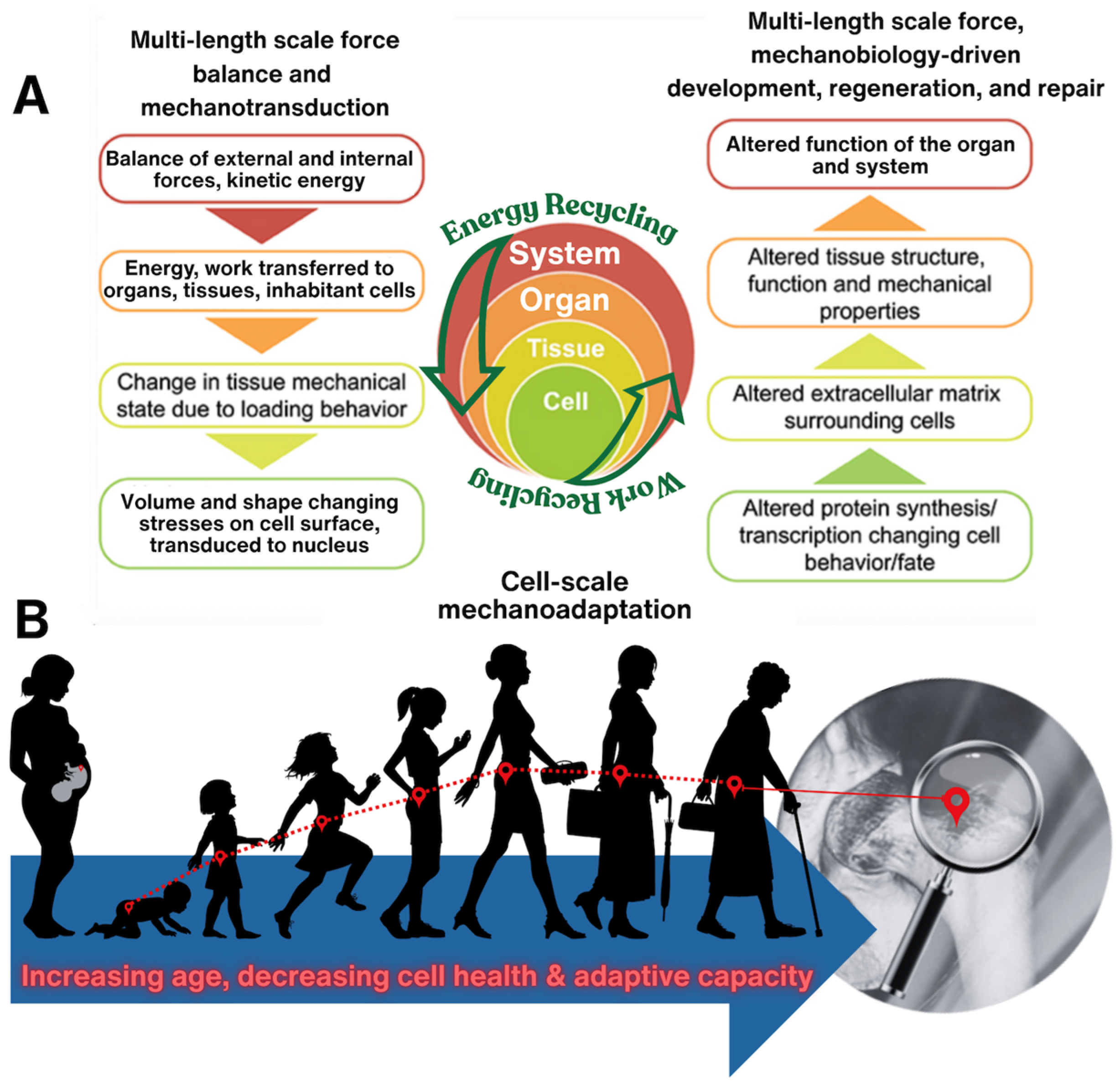
2.2. Epidemiology of Cell Tissue, Organ, and Human Population Health
3. Movement-Induced Deformation of Tissues and Their Resident Cells Drives Growth and Adaptation
3.1. Pioneering Studies on the Cellular Strain of Mechanical Loading
3.2. Mechanical Loading-Enhanced Perfusion of Bone and Its Resident Cells
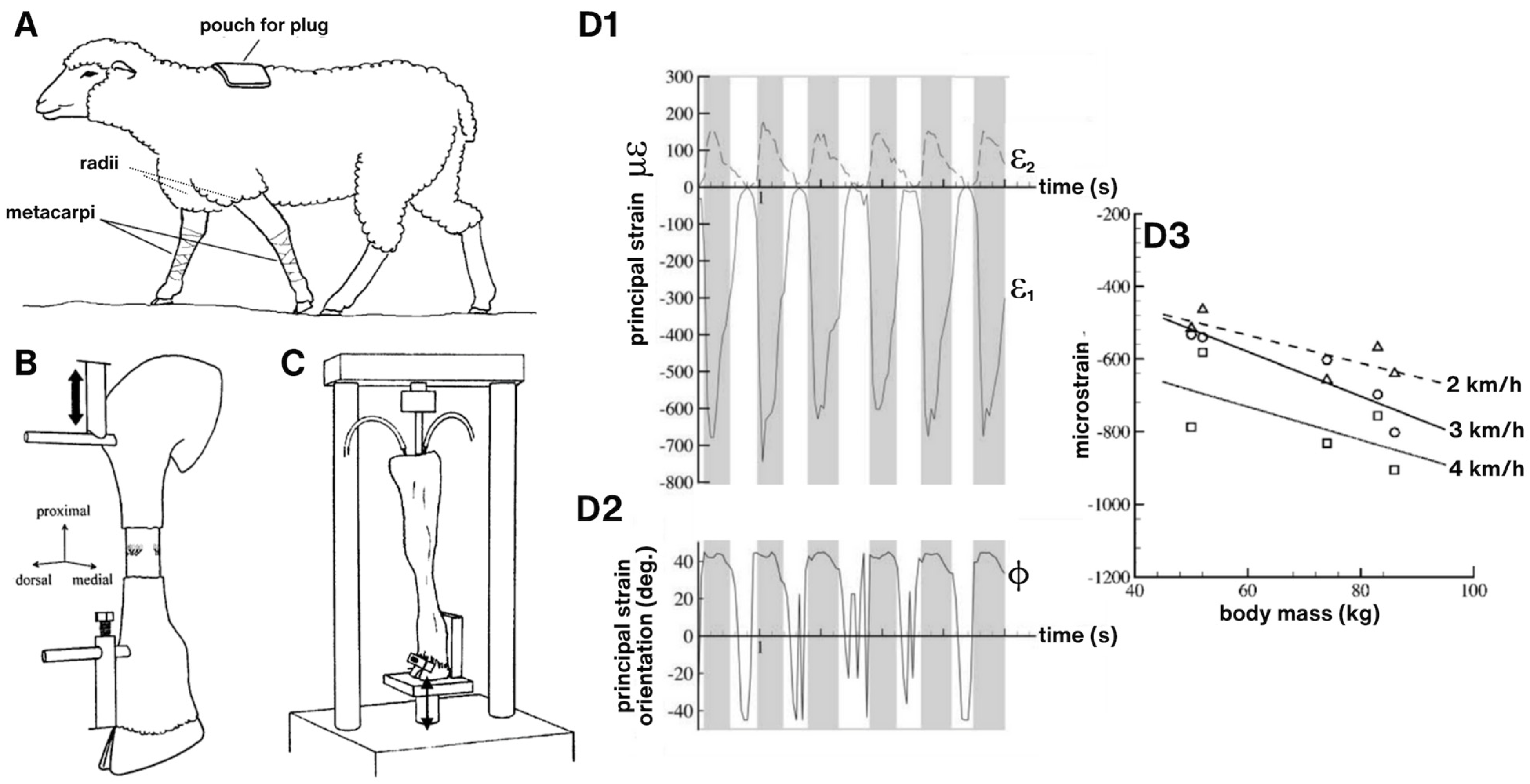
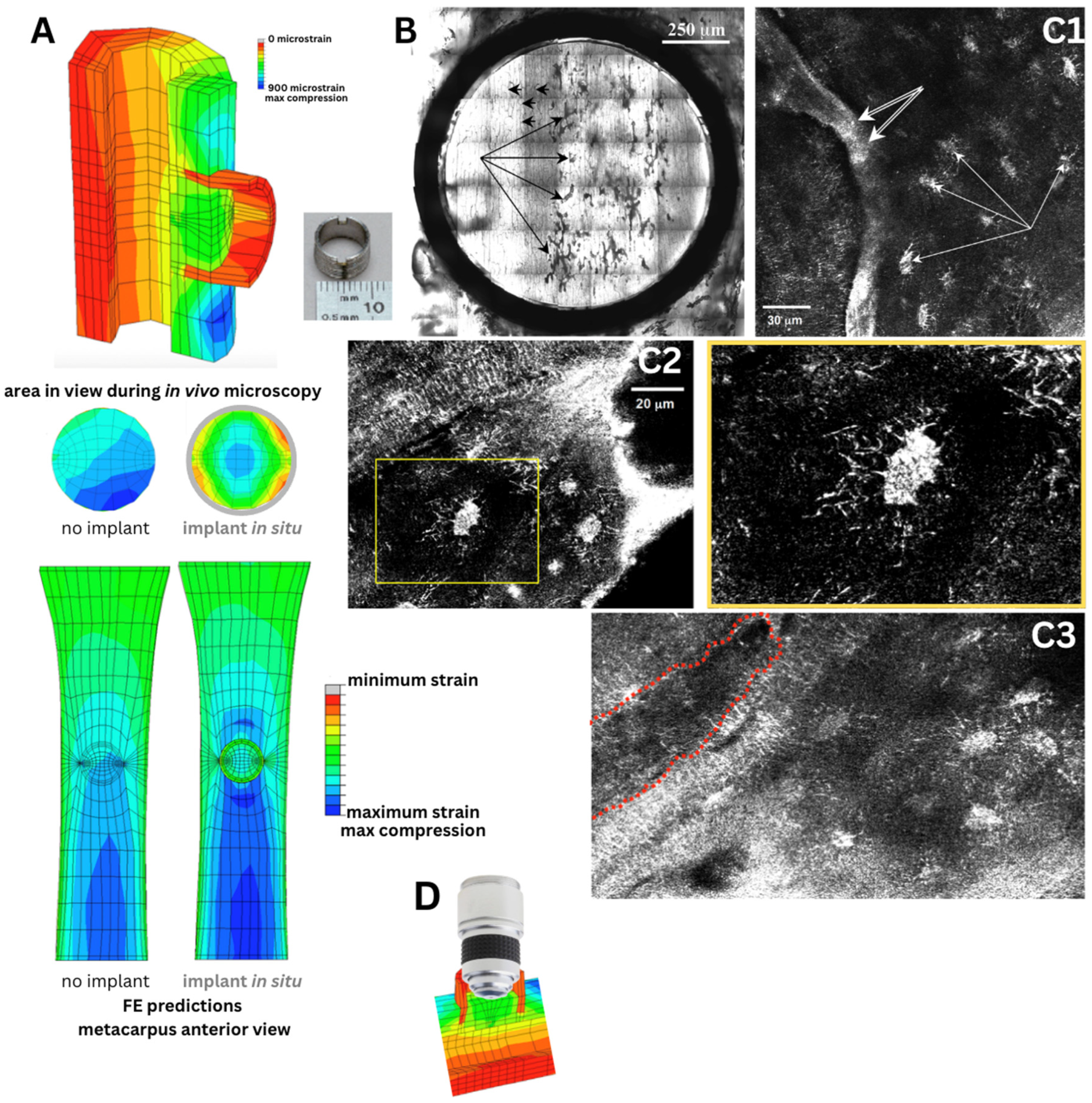
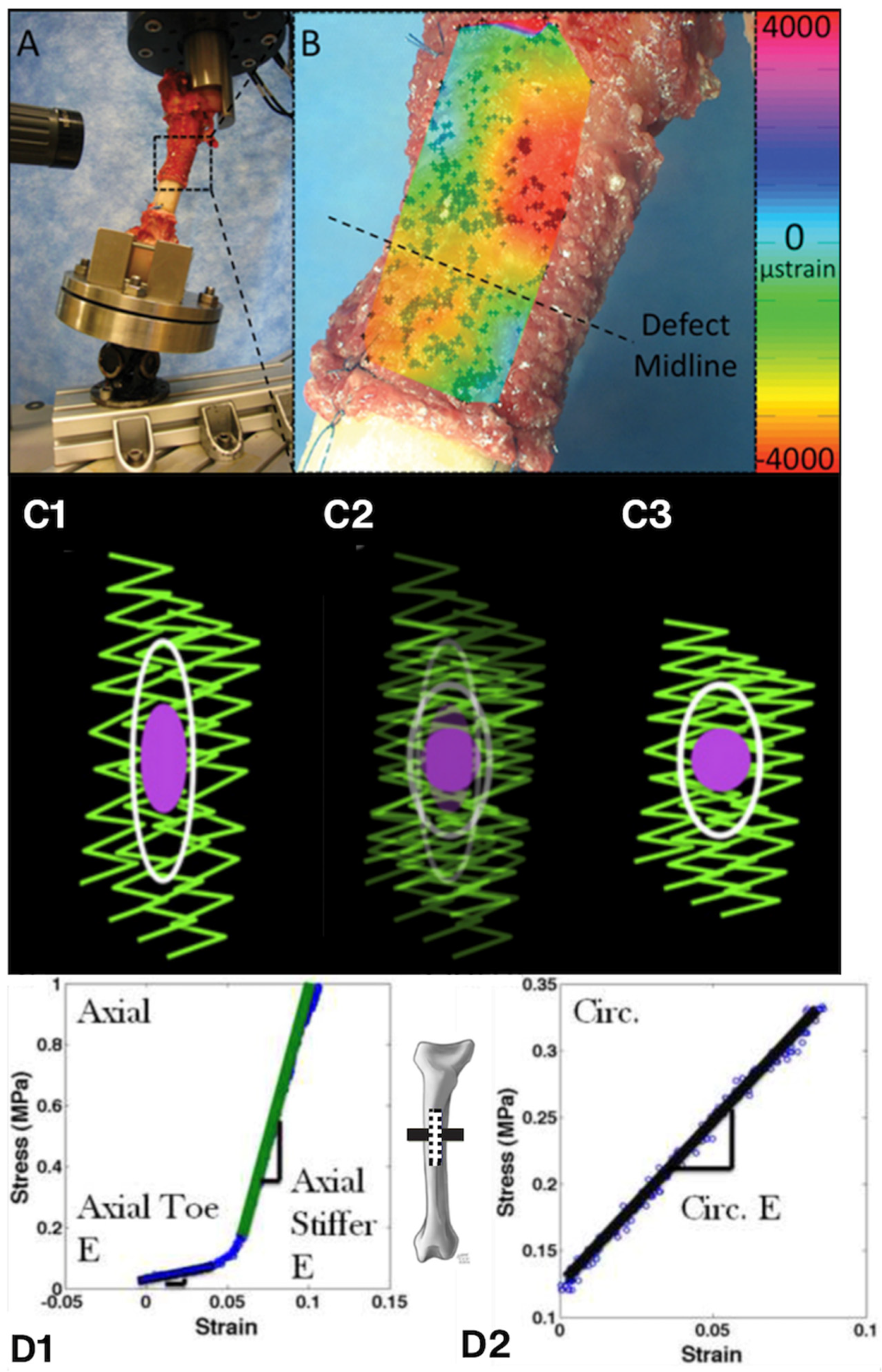
3.2.1. “Top-Down” Experimental Mechanics Approaches—In Vivo to Ex Vivo and In Vitro
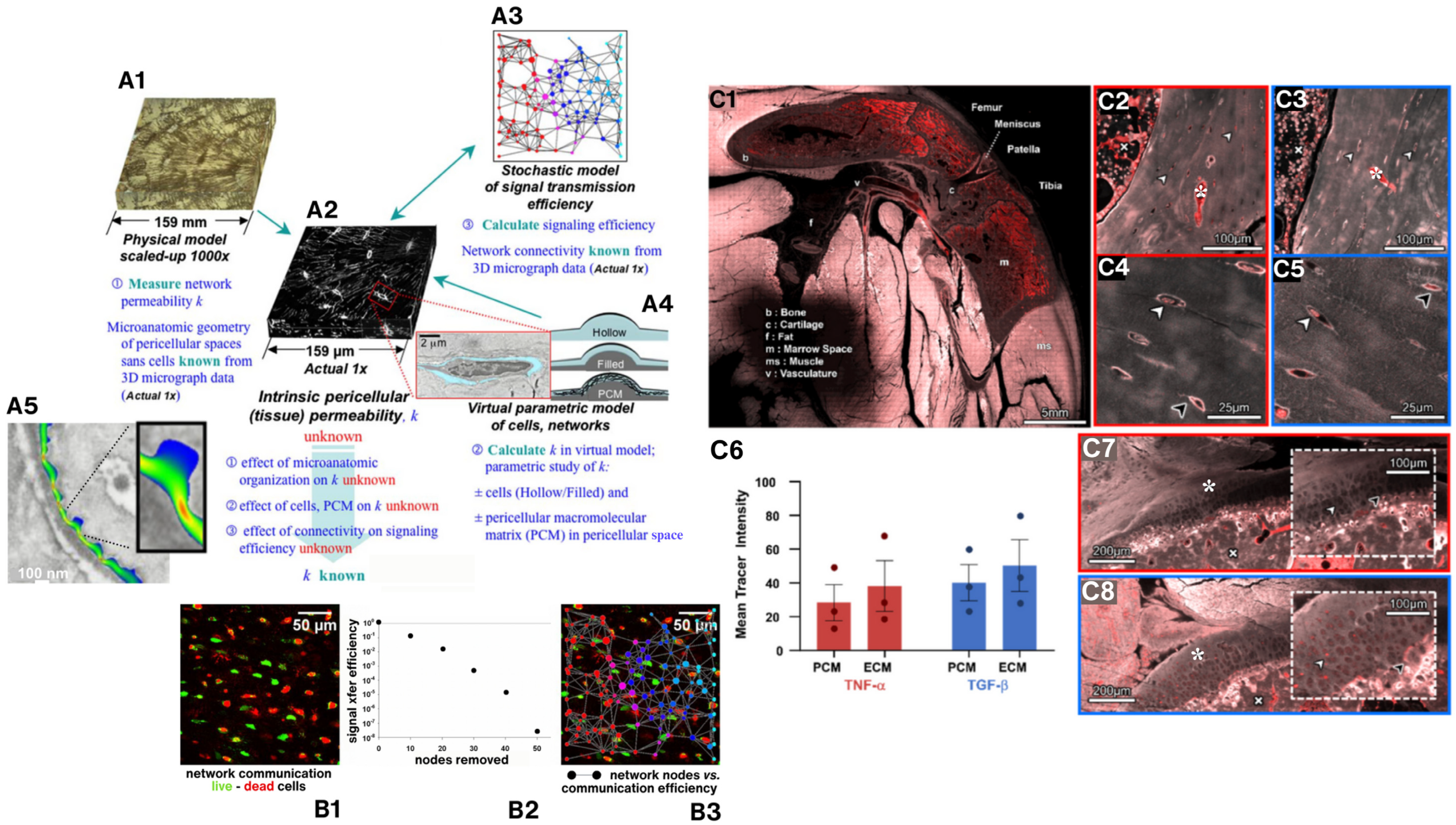
3.2.2. “Bottom-Up” Approaches Using Physical, Virtual, and In Silico Models of Pericellular Flow Mechanics and Cell Health

3.3. Mechanical Triggers for Stem Cells to Home in on and Heal Injured Tissue After Trauma

4. Work and Energy Transfer of Development and Healing
The Work of Living, from Organisms to Cells
5. Discussion
6. Conclusions
7. Patents
Author Contributions
Funding
Data Availability Statement
Acknowledgments
Conflicts of Interest
References
- Knothe Tate, M.L.; Srikantha, A.; Wojek, C.; Zeidler, D. Connectomics of Bone to Brain-Probing Physical Renderings of Cellular Experience. Front. Physiol. 2021, 12, 647603. [Google Scholar] [CrossRef]
- Knothe Tate, M.L.; Gunning, P.W.; Sansalone, V. Emergence of Form from Function—Mechanical Engineering Approaches to Probe the Role of Stem Cell Mechanoadaptation in Sealing Cell Fate. Bioarchitecture 2016, 6, 85–103. [Google Scholar] [CrossRef] [PubMed]
- Evans, S.F.; Docheva, D.; Bernecker, A.; Colnot, C.; Richter, R.P.; Knothe Tate, M.L. Solid-supported lipid bilayers to drive stem cell fate and tissue architecture using periosteum derived progenitor cells. Biomaterials 2013, 34, 1878–1887. [Google Scholar] [CrossRef]
- Knothe Tate, M.L.; Falls, T.D.; McBride, S.H.; Atit, R.; Knothe, U.R. Mechanical modulation of osteochondroprogenitor cell fate. Int. J. Biochem. Cell Biol. 2008, 40, 2720–2738. [Google Scholar] [CrossRef]
- Mishra, S.; Knothe Tate, M.L. Effect of lacunocanalicular architecture on hydraulic conductance in bone tissue: Implications for bone health and evolution. Anat. Rec. A Discov. Mol. Cell. Evol. Biol. 2003, 273A, 752–762. [Google Scholar] [CrossRef]
- Al-Qattan, M.M.; Posnick, J.C.; Lin, K.Y.; Thorner, P. Fetal tendon healing: Development of an experimental model. Plast. Reconstr. Surg. 1993, 92, 1155–1160; discussion 1161. [Google Scholar] [CrossRef] [PubMed]
- Knothe Tate, M.L. Multi-scale computational engineering of bones: State of the art insights for the future. In Engineering of Functional Skeletal Tissues; Bronner, F., Farach-Carson, C., Mikos, A., Eds.; Springer-Verlag: London, UK, 2007; Chapter 10; p. 141e60. [Google Scholar]
- Knothe Tate, M.L.; Tami, A.E.G.; Bauer, T.W.; Knothe, U. Micropathoanatomy of Osteoporosis—Indications for a Cellular Basis of Bone Disease. Adv. Osteoporotic Fract. Manag. 2002, 2, 9–14. [Google Scholar]
- Knothe Tate, M.L.; Ritzman, T.F.; Schneider, E.; Knothe, U.R. Testing of a new one stage bone-transport surgical procedure exploiting the periosteum for the repair of long-bone defects. J. Bone Jt. Surg. Am. 2007, 89, 307e16. [Google Scholar] [CrossRef]
- Knothe, U.R.; Springfield, D.S. A novel surgical procedure for bridging of massive bone defects. World J. Surg. Oncol. 2005, 3, 7. [Google Scholar] [CrossRef]
- Knothe, U.R.; Dolejs, S.; Miller, R.M.; Knothe Tate, M.L. Effects of mechanical loading patterns, bone graft, and proximity to periosteum on bone defect healing. J. Biomech. 2010, 43, 2728e37. [Google Scholar] [CrossRef] [PubMed]
- Tate, M.L.; Chang, H.; Moore, S.R.; Knothe, U.R. Surgical membranes as directional delivery devices to generate tissue: Testing in an ovine critical sized defect model. PLoS ONE 2011, 6, e28702. [Google Scholar] [CrossRef] [PubMed][Green Version]
- Ng, J.L.; Kersh, M.E.; Kilbreath, S.; Knothe Tate, M. Establishing the Basis for Mechanobiology-Based Physical Therapy Protocols to Potentiate Cellular Healing and Tissue Regeneration. Front. Physiol. 2017, 6, 303. [Google Scholar] [CrossRef]
- Grossfeld, P. Hypoplastic left heart syndrome. Circ. Res. 2007, 100, 1363–1370. [Google Scholar] [CrossRef]
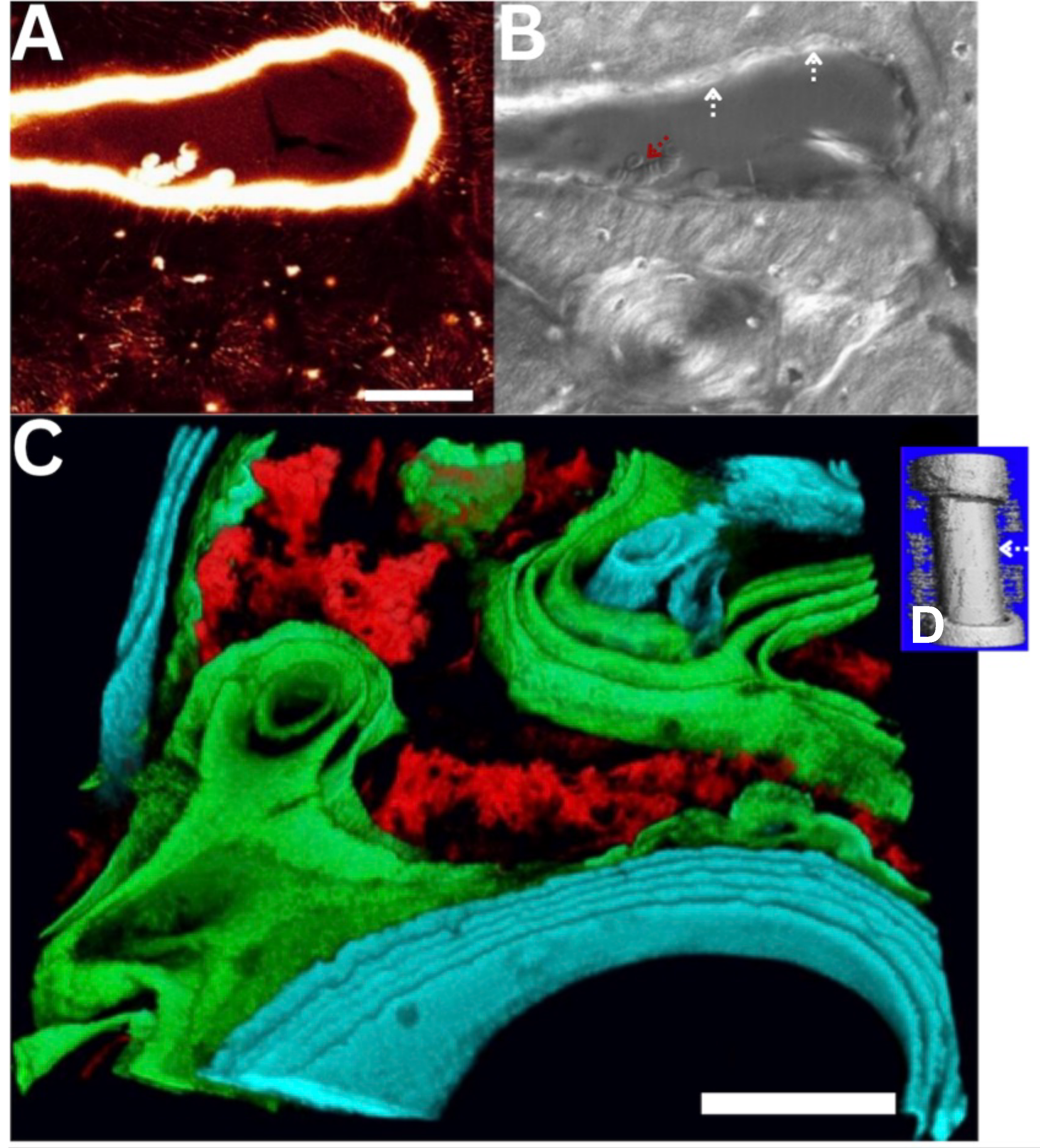
- Knothe Tate, M.L.; Zeidler, D.; Pereira, A.F.; Hageman, D.; Garbowski, T.; Mishra, S.; Gardner, L.; Knothe, U.R. Organ-to-Cell-Scale Health Assessment Using Geographical Information System Approaches with Multibeam Scanning Electron Microscopy. Adv. Healthc. Mater. 2016, 5, 1581–1587. [Google Scholar] [CrossRef]
- Knothe Tate, M.L. Navigation of Bee Brains to Human Hips—Microscopy and the Modern Magellans. In A New Age in Scanning Electron Microscopy: Applications in the Life Sciences; Science/AAAS: Washington, DC, USA, 2017; pp. 36–44. Available online: https://www.science.org/do/10.1126/resource.2380976/full/zeiss_booklet_2017_12_05-1714066887033.pdf (accessed on 11 December 2025).
- Lanyon, L.E.; Hampson, W.G.J.; Goodship, A.E.; Shah, J.S. Bone deformation recorded in vivo from strain gauges attached to the human tibial shaft. Acta Orthop. Scand. 1975, 46, 256–268. [Google Scholar] [CrossRef] [PubMed]
- Goodship, A.E.; Lanyon, L.E.; McFie, H. Functional adaptation of bone to increased stress. An experimental study. J. Bone Jt. Surg. Am. 1979, 61, 539–546. [Google Scholar] [CrossRef]
- Lanyon, L.E.; Goodship, A.E.; Pye, C.J.; MacFie, J.H. Mechanically adaptive bone remodelling. J. Biomech. 1982, 15, 141–154. [Google Scholar] [CrossRef] [PubMed]
- Lanyon, L.E.; Rubin, C.T. Regulation of bone formation by applied dynamic loads. J. Bone Jt. Surg. Am. 1984, 66, 397–402. [Google Scholar] [CrossRef]
- Rubin, C.T.; Lanyon, L.E. Regulation of bone mass by mechanical strain magnitude. Calcif. Tissue Int. 1985, 37, 411–417. [Google Scholar] [CrossRef]
- Song, M.J.; Dean, D.; Knothe Tate, M.L. Mechanical modulation of nascent stem cell lineage commitment in tissue engineering scaffolds. Biomaterials 2013, 34, 5766–5775. [Google Scholar] [CrossRef] [PubMed]
- Piekarski, K.; Munro, M. Transport mechanism operating between blood supply and osteocytes in long bones. Nature 1977, 269, 80–82. [Google Scholar] [CrossRef]
- Knothe Tate, M.L. Top down and bottom up engineering of bone. J. Biomech. 2011, 44, 304–312. [Google Scholar] [CrossRef]
- Steck, R.; Gatzka, C.; Schneider, E.; Niederer, P.; Knothe Tate, M.L. Measurement of bone surface strains on the sheep metacarpus in vivo and ex vivo. VCOT Arch. 2003, 16, 38–43. [Google Scholar] [CrossRef]
- Knothe Tate, M.L.; Knothe, U. An ex vivo model to study transport processes and fluid flow in loaded bone. J Biomech. 2000, 33, 247–254. [Google Scholar] [CrossRef]
- Gatzka, C.; Schneider, E.; Knothe, U.; Niederer, P.; Knothe Tate, M.L. A novel ex vivo model for investigation of fluid displacements in bone after endoprosthesis implantation. J. Mater. Sci. Mater. Med. 1999, 10, 801–806. [Google Scholar] [CrossRef]
- Ferdowsian, H.R.; Beck, N. Ethical and scientific considerations regarding animal testing and research. PLoS ONE 2011, 6, e24059. [Google Scholar] [CrossRef]
- Kiani, A.K.; Pheby, D.; Henehan, G.; Brown, R.; Sieving, P.; Sykora, P.; Marks, R.; Falsini, B.; Capodicasa, N.; Miertus, S.; et al. Ethical considerations regarding animal experimentation. J. Prev. Med. Hyg. 2022, 63, E255–E266. [Google Scholar] [CrossRef] [PubMed]
- Chang, M.C.J.; Grieder, F.B. The continued importance of animals in biomedical research. Lab. Anim. 2024, 53, 295–297. [Google Scholar] [CrossRef] [PubMed]
- Anderson, E.J.; Kreuzer, S.M.; Small, O.; Knothe Tate, M.L. Pairing computational and scaled physical models to determine permeability as a measure of cellular communication in micro- and nano-scale pericellular spaces. Microfluid. Nanofluid. 2008, 4, 193–204. [Google Scholar] [CrossRef]
- Anderson, E.J.; Knothe Tate, M.L. Idealization of pericellular fluid space geometry and dimension results in a profound underprediction of nano-microscale stresses imparted by fluid drag on osteocytes. J. Biomech. 2008, 41, 1736–1746. [Google Scholar] [CrossRef] [PubMed]
- Ngo, L.; Knothe, L.E.; Knothe Tate, M.L. Knee Joint Tissues Effectively Separate Mixed Sized Molecules Delivered in a Single Bolus to the Heart. Sci. Rep. 2018, 8, 10254. [Google Scholar] [CrossRef]
- Ngo, L.; Knothe Tate, M.L. A spike in circulating cytokines TNF-α and TGF-β alters barrier function between vascular and musculoskeletal tissues. Sci. Rep. 2023, 13, 9119. [Google Scholar] [CrossRef] [PubMed]
- Ngo, L.; Knothe Tate, M.L. TGF-beta Increases Permeability of 70 kDa Molecular Tracer from the Heart to Cells of the Osteoarthritic Guinea Pig Knee Joint. Cells 2025, 14, 1524. [Google Scholar] [CrossRef]
- McBride, S.H.; Dolejs, S.; Brianza, S.; Knothe, U.R.; Knothe Tate, M.L. Net change in periosteal strain correlataes to rapid de novo bone generation in critical sized defects. Ann. Biomed. Eng. 2011, 39, 1570–1581. [Google Scholar] [CrossRef]
- McBride, S.H.; Evans, S.F.; Knothe Tate, M.L. Anisotropic mechanical properties of ovine femoral periosteum and the effects of cryopreservation. J. Biomech. 2011, 44, 1954–1959. [Google Scholar] [CrossRef]
- Evans, S.F.; Parent, J.B.; Lasko, C.E.; Zhen, X.; Knothe, U.R.; Lemaire, T.; Knothe Tate, M.L. Periosteum, bone’s “smart” bounding membrane, exhibits direction-dependent permeability. J. Bone Miner. Res. 2013, 28, 608–617. [Google Scholar] [CrossRef]
- Evans, S.F.; Chang, H.; Knothe Tate, M.L. Elucidating multiscale periosteal mechanobiology: A key to unlocking the smart properties and regenerative capacity of the periosteum? Tissue Eng. Part B Rev. 2013, 19, 147–159. [Google Scholar] [CrossRef]
- Moore, S.R.; Saidel, G.M.; Knothe, U.; Knothe Tate, M.L. Mechanistic, Mathematical Model to Predict the Dynamics of Tissue Genesis in Bone Defects via Mechanical Feedback and Mediation of Biochemical Factors. PLoS Comput. Biol. 2014, 10, e1003604. [Google Scholar] [CrossRef] [PubMed]
- Yu, N.Y.; O’Brien, C.A.; Slapetova, I.; Whan, R.M.; Knothe Tate, M.L. Live Tissue Imaging to Elucidate Mechanical Modulation of Stem Cell Niche Quiescence. Stem Cells Transl. Med. 2017, 6, 285–292. [Google Scholar] [CrossRef] [PubMed]
- Putra, V.; Kilian, K.; Knothe Tate, M. Animation 1; AIP Publishing: Melville, NY, USA, 2025; used with permission under original copyright of M.L. Knothe Tate 2023. [Google Scholar] [CrossRef]
- Putra, V.D.L.; Kilian, K.A.; Knothe Tate, M.L. Stem cell mechanoadaptation. I. Effect of microtubule stabilization and volume changing stresses on cytoskeletal remodeling. APL Bioeng. 2025, 9, 016102. [Google Scholar] [CrossRef]
- Putra, V.D.L.; Kilian, K.A.; Knothe Tate, M.L. Stem cell mechanoadaptation. II. Microtubule stabilization and substrate compliance effects on cytoskeletal remodeling. APL Bioeng. 2025, 9, 016103. [Google Scholar] [CrossRef]
- Putra, V.D.L.; Kilian, K.A.; Knothe Tate, M.L. Biomechanical, biophysical and biochemical modulators of cytoskeletal remodelling and emergent stem cell lineage commitment. Commun. Biol. 2023, 6, 75. [Google Scholar] [CrossRef] [PubMed]
- McBride, S.H.; Knothe Tate, M.L. Modulation of stem cell shape and fate A: The role of density and seeding protocol on nucleus shape and gene expression. Tissue Eng. Part A 2008, 14, 1561–1572. [Google Scholar] [CrossRef]
- McBride, S.H.; Falls, T.; Knothe Tate, M.L. Modulation of stem cell shape and fate B: Mechanical modulation of cell shape and gene expression. Tissue Eng. Part A 2008, 14, 1573–1580. [Google Scholar] [CrossRef]
- Zimmermann, J.A.; Knothe Tate, M.L. Structure-function relationships in the stem cell’s mechanical world A: Seeding protocols as a means to control shape and fate of live stem cells. Mol. Cell Biomech. 2011, 8, 275–296. [Google Scholar]
- Mansoury, M.; Hamed, M.; Karmustaji, R.; Al Hannan, F.; Safrany, S.T. The edge effect: A global problem. The trouble with culturing cells in 96-well plates. Biochem. Biophys. Rep. 2021, 26, 100987. [Google Scholar] [CrossRef] [PubMed]
- Dhar, P.K.; Giuliani, A. Laws of biology: Why so few? Syst. Synth. Biol. 2010, 4, 7–13. [Google Scholar] [CrossRef] [PubMed]


Disclaimer/Publisher’s Note: The statements, opinions and data contained in all publications are solely those of the individual author(s) and contributor(s) and not of MDPI and/or the editor(s). MDPI and/or the editor(s) disclaim responsibility for any injury to people or property resulting from any ideas, methods, instructions or products referred to in the content. |
© 2026 by the authors. Licensee MDPI, Basel, Switzerland. This article is an open access article distributed under the terms and conditions of the Creative Commons Attribution (CC BY) license.
Share and Cite
Knothe Tate, M.L.; McBride-Gagyi, S.; Anderson, E.J.; Ngo, L. Cell Biophysics–Physiological Contexts, from Organism to Cell, In Vivo to In Silico Models: One Collaboratory’s Perspective. Biophysica 2026, 6, 5. https://doi.org/10.3390/biophysica6010005
Knothe Tate ML, McBride-Gagyi S, Anderson EJ, Ngo L. Cell Biophysics–Physiological Contexts, from Organism to Cell, In Vivo to In Silico Models: One Collaboratory’s Perspective. Biophysica. 2026; 6(1):5. https://doi.org/10.3390/biophysica6010005
Chicago/Turabian StyleKnothe Tate, Melissa L., Sara McBride-Gagyi, Eric J. Anderson, and Lucy Ngo. 2026. "Cell Biophysics–Physiological Contexts, from Organism to Cell, In Vivo to In Silico Models: One Collaboratory’s Perspective" Biophysica 6, no. 1: 5. https://doi.org/10.3390/biophysica6010005
APA StyleKnothe Tate, M. L., McBride-Gagyi, S., Anderson, E. J., & Ngo, L. (2026). Cell Biophysics–Physiological Contexts, from Organism to Cell, In Vivo to In Silico Models: One Collaboratory’s Perspective. Biophysica, 6(1), 5. https://doi.org/10.3390/biophysica6010005