1. Introduction
Additive Manufacturing (AM) has become a key technology in modern production, enabling the fabrication of complex and functional components in significantly shorter times and with reduced material consumption compared to conventional methods. Among the available AM technologies, Fused Deposition Modelling (FDM) has emerged as the most widespread and cost-effective method, particularly for polymer-based applications [
1,
2].
The growing interest in FDM is driven by its capability to produce geometrically complex parts while allowing variation in structural and process parameters such as infill density and pattern, nozzle temperature, layer height, build orientation, and raster angle [
3,
4,
5,
6,
7,
8]. This flexibility enables optimisation of the tensile performance of printed parts—including flexural strength, tensile strength, and modulus of elasticity—while achieving significant reductions in both weight and production time [
4,
9]. A similar approach to optimising FDM process parameters was applied in [
10], where the influence of infill density, pattern, and nozzle temperature on the mechanical properties of glass fibre reinforced Onyx composite material was investigated, resulting in improved tensile and impact strength.
In response to increasingly stringent environmental requirements and the drive to reduce the carbon footprint of manufacturing processes, FDM is also gaining recognition as an enabler of sustainable production. The use of recycled or bio-based polymers, combined with reduced material waste, further highlights its importance in green manufacturing [
2].
Despite numerous studies, no universal model has yet been established to reliably determine which combinations of structural and process parameters yield the best mechanical performance [
4,
5,
11,
12]. Experimental approaches have therefore been widely adopted to investigate the effects of varying infill patterns, densities, nozzle temperatures, and printing speeds—typically with the aim of evaluating Young’s modulus, tensile strength, flexural strength, and dimensional accuracy [
6,
13,
14,
15]. Recent studies [
16] have further shown that process temperature, layer thickness, and build orientation significantly influence on the bonding strength and overall mechanical integrity of 3D-printed polymer structures. For instance, higher infill densities combined with appropriate temperature settings have been shown to significantly enhance the strength of samples printed from PLA, ABS, ASA, and similar polymers [
9,
13,
17]. A similar influence of infill geometry on mechanical strength and resistance was reported in [
18], where the optimisation of infill patterns and fibre orientation in FDM-fabricated composite structures was investigated.
A particularly promising application for FDM is the production of polymer gears, where lightweight, quiet, corrosion-resistant, and cost-efficient solutions are increasingly required. Compared to metal gears, polymer gears manufactured additively offer several advantages: lower inertia, reduced weight, improved vibration damping, and no need for protective coatings [
19,
20,
21]. Among suitable materials, polyamide PA6 is especially attractive due to its strength, wear resistance, and favourable processability; however, its final properties are strongly dependent on the selected FDM parameters.
Polyamide 6 (PA6) is a versatile engineering thermoplastic characterised by high tensile strength, toughness, and excellent wear resistance, making it suitable for demanding industrial applications. It is a semicrystalline polymer with the repeating unit (C
6H
11NO)
n, and its mechanical performance and processability make it a common choice for FDM-based additive manufacturing studies [
22].
The mechanical performance of polymer gears fabricated by FDM is highly sensitive to infill type and density, layer orientation, and the incorporation of reinforcements such as carbon or glass fibres. Anisotropy, as an inherent feature of the layered deposition process, further influences load transmission and long-term durability [
23,
24]. Moreover, studies on vibrational behaviour suggest that specific infill designs (e.g., hexagonal or concentric) can enhance damping capacity, particularly in dynamically loaded systems [
25,
26,
27].
A further challenge arises from the lack of standardised testing procedures for the mechanical properties of polymer gears produced by AM technologies. Existing standards are largely tailored to metallic components [
28,
29], which has led to growing proposals for dedicated testing methodologies and mathematical models that better reflect the specificities of FDM processes and polymeric materials [
30,
31,
32].
Polyamide PA6 is commonly used in gear manufacturing due to its favourable mechanical and wear-related properties. In this study, gear applications are considered solely as a potential future implementation domain of the optimised process parameters. However, the present investigation is limited exclusively to tensile performance evaluation of standardised specimens, and no tribological, hardness, or contact behaviour analyses of gear components are included.
Despite numerous studies investigating individual FDM process parameters, there remains a lack of systematically validated optimisation approaches specifically focused on the tensile performance of PA6 components under controlled experimental conditions. Many previous investigations report parameter trends without structured modelling of interaction effects or statistical validation of the optimised parameter combinations. This methodological limitation reduces the reproducibility and practical transferability of reported findings and motivates the present study.
Although existing studies have investigated the influence of FDM parameters on mechanical properties, most focus on isolated parameter variation or limited experimental matrices. Comprehensive approaches that combine preliminary screening, structured response surface methodology, interaction effect modelling, and experimental validation remain relatively limited for PA6 materials. Consequently, there is a need for a statistically robust and experimentally verified optimisation framework that ensures reproducible tensile performance under defined processing conditions.
The selection of nozzle temperature, infill density, and infill geometry is motivated by their direct influence on internal structure formation and interlayer bonding in FDM-manufactured components. These mechanisms govern tensile load transfer and structural integrity, making the selected parameters particularly relevant for optimising the tensile performance of PA6 materials.
Within this framework, the present study aims to optimise key FDM parameters—namely infill density, nozzle temperature, and infill pattern—to improve the tensile properties of PA6 products. Using a Central Composite Design (CCD), supported by statistical data analysis and validation experiments, this work contributes to the development of reliable PA6 components manufactured by FDM. The study emphasises achieving maximum tensile strength under controlled processing conditions.
2. Materials and Methods
The experimental methodology was structured to directly address the research objective of optimising the tensile performance of PA6 components manufactured by FDM. The investigation was conducted in two stages: a preliminary screening phase to evaluate the individual influence of selected process parameters, and a main experiment based on Central Composite Design (CCD) to model interaction effects and determine the optimal parameter combination. Tensile stress was defined as the response variable, while nozzle temperature, infill density, and infill geometry were treated as independent variables.
The objective of this study is to investigate the optimisation of processing parameters for polyamide PA6 using a Central Composite Design (CCD), with the aim of improving mechanical properties and identifying the optimal parameter combination for PA6 components manufactured by FDM. The input parameters considered include nozzle temperature, infill density, and infill geometry, which were varied to achieve the desired mechanical performance, specifically maximum tensile strength. To verify the individual influence of the selected input parameters, a preliminary experiment was conducted.
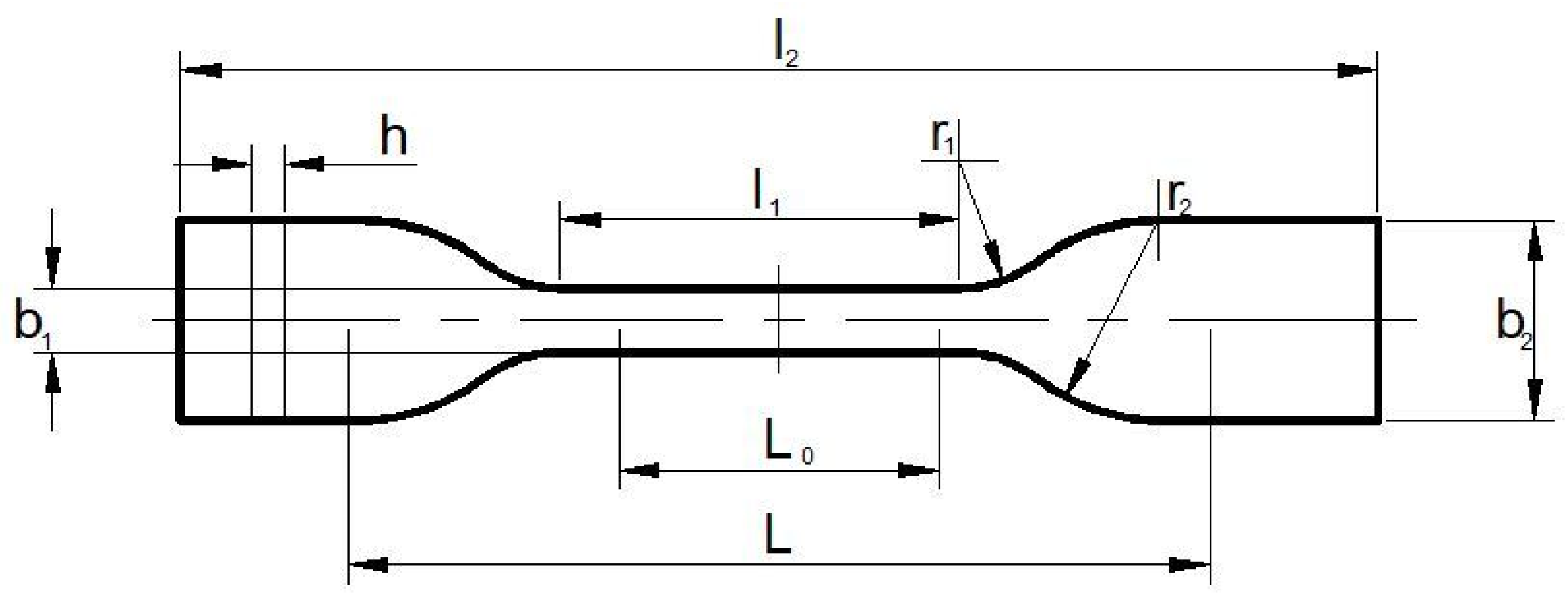
Original FlashForge PA6 (Nylon) filament (Zhejiang Flashforge 3D Technology Co., Ltd., Jinhua, China) (product code: 8454-FF-PA) was selected for this research. Due to the hygroscopic nature of PA6, the filament was dried prior to printing and stored under controlled conditions during the printing process. A QIDI Box filament drying system was used to maintain stable moisture conditions and ensure consistent printing quality. The filament had a diameter of 1.75 mm, which is the standard dimension for most 3D printers. Test specimens were designed in accordance with the ISO 527-2:2025 [
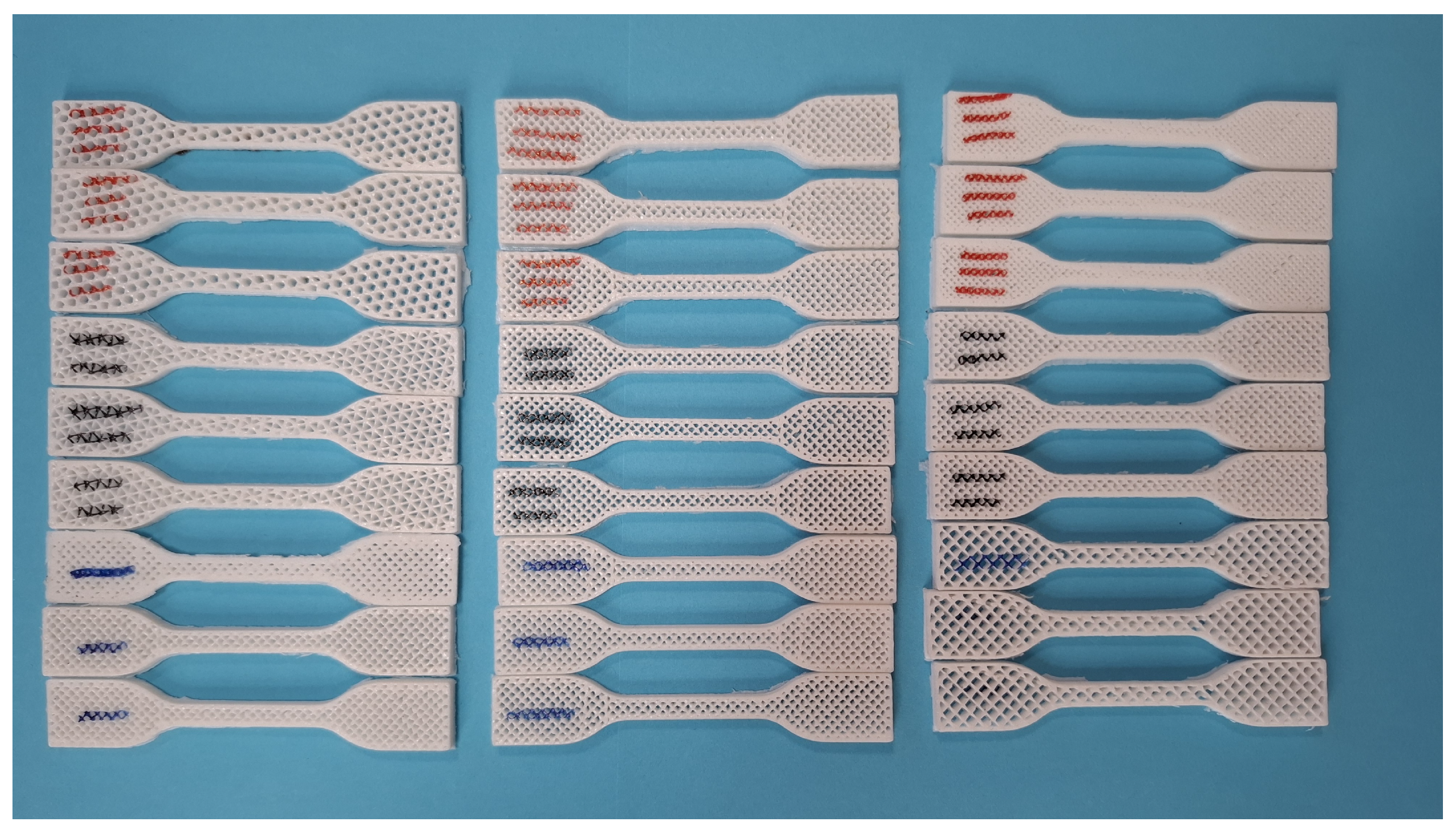
33] standard using Autodesk Inventor Professional 2023 (educational licence). The geometry of the specimens is shown in
Figure 1, and their dimensions are listed in
Table 1.
Using Ultimaker Cura (version: 4.13.1) slicing software, 3D models of the test specimens were prepared for printing. The slicer offers 13 different infill patterns, of which three were selected for this study: Grid, Triangle, and Triangle-Hexa, with the infill angle set to 45°. The experiments were conducted with varying infill densities (40%, 60%, and 80%) and printing temperatures (220 °C, 240 °C, and 260 °C). The general parameters of the 3D printing process are summarised in
Table 2.
All test specimens were produced using a QIDI X-Max 3D printer (Zhejiang Qidi Technology Co., Ltd., Wenzhou, China). The specimens were printed in a horizontal orientation, as shown in
Figure 2.
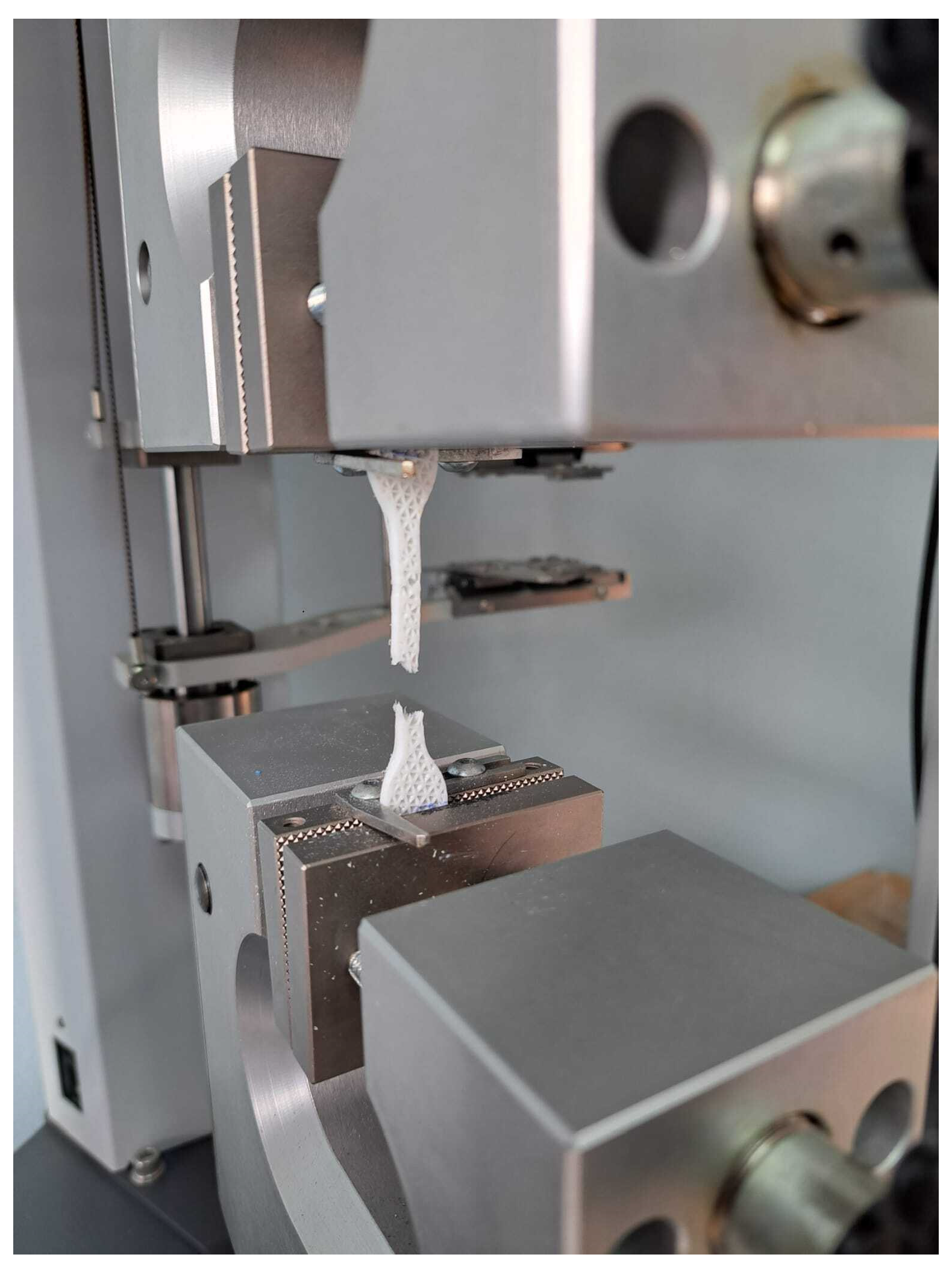
After 3D printing, all specimens underwent tensile testing using a Shimadzu AGS-X universal testing machine (Shimadzu Corporation, Kyoto, Japan) (10 kN), in accordance with the ISO 527-2:2025 standard, at a crosshead speed of 5 mm/min (see
Figure 3).
The experimental work was divided into two segments: a preliminary experiment and the main experiment, both of which are described in detail in the following sections. For each parameter combination defined in the preliminary and main experimental stages, three specimens were tested. The tensile stress results are reported as mean ± standard deviation (n = 3). In addition to mean values, the coefficient of variation (C.V.) was calculated to quantify experimental repeatability and assess the dispersion typical of FDM-manufactured polymer specimens.
Although three repetitions are commonly adopted practice in experimental studies of additively manufactured polymers, it is acknowledged that FDM materials inherently exhibit process-induced anisotropy and local structural heterogeneity. Therefore, the reported results should be interpreted within the framework of controlled laboratory conditions and the defined experimental design. In the confirmation experiment, five specimens were tested to verify the predictive accuracy of the developed regression model. In this study, tensile strength refers to the maximum stress (ultimate tensile strength, UTS) obtained from the recorded stress–strain curves during testing in accordance with ISO 527-2:2025. Tensile testing inherently allows the extraction of additional mechanical parameters such as elastic modulus and elongation at break; however, within the framework of the present CCD-based optimisation, ultimate tensile strength (UTS) was intentionally selected as the sole response variable.
2.1. Preliminary Experiment
It was assumed that tensile stresses would depend on the selected infill geometry, printing temperature, and infill density of the test specimens. To verify this hypothesis, a preliminary experiment was conducted. Three preliminary tests were performed, each varying only one parameter while the others remained constant.
In the first preliminary experiment, the variable parameter was the nozzle temperature (220 °C, 240 °C, and 260 °C), while infill density (60%) and infill pattern (Grid) were held constant, as shown in
Table 3.
The remaining two preliminary experiments followed the same approach. In the second experiment, the variable parameter was infill density (40%, 60%, 80%), while nozzle temperature (240 °C) and infill pattern (Grid) were kept constant, as shown in
Table 4.
The third preliminary experiment involved varying the infill pattern (Grid, Triangle, Triangle-Hexa), while nozzle temperature (240 °C) and infill density (60%) remained unchanged, as shown in
Table 5.
All preliminary test results are shown in
Table 6. The values represent the mean obtained from three consecutive tests (n = 3) for each specimen (see
Figure 4).
The results of the preliminary testing indicated a statistically significant influence of the analysed parameters on the tensile performance of the test specimens. Specifically, nozzle temperature, infill density, and infill geometry were all found to have a significant effect on tensile stress values. Based on these findings, it was justified to select these parameters as input variables for the subsequent, more detailed experimental design, to determine their optimal values for achieving satisfactory mechanical properties in specimens manufactured from PA6 material.
The preliminary experiment served as a screening phase, in which the selected process parameters were analysed individually to determine their isolated influence on tensile performance. These parameters were chosen because of their direct impact on internal structure formation and interlayer bonding, which are closely related to mechanical strength in FDM-manufactured components. Other potentially influential parameters, such as layer thickness, build orientation, and printing speed, were intentionally kept constant throughout the study to reduce experimental complexity, avoid confounding interactions, and ensure consistent specimen comparability. Following this screening phase, the main experiment was conducted using the Central Composite Design (CCD) methodology, where the interaction effects among the selected parameters and their combined optimisation were systematically evaluated.
2.2. Main Experiment and Analysis of Obtained Results
The Central Composite Design (CCD) method, a response surface methodology (RSM) technique, was used to model and optimise the selected process parameters. CCD comprises factorial points, axial (star) points, and centre points, enabling estimation of the linear, quadratic, and interaction effects of the investigated factors. This approach allows the development of a second-order regression model and provides an efficient framework for identifying optimal parameter combinations within a defined experimental domain. In this study, the selected factors were coded at defined levels, and the resulting experimental matrix was used to construct and validate the predictive model for tensile stress.
Based on the results of the preliminary experiment, which examined the individual effects of each variable (nozzle temperature, infill density, and infill pattern) on tensile stress, a main experiment was conducted to analyse their combined effects. The objective of this investigation was to determine the optimal process parameters for achieving maximum tensile stress, with the aim of enabling their application in engineering PA6 products.
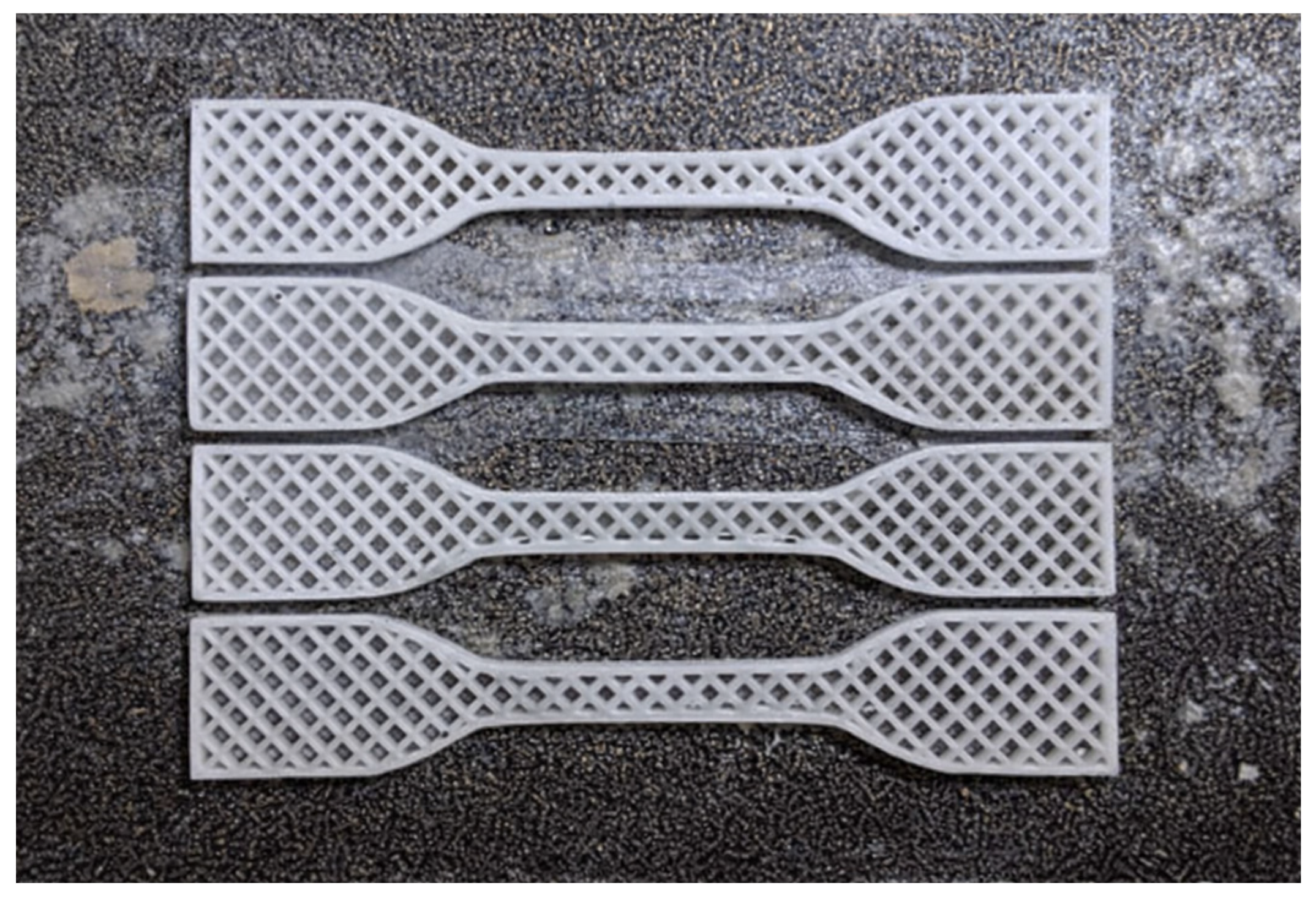
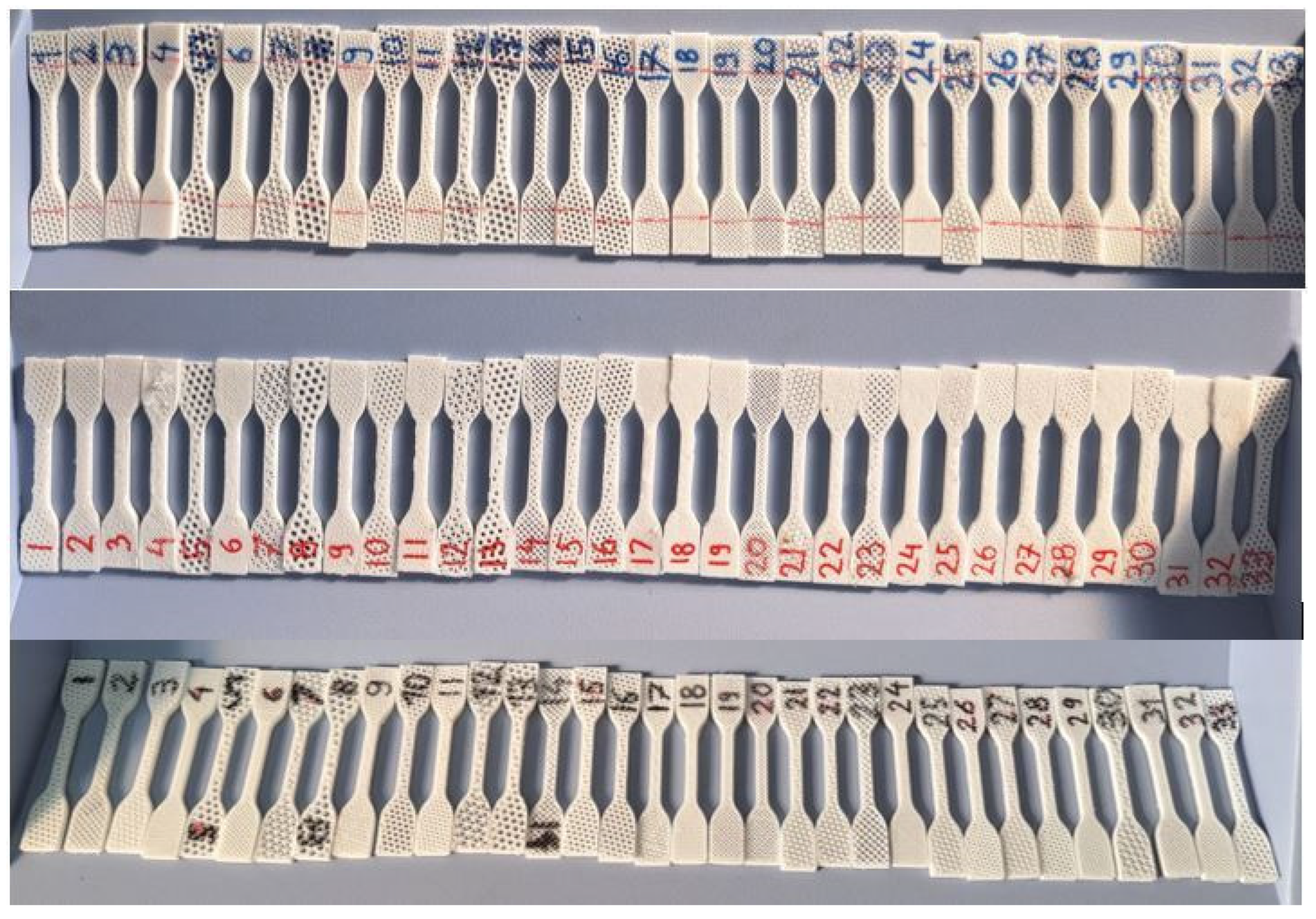
The experiment was designed using a Central Composite Design (CCD), which enables modelling and optimisation of processes while accounting for interactions among multiple variables. As in the preliminary study, testing was performed on the same types of specimens (
Figure 5). The coded values of the experimental design are presented in
Table 7.
Design-Expert software (version 22.0.8; Stat-Ease, Inc., 1300 Godward Street Northeast, Suite 6400, Minneapolis, MN 55413, USA) was used for experimental design, data analysis, and statistical evaluation.
3. Results
All results of the experimental testing are summarised in
Table 8. The values represent mean ± standard deviation (n = 3) obtained from three consecutive tests for each parameter combination.
The tensile stress values in
Table 8 are reported as mean ± standard deviation (n = 3) to quantify experimental dispersion. Across all experimental runs, the average coefficient of variation (C.V.) was approximately 5–6%, indicating acceptable repeatability of tensile measurements for FDM-manufactured PA6 specimens under controlled laboratory conditions.
Including dispersion measures allows assessment of whether observed differences between parameter combinations exceed the inherent variability typical of material extrusion processes. Although variability is unavoidable due to process-induced anisotropy and local heterogeneities, the reported C.V. values indicate that the identified trends are supported by statistically consistent measurements.
The experimental procedure followed the principle of randomisation, with specimens tested in a random order, as shown in
Table 8. According to the recorded data, the first test was performed on specimen No. 30 (Experimental run 1), while the final test was conducted on specimen No. 29 (Experimental run 33). Analysis of the results showed that the minimum measured tensile stress was 8.42 MPa, while the maximum was 18.48 MPa. The arithmetic mean of all 33 samples was 13.37 MPa.
Further analysis of the experimental data (
Table 8) for the response variable (tensile stress) indicated that the linear model provided the best fit according to several model selection criteria, as presented in
Table 9. Although a quadratic model was evaluated within the CCD framework, its additional terms were not statistically significant and were therefore excluded from the final predictive model. Model adequacy was assessed based on the
p-value for the model (ANOVA), the
p-value for lack of fit, and the coefficients of determination.
The obtained p-value for the model (ANOVA) was less than 0.05, indicating that at least one of the four regression variables is statistically significant, i.e., its regression coefficient differs from zero and thus makes a measurable contribution to the model. The coefficient of determination R2 was 0.8958, representing the proportion of explained variability relative to the total variability of the response. Although a higher R2 value often suggests a better model fit, it does not necessarily guarantee model quality. The inclusion of additional variables can artificially increase R2, even when those variables are statistically insignificant, thereby reducing the predictive power and accuracy of the model for new data or mean response estimation.
For this reason, the adjusted coefficient of determination (
R2adj) is used, as it corrects
R2 by accounting for the number of included variables and the number of experimental data points [
34,
35]. In this case,
R2adj was 0.8803. It should be emphasised that
R2adj will not necessarily increase when new variables are added; on the contrary, the inclusion of statistically insignificant variables can lead to its decrease. A notable difference between
R2 and
R2adj may indicate the presence of redundant terms in the model [
34,
35].
The predicted coefficient of determination (R2pred) was 0.8526. Since the difference between R2adj and R2pred did not exceed 0.2, the use of the linear model in this case is considered justified.
Table 10 presents the ANOVA results for the selected linear regression model.
Although the reported values represent mean tensile stresses obtained from repeated measurements, the statistical significance of the observed differences between parameter combinations is supported by the ANOVA results. The high F-values and low p-values indicate that a statistically significant portion of the observed variation in tensile stress is attributable to the selected process parameters within the investigated experimental domain. No significant outliers were observed during testing, and measurement repeatability was within acceptable laboratory limits.
Among the investigated factors, infill density exhibited the highest statistical significance (F = 139.75), followed by nozzle temperature (F = 73.34), while infill geometry showed a lower but still meaningful influence on tensile stress. The total sum of squares representing the overall variation was 212.66. The total degrees of freedom (df) were 31 (number of experimental data points: 33 − 2 = 31). The residual sum of squares, representing unexplained variance or random error, was 22.17. The degrees of freedom for the residual were 27 (number of data points minus the number of model terms and 2: 33 − 4 − 2 = 27). The mean square error of the residual was 0.8210.
The model sum of squares, representing explained variance, was 190.49. The degrees of freedom for the model were 4 (four regression variables), and the mean square deviation of the regression model was 47.62. Model terms A, B, and C were statistically significant (F-values of 139.75, 73.34, and 5.79, respectively, with p-values < 0.05). The lack-of-fit test yielded an F-value of 1.44, indicating that the model was in good agreement with the experimental data.
The unbiased estimate of variance was given by the mean square deviation of the residuals (0.8210), with the standard error calculated as the square root of the variance, yielding 0.906.
The coefficient of variation (C.V.) of the model was 6.81%, indicating acceptable experimental dispersion and good repeatability of the tensile measurements
Equation (1) presents the regression model describing the dependence of tensile stress on the input experimental variables (Factor A—infill density, Factor B—nozzle temperature, Factor C—infill pattern). The variables were coded, with high factor levels represented as +1 and low levels as −1, according to
Table 7.
For the categorical factor C (infill pattern), dummy coding was applied in the Design-Expert software. In this representation, C1 and C2 are indicator (dummy) variables used to describe the three levels of the infill pattern (Grid, Triangle, and Triangle-Hexa). The Grid pattern was used as the reference level, while C1 and C2 represent the relative effects of the Triangle and Triangle-Hexa patterns, respectively, on tensile stress.
Equation (2) presents the regression model with real factor values when Factor C (infill pattern) corresponds to Grid.
Equation (3) provides the regression model with real factor values when Factor C corresponds to Triangle.
Equation (4) shows the regression model with real factor values when Factor C corresponds to Triangle-Hexa.
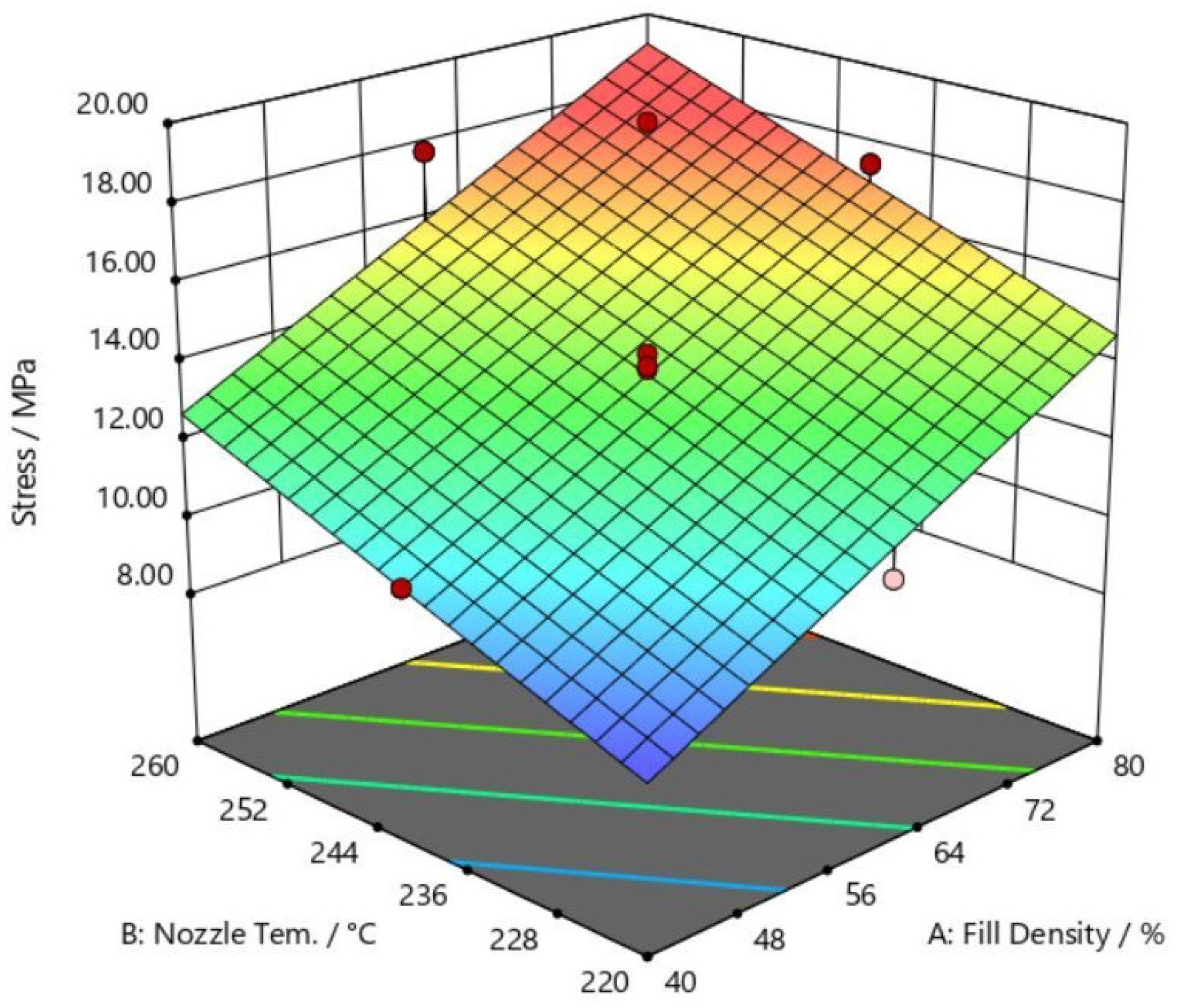
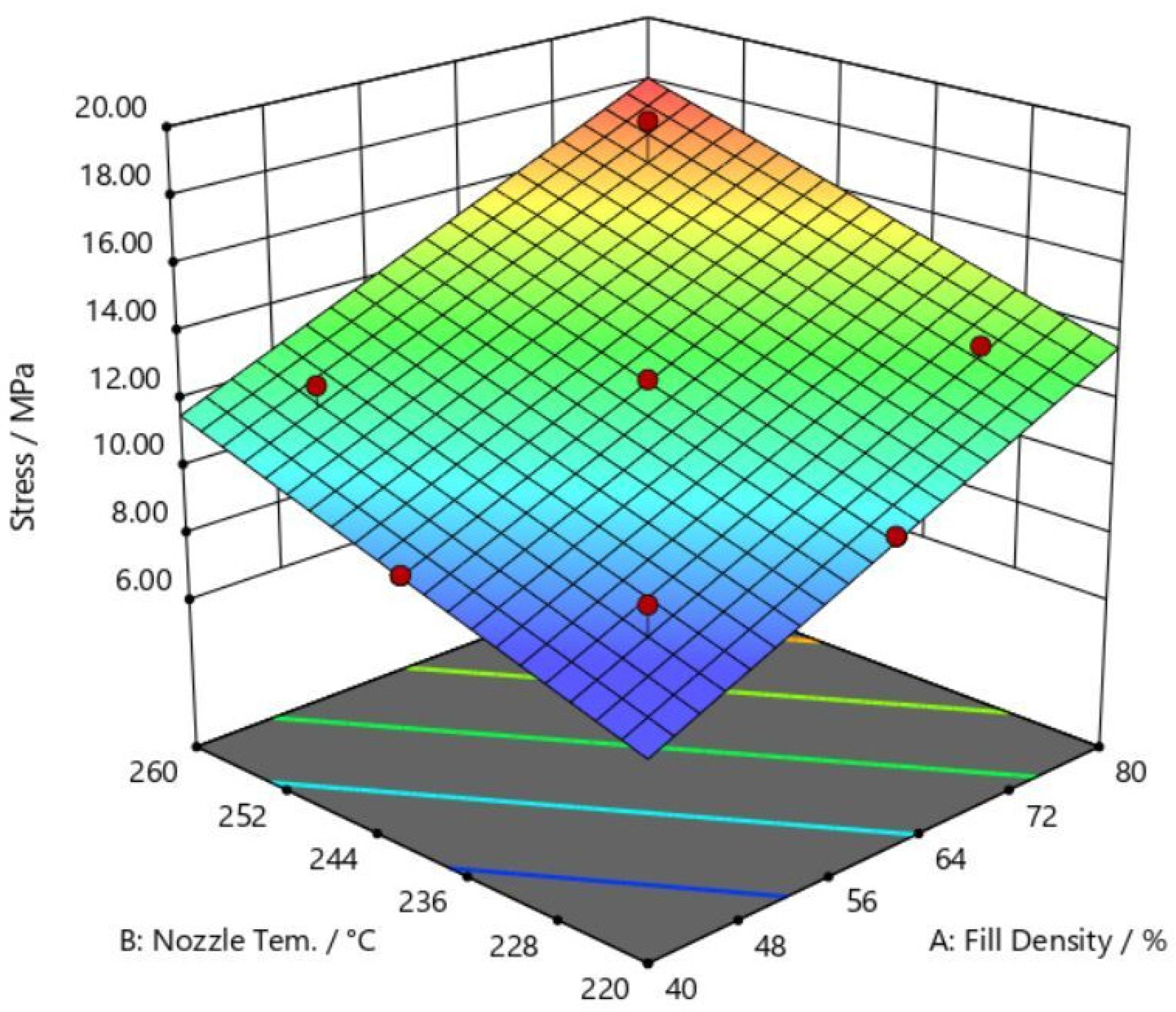
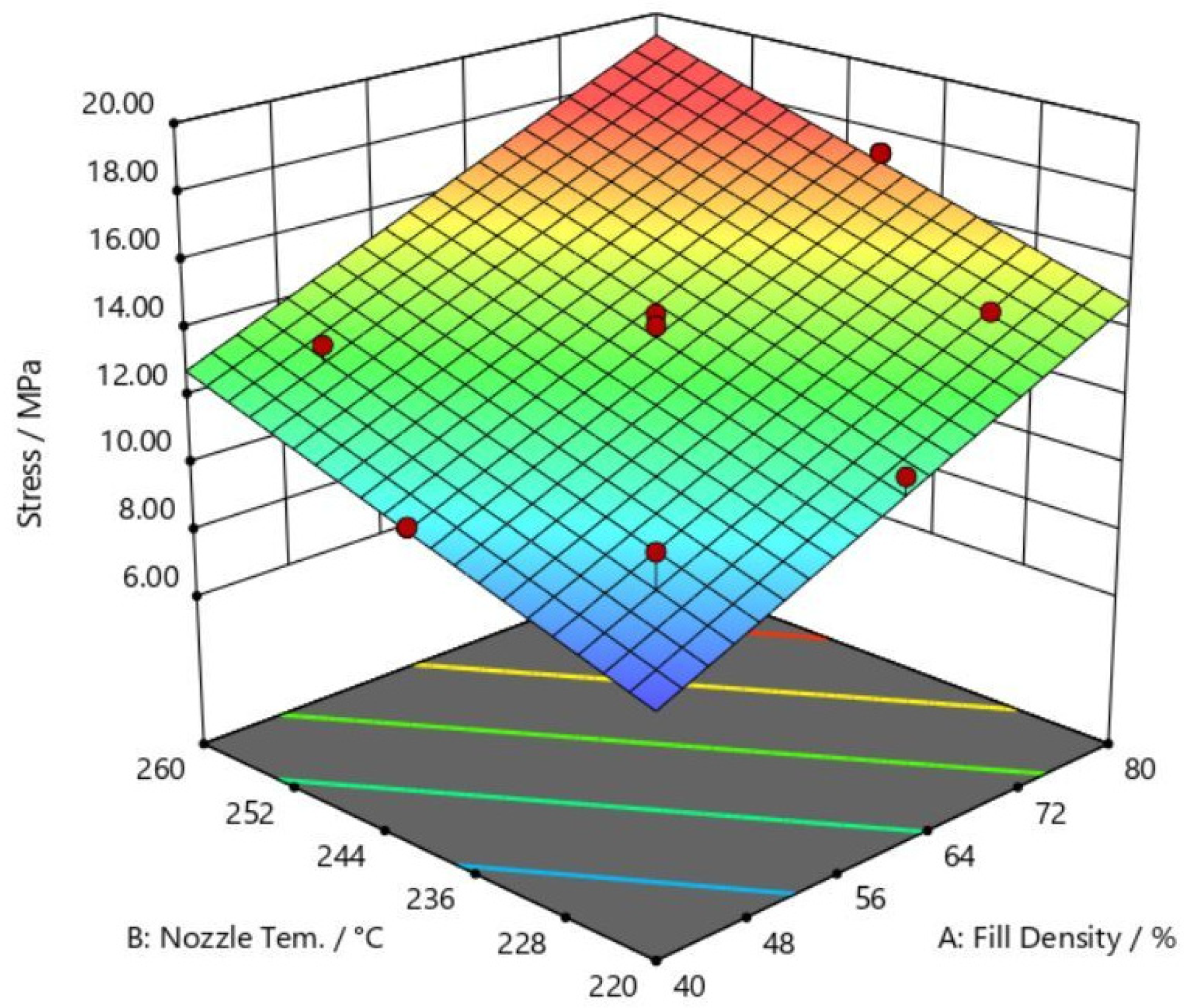
Figure 6,
Figure 7 and
Figure 8 present graphical representations of the regression models illustrating the behaviour of tensile stress under the influence of nozzle temperature, infill density, and infill pattern. The dependence of tensile stress on the input parameters is shown for Infill pattern—Grid (
Figure 6), Infill pattern—Triangle (
Figure 7), and Infill pattern—Triangle-Hexa (
Figure 8).
Analysis of the graphical representation in
Figure 6 shows a consistent increase in tensile stress with higher nozzle temperatures and infill densities for specimens with the Grid Infill Pattern. Increases in these two parameters were associated with improved mechanical properties within the investigated parameter range. A similar trend in the behaviour of polyamide structures has been observed in other studies, confirming that the concentration of polyamide can have a dual effect: lower levels promote certain processes, while higher concentrations may lead to inhibition and reduced material efficiency [
36]. This trend was not limited to the Grid infill pattern but was also confirmed by the results shown in
Figure 7 and
Figure 8, corresponding to the Triangle and Triangle-Hexa infill patterns. In all cases investigated, an increasing trend in tensile stress with higher nozzle temperature and infill density was observed, supporting the significant role of these process parameters under the defined experimental conditions. A similar trend was reported in [
8], which showed that increasing infill density and optimising deposition temperature positively affect the mechanical strength of reinforced polymer composites fabricated using the FDM process. The results indicate that the examined parameters are mutually complementary and systematically influence the strength of the fabricated structures, regardless of the type of infill geometry. This finding is consistent with the observations in [
18], where it was also confirmed that optimising the infill pattern can significantly enhance mechanical strength and impact load damping in composite cores produced by additive manufacturing methods.
Table 11 presents the standard errors of the estimated regression coefficients (in MPa), along with the corresponding lower and upper bounds of their confidence intervals (CI), indicating the statistical uncertainty associated with each model term.
Verification of model adequacy is an essential step in data analysis. It is necessary to test the estimated regression model to ensure that it provides a high-quality approximation of the actual process and to confirm that all assumptions are valid when applying the least squares method [
34].
One of the most important assumptions in testing the adequacy of a regression model is that the model errors (residuals) must be independent and normally distributed, with a mean of zero and constant variance [
34].
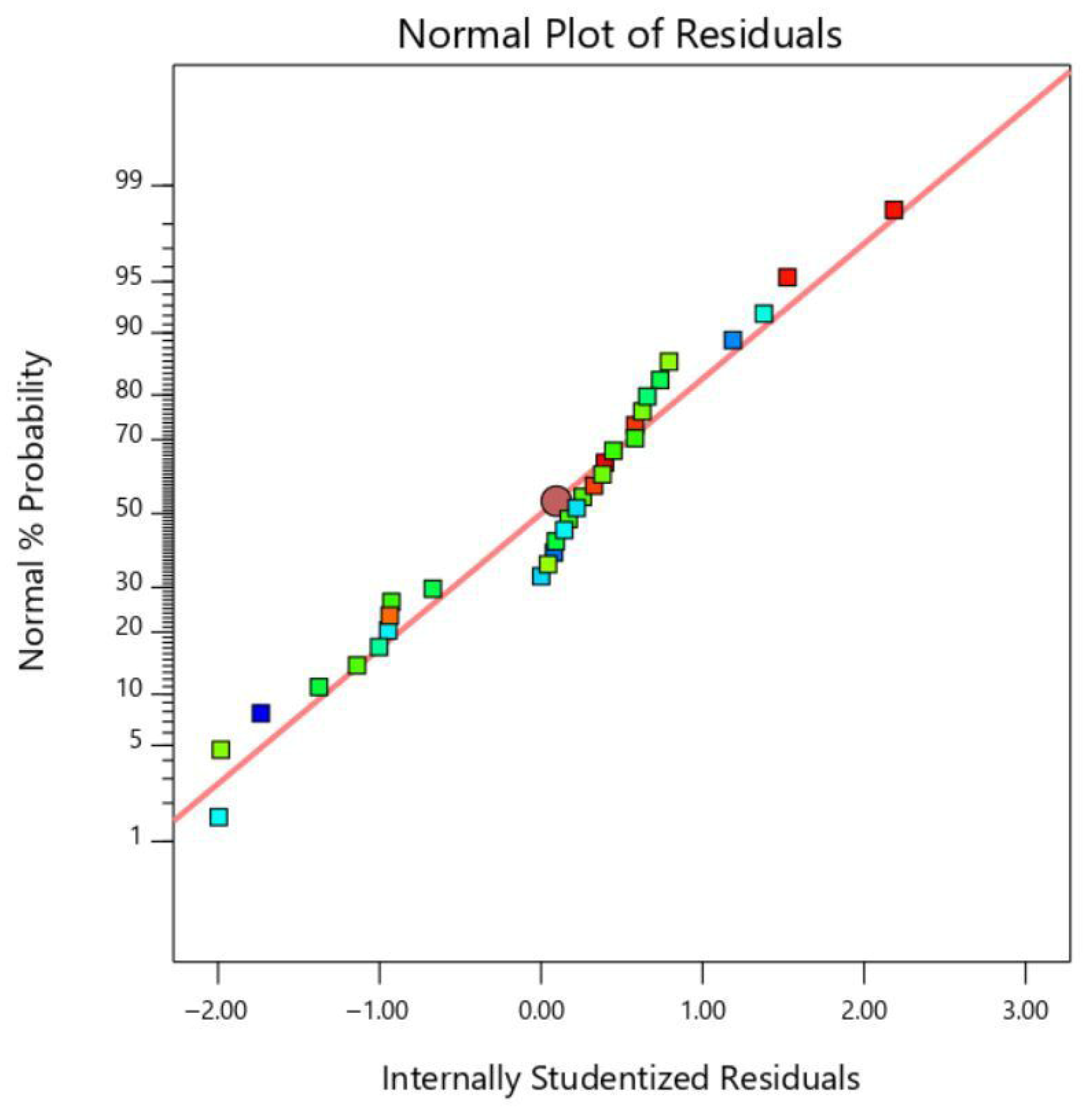
Figure 9 shows the distribution of internally studentised residuals, indicating that they follow an approximately normal distribution, as no significant deviations from the reference line were observed.
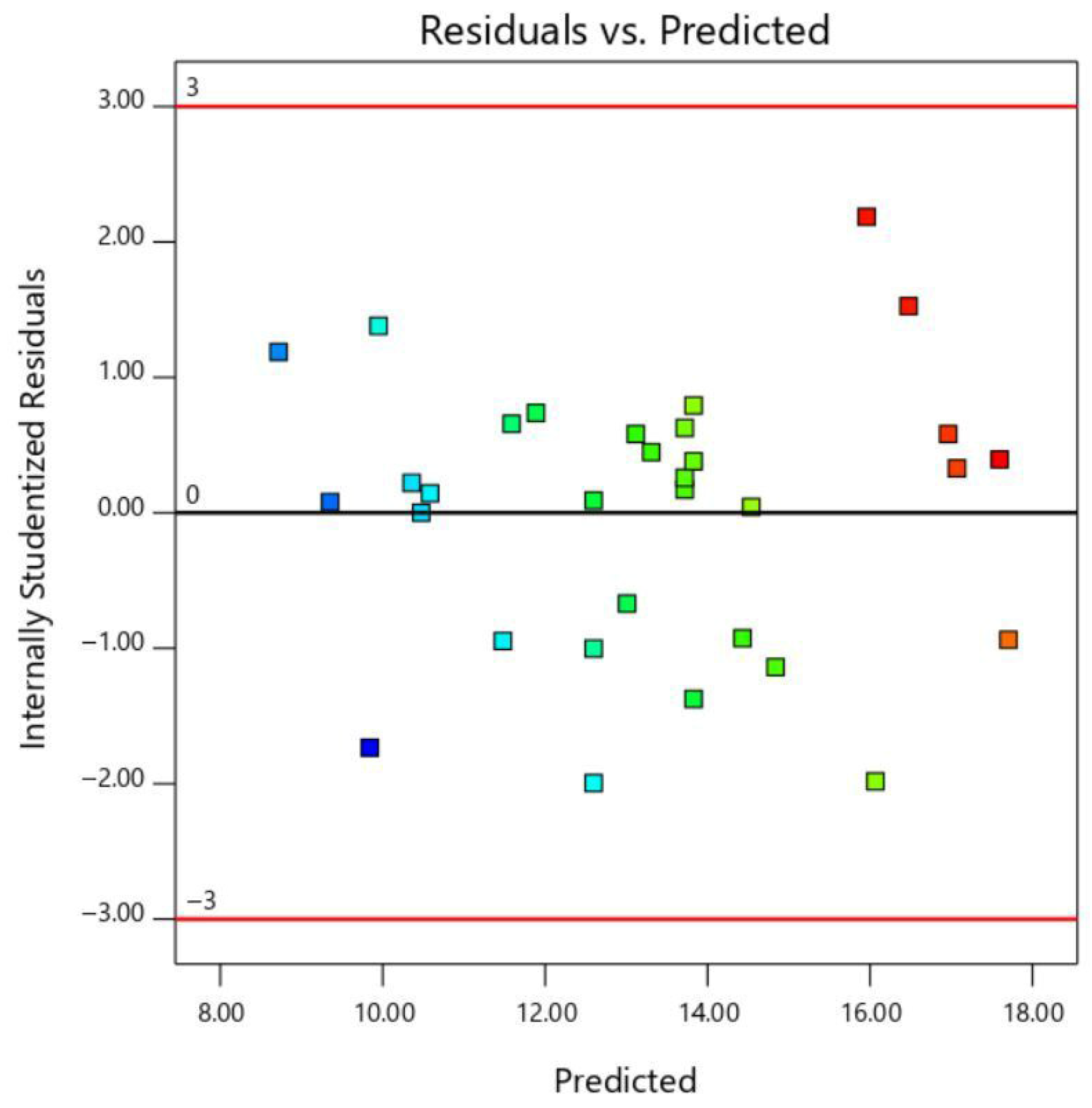
Figure 10 demonstrates that the residuals are not correlated with the predicted values, confirming the homogeneity of variance; all data points fall within the ±3 range and are colour-coded according to the magnitude of tensile stress (MPa), with the colour gradient (blue–green–red) representing increasing response values within the investigated range.
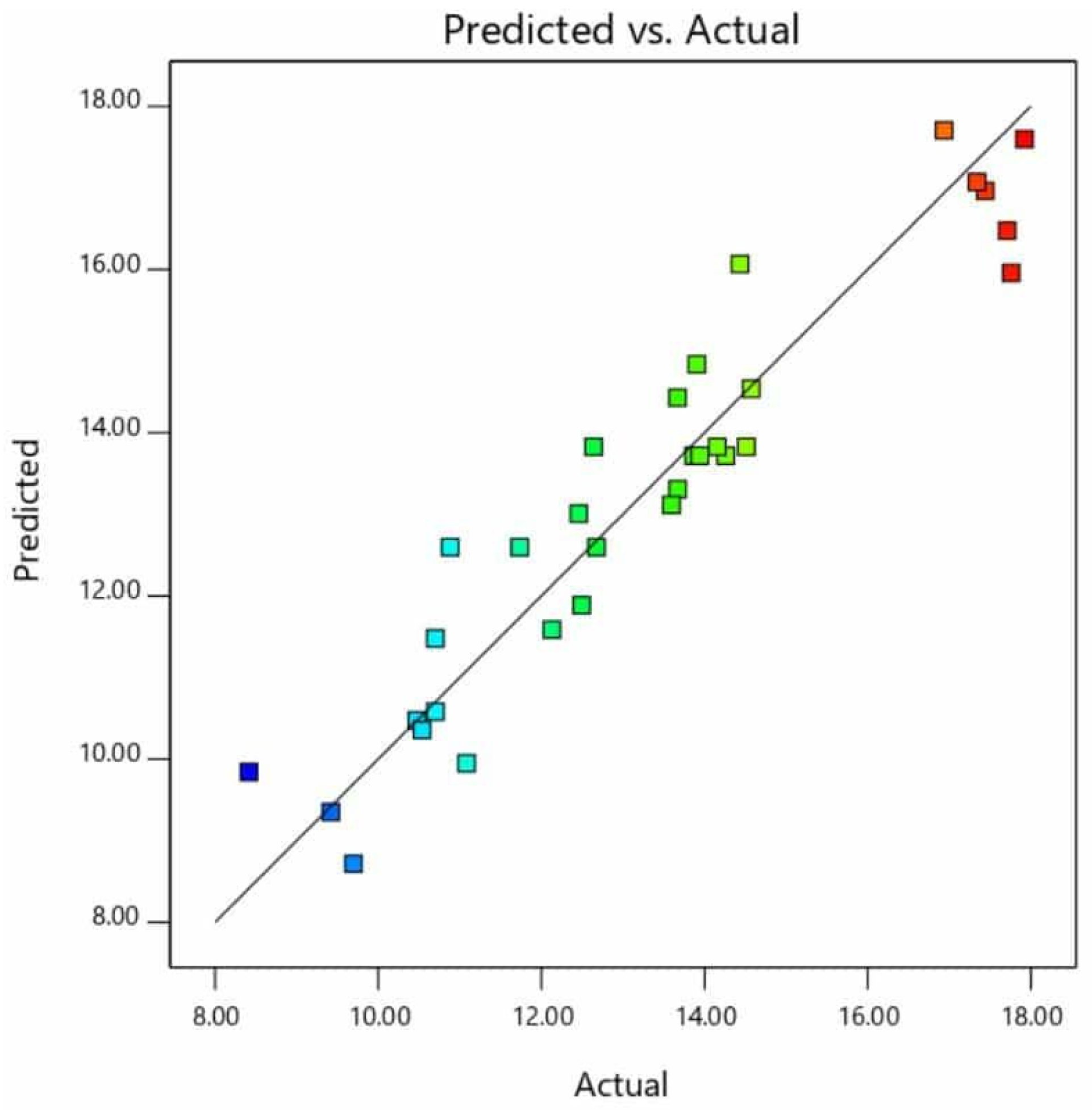
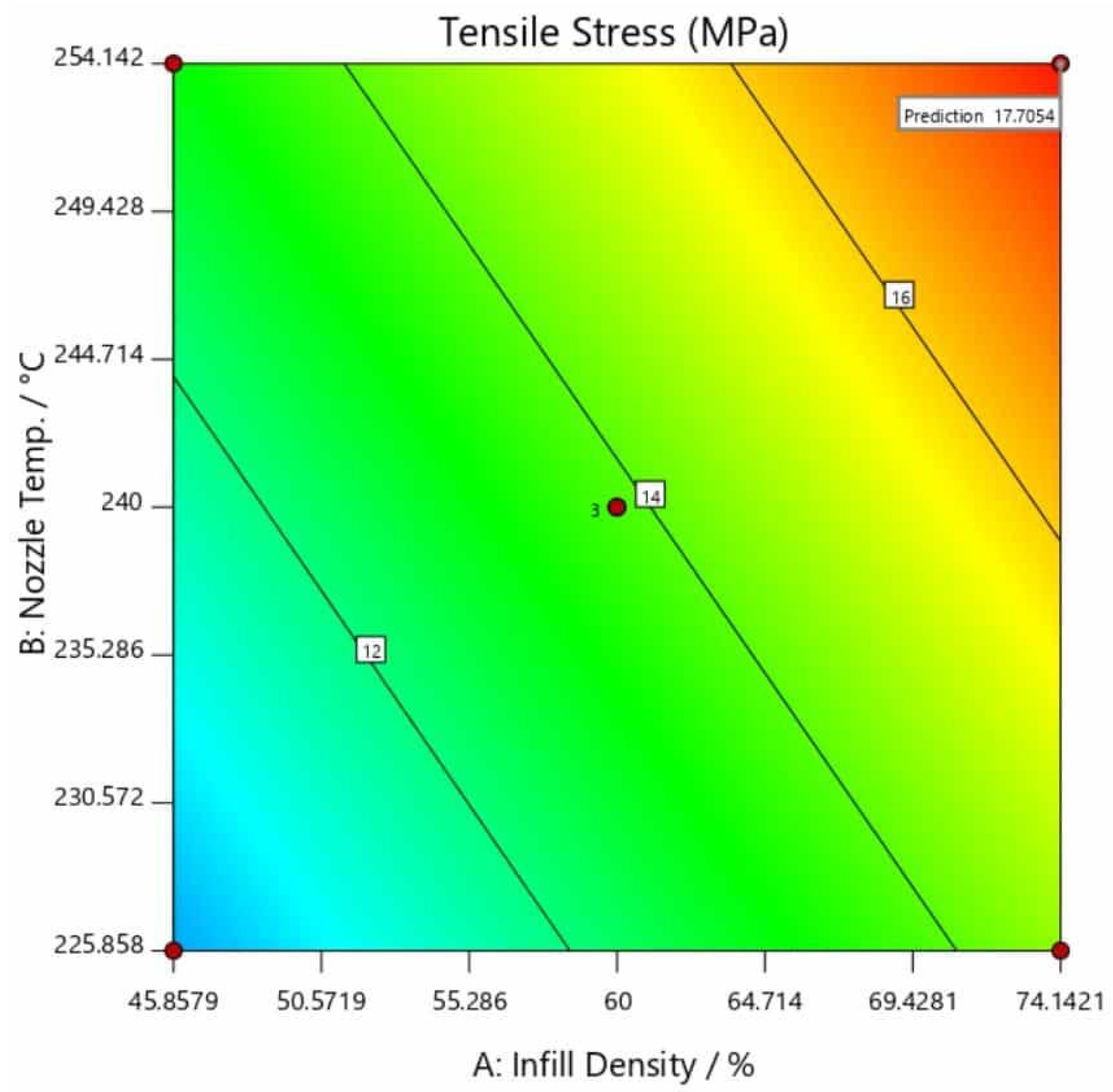
Figure 11 presents a comparison between the experimentally measured values and those predicted by the model, further confirming good agreement between experimental and predicted tensile strength values. In the response surface and optimisation plots, the large red marker indicates the optimal combination of process parameters identified through numerical optimisation.
Based on the results presented above, optimisation of the input parameters—specifically nozzle temperature, infill density, and infill pattern—can be carried out to achieve the desired response value (tensile stress) for the solution defined by the experimental design.
Table 12 provides an overview of the constraints set for each input parameter, along with the target maximum tensile stress value. The lower and upper limits of the input parameters were determined based on the statistically valid area of the Central Composite Design (CCD) methodology used in the Design-Expert software. The fill density (45.8–74.14%) and nozzle temperature (225.9–254.1 °C) limits correspond to the axial points of the experimental plan, ensuring that optimisation is conducted within the reliable region of the regression model and without extrapolation beyond the verified range. For the categorical parameter of infill geometry, the boundaries are defined according to the levels included in the experimental plan.
Table 13 lists the optimal input parameter values identified for achieving maximum tensile stress.
The optimal solution, that is, the optimal values of the input parameters (nozzle temperature and infill density) for achieving the target maximum tensile stress, is shown in
Figure 12. According to the numerical optimisation results, the Triangle-Hexa infill pattern was identified as the optimal categorical level and was therefore selected for the final parameter combination.
The analysis of the research results indicates that nozzle temperature, infill density, and infill pattern significantly influence tensile strength. This hypothesis was already supported by the preliminary experiment, in which only combinations of limited values were tested. The broader effect of their interaction was examined in the main experiment. The research conducted, therefore, provides insight into the importance of applying a scientific approach in all segments of production processes. The individual effect of certain process parameters, defined here as input variables, is very easy to verify; however, the interaction of individual parameters and their combined effects is also extremely important. By using software for experimental planning and statistical data processing, the effect of the interaction of all input variables in the planned experiment on the output variable (tensile strength) was clearly demonstrated. As previously mentioned, in preliminary research using classical methods and a simple experimental plan, it is only possible to observe that certain changes can result in different combinations of parameters. However, with more detailed analysis and processing, it is possible to develop mathematical models that can be used to assess cause-and-effect relationships; it is also possible to conduct further analyses of the collected data to define the optimal values of individual parameters that will result in the desired values and characteristics of each observed property [
34]. In this way, the fundamental principles of achieving, in this case, better tensile strength are addressed, providing a clearer understanding of the process itself. From this, it is possible to further accelerate and improve production processes.
Graphical representations, such as
Figure 6,
Figure 7 and
Figure 8, show how tensile stresses change with given infill geometries (Grid, Triangle, Triangle-Hexa) under the influence of input variables (nozzle temperature and infill density). Notably, this type of analysis and data processing led to the determination of optimal values for nozzle temperature, infill density, and infill pattern that ensure maximum stresses.
Filament manufacturers recommend nozzle temperature ranges for use during 3D printing, while end users often define specific requirements. Considering the stated temperature range, as well as the ability to adjust the density and geometry of the infill to reduce print time, highlights the importance of modelling and optimisation in design.
The target, or desired maximum tensile stress, was 17.705 MPa. For comparison, typical ultimate tensile strength values reported for injection-moulded PA6 are in the range of approximately 65–80 MPa, which is significantly higher than the maximum value obtained for the FDM-fabricated specimens in this study. This difference is commonly attributed to inherent process-induced anisotropy, interlayer bonding limitations, and other factors associated with additive manufacturing, as well as reduced interlayer diffusion and incomplete filament coalescence typical for material extrusion processes [
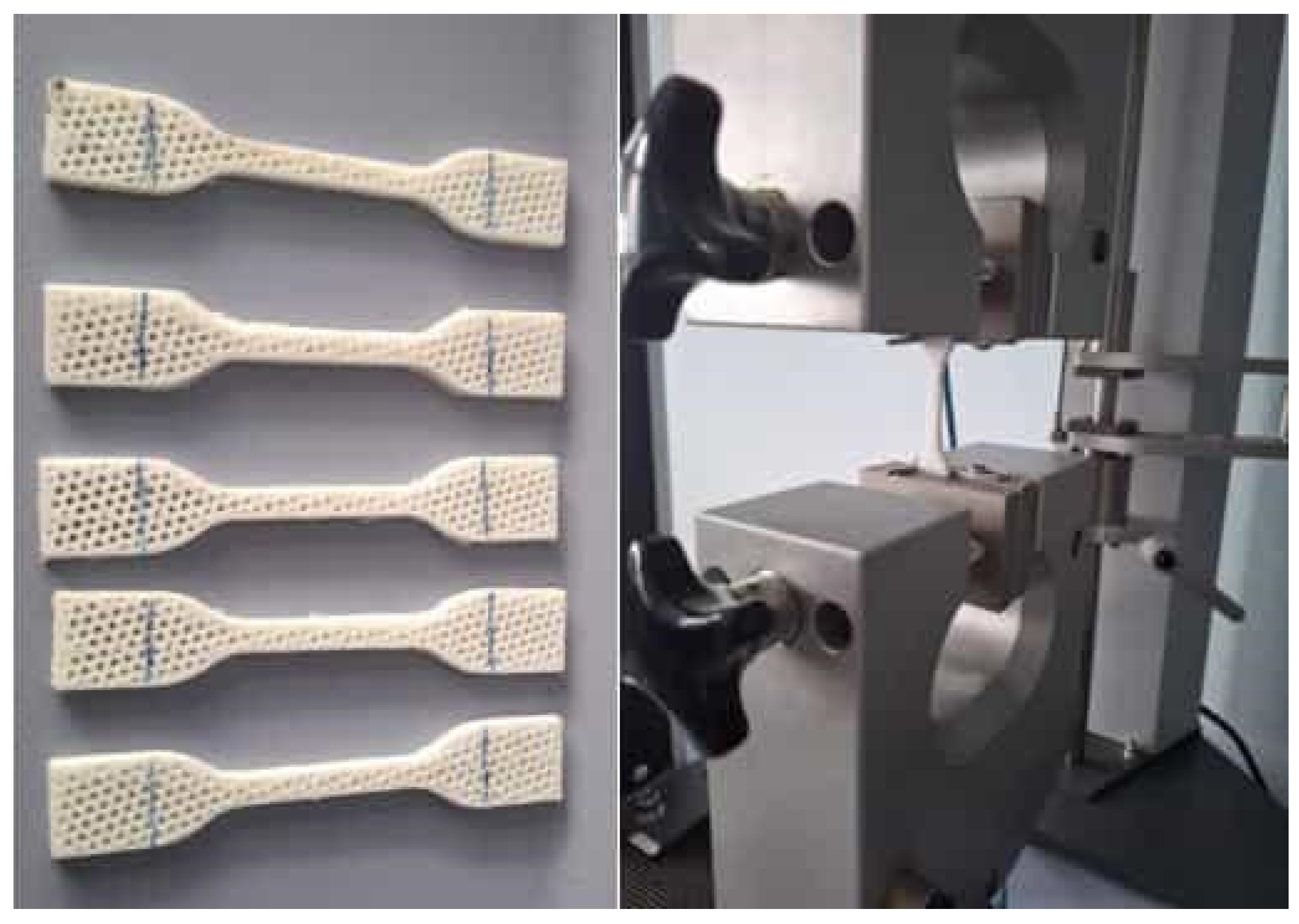
22]. Statistical analysis and subsequent optimisation of the observed process parameters showed that the target tensile stress can be achieved using the Triangle-Hexa infill pattern, by setting the nozzle temperature to approximately 254.142 °C and the infill density to 74.142%. A confirmatory experiment on five test specimens (see
Figure 13), with the parameters listed in
Table 13, will be conducted to verify the results.
Table 14 presents the tensile test results from the confirmation experiment. The reported values are the means of five consecutive tests.
The tensile strength obtained in the confirmation experiment (
Table 14) is slightly higher than the value predicted by the optimisation model (
Table 13 and
Figure 12). This deviation can be attributed to normal experimental variability and the fact that the regression model provides an estimate of the mean value within a certain confidence interval.