


Abstract
Laminated bamboo (LB) has emerged as a promising sustainable structural material due to its rapid renewability, high strength-to-weight ratio, and favorable mechanical performance. Drawing on a comprehensive review of over 90 published experimental and analytical studies, this paper provides a critical synthesis of the structural behavior of LB, with emphasis on its compression, tension, flexure, shear, and creep responses. Reported mechanical properties exhibit variability, largely influenced by bamboo species, fiber orientation, processing methods, adhesives, lamination quality, and loading configuration. While LB demonstrates high tensile and flexural strengths comparable to or exceeding conventional timber products, pronounced anisotropy and brittle failure modes are consistently observed, particularly under shear and rolling shear loading. Recent studies on cross-laminated bamboo (CLB) highlight the significant role of interlaminar behavior and adhesive performance in controlling failure mechanisms, indicating that rolling shear capacities often govern the design of planar elements. Beyond mechanical behavior, this review synthesizes available research on thermal and fire performance. Emerging research on LB connections indicates that joint behavior often governs global structural performance, with strength and ductility strongly influenced by fastener type and embedment behavior. Key knowledge gaps are identified, underscoring the need for unified design frameworks to enable broader structural adoption of laminated bamboo systems.
1. Introduction
The construction industry is undergoing a shift towards renewable and environmentally friendly building materials, driven by the need for sustainable development. Among these materials, wood—particularly engineered wood products such as cross-laminated timber (CLT) and glued-laminated timber (GLT)—has gained prominence as a viable alternative to traditional materials like steel and concrete [1].
Emerging as a promising bio-based alternative, bamboo is fundamentally distinct from traditional timber due to its exceptional growth rate and superior strength characteristics. Bamboo reaches structural maturity in approximately three to eight years, significantly faster than most timber species—making it a highly renewable resource with potential for widespread adoption in construction, including in regions like North America [2,3]. Globally, bamboo is cultivated across diverse climates in regions including South America, Africa, South and Southeast Asia, China, Japan, and parts of the United States, such as Florida [4]. Moreover, bamboo exhibits a faster CO2 sequestration rate than many traditional wood species [3]. Mature bamboo also demonstrates impressive mechanical performance, with tensile strength comparable to mild steel and a higher strength-to-weight ratio than wood, aluminum, and structural steel [5]. These characteristics motivate the transformation of raw bamboo into engineered structural composites analogous to laminated timber.
Bamboo culms are hollow, circular, and exhibit dimensional variability, which complicates their use as structural members and creates challenges for connection detailing [6,7,8]. Laminated bamboo (LB), often referred to as glued-laminated bamboo (GLB) or engineered bamboo, represents a composite product developed to overcome the natural limitations of the raw bamboo culm for structural applications. This engineering process successfully transforms the irregular raw material into certifiable prismatic structural members and consistent mechanical properties. Their mechanical performance and sustainability credentials position them as competitive alternatives to engineered timber products [7,8]. A considerable amount of research has been conducted on the material properties of laminated bamboo. For example, Li et al. [9], Sharma et al. [5,10,11,12,13,14], Correal et al. [15], etc., evaluated the mechanical and structural properties of laminated bamboo.
The adoption of LB is structurally motivated by its competitive performance relative to engineered timber, such as CLT and GLT. Laminated bamboo products demonstrate mechanical properties that are similar to, and in some cases surpass, the average values reported for traditional wood-based materials. A critical differentiation emerges when analyzing the material at a fundamental level. While timber is orthotropic, LB behaves more like a fiber-reinforced composite due to the high intrinsic strength of bamboo fiber. This extreme material anisotropy, when properly engineered, suggests that LB can be optimized for high-stress, fiber-dominant applications (such as tension members in large beams), moving its motivation from simple ecological substitution to a pursuit of high-performance structural capacity. Additionally, new forms, such as cross-laminated bamboo (CLB), inspired by CLT, are being developed to create massive panels with orthogonally alternating layers for large in-plane strength and stiffness [16].
Building upon this concept, CLB consists of orthogonally arranged laminated bamboo layers, enabling two-way load transfer and enhanced in-plane stiffness while mitigating excessive directional weakness. Compared with conventional LB, CLB provides improved dimensional stability, greater resistance to splitting, and enhanced diaphragm and shear wall potential, making it suitable for mid-to-large-scale structural systems. However, unlike CLT, the performance of CLB is strongly influenced by the interaction between highly anisotropic laminae and adhesive bond lines, particularly in rolling shear and interlaminar shear modes.
Despite the promising mechanical data, a critical disconnect remains between material characterization and widespread structural adoption. Current studies often focus narrowly on idealized laboratory conditions, leaving significant gaps regarding long-term performance, environmental durability, fire resistance, and structural system behavior under real-world loads. Crucially, a distinction must be made regarding standardization: while foundational product manufacturing standards exist to guide the fabrication and quality control of engineering bamboo, there is a distinct lack of comprehensive structural design provisions. The absence of global design codes equivalent to those for timber deprives engineers of the standardized connection equations and reliability-based design values necessary for commercial scalability.
While prior review articles have extensively cataloged the basic material properties and manufacturing techniques of bamboo composites, they often stop short of synthesizing how these fundamental properties dictate structural scale performance and failure mechanisms. To address this gap, this paper provides a critical, design-oriented review of the state of the art in laminated bamboo research. By explicitly connecting isolated material-level findings with border structural performance requirements such as rolling shear in CLB and connection ductility, this review distinguishes itself by offering actionable insights to support the development of the structural design frameworks necessary for LB’s integration into mainstream construction.
2. Manufacturing of Laminated Bamboo (LB)
2.1. Processing Techniques
The transformation of raw bamboo culms into LB products involves a sequence of processing steps that directly influence their final mechanical and durability characteristics. The generalized manufacturing process consists of splitting the culms into strips or laminae, strips are systematically arranged to form rectangular cross-sections, pretreatment (chemical or thermal), assembly, adhesive application, and finally, pressing and curing (Figure 1). Across the literature, LB is referred to using several terms, including laminated bamboo lumber (LBL), glued laminated bamboo (GLB), and laminated bamboo composite (LBC). A synthesis of prior studies (Table 1) demonstrates substantial variability in processing parameters, including bamboo species, pressing method, adhesive type, glue rate, initial moisture content (MC), and density. Correspondingly, reported mechanical properties, especially modulus of rupture (MOR) and modulus of elasticity (MOE), exhibit a wide scatter. For instance, MOR values range from approximately 39 MPa to over 145 MPa, while MOE values vary from about 7 GPa to more than 17 GPa, even for similar bamboo species such as Phyllostachys pubescens. These discrepancies indicate that LB performance is governed not solely by species but by the interaction between material selection and processing conditions.
Figure 1.
Manufacturing process of LB.
Table 1.
Articles describing manufacturing of LB.
Pretreatment techniques are commonly used to enhance the durability and dimensional stability of LB products. Thermal treatments, including caramelization, modify the chemical composition of bamboo cell walls by altering hemicellulose and lignin content. Studies comparing processing methods found that semi-caramelized LB exhibited higher strength than bleached LB specimens [10]. This highlights that thermal processing significantly influences the integrity and strength of the bamboo matrix and fiber structure, requiring careful control. The existing literature indicates that pretreatment parameters are often optimized empirically, with limited understanding of long-term mechanical and bonding consequences. This highlights a critical gap in linking pretreatment intensity to both short-term strength gains and long-term durability under service conditions. Figure 2 indicates that MOR and MOE increase with bamboo density, consistent with density-driven strengthening in LB. Significant scatter at comparable MOE levels indicates that flexural strength is not governed by stiffness alone but is strongly influenced by processing parameters, adhesive type, and specimen characteristics.
Figure 2.
Density vs. MOR and MOE plot.
2.2. Adhesives and Bonding Conditions
The structural integrity of LB products is fundamentally governed by the quality of the adhesive bond line. Achieving reliable stress transfer in bamboo is inherently more challenging than in timber due to the effects of raw materials: bamboo lacks the porous radial ray cells found in wood and possesses a highly dense, silica-rich outer cortex that resists adhesive penetration [23]. Consequently, manufacturing effects—specifically the mechanical planning of the outer layers and the selection of adhesive chemistry—act as the primary parameters controlling the performance and variability of the final composite.
While a wide range of adhesives are utilized, commonly used high-performance resins include phenol–formaldehyde (PF), melamine–urea formaldehyde (MUF), phenol–resorcinol formaldehyde (PRF), and tannin–resorcinol formaldehyde (TRF). Non-formaldehyde alternatives include polyurethane (PUR), emulsion polymer isocyanate (EPI), and polyvinyl acetate (PVA). Their efficacy must be evaluated based on the specific architectural layup of the composite:
- Unidirectional LB: In parallel-laminated products where loads are transferred via longitudinal shear, rigid formaldehyde-based resins (e.g., PRF, PF) generally outperformed flexible adhesives (e.g., PUR), yielding higher shear strength and more consistent performance [24].
- CLB: The orthogonal layers in CLB create complex interlaminar and rolling shear stresses. In these applications, the mechanical stiffness of the adhesives is a highly controlling parameter. Studies evaluating varied adhesives (i.e., EPI, PUR, MUF, hybrid polymer adhesive (HPA), and PVA) in CLB reveal that stiffer resins like MUF provide superior shear resistance under orthogonal loading, whereas highly flexible adhesives like EPI exhibit lower shear capacities [25]. Interestingly, manufacturing variables such as clamping pressure have been shown to have a negligible effect on CLB shear performance compared to the dominant influence of the adhesive chemistry itself [25].
- Bamboo–Timber hybrids (CLBT): When bridging bamboo and timber—material with a distinct hygrothermal expansion coefficient—PRF provides the excellent bonding behavior necessary to prevent delamination [26], aligning with mass timber industry standards, which heavily rely on PRF, PUR, and EPI [27].
2.3. Durability and Environmental Sensitivity
While initial mechanical characterization is critical, the long-term structural viability of LB is ultimately dictated by its environmental durability. A major vulnerability of LB and CLB is bond line degradation and delamination driven by moisture ingress and cyclic hygrothermal swelling.
Crucially, the pursuit of long-term durability introduces a fundamental paradox regarding the sustainability of engineered bamboo. Formaldehyde-based resins (such as PRF and MUF) reliably provide the requisite hygrothermal stability and long-term bonding integrity required for load-bearing structures [25,28], exhibiting significantly lower delamination rates during moisture cycling than the alternative [29]. However, these adhesives compromise the material’s bio-based credentials due to the emission of Volatile Organic Compounds (VOCs), raising toxicity concerns for indoor environments. Conversely, non-formaldehyde alternatives (like PUR) resolve the toxicity gap [29] and require extensive validation to prove they can withstand decades of moisture exposure without catastrophic delamination. Furthermore, thermal modifications intended to improve fungal resistance (such as heated palm oil treatments) can inadvertently deactivate surface wettability, leading to a drastic reduction in glue-line shear strength by up to 47%. Consequently, protective processing methods cannot be developed in isolation; they must be strictly validated against adhesive compatibility.
3. Mechanical Properties
The fundamental mechanical behavior of LB is critically governed by its inherent anisotropic nature, a characteristic derived from the highly aligned vascular bundles (fibers) within the bamboo culm. The strength parallel to the grain (fiber direction) is dominated by the high tensile capacity of the fibers, while strength perpendicular to the grain is controlled by the comparatively weaker parenchyma matrix and the adhesive bond lines. This results in extreme ratios of longitudinal to transverse strength, firmly establishing LB as a complex composite material.
Critically, significant variations in the reported mechanical properties of laminated bamboo persist, as efforts toward standardizing production and testing are still in their nascent stages. To accurately characterize and compare research results, establishing standardized manufacturing processes and unified test procedures, exemplified by the schematics in Figure 3, remains a prerequisite for advancing LB into mainstream structural applications.
Figure 3.
Test schematic for investigation of mechanical performance of LB (per ASTM D143): (a) tension parallel to grain; (b) tension perpendicular to grain; (c) compression parallel to grain; (d) compression perpendicular to grain; (e) shear parallel to grain; and (f) three- and four-point bending, adapted from [7].
3.1. Compression
The compressive performance of LB has been extensively investigated due to its direct relevance to load-bearing structural components. Table 2 summarizes the available experimental studies, including bamboo species, lamination techniques, adhesive systems, specimen geometries, failure modes, and measured compressive strength and elastic modulus. Most studies adopted ASTM D143 [30], with Moso bamboo (Phyllostachys pubescens) being the predominant species used. However, alternative standards such as GB/T 50329 [31], BS EN 373 [32], BS EN 408 [33], ASTM D3410 [34], ASTM D1037 [35], BS EN 1087 [36], and GB/T1939 [37] have also been employed. A representative compression test configuration is shown in Figure 3.
Table 2.
Summary of compression tests for LB.
Across the literature, LB specimens were fabricated using hot pressing, cold pressing, or clamping methods. Specimens’ cross-section ranged from 10 mm × 16 mm to 100 mm × 100 mm with lengths between 45 mm and 300 mm, reflecting the limited universally adopted testing standard for engineered bamboo. Correspondingly, reported compressive strength values varied widely, ranging from 7 MPa to 82.5 MPa. This wide scatter highlights how deeply compressive behavior is coupled with testing parameters, specifically how different testing standards dictate specimen geometries that inadvertently trigger different failure mechanisms (e.g., global buckling in slender specimens versus localized crushing in stocky ones), further compounded by grain orientation, lamination procedure, and adhesive type.
3.1.1. Failure Mechanism
Compression buckling was the dominant failure mode observed across the studies [10,21,42,43,50]. Micro-buckling of fibers combined with interlaminar delamination was frequently reported as a governing failure mechanism [44]. This behavior underscores the pronounced anisotropic, composite nature of LB, which acts as a system of stiff, aligned fibers embedded in a relatively compliant polymer–lignin matrix. However, short columns typically fail via end crushing, fiber micro-buckling, or longitudinal splitting along the adhesive matrix [40,51]. These failure modes might scatter sometimes due to natural bamboo nodes, through adhesive layer separation, or via out-of-plane testing plates.
Strain capacity and failure modes showed strong directional dependence parallel to grain loading, yielding a stiff, elastic, brittle response with narrow failure strain ranges (0.0026–0.00325 mm/mm), culminating in sudden stiffness degradation and progressive loss of load-carrying capacity [44]. Conversely, perpendicular to grain loading yields a highly ductile, matrix-dominated response, resulting in significantly higher strains at failure (0.008–0.01 mm/mm) [42].
Across multiple studies, LB compression behavior can generally be described as either elastic–perfectly plastic or tri-linear stress–strain behavior. In the parallel direction, linear elastic response persists up to a strain of 0.003–0.005 mm/mm, followed by yielding and strain hardening or softening until peak stress at 0.02–0.03 mm/mm, and ultimate failure strains reaching 0.045–0.05 mm/mm. Crucially, unless manufacturing defects are present, adhesive bonding strength rarely dictates ultimate compressive failure; instead, failure is governed by the bamboo laminae tearing, folding, or developing interlaminar cracks (shown in Figure 4) [43].
Figure 4.
Failure modes of specimens under compression loading: (a) tearing, (b) folding failure, (c) cracks between bamboo laminates.
3.1.2. Influence of Material Characteristics
Compressive performance depends heavily on the anatomical grading of the raw bamboo. Nodes act as natural weak points that significantly reduce structural capacity [50]. Conversely, strips from the outer wall and upper culm yield higher compressive strength and stiffness due to denser vascular bundles [38]. Sharma et al. [5,10,11] reported that loading parallel to the grain exceeds transverse strength by approximately a factor of three, reflecting fiber-dominant load transfer in the longitudinal direction. Failure in these cases was primarily governed by debonding at the fiber–matrix interface once the fiber rigidity threshold was exceeded. Studies reported that vascular bundle content drastically improves compressive performance; a 33.6% increase in vascular bundles yields a 25% increase in peak compressive load [39].
3.1.3. Effect of Processing Method
Processing treatments further control compressive behavior by altering the polymer matrix. Thermal caramelization enhances fiber–matrix integrity, yielding up to 1.4 times the compressive strength of bleached specimens [10]. Regardless of treatment, stress–strain mechanics depend on loading direction: parallel-to-grain loading shows distinct yielding (~1% strain) and peak stress (~4% strain), while perpendicular-to-grain compression is matrix-controlled, lacking a yield point and sustaining stress beyond 10% strain [10].
3.1.4. Influence of Geometry, Orientation, Adhesive, and Poisson Effect
The interplay between geometric form, load direction, and fiber orientation dictates much of the variability reported in the literature. Studies on LB with epoxy composites demonstrated that the fiber orientation plays a critical role in compressive strength variability [44,45]. Specimens with 0°/0° fiber alignment exhibited the highest compressive strengths (78–82.5 MPa), whereas off-axis configurations (0°/45°, 0°/90°) showed notable reductions (48.6–78.9 MPa). Correal et al. [15] investigated effects on grain direction and revealed that specimens loaded parallel to the grain exhibited ductile, inelastic behavior with sustained strength up to 0.01 mm/mm strain. In contrast, perpendicular-to-grain specimens showed continuous stress increases up to strains of 0.05 mm/mm, with tangential direction strengths exceeding radial strengths due to densification effects during fabrication.
Xiao et al. [26] reported that specimen geometry and grain orientation further influence compressive response. Thicker LB strips exhibited up to 43% higher compressive strength in the parallel-to-grain direction, while thickness had minimal influence under perpendicular loading. Yang et al. [48] found that grain orientation studies spanning 0–90° revealed that specimens oriented at 15°, 30°, and 45° failed in a brittle manner, whereas those at 0°, 60°, 75°, and 90° displayed ductile behavior. Poisson’s ratio increased from a grain angle, peaking at 30°, with reported values ranging from 0.06 to 0.31. Furthermore, cross-section morphology (number of glue lines) does not significantly affect ultimate bearing capacity, but does reduce overall ductility [39].
Hong et al. [41] examined the transverse compressive performance of LBL under both local and entire surface stresses. It was found that the compressive strength in the tangential direction was approximately 1.1 times greater than that in the radial direction, which is attributed to the increased tangential densification pressure during the production process. The specimens exhibited elastic–plastic behavior in their stress–strain response, showing no decrease even after reaching a strain of 0.045 mm/mm.
Sinha et al. [21] studied the influence of grain direction and type of adhesive (isocyanate (ISO) and phenol resorcinol formaldehyde (PRF)) on compressive behavior of bamboo glued beams (BGBs). The compressive strength of BGBs was not affected by the adhesive type. However, specimens loaded perpendicular to the grain reported strengths up to six times higher than those loaded parallel to the grain, which contrasts with most other studies. This severe contrast with most other studies highlights how global structural configurations and lateral restraints in specific beam testing setups can alter expected material-level responses. Furthermore, a comparative assessment across different studies, incorporating variations in adhesive systems, revealed that the compressive performance demonstrated a coefficient of variation (COV) of approximately 32% in the parallel-to-grain direction and 25% in the perpendicular-to-grain direction. This observed variability is primarily attributed to differences in adhesive type and bamboo species, as illustrated in Figure 5. Also, it is observed from Figure 5 that glue type does not have a significant influence on ultimate compressive strength.
Figure 5.
Compressive strength variation as function of species and adhesives [5,8,10,15,40,43,44,45,47,48].
Poisson’s ratio for LBL ranges from 0.25 to 0.40, which is generally lower than that of timber [15]. The values differ between orthogonal planes, demonstrating distinct physical anisotropy [42]. A higher number of adhesive interfaces restricts transverse expansion, which artificially increases the measured Poisson’s ratio and decreases specimen ductility [39].
3.1.5. Scale Effects and Volume Dependency
Compression studies revealed that cross-sectional morphology has a limited influence on peak load capacity but significantly affects ductility, while vascular bundle density dictates peak load and failure pattern [39].
Size effects were evident in the short column test, where increasing specimens’ volume resulted in a 17% reduction in compressive strength and reduced strain capacity in both transverse and longitudinal directions [40]. The transverse and longitudinal strain carrying capacity reduced from 0.03 to 0.011 mm/mm and 0.06 to 0.035 mm/mm, respectively, as the volume was increased. The size effect in LBL is smaller than in timber (~0.11) due to fewer internal defects like knots [40].
3.1.6. Temperature and Aging Effects
Environmental stress shifts the weakest compressive link to the adhesive matrix. Zhang et al. [49] investigated GLB under flatwise compression perpendicular to the grain at 20 °C to 250 °C, identifying a temperature-dependent shift in failure mechanisms. Under full-surface loading, failure transitioned from inclined shear below 180 °C to adhesive layer cracking at higher temperatures, while local compression consistently caused adhesive cracking. An aging study [47] showed direction-dependent failures: fiber-dominated directions exhibited buckling and surface fracture, whereas matrix-dominated directions showed crushing and delamination. Accelerated aging led to more delamination than natural aging, suggesting it may overestimate degradation. The material exhibited a tri-linear stress–strain response, remaining linear up to 0.003 mm/mm and reaching peak strength around 0.03 mm/mm.
3.1.7. Extension to CLB
When transitioning from unidirectionally laminated products to cross-laminated architectures, compression tests on CLB revealed interlaminar delamination as the primary failure mode. While lamina orientation influenced compressive strength, its effect was less pronounced than in parallel bamboo strand lumber systems due to the orthogonal layout resisting uniform fiber buckling. Interestingly, the highest compressive strength was observed for specimens with 15° off-axis orientation, suggesting complex stress redistribution mechanisms in cross-laminated configurations [48].
3.2. Tension
Tensile performance is one of the critical mechanical characteristics of LB, as bamboo fibers possess exceptionally high tensile capacity along the grain direction. A substantial body of experimental research has been conducted to quantify tensile strength, elastic modulus, and failure mechanism across a wide range of specimen configurations. Table 3 consolidates the available studies, including bamboo species, lamination and adhesive systems, specimen geometries, testing standards, and observed failure modes. The majority of investigations employed ASTM D143 [30], with Moso bamboo (Phyllostachys pubescens) being the most commonly used species. Additionally, testing standards such as ASTM D3039 [52], NTC 961 [53], ISO 527-4 [54], ASTM D1037 [35], and BS EN 1087 [36] have been adopted, introducing the variability in loading protocols and specimen preparation. A schematic diagram of the tensile testing is represented in Figure 3.
Table 3.
Summary of tension tests for LB.
Across the literature, LB exhibits a wide range of tensile strength values, spanning from approximately 21 MPa to over 200 MPa, depending primarily on grain orientation, lamination configuration, and material processing. The reported moduli of elasticity ranged from 1.7 GPa to nearly 14 GPa, reflecting the highly anisotropic nature of bamboo. This variability underscores the strong dependence of tensile response on fiber alignment and matrix participation, as well as the lack of standardized fabrication and testing procedures.
3.2.1. Failure Mechanism
Observed tensile failure modes include longitudinal fiber rupture, matrix cracking [44,45], shear failure [56], and interlaminar delamination [55] (Figure 6). These failure modes are heavily dependent on the chosen testing standard and specimen grip configuration. In specimens loaded parallel to the grain, failure is typically governed by fiber rupture, resulting in brittle fracture after linear elastic response [8]. Conversely, specimens loaded perpendicular to the grain predominantly fail through matrix cracking and delamination, often accompanied by multiple transverse cracks, particularly in the anvil or grip regions. In most cases, failure was classified as a bamboo material failure rather than an adhesive failure, indicating that properly selected adhesives generally exceed the tensile capacity of the bamboo matrix. In some of the LBL specimens loaded perpendicular to the grain, lead to multiple cracks within the anvil region [5,10,44,45,58]. This high frequency of grip-induced failure highlights a systemic challenge in standardized testing of highly anisotropic materials, where shear stress concentrations at the grips often prematurely exceed the transverse capacity of the matrix. The presence of nodes introduces localized stress concentrations, leading to brittle tensile failure. Tensile cracking frequently initiates at nodes or adjacent glue lines, confirming that structural heterogeneities inherent to bamboo culms significantly affect tensile reliability [21]. Typical tension response exhibits an elasto-brittle behavior, which is highly linear up to the point of ultimate failure, lacking the plastic yielding or bilinear “knee” as seen in compression [8,10].
Figure 6.
Failure modes of specimens loaded in tension (a) fiber rupture, (b) shear failure, and (c) interlaminar delamination.
Experimental results consistently demonstrate an extreme strength contrast between longitudinal and transverse loading. Tensile strength perpendicular to the grain has been reported to be approximately 40–55 times lower than that parallel to the grain [5,10,15], highlighting the dominant role of aligned fibers in load resistance and the vulnerability of the matrix-controlled transverse direction.
3.2.2. Effect of Processing Methods
Processing treatments such as caramelization and bleaching have a measurable but secondary influence on tensile behavior. Because longitudinal tensile capacity is fundamentally governed by the cellulose fibers rather than the lignin matrix, treatments that primarily alter the matrix chemistry have a less pronounced effect on tension than on compression or shear. Both treatments yield linear elastic responses until failure (strains of ~0.01 mm/mm parallel and 0.02 mm/mm perpendicular). Unlike compression, thermal caramelization decreases tensile strength, while bleached specimens exhibit slightly higher perpendicular tensile strength [10].
3.2.3. Influence of Geometry, Orientation, and Adhesive
Fiber orientation critically dictates tensile capacity [43,44,45]. Unidirectional laminates (0°/0°) exhibit the highest tensile strength and stiffness, while off-axis configurations (0°/45°, 0°/90°) show progressive reduction in strength. Experimental observations indicate that failure typically initiates with matrix cracking, followed by fiber rupture within individual layers and subsequent propagation across laminae. In some cases, stress concentrations at specimen grips or edges triggered premature failure [44,45]. Quantitatively, reported tensile strength for 0°/0° laminates reached values as high as 240 MPa, with corresponding elastic moduli approaching 17 GPa, whereas 0°/90° configurations showed reduced strength and stiffness. These findings confirm that increasing lamina misalignment reduces the effectiveness of fiber load transfer and promotes a shear-dominant failure mechanism.
Systematic investigation by Chow et al. [56] about off-axis tensile behavior demonstrated a sharp decline in tensile strength and stiffness as grain angle increased from 0° to 30°, with reductions of up to 80%. Beyond 45°, strength degradation became less pronounced. Identified failure modes transitioned from longitudinal fiber rupture at 0° to shear-dominated failure at low off-axis angles and ultimately to transverse matrix failure at high angles. In multi-ply configurations, tensile capacity was strongly influenced by the phase difference between plies. Maximum tensile strength was observed for 0°/0° configurations, while increasing phase mismatch resulted in reduced strength. However, configurations combining 0° layers with moderate off-axis orientations (e.g., 15–45°) retained substantial tensile capacity, indicating potential for optimized laminate designs that balance strength and multidirectional performance. The mean tensile strength values ranged from 4.7 MPa to 82.1 MPa, contingent upon the ply angles and phase differences. The maximum tensile strength values for phase differences ranging from 0° to 90° were observed for the two-ply configurations with ply 1 oriented at 0° and ply 2 oriented at angles of 0°, 15°, 30°, 45°, and 90°, corresponding to values of 82.1 MPa, 65.6 MPa, 59.6 MPa, 67.4 MPa, and 56.8 MPa, respectively. Figure 7 illustrates the longitudinal (parallel-to-grain) tensile strength of laminated bamboo across four adhesive categories, highlighting a fundamental trade-off between capacity and reliability. It is critical to note that these high strengths are strictly directional; due to extreme material anisotropy, transverse (perpendicular-to-grain) tensile capacity is severely limited, typically ranging from only 0.5 to 5 MPa. Under parallel loading, polyurethane (PUR) and phenol–formaldehyde (PF) systems provide highly consistent, predictable strengths (medians of 85–95 MPa). Conversely, epoxy and mixed/other adhesives mobilize significantly higher peak strengths (medians of 180–190 MPa) but exhibit extreme data scatter. While these stiffer resins better exploit the bamboo’s inherent longitudinal fiber capacity, their severe sensitivity to manufacturing variations currently precludes them from reliable structural standardization compared to the more stable PUR and PF adhesives.
Figure 7.
Tensile strength parallel to the grain of LB as a function of adhesive.
Strip thickness has been shown to have minimal influence on longitudinal tensile strength, indicating that tensile capacity parallel to the grain is primarily governed by fiber properties rather than geometric scaling effects [26]. Variation in grain orientation further revealed that specimens loaded parallel to the grain exhibit linear elastic behavior until brittle fracture at a failure strain of approximately 0.008 mm/mm, whereas perpendicular loading produces higher failure strains up to 0.02 to 0.03 mm/mm despite much lower ultimate strength [15].
3.2.4. Aging Effects
Bamboo fibers resist environmental degradation far better than the polymer matrix and bond lines [47]. Under both outdoor exposure and accelerated aging, aging induces direction-dependent degradation: parallel tensile strength experiences an initial drop before stabilizing, whereas perpendicular tensile strength degrades progressively to negligible levels (~1 MPa) due to severe matrix breakdown. Fiber-dominated tensile resistance remains comparatively robust, whereas matrix-dominated tensile performance is highly susceptible to moisture and weathering. Notably, the matrix shows a more pronounced tendency to deteriorate over time. GLB specimens under tensile loading parallel to the grain exhibited elastic behavior up to a strain of 0.012 mm/mm.
Environmental exposure strongly affects tensile behavior, particularly in matrix- and adhesive-controlled directions. Under elevated temperature (45 °C) and humidity (95% RH), MUF adhesives demonstrated superior durability with reduced delamination, whereas PVA showed significant degradation. Despite higher initial tensile strength parallel to the glue line for PVA-bonded specimens, this did not correspond to long-term performance, underscoring the disconnect between short-term strength and durability in harsh environments [55].
3.2.5. Extension to CLB
Tensile studies on cross-laminated bamboo (CLB) revealed interlaminar fracture as the dominant failure mode, with fractures typically occurring near the specimen mid-length. Lamina orientation influenced tensile capacity, with maximum strength observed in orthogonally arranged configurations (0°/90°). Compared to unidirectional LB systems, CLB exhibits reduced tensile strength but enhanced multidirectional load resistance, reflecting a trade-off between strength and structural robustness [59].
3.3. Bending
Table 4 summarizes the experimental investigations reported in the literature on the flexural behavior of LB. Most investigations utilized Phyllostachys pubescens due to its favorable mechanical properties and widespread availability for structural applications. Specimens were fabricated using a range of adhesives, including PF, MUF, epoxy, PUR, and bio-based isocyanates, with lamination achieved through methods varying from manual clamping to industrial-scale hydraulic hot pressing, reflecting both laboratory-scale research and commercially relevant manufacturing processes. Specimen dimensions and test configurations were largely governed by the selected standards, e.g., ASTM D143 [30], BS EN 408 [33], BS EN 373, ASTM D7264 [60], ASTM D198 [61], ASTM D1037 [35], NTC961 [53], GB/T 50329 [31], JG/T 199 [62], and BS EN 1087 [36]. A schematic diagram for flexural testing is presented in Figure 3.
Table 4.
Summary of bending tests for LB.
Flexural properties were found to be primarily influenced by bamboo species, adhesive selection, lamination quality, laminate thickness, and fiber orientation. Failures typically occurred as sudden brittle fractures originating from defects or interfaces, although some instances of gradual crack growth leading to final failure were observed. Under flexural loading conditions, the prominent failure modes observed were tensile rupture on extreme tension fibers, interlaminar shear cracking along glue-lines, crushing/wrinkling of bamboo on the compression side, and flexural–shear failure. The composite interaction between the bamboo species, its interface adhesion with the polymer matrix, and the fabricated geometry determined the governing failure mechanism. General observation made by Sharma et al. [14] is that the flexural strength of LB is comparable to that of other wood-based material.
3.3.1. Failure Mechanism
Across studies, flexural failure was generally brittle, characterized by sudden fractures initiated at material defects or adhesive interfaces. Common failure modes included tensile rupture at the extreme tension fibers, interlaminar shear cracking along the glue lines, crushing or wrinkling in the compression zone, and combined flexural–shear failure.
Sinha et al. [21] categorized flexural failures into interlaminar shear failures in tension and compression zones, mid-depth shear failures, and tensile rupture. Sulastiningsih et al. [50] reported that the presence of nodes did not significantly affect the MOR, suggesting that macroscopic discontinuities may be less critical than adhesives and lamination quality in flexural performance. Dauletbek et al. [7] noted that specimen dimensions influenced failure patterns, with smaller specimens typically failing through outer-layer fracture. A common failure mode was observed in other studies, as shown in Figure 8. The governing failure mode under bending is not solely a material property but is co-determined by specimen geometry and the prescribed test standard. Studies employing low S/D ratios (e.g., ASTM D143 specimens of 50 × 50 × 760 mm, S/D ≈ 15) systematically promote interlaminar shear failure, producing lower apparent MOR values, while studies following BS EN 408 (S/D = 18) or ASTM D198 develop full bending stress profiles and fail in tension at the extreme fiber. This geometry-induced transition in failure mode is a primary, under-acknowledged failure mode, but the primary mode is shown in Figure 8.
Figure 8.
Failure mode for bending tests.
3.3.2. Influence of Lamination Scheme, Geometry, Adhesives, and Strip Characteristics
Several studies demonstrated that flexural performance is strongly influenced by lamination orientation, strip thickness, and geometric configuration. Sharma et al. [14] reported that LB exhibits flexural strengths exceeding those of many conventional wood-based products, with modulus of rupture (MOR) values ranging from 39 to 145 MPa, attributed to bamboo’s inherent flexibility and high fiber strength.
Correal et al. [15] observed that vertically laminated (tangential direction) specimens exhibited approximately 19% higher MOR compared to horizontally laminated (radial direction) specimens. This difference was attributed to distinct governing failure mechanisms, namely splintering tension failure in vertical lamination and horizontal shear failure in horizontal lamination. Notably, the MOE showed minimal sensitivity to lamination scheme, suggesting that elastic stiffness is less dependent on fiber orientation than strength. Furthermore, Xiao et al. [26] examined the effect of strip thickness and bending orientation, reporting reductions in MOR and MOE for flatwise bending with increased strip thickness, while edgewise bending showed a reduction in MOE without a significant change in MOR.
Ni et al. [46] reported that different grades of bamboo strips (having different air-dried densities from 0.9 g/cm3 to 0.45 g/cm3) used in the fabrication of LB specimens significantly influenced the flexural properties, namely MOR and MOE. The study revealed that specimens fabricated from different graded bamboo strips decreased, and the MOR and MOE of the LB specimens exhibited substantial reductions of 35% and 32%, respectively.
The role of adhesive selection and environmental exposure has been examined in several studies. Luna et al. [55] evaluated glued laminated pressed bamboo Guadua using different adhesives under both ambient and aggressive environmental conditions. Specimens bonded with Colombian MUF (CMUF) showed superior retention of bending strength after exposure to high temperature and humidity, while PVA-bonded specimens exhibited the largest reductions in strength, particularly under horizontal loading. The thermal and hygrothermal sensitivity of bond-line performance reinforces that adhesive selection must be evaluated not only against short-term strength metrics but also against long-term service condition requirements.
Sinha et al. [21] compared ISO and PRF adhesives in LBL and BGB. While MOE values were relatively insensitive to adhesive type, ISO-bonded BGB specimens showed significantly higher MOR values. However, glue-line failures were observed, indicating that adhesive performance remains a critical limiting factor under flexural loading. Figure 9 illustrates the distribution of modulus of rupture (MOR) for laminated bamboo across different adhesive systems. A wide strength range is observed, confirming significant inter-study variability that is not evident from tabulated data alone. Epoxy-bonded specimens exhibit the highest median MOR along with a large interquartile range, indicating enhanced strength but increased sensitivity to processing conditions. In contrast, PUR shows lower and more tightly clustered values, suggesting more consistent but reduced performance, while PF demonstrates moderate strength with comparatively stable behavior. The presence of variation across all groups highlights the combined influence of factors such as species, specimen size, and manufacturing methods.
Figure 9.
Modulus of rupture for different adhesives, specimen sizes, and processing methods.
3.3.3. Effect of Fiber Orientation
Flexural capacity relies heavily on fiber alignment. Laminates loaded parallel to the grain (0°/0°) maximize flexural strength (up to 127 MPa), whereas off-axis configurations (especially 0°/45°) trigger severe strength and stiffness reductions [44,45].
Penellum et al. [13] applied image-based fiber quantification techniques to bending specimens tested by Sharma et al. [5,10,11] and demonstrated that fiber volume fraction could be used to predict flexural strength using classical composite theory. Their analysis showed consistent peak strain values across processing methods, indicating that failure is strain-controlled rather than process-controlled. These findings support the treatment of laminated bamboo as a fiber-dominated composite material, particularly under bending loads.
3.3.4. Effect of Aging and Temperature
Environmental stress severely degrades flexural performance. Aging progressively weakens the adhesive matrix, increasing the prevalence of transverse shear failures over time [47]. Similarly, elevated temperatures trigger polymer decomposition, shifting the flexural failure mode from low-temperature brittle fracture to high-temperature interlaminar adhesive failure [63]. LB shows increased strength at low temperatures and severe degradation at high temperatures, with failure shifting from brittle fracture to adhesive layer failure, highlighting its thermal sensitivity.
3.4. Shear
Table 5 summarizes the experimental investigations reported in the literature on the shear behavior of LB and CLB. Most experimental studies employed Phyllostachys pubescens, Gigantochloa scortechinii, and Guadua angustifolia as the primary bamboo species. Mechanical characterization was carried out in accordance with established testing standards, including ASTM D143 [30], BS EN 373, BS EN 408 [33], NTC 961 [53], JG/T 199 [62], GB/T 50329 [31], ASTM D1037 [35], BS EN 1087 [36], and JAS: SIS 7 [65]. The testing standard that was most widely utilized in numerous studies was ASTM D143 (Xiao et al. [8,43,66]; Sharma et al. [11,14]).
Table 5.
Summary of shear testing for LB.
Shear tests were commonly conducted by applying load to one-half of the specimen while restraining the other half, inducing a dominant shear stress state leading to shear failure. Representative shear test configurations are illustrated in Figure 3. Existing studies collectively demonstrate that the shear response of laminated bamboo is influenced by bamboo species, processing methods, adhesive type, lamination quality, fiber orientation, specimen geometry, and loading configuration. Reported shear strengths in the parallel-to-grain direction varied widely, ranging from approximately 0.1 MPa to 17 MPa, depending on the adopted parameters. Moreover, different test standards induce varying degrees of complex stress states (e.g., combined shear and bending or localized stress concentrations), making it critical to distinguish between pure material shear strength and the apparent shear strength dictated by the test setup. In contrast, experimental data on perpendicular-to-grain shear behavior remain limited, highlighting a notable research gap.
3.4.1. Failure Mechanism
Because bamboo lacks radial or transverse fibers, its shear capacity is entirely reliant on the comparatively weak parenchyma matrix and adhesive bond lines. Interlaminar shear is the most prevalent mode, characterized by brittle sliding or cracking along adhesive bond lines, particularly under in-plane loading parallel to the fibers. In contrast, loading perpendicular to the fibers typically induces a fiber-dominant fracture, which offers higher shear resistance by forcing the shear plane to traverse the high-strength vascular bundles. For CLB, rolling shear becomes critical, manifesting as brittle, 45° inclined cracking within transverse layers. Moisture and heat further degrade the fiber–matrix interface, exacerbating adhesive debonding and brittle failure.
3.4.2. Influence of Processing Methods
Processing-induced changes to the matrix significantly alter shear resistance. Sharma et al. [5,10,11] evaluated the in-plane shear behavior of LB fabricated using semi-caramelization and bleaching processes. Semi-caramelized specimens consistently exhibited higher shear resistance (~17 MPa) compared to bleached specimens (~14 MPa). Shear failure was governed primarily by fiber rupture rather than adhesive failure, indicating that processing-induced changes in fiber structure and matrix interaction are more critical to shear resistance than adhesive performance under parallel-to-grain loading. These results suggest that thermal modification effectively hardens the matrix, enhancing shear stress transfer.
3.4.3. Influence of Lamination Scheme, Geometry, Adhesive, and Strip Characteristics
Unlike compressive or tensile properties, shear capacity is predominantly governed by manufacturing and composite mechanics rather than raw biological variations. Material grading effects were investigated by Ni et al. [46], who examined LB specimens fabricated from bamboo strips with varying air-dried densities. Unlike flexural behavior, shear strength was found to be relatively insensitive to bamboo strip grade, with measured values ranging from 7.15 MPa to 8.62 MPa. Similarly, Sulastiningsih et al. [50] reported that the presence of nodes in bamboo strips had an insignificant influence on shear strength. These findings collectively suggest that shear capacity is governed more by interlaminar behavior and fiber continuity than by localized anatomical features or raw material density.
The role of adhesives in controlling shear performance has been widely investigated because the glue line often represents the plane of minimum shear resistance. Studies have examined PUR, PF, MUF, PRF, EPI, and PVA adhesives under varying environmental and loading conditions. Luna et al. [55] demonstrated that adhesive type significantly influences shear resistance, particularly when specimens are subjected to aggressive environmental exposure. MUF-based adhesives generally exhibited superior shear performance compared to PVA-based systems under moisture and temperature cycling. This emphasizes that structural shear design must account for the degradation of the polymer adhesive just as much as the natural bamboo.
Fiber orientation and loading direction strongly govern shear behavior and failure mechanisms. Xiao et al. [66] reported that the out-of-plane shear strength of glubam composites was significantly higher than the in-plane shear strength. Out-of-plane shear tests exhibited limited deformability prior to failure, whereas in-plane shear tests resulted in brittle failure. The shear strength was highly sensitive to fiber volume ratio, emphasizing the applicability of composite mechanics concepts in predicting shear behavior.
Takeuchi et al. [69] systematically investigated shear crack patterns in laminated Guadua bamboo (LGB) with different fiber orientations. Specimens with fibers parallel to the loading direction developed multiple cracks aligned with fiber orientation, whereas specimens with fibers perpendicular to loading exhibited inclined 45° cracks or single dominant cracks, depending on whether fibers crossed the reduced shear plane. These observations underscore the anisotropic nature of laminated bamboo under shear loading.
Sulaiman et al. [68] examined the effect of palm oil-based heat treatment on glue-line shear strength. Heat treatment resulted in a pronounced reduction in adhesive performance, with glue-line shear strength decreasing by approximately 33% after cold soaking and up to 47% after heated soaking. This degradation was attributed to reduced surface wettability caused by oil penetration and heat-induced modifications in bamboo surface chemistry. Although such treatments may enhance durability in whole bamboo culms, their application in laminated bamboo composites appears detrimental to shear performance. Comparative adhesive studies by Xing et al. [25] and Yusof et al. [24] further showed that MUF and PRF adhesives generally provide higher and more consistent shear resistance compared to PUR, EPI, and PVA systems. Notably, variations in clamping pressure during fabrication had minimal influence on bonding shear strength, suggesting that adhesive chemistry and surface compatibility dominate over compaction effects.
The large scatter in reported shear behavior data is linked to the diverse testing configurations utilized across the literature, as illustrated in Figure 10. Standardized shear tests rarely induce a state of pure shear; instead, they introduce stresses that prematurely exploit bamboo’s transverse vulnerabilities. For instance, the traditional single-shear test (Figure 3) inherently generates a bending moment and severe stress concentrations at the re-entrant corner, frequently triggering cleavage (tension perpendicular to the grain) rather than true interlaminar shear. While double shear configurations mitigate global bending, they remain highly sensitive to uneven load distribution and localized defects along the dual failure planes.
Figure 10.
Influence of adhesives on shear strength.
3.4.4. Aging Effects
Wang et al. [47] evaluated the shear behavior of aged glued laminated bamboo (GLB) using outdoor exposure and accelerated aging (Figure 11). Shear response under environmental aging is heavily governed by fiber orientation. Because bamboo fibers are relatively inert to weathering, specimens loaded perpendicular to the grain exhibit robust fiber-dominant failure, retaining shear strengths of 5–8 MPa and high deformation capacity after aging. Conversely, parallel-to-grain shear capacity degrades rapidly, suffering brittle failure due to the accelerated deterioration of the interlaminar adhesive matrix.
Figure 11.
Geometric details of shear specimens (where τij, subscript i is the direction of the normal to the shear plane, and j is the loading direction). (a) Matrix/lamination layer-dominate τyx and fiber dominates τxy. (b) Matrix/lamination layer dominates τzx and layer dominates τxz. (c) Matrix/lamination layer dominates τzy and matrix dominates τyz; adapted from [47].
3.4.5. Rolling Shear and Interlaminar Shear Behavior of CLB and CLBT
Recent studies have extended shear investigations to CLB and CLB–timber hybrid systems, with particular emphasis on rolling shear behavior. Li et al. [70] examined interlaminar shear and rolling shear properties of CLB using bonding line shear tests, two-plate planar shear tests, and short-span bending tests (Figure 12). Rolling shear failure was characterized by inclined 45° cracks in cross layers, with brittle fracture dominating the response. Reported values for bonding shear strength, rolling shear modulus, and rolling shear strength highlight the relatively low rolling shear capacity of cross layers compared with in-plane shear resistance, confirming that orthogonally laminating bamboo introduces the same transverse shear vulnerabilities seen in mass timber.
Figure 12.
CLB rolling shear testing: (a) Short-span bending test of CLB and (b) two-plate planar shear test of CLB (adapted from [70,71]).
Wang et al. [71] investigated CLBT panels combining CLB with CLT using balsa timber as the core material. Rolling shear behavior was strongly influenced by the test method, material configuration, and interlayer bonding. Two-plate planar shear tests yielded rolling shear moduli of approximately 47.68 MPa, while short-span bending tests produced shear strengths around 2.50 MPa. Failure modes varied from ductile rolling shear failure within the balsa core to delamination and inclined cracking near supports, demonstrating the critical role of core material selection in hybrid bamboo–timber systems to prevent premature catastrophic shear failure within the panel core.
3.5. Creep
Bamboo structural elements, similar to conventional timber products, exhibit time-dependent deformation and strength degradation when subjected to sustained loading and environmental exposure. Creep behavior in LB and GLB is governed by viscoelastic material response, moisture sensitivity, and stress magnitude.
3.5.1. Flexural Creep
Sharma et al. [11] investigated the influence of long-term loading on LB beams through a 90-day creep test. Bleached (SC1) and semi-caramelized (SC3) specimens showed substantial flexural reductions, with long-term MOR dropping from 94.6 to 75.4 MPa (SC1) and 82 to 60.1 MPa (SC3), corresponding to 25–35% loss. One SC1 beam failed after 14 days, highlighting creep susceptibility, though tertiary creep and long-term rupture mechanisms were not assessed, limiting service-life predictions.
3.5.2. Shear Creep
Ngudiyono et al. [72] studied 180-day shear creep of PVA-bonded laminated bamboo under 20–40% of ultimate shear stress. An immediate elastic deformation was observed within the first minute following load application, followed by distinct primary and secondary creep phases. The magnitude of applied shear stress was found to significantly influence creep strain, creep rate, and the duration of primary creep. Higher stress levels resulted in accelerated creep rates and increased total deformation. The Burger model [73] captured elastic and creep phases, while a power-law model described nonlinear creep rates, both providing reliable tools for long-term shear deformation prediction.
3.5.3. Tensile and Compression Behavior
The long-term creep behavior of GLB under uniaxial tension and compression was investigated by Liu et al. [74] using controlled environmental conditions to minimize mechano-sorptive effects. Creep tests were conducted for 500 h under sustained stress levels ranging from 30% to 70% of the short-term strength, following ASTM D2990 [75] and ASTM D6112 [76]. Under tensile loading parallel to the grain, GLB exhibited pronounced viscoelastic creep behavior, with total deformation increasing as stress magnitude increased. Specimens loaded at 70% of the tensile capacity experienced brittle creep rupture after approximately 400 h. The relative tensile creep ranged between 11% and 14.9% across all stress levels, indicating limited stress sensitivity within this range prior to rupture.
In compression creep tests, GLB specimens loaded at 30% to 50% of compressive strength showed progressive increases in instantaneous elastic and creep deformation but stabilized without entering tertiary creep. In contrast, specimens loaded at 60% and 70% exhibited rapid creep accumulation leading to failure, with relative creep values reaching 100% and 562%, respectively. These results demonstrate that compression creep behavior is significantly more sensitive to stress level than tensile creep, and that compressive loading can trigger premature creep rupture at relatively lower stress ratios [74].
3.5.4. Creep Modeling and Predictive Capability
Liu et al. [74] further evaluated analytical creep models to predict long-term deformation behavior. The Burger model [73] and the 5-parameter model [77,78] were employed for both tensile and compressive creep simulations. While the Burger model provided reasonable short-term predictions, it consistently overestimated long-term creep deformation due to its assumption of a constant secondary creep rate. For example, under a sustained compressive stress of 60% over one year, the Burger model predicted deformations approximately three times greater than those estimated by the five-parameter model. The five-parameter model more accurately captured the nonlinear evolution of creep rate over time, demonstrating superior predictive capability for long-term service conditions.
4. Structural Thermal Performance and Connections
4.1. Thermal and Fire Properties
Reducing building energy loss is a critical strategy for improving sustainability and decreasing heating and cooling demands in buildings [79]. In light-frame wood construction, walls account for approximately 35% of total energy loss, followed by roofs (25%), floors (15%), doors (15%), and windows (10%) [80]. As a result, wall systems play a dominant role in building overall thermal performance, making the evaluation of alternative wall materials such as engineered bamboo particularly important for energy-efficient construction. However, optimizing wall assemblies for thermal insulation inherently introduces conflicting demands regarding fire safety. Therefore, the successful integration of laminated bamboo into structural systems requires evaluating both its global thermal efficiency and its local thermo-physical degradation under elevated temperatures.
4.1.1. Thermal Performance of Bamboo and Hybrid Wall Systems
Experimental and numerical studies consistently indicate that bamboo-based wall systems exhibit thermal performance comparable to, and in some cases superior to, conventional wood-based assemblies. Demartino et al. [79] experimentally investigated the thermal behavior of various light-frame wall systems, including conventional wood walls (OSB sheathing with SPF framing), bamboo-based walls (bamboo plywood sheathing with glubam framing), and hybrid bamboo–wood composite walls (bamboo plywood sheathing with SPF framing). Specifically, replacing SPF framing with glubam resulted in an approximately 10% variation in thermal performance.
Comparable conclusions were reached by Shan et al. [81], who investigated cross-laminated bamboo–timber (CLBT) and cross-laminated timber (CLT) panels using Guarded Hot Box testing. Although the CLBT panel exhibited a slightly higher thermal conductivity (0.1389 W/m·K) due to its higher density, it showed nearly equivalent thermal insulation to CLT. To further optimize this behavior, Lv et al. [82] investigated the thermal insulation performance of cross-laminated bamboo (CLB) walls integrated with EPS foam plates. Their temperature-controlled box-heat flow tests proved that while plain CLB thermal insulation improves with thickness, the addition of an EPS core drastically enhances the system’s thermal resistance, offering a highly viable composite solution for building envelopes.
4.1.2. Fire Performance of Bamboo-Based Structural Systems
The fire performance of engineered bamboo systems has been investigated through both full-scale experiments and material-level thermal analyses. At system scale, Xiao et al. [83] conducted full-scale fire tests on light glubam frame structures using room-unit models and numerical simulations with the Fire Dynamics Simulator (FDS). Their findings showed that conventional fire-protection measures, such as gypsum board linings and rock wool insulation, were effective in maintaining structural integrity and limiting temperature rise, supporting the applicability of existing fire design strategies to bamboo-based frame systems.
Before ignition occurs, however, the material undergoes severe mechanical degradation. Wang et al. [84] investigated the mechanical properties of engineered bamboo laminates at elevated temperatures ranging from 20 °C to 220 °C. Their results demonstrated a progressive loss of strength and stiffness, ultimately producing simplified strength-reduction models that are critical for structural fire design before charring initiates. Specifically, these models highlight that degradation in laminated bamboo is highly property-dependent. Matrix-dominated properties, such as shear and transverse compression, experience severe degradation once temperatures exceed the glass transition temperature of lignin and the adhesive (typically between 100 °C and 150 °C). In contrast, fiber-dominated tensile strength parallel to the grain retains a higher percentage of its ambient capacity until temperatures approach 200 °C, at which point the cellulose fibers themselves begin to thermally degrade.
At the material scale, Pope et al. [85] demonstrated that LB exhibits complex thermo-physical properties governed heavily by grain orientation. Experimental investigations under varying heat fluxes (5–60 kW/m2) revealed that grain orientation significantly influences thermal response [83]. When heated parallel to the grain, moisture migration along bamboo fibers enhances convective heat transfer to deeper regions. This produces a pronounced endothermic temperature plateau near 100 °C. However, this moisture migration also drives internal vapor pressure build-up. In laminated bamboo, this pressure, combined with the thermal softening of the adhesive, frequently triggers early interlaminar delamination. This delamination is a critical failure mechanism because it physically separates the laminae, exposing fresh, uncharred internal surfaces to direct heat fluxes and accelerating global failure. At lower heat fluxes (5–10 kW/m2), only surface discoloration occurred, whereas higher fluxes (30–60 kW/m2) led to substantial charring, cracking, smoldering, and rapid ignition. This underscores the need for fire models that explicitly incorporate coupled heat and moisture transport, rather than relying on anisotropic thermal conductivity alone.
4.1.3. Fire Resistance and Charring Behavior of LB and CLB
At the structural level, Chen et al. [86]. evaluated laminated bamboo beams exposed to three-sided ISO 834 [87] standard fire conditions. The results showed that fire exposure significantly reduced stiffness and ultimate load capacity. Crucially, their tests revealed that regardless of the fire exposure duration, the ultimate failure mode consistently remained in flexural failure associated with the tensile fracture of the extreme tension fiber. Increased charring was observed at beam corners due to enhanced heat transfer, resulting in the rounding of the cross-section, which reduced the effective moment capacity, particularly under sustained loading. However, temperature profiling within the laminated bamboo beams confirmed the steep thermal gradient typical of timber; the inner uncharred core remained at relatively low temperatures and retained its ambient mechanical properties. This validates the potential use of the ‘reduced cross-section method’ for laminated bamboo structural fire design.
For CLB, Lv et al. [88] investigated charring behavior under ISO 834 [87] fire exposure using different fire-protection strategies. The degree of charring increased from specimens with a fire-retardant coating to those with flame-retardant impregnation and was greatest in untreated specimens. Importantly, the study revealed that charring rates differ between longitudinal (L-direction) and transverse (B-direction) layers, contradicting assumptions commonly adopted in timber-based fire models.
Due to the absence of bamboo-specific fire design standards, the time–location charring model from the National Design Specification (NDS) for Wood Construction [89] was adopted as a reference. Equations (1)–(3) describe charring behavior for CLT slabs with uniform layer thickness:
To address the directional variability observed in CLB, Lv. et al. [88] proposed a modified time–location model incorporating distinct charring rates for L- and B-direction layers, as expressed in Equations (4)–(7). The model replaces the average charring rate with directional rates and , enabling more accurate prediction of CLB fire performance:
where νL and νB are the average charring rates of the L-direction layer and B-direction layer, respectively (with νL experimentally determined as 0.45 mm/min); λ is the ratio of νL to νB; tsl and t’sl are the times required for the complete charring of one L-direction layer and one B-direction layer, respectively. To define the value of λ, the average charring rates of each specimen in different stages were studied.
While modified charring models represent a substantial advancement, they remain largely empirical and require further validation across different bamboo species, layups, and fire exposure scenarios. Moreover, current fire design approaches for bamboo still rely heavily on timber-based assumptions, highlighting a critical need for bamboo-specific fire design provisions.
4.2. Connections
Engineered bamboo products exhibit more uniform and stable mechanical properties than natural bamboo while retaining inherent anisotropy associated with fiber orientation and lamination architecture. Despite the growing application of engineered bamboo in structural systems, research on bamboo connections remains limited compared to the extensive body of literature available for timber connections. Existing studies primarily focus on bolted, nailed, screwed, and dowel-type connections to characterize their mechanical behavior, failure mechanisms, and structural applicability [90,91,92,93,94]. However, a critical synthesis of these studies reveals a recurring theme: engineered bamboo’s high density and extreme longitudinal-to-transverse strength ratio fundamentally alter joint mechanics, frequently leading to brittle failure modes that invalidate traditional timber-based yield models.
4.2.1. Bolted Connection
Bolted connections are among the most widely studied connection types in engineered bamboo due to their simplicity and similarity to conventional timber joints. From a design perspective, the dominant failure modes in bamboo are heavily dictated by connection geometry—specifically, end and edge distances. Yang et al. [90] conducted an experimental investigation on the tensile and compressive behavior of bolted glued-laminated bamboo (glubam) connections. The results showed that plug shear, accompanied by bolt-hole elongation in the loading direction, was the dominant tensile failure mode. Because bamboo possesses exceptional longitudinal tensile strength but relatively weak interlaminar shear capacity, the material tends to shear out as a block rather than yield locally around the bolt. Increasing end distance significantly improved load capacity and mitigated this premature shear, while edge distance governed the transition between block shear and lateral splitting.
Complementary findings were reported by Wang et al. [91], who investigated laminated bamboo lumber (LBL) bolted connections subjected to loading perpendicular to the grain. Their study demonstrated predominantly brittle splitting failures, highlighting the vulnerability of LBL to tension perpendicular to the grain. Edge distance controlled the failure pattern, while increasing LBL thickness substantially enhanced load-bearing capacity and stiffness. Together, these studies synthesize a crucial design rule for bolted bamboo joints: to prevent catastrophic brittle splitting and plug shear, the minimum end and edge distance requirements for engineered bamboo must be significantly larger than those traditionally specified for structural timber.
4.2.2. Embedding Strength and Bearing Behavior
The embedding strength of engineered bamboo is a critical parameter governing the performance of dowel-type connections, as it dictates whether the connection will fail via ductile wood crushing or brittle fracture. Hong et al. [95] conducted comprehensive investigations on the embedding behavior of PBSL, considering specimen size, bolt diameter, moisture content, grain orientation, and loading direction. Their results showed that specimen size had a negligible influence on embedding strength once the minimum dimensional requirements were satisfied. In contrast, increasing bolt diameter led to a reduction in bearing strength. Grain orientation was identified as a dominant factor influencing failure behavior. As the grain angle increased from 0° to 45°, embedding strength decreased, followed by partial recovery toward 90°. Correspondingly, failure mechanisms transitioned from combined longitudinal splitting and end crushing to groove crushing and full specimen crushing at higher grain angles, underscoring the anisotropic nature of bamboo materials.
Thus, transitioning underscores a fundamental limitation in applying timber design codes to bamboo. Tang et al. [96] further examined single- and multi-bolted LBL joints, evaluating the influence of bamboo strip thickness, end distance, bolt diameter, and bolt arrangement. Longitudinal splitting, shear-out, and combined splitting–crushing failures were identified as the primary failure mechanisms. Importantly, staggered bolt arrangements in multi-bolted joints significantly improved load capacity, emphasizing the role of connection detailing in enhancing structural performance. While regression analyses [69] can predict theoretical compressive embedding strengths, bamboo’s extremely high density often prevents the realization of this strength in full joint assemblies. The high local stiffness of the bamboo prevents the uniform distribution of bearing stresses, leading to premature shear splitting or fiber buckling before the theoretical embedment capacity or fastener yielding, and is fully mobilized [69].
Cui et al. [97] investigated dowel-type laminated bamboo connections following ASTM D5764-97a, using the 5% diameter offset method to determine embedding strength parallel to the grain. Embedding strength decreased with increasing specimen thickness and loaded length, while the bamboo strip configuration had minimal influence. Two failure modes were observed: (i) localized embedment crushing without visible cracking and (ii) shear splitting or fiber buckling resulting in sudden load loss.
4.2.3. Screwed and Nailed Connections
Self-tapping screws have attracted increasing attention due to their ease of installation and high load-carrying efficiency. Leng et al. [98] investigated the withdrawal behavior of self-tapping screws in laminated bamboo, considering screw diameter, penetration depth, and laminate orientation. Screw penetration depth was identified as the dominant parameter influencing failure behavior, while screw diameter and laminate orientation had secondary effects. Increasing screw diameter enhanced both slip stiffness and withdrawal capacity, and full capacity was mobilized at penetration depths of approximately 12 times the screw diameter. A linear predictive model incorporating screw diameter, penetration length, and bamboo density provided a reasonable approximation of withdrawal behavior, although species-specific calibration was recommended.
However, lateral loading presents a unique challenge. Wang et al. [99] studied steel–LBL screwed connections, focusing on the effects of screw diameter, anchoring depth, end distance, and spacing. Two primary failure modes, screw pull-out and screw shear cut-off, were observed. Unlike softwood timber, where the wood typically crushes to accommodate screw rotation, bamboo’s extreme hardness creates a rigid fulcrum point. This forces the steel screw to absorb localized shear forces, frequently resulting in the screw shearing off completely before the bamboo fails. Moreover, it is observed that load-bearing capacity increased significantly with screw diameter, particularly when anchoring depth exceeded 60 mm. The authors explicitly noted that existing design standards (NDS-2018 [89], Eurocode 5 [100], and GB/T 50005-2017 [101]) do not adequately predict the behavior, highlighting a critical gap where provisions overestimate the ductility of steel–bamboo screwed connections.
Nailed connections in engineered bamboo have also been examined, particularly for shear wall applications. Chen et al. [93] investigated the effects of nail diameter, nail arrangement, and number of nails on the load–slip behavior of LBL connections. Single-nail connections exhibited ductile behavior characterized by nail yielding and pull-through, whereas multi-nail connections experienced brittle splitting failures as nail diameter and quantity increased (Figure 13). A reduction in ductility was observed with increasing nail size and number. The Folz’s load–slip model was found to reasonably predict connection behavior, providing a useful tool for the design of LBL nailed connections.
Figure 13.
Failure modes of nail connections: (a) pull-through, (b) nail yielding, and (c) splitting failure (recreated from [92]).
Li et al. [91] developed mechanical models and capacity equations for nailed connections in timber-frame shear walls with ply-bamboo sheathing panels based on Johansen yield theory. While monotonic tests on thin ply-bamboo sheathing aligned with theoretical predictions, thicker structural bamboo members lack the micro-crushing ductility seen in softwoods. Consequently, driving multiple large-diameter fasteners acts as a wedge, inducing severe splitting stresses that cause group tear-out rather than ductile, individual fastener yielding.
4.2.4. Dowel and Composite Connection Systems
Beyond conventional fasteners, hybrid and composite connection systems have been explored to enhance structural performance. Wang et al. [99] introduced an assembled bamboo–lightweight concrete composite (ABLCC) beam system and evaluated its shear connection behavior. Failure initiated with diagonal cracking in the concrete block, followed by bond failure at the bamboo–concrete interface. No significant bamboo embedment crushing was observed, and failure mechanisms were similar between precast and cast-in-place systems, indicating robust and consistent composite action.
Reynolds et al. [102] examined dowelled laminated bamboo–steel plate connections using digital image correlation to capture full-field strain distributions. Failure modes included shear plug formation and single-crack propagation at regions of high shear stress. Comparisons between bleached and caramelized bamboo revealed that caramelized bamboo exhibited more brittle behavior, which limited the formation of plastic hinges in dowels. This specific observation is the crux of why existing timber-based connection models fail for engineered bamboo. The European Yield Model (EYM) fundamentally relies on the assumption that either the wood will crush in bearing, or the steel fastener will form plastic hinges. Because bamboo’s high density inhibits local crushing, and its low interlaminar shear strength triggers premature brittle fracture, connection failure occurs before the steel dowel can yield. Therefore, applying standard timber EYM equations to bamboo routinely results in an unsafe overestimation of both ultimate load capacity and connection ductility.
5. Observation and Summary
A review of the existing literature reveals a fundamental paradigm shift: LB is no longer merely a low-impact substitute for traditional timber, but a high-performance, fiber-dominated natural composite.
Despite exhibiting strength-to-weight ratios that frequently exceed engineered timber (CLT/GLT), extreme inter-study data scatter reveals that structural reliability is currently bottlenecked by unstandardized manufacturing rather than biological limits. Consequently, future structural design codes must incorporate process-based classification rather than relying solely on species-based grading alone.
LB’s extreme anisotropy—where longitudinal strength can exceed transverse strength by a factor of 50—indicates that usage of composite failure criteria rather than conventional orthotropic wood mechanics may yield better predictions. When appropriately engineered, this intrinsic anisotropy enables the development of advanced products such as cross-laminated bamboo (CLB). However, the cross-lamination process introduces a critical design vulnerability: the orthogonal orientation forces the weak parenchyma matrix to resist rolling shear, making the adhesive bond-line, rather than the bamboo itself, the ultimate limiting factor in panelized structural efficiency.
This highlights the most significant contradiction in bamboo sustainability: the “Adhesive Paradox”. Formaldehyde-based adhesives (PF, PRF, and MUF) consistently provide the superior shear resistance and long-term durability required for structural safety, particularly under cyclic moisture exposure. However, their toxicity directly conflicts with the ecological justification for using bamboo in the first place. Conversely, non-formaldehyde alternatives (PUR, EPI) satisfy environmental goals but currently demonstrate severe vulnerabilities to hygrothermal degradation and delamination. Until bio-based or eco-friendly adhesives can match the interlaminar shear transfer of PRF, the structural application of LB in exterior or high-humidity environments remains fundamentally constrained.
The mechanical response of LB is strongly governed by its anisotropic microstructure, resulting in pronounced differences across loading modes. Compression studies show elastic–plastic to tri-linear stress–strain behavior, with compressive strength ranging from single-digit values under transverse loading to over 80 MPa in fiber-aligned configurations. Failure is typically controlled by fiber micro-buckling and interlaminar delamination rather than adhesive rupture, confirming the dominance of bamboo microstructure in compression. Material characteristics such as node presence, culm height, and radial position significantly influence compressive capacity, while size and volume effects reveal reductions in strength and strain capacity with increasing specimen dimensions. Elevated temperatures and accelerated aging further degrade compressive performance, with matrix- and interface-dominated failure mechanisms becoming increasingly prevalent.
Tensile behavior represents one of the most distinguishing characteristics of LB, with reported longitudinal tensile strengths exceeding 200 MPa in unidirectional configurations. In contrast, tensile strength perpendicular to the grain is typically 40–55 times lower, highlighting the extreme anisotropy of the material. Parallel-to-grain tensile failure is governed by brittle fiber rupture following a linear elastic response, whereas perpendicular loading induces matrix cracking and delamination. Fiber orientation, lamination scheme, and ply alignment play decisive roles in tensile capacity, with off-axis configurations exhibiting sharp reductions in strength and stiffness and transitions toward shear-dominated failure modes. While environmental exposure primarily degrades matrix- and adhesive-controlled tensile resistance, fiber-dominated longitudinal capacity remains comparatively robust.
Flexural performance reflects the composite interaction among bamboo fibers, adhesive bond lines, and laminate geometry. Flexural failure is generally brittle and initiates at defects, glue-line interfaces, or extreme tension fibers, although limited progressive cracking has been observed in select configurations. Strength and stiffness are highly sensitive to lamination orientation, strip thickness, fiber alignment, and grading, while adhesive type becomes increasingly influential under aggressive environmental exposure. Vertically laminated and fiber-aligned systems consistently outperform horizontally laminated and off-axis configurations in terms of modulus of rupture, whereas elastic stiffness shows comparatively lower sensitivity. Aging and elevated temperatures further reduce flexural capacity and shift failure modes toward shear- and adhesive-controlled mechanisms.
Shear behavior in LB exhibits substantial variability, with reported strengths differing by more than an order of magnitude depending on loading configuration, fiber orientation, and lamination architecture. Shear failure typically occurs within bamboo laminae or along interlaminar planes rather than through adhesive rupture, except under adverse thermal or environmental conditions. Processing treatments such as thermal modification or oil impregnation may improve durability but often reduce shear capacity by impairing adhesive bonding. In CLB and bamboo–timber hybrid panels, rolling shear and interlaminar shear dominate failure, with crack propagation commonly observed along 45° planes in cross layers. Adhesive type and bonding configuration exert a stronger influence on shear performance than clamping pressure or strip grading, reinforcing the critical role of interface design.
Time-dependent behavior further constrains these matrix limitations. While short-term static tests show exceptional strength, creep studies reveal a major vulnerability in long-term performance: LB is highly susceptible to creep rupture at relatively moderate stress ratios, particularly in shear and transverse compression. The literature establishes that while empirical formulations can fit short-term laboratory data, there is a critical absence of multi-decade predictive models. For structural engineers, this implies that overly conservative creep modification factors must be applied until the long-term viscoelastic relaxation of the bamboo-adhesive interface is fully characterized.
In terms of thermal and fire performance, the literature exposes an inadequacy in applying timber fire standards to engineered bamboo. While bamboo wall systems demonstrate excellent ambient thermal insulation, their behavior under extreme heat diverges sharply from wood. Because thermal conductivity is significantly higher parallel to the vascular bundles, heat penetrates rapidly along the longitudinal axis, driving internal moisture migration and vapor pressure build-up. This induces premature interlaminar delamination before surface charring is fully established. Furthermore, experimentally observed differences in charring rates between longitudinal and transverse layers in CLB completely invalidate the uniform charring assumptions found in timber standards like the NDS and Eurocode 5. Consequently, the reliance on timber-based fire design equations for bamboo structures poses a severe safety risk, demanding the urgent development of bamboo-specific, directionally dependent charring models.
Perhaps the most critical barrier to the structural implementation of LB lies in connection design, where existing timber yield theories (such as the European Yield Model) consistently fail to predict joint behavior. Timber connection models rely on the assumption of embedment ductility—the ability of the wood to crush locally and allow the steel fastener to form a plastic hinge. The literature emphatically shows that engineered bamboo is too dense and rigid to permit this local crushing. Instead, high localized stresses from bolts, screws, and nails trigger sudden, catastrophic brittle splitting and plug shear. This behavior is highly sensitive to end and edge distances, which must be specified at significantly larger margins than conventional timber to prevent premature joint failure.
Advanced hybrid systems, including bamboo–concrete composites and bamboo–steel dowelled connections, further illustrate both the potential and limitations of extending timber-based concepts to bamboo. While composite systems demonstrate robust shear transfer governed by concrete cracking and interface debonding, dowelled bamboo–steel connections often exhibit brittle behavior, particularly in caramelized bamboo, limiting dowel yielding and plastic hinge formation. Collectively, these findings confirm that shear-dominated failure and limited ductility are defining characteristics of many bamboo connections.
However, the overarching conclusion of the current literature is clear: laminated bamboo is a high-performance, structurally viable material whose widespread adoption is currently paralyzed by a critical lack of specific design codes. Advancing engineered bamboo toward mainstream structural use will require a paradigm shift in research, moving away from repetitive material characterization and toward the establishment of standardized grading rules, matrix-compatible eco-adhesives, composite-based failure criteria, and non-yielding connection models explicitly tailored to bamboo’s extreme anisotropy and brittle failure mechanics.
6. Limitations, Research Gaps, and Future Research Directions
To resolve the transition between experimental observation and forward-looking analysis, this section bridges the synthesized findings with the realities of commercial application, acknowledges the limitations of the current literature, and outlines the specific knowledge gaps that must be closed.
For those in practical and industrial fields, turning laminated bamboo from a lab concept into a commercial product requires strict manufacturing standards and thorough quality control. The mechanical properties of laminated bamboo are very sensitive to how it is processed, so its success in the market depends on creating enforceable guidelines for things like feedstock grading, moisture levels, adhesive spread rates, and pressing pressures.
Right now, the most promising applications for engineered bamboo in commercial settings are in hybrid panelized systems, such as CLB and CLBT, and for secondary flexural members. In these uses, we can take full advantage of bamboo’s impressive strength in tension and bending, while reducing risks like interlaminar shear and brittle connection failures using additional composite materials.
It is also important to point out the limitations of this review. The broader conclusions drawn here are shaped by the current state of research, which is still somewhat incomplete. Much of the available data is based on small-scale, idealized studies done in laboratories. There is a significant lack of full-scale testing for structural assemblies, as well as long-term studies on durability, performance under changing environmental conditions, and fire safety. This means we need to be cautious about applying these findings to wide-scale commercial use just yet.
While a significant body of literature has elucidated the mechanical behavior of LB, its transition from experimental characterization to widespread structural application is impeded by critical knowledge gaps. The following section synthesizes these limitations and proposes a targeted framework for future investigation:
- Significant progress has been made in establishing a regulatory framework for engineered bamboo, marked by the recent publication of ISO 7567:2024 [103] (product specifications), ISO 5257:2023 [104] (classification), and ISO 23478:2022 [105] (test methods). Furthermore, national codes such as IS 15912:2018 [106] (India) explicitly recognize glued laminated bamboo as a structural material. Despite this evolution, a critical gap remains in the transition from material characterization to a unified, comprehensive structural design workflow.
- Despite the guidance provided by ISO 23478: 2022 [105], inconsistencies persist in reported mechanical data due to “size effect” discrepancies. Future research must populate these testing frameworks with sufficient data to validate specimen sizes that accurately reflect anticipated structural roles (e.g., distinguishing between axial and flexural dominance failure modes).
- The existing literature lacks a detailed, mechanics-based understanding of the structural behavior of LB at the lamina and interlayer levels, particularly under realistic loading conditions relevant to manufacturing and structural use. Most studies report global strength and stiffness values without explicitly examining stress transfer mechanisms between layers, shear lag, and interlaminar stress development, which govern failure initiation in laminated composites. The influence of layer orientation, strip thickness, density gradients (outer vs. inner culm fibers), and adhesive bond stiffness on load redistribution and progressive damage evolution remains insufficiently quantified.
- The reliability of current mechanical data is frequently undermined by stochastic variability in manufacturing processes and insufficient statistical power in experimental designs. Many existing studies utilize small sample sizes (n = 3–10), which precludes the establishment of characteristic values (5th percentile) with sufficient confidence intervals. There is an urgent need to establish a shared, open-access experimental database to facilitate meta-analyses. This would allow for the derivation of reliability-based safety factors essential for code-level acceptance. Moreover, large scattering in mechanical properties is often driven by inconsistencies in feedstock (species, age) and processing parameters (adhesive pressure, curing). Future work must quantify the sensitivity of LB mechanics to these variables to define rigorous manufacturing tolerance limits.
- While material-level characterization is advancing, research into the structural integrity of full-scale assemblies remains nascent.
- Current literature disproportionately focuses on dowel-type connections adapted from timber. There is a paucity of research on industrial jointing methods suitable for mass production, such as finger joints and hook joints. Future studies must develop connection models that specifically account for LB’s shear-dominated failure modes and anisotropic embedment strength.
- LB failure is commonly reported in terms of peak strength and final mode, but fracture initiation, crack propagation, and damage accumulation are rarely quantified. The lack of fracture-mechanics-based models limits predictive capability for brittle-to-ductile transitions, especially in connections and laminated regions. Interactions between adhesive fracture, fiber pull-out, and lamina splitting remain poorly understood.
- While charring behavior and thermal response of LB and CLB have been investigated, there is a lack of integrated fire–structural performance models that link charring progression to residual load-bearing capacity. Furthermore, the thermal performance of LB remains insufficiently explored to the full extent.
- To ensure safe service life in realistic environments, the time-dependent and environmental responses of LB require rigorous validation beyond idealized laboratory conditions. The mechanisms of moisture intrusion and their consequent degradation of compressive and tensile stiffness are insufficiently characterized. Research must prioritize the impact of cyclic environmental exposure (varying temperature and humidity) on dimensional stability and mechanical decay. The trade-off between sustainability (formaldehyde-free adhesives) and durability remains unresolved. Accelerated aging protocols must be developed to validate non-formaldehyde alternatives (e.g., PUR, EPI) against real-world weathering scenarios.
Author Contributions
K.M.: Review of research article, making graphs and figures, and writing—original draft preparation. S.A.: Review and editing of the article. S.R.B.: Review and editing of the article. All authors have read and agreed to the published version of the manuscript.
Funding
This research was funded by Alabama Department of Economic and Community Affairs (ADECA), Grant number: 1ARDEF22 01.
Data Availability Statement
No new data was created.
Acknowledgments
The authors acknowledge the funding support provided by the Alabama Department of Economic and Community Affairs’ Alabama Research and Development Enhancement.
Conflicts of Interest
The authors declare that they have no known competing financial interests or personal relationships that could have appeared to influence the work reported in this paper.
References
- Harte, A.M. Mass timber–the emergence of a modern construction material. J. Struct. Integr. Maint. 2017, 2, 121–132. [Google Scholar] [CrossRef] [Scilit]
- Mahdavi, M.; Clouston, P.L.; Arwade, S.R. Development of Laminated Bamboo Lumber: Review of Processing, Performance, and Economical Considerations. J. Mater. Civ. Eng. 2011, 23, 1036–1042. [Google Scholar] [CrossRef] [Scilit]
- van der Lugt, P.; van den Dobbelsteen, A.A.J.F.; Janssen, J.J.A. An environmental, economic and practical assessment of bamboo as a building material for supporting structures. Constr. Build. Mater. 2006, 20, 648–656. [Google Scholar] [CrossRef] [Scilit]
- Clark, L. Bamboo Biodiversity. Available online: https://www.eeob.iastate.edu/research/bamboo/maps.html (accessed on 20 January 2024).
- Sharma, B.; Van Der Vegte, A. Engineered bamboo for structural applications. In Nonconventional and Vernacular Construction Materials: Characterisation, Properties and Applications; Elsevier: Amsterdam, The Netherlands, 2019; pp. 597–623. [Google Scholar] [CrossRef] [Scilit]
- Li, Z.; Yang, G.S.; Zhou, Q.; Shan, B.; Xiao, Y. Bending performance of glubam beams made with different processes. Adv. Struct. Eng. 2019, 22, 535–546. [Google Scholar] [CrossRef] [Scilit]
- Dauletbek, A.; Li, H.; Lorenzo, R.; Corbi, I.; Corbi, O.; Ashraf, M. A review of basic mechanical behavior of laminated bamboo lumber. J. Renew. Mater. 2022, 10, 273–300. [Google Scholar] [CrossRef] [Scilit]
- Xiao, Y.; Yang, R.Z.; Shan, B. Production, environmental impact and mechanical properties of glubam. Constr. Build. Mater. 2013, 44, 765–773. [Google Scholar] [CrossRef] [Scilit]
- Li, H.T.; Su, J.W.; Zhang, Q.S.; Deeks, A.J.; Hui, D. Mechanical performance of laminated bamboo column under axial compression. Compos. Part B Eng. 2015, 79, 374–382. [Google Scholar] [CrossRef] [Scilit]
- Sharma, B.; Gatóo, A.; Ramage, M.H. Effect of processing methods on the mechanical properties of engineered bamboo. Constr. Build. Mater. 2015, 83, 95–101. [Google Scholar] [CrossRef] [Scilit]
- Sharma, B.; Eley, D.; Emanuel, O.; Brentnall, C. Mechanical properties of laminated bamboo designed for curvature. Constr. Build. Mater. 2021, 300, 123937. [Google Scholar] [CrossRef] [Scilit]
- Shah, D.U.; Sharma, B.; Ramage, M.H. Processing bamboo for structural composites: Influence of preservative treatments on surface and interface properties. Int. J. Adhes. Adhes. 2018, 85, 15–22. [Google Scholar] [CrossRef] [Scilit]
- Penellum, M.; Sharma, B.; Shah, D.U.; Foster, R.M.; Ramage, M.H. Relationship of structure and stiffness in laminated bamboo composites. Constr. Build. Mater. 2018, 165, 241–246. [Google Scholar] [CrossRef] [Scilit]
- Sharma, B.; Gatoo, A.; Bock, M.; Mulligan, H.; Ramage, M. Engineered bamboo: State of the art. Proc. Inst. Civ. Eng. Constr. Mater. 2015, 168, 57–67. [Google Scholar] [CrossRef] [Scilit]
- Correal, J.F.; Echeverry, J.S.; Ramírez, F.; Yamín, L.E. Experimental evaluation of physical and mechanical properties of Glued Laminated Guadua angustifolia Kunth. Constr. Build. Mater. 2014, 73, 105–112. [Google Scholar] [CrossRef] [Scilit]
- Ding, H.; Lv, Q.F. Experimental study on bending behavior of clb panels. In Modern Engineered Bamboo Structures, Proceedings of the Sustainable Bamboo Building Materials Symposium (BARC 2018) & 3rd International Conference on Modern Bamboo Structures (ICBS 2018), Beijing, China, 25–27 June 2018; CRC Press: Boca Raton, FL, USA, 2020; pp. 165–171. [Google Scholar] [CrossRef] [Scilit]
- Lee, A.W.C.; Bai, X.; Bangi, A.P. Selected Properties of Laboratory-Made Laminated-Bamboo Lumber. Holzforschung 1998, 52, 207–210. [Google Scholar] [CrossRef] [Scilit]
- Sulastiningsih, I.M.; Nurwati. Physical and Mechanical Properties of Laminated Bamboo Board. J. Trop. For. Sci. 2009, 21, 246–251. [Google Scholar]
- Mahdavi, M.; Clouston, P.L.; Arwade, S.R. A low-technology approach toward fabrication of Laminated Bamboo Lumber. Constr. Build. Mater. 2012, 29, 257–262. [Google Scholar] [CrossRef] [Scilit]
- Bansal, A.K.; Prasad, T.R.N. Manufacturing laminates from sympodial bamboos-an Indian experience. J. Bamboo Ratt. 2004, 3, 13–22. [Google Scholar] [CrossRef] [Scilit]
- Sinha, A.; Way, D.; Mlasko, S. Structural Performance of Glued Laminated Bamboo Beams. J. Struct. Eng. 2014, 140, 04013021. [Google Scholar] [CrossRef] [Scilit]
- Pereira, M.A.; Faria, O.B. Bambu Project-Mechanical characteristics of the Glued Laminated Bamboo. In Proceedings of the VIII World Bamboo Congress, Bangkok, Thailand, 16–19 September 2009; pp. 135–150. [Google Scholar]
- Sewar, Y.; Amran, M.; Avudaiappan, S.; Gamil, Y.; Rashid, R.S.M. Bonding strength performance of bamboo-based composite materials: An in-depth insight for sustainable construction applications. Heliyon 2024, 10, e32155. [Google Scholar] [CrossRef] [Scilit]
- Yusof, N.M.; Tahir, P.M.; Lee, S.H.; Uyup, M.K.A.; James, R.M.S.; Al-Edrus, S.S.O.; Kristak, L.; Reh, R.; Lubis, M.A.R. Effects of Adhesive Types and Structural Configurations on Shear Performance of Laminated Board from Two Gigantochloa Bamboos. Forests 2023, 14, 460. [Google Scholar] [CrossRef] [Scilit]
- Xing, W.; Hao, J.; Sikora, K.S. Shear Performance of Adhesive Bonding of Cross-Laminated Bamboo. J. Mater. Civ. Eng. 2019, 31, 04019183. [Google Scholar] [CrossRef] [Scilit]
- Xiao, Y.; Cai, H.; Dong, S.Y. A Pilot Study on Cross-Laminated Bamboo and Timber Beams. J. Struct. Eng. 2021, 147, 04021013. [Google Scholar] [CrossRef] [Scilit]
- CLT Cross-Laminated Timber Handbook. Available online: www.awc.org (accessed on 20 January 2024).
- Zelinka, S.L.; Sullivan, K.; Pei, S.; Ottum, N.; Bechle, N.J.; Rammer, D.R.; Hasburgh, L.E. Small scale tests on the performance of adhesives used in cross laminated timber (CLT) at elevated temperatures. Int. J. Adhes. Adhes. 2019, 95, 102436. [Google Scholar] [CrossRef] [Scilit]
- Frihart, C.R.; Hunt, C.G. Adhesives with wood materials: Bond formation and performance. In Wood Handbook: Wood as an Engineering Material; General Technical Report FPL-GTR-190; U.S. Department of Agriculture, Forest Service, Forest Products Laboratory: Madison, WI, USA, 2010; Chapter 10. [Google Scholar]
- ASTM D143; Standard Test Methods for Small Clear Specimens of Timber. ASTM International: West Conshohocken, PA, USA, 2014.
- GB/T 50329-2002; Standard for Testing Methods of Timber Structures. Standardization Administration of China: Beijing, China, 2002. Available online: https://www.codeofchina.com/standard/GBT50329-2002.html (accessed on 20 January 2024).
- BS 373:1957; Methods of Testing Small Clear Specimens of Timber. British Standards Institution: London, UK, 1957.
- British Standard EN 408–2010; Timber Structures–Structural Timber and Glue-Laminated Timber. British Standards Institution: London, UK, 2010.
- ASTM D3410/D3410M-16e1; Standard Test Method for Compressive Properties of Polymer Matrix Composite Materials with Unsupported Gage Section by Shear Loading. ASTM International: West Conshohocken, PA, USA, 2021. [CrossRef] [Scilit]
- ASTM D1037-12(2020); Standard Test Methods for Evaluating Properties of Wood-Base Fiber and Particle Panel Materials. ASTM International: West Conshohocken, PA, USA, 2020.
- BS EN 1087-1; Particleboards-Determination of Moisture Resistance—Part 1: Boil Test. European Committee for Standardization: Brussels, Belgium, 1995.
- GB/T 1939-2009; Method of Testing in Compressive Perpendicular to Grain of Wood. National Standards of the People’s Republic of China: Beijing, China, 2009.
- Li, H.T.; Zhang, Q.S.; Huang, D.S.; Deeks, A.J. Compressive performance of laminated bamboo. Compos. Part B Eng. 2013, 54, 319–328. [Google Scholar] [CrossRef] [Scilit]
- Yang, Y.; Qiu, Z.; Yang, S.; Lin, J.; Cao, H.; Bao, W.; Fan, H. Effects of cross-section morphology, vascular bundle content and anisotropy on compression failure of laminated bamboo columns. Eng. Fract. Mech. 2023, 290, 109497. [Google Scholar] [CrossRef] [Scilit]
- Zhang, H.; Li, H.; Hong, C.; Xiong, Z.; Lorenzo, R.; Corbi, I.; Corbi, O. Size Effect on the Compressive Strength of Laminated Bamboo Lumber. J. Mater. Civ. Eng. 2021, 33, 0402115. [Google Scholar] [CrossRef] [Scilit]
- Hong, C.; Li, H.; Yang, D.; Li, X.; Lorenzo, R.; Ashraf, M. Laminated bamboo lumber in compression perpendicular to the grain direction: Experimental investigation and the finite element analysis. Wood Mater. Sci. Eng. 2022, 18, 1302–1318. [Google Scholar] [CrossRef] [Scilit]
- Takeuchi, C.P.; Estrada, M.; Linero, D.L. The elastic modulus and poisson’s ratio of laminated bamboo guadua angustifolia. Key Eng. Mater. 2016, 668, 126–133. [Google Scholar] [CrossRef] [Scilit]
- Chen, G.; Yu, Y.; Li, X.; He, B. Mechanical behavior of laminated bamboo lumber for structural application: An experimental investigation. Eur. J. Wood Wood Prod. 2020, 78, 53–63. [Google Scholar] [CrossRef] [Scilit]
- Verma, C.S.; Chariar, V.M. Development of layered laminate bamboo composite and their mechanical properties. Compos. Part B Eng. 2012, 43, 1063–1069. [Google Scholar] [CrossRef] [Scilit]
- Verma, C.S.; Sharma, N.K.; Chariar, V.M.; Maheshwari, S.; Hada, M.K. Comparative study of mechanical properties of bamboo laminae and their laminates with woods and wood based composites. Compos. Part B Eng. 2014, 60, 523–530. [Google Scholar] [CrossRef] [Scilit]
- Ni, L.; Zhang, X.; Liu, H.; Sun, Z.; Song, G.; Yang, L.; Jiang, Z. Manufacture and mechanical properties of glued bamboo laminates. BioResources 2016, 11, 4459–4471. [Google Scholar] [CrossRef] [Scilit]
- Wang, R.; Li, Z.; Xia, M.; Vanzi, I.; Demartino, C. Mechanical properties of aged glue laminated bamboo for structural members. Ind. Crops Prod. 2024, 209, 118017. [Google Scholar] [CrossRef] [Scilit]
- Yang, D.; Li, H.; Xiong, Z.; Mimendi, L.; Lorenzo, R.; Corbi, I.; Corbi, O.; Hong, C. Mechanical properties of laminated bamboo under off-axis compression. Compos. Part A Appl. Sci. Manuf. 2020, 138, 106042. [Google Scholar] [CrossRef] [Scilit]
- Zhang, K.; Liu, Y.; Huang, D. Behavior of glued laminated bamboo in compression perpendicular to the grain at elevated temperature. Constr. Build. Mater. 2023, 409, 134081. [Google Scholar] [CrossRef] [Scilit]
- Sulastiningsih, I.M.; Ruhendi, S.; Massijaya, M.Y.; Darmawan, I.W.; Santoso, A. Effects of Nodes on the Properties of Laminated Bamboo Lumber. Wood Res. J. 2017, 4, 19–24. [Google Scholar] [CrossRef] [Scilit]
- Cheng, G.; Li, H.H.; Li, H.H.; Ashraf, M. Compression resistance of short LBL columns with local damage after retrofitting using basalt fiber reinforced polymer. J. Build. Eng. 2022, 48, 103941. [Google Scholar] [CrossRef] [Scilit]
- ASTM D3039/D3039M-17; Standard Test Method for Tensile Properties of Polymer Matrix Composite Materials. ASTM International: West Conshohocken, PA, USA, 2017.
- Norma Tecnica Colombiana NTC 663; Maderas: Determinacion de la Resistencia a la Flexion. Instituto Colombiano de Normas Técnicas y Certificación (ICONTEC): Bogotá, Colombia, 1973. Available online: https://books.google.com/books?id=OtTxuQEACAAJ (accessed on 21 December 2025).
- ISO 527-4:1997; Determination of Tensile Properties Part 4: Test Conditions for Isotropic and Orthotropic Fibre-Reinforced Plastic Composites. International Organization for Standardization: Geneva, Switzerland, 1997.
- Luna, P.; Takeuchi, C.; Cordon, E. Mechanical behavior of glued laminated pressed bamboo guadua using different adhesives and environmental conditions. In Key Engineering Materials; Trans Tech Publications Ltd.: Zurich, Switzerland, 2014; pp. 57–68. [Google Scholar] [CrossRef] [Scilit]
- Chow, A.; Ramage, M.H.; Shah, D.U. Optimising ply orientation in structural laminated bamboo. Constr. Build. Mater. 2019, 212, 541–548. [Google Scholar] [CrossRef] [Scilit]
- Yang, R.Z.; Xiao, Y.; Lam, F. Failure analysis of typical glubam with bidirectional fibers by off-axis tension tests. Constr. Build. Mater. 2014, 58, 9–15. [Google Scholar] [CrossRef] [Scilit]
- Verma, C.S.; Purohit, R.; Rana, R.S.; Mohit, H. Mechanical Properties of Bamboo Laminates with other composites. Mater. Today Proc. 2017, 4, 3380–3386. [Google Scholar] [CrossRef] [Scilit]
- Qiu, Z.; Fan, H. Laminated bamboo materials for plated building structures. J. Build. Eng. 2022, 61, 105239. [Google Scholar] [CrossRef] [Scilit]
- ASTM D7264/D7264M-21; Standard Test Method for Flexural Properties of Polymer Matrix Composite Materials. ASTM International: West Conshohocken, PA, USA, 2021. [CrossRef] [Scilit]
- ASTM D198-22a; Standard Test Methods of Static Tests of Lumber in Structural Sizes 1. ASTM International: West Conshohocken, PA, USA, 2022. [CrossRef] [Scilit]
- JG/T 199-2007; Testing Methods for Physical and Mechanical Properties of Bamboo Used in Building. Standard of the People’s Republic of China: Beijing, China, 2007.
- Li, H.; Wu, G.; Xiong, Z.; Corbi, I.; Corbi, O.; Xiong, X.; Zhang, H.; Qiu, Z. Length and orientation direction effect on static bending properties of laminated Moso bamboo. Eur. J. Wood Wood Prod. 2019, 77, 547–557. [Google Scholar] [CrossRef] [Scilit]
- Li, H.; Xu, W.; Chen, C.; Yao, L.; Lorenzo, R. Temperature Influence on the Bending Performance of Laminated Bamboo Lumber. J. Mater. Civ. Eng. 2023, 35, 04023072. [Google Scholar] [CrossRef] [Scilit]
- JAS: SIS 7; Glued Laminated Timber. Japanese Agriculture Standard: Tokyo, Japan, 1985.
- Xiao, Y.; Wu, Y.; Li, J.; Yang, R.Z. An experimental study on shear strength of glubam. Constr. Build. Mater. 2017, 150, 490–500. [Google Scholar] [CrossRef] [Scilit]
- GB/T 1928–2009; General Requirements for Physical and Mechanical Tests of Wood. National Standard of the People’s Republic of China: Beijing, China, 2009. (In Chinese)
- Sulaiman, O.; Hashim, R.; Wahab, R.; Ismail, Z.A.; Samsi, H.W.; Mohamed, A. Evaluation of shear strength of oil treated laminated bamboo. Bioresour. Technol. 2006, 97, 2466–2469. [Google Scholar] [CrossRef] [Scilit]
- Takeuchi, C.P.; Estrada, M.; Linero, D.L. Experimental and numerical modeling of shear behavior of laminated Guadua bamboo for different fiber directions. Constr. Build. Mater. 2018, 177, 23–32. [Google Scholar] [CrossRef] [Scilit]
- Li, Z.; Xia, M.K.; Shi, J.J.; Wang, R. Shear properties of composite cross-laminated bamboo panels. Eur. J. Wood Wood Prod. 2022, 80, 635–646. [Google Scholar] [CrossRef] [Scilit]
- Wang, R.; Shi, J.J.; Xia, M.K.; Li, Z. Rolling shear performance of cross-laminated bamboo-balsa timber panels. Constr. Build. Mater. 2021, 299, 123973. [Google Scholar] [CrossRef] [Scilit]
- Ngudiyono, N.; Awaludin, A.; Suhendro, B.; Triwiyono, A. Finite Element Modelling of Creep Glued-Laminated Bamboo. In Proceedings of the 2nd ICST 2017, Mataram, Indonesia, 23–24 August 2017; Available online: https://www.researchgate.net/publication/323511819 (accessed on 26 December 2025).
- Zhao, K.; Wei, Y.; Chen, S.; Hang, C.; Zhao, K. Experimental investigation of the long-term behavior of reconstituted bamboo beams with various loading levels. J. Build. Eng. 2021, 36, 102107. [Google Scholar] [CrossRef] [Scilit]
- Liu, Y.; Wang, W.; Xu, S.; Zhang, K. Characterization and modeling of creep behavior of glued laminated bamboo. Polym. Compos. 2023, 44, 2954–2964. [Google Scholar] [CrossRef] [Scilit]
- ASTM D2990-17; Standard Test Methods for Tensile, Compressive, and Flexural Creep and Creep-Rupture of Plastics. ASTM International: West Conshohocken, PA, USA, 2025. [CrossRef] [Scilit]
- ASTM D6112-23; Standard Test Methods for Compressive and Flexural Creep and Creep-Rupture of Plastic Lumber and Shapes. ASTM International: West Conshohocken, PA, USA, 2023. [CrossRef] [Scilit]
- Dinwoodie, J.M.; Higgins, J.-A.; Paxton, B.H.; Robson, D.J. Creep research on particleboard. Holz Als Roh-Und Werkst. 1990, 48, 5–10. [Google Scholar] [CrossRef] [Scilit]
- Mundy, J.S.; Bonfield, P.W.; Dinwoodie, J.M.; Paxton, B.H. Modelling the creep behaviour of chipboard: The rheological approach. Wood Sci. Technol. 1998, 32, 261–272. [Google Scholar] [CrossRef]
- Demartino, C.; Xiao, Y.; Wang, J.S. Experimental and Numerical Assessment of the Thermal Insulation Performances of Bamboo Shear Walls; CRC Press: Boca Raton, FL, USA, 2020. [Google Scholar]
- Das, S. Book Review. Mater. Manuf. Process. 2013, 28, 502–503. [Google Scholar] [CrossRef] [Scilit]
- Shan, B.; Chen, B.; Wen, J.; Xiao, Y. Thermal performance of cross-laminated timber (CLT) and cross-laminated bamboo and timber (CLBT) panels. Archit. Eng. Des. Manag. 2023, 19, 511–530. [Google Scholar] [CrossRef] [Scilit]
- Lv, Q.; Wang, W.; Liu, Y. Study on thermal insulation performance of cross-laminated bamboo wall. J. Renew. Mater. 2019, 7, 1231–1250. [Google Scholar] [CrossRef] [Scilit]
- Xiao, Y.; Ma, J. Fire simulation test and analysis of laminated bamboo frame building. Constr. Build. Mater. 2012, 34, 257–266. [Google Scholar] [CrossRef] [Scilit]
- Wang, R.; Li, Z.; Zhang, Z.; Yue, K. Influence of temperature on the mechanical properties of engineered bamboo laminate. Constr. Build. Mater. 2022, 341, 127825. [Google Scholar] [CrossRef] [Scilit]
- Pope, I.; Hidalgo, J.P.; Osorio, A.; Maluk, C.; Torero, J.L. Thermal behaviour of laminated bamboo structures under fire conditions. Fire Mater. 2021, 45, 321–330. [Google Scholar] [CrossRef] [Scilit]
- Chen, L.; Xu, Q.; Leng, Y.; Harries, K.A.; Wang, Z. Experimental study of performance of engineered bamboo beams exposed to three-sided standard fire. Fire Saf. J. 2019, 106, 52–60. [Google Scholar] [CrossRef] [Scilit]
- ISO 834-1; Fire Resistance Tests-Elements of Building Construction-Part 1: General Requirement. International Organization for Standardization: Geneva, Switzerland, 2025. Available online: https://www.iso.org/standard/2576.html (accessed on 26 December 2025).
- Lv, Q.; Wang, W.; Liu, Y. Charring depth and charring rate of cross-laminated bamboo slabs exposed to a one-sided standard fire. Fire Saf. J. 2021, 125, 103439. [Google Scholar] [CrossRef] [Scilit]
- NDS (2018); National Design Specification for Wood Construction. American Forest and Paper Association: Washington, DC, USA, 2018.
- Yang, R.Z.; Xiao, Y. Experimental studies on bolted glubam connections. Adv. Struct. Eng. 2021, 24, 3010–3020. [Google Scholar] [CrossRef] [Scilit]
- Wang, S.; Li, H.; Cheng, G.; Xiong, Z.; Ashraf, M. Mechanical behavior of bolted steel laminated bamboo lumber connections loaded perpendicular to grain. Constr. Build. Mater. 2022, 345, 128302. [Google Scholar] [CrossRef] [Scilit]
- Wang, F.; Yang, J. Experimental and numerical investigations on load-carrying capacity of dowel-type bolted bamboo joints. Eng. Struct. 2020, 209, 109952. [Google Scholar] [CrossRef] [Scilit]
- Chen, G.; Yang, W.; Zhou, T.; Yu, Y.; Wu, J.; Jiang, H.; Li, X.; Zhang, Y. Experiments on laminated bamboo lumber nailed connections. Constr. Build. Mater. 2021, 269, 121321. [Google Scholar] [CrossRef] [Scilit]
- Li, Z.; Xiao, Y.; Wang, R.; Monti, G. Studies of Nail Connectors Used in Wood Frame Shear Walls with Ply-Bamboo Sheathing Panels. J. Mater. Civ. Eng. 2015, 27, 04014201. [Google Scholar] [CrossRef] [Scilit]
- Hong, C.; Li, H.; Xiong, Z.; Lorenzo, R.; Corbi, I.; Corbi, O.; Wei, D.; Yuan, C.; Yang, D.; Zhang, H. Review of connections for engineered bamboo structures. J. Build. Eng. 2020, 30, 101324. [Google Scholar] [CrossRef] [Scilit]
- Tang, G.; Yin, L.; Li, Z.; Li, Y.; You, L. Structural behaviors of bolted connections using laminated bamboo and steel plates. Structures 2019, 20, 324–339. [Google Scholar] [CrossRef] [Scilit]
- Cui, Z.; Tu, L.; Xu, M.; Chen, Z.; Wang, C. The evaluation of dowel-bearing properties of laminated bamboo parallel to grain. Structures 2020, 25, 956–964. [Google Scholar] [CrossRef] [Scilit]
- Leng, Y.; Xu, Q.; Wang, M.; Guo, H.; Harries, K.A.; Chen, L. Experimental study of withdrawal behavior of self-tapping screws in laminated bamboo. Constr. Build. Mater. 2023, 363, 129890. [Google Scholar] [CrossRef] [Scilit]
- Wang, Z.; Wei, Y.; Hu, Y.; Chen, S.; Zhao, K. An investigation of the flexural performance of bamboo-concrete composite beams with precast light concrete slabs and dowel connectors. J. Build. Eng. 2021, 41, 102759. [Google Scholar] [CrossRef] [Scilit]
- EN 1995-1-1:2004; 1-1. Eurocode 5: Design of Timber Structures-Part 1-1: General-Common Rules and Rules for Buildings. CEN: Brussels, Belgium, 2004.
- GB/T 50005-2017; Standard for Design of Timber Structure. Ministry of Housing and Urban-Rural Development of the People’s Republic of China: Beijing, China, 2017.
- Reynolds, T.; Sharma, B.; Harries, K.; Ramage, M. Dowelled structural connections in laminated bamboo and timber. Compos. Part B Eng. 2016, 90, 232–240. [Google Scholar] [CrossRef] [Scilit]
- ISO 7567:2024; Bamboo Structures—Glued Laminated Bamboo—Product Specifications. International Organization for Standardization: Geneva, Switzerland, 2024.
- ISO 5257:2023; Bamboo structures—Engineered bamboo products—Test methods for determination of mechanical properties using small size specimens. International Organization for Standardization: Geneva, Switzerland, 2023.
- ISO 23478:2022; Bamboo Structures—Engineered Bamboo Products—Test Methods for Determination of Physical and Mechanical Properties. International Organization for Standardization: Geneva, Switzerland, 2022.
- IS 15912:2018; Structural Design Using Bamboo—Code of Practice. Bureau of Indian Standards: New Delhi, India, 2018.
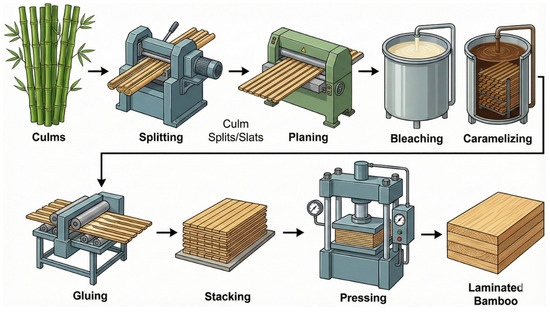
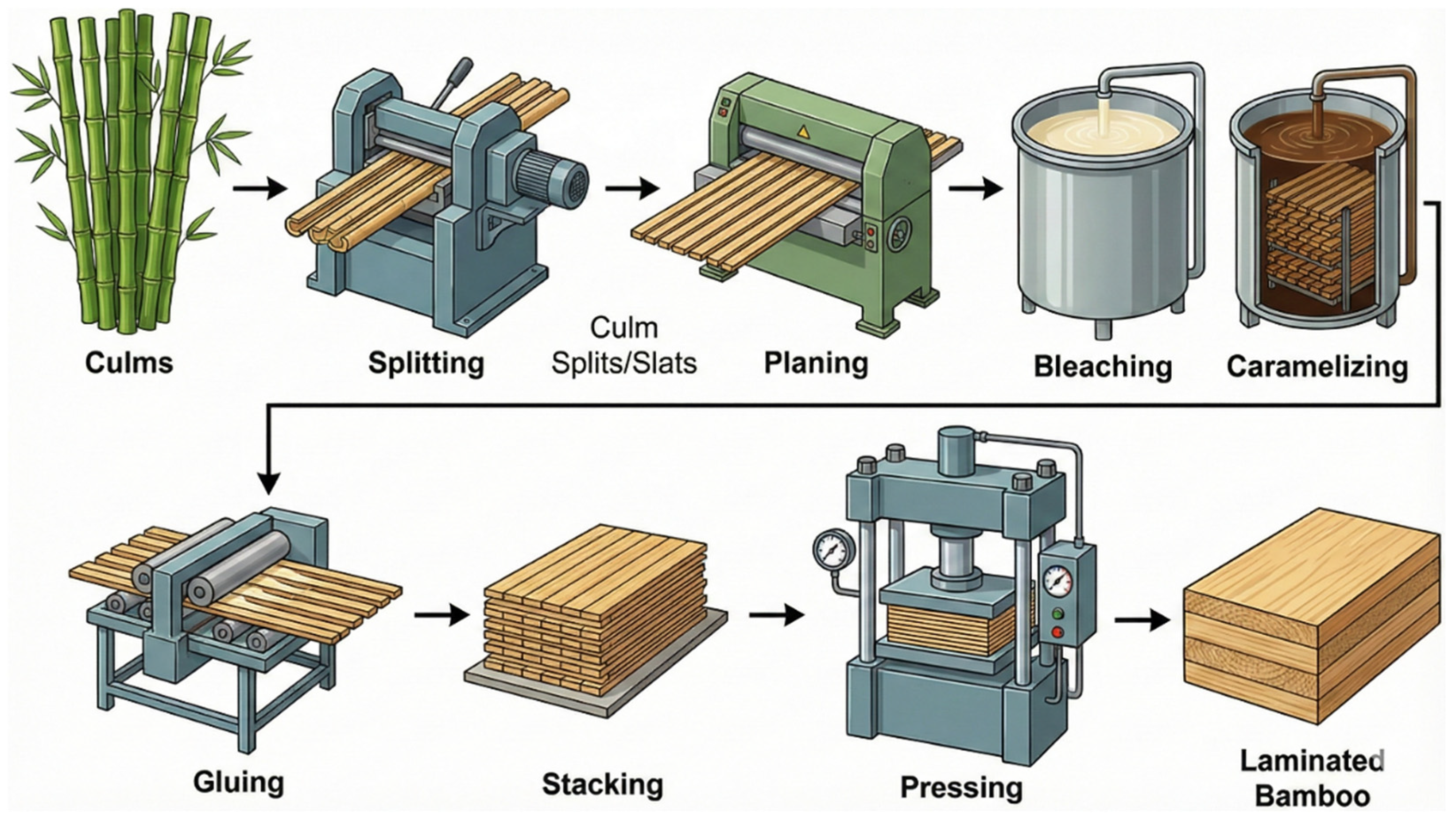
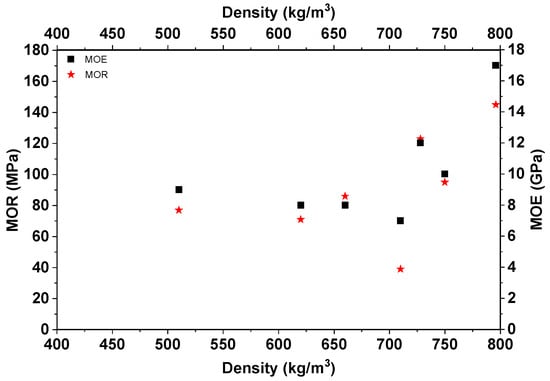
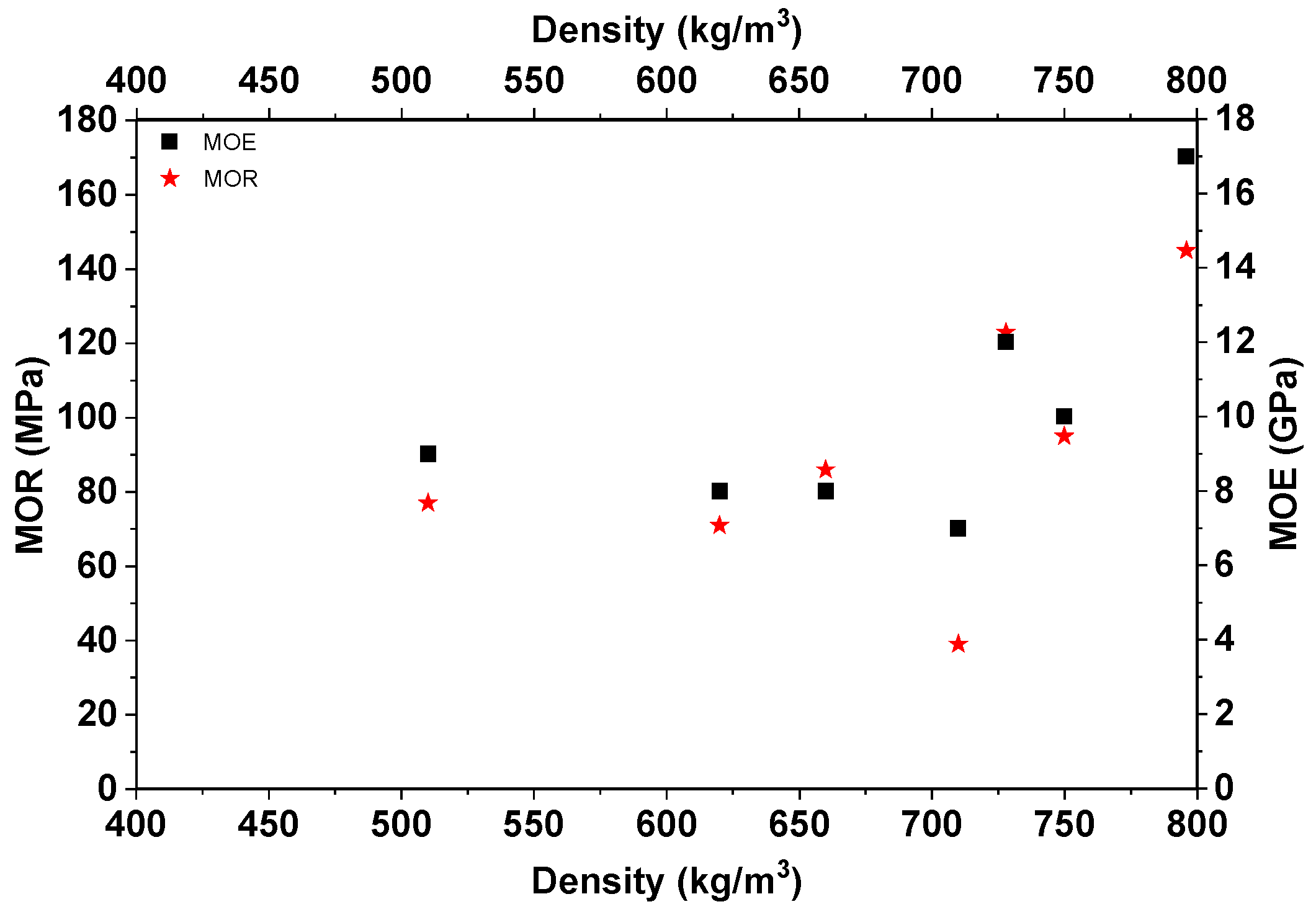
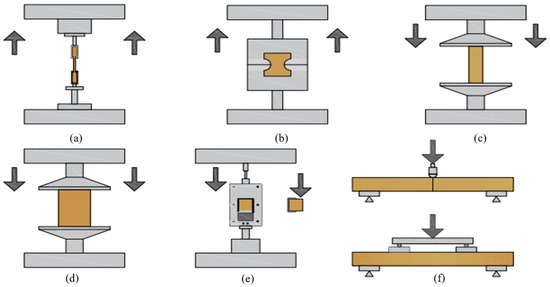
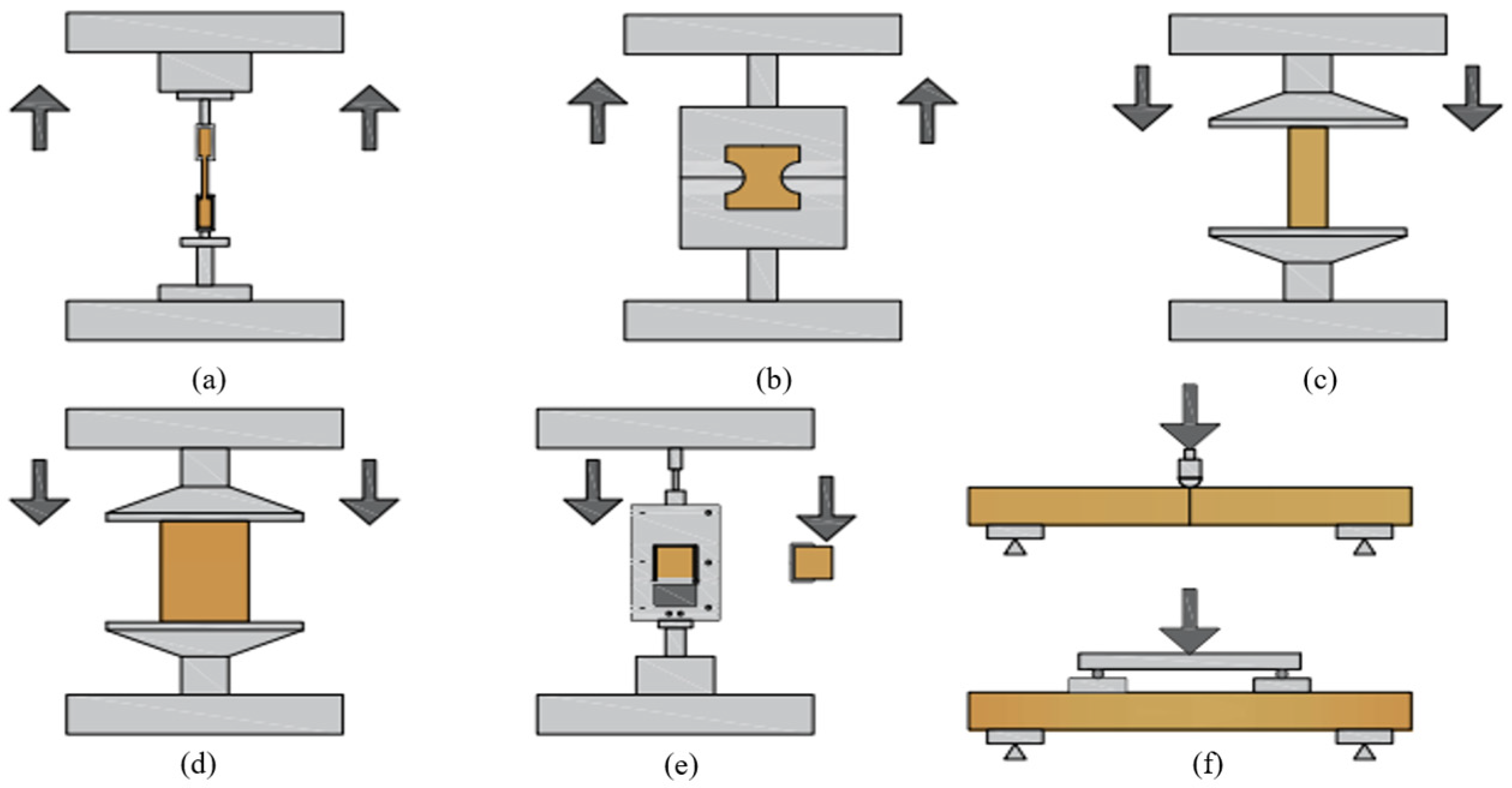
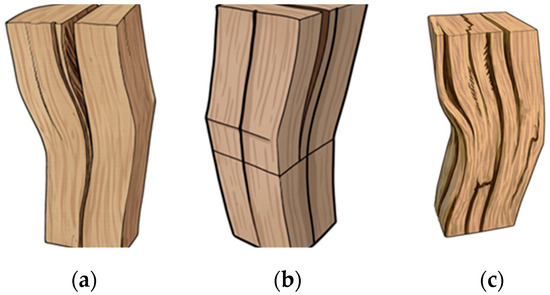
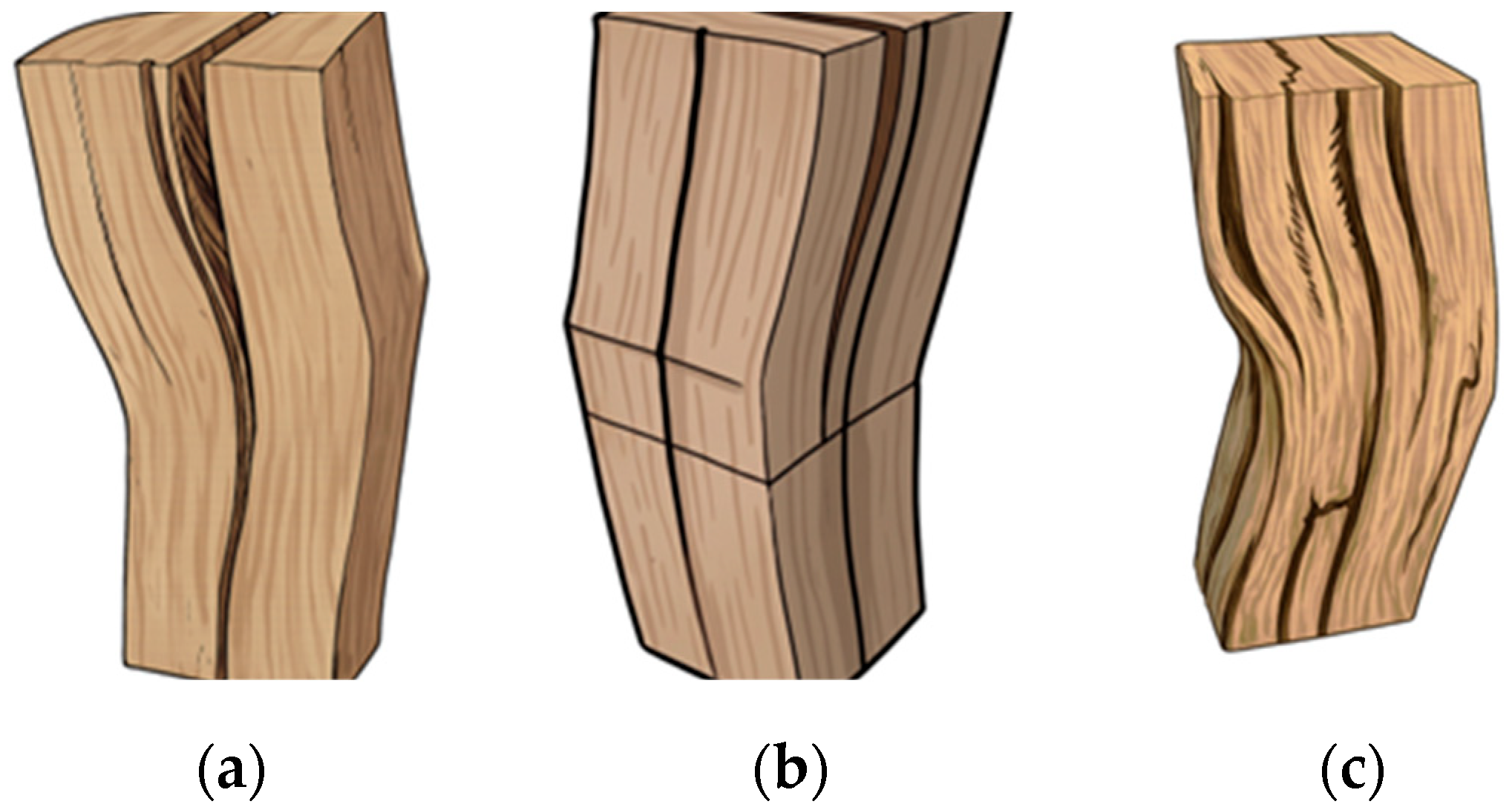
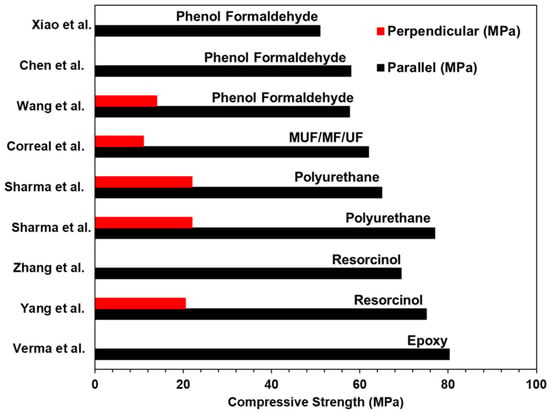
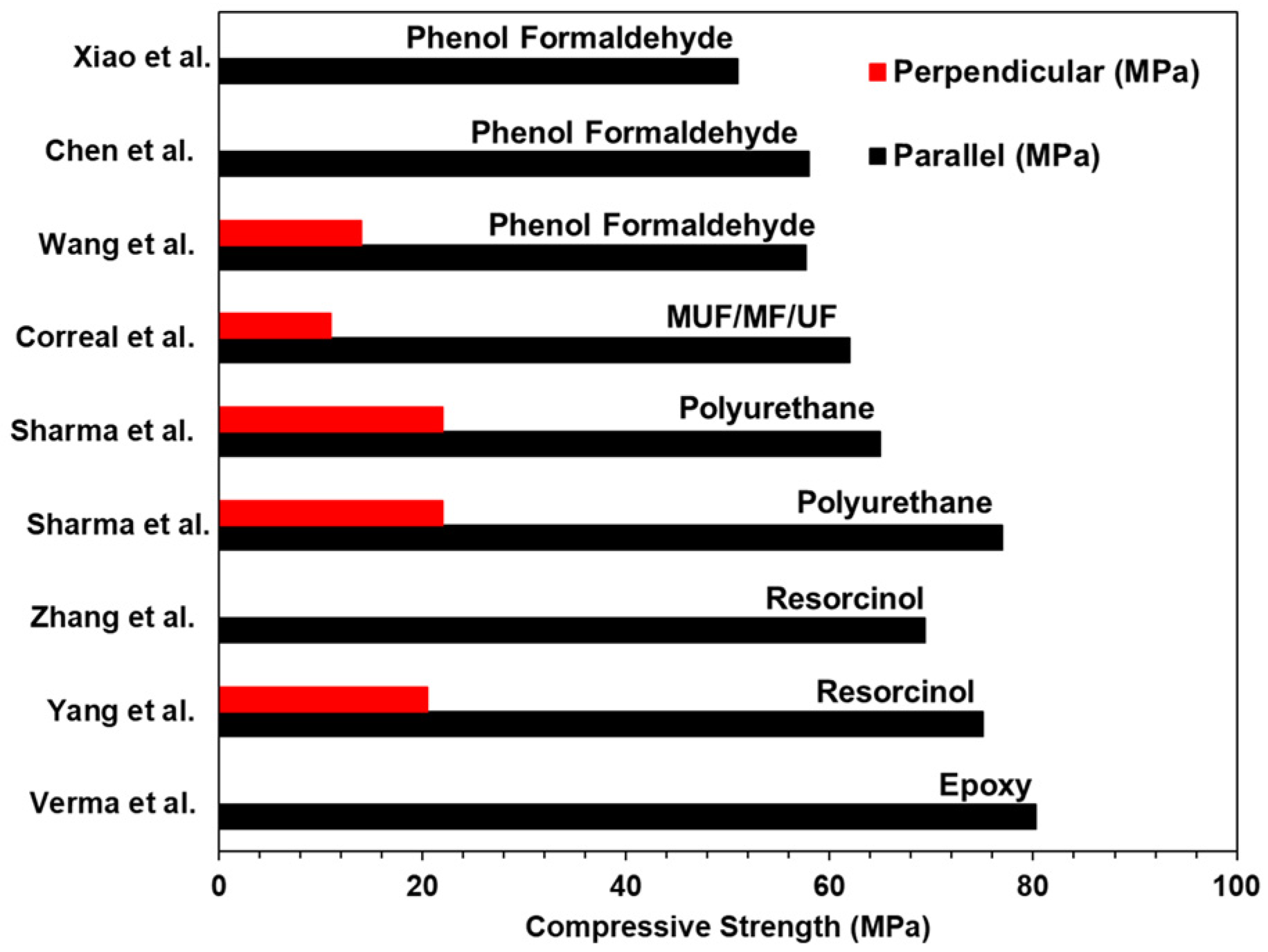
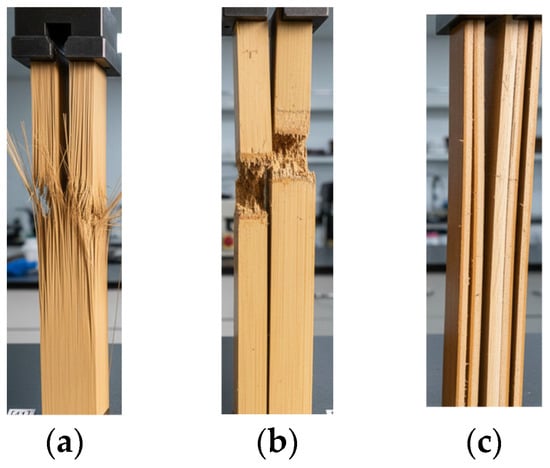
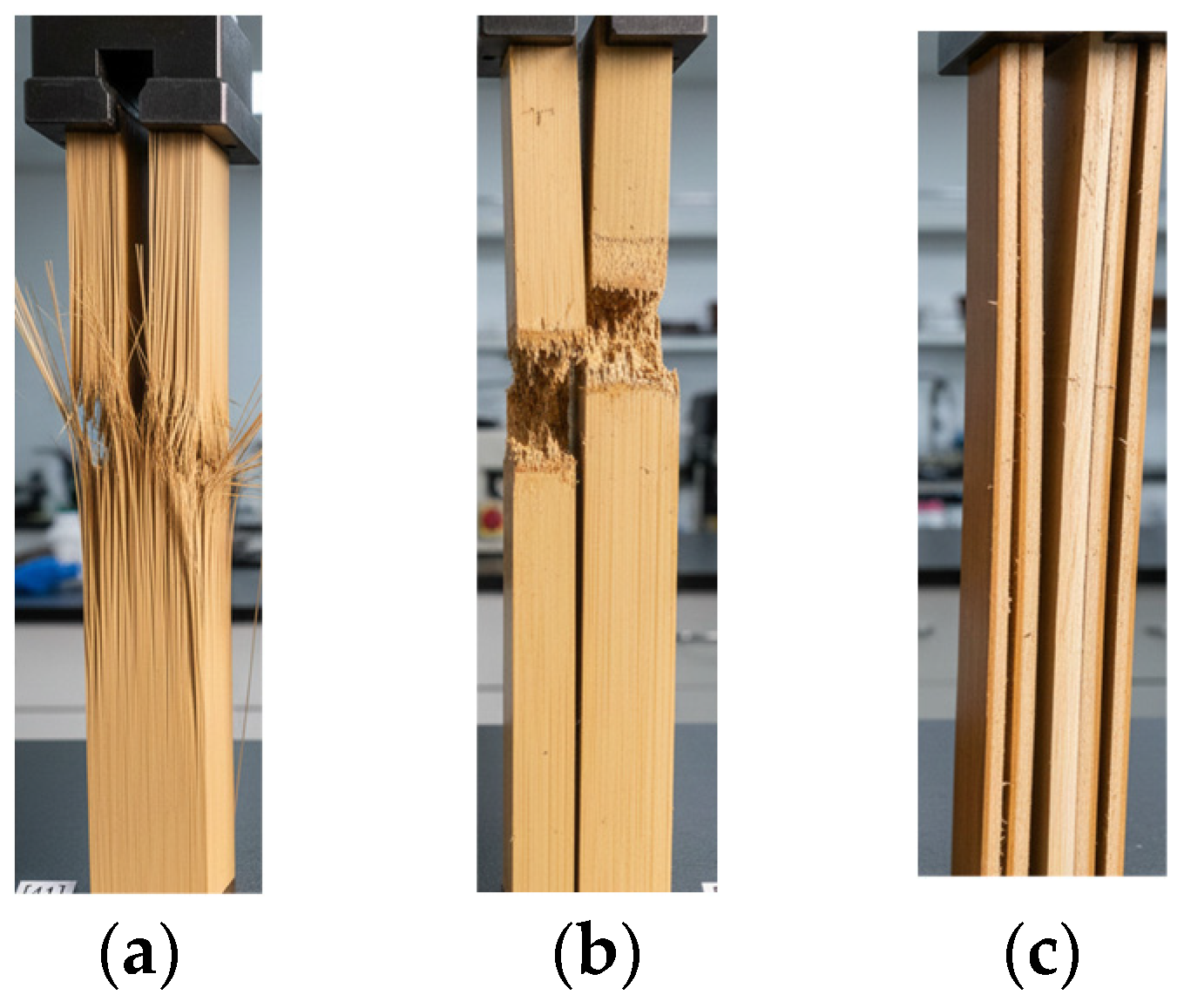
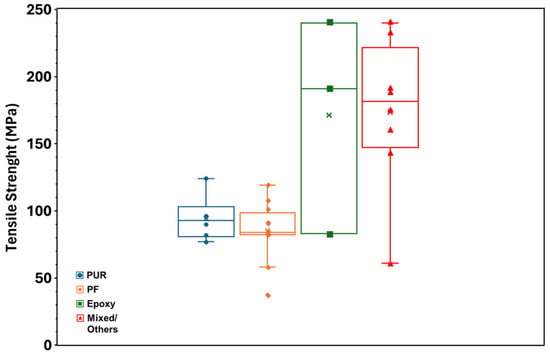
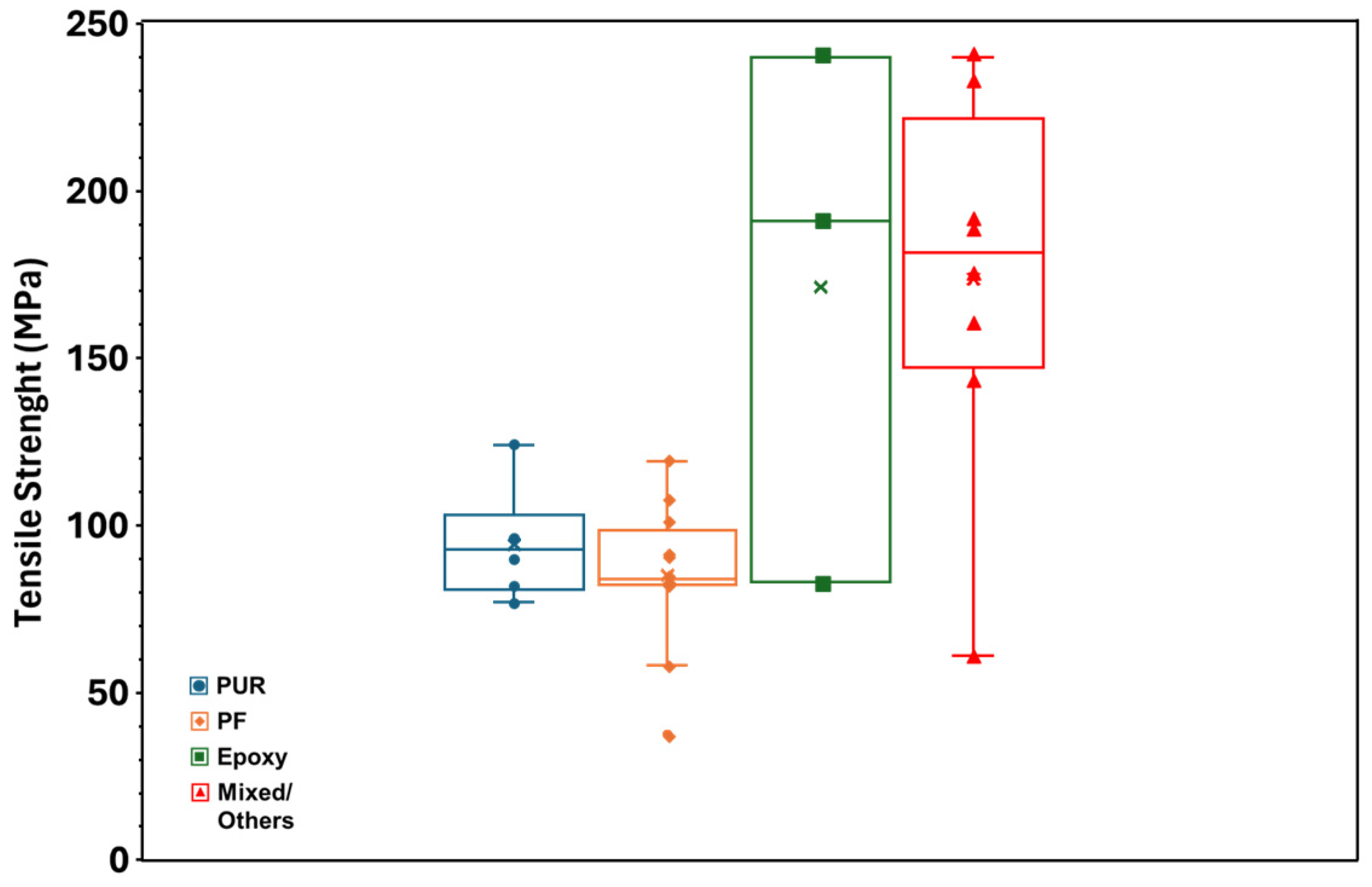
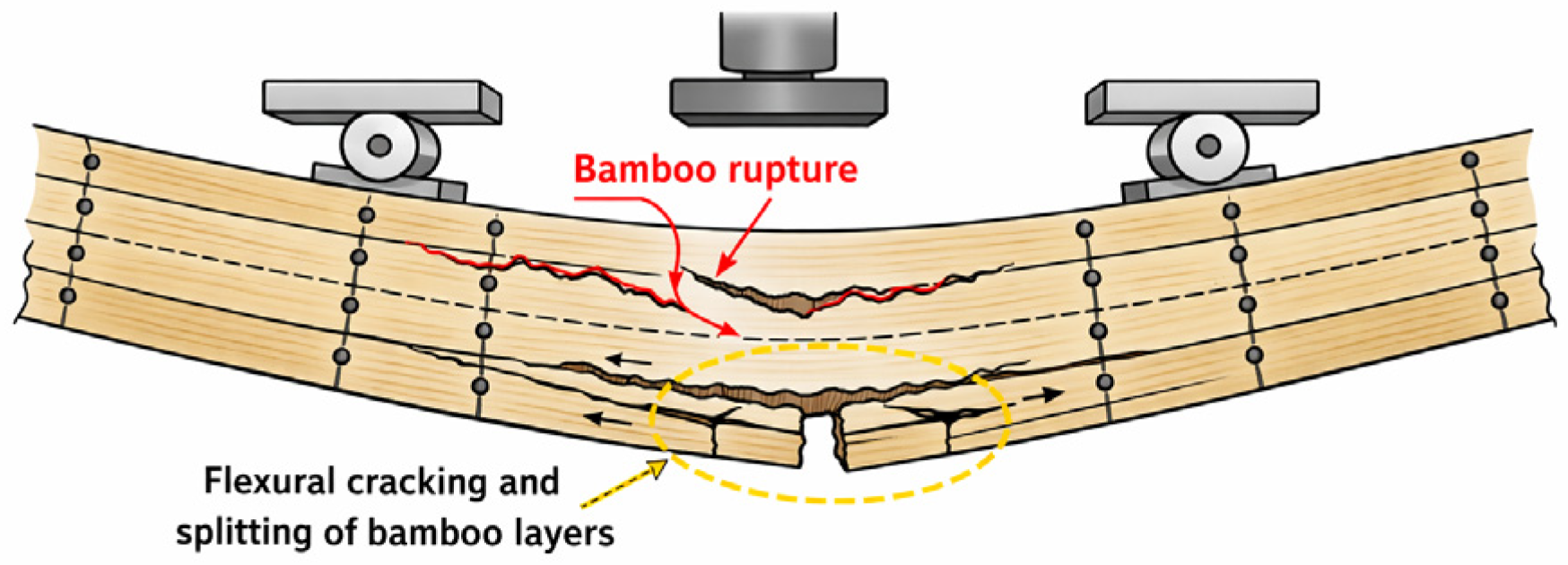
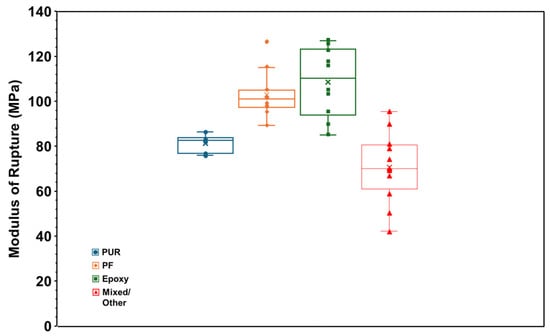
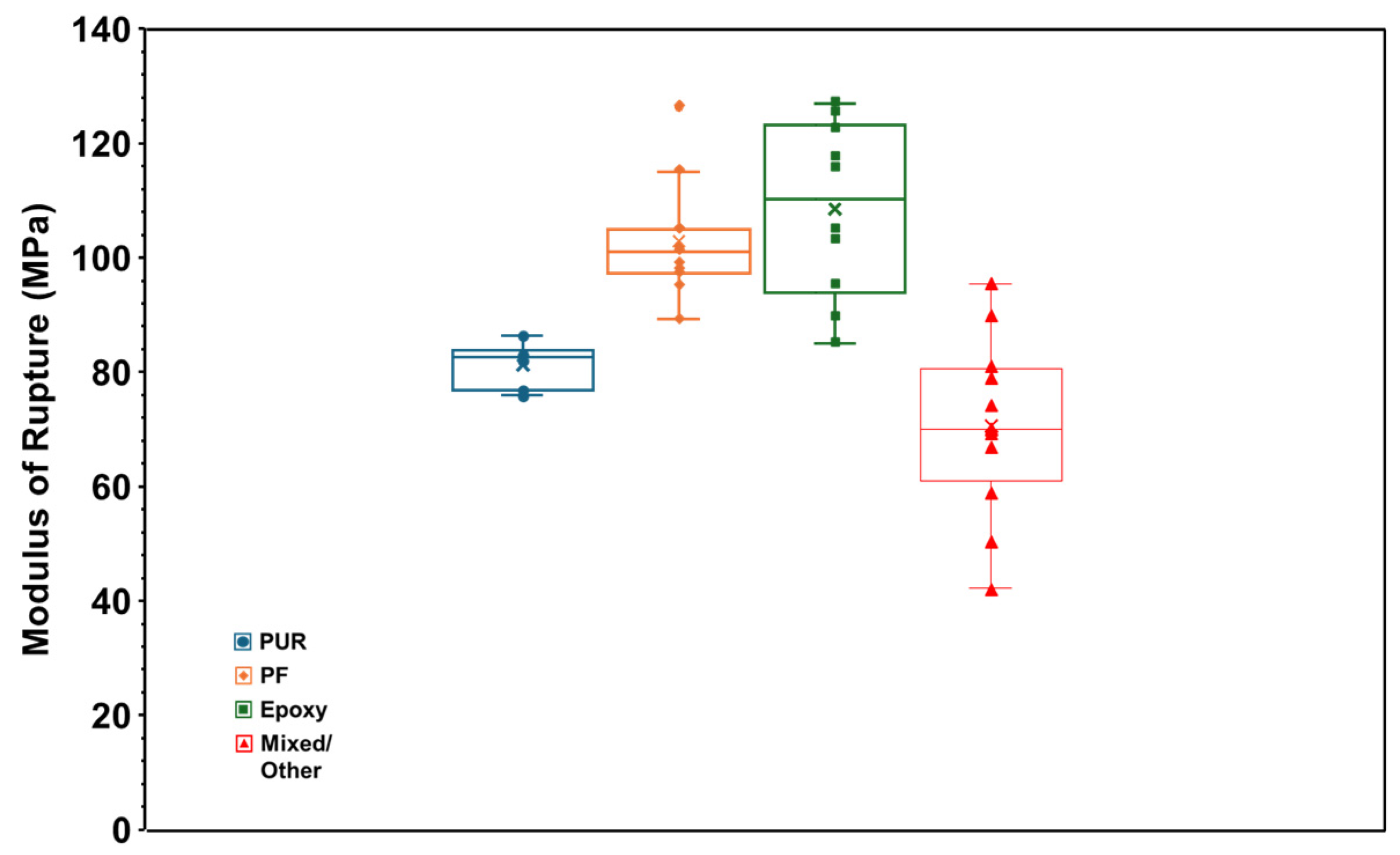
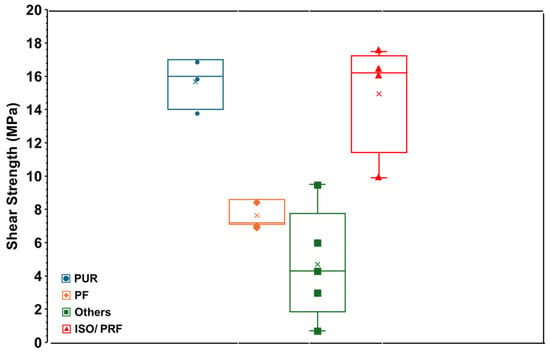
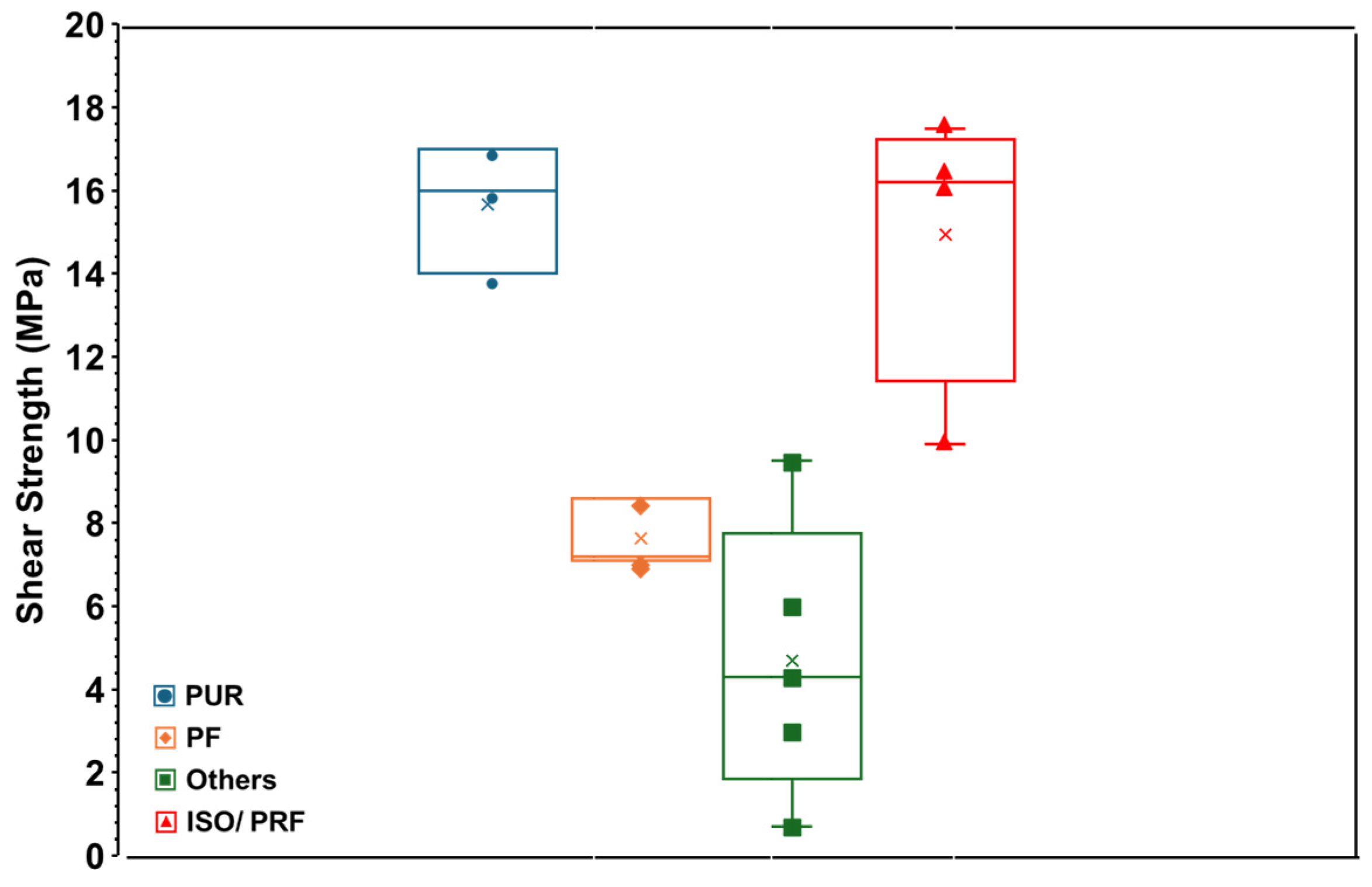
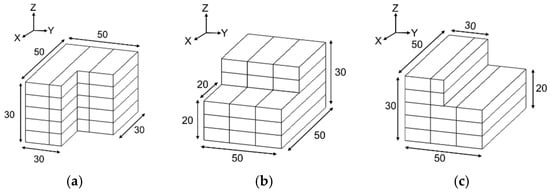
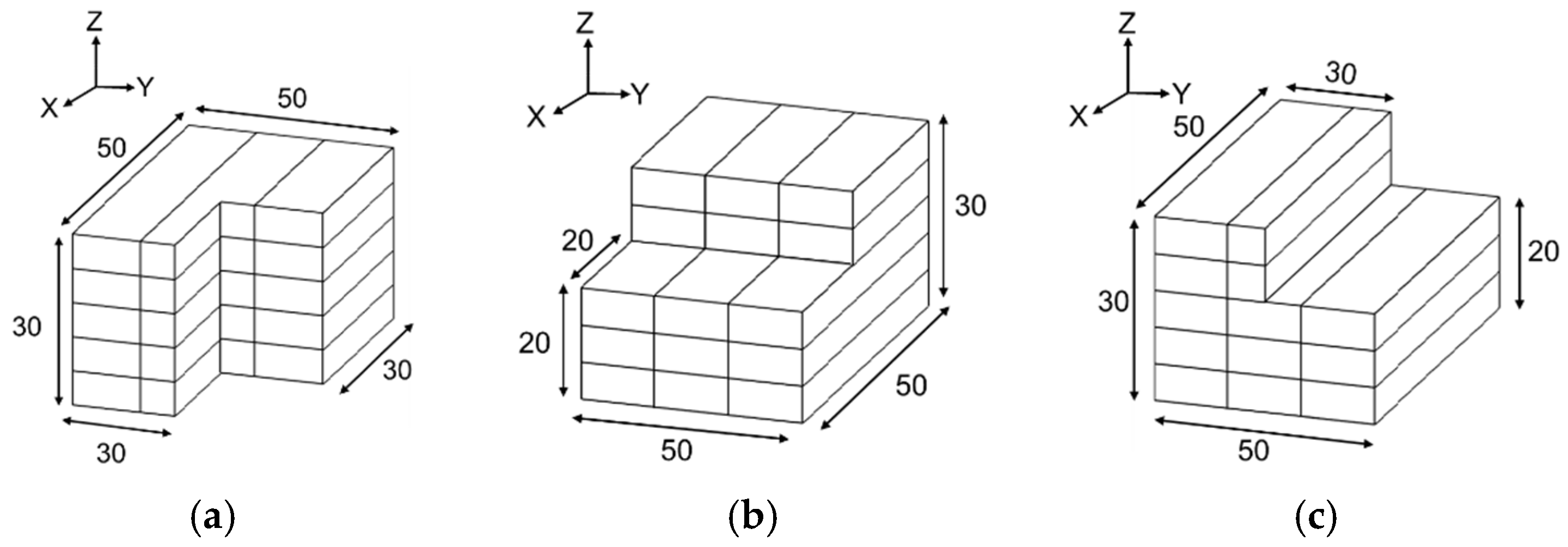
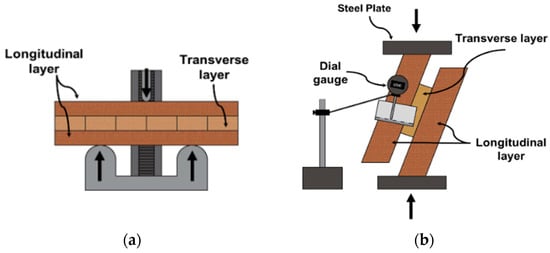
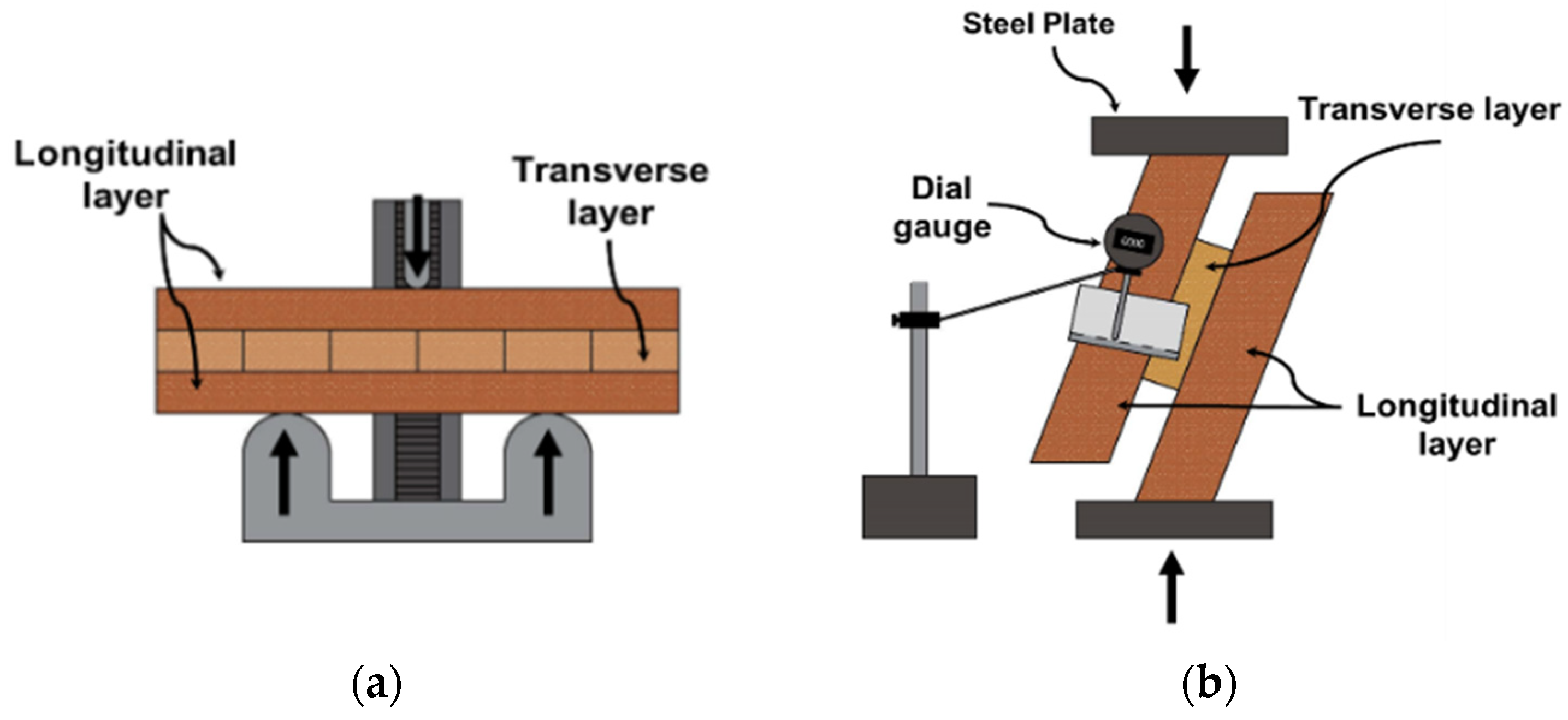
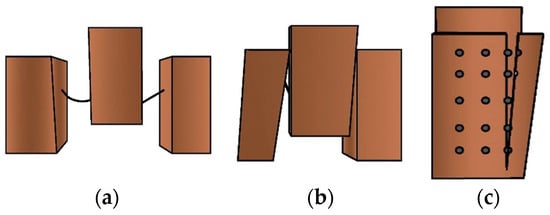
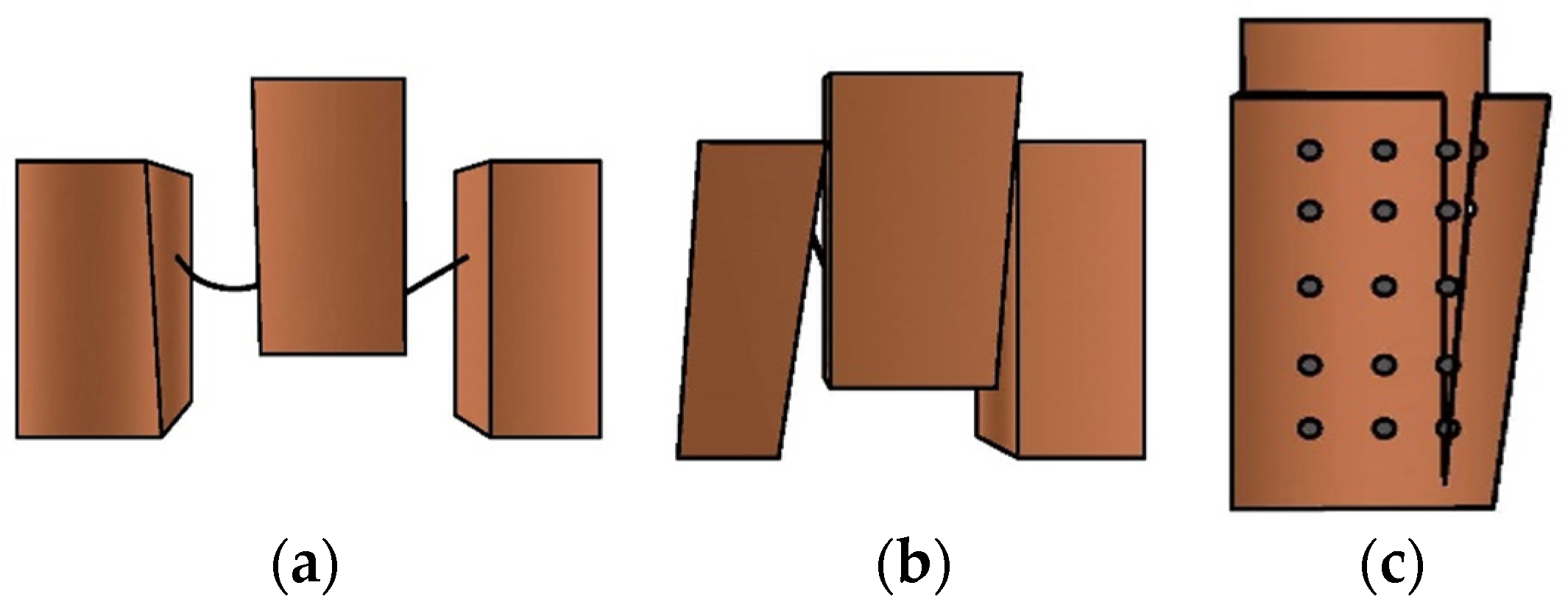

Disclaimer/Publisher’s Note: The statements, opinions and data contained in all publications are solely those of the individual author(s) and contributor(s) and not of MDPI and/or the editor(s). MDPI and/or the editor(s) disclaim responsibility for any injury to people or property resulting from any ideas, methods, instructions or products referred to in the content. |
© 2026 by the authors. Licensee MDPI, Basel, Switzerland. This article is an open access article distributed under the terms and conditions of the Creative Commons Attribution (CC BY) license.