1. Introduction
The fundamental period of vibration has a primary role in seismic design and assessment, particularly for reinforced concrete (RC) structures. Nevertheless, its exact estimation is not easy because it depends on several factors, such as the height of the building, the existence (or lack) of infill walls, the stiffness of these walls, and the span length between columns.
Recently, seismic design has increasingly shifted toward performance-based and resilience-oriented frameworks, in which obtaining a reliable estimation of the fundamental period is essential for predicting seismic demands and potential damage. Recent research by Huang et al. [
1] has highlighted that inaccurate or overly simplified empirical period–height relationships may lead to misleading assessments of structural response and, consequently, may adversely affect building resilience.
The specific semi-empirical formula was theoretically developed using Rayleigh’s method, which is listed in many code equations, including the Uniform Building Code (UBC-97) [
2], the National Building Code of Canada (NBCC-95) [
3], the Indian Standards Code (IS 1893) [
4], the Europe seismic design regulation, Eurocode 8 (CEN-05) [
5], American Society of Civil Engineers (ASCE 7-10) [
6], Building Standard Law of Japan (BSLJ) [
7], and others. Goel and Chopra proposed revised empirical formulae for RC moment-resisting frames (MRFs) and shear wall buildings based on recorded seismic data from California. Their work addressed significant discrepancies in code-based period estimates, offering improved accuracy through calibration with observed building responses [
8,
9]. In their investigation, 27 RC MRFs and 20 shear wall (SW) buildings were used. They deduced that the building period formula for shear walls should depend on both the height of the structure and the equivalent shear area, rather than just the building height, according to the results of the shear wall study. As a result, rather than calibrating parameters in the previous code formula, a new formula was proposed.
Heidebrecht and Smith [
10], and Smith and Crowe [
11] provided theoretical formulae for uncoupled walls and moment-resisting frames (MRFs); Rutenberg [
12] offered similar to coupled shear walls. For shear wall buildings with uncoupled walls, Sozen [
13], and Wallace and Moehle [
14] presented formulae for the fundamental vibration period.
Early studies compared measured and empirical time periods to examine the fundamental period. Kwon and Kim [
15] compared periods from seismic design provisions with those measured from 141 instrumented buildings at California Geological Survey stations using the transfer function method. Periods from 50 additional buildings were compiled from previously published field measurement studies, creating a database of 191 buildings, including the early instrumental data reported by the Applied Technological Council (ATC3-06) [
16] and the well-established ambient vibration measurements documented by Goel and Chopra [
8,
9]. Longitudinal and transverse periods were identified from 411 recorded earthquakes, and the measured natural frequencies of steel MRFs, braced frames, shear wall buildings, RC MRFs, and other structures were compared with building code formulae.
Kazaz and Yakut [
17] analyzed the efficiency of existing relationships for calculating the fundamental time period of shear wall buildings. The results revealed that the present equations are not adequate in certain instances, and the fundamental period formulae for buildings with shear walls should integrate the influence of frame–wall interaction in addition to shear wall density and wall aspect ratio.
Most empirical period–height formulations assume a fixed base condition and neglect soil deformability. However, several foundational and recent SSI studies have shown that modeling a flexible base using analytical or FE soil foundation representations can significantly increase the fundamental period of buildings on soft or medium soils [
18,
19,
20]. These investigations consistently show that soil flexibility reduces total system stiffness and increases vibration periods when compared to fixed base assumptions. Therefore, omitting SSI might lead to underestimating the fundamental period, making fixed base empirical formulae less suitable for structures on deformable soils.
Recently, an analytical investigation carried out by Sharaf et al. [
21] generated a theoretically developed formula for the fundamental period of vibration of MRF in terms of mass equivalent and stiffness, and validated the results by rigorous statistical analysis. Despite the valuable contributions of earlier studies, there remain some limitations in the accurate estimation of the fundamental period of structures. The majority of the earlier research worked on simplified structural systems, such as uncoupled shear walls or individual moment-resisting frames, without considering the behavior of the structural components that interact within these systems, particularly frame–wall interaction. Additionally, many empirical formulae were developed based on limited datasets or under idealized assumptions that may not reflect the complexity of real structural behavior. Furthermore, comparisons between calculated and predicted periods were frequently confined to cases within the bounds defined by seismic code provisions, with the aim of assessing the reliability of these formulae for buildings that fall within those code-defined limits.
This study conducts a comprehensive evaluation of 93 FEM-based RC building models, which makes it possible to conduct a representative analysis for RC buildings of a wide range of heights. In addition, in comparison with previous studies, the current research considers the effect of both cracked and uncracked section stiffness and employs statistical performance indicators, including arithmetic mean difference and the standard deviation, to quantify the reliability of existing formulations. All these aspects make it possible to carry out a more accurate assessment of the reliability boundaries of widely applied formulae in seismic design.
To address these gaps, the present study carries out a detailed comparative investigation of fundamental period estimations with empirical formulae and finite element analysis (FEA). The two-stage evaluation allows for the exhaustive testing of the predictive capacity of the existing formulae for a large spectrum of building heights and configurations. Therefore, this study provides a more realistic assessment of empirical time period formulae by validating them against detailed FEM results, offering clearer guidance for their use in practical seismic design.
2. Fundamental Time Period Estimation Using Code Formulae
The fundamental period is one of the main dynamic properties that play a crucial role in seismic force calculations. Empirical formulae are offered by seismic codes in order to simplify the design by estimating this period mainly through taking into account the building height and structural system. These equations are efficient for preliminary design but are fixed for specific configurations. Major codes such as ASCE 7-10 [
6], CEN-05 [
5], UBC-97 [
2], NBCC-95 [
3], and SBC-301 [
22] provide simplified period formulae as functions of height and lateral force-resisting systems. Developed from regression analyses of recorded responses, they are mainly valid for low- and mid-rise regular buildings within the Equivalent Lateral Force (ELF) method. Their use is restricted by height limits, structural regularity, and uniformity assumptions, highlighting the need for verification by advanced analysis in taller or irregular structures. Empirical formulae estimate the fundamental period as a function of parameters such as building height, number of stories, and the lateral force system. They are determined from the regression of observed building data, which provides different coefficients for different systems (moment frames, shear walls, and dual systems). The code formulae considered are summarized in
Table 1 and other research-based formulae in
Table 2, forming the basis for the following comparison. Code-based formulae are derived for specific geometry and regularity. The ELF method is limited to regular buildings of moderate height; ASCE 7-10 [
6] allows up to about 48 m for RC frames and 73 m for dual systems; Eurocode 8 permits 40–50 m; and IS 1893 [
4] limits to 40 m. SBC-301 [
22] and UBC-97 [
2] apply similar restrictions, requiring dynamic analysis for taller or irregular structures. The prerequisites include regularity in the plan and elevation, symmetrical mass/stiffness, and no soft stories.
Generally, the most commonly used empirical equations involve RC bare frames. These calculations do not account for the interaction effects in dual systems or the effects of brick infills. The presence of brick infills increases the lateral stiffness, reducing the fundamental period by 10–30% compared with bare frames [
23,
24]. For dual systems, their stiffness characteristics are complex, involving values that cannot be determined according to code formulae. This results in possible overestimations/underestimations for values corresponding to the period [
8,
25]. Therefore, these empirical equations are not generally applicable to high-rise buildings.
Table 1.
Empirical code fundamental period formulae.
Table 1.
Empirical code fundamental period formulae.
| | Reinforced Concrete (RC) Moment-Resisting Frame (MRF) | Steel Moment-Resisting Frame (MRF) | Eccentrically Braced Frames (EBF) | Reinforced Concrete (RC) Masonry Shear Wall | Other |
|---|
| ATC 3-06 [16] | | T |
| Ct = 0.133 | Ct = 0.151 |
| BOCA-87 [26] | | T = | See notes ## |
| Ct = 0.106 | Ct = 0.151 |
| AS 11407.2 [27] | |
| UBC-97 [2], | |
| Ct = 0.129 | Ct = 0.15 | Ct = 0.035 | Ct = 0.035
or,
Ct * ≤ 0.0 | Ct = 0.035 |
| CEN-05 [5] ##, NBCC [3] | |
| Ct = 0.075 | Ct = 0.08 | Ct = 0.05 | Ct = 0.050
or,
Ct * ≤ 0.05 | Ct = 0.05 |
| IS 1893; part1 [4] | |
| Ct = 0.075 | Ct = 0.085 | --------- | -------- | -------- |
| or, T = ‡ |
| Taiwan (SFR) [28] | |
| Ct = 0.07 | Ct = 0.085 | Ct = 0.07 | Ct = 0.05 | Ct = 0.05 |
| SBC-301 [22] | |
Ct = 0.044
x = 0.9 | Ct = 0.068
x = 0.8 | Ct = 0.07
x = 0.75 | Ct = 0.055
x = 0.75 or
T = 0.0062 ** | Ct = 0.044
x = 0.9 |
| or, T = 0.1 N § | ------ | ------------ | --------- |
| AS 1170.4 [29] | |
| Kt = 0.075 | Kt = 0.11 | Kt = 0.06 | Kt = 0.05 | Kt = 0.05 |
| ASCE 7-10 [6] | |
Ct = 0.0466
x = 0.9 | Ct = 0.072
x = 0.8 | Ct = 0.073
x = 0.75 | Ct = 0.049
x = 0.75 | Ct = 0.049
x = 0.75 |
| or, T = 0.1 N § | ----------- | ** | ----------- |
| UBC-70 [30], BOCA [31] | T = 0.1 N |
Table 2.
Summary of selected empirical period formulae from literature, intended application, height ranges, and limitations.
Table 2.
Summary of selected empirical period formulae from literature, intended application, height ranges, and limitations.
| Equation and Authors | Intended Structural System | Typical Height Range | Key Limitations |
|---|
Sozen [13], and Wallace & Moehle [14]
| Single uniform RC cantilever shear wall. | Low to mid-rise (≈≤10–12 stories) | Assumes uncracked section; not valid for multiple walls, coupled walls, or irregular plans |
| Goel & Chopra [9] | Masonry-infilled RC moment-resisting frames. | Mostly low to mid-rise (≈≤15 stories). | Calibrated for regular, symmetrical buildings; accuracy drops in soft stories or irregular frames. |
Goel & Chopra [8]
| Symmetric-plan buildings dominated by uncoupled shear walls. | Mid-rise buildings (≈≤15–20 stories). | Needs detailed shear wall data; unsuitable for coupled walls, dual systems, or irregular geometry. |
Balkaya & Kalkan [32]
| RC shear wall systems with detailed plan data. | Calibrated up to mid-rise (≈≤15–20 stories). | Requires complex plan metrics; performance may degrade in irregular or mixed systems. |
Alguhane et al. [33]
Ct = 0.046 and x = 0.9 (bare)
Ct = 0.035 and x = 0.92 (infill) | RC infill moment-resisting frames and MRF with shear walls. | Calibrated mainly for buildings up to ≈20 stories. | Empirical fit; limited validation for high-rise or irregular systems. |
Alguhane et al. [33]
Ct = 0.07 | Same as above; includes base dimension D. | Similar mid-rise range. | Still empirical; accuracy may decline in tall or highly irregular buildings. |
3. Methodology and Analytical Framework
This study adopts a systematic approach to compare the fundamental period estimates derived from empirical code-based formulae with those from finite element (FEM) modal analysis. The periods were obtained through eigenvalue analysis using ETABS 2018 [
34]. Beam–column joints were modeled with rigid end offsets, assuming joint regions are significantly stiffer than adjoining members [
35], and rigid in-plane diaphragm action was considered. The building analyzed in this study includes structures that satisfy code limitations: regular geometry, heights up to ~54 m (depending on system type), and systems such as MRFs, shear walls, and dual systems. These models establish a baseline for comparing code-estimated and FEM-derived periods within valid empirical ranges.
Additionally, cracked section stiffness modifiers were applied to account for RC flexural stiffness loss under seismic loading, using Ieff as a fraction of gross inertia (Ig): beams = 0.35 Ig, columns = 0.70 Ig, slabs/diaphragms = 0.25–0.30 Ig, and shear walls = 0.35 Ig, uniformly across all models. Standard RC material properties were assigned uniformly across all FEM models (f’c = 25 MPa, Ec ≈ 23,500 MPa, Poisson’s ratio = 0.20, and 5% damping). This approach ensures that any variations in the computed fundamental period arise from differences in building geometry and lateral force-resisting system characteristics, rather than from material property variations.
Based on ASCE 7-10 (Sect. 12.8.1.1) [
6], a uniform damping ratio of 5% was assumed for all models. This damping value does not affect the eigenvalue-based modal analysis in ETABS, as the fundamental periods are calculated from the undamped mass and stiffness matrices, consistent with conventional linear elastic modal theory [
36]. Damping remains relevant only for dynamic response analyses.
3.1. Diaphragm Modeling Assumption and Sensitivity Analysis
In the present study, floor slabs were idealized as rigid in-plane diaphragms in all modal FEM analyses, following common practice in modeling regular bare MRFs and wall–frame systems. Although this assumption is extensively utilized in analytical investigations, numerous experimental and numerical analyses have confirmed that the flexibility of the diaphragm may affect the overall lateral stiffness, torsional behavior, and fundamental period of RC buildings, especially those that have larger or flexible slabs, irregular floor plan shapes, or non-continuity of infill walls.
Early investigations, such as those of Durrani and Wight [
37], and Ehsani and Wight [
38], drew attention to the important influence of slab participation and transverse beams on seismic forces acting on beam–column joints. Then, the findings of investigations regarding the effective width of slabs by Suzuki et al. [
39] confirmed that the flexural stiffness is enhanced by the composite actions of slabs and beams. These findings were subsequently validated by many studies [
40,
41] and by experimental results from Kam et al. [
42].
Also, several previous studies have contributed to the understanding of diaphragm effects on structural response, including those of Di Franco et al. [
43], French and Boroojerdi [
44], and Shahrooz et al. [
45], as well as the experimental investigation by Park and Mosalam [
46], who found that the presence of the diaphragm significantly affects dynamic behavior.
Subsequent studies have further expanded the understanding of slab–beam interaction under seismic actions (e.g., [
37,
38,
39,
40,
41,
42,
43,
44,
45,
46,
47,
48,
49,
50,
51]). These investigations have found that the presence of floor slabs and transverse beams significantly affects the flexibility, strength, and effective width of reinforced concrete beam–column connections, and that this results in raised flexural strength. Both experimental and analytical works have found that the participation of the concrete slab is underestimated when conventional models are adopted, especially for seismic loads, thus justifying the development of different models for determining the effective concrete slab width and models that consider slab–frame interaction.
In a rigid diaphragm model, all nodes at a given floor level are forced to undergo identical in-plane horizontal displacements, thereby suppressing in-plane torsional deformations and altering the distribution of lateral forces. To verify the suitability of this assumption for the present dataset, a targeted sensitivity analysis was performed on three representative categories: a low-rise bare MRF, a mid-rise wide-span MRF (≈30 × 30 m), and a partially infilled MRF. When semi-rigid shell elements were introduced, the variation in the fundamental period was minor for regular bare frames (ΔT < 3%), while wider-span and partially infilled frames exhibited slightly larger differences (≈6%).
These minor differences occur because of the regular geometry, medium spans, and the presence of wall-dominant frames that resist the global flexibility of the structure through wall action. Moreover, the analyzed buildings do not feature diaphragm discontinuities or plan irregularities; hence, the effect of the flexibility of a diaphragm is minor. Overall, although the FEM models assume rigid diaphragms, the observed impact on the predicted fundamental periods is minor and does not affect the overall conclusions of the study.
3.2. Sensitivity to Cracked Section Factors
The FEM models in this study incorporate conventional cracked section stiffness modifiers commonly used in seismic analysis of RC structures, including 0.35 Ig for beams, 0.70 Ig for columns, 0.25–0.30 Ig for slabs, and 0.35 Ig for shear walls. In order to investigate the sensitivity of the conclusions related to these assumptions, additional sensitivity analyses were conducted where the cracking factors were varied within experimentally supported ranges (beams: 0.25–0.50 Ig; columns: 0.50–0.80 Ig). The results indicate that changing the cracked stiffness affects the value of the fundamental period, especially for the MRFs, where flexural deformation is predominant and global flexibility is affected more directly by changes in member stiffness NZSEE [
41].
In contrast, wall-dominated systems are much less sensitive because their response is dominated by the stiffness of the shear walls, which remains relatively high even with variations in the assumptions about cracking. Although the absolute values of the periods obtained from FEM changed as a function of the cracked section stiffness modifiers, the general ranking of empirical code formulae relative to the FEM results remained largely consistent, even though the numerical differences between FEM and the codes varied.
In the sensitivity runs, the cracked stiffness modifiers were uniformly applied along the full building height to isolate their direct influence on global period estimation. The resulting variations in T were moderate when the cracked stiffness modifiers were varied along the building height, yet remained within a narrow band that did not alter the comparative ranking of the empirical formulae. This supports the robustness of the study findings with respect to reasonable modeling variations.
3.3. FE Mesh Density and Convergence Verification
In order to prevent any possible effect of numerical discretization on the obtained modal properties, all of the FEM models were developed based on a refined mesh scheme as a standard approach. For the beam and column elements in all of the models, a mesh density of three to four elements in each story was assumed. Floor slabs were meshed using shell elements of 0.75–1.0 m. Semi-rigid diaphragms were specifically incorporated in the sensitivity study using the same mesh configuration to assess their effect on the overall dynamic response.
A systematic mesh convergence assessment was then performed by comparing the results of this refined mesh with coarser (one element per story; 1.5–2.0 m shell size) and ultra-fine meshes (five elements per story; 0.5–0.75 m shell size). The comparison revealed that the difference in the calculated fundamental period with fine and ultra-fine mesh resolutions remained <1% for bare MRFs and <1.5% for partially infilled models. Similarly, differences between the refined and coarser meshes remained within 1.8–2.5%.
These results confirm that the adopted mesh density, already on the finer end of typical practice, offers a stable and sufficiently accurate representation of the global dynamic behavior of the studied buildings. Further refinement does not alter the extracted fundamental mode or change the interpretation of the period–height relationships, ensuring that the modal results used in subsequent comparisons are numerically robust and free from discretization-induced artifacts.
3.4. Eigensolver Settings and Numerical Stability
For all eigenvalue solution studies performed on these models, a subspace iteration solver with a chosen tolerance limit of 1 × 10⁻⁶ was utilized; this compares well with solution tolerances employed during large-scale structural dynamic problems. To avoid any loss of solution stability with these models pertaining to low-rise, mid-rise, and high-rise buildings, re-run calculations were performed with an improved tolerance level of 1 × 10⁻⁷.
The obtained fundamental periods showed insignificant variations (ΔT < 0.5%), which confirmed that the chosen tolerance level ensures stable eigenvalue extraction and does not affect the interpretation of global eigenmodes. There were no spurious local slab eigenmodes detected among either of the first three eigenmodes for any of the analyzed models.
3.5. Modal Mass Participation Ratios Verification
To confirm that the identified fundamental period corresponds to the global translational mode rather than a torsional or local deformation mode, the modal mass participation ratios (MMPRs) were extracted for the first three eigenmodes for all representative buildings. According to common dynamic criteria adopted in seismic design and modal analysis practice, a translational fundamental mode is considered correctly identified when the mass participation in the principal horizontal direction exceeds approximately 60%, or when the cumulative participation of the first few modes surpasses 90%.
For the analyzed models, the participation ratio of the first translational mode ranged between 70 and 78% for bare frames, and 65 and 72% for partially infilled frames. The cumulative mass participation of the first three modes exceeded 90% in all cases, indicating that the extracted periods represent global structural behavior. In no model did torsional or slab-dominated modes appear within the first three modes, confirming the appropriateness of the modeling assumptions and eigensolver settings.
3.6. Influence of Infill Stiffness Variability
Infill stiffness can vary significantly due to the uncertainty in material properties, panel cracking, and the degree of interaction between the infill and the surrounding RC frame. In the FEM models, both the mass and stiffness of the masonry panels were incorporated. The stiffness was represented using the equivalent diagonal strut method, which captures the initial in-plane behavior of infill without explicitly modeling the masonry units. Each panel is modeled using a single compression-only diagonal strut, whose effective width is calculated according to many studies [
39,
52,
53]. To investigate the influence of variability in infill stiffness on the prediction of the fundamental period, some representative partially infilled MRFs were reanalyzed using reduced and increased infill stiffness values to account for possible differences in the stiffness of the masonry panels as reported in Mainstone [
52] and Smith [
53].
The resulting fundamental periods show that stiffer infills reduce the fundamental period due to increased lateral stiffness, while weaker infills result in a value closer to that of the bare frames. Even though these changes affect the absolute period values, they do not change comparative trends between empirical code formulae and the FEM predictions. The variability of the infill stiffness is, however, an important parameter when code-based limits on period values are applied, especially for buildings featuring irregular or nonuniform infill distributions, where discontinuities in stiffness may significantly affect the dynamic behavior [
54].
4. Finite Element Modeling and Comparative Framework
This section presents the set of finite element models constructed for the comparative study of fundamental period estimation. The models include reinforced concrete (RC) structures with different structural systems, heights, and plan sizes that are meant to represent code-compliant cases as well as extend many cases beyond the height and applicability limits specified by seismic codes. Each model was configured to capture actual geometric proportions and stiffness characteristics, enabling the systematic evaluation of the accuracy and limitations of empirical period formulae against detailed FEM results. The models were intentionally designed to remain within the geometric and height limits specified by major seismic design codes [
2,
5,
6]. These code-compliant models include low- and mid-rise reinforced concrete MRF, SW, and dual systems.
Since ASCE 7-10 [
6] restricts the ELF analysis procedure to heights ≤48 m for ordinary RC frames, the 54 m models were therefore retained in the comparison to examine the extrapolation behavior and accuracy degradation of the empirical formula beyond its recommended height range. These taller buildings were not treated as “code-compliant designs,” but rather were included to evaluate the predictive performance of the empirical equation relative to the FEM results across the full height spectrum.
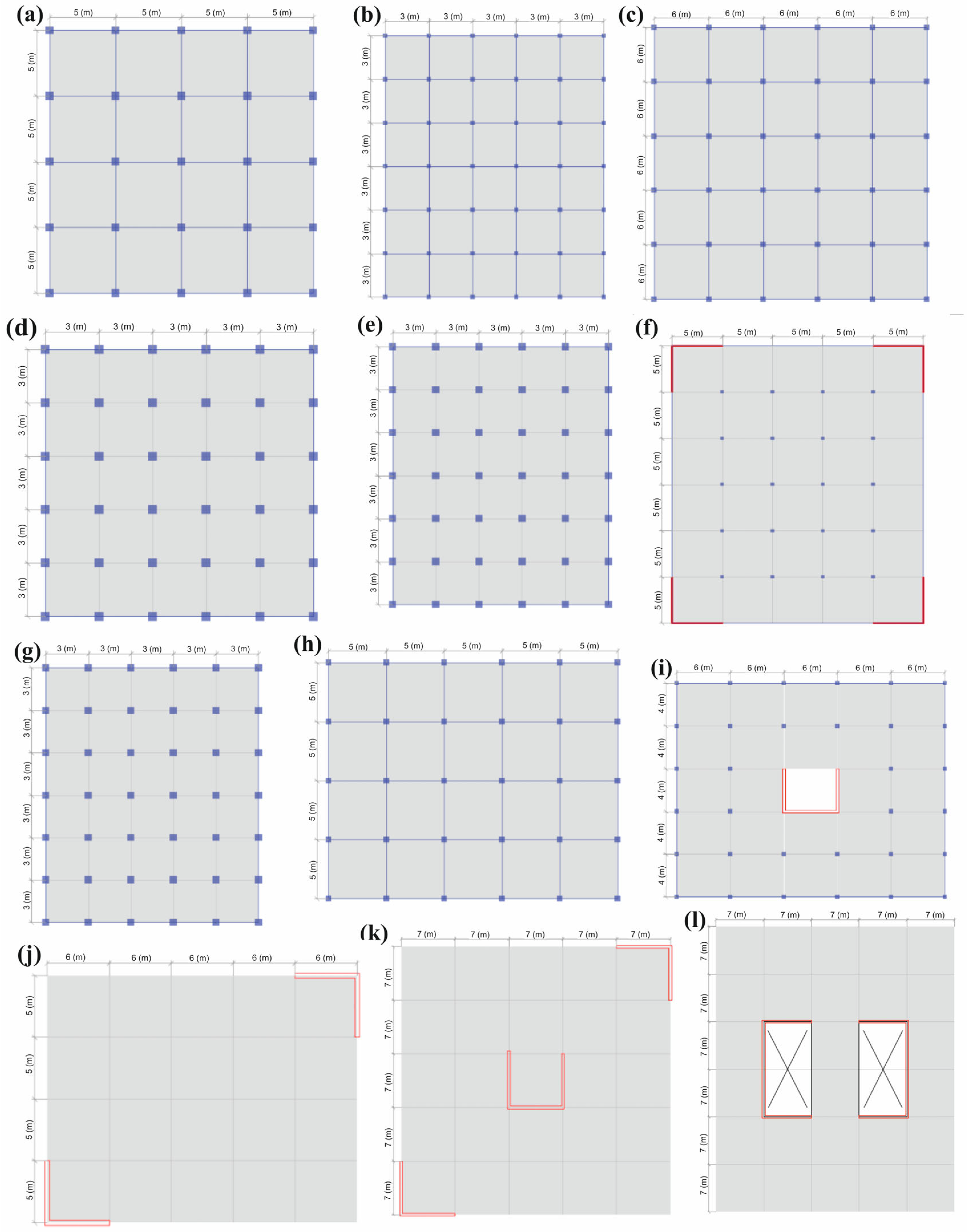
The models feature regular plan configurations and heights ranging from low- to mid-rise buildings, ensuring the direct applicability of the empirical period estimation formulae as prescribed in the codes. A total of 93 FEM models were developed, representing MRF, SW, dual, and other lateral systems. These models included varying heights and numbers of stories; these parameters are shown in detail in
Table 3. All buildings had standard plan and elevation geometries to fulfill the ELF model’s requirements, such as plan and elevation regularity, the symmetry of mass and stiffness, and the absence of soft stories. Each story was modeled with a height of 3 m, and all slabs were allocated a constant thickness of 0.25 m. Both cracked and uncracked section flexibilities were taken into account. All models assumed fixed base support conditions and were evaluated in ETABS [
34], utilizing modal analysis and finite element representations for beams, columns, and walls.
Table 3 summarizes the geometric properties. Floor plans are regular and symmetrical, consistent with the empirical formulae.
Figure 1 illustrates sample FE models by height and system type (MRF, SW, and Dual). The material properties, boundary conditions, and lateral load assumptions are similar for the models. Cracked section modifiers were used in the frame and wall elements. Bay geometries and plan configurations resembled realistic forms that fall within seismic code limits.
5. Results and Discussion
The code-based empirical period formulae used in this study are derived under linear elastic behavior, conventional ELF assumptions (general plan and elevation regularity, symmetric mass and stiffness distribution, and the absence of soft stories), and ignore soil–structure interaction. These limitations might affect the level of equation accuracy in cases of high-rise buildings, irregular buildings, or buildings built on soft soil.
This section presents a comparison between fundamental periods derived from FEM analysis and those estimated by widely used empirical seismic code formulae. The accuracy and reliability of code-based equations are assessed within their conditions of validity. Trends of agreement, underestimation, or overestimation in different structural systems, such as RC MRFs, SW, and dual systems, can be highlighted, thus forming the basis for detailed statistical analysis.
5.1. Preliminary Comparison: Code-Based Periods vs. FEM Results
An initial comparison between FEM-calculated fundamental periods and those from common seismic formulae used by Alguhane et al. [
33], AS 11407.2 [
27], BSLJ [
7], and NBCC-95 [
3] is presented to provide a qualitative view of agreement and trends of under- or overestimation before detailed analysis. The comparison considers RC MRFs, SW, and other building systems.
5.1.1. RC Moment-Resisting Frames (MRFs)
Current seismic provisions include two approximate period formulae for RC MRFs. Equation (1), developed in the USA [
16] from San Fernando earthquake (1971) data, assumes base shear ∝ 1/T
2/3, linear lateral force distribution, and uniform inter-story drift. Equation (2), part of codes since the 1970s, applies to buildings with story heights >3 m with up to 12 stories.
where
and
are parameters depending on the lateral resisting system,
is height (m), and
is the number of stories. The lower-bound period uses Equation (1). For sites with
, ASCE 7-10 [
6] limits the period by an upper bound
(with
,
). In this study, the initial comparison considered both
and
versus the FEM results, but, for detailed evaluation, only
was used to assess formula accuracy independently of code safety margins.
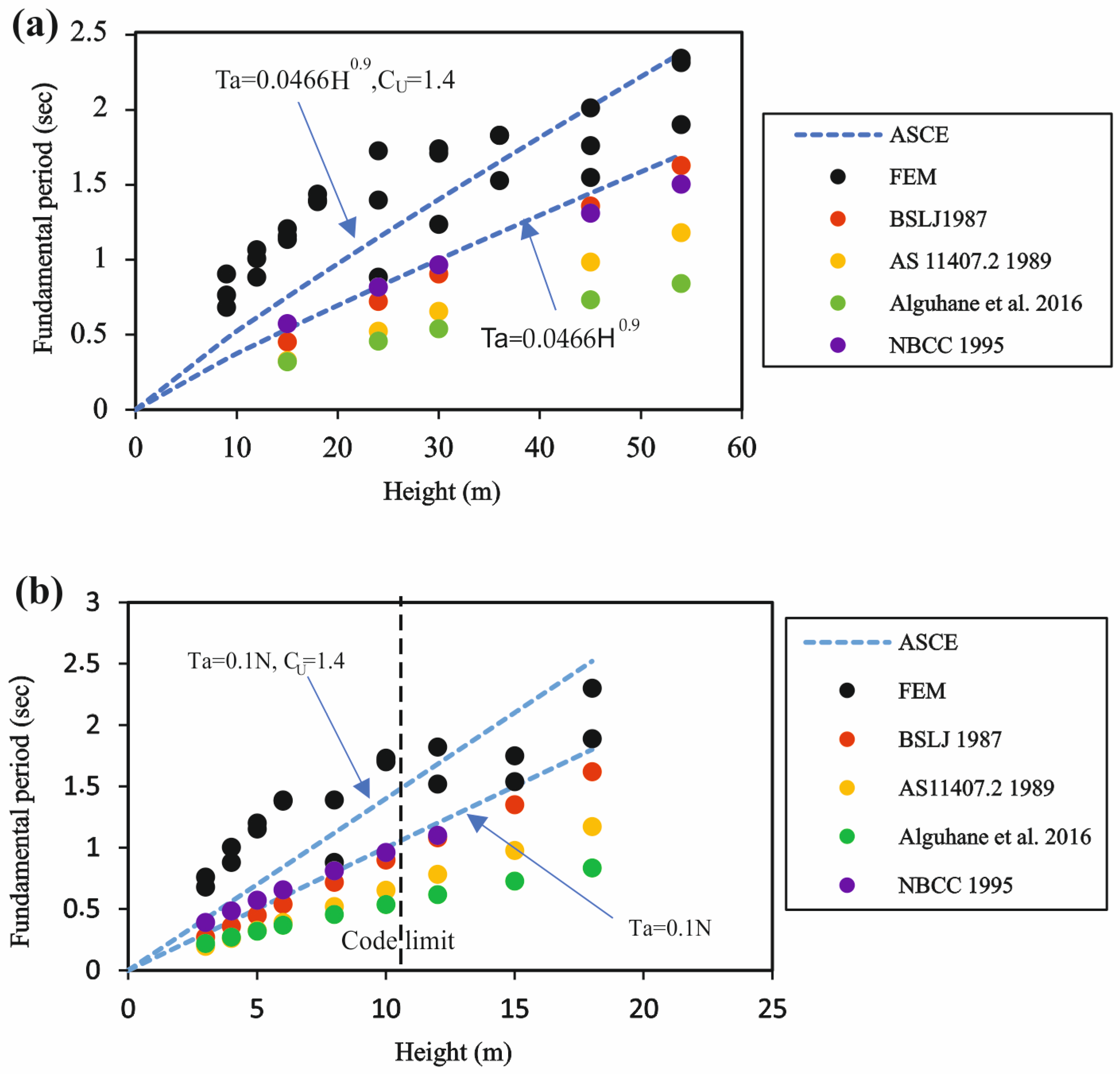
Figure 2 demonstrates a comparative evaluation of the fundamental periods of the reinforced concrete moment-resisting frame (RC MRF) buildings obtained by using finite element modeling (FEM) and several empirical expressions in seismic design specifications. Both with respect to building height (
Figure 2a) and number of stories (
Figure 2b), comparison has been made to ascertain the degree of agreement or mismatch among the different methods. The key comparisons between FEM results and empirical formulae can be summarized as follows:
FEM always provides a larger fundamental period than all code equations for the whole height and story range, and this indicates that empirical equations are capable of underestimating structural flexibility [
9,
25].
ASCE 7-10 [
6] limits (Ta and 1.4 Ta): The upper limit closely corresponds with FEM calculations for tall buildings (above 30 m or ~ten stories), but the lower limit significantly underestimates the period, particularly for structures shorter than 30 m [
9].
BSLJ [
7]: This provides the closest match to the FEM results among the empirical formulae, though it remains slightly conservative, especially for mid- and high-rise buildings [
55].
Alguhane et al. [
33] and AS 11407.2 [
27]: This inconsistently yields shorter (more conservative) periods than FEM for all heights and story numbers, which is a reflection of simplifications in the stiffness assumptions that do not capture the actual dynamic response of RC MRF buildings [
56].
NBCC-95 [
3]: This yields lower values with FEM for low-rise buildings (up to five stories), and increasingly underestimates the fundamental period as the number of stories increases [
9,
55,
57].
In
Figure 2b, the disparity between code equations and FEM becomes worse in the case of increasing stories, exhibiting the shortcomings of empirical equations for high-rise buildings. In conclusion, while empirical equations can be very good approximations for design purposes, their conservativeness results in overestimated base shear forces and the underestimation of critical dynamic responses.
5.1.2. RC Shear Walls (SW)
In ASCE 7-10 [
6], Equation (3) can be utilized to calculate the approximate periods of SW structures. Equation (3) has the same form as Equation (1), except that C
t is 0.0049 and x is 0.75. The second formula, Equation (4), was proposed by Goel and Chopra [
8] and is based on the measured periods of nine shear wall buildings. In order to apply Equation (4) in a design process, however, a designer should have the dimensions of the shear walls a priori.
where
AB = The structure’s base area in m2;
Ai = the area of shear wall i in m2;
Di = the length of shear wall i in m;
hi = the height of the shear wall i in m;
n = the number of shear walls in the structure that effectively withstand lateral forces in the direction that is being considered.
For all wall–frame systems, the shear wall index
required in Equation (4) of Goel and Chopra [
8], is not an output of the finite element (FE) analysis; rather, it is evaluated directly from Equation (4) using the geometric properties of the shear walls, namely their in-plane lengths, thicknesses, cross-sectional areas, and full wall heights specified a priori for the building configuration.
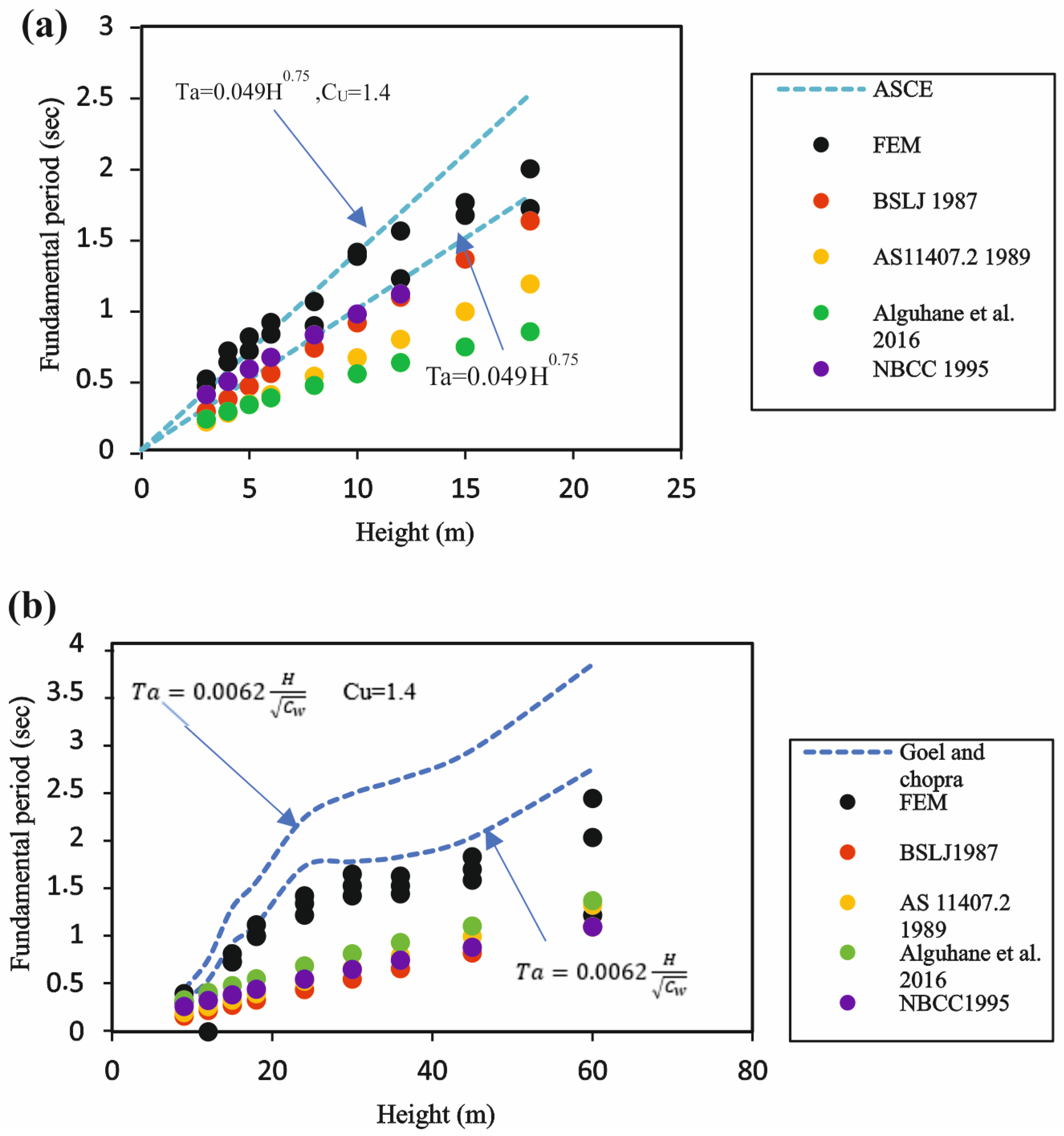
Figure 3 compares the fundamental periods of RC shear wall buildings estimated by ASCE 7-10 [
6], and Goel & Chopra [
8]. In
Figure 3a, Equation (3) exhibits FEM periods that are always higher than the predictions by Alguhane et al. [
33], AS 11407.2 [
27], BSLJ [
7], and NBCC-95 [
3], with increased discrepancy for taller buildings, which confirms that empirical formulae underestimate the flexibility and overestimate the base shear.
5.1.3. Other Structural Types (Mixed Systems)
Under the category “Others,” code coefficients may be applied to low- and mid-rise buildings employing lateral force-resisting systems that do not fully fit into MRF, shear wall, or dual system categories, such as RC frames with partial or irregular infill walls. These models remain within the height and regularity limits specified by the ELF procedure. It is also possible to apply Equation (1) with
and
.
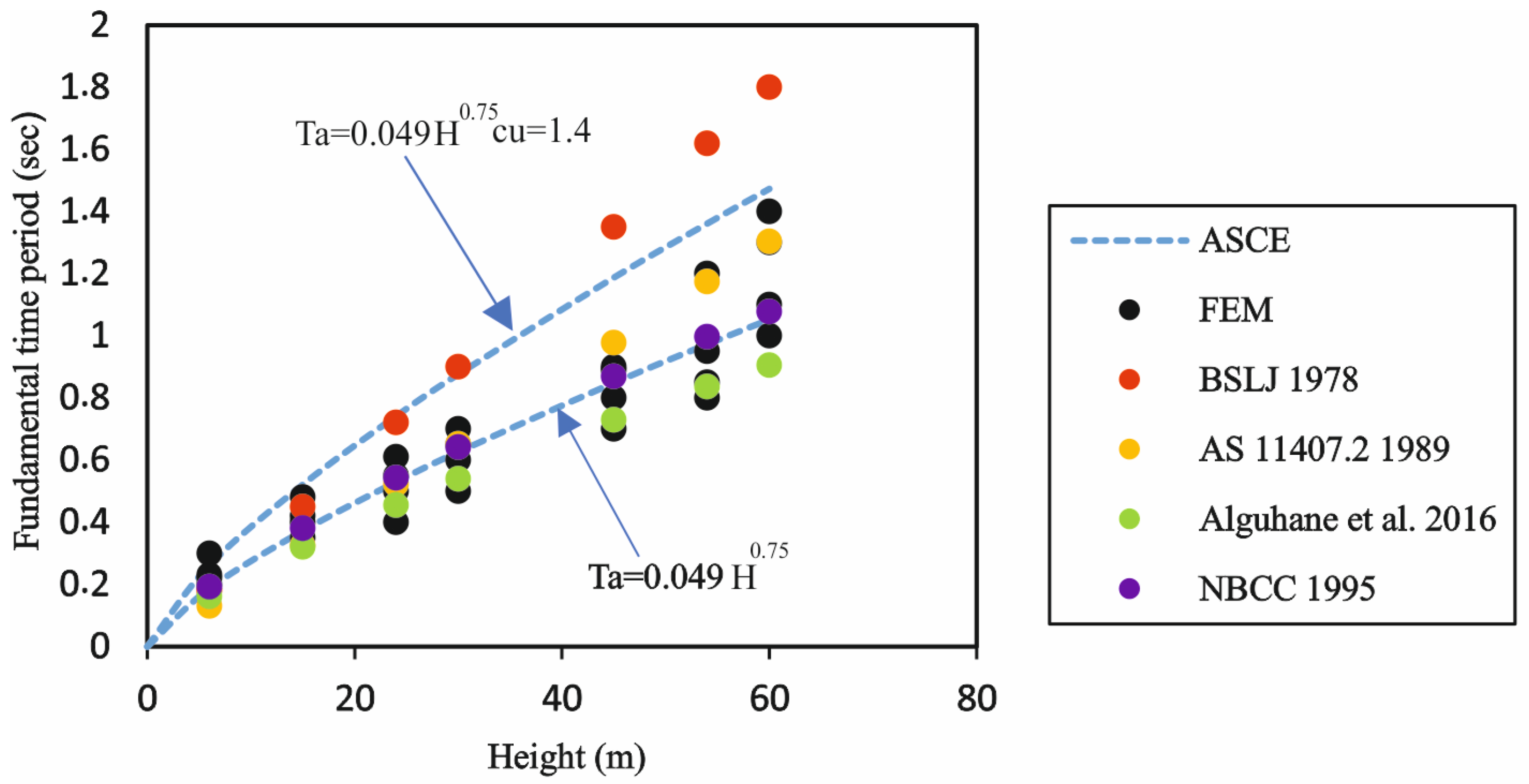
Figure 4 shows the fundamental periods obtained through FEM analysis plotted against those from empirical methods [
3,
6,
7,
57]. BSLJ [
7] overestimates periods for buildings above 30 m. AS 11407.2 [
27] agrees well with FEM for mid-rise buildings up to approximately 45 m. NBCC-95 [
3] estimates agree well with FEM for low- and mid-rise buildings, while Alguhane et al. [
33] underestimates the period for all building heights. In general, ASCE 7-10 [
6] provides conservative lower-bound estimates (Ta) while the upper bound (1.4 Ta) matches better with FEM at larger heights. The building height and the presence of partial or irregular infilled walls are key factors affecting the applicability and accuracy of empirical equations to mixed systems. The consideration of actual distribution of stiffness, both for the cracked and uncracked components, is thus important to ensure realistic predictions for the natural period, particularly for low- and mid-rise RC frames that do not fit standard MRF or shear wall categories.
5.2. In-Depth Comparative Analysis with Code Set
This section extends the preliminary comparison to include more empirical period formulae from international seismic codes and literature, analyzing differences relative to FEM results and expressing them as percentage deviations. Trends of over- and underestimation are discussed with respect to assumptions in each formula.
5.2.1. Comparison with ASCE 7-10
Figure 5 compares ASCE 7-10 [
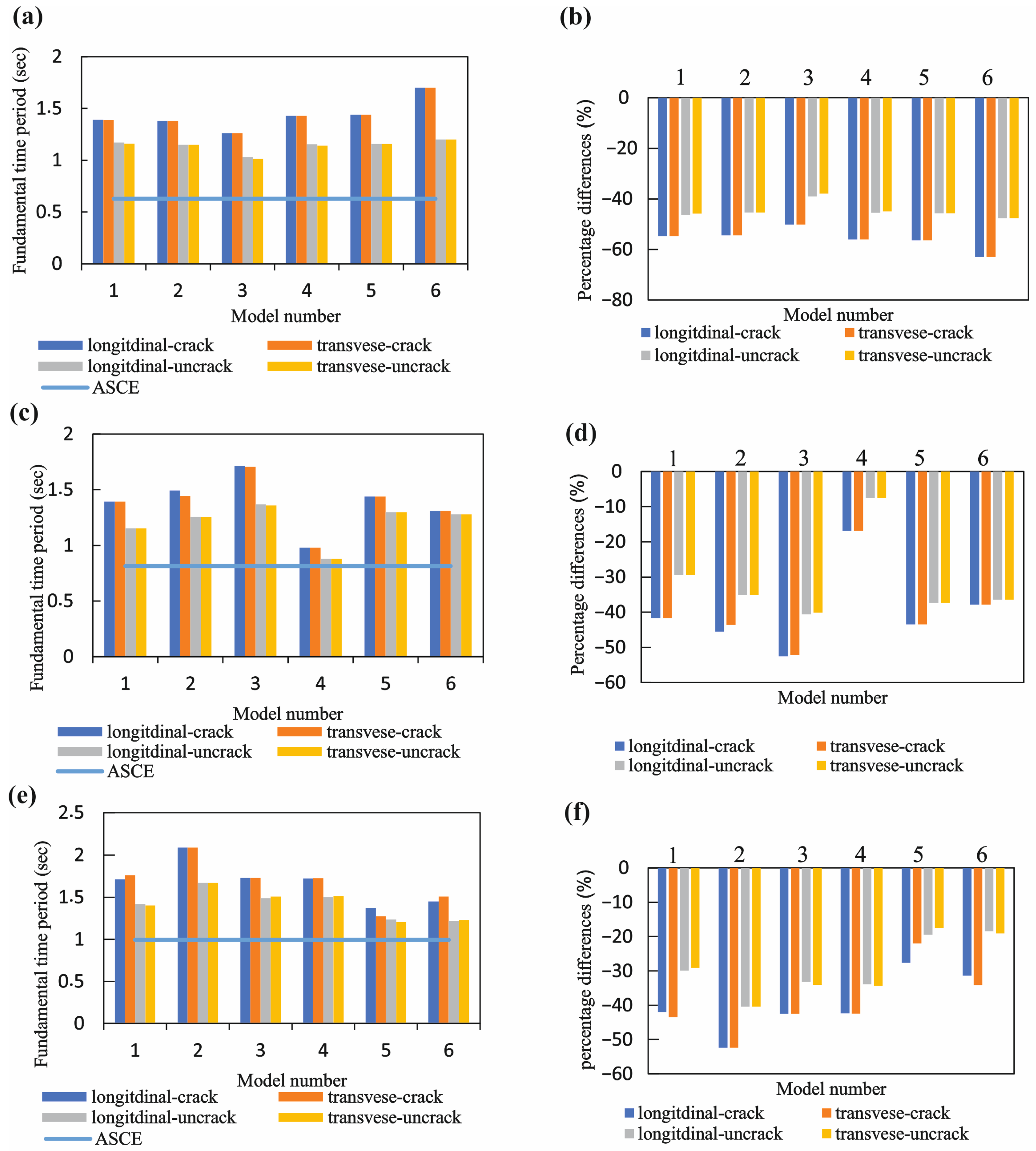
6] estimates with FEM results for 18 m, 24 m, and 30 m buildings, showing absolute periods and percentage differences in longitudinal and transverse directions, for cracked and uncracked conditions. ASCE 7-10 [
6] systematically underestimates the period, especially for cracked models; the deviations are usually in excess of 50% for taller or more flexible structures. Although conservative for design purposes, this misses the actual dynamic behavior, which should be considered in light of system flexibility, height sensitivity, and cracking.
The apparent overlap between the longitudinal crack and transverse crack subsets in several panels of
Figure 5 is due to the square floor plans with symmetric stiffness distributions and identical wall/column layouts in both principal directions. As a consequence, the dynamic characteristics in the two directions are nearly the same, leading to period values that fall at almost identical coordinates in the figure. In this context, the study initially employed the ASCE 7-10 equation [
6], which relates the building height to dynamic behavior through coefficients for the lateral force-resisting system, as it is the most widely used equation.
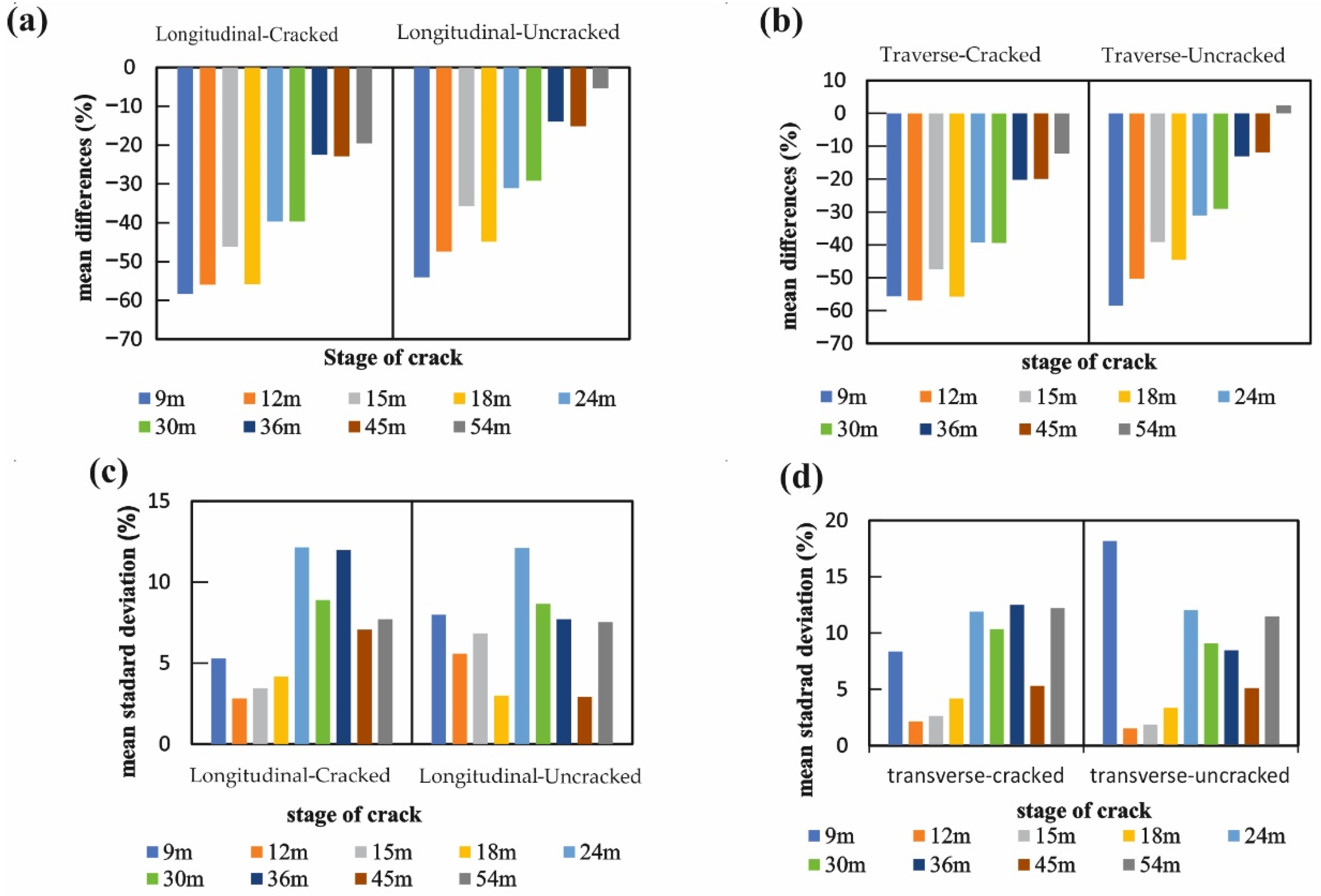
To quantify disparities, the mean and standard deviation (SD) of differences were calculated across structural types and heights. FEM comparison shows pronounced underestimation for low-rise buildings (≤18 m, up to −58%) and reduced error for tall buildings (≥45 m; ~−20%). The absolute mean differences over all heights were 40.0% (cracked) and 30.76% (uncracked) longitudinally, and 38.6% (cracked) and 30.6% (uncracked) transversely. The SD averages were 7.0% (cracked) and 6.9% (uncracked) longitudinally, and 7.7% (cracked) and 7.9% (uncracked) transversely, with maxima at intermediate heights (24–30 m). The slightly higher variability in the transverse direction may result from plan irregularities, configuration differences, or stiffness asymmetry.
Figure 6 graphically shows the mean differences and SDs across directions, crack stages, and heights, confirming systematic underestimation and variability.
Furthermore, in order to provide a more detailed quantification of the differences among code-based estimates and the FEM results, the mean and SD were computed for all structural configurations and building heights. The observed scatter among the results predicted from the FEM analyses and empirical formulae can be attributed to multiple reasons. Simplified expressions for seismic design codes, generally dependent on building heights, may tend to under- or over-predict periods depending on lateral systems and section stiffness [
9]. Formulae based on periods and heights may also be significantly influenced by the characteristics of the building in terms of the plan shape, the inclusion of infill walls, and distribution factors, indicating that formulae based solely on heights merely represent some aspects of those dynamics [
23]. Differences in building configurations, geometrical or stiffness irregularities, and assumptions in soil–structure interaction analyses may also significantly affect the scatter, especially in low- and mid-rise buildings [
58]. These effects are reflected in statistical measures such as mean deviation and standard deviation relative to FEM results.
The accuracy of ASCE 7-10 [
6] for RC moment-resisting frames was assessed against the FEM results for building heights 9–54 m, in cracked and uncracked conditions.
Table 4 and
Table 5 show consistent underestimation, particularly for low-rise buildings (≤18 m) with up to −58% error, which reduces to −20% for tall buildings (≥45 m).
The graphical inspection of the period differences using Q–Q plots indicates that the distributions are approximately symmetric, with no pronounced outliers. Because the sample size in each of the height categories was limited, the mean was used instead of the median to describe the central tendency, and the standard deviation was used to describe dispersion.
The absolute mean differences are 40.0% (cracked) and 30.76% (uncracked) longitudinally, and 38.6% (cracked) and 30.6% (uncracked) transversely. The SDs average as 7.0% (cracked) and 6.9% (uncracked) longitudinally, and 7.7% (cracked) and 7.9% (uncracked) transversely, with maxima at intermediate heights (24–30 m). The slightly higher variability in the transverse direction may result from plan irregularities, structural differences, or stiffness asymmetry.
Figure 6 shows mean percentage differences and SDs across directions, crack stages, and heights, confirming systematic underestimation and variability.
5.2.2. Comparative Evaluation of Code-Based Period Estimates with FEM for Multiple Design Codes
This section evaluates empirical period formulae from various international seismic codes and the literature against FEM results for different structural systems, in both cracked and uncracked conditions, for heights of 9–54 m. Percentage mean differences quantify over- or underestimation trends. ASCE 7-10 [
6], CEN [
5], and NBCC-95 [
3] underestimate by over −50% for heights ≤ 18 m, with errors decreasing for taller buildings. ASCE 7-10 [
6] shows −58% for 9 m buildings (longitudinal and cracked), improving above 36 m. IS 1893 [
4] and NBCC-95 [
3] show a high negative bias for 9–30 m buildings, stabilizing for heights ≥ 45 m. CEN-05 [
5], and SFR [
28] show substantial underestimation (mean errors >40% for cracked sections) but better performance at taller heights.
ATC [
16] and UBC-97 [
2] slightly overestimate periods for high-rise buildings (≥36 m) but are accurate for low-rise (≤15 m) buildings in uncracked conditions, with low mean differences (<10%) and SDs. BSLJ [
7], and SBC-301 [
22] is conservative for all heights and is less variable transversely above 30 m. AS 1170.4 [
29] performs reasonably under uncracked assumptions (−39% to +5% across heights). Academic formulae [
33] behave like ASCE 7-10 [
6] and CEN-05 [
5], with better mid-rise alignment (24–36 m) but a high negative bias in cracked low-rise cases.
In summary, no particular empirical formula provides uniformly accurate predictions across all height ranges and stiffness conditions. However, based on the observed mean errors and standard deviations, the following guidance can be formed:
Most empirical formulae, notably [
3,
5,
6,
22] showed a consistent tendency to underestimate the fundamental period when compared to the FEM results, especially for cracked sections.
The absolute mean differences for these codes often exceeded −40% in low- and mid-rise buildings, demonstrating strong conservatism.
For low-rise structures with a maximum height of 18 m, the most robust underestimation was carried out by the ASCE 7-10 [
6], CEN-05 [
5], NBCC-95 [
3], and SBC-301 [
22] equations, with differences on average often being higher than −50% for cracked section analysis.
The analysis of standard deviation reflects predictive consistency: codes like ASCE 7-10 [
6], and CEN-05 [
5] were fairly scattered (≈6–8%), reflecting more consistent predictions, whereas ATC3-06 [
16] and UBC-97 [
2], although closer on average to predictions by FEM, were also more scattered (often >12%), reflecting less consistent predictions from one height to another.
As building heights increased (≥36 m), the predictions of ASCE 7-10 [
6], CEN-05 [
5], NBCC-95 [
3], and SBC-301 [
22] showed noticeable improvement. Under uncracked section assumptions, the mean differences generally reduced to between approximately −20% and −10%, indicating that these formulations become more representative of actual structural behavior for taller buildings.
The trend of standard deviations confirmed the increasing consistency of prediction with increasing heights, particularly for NBCC-95 [
3] and ASCE 7-10 [
6], which became more consistent and less sensitive to the height variation with increasing height.
Conversely, the UBC-97 [
2] and ATC3-06 [
16] equations overestimated the fundamental period times somewhat at higher altitudes (≥36 m). However, they also had larger standard deviations, i.e., they were more sensitive to factors like stiffness assumptions and structure irregularities.
NBCC-95 [
3], CEN-05 [
5], and ASCE 7-10 [
6] are more trustworthy for structures of higher heights (≥36 m), particularly under the assumption of uncracked stiffness.
UBC-97 [
2] and ATC3-06 [
16], provide improved estimates for low-rise buildings (≤15 m), especially in uncracked conditions.
AS 1170.4 [
29] provides quite reasonable estimates over the entire height range with regard to uncracked conditions, but is less conservative than the other codes for cracked conditions.
Of all the considered codes, AS 11407.2 [
27] consistently reports the smallest percentage variation from the FEM results in the longitudinal and transverse directions under both cracked and uncracked conditions, indicating that it provides the most uniform period estimates for different building heights.
Conversely, UBC-97 [
2], and ATC3-06 [
16] exhibit the greatest differences, particularly for high-rise structures, reflecting the fact that these empirical equations overestimate periods and may not accurately reflect modern RC frame behavior under changing assumptions of stiffness.
The comparative results of this study indicate more specifically that the classical relation often tends to underestimate stiffness because the height exponent is generally too small for mid- and high-rise RC systems, while the coefficient is slightly too large for low-rise cracked buildings. The FEM database also shows that plan slenderness and system stiffness ratio significantly influence the period, suggesting that future calibrated formulae may require not only adjusted and values, but also an additional parameter representing structural geometry. Furthermore, analytical formulation could potentially be developed based on mass and stiffness as the primary governing parameters, given their fundamental role in controlling the structural fundamental period.
6. Conclusions
The accuracy of empirical formulae for period estimation from international seismic codes was investigated in the current study against FEM modal analysis for a wide range of RC building models. The main conclusions can be listed as follows:
Underestimation of Fundamental Periods: The majority of empirical formulae systematically underestimate the fundamental period, especially for cracked sections and low- to mid-rise structures, reflecting a conservative bias in seismic design.
Improved Accuracy with Height: The accuracy of empirical formulae increases as the building height grows and when assuming an uncracked section, although there can be instances where the equation might overestimate the period of tall buildings.
Variability Between Codes: Variations in predictions among different codes point to the influence of structural assumptions, stiffness modeling, and irregularity, emphasizing the need for careful formula selections and calibrations.
This study has certain limitations because it employed linear elastic finite element models, which do not reflect nonlinear behavior, irregularities in the structure, soft stories, or interactions with the soil—factors that can impact period estimations in real buildings. Future research should focus on calibrating empirical formulae utilizing full-scale monitoring, shake table tests, and nonlinear analysis to make them reliable. The equations could also be extended to irregular, hybrid, or soil-interactive structures. Using data-driven technologies, like machine learning, could further enhance predictions for different types of buildings. Overall, the results suggest that many code-based calculations tend to underestimate the fundamental period, especially for low- to mid-rise RC buildings and cracked sections, underlining the need for better calibration.