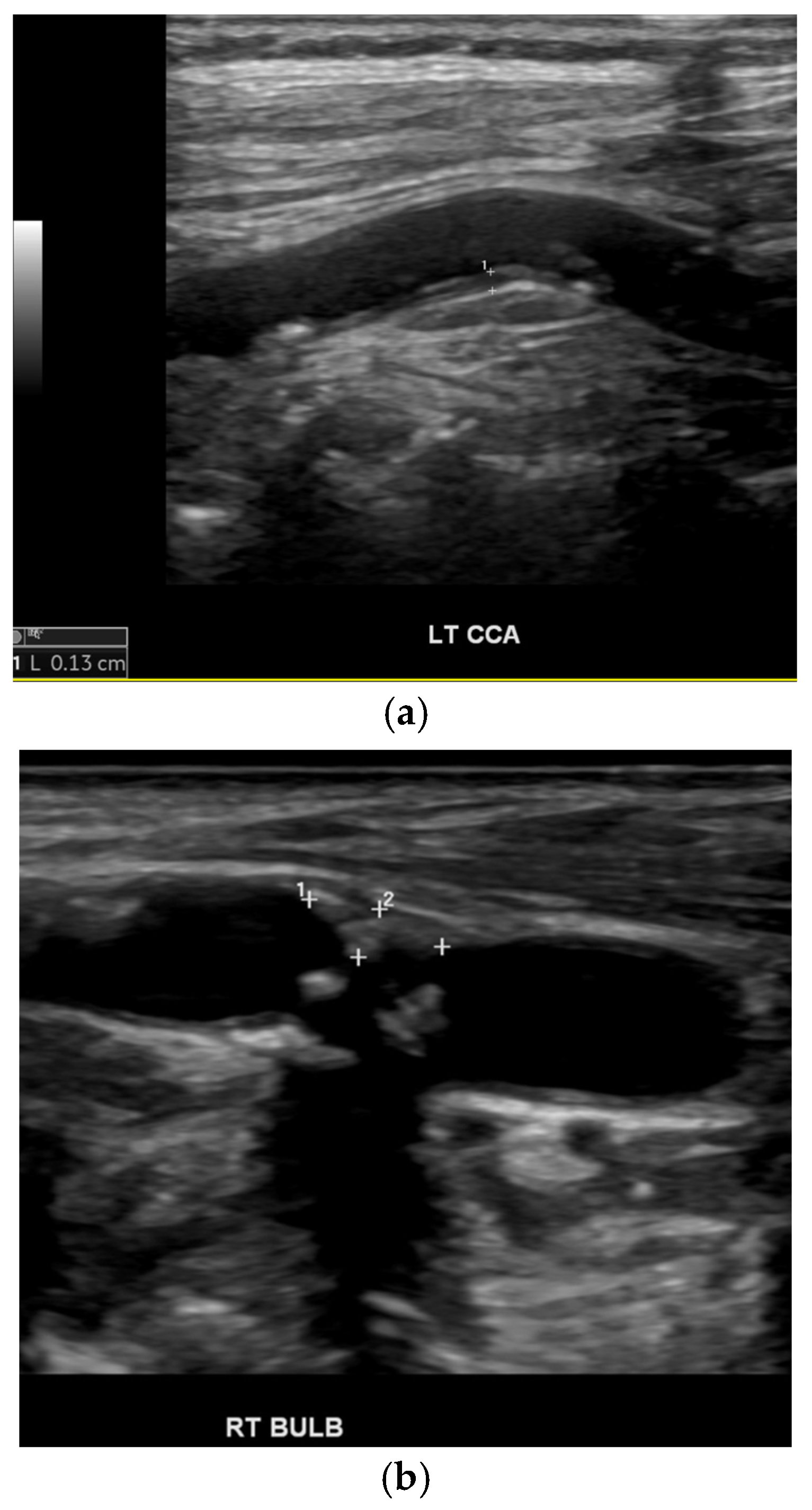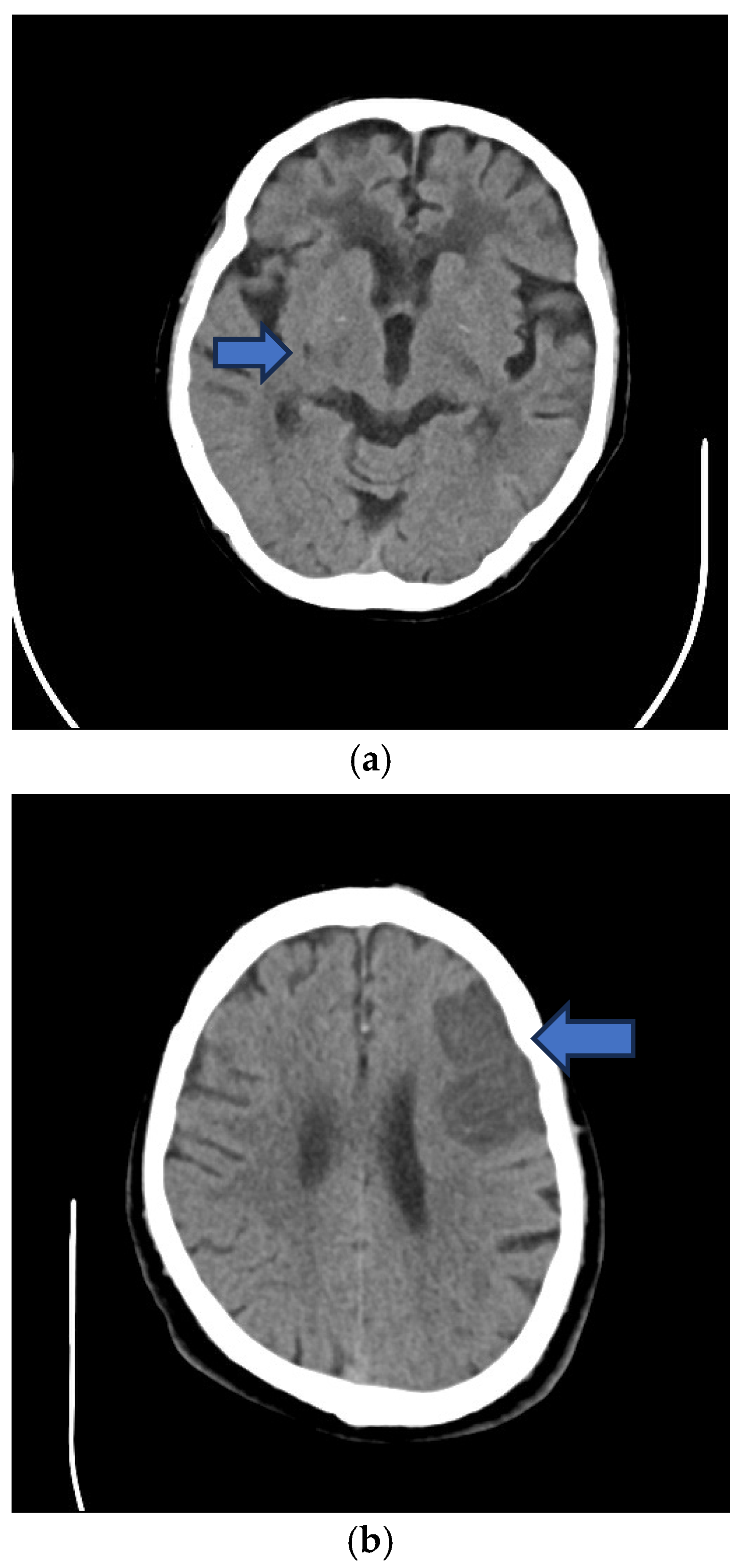

Peripheral Artery Disease in Asian Ischaemic Stroke Patients—A Cross-Sectional Study


Abstract
1. Introduction
1.1. Epidemiology of Stroke
1.2. Epidemiology of Peripheral Artery Disease
1.3. PAD Among Those with Disease in Other Arterial Beds
1.4. PAD Among Patients with Cerebrovascular Disease, Knowledge Gaps
1.5. Study Aim
2. Materials and Methods
2.1. Study Site
2.2. Inclusion and Exclusion Criteria
2.3. Data Collection
2.4. Diagnosis of PAD
2.5. Data Analysis
2.6. Sample Size Estimation
2.7. Ethics
3. Results
3.1. Subject Demographics
3.2. Frequency of PAD
3.3. Analysis of Factors Associated with PAD
4. Discussion
4.1. Summary of Findings
4.2. Comparison with Other Studies—Frequency of PAD
4.3. Comparison with Other Studies—Demographics
4.4. Comparison with Other Studies—Vascular Risk Factors
4.5. Comparison with Other Studies—Factors Associated with PAD
4.6. Clinical Relevance of PAD in IS Patients
4.7. Study Limitations
5. Conclusions
Funding
Institutional Review Board Statement
Informed Consent Statement
Data Availability Statement
Conflicts of Interest
References
- GBD 2021 Stroke Risk Factor Collaborators. Global, regional, and national burden of stroke and its risk factors, 1990–2021: A systematic analysis for the Global Burden of Disease Study 2021. Lancet Neurol. 2024, 23, 973–1003. [CrossRef] [PubMed] [PubMed Central]
- O’Donnell, M.J.; Chin, S.L.; Rangarajan, S.; Xavier, D.; Liu, L.; Zhang, H.; Rao-Melacini, P.; Zhang, X.; Pais, P.; Agapay, S.; et al. Global and regional effects of potentially modifiable risk factors associated with acute stroke in 32 countries (INTERSTROKE): A case-control study. Lancet 2016, 388, 761–775. [Google Scholar] [CrossRef] [PubMed]
- O’Donnell, M.J.; Xavier, D.; Liu, L.; Zhang, H.; Chin, S.L.; Rao-Melacini, P.; Rangarajan, S.; Islam, S.; Pais, P.; McQueen, M.J.; et al. Risk factors for ischaemic and intracerebral haemorrhagic stroke in 22 countries (the INTERSTROKE study): A case-control study. Lancet 2010, 376, 112–123. [Google Scholar] [CrossRef] [PubMed]
- Eid, M.A.; Mehta, K.; Barnes, J.A.; Wanken, Z.; Columbo, J.A.; Stone, D.H.; Stone, D.H.; Goodney, P.; Mayo Smith, M. The global burden of peripheral artery disease. J. Vasc. Surg. 2023, 77, 1119–1126.e1. [Google Scholar] [CrossRef] [PubMed]
- Leys, D. Atherothrombosis: A major health burden. Cerebrovasc. Dis. 2001, 11, 1–4. [Google Scholar] [CrossRef] [PubMed]
- Duvall, W.L.; Vorchheimer, D.A. Multi-bed vascular disease and atherothrombosis: Scope of the problem. J. Thromb. Thrombolysis 2004, 17, 51–61. [Google Scholar] [CrossRef] [PubMed]
- Munger, M.A.; Hawkins, D.W. Atherothrombosis: Epidemiology, pathophysiology, and prevention. J. Am. Pharm. Assoc. 2004, 44, S5–S13. [Google Scholar] [CrossRef] [PubMed]
- Faxon, D.P.; Fuster, V.; Libby, P.; Beckman, J.A.; Hiatt, W.R.; Thompson, R.W.; Topper, J.N.; Annex, B.H.; Rundback, J.H.; Fabunmi, R.P.; et al. Atherosclerotic Vascular Disease Conference: Writing Group III: Pathophysiology. Circulation 2004, 109, 2617–2625. [Google Scholar] [CrossRef] [PubMed]
- Gonzalez, E.R.; Kannewurf, B.S. Atherosclerosis: A unifying disorder with diverse manifestations. Am. J. Health Syst. Pharm. 1998, 55, S4–S7. [Google Scholar] [CrossRef] [PubMed]
- Steg, P.G.; Bhatt, D.L.; Wilson, P.W.; D’Agostino, R., Sr.; Ohman, E.M.; Röther, J.; Liau, C.S.; Hirsch, A.T.; Mas, J.L.; Ikeda, Y.; et al. One-year cardiovascular event rates in outpatients with atherothrombosis. JAMA 2007, 297, 1197–1206. [Google Scholar] [CrossRef] [PubMed]
- Hong, J.B.; Leonards, C.O.; Endres, M.; Siegerink, B.; Liman, T.G. Ankle-Brachial Index and Recurrent Stroke Risk: Meta-Analysis. Stroke 2016, 47, 317–322. [Google Scholar] [CrossRef] [PubMed]
- Hao, Z.; Yang, C.; Tao, W.; Liu, M. Prognostic implications of the Ankle Brachial Index in patients with acute ischaemic stroke: A meta-analysis. Expert. Rev. Neurother. 2016, 16, 351–358. [Google Scholar] [CrossRef] [PubMed]
- Banerjee, A.; Fowkes, F.G.; Rothwell, P.M. Associations between peripheral artery disease and ischaemic stroke: Implications for primary and secondary prevention. Stroke 2010, 41, 2102–2107. [Google Scholar] [CrossRef] [PubMed]
- Tsivgoulis, G.; Bogiatzi, C.; Heliopoulos, I.; Vadikolias, K.; Boutati, E.; Tsakaldimi, S.; Al-Attas, O.S.; Charalampidis, P.; Piperidou, C.; Maltezos, E.; et al. Low ankle-brachial index predicts early risk of recurrent stroke in patients with acute cerebral ischemia. Atherosclerosis 2012, 220, 407–412. [Google Scholar] [CrossRef] [PubMed]
- Milionis, H.; Vemmou, A.; Ntaios, G.; Makaritsis, K.; Koroboki, E.; Papavasileiou, V.; Savvari, P.; Spengos, K.; Elisaf, M.; Vemmos, K. Ankle-brachial index long-term outcome after first-ever ischaemic stroke. Eur. J. Neurol. 2013, 20, 1471–1478. [Google Scholar] [CrossRef] [PubMed]
- Tziomalos, K.; Giampatzis, V.; Bouziana, S.; Pavlidis, A.; Spanou, M.; Papadopoulou, M.; Kagelidis, G.; Boutari, C.; Savopoulos, C.; Hatzitolios, A. Predictive value of the ankle brachial index in patients with acute ischaemic stroke. Vasa 2014, 43, 55–61. [Google Scholar] [CrossRef] [PubMed]
- Purroy, F.; Coll, B.; Oró, M.; Setó, E.; Piñol-Ripoll, G.; Plana, A.; Quílez, A.; Sanahuja, J.; Brieva, L.; Vega, L.; et al. Predictive value of ankle brachial index in patients with acute ischaemic stroke. Eur. J. Neurol. 2010, 17, 602–606. [Google Scholar] [CrossRef] [PubMed]
- Alvarez-Sabín, J.; Quintana, M.; Santamarina, E.; Maisterra, O.; Gil-Núñez, A. Low ankle-brachial index predicts new vascular events and functional outcome after 1 year in patients with non-cardioembolic stroke: Our experience and review. Eur. J. Neurol. 2014, 21, 100–106. [Google Scholar] [CrossRef] [PubMed]
- Sen, S.; Lynch, D.R., Jr.; Kaltsas, E.; Simmons, J.; Tan, W.A.; Kim, J.; Beck, J.; Rosamond, W. Association of asymptomatic peripheral arterial disease with vascular events in patients with stroke or transient ischaemic attack. Stroke 2009, 40, 3472–3477. [Google Scholar] [CrossRef] [PubMed]
- Busch, M.A.; Lutz, K.; Röhl, J.E.; Neuner, B.; Masuhr, F. Low ankle-brachial index predicts cardiovascular risk after acute ischaemic stroke or transient ischaemic attack. Stroke 2009, 40, 3700–3705. [Google Scholar] [CrossRef] [PubMed]
- Huttner, H.B.; Köhrmann, M.; Mauer, C.; Lücking, H.; Kloska, S.; Doerfler, A.; Schwab, S.; Schellinger, P.D. The prevalence of peripheral arteriopathy is higher in ischaemic stroke as compared with transient ischaemic attack and intracerebral haemorrhage. Int. J. Stroke 2010, 5, 278–283. [Google Scholar] [CrossRef] [PubMed]
- Weimar, C.; Goertler, M.; Röther, J.; Ringelstein, E.B.; Darius, H.; Nabavi, D.G.; Kim, I.H.; Theobald, K.; Diener, H.C.; SCALA Study Group. Systemic risk score evaluation in ischaemic stroke patients (SCALA): A prospective cross sectional study in 85 German stroke units. J. Neurol. 2007, 254, 1562–1568. [Google Scholar] [CrossRef] [PubMed]
- Agnelli, G.; Cimminiello, C.; Meneghetti, G.; Urbinati, S.; Polyvascular Atherothrombosis Observational Survey (PATHOS) Investigators. Low ankle-brachial index predicts an adverse 1-year outcome after acute coronary and cerebrovascular events. J. Thromb. Haemost. 2006, 4, 2599–2606. [Google Scholar] [CrossRef] [PubMed]
- Topakian, R.; Nanz, S.; Rohrbacher, B.; Koppensteiner, R.; Aichner, F.T.; OECROSS Study Group. High prevalence of peripheral arterial disease in patients with acute ischaemic stroke. Cerebrovasc. Dis. 2010, 29, 248–254. [Google Scholar] [CrossRef] [PubMed]
- Konieczna-Brazis, M.; Sokal, P.; Brazis, P.; Grzela, T.; Świtońska, M.; Palacz-Duda, V. Prevalence of Lower Extremity Arterial Disease as Measured by Low Ankle-Brachial Index in Patients with Acute Cerebral Ischaemic Events. J. Clin. Med. 2020, 9, 3265. [Google Scholar] [CrossRef] [PubMed] [PubMed Central]
- Abboud, H.; Monteiro Tavares, L.; Labreuche, J.; Arauz, A.; Bryer, A.; Lavados, P.M.; Massaro, A.; Munoz Collazos, M.; Steg, P.G.; Yamout, B.I.; et al. Impact of Low Ankle-Brachial Index on the Risk of Recurrent Vascular Events. Stroke 2019, 50, 853–858. [Google Scholar] [CrossRef] [PubMed]
- Ohman, E.M.; Bhatt, D.L.; Steg, P.G.; Goto, S.; Hirsch, A.T.; Liau, C.S.; Mas, J.L.; Richard, A.J.; Röther, J.; Wilson, P.W.; et al. The Reduction of Atherothrombosis for Continued Health (REACH) Registry: An international, prospective, observational investigation in subjects at risk for atherothrombotic events-study design. Am. Heart J. 2006, 151, 786.e1–786.e10. [Google Scholar]
- Venketasubramanian, N.; Mak, K.H.; Loh, K.C.; Tan, J. Peripheral Artery Disease among a High-Risk Asian Population with Ischaemic Stroke, Cardiovascular Disease, or Diabetes Mellitus. J. Clin. Med. 2024, 13, 3657. [Google Scholar] [CrossRef] [PubMed] [PubMed Central]
- Hatano, S. Experience from a multicentre stroke register: A preliminary report. Bull. World Health Organ. 1976, 54, 541–553. [Google Scholar]
- Sacco, R.L.; Kasner, S.E.; Broderick, J.P.; Caplan, L.R.; Connors, J.J.; Culebras, A.; Elkind, M.S.; George, M.G.; Hamdan, A.D.; Higashida, R.T.; et al. An updated definition of stroke for the 21st century: A statement for healthcare professionals from the American Heart Association/American Stroke Association. Stroke 2013, 44, 2064–2089. [Google Scholar] [CrossRef] [PubMed]
- Jackson, C.; Sudlow, C. Are lacunar strokes really different? A systematic review of differences in risk factor profiles between lacunar and nonlacunar infarcts. Stroke 2005, 36, 891–901. [Google Scholar] [CrossRef] [PubMed] [PubMed Central]
- Aboyans, V.; Criqui, M.H.; Abraham, P.; Allison, M.A.; Creager, M.A.; Diehm, C.; Fowkes, F.G.; Hiatt, W.R.; Jönsson, B.; Lacroix, P.; et al. Measurement and interpretation of the ankle-brachial index: A scientific statement from the American Heart Association. Circulation 2012, 126, 2890–2909. [Google Scholar] [CrossRef]
- Herraiz-Adillo, Á.; Cavero-Redondo, I.; Álvarez-Bueno, C.; Pozuelo-Carrascosa, D.P.; Solera-Martínez, M. The accuracy of toe brachial index and ankle brachial index in the diagnosis of lower limb peripheral arterial disease: A systematic review and meta-analysis. Atherosclerosis 2020, 315, 81–92. [Google Scholar] [CrossRef] [PubMed]
- Lee, D.H.; Kim, J.; Lee, H.S.; Cha, M.J.; Kim, Y.D.; Nam, H.S.; Nam, C.M.; Heo, J.H. Low ankle-brachial index is a predictive factor for initial severity of acute ischaemic stroke. Eur. J. Neurol. 2012, 19, 892–898. [Google Scholar] [CrossRef] [PubMed]
- Ahn, S.; Park, Y.J.; Min, S.I.; Kim, S.Y.; Ha, J.; Kim, S.J.; Kim, H.S.; Yoon, B.W.; Min, S.K. High prevalence of peripheral arterial disease in Korean patients with coronary or cerebrovascular disease. J. Korean Med. Sci. 2012, 27, 625–629. [Google Scholar] [CrossRef] [PubMed] [PubMed Central]
- Kim, J.; Lee, D.H.; Cha, M.J.; Song, T.J.; Park, J.H.; Lee, H.S.; Nam, C.M.; Nam, H.S.; Kim, Y.D.; Heo, J.H. Low ankle-brachial index is an independent predictor of poor functional outcome in acute cerebral infarction. Atherosclerosis 2012, 224, 113–117. [Google Scholar] [CrossRef] [PubMed]
- Chung, P.W.; Kim, D.H.; Kim, H.Y.; Park, K.Y.; Park, T.H.; Hong, J.M.; Kim, G.M.; Bang, O.Y.; Oh, K.; Lee, S.J. Differences of ankle-brachial index according to ischaemic stroke subtypes: The peripheral artery disease in Korean patients with ischaemic stroke (PIPE) study. Eur. Neurol. 2013, 69, 179–184. [Google Scholar] [CrossRef]
- Ishizuka, K.; Hoshino, T.; Uchiyama, S. Ankle-brachial index and neurologic deterioration in acute ischaemic stroke. J. Stroke Cerebrovasc. Dis. 2014, 23, 2506–2510. [Google Scholar] [CrossRef] [PubMed]
- Hoshino, H.; Itoh, Y.; Yamada, S.; Suzuki, N. Prevalence and clinical features of asymptomatic peripheral artery disease in Japanese stroke patients. J. Stroke Cerebrovasc. Dis. 2013, 22, 255–259. [Google Scholar] [CrossRef] [PubMed]
- Zhang, Y.Y.; Wu, Q.H.; Kou, L.; Luo, X.Y.; Chen, Z.; Zhou, H.; Yang, P. The relationship between peripheral arterial disease and coronary artery disease and stroke in arterial sclerosis. Zhonghua Yi Xue Za Zhi 2009, 89, 29–32. (In Chinese) [Google Scholar] [PubMed]
- Ratanakorn, D.; Keandoungchun, J.; Tegeler, C.H. Prevalence and association between risk factors, stroke subtypes, and abnormal ankle brachial index in acute ischaemic stroke. J. Stroke Cerebrovasc. Dis. 2012, 21, 498–503. [Google Scholar] [CrossRef] [PubMed]
- Rahman, A.S.; Akhtar, S.W.; Jamal, Q.; Sultana, N.; Siddiqui, M.A.; Hassan, Z. Ischaemic stroke and peripheral artery disease. J. Pak. Med. Assoc. 2017, 67, 1138–1144. [Google Scholar] [PubMed]
- Das, G.; Potdar, P.; Ghosh, R.; Dubey, S.; Ray, B.K.; Modrego, P.J. Correlation between predominantly subclinical peripheral arterial disease in patients with ischaemic stroke: A study using ankle–brachial index from rural eastern India. Ann. Med. Sci. Res. 2022, 1, 59–64. [Google Scholar] [CrossRef]
- Thakare, R.; Acharya, S.; Tankhiwale, S.; Diwan, S.K.; Mahajan, S. Prevalence of peripheral vascular disease in patients of stroke. OSR J. Dent. Med. Sci. 2015, 14, 24–30. [Google Scholar]
- Sharma, B.; Dabla, S.; Garg, A.; Yadav, K. Study of Asymptomatic Peripheral Arterial Disease in Ischaemic Stroke Patients and Associated Comorbid Conditions. J. Med. Sci. Clin. Res. 2016, 4, 11814–11817. [Google Scholar]
- Shahi, M.S.; Rahman, A.; Wadud, M.S.; Saha, U.K.; Ahmed, A.K.T.U.; Ali, Z.; Kundu, N.C.; Quraishi, F.A.; Hossain, S. Association of Ankle Brachial Pressure Index (ABPI) in Patients with Ischaemic Stroke: A Case Control Study. Chattagram Maa-O-Shishu Hosp. Med. Coll. J. 2013, 7, 27–32. [Google Scholar] [CrossRef][Green Version]
- Manzano, J.J.; De Silva, D.A.; Pascual, J.L.; Chang, H.M.; Wong, M.C.; Chen, C.P. Associations of ankle-brachial index (ABI) with cerebral arterial disease and vascular events following ischaemic stroke. Atherosclerosis 2012, 223, 219–222. [Google Scholar] [CrossRef] [PubMed]
- Amudha, K.; Chee, K.H.; Tan, K.S.; Tan, C.T.; Lang, C.C. Prevalence of peripheral artery disease in urban high-risk Malaysian patients. Int. J. Clin. Pract. 2003, 57, 369–372. [Google Scholar] [CrossRef] [PubMed]
- Venketasubramanian, N. Sex Differences in Stroke Risk Factors and Mechanisms in a Multi-Ethnic Asian Population. J. Cardiovasc. Dev. Dis. 2025, 12, 304. [Google Scholar] [CrossRef] [PubMed] [PubMed Central]
- Reeves, M.J.; Bushnell, C.D.; Howard, G.; Gargano, J.W.; Duncan, P.W.; Lynch, G.; Khatiwoda, A.; Lisabeth, L. Sex differences in stroke: Epidemiology, clinical presentation, medical care, and outcomes. Lancet Neurol. 2008, 7, 915–926. [Google Scholar] [CrossRef]
- Venketasubramanian, N. Stroke Epidemiology in Asia. Cerebrovasc. Dis. Extra 2025, 15, 81–92. [Google Scholar] [CrossRef] [PubMed] [PubMed Central]
- Pantoni, L. Cerebral small vessel disease: From pathogenesis and clinical characteristics to therapeutic challenges. Lancet Neurol. 2010, 9, 689–701. [Google Scholar] [CrossRef] [PubMed]
- Li, Z.; Liu, J. Coexistence of low ankle-brachial index and intra-cranial atherosclerosis? Int. Angiol. 2014, 33, 461–465. [Google Scholar] [PubMed]
- Mahoney, E.M.; Wang, K.; Cohen, D.J.; Hirsch, A.T.; Alberts, M.J.; Eagle, K.; Mosse, F.; Jackson, J.D.; Steg, P.G.; Bhatt, D.L.; et al. One-year costs in patients with a history of or at risk for atherothrombosis in the United States. Circ. Cardiovasc. Qual. Outcomes 2008, 1, 38–45. [Google Scholar] [CrossRef] [PubMed]
- CAPRIE Steering Committee. A randomised, blinded, trial of clopidogrel versus aspirin in patients at risk of ischaemic events (CAPRIE). CAPRIE Steering Committee. Lancet 1996, 348, 1329–1339. [Google Scholar] [CrossRef] [PubMed]
- Abramson, B.L.; Al-Omran, M.; Anand, S.S.; Albalawi, Z.; Coutinho, T.; de Mestral, C.; Dubois, L.; Gill, H.L.; Greco, E.; Guzman, R.; et al. Canadian Cardiovascular Society 2022 Guidelines for Peripheral Arterial Disease. Can. J. Cardiol. 2022, 38, 560–587. [Google Scholar] [CrossRef] [PubMed]
- Aboyans, V.; Ricco, J.B.; Bartelink, M.E.L.; Björck, M.; Brodmann, M.; Cohnert, T.; Collet, J.P.; Czerny, M.; De Carlo, M.; Debus, S.; et al. 2017 ESC Guidelines on the Diagnosis and Treatment of Peripheral Arterial Diseases, in collaboration with the European Society for Vascular Surgery (ESVS): Document covering atherosclerotic disease of extracranial carotid and vertebral, mesenteric, renal, upper and lower extremity arteries. Endorsed by: The European Stroke Organization (ESO) the Task Force for the Diagnosis and Treatment of Peripheral Arterial Diseases of the European Society of Cardiology (ESC) and of the European Society for Vascular Surgery (ESVS). Eur. Heart J. 2018, 39, 763–816. [Google Scholar] [CrossRef] [PubMed]
- Gerhard-Herman, M.D.; Gornik, H.L.; Barrett, C.; Barshes, N.R.; Corriere, M.A.; Drachman, D.E.; Fleisher, L.A.; Fowkes, F.G.R.; Hamburg, N.M.; Kinlay, S.; et al. 2016 AHA/ACC Guideline on the Management of Patients with Lower Extremity Peripheral Artery Disease: A Report of the American College of Cardiology/American Heart Association Task Force on Clinical Practice Guidelines. J. Am. Coll. Cardiol. 2017, 69, e71–e126. [Google Scholar] [CrossRef]
- McDermott, M.M.; Guralnik, J.M.; Tian, L.; Liu, K.; Ferrucci, L.; Liao, Y.; Sharma, L.; Criqui, M.H. Associations of borderline and low normal ankle-brachial index values with functional decline at 5-year follow-up: The WALCS (Walking and Leg Circulation Study). J. Am. Coll. Cardiol. 2009, 53, 1056–1062. [Google Scholar] [CrossRef] [PubMed] [PubMed Central]



| Characteristic | Overall | Peripheral Artery Disease | Model 1 | Model 2 | Model 3 | ||||||||
|---|---|---|---|---|---|---|---|---|---|---|---|---|---|
| n = 150 | Y (n = 33) | N (n = 117) | p-Value | aOR | 95% CI | p-Value | aOR | 95% CI | p-Value | aOR | 95% CI | p-Value | |
| Age (years, mean ± SD) | 62.7 ± 10.2 | 66.1 ± 11.1 | 61.7 ± 9.7 | 0.03 | 1.04 | 0.99–1.08 | 0.13 | 1.03 | 0.98–1.08 | 0.26 | 1.04 | 0.99–1.09 | 0.13 |
| Female (%) | 44.7 | 48.5 | 43.6 | 0.38 | 1.01 | 0.36–2.86 | 0.99 | 1.32 | 0.43–4.04 | 0.63 | 1.22 | 0.39–3.84 | 0.73 |
| Body Mass index (BMI) (kg/m2) | 24.1 ± 4.1 | 23.3 ± 3.8 | 24.4 ± 4.1 | 0.20 | 0.96 | 0.86–1.08 | 0.49 | 0.98 | 0.87–1.11 | 0.78 | 0.97 | 0.85–1.10 | 0.62 |
| Hypertension (%) | 63.3 | 66.7 | 62.4 | 0.41 | 0.77 | 0.30–1.97 | 0.59 | 0.61 | 0.22–1.65 | 0.33 | 0.54 | 0.19–1.50 | 0.24 |
| Diabetes mellitus (%) | 42.7 | 54.5 | 39.3 | 0.09 | 2.34 | 0.95–5.78 | 0.07 | 1.58 | 0.62–4.08 | 0.34 | 1.43 | 0.54–3.78 | 0.47 |
| Hypercholesterolaemia (%) | 30.0 | 45.5 | 25.6 | 0.03 | 1.77 | 0.72–4.38 | 0.21 | 1.87 | 0.73–4.81 | 0.20 | 2.08 | 0.78–5.53 | 0.14 |
| Ever smoked (%) | 38.0 | 39.4 | 37.6 | 0.50 | 1.26 | 0.44–3.59 | 0.66 | 1.25 | 0.43–3.65 | 0.69 | 1.22 | 0.41–3.63 | 0.73 |
| Previous stroke (%) | 18.7 | 24.2 | 17.1 | 0.24 | 1.11 | 0.39–3.14 | 0.85 | 1.01 | 0.35–2.95 | 0.99 | 1.01 | 0.34–3.00 | 0.99 |
| Ischaemic heart disease (%) | 6.0 | 18.2 | 2.6 | 0.004 | 6.42 | 1.25–32.84 | 0.03 | 5.45 | 1.03–28.71 | 0.045 | 4.53 | 0.86–23.77 | 0.07 |
| Intima-medial thickening (%) | 30.7 | 39.4 | 28.2 | 0.16 | 1.64 | 0.64–4.18 | 0.30 | 1.94 | 0.73–5.15 | 0.18 | |||
| Carotid plaque (%) | 77.3 | 97.0 | 71.8 | 0.001 | 7.85 | 0.94–65.37 | 0.06 | 8.28 | 0.96–71.20 | 0.054 | |||
| Non-lacunar infarct (%) | 35.3 | 48.5 | 31.6 | 0.06 | 2.78 | 1.09–7.14 | 0.03 | ||||||
| Country | Author, Year | N (IS/TIA/HS) | PAD (%) | Age (yr) | F (%) | BMI (kg/m2) | HT (%) | DM (%) | HL (%) | SM (%) | Stroke (%) | IHD (%) | CD (%) | SVO, LI (%) | Significant Factors for PAD |
|---|---|---|---|---|---|---|---|---|---|---|---|---|---|---|---|
| Bangladesh | Shahi, 2013 [46] | 50/ 0/0 | 26.0 | 62.3 + 7.5 | 34.0 | (>23) 42 | 76.0 | 52.0 | 42.0 | 74.0 | 8.0 | 20.0 | 32 | NR | (cf SFC, LR) Stroke aOR 3.91 (95% CI 1.87–33.18, p = 0.002) IHD aOR 3.00 (95% CI 3.05–44.32, p = 0.005) CD aOR 2.46 (95% CI 1.68–15.31, p = 0.026) |
| India | Thakare, 2015 [44] | 88/0/32 | 29.2 | 57.5 | 26.7 | NR | 54.2 | 45.0 | NR | 26.7 | 29.2 | 22.5 | NR | NR | UA Age 70–79 yr (p < 0.0001) Stroke OR 2.43 (95% CI 1.06–5.62, p = 0.04) |
| Japan | Hoshino, 2013 [39] | 68/25/8 | 18.8 | NA | 19.9 | NA | 79.2 | 32.7 | 68.3 | 8.9 | 6.9 | 9.9 | NR | 14.3 | UA Age 75.8 + 7.8, 76.8 + 8.8 vs. 70.6 + 9.8 (p = 0.02) DM 4.98 (95% CI 1.73–14.31, p < 0.01) |
| Japan | Ishizuka, 2014 [38] | 209/ 0/0 | 11.5 | 67.7 + 12.6 | 31.6 | NR | 73.2 | 40.2 | 50.7 | 16.7 | NA | 16.7 | Stenosis 21.1 | 29.2 | UA CD OR 2.57 (95% CI 1.04–6.35, p = 0.04) Intracranial stenosis OR 5.06 (95% CI 2.09–12.25, p = 0.0003) TOAST LAA OR 3.31 (95% CI 1.39–7.90, p = 0.007) TOAST non-SVO OR 3.49 (95% CI 1.33–9.16, p = 0.01) |
| Korea | Lee, 2012 [34] | 1147/ 0/0 | 7.4 | 64.5 + 12.3 | 39.8 | 23.8 | 74.7 | 31.2 | 13.7 | 40.9 | NR | 19.3 | NR | 10.5 | UA Age 70.5 + 11.8 vs. 64.0 + 12.2 (p < 0.001) BMI 22.8 + 2.8 vs. 23.9 + 3.2, (p = 0.001) DM OR 1.60 (95% CI 1.02–2.52, p = 0.04) IHD OR 2.35 (95% CI 1.46–3.77, p < 0.001) |
| Korea | Kim, 2012 [36] | 775/ 0/0 | 10.1 | 65.5 + 12.5 | 37.5 | 23.8 + 3.2 | 72.9 | 31.1 | 23.7 | 26.3 | NR | 20.1 | NR | NR | UA Age 71.7 + 11.7 vs. 64.8 + 12.4, (p < 0.001) BMI 22.48 + 2.6 vs. 23.9 + 3.2, (p < 0.001) HT OR 2.74 (95% CI 1.38–5.42, p = 0.002) DM OR 1.94 (95% CI 1.21–3.12, p = 0.007) IHD OR 2.18 (95% CI 1.31–3.62, p = 0.004) Cerebral atherosclerosis OR 2.34 (95% CI 1.41–3.90, p = 0.001) |
| Korea | Chung, 2013 [37] | 1182/ 111/0 | 13.0 | 65.5 + 12.4 | 41.4 | NR | 63.8 | 31.4 | 42.6 | 28.2 | 18.6 | 6.5 | NR | 27.5 | LR Age aOR 1.05/yr (95% CI 1.03–1.05, p < 0.001) DM aOR 1.53 (95% CI 1.04–2.27, p = 0.03) HL aOR 2.87 (95% CI 1.97–4.17, p < 0.001) TOAST LAA aOR 2.32 vs. SVO (95% CI 1.37–3.93, p < 0.01) |
| Pakistan | Rahman, 2017 [42] | 327/ 0/0 | 18.3 | 57.6 + 12.8 | 48.6 | (>23) 42 | 91.7 | 57.8 | 18.7 | 17.1 | 15.3 | 24.5 | 100 | 8 | UA HT OR 0.28 (95% CI 0.12–0.65, p = 0.003) |
| Singapore | Manzano, 2012 [47] | 1311/ 0/0 | 26.2 | NA | 43.1 | NR | 78.3 | 40.8 | 56.6 | 25.6 | NR | 23.8 | >70% stenosis 5.7 | NR | UA Female sex OR 2.08 (95% CI 1.61–2.67, p < 0.0001) HT OR 1.58 (95% CI 1.14–2.19, p = 0.006) DM OR 1.72 (95% CI 1.35–2.19, p < 0.0001) Severe CD OR 2.10 (95% CI 1.35–3.55, p = 0.001) ICLAD OR 1.77 (95% CI 1.38–2.28, p < 0.0001) |
| Thailand | Ratanakorn, 2012 [41] | 694/ 53/0 | 18.1 | 63.5 + 14 | 44.2 | NR | 59.4 | 30.9 | 81.8 | 17.3 | 14.7 | 9.6 | >50% 3.2 | 39.0 | LR Age ≥ 60 yr aOR 3.54 (95% CI 2.14–5.85, p < 0.001) Female sex aOR 1.61 (95% CI 1.09–2.40, p = 0.02) Stroke aOR 2.15 (95% CI 1.32–3.49, p = 0.002) IHD aOR 2.55 (95% CI 1.4 7–4.43, p = 0.01) Atrial fibrillation aOR 1.71 (95% CI 1.03–2.82, p = 0.04) |
| Singapore | This study | 150/ 0/0 | 22.0 | 62.7 + 10.2 | 44.7 | 24.1 (4.1) | 63.3 | 42.7 | 30.0 | 38.0 | 18.7 | 6.0 | IMT 20.7, CP 77.3 | 64.7 | LR Non-lacunar aOR 2.78 (95% CI 1.09–7.14, p = 0.03) |
Disclaimer/Publisher’s Note: The statements, opinions and data contained in all publications are solely those of the individual author(s) and contributor(s) and not of MDPI and/or the editor(s). MDPI and/or the editor(s) disclaim responsibility for any injury to people or property resulting from any ideas, methods, instructions or products referred to in the content. |
© 2026 by the author. Licensee MDPI, Basel, Switzerland. This article is an open access article distributed under the terms and conditions of the Creative Commons Attribution (CC BY) license.
Share and Cite
Venketasubramanian, N. Peripheral Artery Disease in Asian Ischaemic Stroke Patients—A Cross-Sectional Study. NeuroSci 2026, 7, 59. https://doi.org/10.3390/neurosci7030059
Venketasubramanian N. Peripheral Artery Disease in Asian Ischaemic Stroke Patients—A Cross-Sectional Study. NeuroSci. 2026; 7(3):59. https://doi.org/10.3390/neurosci7030059
Chicago/Turabian StyleVenketasubramanian, Narayanaswamy. 2026. "Peripheral Artery Disease in Asian Ischaemic Stroke Patients—A Cross-Sectional Study" NeuroSci 7, no. 3: 59. https://doi.org/10.3390/neurosci7030059
APA StyleVenketasubramanian, N. (2026). Peripheral Artery Disease in Asian Ischaemic Stroke Patients—A Cross-Sectional Study. NeuroSci, 7(3), 59. https://doi.org/10.3390/neurosci7030059