Article

Sustainability in SMEs: Business Excellence, SDGs Silence?

1
Higher Institute of Accounting and Administration of University of Aveiro (ISCA-UA), 3810-193 Aveiro, Portugal
2
Research Unit on Governance, Competitiveness and Public Policies (GOVCOPP), 3810-193 Aveiro, Portugal
*
Author to whom correspondence should be addressed.
World 2026, 7(3), 50; https://doi.org/10.3390/world7030050
Submission received: 16 February 2026 / Revised: 15 March 2026 / Accepted: 18 March 2026 / Published: 20 March 2026

Abstract

Given the aggregated potential impact of Small and Medium-sized Enterprises (SMEs), this study analyzes the disclosure of the Sustainable Development Goals (SDGs) among companies located in the municipality in Portugal, awarded the ‘SMEs Excellence’ certification by the Institute for the Support of Small and Medium Enterprises (IAPMEI) in 2022. Given the limited empirical evidence on SDG disclosure among high-performing, non-listed SMEs in Portugal, the study adopts a hybrid exploratory–descriptive research design to provide new empirical insights on the sustainability disclosure practices of firms holding this certification. Data were collected through a structured questionnaire administered to 51 ‘SMEs Excellence’ located in the municipality of Águeda, district of Aveiro, yielding 24 responses. The findings are interpreted through the lenses of stakeholder, legitimacy, and signaling theories. Results indicate that only 42% of the companies recognize the importance of the SDGs, prioritizing decent work, innovation, and responsible consumption (SDGs 8, 9, and 12). However, only 12.5% formally disclose their SDG engagement. The main barriers to disclosure include limited institutional support, time constraints, and insufficient knowledge. Among firms that do disclose SDG-related initiatives, the primary motivations are image enhancement and stakeholder recognition. Respondents also highlight the importance of financial incentives, examples of best practices from other companies, and targeted training as key factors in supporting and expanding SDG disclosure among SMEs. This study contributes to the literature by providing one of the first empirical analyses of SDG disclosure among financially robust SMEs in Portugal, highlighting how stakeholder pressure, legitimacy concerns, and signaling incentives shape disclosure behavior.

1. Introduction

Sustainability has attracted growing attention from both academia and society, reflecting increasing concern with long-term environmental, social, and economic challenges [1]. The concept of sustainable development, popularized by the Brundtland Commission’s report Our Common Future, refers to development that meets present needs without compromising the ability of future generations to meet their own [2]. Since then, sustainability has become a persistent societal concern, particularly following the adoption of the United Nations’ 2030 Agenda and its 17 SDGs, which provide a shared framework for aligning development with environmental and social responsibility [3,4].
Businesses are increasingly recognized as key actors in advancing sustainable development. The 2030 Agenda explicitly acknowledges the role of the private sector in addressing sustainability challenges, and firms are expected to contribute to achieving the SDGs through responsible practices and transparent reporting [5,6]. In this context, corporate sustainability is often associated with integrating economic performance with environmental stewardship and social responsibility, as well as with quality management and continuous improvement practices that support long-term value creation [7].
SMEs play a pivotal role. SMEs represent between 96% and 99% of firms worldwide [8] and 99.9% of the Portuguese business fabric [9]. They contribute significantly to employment, innovation, and regional development, and are therefore widely regarded as essential actors in the transition toward more sustainable economic systems [10,11]. Despite their economic relevance, however, the integration of sustainability practices in SMEs remains uneven. These firms often face specific challenges, including limited financial resources, lack of specialized knowledge, and constrained organizational capabilities, which may hinder the systematic adoption and communication of sustainability initiatives [12,13].
The literature also highlights that SMEs’ engagement with sustainability is influenced by a complex combination of economic incentives, managerial values, and institutional pressures. Some studies emphasize the role of economic opportunities and competitive advantages associated with sustainable practices. Meanwhile, others underline the importance of managers’ personal values and the social relationships that characterize smaller organizations. This diversity of perspectives suggests that sustainable behavior in SMEs results from a multifaceted interaction between economic, social, and institutional factors [14]. Moreover, while SMEs are increasingly expected to contribute to the SDGs, their ability to integrate sustainability principles into their strategies and operations varies significantly across institutional contexts and sectors [15,16].
In recent years, academic interest in the sustainability practices of SMEs has grown substantially. However, much of the existing research focuses on isolated aspects, such as technological innovation, lean practices, environmental initiatives, or financial performance. Consequently, there is still a need for more comprehensive approaches that examine the strategic, institutional, and communicational dimensions of sustainability in an integrated manner [17,18,19]. In particular, the literature continues to lack robust analytical frameworks for systematically assessing how sustainability practices relate to organizational performance and how they are communicated to stakeholders [17].
An additional gap concerns the alignment between SMEs’ sustainability initiatives and the SDGs. Although many firms may engage in activities that contribute to sustainable development, these efforts are not always explicitly framed or communicated in terms of the SDG agenda. As a result, there remains a limited understanding of the extent to which SMEs recognize the relevance of the SDGs, how they integrate them into their practices, and whether they disclose related information to stakeholders [20,21].
This issue is particularly relevant in the Portuguese context. Portugal is characterized by a business structure overwhelmingly dominated by unlisted SMEs, which play a central role in regional economic development and employment creation. However, despite the increasing policy emphasis on sustainability and responsible business practices, empirical evidence on how Portuguese SMEs engage with and communicate SDG-related initiatives remains scarce. Understanding this dynamic is especially important in regions where SMEs constitute the backbone of local economic activity. Against this background, this study examines SDG disclosure among SMEs awarded the ‘SMEs Excellence’ certification by IAPMEI in 2022, focusing on firms located in a Portuguese district municipality. The study aims to: (i) assess the importance attributed to the SDGs; (ii) identify the main motivations and barriers to SDG disclosure; and (iii) examine the resources required for this process. A hybrid exploratory–descriptive research design was adopted, using a structured questionnaire administered to 51 certified firms, yielding 24 valid responses (47% response rate). The instrument combines closed-ended items for descriptive analysis and open-ended questions for qualitative insights, capturing company characteristics, SDG awareness, alignment of practices, disclosure channels, motivations, barriers, and support needs. Importantly, the questionnaire was explicitly designed to address the study’s “what, how, and why” objectives: which SDGs are prioritized, how initiatives are implemented and communicated, and why firms choose to disclose—or not disclose—their SDG engagement. The findings are interpreted through the lenses of stakeholder, legitimacy, and signaling theories.
Results indicate that while 42% of firms recognize the importance of the SDGs—particularly SDG 8 (Decent Work and Economic Growth), SDG 9 (Industry, Innovation and Infrastructure), and SDG 12 (Responsible Consumption and Production)—only 12.5% formally disclose their initiatives. The main barriers to disclosure include limited support, time constraints, and lack of knowledge, while motivations for disclosure are primarily reputational and market-oriented, including image enhancement and stakeholder recognition. Companies highlight the need for financial incentives, examples of best practices from other firms, and targeted training to support SDG disclosure. These patterns are consistent with the predictions of stakeholder, legitimacy, and signaling theories, suggesting that disclosure decisions are shaped by perceived stakeholder expectations, reputational considerations, and the strategic communication of sustainability engagement.
The remainder of the paper is structured as follows. Section 2 reviews the relevant literature. Section 3 presents the research design and methodology. Section 4 reports the results and discussion. Section 5 outlines the theoretical and practical implications. Section 6 presents the study’s limitations, and Section 7 suggests directions for future research. Section 8 concludes the study.

2. Literature Review

2.1. Sustainability Disclosure and Regulatory Context

Sustainability and sustainable development have progressively become integrated into corporate strategy, giving rise to corporate sustainability approaches that link economic performance with environmental and social objectives [22,23,24,25]. The adoption of the United Nations’ 2030 Agenda and its 17 SDGs provides a global framework for translating sustainability principles into measurable targets. However, a persistent gap remains between the formal recognition of the SDGs and their effective integration into business strategies and organizational practices [16,26,27,28].
In the context of SMEs, sustainability practices are often implemented in a more informal and operational manner and are strongly influenced by managers’ values and local community needs [5]. Although SMEs increasingly demonstrated awareness of environmental and social issues through practices related to energy efficiency, resource management, and employee well-being [8], structural constraints frequently limit the systematic integration of sustainability principles into strategic planning and reporting processes.
Sustainability disclosure has emerged as a key mechanism through which firms communicate their economic, environmental, and social impacts to stakeholders and demonstrate their commitment to responsible practices [21]. More broadly, voluntary corporate disclosure enables organizations to share performance and strategic information with external audiences, helping to reduce information asymmetries and strengthen transparency, credibility, accountability, and organizational legitimacy [29,30].
In recent years, the disclosure of CSR and sustainability information has expanded significantly, often through sustainability or integrated reports incorporated in annual and financial reporting processes [24,31]. Growing stakeholder demand for reliable, comparable, and quantitative non-financial information is encouraging companies to adopt more standardized reporting practices and, in some cases, external assurance mechanisms [32,33]. In this context, sustainability disclosure has become an important mechanism for evaluating organizational practices and their relationship with performance outcomes [17].
At the European level, sustainability disclosure has evolved from a largely voluntary practice to a progressively regulated requirement. Directive 2014/95/EU [34] represented a first milestone by mandating non-financial disclosure for large public-interest entities, later transposed into the Portuguese legal framework through Decree-Law No. 89/2017 [35] and Law No. 62/2017 [36]. Subsequently, regulatory initiatives, including Regulation (EU) 2019/2088 [37] on sustainability-related disclosures in the financial sector and Regulation (EU) 2020/852 [38] establishing the EU Taxonomy, further strengthened transparency requirements and linked sustainability reporting to sustainable finance objectives. This regulatory trajectory culminated in the adoption of the Corporate Sustainability Reporting Directive (CSRD) [39], which expands the scope, comparability, and reliability of sustainability reporting by introducing the European Sustainability Reporting Standards (ESRS).
Despite these developments, the direct applicability of these regulatory frameworks remains limited for most SMEs. In countries such as Portugal, approximately 99.99% of firms are non-listed SMEs [9], meaning that sustainability disclosure largely remains voluntary. Consequently, many SMEs disclose sustainability information in a fragmented or informal manner, reflecting resource constraints and the absence of specialized organizational structures dedicated to sustainability [10]. This gap between growing expectations for sustainability engagement and SMEs’ limited reporting capacities has attracted increasing attention from policymakers and regulatory institutions.
To address this gap, the European Commission, together with the European Financial Reporting Advisory Group (EFRAG), has developed the Voluntary Sustainability Reporting Standard for non-listed SMEs (VSME), designed to provide a simplified and proportionate reporting framework aligned with SMEs’ capacities and resources [40,41]. Overall, while sustainability disclosure requirements are becoming increasingly stringent for large firms, SMEs continue to operate in a predominantly voluntary reporting environment. Nevertheless, the transposition and practical implementation of the most recent European sustainability reporting requirements are still evolving in several Member States, including Portugal.
In countries such as Portugal, where SMEs represent the majority of firms, sustainability and SDG-related disclosure often develop gradually and in less formalized ways, reflecting both resource constraints and competing organizational priorities. This context highlights the importance of understanding the role of SMEs in advancing sustainable development and the extent to which sustainability practices and related disclosures emerge within these organizations.

2.2. SMEs and Sustainable Development

SMEs play a central role in both developed and developing economies, contributing on average to 42% of the Gross Domestic Product (GDP) and employing approximately 54% of the workforce. Despite their small individual size, SMEs’ aggregated environmental and social impact is substantial, accounting for a significant share of global pollution and carbon emissions [17,42,43,44]. This duality—limited individual impact but strong collective influence—positions SMEs as critical actors in sustainable development.
Unlike large corporations, SMEs typically operate with less formalized organizational structures and decision-making processes that are strongly influenced by the values and personal relationships of owners and managers. Consequently, sustainability initiatives often emerge from motivations that go beyond purely economic considerations, reflecting individual values, community relationships, and local social dynamics. SMEs should therefore be understood not only as economic entities but also as social actors embedded in networks of relationships and specific institutional contexts [14].
The adoption of sustainability practices in SMEs is shaped by a combination of internal capabilities and external pressures. Sustainability initiatives may enhance reputation, competitiveness, and market positioning [45,46]. Yet, SMEs continue to face barriers related to limited financial, human, and temporal resources, which constrain their capacity to adopt and formalize sustainability practices compared to larger firms [47,48,49]. External influence also plays an important role. Regulatory frameworks may stimulate adoption, particularly when combined with institutional support mechanisms [50]. However, empirical evidence suggests that stakeholder proximity—such as relationships with employees, customers, and local communities—often exerts a stronger influence on SMEs’ sustainability actions than formal regulation alone [51,52].
Empirical studies indicate that sustainability practices in SMEs often develop gradually and remain relatively informal. Although many SMEs recognize the importance of sustainability, implementation tends to be incremental and strongly influenced by managerial values, customer expectations, and opportunities for innovation [12]. In many cases, SMEs implement practices that contribute to the SDGs—such as energy efficiency, waste reduction, recycling, and employee well-being—even when these actions are not explicitly framed within an SDG-oriented strategy [53,54]. This implicit alignment underscores the practical relevance of the SDGs while also revealing a gap between operational practices and formal sustainability or SDG-related disclosure.
Empirical studies across different European contexts reveal considerable heterogeneity in SMEs’ sustainability engagement. In countries such as the Czech Republic and Poland, stronger stakeholder pressures and higher sustainability literacy are associated with more advanced sustainable practices [52]. Conversely, research on European SMEs’ sustainability reporting shows that voluntary disclosures generally comply with minimal standards and often lack external recognition [55,56]. Evidence from Spain further suggests that sustainability-related performance gains are more pronounced among larger enterprises, reflecting SMEs’ resource limitations and the mediating role of disclosure [57].
Recent studies also highlight the growing influence of institutional and financial mechanisms. Regulatory and organizational pressures play a significant role in promoting SDG integration into non-financial disclosures [58], while European sustainability policies generate differentiated effects depending on firms’ size and regulatory exposure [59]. In some national contexts, such as Slovakia and Italy, sustainability adoption among SMEs is increasingly supported by societal expectations and financial criteria, including the incorporation of sustainability indicators into banking and financing decisions [7,60].
Overall, the literature indicates that SMEs possess significant potential to contribute to sustainable development, both through direct operational practices and by influencing other firms within their value chains [14,61]. However, the extent to which these initiatives are formally structured or disclosed remains uneven. Understanding the motivations and conditions that shape SMEs’ sustainability practices and disclosure is therefore essential, particularly when examining SDG-related disclosure among high-performing SMEs. These dynamics can be further interpreted through theoretical perspectives that explain why organizations adopt sustainability practices and disclose related information, including stakeholder, legitimacy, and signaling theories.

2.3. Multidimensional Theoretical Framework: Legitimacy, Stakeholder, and Signaling Perspectives

SMEs, despite their limited individual impact, collectively play a significant role in sustainable development and in the advancement of the SDGs [44]. Previous research suggests that sustainability-related disclosure can enhance transparency, accountability, and stakeholder engagement, while also serving as an indicator of firms’ sustainability practices [26,62]. However, the extent to which SMEs adopt and disclose sustainability initiatives remains uneven and is often shaped by organizational resources, stakeholder pressures, and institutional contexts.
The analysis of sustainability practices and disclosure can be interpreted through several complementary theoretical perspectives. Among the most relevant are stakeholder theory, legitimacy theory, and signaling theory, which provide insights into why firms adopt sustainability practices and disclosure-related information to external audiences [30]. From this perspective, firms can be understood as social actors embedded in institutional and relational environments, where organizational decisions are influenced not only by economic incentives but also by social norms, interpersonal relationships, and contextual dynamics [14].
Stakeholder theory offers a central framework for analyzing these dynamics. According to this perspective, firms should consider the interests and expectations of multiple stakeholder groups that may affect or be affected by their activities, including employees, customers, suppliers, investors, regulators, and local communities [63,64,65,66]. Sustainability initiatives and disclosure can be understood as strategic responses to stakeholder expectations, aiming to enhance transparency, trust, and long-term organizational value [67,68,69]. In the context of SMEs, stakeholder proximity and localized networks often amplify responsiveness to stakeholder demands despite resource constraints [51,70,71]. Empirical studies further indicate that voluntary disclosure among SMEs is frequently influenced by pressures from clients, parent companies, and other stakeholders rather than by regulatory requirements alone [12,72]. The intensity and persistence of sustainability initiatives, however, depend on the degree of stakeholder engagement and the strategic importance attributed to these relationships [73].
Legitimacy theory complements this perspective by suggesting that organizations seek to align their actions and communications with socially accepted norms and values in order to secure societal approval and ensure their continued operation. From this viewpoint, sustainability disclosure can be interpreted as a strategy through which firms demonstrate social responsibility and reinforce their legitimacy among relevant stakeholders [30]. SDG-related disclosures thus function not only as reporting mechanisms but also as strategies for demonstrating responsibility and reinforcing legitimacy within institutional environments [74,75].
Signaling theory provides an additional explanation for sustainability disclosure. Firms may voluntarily disclose information to reduce information asymmetries between managers and external stakeholders. By disclosing performance indicators and other relevant information, organizations signal to the market their quality, strategic orientation, and commitment to responsible practices [29,76]. Sustainability and SDG-related disclosure may therefore function as a strategic signal that enhances organizational reputation and strengthens stakeholder confidence.
Taken together, these three theoretical perspectives provide a multidimensional framework for understanding the motivations behind sustainability practices and disclosure. Stakeholder theory highlights the influence of stakeholder expectations, legitimacy theory emphasizes the importance of aligning corporate actions with societal norms, and signaling theory explains how firms strategically disclose information to reduce information asymmetries and enhance credibility. In SMEs, these perspectives help explain why sustainability practices may emerge not only from regulatory requirements or economic incentives but also from relational dynamics, legitimacy concerns, and the need to communicate organizational values to external stakeholders [12,15]. Despite the growing literature on sustainability reporting and SDG engagement, empirical evidence on SDG-related disclosure among SMEs remains limited, particularly in local contexts. This gap is especially relevant in countries such as Portugal, where SMEs represent the vast majority of firms and sustainability reporting remains largely voluntary. This study, therefore, examines the extent to which SME Excellence firms disclose SDG-related information and the factors shaping their disclosure practices within a Portuguese municipal context.

3. Methodology and Research Method

The primary objective of this study is to analyze how SDGs are perceived and disclosed by SME Excellence firms, in 2022, located in a district municipality in Portugal. Given the limited empirical evidence on SDG disclosure among high-performing, non-listed SMEs in the Portuguese context, this study adopts a hybrid exploratory–descriptive research design.
Exploratory research is particularly appropriate when investigating phenomena that have received limited prior empirical attention and where the objective is to generate initial insights rather than to test well-established hypotheses [77,78,79]. This approach is frequently used in sustainability-related research to examine motivations, barriers, and emerging practices, especially among SMEs [8]. In this study, the exploratory component aims to identify patterns in SDG awareness, motivations, and barriers among the surveyed firms.
At the same time, a descriptive design allows for the systematic characterization of observed phenomena by providing an empirical profile of organizational practices and behaviors [79,80,81]. Accordingly, the descriptive component provides a structured overview of SDG-related disclosure practices among SME Excellence firms, identifying frequencies and patterns of behavior without assuming causal relationships.
The combination of exploratory and descriptive approaches is therefore suitable for addressing the research questions of “what”, “how”, and “why” SDG-related disclosure occurs in this specific organizational setting [79,82].

3.1. Sample Selection and Context

The population under analysis comprises companies classified as SMEs according to the European Commission Recommendation 2003/361/EC [83], which defines SMEs based on the number of employees, annual turnover, and total balance sheet (Table 1) [84].
This classification was transposed into Portuguese law through Decree-Law No. 372/2007 [85] of 6 May and is particularly relevant in Portugal, where SMEs represent approximately 99.99% of the business fabric [9].
The study focuses on firms awarded the SMEs Excellence status by IAPMEI [86], a distinction attributed to companies demonstrating superior economic and financial performance. This deliberate focus controls for minimum levels of financial robustness, enabling the analysis to explore whether superior economic performance is associated with greater engagement in SDG-related disclosure.
To clarify the distinction between SMEs Leader and SMEs Excellence, Table 2 compares the eligibility criteria applied by IAPMEI, allowing the analysis to focus on sustainability disclosure beyond mere resource constraints.
Águeda was selected as the study site due to its strong industrial base, high SME density, and significant concentration of SME Excellence firms. The local economy is characterized by export-oriented manufacturing, particularly in metalworking, lighting equipment, and bicycle and mobility-related industries, alongside a growing presence of SMEs in commerce and services. While the geographical focus limits external validity, it allows for a contextually grounded examination of sustainability disclosure practices within a well-defined local economic ecosystem. Selecting this municipality also leveraged the researchers’ knowledge of the local SME fabric, which was critical given the difficulty of collecting data from firms that typically demonstrate low response rates to surveys.
A total of 53 SME Excellence companies were identified, of which two firms were excluded to ensure the analysis reflected autonomous SME decision-making. The final population, thus, comprised 51 firms, all of which were invited to participate.

3.2. Questionnaire Design and Validity

The questionnaire was designed to capture both perceptions and actual disclosure practices related to the SDGs among SME Excellence companies. It was structured into four main sections: general information about the respondent; general information about the company; SDG awareness and alignment; and SDG disclosure practices. For companies that already disclose SDGs, specific questions addressed motivations, communication channels, frequency, target audiences, use of AI tools, perceived impacts, and challenges. For non-disclosing firms, the questionnaire focused on barriers, interest in future disclosure, support needs, potential impacts, and perceived external incentives.
The instrument was developed based on prior research on sustainability disclosure and sustainability practices in SMEs. It included both closed-ended and open-ended questions addressing firm characteristics, knowledge of the SDGs, disclosure practices, perceived motivations, barriers, and support needs.
Before the main data collection, the questionnaire was pre-tested with a small group of SME managers and researchers in order to ensure clarity, relevance, and contextual adequacy for the Portuguese SME environment. Minor adjustments in wording and structure were made following this pilot phase to improve the clarity and interpretability of the questions.
Closed-ended items included Likert-type scales and multiple-choice questions, allowing for descriptive quantitative analysis. Meanwhile, open-ended questions enabled respondents to provide nuanced explanations of practices, challenges, and expectations. Responses to open-ended items were systematically coded thematically to complement quantitative analyses and to provide insights into stakeholder influences, institutional dynamics, and strategic decision-making.
Importantly, the questionnaire was explicitly designed to address the study’s exploratory–descriptive objectives, capturing the “what, how, and why” of SDG disclosure among SMEs: which SDGs are prioritized, how they are implemented and disclosed, and why firms choose to disclose or not disclose. This alignment ensures that the instrument directly supports both the descriptive mapping of disclosure practices and the exploration of motivations and barriers.
Most questionnaire items captured categorical or descriptive information rather than multi-item latent constructs. For this reason, internal consistency measures such as Cronbach’s alpha were not applicable. Instead, the instrument’s validity relied on content alignment with the research objectives, prior literature, and the pilot testing process.
Respondents were directed to one of two questionnaire paths according to their disclosure practices. Firms reporting sustainability initiatives completed Version 1, which included ten additional subsections, whereas firms that did not disclose sustainability information completed Version 2, which included eight subsections. This structure allowed the questionnaire to capture both disclosure practices and the motivations or constraints associated with non-disclosure (Appendix A).
Given that the study targeted a specific and relatively small population—SMEs Excellence companies located in the selected municipality—the number of valid responses (n = 24) reflects a substantial proportion of the accessible population and is considered appropriate for exploratory–descriptive analysis in this context. Although the sample size does not allow robust inferential statistical analysis, it is adequate for exploratory studies aiming to provide an initial empirical characterization of a specific organizational population.

3.3. Data Collection and Response Rate

Data were collected through a questionnaire administered electronically in October 2024 using the formsUA platform [87]. The questionnaire included both closed-ended questions—allowing for quantitative analysis of firm characteristics, perceptions, and disclosure practices—and open-ended questions, which provided complementary qualitative insights into motivations and perceived barriers [79,80].
A total of 24 valid responses were received, corresponding to a response rate of 47.06%. Given the small population, this exceeds commonly accepted thresholds for survey research in similar contexts [88]. Higher response rates are particularly important in small populations, as they reduce the risk of selection bias and increase the representativeness of the observed patterns [89,90]. Despite rigorous follow-up, non-response remains a potential limitation. To mitigate this, respondents were compared with the full population on size, sector, and turnover, revealing no significant differences, suggesting limited non-response bias. Nevertheless, findings are interpreted with caution given the small sample. This comparison indicates that the responding firms broadly reflect the structure of the population, reducing the likelihood of systematic non-response bias.

3.4. Data Analysis and Methodological Limitations

Data were collected electronically using the formsUA platform in October 2024, yielding 24 valid responses from a population of 51 SMEs Excellence firms (response rate: 47.06%). Given the small population, this response rate exceeds common survey research thresholds in similar contexts and reduces potential non-response bias. Respondents were compared with the full population on size, sector, and turnover, revealing no significant differences.
Quantitative data were coded and analyzed using IBM SPSS Statistics v29 [91], focusing on descriptive statistics (frequencies, percentages) and cross-tabulations to explore patterns across firm characteristics, SDG disclosure practices, and motivations. In addition to descriptive analysis, a comparative exploration was conducted between disclosing and non-disclosing firms to identify differences in awareness, motivations, and perceived barriers.
Given the exploratory nature of the study and the relatively small sample size, the analysis relied primarily on descriptive and comparative techniques rather than formal inferential statistical tests. This approach is consistent with previous exploratory studies examining sustainability practices among SMEs, which aim to identify initial patterns rather than test causal relationships. Inferential techniques were not systematically applied due to small subsamples and low expected cell frequencies in several contingency tables, which could compromise statistical reliability. Instead, confidence intervals were reported where appropriate to reflect uncertainty in the observed distributions.
Open-ended responses were coded thematically to provide complementary qualitative insights, particularly regarding stakeholder salience, perceived benefits, and institutional support mechanisms. The analysis explicitly compared disclosing versus non-disclosing firms to identify patterns in motivations, barriers, and strategic considerations.
Limitations of the study include: a geographically concentrated sample; reliance on self-reported data, which may introduce reporting or social desirability biases; and a cross-sectional design, which does not capture changes over time or allow causal inference. Despite these constraints, the study provides valuable insights into SDG disclosure practices among financially robust SMEs in a context where data collection is challenging. Conclusions are framed as exploratory and descriptive, highlighting patterns and relationships without overgeneralization.

4. Results and Discussion

4.1. Characterization of the Sample

The study surveyed 51 SME Excellence companies certified by IAPMEI, receiving 24 valid responses (47.06%). Respondents were predominantly accountants (45.83%) and financial directors (37.50%), with 95.83% holding higher education degrees. Firms mainly operate in industry (58.33%), commerce (20.83%), and services (16.67%). Most are small (41.67%), followed by micro and medium-sized enterprises (29.17% each) (Table 3).
About 58.33% of respondents reported holding ISO 9001 certification, which emphasizes operational efficiency, human capital training, and supplier quality management [92,93]. Despite this, certification does not necessarily translate into formal CSR practices or SDGs disclosure [94].

4.2. SDGs in SMEs Excellence Companies

Only 12.50% of firms report formal SDG-related practices, with 66.67% indicating that initiatives are under development. This pattern suggests that, even among financially high-performing SMEs, SDG engagement remains predominantly informal and incremental rather than strategically embedded. From a critical perspective, this indicates that financial robustness alone is insufficient to drive formal sustainability disclosure, highlighting the role of stakeholder expectations, institutional pressures, and signaling motives in shaping organizational behavior [30,54].
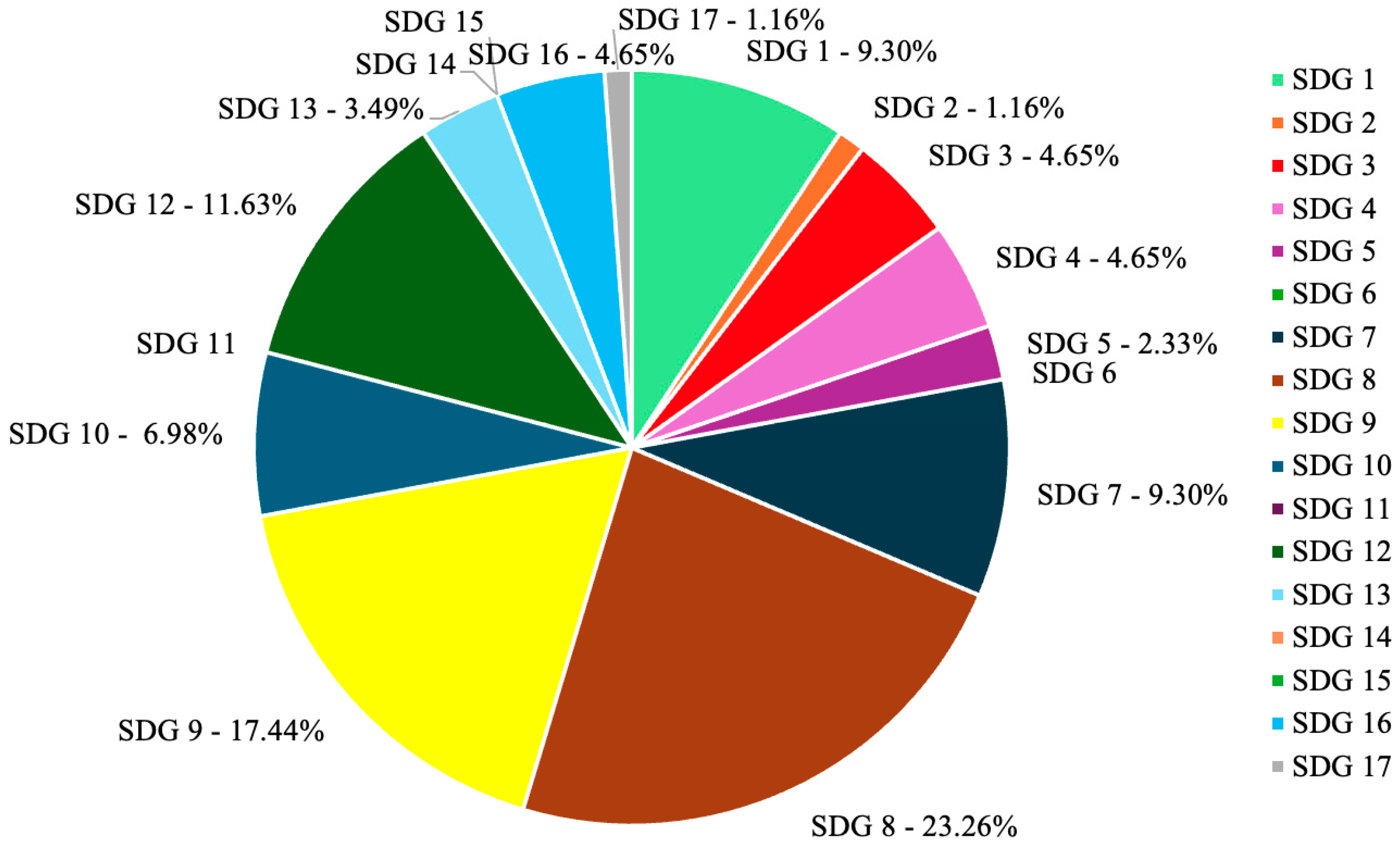
The observed variation across firm size categories is consistent with prior evidence indicating that larger SMEs tend to exhibit greater awareness and structuring of sustainability-related practices [95]. Micro-enterprises appear more socially oriented, emphasizing SDG 1 (No Poverty) and SDG 10 (Reduced Inequalities), likely reflecting closer ties with local communities and workforce concerns. Small enterprises prioritize SDG 8 (Decent Work and Economic Growth) and SDG 9 (Industry, Innovation and Infrastructure), reflecting employment generation, innovation, and productivity as central competitive priorities. Medium-sized enterprises demonstrate a stronger environmental and technological orientation, with SDG 7 (Affordable and Clean Energy), SDG 9, and SDG 12 (Responsible Consumption and Production) being most salient. These firms report tangible investments such as photovoltaic systems, electric vehicles, and energy-efficient equipment, suggesting strategic anticipation of environmental regulations and efficiency gains. Figure 1 shows the relative weight of each SDG in relation to the total responses:
This distribution supports stakeholder theory: firms’ sustainability priorities reflect the expectations of their most salient stakeholders. Micro and small enterprises respond primarily to local social pressures and workforce-related demands, while medium-sized firms—more visible to regulators, financial institutions, and supply-chain partners—engage with SDGs, emphasizing energy efficiency and innovation. Legitimacy theory also offers insight: disclosure appears motivated by the pursuit of social approval, while signaling theory explains how firms communicate commitment and enhance credibility with external audiences [51,76].
Critically, the concentration on SDGs 8, 9, and 12 suggests that SMEs prioritize goals that align with core business activities and offer operational benefits with minimal strategic disruption. Goals with broader societal or global focus are less prioritized, indicating a pragmatic and selective approach to sustainability. This aligns with European evidence: UK SMEs tend to focus on SDGs related to cost reduction, energy efficiency, and workforce stability, pursuing more abstract goals only when external incentives or frameworks are in place [56,96]. Similarly, Portuguese SMEs show selective adoption of SDGs due to contextual factors such as regulatory pressure, sector norms, and cultural attitudes toward corporate responsibility.
The relatively low formal disclosure, despite financial strength, warrants reflection. Possible explanations include limited guidance tailored to SMEs, the absence of mandatory reporting, and perceived cost–benefit trade-offs associated with formal SDG articulation. Regional culture and sector-specific norms may also constrain disclosure, while institutional pressures (e.g., regulators, supply chains) increasingly incentivize medium-sized firms to formalize sustainability practices. These contextual factors underscore the gap between operational engagement and strategic disclosure, highlighting opportunities for policy interventions such as the CSRD and voluntary VSME standard, which aim to provide proportionate and scalable reporting mechanisms for SMEs.
Overall, the findings suggest that SME Excellence firms are aware of sustainability challenges and take action, but formal SDG integration and disclosure remain selective and context dependent. This nuanced understanding reinforces the importance of triangulating stakeholder, legitimacy, and signaling theories to interpret both the patterns and the motivations behind SDG prioritization.

4.3. Disclosure of the SDGs by Size

The analysis reveals that SDG disclosure among SME Excellence firms remains extremely limited. As shown in Table 4, only 12.5% of the respondents—one small enterprise and two medium-sized enterprises—reported formal disclosure of SDG-related information. This finding confirms that even among financially robust SMEs, sustainability disclosure is far from being institutionalized and remains the exception rather than the norm.
This finding confirms that even among financially robust SMEs, sustainability disclosure is far from being institutionalized and remains the exception rather than the norm. From a critical perspective, this suggests that formal disclosure is influenced not only by financial capacity but also by perceived legitimacy, stakeholder pressure, and signaling incentives. Firms may engage in operational sustainability initiatives without translating them into formal reporting because disclosure entails additional costs, reputational risks, or managerial effort that SMEs may deem disproportionate to their stakeholder expectations [54,76].
This low disclosure rate is consistent with prior empirical evidence indicating that SMEs face significant structural constraints in adopting formal sustainability reporting practices. In particular, the lack of dedicated human resources, limited technical expertise, and the perceived complexity of reporting frameworks represent major barriers to disclosure [97,98]. These constraints help explain the gap observed in this study between widespread awareness of sustainability issues and the limited translation of that awareness into formalized SDG communication. However, resource constraints alone do not fully account for low disclosure: even within the SMEs Excellence category, where financial performance is superior, most firms remain non-disclosers.
From a theoretical standpoint, this pattern reinforces a stakeholder-driven interpretation: in the absence of strong external pressure from regulators, financial institutions, or key clients, SMEs tend to prioritize operational sustainability actions over formal disclosure. Legitimacy theory further explains this selective behavior: disclosure occurs primarily when firms perceive it as reinforcing social approval or reputation among relevant audiences. Signaling theory complements this view, as disclosure functions strategically to communicate commitment and build credibility, but SMEs may opt for low-cost or informal signaling instead of formal reporting.
A comparative perspective further reinforces this interpretation. Evidence from the UK SME context, particularly from the Association of Chartered Certified Accountants (ACCA), shows that sustainability disclosure increases when reporting frameworks are perceived as proportionate, practical, and clearly linked to business value. The ACCA guide for SMEs provides a simplified pathway for sustainability reporting aligned with the International Sustainability Standards Board (ISSB) principles, explicitly addressing the cost and complexity concerns commonly faced by SMEs [96]. Unlike the ESRS under the CSRD framework, which may be perceived as burdensome for non-listed SMEs, the ACCA approach emphasizes scalability, managerial relevance, and improved access to finance.
The contrast between these international experiences and the Portuguese context highlights an important institutional gap. While European regulation has significantly advanced mandatory sustainability reporting for large firms, SMEs remain largely dependent on voluntary initiatives and guidance. Cultural and sectoral factors—such as local business norms, regional attitudes toward corporate responsibility, and institutional pressures—likely reinforce the observed selective disclosure behavior.
The empirical evidence presented in Table 4 suggests that, without tailored frameworks and targeted support mechanisms, SDG disclosure among SMEs is unlikely to expand significantly. This finding underscores the relevance of emerging voluntary standards, such as the VSME framework, as instruments to bridge the gap between sustainability practices and formal disclosure, providing proportionate, scalable, and stakeholder-relevant tools.

4.3.1. SMEs That Disclose SDGs

To better understand the motivations and constraints underlying SDG disclosure, respondents who reported disclosing SDG-related information were asked to identify the main reasons driving this practice. As summarized in Table 5, the motivations vary according to firm size, suggesting that disclosure is shaped by heterogeneous strategic and stakeholder-related considerations.
Small enterprises primarily associate SDG disclosure with employee motivation, indicating an internal orientation toward workforce engagement and organizational culture. In contrast, medium-sized enterprises emphasize company image, stakeholder recognition, competitiveness, and market positioning as the main drivers of disclosure. This differentiation is consistent with prior studies showing that, as firm size and visibility increase, sustainability disclosure becomes more closely linked to reputational concerns and external stakeholder expectations [45,99,100]. From a stakeholder theory perspective, these results suggest that disclosure emerges when firms perceive tangible relational benefits, whether internal (employees) or external (markets, investors, and business partners). Firm size and external visibility further influence disclosure behavior through increased exposure to monitoring by financial institutions, investors, and business partners [58]. These findings indicate that SDG disclosure among SMEs is less a function of intrinsic sustainability awareness and more a response to perceived stakeholder salience and reputational incentives, highlighting the selective and pragmatic nature of SME disclosure practices.
Regarding disclosure channels, Table 6 shows that firms rely exclusively on corporate websites and social media, updating information on an ad hoc basis.
This reflects a low-cost and pragmatic approach to signaling sustainability engagement, characteristic of SMEs, but also points to the absence of standardized reporting practices. Informal channels prioritize visibility over measurability, reinforcing the descriptive and narrative nature of disclosure.
In terms of target audiences (Table 7), most respondents identify the local community as the primary audience for SDG disclosure, followed by investors.
This pattern reflects SMEs’ strong territorial embeddedness. It aligns with prior evidence suggesting that SMEs tend to communicate sustainability practices primarily to proximate stakeholders, rather than to capital markets or regulators. Emphasis on local communities reinforces the role of stakeholder proximity in shaping disclosure strategies, particularly in non-listed firms operating in regional contexts.
When asked about the perceived impact of SDG disclosure on sustainable development (Table 8), two-thirds of respondents report a positive effect. Meanwhile, the remaining firms are unable to assess the impact.
Notably, none of the respondents reported using formal indicators or monitoring systems to evaluate these effects. This gap between perceived benefits and the absence of measurement mechanisms underscores the largely symbolic and communicative nature of SDG disclosure among SMEs, rather than its integration into performance management systems.
The challenges associated with SDG disclosure further reinforce this interpretation. As shown in Table 9, the most frequently cited obstacle is the lack of government support, followed by limited knowledge and technical expertise.
These findings are consistent with prior research emphasizing the catalytic role of public policy and institutional guidance in promoting both sustainability practices and their disclosure [52,98]. Internationally, evidence shows that structured frameworks and managerial sustainability literacy significantly enhance SDG integration and reporting, as observed in UK SMEs adopting ACCA guidelines [96] and in broader European contexts [56].
Taken together, these results suggest that SDG disclosure among SMEs is driven by a combination of stakeholder visibility, reputational incentives, and contextual support mechanisms, rather than by internal commitment alone. The absence of structured measurement tools and the reliance on informal communication channels suggest that disclosure remains at an early stage of institutionalization. This finding has direct implications for policy design, highlighting the importance of proportionate reporting frameworks, targeted training initiatives, and supportive public instruments—such as the emerging VSME standard—that are critical to facilitate the transition from symbolic disclosure to more systematic and comparable sustainability reporting. These patterns align with theoretical expectations, confirming that disclosure is shaped by stakeholder pressures, legitimacy considerations, and signaling strategies, rather than purely intrinsic sustainability commitment [45,58]. Despite the small number of disclosing firms, consistency with prior studies validates these findings and reinforces the selective, context-dependent nature of SME sustainability disclosure.

4.3.2. SMEs That Do Not Disclose SDGs

To complement the analysis of disclosing firms, respondents from non-disclosing firms were asked to identify the main reasons for this decision. As summarized in Table 10, the most frequently cited barriers are the perception that SDG disclosure is not a strategic priority, the perceived lack of benefits, and time constraints. These findings suggest that non-disclosure is less a result of opposition to sustainability and more a reflection of limited strategic salience and resource prioritization within SMEs.
A disaggregated analysis by firm size reveals distinct patterns. Micro-enterprises primarily cite the lack of perceived benefits, limited time, and low strategic priority as the main deterrents to disclosure. Small enterprises emphasize the low strategic relevance of SDG disclosure, followed by the absence of clear benefits, time constraints, and financial limitations. Medium-sized enterprises, in contrast, identify knowledge gaps, difficulties in data collection, and time constraints as their principal barriers. This shift indicates that, as firm size increases, the obstacle moves from basic resource scarcity toward more technical and organizational challenges. These results are consistent with previous studies highlighting time and resource constraints as critical barriers to sustainability adoption and disclosure among SMEs [46,47,57].
The progressive increase in commitment to sustainability practices with firm growth, as observed in this study, aligns with evidence that larger SMEs possess greater financial, human, and managerial capacity to engage in structured disclosure processes [49,51]. From a stakeholder theory perspective, the findings suggest that non-disclosing SMEs do not perceive sufficient external pressure or stakeholder demand to justify allocating scarce resources to SDG disclosure. Unlike larger firms, where stakeholder scrutiny and reputational exposure are more salient, smaller SMEs appear to prioritize immediate operational concerns over symbolic or relational benefits, consistent with legitimacy theory: disclosure occurs primarily when perceived social approval or stakeholder recognition justifies the investment.
When asked about the possibility of disclosing SDGs in the future (Table 11), only 20.83% of respondents express a clear intention to begin the disclosure process, while 58.33% remain uncertain.
Explicit disinterest is confined to micro-enterprises. This widespread uncertainty indicates latent openness to disclosure, contingent on changes in contextual conditions rather than intrinsic resistance. Indeed, respondents consistently indicate that external support would be required to initiate disclosure (Table 12).
Among the forms of support identified, financial incentives emerge as the most critical (50%), followed by training and capacity-building, tools, measurement and reporting tools, and examples of good practices. These findings reinforce the argument that structural and financial barriers remain the dominant constraints for SMEs [49,101] and underscore the importance of targeted public policies and institutional support mechanisms, as emphasized by the OECD [102]. Financial incentives, training, and measurement tools are seen as key enablers, emphasizing the contextual and institutional dependency of disclosure decisions. These results reinforce the legitimacy and stakeholder perspectives, showing that disclosure is motivated more by perceived external expectations than intrinsic commitment.
Regarding training modalities (Table 13), respondents favor workshops and seminars, followed by written guidance materials and individual counseling.
This preference suggests that SMEs value practical, context-specific learning formats that minimize time costs and translate abstract sustainability concepts into actionable practices, highlighting the role of capacity-building in enhancing both adoption and disclosure.
When considering the potential impacts of future SDG disclosure (Table 14), respondents primarily associate disclosure with reputational enhancement and the ability to attract customers, employees, and investors.
These expectations align with existing literature demonstrating that sustainability practices can improve stakeholder relationships, strengthen corporate image, and enhance employee engagement when aligned with stakeholder expectations [14,45,46,51,52].
Finally, Table 15 highlights that stakeholder backlash is not perceived as a significant risk by respondents. Instead, financial costs dominate the decision-making calculus.
This finding partially challenges assumptions of stakeholder theory, suggesting that, in the SME context, the absence of perceived negative stakeholder reactions reduces the urgency to disclose, while cost considerations—linked directly to firm size and resource availability—remain central [45,49].
Overall, the findings confirm that as SMEs grow and accumulate resources, both the adoption and disclosure of sustainability practices become more likely. Although medium-sized enterprises still struggle to formalize disclosure consistently, this limitation may be mitigated by clearer regulatory frameworks and institutional support, as demonstrated in contexts where stricter environmental regulation has fostered improved sustainability reporting [50,98]. These results reinforce the need for proportionate, supportive, and capacity-oriented policy instruments to facilitate SDG disclosure among non-disclosing SMEs. The introduction of the VSME voluntary reporting framework [40,103] is particularly relevant: it provides proportionate guidance for SMEs, potentially reducing uncertainty and enabling gradual formalization of SDG disclosure, highlighting the role of regulatory and institutional scaffolding in facilitating SME reporting.

4.4. Future Perspectives

The final stage of the questionnaire sought to assess SMEs’ future orientation toward sustainable development, focusing on their intention to strengthen SDG-related practices over the next two years and on the types of external incentives perceived as necessary to support such a transition. Table 16 presents respondents’ expectations disaggregated by firm size.
Overall, the results reveal a high level of uncertainty regarding future strategic emphasis on the SDGs, with 70.83% of respondents indicating indecision. However, this uncertainty decreases as firm size increases: only 14.29% of micro-enterprises indicate a clear intention to increase their focus on the SDGs, compared to 20.00% of small enterprises and 42.86% of medium-sized enterprises.
This gradient suggests that organizational scale and resource availability are decisive in transforming sustainability from an operational concern into a strategic priority. Larger SMEs typically possess greater managerial capacity, financial resources, and access to external networks, which facilitates the integration of sustainability into strategic planning processes. This pattern is consistent with prior studies indicating that firm growth tends to increase both the capacity and the incentives to formalize sustainability practices and disclosure [49,51].
Part of the observed uncertainty may also stem from respondents’ organizational positions. As the questionnaire was primarily completed by professionals from financial departments rather than top management, respondents may lack direct involvement in strategic planning. This limitation reinforces the interpretation that SDG integration in SMEs is often contingent on managerial commitment and governance structures. Prior research has shown that sustainability strategies are more likely to emerge when decision-makers possess sustainability literacy and authority. Prior research has shown.
From a theoretical perspective, the observed uncertainty can also be interpreted through stakeholder and legitimacy lenses. In contexts where stakeholder expectations regarding sustainability remain diffuse or weakly institutionalized, SMEs may postpone strategic commitments until clearer external signals emerge. In other words, firms may wait for stronger regulatory, market, or supply-chain pressures before prioritizing SDG integration, reinforcing the view that sustainability adoption in SMEs is often reactive rather than proactive.
Respondents were also asked about the types of incentives required to promote the adoption and disclosure of sustainable development practices (Table 17).
The results indicate a strong expectation of greater support from governmental and non-governmental entities, echoing the literature that emphasizes the catalytic role of public institutions in SME sustainability transitions [101,102]. Financial incentives—such as grants or subsidized financing—are perceived as particularly relevant, reflecting persistent resource constraints. At the same time, respondents recognize the importance of non-financial incentives, including training programs and technical assistance, which can enhance sustainability awareness and internal capabilities, as evidenced by Rehman et al. [104] in both emerging and developed economies.
These findings highlight the importance of contextual and institutional factors in shaping SMEs’ sustainability trajectories. In many European contexts, SMEs tend to strengthen sustainability engagement when clear regulatory frameworks, accessible reporting tools, and financial support mechanisms are available. In the Portuguese context—where the business fabric is overwhelmingly composed of micro and small enterprises—such enabling conditions become particularly relevant, as smaller firms often lack the internal resources required to independently structure sustainability strategies and reporting systems.
These findings gain additional relevance considering recent regulatory developments at the European level. In July 2025, the European Commission issued a recommendation adopting EFRAG’s VSME. The VSME introduces a Basic Module, aimed primarily at micro-enterprises, and a Comprehensive Module for larger SMEs [103]. This framework seeks to reduce administrative burdens while enabling SMEs to respond more effectively to ESG information requests arising from value-chain partners subject to the CSRD and ESRS.
In the Portuguese context, the VSME Basic Module offers a pragmatic entry point for structuring SDG-related disclosures, covering essential areas such as greenhouse gas emissions, workforce indicators, and anti-corruption measures. For medium-sized enterprises or those integrated into international value chains, the Comprehensive Module provides a scalable pathway toward more advanced disclosure practices. As such, the VSME framework helps explain the heterogeneity observed in this study between disclosing and non-disclosing SMEs by linking disclosure behavior to organizational capabilities, stakeholder pressure, and access to finance [40,41].
From a stakeholder theory perspective, these future-oriented results suggest that SMEs’ intentions to engage more deeply with SDG practices are shaped less by normative resistance and more by institutional signals and enabling conditions. Clear regulatory guidance, proportionate reporting standards, and targeted incentives may therefore play a decisive role in transforming latent openness into concrete disclosure practices. In this sense, voluntary instruments such as the VSME may act as a bridge between SMEs’ current capacities and the growing sustainability expectations embedded in the European regulatory environment.

5. Implications

The findings of this study have several theoretical and practical implications. From a theoretical perspective, the results provide empirical support for the relevance of stakeholder, legitimacy, and signaling theories in explaining SDG disclosure b behavior among SMEs. The analysis indicates that disclosure tends to emerge primarily when firms perceive tangible relational or reputational benefits associated with their most salient stakeholder. Firm size, organizational visibility, and local embeddedness appear to mediate the effect of sustainability awareness on formal disclosure practices. In this sense, the study contributes modestly to the literature by illustrating how these theoretical perspectives help explain the selective and pragmatic adoption of SDG disclosure within a specific SME context.
Rather than suggesting that financial performance automatically leads to greater sustainability transparency, the findings indicate that financial robustness alone is insufficient to drive structured disclosure. Instead, disclosure decisions appear to be shaped by the interaction between organizational capabilities, stakeholder expectations, and institutional signals. By examining SME Excellence firms located in a Portuguese municipality, the study offers empirical insights into how financially successful SME approach sustainability communication. It highlights the persistence of a gap between sustainability awareness and formal SDG reporting.
From a practical perspective, the results highlight several mechanisms that may support the gradual formalization of sustainability disclosure among SMEs. Proportionate and scalable reporting frameworks—such as the VSME—appear particularly relevant in reducing administrative complexity while enabling SMEs to respond to increasing sustainability information requests from value-chain partners and financial institutions.
The findings also suggest that financial incentives, targeted training initiatives, and technical guidance may help mitigate capability and knowledge barriers, particularly for micro and small enterprises. In the early stages of sustainability communication, SMEs may rely on low-cost channels such as corporate websites and social media to signal commitment, while progressively adopting more structured reporting practices as institutional expectations evolve.
Furthermore, business associations and certifying bodies—such as IAPMEI—may play a supportive role by integrating SDG-related criteria into SME support programs and certification schemes. Such initiatives could encourage both the adoption of sustainable practices and their gradual disclosure. Overall, these insights suggest that advancing SDG disclosure in SMEs depends not only on awareness and financial capacity but also on enabling institutional frameworks, practical reporting tools, and targeted capacity-building initiatives that recognize the structural diversity of the SME sector.

6. Limitations

This study presents several methodological limitations that should be considered when interpreting the results. First, the study relies on a relatively small sample of SME Excellence firms, which limits the robustness of the findings. The limited sample size reflects the restricted population of certified firms within the selected municipality, but constrains the ability to generalize the results beyond the specific context examined. Second, the questionnaire response rate was relatively low, raising the possibility of non-response bias. Firms that chose to participate may have different levels of sustainability awareness or engagement compared to those that did not respond, potentially influencing the observed patterns of SDG disclosure. Third, the sample is geographically concentrated in a single business-intensive municipality within the district of Aveiro.
Although this context offers a useful setting for exploring sustainability practices among high-performing SMEs, the findings may not fully capture regional variations in institutional pressures, sectoral dynamics, or sustainability cultures present in other Portuguese regions. Fourth, the study relies primarily on self-reported questionnaire data, which introduces the potential for social desirability bias. Respondents may overstate their sustainability awareness or intentions in order to present their organizations in a more favorable light. Additionally, as the responses were often provided by financial or administrative staff rather than top management, the data may not fully reflect strategic-level sustainability decisions.
Finally, the research design does not incorporate methodological triangulation, as the analysis relies exclusively on survey responses without complementary qualitative methods such as interviews, document analysis, or direct examination of corporate disclosure materials. The absence of triangulation limits the ability to verify whether reported practices correspond to actual disclosure behavior. Taken together, these limitations suggest that the findings should be interpreted as context-specific insights rather than broadly generalizable conclusions about all Portuguese SMEs.

7. Future Research

The limitations identified above open several avenues for future research. First, future studies could expand the empirical scope by examining larger samples of SMEs across multiple regions or at the national level. Such research would allow for a more systematic analysis of how institutional, cultural, and sectoral contexts influence sustainability disclosure practices among SMEs. Second, longitudinal research designs would provide valuable insights into how SMEs gradually integrate SDG-related practices and disclosure over time. Tracking firms across several years could help identify whether regulatory developments, stakeholder pressures, or internal organizational changes influence the evolution of sustainability reporting. Third, future research could adopt mixed methods approaches to improve methodological robustness and address the lack of triangulation identified in this study.
Combining surveys with qualitative interviews, case studies, or document analysis would allow researchers to compare self-reported sustainability practices with actual disclosure behavior and gain deeper insights into managerial motivations and decision-making processes. Additionally, comparative studies across different countries or institutional environments could further clarify how regulatory frameworks, sustainability standards, and policy incentives shape SMEs’ disclosure behavior. Examining the implementation and practical impact of emerging frameworks—such as the VSME standard—would provide valuable evidence on how proportionate sustainability reporting mechanisms influence SME engagement with the SDGs.

8. Conclusions

This study examined the extent and characteristics of SDG-related disclosure among SME Excellence firms operating in the municipality of Águeda, Portugal, focusing on companies that received this certification from IAPMEI in 2022. Using an exploratory–descriptive research design based on survey data and descriptive statistical analysis, the study investigated how financially successful SMEs engage with sustainability disclosure and the factors shaping their reporting practices.
Overall, the study reinforces the view that SDG disclosure in SME Excellence firms is an early-stage, selective, and context-dependent practice. Although these firms demonstrate strong performance, this characteristic alone does not translate into higher levels of formal sustainability disclosure. This finding suggests that financial robustness is not the primary driver of SDG reporting among SMEs, highlighting instead the decisive roles of stakeholder salience, legitimacy considerations, and signaling incentives in shaping disclosure behavior.
A key insight emerging from the analysis is the persistent gap between sustainability awareness and formal SDG disclosure. While many firms recognize the relevance of sustainable development, disclosure remains limited and often informal. This pattern indicates that SMEs tend to prioritize operational sustainability practices that align with immediate business needs—such as efficiency improvements or workforce-related initiatives—while postponing formal reporting processes perceived as costly, complex, or strategically secondary. In this sense, SDG disclosure appears to function less as an internal management tool and more as a strategic communication mechanism activated when external stakeholder expectations justify the investment.
From a theoretical perspective, these findings support stakeholder theory by demonstrating that SMEs prioritize sustainability issues associated with their most proximate and influential stakeholders, particularly employees, customers, and local communities. Legitimacy theory further helps explain the selective nature of disclosure: firms appear to formalize sustainability communication mainly when it reinforces social approval or competitive positioning. At the same time, signaling theory clarifies why disclosure often occurs through informal channels such as websites or social media, allowing firms to communicate commitment to sustainability without incurring the full costs of structured reporting systems.
Contextual factors also play an important role. The Portuguese SME landscape is characterized by a predominance of micro and small enterprises, strong territorial embeddedness, and relatively limited institutional pressure regarding non-financial disclosure. These structural conditions help explain why sustainability engagement often remains operational rather than strategic. Sectoral composition may also play a role: firms operating in industrial sectors, which dominate the sample, tend to prioritize SDGs associated with productivity, innovation, and resource efficiency, such as SDGs 8, 9, and 12. This alignment suggests that SMEs integrate sustainability primarily when it complements existing economic activities rather than requiring substantial strategic transformation.
An additional and somewhat unexpected finding is that the low level of SDG disclosure cannot be explained solely by resource scarcity. Even among SMEs recognized for financial excellence, only 3 firms (out of 24) engage in formal sustainability reporting, highlighting that financial robustness alone does not drive SDG disclosure. This observation reinforces the argument that disclosure decisions are shaped less by financial capability and more by institutional signals, stakeholder expectations, and perceived strategic value. In contexts where regulatory requirements and market incentives remain limited, SMEs may perceive little immediate benefit in formalizing disclosure practices.
The study contributes to the literature in several ways. Empirically, it provides empirical evidence on SDG disclosure practices among SMEs in a Portuguese municipal context, an area that remains relatively underexplored. Theoretically, it advances understanding of how stakeholder, legitimacy, and signaling perspectives jointly explain the selective adoption of SDG disclosure among financially successful SMEs. In practice, the findings highlight several levers that may facilitate greater SME engagement in sustainability reporting, including proportionate regulatory frameworks, targeted training initiatives, financial incentives, and practical reporting tools tailored to SME capabilities.
Overall, the alignment between the empirical findings and recent European policy initiatives suggests a promising pathway for strengthening SME engagement with the practical implementation of the 2030 Agenda. By reducing reporting complexity while enhancing institutional guidance and incentives, frameworks such as the VSME may help bridge the gap between sustainability awareness and structured SDG disclosure in the SME sector.

Author Contributions

Conceptualization, A.R. and M.C.T.; methodology, A.R. and M.C.T.; software, A.R.; validation, M.C.T.; formal analysis, A.R. and M.C.T.; investigation, M.C.T.; resources, A.R.; data curation, A.R.; writing—original draft preparation, A.R.; writing—review and editing, M.C.T.; visualization, M.C.T.; supervision, M.C.T.; project administration, A.R.; All authors have read and agreed to the published version of the manuscript.

Funding

This research received no external funding.

Institutional Review Board Statement

Not applicable.

Informed Consent Statement

Not applicable.

Data Availability Statement

The original contributions presented in this study are included in the article. Further inquiries can be directed to the corresponding authors.

Conflicts of Interest

The authors declare no conflict of interest.

Appendix A

  • Questionnaire
  • (Accompanied by SDG Table—a brief overview of the 17 SDGs is presented, including examples of associated measures)
  • General Information (Respondent)
1.
What is your role in the company?
a. Manager/Partner/Administrator
b. Chief Financial Officer
c. Accountant
d. Other: ___________
2.
What is your highest level of education?
a. Primary education
b. Secondary education
c. Associate degree
d. Bachelor’s degree
e. Master’s degree
f. Doctorate
g. Other: ___________
Age: ______
3.
Gender:
a. Female
b. Male
  • General Information (About the Company)
1.
What is the company’s sector of activity?
a. Industry
b. Commerce
c. Services
d. Other: _______
2.
How many employees does the company have? (Year 2022)
a. 1–10
b. 11–50
c. 51–250
d. More than 250
3.
What is the annual turnover? (Year 2022) [M €—million euros]
a. Less than €2 M
b. More than €2 M and less than €10 M
c. More than €10 M and less than €50 M
d. More than €50 M
4.
What is the total balance sheet? (Year 2022) [M €—million euros]
a. Less than €2 M
b. More than €2 M and less than €10 M
c. More than €10 M and less than €43 M
d. More than €43 M
5.
Does the company hold any certifications?
a. Yes
b. No
If yes, which? _____________
  • Sustainable Development Goals (SDGs)
1.
Does the company have knowledge of the UN 2030 Agenda SDGs?
a. Yes
b. No
2.
Does the company have explicit and clear policies or practices aligned with the SDGs?
a. Yes
b. No
c. In development
3.
How important does the company consider the SDGs to be in its business strategy?
a. Very important
b. Important
c. Neutral
d. Slightly important
e. Not important
  • Alignment of Practices with SDGs
1.
Which of the following SDGs are considered priorities for the company? (Select up to 5)
a. No Poverty (SDG 1)
b. Zero Hunger and Sustainable Agriculture (SDG 2)
c. Good Health and Well-Being (SDG 3)
d. Quality Education (SDG 4)
e. Gender Equality (SDG 5)
f. Clean Water and Sanitation (SDG 6)
g. Affordable and Clean Energy (SDG 7)
h. Decent Work and Economic Growth (SDG 8)
i. Industry, Innovation, and Infrastructure (SDG 9)
j. Reduced Inequalities (SDG 10)
k. Sustainable Cities and Communities (SDG 11)
l. Responsible Consumption and Production (SDG 12)
m. Climate Action (SDG 13)
n. Life Below Water (SDG 14)
o. Life on Land (SDG 15)
p. Peace, Justice, and Strong Institutions (SDG 16)
q. Partnerships for the Goals (SDG 17)
2.
Based on the SDGs selected in the previous question, which measures implemented by the company are considered the most significant?
Measures:_____________________________________________________________________
3.
Does the company disclose the measures implemented regarding the SDGs?
a. Yes
b. No
  • Version 1: Companies That Disclose SDGs
  • Reasons for Disclosure
(1)
What are the main reasons for disclosing SDG-related initiatives?
a. Improves the company’s image
b. Enables stakeholder recognition
c. Makes the company more competitive
d. Increases market share
e. Motivates employees
f. Compliance with existing regulations
g. Strategic priority
h. Other: _____________
  • Disclosure Channels
(2)
Which channels does the company use to disclose SDG-related measures? (Select all that apply)
a. Corporate website
b. Annual reports
c. Sustainability reports
d. Social media (Facebook, LinkedIn, Twitter, etc.)
e. Press releases
f. Events and conferences
g. Other: ________
  • Frequency of Disclosure
(3)
How often does the company update SDG-related information through the chosen channels?
a. Monthly
b. Quarterly
c. Annually
d. As needed
e. Not updated regularly
  • Target Audience of Disclosures
(4)
Who is the primary audience for the company’s SDG disclosures?
a. Customers
b. Employees
c. Investors
d. Local community
e. Business partners
f. Other: ________
  • Artificial Intelligence in Information Processing
(5)
Does the company use any AI tools to process information or support SDG disclosure?
a. Yes
b. No
If yes, which? _______________
  • Impacts of SDG Disclosure
(6)
What is the perceived impact of SDG disclosure on the company?
a. Very positive
b. Positive
c. Neutral
d. Negative
e. Very negative
f. Do not know
  • Sources of SDG Impact Information
(7)
Does the company have any sources to collect information on the impact of its SDG disclosures?
a. Yes
b. No
If yes, which? _______________
  • Challenges in SDG Disclosure
(8)
What are the main challenges the company faces when disclosing sustainable development practices?
a. High costs
b. Lack of knowledge
c. Internal resistance
d. Lack of government support
e. Complex regulations
f. Multiple regulations
g. Other: ________
  • Future Perspectives
(9)
Does the company intend to increase its focus on sustainable development practices in the next two years?
a. Yes
b. No
c. Do not know
  • Required External Incentives
(10)
Do you consider that more incentives should exist from external agents to promote SDG-aligned measures?
a. Yes, the State should incentivize adoption
b. Yes, IAPMEI should incentivize adoption
c. Yes, Business Associations should incentivize adoption
d. Current incentives are sufficient
e. No additional incentives needed
f. Other: ___________
(11)
If yes, what form should these incentives take? (Optional)
  • Version 2: Companies That Do Not Disclose SDGs
  • Reasons for Not Disclosing
1.
What are the main reasons your company does not disclose SDGs?
a. Lack of financial resources
b. Lack of human resources
c. Lack of knowledge or expertise
d. Low strategic priority
e. Difficulty collecting relevant data
f. Absence of regulations
g. Lack of time
h. No perceived value or benefit
i. Other: ________
  • Interest in Disclosure
2.
Is your company interested in starting to disclose SDGs in the future?
a. Yes
b. No
c. Maybe
  • Support Needed for Disclosure
3.
What resources or support would your company need to start disclosing SDGs?
a. Training and capacity building
b. External consultancy
c. Measurement and reporting tools
d. Financial incentives
e. Examples of best practices from other companies
f. Other: ________
  • Training Needed for Disclosure
4.
What type of information or training would help your company invest in SDG disclosure?
a. Workshops and seminars
b. Reading materials (books, articles, guides)
c. Case studies of other companies
d. Individual counseling sessions
e. Other: ________
  • Potential Impact of Disclosure
5.
How could SDG disclosure impact your business or company image?
a. Improve company reputation
b. Increase employee satisfaction
c. Attract new clients or investors
d. Improve sustainable practices
e. No significant impact
f. Other: ________
  • Concerns About Disclosure
6.
What are your main concerns regarding SDG disclosure?
a. Associated costs
b. Stakeholder reaction
c. Ability to maintain consistency and accuracy of information
d. Other: ________
  • Future Perspectives
7.
Does the company intend to increase its focus on sustainable development practices in the next two years?
a. Yes
b. No
c. Do not know
  • Required External Incentives
8.
Do you consider that more incentives should exist from external agents to promote SDG-aligned measures?
a. Yes, the State should incentivize adoption
b. Yes, IAPMEI should incentivize adoption
c. Yes, Business Associations should incentivize adoption
d. Current incentives are sufficient
e. No additional incentives needed
f. Other: ___________
9.
If yes, what form should these incentives take? (Optional)

References

  1. Gokten, S.; Ozerhan, Y.; Gokten, P.O. The historical development of sustainability reporting: A periodic approach. Zesz. Teoretyczne Rachun. 2020, 107, 99–118. [Google Scholar] [CrossRef]
  2. Brundtland Comission. Report of the World Commission on Environment and Development. 1987. Available online: https://sustainabledevelopment.un.org/content/documents/5987our-common-future.pdf (accessed on 5 March 2024).
  3. Bexell, M.; Jönsson, K. Responsibility and the United Nations’ Sustainable Development Goals. Forum Dev. Stud. 2017, 44, 13–29. [Google Scholar] [CrossRef]
  4. Erin, O.A.; Bamigboye, O.A.; Oyewo, B. Sustainable development goals (SDG) reporting: An analysis of disclosure. J. Account. Emerg. Econ. 2022, 12, 761–789. [Google Scholar] [CrossRef]
  5. Kumar, D.; Ghosh, S.K. The Role of Small and Medium Enterprises (SMES) in Achieve Sustainable Development Goals (SDGS) in Bangladesh. In Vulnerability and the Future of Small Business in Industry 5.0: New Perspectives on Research, Practice and Resilience; Springer Nature: Cham, Switzerland, 2026; pp. 23–48. [Google Scholar]
  6. He, F.; Naveed, R.T.; Adnan, M.; Cakir, V.; Naseem, W.; Muneer, S. Sustainable Leadership in Action: Empowering SME Creativity to Achieve Sdg 8 and Sdg 9 in the Industry 4.0 Era. Acta Psychol. 2025, 255, 104972. [Google Scholar] [CrossRef]
  7. Litvaj, I.; Drbúl, M.; Bůžek, M. Sustainability in Small and Medium Enterprises, Sustainable Development in the Slovak Republic, and Sustainability and Quality Management in Small and Medium Enterprises. Sustainability 2023, 15, 2039. [Google Scholar] [CrossRef]
  8. Nabais, E.; Franco, M. Sustainable development practices in small and medium-sized enterprises: Multiple case studies. Int. J. Organ. Anal. 2024, 32, 2494–2516. [Google Scholar] [CrossRef]
  9. Pordata. 2023. Available online: https://www.pordata.pt/pt/documentos-indicadores (accessed on 2 December 2024).
  10. Manasakis, C. The contribution of SMEs towards sustainable development: The european union’s approach and policy. In The Economic Impact of Small and Medium-Sized Enterprises: Analytical Approaches to Growth and Innovation Challenges Amid Crises in Europe; Springer Nature: Cham, Switzerland, 2025; pp. 387–398. [Google Scholar]
  11. Edobor, F. Small and medium enterprises and sustainable economic development. Int. J. Small Medium Enterp. Bus. Sustain. 2023, 8, 49–65. [Google Scholar]
  12. Baskaran, A.; Chandran, V.G.R.; Rajaghantham, D. Exploring SME environmental behaviour and practice: The case of Malaysia. Dev. Policy Rev. 2023, 41, e12698. [Google Scholar] [CrossRef]
  13. Utepbergenov, I.; Toibayeva, S.; Dina, A.; Nurbek, A.; Ablay, A. The Challenge of Implementing SDG Principles in Small and Medium-Sized Businesses (SMEs) in Kazakhstan. In Proceedings of the 2024 6th Management Science Informatization and Economic Innovation Development Conference (MSIEID 2024); Springer Nature: Cham, Switzerland, 2025; Available online: https://www.atlantis-press.com/proceedings/msieid-24/126009892 (accessed on 2 December 2024).
  14. Westman, L.; Luederitz, C.; Kundurpi, A.; Mercado, A.J.; Weber, O.; Burch, S.L. Conceptualizing businesses as social actors: A framework for understanding sustainability actions in small- and medium-sized enterprises. Bus. Strategy Environ. 2019, 28, 388–402. [Google Scholar] [CrossRef]
  15. Tu, Y.X.; Kubatko, O.; Melnyk, L.; Li, R.; Kovalov, B.; Yaremenko, A. Economic, institutional and environmental drivers of SMEs’ development in the EU: Sustainable development goals perspective. Environ. Dev. Sustain. 2025, 27, 20101–20119. [Google Scholar] [CrossRef]
  16. Sonntag, R.; Lewis, G.J.; Raszkowski, A. The Importance of Implementing SDGs by Small and Medium Size Enterprises: Evidence from Germany and Poland. Sustainability 2022, 14, 16950. [Google Scholar] [CrossRef]
  17. Malesios, C.; De, D.; Moursellas, A.; Dey, P.K.; Evangelinos, K. Sustainability performance analysis of small and medium sized enterprises: Criteria, methods and framework. Socio-Econ. Plan. Sci. 2021, 75, 100993. [Google Scholar]
  18. Portocarrero-Sierra, L.; Morató-Farreras, J.; Restrepo-Morales, J.A.; López-Cadavid, D.A. Driving SME digital transformation in Colombia: Analyzing key factors and Sustainable Development Goals (SDGs) impact. J. Technol. Manag. Innov. 2025, 20, 59–71. [Google Scholar] [CrossRef]
  19. Babic, T.; Katnic, M.; Katnic, I.; Kavaric, V.; Drakic-Grgur, M. Innovation for Sustainable SMEs: How Financial Health Drives Resilience and Long-Term Performance in a Transition Economy. Sustainability 2026, 18, 1145. [Google Scholar] [CrossRef]
  20. Kannan, S.; Gambetta, N. Technology-driven sustainability in small and medium-sized enterprises: A systematic literature review. J. Small Bus. Strategy 2025, 35, 129–157. [Google Scholar]
  21. Campanella, F.; Ferri, L.; Serino, L.; Zampella, A. Driving sustainability: How FinTech transforms SDG performance in SMEs. J. Glob. Responsib. 2025. [Google Scholar] [CrossRef]
  22. Aras, G.; Crowther, D. Governance and sustainability: An investigation into the relationship between corporate governance and corporate sustainability. Manag. Decis. 2008, 46, 433–448. [Google Scholar]
  23. Gasparatos, A.; El-Haram, M.; Horner, M. The argument against a reductionist approach for measuring sustainable development performance and the need for methodological pluralism. Account. Forum 2009, 33, 245–256. [Google Scholar] [CrossRef]
  24. Formigoni, H.; Segura, L.; Gallego-Álvarez, I. Board of directors characteristics and disclosure practices of corporate social responsibility: A comparative study between Brazilian and Spanish companies. Soc. Responsib. J. 2021, 17, 282–298. [Google Scholar]
  25. Purvis, B.; Mao, Y.; Robinson, D. Three pillars of sustainability: In search of conceptual origins. Sustain. Sci. 2019, 14, 681–695. [Google Scholar]
  26. Bebbington, J.; Unerman, J. Achieving the United Nations Sustainable Development Goals: An enabling role for accounting research. Account. Audit. Account. J. 2018, 31, 2–24. [Google Scholar] [CrossRef]
  27. Giupponi, C.; Gain, A.K. Integrated spatial assessment of the water, energy and food dimensions of the Sustainable Development Goals. Reg. Environ. Change 2017, 17, 1881–1893. [Google Scholar] [CrossRef]
  28. Firoiu, D.; Ionescu, G.H.; Pîrvu, R.; Bădîrcea, R.; Patrichi, I.C. Achievement of the sustainable development goals (SDG) in Portugal and forecast of key indicators until 2030. Technol. Econ. Dev. Econ. 2022, 28, 1649–1683. [Google Scholar] [CrossRef]
  29. Watson, A.; Shrives, P.; Marston, C. Voluntary Disclosure of Accounting Ratios in the UK. Br. Account. Rev. 2002, 34, 289–313. [Google Scholar] [CrossRef]
  30. Bravo, F.; Abad, M.; Trombetta, M. Teorías y medidas de la divulgación de la información. Rev. Española Financ. Contab. 2010, 39, 393–415. [Google Scholar]
  31. Ali, W.; Wilson, J.; Husnain, M. Determinants/Motivations of Corporate Social Responsibility Disclosure in Developing Economies: A Survey of the Extant Literature. Sustainability 2022, 14, 3474. [Google Scholar] [CrossRef]
  32. Aggarwal, P.; Singh, A.K. CSR and sustainability reporting practices in India: An in-depth content analysis of top-listed companies. Soc. Responsib. J. 2019, 15, 1033–1053. [Google Scholar] [CrossRef]
  33. Wachira, M.M.; Berndt, T.; Romero Martínez, C. The adoption of international sustainability and integrated reporting guidelines within a mandatory reporting framework: Lessons from South Africa. Soc. Responsib. J. 2020, 16, 613–629. [Google Scholar] [CrossRef]
  34. Diretiva 2014/95/UE, Document 32014L0095. 2014. Available online: https://eur-lex.europa.eu/legal-content/PT/TXT/?uri=celex%3A32014L0095 (accessed on 2 December 2024).
  35. Decreto-Lei No. 89/2017, de 28 de Julho. 2017. Available online: https://diariodarepublica.pt/dr/detalhe/decreto-lei/89-2017-107773645 (accessed on 2 December 2024).
  36. Lei No. 62/2017, de 1 de Agosto. 2017. Available online: https://diariodarepublica.pt/dr/detalhe/lei/62-2017-107791612 (accessed on 2 December 2024).
  37. Regulamento (UE) 2019/2088. 2019. Available online: https://eur-lex.europa.eu/legal-content/pt/TXT/?uri=CELEX%3A32019R2088 (accessed on 2 December 2024).
  38. Regulamento (UE) 2020/852. 2020. Available online: https://eur-lex.europa.eu/legal-content/PT/TXT/?uri=celex%3A32020R0852 (accessed on 2 December 2024).
  39. Diretiva (UE) 2022/2464. 2022. Available online: https://eur-lex.europa.eu/legal-content/PT/TXT/?uri=CELEX%3A32022L2464 (accessed on 2 December 2024).
  40. European Financial Reporting Advisory Group (EFRAG). Voluntary Sustainability Reporting Standard for Non-Listed SMEs. VSME Standard (Dec 2024 Draft; Materials; July 2025 Welcome Note). 2025. Available online: https://www.efrag.org/en/smes-and-sustainability-reporting (accessed on 20 November 2025).
  41. European Financial Reporting Advisory Group (EFRAG) (2025) SME Workstreams (LSME & VSME). 2025. Available online: https://www.efrag.org/en/sustainability-reporting/esrs-workstreams/smes (accessed on 20 November 2025).
  42. Dean, T.J.; Brown, R.L.; Bamford, C.E. Differences in large and small firm responses to environmental context: Strategic implications from a comparative analysis of business formations. Strateg. Manag. J. 1998, 19, 709–728. [Google Scholar] [CrossRef]
  43. Aragón-Correa, J.A.; Hurtado-Torres, N.; Sharma, S.; García-Morales, V.J. Environmental strategy and performance in small firms: A resource-based perspective. J. Environ. Manag. 2018, 86, 88–103. [Google Scholar] [CrossRef]
  44. Belas, J.; Çera, G.; Dvorský, J.; Čepel, M. Corporate social responsibility and sustainability issues of small- and medium-sized enterprises. Corp. Soc. Responsib. Environ. Manag. 2021, 28, 721–730. [Google Scholar] [CrossRef]
  45. Moore, S.B.; Manring, S.L. Strategy development in small and medium sized enterprises for sustainability and increased value creation. J. Clean. Prod. 2009, 17, 276–282. [Google Scholar] [CrossRef]
  46. Cantanele, S.; Zardini, A. What drives small and medium enterprises towards sustainability? Role of interactions between pressures, barriers, and benefits. Corp. Soc. Responsib. Environ. Manag. 2020, 27, 126–136. [Google Scholar] [CrossRef]
  47. Granek, F.; Hassanali, M. The Toronto Region Sustainability Program: Insights on the adoption of pollution prevention practices by small to medium-sized manufacturers in the Greater Toronto Area (GTA). J. Clean. Prod. 2006, 14, 572–579. [Google Scholar] [CrossRef]
  48. Hockerts, K.; Wüstenhagen, R. Greening Goliaths versus emerging Davids—Theorizing about the role of incumbents and new entrants in sustainable entrepreneurship. J. Bus. Ventur. 2020, 25, 481–492. [Google Scholar] [CrossRef]
  49. Loucks, E.S.; Martens, M.L.; Cho, C.H. Engaging small- and medium-sized businesses in sustainability. Sustain. Account. Manag. Policy J. 2010, 1, 178–200. [Google Scholar]
  50. Cordano, M.; Marshall, R.S.; Silverman, M. How do small and medium enterprises Go “Green”? A study of environmental management programs in the U.S. wine industry. J. Bus. Ethics 2010, 92, 463–478. [Google Scholar] [CrossRef]
  51. Ernst, R.A.; Gerken, M.; Hack, A.; Hülsbeck, M. SMES’ reluctance to embrace corporate sustainability: The effect of stakeholder pressure on self-determination and the role of social proximity. J. Clean. Prod. 2022, 335, 130273. [Google Scholar] [CrossRef]
  52. Šebestová, J.; Sroka, W. Sustainable development goals ands SME decisions: The Czech Republiv vs Poland. J. East. Eur. Cent. Asian Res. 2020, 7, 39–50. [Google Scholar]
  53. Williamson, D.; Lynch-Wood, G.; Ramsay, J. Drivers of Environmental Behaviour in Manufacturing SMEs and the Implications for CSR. J. Bus. Ethics 2006, 67, 317–330. [Google Scholar]
  54. Jenkins, H. A ‘business opportunity’ model of corporate social responsibility for small- and medium-sized enterprises. Bus. Ethics A Eur. Rev. 2009, 18, 21–36. [Google Scholar] [CrossRef]
  55. Ortiz-Martínez, E.; Marín-Hernández, S. European financial services SMEs: Language in their sustainability reporting. Sustainability 2020, 12, 8377. [Google Scholar] [CrossRef]
  56. Ortiz-Martínez, E.; Marín-Hernández, S. European SMEs and non-financial information on sustainability. Int. J. Sustain. Dev. World Ecol. 2022, 29, 112–124. [Google Scholar] [CrossRef]
  57. Ortiz-Martínez, E.; Marín-Hernández, S.; Santos-Jaén, J.M. Sustainability, corporate social responsibility, non-financial reporting and company performance: Relationships and mediating effects in Spanish small and medium sized enterprises. Sustain. Prod. Consum. 2023, 35, 349–364. [Google Scholar]
  58. García-Sánchez, I.M.; Aibar-Guzmán, B.; Aibar-Guzmán, C.; Somohano-Rodríguez, F.M. The drivers of the integration of the sustainable development goals into the non-financial information system: Individual and joint analysis of their influence. Sustain. Dev. 2022, 30, 513–524. [Google Scholar]
  59. García-Sánchez, I.M.; Ortiz-Martínez, E.; Marín-Hernández, S.; Aibar-Guzmán, B. How does the European Green Deal affect the disclosure of environmental information? Corp. Soc. Responsib. Environ. Manag. 2023, 30, 2766–2782. [Google Scholar] [CrossRef]
  60. D’Apolito, E.; Galletta, S.; Iannuzzi, A.P.; Labini, S.S. Sustainability and bank credit access: New evidence from Italian SMEs. Res. Int. Bus. Financ. 2024, 69, 102242. [Google Scholar] [CrossRef]
  61. Burch, S.; Andrachuk, M.; Carey, D.; Frantzeskaki, N.; Schroeder, H.; Mischkowski, N.; Loorbach, D. Governing and accelerating transformative entrepreneurship: Exploring the potential for small business innovation on urban sustainability transitions. In Current Opinion in Environmental Sustainability; Elsevier B.V.: Amsterdam, The Netherlands, 2016; Volume 22, pp. 26–32. [Google Scholar]
  62. Rosati, F.; Faria, L.G.D. Addressing the SDGs in sustainability reports: The relationship with institutional factors. J. Clean. Prod. 2019, 215, 1312–1326. [Google Scholar] [CrossRef]
  63. Freeman, R. Strategic Management: A Stakeholder Approach. In Business and Public Policy Series; Cambridge University Press: Cambridge, UK, 1984. [Google Scholar]
  64. Freeman, R.E.; McVea, J. A stakeholder approach to strategic management. In The Blackwell Handbook of Strategic Management; Blackwell Publishers Ltd.: Oxford, UK, 2005; pp. 183–201. [Google Scholar]
  65. Albats, E.; Alexander, A.; Mahdad, M.; Miller, K.; Post, G. Stakeholder management in SME open innovation: Interdependences and strategic actions. J. Bus. Res. 2020, 119, 291–301. [Google Scholar] [CrossRef]
  66. Albats, E.; Podmetina, D.; Vanhaverbeke, W. Open innovation in SMEs: A process view towards business model innovation. J. Small Bus. Manag. 2023, 61, 2519–2560. [Google Scholar]
  67. Elkington, J. Cannibals with forks: The triple bottom line of 21st century business. Capstone. J. Bus. Ethics 2000, 23, 229–231. [Google Scholar] [CrossRef]
  68. Elkington, J. Enter the triple bottom line. In The Triple Bottom Line: Does It All Add Up; Routledge: London, UK, 2004; pp. 1–16. [Google Scholar]
  69. Sulemana, I.; Cheng, L.; Agyemang, A.O.; Osei, A.; Nagriwum, T.M. Stakeholders and sustainability disclosure: Evidence from an emerging market. Sustain. Futures 2025, 9, 100445. [Google Scholar] [CrossRef]
  70. López-Concepción, A.; Gil-Lacruz, A.I.; Saz-Gil, I. Stakeholder engagement, Csr development and Sdgs compliance: A systematic review from 2015 to 2021. Corp. Soc. Responsib. Environ. Manag. 2022, 29, 19–31. [Google Scholar] [CrossRef]
  71. Zhang, L.; Zhang, X.; An, J.; Zhang, W.; Yao, J. Examining the Role of Stakeholder-Oriented Corporate Governance in Achieving Sustainable Development: Evidence from the SME CSR in the Context of China. Sustainability 2022, 14, 8181. [Google Scholar] [CrossRef]
  72. Carmo, C.; Miguéis, M. Voluntary Sustainability Disclosures in Non-Listed Companies: An Exploratory Study on Motives and Practices. Sustainability 2022, 14, 7365. [Google Scholar] [CrossRef]
  73. Strand, R.; Freeman, R.; Hockerts, K. Corporate social responsibility and sustainability in Scandinavia: An overview. J. Bus. Ethics 2015, 127, 1–15. [Google Scholar] [CrossRef]
  74. Deegan, C.; Blomquist, C. Stakeholder influence on corporate reporting: Na exploration of the interaction between WWF-Australia and the Australian minerals industry. Account. Organ. Soc. 2006, 31, 343–372. [Google Scholar] [CrossRef]
  75. Maroun, W. Assuring the integrated report: Insights and recommendations from auditors and preparers. Br. Account. Rev. 2017, 49, 329–346. [Google Scholar] [CrossRef]
  76. Morris, R. Signalling, Agency Theory and Accounting Policy Choice. Account. Bus. Res. 1987, 18, 47–56. [Google Scholar] [CrossRef]
  77. Gil, A.C. Métodos e Técnicas de Pesquisa Social, 6th ed.; Editora Atlas SA: São Paulo, Brazil, 2008. [Google Scholar]
  78. Yin, R.K. Estudo de Caso—Planejamento e Estudo, 2nd ed.; Bookman: Maroubra, NSW, Australia, 2015. [Google Scholar]
  79. Saunders, M.; Lewis, P.; Thornhill, A. Research Methods for Business Students, 8th ed.; Sage: Thousand Oaks, CA, USA, 2019. [Google Scholar]
  80. Creswell, J.W.; Creswell, J.D. Research Design: Qualitative, Quantitative, and Mixed Methods Approaches, 5th ed.; Sage: Thousand Oaks, CA, USA, 2018. [Google Scholar]
  81. Bell, E.; Harley, B.; Bryman, A. Business Research Methods, 6th ed.; Oxford University Press: Oxford, UK, 2022. [Google Scholar]
  82. Robson, C.; McCartan, K. Real World Research, 4th ed.; Wiley: Hoboken, NJ, USA, 2016. [Google Scholar]
  83. Document 32003H0361 de 6 de Maio de 2003. Available online: https://eur-lex.europa.eu/legal-content/PT/TXT/?uri=celex%3A32003H0361 (accessed on 20 December 2023).
  84. Verheugen, G. EUROPA—Enterprise—The New SME Definition—User Guide and Model Declaration; European Commission: Brussel, Belgium, 2005. [Google Scholar]
  85. Decreto-Lei No. 372/2007, de 6 de Novembro. 2007. Available online: https://diariodarepublica.pt/dr/detalhe/decreto-lei/372-2007-629439 (accessed on 20 December 2023).
  86. Instituto de Apoio à Pequena e Média Empresa (IAPMEI). (1 June 2023). 2023. Available online: https://www.iapmei.pt/PRODUTOS-E-SERVICOS/Qualificacao-Certificacao/PME-Lider/Carta-de-Beneficios.aspx (accessed on 5 January 2024).
  87. Universidade de Aveiro (August 25). Forms UA. 2024. Available online: https://forms.ua.pt/ (accessed on 5 March 2024).
  88. Dillman, D.A.; Smyth, J.D.; Christian, L.M. Internet, Phone, Mail, and Mixed-Mode Surveys: The Tailored Design Method; Centro de Investigaciones Sociológicas: Madrid, Spain, 2014; Volume 17. [Google Scholar]
  89. Fowler, F.J., Jr. Survey Research Methods; Sage Publications: Thousand Oaks, CA, USA, 2013. [Google Scholar]
  90. Mellahi, K.; Harris, L.C. Response rates in business and management research: An overview of current practice and suggestions for future direction. Br. J. Manag. 2016, 27, 426–437. [Google Scholar] [CrossRef]
  91. Universidade de Aveiro. IBM SPSS Statistics V29. 2024. Available online: https://www.ua.pt/pt/stic/spss_statistics (accessed on 15 August 2024).
  92. ISO 9001:2015; Quality Management Systems. International Organization for Standardization (ISO): Geneva, Switzerland, 2015. Available online: https://www.iso.org/standard/62085.html (accessed on 7 January 2024).
  93. Ferreira, C.D.S.; Poltronieri, C.F.; Gerolamo, M.C. ISO 14001:2015 and ISO 9001:2015: Analyse the relationship between these management systems standards and corporate sustainability. Gestão Produção 2019, 26, e3906. [Google Scholar] [CrossRef]
  94. Demir, A.; Budur, T.; Omer, H.M.; Heshmati, A. Links between knowledge management and organisational sustainability: Does the ISO 9001 certification have an effect? Knowl. Manag. Res. Pract. 2023, 21, 183–196. [Google Scholar] [CrossRef]
  95. López-Pérez, M.E.; Melecero, I.; Javier Sese, F. Management for Sustainable Development and Its Impact on Firm Value in the SME Context: Does Size Matter? Bus. Strategy Environ. 2017, 26, 985–999. [Google Scholar] [CrossRef]
  96. Association of Chartered Certified Accountants (ACCA). Sustainability Reporting—SME Guide; ACCA: London, UK, 2024. [Google Scholar]
  97. Rossi, A.; Luque-Vílchez, M. The implementation of sustainability reporting in a small and medium enterprise and the emergence of integrated thinking. Meditari Account. Res. 2020, 29, 966–984. [Google Scholar] [CrossRef]
  98. Setyaningsih, S.; Widjojo, R.; Kelle, P. Challenges and opportunities in sustainability reporting: A focus on small and medium enterprises (SMEs). Cogent Bus. Manag. 2024, 11, 2298215. [Google Scholar] [CrossRef]
  99. Galli, D.; Torelli, R.; Caccialanza, A. Sustainability performance and sustainability reporting in SMEs: A love affair or a fight? J. Manag. Organ. 2024, 30, 574–599. [Google Scholar] [CrossRef]
  100. Shamil, M.M.; Surangi, H.A.K.N.S.; Mallawarachchi, M.A.D.H. Exploring values, orientation, and motives towards corporate social responsibility: SME owners’ and managers’ viewpoint in Sri Lanka. J. Glob. Entrep. Res. 2024, 14, 18. [Google Scholar] [CrossRef]
  101. Martins, A.; Branco, M.C.; Melo, P.N.; Machado, C. Sustainability in Small and Medium-Sized Enterprises: A Systematic Literature Review and Future Research Agenda. Sustainability 2022, 14, 6493. [Google Scholar] [CrossRef]
  102. Organisation for Economic Co-operation and Development (OECD). Financing SMEs for Sustainability (OECD SME and Entrepreneurship Papers; Organisation for Economic Co-operation and Development (OECD): Paris, France, 2022; Volume 35. [Google Scholar]
  103. European Commission (EC). Questions and Answers: Recommendation on a Voluntary Sustainability Reporting Standard for Small and Medium-Sized Undertakings (VSME), 30 July 2025. (Press Release/Q&A). 2025. Available online: https://finance.ec.europa.eu/publications/commission-presents-voluntary-sustainability-reporting-standard-ease-burden-smes_en?utm_source=chatgpt.com (accessed on 7 January 2024).
  104. Rehman, F.U.; Al-Ghazali, B.M.; Farook, M.R.M. Interplay in Circular Economy Innovation, Business Model Innovation, SDGs, and Government Incentives: A Comparative Analysis of Pakistani, Malaysian, and Chinese SMEs. Sustainability 2022, 14, 15586. [Google Scholar] [CrossRef]
Figure 1. Priority SDGs in SMEs.
World 07 00050 g001
Table 1. Categories of SMEs.
CategoriesNo. of EmployeesTurnoverTotal Balance
Medium-Sized≤250≤50 M €≤43 M €
Small≤50≤10 M €≤10 M €
Micro≤10≤2 M €≤2 M €
Source: Adapted from Document 32003H0361 [83].
Table 2. Comparison of SMEs Leader and SMEs Excellence Criteria.
Selection CriteriaSMEs LeaderSMEs Excellence
Positive Net Result (2022)>0-
EBITDA in the two analyzed years (2021 and 2022)>0-
Financial Autonomy (Equity/Assets) (2022)≥30.00%≥37.50%
Return on Equity (RE/Equity) (2022)≥2.00%≥12.50%
Net Financial Debt (EBITDA) (2022)≤4.50≤2.5
EBITDA/Turnover (2022)≥2.00%≥7.50%
Turnover (2022)≥€1,000,000≥€500,000 (tourism sector)
Average Number of Employees (2022)≥8.00 (15,360 h worked)-
Revenue Growth (2020 to 2021)->0
Risk Rating assigned by Mutual Guarantee Societies≥7≥5
Source: Prepared by the author, adapted from IAPMEI (2023) [86].
Table 3. Activity Sector by Company Size.
Activity SectorCompany TypeTotal
MicroSmallMedium
Industry342.86%770.00%457.14%14
Commerce114.29%220.00%228.57%5
Services342.86%00.00%114.29%4
Construction00.00%110.00%00.00%1
Total7100%10100%7100%24
Table 4. Disclosure of the SDGs.
Does the Company Disclose Its Policies on SDGs?Company SizeTotal
MicroSmallMedium
Yes012312.50%
No7952187.50%
Total710724100.00%
Table 5. Reasons for Disclosing SDGs.
Reasons for Disclosing SDGsCompany SizeTotal
MicroSmallMedium
Improve the company’s image0022
Allow stakeholder recognition0022
Make the company more competitive0011
Increase market share0011
Motivate employees0101
Existing regulation0000
Strategic priority0000
Total0167
Table 6. Channels Used to Disclose SDGs.
Channels Used to Disclose SDGsCompany SizeTotal
MicroSmallMedium
Corporate Website0123
Annual Reports0000
Sustainability Reports0000
Social Media0112
Press Releases0000
Events and Conferences0000
Total0235
Table 7. Target Audience of Disclosures.
What Is the Main Target Audience of Your SDG Disclosures?Company SizeTotal
MicroSmallMedium
Clients00000.00%
Employees00000.00%
Investors001133.33%
Local Community011266.67%
Business Partners00000.00%
Total0123100.00%
Table 8. Perceived Impact Associated with Disclosure.
What Is the Perceived Impact?Company SizeTotal
MicroSmallMedium
Very Positive00000.00%
Positive011266.67%
Neutral00000.00%
Negative00000.00%
Very negative00000.00%
I do not know001133.33%
Total0123100.00%
Table 9. Main Challenges Associated with Disclosure.
Main Challenges in DisclosureCompany SizeTotal
MicroSmallMedium
High costs00000.00%
Lack of knowledge010133.33%
Internal resistance00000.00%
Lack of government support002266.67%
Complex regulations00000.00%
Multiplicity of regulations00000.00%
Total0123100.00%
Table 10. Reasons for Not Disclosing SDGs.
Reasons for Not Disclosing SDGsCompany SizeTotal
MicroSmallMedium
Lack of financial resources330610.17%
Lack of human resources322711.86%
Lack of knowledge or expertise323813.56%
Low strategic priority4621220.34%
Difficulty in collecting relevant data01346.78%
Lack of regulation00111.69%
Lack of time4331016.95%
Does not see value or benefit4521118.64%
Total21221659100.00%
Table 11. Interest in Starting to Disclose SDGs.
Is There an Interest in Starting to Disclose SDGs?Company SizeTotal
MicroSmallMedium
Yes221520.83%
No20028.33%
Maybe3741458.33%
Total710724100.00%
Table 12. Support Needed to Start Disclosing SDGs.
What Support Do You Consider Necessary to Start Disclosing SDGs?Company SizeTotal
MicroSmallMedium
Training and capacity building00.00%222.22%120.00%314.01%
External consultancy00.00%00.00%00.00%00.00%
Measurement and reporting tools00.00%111.11%240.00%313.53%
Financial incentives571.43%666.67%120.00%1358.18%
Examples of best practices from other companies228.57%00.00%120.00%314.29%
Total7100.00%9100.00%5100.00%23100.00%
Table 13. Useful Training to Start Disclosing SDGs.
Useful Training to Encourage SDG DisclosuresCompany SizeTotal
MicroSmallMedium
Workshops and seminars6331257.14%
Reading materials (books, articles, guides)032523.81%
Case studies from other companies00000.00%
One-on-one advisory sessions130419.05%
Total79521100.00%
Table 14. Potential Impact of Disclosure.
Potential Impact of DisclosureCompany SizeTotal
MicroSmallMedium
Improve the company’s reputation4431126.19%
Increase employee satisfaction132614.29%
Attract new customers, employees, and/or investors4431126.19%
Improve sustainable practices332819.05%
No significant impact132614.29%
Total13171242100.00%
Table 15. Concerns Associated with SDGs Disclosure.
Concerns Associated with SDGs DisclosureCompany SizeTotal
MicroSmallMedium
Associated costs7731765.38%
Stakeholder reactions00000.00%
Ability to maintain consistency and accuracy of information220934.62%
Total99326100.00%
Table 16. Intention to Increase Focus on SDGs (Next Two Years).
Intention to Increase Focus on SDGsCompany SizeTotal
MicroSmallMedium
Yes114.29%220.00%342.86%625.00%
No00.00%110.00%00.00%14.17%
Maybe685.71%770.00%457.14%1770.83%
Total7100.00%10100.00%7100.00%24100.00%
Table 17. Consideration of Existing Incentives.
Do You Consider the Existing Incentives Sufficient? Company Size Total
MicroSmallMedium
The government should encourage the adoption of these measures.660.00%635.29%535.71%1741.46%
IAPMEI should encourage the adoption of these measures.110.00%529.41%428.57%1024.39%
Business associations should encourage the adoption of these measures.330.00%423.53%535.71%1229.27%
I consider the existing incentives sufficient.00.00%15.88%00.00%12.44%
I do not think more incentives are necessary.00.00%15.88%00.00%12.44%
Total10100.00%17100.00%14100.00%41100.00%
Disclaimer/Publisher’s Note: The statements, opinions and data contained in all publications are solely those of the individual author(s) and contributor(s) and not of MDPI and/or the editor(s). MDPI and/or the editor(s) disclaim responsibility for any injury to people or property resulting from any ideas, methods, instructions or products referred to in the content.