Review

A Comprehensive Review of Bone Remodeling After Trauma and Operative Treatment in Orthopedic Surgery


1
Department of Surgery, Division of Orthopaedics, Walter Reed National Military Medical Center, Uniformed Services University, Bethesda, MD 20889, USA
2
Chicago Medical School, Rosalind Franklin University of Medicine and Science, Chicago, IL 60064, USA
3
Macon & Joan Brock, Virginia Health Sciences, Eastern Virginia Medical School, Old Dominion University, Norfolk, VA 23501, USA
4
Orthopaedic Service, Department of Surgery, Memorial Sloan Kettering Cancer Center, New York, NY 10065, USA
5
Department of Orthopaedic Surgery, James A. Lovell Federal Health Care Center, North Chicago, IL 60064, USA
*
Author to whom correspondence should be addressed.
Osteology 2026, 6(1), 2; https://doi.org/10.3390/osteology6010002
Submission received: 15 October 2025 / Revised: 27 January 2026 / Accepted: 5 February 2026 / Published: 13 February 2026
(This article belongs to the Special Issue Advances in Bone and Cartilage Diseases)

Abstract

Bone remodeling is a dynamic process involving bone resorption and formation that is regulated on a cellular level and impacted by mechanical stress. A variety of Orthopedic surgery treatment strategies can affect bone remodeling, which can in turn may have long-term impacts on skeletal stress tolerance and function. This review provides a comprehensive overview of bone remodeling involved in Orthopedic surgery. Materials related to bone remodeling principles across Orthopedic surgery domains were selected and compiled using databases including PubMed, MEDLINE, AccessMedicine, and CINAHL; case studies were not included. Relevant literature was summarized for a general review of bone remodeling and as it relates to treatment principles in trauma, arthroplasty, and amputation with the aim of providing a relevant, comprehensive review. Overall, the purpose of this review is to provide an overview of bone remodeling principles that are implicated in various techniques within Orthopedic surgery.

1. Background and Introduction

A foundational understanding of bone healing and remodeling is paramount to the treatment of Orthopedic injuries. Bone remodeling is involved in many Orthopedic conditions including trauma, infection, tumor resection, arthroplasty, and skeletal abnormalities. Insufficiency in this process precedes nonunion, periprosthetic fractures, or malalignment. It is well understood that bone healing is a complex interplay of immune signaling chemicals, stem cell orchestration, and mechanobiology. A variety of treatment options exist within Orthopedic surgery, each with the overarching goal of restoring anatomy for return to function and quality of life. Different treatment strategies can affect bone healing and remodeling, which can in turn have long-term impacts on their stress tolerance and function.
Across the domains of fracture fixation, bone defects, amputation, and arthroplasty, there are unique interplays between the mechanical environment, implant characteristics, and biologic response that contribute to bone remodeling. The review begins with a brief overview of the cellular mechanisms of bone healing and remodeling, which is foundational to understanding the relevance of bone remodeling within each domain. Strain modulation is the core principle of fracture fixation, leading to successful healing or mal or nonunion. Treatment of large bone defects with techniques such as Masquelet or distraction osteogenesis exploit bone’s incredible regenerative capacity. Stress shielding is a dominant mechanism that may follow arthroplasty surgery, highlighting bone resorption in response to implant characteristics. Disuse osteopenia is a common consequence following amputation, however osseointegration provides a mechanism for resumption of weightbearing, leading to improved bone mineral density with notable patterns of stress shielding. As highlighted through this review, bone remodeling is a unifying biological process that connects basic science principles across multiple treatment domains within Orthopedic surgery.

2. Basic Science of Bone Healing

Bone healing after trauma or any major insult is rooted in normal processes of physiologic bone development. In the setting of a fractured bone, there are two types of bone healing—primary and secondary. While these will typically occur to some degree concurrently, specific healing environments will favor the predominance of one over the other. The skeletal system is responsive to mechanical stress, delivering its many functions, including providing a mechanism for mobility, serving as a structure and protection for soft tissue, storing electrolytes, and housing hematopoietic sites.

2.1. Primary Bone Healing

Primary bone healing (direct fracture healing), occurs in conditions where the fractured ends of the bone are in direct contact and, ideally, anatomic alignment [1]. When direct bone contact with less than a 0.01 mm gap is present between the two fracture ends, bony union is formed through cutting cones, troughs that cross the fracture line, led by osteoclastic bone resorption [2]. Osteoblasts migrate through these cavities, forming new lamellar bone and reconstructing haversian canals without woven bone deposition in a hard callus [1]. This intramembranous ossification is the physiological process by which the cortices of flat bones and the clavicles develop. A similar process of osteoclastic bone resorption via cutting cones followed by osteoblastic osteoid production can be observed in routine bone remodeling after mechanical or piezoelectric stresses, a la Wolff’s law [3]. Optimal conditions for primary bone healing to occur include no motion at the fracture site and less than 2% strain within the fracture [1]. This low level of strain allows healing to bypass the intermediary cartilage stage and is typically created through compression at the fracture site. Examples of constructs promoting primary bone healing include internal fixation with compression plating or lag screw fixation.

2.2. Secondary Bone Healing

Secondary bone healing, also known as indirect fracture healing, occurs through a series of stages in conditions where bone fragments do not necessarily achieve compression [1]. The sequence of both intramembranous and endochondral bone healing includes an acute inflammatory response, recruitment of mesenchymal stem cells (MSCs), revascularization, and mineralization. Endochondral bone formation differs mainly from intramembranous ossification by its formation of a callus from cartilaginous differentiation of MSCs in the relatively hypoxic environment of the fracture. This callus acts to stabilize the fracture site and will resorb during the mineralization phase so long as the environment is sufficiently stable and blood flow is adequate. This process is also seen in long bone formation, where chondrocyte proliferation results in lengthening and widening of the bone, primarily at growth plates. Examples of interventions or implants promoting secondary bone healing include casting, intramedullary nailing, or bridge plating.
Both primary and secondary bone healing produce woven bone, which is not usually present in the mature skeleton [4]. Woven bone is disorganized but is more rapidly produced and remodeled to lamellar bone through the actions of osteoclasts and osteoblasts. This remodeling phase takes longer than all prior phases of healing combined and is dependent mainly on physiological forces placed on bone.

3. Bone Remodeling After Trauma and Fracture Fixation

Bone is dynamic tissue undergoing constant remodeling in normal, healthy individuals. The osteocyte is the purported choreographer of bone remodeling due to its role in producing receptor activator of nuclear factor-kappa B ligand (RANKL), osteoprotegerin (OPG), and sclerostin, and its ability to respond to hormonal signals [3]. Physiological bone remodeling occurs to adjust to the changing needs of the body and, therefore, is responsive to microtrauma and systemic function [4]. Known mechanisms of hormonal control include increased bone resorption in response to parathyroid hormone (PTH), estrogen, and glucocorticoids, while calcitonin inhibits osteoclast activity. Meanwhile, triiodothyronine (T3) has been shown to promote elongation in developing long bones but will promote breakdown in adults, evidenced by the secondary osteoporosis seen in thyrotoxicosis [5].
Cells that carry out bone remodeling are derived from distinct embryologic origins. Osteoclasts are multinucleated, bone-resorbing cells originating from hematopoietic stem cells, while osteoblasts are derivatives of the mesenchymal precursor [6]. Osteocytes, the key regulatory cell and the most abundant cell in mature bone, present a potential fate for a mature osteoblast. In response to mechanical forces, osteocytes recruit RANKL-expressing osteoblasts to the local tissue [7]. RANKL and macrophage colony-stimulating factor activate RANK on osteoclast precursors and promote differentiation to increase osteoclast activity. In the presence of OPG produced by osteoblasts, RANKL fails to promote osteoclast formation, and bone resorption is balanced with bony formation via osteoblasts. Normal bone remodeling revolves around the delicate balance and function of RANK, RANKL, and OPG [7]. To provide clinical relevance, anti-resorptive medication denosumab, an anti-RANKL antibody, harnesses this pathway resulting in improved bone mineral density [4].
Bone remodeling occurs late in the healing process after the initial inflammatory and reparative phases [2]. Before the remodeling process, revascularization promotes MSCs entering the fracture site in response to appropriate growth factors. The differentiated cells have laid an initial scaffold, which initiates mineralization of the fibrocartilage callus. Chondroclasts and osteoblasts then begin to replace cartilage with woven bone. This woven bone is eventually remodeled into lamellar bone in response to mechanical loading, with the overall remodeling process taking as long as several years.
The cellular response following trauma is complex and involves a cascade of inflammatory response cells and mediators, including growth and angiogenic factors that initiate and propagate the healing response. Natural or spontaneous healing will begin with the formation of a fibrin clot and proceed through the phases of endochondral healing in a sufficiently stable environment to produce woven bone. In response to Wolff’s law and the piezoelectric effect of bones, this woven bone will then remodel in line with principal forces on the bone to produce parallel lines of lamellar bone. Notably, this process can be compromised by several factors, including excessive motion/gapping, malalignment/malunions, and poor host environment, including, amongst others, renal disease, malnutrition, and tobacco use. However, this natural healing process can be affected by providers and surgeons in a variety of ways, including realignment and immobilization in a cast or splint, use of other adjuncts, including bone stimulators and medications, and fixation with either rigid constructs (e.g., compression plating, lag screws) or less rigid constructs (e.g., bridging plates and intramedullary devices). The choice of these constructs can be dependent on the desired bone healing, as detailed above (e.g., primary bone healing at articular surfaces and in locations where robust callus formation could compromise function) or on the pattern of fracture (e.g., bridging or nail constructs in highly comminuted long bone fractures).
Furthermore, treatment must consider how the construct approaches strain management across the bone ends or fragments. In the bridging/nail construct example above, a comminuted fracture results in shared strain and thus decreased individual interfragmentary strain. However, with sufficient comminution or poor bone density, the fragments cannot provide mechanical support. Therefore, the mechanical role of the injured bone must be offloaded sufficiently by either prolonged non-weight-bearing or by application of a load-bearing construct.
Implant characteristics and positioning may also influence various biomechanical properties that result in abnormal bone remodeling or stress. Load-bearing constructs that do not auto-dynamize or are overly rigid (i.e., locking plates) may result in stress shielding and limited potential for favorable remodeling processes. Stress shielding is a phenomenon that frequently occurs when there is a mismatch between the stiffness of the implant composition and bone, which results in bone resorption and may lead to aseptic loosening of the implant or potential for osteoporotic-type injuries [8]. The stiffness mismatch results in an uneven distribution of forces where the implant receives more force than the bone, which prevents the normal stress required for bone healing and remodeling under Wolff’s law [8]. Stress shielding can be particularly obvious in the setting of extensive, rigid fixation, such as AO type C pilon fractures.
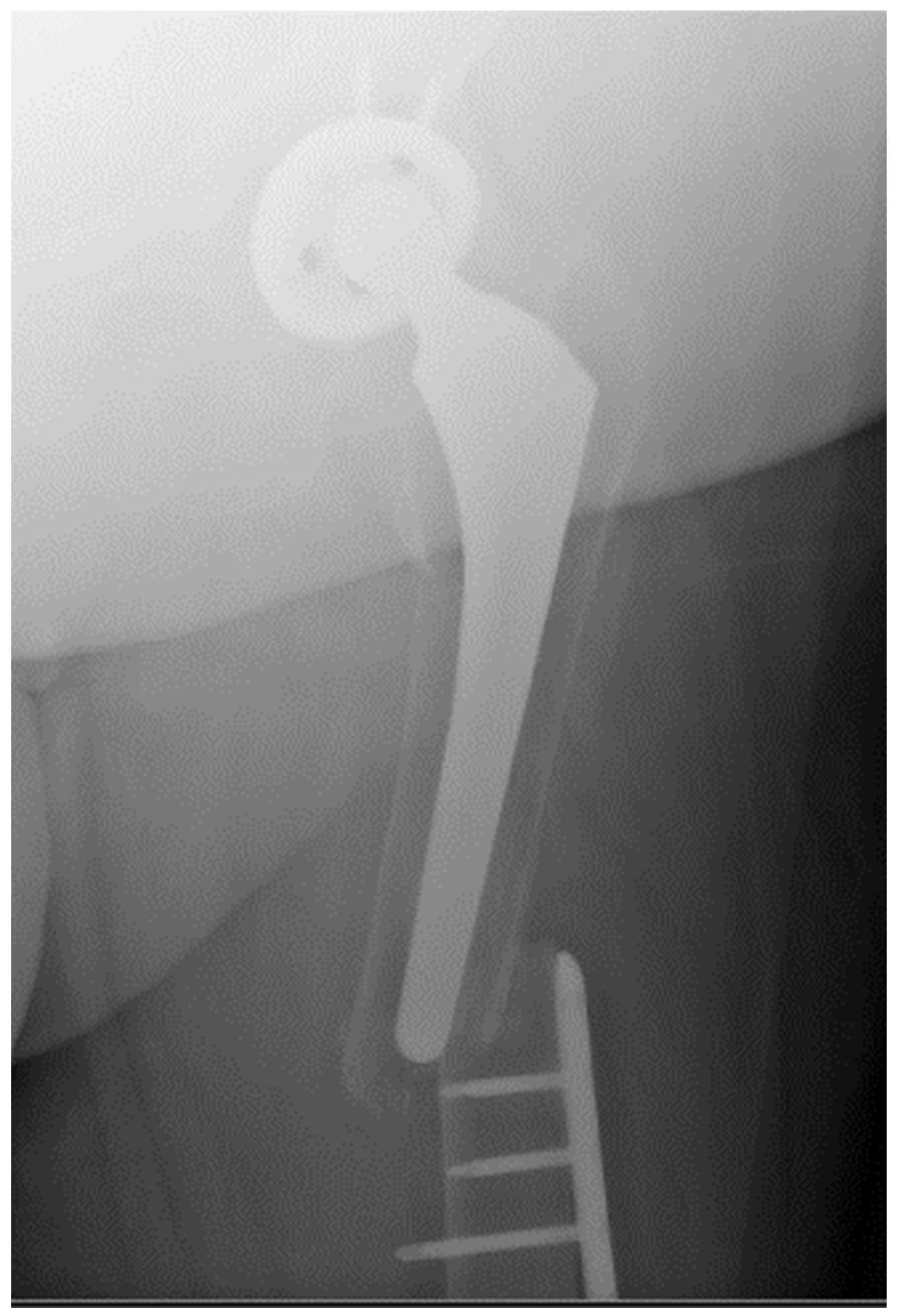
Forces concentrated in a small region within or adjacent to a construct, can lead to an area of stress, also known as a “stress riser”, which can result in a new fracture. Stress risers may be induced by acute differences in Young’s modulus/stiffness, cortical perforation or screw holes, or incomplete fractures [9]. One specific example of this phenomenon is in patients with stemmed components, such as an arthroplasty component or intramedullary rod at the knee and hip in the same limb [10,11]. In this case, the constructs at the proximal and distal regions of the bone are stiffer than the interposed region of bone, which results in this region being relatively weaker and susceptible to concentrated stress, which may result in a fracture (see Figure 1) [10,11].

4. Malunion and Nonunion

Abnormal loading related to implant characteristics described above highlight examples of mechanical failure. Biological failure may occur due to abnormal stress on a cellular level, leading to pathological remodeling seen in malunion or nonunions. At the cellular level, osteocytes detect local strain inputs to coordinate osteoblast/osteoclast activity during the fracture remodeling process [12,13,14]. In an ideal environment, remodeling occurs according to Wolff’s law, with woven bone deposition at the fracture site and subsequent remodeling to produce lamellar bone in line with the principal forces exerted on the bone. When this environment is subjected to persistently increased levels of stress or inadequate biology/vascularity, the cellular response shifts from favorable remodeling to maladaptive remodeling, fibrous tissue formation, or arrested osteogenesis resulting in a malunion or nonunion [12,13,15].
Biomechanically, Perren’s strain theory, resulting in the dogmatic “2 to 10% strain rule” of fracture healing and subsequent research describes local, interfragmentary strain as the variable affecting callus formation, mineralization, and subsequent remodeling [15,16,17]. A recent finite element analysis of sheep models demonstrates that although high strain levels (>10%) are associated with a delay in callus mineralization, they do not affect initial soft callus formation and do not necessarily result in nonunion, with callus mineralization still found to occur at the periphery of the fracture where strain levels were more favorable [18]. A different finite element analysis of sheep models demonstrated that ingrowth of vascularized soft tissue into the interfragmentary gap occurred earlier and to a greater degree in regions of lower strain, indicating a confluence of mechanical and biological factors when nonunion occurs [16].
The formation of a malunion results in a new distribution of forces, with the newly introduced angular or rotational deformity shifting the mechanical axis across the bone so that only a portion of the original cortex carries the disproportionate share of the forces across the bone [13,19]. This new mechanical axis promotes bony remodeling to shift the cross-section of bone at the healing fracture site in a more mechanically advantageous position, but at the expense of the original anatomic axis of the bone in question. This alteration of anatomy can also lead to changes in the contact forces within adjacent joints, potentially resulting in secondary joint degeneration if the malalignment is significant or occurs at high load-bearing areas of the body [19].
When the mechanical and/or biological factors at a fracture site are not conducive to healing, nonunion occurs. Nonunions can be grouped into four major categories: hypertrophic, oligotrophic, atrophic, and septic [20,21]. In hypertrophic nonunion, the biology required for fracture healing is mainly present. Still, excessive motion/strain favors fibrous tissue formation rather than callus mineralization, preventing bridging ossification across the fracture site. Atrophic nonunion occurs secondary to a poor biologic healing environment, such as severely impaired vascularity at the fracture site, limiting the recruitment of the biological factors necessary for mineralized callus formation despite adequate mechanical stability. Within the category of atrophic nonunion, pseudoarthrosis is a unique subset resulting in the formation of a false joint. Pseudoarthrosis typically occurs in the setting of chronic motion at the fracture site, leading to the formation of a synovial-like capsule to create a pseudo-joint rather than continuity of the bone. Oligotrophic nonunion occurs due to a combination of factors affecting hypertrophic and atrophic nonunion, with both inadequate biology and inadequate fixation preventing bone healing. Lastly, septic nonunion occurs primarily due to ongoing infection interfering with the healing potential at the fracture site and can radiographically appear similar to any of the other types [20,21]

5. Bone Defects

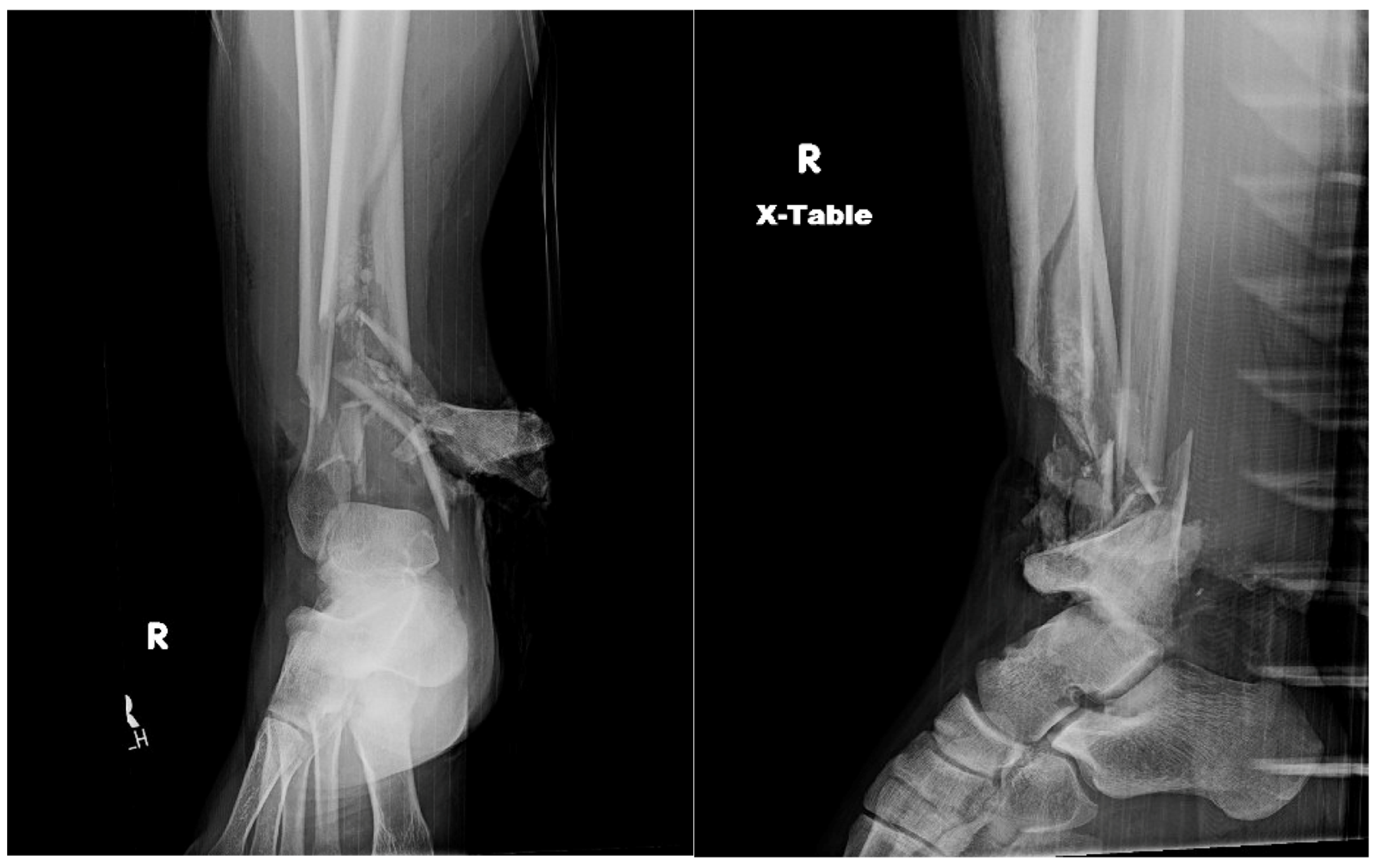
Addressing large bone defects following trauma (see Figure 2) can present a significant challenge with initial management and throughout bone remodeling. Various methods can harness biologic bone remodeling to restore the defect, including bone transport/distraction osteogenesis, Masquelet, and free fibula grafting [22]. Here, we briefly review the strengths and limitations of each of the techniques as they relate to bone remodeling.

5.1. Bone Transport

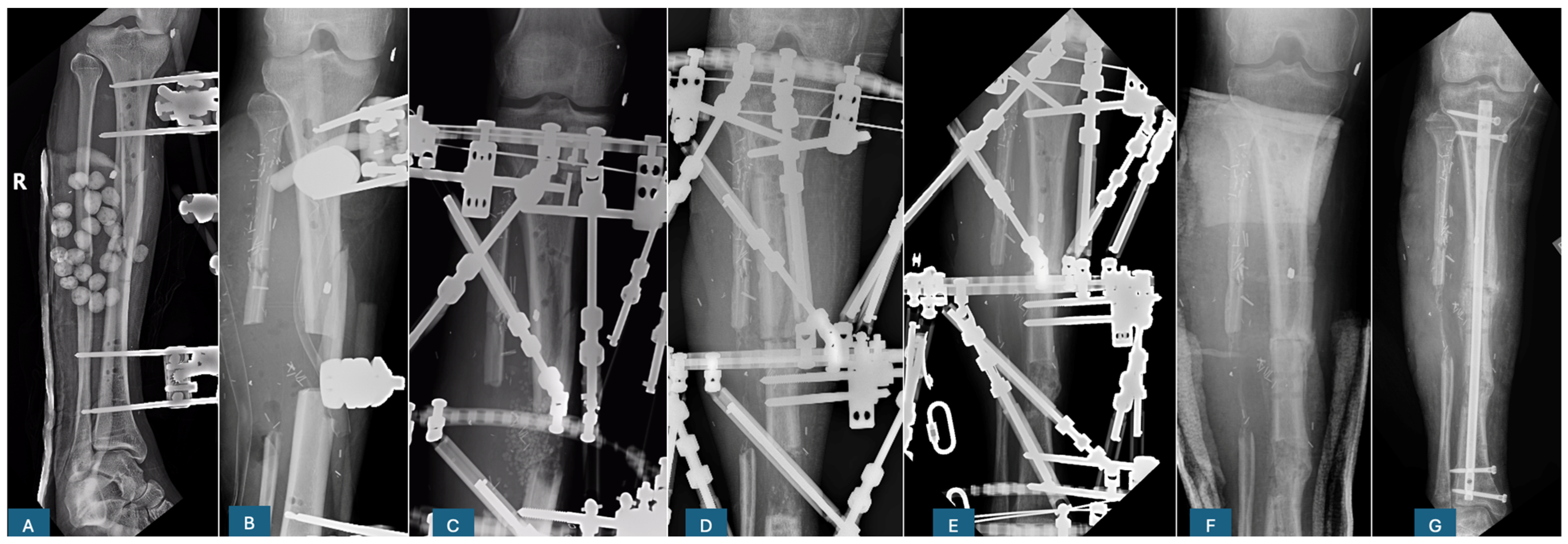
Bone transport, or distraction osteogenesis (DO), is used to induce de novo bone formation using the tension-stress principle, in which biological remodeling is predominantly driven by mechanical stimuli [22,23]. As two bone ends are distracted, the gap created between the two ends stimulates bone formation [23]. Typically, an osteotomy is performed adjacent to the bone defect. The limb is fixed in an adjustable, but rigid and mobile construct (e.g., ringed external fixator) which is systematically lengthened, or distracted, bringing the transported bone segment and its trailing regenerate bone close to the target bone segment at the docking site (see Figure 3) [22,24]. DO can be used for significant defects between 4 and 25 cm. In animal models, histologic analysis of the de novo bone resembles intramembranous ossification, which remodels over time into lamellar bone [24,25]. Radiographic evidence of new bone formation is typically achieved after 1.5 cm of lengthening [26]. The new bone formation matches the diameter of the osteotomy site in both the anterior–posterior and lateral planes, and depending on the length of distraction required, can demonstrate the appearance of normal bone between 3 and 7 months [26]. In patients who are younger, more active in the fixator, or undergo an osteotomy at the distal femur or proximal humerus, there is an increased risk for hypertrophic new bone that has a greater diameter than the osteotomy site and appears much earlier than the regular de novo bone [26].
In contrast, new bone may appear to be hypotrophic, which in that case may be attributed to distraction that is too rapid or inadequate vascular supply [26]. In a meta-analysis of infected tibial nonunions treated with this DO, approximately 95% of patients achieved union [27]. In addition to treating significant traumatic bone defects, bone transport may be used for angular deformity correction, bone lengthening, or following an oncologic resection.

5.2. Masquelet

The Masquelet-induced membrane technique (MIMT) for long bone reconstruction of large segmental bone defects is a two-stage protocol whereby remodeling is dominated by the biologic environment. The first stage involves debridement and placement of a cement spacer to induce a vascularized membrane rich in growth factors such as VEGF and TGF-beta, over a period of four to eight weeks. The second stage involves the removal of the spacer while maintaining the membrane and filling the remaining cavity with cancellous autograft. The induced membrane mitigates graft resorption and promotes revascularization, thereby enhancing osteogenesis. Through this induced membrane technique, Masquelet et al. achieved union rates exceeding 80% in large bone defects and favorable clinical outcomes [28]. Alford et al. discussed the current state of knowledge surrounding MIMT [29]. The authors reported that the union success rate of MIMT is approximately 86%, which is lower than the 95% success rate commonly quoted for DO. Furthermore, the authors discussed the possible biological mechanism by which the induced membrane facilitates graft integration, but stated that it remains incompletely understood [29].
Suzuki et al., in their 2025 study, sought to analyze the biological milieu created by the MIMT compared to non-Masquelet surgery [30]. They found that the induced membrane environment upregulates key osteogenic and osteoclastogenic factors, such as CXCL3, RANKL, BMP-2, and BMP-7 [30]. Additionally, they found that osteoblast differentiation was promoted in this environment in vitro, resulting in significantly greater new bone formation in vivo. This evidence supports the biological advantage in bone defect surgery and identifies that this process is mediated by a specialized mesenchymal stromal cell population within the induced membrane [30].

5.3. Fibular Grafts

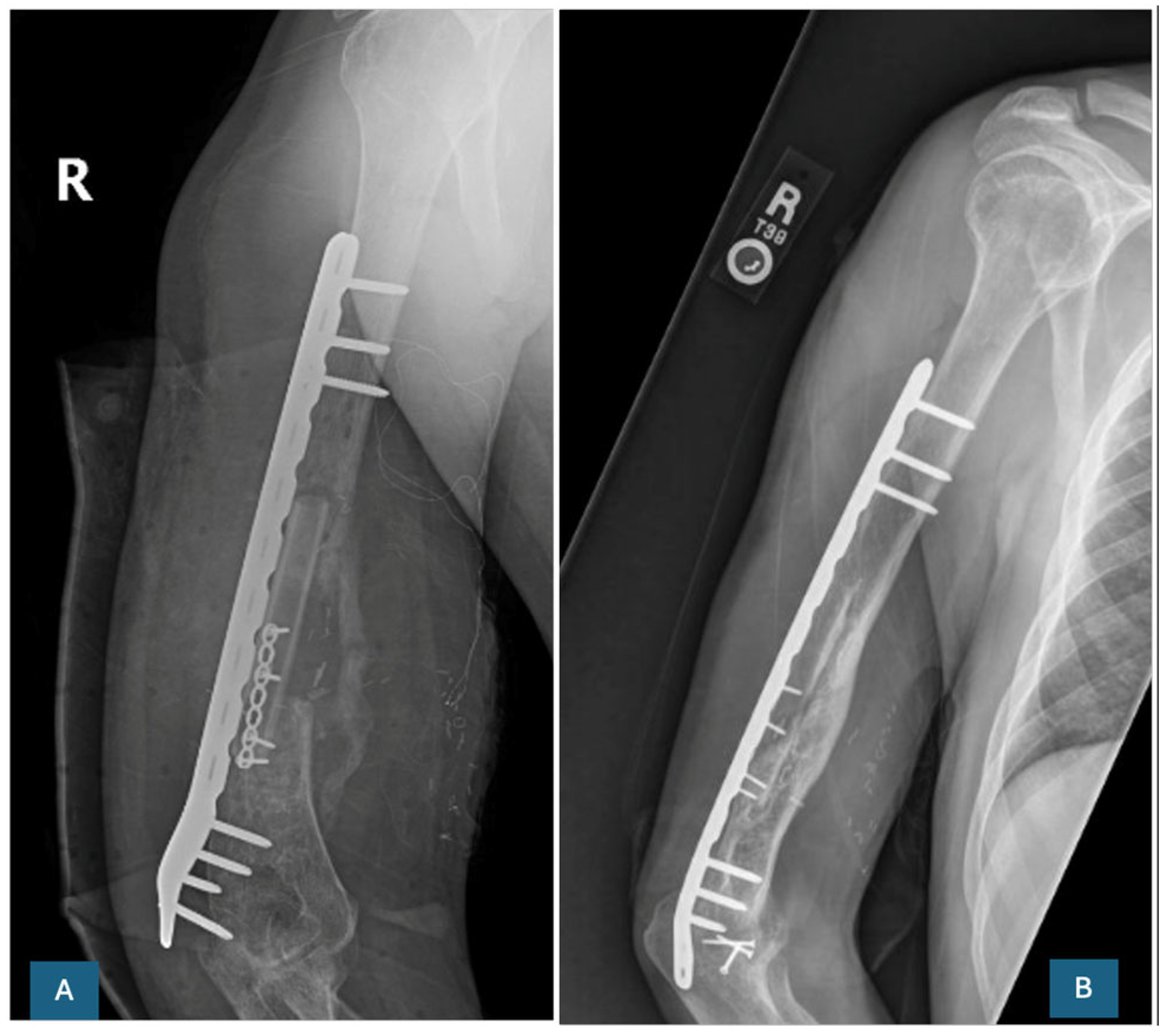
Another technique commonly employed to address large bone defects is vascularized fibula grafts (see Figure 4), pioneered by Taylor et al., in 1975 [31]. Free vascularized fibula grafts (FVFG) are one of many types of bone grafts used for reconstructing large bone defects between 6 and 30 cm that promote biologic bone remodeling and minimal donor site morbidity [32,33]. As the bone is transferred with its own blood supply, this allows for biologic incorporation dominated by hypertrophic remodeling [34]. Whereas Masquelet requires two surgeries, FVFG can be completed in one procedure. FVFG provides a structural scaffold as well as options for soft tissue reconstruction with an associated skin pedicle that can measure up to 10 × 20 cm, which allows for graft versatility [33,35]. The mean time to union in FVFG is generally faster at 18 weeks compared to DO and MIMT, which take an average of 45 and 38 weeks, respectively [33]. Due to the small diameter size of the fibula, time to weightbearing is generally prolonged, with an average time of 65 weeks, compared to 45 weeks for patients undergoing DO [35,36].

6. Arthroplasty

Total joint arthroplasty is one of the most performed surgeries in orthopedics and will continue to increase in prevalence with the aging US population. Bone remodeling plays a vital role in successful total knee and hip arthroplasty because of altered force distribution, implant design, surgical technique, and patient factors. Decreased periprosthetic bone mineral density due to stress shielding from cementless versus cemented fixation, can lead to increased risk of postoperative complications, including periprosthetic fracture and implant loosening. Awareness of the factors playing a role in bone remodeling after arthroplasty is paramount for successful adult reconstructive procedures.
Bone remodeling in arthroplasty is a multifactorial process influenced by several factors, including implant design, surgical technique, and other patient characteristics. Stem, length, material stiffness, and coating can also affect bone remodeling patterns. Proper implant positioning and fixation are crucial for minimizing stress shielding and promoting healthy remodeling. Patient factors, including age, activity level, and baseline bone quality, can also affect bone remodeling in arthroplasty.
In arthroplasty, the implant alters the stress distribution with areas of increased and decreased stress, leading to bone remodeling. Implants can shield the bone from everyday stress (stress shielding), which can result in periprosthetic bone resorption and reduced bone mineral density. Periprosthetic bone resorption as a result of stress shielding can result in implant loosening, instability, periprosthetic fractures, and ultimately failure of the implants, requiring revision surgery. Galas et al., in their finite element analysis (FEA) assessing the effect of femoral component material on bone stress shielding in total knee arthroplasty (TKA), compared Cobalt-Chromium (CoCr) implants versus cementless, highly porous 3D-printed titanium alloy (Ti6A14V) device in various knee flexion positions [37]. The authors assessed von Mises stresses at various periprosthetic regions of the femur. Ultimately, they found that titanium components induced greater stress on surrounding bone compared to cemented CoCr components, mainly in the medial compartment of the knee. This study highlighted how press-fit or cementless, highly porous titanium components may lead to less stress shielding compared to cemented CoCr implants, carrying the clinical significance of reduced periprosthetic bone resorption in TKA [37].
Bone resorption in TKA can be attributed to stress shielding, osteolysis due to cement, polyethylene, and metal particles released by implant wear, and implant loosening. van Loon et al. provided a review of femoral bone loss mechanisms in TKA, utilizing clinical observations and dual-energy X-ray absorptiometry (DEXA) to qualify bone mineral density (BMD) changes [38]. The authors discussed the role of stress shielding in periprosthetic bone loss, identifying it as the predominant, most common cause of femoral bone loss after TKA. On DEXA scan, they found a decrease in bone mineral density of up to 44% behind the anterior flange of the distal femoral component [38]. Andersen et al. also analyzed bone remodeling in patients after TKA. The authors utilized DEXA at multiple postoperative intervals (3, 6, 12, and 24 months) to quantify regional BMD changes in three different regions of interest (ROI) at the distal femur [39]. The anterior ROI behind the anterior flange demonstrated the most profound bone loss (23.6%), followed by posterior (10.1%), and proximal (5.5%) [39]. These decreases demonstrate a region-specific bone resorption pattern. This magnitude of BMD loss is clinically meaningful, as it exceeds typical age-related bone density loss in their patient population. The authors attributed this bone loss to stress shielding and altered load transfer due to the cementless implant design. The anterior flange region of bone loss may compromise bone strength in this area and leave it susceptible to periprosthetic fracture, a recognized complication after TKA [39].
After total joint arthroplasty, polyethylene wear, cement fragmentation, and metal corrosion can create particulate debris, which can result in periprosthetic osteolysis due to activation of macrophage-mediated osteoclastogenesis. Macrophages are activated and recruited, which release osteolytic cytokines, including TNF-alpha, IL-1, IL-6, osteoclast activating factor, and several others, resulting in osteoclast activation through increased RANK levels and RANKL activation. Overall, the particulate debris leads to RANKL-mediated bone resorption or osteolysis. This osteolysis around the prosthesis leads to micromotion and further particle wear. Van Loon et al. posited that periprosthetic osteolysis as a result of particulate wear can be a significant cause of late implant failure [38].
When comparing fixation methods in arthroplasty, implants can achieve stability through press-fit fixation or cement fixation. Press-fit arthroplasty achieves initial stability by creating a tight interference fit between the implant and bone. Long-term fixation is facilitated by the porous surface of the implant, which encourages bony ingrowth about the implant. Cement fixation creates a mechanical interlock between the implant and bone. Linde et al. in their 2022 prospective, randomized controlled trial, compared cementless and cemented tibial components in TKA concerning migration assessed by radiostereometric analysis (RSA) over a period of 24 months [40]. RSA has been previously shown to be the gold standard method to detect micromotion predictive of implant loosening. In their study, a significantly higher proportion of cementless components (16/25, 64%) exhibited continuous migration compared to cemented components (7/24, 29%), indicating persistent micromotion beyond the expected osseointegration period in the cementless group. The authors also evaluated periprosthetic bone mineral density (BMD) changes using DEXA, finding modest increases in BMD in cementless components compared to decreased BMD changes in cemented components [40]. Their findings are consistent with the principle that cementless implants rely on bony ingrowth through localized bone formation, while cemented fixation may induce stress shielding and bone resorption. The authors concluded that cementless components showed a higher rate of continuous migration, suggesting an increased risk of early revision, whereas the cemented implant group demonstrated increased periprosthetic BMD loss.
Similar to TKA, total hip arthroplasty (THA) results in periprosthetic bone remodeling as a result of component implantation. Bone remodeling in THA is also multifactorial, involving biomechanical forces, implant design, and patient factors. In terms of implant design, short-stem femoral implants preserve more proximal femoral bone stock, thus reducing stress shielding about the femur, conferring a more physiological mechanical stress environment. The principles outlined previously regarding TKA apply to THA in terms of stress shielding, implant wear, particulate formation, and osteolysis. In THA, stress shielding occurs in the proximal femur region, both in the greater trochanter and calcar region [41]. One finite element analysis demonstrated an overall loss of 2.8% of the overall femur mass, with more loss detected in the greater trochanter than the calcar region [41]. Similarly, Yan demonstrated consistent bone mineral density loss in the greater trochanter and calcar regions [42]. In rare cases, stress shielding may also lead to periprosthetic fracture in the region of the greater trochanter, with rates cited at 0.8% [43].
Bone remodeling distal to the THA femoral stem is also an important consideration in the context of risk of periprosthetic fracture. Messner et al., in their retrospective review from 2023, assessed cortical thinning distal to the femoral stem after primary THA [44]. They measured the cortical thickness index (CTI) at 1 cm, 3 cm, and 5 cm below the prosthetic stem tip, both on operative and non-operative hips, at various timepoints within the postoperative period. The authors found a statistically significant decrease in CTI distal to the femoral stem at 12 and 24 months after surgery, with greater losses in female patients, patients over 75, and in patients with a BMI less than 35. Compared to the nonoperative hip, the operative side exhibited significantly greater CTI changes than expected, given the natural aging process [44].
Similarly, degenerative joint disease of the glenohumeral joint can be managed with arthroplasty, either anatomic total shoulder arthroplasty (TSA) or reverse total shoulder arthroplasty (rTSA). TSA involves replacement of the glenohumeral joint with analogous glenoid and proximal humeral head components and is typically indicated for those patients with significant degenerative joint disease with intact and functional rotator cuff musculature. rTSA involves replacement of the glenohumeral joint (GHJ) with reversal of the normal anatomic relationship of the GHJ to allow for the mechanical advantage of the deltoid in the setting of an incompetent rotator cuff.
Bone remodeling in total shoulder arthroplasty, similar to hip and knee replacement, is multifactorial and implant dependent. Implant design, fixation method, and bone quality critically influence adaptive bone changes in the glenohumeral joint.
Glenoid-sided remodeling after TSA often manifests as osteolysis, related to wear particles or altered load distribution around the glenoid implant. Quental et al. created a finite element analysis model, assessing bony adaptation of the scapula about the glenoid component in total shoulder arthroplasty [45]. They used five models, including three cemented, all polyethylene, one cementless metal-backed anatomic, and one reverse all-metal component, to determine the differences in glenoid response to different implants. Overall, metal-backed implants induce greater stress-shielding, leading to more pronounced bony resorption compared to all-polyethylene components. Under both osteoporotic and healthy bone conditions, bone resorption was greater in the metal-backed components, demonstrating the increased risk of progressive bone resorption with possible subsequent loosening, periprosthetic fracture, and implant failure [45]. Patients with lower bone mineral density are also at a significantly higher risk of acromion fractures following rTSA [46].
Humeral-sided implants can either be stemless or stemmed and have various lengths of extension into the humeral metaphysis and diaphysis. Schnetzke et al., in their 2015 study, evaluated radiologic bony adaptation patterns in shoulder arthroplasty using a cementless, short-stemmed prosthesis [47]. They found frequent evidence of bony remodeling in about 50% of patients, with the most common changes including medial cortical thinning in approximately 83% of patients, and lateral cortical spot-welding in 79% of patients. Additionally, the authors found that patients exhibiting increased bone remodeling had significantly greater metaphyseal and diaphyseal filling ratios compared to those with low bony adaptation. These differences in bony remodeling did not result in a significant change in clinical outcomes or early complications, including loosening or subsidence, but demonstrate the relationship between metaphyseal and diaphyseal filling ratio and increased bony adaptation [47]. These findings illustrate the effect of stress transfer in short-stemmed humeral-sided implants in shoulder arthroplasty. Stemless humeral-sided implants theoretically avoid the distal stress shielding seen in stemmed humeral implants, but exhibit similar proximal humeral remodeling patterns to those of short-stem prosthesis. Santos et al. in 2018 found that proximal humerus resurfacing and stemless shoulder arthroplasty showed similar distribution of bone resorption in the metaphyseal region [48]. Length of the stem in stemmed shoulder arthroplasty components can play a role in the bony remodeling following implantation. Inoue et al. performed a retrospective radiographic review of TSA with uncemented humeral stems to investigate the prevalence and risk factors for periprosthetic humeral bone resorption [49]. Nearly 86% of patients underwent some degree of resorption, with grade 4 or full-thickness resorption occurring in almost 20% of shoulders. Resorption most often happened at the greater tuberosity, lateral diaphysis, and medial calcar. The authors confirmed the findings of Schnetzke et al., demonstrating that higher fill ratio implants were a risk factor for high-grade resorption [47].
Additionally, the authors discussed that stress shielding was likely the biomechanical mechanism for preferential bony remodeling and resorption at the greater tuberosity, lateral diaphysis, and medial calcar, as a result of the altered stress load distribution from the stem [49]. Long-stemmed implants, or those greater than 100 mm in length, have been shown to increase stress-shielding at the lateral metaphysis, which may play a role in the risk for periprosthetic fracture about the humerus. Longer stems, stem malalignment, and higher diaphyseal canal filling ratios were found to be independent risk factors for stress shielding occurrence [50].

7. Amputation

Limb amputations occur on a spectrum of indications, including planned amputations for oncologic or vascular diagnoses or because of trauma or combat-related injury. The level of amputation may impact bone remodeling after amputation, the mechanical circumstances of the amputation, and the time to weight-bearing following amputation [51].
Loss of bone mineral density is a well-documented complication following lower extremity amputation, examined via DEXA and CT scans. In combat-related amputation, higher levels of amputation, such as transfemoral amputations, are associated with greater loss of bone mineral density compared to more distal levels of amputation, such as transtibial [52]. Hoyt et al. further demonstrated that a higher rate of BMD loss in combat-related lower extremity amputees, as measured through use of opportunistic CT scans, was associated with increased age, bilateral amputations, transfemoral amputation level, delayed time to weightbearing, and need for flap coverage [53]. On average, BMD started to significantly decline 20 days following injury [53]. Biomechanical analysis demonstrates that the amount of strain for 90% of the trabecular bone of a transfemoral amputee falls within the same levels for limb disuse, suggesting BMD may decrease regardless of activity level in a traditional socket [54].

8. Osseointegration

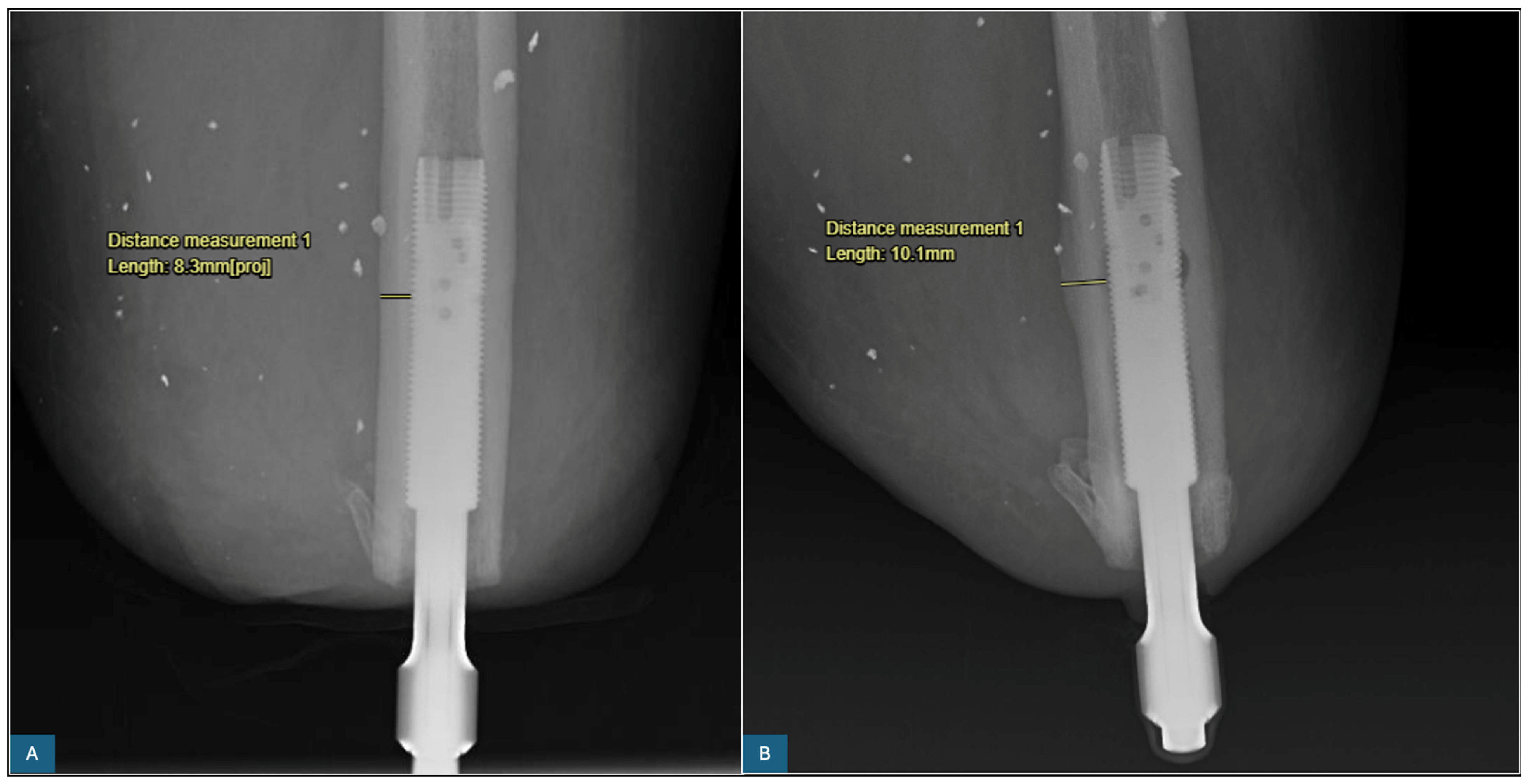
Osseointegration (OI) is a unique surgical technique reserved for patients with amputations who have failed traditional suspensory sockets (see Figure 5). The OI implant is a device comprising a fixture that is implanted directly into the intramedullary canal, and an abutment which is connected to the fixture and exits the distal limb through a contoured percutaneous opening in the skin. The implant then allows for direct connection to a prosthetic device. The OI fixture is incorporated into the bone through a healing process similar to other Orthopedic implants and allows for a direct bone-implant connection. The OI implant undergoes distinct stages of incorporation into the surrounding bone that begin with recruitment of osteogenic cells to the implant surface, leading to de novo bone formation, and finally bone remodeling [55]. The osteogenic cascade starts with the formation of a hematoma formation at the bone-implant interface, which leads to a fibrin matrix. The fibrin matrix then serves as a scaffold for the development of a calcified matrix, leading to woven bone formation, which eventually remodels into lamellar bone [55,56].
Before osseointegration surgery, it is common for patients with amputations to experience disuse osteopenia, and the general consensus by the Global Collaborative Congress on Osseointegration (GCCO) is that a femoral neck T-score of less than or equal to −2.5 is a relative contraindication to undergoing osseointegration [57,58]. Additional parameters such as appropriate residual bone length and adequate cortical thickness are also requirements for patients undergoing osseointegration [57]. Potential complications of OI include aseptic loosening and fracture, among others. Patients who have undergone OI implant removal had a lower periprosthetic bone mineral density than those who retained their OI implant [59]. Thus, it is essential to highlight how the residual bone remodels in response to undergoing an OI implant surgery.
Once incorporated into the residual limb, the OI implant serves as a load-bearing device, which creates a stress-shielding effect in the residual limb [60]. Gruen zones were initially developed to evaluate bony changes for total hip arthroplasty implants radiographically [60]. However, these zones have been modified by the Osseointegration Group of Australia to invert the zones for radiographic analysis of OI implants [60]. Increased bone resorption is noted in the distal zones of the residual limb, both radiographically and in tissue removed from the distal abutment site. In contrast, a relative increase in the cortical thickness is noted in the more proximal zones [60,61]. Bone mineral density (BMD) changes at the femoral neck are variable in the literature for patients who undergo OI. Proximal femur BMD changes measured by DEXA scans over 30 months from the time of OI surgery demonstrate a 27% reduction in BMD in patients who had their implant removed.
In contrast, patients who retained their implant for at least 30 months had an overall return to baseline BMD [59]. Another study found longitudinal radiographic evaluation following osseointegration has demonstrated an overall decrease in peri-implant bone density and an increase in cortical thickness [62]. Thomson et al. found a significant improvement in ipsilateral femoral neck Z score values in transfemoral OI patients, evidence that OI allows for restoration of biomechanical loading of the femoral neck in these patients [62]. A separate prospective cohort of transfemoral OI patients followed for at least 5 years found a baseline preoperative disuse osteopenia. Still, throughout the study period, there was an overall improvement in BMD, and none of these patients required an implant removal [63]. Additionally, bone turnover markers, concentration levels of C-terminal telopeptide of type-I collagen, and PTH are found to be higher in patients who undergo removal of their OI implant versus an implant that is retained [59]. Moreover, elevated levels of PTH are associated with a 2.4-fold increase in aseptic loosening [59].
Longitudinal changes in bone density in the surrounding zones of the osseointegration implant are essential when considering the long-term survivability of implants. In a study comparing changes in peri-implant bone mineral density and cortical thickness at various zones surrounding the implant in patients with Integral Leg Prosthesis (ILP) or Osseointegrated Prosthetic Limb (OPL) followed for at least 24 months, there was a significantly greater decrease in peri-implant bone mineral density among patients with ILP versus OPL [62]. In patients with the OPL implant, there were significant increases in peri-implant cortical thickness, whereas ILP implants demonstrated decreased thickness. These changes were hypothesized to be due to the differences in materials of the ILP and OPL, where ILP implants comprise cobalt chrome and inherently more stiff than OPL implants, which are made of titanium, lending to potential stress shielding in the ILP implants [62]. A separate study examining cortical thickness post-surgery of ILP implants showed a significant increase in cortical thickness post-operatively at 24 months [64].
Recognizing the nature of bone remodeling among OI patients enables better patient selection and screening, implant selection, and prediction of implant survivability and patient outcomes.

9. Medications Affecting Bone Remodeling

Many commonly prescribed medications have a significant impact on bone healing and remodeling, including bisphosphonates, glucocorticoids, NSAIDs, aromatase inhibitors, and hormonal contraceptives. The impact of NSAIDs, glucocorticoids, and bisphosphonates on post-operative fracture healing have been arguably more widely studied due to the purported clinical implications of these medications. Other medications, including proton pump inhibitors, calcineurin inhibitors, antiepileptic drugs, and selective serotonin receptor inhibitors, amongst others, have demonstrated a correlation with an interruption in bone remodeling; however, their mechanisms are not fully understood.
Prostaglandins play an essential role in the regulation and differentiation of osteoblasts and osteoclasts. Specifically, PGE2 is crucial to maintain balanced bone turnover and remodeling regulation. Both COX-1 and COX-2 play a part in synthesizing these prostaglandins, but COX-2 primarily synthesizes PGE2 in osteoblasts [65]. Administration of nonsteroidal anti-inflammatory drugs (NSAIDs) lead to the inhibition of COX enzymes and a decrease in PGE2 and other essential prostaglandins, which may lead to a dose-dependent delay in bone remodeling. NSAIDs such as diclofenac, ketorolac, and indomethacin have been shown to suppress bone formation and inhibit bone remodeling. However, naproxen use shows evidence of inhibiting osteoclastic activity and preventing structural deterioration [66]. It is widely accepted that NSAIDs inhibit osteogenesis, but the extent of the effects is time and dose-dependent and does not appear to affect clinical bone remodeling. Although some prior animal models have raised concern for fracture healing following NSAID use, there are no high-quality clinical studies demonstrating poor fracture healing after NSAID use [67].
Glucocorticoids are often prescribed to patients of all ages for various reasons, including autoimmune disorders, malignancies, and organ transplants. Direct effects from glucocorticoids are due to interactions with osteocytes, osteoblasts, and osteoclasts. In patients who are prescribed these medications, osteoclast survival period is extended, osteocyte apoptosis is promoted, and osteoblast recruitment is reduced; all resulting in decreased bone formation, delaying the remodeling process and potentially leading to glucocorticoid-induced osteoporosis [68]. Indirect effects are numerous, including reduced calcium resorption, growth hormone suppression, and disruptions in parathyroid pulsatility. Ultimately, these can result in decreased osteoblastic activity and decreased trabecular bone [68].
Bisphosphonates, such as alendronate, are widely prescribed for osteoporosis and after fragility fractures due to their significant impact on bone remodeling. Bisphosphonates strongly bind to hydroxyapatite crystals in bone, which inhibits the binding of osteoclasts. In addition, the medication is taken up by osteoclasts to promote apoptosis and decrease the number of bone-degrading cells available. Bone resorption and formation are both reduced, and with bisphosphonates, the balance is maintained [69]. In osteoporotic bone, this yields improvement in overall microarchitecture, BMD, and stability. In patients with fractures, application of bisphosphonates leads to an increase in BMD [70]. Gao et al. demonstrate no delays in fracture healing when bisphosphonates are started post-injury, suggesting the application of bisphosphonates does not lead to delayed or nonunion. However, application of bisphosphonates does inhibit bone resorption markers, leading to a state of low bone turnover.
Aromatase inhibitors like letrozole are prescribed to patients with estrogen-receptor-positive breast cancer in post-menopausal women. These medications decrease circulating estrogens by inhibiting the peripheral conversion of androgens. Some hormonal contraceptives, including medroxyprogesterone acetate, suppress ovulation as well as estrogen production and have similar effects on bone remodeling [71]. Estrogen decreases osteoclast activity while promoting osteoblast survival by reducing the expression of RANKL and promoting OPG expression. With less estrogen available, these effects reverse, and bone resorption dominates.

10. Limitations

The authors acknowledge this review is limited by its narrative format without a formal systematic search, which introduces the potential for selection bias. The Orthopedic surgery domains discussed in the review are each unique, thus the heterogeneity of techniques also limit the generalizability of the findings. Additionally, the application of basic science bone remodeling principles to clinical practice may be limited or influenced by unique patient factors or by evolving technology, medication, and surgical techniques.

11. Conclusions

Bones are living organs that remodel after trauma and surgery in response to the surrounding mechanical and biological environment. This remodeling is important to long-term osseous and mechanical functioning, especially around newly constructed microenvironments such as in fracture repair and arthroplasty. Strain modulation is critical in fracture repair where rigid constructs may introduce greater stress shielding and bone resorption, yet adequate fixation must be established to avoid malalignment and nonunion. Particulate debris from implant wear in arthroplasty and stress shielding impact the surrounding bone which can evolve into perioperative complications. The principles of bone remodeling using DO play an important role in restoring quality of life for limb deformities and following tumor resection for young patients, as the rate of distraction must be appropriately tuned to the healing environment. As highlighted in this review, bone remodeling is a comprehensive process that adapts to biologic, mechanical, and systemic influences. Understanding how each of these factors may influence bone remodeling provides a framework for selecting the optimal fixation technique, appropriate patient selection, with the overall goal of improving patient care and outcomes.

Author Contributions

Conceptualization, S.E.R., A.B.B. and B.W.H.; Methodology, S.E.R., A.B.B. and B.W.H.; Investigation, S.E.R., I.P.M., B.A.N., J.N.L., A.B.B. and B.W.H.; Writing—Original Draft Preparation, S.E.R., I.P.M., B.A.N., J.N.L., M.M.B. and B.W.H.; Writing—Review and Editing, S.E.R., I.P.M., B.A.N., J.N.L., M.M.B. and B.W.H.; Supervision, S.E.R., A.B.B. and B.W.H.; Project Administration, S.E.R., A.B.B. and B.W.H. All authors have read and agreed to the published version of the manuscript.

Funding

This research received no external funding.

Institutional Review Board Statement

Not applicable.

Informed Consent Statement

Not applicable.

Data Availability Statement

No new data were created or analyzed in this study.

Conflicts of Interest

Each author certifies that there are no funding or commercial associations (consultancies, stock ownership, equity interest, patent/licensing arrangement, etc.) that might pose a conflict of interest in connection with the submitted article related to the author or any immediate family members.

References

  1. Einhorn, T.A. The Science of Fracture Healing. J. Orthop. Trauma 2005, 19, S4–S6. [Google Scholar] [CrossRef]
  2. Cottrell, J.A.; Turner, J.C.; Arinzeh, T.L.; O’Connor, J.P. The Biology of Bone and Ligament Healing. Foot Ankle Clin. 2016, 21, 739–761. [Google Scholar] [CrossRef]
  3. Raggatt, L.J.; Partridge, N.C. Cellular and Molecular Mechanisms of Bone Remodeling. J. Biol. Chem. 2010, 285, 25103–25108. [Google Scholar] [CrossRef]
  4. Anderson, A.B.; McCarthy, C.F.; Hoyt, B.W.; Forsberg, J.A.; Potter, B.K. Bone Homeostasis and Physiology in Normal and Orthopaedic Disease Conditions. J. Am. Acad. Orthop. Surg. 2023, 31, e940–e948. [Google Scholar] [CrossRef]
  5. Bassett, J.H.D.; Williams, G.R. Role of Thyroid Hormones in Skeletal Development and Bone Maintenance. Endocr. Rev. 2016, 37, 135–187. [Google Scholar] [CrossRef]
  6. Galea, G.L.; Zein, M.R.; Allen, S.; Francis-West, P. Making and Shaping Endochondral and Intramembranous Bones. Dev. Dyn. 2021, 250, 414–449. [Google Scholar] [CrossRef]
  7. Kohli, S.; Kohli, V. Role of RANKL-RANK/Osteoprotegerin Molecular Complex in Bone Remodeling and Its Immunopathologic Implications. Indian. J. Endocr. Metab. 2011, 15, 175. [Google Scholar] [CrossRef]
  8. Al-Tamimi, A.A.; Quental, C.; Folgado, J.; Peach, C.; Bartolo, P. Stress Analysis in a Bone Fracture Fixed with Topology-Optimised Plates. Biomech. Model. Mechanobiol. 2020, 19, 693–699. [Google Scholar] [CrossRef]
  9. Yoo, J.; Ma, X.; Lee, J.; Hwang, J. Research Update on Stress Riser Fractures. Indian. J. Orthop. 2021, 55, 560–570. [Google Scholar] [CrossRef]
  10. Zhou, S.; Jung, S.; Hwang, J. Mechanical Analysis of Femoral Stress-Riser Fractures. Clin. Biomech. 2019, 63, 10–15. [Google Scholar] [CrossRef]
  11. Lehmann, W.; Rupprecht, M.; Nuechtern, J.; Melzner, D.; Sellenschloh, K.; Kolb, J.; Fensky, F.; Hoffmann, M.; Püschel, K.; Morlock, M.; et al. What Is the Risk of Stress Risers for Interprosthetic Fractures of the Femur? A Biomechanical Analysis. Int. Orthop. 2012, 36, 2441–2446. [Google Scholar] [CrossRef]
  12. Bonewald, L.F.; Johnson, M.L. Osteocytes, Mechanosensing and Wnt Signaling. Bone 2008, 42, 606–615. [Google Scholar] [CrossRef]
  13. Chen, J.-H.; Liu, C.; You, L.; Simmons, C.A. Boning up on Wolff’s Law: Mechanical Regulation of the Cells That Make and Maintain Bone. J. Biomech. 2010, 43, 108–118. [Google Scholar] [CrossRef]
  14. Nicolella, D.P.; Feng, J.Q.; Moravits, D.E.; Bonivitch, A.R.; Wang, Y.; Dusecich, V.; Yao, W.; Lane, N.; Bonewald, L.F. Effects of Nanomechanical Bone Tissue Properties on Bone Tissue Strain: Implications for Osteocyte Mechanotransduction. J. Musculoskelet. Neuronal Interact. 2008, 8, 330–331. [Google Scholar]
  15. Glatt, V.; Evans, C.H.; Tetsworth, K. Reverse Dynamisation: A Modern Perspective on Stephan Perren’s Strain Theory. Eur. Cell Mater. 2021, 41, 668–679. [Google Scholar] [CrossRef]
  16. Cheal, E.J.; Mansmann, K.A.; DiGioia, A.M.; Hayes, W.C.; Perren, S.M. Role of Interfragmentary Strain in Fracture Healing: Ovine Model of a Healing Osteotomy. J. Orthop. Res. 1991, 9, 131–142. [Google Scholar] [CrossRef]
  17. Perren, S.M. Fracture Healing: Fracture Healing Understood as the Result of a Fascinating Cascade of Physical and Biological Interactions. Part I. An Attempt to Integrate Observations from 30 Years AO Research. Acta Chir. Orthop. Traumatol. Cechoslov. 2014, 81, 355–364. [Google Scholar] [CrossRef]
  18. Tanveer, M.; Klein, K.; von Rechenberg, B.; Darwiche, S.; Dailey, H.L. Don’t Mind the Gap: Reframing the Perren Strain Rule for Fracture Healing Using Insights from Virtual Mechanical Testing. Bone Jt. Res. 2025, 14, 5–15. [Google Scholar] [CrossRef]
  19. Probe, R.A. Lower Extremity Angular Malunion: Evaluation and Surgical Correction. J. Am. Acad. Orthop. Surg. 2003, 11, 302–311. [Google Scholar] [CrossRef]
  20. Wittauer, M.; Burch, M.-A.; McNally, M.; Vandendriessche, T.; Clauss, M.; Della Rocca, G.J.; Giannoudis, P.V.; Metsemakers, W.-J.; Morgenstern, M. Definition of Long-Bone Nonunion: A Scoping Review of Prospective Clinical Trials to Evaluate Current Practice. Injury 2021, 52, 3200–3205. [Google Scholar] [CrossRef]
  21. Ghanem, W.; Ezzeddine, H.; Saad, R.; Kiwan, E.; Dahdouh, R.; Fakih, O.; Sakhat, G.; Alam, E.; Najjar, J.; Assaf, F.; et al. State of the Nonunion: A Review of the Latest Literature. Orthop. Rev. 2025, 17, 129085. [Google Scholar] [CrossRef] [PubMed]
  22. Aronson, J.; Shen, X. Experimental Healing of Distraction Osteogenesis Comparing Metaphyseal with Diaphyseal Sites. Clin. Orthop. Relat. Res. 1994, 301, 25–30. [Google Scholar] [CrossRef]
  23. Liu, Q.; Liu, Z.; Guo, H.; Liang, J.; Zhang, Y. The Progress in Quantitative Evaluation of Callus during Distraction Osteogenesis. BMC Musculoskelet. Disord. 2022, 23, 490. [Google Scholar] [CrossRef]
  24. López-Pliego, E.M.; Giráldez-Sánchez, M.Á.; Mora-Macías, J.; Reina-Romo, E.; Domínguez, J. Histological Evolution of the Regenerate during Bone Transport: An Experimental Study in Sheep. Injury 2016, 47, S7–S14. [Google Scholar] [CrossRef]
  25. López-Pliego, E.M.; Mora-Macías, J.; Giráldez-Sánchez, M.Á.; Domínguez, J.; Reina-Romo, E. Histological Study of the Docking Site after Bone Transport. Temporal Evolution in a Sheep Model. Injury 2018, 49, 1987–1992. [Google Scholar] [CrossRef]
  26. Catagni, M.A.; Guerreschi, F.; Lovisetti, L. Distraction Osteogenesis for Bone Repair in the 21st Century: Lessons Learned. Injury 2011, 42, 580–586. [Google Scholar] [CrossRef]
  27. Wakefield, S.M.; Papakostidis, C.; Giannoudis, V.P.; Mandía-Martínez, A.; Giannoudis, P.V. Distraction Osteogenesis versus Induced Membrane Technique for Infected Tibial Non-Unions with Segmental Bone Loss: A Systematic Review of the Literature and Meta-Analysis of Available Studies. Eur. J. Trauma Emerg. Surg. 2024, 50, 705–721. [Google Scholar] [CrossRef]
  28. Masquelet, A.C.; Begue, T. The Concept of Induced Membrane for Reconstruction of Long Bone Defects. Orthop. Clin. N. Am. 2010, 41, 27–37. [Google Scholar] [CrossRef]
  29. Alford, A.I.; Nicolaou, D.; Hake, M.; McBride-Gagyi, S. Masquelet’s Induced Membrane Technique: Review of Current Concepts and Future Directions. J. Orthop. Res. 2021, 39, 707–718. [Google Scholar] [CrossRef]
  30. Suzuki, M.; Kamitakahara, M.; Kihara, W.; Xie, C.; Kato, H.; Fukawa, Y.; Hamagaki, M.; Aoki, K.; Ichihara, S.; Ishijima, M.; et al. Osteotropic Properties of Mesenchymal Stromal Cells Generated in Masquelet’s Induced Membrane Technique. Sci. Rep. 2025, 15, 18304. [Google Scholar] [CrossRef]
  31. Taylor, G.I.; Miller, G.D.; Ham, F.J. The Free Vascularized Bone Graft. A Clinical Extension of Microvascular Techniques. Plast. Reconstr. Surg. 1975, 55, 533–544. [Google Scholar] [CrossRef]
  32. Bishop, A.T.; Shin, A.Y. Vascularized Bone Grafting. In Green’s Operative Hand Surgery; Elsevier: Philadelphia, PA, USA, 2011; pp. 1603–1644. [Google Scholar]
  33. Wee, C.; Ruter, D.; Schulz, S.; Sisk, G.; West, J.; Tintle, S.; Valerio, I. Reconstruction of Extremity Long Bone Defects with Vascularized Fibula Bone Grafts. Plast. Aesthetic Res. 2019, 6, 12. [Google Scholar] [CrossRef]
  34. Lazar, E.; Rosenthal, D.I.; Jupiter, J. Free Vascularized Fibular Grafts: Radiographic Evidence of Remodeling and Hypertrophy. Am. J. Roentgenol. 1993, 161, 613–615. [Google Scholar] [CrossRef][Green Version]
  35. Bumbasirevic, M.; Stevanovic, M.; Bumbasirevic, V.; Lesic, A.; Atkinson, H.D.E. Free Vascularised Fibular Grafts in Orthopaedics. Int. Orthop. 2014, 38, 1277–1282. [Google Scholar] [CrossRef]
  36. Wen, G.; Zhou, R.; Wang, Y.; Lu, S.; Chai, Y.; Yang, H. Management of Post-Traumatic Long Bone Defects: A Comparative Study Based on Long-Term Results. Injury 2019, 50, 2070–2074. [Google Scholar] [CrossRef]
  37. Galas, A.; Banci, L.; Innocenti, B. The Effects of Different Femoral Component Materials on Bone and Implant Response in Total Knee Arthroplasty: A Finite Element Analysis. Materials 2023, 16, 5605. [Google Scholar] [CrossRef]
  38. van Loon, C.J.; de Waal Malefijt, M.C.; Buma, P.; Verdonschot, N.; Veth, R.P. Femoral Bone Loss in Total Knee Arthroplasty. A Review. Acta Orthop. Belg. 1999, 65, 154–163. [Google Scholar] [PubMed]
  39. Andersen, M.R.; Winther, N.S.; Lind, T.; Schrøder, H.M.; Mørk Petersen, M. Bone Remodeling of the Distal Femur After Uncemented Total Knee Arthroplasty-A 2-Year Prospective DXA Study. J. Clin. Densitom. 2018, 21, 236–243. [Google Scholar] [CrossRef]
  40. Linde, K.N.; Rytter, S.; Søballe, K.; Madsen, F.; Langdahl, B.; Stilling, M. Component Migration, Bone Mineral Density Changes, and Bone Turnover Markers in Cementless and Cemented Total Knee Arthroplasty: A Prospective Randomized RSA Study in 53 Patients with 2-Year Follow-Up. Knee Surg. Sports Traumatol. Arthrosc. 2022, 30, 3100–3113. [Google Scholar] [CrossRef]
  41. Lerch, M.; Kurtz, A.; Stukenborg-Colsman, C.; Nolte, I.; Weigel, N.; Bouguecha, A.; Behrens, B.A. Bone Remodeling after Total Hip Arthroplasty with a Short Stemmed Metaphyseal Loading Implant: Finite Element Analysis Validated by a Prospective DEXA Investigation. J. Orthop. Res. 2012, 30, 1822–1829. [Google Scholar] [CrossRef]
  42. Yan, S.G.; Weber, P.; Steinbrück, A.; Hua, X.; Jansson, V.; Schmidutz, F. Periprosthetic Bone Remodelling of Short-Stem Total Hip Arthroplasty: A Systematic Review. Int. Orthop. 2018, 42, 2077–2086. [Google Scholar] [CrossRef]
  43. Hirao, M.; Miyatake, K.; Takada, R.; Tachibana, T.; Okawa, A.; Jinno, T. Periprosthetic Fragility Fracture of the Femur after Primary Cementless Total Hip Arthroplasty. Mod. Rheumatol. 2022, 32, 626–633. [Google Scholar] [CrossRef]
  44. Messner, M.; Jacob, R.; Hagewood, J.; Broadfoot, J.; Chandler, K.; Medawar, N.; Prahad, S.; Naranje, S. Bone Remodeling and Cortical Thinning Distal to the Femoral Stem: A Retrospective Review. Arch. Orthop. Trauma Surg. 2023, 143, 6461–6467. [Google Scholar] [CrossRef] [PubMed]
  45. Quental, C.; Fernandes, P.R.; Monteiro, J.; Folgado, J. Bone Remodelling of the Scapula after a Total Shoulder Arthroplasty. Biomech. Model. Mechanobiol. 2014, 13, 827–838. [Google Scholar] [CrossRef]
  46. Cho, C.-H.; Rhee, Y.G.; Yoo, J.C.; Ji, J.H.; Kim, D.-S.; Kim, Y.-S.; Rhee, S.-M.; Kim, D.-H. Incidence and Risk Factors of Acromial Fracture Following Reverse Total Shoulder Arthroplasty. J. Shoulder Elb. Surg. 2021, 30, 57–64. [Google Scholar] [CrossRef] [PubMed]
  47. Schnetzke, M.; Coda, S.; Raiss, P.; Walch, G.; Loew, M. Radiologic Bone Adaptations on a Cementless Short-Stem Shoulder Prosthesis. J. Shoulder Elb. Surg. 2016, 25, 650–657. [Google Scholar] [CrossRef] [PubMed]
  48. Santos, B.; Quental, C.; Folgado, J.; Sarmento, M.; Monteiro, J. Bone Remodelling of the Humerus after a Resurfacing and a Stemless Shoulder Arthroplasty. Clin. Biomech. 2018, 59, 78–84. [Google Scholar] [CrossRef] [PubMed]
  49. Inoue, K.; Suenaga, N.; Oizumi, N.; Yamaguchi, H.; Miyoshi, N.; Taniguchi, N.; Munemoto, M.; Egawa, T.; Tanaka, Y. Humeral Bone Resorption after Anatomic Shoulder Arthroplasty Using an Uncemented Stem. J. Shoulder Elb. Surg. 2017, 26, 1984–1989. [Google Scholar] [CrossRef]
  50. Han, J.; Park, J.W.; Han, S.C.; Jeong, H.J.; Oh, J.H. Effects of Different Humeral Stem Lengths on Stem Alignment and Proximal Stress Shielding in Reverse Total Shoulder Arthroplasty. J. Shoulder Elb. Surg. 2025, 34, 1867–1876. [Google Scholar] [CrossRef] [PubMed]
  51. Bemben, D.A.; Sherk, V.D.; Ertl, W.J.J.; Bemben, M.G. Acute Bone Changes after Lower Limb Amputation Resulting from Traumatic Injury. Osteoporos. Int. 2017, 28, 2177–2186. [Google Scholar] [CrossRef]
  52. Flint, J.H.; Wade, A.M.; Stocker, D.J.; Pasquina, P.F.; Howard, R.S.; Potter, B.K. Bone Mineral Density Loss after Combat-Related Lower Extremity Amputation. J. Orthop. Trauma 2014, 28, 238–244. [Google Scholar] [CrossRef]
  53. Hoyt, B.W.; Lundy, A.E.; Colantonio, D.F.; Robertson, H.; Clark, D.M.; Tintle, S.M.; Potter, B.K. Hounsfield Unit-Calculated Bone Mineral Density Loss Following Combat-Related Lower Extremity Amputations. J. Bone Jt. Surg. 2023, 105, 1786–1792. [Google Scholar] [CrossRef]
  54. Zavaleta-Ruiz, J.L.; Major, M.J.; Pankaj, P. Bone Health Deterioration in Transfemoral Prosthetic Users: An Analytical Biomechanical Explanation. Int. J. Numer. Method. Biomed. Eng. 2025, 41, e70014. [Google Scholar] [CrossRef]
  55. Zaid, M.B.; O’Donnell, R.J.; Potter, B.K.; Forsberg, J.A. Orthopaedic Osseointegration: State of the Art. J. Am. Acad. Orthop. Surg. 2019, 27, e977–e985. [Google Scholar] [CrossRef]
  56. Davies, J.E. Mechanisms of Endosseous Integration. Int. J. Prosthodont. 1998, 11, 391–401. [Google Scholar]
  57. Stoneback, J.W.; Wally, M.K.; Abernethy, A.; Milius, D.; Awad, M.E.; Global Collaborative Congress on Osseointegration (GCCO). Screening and Patient Selection for Bone-Anchored Limb Implantation and Rehabilitation: What Makes a Good Candidate? OTA Int. 2025, 8, e368. [Google Scholar] [CrossRef] [PubMed]
  58. Hoellwarth, J.S.; Harrington, C.; Rozbruch, S.R.; Potter, B.K.; Global Collaborative Congress on Osseointegration (GCCO). Consensus Statement on the Prevention, Diagnosis, and Management of Infection Following Transcutaneous Osseointegration for Patients with Limb Loss: Current State-of-the-Art and Proposed Future Studies. OTA Int. 2025, 8, e369. [Google Scholar] [CrossRef]
  59. Hansen, R.L.; Langdahl, B.L.; Jørgensen, P.H.; Petersen, K.K.; Søballe, K.; Stilling, M. Changes in Periprosthetic Bone Mineral Density and Bone Turnover Markers after Osseointegrated Implant Surgery: A Cohort Study of 20 Transfemoral Amputees with 30-Month Follow-Up. Prosthet. Orthot. Int. 2019, 43, 508–518. [Google Scholar] [CrossRef] [PubMed]
  60. Al Muderis, M.; Bosley, B.A.; Florschutz, A.V.; Lunseth, P.A.; Klenow, T.D.; Highsmith, M.J.; Kahle, J.T. Radiographic Assessment of Extremity Osseointegration for the Amputee. Technol. Innov. 2016, 18, 211–216. [Google Scholar] [CrossRef] [PubMed]
  61. Stenlund, P.; Trobos, M.; Lausmaa, J.; Brånemark, R.; Thomsen, P.; Palmquist, A. Effect of Load on the Bone around Bone-Anchored Amputation Prostheses. J. Orthop. Res. 2017, 35, 1113–1122. [Google Scholar] [CrossRef]
  62. Thomson, S.; Thomson, A.; Tetsworth, K.; Lu, W.; Zreiqat, H.; Al Muderis, M. Radiographic Evaluation of Bone Remodeling Around Osseointegration Implants Among Transfemoral Amputees. J. Orthop. Trauma 2019, 33, e303–e308. [Google Scholar] [CrossRef]
  63. Hoellwarth, J.S.; Oomatia, A.; Tetsworth, K.; Vrazas, E.; Al Muderis, M. Bone Density Changes after Five or More Years of Unilateral Lower Extremity Osseointegration: Observational Cohort Study. Bone Rep. 2023, 18, 101682. [Google Scholar] [CrossRef]
  64. Haket, L.M.; Frölke, J.P.M.; Verdonschot, N.; Tomaszewski, P.K.; van de Meent, H. Periprosthetic Cortical Bone Remodeling in Patients with an Osseointegrated Leg Prosthesis. J. Orthop. Res. 2017, 35, 1237–1241. [Google Scholar] [CrossRef] [PubMed]
  65. Lisowska, B.; Kosson, D.; Domaracka, K. Lights and Shadows of NSAIDs in Bone Healing: The Role of Prostaglandins in Bone Metabolism. Drug Des. Dev. Ther. 2018, 12, 1753–1758. [Google Scholar] [CrossRef]
  66. Xie, Y.; Pan, M.; Gao, Y.; Zhang, L.; Ge, W.; Tang, P. Dose-Dependent Roles of Aspirin and Other Non-Steroidal Anti-Inflammatory Drugs in Abnormal Bone Remodeling and Skeletal Regeneration. Cell Biosci. 2019, 9, 103. [Google Scholar] [CrossRef] [PubMed]
  67. Hsu, J.R.; Mir, H.; Wally, M.K.; Seymour, R.B.; Orthopaedic Trauma Association Musculoskeletal Pain Task Force. Clinical Practice Guidelines for Pain Management in Acute Musculoskeletal Injury. J. Orthop. Trauma 2019, 33, e158–e182. [Google Scholar] [CrossRef] [PubMed]
  68. Henneicke, H.; Gasparini, S.J.; Brennan-Speranza, T.C.; Zhou, H.; Seibel, M.J. Glucocorticoids and Bone: Local Effects and Systemic Implications. Trends Endocrinol. Metab. 2014, 25, 197–211. [Google Scholar] [CrossRef]
  69. Jensen, P.R.; Andersen, T.L.; Chavassieux, P.; Roux, J.-P.; Delaisse, J.-M. Bisphosphonates Impair the Onset of Bone Formation at Remodeling Sites. Bone 2021, 145, 115850. [Google Scholar] [CrossRef]
  70. Gao, Y.; Liu, X.; Gu, Y.; Song, D.; Ding, M.; Liao, L.; Wang, J.; Ni, J.; He, G. The Effect of Bisphosphonates on Fracture Healing Time and Changes in Bone Mass Density: A Meta-Analysis. Front. Endocrinol. 2021, 12, 688269. [Google Scholar] [CrossRef]
  71. Panday, K.; Gona, A.; Humphrey, M.B. Medication-Induced Osteoporosis: Screening and Treatment Strategies. Ther. Adv. Musculoskelet. Dis. 2014, 6, 185–202. [Google Scholar] [CrossRef]
Figure 1. Radiograph demonstrating an interprosthetic femur fracture secondary to a stress riser between implants.
Osteology 06 00002 g001
Figure 2. Radiographs, AP (left) and lateral (right) of a right open pilon fracture demonstrating a large bone defect.
Osteology 06 00002 g002
Figure 3. Bone transport in a patient who sustained an open, comminuted tibial shaft fracture. After patient underwent the index (A) and subsequent (B) irrigation and debridement resulting in a large tibia and fibula defect, a Taylor spatial frame was applied (C). Interval radiographs (D,E) demonstrate de novo bone formation in the defect. After the Taylor spatial frame was removed (F), definitive fixation was performed with intramedullary nailing (G).
Osteology 06 00002 g003
Figure 4. Free vascularized fibula graft used in reconstructing a large bone defect (A) in a patient with a septic nonunion of a humerus fracture. Interval radiograph (B) demonstrating consolidation of the graft into the donor site.
Osteology 06 00002 g004
Figure 5. Radiographs of a transfemoral osseointegration implant. (A) Demonstrates the immediate post-surgical changes following Stage II osseointegration surgery. (B) Four years following Stage II in the same patient, demonstrating an increase in proximal peri-implant cortical thickness and lucency about the distal zones of the implant suggestive of bone resorption.
Osteology 06 00002 g005
Disclaimer/Publisher’s Note: The statements, opinions and data contained in all publications are solely those of the individual author(s) and contributor(s) and not of MDPI and/or the editor(s). MDPI and/or the editor(s) disclaim responsibility for any injury to people or property resulting from any ideas, methods, instructions or products referred to in the content.