

Article

The Effect of Age and Symptom Duration on Patient-Reported Outcomes at 2- and 5-Year Follow-Up in Patients Undergoing Hip Arthroscopy for Femoroacetabular Impingement Syndrome


NYU Langone Orthopedic Hospital, NYU Langone Health, New York, NY 10028, USA
*
Author to whom correspondence should be addressed.
Osteology 2025, 5(4), 37; https://doi.org/10.3390/osteology5040037 (registering DOI)
Submission received: 3 March 2025 / Revised: 16 September 2025 / Accepted: 2 December 2025 / Published: 10 December 2025
(This article belongs to the Special Issue New Trends in Arthroplasty)

Abstract

Background/Objectives: To determine whether patients under 30 years of age who have experienced symptoms for a duration of less than 1 year before undergoing hip arthroscopy (HA) for femoracetabular impingement (FAI) have better patient-reported outcomes than patients aged 40 years or older who have experienced symptoms for a duration of more than 1 year. Methods: This is a single-center, single-surgeon, retrospective analysis performed between August 2007 and May 2023 analyzing patients who underwent hip arthroscopy. Patients were divided into those who were 18 to 30 years old and patients that were 40 years and older. All patients who underwent primary hip arthroscopy for FAI and had completed mHHS or NAHS surveys prior to surgery with at least a 2-year follow-up were initially included in the study. Patients were excluded if they had no symptom duration information documented in their electronic medical record, a history of inflammatory arthritis, previous ipsilateral hip surgery, or future conversion to total hip arthroplasty (THA) before final follow-up. Results: A total of 236 hip arthroscopies were analyzed, including 147 patients ≥40 years and 89 patients 18–30 years, with symptom duration being significantly longer in the older cohort (28.4 vs. 17.5 months, p < 0.001). At 2 years, there was no difference in mHHS or NAHS between groups; however, younger patients with shorter symptom duration were more likely to achieve PASS for NAHS (87.5% vs. 58.7%, p = 0.036). At 5 years, the older cohort showed greater improvement in mHHS (33.1 vs. 22.9, p = 0.048), while patients 18–30 years continued to demonstrate higher absolute mHHS and NAHS at both 2 and 5 years. Regression analysis confirmed that increasing age was associated with lower PROs at follow-up. Conclusions: There was a significantly greater number of patients who achieved PASS for NAHS at 2-year follow-up for patients who were 18–30 years old with symptom duration ≤ 1 year compared to those aged 40+ years old with symptom duration ≥ 1 year. Additionally, patients ≥40 years old experienced a significantly longer symptom duration before surgery and had worse outcomes for mHHS and NAHS at 2- and 5-year follow-up compared to the 18–30 year cohort.

1. Introduction

Both age and duration of symptoms have emerged as clinically important variables in understanding outcomes following hip arthroscopy (HA) for Femoroacetabular Impingement (FAI) [1,2,3]. Frank et al. conducted a prospective analysis of 150 patients undergoing HA for FAI and found that patients older than 45 years of age had worse outcomes than those younger than 30 or aged 30 to 45 years old [4]. Additionally, Lin et al. found that middle-aged and older patients experienced greater declines in clinical outcomes over time compared to younger patients [5]. Furthermore, many studies have found that increased preoperative symptom duration is associated with worse outcomes after hip arthroscopy [6,7,8]. Basques et al. found that patients with hip pain lasting longer than 2 years before surgery had significantly worse patient-reported outcome scores (PROs) than patients who had surgery with hip pain for less than 2 years [9]. Kunze et al. similarly found that patients with symptom durations greater than 1 year had worse patient-reported outcomes than those with symptom durations lasting less than 1 year [10].
The theoretical biological factors which may lead to worsened outcomes in patients who are older and have increased duration of symptoms have been studied. Older patients who eventually have arthroscopic hip surgery for various hip pathologies often have concomitant osteoarthritis [11,12]. A variety of factors extend the duration of preoperative pain, most notably the time taken to obtain a diagnosis and the delay in initiating medical management [13]. Older patients who eventually have arthroscopic hip surgery with longer symptom durations may have worse functional outcome scores and a higher rate of conversion to total hip arthroplasty [14,15]. Additionally, previous cadaveric studies have suggested that older patients have a higher burden of hip labral pathology than the general population [16]. Furthermore, a sheep model which studied surgically induced labral tears found that these tears heal with fibrovascular scar tissue, suggesting that patients with long-term damage to their labrum may have decreased vascularity of the tissue [17]. However, it has not been reported in the literature whether older patients with a longer period of pre-operative symptom duration have worse patient-reported outcomes compared to younger patients with shorter periods of pre-operative symptom duration [18].
The purpose of this study is to determine whether patients 40 years and older with greater than 1 year symptom duration before undergoing hip arthroscopy will have worse patient-reported outcomes than patients 18–30 years old with less than 1 year symptom duration. The hypothesis was that older patients with longer symptom duration would have worse clinical and PROs at short- and midterm following, compared to younger patients with shorter symptom durations.

2. Methods

2.1. Study Design

This is a single-center, single-surgeon, retrospective analysis performed between August 2007 and May 2023 analyzing a database of patients who underwent hip arthroscopy. All surgeries were performed by the senior author (T.Y.), who is a sports medicine fellowship-trained orthopedic surgeon. Patients were first divided into those who were 18 to 30 years old and those who were greater than 40 years old. Symptom duration data were collected from the electronic medical record (EMR), and a sub-analysis was performed comparing patients aged 18–30 years with <1 year of symptoms to patients ≥40 years with >1 year of symptoms. Demographic data including sex, age at time of surgery, and body mass index (BMI) at time of surgery were also obtained from the EMR.

2.2. Eligibility Criteria

All patients who underwent primary hip arthroscopy and had completed PROs both before surgery and after at least 2 years of follow-up were initially included in the study. “Patients were excluded if they were younger than 18 or between 30 and 40 years old at the time of their surgery.” Additionally, patients were excluded if they had no documentation of symptom duration in their EMR, Tönnis grade > 1 or joint space narrowing < 2 mm, prior total hip arthroplasty (THA) or hip resurfacing procedure, history of inflammatory arthritis, or further ipsilateral hip surgery (Figure 1).

2.3. Diagnostic Criteria and Surgical Indications

All patients were examined in-office by the senior author. FAI was diagnosed based on the presence of clinical symptoms and characteristic exam findings. Clinical evaluation included Patrick’s (FABER) test, performed with the hip in flexion, abduction, and external rotation, and the anterior impingement test, which was performed with the hip in 90° flexion, adduction, and internal rotation [19]. Both tests were considered positive when they reproduced anterior hip or groin pain. Imaging included anteroposterior (AP) pelvis and Dunn lateral radiographs to evaluate femoroacetabular morphology, as well as MRI or MR arthrography to assess labral and chondral pathology.
The following comprised the senior author’s criteria for surgical indication for all FAIS patients, in the presence of a corresponding history and physical suggestive of FAI: alpha angle ≥ 60° (indicative of cam morphology) [20]. LCEA ≥ 40° (indicative of pincer morphology due to acetabular overcoverage), and/or positive crossover sign (indicative of pincer morphology due to proximal focal acetabular retroversion) on plain hip radiographs, with or without chondrolabral lesions identified on MRI or MRA. Patients undergoing surgery had at least six months of symptoms and failed a trial of non-operative management, including activity modification, physical therapy, and non-steroidal anti-inflammatory medications if tolerated. A diagnostic intra-articular corticosteroid injection was used to further confirm the diagnosis of FAIS when the patient had atypical hip pain.

2.4. Surgical Technique and Postoperative Protocol

All procedures were performed by the senior author. All patients received general anesthesia and were placed into a supine position on a hip distraction system. Anterolateral and mid-anterior portals were created and an interportal capsulotomy was performed. Any chondral delamination or synovitis was debrided. All labral tears at the chondrolabral junction were repaired using suture anchors. Shaving chondroplasty was used to stabilize chondral borders for Outerbridge grade I-III lesions. Minimal abrasion arthroplasty was utilized for focal Outerbridge grade IV chondral lesions. None of the patients in this cohort underwent microfracture. Femoral osteochondroplasty was performed for cam lesions and acetabuloplasty was performed for pincer lesions. Dynamic examination under fluoroscopy was used to ensure sufficient resection. Capsular repair was conducted at the conclusion of surgery.
Operative notes were reviewed to determine impingement morphology (cam, pincer, or mixed), labral treatment (repair, debridement, or reconstruction), and chondral status. Chondral lesions were graded according to the Outerbridge classification and documented separately for the acetabulum and femoral head.
Following surgery, all patients were given a hip brace to limit both external rotation and extension. Additionally, patients were given restrictions regarding foot flat weight bearing on the operative side with assistive crutches for the first month following surgery. All patients were discharged with three days of cephalexin (500 mg, to be taken 4 times daily) for infection prophylaxis, celecoxib (200 mg per day) for 14 days for heterotopic ossification prevention, and aspirin (81 mg per day) for 7 days for deep venous thrombosis (DVT) prophylaxis.

2.5. Outcomes Measured

Reoperations and conversions to total hip arthroplasty (THA) within 5 years of index surgery were recorded. Subjects completed two validated PROMs: the modified Harris Hip Score (mHHS) and Non-Arthritic Hip Score (NAHS) [21]. They were completed both prior to surgery and at 2-year and 5-year follow-up. Patient’s EMRs were also analyzed for the earliest evidence of symptoms before their surgery and whether or not trauma preceded the onset of their symptoms.
Pre-to-postoperative improvement in mHHS and (NAHS), as well as achievement of the minimum clinically-important difference (MCID), substantial clinical benefit (SCB), and patient acceptable symptom state (PASS) were compared between groups. MCID was derived from the current study’s own hip arthroscopy database data as ½ the standard deviation, which was calculated to be 8.4 for mHHS and 8.2 for NAHS [22]. The SCB was defined as a pre-to-postoperative increase in mHHS by at least 19.8 points and the PASS was defined as an absolute postoperative mHHS value of 74 or greater [23,24]. For NAHS, the SCB was defined as a pre-to-postoperative increase in NAHS by at least 29.3 points and the PASS was defined as an absolute postoperative NAHS score of 81.9 or greater [25].

2.6. Statistical Analysis

Statistical analysis was completed using SPSS, Version 24 (IBM Corp., Armonk, NY, USA). Normally distributed continuous variables between cohorts were compared using independent two-sample t-test. Chi-squared analysis was done to compare categorical and binomial variables. Findings were considered significant at p < 0.05.
An independent samples t-test power analysis was carried out using the data in Bloom et al., which compared hip arthroscopy outcomes for mHHS in patients <30 years old with those >45 years old [26]. With a desired statistical significance level of 0.05, a desired statistical power of 0.80, and an enrollment ratio of 3:1, we determined that the minimum sample size necessary to detect a clinically significant difference would be 15 patients in the 18–30 year old cohort with symptom duration ≤ 1 year and 43 patients in the 40+ year old cohort with symptom duration ≥ 1 year.

3. Results

Between August 2007 and May 2023, 1390 hip arthroscopies were performed. After removing patients that met the exclusion criteria, 236 surgeries remained in the final analysis. There were 147 surgeries on patients who were 40 years or older and 89 surgeries on patients 18 to 30 years old (Figure 1).

3.1. Demographics

There was a significant difference between the mean age of the 40+ cohort and the 18–30 cohort (p < 0.001) (Table 1). There was no significant difference between the sex demographics of the 40+ and the 18–30 year cohorts. The mean BMI was significantly different between the 40+ and 18–30 year cohorts (p = 0.020) (Table 1).

3.2. Surgical Characteristics

Surgical characteristics are summarized in Table 2. Most patients in both groups demonstrated mixed-type impingement, and the majority underwent labral repair. There were no significant differences between groups in impingement morphology, labral treatment, or acetabular chondral status. Femoral head Outerbridge grade II–IV changes were rare in both cohorts.

3.3. Patient-Reported Outcomes in 18–30 Year Cohort with Symptom Duration ≤ 1 Year Versus 40+ Year Cohort with Symptom Duration ≥ 1 Year

For patients with 2-year follow-up, patients ≥40+ years with ≥1 year symptom duration had significantly lower baseline mHHS compared to 18–30 year patients with <1 year of symptom duration (p = 0.048). There were no preoperative differences in NAHS. At 2-year follow-up, there was no significant difference in mHHS or NAHS between cohorts. However, there was a significantly higher proportion of patients 18–30 year with symptom duration < 1 year that achieved PASS for NAHS at 2-year follow-up compared to the 40+ year cohort with >1 year symptom duration (p = 0.036) (Table 3).
Among patients with 5-years of follow-up, patients ≥40+ years with ≥1 year of symptom duration again had lower baseline scores for mHHS compared to patients in the 18–30 year cohort with <1 year of symptom duration (p < 0.001) and NAHS (p = 0.007). However, at 5-year follow-up, there ceased to be any difference in in mHHS or NAHS between cohorts. Patients ≥40+ years with ≥1 year symptom duration symptom duration had significantly greater improvement in mHHS compared to patients in the 18–30 year cohort with symptom duration < 1 year (p = 0.048). The change in NAHS at 5 years was not significant (Table 4).

3.4. Patient-Reported Outcomes in 18–30 Versus 40+ Year Cohorts (Isolated Age Analysis)

The 40+ year cohort had significantly lower mHHS (52.8 ± 13.6 vs. 61.4 ± 12.3, p < 0.001) and NAHS (50.4 ± 15.1 vs. 54.0 ± 14.0, p = 0.007) baseline scores compared to the 18–30 year cohort for patients with 2-years of follow-up (Table 5).
At 2-year follow-up, the 18–30 year cohort had a significantly higher mHHS (p = 0.019) and NAHS (p = 0.030) score. However, there was no significant difference in change in mHHS or NAHS between cohorts (Table 5).
For patients with 5-year follow-up, the 18–30 year cohort again had significantly higher baseline scores for mHHS (p = 0.005) and NAHS (p = 0.006) compared to 40+ year cohort. At 5-year follow-up, the 18–30 year cohort again had significantly higher mHHS (p = 0.013) and NAHS (p = 0.024) scores than the 40+ year cohort (Table 6). However, there was no significant difference in change in mHHS or NAHS between the cohorts.
Lastly, the 18–30 year cohort had a significantly higher proportion of patients that achieved PASS for mHHS (p = 0.031) and MCID for NAHS (p = 0.022) at 5-year follow-up compared to the 40+ year cohort (Table 6).

3.5. Outcomes in Patients with Symptom Duration ≥ 1 Year Versus Those with Symptom Duration < 1 Year (Isolated Symptom Duration Analysis)

There were no significant differences in mHHS or NAHS or change in mHHs or NAHS at 2- or 5-year follow-up between patients with symptom duration greater than 1 year versus those with symptom duration less than 1 year (Table 7 and Table 8). However, the cohort of patients with symptom duration less than 1 year had a significantly higher rate of achieving SCB for NAHS at 2-years (p = 0.015). Furthermore, there was no significant difference in the incidence of trauma as the cause of hip pain before surgery between patients with symptom duration greater than 1 year versus those with symptom duration less than 1 year (p = 0.214). There was also no significant difference in conversion to THA (p = 0.376).

3.6. Symptom Duration and Clinical Outcomes in 18–30 Versus 40+ Year Cohorts

The 18–30 year cohort had significantly shorter symptom duration compared to the 40+ year cohort (17.4 ± 13.5 months vs. 28.4 ± 28.4, p < 0.001). There was no significant difference in the incidence of trauma as the cause of hip pain before surgery between the 18–30 year cohort and the 40+ year cohort (17.1% vs. 14.6%, p = 0.611). After excluding trauma patients, the 18–30 year cohort continued to have significantly shorter symptom duration compared to the 40+ year cohort (18.0 ± 14.0 months vs. 28.4 ± 28.7, p = 0.004). In addition, a significantly lower portion of patients in the 18–30 year cohort had conversion to THA (0.0% vs. 10.9%, p = 0.001).

3.7. Linear Regression Analysis for mHHS and NAHS

A linear regression analysis with age, sex, BMI, and symptom duration was conducted for mHHS and NAHS at 2-year and 5-year follow-up. Increasing age was found to be negatively correlated with mHHS at 2-year follow-up (b = −0.318, p = 0.005) and NAHS at 2-year follow-up (b = −0.318, p = 0.005). Neither age- nor time-related symptoms before surgery were significantly associated with mHHS or NAHS at 5-year follow-up while controlling for age and BMI.

4. Discussion

The principal finding of this study was that there was a significantly greater number of patients who achieved PASS for NAHS at 2-year follow-up for patients who were 18–30 years old with symptom duration ≤ 1 year compared to 40+ years old with symptom duration ≥ 1 year. This in part confirms the hypothesis that older patients with longer symptom duration would have worse patient-reported outcomes than younger patients with shorter symptom duration, though this difference only becomes apparent at 2-year follow-up. At 5-year follow-up, there was no difference between the two groups with respect to improvement in PROs. The present study also found that the 18–30 year cohort overall, at both 2 and 5 years follow-up had higher mHHS and NAHS scores than the 40+ year cohort. An additional novel finding of the present study was that the 40+ year cohort had an increased mean symptom duration compared to the 18–30 year old cohort who underwent HA for FAI.
Many studies have investigated the effect of pre-operative symptom duration on outcomes in hip arthroscopy [7,10,27,28,29,30]. Basques et al. conducted a retrospective cohort study of 624 patients who had hip arthroscopy for femoroacetabular impingement (FAI) [9]. They found that patients with symptoms lasting < 2 years had significantly higher PROs than those with >2 years of symptoms at two years follow-up. Kunze et al. conducted a study which retrospectively analyzed outcomes of 1049 patients who underwent hip arthroscopy and found that patients with symptom duration > 1 year had decreased PROs than those with symptoms < 1 year [10]. In the present study, no significant difference was identified between the 40+ year cohort with symptom duration ≥ 1 year and 18–30 year cohort with symptom duration ≤ 1 year for mHHS or NAHS at two years follow-up. On the other hand, the present study found that a significantly higher proportion of patients in the 18–30 year cohort with symptom duration ≤ 1 year achieved PASS for NAHS at 2-years follow-up (87.5% vs. 58.7%, p = 0.036). It is worthwhile to note that Kunze et al. had a symptom duration cut-off of 1 year while Basques et al. chose a cut-off value of 2 years; our study does not analyze patients with a 2-year duration of symptoms.
Kunze et al. conducted a separate study which provided an analysis of the proportion of patients who achieved MCID, PASS and SCB for mHHS for 310 patients who underwent hip arthroscopy [31]. They found that patients who had symptom duration of less than 2 years achieved MCID at a significantly higher rate than those with symptom duration more than 2 years at 5 years follow-up (81.1% vs. 72.5%, p = 0.009). This finding is in disagreement with the findings of the present study, as no significant difference was identified in the proportion of patients in the 40+ year old cohort with symptom duration ≥ 1 year and the 18–30 year cohort with symptom duration ≤ 1 year who achieved MCID for mHHS or NAHS.
Several studies have also evaluated the effect of age on patient-reported outcomes following hip arthroscopy. Frank et al. conducted a retrospective study of 150 patients undergoing hip arthroscopy for FAI [4]. They found that male patients 45 years of age and older scored significantly lower on mHHS than patients 30 years or younger at a minimum of 2-year follow-up. Similarly, the present analysis found the 18–30 year old cohort had significantly higher mHHS (92.7 ± 8.9 vs. 85.1 ± 16.8, p = 0.019) and significantly higher NAHS (91.4 ± 14.2 vs. 83.5 ± 18.3, p = 0.030) at 2-year follow-up compared to the 40+ year cohort. Furthermore, the present study also found that at 5 years follow-up the 18–30 year cohort had higher mHHS and NAHS scores, also in agreement with the results of Frank et al. [4]. However, it is also noteworthy that in the present study, at 5-year follow-up, the 40+ year cohort with >1 year symptom duration had a greater improvement in mHHS than the 18–30 year old cohort with symptom duration ≤ 1 year. This was likely due to the very low baseline mHHS scores in this cohort.
Older patients in our cohort demonstrated a longer duration of symptoms prior to undergoing hip arthroscopy. Several factors likely contribute, including the frequent under recognition of FAI, attribution of hip pain in older adults to lumbar spine pathology or early osteoarthritis, and an emphasis on prolonged nonoperative care before referral [32,33]. Such delays are important because prior studies have associated longer preoperative symptom duration with inferior outcomes following hip arthroscopy [13]. From a clinical standpoint, this finding highlights the importance of early recognition of FAI and prompt referral to a hip preservation specialist when conservative management is unsuccessful. By reducing the time to diagnosis and surgical intervention in appropriate candidates, clinicians may be able to shorten symptom duration and optimize postoperative outcomes.
Lastly, it is important to note that in the present study the 40+ year cohort had greater conversion to THA than the 18–30 year cohort (10.9% vs. 0.0%, p = 0.001). Sing et al. conducted a retrospective database analysis of 8227 hip arthroscopy patients and found that patients who were 40–49 years old had a higher rate of conversion to THA within 2 years of surgery than patients who were <30 years old [34]. These results are in agreement with the finding of our study that older patients appeared to be trending towards an increased rate of conversion to THA.

Limitations

The primary limitation of our study were the relatively small sizes of the 40+ year cohort with symptom duration ≥ 1 year and 18–30 year cohort with symptom duration ≤ 1 year. It is possible that some of the trends that were identified as not being statistically significant were underpowered and may have been affected by type II error. Another limitation was that this is a retrospective study and, therefore, is limited by selection biases secondary to the methodology. For example, only patients with symptom duration clearly indicated in their electronic medical record could be included in the study. Furthermore, pain duration prior to hip arthroscopy that was reported in the electronic medical record was self-reported and is not an objective measure, potentially leading to recall bias. Additionally, at baseline patients in the 40+ cohort had a BMI that was significantly higher than those in the in the 18–30 year cohort (26.4 ± 4.9 vs. 24.7 ± 3.8, p = 0.01). The mHHS, which has been shown to have a ceiling effect, was used in this study because the primary author began collecting this score in 2007 [35]. An additional limitation is that all patients were treated at a large, tertiary center by a single surgeon who specializes in arthroscopic hip surgery, which may limit the external validity of the results. We also did not collect data on physical activity or sport participation, which may differ substantially between younger and older patients. These differences could influence pain perception, functional recovery, and long-term outcomes, and therefore represent an important limitation of the present study. Lastly, there was a large loss in sample size due to the exclusion criteria, so these results may not be fully representative of the general population.

5. Conclusions

There was a significantly greater number of patients who achieved PASS for NAHS at 2-years follow-up for patients who were 18–30 years old with symptom duration ≤ 1 year compared to 40+ years old with symptom duration ≥ 1 year. Additionally, the 18–30 year cohort overall, at both 2 and 5 years follow-up had higher mHHS and NAHS scores than the 40+ year cohort. In the future, larger prospective studies investigating the effect of age and symptom duration on patients undergoing hip arthroscopy for FAI could add to the findings in this study by reducing selection bias as well as elucidating the significance of the trends identified in this study.

Author Contributions

Conceptualization, M.M., D.J.K., and T.Y.; Methodology, M.M. and L.C.; Data Collection, L.C., A.L., and S.L.; Formal analysis, L.C.; Writing—original draft preparation, L.C.; Writing—review and editing, D.J.K., S.R.M., and T.Y.; Supervision, T.Y. All authors have read and agreed to the published version of the manuscript.

Funding

This research received no external funding.

Institutional Review Board Statement

The study was conducted in accordance with the Declaration of Helsinki and approved by the Institutional Review Board of NYU Langone Health (IRB Protocol i15-00058).Approval Date: 18 August 2024.

Informed Consent Statement

Patient consent was waived due to the retrospective nature of the study.

Data Availability Statement

The datasets generated and/or analyzed during the current study are available from the corresponding author upon reasonable request.

Acknowledgments

The authors thank the NYU Langone Orthopedic Sports Medicine Research Team for their support.

Conflicts of Interest

The authors declare no conflicts of interest related to this work.

References

  1. Wolfson, T.S.; Ryan, M.K.; Begly, J.P.; Youm, T. Outcome Trends After Hip Arthroscopy for Femoroacetabular Impingement: When Do Patients Improve? Arthroscopy 2019, 35, 3261–3270. [Google Scholar] [CrossRef] [PubMed]
  2. Martin, S.D.; Abraham, P.F.; Varady, N.H.; Nazal, M.R.; Conaway, W.; Quinlan, N.J.; Alpaugh, K. Hip Arthroscopy Versus Physical Therapy for the Treatment of Symptomatic Acetabular Labral Tears in Patients Older Than 40 Years: A Randomized Controlled Trial. Am. J. Sports Med. 2021, 49, 1199–1208. [Google Scholar] [CrossRef] [PubMed]
  3. Bloom, D.A.; Hurley, E.T.; Fariyike, B.; Akpinar, B.; Haskel, J.D.; Grapperhaus, S.A.; Youm, T. Age-Associated Functional Outcomes Following Hip Arthroscopy in Females Analysis with 5-Year Follow-Up. Bull. Hosp. Jt. Dis. 2022, 80, 230–235. Available online: https://www.ncbi.nlm.nih.gov/pubmed/36403951 (accessed on 1 March 2025).
  4. Frank, R.M.; Lee, S.; Bush-Joseph, C.A.; Salata, M.J.; Mather, R.C., 3rd; Nho, S.J. Outcomes for Hip Arthroscopy According to Sex and Age: A Comparative Matched-Group Analysis. J. Bone Jt. Surg. Am. 2016, 98, 797–804. [Google Scholar] [CrossRef]
  5. Lin, L.J.; Akpinar, B.; Bloom, D.A.; Youm, T. Age and Outcomes in Hip Arthroscopy for Femoroacetabular Impingement: A Comparison Across 3 Age Groups. Am. J. Sports Med. 2021, 49, 82–89. [Google Scholar] [CrossRef]
  6. Aprato, A.; Jayasekera, N.; Villar, R. Timing in hip arthroscopy: Does surgical timing change clinical results? Int. Orthop. 2012, 36, 2231–2234. [Google Scholar] [CrossRef]
  7. Kim, D.N.; Lee, M.S.; Mahatme, R.J.; Gillinov, S.M.; Islam, W.; Fong, S.; Lee, A.Y.; Abu, S.; Pettinelli, N.; Medvecky, M.J.; et al. Short Symptom Duration Is Associated with Superior Outcomes in Patients Undergoing Primary Hip Arthroscopy: A Systematic Review. Arthroscopy 2023, 39, 498–509. [Google Scholar] [CrossRef]
  8. Sogbein, O.A.; Shah, A.; Kay, J.; Memon, M.; Simunovic, N.; Belzile, E.L.; Ayeni, O.R. Predictors of Outcomes After Hip Arthroscopic Surgery for Femoroacetabular Impingement: A Systematic Review. Orthop. J. Sports Med. 2019, 7, 2325967119848982. [Google Scholar] [CrossRef]
  9. Basques, B.A.; Waterman, B.R.; Ukwuani, G.; Beck, E.C.; Neal, W.H.; Friel, N.A.; Stone, A.V.; Nho, S.J. Preoperative Symptom Duration Is Associated With Outcomes After Hip Arthroscopy. Am. J. Sports Med. 2019, 47, 131–137. [Google Scholar] [CrossRef]
  10. Kunze, K.N.; Beck, E.C.; Nwachukwu, B.U.; Ahn, J.; Nho, S.J. Early Hip Arthroscopy for Femoroacetabular Impingement Syndrome Provides Superior Outcomes When Compared with Delaying Surgical Treatment Beyond 6 Months. Am. J. Sports Med. 2019, 47, 2038–2044. [Google Scholar] [CrossRef]
  11. Kemp, J.L.; MacDonald, D.; Collins, N.J.; Hatton, A.L.; Crossley, K.M. Hip arthroscopy in the setting of hip osteoarthritis: Systematic review of outcomes and progression to hip arthroplasty. Clin. Orthop. Relat. Res. 2015, 473, 1055–1073. [Google Scholar] [CrossRef] [PubMed]
  12. Bardakos, N.V.; Villar, R.N. Predictors of progression of osteoarthritis in femoroacetabular impingement: A radiological study with a minimum of ten years follow-up. J. Bone Jt. Surg. Br. 2009, 91, 162–169. [Google Scholar] [CrossRef] [PubMed]
  13. Vogel, M.J.; Jan, K.; Kazi, O.; Wright-Chisem, J.; Nho, S.J. The Association of Preoperative Hip Pain Duration With Delayed Achievement of Clinically Significant Outcomes After Hip Arthroscopic Surgery for Femoroacetabular Impingement Syndrome. Am. J. Sports Med. 2024, 52, 2565–2573. [Google Scholar] [CrossRef] [PubMed]
  14. Philippon, M.J.; Schroder, E.S.B.G.; Briggs, K.K. Hip arthroscopy for femoroacetabular impingement in patients aged 50 years or older. Arthroscopy 2012, 28, 59–65. [Google Scholar] [CrossRef]
  15. Gadinsky, N.E.; Klinger, C.E.; Sculco, P.K.; Helfet, D.L.; Lorich, D.G.; Lazaro, L.E. Femoral Head Vascularity: Implications Following Trauma and Surgery About the Hip. Orthopedics 2019, 42, 250–257. [Google Scholar] [CrossRef]
  16. Leunig, M.; Beck, M.; Woo, A.; Dora, C.; Kerboull, M.; Ganz, R. Acetabular rim degeneration: A constant finding in the aged hip. Clin. Orthop. Relat. Res. 2003, 413, 201–207. [Google Scholar] [CrossRef]
  17. Philippon, M.J.; Arnoczky, S.P.; Torrie, A. Arthroscopic repair of the acetabular labrum: A histologic assessment of healing in an ovine model. Arthroscopy 2007, 23, 376–380. [Google Scholar] [CrossRef]
  18. Ito, K.; Leunig, M.; Ganz, R. Histopathologic features of the acetabular labrum in femoroacetabular impingement. Clin. Orthop. Relat. Res. 2004, 429, 262–271. [Google Scholar] [CrossRef]
  19. Poultsides, L.A.; Bedi, A.; Kelly, B.T. An algorithmic approach to mechanical hip pain. HSS J. 2012, 8, 213–224. [Google Scholar] [CrossRef]
  20. Dijkstra, H.P.; Mc Auliffe, S.; Ardern, C.L.; Kemp, J.L.; Mosler, A.B.; Price, A.; Blazey, P.; Richards, D.; Farooq, A.; Serner, A.; et al. Oxford consensus on primary cam morphology and femoroacetabular impingement syndrome: Part 1-definitions, terminology, taxonomy and imaging outcomes. Br. J. Sports Med. 2022, 57, 325–341. [Google Scholar] [CrossRef]
  21. Ramisetty, N.; Kwon, Y.; Mohtadi, N. Patient-reported outcome measures for hip preservation surgery-a systematic review of the literature. J. Hip Preserv. Surg. 2015, 2, 15–27. [Google Scholar] [CrossRef] [PubMed]
  22. Bloom, D.A.; Kaplan, D.J.; Mojica, E.; Strauss, E.J.; Gonzalez-Lomas, G.; Campbell, K.A.; Alaia, M.J.; Jazrawi, L.M. The Minimal Clinically Important Difference: A Review of Clinical Significance. Am. J. Sports Med. 2023, 51, 520–524. [Google Scholar] [CrossRef] [PubMed]
  23. Chahal, J.; Van Thiel, G.S.; Mather, R.C., 3rd; Lee, S.; Song, S.H.; Davis, A.M.; Salata, M.; Nho, S.J. The Patient Acceptable Symptomatic State for the Modified Harris Hip Score and Hip Outcome Score Among Patients Undergoing Surgical Treatment for Femoroacetabular Impingement. Am. J. Sports Med. 2015, 43, 1844–1849. [Google Scholar] [CrossRef] [PubMed]
  24. Nwachukwu, B.U.; Chang, B.; Adjei, J.; Schairer, W.W.; Ranawat, A.S.; Kelly, B.T.; Nawabi, D.H. Time Required to Achieve Minimal Clinically Important Difference and Substantial Clinical Benefit After Arthroscopic Treatment of Femoroacetabular Impingement. Am. J. Sports Med. 2018, 46, 2601–2606. [Google Scholar] [CrossRef]
  25. Rosinsky, P.J.; Kyin, C.; Maldonado, D.R.; Shapira, J.; Meghpara, M.B.; Ankem, H.K.; Lall, A.C.; Domb, B.G. Determining Clinically Meaningful Thresholds for the Nonarthritic Hip Score in Patients Undergoing Arthroscopy for Femoroacetabular Impingement Syndrome. Arthroscopy 2021, 37, 3113–3121. [Google Scholar] [CrossRef]
  26. Bloom, D.A.; Fried, J.W.; Bi, A.S.; Kaplan, D.J.; Chintalapudi, N.; Youm, T. Age-Associated Pathology and Functional Outcomes After Hip Arthroscopy in Female Patients: Analysis With 2-Year Follow-up. Am. J. Sports Med. 2020, 48, 3265–3271. [Google Scholar] [CrossRef]
  27. Dierckman, B.D.; Ni, J.; Hohn, E.A.; Domb, B.G. Does duration of symptoms affect clinical outcome after hip arthroscopy for labral tears? Analysis of prospectively collected outcomes with minimum 2-year follow-up. J. Hip Preserv. Surg. 2017, 4, 308–317. [Google Scholar] [CrossRef]
  28. Byrd, J.W.; Jones, K.S. Prospective analysis of hip arthroscopy with 2-year follow-up. Arthroscopy 2000, 16, 578–587. [Google Scholar] [CrossRef]
  29. Carreira, D.S.; Shaw, D.B.; Wolff, A.B.; Christoforetti, J.J.; Salvo, J.P.; Kivlan, B.R.; Matsuda, D.K. Symptom duration predicts inferior mid-term outcomes following hip arthroscopy. Int. Orthop. 2022, 46, 2837–2843. [Google Scholar] [CrossRef]
  30. Sansone, M.; Ahlden, M.; Jonasson, P.; Thomee, C.; Sward, L.; Ohlin, A.; Baranto, A.; Karlsson, J.; Thomee, R. Outcome after hip arthroscopy for femoroacetabular impingement in 289 patients with minimum 2-year follow-up. Scand. J. Med. Sci. Sports 2017, 27, 230–235. [Google Scholar] [CrossRef]
  31. Kunze, K.N.; Nwachukwu, B.U.; Beck, E.C.; Chahla, J.; Gowd, A.K.; Rasio, J.; Nho, S.J. Preoperative Duration of Symptoms Is Associated With Outcomes 5 Years After Hip Arthroscopy for Femoroacetabular Impingement Syndrome. Arthroscopy 2020, 36, 1022–1029. [Google Scholar] [CrossRef]
  32. Devin, C.J.; McCullough, K.A.; Morris, B.J.; Yates, A.J.; Kang, J.D. Hip-spine syndrome. J. Am. Acad. Orthop. Surg. 2012, 20, 434–442. [Google Scholar] [CrossRef]
  33. Nardo, L.; Parimi, N.; Liu, F.; Lee, S.; Jungmann, P.M.; Nevitt, M.C.; Link, T.M.; Lane, N.E. Femoroacetabular Impingement: Prevalent and Often Asymptomatic in Older Men: The Osteoporotic Fractures in Men Study. Clin. Orthop. Relat. Res. 2015, 473, 2578–2586. [Google Scholar] [CrossRef]
  34. Sing, D.C.; Feeley, B.T.; Tay, B.; Vail, T.P.; Zhang, A.L. Age-Related Trends in Hip Arthroscopy: A Large Cross-Sectional Analysis. Arthroscopy 2015, 31, 2307–2313.e2. [Google Scholar] [CrossRef]
  35. Hartwell, M.J.; Soriano, K.K.J.; Nguyen, T.Q.; Monroe, E.J.; Wong, S.E.; Zhang, A.L. Patient-Reported Outcome Surveys for Femoroacetabular Impingement Syndrome Demonstrate Strong Correlations, High Minimum Clinically Important Difference Agreement and Large Ceiling Effects. Arthroscopy 2022, 38, 2829–2836. [Google Scholar] [CrossRef]
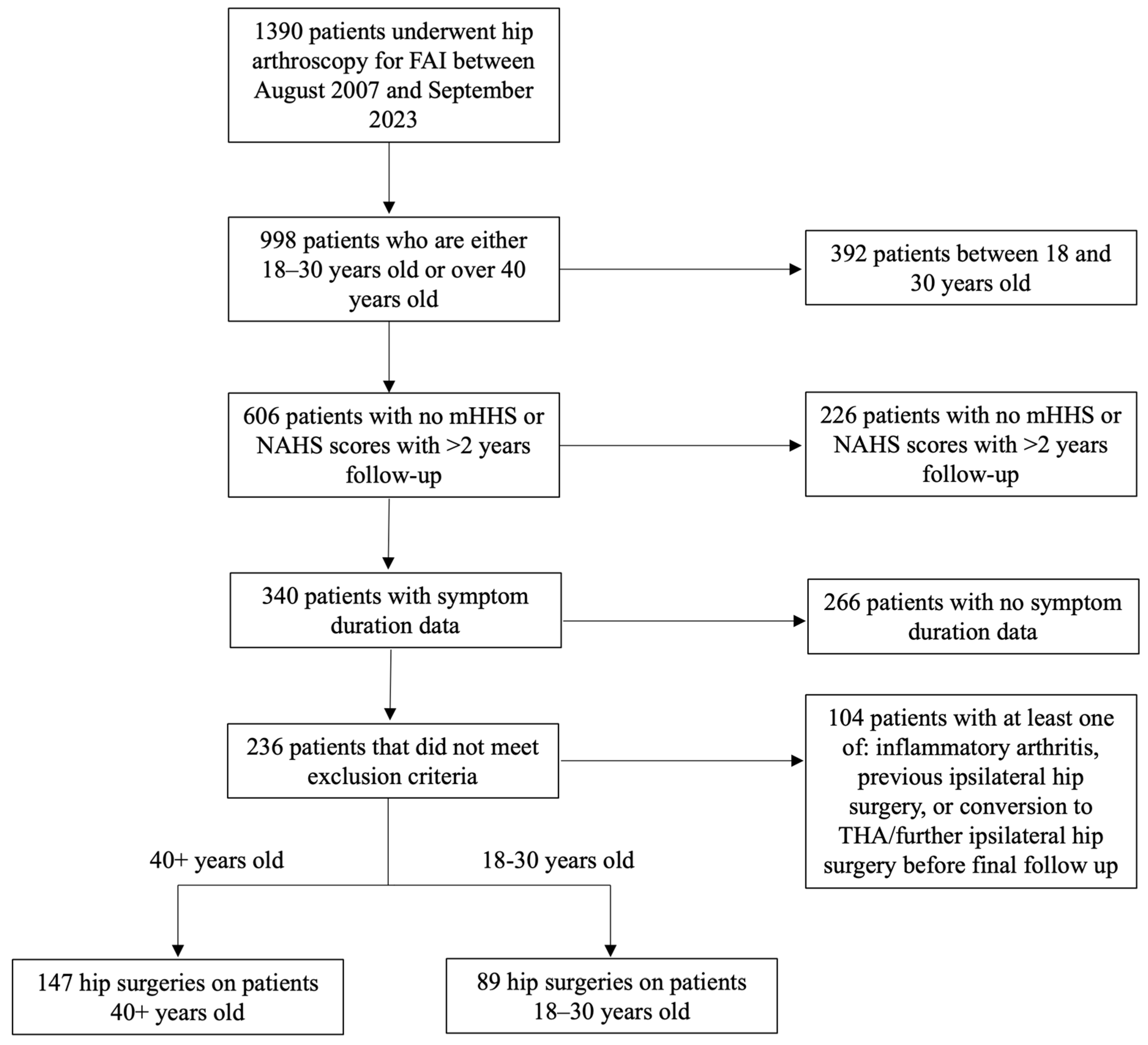
Figure 1. Strengthening the Reporting of Observational Studies in Epidemiology (STROBE) diagram of included patients.
Osteology 05 00037 g001
Table 1. Cohort demographics.
Variable40+ Years
(n = 147)
18–30 Years
(n = 89)
p-Value
Demographics
Age (years)52.1 ± 8.725.5 ± 3.4<0.001
SexF: 70.7%
M: 29.3%
F: 58.4%
M: 41.6%
0.053
BMI (kg/m2)26.2 ± 5.124.7 ± 4.10.020
Table 2. Surgical characteristics.
Variable40+ Years
(n = 147)
18–30 Years
(n = 89)
p-Value
Surgical Characteristics
Impingement Type 0.22
      Pincer Only93
      Cam Only31
      Mixed13585
Labral Procedure 0.55
      Repair13384
      Debridement82
      Reconstruction53
Chondral Status (Outerbridge)
      Acetabulum grade
            04 (2.7%)2 (2.2%)0.72
            136 (24.5%)28 (31.5%)
            242 (47.2%)42 (47.2%)
            312 (16.3%)12 (13.5%)
            413 (8.8%)5 (5.6%)
      Femoral head grade II–IV
            0134 (91.2%)89 (100%)0.08
            16 (4.1%)0
            23 (2.0%)0
            33 (2.0%)0
            41 (0.7%)0
Table 3. Patient-reported outcomes for 40+ years with symptom duration ≥ 1 year and 18–30 years cohorts with symptom duration ≤ 1 year at 2-year follow-up.
Variable40+ Years with ≥1 Year Symptom Duration
(n = 45)
18–30 Years with ≤1 Year Symptom Duration
(n = 17)
p-Value
mHHS at pre-op52.4 ± 14.259.9 ± 9.00.048
mHHS at 2-year follow-up85.0 ± 16.892.1 ± 8.10.103
Change in mHHS at 2-year follow-up32.6 ± 16.232.2 ± 13.90.925
Achieved MCID95.6%94.1%0.814
Achieved SCB82.2%76.5%0.609
Achieved PASS80.0%94.1%0.178
Variable40+ Years with ≥1 year symptom duration
(n = 46)
18–30 Years with ≤1 year symptom duration
(n = 16)
p-value
NAHS at pre-op49.2 ± 13.052.5 ± 13.60.127
NAHS at 2-year follow-up82.0 ± 18.590.3 ± 18.80.130
Change in NAHS at 2-year follow-up32.8 ± 19.937.8 ± 18.10.382
Achieved MCID89.1%87.5%0.859
Achieved SCB52.2%75.0%0.111
Achieved PASS58.7%87.5%0.036
Abbreviations: mHHS—modified Harris Hip Score, NAHS—Non-Arthritic Hip Score.
Table 4. Patient-reported outcomes for 40+ years with symptom duration ≥ 1 year and 18–30 years cohorts with symptom duration ≤ 1 year at 5-year follow-up.
Variable40+ Years with ≥1 Year Symptom Duration
(n = 50)
18–30 Years with ≤1 Year Symptom Duration
(n = 15)
p-Value
mHHS at pre-op49.9 ± 14.767.6 ± 14.0<0.001
mHHS at 5-year follow-up83.0 ± 14.790.5 ± 10.10.070
Change in mHHS at 5-year follow-up33.1 ± 17.622.9 ± 15.80.048
Achieved MCID86.0%86.7%0.948
Achieved SCB78.0%60.0%0.164
Achieved PASS80.0%93.3%0.227
Variable40+ Years with ≥1 year symptom duration
(n = 53)
18–30 Years with ≤1 year symptom duration
(n = 15)
p-value
NAHS at pre-op46.7 ± 10.162.8 ± 11.00.007
NAHS at 5-year follow-up82.1 ± 19.390.9 ± 11.00.098
Change in NAHS at 5-year follow-up35.4 ± 24.228.1 ± 19.80.297
Achieved MCID83.0%93.3%0.319
Achieved SCB64.2%46.7%0.222
Achieved PASS60.4%73.3%0.358
Table 5. Patient-reported outcomes for 40+ years and 18–30 year cohorts at 2-year follow-up.
Variable40+ Years
(n = 70)
18–30 Years
(n = 33)
p-Value
mHHS at pre-op52.8 ± 13.661.4 ± 12.3<0.001
mHHS at 2-year follow-up85.1 ± 16.892.7 ± 8.90.019
Change in mHHS at 2-year follow-up32.3 ± 16.831.3 ± 15.80.787
Achieved MCID91.4%90.1%0.931
Achieved SCB78.6%72.7%0.513
Achieved PASS78.6%93.9%0.050
Variable40+ Years
(n = 72)
18–30 Years
(n = 33)
p-value
NAHS at pre-op50.4 ± 15.154.0 ± 14.00.007
NAHS at 2-year follow-up83.5 ± 18.391.4 ± 14.20.030
Change in NAHS at 2-year follow-up33.1 ± 19.337.4 ± 20.70.309
Achieved MCID87.5%87.9%0.956
Achieved SCB62.5%66.7%0.680
Achieved PASS66.7%81.8%0.111
Table 6. Patient-reported outcomes for 40+ year and 18–30 years cohorts at 5-year follow-up.
Variable40+ Years
(n = 69)
18–30 Years
(n = 36)
p-Value
mHHS at pre-op48.9 ± 18.563.3 ± 11.70.005
mHHS at 5-year follow-up81.2 ± 18.589.8 ± 11.70.013
Change in mHHS at 5-year follow-up32.3 ± 20.726.5 ± 14.70.142
Achieved MCID84.1%91.7%0.276
Achieved SCB76.8%69.4%0.412
Achieved PASS73.9%91.7%0.031
Variable40+ Years
(n = 71)
18–30 Years
(n = 34)
p-value
NAHS at pre-op46.9 ± 21.460.4 ± 11.30.006
NAHS at 5-year follow-up81.4 ± 21.490.3 ± 11.30.024
Change in NAHS at 5-year follow-up34.5 ± 24.929.9 ± 14.90.326
Achieved MCID80.3%97.1%0.022
Achieved SCB63.4%55.9%0.461
Achieved PASS62.0%76.5%0.140
Table 7. Patient-reported outcomes for symptom duration ≥ 1 year and symptom duration < 1 year cohorts at 2-year follow-up.
VariableSymptom Duration ≥ 1 Year
(n = 70)
Symptom Duration < 1 Year
(n = 33)
p-Value
mHHS at pre-op55.6 ± 14.055.3 ± 14.70.902
mHHS at 2-year follow-up87.7 ± 15.187.3 ± 15.40.918
Change in mHHS at 2-year follow-up31.5 ± 16.532.8 ± 16.50.715
Achieved MCID92.9%87.9%0.404
Achieved SCB75.7%78.8%0.731
Achieved PASS84.3%81.8%0.753
VariableSymptom Duration ≥ 1 year
(n = 70)
Symptom Duration < 1 Year
(n = 35)
p-value
NAHS at pre-op53.3 ± 15.253.3 ± 16.80.982
NAHS at 2-year follow-up85.9 ± 16.586.1 ± 19.50.945
Change in NAHS at 2-year follow-up34.4 ± 18.534.5 ± 18.50.978
Achieved MCID88.6%85.7%0.675
Achieved SCB55.7%80.0%0.015
Achieved PASS67.1%80.0%0.169
Table 8. Patient-reported outcomes for symptom duration ≥ 1 year and symptom duration < 1 year cohorts at 5-year follow-up.
VariableSymptom Duration ≥ 1 Year
(n =75)
Symptom Duration < 1 Year
(n = 30)
p-Value
mHHS at pre-op55.6 ± 14.055.3 ± 14.70.902
mHHS at 5-year follow-up85.5 ± 14.380.9 ± 22.10.295
Change in mHHS at 5-year follow-up31.1 ± 17.228.3 ± 22.90.557
Achieved MCID88.0%83.3%0.525
Achieved SCB74.7%74.7%0.888
Achieved PASS84.0%80.0%0.105
VariableSymptom Duration ≥ 1 year
(n =76)
Symptom Duration < 1 Year
(n = 29)
p-value
NAHS at pre-op53.3 ± 15.253.3 ± 16.80.982
NAHS at 5-year follow-up84.6 ± 17.883.4 ± 22.60.798
Change in NAHS at 5-year follow-up33.4 ± 22.032.1 ± 22.80.799
Achieved MCID86.8%82.8%0.593
Achieved SCB61.8%58.6%0.762
Achieved PASS65.8%69.0%0.758
Disclaimer/Publisher’s Note: The statements, opinions and data contained in all publications are solely those of the individual author(s) and contributor(s) and not of MDPI and/or the editor(s). MDPI and/or the editor(s) disclaim responsibility for any injury to people or property resulting from any ideas, methods, instructions or products referred to in the content.


