


Abstract
Regulations of next-generation networks (NGNs) have played a central role in the transition from copper networks to broadband networks in Fiber to The Home (FTTH), also allowing for a reduction in asymmetries between incumbent operators and their competitors. Despite common European Union directives, telecom infrastructure development varies across countries due to differences in regulation, investment models, legacy networks, operators’ behavior, and public policies. This study analyzes the evolution of Very High-Capacity Networks (VHCNs), focusing on the implementation of FTTH in four European countries (Portugal, Spain, France, and Germany), and in South Korea. The latter was included as a benchmark in government-driven broadband development. The analysis considers key factors influencing FTTH development, including infrastructure regulation, fiber investment incentives, incumbent strategies, infrastructure sharing and co-investment, rural coverage plans, and demographic differences of each country. The results show that regulatory measures directly influence the pace of FTTH installation; but its effectiveness also depends on investment incentives, market competition, and demand factors. Portugal, Spain, and France have high FTTH coverage despite different regulatory and investment models. In contrast, Germany relied on xDSL over copper networks for a long time, causing significant delays, with an FTTH coverage rate of 42.5% and a penetration rate of only 12.3%, putting the European Union’s 2030 goal of universal 1 Gbps coverage at risk. South Korea shows that long-term public policies, demand-side incentives, and high digital adoption accelerate mass FTTH adoption and turn telecommunications infrastructure into a key driver of economic and technological development.
1. Introduction
The construction of next-generation networks relies mainly on fiber optics, although some countries still use copper-based Very-high-bit-rate Digital Subscriber Line (VDSL) technology using Virtual Unbundled Local Access (VULA), as well as Data Over Cable Service Interface Specification (DOCSIS) technology and through Hybrid Fiber Coaxial (HFC) networks, to maximize the profitability of existing incumbent infrastructure. However, FTTH has emerged as the leading solution for high-bandwidth data transmission.
With regulations imposed by the European Commission (EC) on VULA access by operators using the infrastructure of incumbent operators, there has been a gradual transition from copper and coaxial technologies to fiber optics [1,2]. In these cases, the FTTH coverage rate was slower than in countries that opted to build FTTH networks from the outset, gradually abandoning copper networks and initiating the switch-off of copper pair networks. Operators with FTTH networks in high-density environments built their own networks. In rural environments, there is usually a single network shared by multiple operators, as these networks incur higher implementation costs [3,4].
The type of regulation in the telecommunications infrastructure and associated services sector varies by country, driven by governmental, regional, and even municipal decisions. Although European countries comply with the same European Commission regulations, implementation in each country is quite distinct. This is due to several factors: market structure; the role of incumbent operators; co-investment models; availability of public funding; characteristics of the legacy network and economic attractiveness in rural areas. Therefore, the evolution of FTTH networks is due to an ecosystem of factors that must be seen as a whole.
At the European Union level, in 2003, the first initiative on telecommunications infrastructure was launched, covering definition, concept, and regulation [5]. In 2009, the Body of European Regulators for Electronic Communications (BEREC) was created to coordinate European legislation and interact with National Regulatory Authorities (NRAs). This came a year after the EC’s first recommendation on building NGN using fiber optics emerged, resulting in two opposing groups: countries that accepted this recommendation from the outset, such as Portugal, Spain, and France; and countries that opposed it and tried to ensure NGNs remained in copper or coaxial cable, such as Germany, Belgium, and the United Kingdom [6]. In 2013, there was greater convergence among all countries towards investing in FTTH networks.
Over the last two decades, several programs and initiatives have been promoted by the EC, with two major European digitalization agendas standing out. The first corresponded to the Digital Agenda for Europe (2010–2020), whose objective was to guarantee basic broadband networks (between 1 and 30 Mbps) by 2013 and fast broadband (speeds exceeding 30 Mbps) by 2020 for all citizens of the European Union. In addition, they would also have to ensure that 50% of European households had speeds exceeding 100 Mbps [7]. In 2022, a new Digital Agenda for 2020–2030, called the Digital Decade 2030 Programme, was proposed, with new challenges such as connectivity in all homes at speeds of around Gigabits/s, full 5G coverage in populated areas, and the use of Fixed Wireless Access (FWA) technology [8].
This study includes Portugal, Spain, France, and Germany, not only because they are covered by the same European directives, but also because they have adopted different national strategies. In addition, the case of South Korea was also studied at the level of the construction of its telecommunications infrastructure, which has always presented some of the highest bandwidth in FTTH networks, with unique characteristics, strong state investment, and with public private partnerships that have influenced the sector, such as the case of the “chaebols”. From the large investments made in the various programs developed across the country to the classification of buildings by bandwidth, not forgetting the IT training of citizens for the introduction and use of the network, making it a society with greater economic potential [9]. The close collaboration between the government and technology companies was fundamental to its development.
The data sources used in this study were the EC, the Organization for Economic Co-operation and Development (OECD), and the FTTH Council Europe, enabling the analysis of various metrics to identify key factors in the evolution of network coverage and penetration across countries.
The relevance of this work aims to answer three scientific questions:
- RQ1: How have different regulatory models and investment strategies influenced the pace of development of FTTH networks in the countries studied?
- RQ2: How do market structure, incumbent operator strategies, infrastructure sharing models, and investment programs contribute to the universalization of ultra-high-capacity networks?
- RQ3: To what extent do demand-side factors, such as increased digital literacy, demand for broadband services, and policies to encourage the use of network services, explain the differences between European countries and South Korea?
The main contribution of this article is to provide a multidimensional comparative analysis encompassing regulatory, economic, technological, and demand-side factors. This approach explains why European countries, subject to the same European regulations, achieve significantly different results in terms of FTTH coverage, penetration rates, and effective network utilization. The comparison with South Korea will allow us to identify which public policy elements stimulate demand, contributing to achieving the Gigabit connectivity goals in the European Union by 2030.
The article is structured in the following sections: Section 2 describes the methodology used in the literature review; Section 3 presents a literature review focusing on the regulation and evolution of broadband in each country; Section 4 describes the framework used for the comparative analysis in each of the countries; Section 5 refers to the analysis of the results obtained; and Section 6 presents the conclusions and proposals for future work.
2. Review Methodology
This study adopted a systematic review approach of the literature and institutional sources, following the PRISMA 2020 recommendations [10], to ensure transparency, reproducibility, and methodological rigor in the selection and analysis of evidence.
In total, 90 references were considered for this review. Of these, 54 correspond to peer-reviewed articles published between 2001 and 2025, using three academic databases (Scopus, IEEE, and Google Scholar). In addition, 30 institutional and technical reports (European Commission, BEREC, FTTH Council, OECD, and national regulators) and 10 European Directives were included, as shown in Figure 1. Duplicate records identified across the databases were removed before the screening phase.
Figure 1.
PRISMA 2020 flow diagram of the literature selection process.
Furthermore, documents provided by telecommunications operators and other entities that presented information relevant to the study were also included. The data were presented using graphs and tables to show the main comparisons and trends of the study.
The selection of the 54 references considered a sample of 697 bibliographic references. This investigation was carried out in a broad search, using various combinations of words for the search as presented in Table 1.
Table 1.
Structured search query details for Scopus.
The selection process was defined in three distinct phases to systematically select the selected references: (i) selection based on the title and abstract according to the criteria used in the research; (ii) relevance of the article through analysis of the article in its entirety; (iii) final selection with exclusion of articles that do not complement the study in question.
The main reasons for excluding articles were that the studies were conducted in geographical areas not relevant to this work, and articles with little relevance to the study’s theme.
The time window between 2001 and 2025 is an important window for the study’s theme, as the first steps taken in the case of South Korea began in 2000, while in the case of the European countries under study, the first steps were taken from 2008 onwards. It becomes relevant to analyze the entire evolution of FTTH networks throughout this time window in order to answer the questions previously raised.
3. Regulatory and Policy Background
The transition from legacy copper pair networks to fiber optic networks, such as FTTH, is not simply a matter of replacing the network technology, but is a more comprehensive process, encompassing regulatory models, public policies, investment strategies, and competitive models in the sector. The combination of different factors in each country dictates the pace and type of network growth, both in terms of coverage and infrastructure availability for effective user adoption.
The regulatory and policy framework allows for the evaluation of each country’s trajectory and the identification of the main factors conditioning infrastructure sharing, as well as the strategies adopted by operators in a competitive market and investment models in rural areas. This defines the conceptual basis for constructing the analytical framework for a comparative analysis of results among the countries analyzed.
3.1. Regulation in the Telecommunications Infrastructure Sector
Regulatory power in the telecommunications sector, specifically in network infrastructure, can play a crucial role, both as a driver of its construction and, in certain cases, as a blocking factor. If regulation is too rigid, it discourages investment by incumbent operators [11]. On the other hand, regulation must evolve and adapt to technological advances; in some countries, implementation has been difficult [12]. The regulation of telecommunications infrastructure directly influences the pace of investment in ultra-high-capacity networks and can simultaneously stimulate expansion and introduce economic risks that hinder rollout. The literature shows that excessively rigid regulatory regimes tend to discourage the expansion of FTTH due to increased uncertainty and reduced investment attractiveness, underscoring the indispensability of a balance between accessibility, competition, and economic incentives.
According to Cave [13], the “Law of Investment Ladder” describes a regulatory progression that goes from resale (bitstream) to investment in a proprietary network, with steps that increase the level of control and investment of the entering operator. In practice, access obligations with regulated prices can accelerate competition in the short term, but if applied simultaneously to new and legacy networks, they can reduce the incumbent’s incentives to invest in FTTH. Thus, it is critical to design access obligations that foster sustainable competition without causing disinvestment.
According to Kirsch & Von Hirschhausen [14], the regulation of telecommunications infrastructures can be of three distinct types: competition without regulation; regulation by operators; structural separation between the physical network and the service network regulated by the regulator, transitioning from a vertical structure to a horizontal structure, with the separation between the physical network and the service network. Regulation aims to increase market efficiency. According to Cambini & Jiang [3], access regulation for copper network infrastructure has been a challenge for defining investment incentives. Regimes that impose access obligations with regulated prices can accelerate competition in the short term, but in many regulatory models, they tend to reduce the incumbent operator’s incentive to invest in FTTH networks, raising the question of how to balance competition protection with incentives for investment in VHCN. In the case of a structural separation of the physical and service networks, this allows for less price discrimination between alternative and incumbent operators [15]. Network separation is seen as an effective regulatory tool.
Regarding Open Access (OA) policies [16], comprehensively analyzed the concept and proposed an evaluation framework to classify OA policies along three dimensions: vertical structure, ownership model, and access level. They note that each form of OA, from non-discrimination obligations to wholesale-only fiber optic models, involves obvious trade-offs between social welfare, competition, and investment incentives. Thus, they recommend that regulators select the most appropriate OA model based on market structure and public policy objectives.
Open access policies entail clear trade-offs among social welfare, competition, and investment incentives that vary across vertical structures, ownership structures, and access levels. From an economic standpoint, sharing existing networks reduces costs and barriers to entry, but excessive access obligations without adequate cost recovery mechanisms can encourage free-riding and reduce the incumbent’s incentive to invest in new gigabit networks. The GIA appears to be an attempt to calibrate this balance through fair pricing rules and cost recovery safeguards, leaving the outcome dependent on national implementation.
The relationship between access regulation and investment incentives in FTTH was analyzed by [17], who found that maintaining simultaneous access obligations on legacy networks and new fiber-optic networks can discourage the incumbent operator’s investment in VHCN infrastructure. Alternatives, such as differentiated regulation by technology or public stimulus and co-investment mechanisms, can significantly improve coverage and speed results.
Regulatory flexibility can be analyzed with respect to passive physical infrastructure, enabling less rigid rules that allow the use of different technologies in network sharing, thereby reducing costs and accelerating network expansion [18]. Similarly, technological neutrality enables coexistence or migration between technologies, such as fiber-optic and coaxial cable, without regulatory barriers, thereby favoring innovation, competition, and the expansion of network coverage. In addition, sharing models can inspire regulatory regimes that promote the efficient use of ducts, poles, and other passive infrastructure, as well as active network segments, on non-discriminatory terms.
According to Unver [19], regulatory harmonization develops in different models influenced by liberalization and competitiveness policies, highlighting: reflexive harmonization that allows for local and self-regulatory solutions to the detriment of the impositions of NRAs in rigid regulations; Regulatory competition, which considers that if there is a combination of political and economic governance aimed at promoting discovery, innovative solutions can be obtained thanks to competition between operators; co-evolution, which refers to convergence patterns due to the dynamic interaction between regulatory systems and political decisions. On the other hand, EC regulatory standards and their harmonization can limit competition, restricting countries’ autonomy to implement their own regulations [20].
The existence of barriers to new operators relative to incumbents stems from high implementation costs and incumbents’ resistance to maintaining their historical networks without technological evolution [21].
Each of the five countries studied adopted its own regulatory approach, with no single alignment, even among European Union countries, regarding current directives. The separation between the physical network and the service network was a major driver of the acceleration of fiber-optic networks and increased competition in the sector. Countries with overly strict regulations perpetuate the incumbent operators’ monopoly, making it unattractive for new infrastructure operators to invest in their networks.
The regulatory component is the first analytical dimension for an analysis of FTTH development trajectories.
3.2. European Context
The evolution of next-generation telecommunications networks has been shaped by political, economic, and regulatory decisions that vary significantly across regions, such as Europe and South Korea. Some countries have adopted faster, more centralized network modernization strategies, while others have opted for more gradual trajectories, prioritizing a balance among investment, competition, and the protection of existing markets.
The telecommunications sector in Europe has undergone profound changes over the last 15 years, transitioning from monopolistic, state-owned networks to a group of increasingly competitive operators. This transition was fundamentally due to regulatory decisions by the European Commission. In 2007, the first steps were taken towards building NGNs, with the start of public consultations and strong mobilization from various Member States. There was also concern about rights of way, which, in the absence of clear rules, hampered the pace of NGN construction. In 2008, while still under public consultation, the EC rejected its initial proposal, which stipulated that regulation should not favor new fiber-optic networks over existing copper networks. This was to guarantee competition protection and avoid abrupt changes in the telecommunications market. This approach ensured the development of fiber optic networks without immediately abandoning copper networks, which supported a large share of broadband services in Member States [22]. Only in 2009 did the first directives on fiber optic NGNs emerge, with Directive 2009/140/EC corresponding to the Better Regulation Directive (BRD) [23]. This directive revised the framework for electronic communications, including rules to facilitate investment and competition in broadband infrastructure, and served as the starting point for laying the foundations for new fiber-optic networks. This directive is part of the Telecoms Package. Note that this legislation only sets out the general principles of the NRG, without specific rules on FTTH.
In the same year, BEREC was created, under the supervision of the EC, as an entity to ensure the consistent application of the European regulatory framework for the European single market for electronic communications. Although it does not have the role of European regulator, it interacts with the NRAs to ensure compliance with European directives.
In 2009, Europe had only 1% FTTH coverage, with xDSL as the dominant technology, unlike Japan and South Korea, which already had quite significant FTTH coverage, as shown in Figure 2.
Figure 2.
Broadband Technologies in 2009.
3.2.1. Digital Agenda for Europe
The evolution of the European framework has been marked by progressively more demanding targets. The Digital Agenda for Europe (2010–2020) defined coverage and speed targets (30 Mbps universal and 50% of households above 100 Mbps), although without binding character, as a political strategy to promote broadband [24]. The agenda excessively emphasized supply-side measures (infrastructure supply) to the detriment of demand-side policies, resulting in many targets for infrastructure coverage and speed, but instruments to foster availability and quickly convert it into productive, socially inclusive use were lacking. The economic gains may not materialize if there are no complementary policies for digital skills development, accessible digital public services, and incentives for their adoption [25].
The returns on investment in broadband during the agenda period, 2010–2020, showed significant heterogeneity, with benefits varying with the level of adoption of the goals, the quality of services, local factors such as population density and market structure, and complementary interventions from local policies. According to [26], optimistic estimates of social benefit should be interpreted with caution, because not all regions or age groups of the population achieve the same gains, and in low-density areas, the cost per user may justify specific interventions beyond the previously defined policy model.
Within the regulatory framework, although the agenda established goals, it also left room for national regulators and operators to decide on the most appropriate instruments. However, this decentralization led to unequal results. For highly competitive markets, infrastructure sharing and FTTH rollout became faster and more efficient. Despite the framework of common directives, national implementation was not homogeneous and produced asymmetrical results. Regulatory decentralization and the diversity of structural conditions (density, economic attractiveness, and level of competition) have led to distinct trajectories: in markets with greater competition, infrastructure sharing and FTTH rollout were faster and more efficient. In less attractive markets dominated by holders, the transition was, in fact, slower. In addition, there were differentiated resistances to technological migration, with countries seeking to extend copper and coaxial solutions at the expense of FTTH.
Regarding VHCN networks, in addition to transmission speed, networks should also be evaluated by their digital service utilization rate to enable more efficient investment prioritization [27].
In [28], disparities across countries in implementing the agenda’s goals are highlighted, casting doubt on the agenda as a whole. In Germany, resistance to abandoning legacy copper infrastructure and reliance on xDSL technology delayed the transition to fiber-optic broadband networks. Eastern European countries faced profound structural challenges due to poor coverage in low-density areas, limiting access and digital inclusion.
3.2.2. Broadband Cost Reduction Directive
In 2014, Directive 2014/61/EU, corresponding to the Broadband Cost Reduction Directive (BCRD) [29], emerged with the objective of reducing the costs of developing broadband networks, facilitating the reuse and sharing of passive infrastructure, such as conduits and poles, and defining “fiber-ready” requirements for new buildings, as well as creating a regulatory framework to stimulate investment in broadband networks [11]. Within this regulatory framework, incentives fall into three categories: a co-investment model between operators, symmetrical regulation with non-discriminatory network access obligations, and cost-reduction directives. Furthermore, it allows NRAs to define guidelines and methodologies for setting prices and access conditions [30], as differences in requirements across operators can create barriers to entry at the infrastructure level.
3.2.3. Digital Single Market Strategy
A year later, the Digital Single Market Strategy (DSMS) emerged, aiming to create a single digital market that would facilitate access to and growth of digital services, also fostering investment in VHCN network infrastructures [31]. With the introduction of this strategy, indicators of the digital economy increased, but inequality between countries persisted, with a persistent pattern of North South polarization. Northern Europe has a higher rate of digital use, while Southern and Eastern Europe have lower rates. There was a correlation between infrastructure investments and increased digitalization in Europe between 2011 and 2016, and a reduction in regional inequalities promoting digital cohesion in the EU [32].
3.2.4. European Electronic Communications Code
The European Electronic Communications Code (EECC) is a fundamental regulatory instrument for the European electronic communications market, with a direct impact on operators and consumers. It was published under European Directive 2018/1972/EU [33], which consolidated and updated the European regulatory framework, introducing specific rules for VHCNs, including incentives for investment in FTTH, co-investment models, and regulatory harmonization to facilitate rollout. Furthermore, it allowed updating four directives into a single piece of legislation covering access, authorization, the regulatory framework, and universal service. In terms of access, it refers to the mandatory sharing responsibilities incumbent operators have for their infrastructure with other operators. Authorization defined the rules for providing electronic communications services. The regulatory framework set out the principles, responsibilities, regulatory objectives, and supervisory mechanisms for NRAs. Regarding universal service, it is defined as a set of essential communication services and quality of service.
The EECC formalized the concept of ultra-high-capacity networks and delegated to BEREC the definition of technical performance criteria, including downstream/upstream parameters, latency, and availability, seeking to harmonize the concept among Member States. The classification includes criteria such as fiber-to-the-user, fixed network, and minimum performance requirements under normal peak conditions, with fixed networks above 1 Gbps. Still, gaps are identified in the framework, namely due to insufficient clarification in some dimensions and challenges of universality in rural areas and “white areas”.
In addition, the effective date was set for 2020, with the first review in 2025. These guidelines also aim to harmonize the VHCN concept. To be considered a VHCN network, at least one of the four criteria must be met: a fixed fiber optic link network; a wireless fiber optic network to the station; Any fixed network capable of providing peak speeds above 1 Gbps under normal conditions, or a wireless network capable of providing peak speeds above 150 Mbps under normal conditions.
The updated directives were open for public consultation until the end of 2025, during which BEREC considered two scenarios for the presentation of this new proposal: (i) a scenario representing the current performance of commercial networks and (ii) a scenario relating to pilot projects with the highest performance technologies available [34]. The preliminary study for the public consultation found that most networks meet the first criterion (fiber-optic infrastructure) for VHCN. BEREC recommends that one of the main changes be to increase the downlink threshold value above 150 Mbps. However, this should be considered given the existing asymmetries between high- and low-density networks.
The EECC presents symmetrical rules regarding the obligations imposed on all operators. Asymmetric rules apply exclusively to companies designated by national regulators as having significant market power, with the aim of preventing abuses and promoting sustainable competition in the electronic communications sector [35]. Gisca et al. [36] identified several gaps in the EECC as they are not sufficiently clear in terms of: the definition of private networks and local operators; the clear definition of what a VHCN is; universality of services, with rules that are not very strict at this level, especially for rural areas and “white areas”.
The directive values co-investment models with risk and cost sharing in less profitable areas, especially in “grey” and “white” areas, where competition is limited or non-existent. Co-investment allows for reducing cost duplication, increasing coverage, and fostering greater cooperation between operators, but it poses regulatory challenges and requires a balance to avoid reduced incentives due to overly strict rules.
3.2.5. Digital Decade 2030
The European Union’s Digital Agenda Decade 2030 [37] constitutes a strategic framework for European digital transformation, setting ambitious targets for the next decade in four key areas: digital skills; secure and sustainable digital infrastructure; business digitization; and public service digitization. One of its main objectives is to ensure that, by the end of the decade, all European citizens have access to fixed connections exceeding 1 Gbps and that all populated areas are covered by the 5G network. In the field of FTTH network infrastructure, this translates into a decisive commitment to guaranteeing VHCNs for all, as fiber optics is the technology that offers stable, scalable performance and low long-term maintenance costs. This continuous investment in FTTH networks is seen as an essential condition for sustaining the digital transformation of the European economy, enabling the development of advanced services such as telemedicine, online education, Industry 4.0, cloud-based applications, and artificial intelligence. Along with the Digital Decade, there is the Digital Compass [38], a strategic plan with priority metrics and axes that details paths, indicators, and actions.
Briglauer et al. [39] state that net neutrality and regulatory policies can affect the pace of investment in high-speed networks, warning that overly rigid regulations can discourage the expansion of FTTH networks, and that there is a need for a balance between accessibility, competition, and investment incentives.
From a socioeconomic perspective, Laitsou [40] suggests that digitization is positively correlated with human development but warns that this relationship is neither automatic nor linear. Countries with high Human Development Index (HDI) values are not always the most advanced in digital transformation, indicating that factors such as human capital, governance, and public investment are crucial for translating the goals of the Digital Decade into concrete social benefits. Another critical point is the geographical and structural disparity in the implementation of the agenda. In the case of Kuś et al. [41], they presented evidence demonstrating that, despite advances in gigabit network coverage, territorial inequalities persist, limiting digital inclusion and the potential for equitable growth. Klossa & Nogarede [42] highlight the need to update the Digital Decade so that it does not become a set of technocratic goals, but rather a true social and economic project, lacking a more robust framework in terms of environmental sustainability, inclusive governance models, and coherent public funding, essential for digitalization.
Although the objectives for network infrastructure and its digitalization are ambitious and necessary for competitiveness in the European space, their success will depend on the articulation of balanced regulation, strategic investment, the reduction in territorial inequalities, and the strengthening of digital sovereignty.
3.2.6. Gigabit Infrastructure Act
The Gigabit Infrastructure Act (GIA) [43] emerged in 2024 with an operational component to meet the goals of the Digital Decade by ensuring gigabit connectivity for all homes and 5G coverage in all populated areas by 2030. The EC created the GIA as a revision and replacement of the BCRD, expanding the scope of intervention from measures targeting “30 Mbps” networks to VHCN and updating definitions, titles, and instruments for a radically different technological and investment context. In terms of strategic lines, the GIA brings together four main lines of action: (i) expansion and harmonization of the right of access to existing physical infrastructure (poles and ducts) to enable access and sharing; (ii) improved coordination of civil works to reduce redundant infrastructure and deployment costs; (iii) clearer rules for authorizations and administrative deadlines to accelerate installation, including specific measures to facilitate the installation of small 5G cells; and (iv) the possibility of creating national coordination entities for requests for access to public assets, with safeguards for security, health and other legitimate exceptions. Thus, GIA prioritizes sharing infrastructure and streamlining administrative processes to reduce CapEx and Time-to-Market (TTM) for large operators, especially new and local operators.
From a regulatory perspective, the GIA defines the directly applicable regulation, recognizing that a homogeneous and uniform intervention across Member States will be most appropriate to the goals of the 2030 Agenda. This means an increase in the minimum mandatory harmonization for access to infrastructure, transparency requirements, and compliance with deadlines, thus reducing the margin for national interpretations and transpositions that delay the implementations defined in the GIA. On the other hand, legislation incorporates mechanisms to balance the right of access with the need for infrastructure owners to recover investment, while ensuring that recovery costs and their impact on business models are taken into account. This combination reflects a trade-off between encouraging the sharing of existing networks (to reduce network duplication) and protecting incentives for building new networks.
From an economic standpoint, sharing existing networks reduces substantial costs, lowers barriers to entry for new operators, and facilitates a faster, less expensive rollout. Excessive obligations to access existing infrastructure can reduce the incentive for incumbent operators to invest in new gigabit networks [17]. Thus, policies that excessively promote access to existing infrastructure without adequate cost recovery or risk-sharing mechanisms may encourage free-riding. If policies overprotect investors, inefficient network duplication and high costs may persist. The GIA attempts to calibrate this trade-off with fair pricing rules and cost recovery, but the degree of effective balance will depend on how Member States and regulatory authorities implement and operationalize these provisions.
Among the various recommendations, the need to strengthen regulatory predictability stands out to reduce investor risk and ensure stability in the rules governing access to infrastructure. Thus, markets with clear and stable regulations attract more investment in VHCNs, even when the obligations are demanding. Another recommendation is the development of balanced cost compensation mechanisms that allow for the recovery of infrastructure investment and avoid free riding by new operators on the existing network. Briglauer [44] argues that the access price should reflect real costs and include incentives for innovation and quality maintenance, but it will discourage private investment.
According to Kuś et al. [41], without financial support, the incentives created by the GIA may not be sufficient to guarantee universal coverage by 2030. In the social domain, it is recommended that the GIA be complemented by digital inclusion policies and technological literacy programs to ensure that infrastructure investment effectively translates into greater economic and social participation. In the case of Nosratabadi et al. [45], they highlight that digital transformation promotes social cohesion only when accompanied by measures that reduce barriers to access and to digital skills.
In domain of network traffic, there is a gap between large Land Transport Operators (LTOs) such as Netflix, YouTube, and Meta, which generate 55% of internet traffic but contribute less than 3% to infrastructure costs, while the Return on Investment (ROI) of telecommunications operators (TELCOs) fell from 8% (2012) to 5% (2020) [46]. One possibility for achieving greater balance is applying regulatory fees to LTOs based on their annual traffic and having TELCOs and LTOs negotiate with regulatory oversight to ensure a fair division of costs and encourage shared investments in innovative projects.
3.3. Incentive and Investment Plans
Deploying FTTH networks entails significant investment costs with asymmetric returns, especially in rural or low-density areas. Therefore, since 2000, the EC and its member states have developed a public private financing model that combines grants, concessionary loans, guarantees, and risk-mitigation instruments to reduce the digital divide and promote sustainable investments. Public funds are essential to achieve universal coverage, but their effectiveness depends on the institutional model implemented and the conditions of access [47,48].
The Structural and Cohesion Funds represent the historical basis of European funding for telecommunications infrastructure. In the early 2000s, programs co-financed by the European Regional Development Fund (ERDF) already provided funds for the expansion of broadband in peripheral areas, as part of the objectives of cohesion policy [26]. Later, between 2007 and 2013, incentives for digitalization were framed within the Regional Operational Programmes (ROPs), highlighting the main shortcomings of the telecommunications market. State aid guidelines stipulated that only “white areas”, without an NGN operator and without network coverage forecasts or investment plans, could receive support, avoiding distortions of competition. The essential objective of this support programme was to guarantee basic connectivity and market conditions for private operators. However, as the European digital agenda began to be implemented, there was a need for more evolved financial instruments.
The Multiannual Financial Framework 2014–2020 marked a qualitative leap in broadband network financing policy. The Structural and Cohesion Funds were reprogrammed to support the deployment of FTTH networks, usually in partnership with private operators under OA models [47]. The Connecting Europe Facility (CEF) was also created as an instrument focused on international transport, energy, and telecommunications infrastructure. In the digital domain, the CEF prioritized projects of common European interest, such as high-capacity backbones and cross-border interconnections [38]. During the same period, the European Investment Bank (EIB) strengthened its activity in FTTH networks, financing large fiber-optic projects through long-term loans and risk-sharing mechanisms [49]. Collaboration between the EIB and national authorities, notably through the JASPERS initiative (Joint Assistance to Support Projects in European Regions), harmonized cost benefit analysis methodologies [50] and ensured the economic sustainability of investments. The experience gained between 2014 and 2020 with the various support initiatives demonstrated that combining grants and repayable financial instruments maximizes impact and reduces dependence on public support [48]. Within this logic, the new cohesion instruments for the period 2021 to 2027 were developed.
The economic and social crisis caused by the COVID-19 pandemic led to the creation of NextGenerationEU, an extraordinary package of 750 billion euros that includes the Recovery and Resilience Facility (RRF), allowing each member state to incorporate explicit investment targets in digital infrastructure and ultra-high-capacity VHCNs into its Recovery and Resilience Plan (RRP).
According to the European Commission [43], in 2024, around 20% of the RRF resources were allocated to the digital transition, with an emphasis on expanding FTTH in rural areas. These programs combined non-reimbursable financing with leverage instruments through InvestEU, which replaced the European Fund for Strategic Investments (EFSI). InvestEU centralized European guarantees for strategic investments, channeling funds from the EU budget and mobilizing private capital via digital investment platforms managed in partnership with the EIB. According to an interim assessment of the program, the energy and digitalization sectors lead in funding volume, with an emphasis on VHCNs.
In addition, the European Investment Bank continued to play an essential role as a policy bank, offering long-term credit and reducing market risk for operators.
Recent studies demonstrate that the expansion of FTTH financed by community funds is positively correlated with regional indicators of productivity, innovation, and social development [48,49].
The funding sources mentioned are mostly from the three multiannual financial frameworks (MFFs): 2007–2013, 2014–2020, and 2021–2027. Table 2 presents the funding sources, the main objective of financing FTTH networks, the funding type, and the associated MFFs.
Table 2.
Investment Funds for FTTH.
The regulatory framework presented here reveals that common connectivity objectives do not produce similar results across different countries in the development of FTTH networks. The studies analyzed highlight the importance of access regulation, infrastructure sharing, and investment incentives. These elements constitute the starting point for the analytical framework that allows for a comparative analysis in four dimensions: regulation, investment models and market structure, factors associated with demand, and concrete results of FTTH development.
4. Analytical and Comparative Framework
The use of the analytical framework allows for a comparative analysis to evaluate the evolution of FTTH networks in each country, considering regulatory, economic, technological, and demand-related factors. This allows for a shift from a descriptive reading to a comparative approach that helps understand the factors that contributed to countries with common political objectives; in the case of European countries, this resulted in different values for coverage rate, penetration rate, and effective use of FTTH networks.
The proposed structure is organized into four dimensions: regulatory factors; investment models and market structure; demand-related factors; and the results of FTTH network deployment. These dimensions were defined based on the consulted literature, allowing for a systematic comparison between the five countries.
The first dimension, associated with regulatory factors, includes European directives, as well as open access policies, wholesale access obligations, and structural separation models. The sharing of infrastructure, symmetrical or asymmetrical regulation, and the transition from copper to fiber optic networks were also considered. This dimension will allow us to assess how regulation stimulates or hinders the growth of FTTH networks.
The second dimension concerns investment models and market structure. This dimension includes the role of incumbent and alternative operators, co-investment models, wholesale-only networks, public private partnerships, public funding, and the capacity to attract private investment. This dimension reveals how different institutional and business models condition the expansion of FTTH networks, especially in rural areas.
The third dimension of the framework corresponds to factors associated with demand. These include digital literacy, the demand for broadband services, cloud services, digital platforms, and public policies to encourage the effective use of infrastructure. This dimension is quite relevant because high network coverage availability does not, by itself, guarantee high penetration rates and effective network utilization.
The last dimension is associated with the results regarding the growth of FTTH networks, through indicators of coverage, take-up rate, and the evolution of the migration from copper pair networks to fiber optics, in order to meet gigabit connectivity goals. This dimension relates the policies and models adopted to the results obtained in each country.
Figure 3 presents the framework model with the various dimensions of the study. This framework model will be applied to the analysis of each of the countries.
Figure 3.
Conceptual framework of FTTH deployment determinants.
Applying this framework to each country will allow for a direct response to each of the three research questions initially defined in the study. RQ1 is answered through the analysis of regulatory factors and investment strategies. RQ2 will be answered through the relationship between market structure, the behavior of incumbent operators, and infrastructure sharing models, as well as coverage and take-up rate. RQ3 involves including demand-side factors, allowing for a comparison of European countries with South Korea as a benchmark. In this way, the proposed framework will function as an analytical lens, allowing its application to each country individually.
5. Comparative Country Analysis
The evolution of VHCNs, specifically FTTH networks, has been shaped by regulatory factors, political decisions, public and private investments, and the legacy networks of each country, as well as their geographical and demographic characteristics. On the other hand, operators are also active agents, responsible for fostering effective competition and adopting emerging technologies. Although the European countries analyzed are subject to a common regulatory framework set by the European Commission, the results obtained reveal significantly different trajectories, which contrast even more with South Korea, whose model is based on strong and continuous state intervention from an early stage in the 1990s.
Considering the multiple factors that contributed to the development of FTTH networks, several network development parameters will be analyzed, and a comparative analysis will be conducted across the five countries mentioned.
5.1. Regulation at the National Level
The transposition of European directives in each country has not been homogeneous. Although European countries are subject to the same objectives defined by the EU, each country has adopted its own policies regarding regulation, investment models, and market strategies. These differences are reflected in the distinct approaches of each national regulator, the degree of influence of incumbent operators, the shutdown of legacy networks, the intensity of competition, and the capacity to attract public and private investment.
Thus, the previously defined framework forms the basis for comparison between the various countries. Its applicability allows for relating the results of coverage rates, take-up rate, transmission speed, technological migration, and effective network use across four main dimensions: regulatory factors, investment models and market structure, demand-side factors, and FTTH network development outcomes. It is also possible to identify the different combinations of each dimension of the framework for analyzing each country’s path in the development of FTTH networks. This type of approach, in addition to a descriptive perspective, also explains the factors that influenced the observed results.
5.2. Portugal
The construction of FTTH networks in Portugal began in 2008, as they were almost non-existent until then, with only a few pilot projects from the incumbent operator Portugal Telecom [24,51]. At that time, the dominant and growing broadband technology was xDSL [3]. FTTH networks began to be built in Lisbon, Porto, and Castelo Branco as pioneering cities in Portugal [52]. This growth later spread to other parts of the country.
In addition to the incumbent operator’s construction of the first FTTH network, European funds were allocated to the construction of networks in low-density, economically unattractive areas. The process began in 2008 and was awarded to the wholesale operators Dstelecom and Fibroglobal, with the aim of overcoming geographical barriers between rural and urban areas [53].
Starting in 2010, Portugal Telecom began offering multiplay services (telephone, television, and internet) on a massive scale, with the introduction of the Optical Network Terminal (ONT) and using its FTTH network, allowing greater flexibility in the choice of its equipment, reducing operating costs, and establishing a standard that would be adopted by other leading European operators [54]. In this way, infrastructure sharing does not eliminate competition in retail and, moreover, reduces implementation costs, allowing operators to have commercial autonomy.
In 2010, Vodafone began building its own fiber-optic network, marking the first alternative network to the incumbent operator, Portugal Telecom, in the fixed broadband segment. This strategic decision was accompanied by an infrastructure-sharing agreement with Optimus, enabling both companies to accelerate geographic expansion and reduce capital investments. The infrastructure-sharing model became a defining feature of the Portuguese market, differentiating it from other European markets where competition based on duplicated infrastructure prevailed. The agreement between Optimus and Vodafone enabled the establishment of new partnerships for future co-investment [55].
In 2013, ZON merged with Optimus, with prior approval from the competition authority (AdC), becoming the second-largest national operator and competing with Portugal Telecom on a level playing field. In this merger, ZON held coaxial cable networks, and Optimus held mobile and FTTH network domains. This operator then began to compete directly with Portugal Telecom as an alternative multiplay operator [56].
A year later, Vodafone launched the “Project Spring” project with an investment plan of 500 million euros, making the FTTH network available to 1.5 million homes by 2015 [57]. This project also included rural areas, making it the first operator to provide FTTH services in low-density areas. In a new phase of this project, the goal came to cover 2.75 million homes, with an additional investment of 125 million euros. This growth was due to a mutual agreement between Vodafone and Portugal Telecom to share their FTTH networks. This model allowed both operators to accelerate their expansion with complete commercial autonomy, also promoting competition in the retail market. In 2017, Vodafone and NOS established a new fiber network-sharing agreement, expanding the co-investment model already in place with other operators.
NOS, in turn, developed a strategy to migrate its HFC networks to FTTH networks, investing significantly over time in modernizing the infrastructure inherited from the ZON-Optimus merger. The operator’s fiber optic network already covered approximately 3.4 million homes in Portugal in 2022 [58]. In 2018, the transformation of Portugal Telecom into Altice Portugal was driven by proprietary technologies developed by Altice Labs, such as the Small Factor Pluggable (SFP), which doubled fiber-optic network capacity, leading to significant growth in the provision of new digital services.
FastFiber was created in 2020, representing a transformation of the telecommunications business model in Portugal and becoming the largest national wholesale fiber-optic operator. It is a joint venture between Altice Portugal and Morgan Stanley that is transforming the telecommunications business model in Portugal. FastFiber inherited all of Altice’s FTTH network assets, covering more than 4.6 million homes at its inception. One of its strategic objectives was for Portugal to become the first European country to achieve total fiber-optic coverage. Subsequently, FastFiber’s growth included the complete acquisition of Fibroglobal in October 2022, at a time when Fibroglobal had been established as a wholesale FTTH network operator in low-density areas of central mainland Portugal and the Azores. This consolidation has increased FastFiber’s total coverage to approximately 5.9 million homes, up from the existing 6.5 million, for a 90% coverage [59]. With the creation of FastFiber, there was a greater strengthening of the relationship between the infrastructure owner and the retail service provider, further reinforcing the wholesale dimension of the Portuguese FTTH model.
With the entry of the new operator DIGI in 2024, a new dynamic was introduced in the national telecommunications market, marked by the construction of new fiber-optic infrastructure and a new mobile network, both built from scratch and leveraging state-of-the-art technologies. This expansion was supported by a continuous investment program in its own infrastructure, differentiating it from the wholesale models used by other operators, without sharing existing networks or co-investing in projects. DIGI created greater competitive pressure because it is based on an independent implementation of infrastructure, contradicting the dominant logic of co-investment and network sharing.
Prospects for the different operators must always bear in mind the goals set out in the Digital Agenda 2030, together with national decisions, with the main goal being to achieve total 1 Gbps coverage by 2030. Altice, currently the market leader with continuous network expansion, has also become the largest operator in the wholesale model, allowing third-party access and promoting competition, as required by European guidelines. NOS is positioned as the second-largest FTTH operator and is experiencing rapid coverage growth, driven by significant investments. In the case of Vodafone, it has its own network, but has also signed several network-sharing agreements, which support sustainable growth and obligate other operators to accelerate their own investments.
The operators Dstelecom and Fibroglobal, as wholesale operators in low-density environments and with distinct geographical coverage areas, had different strategies [60]. Dstelecom is an exclusively wholesale operator (wholesale-only), providing the network to any retail operator under the same terms. In the case of Fibroglobal, it also adopted the same model, being entirely a wholesale operator, but in practice, Altice, with its MEO brand, became the main operator using its networks, limiting competition and jeopardizing compliance with net neutrality. The other retail operators (NOS and Vodafone) stated that they could not access the network under reasonable conditions, and, in many cases, access was at high cost. The regulator Anacom identified the practice of high network access prices in 2016, requiring a reduction in those prices to achieve fair prices. These abusive practices were not promoting competition between retail operators. In 2023, the regulator forced Altice, as a significant market operator, to allow the sharing of its Fastfiber network with Fibroglobal to increase service supply and operator presence in white zones. More recently, the regulator has mandated neutral access to networks in white zones financed by public funds and concession contracts. Regulatory intervention indicates that infrastructure sharing needs oversight to prevent wholesale access from becoming a barrier to the retail market.
Figure 4 shows the evolution of FTTH penetration rates for each operator between 2007 and 2025. There was a sharp increase over time, without alternating dominance in the sector, but all operators, with different growth strategies, managed to keep up with the competition.
Figure 4.
Evolution of FTTH Among Operators in Portugal.
In 2024, Portugal achieved FTTH coverage of 94.59% of households, significantly higher than the European Union average of 82.49%. For low-density areas, coverage is 73.2% compared to the European Union average of 61.89%. These results demonstrate that the Portuguese model was effective, not only in expanding network coverage, but also in reducing asymmetries between urban areas and low-density environments.
The Portuguese model of co-investment and infrastructure sharing has proven effective over time in accelerating national coverage, avoiding unnecessary investment duplication, and simultaneously promoting competition in retail services. The creation of specialized wholesale operators, exemplified by FastFiber, established a new paradigm of separation between infrastructure and services. Public policies focused on “white areas” ensured that VHCN network development was not limited to urban centers, thereby promoting territorial cohesion and digital inclusion. The regulatory framework, adapted to national specificities, facilitated the implementation of innovative solutions while maintaining a balance between investment promotion and competition protection [61]. With the analytical framework defined, in the case of Portugal, the combination of regulation, co-investment, wholesale access, and the demand for digital services allowed for accelerated growth in the implementation of FTTH.
The entry of new operators such as DIGI in 2024 introduced a new competitive dynamic, forcing continuous innovation in business models and pricing structures.
Table 3 presents a comparative analysis of operators in Portugal, highlighting each operator’s main strategies and the market context.
Table 3.
FTTH Operators in Portugal.
5.3. Spain
In Spain in 2008, the regulatory framework focused on the technological transition of the copper network through the disaggregation of the Local Loop Unit (LLU). The national regulator at the time, the Comisión del Mercado de las Telecomunicaciones (CMT), was attempting to impose European models of mandatory wholesale access to the incumbent operator’s infrastructure. At the beginning of the broadband era, Spain was one of the countries with almost nonexistent FTTH networks. The incumbent operator, in that year, developed experimental projects in Madrid and Barcelona, but without a strategy for mass adoption of the technology. In this initial phase, there was no specific regulation (Regulatory Holiday) granted by the Spanish regulator in conjunction with the application of the investment ladder, thus encouraging initial investment in FTTH networks, since it was also the holder of the Local Loop Unit [62]. The Avanza plan, in place between 2006 and 2010, aimed to increase bandwidth and prioritized xDSL technology over fiber optics. In 2009, the CMT forced Telefónica to allow other operators to access its networks at fair prices. However, this initiative was not adopted by any of the operators due to the 2008 economic crisis that affected all of Europe. In analytical terms, Spain has experienced significant growth in FTTH, primarily due to market forces. On the one hand, regulation facilitates investment and competition between infrastructure providers, and on the other hand, co-investment agreements accelerate the migration of networks from copper pairs to fiber optics.
In 2012, Telefónica began the mass rollout of FTTH, investing heavily in a model to cover the most densely populated cities, which forced competitive operators to invest in building their own networks [63].
The regulator CMT was renamed Comisión Nacional de los Mercados y la Competencia (CNMC), aligning with the European framework for NGNs and with the Digital Agenda for Europe 2010. The CNMC maintained a policy of encouraging investment (“investment-friendly regulation”), allowing Telefónica to accelerate network construction, while also monitoring wholesale access to ensure effective competition. During this phase, the obligation to adopt the incumbent operator’s practices, Telefónica, was also consolidated. With Telefónica’s investment, by 2014, 38.5% of the population had FTTH coverage, making it the leading country in FTTH. In 2013, Orange and Vodafone established their first co-investment partnership for FTTH networks, offering an alternative to the incumbent operator while maintaining commercial independence. At that time, growth was significant, driven by Telefónica’s aggressive strategy and the cooperation between Orange and Vodafone. In Orange’s case, it acquired Jazztel, which had a predominantly copper network, and Vodafone bought ONO, which had a predominantly coaxial cable network. Both acquisitions accelerated the rollout and network expansion process. This led to the emergence of new multiplay operators competing directly with Telefónica. A year later, MásMovil emerged with the acquisition of the operators Yoigo, Pepephone, and assets resulting from Orange’s acquisition of Jazztel, in order to comply with competition rules, i.e., mandatory regulatory divestments, thus creating 4 large groups in the fiber optic telecommunications sector [64].
Between 2020 and 2023, the regulatory focus shifted from the logic of competitive network expansion to the logic of digital inclusion and technological neutrality (allowing the coexistence of FTTH, DOCSIS 3.1, and 5G FWA). The Spanish government also launched the “Plan Único—Banda Ancha” program, funded by European funds through the Recovery and Resilience Mechanism, to expand white and gray areas. Examples of this include the operators Adamo, Avatel, and Avlley Fiber, which operate in low-population-density areas. All this process of mergers and acquisitions, with obligations imposed by competition decisions, resulted in the existence of assets or in the reorientation of capital to areas with less coverage [65].
Despite mergers between operators and network sharing, each operator had to expand its own network at this stage to reach an increasingly larger number of customers.
Since 2024, in Spain, investment funds have been created to transform operator networks into income-generating assets, thereby optimizing costs and enabling a greater wholesale offering [66].
At the regulatory level, Spain is currently considered a hybrid model in the EU, combining a highly competitive and mature FTTH market with flexible regulation for shared and co-investment passive infrastructures.
Currently, the ecosystem of Spanish operators is a hybrid model between vertically integrated operators, which correspond to the incumbent historical operators, and those resulting from operator mergers, compared to operators positioned in a three-tier model: (1) passive infrastructure; (2) active/wholesale infrastructure; and (3) retail services. Each of these operators is inserted into a single layer. The future convergence is towards an increasingly open-access architecture. Table 4 presents the types of operators and the most representative ones in Spain, along with their positioning in the three-layer model.
Table 4.
Types of operators in the Spanish market.
In the case of Spain, there is a strong market dynamic allowing for the accelerated growth of FTTH networks, mainly in urban areas, although in low-density areas it does not completely eliminate territorial asymmetries. Therefore, programs for developing networks in rural areas are extremely relevant, as they complement private investment to break down these asymmetries. This reinforces the analytical relevance of market competition combined with targeted public intervention in evaluating the results of FTTH development.
5.4. France
In France, the incumbent operator is France Telecom, which has operated under the commercial name Orange since 2006. It was responsible for initiating the modernization of the access network and offering FTTH telecommunications services in very high-density environments. All its expansion was restricted to the incumbent operator, which led to the need to regulate third-party access to the infrastructure to encourage private investment. In 2007, the deployment of FTTH networks began, but only in the 10 largest cities in the country. Despite a promising start in coverage, service subscription rates were very low [67]. The evolution of networks in France is based on a model driven by regulation and planning. Strong symmetrical regulation and public intervention allow for a balance between incumbent operators and the expansion of the FTTH network itself in low-density areas.
At the regulatory level, Decision No. 2009-1106 of the Autorité de Régulation des Communications Électroniques et des Postes (ARCEP), as the sector authority [68], established a symmetrical regulatory framework that would characterize the French model: all operators implementing a fiber optic network were subject to the same infrastructure sharing obligations under fair and transparent conditions for all operators, regardless of their size. On the one hand, there were alternative operators, such as SFR, Free, and Bouygues Telecom, that faced much higher entry costs due to the incumbent operator’s control over the network. This decision was consolidated with several ARCEP decisions in 2010 and 2011.
With the implementation of the Plan France Très Haut Débit (PFTHD) in 2013, it was defined as a national strategy for the universalization of high-speed broadband [69]. This plan outlined several objectives: to achieve total coverage of 8 Mbps nationwide by 2020, and by 2022, the minimum transmission speed would increase to 30 Mbps via fiber-optics, although other technologies could be used. In 2020, these objectives were reinforced, and it is expected that by 2025, the entire network will be fiber-optic. This plan is based on two modalities: private networks with investment from private operators in densely populated areas, and publicly owned networks (PINs) in low-density areas with public private co-financing and support from local authorities. This trajectory, however, was marked by technical, administrative, and economic complexities that slowed implementation compared to countries such as Portugal and Spain [70].
In 2024, the digital roadmap, Feuille de route numérique [71], emerged to reinforce the PFTHD, aiming to be more ambitious and defining a minimum speed of 240 Mbps by 2030 in all buildings, while remaining quite distant from the GIA project, which foresees the universalization of the entire European territory at 1 Gbps. Between 2024 and 2030, the gradual shutdown of the copper network is planned. This transition is defined in 7 time slots, corresponding to each year, with the highest incidence of shutdowns occurring between 2028 and 2030, as illustrated in Figure 5.
Figure 5.
Evolution of Copper Network Switch-off in France.
The criteria for switching off the copper network prioritized: densely populated areas with high fiber coverage rates; a balance between high-density and low-density territories; and a balance between operators to allow alternative operators time to build their FTTH networks before the copper network is switched off [34]. Note that 8% of the territory has no FTTH coverage, referred to as white areas, and switching off in these areas may delay the timeline targets until 2030, as the copper network should only be switched off when a high-speed network, preferably FTTH, is available. In very specific cases, 5G FWA could be a solution.
The French model stands out for its symmetrical regulation combined with public planning, aimed at reducing barriers to entry and maximizing the expansion of FTTH in less economically attractive areas. However, if coordination between the national regulator and local authorities is a complex process, the network transition to fiber optics may become slow. France places great importance on the regulatory model as a tool for territorial planning to translate into effective results in the implementation of VHCN (Very High-Capacity Network).
5.5. Germany
The German case is presented as an example of a late transition to FTTH, driven by the extension of copper upgrades such as VDSL2 and solutions like Vectoring, which are more economically attractive in the short term than large-scale fiber investments. The evidence also points to a regulatory framework that did not require the complete replacement of copper and maintained incentives for the continued use of services based on legacy networks. This trajectory is reflected in aggregate technological indicators, with a predominance of xDSL and HFC and a relatively low weight for FTTH, which conditions the modernization of the high-speed fixed network. The German model reflects that the excessively prolonged use of the copper pair network caused a delay in the migration between legacy networks and NGN. The country did not give the recommended priority to this implementation.
Several studies of telecommunications policies in this period argue that this behavior was driven by immediate economic incentives in infrastructure regulation [3,72]. On the other hand, the regulator did not require the complete replacement of copper network infrastructure, and with wholesale access regulations fostering the continued use of copper-based services. As a result, there was little incentive to invest in fiber-optic networks.
Starting in 2013, new alternative operators, called Altnets, emerged, such as Deutsche Glasfaser, which invested rapidly in areas where the incumbent operator would not have a very attractive financial return, mainly in low-density areas. This measure was complemented by public policies and financial incentives to increase the penetration rate of FTTH networks. On the other hand, municipal telecommunications companies, designated as Stadtwerke, also promoted their own fiber-optic networks. These projects were developed in public private partnerships. This mobilization at the local and regional levels enabled rural and suburban areas, normally neglected by large operators, to obtain fiber-optic coverage without being discriminated against by their lower population density. Thus, the process of providing telecommunications services via fiber-optics began, with the construction of new proprietary networks, giving rise to network duplication (overbuilding) and, consequently, requiring greater coordination among different operators.
Due to delays in FTTH compared to other countries, several state programs emerged between 2018 and 2022 to finance fiber-optic expansion, mainly in white zones where neither the incumbent operator nor private companies had an interest in investing. Regulatory consultations led by the Bundesnetzagentur (German Regulatory Authority) aimed to assess the impact of wholesale regulation and the ideal context for the multi-supplier fiber optic scenario [21]. The regulator issued several recommendation documents to support the rollout of FTTH networks, notably: broadband financing guidelines in conjunction with gigabit network financing in 2018, through the state directive “Breitband”, aimed at increasing eligible amounts and prioritizing economically unviable projects in the absence of subsidies for white zones [73]. In 2020, specific funding was allocated to “grey spots,” meaning areas with some connectivity but lacking significant capacity to attract private investment. This type of funding enabled a better balance between rural networks and densely populated areas [74]. In this context, the German public bank KfW began offering credit lines within the “Digital Infrastructure Investment Loan” program, enabling operators and municipalities to obtain favorable financing, always in a consortium model with private banks. In addition to other programs launched by the German government, it is worth highlighting the special program to install gigabit networks in critical infrastructure, such as industrial parks, schools, and hospitals, to ensure competitiveness and regional cohesion [75].
Another German program was the Gigabitstrategie in 2022 [74], which enabled the identification of zones that needed state support and those that did not. It allowed harmonizing regulatory and administrative processes and creating guidelines for the use of public infrastructure, especially conduct, to reduce implementation costs. The Gigabitstrategie strategic plan is associated with the Gigabit-Ausbau, which corresponds to the implementation plan on the ground. Also in this context, the Gigabit-Richtlinie emerged as a legal instrument that defines rules on financing, projects the government should support, and technical criteria for designating zones as covered zones. In these zones, the minimum guaranteed download speed was 100 Mbps in its first version in 2022. Subsequently, in 2025, Gigabit—Richtlinie 2.0 [76] emerged, which was an evolution of its original version, which was scheduled to end in 2025 and has now been extended until 2028, not focusing exclusively on white zones, but on networks with insufficient coverage, where they still used HFC or coaxial technology. On the other hand, this program requires greater cooperation between operators and municipalities to ensure that fully private viability is verified before resorting to public funds.
The way in which state aid was designed, with a rigorous definition of eligibility criteria, ensuring compatibility with current EC standards and coordination between the various levels (government, regions, and municipalities) are crucial to the success of such policies, which should not be exclusively about the installed technology and its coverage, but also the governance model. With the introduction of different incentive policies for FTTH networks and investment models, it is observed that 61% of the existing coverage, corresponding to 42.5%, is the responsibility of the incumbent operator, Deutsche Telekom [76], as shown in Figure 6. Regarding active households with FTTH services, approximately 77% are interconnected through the incumbent operator.
Figure 6.
FTTH Rates, Deutsche Telekom vs. Others.
Germany’s take-up rate at the end of 2024 was 26.4%, but there was a huge imbalance between DT and other operators, further exacerbated by the skewed penetration rates: DT had 9.5% penetration, while other operators had 2.8%, across 48 million households in the country. Beyond the significant lag in coverage, Germany’s deficit is even more pronounced when considering its penetration rate of 12.3%.
The German case reveals that successive upgrades to legacy networks allow for short-term economic efficiency, but reveal a delayed transition in infrastructure to fiber optics. Germany, with its technological neutrality and incentives from incumbent operators in copper pair networks, greatly hinders migration, jeopardizing gigabit connectivity goals.
5.6. Asia Context
In Asia, the market lacks a supranational regulator with decision-making authority, leading to significant heterogeneity in policies and national strategies for fiber-optic network construction. This fragmentation is reflected in the fact that each country has its own approaches, with varying levels of public intervention and paces of FTTH network implementation.
The lack of an Asian regulatory body like BEREC in the European context means that there are no common legislative instruments, policies, or financing mechanisms for the sector. Only industry organizations such as the Asia-Pacific Telecommunity (APT) and the Association of Southeast Asian Nations-Information and Communications Technology (ASEAN-ICT) have expertise in technical harmonization and the sharing of best practices, but they lack regulatory or decision-making power over each country’s policies. This lack of coordination prevents the definition of regional goals and leads to asymmetrical investments, which are dependent on national strategies and policies and the dominant operators in each market.
South Korea was one of the pioneering countries in FTTH networks, adopting its own strategy for broadband networks, with strong state intervention, initiated in the mid-1990s [77], through the Korea Information Infrastructure (KII) program (1995–2005) and reinforced by BcN (2004–2010), which accelerated the growth of FTTH networks. This model also combines industrial policies, subsidies, and coordinated state intervention. Currently, the K-Network 2030 program is being implemented to achieve universal 10 Gbps coverage and in preparation for 6G infrastructure.
Japan was also one of the pioneering countries in FTTH, beginning in 2000 with the e-Japan strategy, demonstrating that the Japanese market is characterized by quality competition and early technological innovation [78]. Currently, the country continues the Plan for the Advancement of Digital Infrastructure, launched in 2020, focused on 10 Gbps networks and integration with 5G, consolidating its role as a benchmark for infrastructure stability and performance.
China began its development much later, only in 2013 with the formal launch of the Broadband China program. However, its expansion was extremely rapid, transforming it into the country with the world’s largest FTTH market. Wang & Zhang [79] describe these advances as a combination of strict government targets. The Dual Gigabit strategy, initiated in 2021 and currently in effect, aims to upgrade networks from 1 to 10 Gbps by combining FTTH and 5G networks.
In India, mobile solutions for the entire population were prioritized for many years, with 2G and 3G networks. Construction of the fiber-optic network began only in 2011 with the BharatNet project [80], which focused mainly on connecting different locations and did not guarantee home connectivity through FTTH. In the following phases of this project, currently in phase III, it allowed the expansion of networks in the local loop through public private partnerships and the need for massive 5G expansion, which required fiber-optic backhaul for each cell, forcing a wider FTTH network in rural areas.
In Singapore, it implemented one of the most advanced models in the region by creating the Next Generation National Broadband Network (NGNBN) in 2009, with open-access regulation consisting of three layers: passive infrastructure, active infrastructure, and service operators [80]. This layered structure promoted a competitive and transparent ecosystem, reducing barriers to entry and ensuring economic efficiency, being widely recognized as one of the global reference models for open FTTH networks. Currently, the NGNBN in phase 2 aims to update its goals in response to technological developments, as well as at the regulatory and organizational levels. Currently, the goals are to achieve 10 Gbps coverage and integrate smart city networks.
Other countries have also followed independent approaches, such as Indonesia, focusing on the national backbone Palapa Ring launched in 2016 [81], and Malaysia with its HSBB PPP program initiated in 2008 [82], reflecting an Asian landscape characterized by isolated strategies, divergent priorities, and the absence of supranational FTTH policies.
South Korea
South Korea has stood out as one of the countries with the fastest telecommunications network speeds in recent decades, thanks to the creation of a national information infrastructure (NII). It was even the first country in the world to deploy fiber optic networks with FTTH policies in the last century. This success was due to proactive projects and initiatives by the Korean government itself [83,84]. On the one hand, through direct investment, and on the other, through indirect investment, such as tax incentives. South Korea’s path has been guided by a long-standing national strategy, combining infrastructure development with industrial policy, public private coordination, and strong demand-side stimulus.
The first developments of FTTH networks began with the KII project, between 1995 and 2005, with the aim of being the first plan for modernizing broadband telecommunications infrastructures, prioritizing fiber optic networks, to have a national high-speed network to interconnect public institutions, residential spaces, including schools [77,85]. The KII was immediately defined in three major areas: KII-G (government sector), KII-P (private business sector), and KII-T (testing and research). In its 10 years of operation, the KII program was defined in three very ambitious phases: phase 1, between 1995 and 1997, with the objective of establishing FTTH communications in 80 locations in the country, prioritizing interconnection to large buildings; In phase 2, between 1998 and 2000, the goal was to increase interconnection to 144 locations and implement GigaPoP networks (high-speed networks of at least 1 Gbps, in university and research center networks); finally, in phase 3, between 2001 and 2005, approximately 80% of residential households had internet access with speeds of at least 20 Mbps. Throughout KII, several initiatives emerged: the IT839 Strategy, a certification program, tax incentives, and Information Technology (IT) training for more than 20% of its population.
The IT839 strategy [86,87], also known as the “u-Korea Master Plan,” began in 2004 with the goal of creating a ubiquitous information society where Information and Communication Technologies (ICTs) are fully integrated into daily life, connecting people, objects, and physical environments through high-speed networks and intelligent services. The designation IT839 comes from three distinct vectors: services, infrastructure, and new growth engines. With a structure of 8 services, 3 infrastructures, and 9 distinct industrial areas, these represent the new engines of economic growth. This government-promoted strategy accelerated digital transformation, diversified its industrial sectors, and increased international competitiveness, making South Korea a global leader in the IT sector. The three infrastructures used in this strategy were: BcN, USN, and IPv6. BcN was implemented in 2010, enabling 20 million users to access telecommunications services at 50–100 Mbps, both fixed and wireless. However, IT839 was highly segmented by industrial policies and specific sectors, leaving the rest of the market out [84].
Subsequently, the strategy was updated under the designation u-IT839, including new services that enabled people to access information services anywhere via high-speed networks, not exclusive to the industrial sector [87]. In this way, South Korea became the first country in the world to create a pure, ubiquitous society. The Ubiquitous Sensor Network (USN) refers to a large set of low-cost wireless sensors that communicate with each other in an ad hoc manner, regardless of the environment in which they are located. This allows them to send real-time data and build a dataset of great importance, such as for climate monitoring, smart city management, and emergency identification. With the integration of millions of sensors, IPv6 was required to enable addressing any device and ensure large-scale connectivity in the USN.
Another government incentive was introduced with the building certification program, the Korean Cyber Building Certificate System [86,88], which classifies buildings by bandwidth and internet services, thereby expanding and encouraging broadband access [89]. This program was applied to residential buildings with more than 50 units and commercial buildings with areas exceeding 3300 m2, defining four classes of buildings according to their telecommunications infrastructure: Premium, 1st class; 2nd class and 3rd class, corresponding to buildings with infrastructure prepared for 1 Gbps, 100 Mbps, between 10 and 100 Mbps, and 10 Mbps, respectively. This classification of buildings by their telecommunications infrastructure was yet another program to stimulate the construction of FTTH broadband buildings. However, there was a price increase for new “internet-ready” buildings, and the operators and large construction companies that build them are owned by the chaebols.
Another government initiative was to enroll 20% of the population in IT training courses and training to stimulate increased demand for broadband services [85]. This measure was fundamental in increasing user numbers, access, and network services, allowing for a very high Take-Up Rate compared to other European countries analyzed. This generated new users and new digital needs for the effective use of high-speed networks, as shown in Figure 7.
Figure 7.
Broadband Ecosystem in South Korea.
This broadband ecosystem increases user knowledge, leading to greater demand for broadband services and forcing operators to adapt their investments to market needs.
The BcN strategic program between 2004 and 2010 aimed at integrating and converging various services into a single network, such as Internet, Television, VoD, and IPTV over a broadband network with IP-based infrastructure by 2010, but it was only in 2012 that this objective was achieved [84]. Internet speeds ranged from 50 to 100 Mbps. Despite the constant priority of ubiquity in communications, asymmetries persisted across socioeconomic groups and regions of the country.
The Ubiquitous Broadband Convergence Network (U-BcN) aimed to build an All-IP infrastructure by integrating more services and transitioning from the still-existing xDSL technology to FTTH. For its development to be successful, four strategic vectors were defined: promoting investment in the network; promoting the use of the network; ensuring efficient national communication networks; and developing essential technologies. On the other hand, U-BcN is also seen as a major driver of the country’s development, especially for the IT industry. This global FTTH network also includes the IP sensor network, which comprises various sensors installed in a city to monitor variables such as climate, security, prevention, and emergency alerts.
The goal of the U-BcN network is to scale the current network by 10, increasing the speed from 100 Mbps to 1 Gbps, as new services and applications require greater bandwidth. The K-Network 2030 strategy, launched by the South Korean government in 2023, is the most recent strategic plan for high-capacity telecommunications infrastructure. Although presented as a program for next-generation 6G networks and terrestrial-satellite communications, its structure is heavily dependent on the fixed FTTH network, which primarily supports national communications [90]. This program should not be interpreted as a massive expansion of access, as South Korea has already achieved quite high levels of FTTH coverage and penetration, but rather as a strategy to consolidate, densify, and enhance the value of existing FTTH infrastructure. The FTTH network is the basic infrastructure that enables the program’s objectives, including increased traffic, reduced latency, AI-based services, and, in the future, the 6G network.
South Korea emerges as a global benchmark for combining continuous investment, coordination between public policy and technological strategy, and rapid adoption of digital services, resulting in a market structure predominantly based on FTTH (Fiber to the Home). This case highlights explicit “demand-side” policies, such as building certification programs by bandwidth class (including requirements for 1 Gbps) and IT training initiatives targeting a significant portion of the population, which are driving increased uptake and effective network use. This alignment between infrastructure supply, demand stimulation, and engagement with the technology sector reinforces the understanding that connectivity goals are more effective when accompanied by policies promoting digital adoption and skills development. South Korea demonstrates a high level of maturity in FTTH technology, based not only on early network implementation but also on the ability to convert infrastructure availability into effective use, thanks to the digital skills the country has prioritized. There is also strong coordination between the government, operators, and the country’s technology sector.
5.7. Comparative Synthesis
The comparison between the five countries highlights that the maturity of FTTH networks is the result of distinct combinations of public policy, investment, competition, and the adoption of digital services. In the European context, the results obtained showed distinct trajectories, conditioned by regulatory measures, as well as by investment models and the market reaction in the transition to fiber optic networks. South Korea reinforces this statement by demonstrating that the availability of infrastructure only generates a real impact if accompanied by policies to encourage its use and high levels of digital adoption.
The evolution of FTTH networks can be quantified by their coverage, adoption, and penetration levels. The data refers to 2024. Portugal, Spain, and France show high FTTH coverage rates, exceeding 88% as shown in the graph in Figure 8, whereas Germany’s coverage is below 45%. This difference is also reflected in the take-up rate, where Portugal and Spain register values above 80%, a result of a migration to purely fiber optic networks; France shows a lower take-up rate but growing in recent years; and Germany remains below 27%, reflecting supply-side limitations and reluctance to use legacy networks. In South Korea, coverage is close to universal; fiber adoption and penetration indicators are above 98%, reflecting an early and coordinated transition where the implementation was successful.
Figure 8.
FTTH Indicators in 2024.
Using Ookla reports and the Speedtest Global Index, the period from 2020 to 2025 was analyzed at the average download speed. When analyzing data from each country during this period, it is observed that the networks have evolved, driven by the maturity of existing infrastructure, regulatory investment, and technology adoption.
Portugal shows significant growth, from 100 Mbps in 2020 to 206 Mbps, doubling its bandwidth, driven by the national digitization strategy and European funds to universalize gigabit networks by 2030. In contrast, Germany registers the slowest progress, rising from 90 Mbps to 137 Mbps, due to successive delays in the construction of FTTH networks. In the graph in Figure 9, European convergence can be observed, with speeds above 200 Mbps in 2025, but with a 30% to 40% gap compared to South Korea, which is due to the high maturity of its networks and the active role of operators and their IT companies.
Figure 9.
Average Bandwidth Rates.
With the accelerated rollout of fiber optics, FTTH will be the dominant technology; however, a significant percentage of legacy technologies—copper and coaxial—are still observed. Adoption rates and implementation models vary from country to country. In Portugal and Spain, they consistently opted from the beginning for FTTH networks based on PON architectures, enabling high network coverage and rapid expansion. The use of network-sharing models accelerated fiber rollout, reducing barriers to entry and improving investment efficiency. Thus, FTTH predominates in both countries, while legacy copper technology (xDSL) has a residual share (1.97% and 0.47%, respectively, in Portugal and Spain), as can be seen in Table 5. These values indicate that legacy technologies are becoming less prevalent across countries.
Table 5.
Types of Telecommunications Networks.
In France, technological evolution has also converged towards FTTH, in line with other EU countries, but it is characterized by strong ex-ante regulation, and a clear definition of three types of population density zones: high, moderate, and rural. The regulatory model was characterized by regulatory complexity, yet it enabled a gradual rollout of the network and consistently ensured free competition on open infrastructure.
Germany is significantly behind other countries, due to the continued use of legacy technologies, namely VDSL and HFC, and to the adoption of network upgrade solutions such as Vectoring and DOCSIS. Approximately 61.22% of connections are still xDSL, and 22.03% are HFC. The existence of multiple access platforms and significant market fragmentation are factors that condition the modernization of the high-speed fixed network.
South Korea has established itself as a global benchmark, with a mature market predominantly based on FTTH (Fiber to the Home), which accounts for 90.53% of fixed connections, converging with OECD data indicating that fiber accounts for approximately 90% of fixed broadband. Continuous investment by the government, operators, and the technology sector, coupled with the rapid adoption of advanced digital services and strong convergence between fixed and mobile networks, consolidates the country’s leadership in the field of ultra-high-speed networks.
Another indicator analyzed in this study is the coverage rate in low-density rural areas compared to the national average. First and foremost, this is an indicator to assess digital inclusion and access to VHCN services.
In Portugal, overall coverage indicators are 91% and 72% in rural areas. In 2023, the Portuguese government made €425 million in EU funding available, aiming to achieve full coverage by 2026–2027.
In Spain, since 2020, the government has set priorities to boost FTTH networks in rural areas, aiming to achieve a minimum coverage of 100 Mbps for the entire population by 2026, with a strong focus on FWA-5G technology for remote locations.
Since implementing its FTHD program, France has set targets for rural areas, reaching 8 Mbps in 2020 and 30 Mbps in 2022. Expansion in rural areas through public private partnerships has enabled 80% rural coverage, compared to 85% nationwide.
In Germany, technological neutrality continues in broadband policies, where state support does not finance a specific technology like FTTH, but only as long as the technological solutions meet minimum performance requirements. Currently, solutions above 100 Mbps are available, but with European targets for total coverage of 1 Gbps by 2030, technological neutrality will disappear, as only FTTH networks will be the solution for gigabit networks. The reluctance to transition to FTTH over the years has become even more evident in rural areas, where coverage stands at 35% compared to the national average of 42%.
In South Korea, national and rural coverage are very close, at 96–97%. The Universal Service Obligation (USO) program in 2020 aimed for total coverage with a minimum of 100 Mbps, along with public private partnerships to provide coverage to hundreds of the country’s most remote villages. By 2022, universal telecommunications service coverage had been achieved. In this partnership, costs were shared as follows: 20% by the central government; 20% by the local government; and 60% by the three largest national operators [9].
To consolidate the study, Table 6 summarizes the main indicators and trends in the evolution of each country. This table is a direct result of applying the framework, not limited to quantitative indicators but also synthesizing each of the dimensions: regulation; market investment; demand and the results that explain the different trajectories.
Table 6.
Multidimensional Comparison of FTTH Development Trajectories.
The comparative synthesis indicates that the maturity of FTTH networks is not solely determined by a single factor, but by the coordination between the various dimensions of the study. Countries with greater alignment across these dimensions achieved better results in terms of coverage rate, take-up rate, and penetration rate. Countries that were more dependent on legacy copper pair networks experienced slower progress. This reinforces the central idea of the article: the transition is not solely a technological process, but is combined with a regulatory, economic, and demand transformation.
6. Conclusions
Regulatory models, while having a significant influence on the evolution of FTTH networks, have the greatest impact when regulation interacts with investment incentives, the structure of the competitive market, the plans of incumbent operators, network sharing mechanisms, and demand-side conditions. On the one hand, if regulation is too rigid, operators lack the incentive to invest; on the other hand, excessive flexibility gives the incumbent operator too much power in network development. The models to be implemented should also account for the separation between the physical and service networks. Therefore, the transition to FTTH is not limited to a technological migration, but a transformation aligned with various dimensions.
While Portugal has a model based on infrastructure sharing, co-investment, and the creation of wholesale operators, it also has a regulatory framework that offers some flexibility, geared towards investment, which has allowed for a relatively rapid expansion of the FTTH network, even in rural areas. Spain used a regulatory holiday, with a strong obligation to access the incumbent operator’s infrastructure, Telefonica, and with co-investments with the main operators. With these policies, both countries significantly accelerated the rollout of FTTH networks. These two cases demonstrate that regulation oriented towards investment, wholesale access, and infrastructure-based competition can accelerate its implementation, provided there are clear incentives for operators to migrate to fiber optics.
The use of a symmetrical regulatory model by France, which imposes network access obligations equally on all operators, whether incumbent or alternative, promotes competition and avoids discrimination, but reduces incentives for operators, as those who invest first are required to open their network under regulated conditions, limiting the competitive advantage of those who invest. Another factor that delayed the development of FTTH networks in France was the complexity of administrative processes and the coordination across various levels of governance. In the construction of the first networks, take-up was also very low, reducing expected returns and forcing operators to be more cautious about expanding the network, as the French government only introduced its first incentives to abandon the copper network in 2020. In the French case, symmetrical regulation and public planning are crucial for national coverage without discriminatory access. However, its effectiveness relies on the ability to convert infrastructure availability into effective network use.
Germany extended legacy copper and coaxial networks for as long as possible, reflecting a slower transition to fiber optic networks. Overly protective regulation of existing infrastructure becomes a disincentive to investment in FTTH. This confirms that technological neutrality and incremental upgrades to legacy networks may preserve economic efficiency in the short term, but can also delay the complete migration to fiber and compromise gigabit readiness.
South Korea is characterized by an interventionist model with government leadership, direct public investments, and demand-stimulating policies, which have enabled the massification of FTTH networks with high utilization rates, making the country a global benchmark for performance. Coordination between the government, operators, and the technology sector is necessary.
The main contribution of this work consisted of applying a multidimensional framework that interconnects regulatory factors, investment models, market structure, demand determinants, as well as network implementation results. This framework allowed us to go beyond a descriptive comparison, explaining why countries with the same connectivity objectives achieved quite different values in the metrics used, and also made it clear that the regulatory factor is not the only determining factor.
Given the significant contribution of this work to understanding the role of regulation and its investment models, several lines of research can be explored. As future work, an analysis with additional quantitative indicators is recommended, such as service prices, service quality, and the relationship between contracted bandwidth and actual bandwidth delivered to the user. Another approach consists of evaluating the various indicators on demand and effective network use and translating them into digital literacy indicators. This is particularly relevant because the comparison with South Korea demonstrates that demand-driven policies can be decisive in transforming infrastructure implementation into effective social and economic use.
Finally, evaluating the suitability of the buildings constructed should not be a barrier to each household’s access to services. Buildings must have telecommunications infrastructure suitable for receiving operators, regardless of the technology used, as is the case in Portugal, where the ITED Manual, from its 1st edition in 2004 to its 4th edition in 2020, defines rules for the construction of telecommunications infrastructure in buildings. In addition, there is the ITUR Manual on telecommunications infrastructure in subdivisions, urbanizations, and building complexes, which defines access rules between the operator’s network and the building’s network, resolving many problems at the boundaries of both networks.
Author Contributions
Conceptualization, J.D., C.S., A.V., S.R. and S.L.; data curation, J.D.; formal analysis, J.D.; investigation, J.D.; methodology, J.D., C.S., S.d.C.P., F.S., A.V., S.R. and S.L.; project administration, J.D.; supervision, C.S., S.d.C.P., F.S., A.V., S.R. and S.L.; validation, C.S., S.d.C.P., F.S., A.V., S.R. and S.L.; visualization, J.D.; writing—original draft, J.D.; writing—review and editing, J.D., C.S., S.d.C.P., F.S., A.V., S.R. and S.L. All authors have read and agreed to the published version of the manuscript.
Funding
This research received no external funding.
Data Availability Statement
The original contributions presented in this study are included in the article. Further inquiries can be directed to the corresponding author.
Conflicts of Interest
The authors declare no conflicts of interest.
Abbreviations
The following abbreviations are used in this manuscript:
| APT | Asia-Pacific Telecommunity |
| ARCEP | Autorité de Régulation des Communications Électroniques et des Postes |
| ASEAN-ICT | Association of Southeast Asian Nations–Information and Communications Technology |
| BCRD | Broadband Cost Reduction Directive |
| BEREC | Body of European Regulators for Electronic Communications |
| CEF | Connecting Europe Facility |
| CMT | Comisión del Mercado de las Telecomunicaciones |
| CNMC | Comisión Nacional de los Mercados y la Competencia |
| DOCSIS | Data Over Cable Service Interface Specification |
| DSMS | Digital Single Market Strategy |
| EC | European Commission |
| EECC | European Electronic Communications Code |
| EFSI | European Fund for Strategic Investments |
| EIB | European Investment Bank |
| ERDF | European Regional Development Fund |
| FTTH | Fiber-to-the-Home |
| FWA | Fixed Wireless Access |
| GIA | Gigabit Infrastructure Act |
| HDI | Human Development Index |
| HFC | Hybrid Fiber Coaxial |
| IT | Information Technology |
| KII | Korea Information Infrastructure |
| LLU | Local Loop Unit |
| LTO | Land Transport Operator |
| MFF | Multiannual Financial Framework |
| NGN | Next-Generation Networks |
| NGNBN | Next Generation National Broadband Network |
| NII | National Information Infrastructure |
| NRA | National Regulatory Authorities |
| OA | Open Access |
| OECD | Organization for Economic Co-operation and Development |
| ONT | Optical Network Terminal |
| PFTHD | Plan France Très Haut Débit |
| PIN | Publicly Owned Networks |
| ROI | Return on Investment |
| ROP | Regional Operational Programmes |
| RRF | Recovery and Resilience Facility |
| RRP | Recovery and Resilience Plan |
| SFP | Small Factor Pluggable |
| TELCO | Telecommunications Operator |
| TTM | Time-to-Market |
| U-BcN | Ubiquitous Broadband Convergence Network |
| USN | Ubiquitous Sensor Network |
| USO | Universal Service Obligation |
| VDSL | Very-high-bit-rate Digital Subscriber Line |
| VHCN | Very High-Capacity Networks |
| VULA | Virtual Unbundled Local Access |
References
- Gruber, H. European Sector Regulation and Investment Incentives for Broadband Communication Networks. SSRN J. 2007. Working Paper. [Google Scholar] [CrossRef] [Scilit]
- De Bijl, P.; Peitz, M. Local Loop Unbundling in Europe: Experience, Prospects and Policy Challenges. SSRN J. 2005. International University in Germany Working Paper No. 29/2005. [Google Scholar] [CrossRef] [Scilit]
- Cambini, C.; Jiang, Y. Broadband Investment and Regulation: A Literature Review. Telecommun. Policy 2009, 33, 559–574. [Google Scholar] [CrossRef] [Scilit]
- Salemink, K.; Strijker, D.; Bosworth, G. Rural Development in the Digital Age: A Systematic Literature Review on Unequal ICT Availability, Adoption, and Use in Rural Areas. J. Rural. Stud. 2017, 54, 360–371. [Google Scholar] [CrossRef] [Scilit]
- Bauer, J.M. The Evolution of the European Regulatory Framework for Electronic Communications. SSRN J. 2013. IBEI Working Papers 2013/41. [Google Scholar] [CrossRef] [Scilit]
- Shortall, T.; Cave, M. Is Symmetric Access Regulation a Policy Choice? Evidence from the Deployment of NGA in Europe. Commun. Strateg. 2015, 98, 17–41. [Google Scholar]
- Bourreau, M.; Feasey, R.; Nicolle, A. Assessing Fifteen Years of State Aid for Broadband in the European Union: A Quantitative Analysis. Telecommun. Policy 2020, 44, 101974. [Google Scholar] [CrossRef] [Scilit]
- Ashok, P.; Hallur, G. Wireless Broadband Unleashed: Charting Regulatory Pathways for Broadband Development. In Proceedings of the 2024 2nd World Conference on Communication & Computing (WCONF), Raipur, India, 12–14 July 2024; IEEE: New York, NY, USA, 2024; pp. 1–6. [Google Scholar]
- Lee, Y.; Han, S.; Cho, Y. Navigating the Path to Smart and Sustainable Cities: Insights from South Korea’s National Strategic Smart City Program. Land 2025, 14, 928. [Google Scholar] [CrossRef] [Scilit]
- Page, M.J.; McKenzie, J.E.; Bossuyt, P.M.; Boutron, I.; Hoffmann, T.C.; Mulrow, C.D.; Shamseer, L.; Tetzlaff, J.M.; Akl, E.A.; Brennan, S.E.; et al. The PRISMA 2020 Statement: An Updated Guideline for Reporting Systematic Reviews. BMJ 2021, 372, n71. [Google Scholar] [CrossRef] [Scilit]
- Briglauer, W.; Cambini, C. The Role of Regulation in Incentivizing Investment in New Communications Infrastructure; ZEW: Mannheim, Germany, 2017. [Google Scholar]
- Poczekajło, P.; Suszyński, R.; Antosz, A. Review of the Usage of Fiber Optic Technologies in Electrical Power Engineering and a Development Outline in Poland. Energy Rep. 2024, 11, 5227–5234. [Google Scholar] [CrossRef] [Scilit]
- Cave, M. Encouraging Infrastructure Competition via the Ladder of Investment. Telecommun. Policy 2006, 30, 223–237. [Google Scholar] [CrossRef] [Scilit]
- Kirsch, F.; Von Hirschhausen, C. Regulation of NGN: Structural Separation, Access Regulation, or No Regulation at All? In Proceedings of the 2008 First International Conference on Infrastructure Systems and Services: Building Networks for a Brighter Future (INFRA), Rotterdam, The Netherlands, 10–12 November 2008; IEEE: Rotterdam, The Netherlands, 2008; pp. 1–8. [Google Scholar]
- Gonçalves, R.; Nascimento, Á. The Momentum for Network Separation: A Guide for Regulators. Telecommun. Policy 2010, 34, 355–365. [Google Scholar] [CrossRef] [Scilit]
- Krämer, J.; Schnurr, D. A Unified Framework for Open Access Regulation of Telecommunications Infrastructure: Review of the Economic Literature and Policy Guidelines. Telecommun. Policy 2014, 38, 1160–1179. [Google Scholar] [CrossRef] [Scilit]
- Briglauer, W.; Cambini, C.; Grajek, M. Speeding Up the Internet: Regulation and Investment in the European Fiber Optic Infrastructure. Int. J. Ind. Organ. 2018, 61, 613–652. [Google Scholar] [CrossRef] [Scilit]
- Jung, J.; Katz, R. Spectrum Flexibility and Mobile Telecommunications Development. Util. Policy 2022, 75, 101351. [Google Scholar] [CrossRef] [Scilit]
- Unver, M.B. End(s) of the Harmonization in the European Union: Centrifuging or Engineering? J. Inf. Policy 2021, 11, 582–641. [Google Scholar] [CrossRef] [Scilit]
- Abrardi, L.; Cambini, C. Ultra-Fast Broadband Investment and Adoption: A Survey. Telecommun. Policy 2019, 43, 183–198. [Google Scholar] [CrossRef] [Scilit]
- Tenbrock, S.; Wernick, C. Drivers and Barriers for Commercial FTTH Wholesale of Alternative Competitors—A Case Study-Oriented Analysis; International Telecommunications Society (ITS): Calgary, AB, Canada, 2021. [Google Scholar]
- Cave, M.; Genakos, C.; Valletti, T. The European Framework for Regulating Telecommunications: A 25-Year Appraisal. Rev. Ind. Organ. 2019, 55, 47–62. [Google Scholar] [CrossRef] [Scilit]
- Official Journal of the European Union. EC Directive 2009/140/EC of the European Parliament and of the Council; Official Journal of the European Union: Luxembourg, 2009. [Google Scholar]
- European Commission. A Digital Agenda for Europe; European Commission: Brussels, Belgium, 2010. [Google Scholar]
- Mansell, R. Here Comes the Revolution—The European Digital Agenda. In The Palgrave Handbook of European Media Policy; Donders, K., Pauwels, C., Loisen, J., Eds.; Palgrave Macmillan UK: London, UK, 2014; pp. 202–217. [Google Scholar]
- Gruber, H.; Hätönen, J.; Koutroumpis, P. Broadband Access in the EU: An Assessment of Future Economic Benefits. Telecommun. Policy 2014, 38, 1046–1058. [Google Scholar] [CrossRef] [Scilit]
- De Clercq, M.; D’Haese, M.; Buysse, J. Economic Growth and Broadband Access: The European Urban-Rural Digital Divide. Telecommun. Policy 2023, 47, 102579. [Google Scholar] [CrossRef] [Scilit]
- Feijóo, C.; Ramos, S.; Armuña, C.; Arenal, A.; Gómez-Barroso, J.-L. A Study on the Deployment of High-Speed Broadband Networks in NUTS3 Regions Within the Framework of Digital Agenda for Europe. Telecommun. Policy 2018, 42, 682–699. [Google Scholar] [CrossRef] [Scilit]
- Official Journal of the European Union. EC Directive 2014/61/EU of the European Parliament and of the Council; Official Journal of the European Union: Luxembourg, 2014. [Google Scholar]
- Ducuing, C. The Broadband Cost Reduction Directive: A Legal Primer in Cross-Sector Regulation of Infrastructures. Compet. Regul. Netw. Ind. 2021, 22, 3–19. [Google Scholar] [CrossRef] [Scilit]
- Lutz, S.U. The European Digital Single Market Strategy: Local Indicators of Spatial Association 2011–2016. Telecommun. Policy 2019, 43, 393–410. [Google Scholar] [CrossRef] [Scilit]
- Ferrandis, J.; Ramos, S.; Feijóo, C. An Assessment of Estimation Models and Investment Gaps for the Deployment of High-Speed Broadband Networks in NUTS3 Regions to Meet the Objectives of the European Gigabit Society. Telecommun. Policy 2021, 45, 102170. [Google Scholar] [CrossRef] [Scilit]
- Official Journal of the European Union. EC Directive 2018/1972/EU of the European Parliament and of the Council; Official Journal of the European Union: Luxembourg, 2018. [Google Scholar]
- BEREC. BEREC Work Programme 2025; Publications Office: Luxembourg, 2024. [Google Scholar]
- Streel, A.; Hocepied, C. The EU Regulation of Electronic Communications Networks and Services. In Research Handbook on EU Media Law and Policy; Edward Elgar Publishing: Cheltenham, UK, 2021. [Google Scholar]
- Gisca, O.; Matinmikko-Blue, M.; Ahokangas, P.; Yrjolä, S.; Gordon, J. Regulatory Challenges and Implications of the European Electronic Communications Code (EECC) for Local Mobile Communication Network Business. Telecommun. Policy 2023, 47, 102651. [Google Scholar] [CrossRef] [Scilit]
- Official Journal of the European Union. EC Decision 2022/2481/EU of the European Parliament and of the Council; Official Journal of the European Union: Luxembourg, 2022. [Google Scholar]
- Official Journal of the European Union. EC 2030 Digital Compass: The European Way for the Digital Decade; Official Journal of the European Union: Luxembourg, 2021. [Google Scholar]
- Briglauer, W.; Cambini, C.; Gugler, K.; Stocker, V. Net Neutrality and High-Speed Broadband Networks: Evidence from OECD Countries. Eur. J. Law Econ. 2023, 55, 533–571. [Google Scholar] [CrossRef] [Scilit]
- Laitsou, E.; Katsianis, D.; Xenakis, A.; Gerogiannis, V.C. Pacing the Digital Decade: Digital Evolution and Its Impact on Human Well-Being. Telecommun. Policy 2025, 49, 102868. [Google Scholar] [CrossRef] [Scilit]
- Kuś, A.; Kuflewska, W.; Trocewicz, A. European Vision of a Gigabit Society: Evidence from Poland. Sustainability 2025, 17, 1271. [Google Scholar] [CrossRef] [Scilit]
- Klossa, G.; Nogarede, J. Correcting Course: The 2030 Digital Compass; Foundation for European Progressive Studies (FEPS): Brussels, Belgium, 2021. [Google Scholar]
- Official Journal of the European Union. EC Regulation 2024/1309/EU of the European Parliament and of the Council; Official Journal of the European Union: Luxembourg, 2024. [Google Scholar]
- Briglauer, W.; Grajek, M. Effectiveness and Efficiency of State Aid for New Broadband Networks: Evidence from OECD Member States. SSRN J. 2021. [Google Scholar] [CrossRef] [Scilit]
- Nosratabadi, S.; Atobishi, T.; Hegedűs, S. Social Sustainability of Digital Transformation: Empirical Evidence from EU-27 Countries. Adm. Sci. 2023, 13, 126. [Google Scholar] [CrossRef] [Scilit]
- Papadimitriou, D.; Maraziotis, F. Breaking the Infrastructure Deadlock: A Dynamic Two-Stage Framework for Europe’s Digital Networks Act; Elsevier: Amsterdam, The Netherlands, 2025. [Google Scholar] [CrossRef] [Scilit]
- CERRE. State Aid for Broadband Infrastructure in Europe; CERRE: Brussels, Belgium, 2018. [Google Scholar]
- Skoufis, A.; Chatzithanasis, G.; Dede, G.; Filiopoulou, E.; Kamalakis, T.; Michalakelis, C. Technoeconomic Assessment of an FTTH Network Investment in the Greek Telecommunications Market. Telecommun. Syst. 2023, 82, 211–227. [Google Scholar] [CrossRef] [Scilit]
- EIB. The Impact of the Digital and Green Transitions on Investment Inefficiency; EU Publications: Luxembourg, 2024. [Google Scholar] [CrossRef]
- EIB. JASPERS Broadband CBA Model Guidance; EU Publications: Luxembourg, 2020. [Google Scholar]
- ANACOM. Relatório Anual—Situação das Comunicações em 2009; ANACOM: Lisbon, Portugal, 2009.
- ANACOM. Relatório Anual—Situação das Comunicações em 2011; ANACOM: Lisbon, Portugal, 2011.
- ANACOM. Relatório Anual—Situação das Comunicações em 2013; ANACOM: Lisbon, Portugal, 2013.
- Hätönen, J. The Economic Impact of Fixed and Mobile High-Speed Networks; European Investment Bank (EIB): Luxembourg, 2011. [Google Scholar]
- ANACOM. Decisão sobre a Especificação da Obrigação de Controlo de Preços nos Mercados Grossistas de Terminação de Chamadas Vocais em Redes Móveis Individuais; ANACOM: Lisbon, Portugal, 2015.
- Cave, M. The Ladder of Investment in Europe, in Retrospect and Prospect. Telecommun. Policy 2014, 38, 674–683. [Google Scholar] [CrossRef] [Scilit]
- VODAFONE. Annual Report 2014; VODAFONE: London, UK, 2014. [Google Scholar]
- NOS. Investor and Analyst Conference Call 2022; NOS: Lisbon, Portugal, 2022. [Google Scholar]
- ANACOM. Decisão sobre a Análise dos Mercados de Acesso a Infraestruturas Físicas, Acesso Local Grossista Num Local Fixo e Acesso Central Grossista Num Local Fixo; ANACOM: Lisbon, Portugal, 2023.
- ANACOM. Relatório Anual—Situação das Comunicações em 2024; ANACOM: Lisbon, Portugal, 2024.
- FTTH Council. FTTH/B Market Panorama in Europe 2024; FTTH: Brussels, Belgium, 2025. [Google Scholar]
- CMT. Informe Anual 2009; CMT: Singapore, 2009. [Google Scholar]
- CNMC. Economic Report on the Telecommunications and Audiovisual Industry 2014; CNMC: Beijing, China, 2014. [Google Scholar]
- OECD. Broadband Networks and Open Access; OECD: Paris, France, 2013. [Google Scholar]
- Gobierno de España. Cobertura de Banda Ancha en España en el Año 2022; Gobierno de España: Madrid, Spain, 2023.
- Official Journal of the European Union. EC 2030 Digital Decade: Report on the State of the Digital Decade 2024; Official Journal of the European Union: Luxembourg, 2024. [Google Scholar]
- Bourreau, M.; Cambini, C.; Hoernig, S. National FTTH Plans in France, Italy and Portugal. Commun. Strateg. 2010, 78, 107–126. [Google Scholar]
- ARCEP. Decision No. 2009-1106; ARCEP: Paris, France, 2009.
- ARCEP. France Très Haut Débit; ARCEP: Paris, France, 2013. [Google Scholar]
- Bourreau, M.; Grzybowski, L.; Muñoz-Acevedo, Á. The Efficiency of State Aid for the Deployment of High-Speed Broadband: Evidence from the French Markets; CESifo Working Paper; Economic Research Southern Africa (ERSA): Cape Town, South Africa, 2023. [Google Scholar]
- Duvivier, C.; Bergé, L.; Léon, F. Le Déploiement Du Très Haut Débit A-t-Il Favorisé La Numérisation Des Entreprises? Une Évaluation Du Plan France Très Haut Débit. Rev. Économique 2024, 75, 301–352. [Google Scholar] [CrossRef] [Scilit]
- Klein, G.J. Fiber-Broadband-Internet and Its Regional Impact-An Empirical Investigation. Telecommun. Policy 2022, 46, 102331. [Google Scholar] [CrossRef] [Scilit]
- Godlovitch, I.; Kroon, P. Copper Switch-off: European Experience and Practical Considerations; WIK-Consult White Paper; WIK-Consult GmbH: Bad Honnef, Germany, 2020. [Google Scholar]
- Duso, T.; Nardotto, M.; Seldeslachts, J. A Retrospective Study of State Aid Control in the German Broadband Market. SSRN J. 2021. [Google Scholar] [CrossRef] [Scilit]
- Briglauer, W.; Dürr, N.S.; Falck, O.; Hüschelrath, K. Does State Aid for Broadband Deployment in Rural Areas Close the Digital and Economic Divide? Inf. Econ. Policy 2019, 46, 68–85. [Google Scholar] [CrossRef] [Scilit]
- BMV. Richtlinie—Förderung zur Unterstützung des Gigabitausbaus der Telekommunikationnetze in der Bundesrepublik Deutschland; Federal Ministry of Transport (BMV): Berlin, Germany, 2023.
- Shin, D.-H. A Critique of Korean National Information Strategy: Case of National Information Infrastructures. Gov. Inf. Q. 2007, 24, 624–645. [Google Scholar] [CrossRef] [Scilit]
- Jitsuzumi, T. Redesigning Incentives for Transparency: Fixed Broadband Quality and Regulatory Challenges in Japan. SSRN J. 2025. [Google Scholar] [CrossRef] [Scilit]
- Wang, C.; Zhang, M. The Road to Change: Broadband China Strategy and Enterprise Digitization. PLoS ONE 2022, 17, e0269133. [Google Scholar] [CrossRef] [Scilit]
- Ho, A.M. Access Regulation in the Next Generation Access Network Environment: A Comparative Study of Hong Kong and Singapore from the Transaction Cost Economics Perspectives; International Telecommunications Society (ITS): Calgary, AB, Canada, 2012. [Google Scholar]
- Taulu, R.A.N.; Kurniawan, T. Public-Private Partnership in Widening Indonesia’s Internet Access with the Palapa Ring Project. J. Gov. Account. Stud. 2025, 5, 143–156. [Google Scholar] [CrossRef] [Scilit]
- Ayob, N.H.; Aziz, M.A.; Ayob, N.A. Bridging the Digital Divide: Innovation Policy and Implementation in Malaysia. Int. J. Acad. Res. Bus. Soc. Sci. 2022, 12, 1373–1389. [Google Scholar] [CrossRef] [Scilit]
- Lee, J.; Kang, S.; Lee, Y.-R.; Lee, J. A Study on the Future Internet Requirement and Strategy in Korea. In Proceedings of the 2008 10th International Conference on Advanced Communication Technology, Gangwon-Do, Republic of Korea, 17–20 February 2008; IEEE: New York, NY, USA, 2008; pp. 627–629. [Google Scholar]
- Shin, D.-H.; Kweon, S.H. Evaluation of Korean Information Infrastructure Policy 2000–2010: Focusing on Broadband Ecosystem Change. Gov. Inf. Q. 2011, 28, 374–387. [Google Scholar] [CrossRef] [Scilit]
- Lee, H.; O’Keefe, R.M.; Yun, K. The Growth of Broadband and Electronic Commerce in South Korea: Contributing Factors. Inf. Soc. 2003, 19, 81–93. [Google Scholar] [CrossRef] [Scilit]
- Sung, T.K. Technology Transfer in the IT Industry: A Korean Perspective. Technol. Forecast. Soc. Change 2009, 76, 700–708. [Google Scholar] [CrossRef] [Scilit]
- Mullins, P.D.; Shwayri, S.T. Green Cities and “IT839”: A New Paradigm for Economic Growth in South Korea. J. Urban Technol. 2016, 23, 47–64. [Google Scholar] [CrossRef] [Scilit]
- Lee, K.-S. A Final Flowering of the Developmental State: The IT Policy Experiment of the Korean Information Infrastructure, 1995–2005. Gov. Inf. Q. 2009, 26, 567–576. [Google Scholar] [CrossRef] [Scilit]
- Picot, A.; Wernick, C. The Role of Government in Broadband Access. Telecommun. Policy 2007, 31, 660–674. [Google Scholar] [CrossRef] [Scilit]
- Singh, R.; Kaushik, A.; Shin, W.; Renzo, M.D.; Sciancalepore, V.; Lee, D.; Sasaki, H.; Shojaeifard, A.; Dobre, O.A. Toward 6G Evolution: Three Enhancements, Three Innovations, and Three Major Challenges. IEEE Netw. 2025, 39, 139–147. [Google Scholar] [CrossRef] [Scilit]
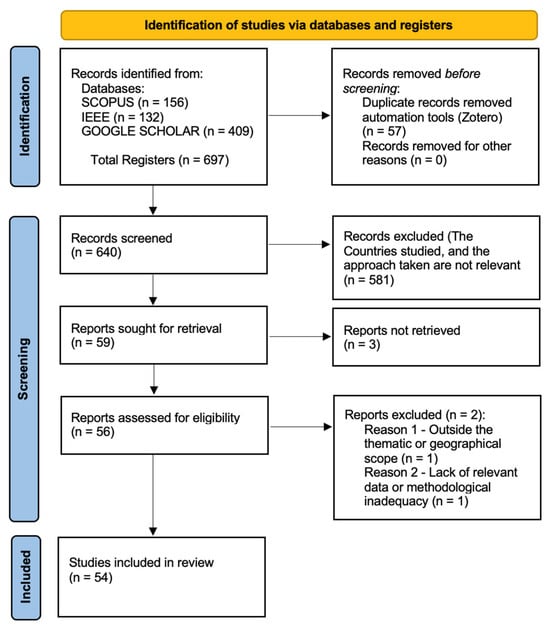
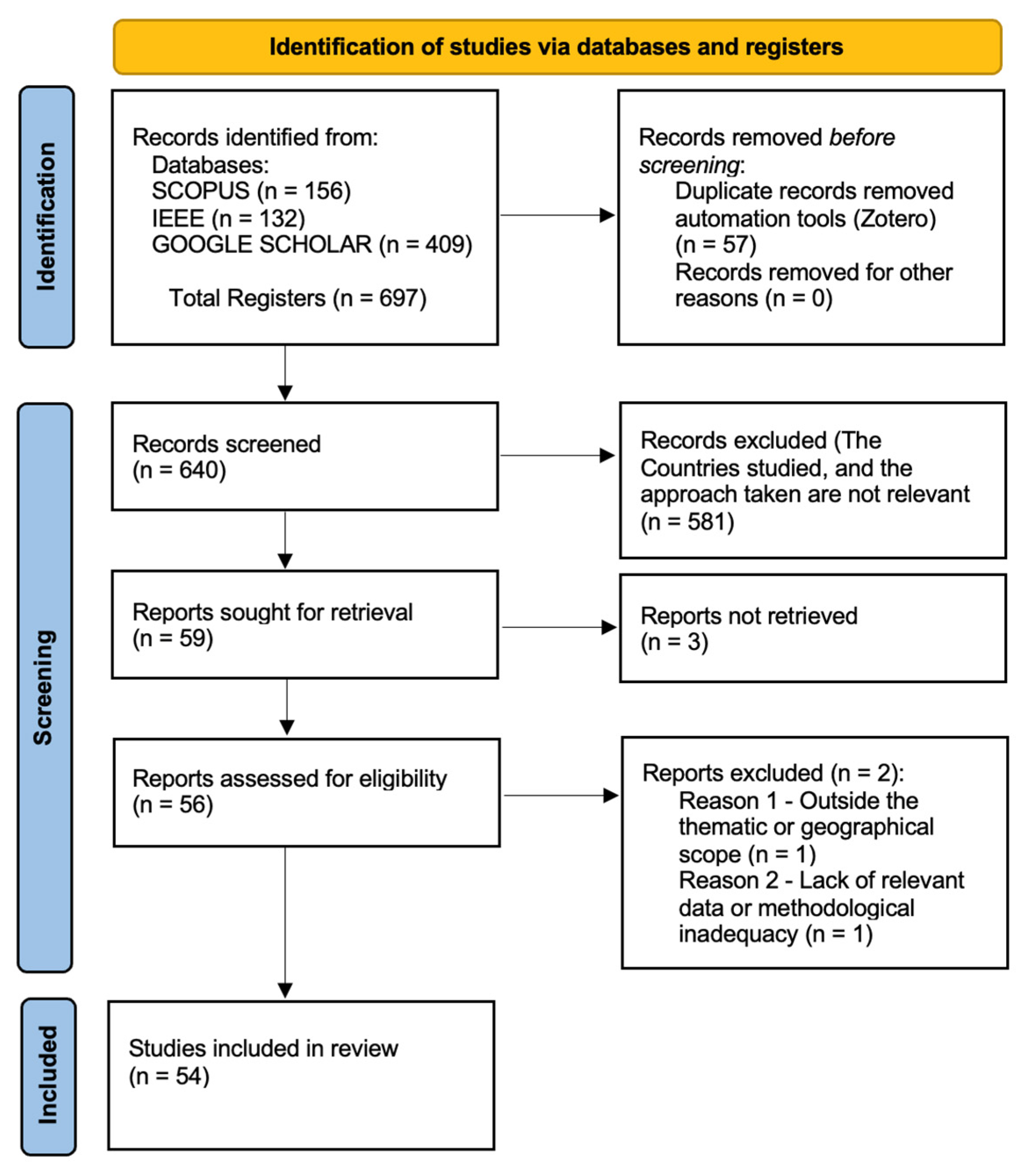
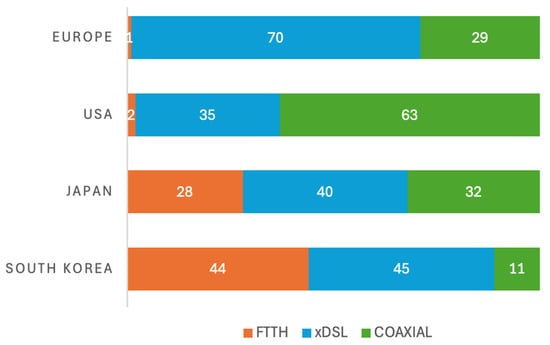
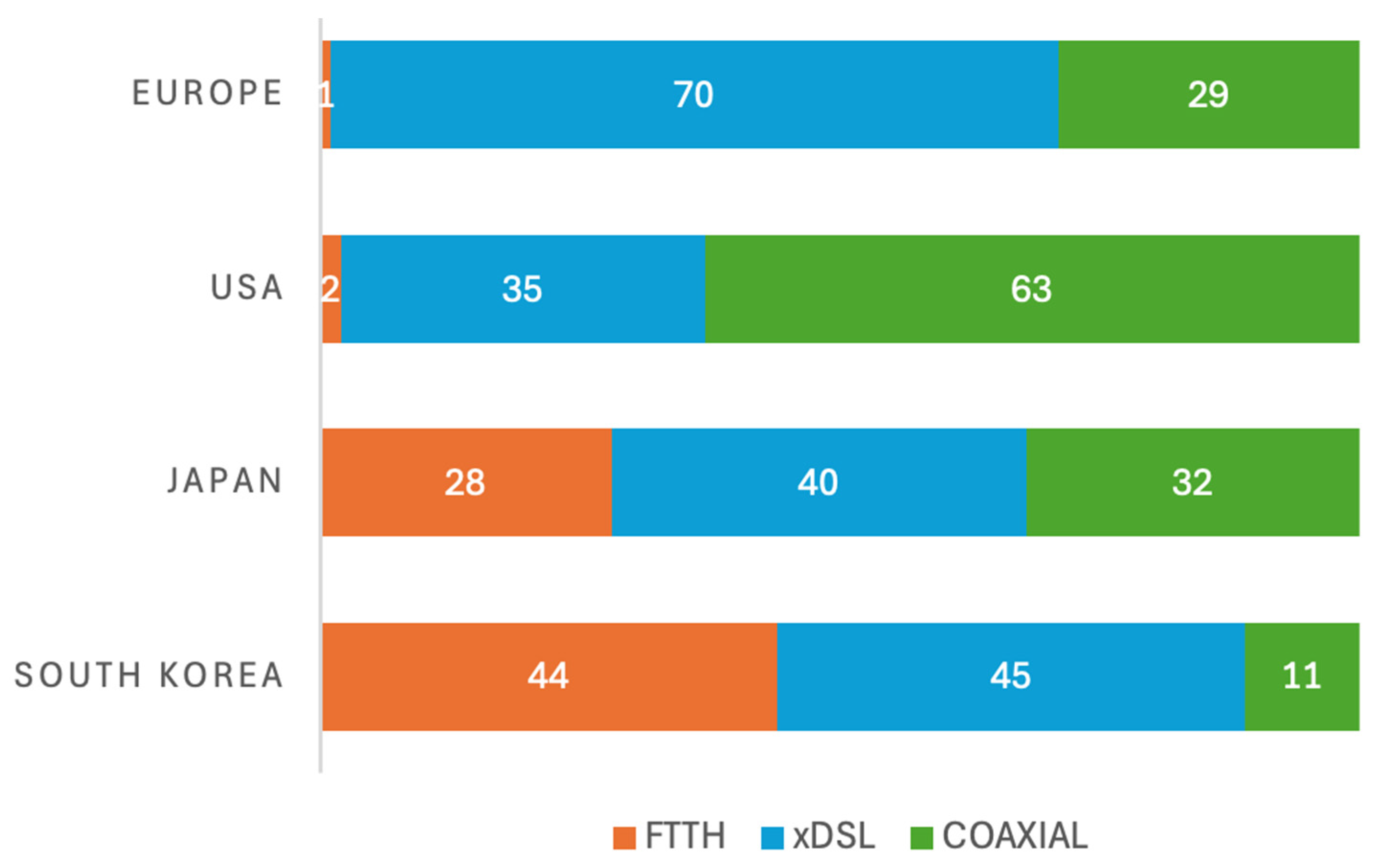
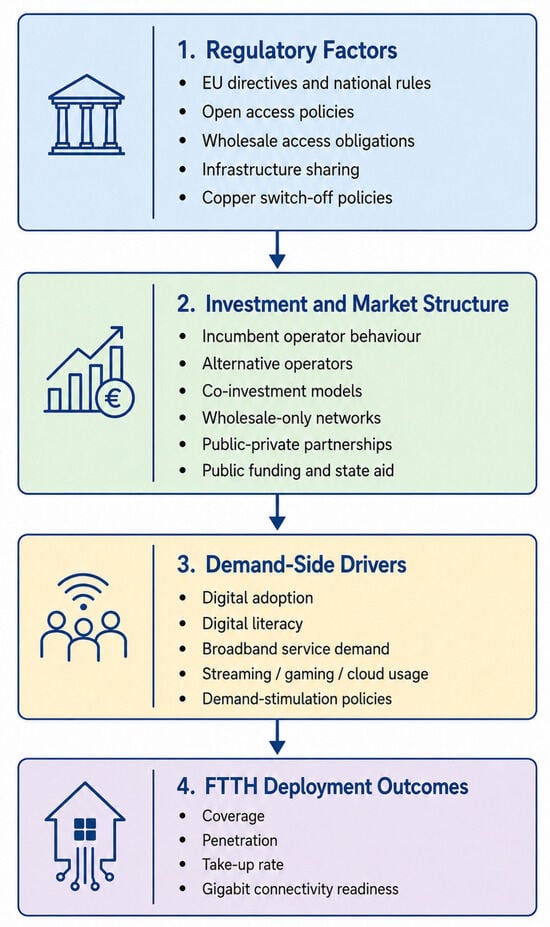
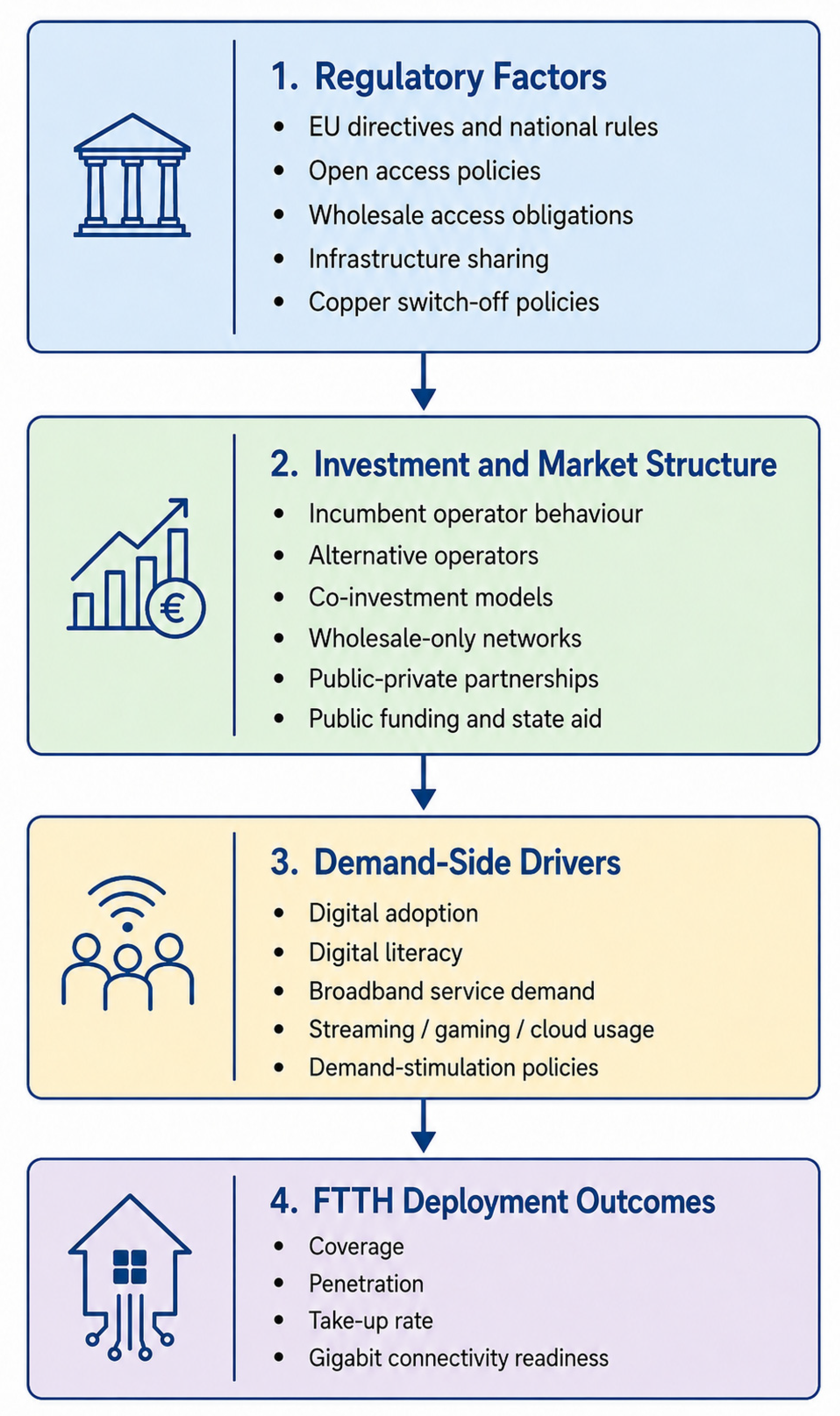
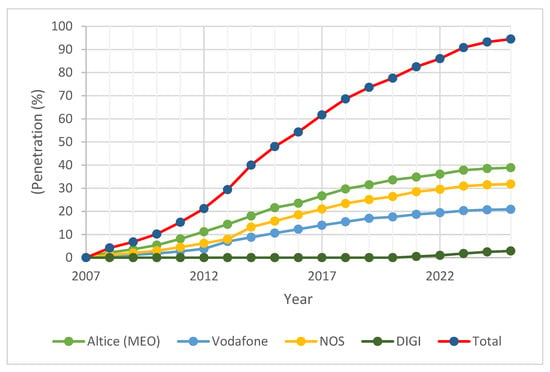
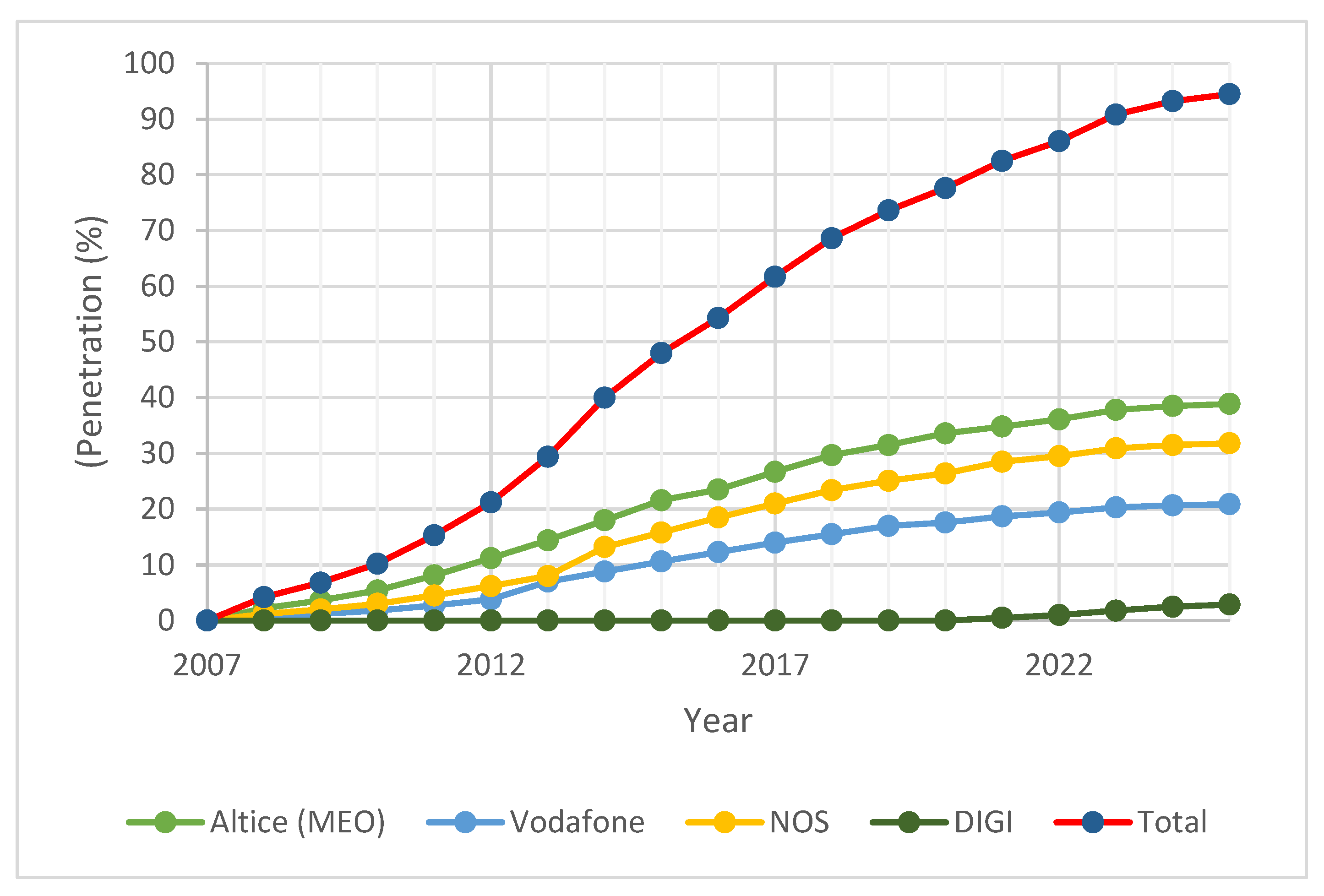
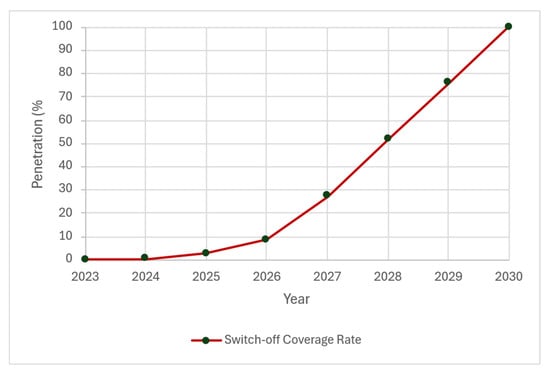
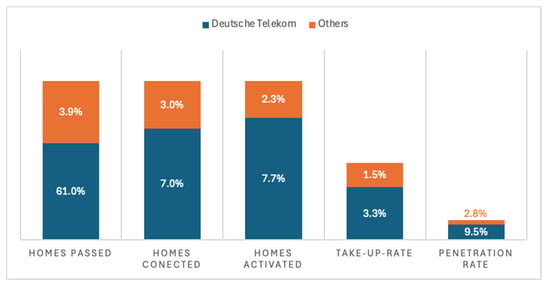
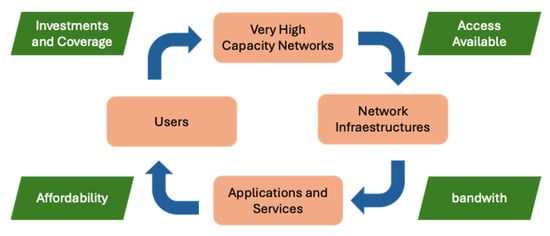
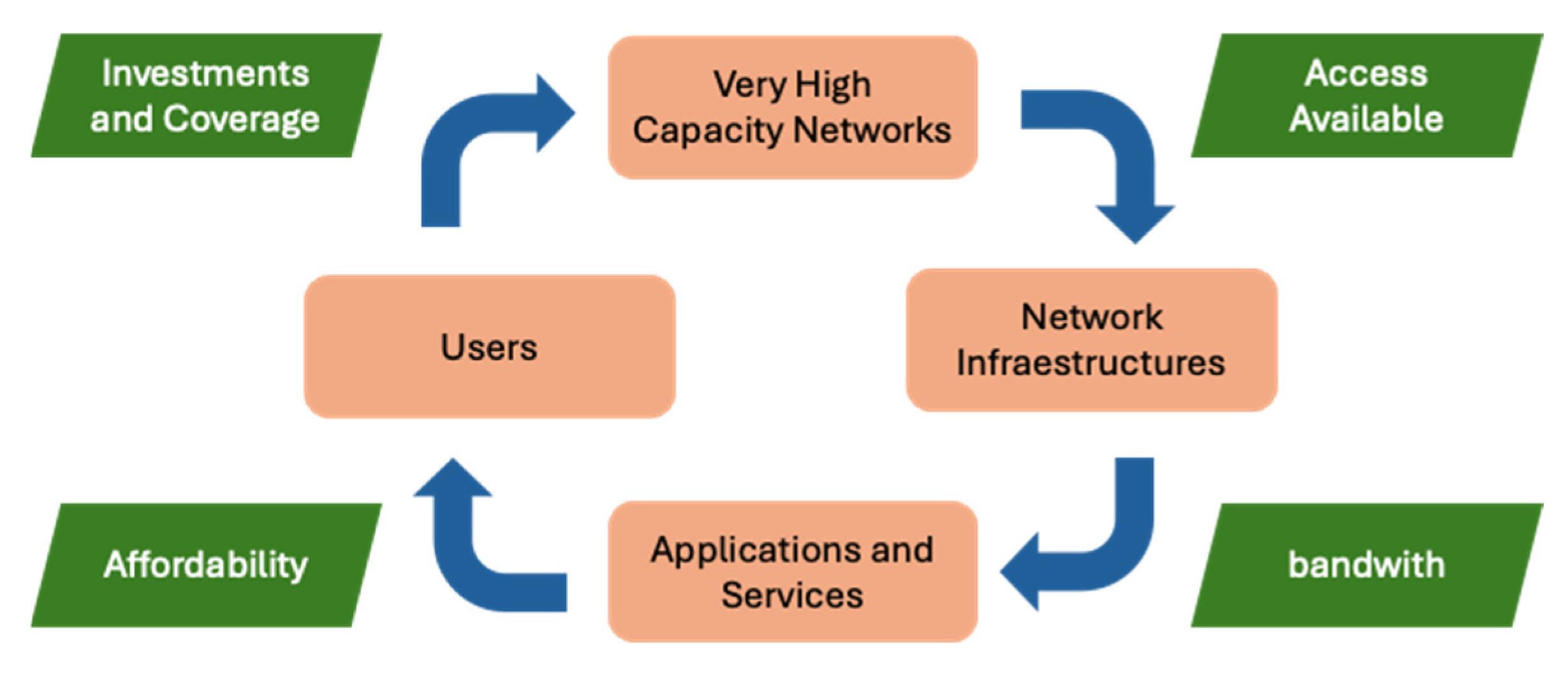
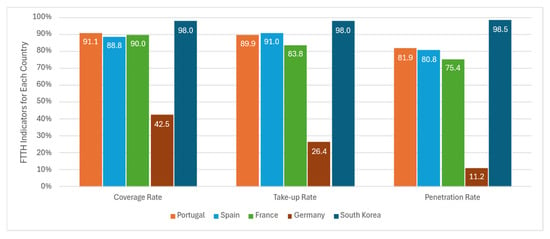
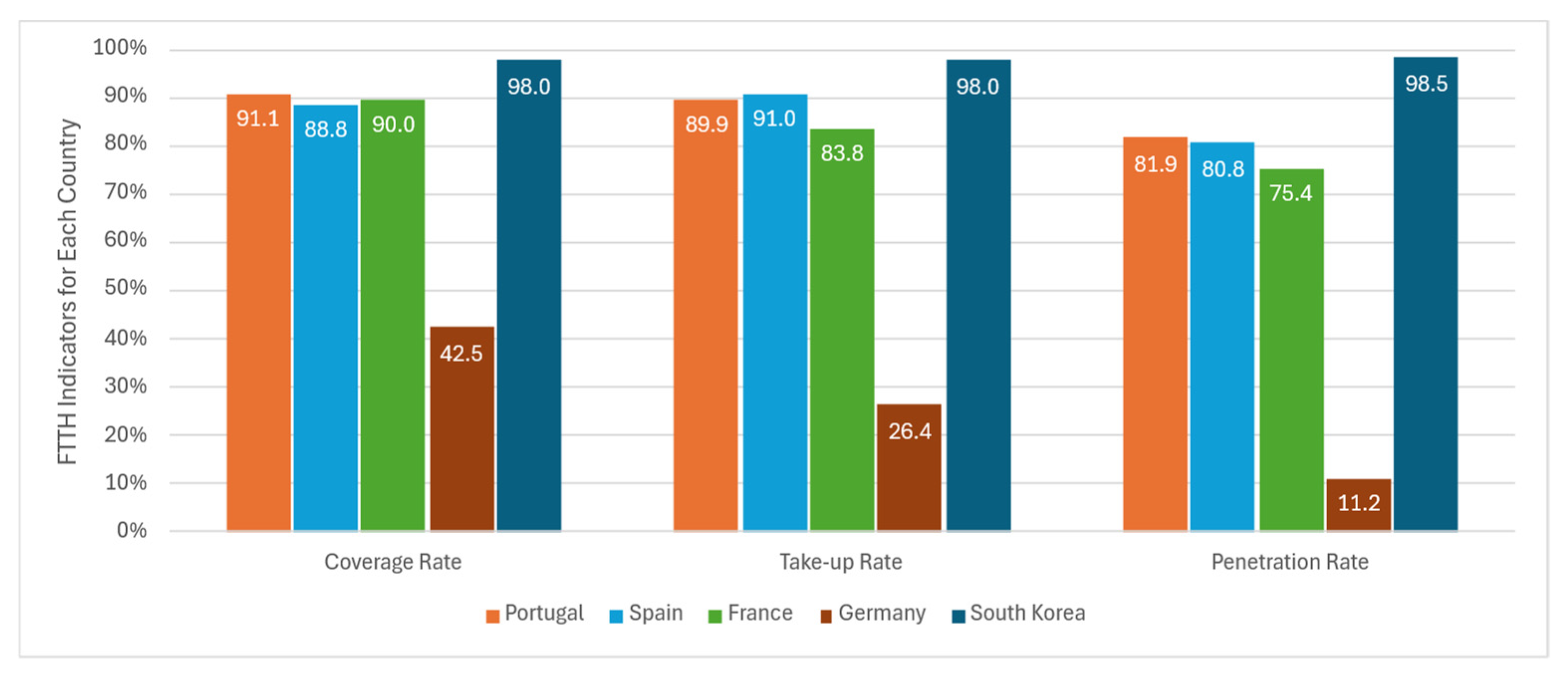
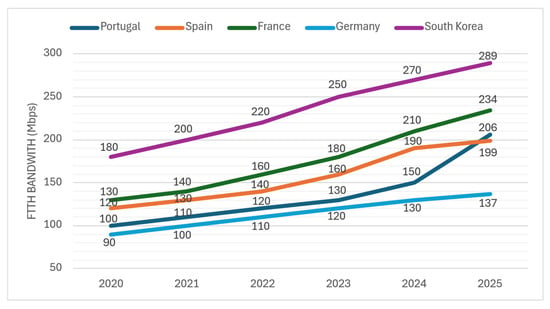
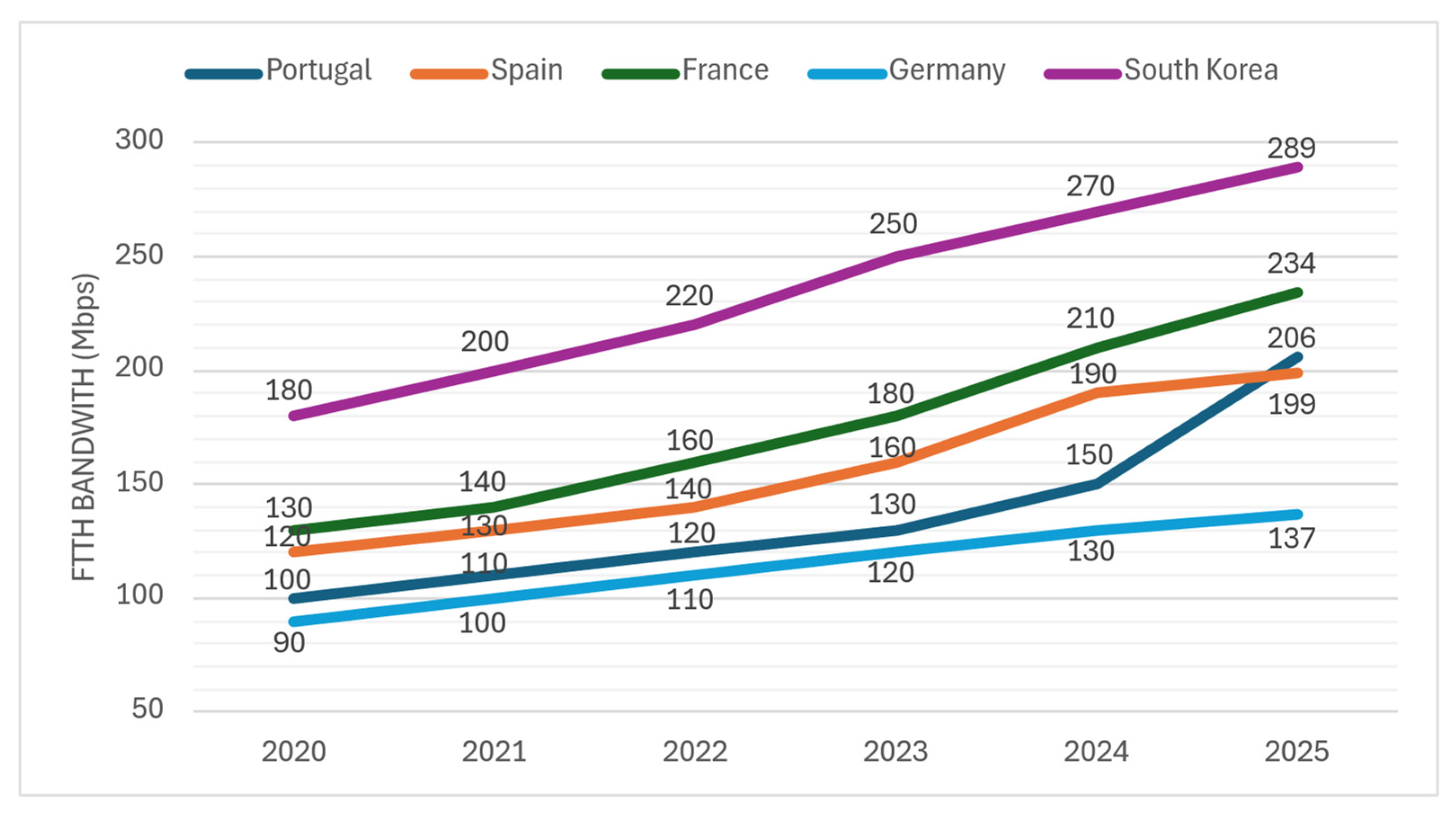

Disclaimer/Publisher’s Note: The statements, opinions and data contained in all publications are solely those of the individual author(s) and contributor(s) and not of MDPI and/or the editor(s). MDPI and/or the editor(s) disclaim responsibility for any injury to people or property resulting from any ideas, methods, instructions or products referred to in the content. |
© 2026 by the authors. Licensee MDPI, Basel, Switzerland. This article is an open access article distributed under the terms and conditions of the Creative Commons Attribution (CC BY) license.