
Biogenic Copper-Based Nanoparticles: Emerging Antimicrobial Agents Against Pathogenic Microorganisms


Abstract
1. Introduction
2. Biogenic Synthesis of Cu-Based NPs
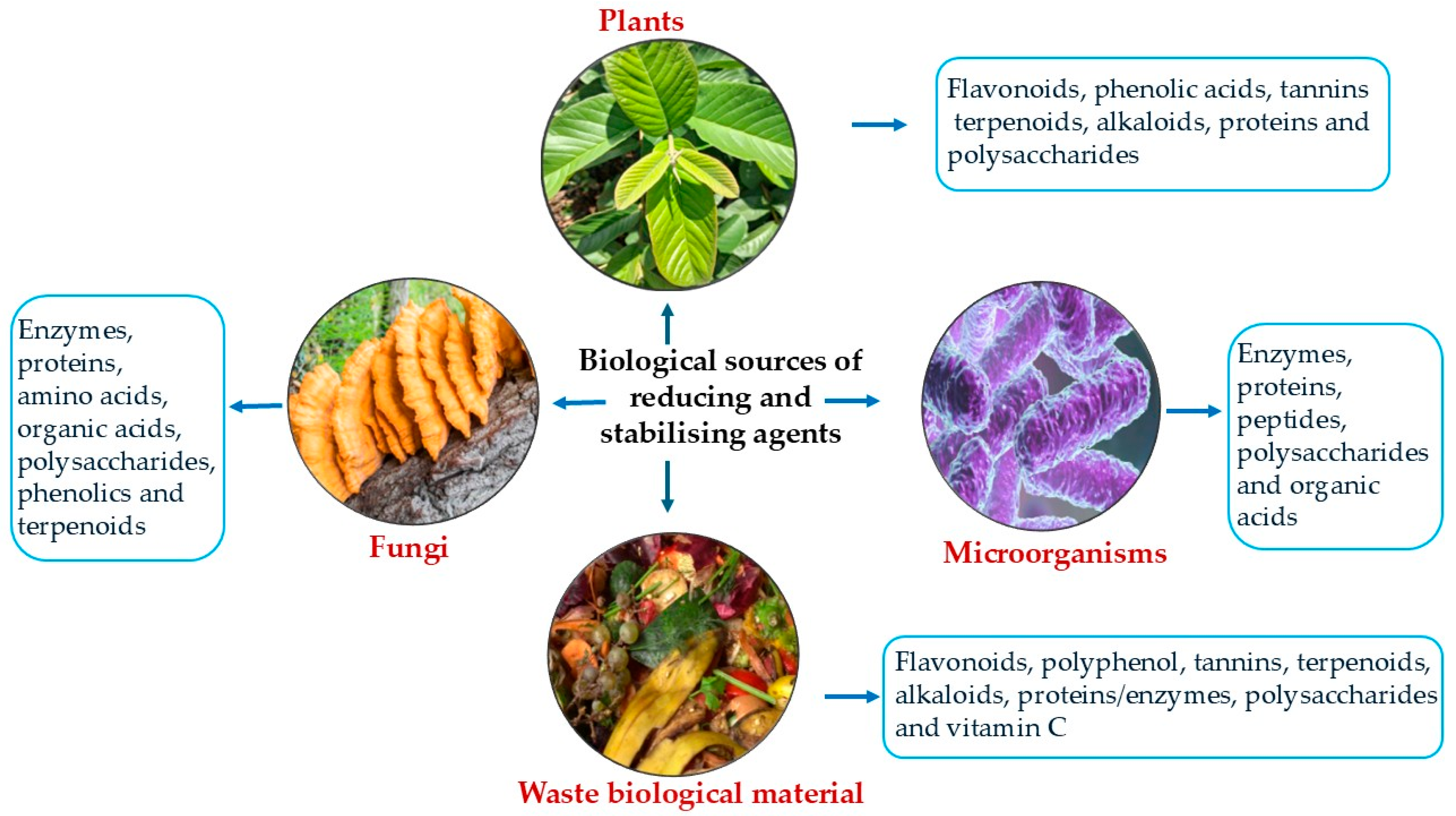
2.1. Biological Sources for Synthesis
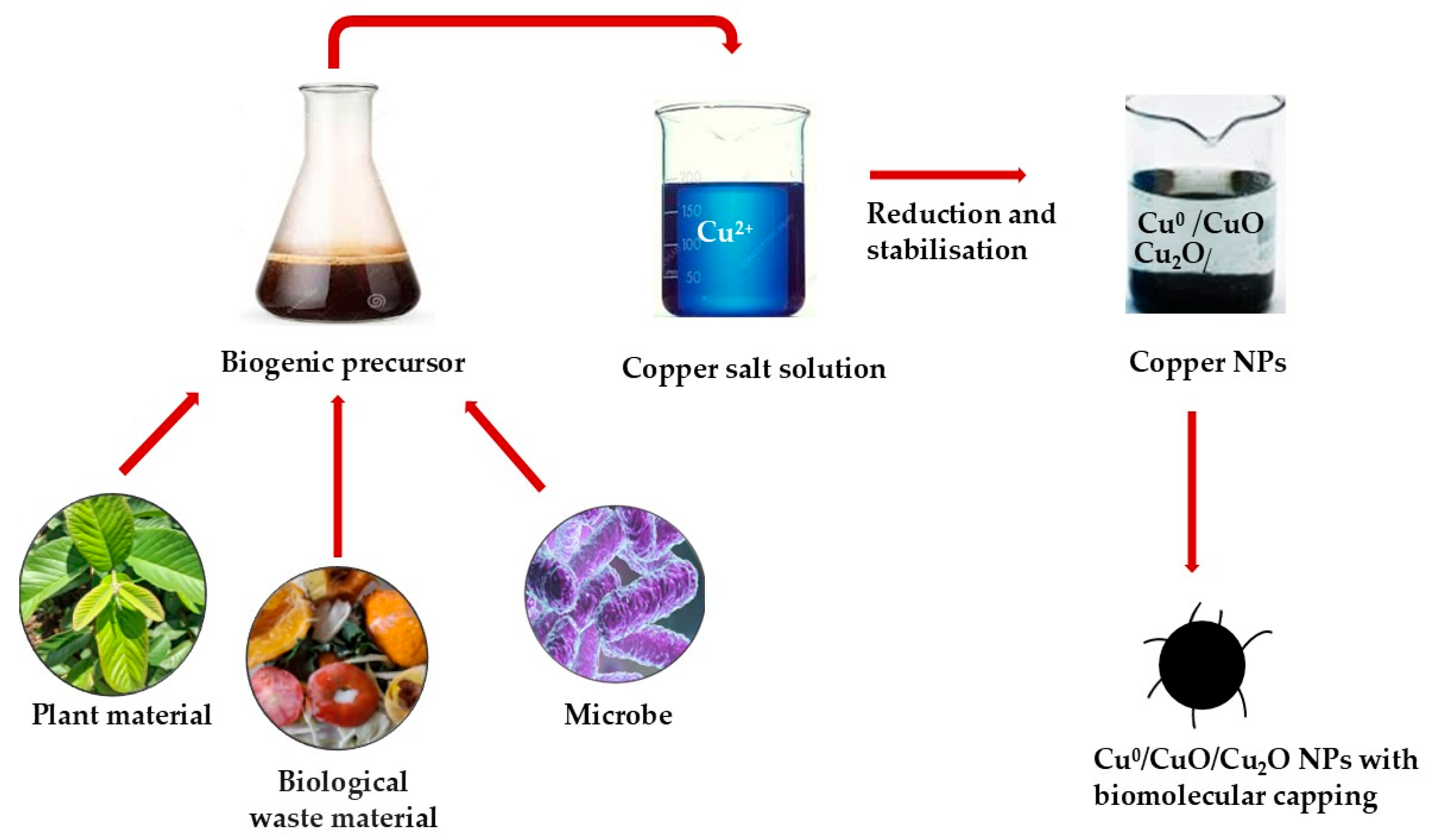
2.2. Mechanism of Biogenic Synthesis
2.3. Physicochemical Factors Influencing Biogenic Synthesis of Copper NPs
2.3.1. Effect of pH
2.3.2. Effect of Temperature
2.3.3. Effect of Stoichiometry of Copper Precursor and Biological Extract
2.3.4. Effect of Reaction Atmosphere
2.3.5. Effect of Other Physicochemical Factors
3. Antimicrobial Activities of Biogenic Cu-Based NPs
3.1. Morphological and Physicochemical Characteristics of Biogenic Cu-Based NPs
3.2. Influence of Biological Source on NP Formation and Functionality
3.3. Comparative Performance of Monometallic and Hybrid Nanostructures
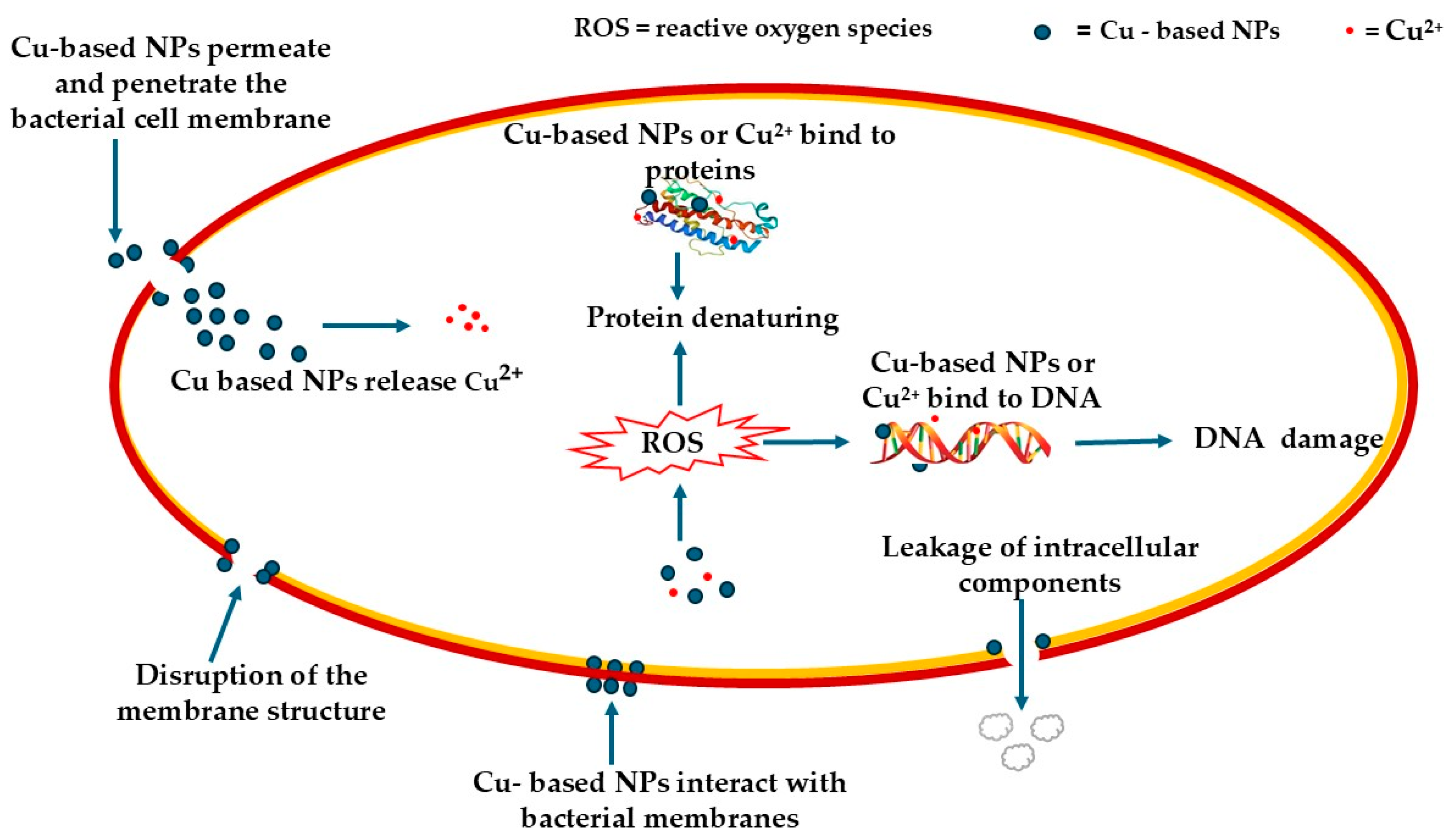
4. Mechanisms of Antimicrobial Action
4.1. Generation of Reactive Oxygen Species (ROS)
4.2. Copper Ion (Cu2+) Release and Metabolic Interference
4.3. Disruption of Membrane Integrity
4.4. Photothermal and Photocatalytic Effects
4.5. Synergistic Effects in Hybrid NPs
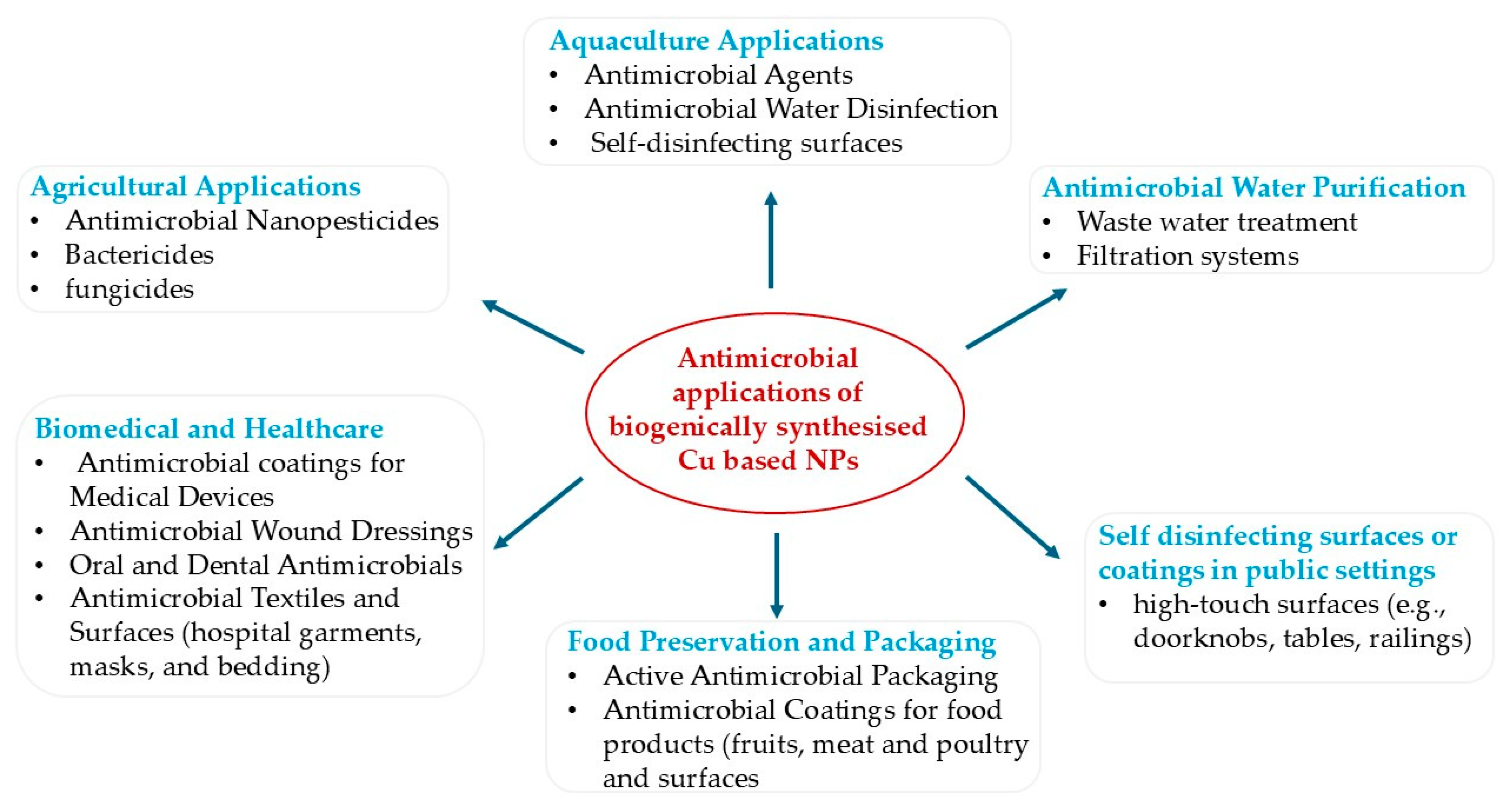
5. Applications of Biogenic Cu-Based NPs
5.1. Biomedical and Healthcare Applications
5.2. Food Preservation & Packaging
5.3. Copper NPs in Aquaculture Disease Prevention
5.4. Agriculture (Crop Protection)
5.5. Environmental and Surface Disinfection
6. Toxicity of Biogenic Cu-Based NPs
7. Future Perspectives
8. Conclusions
Author Contributions
Funding
Institutional Review Board Statement
Informed Consent Statement
Data Availability Statement
Conflicts of Interest
References
- Singh, R.; Kim, K. Environmental Occurrence of Antibiotic Resistance, Control Measures and Challenges in Finding Therapeutic Management. Emerg. Contam. 2025, 11, 100440. [Google Scholar] [CrossRef] [Scilit]
- Ilavenil, K.K.; Senthilkumar, V.; Kasthuri, A. Green Synthesis of Metal Nanoparticles from Three Medicinal Plants: A Review of Environmental and Health Applications. Discov. Catal. 2025, 2, 3. [Google Scholar] [CrossRef] [Scilit]
- El-Sherbiny, G.M.; Shehata, M.E.; Kalaba, M.H. Biogenic Copper and Copper Oxide Nanoparticles to Combat Multidrug-Resistant Staphylococcus Aureus: Green Synthesis, Mechanisms, Resistance, and Future Perspectives. Biotechnol. Rep. 2025, 46, e00896. [Google Scholar] [CrossRef] [Scilit]
- Wang, Y.; Wen, T.; Mao, F.; Yang, S.; Zhang, Q.; Fu, X.; Zhai, C.; Zhang, H. Engineering Copper and Copper-Based Materials for a Post-Antibiotic Era. Front. Bioeng. Biotechnol. 2025, 13, 1644362. [Google Scholar] [CrossRef] [Scilit]
- Alqurashi, D.M.; Alqurashi, T.F.; Alam, R.I.; Shaikh, S.; Tarkistani, M.A.M. Advanced Nanoparticles in Combating Antibiotic Resistance: Current Innovations and Future Directions. Nanotheranostics 2025, 6, 9. [Google Scholar] [CrossRef] [Scilit]
- Pourmadadi, M.; Holghoomi, R.; Maleki-baladi, R. Plant Nano Biology Copper Nanoparticles from Chemica, Physical, and Green Synthesis to Medicinal Application: A Review. Plant Nano Biol. 2024, 8, 100070. [Google Scholar] [CrossRef] [Scilit]
- Pal, G.; Rai, P.; Pandey, A. Green Synthesis of Nanoparticles: A Greener Approach for a Cleaner Future. In Micro and Nano Technologies, Green Synthesis, Characterization and Applications of Nanoparticles; Shukla, A.K., Iravani, S., Eds.; Elsevier: Amsterdam, The Netherlands, 2019; pp. 1–26. [Google Scholar]
- Tejaswi, T.S.; Devi, P.S. Biogenesis of Copper Oxide Nanoparticles Using Marine Bacteria Pseudomonas Aeruginosa: In vitro Antimicrobial and Photocatalytic Activities. J. Pure Appl. Microbiol. 2025, 19, 210–226. [Google Scholar] [CrossRef] [Scilit]
- Nkosi, N.C.; Basson, A.K.; Ntombela, Z.G.; Dlamini, N.G.; Pullabhotla, R.V.S.R. Green Synthesis of Copper Nanoparticles Using a Bioflocculant from Proteus Mirabilis AB 932526.1 for Wastewater Treatment and Antimicrobial Applications. Appl. Nano 2025, 6, 5. [Google Scholar] [CrossRef] [Scilit]
- Parveen, S.T.; Riazunnisa, K. Phytofabrication of Copper Nanoparticles Using Momordica Cymbalaria Fruit Extract and Their Antibacterial, Antioxidant and Anti-Inflammatory Properties. Hybrid. Adv. 2025, 9, 100421. [Google Scholar] [CrossRef] [Scilit]
- Coteli, E. Utilization of Mistletoe for the Synthesis of Copper Nanoparticles and Its Clinical Applications. Eur. J. Chem. 2025, 16, 53–63. [Google Scholar] [CrossRef] [Scilit]
- Sidhu, A.K.; Verma, N.; Kaushal, P. Role of Biogenic Capping Agents in the Synthesis of Metallic Nanoparticles and Evaluation of Their Therapeutic Potential. Front. Nanotechnol. 2022, 3, 801620. [Google Scholar] [CrossRef] [Scilit]
- Dejene, B.K. Eco-Friendly Synthesis of Metallic Nanoparticles from Agri-Food Waste Extracts: Applications in Food Packaging and Healthcare—A Critical Review. Mater. Today Chem. 2025, 45, 102619. [Google Scholar] [CrossRef] [Scilit]
- Yu, W.; Tang, J.; Gao, C.; Zheng, X.; Zhu, P. Green Synthesis of Copper Nanoparticles from the Aqueous Extract of Lonicera Japonica Thunb and Evaluation of Its Catalytic Property and Cytotoxicity and Antimicrobial Activity. Nanomaterials 2025, 15, 91. [Google Scholar] [CrossRef] [Scilit]
- Shaik, R.; Buggana, A.; Thalari, V.; Sandhya, R.E.; Bandari, K.; Golla, N. Green Synthesis, Characterization, and Biological Activities of Copper Nanoparticles Using Clitoria Ternatea Leaf Extract. Int. J. Nano Dimens. 2025, 16, 162505. [Google Scholar] [CrossRef]
- Narayana, M.S.S.V.; Rajesh, N.; Dastagiri, C.; Mobeen, S.A.; Khadri, H.; Chandrasekhar, T.; Prasanna, V.A.; Riazunnisa, K. Pleurotus Ostreatus Copper Nanoparticles: In vitro and in silico Evaluation of the Antioxidant, Antibacterial, and Antidiabetic Activities. Chem. Biodivers. 2025, 22, e202402361. [Google Scholar] [CrossRef] [Scilit] [PubMed]
- Vakili, N.; Ashengroph, M.; Sharifi, A.; Zorab, M.M. Eco-Friendly Synthesis of Copper Nanoparticles by Using Ralstonia Sp. and Their Antibacterial, Anti-Biofilm, and Antivirulence Activities. Biochem. Biophys. Reports 2025, 42, 101978. [Google Scholar] [CrossRef] [Scilit]
- Attia, M.S.; Hasanin, M.S.; Hashem, A.H.; Abdel-Kader, S.A.; Aloufi, A.S.; Baazeem, A.; Abdelaziz, A.M. Aspergillus niger Mediated Biosynthesis of Bimetallic Copper—Selenium Nanoparticles and Their Roles in Enhancing Resistance to Ralstonia Solanacearum. Biotechnol. J. 2025, 20, e70123. [Google Scholar] [CrossRef] [Scilit]
- Hassan, M.G.; Shahin, M.S.A.; Abdo, F.; Baraka, D.M.; Hamed, A.A. Myco-Fabricated CuONPs and Ch-CuONPs Conjugate Mediated by the Endophytic Fungus Aspergillus fumigatus SM4 with in vitro Antimicrobial, Antibiofilm, Antioxidant and Anticancer Activity. Inorg. Chem. Commun. 2025, 176, 114216. [Google Scholar] [CrossRef] [Scilit]
- El-Sayed, O.; Abd-Elhalim, B.T.; Mosa, M.A.; Hassan, E.A. Characterization and Optimization of Biogenic Copper Nanoparticles Synthesized by Pseudomonas Putida with Cytocompatibility Investigation. Sci. Rep. 2025, 15, 32504. [Google Scholar] [CrossRef] [Scilit] [PubMed]
- Lopes, I.S.; Oliveira de Moraes, B.N.; de Souza Barreto, S.; Le Joncour, L.; Couteau, C.; Franzolin, M.R.; Courrol, L.C. Green Synthesis of Antimicrobial Silver–Copper Nanoparticles Using Banana and Pineapple Peel Extracts: A Sustainable Approach for Biomaterial Sterilization. Mater. Chem. Phys. 2025, 333, 130364. [Google Scholar] [CrossRef] [Scilit]
- Gupta, S.; Singh, M.V.; Rani, M.; Arora, S.; Sharma, S.D.; Kaur, A. Transforming Fruit and Vegetable Waste into Nanoparticles: A Step Towards Sustainable Nanotechnology. Nat. Prod. Commun. 2025, 20, 1–22. [Google Scholar] [CrossRef] [Scilit]
- Flores-Contreras, E.A.; González-González, R.B.; Pablo Pizaña-Aranda, J.J.; Parra-Arroyo, L.; Rodríguez-Aguayo, A.A.; Iñiguez-Moreno, M.; González-Meza, G.M.; Araújo, R.G.; Ramírez-Gamboa, D.; Parra-Saldívar, R.; et al. Agricultural Waste as a Sustainable Source for Nanoparticle Synthesis and Their Antimicrobial Properties for Food Preservation. Front. Nanotechnol. 2024, 6, 1346069. [Google Scholar] [CrossRef] [Scilit]
- Antonio-Pérez, A.; Fernando, L.; Torres-huerta, A.L. Biosynthesis of Copper Nanoparticles with Medicinal Plants Extracts: From Extraction Methods to Applications. Micromachines 2023, 14, 1882. [Google Scholar] [CrossRef] [Scilit] [PubMed]
- Spaans, S.K.; Weusthuis, R.A.; van der Oost, J.; Kengen, S.W.M. NADPH-Generating Systems in Bacteria and Archaea. Front. Microbiol. 2015, 6, 742. [Google Scholar] [CrossRef] [Scilit]
- Ngwenya, S.C.; Sithole, N.J.; Mthiyane, D.M.N.; Jobe, M.C.; Babalola, O.O.; Ayangbenro, A.S.; Mwanza, M.; Onwudiwe, D.C.; Ramachela, K. Effects of Green-Synthesised Copper Oxide–Zinc Oxide Hybrid Nanoparticles on Antifungal Activity and Phytotoxicity of Aflatoxin B1 in Maize (Zea Mays L.) Seed Germination. Agronomy 2025, 15, 313. [Google Scholar] [CrossRef] [Scilit]
- Gebrie, H.T.; Assege, M.A.; Meshesha, D.S.; Tebeje, B.A.; Moges, G.W.; Wodajo, A.T.; Manahelohe, G.M.; Belew, A.A. Biosynthesis and Characterization of Copper Oxide Nanoparticles from Plumbago Zeylanica Leaf Extract for Antibacterial and Antioxidant Activities. Sci. Rep. 2025, 15, 30656. [Google Scholar] [CrossRef] [Scilit]
- Gutiérrez-Pinzón, Y.; Martínez-Preciado, A.H.; Velázquez-López, J.M.; Pech-Jiménez, C.; Zúñiga-Mayo, V.M.; Guevara-Martínez, S.J.; Velázquez-Juárez, G. Antimicrobial Potential of Nanomaterials Synthesized with Extracts from Annona Plants: A Review. Antibiotics 2025, 14, 748. [Google Scholar] [CrossRef] [Scilit]
- El Rahman, H.A.A.; El-Sharif, A.A.; Youssef, A.M.; Gomaa, S.K.; Mohamed, S.S.; El Refai, H.A. A Novel Chitosan Agarose Nanocopper Composite Film (Cs/Agr/Cu-Cu2O NPs ) Using Aspergillus niger K Y 401431: Preparation, Characterization and Evaluation of Their Antibacterial Activity. 3 Biotech 2025, 15, 306. [Google Scholar] [CrossRef] [Scilit]
- Zhou, Y.; Nguyen, H.N.; Peña-Bahamonde, J.; Robles-Hernandez, F.C.; Gimenes, L.J.; Rodrigues, D.F. The Role of Secondary Metabolites in the Production of CuO Nanoparticles by Fungi: A Physiological and Metabolic Approach. Environ. Sci. Nano 2024, 11, 4487–4500. [Google Scholar] [CrossRef] [Scilit]
- Chitta, S.; Raja, R.; Anbalagan, G.; Subramanian, B.; Suresh, V.; Sivaperumal, P. Green Synthesis of Copper and Copper Oxide Nanoparticles From Brown Algae Turbinaria Species ’ Aqueous Extract and Its Antibacterial Properties. Cureus 2024, 16, e57366. [Google Scholar] [CrossRef] [Scilit]
- Dlamini, N.G.; Basson, A.K.; Pullabhotla, V.S.R. Biosynthesis of Bioflocculant Passivated Copper Nanoparticles, Characterization and Application. Phys. Chem. Earth Parts A/B/C 2020, 118–119, 102898. [Google Scholar] [CrossRef] [Scilit]
- Cai, R.; Zhao, J.; Zhou, P.; Ma, X.; Zhang, C.; Wu, Z.; Hu, L.; Hu, Y.; Chen, Y.; Huang, C.; et al. A Brief Strategy for the Preparation of Silk Fibroin-Copper Sulfide-Based Electrospun Nanofibrous Membranes with Photothermal Antimicrobial Properties to Accelerate the Infected Wound Healing. Mater. Today Bio 2025, 31, 101605. [Google Scholar] [CrossRef] [Scilit]
- Singaravelu, S.; Motsoene, F.; Abrahamse, H.; Kumar, S.S.D. Green-Synthesized Metal Nanoparticles: A Promising Approach for Accelerated Wound Healing. Front. Bioeng. Biotechnol. 2025, 13, 1637589. [Google Scholar] [CrossRef] [Scilit]
- Hanna, D.H.; Nady, D.S.; Wasef, M.W.; Fakhry, M.H.; Mohamed, F.S.; Isaac, D.M.; Kirolos, M.M.; Azmy, M.S.; Hakeem, G.E.; Fathy, C.A. Plant-Derived Nanoparticles: Green Synthesis, Factors, and Bioactivities. Next Mater. 2025, 9, 101275. [Google Scholar] [CrossRef] [Scilit]
- Millavithanachchi, S.S.; Gunasena, M.D.K.M.; Galpaya, G.D.C.P.; Priyadarshana, H.V.V.; Indupama, S.V.A.A.; Induranga, D.K.A.; Kariyawasam, W.A.C.N.; Kaluthanthri, D.V.S.; Koswattage, K.R. Green Synthesis, Optimization, and Characterization of CuO Nanoparticles Using Tithonia diversifolia Leaf Extract. Nanomaterials 2025, 15, 1203. [Google Scholar] [CrossRef] [Scilit]
- Thanh, N.T.K.; Maclean, N.; Mahiddine, S. Mechanisms of Nucleation and Growth of Nanoparticles in Solution. Chem. Rev. 2014, 114, 7610−7630. [Google Scholar] [CrossRef] [Scilit] [PubMed]
- Molahalli, V.; Sharma, A.; Bijapur, K.; Soman, G.; Shetty, A.; Sirichandana, B.; Patel, B.G.M.; Chattham, N.; Hegde, G. Properties, Synthesis, and Characterization of Cu—Based Nanomaterials. In Copper-Based Nanomaterials in Organic Transformations, Part 1; American Chemical Society: Washington, DC, USA, 2024; pp. 1–33. [Google Scholar]
- Rui, X.; Fu, K.; Wang, H.; Pan, T.; Wang, W. Formation Mechanisms of Protein Coronas on Food-Related Nanoparticles: Their Impact on Digestive System and Bioactive Compound Delivery. Foods 2025, 14, 512. [Google Scholar] [CrossRef] [Scilit]
- Pricop, A.; Negrea, A.; Pascu, B.; Nemeş, N.S.; Ciopec, M.; Negrea, P.; Ianăşi, C.; Svera, P.; Muntean, D.; Ivan, A.; et al. Copper Nanoparticles Synthesized by Chemical Reduction with Medical Applications. Int. J. Mol. Sci. 2025, 26, 1628. [Google Scholar] [CrossRef] [Scilit]
- Martins, G.A.; Botelho Junior, A.B.; de Moraes, V.T.; Espinosa, D.C.R. Study of PH Influence in the Synthesis of Copper Nanoparticles Using Ascorbic Acid as Reducing and Stabilizing Agent. In TMS 2020 149th Annual Meeting & Exhibition Supplemental Proceedings; Minerals, Metals and Materials Series; Springer: Charm, Switzerland, 2020; pp. 1547–1557. [Google Scholar]
- Amjad, R.; Mubeen, B.; Ali, S.S.; Imam, S.S.; Alshehri, S.; Ghoneim, M.M.; Alzarea, S.I.; Rasool, R.; Ullah, I.; Nadeem, M.S.; et al. Green Synthesis and Characterization of Copper Nanoparticles Using Fortunella margarita Leaves. Polymers 2021, 13, 4364. [Google Scholar] [CrossRef] [Scilit] [PubMed]
- Kazemi, S.; Hosseingholian, A.; Gohari, S.D.; Feirahi, F.; Moammeri, F.; Mesbahian, G.; Moghaddam, Z.S.; Ren, Q. Recent Advances in Green Synthesized Nanoparticles: From Production to Application. Mater. Today Sustain. 2023, 24, 100500. [Google Scholar] [CrossRef] [Scilit]
- Mott, D.; Galkowski, J.; Wang, L.; Luo, J.; Zhong, C. Synthesis of Copper Nanoparticles with Controlled Sizes and Shapes. Langmuir 2007, 23, 5740–5745. [Google Scholar] [CrossRef] [Scilit]
- Fitzgerald, K.P.; Nairn, J.; Skennerton, G.; Atrens, A. Atmospheric Corrosion of Copper and the Colour, Structure and Composition of Natural Patinas on Copper. Corros. Sci. 2006, 48, 2480–2509. [Google Scholar] [CrossRef] [Scilit]
- Diaz-droguett, D.E.; Espinoza, R.; Fuenzalida, V.M. Copper Nanoparticles Grown under Hydrogen: Study of the Surface Oxide. Appl. Surf. Sci. 2011, 257, 4597–4602. [Google Scholar] [CrossRef] [Scilit]
- Feng, S.; Gao, A.; Ma, Z.; Xu, H.; Xue, Z. Size-Controllable Synthesis of Cu Nanoparticles via Hydrogen Reduction at Low Temperatures. Materials 2025, 18, 2315. [Google Scholar] [CrossRef] [Scilit] [PubMed]
- Chaerun, S.K.; Prabowo, B.A.; Winarko, R. Bionanotechnology: The Formation of Copper Nanoparticles Assisted by Biological Agents and Their Applications as Antimicrobial and Antiviral Agents. Environ. Nanotechnol. Monit. Manag. 2022, 18, 100703. [Google Scholar] [CrossRef] [Scilit]
- Viswanatha, R.; Sarma, D.D. Growth of Nanocrystals in Solution. In Nanomaterials Chemistry: Recent Developments and New Directions; Rao, C.N.R., Müller, A., Cheetham, A.K., Eds.; Wiley-VCH Verlag GmbH & Co. KGaA: Weinheim, Germany, 2007; pp. 139–170. ISBN 9783527316649. [Google Scholar]
- Miu, B.A.; Dinischiotu, A. New Green Approaches in Nanoparticles Synthesis: An Overview. Molecules 2022, 27, 6472. [Google Scholar] [CrossRef] [Scilit] [PubMed]
- Kumar, S.; Chakraborty, J.; Maji, N. Semi-Batch Synthesis of Copper Nanowires: Role of Stirring, Reagent Recycling, and Process Optimization. Colloids Surf. A Physicochem. Eng. Asp. 2025, 725, 137633. [Google Scholar] [CrossRef] [Scilit]
- Gholami, T.; Seifi, H.; Dawi, E.A.; Pirsaheb, M.; Seifi, S.; Aljeboree, A.M.; Hamoody, A.-H.; Altimari, U.S.; Abass, M.A.; Salavati-Niasari, M. A Review on Investigating the Effect of Solvent on the Synthesis, Morphology, Shape and Size of Nanostructures. Mater. Sci. Eng. B 2024, 304, 117370. [Google Scholar] [CrossRef] [Scilit]
- Pochapski, D.J.; Carvalho Dos Santos, C.; Leite, G.W.; Pulcinelli, S.H.; Santilli, C.V. Zeta Potential and Colloidal Stability Predictions for Inorganic Nanoparticle Dispersions: Effects of Experimental Conditions and Electrokinetic Models on the Interpretation of Results. Langmuir 2021, 37, 13379–13389. [Google Scholar] [CrossRef] [Scilit] [PubMed]
- Khan, H.; Piccolella, S.; Pacifico, S. Harnessing Plant Extracts for Green Nanoparticle Synthesis: Toward a Sustainable Future. Mater. Today Sustain. 2025, 31, 101195. [Google Scholar] [CrossRef] [Scilit]
- Kalaiyan, G.; Topare, N.S.; Sikiru, S.; Thambidurai, S.; Kandasamy, M.; Pugazhenthiran, N.; Shanthi, C.; Rameshkumar, P.; Suresh, S. Green Synthesis of Copper Oxide Nanoparticles Using Euphorbia heterophylla Leaf Extract for Deactivation of Pathogenic Bacteria and Photocatalytic Degradation of Industrial Dyes. Results Eng. 2025, 26, 104797. [Google Scholar] [CrossRef] [Scilit]
- Boruah, G.; Rani, A.; Binita, P.; Arun, K.; Singh, K.; Seiko, G. Antimicrobial and UV Protection Finishing of Cotton Fabric with Copper Nanoparticles Synthesized Using S. Cumini Leaf Extract. Clean Technol. Environ. Policy 2025, 27, 2043–2053. [Google Scholar] [CrossRef] [Scilit]
- Muniasamy, S.; Angelina, M.; Ponmanickam, P.; Al-Ansari, M.M.; Mythili, A.; Dixit, S.; Raguvaran, K. Green Synthesis of Copper Nanoparticles Using Panchagavya: Nanomaterials for Antibacterial, Anticancer, and Environmental Applications. Luminescence 2025, 40, e70117. [Google Scholar] [CrossRef] [Scilit]
- Ngoc, T.T.T.; Sau, N.T.; Anh, L.H.Q.; Tuan, P.D. Green Synthesis of Cu/Cu2O Nanoparticles Using Ageratum conyzoides Leaf Extract and Their Antibacterial Activity. Vietnam J. Chem. 2025, 63, 119–125. [Google Scholar] [CrossRef] [Scilit]
- Baral, J.; Pokharel, N.; Dhungana, S.; Tiwari, L.; Khadka, D.; Pokhrel, M.R.; Poudel, B.R. Green Synthesis of Copper Oxide Nanoparticles Using Mentha (Mint) Leaves Characterization and Its Antimicrobial Properties with Phytochemicals Screening. J. Nepal Chem. Soc. 2025, 45, 111–121. [Google Scholar] [CrossRef] [Scilit]
- Idrees, S.; Abbasi, B.A.; Iqbal, J.; Kazi, M. Euphorbia Serpens Extracts Mediated Synthesis of Copper Oxide Nanoparticles and Their Biological Applications. Heliyon 2025, 11, e41397. [Google Scholar] [CrossRef] [Scilit] [PubMed]
- Albrahim, J.S.; Saleh, A.K.; Abdalla, O.A.; El-Gendi, H. Citrus Aurantium Peel Extract Mediated Green Synthesis of Copper Oxide and Zinc Oxide Nanoparticles: Characterization and Antifungal Efficacy Against Post-Harvest Spoilage of Tomato Fruits by Locally Isolated Alternaria Alternata. J. Clust. Sci. 2025, 36, 151. [Google Scholar] [CrossRef] [Scilit]
- Jabeen, I.; Rashid, Z.; Waheed, R.; Zafar, S.; Ahmad, K.; Arooj, I.; Aleem, A.; Batool, S.; Islam, N.; Ahmad, I.; et al. Green Synthesis and Biological Applications of Peganum Harmala Mediated Copper Oxide Nanoparticles. J. Mol. Struct. 2025, 1325, 140838. [Google Scholar] [CrossRef] [Scilit]
- da Silva Almeida, É.; da Rocha, J.D.G.; de Oliveira, D.; Hotza, D. Valorization of Noni-Leaf Tea as a by-Product of Nanofiltration for the Green Synthesis of Copper Oxide Nanoparticles with Improved Antimicrobial Properties. Mater. Sci. Eng. B 2025, 317, 118172. [Google Scholar] [CrossRef] [Scilit]
- Santhosh, P.; Mukhtar, L.A.; Kamaraj, M.; Nithya, T.G.; Ganesh, M.R.; Aswathy, K.A.; Sadiq, M.; Shobana, S.; Nadeem, A.; Lopes, B.S.; et al. Phytomediated Synthesis of Copper Oxide Nanoparticles from Floating Fern Salvinia cucullata ROxb, and Their Antibacterial, Antioxidant, and Anticancer Potential. Biomass Convers. Biorefinery 2025, 15, 5015–5029. [Google Scholar] [CrossRef] [Scilit]
- Ahmed, M.E.; Saleh, I.A.; Al-Masri, H.A.; Hamoud, Y.A.; Okla, M.K.; Shaghaleh, H. Green Synthesis of Copper Nanoparticles from Kiwi Peel: Antibacterial Properties and the Role of MexY Gene Expression in Pseudomonas Aeruginosa Efflux Pumps. Appl. Biochem. Biotechnol. 2025, 197, 6741–6764. [Google Scholar] [CrossRef] [Scilit] [PubMed]
- Haseki, S.; Kucukcobanoglu, Y.; Ayisigi, M.; Oztekin, T.; Aktas, L.Y. Influence of Synthesis Method on Physiochemical Properties and Antibacterial Activity of Green Synthesized CuO Nanoparticles from Laurus nobilis L. Leaf Extracts. Plant Nano Biol. 2025, 11, 100128. [Google Scholar] [CrossRef] [Scilit]
- Ibrahim, A.A. Microwave-Assisted Biogenic Synthesis of Pure Copper Oxide Nanoparticles by Lepidium sativum L. Leaves Extract: Characterization and Evaluation of Antibacterial Activity. J. Biotechnol. 2025, 406, 82–90. [Google Scholar] [CrossRef] [Scilit]
- Joshi, R.L.; Sharma, H.; Mehta, V.N.; Patel, S.K.; Bambharoliya, K. Azadirachta Indica Derived Copper Oxide Nanoparticles: A Sustainable Approach for Reducing Post-Harvest Losses and Enhancing Mango Quality. Food Chem. 2025, 480, 143625. [Google Scholar] [CrossRef] [Scilit]
- Periakaruppan, R.; Varshine, R.R.; Martin, J.A.; Babu, D.; Vijai Selvaraj, K.S.; Murali, M.; Al-Dayan, N. Biosynthesis and Characterization of Cymodocea serrulata-Aided Copper Oxide Nanoparticles and an Evaluation of Its Antibacterial Properties. Thalass Int. J. Mar. Sci. 2025, 41, 99. [Google Scholar] [CrossRef] [Scilit]
- Todorova, M.; Kosateva, A.; Petrova, V.; Ranguelov, B.; Atanasova-Vladimirova, S.; Avdeev, G.; Stoycheva, I.; Pisareva, E.; Tomova, A.; Velkova, L.; et al. Green Synthesis of Antibacterial CuO Nanoparticles Based on the Synergy Between Cornu Aspersum Snail Mucus and Ascorbic Acid. Molecules 2025, 30, 291. [Google Scholar] [CrossRef] [Scilit]
- Elattar, K.M.; Elmetwalli, A.; Alzahrani, O.R.; Ghoniem, A.A.; Hassan, M.G.; Abdelsayed, S.; Zaher, A.A.; Sabir, D.K.; Elsayed, A. Green-Synthesized Silver–Copper Nanocomposites from Sargassum latifolium: Antibacterial, Anticancer, and in Silico Pharmacokinetic Evaluation. Med. Oncol. 2025, 42, 339. [Google Scholar] [CrossRef] [Scilit] [PubMed]
- Yadav, S.; Pathak, J.; Majhi, P.; Kaushik, S.; Shukla, A.K.; Kaur, R.; Kumar, R.; Singh, P. Lac-Based-Biosynthesis of Zinc—Copper Mixed Metal Oxide Nanoparticles and Evaluation of Their Antifungal Activity against A. alternata and F. oxysporum. Mater. Chem. Phys. 2025, 330, 130152. [Google Scholar] [CrossRef] [Scilit]
- Idris, D.S.; Roy, A. Synthesis of Bimetallic Nanoparticles and Applications—An Updated Review. Crystals 2023, 13, 637. [Google Scholar] [CrossRef] [Scilit]
- Dobrucka, R.; Dlugaszewska, J. Antimicrobial Activity of the Biogenically Synthesized Core-Shell Cu@ Pt Nanoparticles. Saudi Pharm. J. 2018, 26, 643–650. [Google Scholar] [CrossRef] [Scilit]
- Fan, X.; Yahia, L.H.; Sacher, E. Antimicrobial Properties of the Ag, Cu Nanoparticle System. Biology 2021, 10, 137. [Google Scholar] [CrossRef] [Scilit]
- Zhai, Y.; Liang, Z.; Liu, X.; Zhang, W. Employing Copper-Based Nanomaterials to Combat Multi-Drug-Resistant Bacteria. Microorganisms 2025, 13, 708. [Google Scholar] [CrossRef] [Scilit]
- Kaewdee, P.; Tupberg, C.; Tandorn, S.; Boontakam, W.; Saenkam, K.; Limpichaipanit, A.; Rujijanagul, G.; Thavornyutikarn, P.; Randorn, C. Redox-Active Shapeable Phosphate-Based Glass Containing CuO for Long-Life Photo-Fenton Catalytic Applications. Chem. Eng. J. Adv. 2025, 23, 100833. [Google Scholar] [CrossRef] [Scilit]
- Muhammad, P.; Zada, A.; Rashid, J.; Hanif, S.; Gao, Y.; Li, C.; Li, Y.; Fan, K.; Wang, Y. Defect Engineering in Nanocatalysts: From Design and Synthesis to Applications. Adv. Funct. Mater. 2024, 34, 2314686. [Google Scholar] [CrossRef] [Scilit]
- Okeke, I.S.; Agwu, K.K.; Ubachukwu, A.A.; Madiba, I.G.; Maaza, M.; Whyte, G.M. Impact of Particle Size and Surface Defects on Antibacterial and Photocatalytic Activities of Undoped and Mg-Doped ZnO Nanoparticles, Biosynthesized Using One-Step Simple Process. Vacuum 2021, 187, 110110. [Google Scholar] [CrossRef] [Scilit]
- Jayasimha, H.N.; Chandrappa, K.G.; Sanaulla, P.F.; Dileepkumar, V.G. Green Synthesis of CuO Nanoparticles: A Promising Material for Photocatalysis and Electrochemical Sensor. Sensors Int. 2024, 5, 100254. [Google Scholar] [CrossRef] [Scilit]
- Chakraborty, S.; Prakash, P.; Shah, J.; Mayya, C.; Singh, S.; Ranganathan, R.; Soppina, V.; Valsami, E. CuO Nanoparticles as Copper-Ion Reservoirs for Elesclomol-Mediated Intracellular Oxidative Stress: Implications for Anticancer Therapies. ACS Appl. Nano Mater. 2022, 5, 1607–1620. [Google Scholar] [CrossRef] [Scilit]
- Zhang, J.; Su, P.; Chen, H.; Qiao, M.; Yang, B.; Zhao, X. Impact of Reactive Oxygen Species on Cell Activity and Structural Integrity of Gram-Positive and Gram-Negative Bacteria in Electrochemical Disinfection System. Chem. Eng. J. 2023, 451, 138879. [Google Scholar] [CrossRef] [Scilit]
- Quinteros, M.A.; Aristizábal, V.C.; Dalmasso, P.R.; Paraje, M.G.; Páez, P.L. Oxidative Stress Generation of Silver Nanoparticles in Three Bacterial Genera and Its Relationship with the Antimicrobial Activity. Toxicol. Vitr. 2016, 36, 216–223. [Google Scholar] [CrossRef] [Scilit] [PubMed]
- Wang, Z.; Von Dem Bussche, A.; Kabadi, P.K.; Kane, A.B.; Hurt, R.H. Biological and Environmental Transformations of Copper-Based Nanomaterials. ACS Nano 2014, 7, 8715–8727. [Google Scholar] [CrossRef] [Scilit]
- Ruvalcaba-Ontiveros, R.I.; Esparza-Ponce, H.E.; Reyes-Martínez, R.; Manjarrez-Nevárez, L.A.; Gómez-Benítez, V.; Piñon-Castillo, H.A. Antibacterial Activity of CuO Nanoparticles, Ethanolic Extract of Amphipterygium Adstringens, and Their Combination Against Multidrug-Resistant Bacteria. Int. J. Nanomed. 2025, 20, 8003–8022. [Google Scholar] [CrossRef] [Scilit] [PubMed]
- Crmaric, D.; Bura-nakic, E. Interaction between Cu and Thiols of Biological and Environmental Importance: Case Study Using Combined Spectrophotometric/Bathocuproine Sulfonate Disodium Salt Hydrate (BCS) Assay. Molecules 2023, 28, 5065. [Google Scholar] [CrossRef] [Scilit]
- Govindaraju, M.; Shekar, H.S.; Sateesha, S.B.; Raju, P.V.; Rao, K.R.S.; Rao, K.S.J.; Rajamma, A.J. Copper Interactions with DNA of Chromatin and Its Role in Neurodegenerative Disorders. J. Pharm. Anal. 2013, 3, 354–359. [Google Scholar] [CrossRef] [Scilit]
- Sener, L.; Ozdemir, S.; Yalçın, M.S.; Gülcan, M.; Dizge, N. Antibacterial Activity of Copper-Decorated CeO2 Nanoparticles and Preparation of Antifouling Polyethersulfone Surface. Heliyon 2024, 10, e40818. [Google Scholar] [CrossRef] [Scilit]
- Dube, E.; Okuthe, G.E. Nanocurcumin and Curcumin-Loaded Nanoparticles in Antimicrobial Photodynamic Therapy: Mechanisms and Emerging Applications. Micro 2025, 5, 39. [Google Scholar] [CrossRef] [Scilit]
- Jiang, X.; Zhang, J.; Zhou, B.; Li, P.; Hu, X.; Zhu, Z.; Tan, Y.; Chang, C.; Lü, J.; Song, B. Anomalous Behavior of Membrane Fluidity Caused by Copper-Copper Bond Coupled Phospholipids. Sci. Rep. 2018, 8, 14093. [Google Scholar] [CrossRef] [Scilit]
- Reynolds, C. Copper(II) Interactions with Phosphatidylserine in Membranes: Biophysical Insights, Binding Mechanisms, and Physiological Consequences. Ph.D. Thesis, The Pennsylvania State University, University Park, PA, USA, 2023. [Google Scholar]
- Chen, Y.S.; Tian, H.X.; Rong, D.C.; Wang, L.; Chen, S.; Zeng, J. ROS Homeostasis in Cell Fate, Pathophysiology, and Therapeutic Interventions. Mol. Biomed. 2025, 6, 89. [Google Scholar] [CrossRef] [Scilit]
- Liu, X.; Tang, J.; Wang, L.; Giesy, J.P. Ecotoxicology and Environmental Safety Mechanisms of Oxidative Stress Caused by CuO Nanoparticles to Membranes of the Bacterium Streptomyces Coelicolor M145. Ecotoxicol. Environ. Saf. 2018, 158, 123–130. [Google Scholar] [CrossRef] [Scilit]
- Faridatul, F.; Ode, W.; Rizki, S.; Luqman, A.; Astuti, I.; Hertadi, R. Green Synthesis of Copper Ions Nanoparticles Functionalized with Rhamnolipid as Potential Antibacterial Agent for Pathogenic Bacteria. Heliyon 2024, 10, e24242. [Google Scholar] [CrossRef] [Scilit]
- Godoy-Gallardo, M.; Eckhard, U.; Delgado, L.M.; de Roo Puente, Y.J.D.; Hoyos-Nogués, M.; Gil, F.J.; Perez, R.A. Antibacterial Approaches in Tissue Engineering Using Metal Ions and Nanoparticles: From Mechanisms to Applications. Bioact. Mater. 2021, 6, 4470–4490. [Google Scholar] [CrossRef] [Scilit]
- Zhaoxiang, W.; Fernandez-Lima, F.; Russell, D.H. Amino Acid Influence on Copper Binding to Peptides: Cysteine Versus Arginine. J. Am. Soc. Mass Spectrom. 2010, 21, 522–533. [Google Scholar] [CrossRef] [Scilit] [PubMed]
- Chan, W.-J.; Urandur, S.; Li, H.; Goudar, V.S. Recent Advances in Copper Sulfide Nanoparticles for Phototherapy of Bacterial Infections and Cancer. Nanomedicine 2023, 18, 2185–2204. [Google Scholar] [CrossRef] [Scilit]
- Harun-Ur-Rashid, M.; Jahan, I. Innovative Hybrid Nanostructures: Pioneering Advances in Modern Therapy. Front. Nanotechnol. 2024, 6, 1458894. [Google Scholar] [CrossRef] [Scilit]
- Behzadinasab, S.; Hosseini, M.; Williams, M.D.; Ivester, H.M.; Allen, I.C.; Iii, J.O.F.; Ducker, W.A. Antimicrobial Activity of Cuprous Oxide-Coated and Cupric Oxide-Coated Surfaces. J. Hosp. Infect. 2022, 129, 58–64. [Google Scholar] [CrossRef] [Scilit] [PubMed]
- Gonçalves, R.A.; Ku, J.W.K.; Ming, H.Z.; Salim, T.; Oo, G.; Zinn, A.A.; Boothroyd, C.; Tang, R.M.Y.; Gan, C.L.; Gan, Y.-H.; et al. Copper-Nanoparticle-Coated Fabrics for Rapid and Sustained Antibacterial Activity Applications. ACS Appl. Nano Mater. 2022, 5, 12876–12886. [Google Scholar] [CrossRef] [Scilit]
- Wozniak-Budych, M.J.; Staszak, K.; Staszak, M. Copper and Copper-Based Nanoparticles in Medicine—Perspectives and Challenges. Molecules 2023, 28, 6687. [Google Scholar] [CrossRef] [Scilit]
- Oetiker, N.; Salinas, D.; Lucero-mora, J.; Orellana, R.; Quiroz-muñoz, M.; Bravo, D.; Pérez-Donoso, J.M. Antimicrobial Effect of Copper Nanoparticles on Relevant Supragingival Oral Bacteria. Microorganisms 2024, 12, 624. [Google Scholar] [CrossRef] [Scilit]
- Yadav, M.; Datt, N.; Maurya, P.; Mishra, V.; Saraf, S.K. Colloidal Copper Nanoparticles Loaded with Vanillic Acid as Liquid Dressings: Development, Characterisation and Evaluation. J. Pharm. Innov. 2025, 20, 40. [Google Scholar] [CrossRef] [Scilit]
- Mohammady, M.; Radmeh, M.; Taherian, H.; Tahmourespour, A.; Hashemi, S.T. Effect of Copper-Coated Surfaces on the Bacterial Burden in the Intensive Care Unit. Iran. Red Crescent Med. J. 2022, 24, e1433. [Google Scholar] [CrossRef] [Scilit]
- Baazeem, A.; Hassan, M.M.; Alqurashi, A.S.; Al, H.; Al-harthi, H.F.; Al-said, H.M.; Ahmad, K.; Alnusaire, T.S.; Alshammari, W.; Ayed, A.; et al. Peppermint and Tarragon Essential Oils Encapsulated in Copper Nanoparticles: A Novel Approach to Sustainable Fungal Pathogen Management in Industrial Crops. Ind. Crop. Prod. 2025, 232, 121310. [Google Scholar] [CrossRef] [Scilit]
- Hu, Y.; Yang, W.; Bai, X.; Guan, X.; Zhu, W.; Liu, J.; Zhu, C.; Qin, D.; Qiao, X.; Lu, X. A Dual-PH-Responsive Smart Starch Film with Antibacterial and Controlled-Release Functions Constructed from Tannic Acid—Copper Nanoparticles for Strawberry Preservation. Carbohydr. Polym. 2026, 373, 124588. [Google Scholar] [CrossRef] [Scilit]
- Bruna, J.E.; Espinoza, L.; Rodríguez-mercadoz, A.H.F.J.; Angelica, M.; Abel, G.; Galotto, M.J. Poly (Lactic Acid) and Copper-Modified Montmorillonite Nanocomposite Films for Antimicrobial Food Packaging. J. Appl. Polym. Sci. 2025, 142, e56406. [Google Scholar] [CrossRef] [Scilit]
- Pontin, K.P.; Borges, K.A.; Furian, T.Q.; Chitolina, Z.; Böhnmann, R.D.C.; Faria, R.; Depner, R.; Andretta, I.; Nogueira, D.; Wilsmann, D.E.; et al. Copper Nanoparticles Effectively Reduce Salmonella Enteritidis in Broiler Chicken Diet and Water. Avian Pathol. 2025, 54, 212–222. [Google Scholar] [CrossRef] [Scilit]
- Alsaeed, F.; Nama, F.; Hammal, A. Copper Oxide Nanoparticle-Enhanced Sodium Alginate Coating for Chicken Meat Preservation: Antimicrobial Efficacy and Shelf-Life Assessment. J. Mater. Environ. Sci. 2025, 16, 1802–1817. [Google Scholar]
- Baisakhi, B.; Das, B.K.; Mohanty, D.; Jena, K.; Pradhan, J. Nanotherapeutics: An Approach for Fish Disease Treatment. In Laboratory Techniques for Fish Disease Diagnosis; Das, B.K., Kumar, V., Eds.; Springer: Singapore, 2025; pp. 471–488. [Google Scholar]
- Dube, E. Antibacterial Activity of Engineered Nanoparticles against Fish Pathogens. Aquac. Rep. 2024, 37, 102240. [Google Scholar] [CrossRef] [Scilit]
- Anvitha, N.L.; Santhosh, K.; Kamala, K.; Pavithra, T.; Ganapathy, D.; Sivaperumal, P. Effects of Seaweed-Mediated Copper Nanoparticles on Antibacterial Activity and Survival Rate of Guppy Ornamental Fish. N. Am. J. Aquac. 2025, 87, 57–64. [Google Scholar] [CrossRef] [Scilit]
- Casale, E.; Evariste, L.; Houdeau, E.; Lamas, B. Copper Nanoparticles in Agriculture: From Expected Benefits of Reduced Copper Use to Toxicity on Gut Health. Sci. Total Environ. 2025, 1004, 180801. [Google Scholar] [CrossRef] [Scilit]
- Chari, N.; Felix, L.O.; Davoodbasha, M.A.; Ali, A.S.; Nooruddin, T. In vitro and in vivo Antibiofilm Effect of Copper Nanoparticles against Aquaculture Pathogens. Biocatal. Agric. Biotechnol. 2017, 10, 336–341. [Google Scholar] [CrossRef] [Scilit]
- Amin, N.; Aziz, K. Copper Oxide—Based Nanoparticles in Agro—Nanotechnology: Advances and Applications for Sustainable Farming. Agric. Food Secur. 2025, 14, 7. [Google Scholar] [CrossRef] [Scilit]
- Couto, C.; Almeida, A. Metallic Nanoparticles in the Food Sector: A Mini-Review. Foods 2022, 11, 402. [Google Scholar] [CrossRef] [Scilit]
- Karmous, I.; Vaidya, S.; Dimkpa, C.; Zuverza-mena, N.; Alves, K.; Milagres, J.; Bharadwaj, A.; Abdelraheem, W.; White, J.C.; Elmer, W.H. Biologically Synthesized Zinc and Copper Oxide Nanoparticles Using Cannabis sativa L. Enhance Soybean (Glycine Max) Defense against fusarium virguliforme. Pestic. Biochem. Physiol. 2023, 194, 105486. [Google Scholar] [CrossRef] [Scilit]
- Parada, J.; Tortella, G.; Seabra, A.B.; Fincheira, P.; Rubilar, O. Potential Antifungal Effect of Copper Oxide Nanoparticles Combined with Fungicides against Botrytis Cinerea and Fusarium Oxysporum. Antibiotics 2024, 13, 215. [Google Scholar] [CrossRef] [Scilit]
- Ivanova, I.A.; Daskalova, D.S.; Yordanova, L.P.; Pavlova, E.L. Copper and Copper Nanoparticles Applications and Their Role against Infections: A Minireview. Processes 2024, 12, 352. [Google Scholar] [CrossRef] [Scilit]
- Hall, J.; Mekapothula, S.; Coxhill, R.; Craske, D.; Varney, A.M.; Cave, G.W.V.; Mclean, S. Surface-Functionalised Copper Oxide Nanoparticles: A Pathway to Multidrug-Resistant Pathogen Control in Medical Devices. Nanomaterials 2024, 14, 1899. [Google Scholar] [CrossRef] [Scilit]
- Balagna, C.; Perero, S.; Bosco, F.; Mollea, C.; Irfan, M.; Ferraris, M. Applied Surface Science Antipathogen Nanostructured Coating for Air Filters. Appl. Surf. Sci. 2020, 508, 145283. [Google Scholar] [CrossRef] [Scilit]
- Edo, G.I.; Mafe, A.N.; Ali, A.B.M.; Akpoghelie, P.O.; Yousif, E.; Isoje, E.F.; Igbuku, U.A.; Ismael, S.A.; Essaghah, A.E.A.; Ahmed, D.S.; et al. Green Biosynthesis of Nanoparticles Using Plant Extracts: Mechanisms, Advances, Challenges, and Applications. Bionanoscience 2025, 15, 267. [Google Scholar] [CrossRef] [Scilit]
- Cab-Torres, G.D.; López, L.; Salado-Leza, D.; Navarro-Tovar, G. Harnessing Crataegus Rosei “Tejocote” for Biogenic Synthesis of Copper Nanoparticles and Cytotoxicity in Normal and Cancer Cells. Nano Trends 2025, 10, 100122. [Google Scholar] [CrossRef] [Scilit]
- Saleem, F.; Safdar, N.; Fatima, I.; Yasmin, A.; Hussain, W. Functionalization of Ampicillin and Gentamicin with Biogenic Copper Nanoparticles (CuNPs) Remodel Antimicrobial and Cytotoxic Outcome against MDR Clinical Isolates. Arch. Microbiol. 2023, 205, 88. [Google Scholar] [CrossRef] [Scilit] [PubMed]
- El Bialy, B.E.; Hamouda, R.A.; Eldaim, M.A.A.; El Ballal, S.S.; Heikal, H.S.; Khalifa, H.K.; Hozzein, W.N. Comparative Toxicological Effects of Biologically and Chemically Synthesized Copper Oxide Nanoparticles on Mice. Int. J. Nanomed. 2020, 15, 3827–3842. [Google Scholar] [CrossRef] [Scilit]
- Dolati, M.; Tafvizi, F.; Salehipour, M.; Movahed, T.K.; Jafari, P. Biogenic Copper Oxide Nanoparticles from Bacillus Coagulans Induced Reactive Oxygen Species Generation and Apoptotic and Anti-Metastatic Activities in Breast Cancer Cells. Sci. Rep. 2023, 13, 3256. [Google Scholar] [CrossRef] [Scilit] [PubMed]
- Sabeena, G.; Rajaduraipandian, S.; Pushpalakshmi, E.; Alhadlaq, H.A.; Mohan, R.; Annadurai, G.; Ahamed, M. Green and Chemical Synthesis of CuO Nanoparticles: A Comparative Study for Several in Vitro Bioactivities and in vivo Toxicity in Zebrafish Embryos. J. King Saud Univ. Sci. 2022, 34, 102092. [Google Scholar] [CrossRef] [Scilit]
- Anwaar, S.; Altaf, F.; Anwar, T.; Qureshi, H.; Siddiqi, E.H.; Soufan, W.; Zaman, W. Biogenic Synthesis of Copper Oxide Nanoparticles Using Eucalyptus globulus Leaf Extract and Its Impact on Germination and Phytochemical Composition of Lactuca sativa. Sci. Rep. 2024, 14, 30203. [Google Scholar] [CrossRef] [Scilit]
- Johnson, A.; Carew, E.; Sloman, K.A. The Effects of Copper on the Morphological and Functional Development of Zebrafish Embryos. Aquat. Toxicol. 2007, 84, 431–438. [Google Scholar] [CrossRef] [Scilit]
- Malhotra, N.; Ger, T.; Uapipatanakul, B.; Huang, J.; Chen, K.H.-C.; Hsiao, C.-D. Review of Copper and Copper Nanoparticle Toxicity in Fish. Nanomaterials 2020, 10, 1126. [Google Scholar] [CrossRef] [Scilit] [PubMed]



| Biological Source | Shape | Size (nm) | Zeta Potential (mV) | Activity | Ref. |
|---|---|---|---|---|---|
| L. japonica Thunb (Honeysuckle) | Spherical | 2.0–4.0 | −0.1 | Broad-spectrum antimicrobial activity observed at 10 µg/mL, inhibiting Staphylococcus aureus, Escherichia coli, Candida albicans, and A. niger | [14] |
| C. ternatea leaf extract | Spherical | 55.2 | 0.8 | Strong antimicrobial activity against E. coli, Klebsiella pneumoniae, B. subtilis, S. aureus, and A. niger. Agar-well diffusion (25–100 µL) revealed concentration-dependent zones of inhibition, with maximum effects at 100 µL, as demonstrated by K. pneumoniae (ZOI 3.0 cm) and A. niger (ZOI 2.8 cm), confirming dose-responsive antibacterial and antifungal efficacy. | [15] |
| Syzygium cumini leaf extract | Spherical–elliptical | 50.0 | - | The CuNP-coated cotton fabric (100 µg/mL) exhibited strong antimicrobial activity, showing inhibition zones of 17.0 mm against S. aureus, 10.2 mm against E. coli, 23.2 mm against C. albicans, and 17.1 mm against A. niger, confirming superior antibacterial and antifungal resistance compared to raw extract-coated fabric | [56] |
| M. cymbalaria fruit extract | Spherical | 50.0–60.0 | - | Strong antibacterial activity was observed against E. coli, Salmonella typhimurium, Proteus vulgaris, and S. aureus. Using concentrations of 25–100 µg/mL, inhibition zones increased with dose, ranging from 18.5 mm (E. coli, 25 µg/mL) to 23.3 mm (S. aureus, 100 µg/mL), indicating significant, concentration-dependent antimicrobial efficacy. | [10] |
| Pine mistletoe plant (Viscum album ssp. Austriacum) leaf extract | Spherical | 63.2–112.7 | - | Activity against S. aureus (ZOI 15.0 mm), Enterococcus faecalis (14.0 mm), Aeromonas hydrophila (14.0 mm), K. pneumoniae (15.0 mm), and C. albicans (15.0 mm) was observed. | [11] |
| Pine mistletoe fruit extract | 23.2–54.6 | Good antimicrobial activity against E. faecalis (22.0 mm), P. aeruginosa (25.0 mm), and K. pneumoniae (26.0 mm) was observed | |||
| Pine mistletoe branch extract | 68.3–139.3 | Good antibacterial activity observed, forming zones against S. aureus (13.0 mm), E. faecalis (18.0 mm), E. coli (14.0 mm), Vibrio anguillarum (12.0 mm), K. pneumoniae (15.0 mm), and C. albicans (13.0 mm) | |||
| Bioflocculant derived from P. mirabilis | Spherical | 20.0 | - | Strong antibacterial activity, with MIC values of 3.13 mg/mL for S. aureus, 6.25 mg/mL for P. aeruginosa, 12.5 mg/mL for K. pneumoniae, and 25.0 mg/mL for Streptococcus pneumoniae | [9] |
| Panchagavya, fermentation of bovine manure, cow’s ghee, cow’s urine, milk, curd, combined with jaggery, water, and banana fruits | Spherical | 19.0–25.0 | −0.3 | Higher efficacy against Bacillus cereus (MIC 12.5 μg/mL; inhibition zone 15.0 ± 0.2 mm at 50 μL) compared to P. aeruginosa (5.2 ± 0.4 mm inhibition zone) | [57] |
| Filtrate from P. ostreatus | Spherical | 78.0 | - | Dose-dependent antibacterial activity (25–100 µg/mL) against Bacillus subtilis, S. aureus, E. coli, P. vulgaris, and Salmonella typhi was observed. The strongest inhibition occurred at 100 µg/mL, with B. subtilis (18 mm), E. coli (14 mm), and S. typhi (13 mm) being most susceptible, confirming broad-spectrum efficacy. | [16] |
| Filtrate from Bacterial strain Ralstonia sp. | Spherical | 69.7 | −5.1 | Strong antibacterial activity against S. aureus (MIC 1.25 µg/mL), B. cereus (0.625 µg/mL), E. coli (2.5 µg/mL), and P. aeruginosa (5 µg/mL), inhibiting biofilms, efflux pumps, and enhancing antibiotic synergy. | [17] |
| Biological Source | Shape and Oxide NP Type | Size (nm) | Zeta Potential (mV) | Activity | Ref. |
|---|---|---|---|---|---|
| Ageratum conyzoides leaf extract | Spherical Cu/Cu2O NPs | 5.0 | - | Weak antibacterial activity was observed against B. subtilis and S. aureus. At the tested concentration, microbial growth was reduced by ~30%, with inhibition zones of 9.2 mm (B. subtilis) and 9.7 mm (S. aureus), indicating detectable but limited efficacy compared to controls. | [58] |
| Mentha (Mint) leaf extract | Monoclinic CuONPs | 19.0 | - | Potent antimicrobial activity at 200 mg/mL, forming inhibition zones of 1.5 cm against C. albicans, 1.4 cm against S. aureus, and 1.3 cm against E. coli. | [59] |
| Euphorbia heterophylla leaf extract | Spherical CuONPs | 107.8–108.2 | - | Potent antibacterial activity at 50–100 µL concentrations against Bacillus cereus, S. aureus, E. coli, and P. aeruginosa was observed. Maximum inhibition (34.0 mm) was observed for B. cereus and E. coli at 100 µL, surpassing tetracycline (24.0 mm), confirming strong, dose-dependent bacterial inactivation | [55] |
| Euphorbia serpens extracts | - CuONPs | 123.4 | +32.1 | Dose-dependent activity was observed, with antibacterial ZOI up to 26.0 mm at 1500 µg/mL against B. subtilis, E. coli, S. aureus, K. pneumoniae, and P. aeruginosa. MIC values ranged 46.9–187.5 µg/mL. Antifungal efficacy was demonstrated against Mucor racemosus and Aspergillus flavus, accompanied by strong antioxidant activity. | [60] |
| Citrus aurantium peel extract | Spherical CuONPs | 28.9 | - | CuONPs showed potent, dose-dependent antifungal activity against Alternaria alternata, a post-harvest tomato pathogen. At 2.5 mg/mL, radial growth was reduced to 1.4 ± 0.5 mm, compared with 5.1 ± 0.3 mm in the control. | [61] |
| Peganum harmala extract | Flaky or plate-like CuONPs | 38.6 | - | CuONPs (1 mg/mL) demonstrated strong antibacterial activity, producing inhibition zones of 28.3 mm against Shigella and Serratia marcescens, 24.6 mm against Pseudomonas, 16.3 mm against E. coli, 15.3 mm against Beta-Haemolytic Streptococci, and 13.3 mm against K. pneumoniae. | [62] |
| Noni-leaf (Morinda citrifolia) tea extract | Spherical CuONPs | 26.0 | −70.0 | Strong antimicrobial activity observed, with E. coli showing greater sensitivity than B. cereus. At 50 µL, inhibition zones reached 19.3 ± 0.1 mm for E. coli and 17.6 ± 0.1 mm for B. cereus. IC50 values were 24.1 µM (E. coli) and 31.2 µM (B. cereus). | [63] |
| Floating fern (Salvinia cucullata Roxb.) aqueous extract | Spherical CuONPs | 18.0 | −2.2 | Antibacterial activity against B. subtilis, S. aureus, methicillin-resistant S. aureus (MRSA), Enterococcus spp., E. coli, K. pneumoniae, P. aeruginosa, and A. hydrophila. | [64] |
| Actinidia deliciosa (kiwi) peel fruit extract | Spherical to cuboidal CuONPs | 51.0–62.0 | - | Strong antibacterial and anti-biofilm activities were observed, with MICs ranging from 125 to 250 µg/mL for Gram-positive bacteria and from 250 to 500 µg/mL for multidrug-resistant P. aeruginosa. Significant inhibition zones (7.0–26.0 mm) were observed against K. pneumoniae, Pseudomonas fluorescens, and P. aeruginosa, confirming potent broad-spectrum antibacterial effects | [65] |
| Laurus nobilis L. leaf extracts | Spherical CuONPs | 12.0 | - | Strong antimicrobial activity against E. coli, S. typhimurium, P. aeruginosa, S. aureus, Staphylococcus epidermidis, Listeria monocytogenes, and C. albicans reported, with MICs of 250–500 µg mL−1. | [66] |
| Lepidium sativum L. leaves extract | Spherical CuONPs | 30.0 | −31.2 | NPs exhibited strong antibacterial and antibiofilm activity against K. pneumoniae, P. aeruginosa, E. coli, and Streptococcus mutans, with an MIC of 75 µg/mL−1. At this concentration, bacterial growth was 4–8%, and inhibition zones ranged from 12.0 to 17.0 mm, surpassing ciprofloxacin (11.0 to 13.0 mm) in all tested strains. | [67] |
| Neem (Azadirachta indica) leaf extract | Spherical CuONPs | 50.0 | −32.5 | CuONPs exhibited strong, dose-dependent antifungal activity against Colletotrichum gloeosporioides, the primary pathogen of mango anthracnose. At 50 ppm, inhibition was 19.1% (72.8 mm colony), while at 1000 ppm, inhibition reached 77% (20.70 mm colony). Post-harvest treatments at 200–250 ppm achieved a 100% disease reduction, confirming the potent antifungal efficacy of CuONPs. | [68] |
| Cymodocea serrulate extract | Spherical CuONPs | 28.0 | - | NPs exhibited strong antibacterial activity against S. aureus, Pseudomonas spp., and B. subtilis across concentrations of 20–80 µg/mL. The maximum inhibition occurred at 80 µg/mL, with S. aureus (28 mm) and Pseudomonas spp. (26.0 mm) showing the greatest susceptibility, while B. subtilis exhibited the lowest inhibition (14 mm) at 20 µg/mL. | [69] |
| Plumbago zeylanica leaf extract | Spherical CuOPs | 25.0 | - | NPs exhibited potent antibacterial activity against P. aeruginosa, E. coli, K. pneumoniae, S. pneumoniae, and S. aureus at a concentration of 100 µg/mL. The inhibition zones were 20.3, 19.3, 16.5, 15.3, and 14.5 mm, respectively | [27] |
| Mucus of the garden snail Cornu aspersum, used together with ascorbic acid | Spherical, CuONPs | 150.0 | - | Stronger antibacterial activity was observed, with inhibition zones ranging from 35.0 to 38.0 mm against the Gram-positive bacteria B. subtilis and B. spizizenii, and 16–23 mm against the Gram-negative bacteria E. coli, S. typhimurium, S. enteritidis, and S. maltophilia, indicating greater efficacy against Gram-positive strains | [70] |
| Biological Source | NPs | Shape | Size (nm) | Zeta Potential (mV) | Activity | Ref. |
|---|---|---|---|---|---|---|
| Banana (Musa acuminata) peel extract | AgCuNPs | - | - | −31.5 | Antimicrobial activity against S. aureus, E. coli, and C. albicans | [21] |
| Pineapple (Ananas comosus) peel extract | −15.7 | |||||
| P. ostreatus spent mushroom substrate extract | ZnO-CuO Hybrid NPs | Spherical | - | - | The biogenically synthesised ZnO–CuONPs exhibited antifungal activity against A. flavus, A. niger, and Fusarium graminearum at 0.5–1 ppm. Maximum inhibition (58.5% for A. flavus and 57.5% for F. graminearum) was observed at 1 ppm after five days, indicating concentration-dependent suppression of fungal growth | [26] |
| Filtrate from Sargassum latifolium | AgCuNPs | Spherical, hexagonal, truncated hexagonal, irregular, and slightly elongated | 430.0 | −19.4 | The Ag/Cu nanocomposite exhibited strong antibacterial activity, with Gram-positive strains showing the highest susceptibility. B. subtilis displayed the lowest MIC (0.692 μg/mL) and widest inhibition zone (38.0 mm), followed by Staphylococcus epidermidis (MIC 11.07 μg/mL; ZOI 25.0 mm). In contrast, Gram-negative bacteria such as E. coli (MIC 44.3 μg/mL; ZOI 17.0 mm) and E. cloacae (MIC 177.2 μg/mL) demonstrated reduced sensitivity. | [71] |
| Filtrate from A. niger | Cu-Se-NPs | - | 25.0 | −31.0 | NPs effectively inhibited Ralstonia solanacearum, achieving a MIC of 12.5 µg/mL. The NPs resulted in a 27.5% reduction in the disease index | [18] |
| Lac from Kerria lacca insect (Laccifer lacca) | ZnCuO NPs | Spherical | 22.9 | - | Potent antifungal activity against A. alternata and Fusarium oxysporum was observed. The activity was dose-dependent across the range of 0.5–1.5 mg/mL, with maximum inhibition of 82.5% for A. alternata and 25.3% for F. oxysporum at a concentration of 1.5 mg/mL. Notably, A. alternata showed greater susceptibility, reflected by a zone of inhibition equivalent to 71.7% at 0.5 mg/mL, confirming enhanced fungicidal potential. | [72] |
| Silk fibroin protein from the cocoons of domestic silkworms | Copper sulphide (CuS) NPs | Spherical | 10.0–20.0 | - | CuS NPs embedded in the nanofiber membrane (PVA-CuS) exhibited strong photothermal antimicrobial activity under Near-Infrared (NIR) irradiation. Against S. aureus and E. coli, survival rates were remarkably low at the optimal concentration, with S. aureus at 0.6% and E. coli at 1%, confirming potent antibacterial efficacy. | [33] |
| Cu NP Type | Size (nm) | Biological Model | Observed Toxicity Effects | IC50 | Ref. |
|---|---|---|---|---|---|
| CuNPs synthesised with Crataegus rosei extract | 86 ± 46 | Human keratinocytes (HaCaT—healthy cells) | Showed cytotoxic effects with clear dose dependency, reducing viability down to 7.5% at the highest concentration (500 μg/mL). Cytotoxic effects were observed at concentrations of 250 and 500 μg/mL. The C. rosei capping was insufficient to modulate ROS production in the healthy cells at higher concentrations. | 120 ± 1.13 μg/mL | [123] |
| Prostate tumour cells (PC-3) | Reduced cell viability of <60% when CuNP concentration was >500 μg/mL. Cells displayed altered and shrunken morphology at concentrations of 100, 500, and 1000 μg/mL. Conversely, low concentrations (0.1 and μg/mL) surprisingly increased cell viability. Higher concentrations are generally required to reduce cell viability in tumour PC-3 cells compared to healthy cells | 491 ± 1.06 μg/mL | |||
| CuNPs synthesised using extracts from Alternanthera pungens (CuNPs-Ap) | - | Human Red Blood Cells | Toxic Hemolytic potential (33.9 ± 1.4% hemolysis at 1000 µg/mL) | - | [124] |
| Gentamicin-conjugated CuNPs-Ap | 9.3 ± 2.1 | Human Red Blood Cells | Low Hemolytic potential (4.9 ± 0.2% hemolysis at 1000 µg/mL) | ||
| CuNPs synthesised using extracts from Trichodesma indicum (CuNPs-Ti) | - | Human Red Blood Cells | Toxic Hemolytic potential (24.5 ± 1.6% hemolysis at 1000 µg/mL) | ||
| Gentamicin-conjugated CuNPs-Ti | 14.7 ± 2.5 | Human Red Blood Cells | Slightly toxic Hemolytic potential (8.66 ± 0.67% hemolysis at 1000 µg/mL) | ||
| Padina pavonica extract synthesised CuNPs | 50.0–200.0 | Guppy larvae (Poecilia reticulata) | NPs caused mild to moderate toxicity in larvae. The survival rate decreased progressively with increasing concentration. Clinical symptoms observed included fast swimming, skin lightening, darkening of the skin, agitation, mortality of the mouth opening, and death with a bent tail (at concentrations greater than 100 µg/mL) | - | [112] |
| CuONPs synthesised using extracts from Ulva fasciata, a macro green alga | ≤21.0 | Mature male mice | The NPs at a single high dose (500 mg/kg bw) caused severe toxicity, including mortality, anorexia, and reduced activity. They induced leukocytosis, liver and kidney dysfunction, and marked histopathological damage in hepatic, renal, and splenic tissues. Strong pro-apoptotic responses were evident through elevated P53 expression and high caspase-3–positive cell levels in hepatic tissue. | - | [125] |
| CuONPs synthesised by Bacillus coagulans | 13.8 | Human foreskin fibroblasts—Normal cells | Demonstrated very low cytotoxicity compared to the cancer cell lines (MCF-7 and SKBR3 breast cancer cells). Only a small number of necrotic cells were observed | - | [126] |
| CuONPs synthesised using Salacia reticulata | 22.2 | Zebrafish (Danio rerio) embryos/larvae | Induced morphological anomalies, including yolk sac oedema, head malformation, axis bent, and tail fold malformation. Also caused a delayed hatching rate at higher concentrations (100 and 200 L/mL) | - | [127] |
| Human keratinocyte cells (HaCaT) | Caused concentration-dependent cell viability inhibition, though they exhibited lesser cytotoxicity towards HaCaT cells compared to chemically prepared CuO NPs | 0.4 g/mL | |||
| CuONPs synthesised using Eucalyptus globulus leaf extract | - | Lactuca sativa (lettuce) | CuONPs synthesised using Eucalyptus globulus extract enhance phytochemical constituents at optimal concentrations but inhibit growth and reduce key phytochemicals at higher doses | - | [128] |
Disclaimer/Publisher’s Note: The statements, opinions and data contained in all publications are solely those of the individual author(s) and contributor(s) and not of MDPI and/or the editor(s). MDPI and/or the editor(s) disclaim responsibility for any injury to people or property resulting from any ideas, methods, instructions or products referred to in the content. |
© 2026 by the authors. Licensee MDPI, Basel, Switzerland. This article is an open access article distributed under the terms and conditions of the Creative Commons Attribution (CC BY) license.
Share and Cite
Dube, E.; Okuthe, G.E. Biogenic Copper-Based Nanoparticles: Emerging Antimicrobial Agents Against Pathogenic Microorganisms. Appl. Nano 2026, 7, 5. https://doi.org/10.3390/applnano7010005
Dube E, Okuthe GE. Biogenic Copper-Based Nanoparticles: Emerging Antimicrobial Agents Against Pathogenic Microorganisms. Applied Nano. 2026; 7(1):5. https://doi.org/10.3390/applnano7010005
Chicago/Turabian StyleDube, Edith, and Grace Emily Okuthe. 2026. "Biogenic Copper-Based Nanoparticles: Emerging Antimicrobial Agents Against Pathogenic Microorganisms" Applied Nano 7, no. 1: 5. https://doi.org/10.3390/applnano7010005
APA StyleDube, E., & Okuthe, G. E. (2026). Biogenic Copper-Based Nanoparticles: Emerging Antimicrobial Agents Against Pathogenic Microorganisms. Applied Nano, 7(1), 5. https://doi.org/10.3390/applnano7010005