


Commercial Zinc Oxide Nanoparticles: Mechanistic Investigation into the Bacterial Leaf Blight Pathogen of Rice and Evaluation of Their Biocompatibility
 , ,
, ,
Abstract
1. Introduction
2. Materials and Methods
2.1. Chemicals and Commercial ZnO NPs
2.2. Characterization of ZnO NPs
2.3. Bacterial Strain and Culture Conditions
2.4. Antibacterial Activity
2.4.1. Minimum Inhibitory Concentration (MIC) Assay
2.4.2. Agar Disc Diffusion Assay
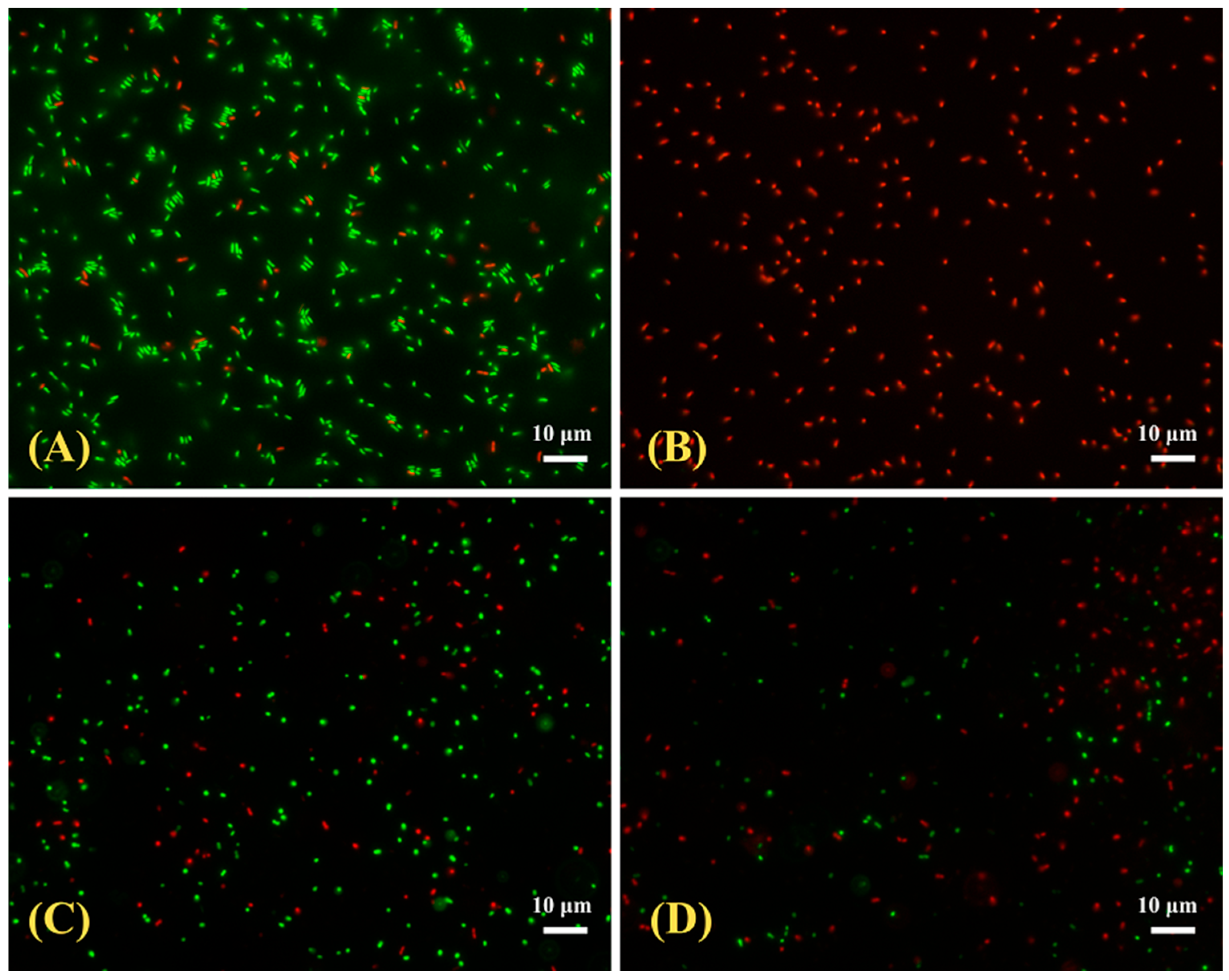
2.4.3. Live/Dead Fluorescence Assay
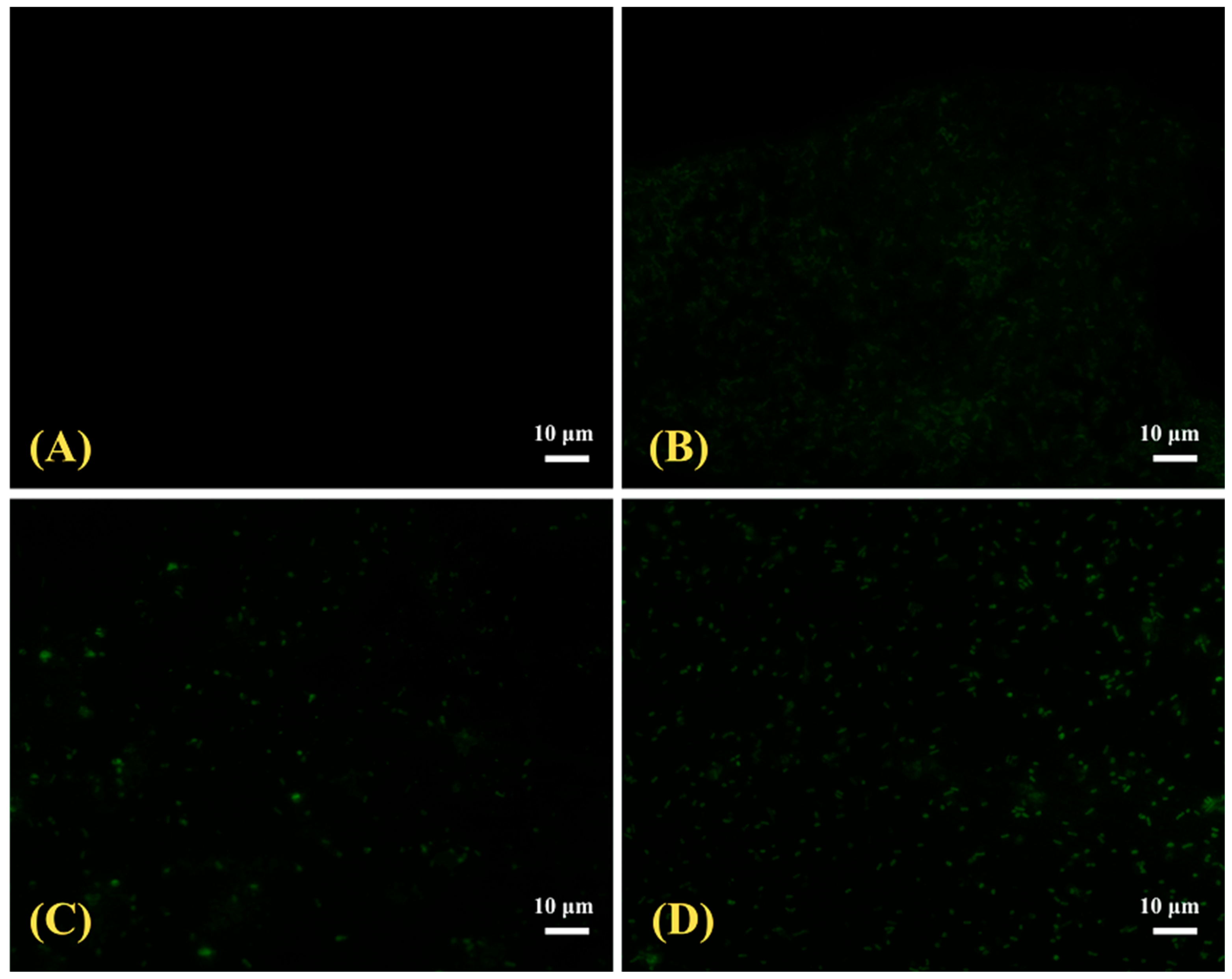
2.4.4. Intracellular ROS Detection
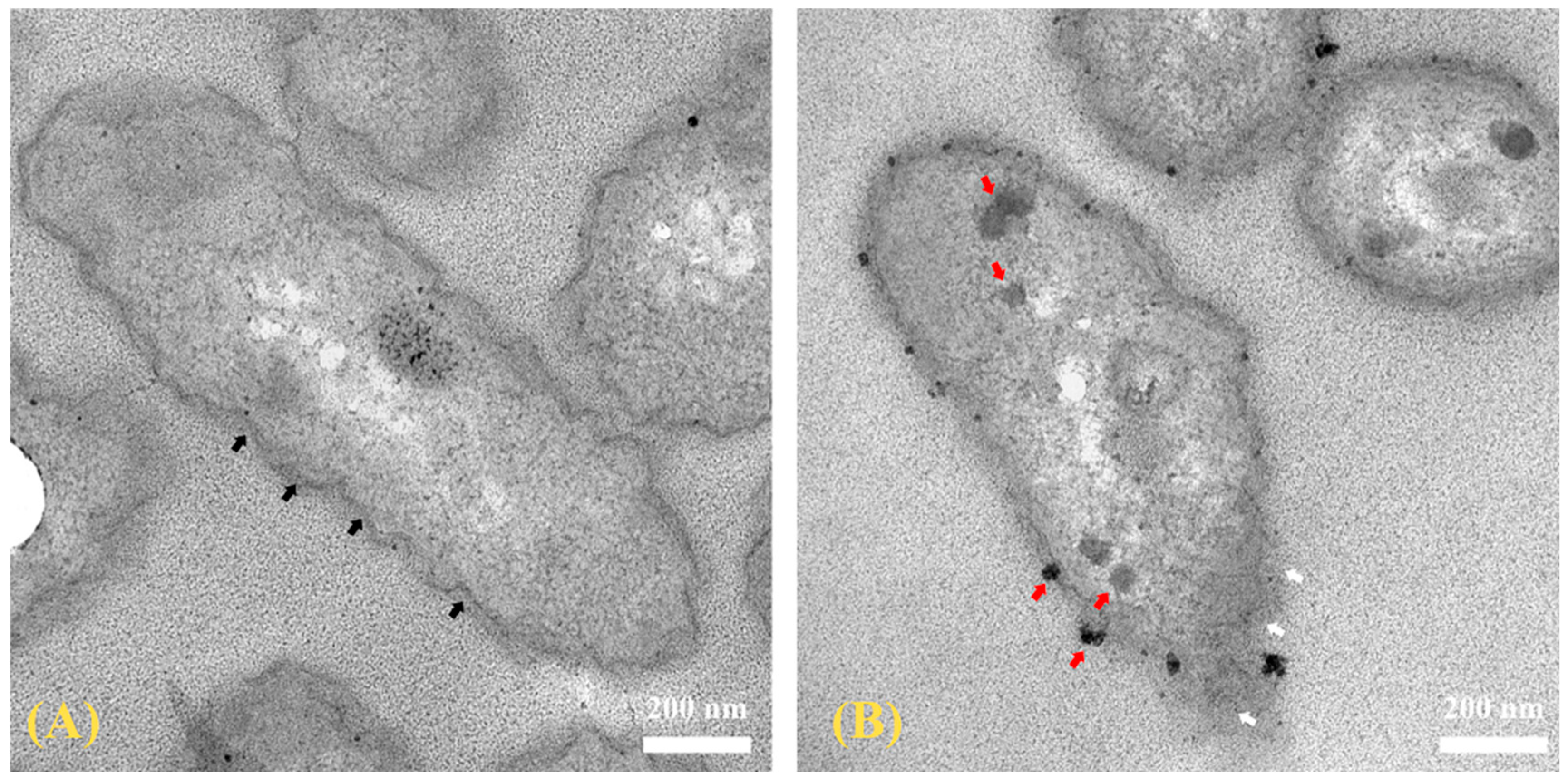
2.4.5. Ultrastructural Analysis by TEM
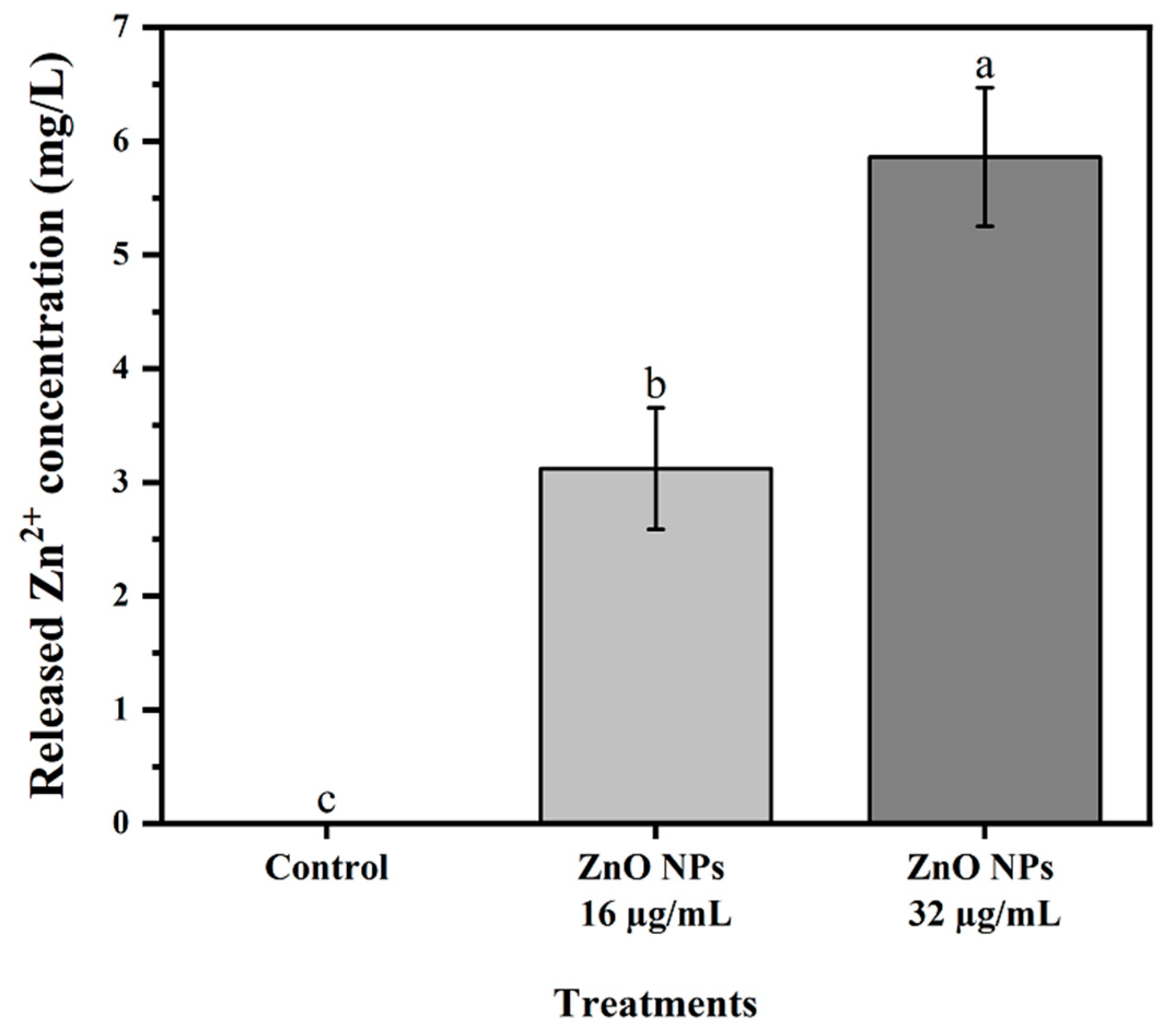
2.4.6. Zn2+ Ion Release by ICP-OES
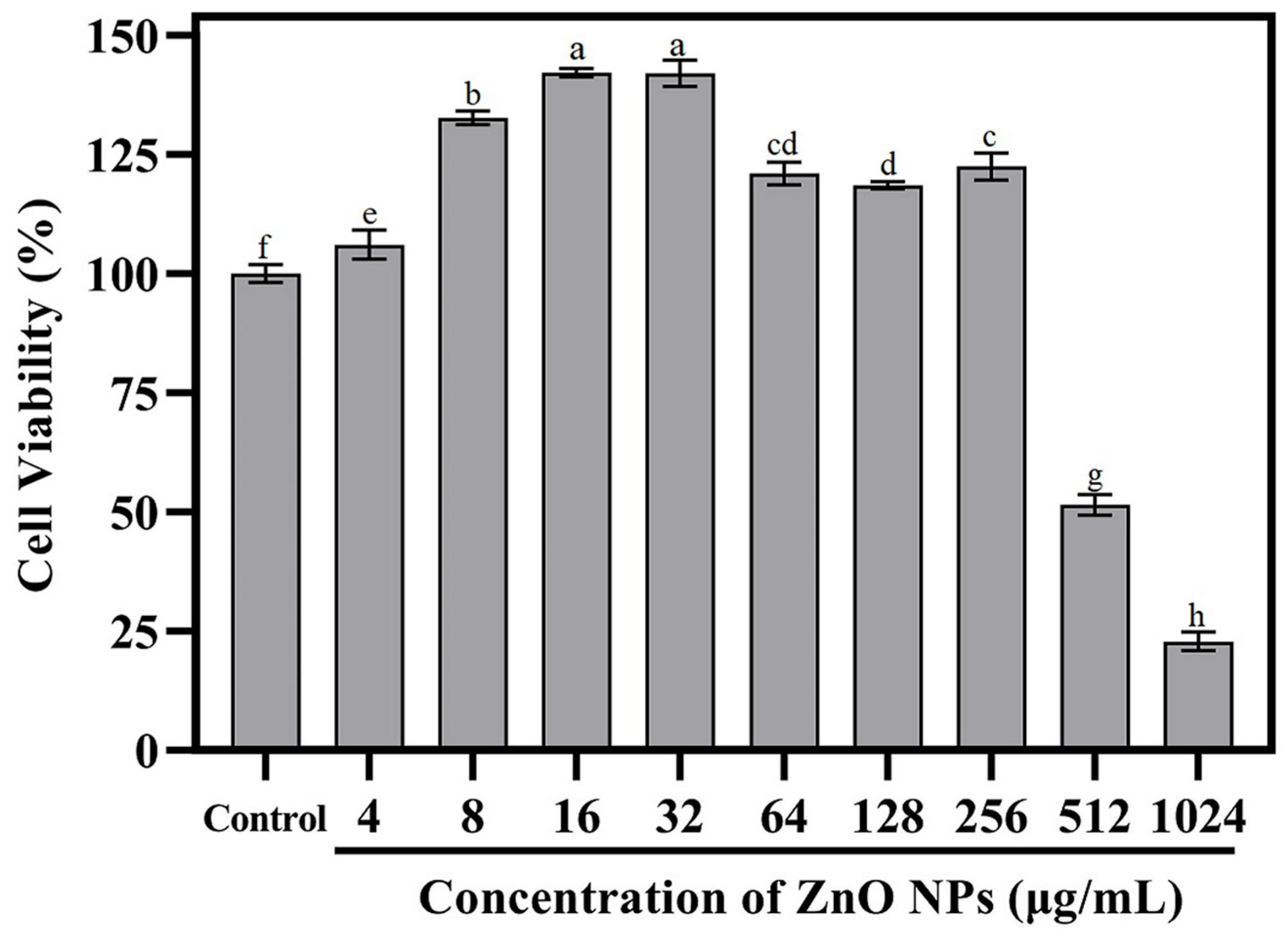
2.5. Cytotoxicity Assay in Human Dermal Fibroblast (HDF) Cell Line
2.6. Statistical Analysis
3. Results and Discussion
3.1. Physicochemical Characterization of Commercial ZnO NPs
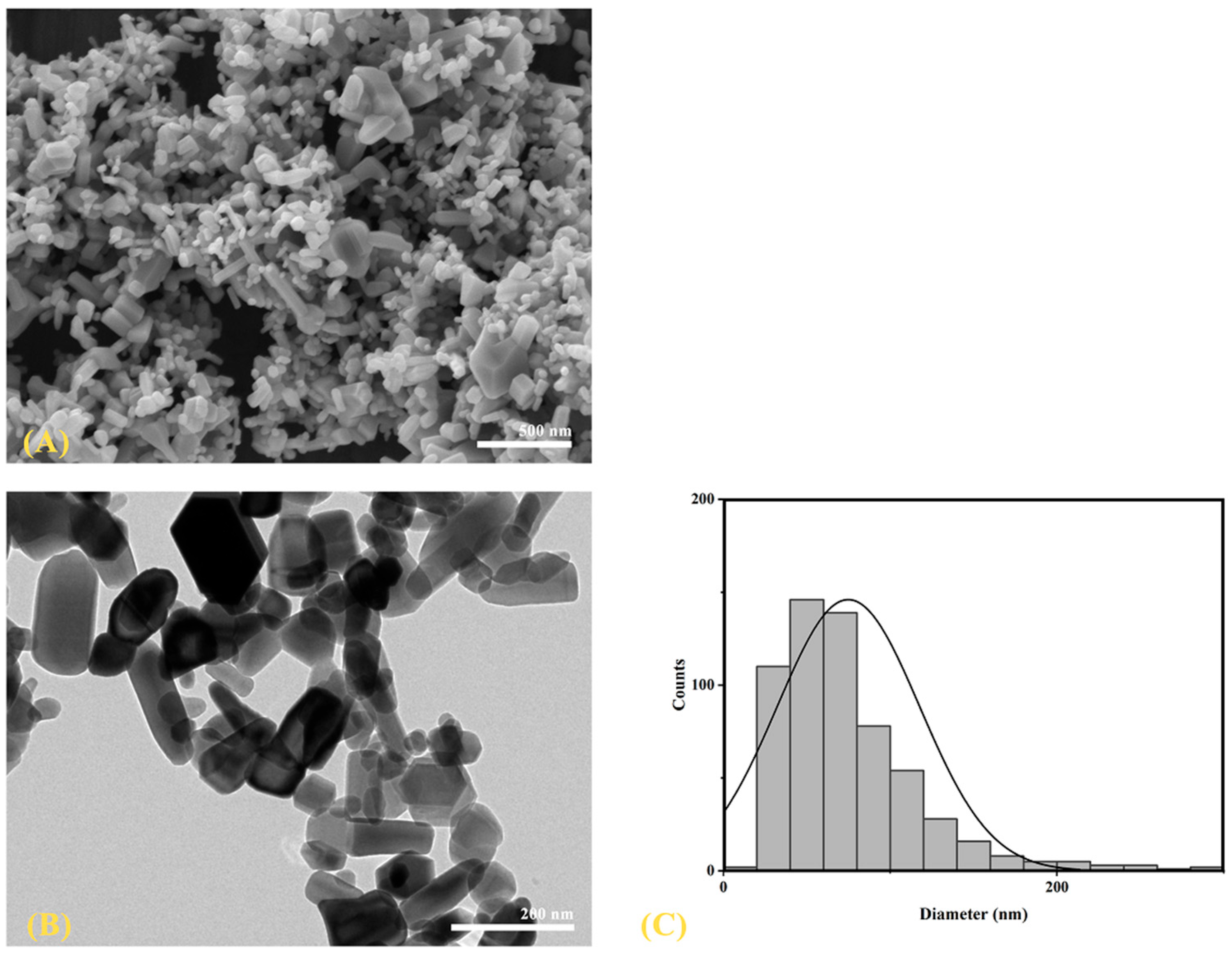
3.1.1. Morphology and Particle Size (FE-SEM and TEM Analysis)
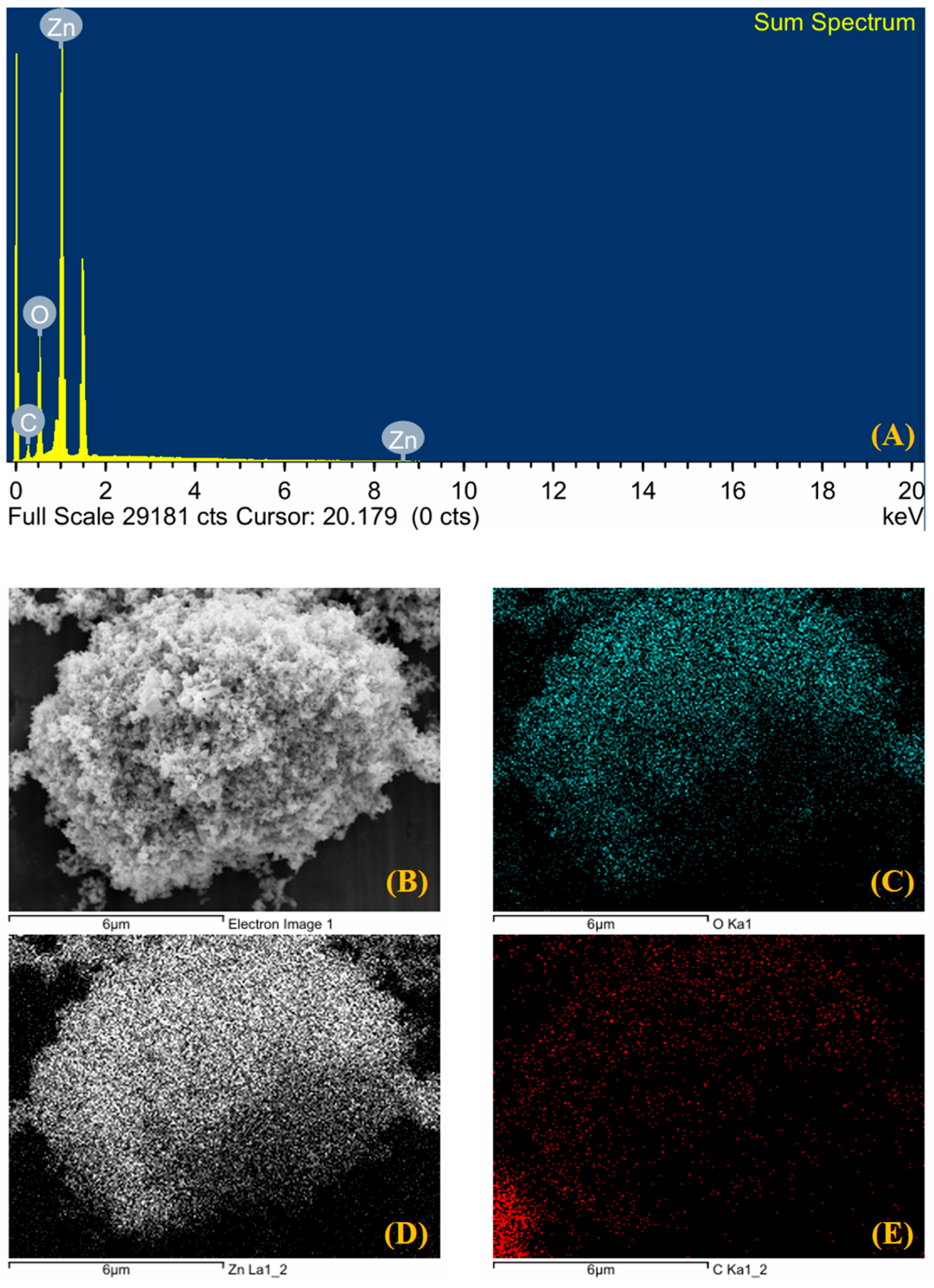
3.1.2. Elemental Composition Analysis by EDX
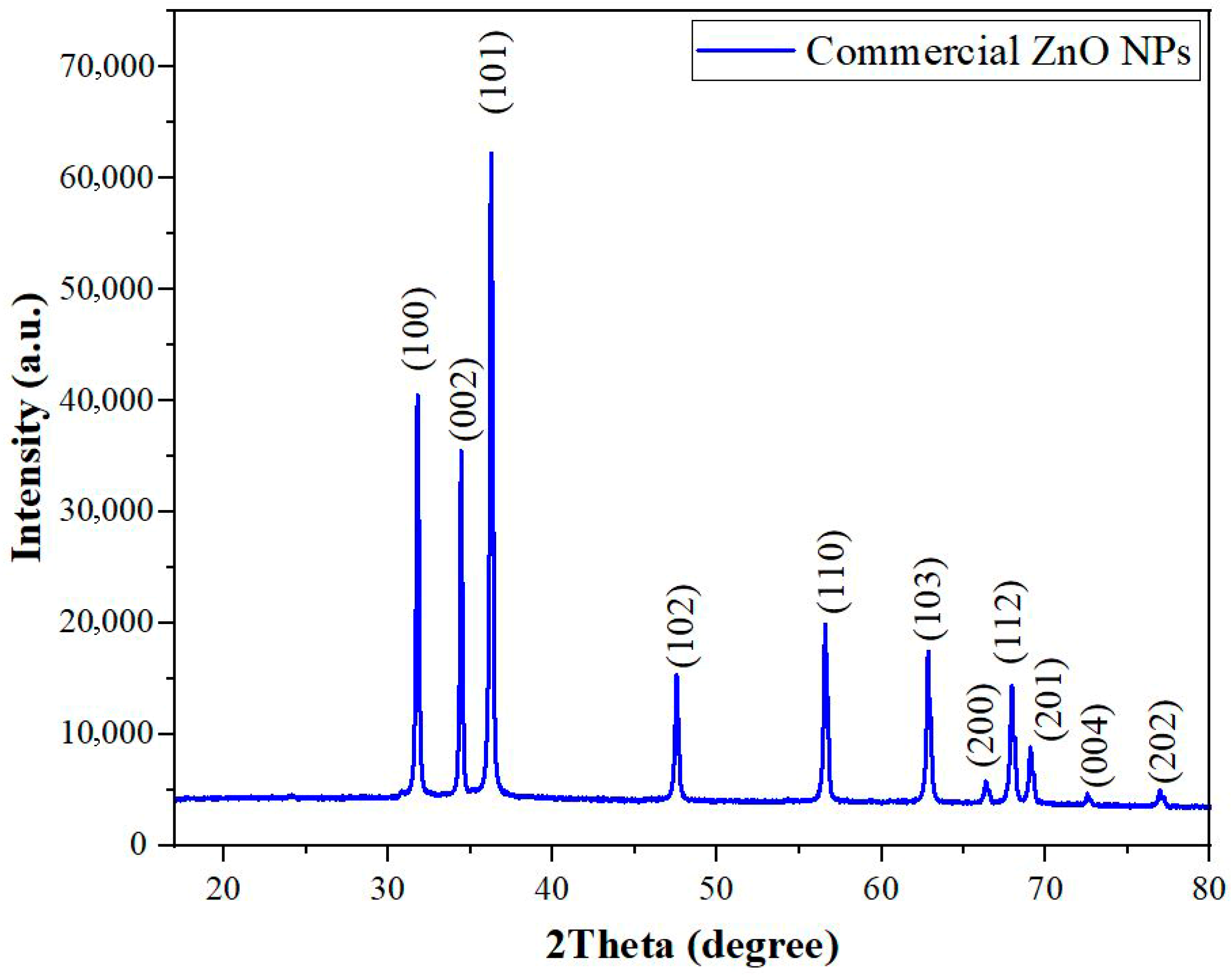
3.1.3. Crystal Structure by XRD Analysis
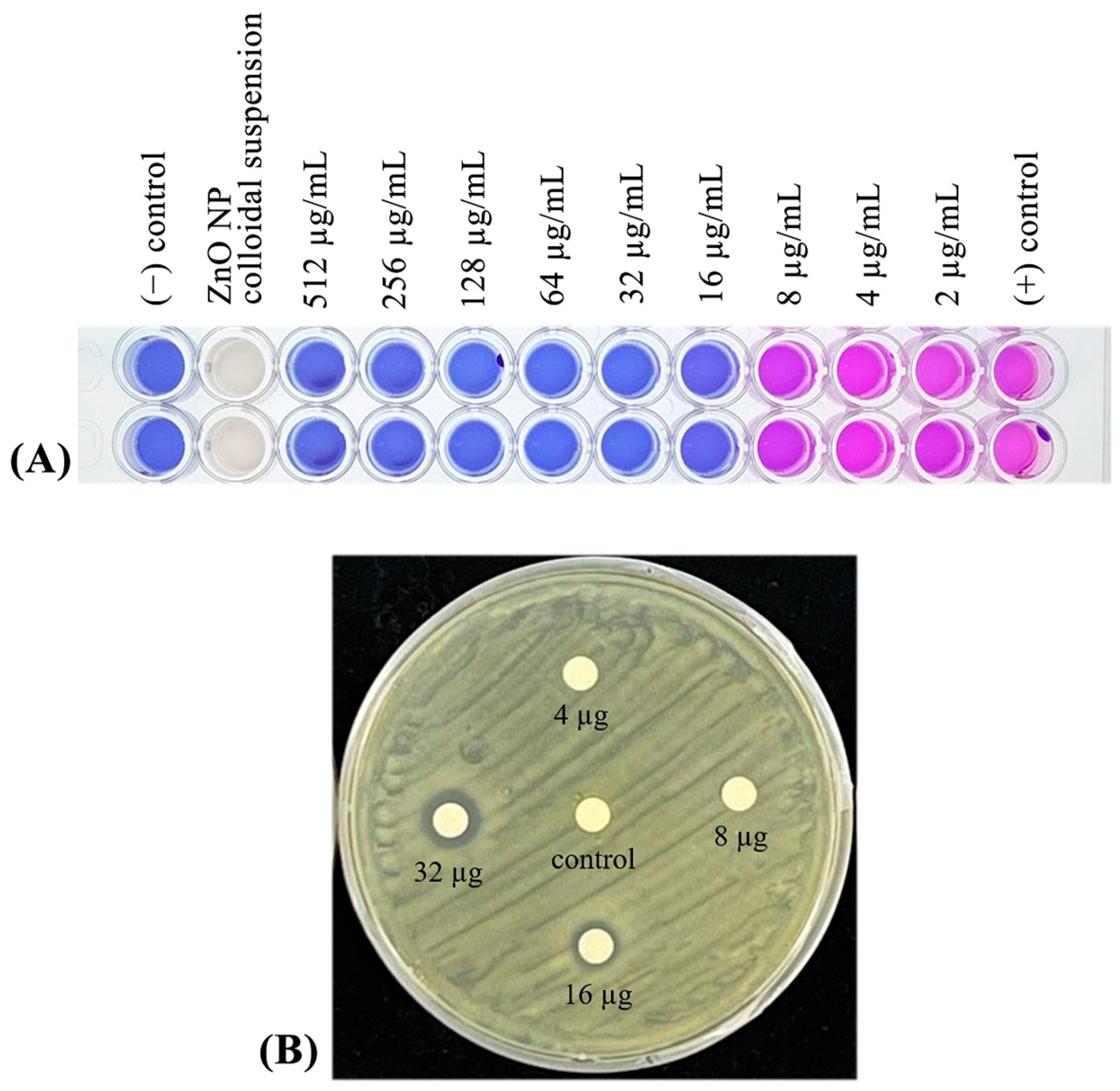
3.2. Antibacterial Activity of Commercial ZnO NPs Against Xoo
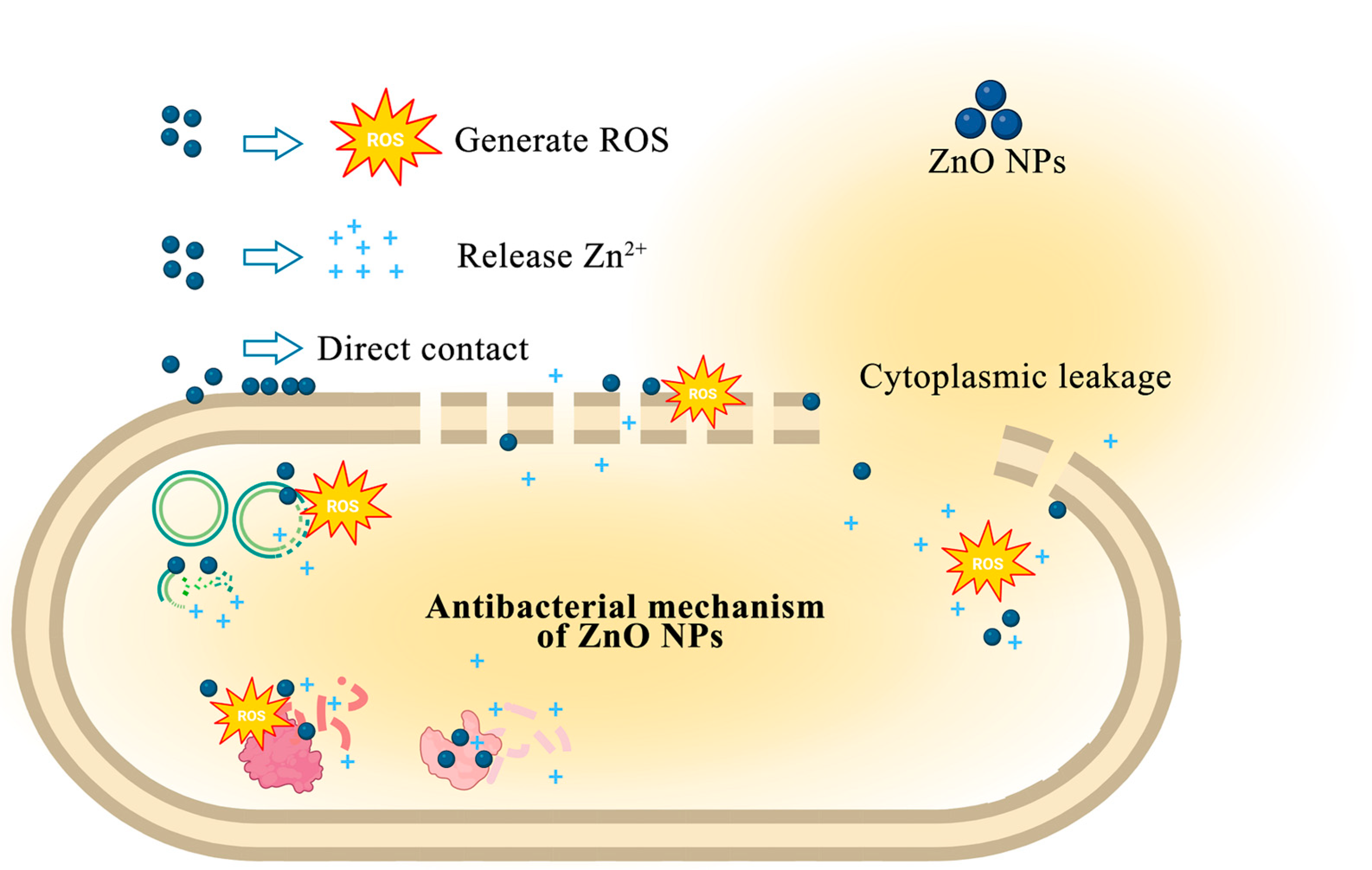
3.3. Antibacterial Mechanism of Commercial ZnO NPs: Evidence from Membrane Integrity, ROS Generation, Ion Release, and Ultrastructural Investigations
3.4. Cytotoxicity and Biocompatibility in Human Dermal Fibroblasts (HDF)
4. Conclusions
Supplementary Materials
Author Contributions
Funding
Data Availability Statement
Acknowledgments
Conflicts of Interest
Abbreviations
| BLB | Bacterial Leaf Blight |
| DCFH-DA | 2′,7′-Dichlorodihydrofluorescein Diacetate |
| EDX | Energy-Dispersive X-ray Spectroscopy |
| FE-SEM | Field-Emission Scanning Electron Microscopy |
| HDF | Human Dermal Fibroblasts |
| ICP-OES | Inductively Coupled Plasma–Optical Emission Spectroscopy |
| MIC | Minimum Inhibitory Concentration |
| PI | Propidium Iodide |
| ROS | Reactive Oxygen Species |
| TEM | Transmission Electron Microscopy |
| Xoo | Xanthomonas oryzae pv. oryzae |
| XRD | X-ray Diffraction |
| ZnO NPs | Zinc Oxide Nanoparticles |
References
- Zafar, S.; Jianlong, X. Recent advances to enhance nutritional quality of rice. Rice Sci. 2023, 30, 523–536. [Google Scholar] [CrossRef] [Scilit]
- Fukagawa, N.K.; Ziska, L.H. Rice: Importance for global nutrition. J. Nutr. Sci. Vitaminol. 2019, 65, S2–S3. [Google Scholar] [CrossRef] [Scilit] [PubMed]
- Mansfield, J.; Genin, S.; Magori, S.; Citovsky, V.; Sriariyanum, M.; Ronald, P.; Dow, M.; Verdier, V.; Beer, S.V.; Machado, M.A.; et al. Top 10 plant pathogenic bacteria in molecular plant pathology. Mol. Plant Pathol. 2012, 13, 614–629. [Google Scholar] [CrossRef] [Scilit]
- Niño-Liu, D.O.; Ronald, P.C.; Bogdanove, A.J. Xanthomonas oryzae Pathovars: Model pathogens of a model crop. Mol. Plant Pathol. 2006, 7, 303–324. [Google Scholar] [CrossRef] [Scilit]
- Chanthapong, P.; Maensiri, D.; Rangsrisak, P.; Jaiyan, T.; Rahaeng, K.; Oraintara, A.; Ratchaphonsaenwong, K.; Sanitchon, J.; Theerakulpisut, P.; Mahakham, W. Plant-based ZnO nanoparticles for green nanobiocontrol of a highly virulent bacterial leaf blight pathogen: Mechanistic insights and biocompatibility evaluation. Nanomaterials 2025, 15, 1011. [Google Scholar] [CrossRef] [Scilit] [PubMed]
- Song, Z.; Zheng, J.; Zhao, Y.; Yin, J.; Zheng, D.; Hu, H.; Liu, H.; Sun, M.; Ruan, L.; Liu, F. Population genomics and pathotypic evaluation of the bacterial leaf blight pathogen of rice reveals rapid evolutionary dynamics of a plant pathogen. Front. Cell. Infect. Microbiol. 2023, 13, 1183416. [Google Scholar] [CrossRef] [Scilit] [PubMed]
- Jiang, N.; Yan, J.; Liang, Y.; Shi, Y.; He, Z.; Wu, Y.; Zeng, Q.; Liu, X.; Peng, J. Resistance genes and their interactions with bacterial blight/leaf streak pathogens (Xanthomonas oryzae) in rice (Oryza sativa L.)—An updated review. Rice 2020, 13, 3. [Google Scholar] [CrossRef] [Scilit]
- Teja, B.S.; Jamwal, G.; Gupta, V.; Verma, M.; Sharma, A.; Sharma, A.; Pandit, V. Biological control of bacterial leaf blight (BLB) in rice–A sustainable approach. Heliyon 2025, 11, e41769. [Google Scholar] [CrossRef] [Scilit]
- Kim, S.I.; Song, J.T.; Jeong, J.Y.; Seo, H.S. Niclosamide inhibits leaf blight caused by Xanthomonas oryzae in rice. Sci. Rep. 2016, 6, 21209. [Google Scholar] [CrossRef] [Scilit]
- Ijaz, M.; Khan, F.; Ahmed, T.; Noman, M.; Zulfiqar, F.; Rizwan, M.; Chen, J.; Siddique, K.H.M.; Li, B. Nanobiotechnology to advance stress resilience in plants: Current opportunities and challenges. Mater. Today Bio 2023, 22, 100759. [Google Scholar] [CrossRef] [Scilit]
- Sirelkhatim, A.; Mahmud, S.; Seeni, A.; Kaus, N.H.M.; Ann, L.C.; Bakhori, S.K.M.; Hasan, H.; Mohamad, D. Review on zinc oxide nanoparticles: Antibacterial activity and toxicity mechanism. Nano-Micro Lett. 2015, 7, 219–242. [Google Scholar] [CrossRef] [Scilit]
- Mohammed, A.M.; Mohammed, M.; Oleiwi, J.K.; Ihmedee, F.H.; Adam, T.; Betar, B.O.; Gopinath, S.C.B. Comprehensive review on zinc oxide nanoparticle production and the associated antibacterial mechanisms and therapeutic potential. Nano Trends 2025, 11, 100145. [Google Scholar] [CrossRef] [Scilit]
- Dey, S.; Lochan Mohanty, D.; Divya, N.; Bakshi, V.; Mohanty, A.; Rath, D.; Das, S.; Mondal, A.; Roy, S.; Sabui, R. A critical review on zinc oxide nanoparticles: Synthesis, properties and biomedical applications. Intell. Pharm. 2025, 3, 53–70. [Google Scholar] [CrossRef] [Scilit]
- Rathaiah, M.; Venkataramana, B.; Sudarshan, K.; Naidu, B.V.K. Newly green synthesized ZnO nanoparticles and their effective influence on photocatalytic and antimicrobial activities. ChemistrySelect 2025, 10, e202406149. [Google Scholar] [CrossRef] [Scilit]
- Abdallah, Y.; Liu, M.; Ogunyemi, S.O.; Ahmed, T.; Fouad, H.; Abdelazez, A.; Yan, C.; Yang, Y.; Chen, J.; Li, B. Bioinspired green synthesis of chitosan and zinc oxide nanoparticles with strong antibacterial activity against rice pathogen Xanthomonas oryzae pv. oryzae. Molecules 2020, 25, 4795. [Google Scholar] [CrossRef] [Scilit]
- Ogunyemi, S.O.; Abdallah, Y.; Zhang, M.; Fouad, H.; Hong, X.; Ibrahim, E.; Masum, M.M.I.; Hossain, A.; Mo, J.; Li, B. Green synthesis of zinc oxide nanoparticles using different plant extracts and their antibacterial activity against Xanthomonas oryzae pv. oryzae. Artif. Cells Nanomed. Biotechnol. 2019, 47, 341–352. [Google Scholar] [CrossRef] [Scilit]
- Ogunyemi, S.O.; Zhang, M.; Abdallah, Y.; Ahmed, T.; Qiu, W.; Ali, M.A.; Yan, C.; Yang, Y.; Chen, J.; Li, B. The Bio-Synthesis of three metal oxide nanoparticles (ZnO, MnO2, and MgO) and their antibacterial activity against the bacterial leaf blight pathogen. Front. Microbiol. 2020, 11, 588326. [Google Scholar] [CrossRef] [Scilit]
- Cheema, A.I.; Ahmed, T.; Abbas, A.; Noman, M.; Zubair, M.; Shahid, M. Antimicrobial activity of the biologically synthesized zinc oxide nanoparticles against important rice pathogens. Physiol. Mol. Biol. Plants 2022, 28, 1955–1967. [Google Scholar] [CrossRef] [Scilit]
- Gudkov, S.V.; Burmistrov, D.E.; Serov, D.A.; Rebezov, M.B.; Semenova, A.A.; Lisitsyn, A.B. A mini review of antibacterial properties of ZnO nanoparticles. Front. Phys. 2021, 9, 641481. [Google Scholar] [CrossRef] [Scilit]
- Qiu, J.; Chen, Y.; Liu, Z.; Wen, H.; Jiang, N.; Shi, H.; Kou, Y. The application of zinc oxide nanoparticles: An effective strategy to protect rice from rice blast and abiotic stresses. Environ. Pollut. 2023, 331, 121925. [Google Scholar] [CrossRef] [Scilit]
- Li, L.; Huang, Z.; Zhou, Z.; Tao, Y.; Zhang, Y.; Mu, Y.; Wu, S.; Nie, L. Foliar application of zinc oxide nanoparticles improved yield and 2-acetyl-1-pyrroline content in fragrant rice under salt stress. Crop Environ. 2025, 4, 107–117. [Google Scholar] [CrossRef] [Scilit]
- Montemayor Palos, C.M.; Mariño-Gámez, A.E.; Acosta-González, G.-E.; Hernández, M.B.; García-Villarreal, S.; Falcon Franco, L.; García-Ortiz, L.; Aguilar-Martínez, J.A. Large-scale production of ZnO nanoparticles by high energy ball milling. Phys. B Condens. Matter 2023, 656, 414776. [Google Scholar] [CrossRef] [Scilit]
- Zhou, X.-Q.; Hayat, Z.; Zhang, D.-D.; Li, M.-Y.; Hu, S.; Wu, Q.; Cao, Y.-F.; Yuan, Y. Zinc oxide nanoparticles: Synthesis, characterization, modification, and applications in food and agriculture. Processes 2023, 11, 1193. [Google Scholar] [CrossRef] [Scilit]
- Qu, B.; Xiao, Z.; Luo, Y. Sustainable nanotechnology for food preservation: Synthesis, mechanisms, and applications of zinc oxide nanoparticles. J. Agric. Food Res. 2025, 19, 101743. [Google Scholar] [CrossRef] [Scilit]
- Koner, D.; Banerjee, B.; Hasan, R.; Saha, N. Antioxidant activity of endogenously produced nitric oxide against the zinc oxide nanoparticle-induced oxidative stress in primary hepatocytes of air-breathing catfish, Clarias magur. Nitric Oxide 2019, 84, 7–15. [Google Scholar] [CrossRef] [Scilit]
- Orozco-Messana, J. Biomimetic ZnO for dye-sensitized solar cells. Nanomaterials 2020, 10, 1907. [Google Scholar] [CrossRef] [Scilit]
- Şeker, Ş.; Elçin, A.E.; Yumak, T.; Sınağ, A.; Elçin, Y.M. In vitro cytotoxicity of hydrothermally synthesized ZnO nanoparticles on human periodontal ligament fibroblast and mouse dermal fibroblast cells. Toxicol. In Vitro 2014, 28, 1349–1358. [Google Scholar] [CrossRef] [Scilit]
- Wang, M.; Tang, Z.; Luo, Y.; Chen, J.; Yang, Q.; Feng, M.; Xiao, W.; Wei, Y.; Li, H.; You, W.; et al. Potential adverse effects of skin exposure to metal nanomaterials and their underlying mechanisms. Int. J. Pharm. 2025, 683, 126025. [Google Scholar] [CrossRef] [Scilit] [PubMed]
- Salazar, J.; Carmona, T.; Zacconi, F.C.; Venegas-Yazigi, D.; Cabello-Verrugio, C.; Il Choi, W.; Vilos, C. The human dermis as a target of nanoparticles for treating skin conditions. Pharmaceutics 2023, 15, 10. [Google Scholar] [CrossRef] [Scilit]
- Meyer, K.; Rajanahalli, P.; Ahamed, M.; Rowe, J.J.; Hong, Y. ZnO nanoparticles induce apoptosis in human dermal fibroblasts via P53 and P38 Pathways. Toxicol. In Vitro 2011, 25, 1721–1726. [Google Scholar] [CrossRef] [Scilit]
- Rudolf, E.; Cervinka, M. Stress Responses of Human Dermal Fibroblasts Exposed to Zinc Pyrithione. Toxicol. Lett. 2011, 204, 164–173. [Google Scholar] [CrossRef] [Scilit]
- Kaushik, M.; Niranjan, R.; Thangam, R.; Madhan, B.; Pandiyarasan, V.; Ramachandran, C.; Oh, D.H.; Venkatasubbu, G.D. Investigations on the antimicrobial activity and wound healing potential of ZnO nanoparticles. Appl. Surf. Sci. 2019, 479, 1169–1177. [Google Scholar] [CrossRef] [Scilit]
- Chumpol, A.; Monkham, T.; Saepaisan, S.; Sanitchon, J.; Falab, S.; Chankaew, S. Phenotypic broad spectrum of bacterial blight disease resistance from Thai indigenous upland rice germplasms implies novel genetic resource for breeding program. Agronomy 2022, 12, 1930. [Google Scholar] [CrossRef] [Scilit]
- Andrews, J.M. Determination of Minimum Inhibitory Concentrations. J. Antimicrob. Chemother. 2001, 48, 5–16. [Google Scholar] [CrossRef] [Scilit] [PubMed]
- Clinical and Laboratory Standards Institute. Performance Standards for Antimicrobial Susceptibility Testing, 30th ed.; CLSI Supplement M100; Clinical and Laboratory Standards Institute: Wayne, PA, USA, 2020. [Google Scholar]
- Sarker, S.D.; Nahar, L.; Kumarasamy, Y. Microtitre plate-based antibacterial assay incorporating resazurin as an indicator of cell growth, and its application in the in vitro antibacterial screening of phytochemicals. Methods 2007, 42, 321–324. [Google Scholar] [CrossRef] [Scilit]
- Hudzicki, J. Kirby-Bauer Disk Diffusion Susceptibility Test Protocol; American Society for Microbiology: Washington, DC, USA, 2009. [Google Scholar]
- American Public Health Association (APHA); American Water Works Association (AWWA); Water Environment Federation (WEF). Standard Methods for the Examination of Water and Wastewater, 24th ed.; APHA Press: Washington, DC, USA, 2023; ISBN 978-0-87553-299-8. [Google Scholar]
- Mosmann, T. Rapid colorimetric assay for cellular growth and survival: Application to proliferation and cytotoxicity assays. J. Immunol. Methods 1983, 65, 55–63. [Google Scholar] [CrossRef] [Scilit]
- Yu, Z.J.; Kumar, M.R.; Sun, D.L.; Wang, L.T.; Hong, R.Y. Large scale production of hexagonal ZnO nanoparticles using PVP as a surfactant. Mater. Lett. 2016, 166, 284–287. [Google Scholar] [CrossRef] [Scilit]
- Raha, S.; Ahmaruzzaman, M. ZnO nanostructured materials and their potential applications: Progress, challenges and perspectives. Nanoscale Adv. 2022, 4, 1868–1925. [Google Scholar] [CrossRef] [Scilit]
- Mutukwa, D.; Taziwa, R.T.; Khotseng, L. A review of plant-mediated ZnO nanoparticles for photodegradation and antibacterial applications. Nanomaterials 2024, 14, 1182. [Google Scholar] [CrossRef] [Scilit]
- Swain, M.; Mishra, D.; Sahoo, G. A review on green synthesis of ZnO nanoparticles. Discov. Appl. Sci. 2025, 7, 997. [Google Scholar] [CrossRef] [Scilit]
- Dac Dien, N. Preparation of various morphologies of ZnO nanostructure through wet chemical methods. Adv. Mater. Sci. 2019, 4, 1–5. [Google Scholar] [CrossRef] [Scilit]
- Zhang, H.; Feng, J.; Wang, J.; Zhang, M. Preparation of ZnO nanorods through wet chemical method. Mater. Lett. 2007, 61, 5202–5205. [Google Scholar] [CrossRef] [Scilit]
- Giri, P.K.; Bhattacharyya, S.; Chetia, B.; Kumari, S.; Singh, D.K.; Iyer, P.K. High-yield chemical synthesis of hexagonal ZnO nanoparticles and nanorods with excellent optical properties. J. Nanosci. Nanotechnol. 2012, 12, 201–206. [Google Scholar] [CrossRef] [Scilit] [PubMed]
- Bhushan, M.; Jha, R.; Bhardwaj, R.; Sharma, R. Serrated Hexagonal ZnO Nanoparticles: Synthesis and Its Characterization. Mater. Today Proc. 2022, 48, 629–632. [Google Scholar] [CrossRef] [Scilit]
- Abdel-Fattah, E.M.; Alshehri, S.M.; Alotibi, S.; Alyami, M.; Abdelhameed, D. Hydrothermal Synthesis of ZnO nanoflowers: Exploring the relationship between morphology, defects, and photocatalytic activity. Crystals 2024, 14, 892. [Google Scholar] [CrossRef] [Scilit]
- Eskikaya, O.E.; Ozdemir, S.; Tollu, G.; Dizge, N.; Ramaraj, R.; Manivannan, A.; Balakrishnan, D. Synthesis of two different zinc oxide nanoflowers and comparison of antioxidant and photocatalytic activity. Chemosphere 2022, 306, 135389. [Google Scholar] [CrossRef] [Scilit]
- Zheng, K.; Liu, H.; Nie, C.; Zhang, X.; Hu, H.; Ma, G.; Wang, H.; Huo, J. Controllable synthesis of honeycomb-structured ZnO nanomaterials for photocatalytic degradation of methylene blue. Mater. Lett. 2019, 253, 30–33. [Google Scholar] [CrossRef] [Scilit]
- Vahdat Vasei, H.; Masoudpanah, S.M.; Habibollahzadeh, M. Different morphologies of ZnO via solution combus-tion synthesis: The role of fuel. Mater. Res. Bull. 2020, 125, 110784. [Google Scholar] [CrossRef] [Scilit]
- Khan, M.F.; Ansari, A.H.; Hameedullah, M.; Ahmad, E.; Husain, F.M.; Zia, Q.; Baig, U.; Zaheer, M.R.; Alam, M.M.; Khan, A.M.; et al. Sol-gel synthesis of thorn-like ZnO nanoparticles endorsing mechanical stirring effect and their antimicrobial activities: Potential role as nano-antibiotics. Sci. Rep. 2016, 6, 27689. [Google Scholar] [CrossRef] [Scilit]
- Gaur, J.; Kumar, S.; Pal, M.; Kaur, H.; Batoo, K.M.; Momoh, J.O. Supreet Current trends: Zinc oxide nanoparticles preparation via chemical and green method for the photocatalytic degradation of various organic dyes. Hybrid Adv. 2024, 5, 100128. [Google Scholar] [CrossRef] [Scilit]
- Bala, N.; Saha, S.; Chakraborty, M.; Maiti, M.; Das, S.; Basu, R.; Nandy, P. Green Synthesis of Zinc Oxide Nanoparticles Using Hibiscus Subdariffa Leaf Extract: Effect of Temperature on Synthesis, Anti-Bacterial Activity and Anti-Diabetic Activity. RSC Adv. 2015, 5, 4993–5003. [Google Scholar] [CrossRef] [Scilit]
- Rahman, F.; Patwary, M.A.M.; Siddique, M.A.B.; Bashar, M.S.; Haque, M.A.; Akter, B.; Rashid, R.; Haque, M.A.; Ud-din, A.K.M.R. Green synthesis of zinc oxide nanoparticles using Cocos nucifera leaf extract: Characterization, anti-microbial, antioxidant and photocatalytic Activity. R. Soc. Open Sci. 2022, 9, 220858. [Google Scholar] [CrossRef] [Scilit]
- Albarakaty, F.M.; Alzaban, M.I.; Alharbi, N.K.; Bagrwan, F.S.; Abd El-Aziz, A.R.M.; Mahmoud, M.A. Zinc oxide nanoparticles, biosynthesis, characterization and their potent photocatalytic degradation, and antioxidant activities. J. King Saud Univ.-Sci. 2023, 35, 102434. [Google Scholar] [CrossRef] [Scilit]
- Miri, A.; Mahdinejad, N.; Ebrahimy, O.; Khatami, M.; Sarani, M. Zinc oxide nanoparticles: Biosynthesis, characterization, antifungal and cytotoxic activity. Mater. Sci. Eng. C 2019, 104, 109981. [Google Scholar] [CrossRef] [Scilit] [PubMed]
- Jaithon, T.; Atichakaro, T.; Phonphoem, W.; T-Thienprasert, J.; Sreewongchai, T.; T-Thienprasert, N.P. Potential usage of biosynthesized zinc oxide nanoparticles from mangosteen peel ethanol extract to inhibit Xanthomonas oryzae and promote rice growth. Heliyon 2024, 10, e24076. [Google Scholar] [CrossRef] [Scilit] [PubMed]
- Trzcińska-Wencel, J.; Wypij, M.; Terzyk, A.P.; Rai, M.; Golińska, P. Biofabrication of novel silver and zinc oxide nanoparticles from Fusarium solani IOR 825 and their potential application in agriculture as biocontrol agents of phytopathogens, and seed germination and seedling growth promoters. Front. Chem. 2023, 11, 1235437. [Google Scholar] [CrossRef] [Scilit] [PubMed]
- Raghupathi, K.R.; Koodali, R.T.; Manna, A.C. Size-dependent bacterial growth inhibition and mechanism of antibacterial activity of zinc oxide nanoparticles. Langmuir 2011, 27, 4020–4028. [Google Scholar] [CrossRef] [Scilit]
- González, S.C.E.; Bolaina-Lorenzo, E.; Pérez-Trujillo, J.J.; Puente-Urbina, B.A.; Rodríguez-Fernández, O.; Fonseca-García, A.; Betancourt-Galindo, R. Antibacterial and anticancer activity of ZnO with different morphologies: A comparative study. 3 Biotech 2021, 11, 68. [Google Scholar] [CrossRef] [Scilit]
- Mendes, A.R.; Granadeiro, C.M.; Leite, A.; Pereira, E.; Teixeira, P.; Poças, F. Optimizing antimicrobial efficacy: Investigating the impact of zinc oxide nanoparticle shape and size. Nanomaterials 2024, 14, 638. [Google Scholar] [CrossRef] [Scilit]
- Sharma, S.; Kumar, K.; Thakur, N.; Chauhan, S.; Chauhan, M.S. The effect of shape and size of ZnO nanoparticles on their antimicrobial and photocatalytic activities: A green approach. Bull. Mater. Sci. 2019, 43, 20. [Google Scholar] [CrossRef] [Scilit]
- Mohd Yusof, H.; Mohamad, R.; Zaidan, U.H.; Abdul Rahman, N.A. Microbial synthesis of zinc oxide nanoparticles and their potential application as an antimicrobial agent and a feed supplement in animal industry: A review. J. Anim. Sci. Biotechnol. 2019, 10, 57. [Google Scholar] [CrossRef] [Scilit]
- Nan, J.; Chu, Y.; Guo, R.; Chen, P. Research on the antibacterial properties of nanoscale zinc oxide particles com-prehensive review. Front. Mater. 2024, 11, 1449614. [Google Scholar] [CrossRef] [Scilit]
- Kim, H.; Xue, X. Detection of total reactive oxygen species in adherent cells by 2’,7’-dichlorodihydrofluorescein diacetate staining. J. Vis. Exp. 2020, 160, e60682. [Google Scholar] [CrossRef] [Scilit]
- Hirano, S.; Kanno, S. Relevance of autophagy markers to cytotoxicity of zinc compounds in macrophages. Toxicol. In Vitro 2020, 65, 104816. [Google Scholar] [CrossRef] [Scilit]
- Colombo, G.; Cortinovis, C.; Moschini, E.; Bellitto, N.; Perego, M.C.; Albonico, M.; Astori, E.; Dalle-Donne, I.; Bertero, A.; Gedanken, A.; et al. Cytotoxic and proinflammatory responses induced by ZnO nanoparticles in in vitro intestinal barrier. J. Appl. Toxicol. 2019, 39, 1155–1163. [Google Scholar] [CrossRef] [Scilit]
- Babayevska, N.; Przysiecka, Ł.; Iatsunskyi, I.; Nowaczyk, G.; Jarek, M.; Janiszewska, E.; Jurga, S. ZnO size and shape effect on antibacterial activity and cytotoxicity profile. Sci. Rep. 2022, 12, 8148. [Google Scholar] [CrossRef] [Scilit]
- Liao, C.; Jin, Y.; Li, Y.; Tjong, S.C. Interactions of zinc oxide nanostructures with mammalian cells: Cytotoxicity and photocatalytic toxicity. Int. J. Mol. Sci. 2020, 21, 6305. [Google Scholar] [CrossRef] [Scilit] [PubMed]
- Olejnik, M.; Kersting, M.; Rosenkranz, N.; Loza, K.; Breisch, M.; Rostek, A.; Prymak, O.; Schürmeyer, L.; Westphal, G.; Köller, M.; et al. Cell-biological effects of zinc oxide spheres and rods from the nano- to the microscale at sub-toxic levels. Cell Biol. Toxicol. 2021, 37, 573–593. [Google Scholar] [CrossRef] [Scilit] [PubMed]
- Jowkar, Z.; Moaddeli, A.; Shafiei, F.; Tadayon, T.; Hamidi, S.A. Synthesis and characterization of mesoporous zinc oxide nanoparticles and evaluation of their biocompatibility in L929 fibroblasts. Clin. Exp. Dent. Res. 2024, 10, e844. [Google Scholar] [CrossRef] [Scilit]
- Ashour, M.A.; Abd-Elhalim, B.T. Biosynthesis and biocompatibility evaluation of zinc oxide nanoparticles prepared using Priestia megaterium bacteria. Sci. Rep. 2024, 14, 4147. [Google Scholar] [CrossRef] [Scilit] [PubMed]
- Xiao, D.; Huang, Y.; Fang, Z.; Liu, D.; Wang, Q.; Xu, Y.; Li, P.; Li, J. Zinc oxide nanoparticles for skin wound healing: A systematic review from the perspective of disease types. Mater. Today Bio 2025, 34, 102221. [Google Scholar] [CrossRef] [Scilit] [PubMed]





| Spectrum | C (wt%) | O (wt%) | Zn (wt%) | Total (wt%) |
|---|---|---|---|---|
| 1 | 3.46 | 20.19 | 76.35 | 100.00 |
| 2 | 3.07 | 20.59 | 76.34 | 100.00 |
| 3 | 3.57 | 21.64 | 74.78 | 100.00 |
| 4 | 4.57 | 22.21 | 73.22 | 100.00 |
| 5 | 6.01 | 23.73 | 70.26 | 100.00 |
| Mean ± SD | 4.14 ± 1.19 | 21.67 ± 1.40 | 74.19 ± 2.55 | 100.00 |
| Miller Indices (hkl) | 2θ (°) | FWHM (β, °) | D (nm) |
|---|---|---|---|
| (100) | 31.76 | 0.2066 | 39.98 |
| (002) | 34.41 | 0.1827 | 45.52 |
| (101) | 36.24 | 0.2194 | 38.10 |
| (102) | 47.53 | 0.2534 | 34.26 |
| (110) | 56.59 | 0.2955 | 30.53 |
| (103) | 62.86 | 0.3170 | 29.37 |
| (200) | 66.38 | 0.3241 | 29.29 |
| (112) | 67.95 | 0.3293 | 28.89 |
| (201) | 69.09 | 0.3101 | 31.78 |
| (004) | 72.57 | 0.3110 | 31.78 |
| (202) | 76.97 | 0.4018 | 25.26 |
| Average D (nm) | 32.98 |
| ZnO NP Concentration (µg/disc) | Zone of Inhibition (mm) |
|---|---|
| 0 (control) | 0.00 ± 0.00 c |
| 4 | 0.00 ± 0.00 c |
| 8 | 0.00 ± 0.00 c |
| 16 | 6.11 ± 0.29 b |
| 32 | 7.84 ± 0.40 a |
Disclaimer/Publisher’s Note: The statements, opinions and data contained in all publications are solely those of the individual author(s) and contributor(s) and not of MDPI and/or the editor(s). MDPI and/or the editor(s) disclaim responsibility for any injury to people or property resulting from any ideas, methods, instructions or products referred to in the content. |
© 2025 by the authors. Licensee MDPI, Basel, Switzerland. This article is an open access article distributed under the terms and conditions of the Creative Commons Attribution (CC BY) license (https://creativecommons.org/licenses/by/4.0/).
Share and Cite
Jaiyan, T.; Rangsrisak, P.; Rahaeng, K.; Maensiri, D.; Mahakham, W. Commercial Zinc Oxide Nanoparticles: Mechanistic Investigation into the Bacterial Leaf Blight Pathogen of Rice and Evaluation of Their Biocompatibility. Appl. Nano 2025, 6, 26. https://doi.org/10.3390/applnano6040026
Jaiyan T, Rangsrisak P, Rahaeng K, Maensiri D, Mahakham W. Commercial Zinc Oxide Nanoparticles: Mechanistic Investigation into the Bacterial Leaf Blight Pathogen of Rice and Evaluation of Their Biocompatibility. Applied Nano. 2025; 6(4):26. https://doi.org/10.3390/applnano6040026
Chicago/Turabian StyleJaiyan, Thanee, Paweena Rangsrisak, Kanchit Rahaeng, Duagkamol Maensiri, and Wuttipong Mahakham. 2025. "Commercial Zinc Oxide Nanoparticles: Mechanistic Investigation into the Bacterial Leaf Blight Pathogen of Rice and Evaluation of Their Biocompatibility" Applied Nano 6, no. 4: 26. https://doi.org/10.3390/applnano6040026
APA StyleJaiyan, T., Rangsrisak, P., Rahaeng, K., Maensiri, D., & Mahakham, W. (2025). Commercial Zinc Oxide Nanoparticles: Mechanistic Investigation into the Bacterial Leaf Blight Pathogen of Rice and Evaluation of Their Biocompatibility. Applied Nano, 6(4), 26. https://doi.org/10.3390/applnano6040026