Article

The Effect of the Incorporation of a 3D-Printed Titanium Framework on the Mechanical Properties CAD/CAM Denture Base Materials


1
School of Dental Medicine, Stony Brook University, Stony Brook, NY 11733, USA
2
Department of Materials Science and Chemical Engineering, Stony Brook University, Stony Brook, NY 11733, USA
*
Author to whom correspondence should be addressed.
Prosthesis 2024, 6(4), 753-766; https://doi.org/10.3390/prosthesis6040053

Submission received: 28 May 2024 / Revised: 6 July 2024 / Accepted: 8 July 2024 / Published: 10 July 2024

Abstract

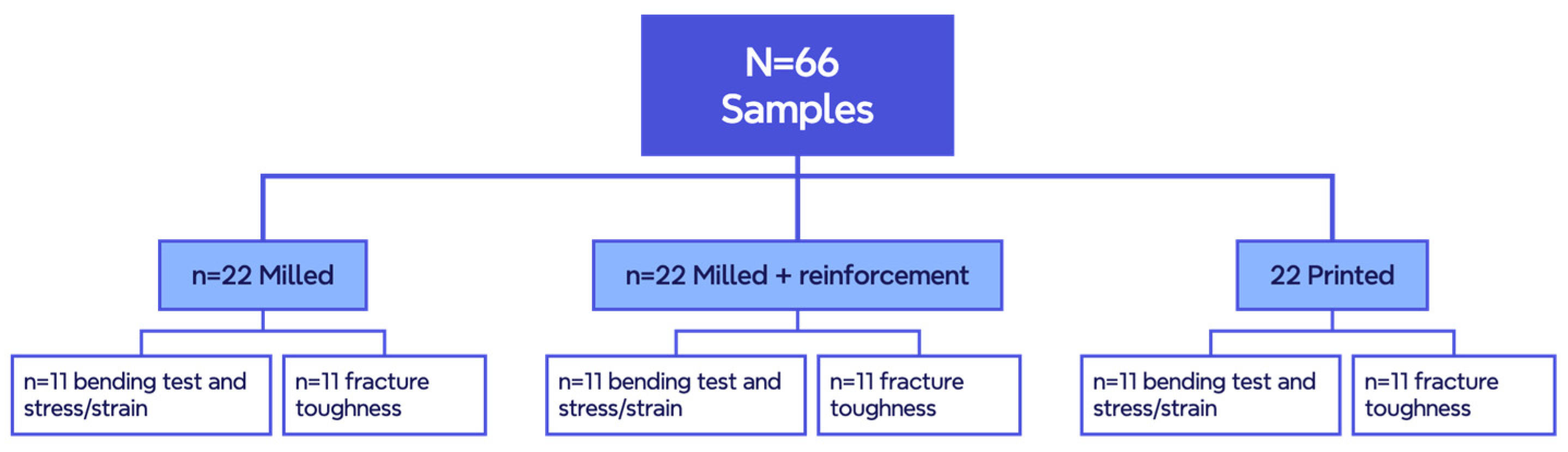
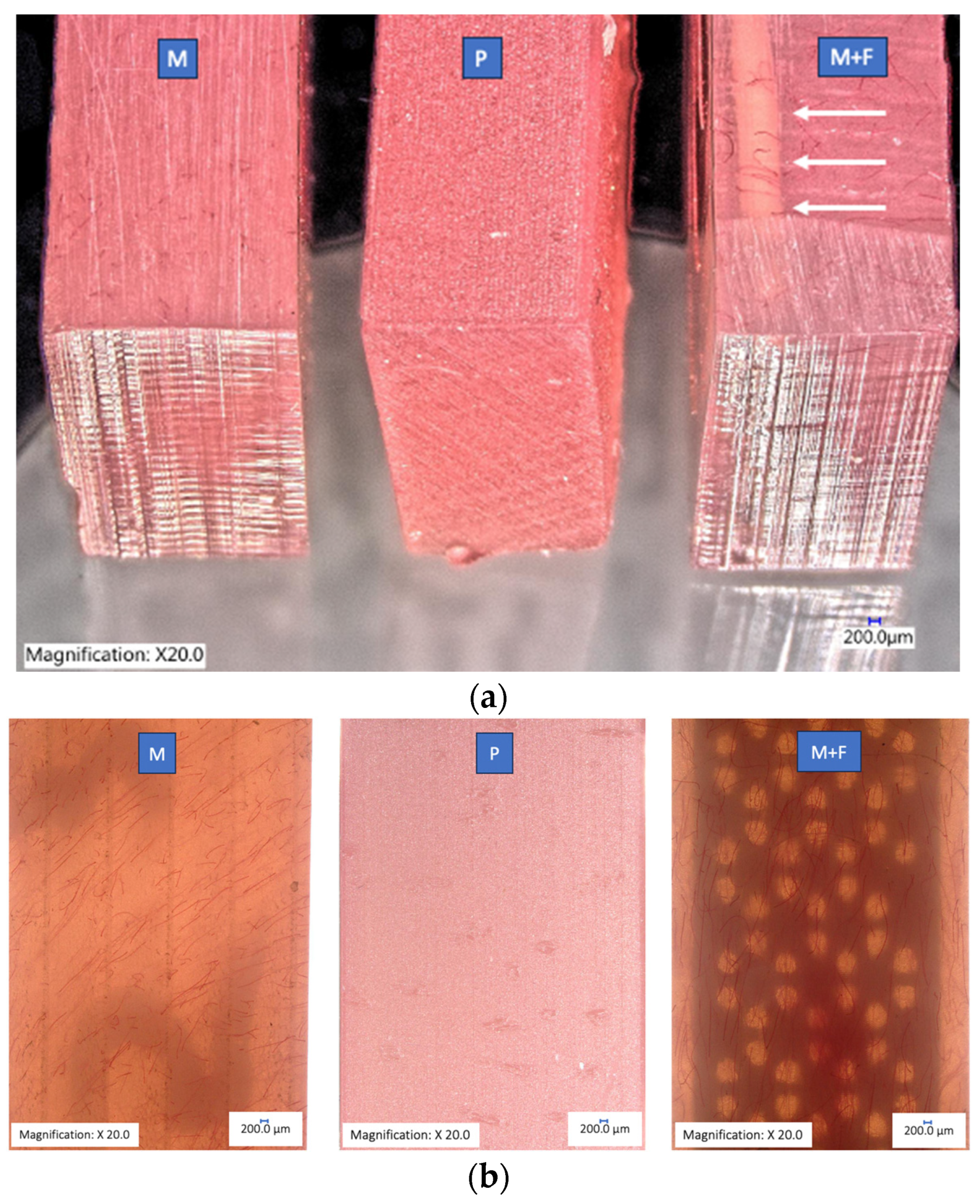
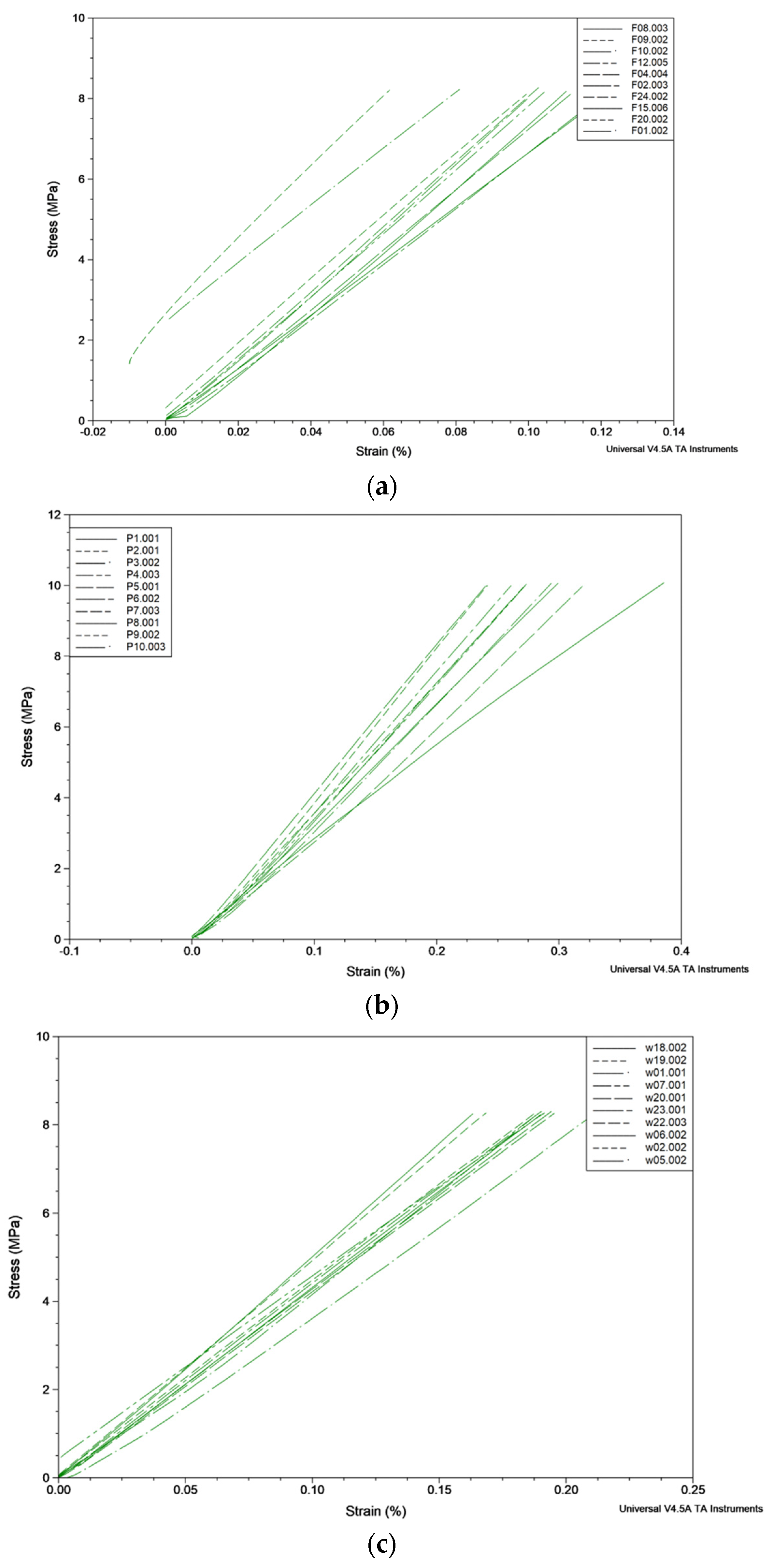
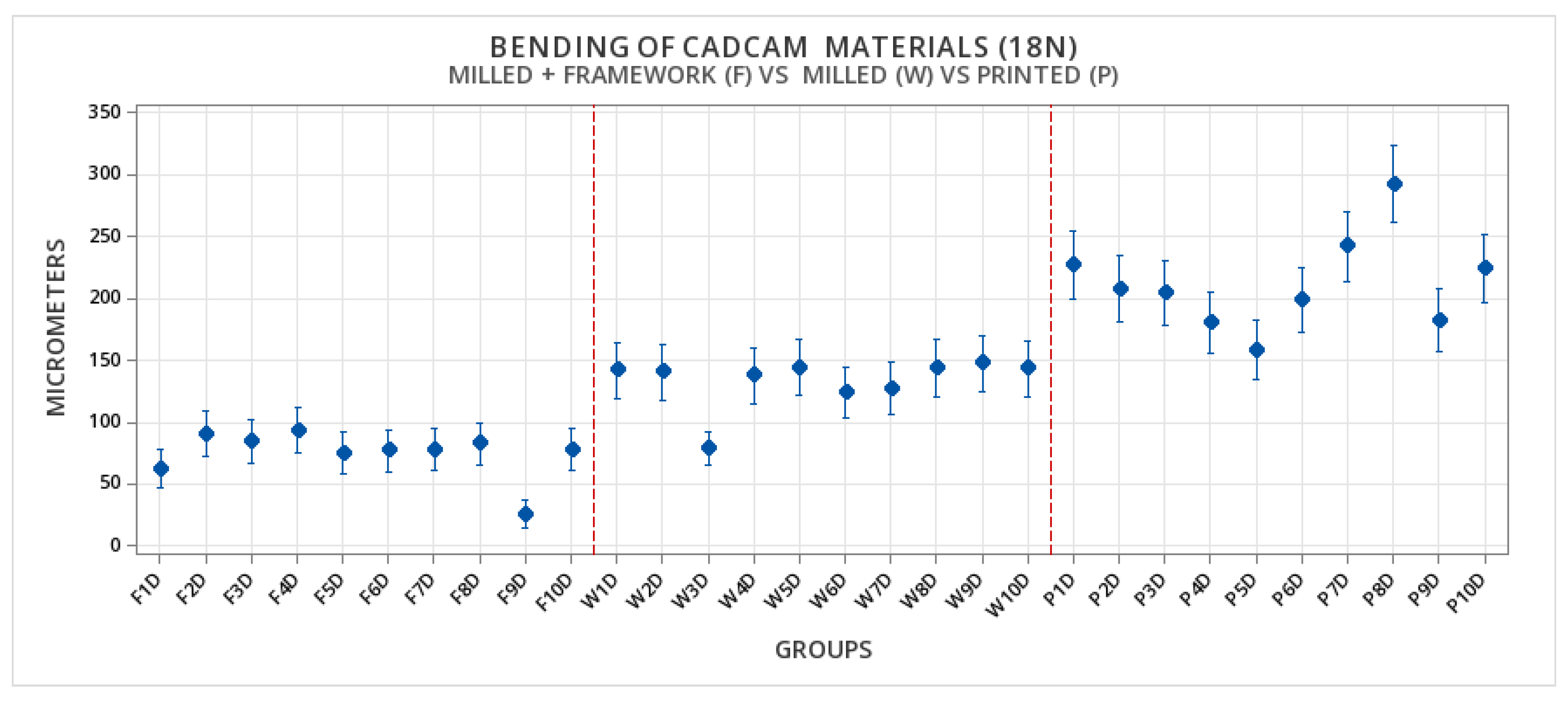
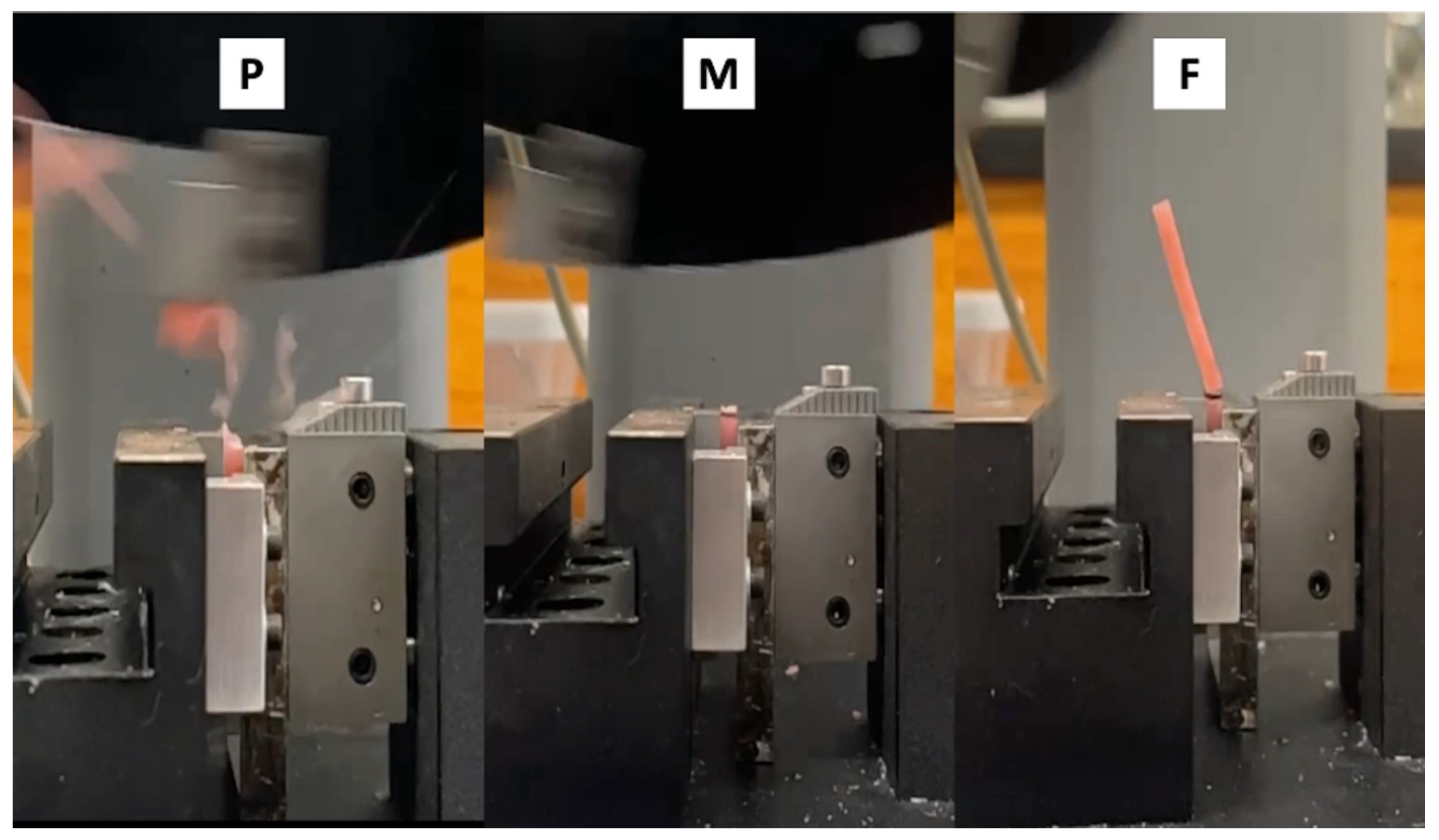
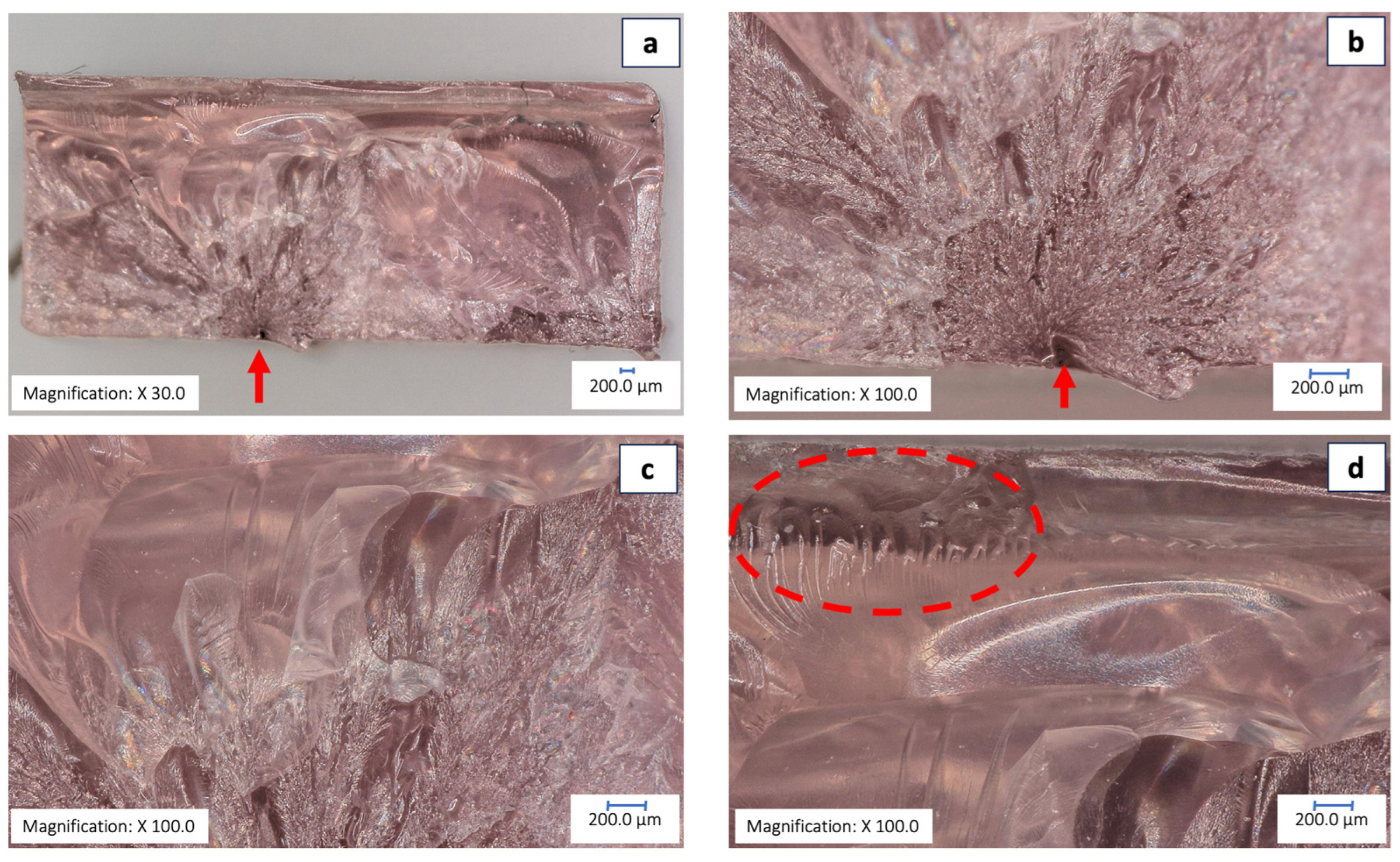
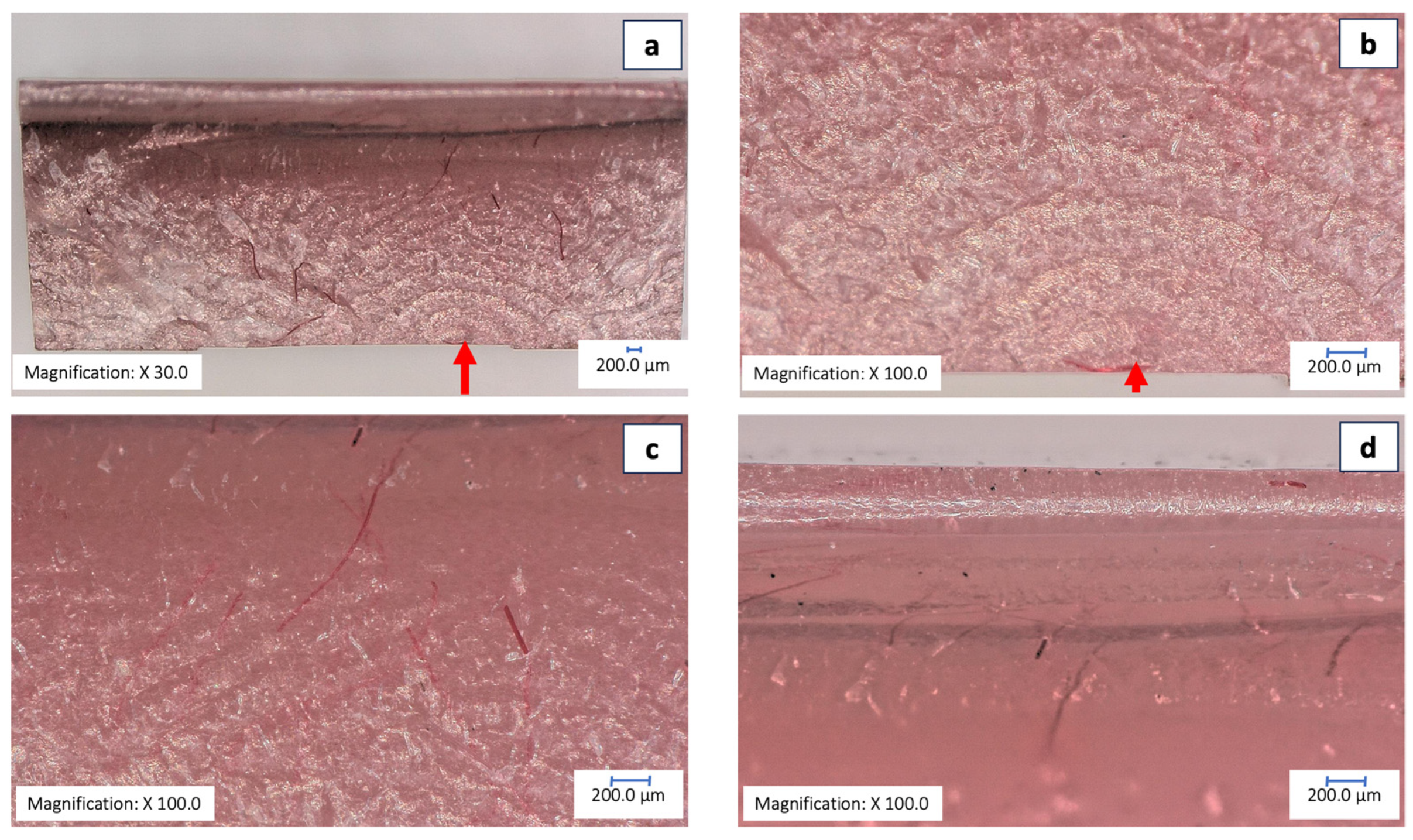
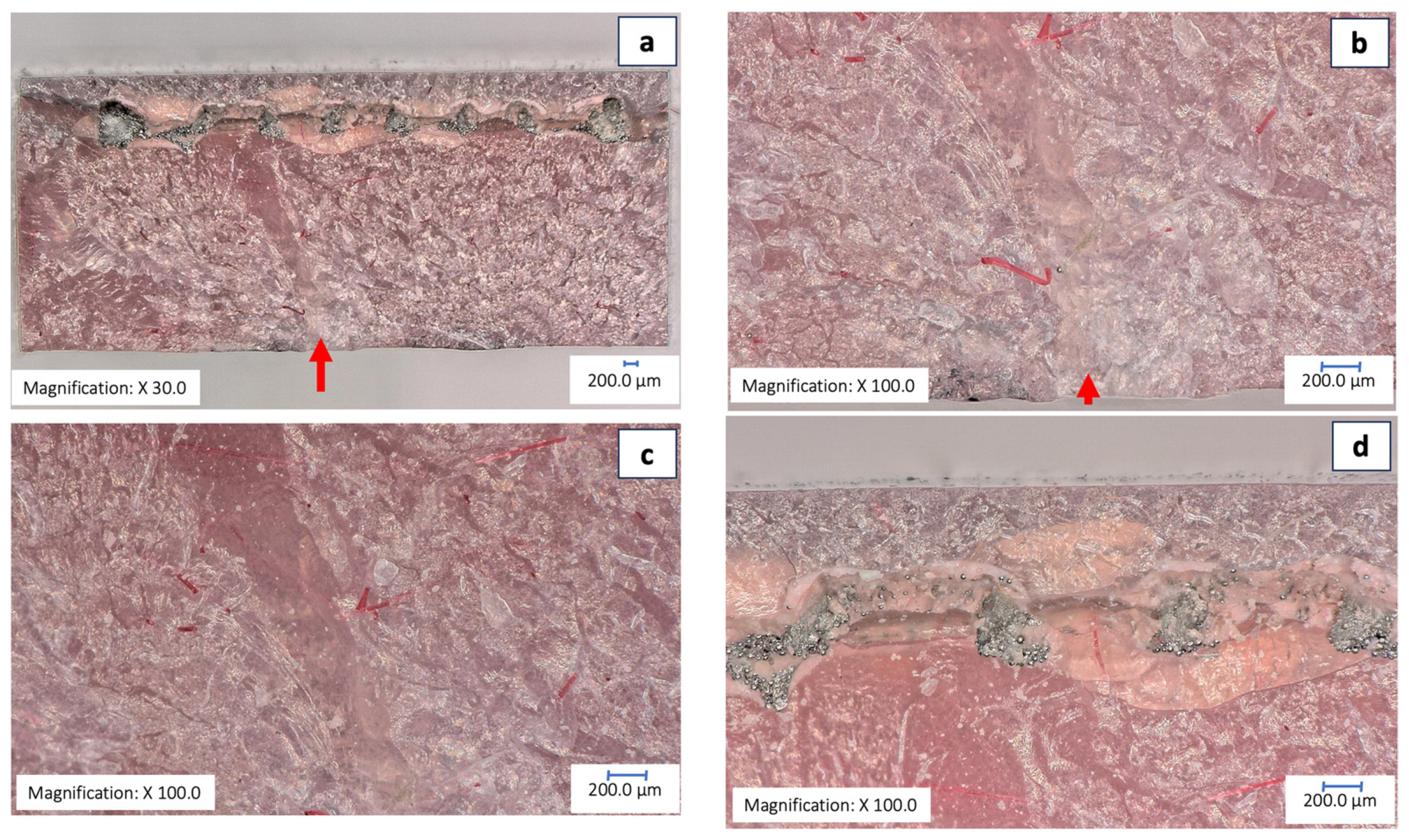
Background: Complete dentures should withstand occlusal forces and wear. However, over time, dentures can suffer fatigue and develop cracks, chipping, and fractures. Conventional methods for the fabrication of complete dentures involve injection molding, thermal curing, and the use of microwaves with polymethyl methacrylate (PMMA)-based materials. These methods have served well for many years. More recently, the incorporation of computer-aided design and computer-aided manufacturing (CAD/CAM) to fabricate complete dentures has been shown to enhance the dentures’ mechanical properties, including resistance to wear and impact strength. This study aims to investigate the mechanical properties and fracture types of CAD/CAM denture base materials (both milled and printed) as compared to a novel proprietary method that embeds a 3D-printed framework within PMMA-milled blocks. The null hypothesis is that incorporating a 3D-printed framework does not affect the mechanical properties of milled PMMA blocks. Methods: Three groups of bars were fabricated using CAD/CAM methods: printed (P), milled (M), and milled with a 3D-printed metallic framework reinforcement (M + F). A three-point bending test evaluated deformation, followed by an impact fracture test for fracture toughness. A descriptive fractographic analysis assessed the fracture characteristics. A statistical analysis using a paired t-test compared the differences between the groups. Results: The P group showed more elastic deformation than the M and M + F groups (p < 0.05). The M + F group achieved a higher fracture toughness as compared to the M and P groups (p < 0.05). Conclusions: Within the limitations of this experimental study, the null hypothesis can be rejected. Milled samples with an embedded 3D-printed titanium framework possess higher resistance to impact than milled samples without frameworks, and printed samples and milled samples with embedded 3d-printed titanium frameworks present increased flexural strength and lower elastic deformation as compared to milled samples without frameworks and printed samples.
Keywords: denture reinforcement; 3D-printed; milling; CAD/CAM; denture base; impact fracture test; three-point bending test; titanium framework denture reinforcement; 3D-printed; milling; CAD/CAM; denture base; impact fracture test; three-point bending test; titanium framework