Article

State Observer Design for LCC-S Wireless Power Transfer Systems Based on State-Space Modeling

Engineering Research Center of Automotive Electronics Drive Control and System Integration, Ministry of Education, Harbin University of Science and Technology, Harbin 150080, China
*
Author to whom correspondence should be addressed.
Vehicles 2026, 8(3), 63; https://doi.org/10.3390/vehicles8030063

Submission received: 4 January 2026 / Revised: 13 February 2026 / Accepted: 26 February 2026 / Published: 17 March 2026

Abstract

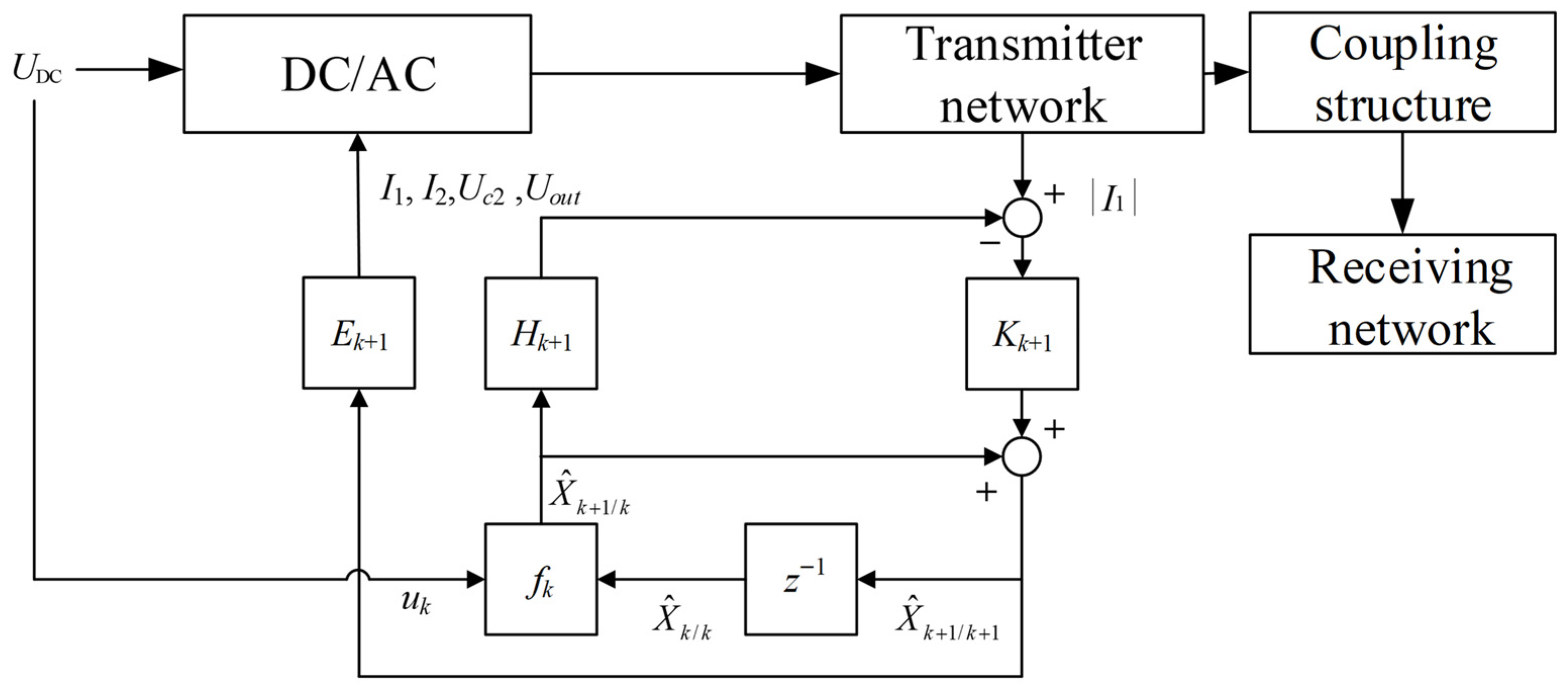
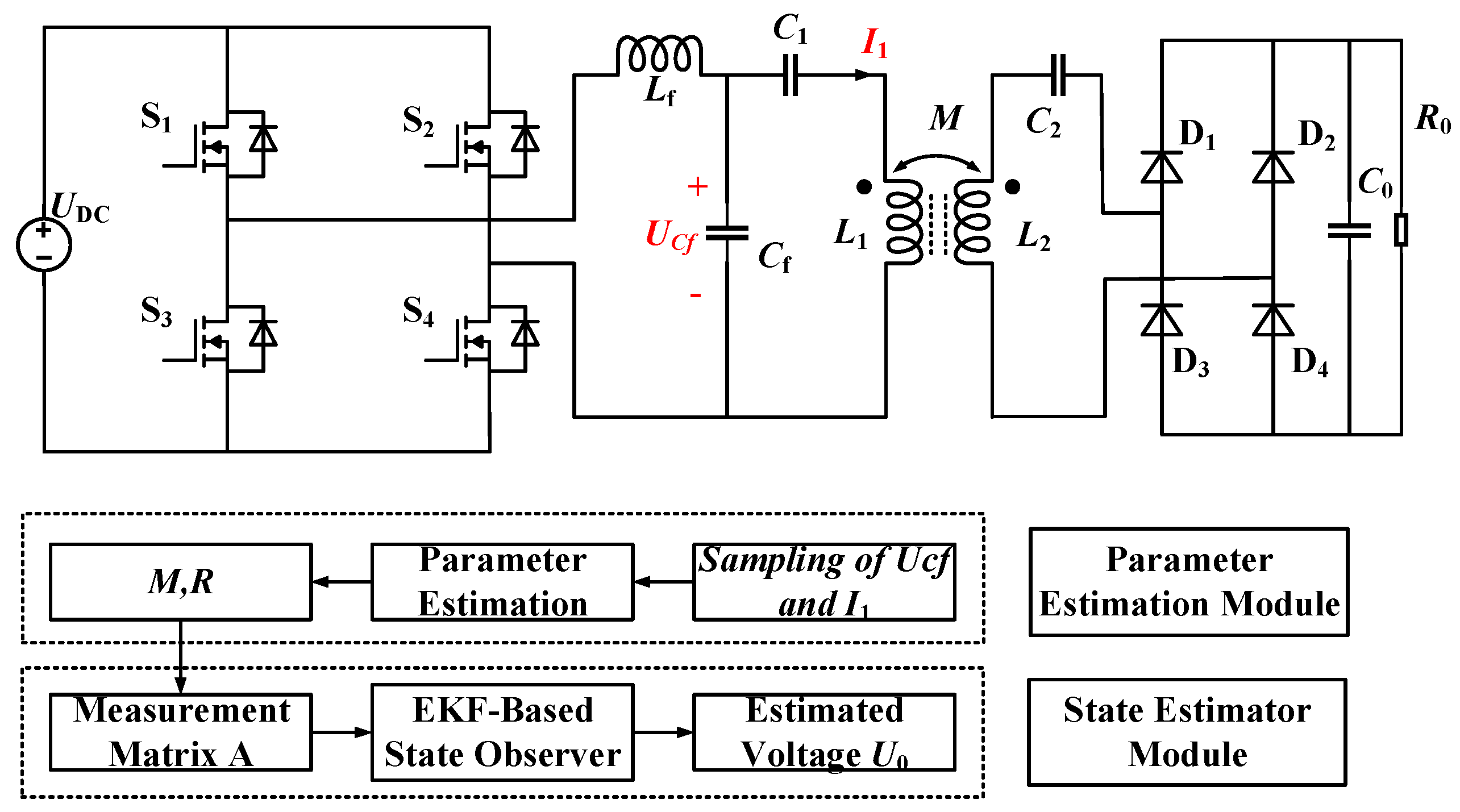
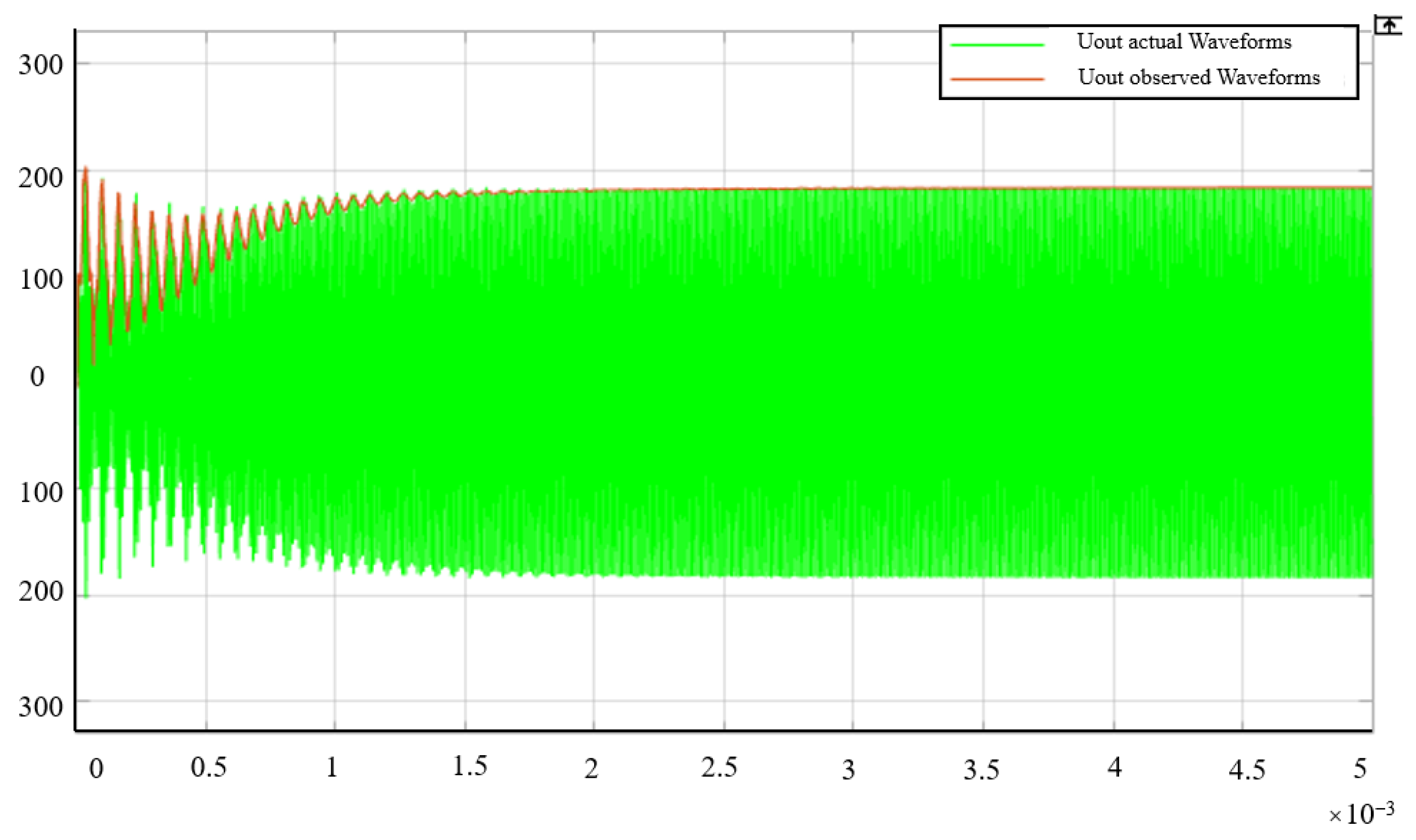
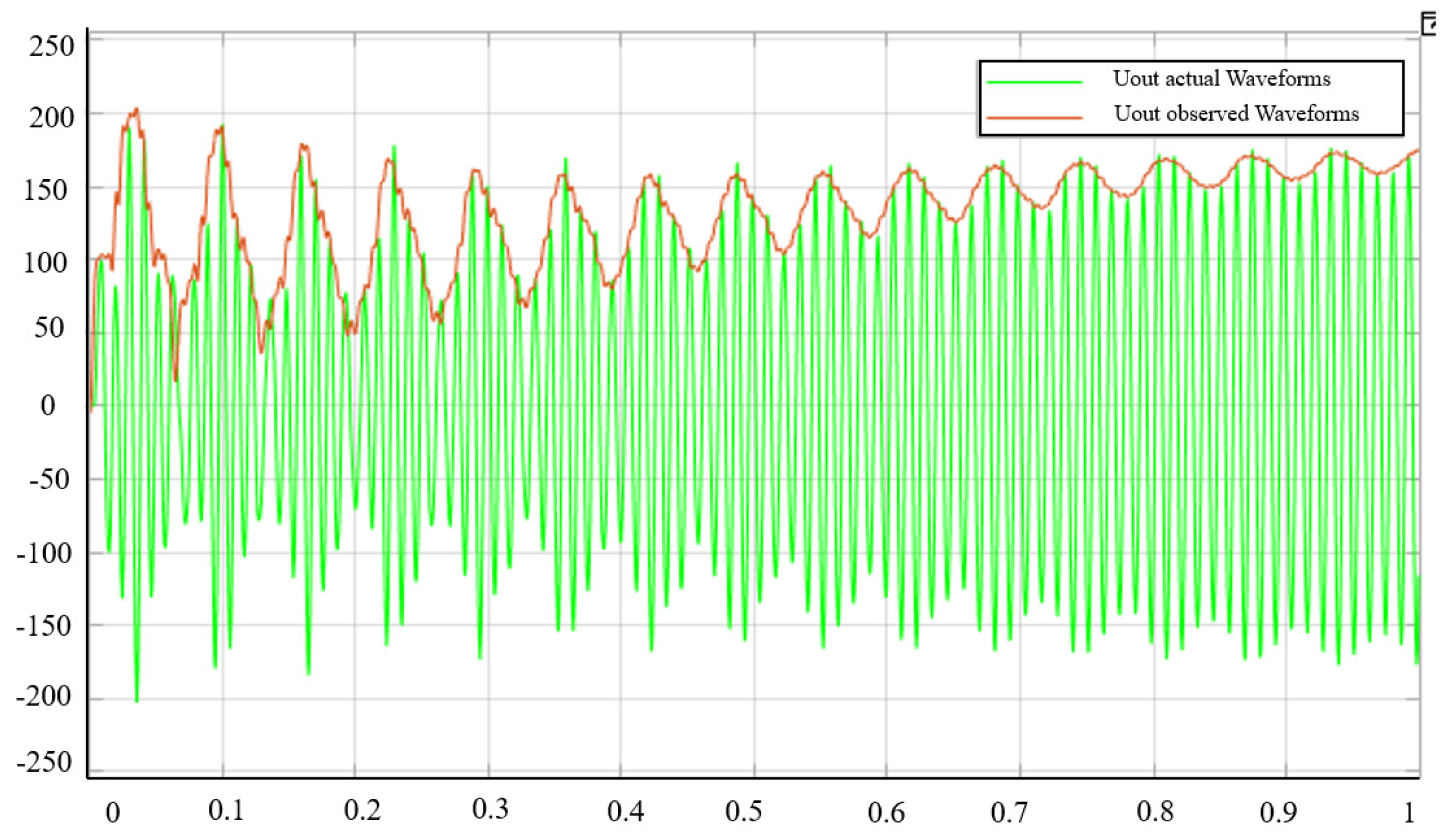
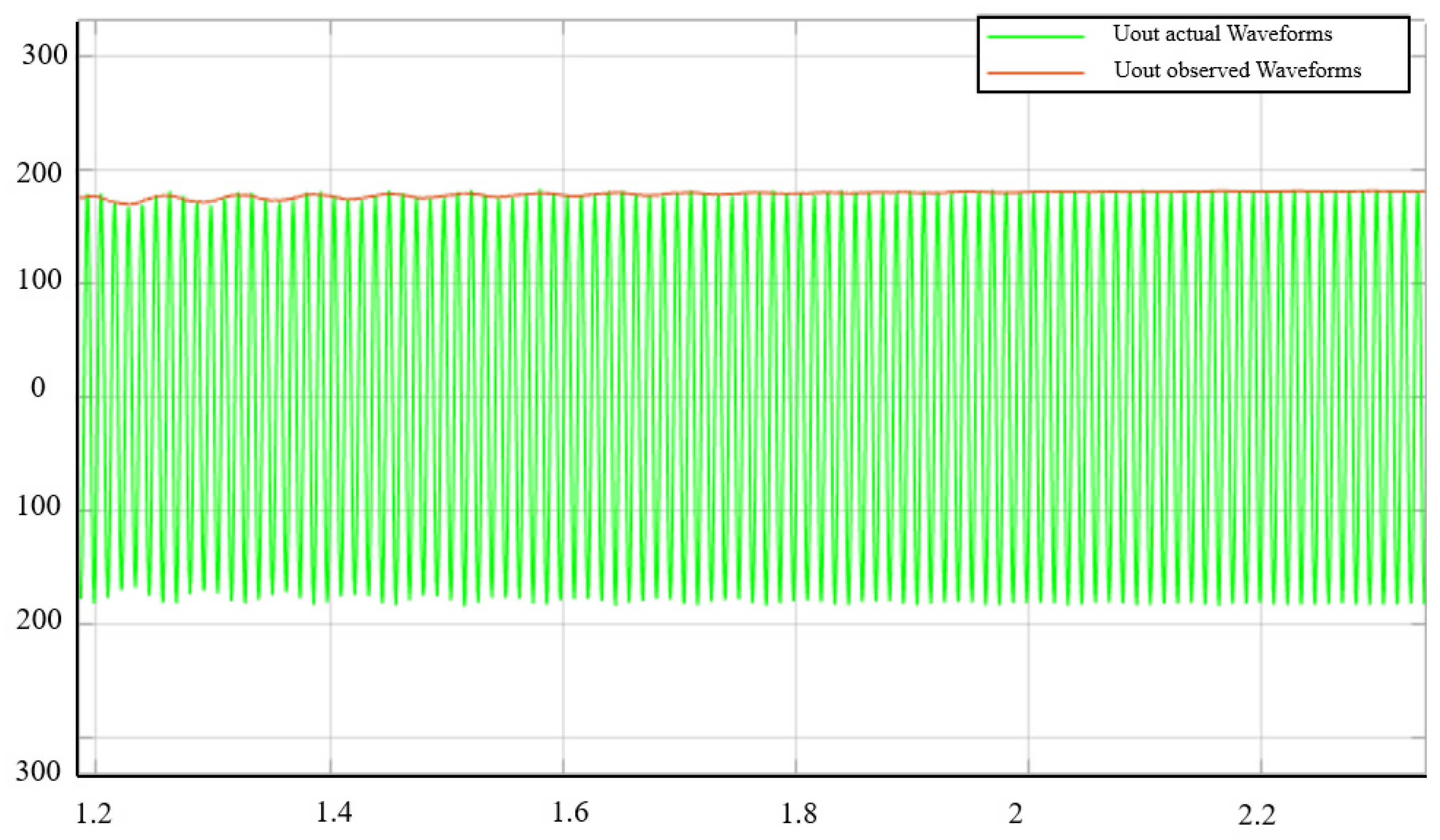
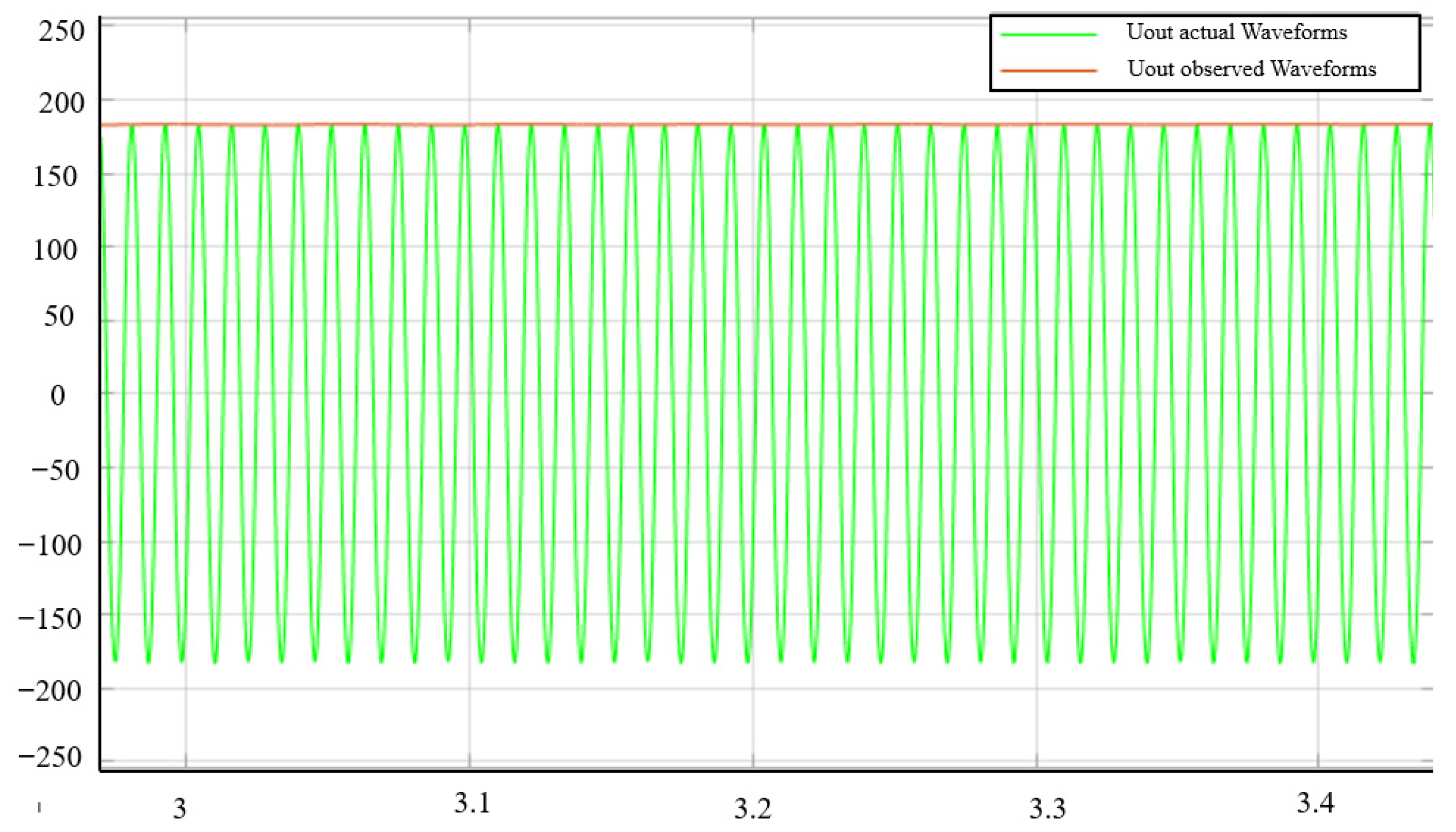
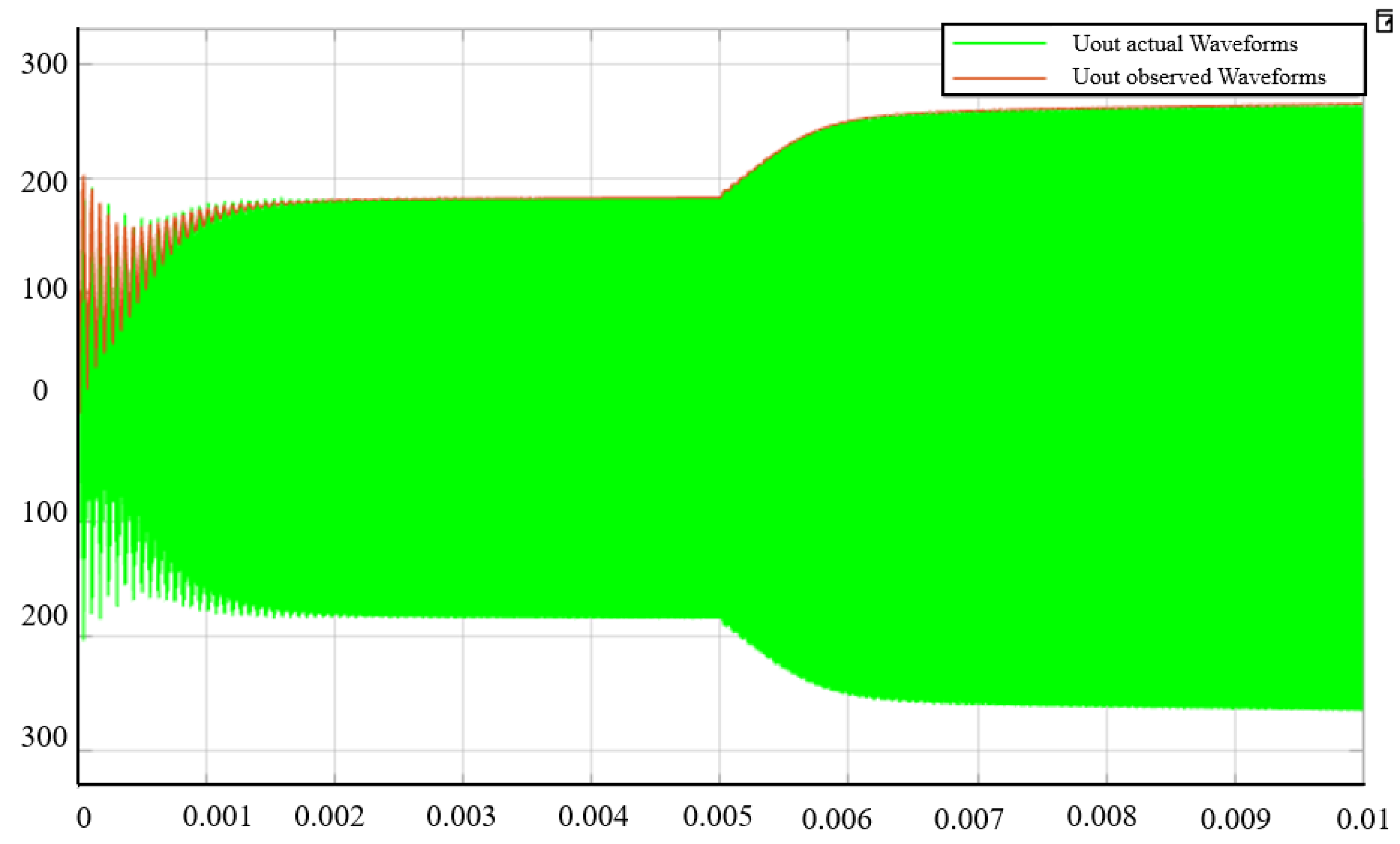
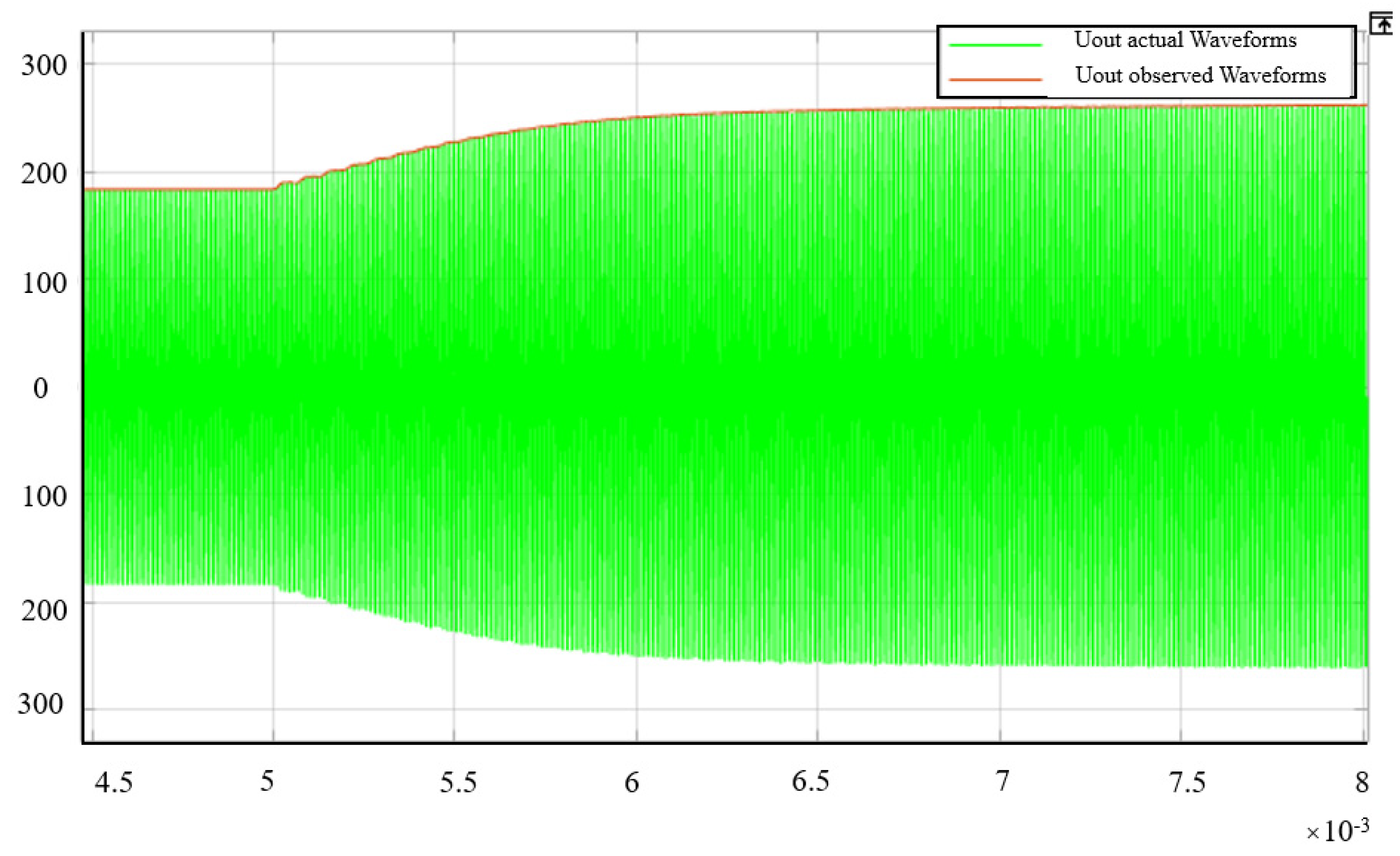
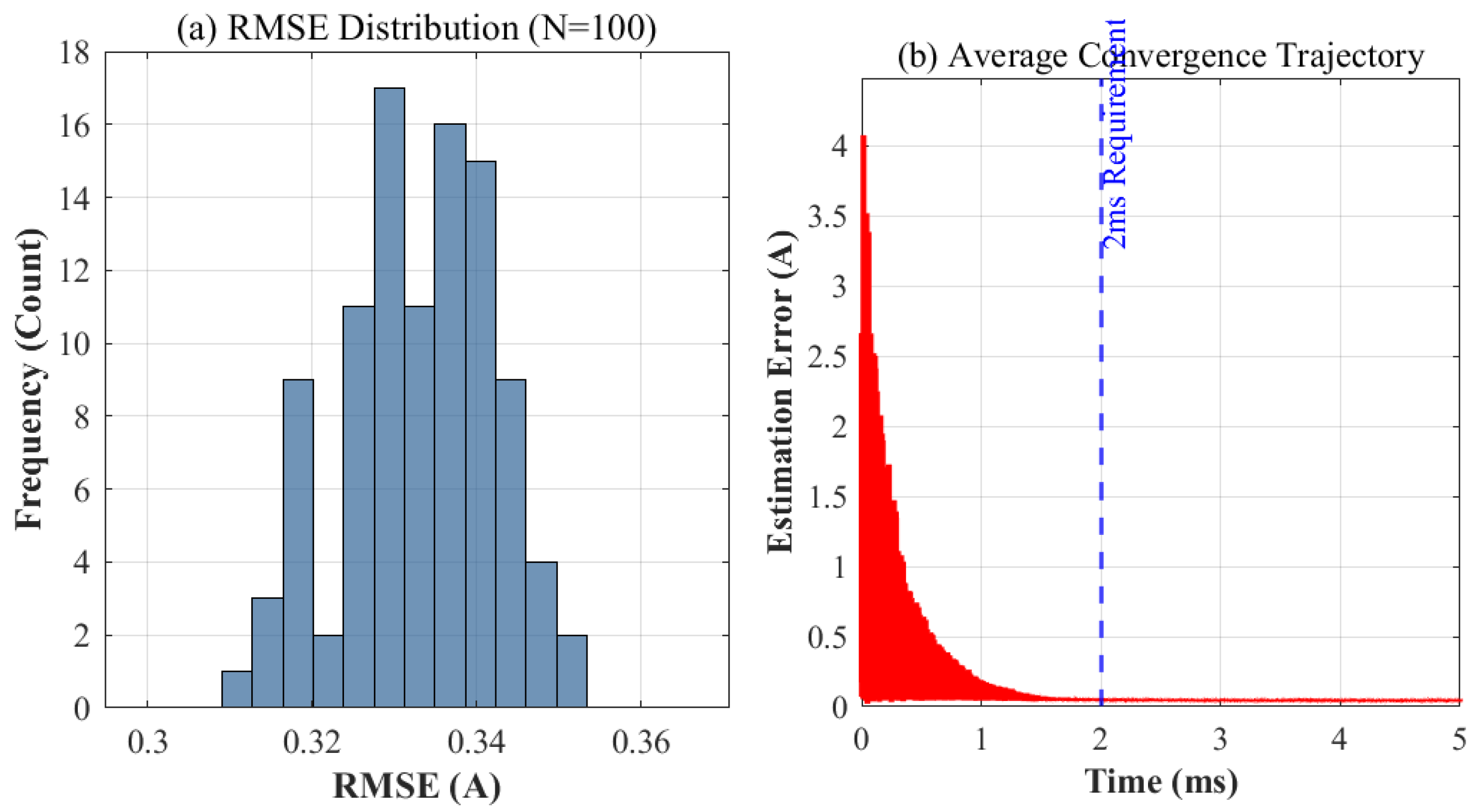
In wireless power transfer (WPT) systems, magnetically coupled wireless power transfer has become a major research focus due to its advantages such as long transmission distance, strong tolerance to misalignment, and high power transfer capability. It is also widely applied in vehicle wireless power transfer systems. From the perspective of practical engineering applications, this paper investigates the problem of system parameter variations caused by changes in inductance and load, in combination with magnetically coupled structures. During actual system operation, misalignment of the coupling mechanism leads to variations in mutual inductance, while the load resistance may also fluctuate. These parameter changes result in alterations to the overall output characteristics of the system, which are detrimental to stable system operation. Moreover, adopting a dual-side communication control strategy is susceptible to interference from the system’s power circuitry. To address these issues, this paper proposes a novel state variable modeling method and designs a state observer based on the extended Kalman filter (EKF) algorithm to estimate the secondary-side parameters, thereby enabling observation of the voltage across the load at the receiver side. The state observer is configured with two operating modes to monitor variations in mutual inductance and load resistance. The observer outputs are compared with the actual load-side voltage, and the effectiveness of the proposed state observer is verified.
Keywords: radio energy transmission; coupled mutual inductance changes; load changes; state variable modeling; state radio energy transmission; coupled mutual inductance changes; load changes; state variable modeling; state