Article

Modeling and Simulation of an Electric Rail System: Impacts on Vehicle Dynamics and Stability

Laboratory of Environmental Assessment, Safety and Ecodesign (EASE)—Department of Planning, Mobility, Environment (AME), Gustave Eiffel University, 25 Avenue François Mitterrand, 69500 Bron, France
*
Author to whom correspondence should be addressed.
Vehicles 2025, 7(2), 36; https://doi.org/10.3390/vehicles7020036

Submission received: 26 February 2025 / Revised: 18 April 2025 / Accepted: 19 April 2025 / Published: 23 April 2025

Abstract

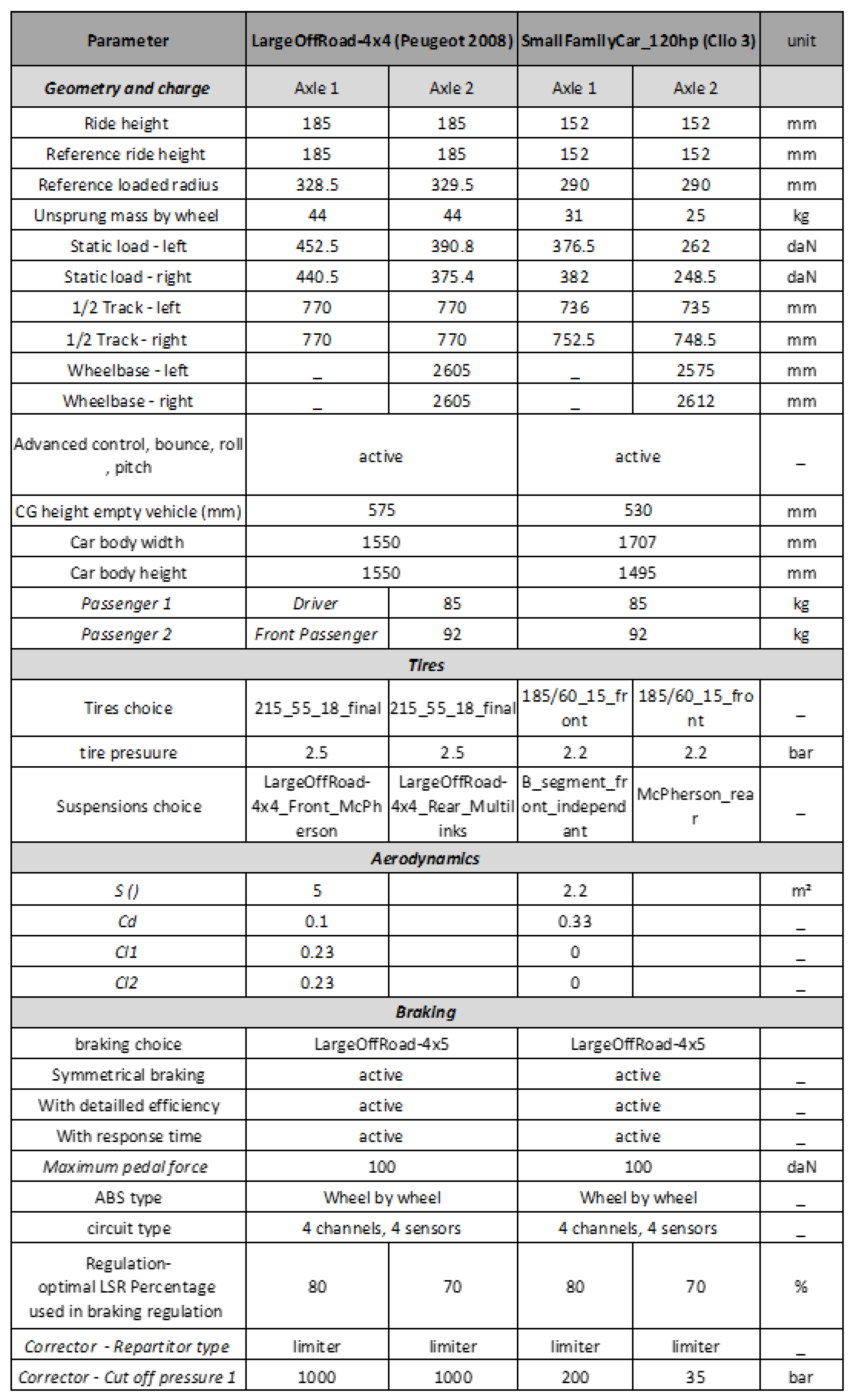
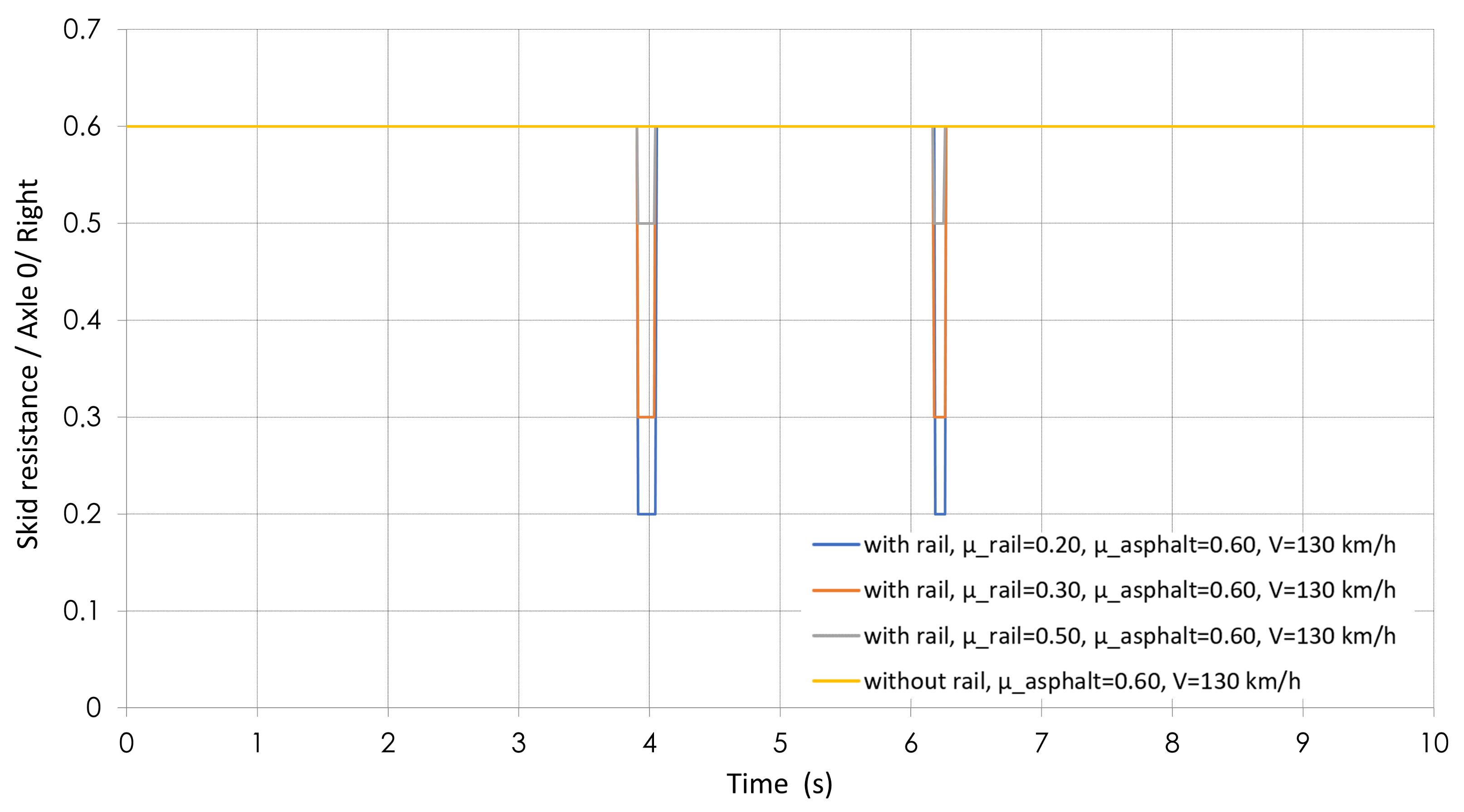
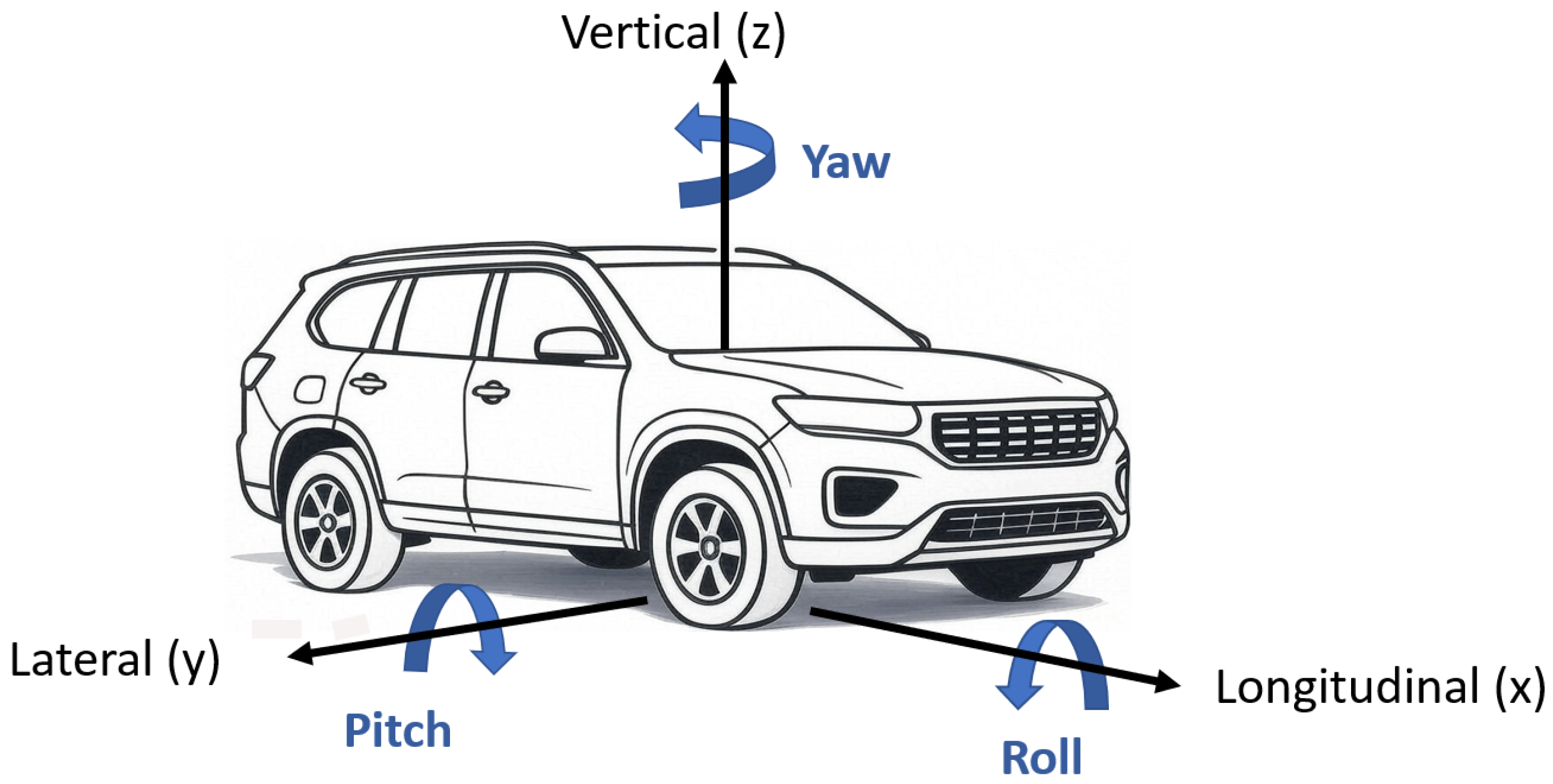
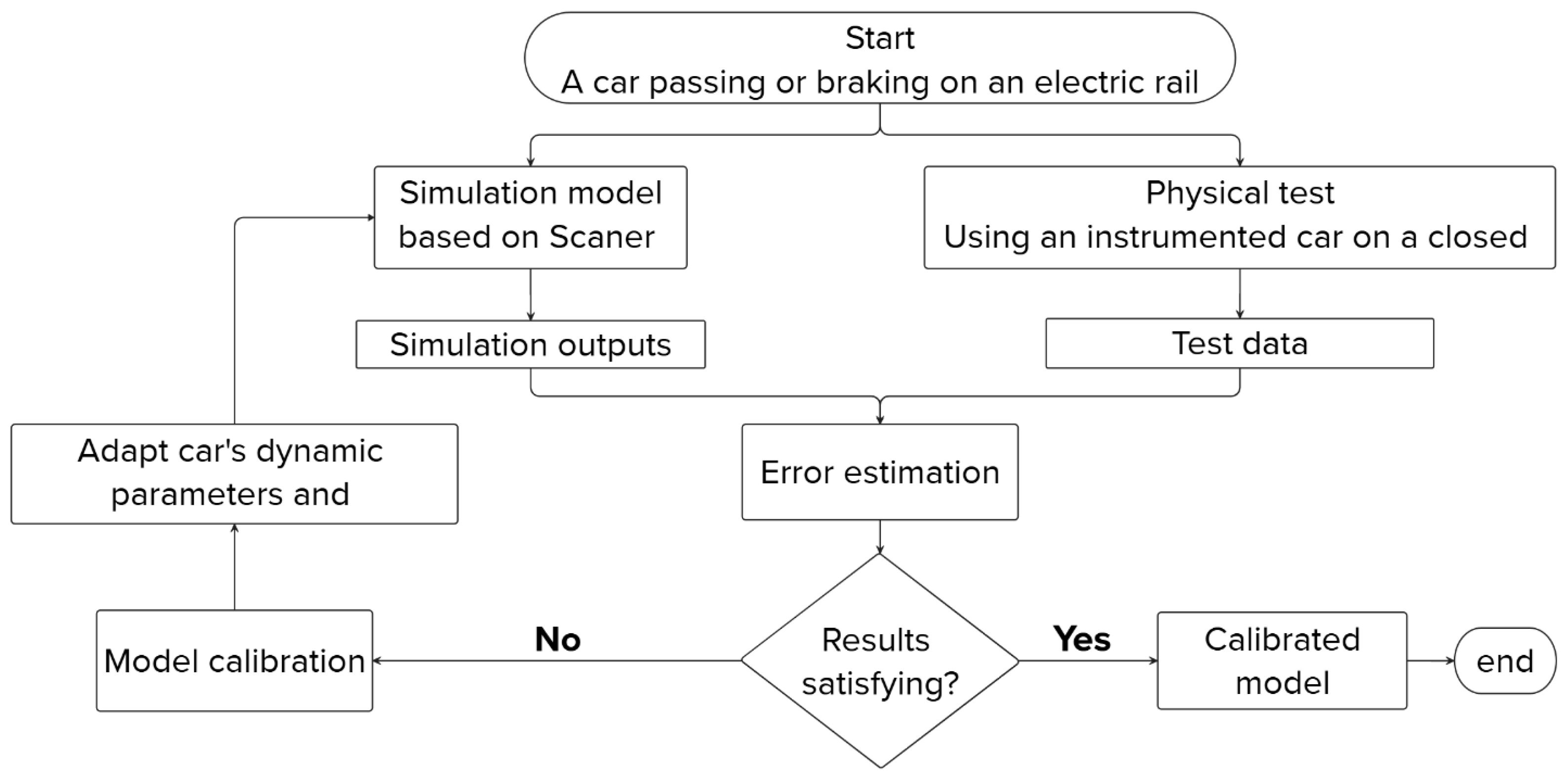
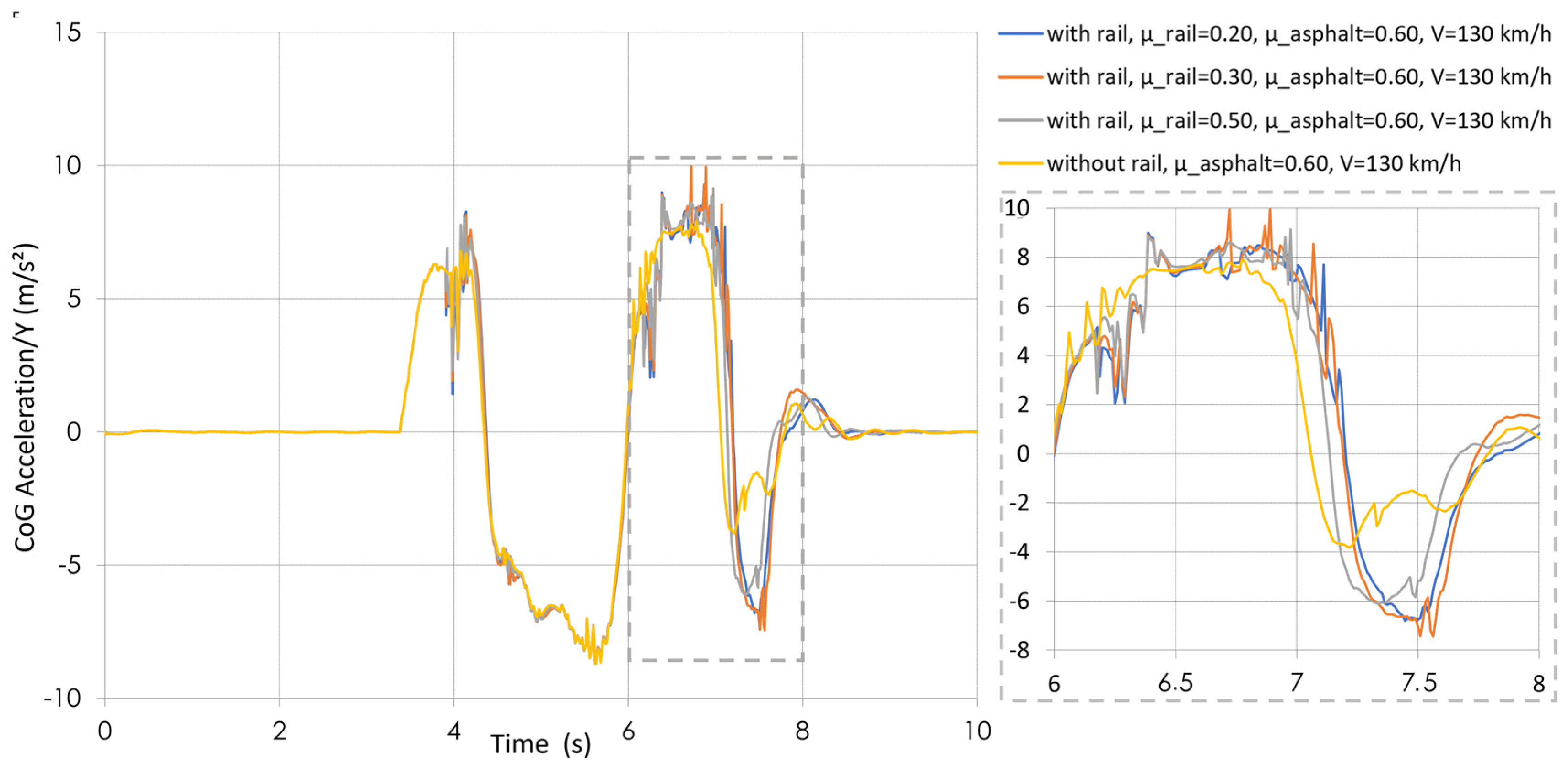
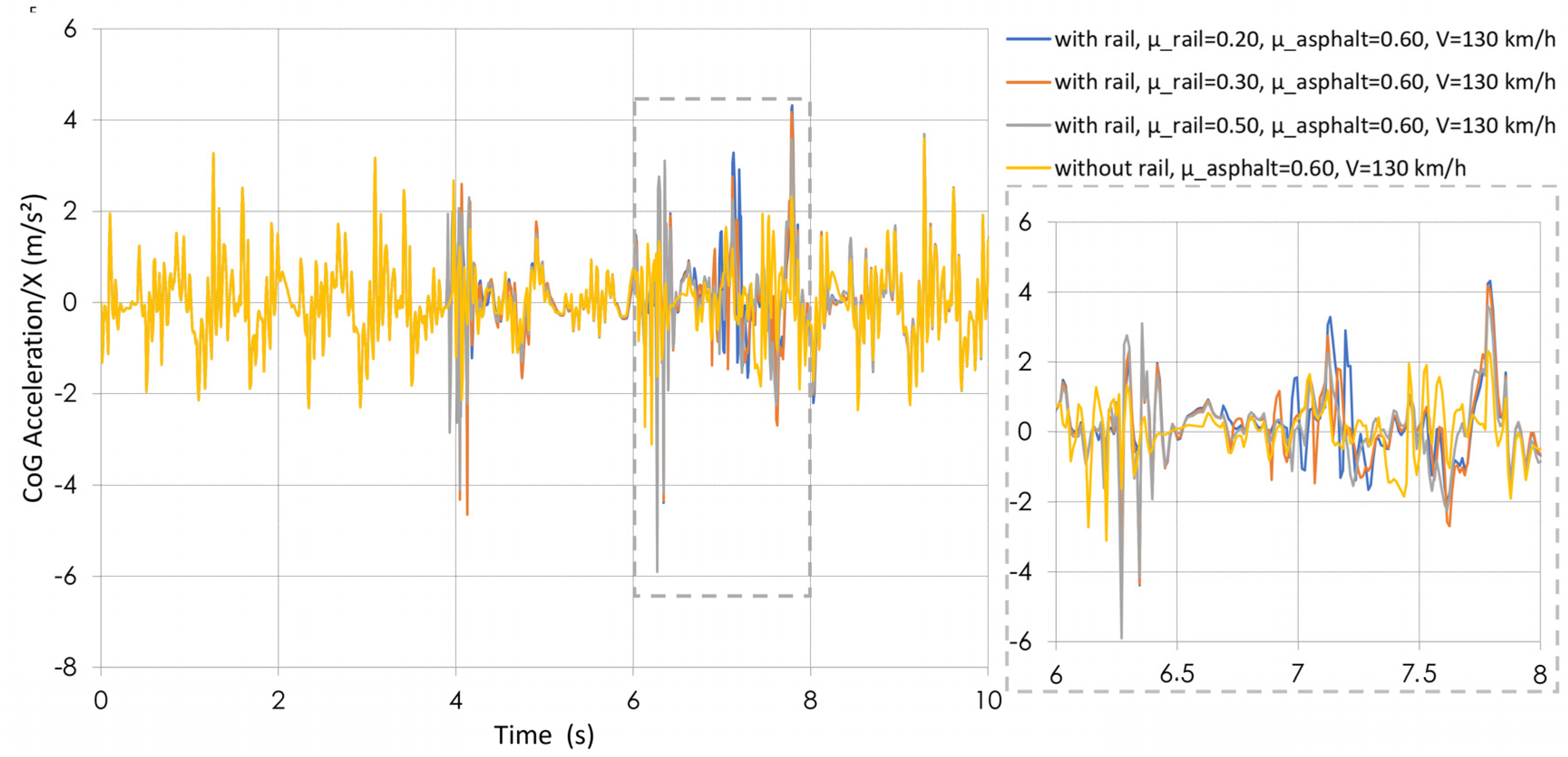
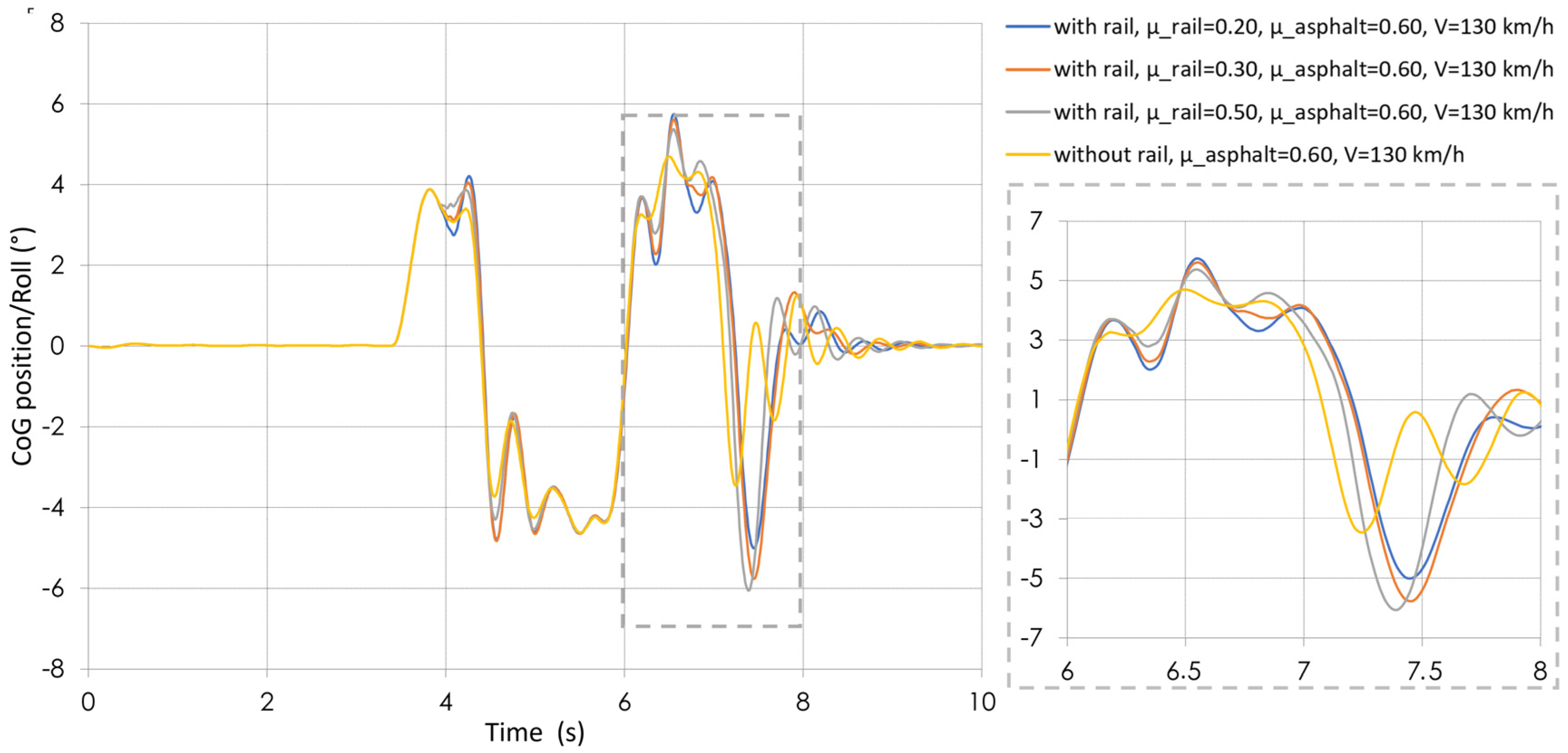
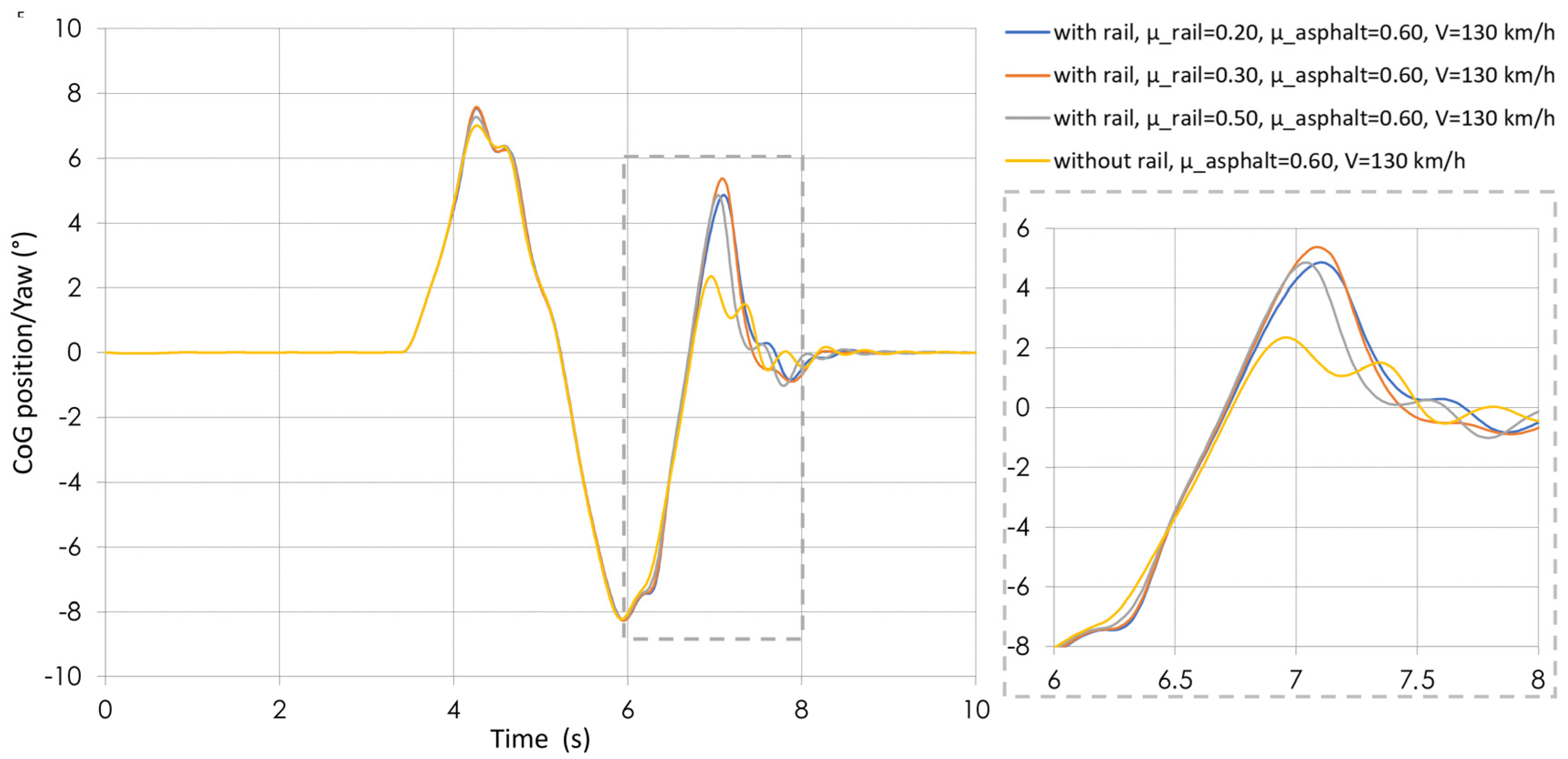
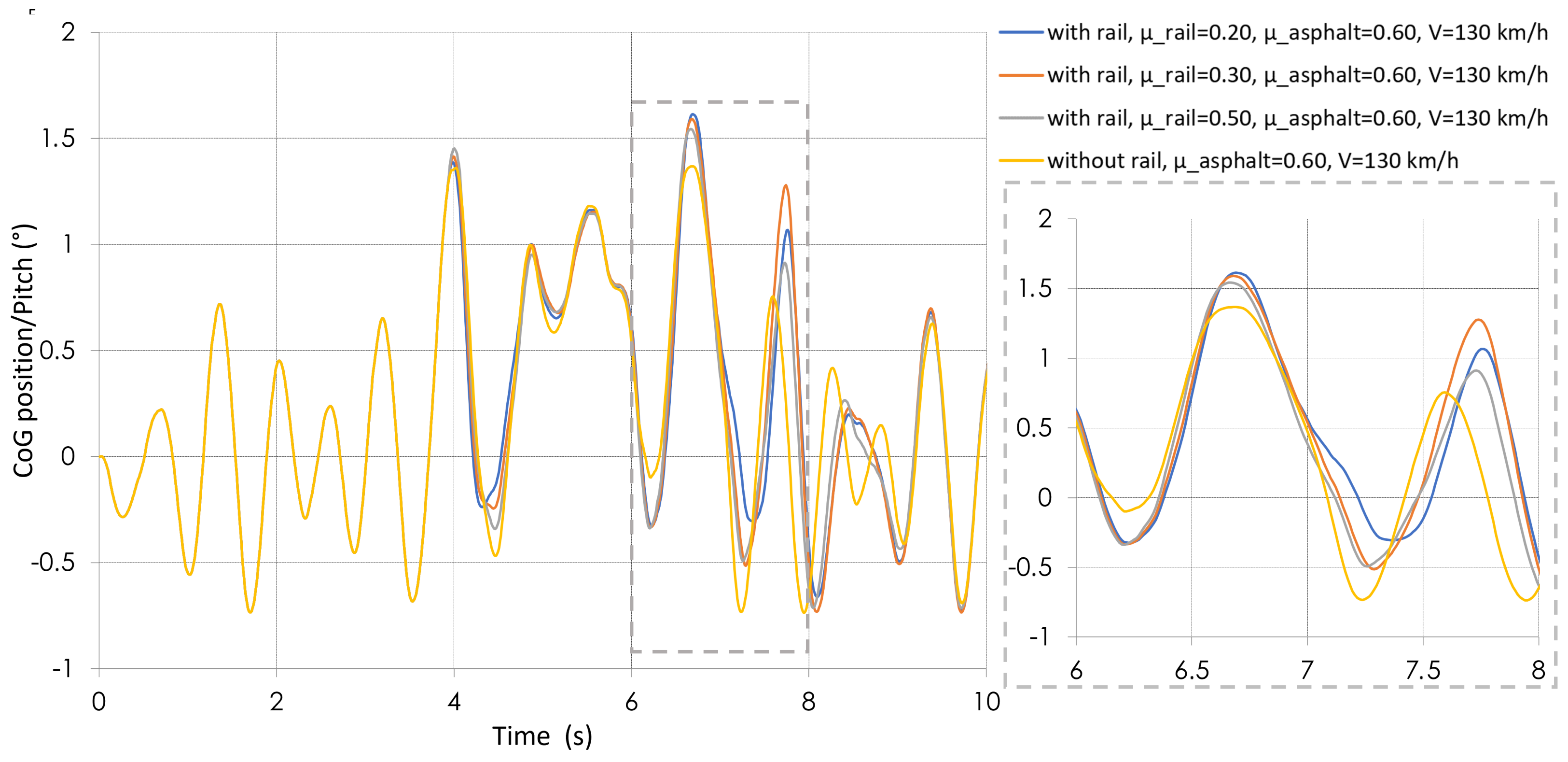
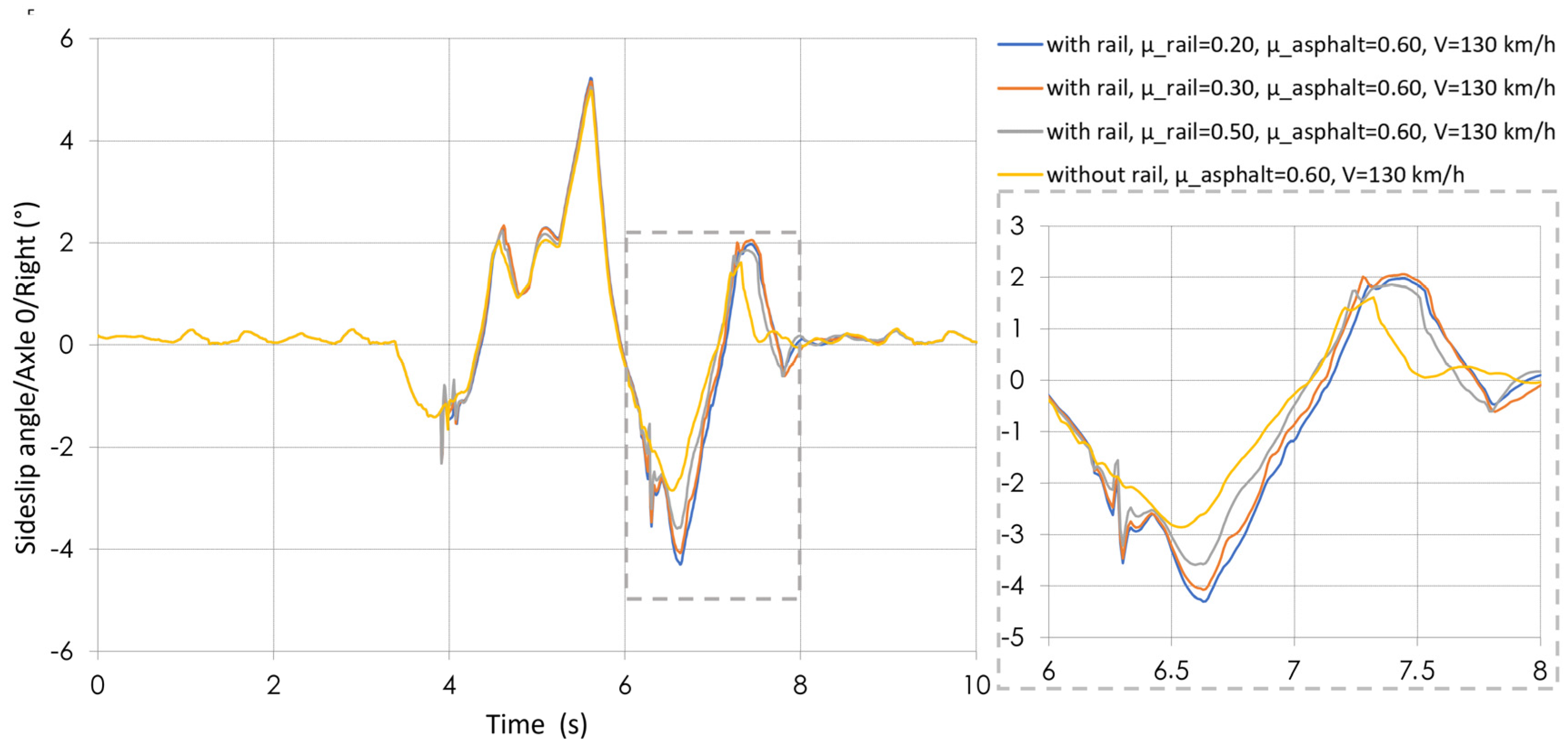
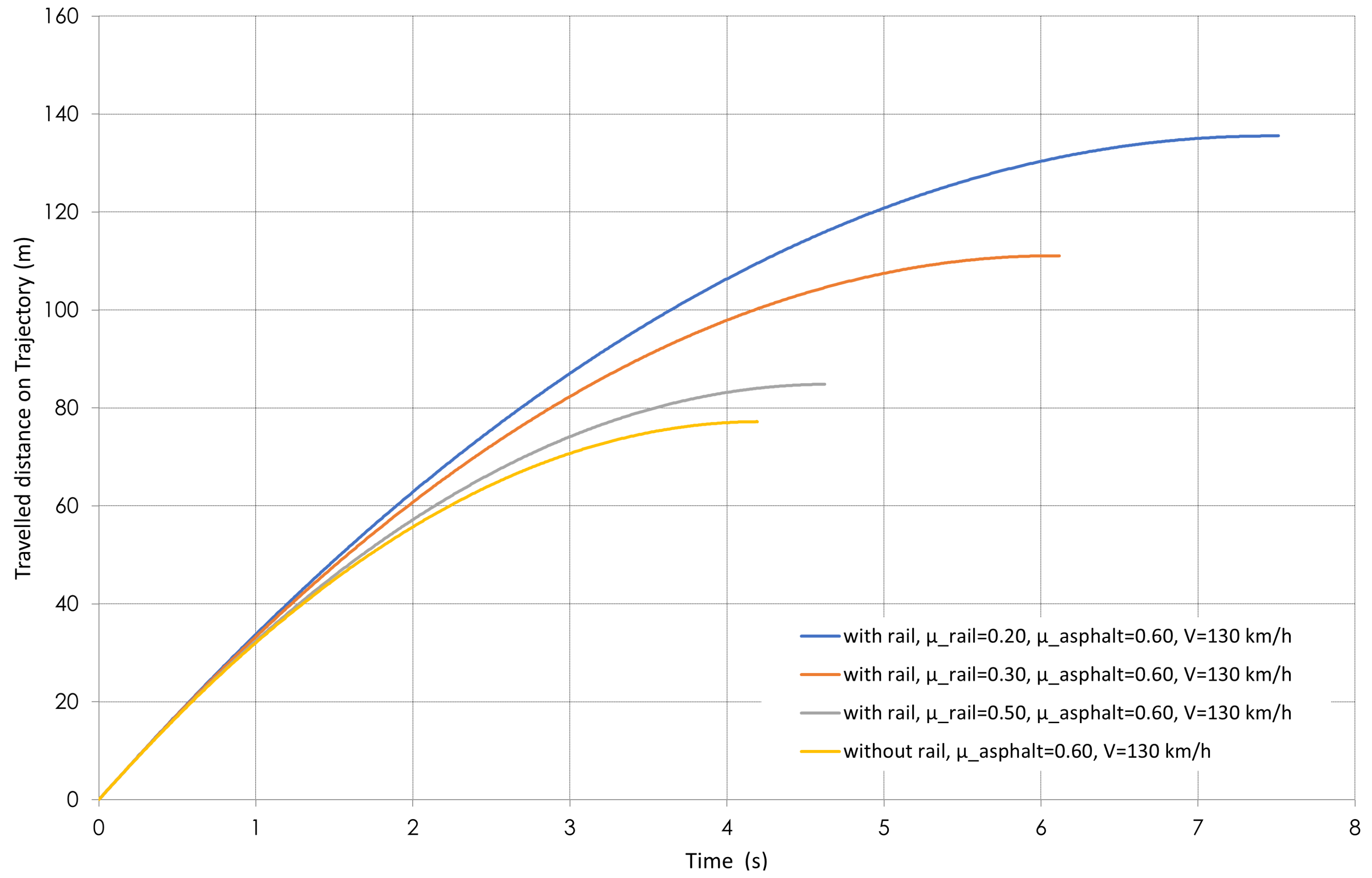
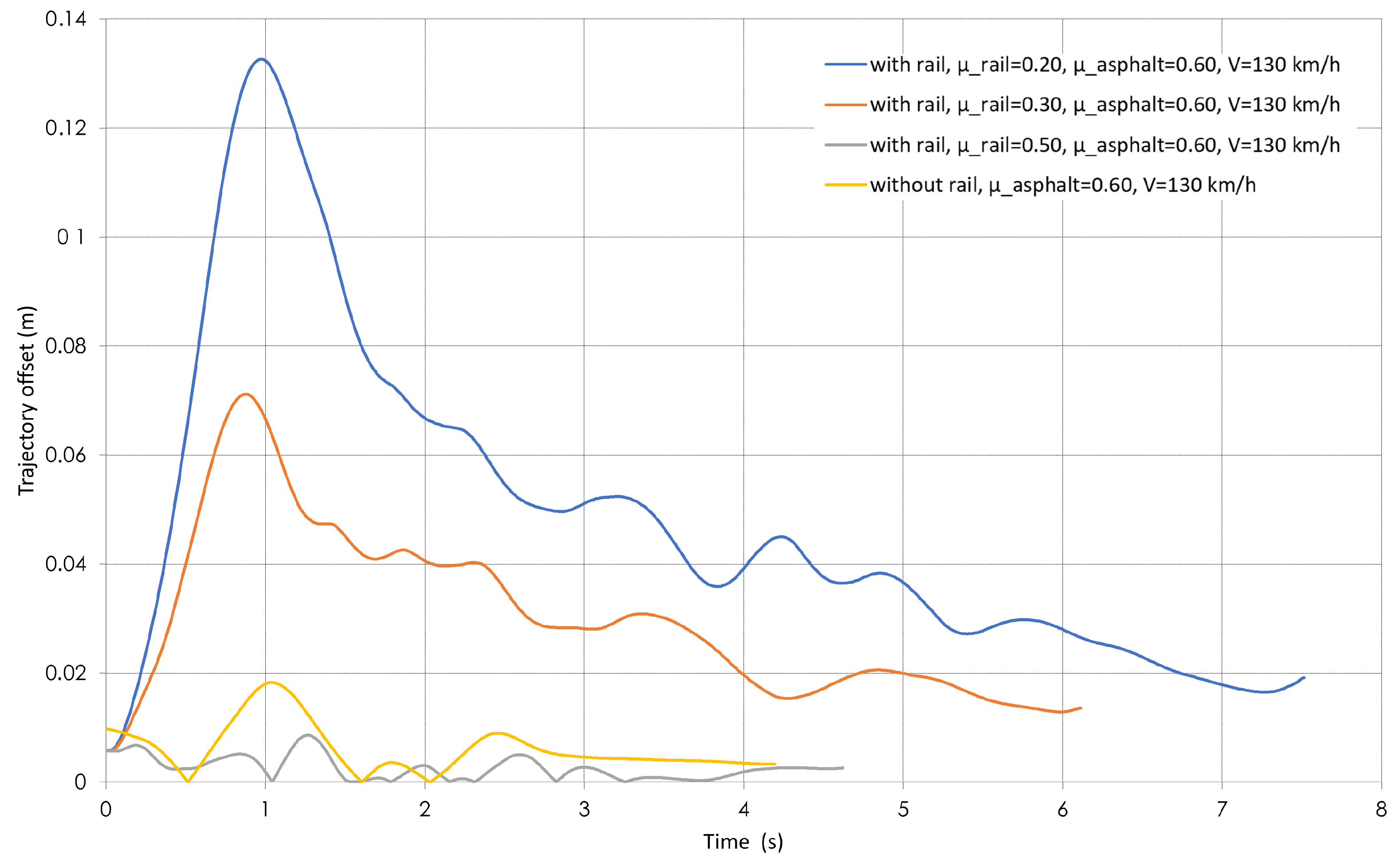
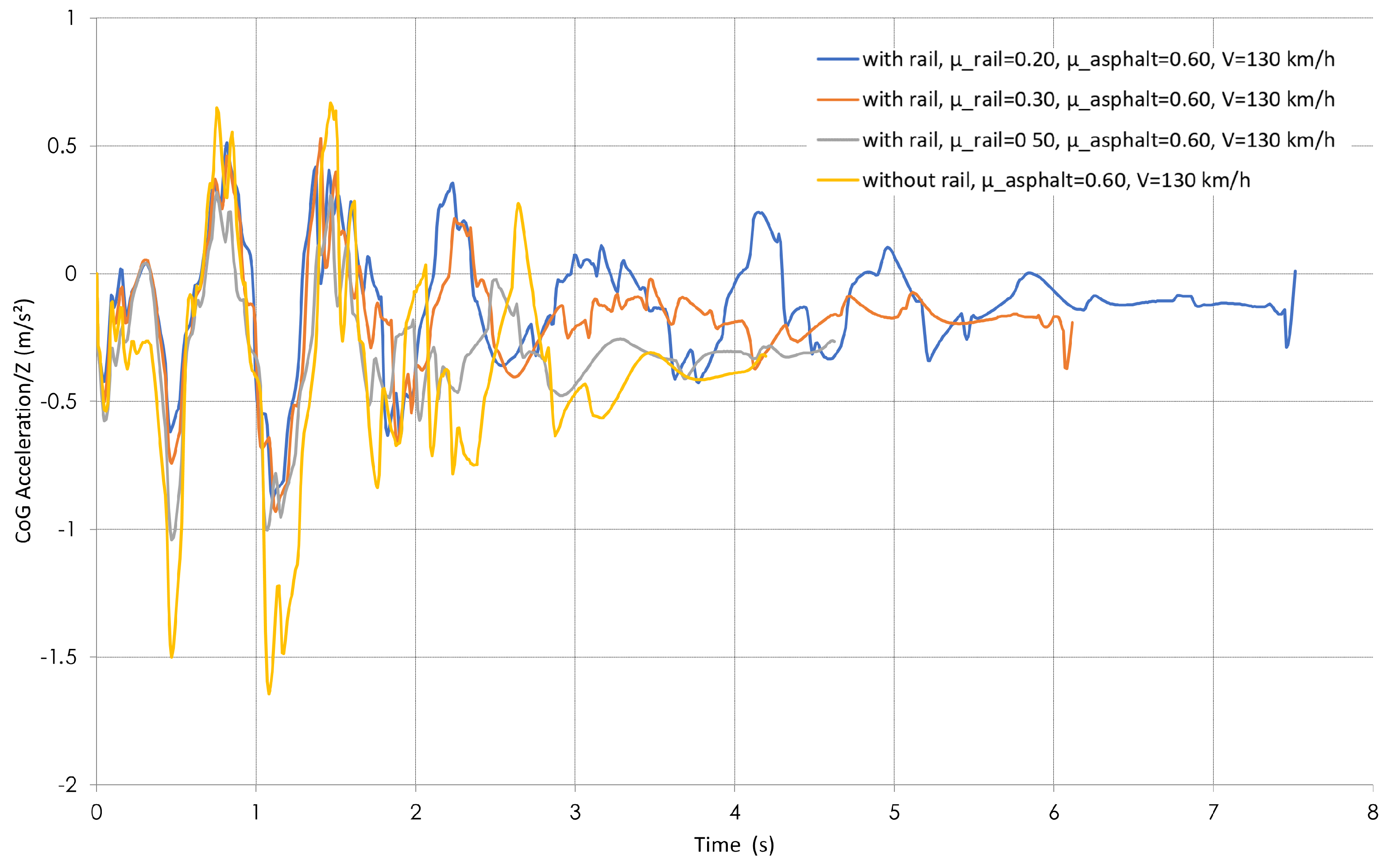
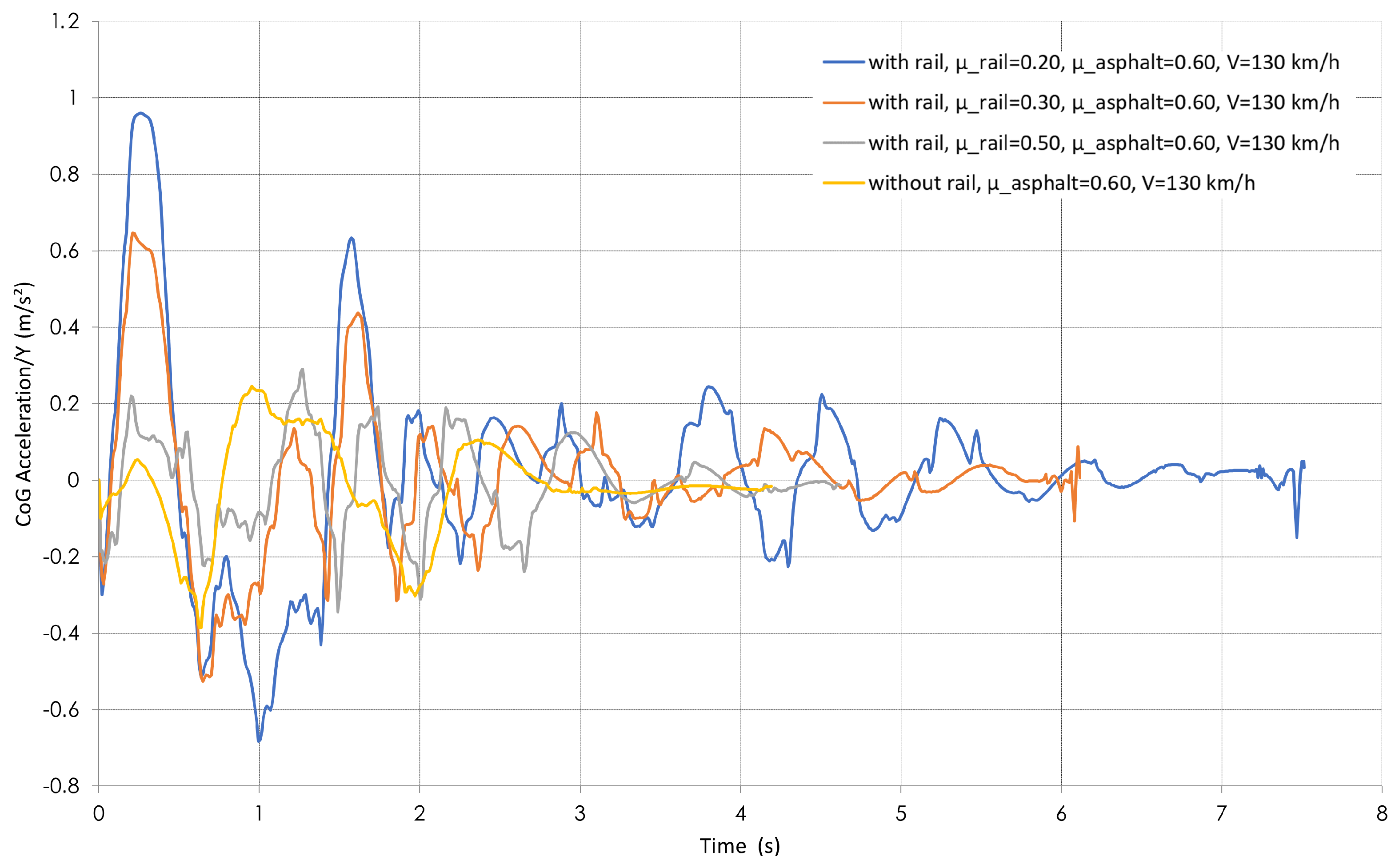
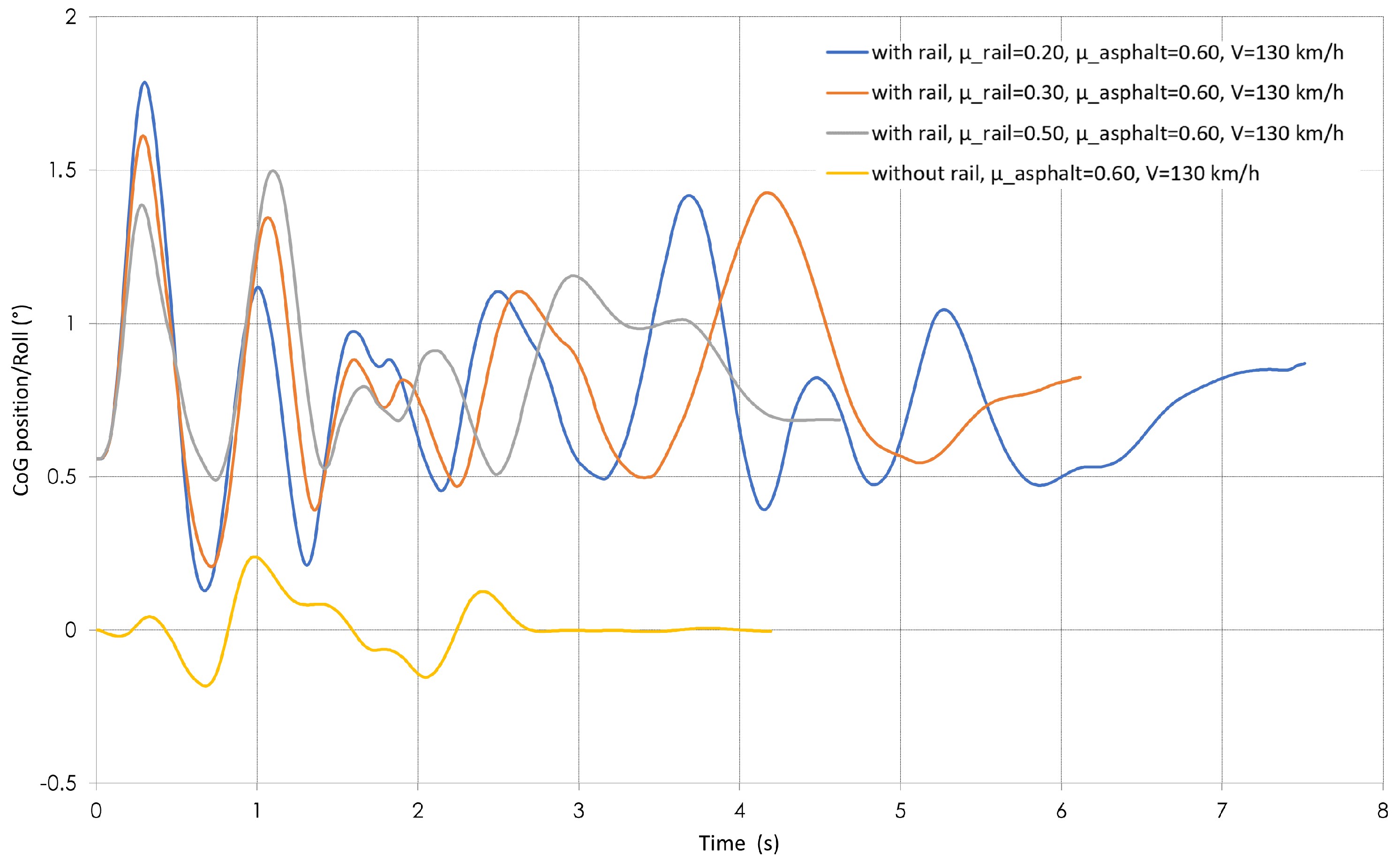
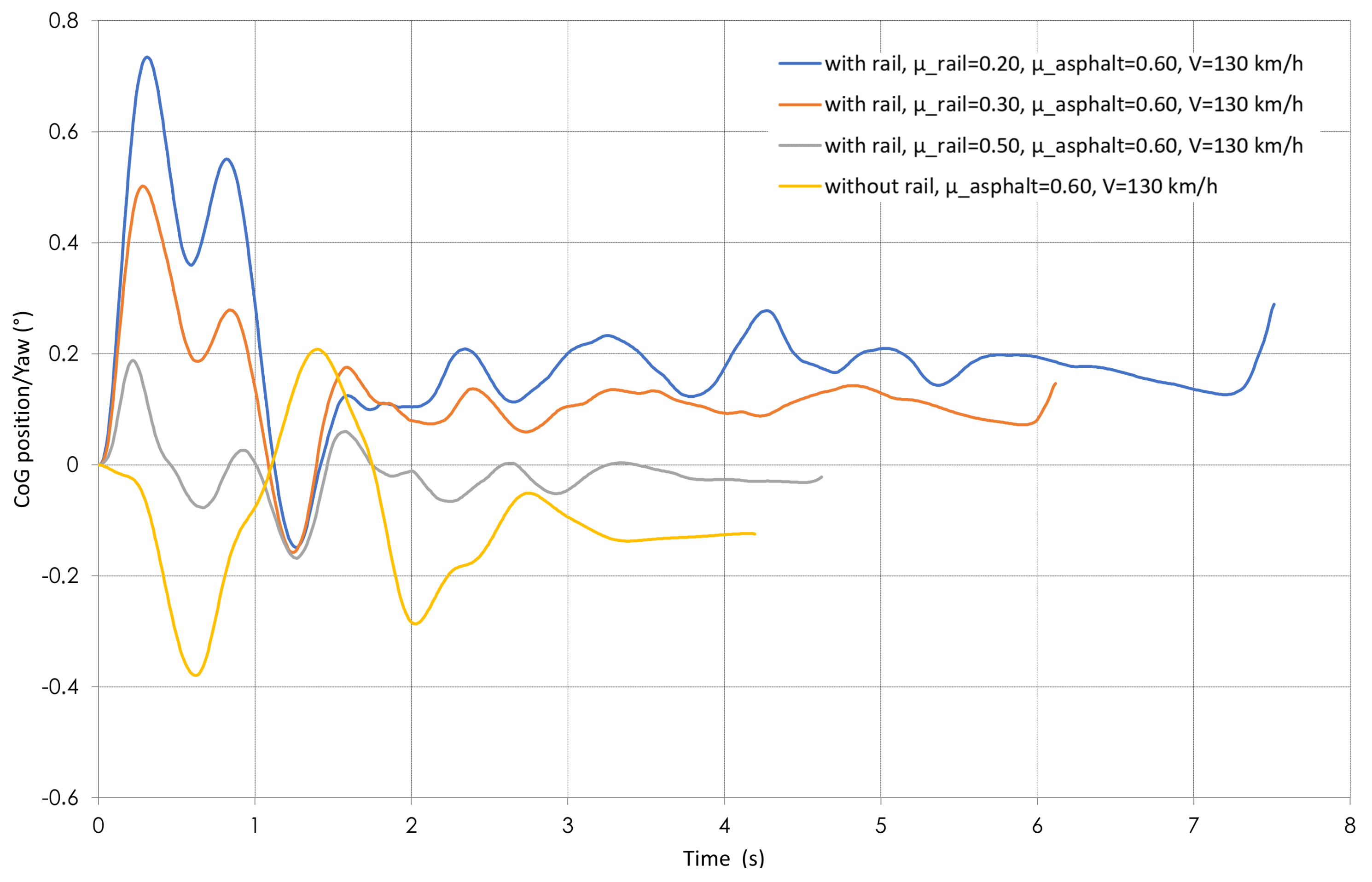
This study investigates the impact of a conductive Electric Road System (ERS) rail on vehicle dynamics and stability through numerical simulations. The ERS rail, designed for dynamic charging of electric vehicles, was modeled and tested under various operational conditions, including different vehicle types (SUV and city car) and skid resistance levels (Side-friction coefficient (SFC) ranging from 0.20 to 0.60). Simulations were implemented at multiple speeds (50 to 130 km/h) to assess longitudinal, lateral, vertical accelerations, roll, yaw, pitch angles, and braking performance during lane changes and emergency braking maneuvers. Experimental tests using instrumented vehicles (Peugeot E-2008, Renault Clio 3) were conducted to calibrate the numerical model and validate the simulation results. Key findings reveal that, while the ERS rail slightly increases vertical acceleration and braking distance, it does not compromise overall vehicle stability. Lane-change tests showed minimal trajectory deviations (below 0.20 m) and acceleration levels remained within safety limits. However, discomfort was noted at higher speeds (90–110 km/h) with low skid resistance (SFC = 0.20). This comprehensive evaluation provides valuable insights into the safety and operational performance of ERS rails, emphasizing the importance of optimizing rail skid resistance to ensure practical large-scale deployment and enhanced road safety.
Keywords: electric road systems; conductive rail; modeling and simulation; vehicle dynamics; vehicle stability; road-tire interaction electric road systems; conductive rail; modeling and simulation; vehicle dynamics; vehicle stability; road-tire interaction