Article

Optimizing IoMT Security: Performance Trade-Offs Between Neural Network Architectural Design, Dimensionality Reduction, and Class Imbalance Handling


1
Computer Science Department, College of Computer and Information Sciences, Prince Sultan University, Riyadh 11586, Saudi Arabia
2
RIOTU Lab, Prince Sultan University, Riyadh 11586, Saudi Arabia
3
RISC-ENIT Lab, National Engineering School of Tunis, University of Tunis El Manar, Tunis 1002, Tunisia
4
Information Technology Department, Faculty of Computing and Information Technology, King Abdulaziz University, Jeddah 21589, Saudi Arabia
5
Center of Excellence in Smart Environment Research, King Abdulaziz University, Jeddah 21589, Saudi Arabia
*
Authors to whom correspondence should be addressed.
Submission received: 20 October 2025 / Revised: 20 November 2025 / Accepted: 26 November 2025 / Published: 29 November 2025

Abstract

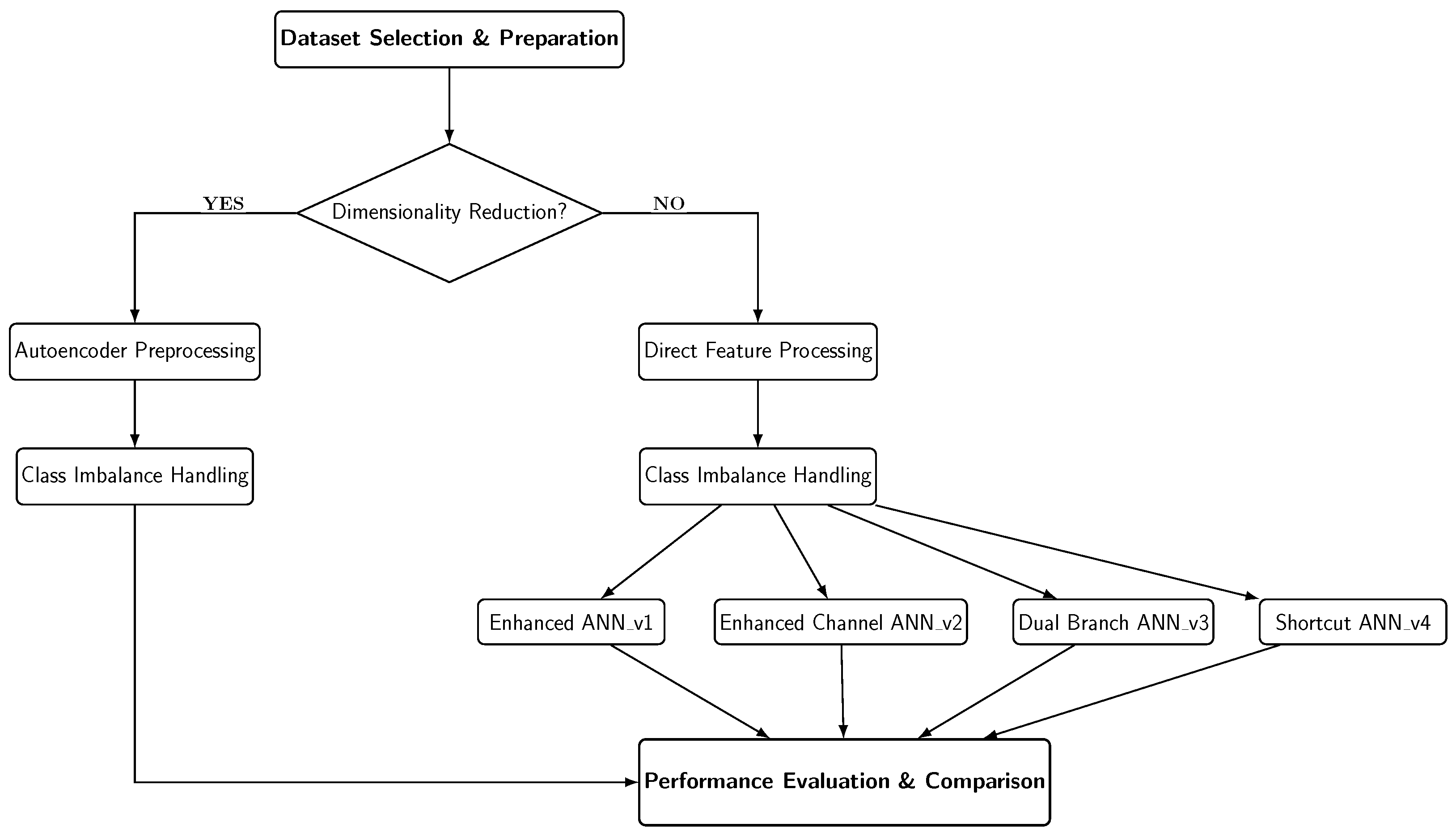
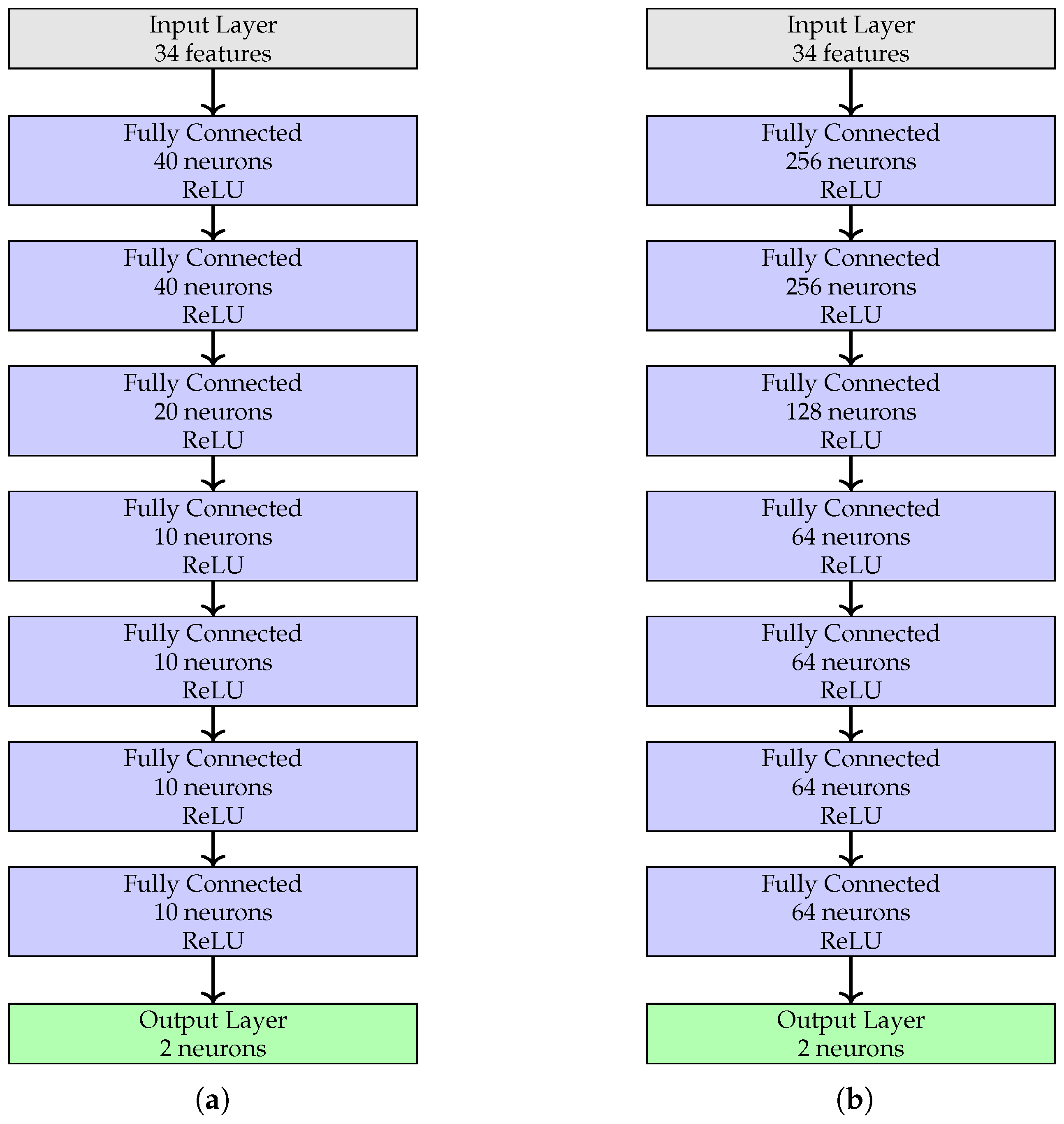
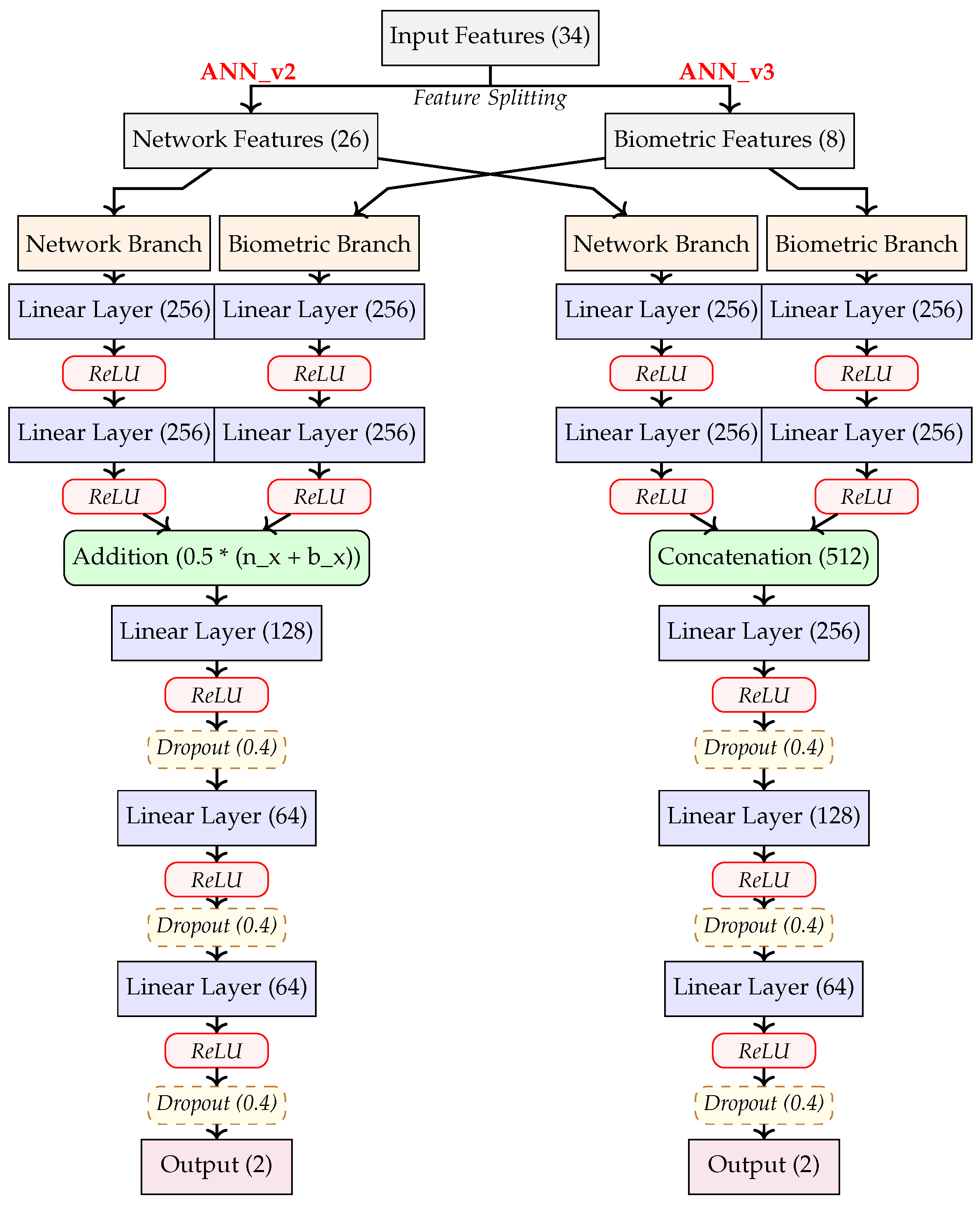
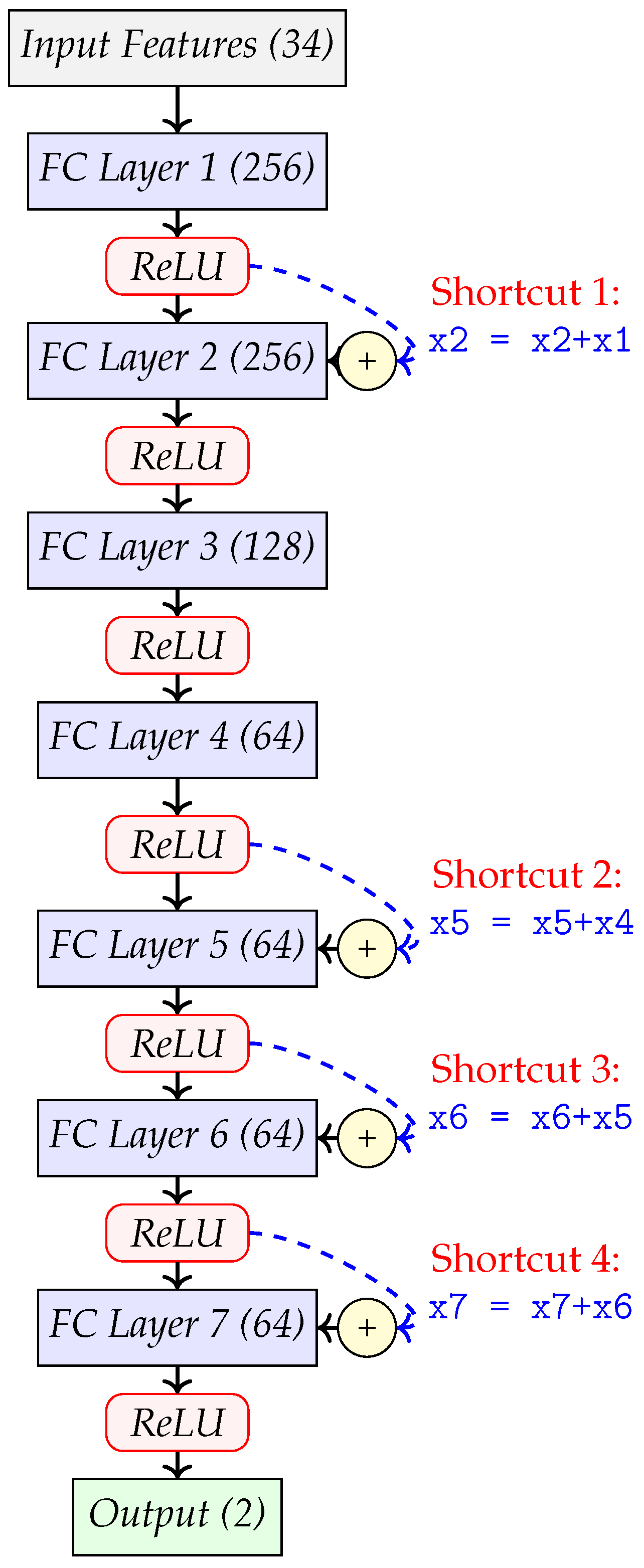
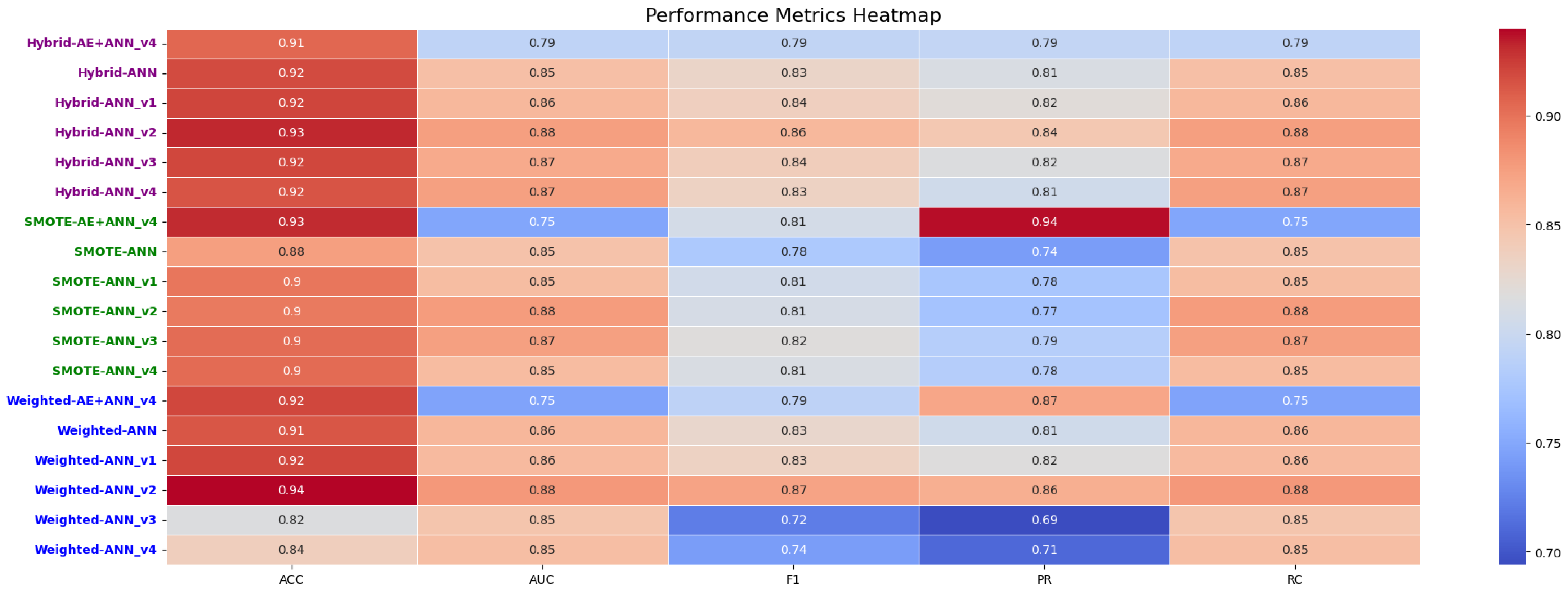
The proliferation of Internet of Medical Things (IoMT) devices in healthcare requires robust intrusion detection systems to protect sensitive data and ensure patient safety. While existing neural network-based Intrusion Detection Systems have shown considerable effectiveness, significant challenges persist—particularly class imbalance and high data dimensionality. Although various approaches have been proposed to mitigate these issues, their actual impact on detection accuracy remains insufficiently explored. This study investigates advanced Artificial Neural Network (ANN) architectures and preprocessing strategies for intrusion detection in IoMT environments, addressing critical challenges of feature dimensionality and class imbalance. Leveraging the WUSTL-EHMS-2020 dataset—a specialized dataset specifically designed for IoMT cybersecurity research—this research systematically examines the performance of multiple neural network designs. Our research implements and evaluates five distinct ANN architectures: the Standard Feedforward Network, the Enhanced Channel ANN, Dual-Branch Addition and Concatenation ANNs, and the Shortcut Connection ANN. To mitigate the class imbalance challenge, we compare three balancing approaches: the Synthetic Minority Over-sampling Technique (SMOTE), Hybrid Over-Under Sampling, and the Weighted Cross-Entropy Loss Function. Performance analysis reveals nuanced insights across different architectures and balancing strategies. SMOTE-based models achieved average AUC scores ranging from 0.8491 to 0.8766. Hybrid sampling strategies improved performance, with AUC increasing to 0.8750. The weighted cross-entropy loss function demonstrated the most consistent performance. The most significant finding emerges from the Dual-Branch ANN with addition operations and a weighted loss function, which achieved 0.9403 Accuracy, 0.8786 AUC, a 0.8716 F1-Score, 0.8650 Precision, and 0.8786 Recall. Compared to the related work’s baseline, it demonstrates a substantial increase in F1 Score by 8.45% and an improvement of 18.67% in AUC and Recall, highlighting the model’s superiority at identifying potential security threats and minimizing false negatives.
Keywords: intrusion detection; IoT; healthcare security; neural networks; ANN; autoencoders; class imbalance intrusion detection; IoT; healthcare security; neural networks; ANN; autoencoders; class imbalance