Article

Studying Intense Convective Rainfall in Turin’s Urban Area for Urban Flooding Early Warning System Implementation

1
Department of Natural and Environmental Risks, Regional Agency of Environmental Protection of Piemonte (Arpa Piemonte), 10135 Turin, Italy
2
Research Center, Società Metropolitana Acque Torino S.p.A., 10127 Turin, Italy
*
Author to whom correspondence should be addressed.
These authors contributed equally to this work.
GeoHazards 2024, 5(3), 799-815; https://doi.org/10.3390/geohazards5030040

Submission received: 30 May 2024 / Revised: 21 July 2024 / Accepted: 12 August 2024 / Published: 16 August 2024

Abstract

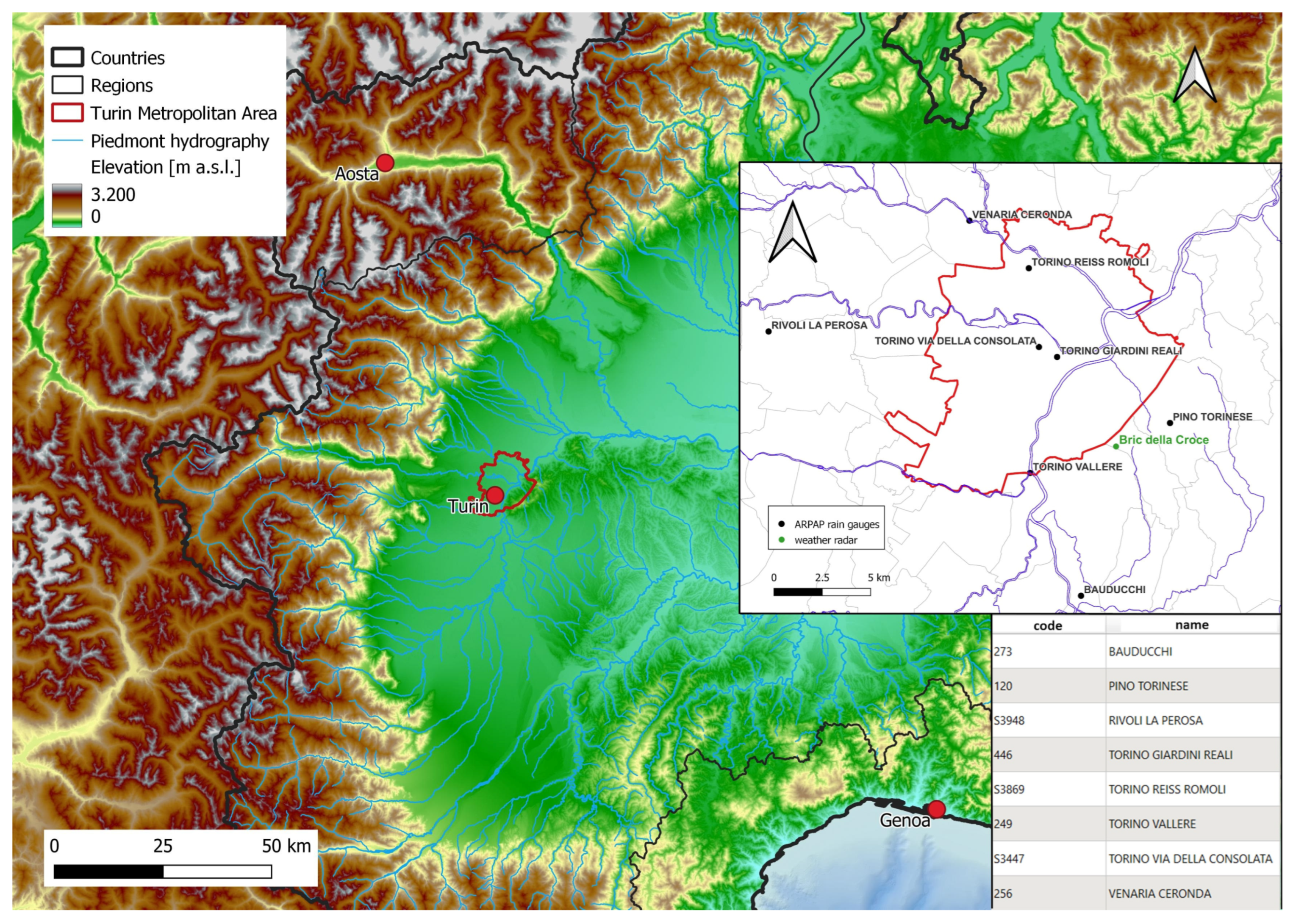
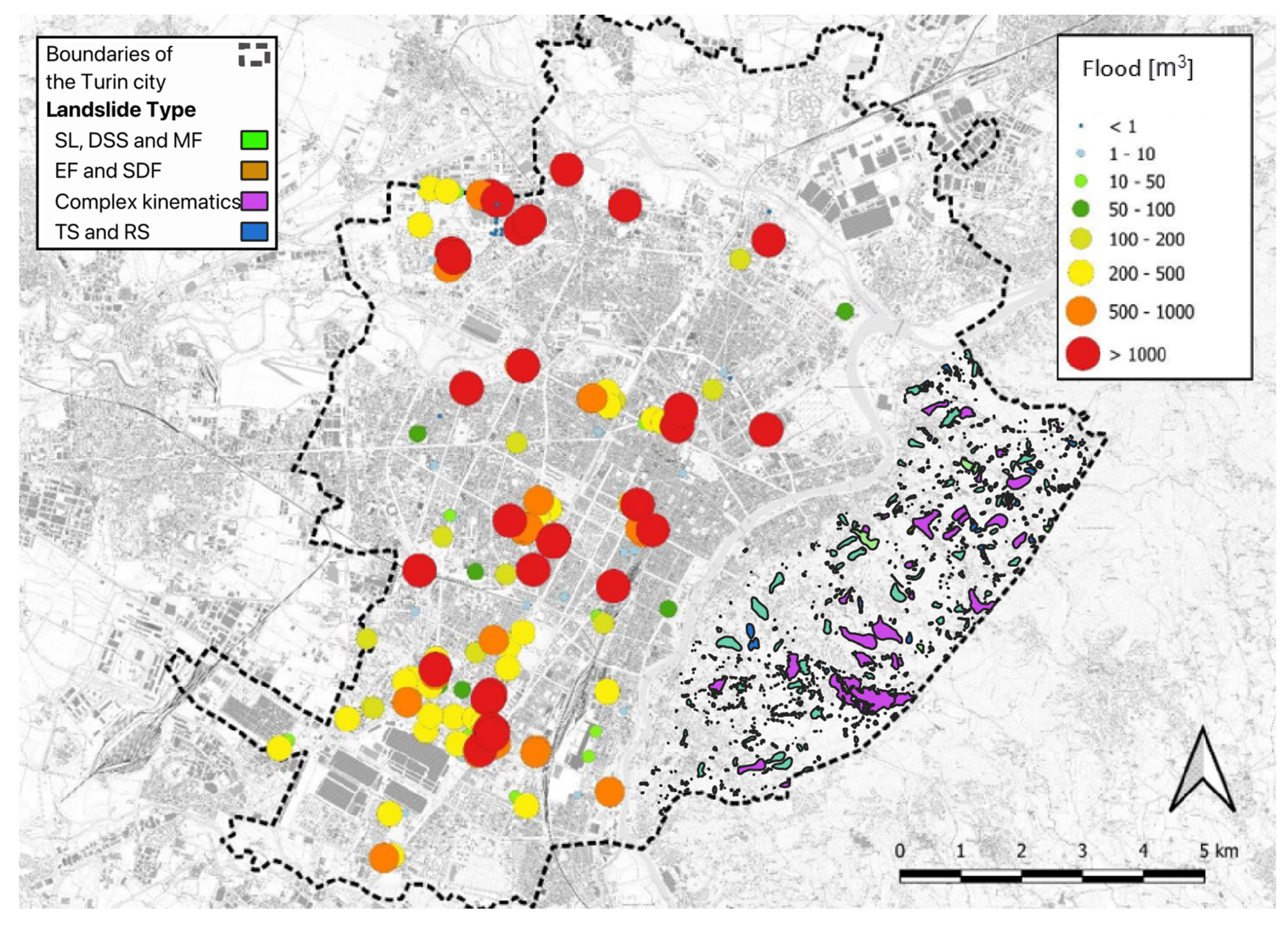
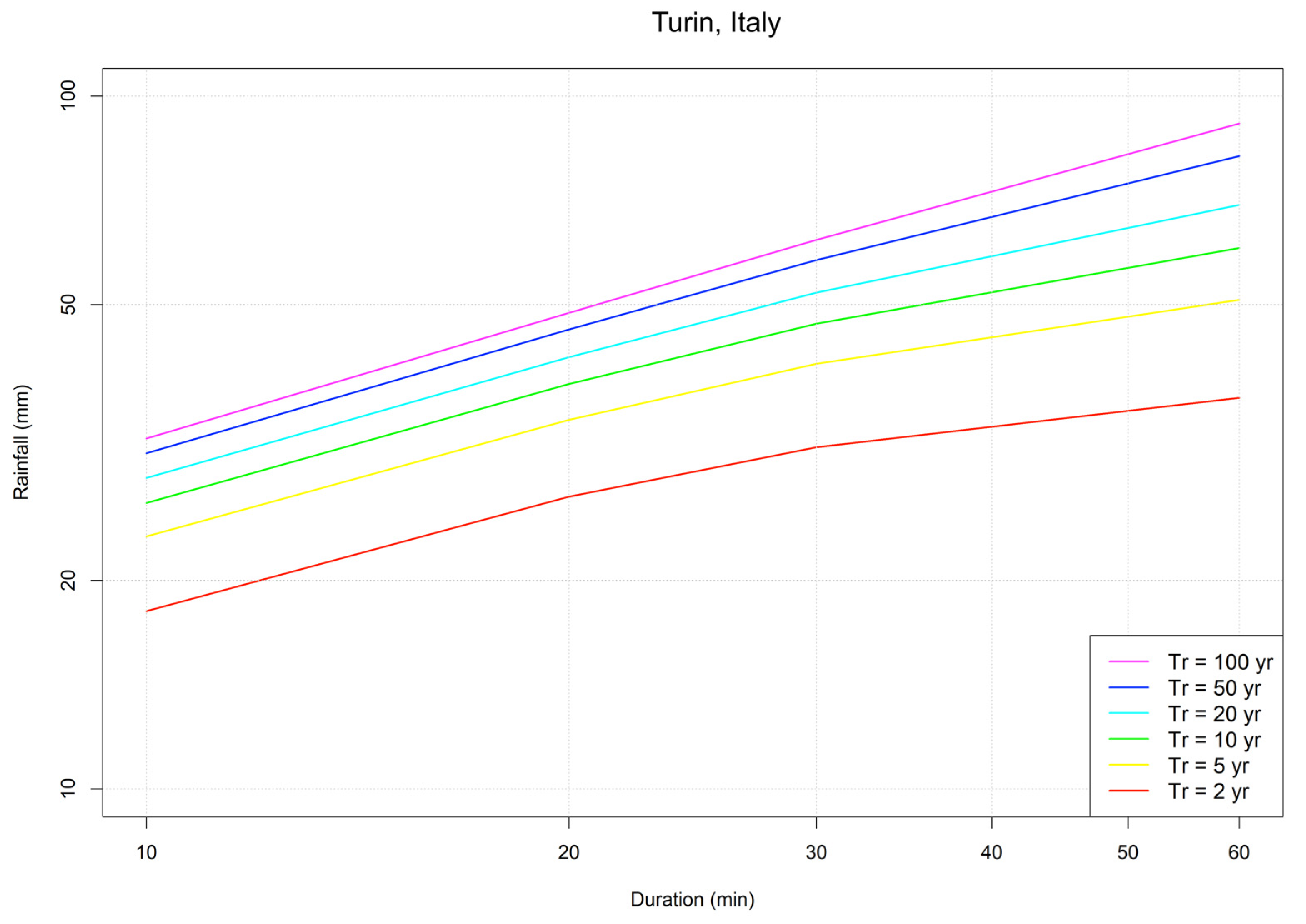
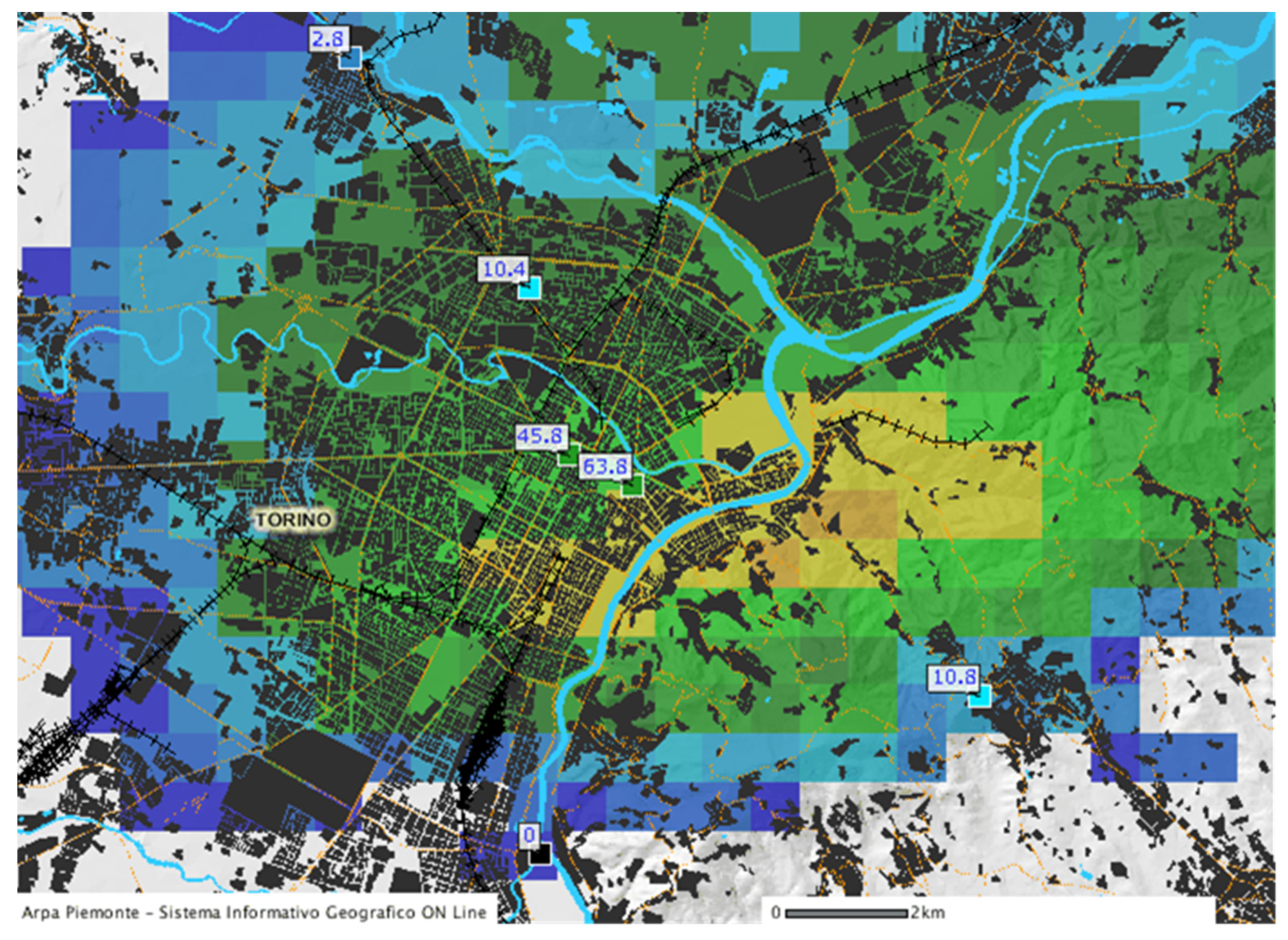
The effects of global warming, coupled with the continuing expansion of urbanization, have significantly increased vulnerability to urban flooding, widespread erosion risks, and related phenomena such as shallow landslides and mudflows. These challenges are particularly evident in both lowland and hill/foothill environments of urbanized regions. Improving resilience to urban flooding has emerged as a top priority at various levels of governance. This paper aims to perform an initial analysis with the goal of developing an early warning system to efficiently manage intense convective rainfall events in urban areas. To address this need, the paper emphasizes the importance of analyzing different hazard scenarios. This involves examining different hydro-meteorological conditions and exploring management alternatives, as a fundamental step in designing and evaluating interventions to improve urban flood resilience. The Turin Metropolitan Area (TMA), located in north-western Italy, represents a unique case due to its complex orography, with a mountainous sector in the west and a flat or hilly part in the east. During the warm season, this urban area is exposed to strong atmospheric convection, resulting in frequent hailstorms and high-intensity rainfall. These weather conditions pose a threat to urban infrastructure, such as drainage systems and road networks, and require effective management strategies to mitigate risks and losses. The TMA’s urban areas are monitored by polarimetric Doppler weather radars and a dense network of rain gauges. By examining various summer precipitation events leading to urban flooding between 2007 and 2021, this study assesses the practicability of deploying a weather-radar early-warning system. The focus is on identifying rainfall thresholds that distinguish urban flooding in lowland areas and runoff erosion phenomena in urbanized hills and foothills.
Keywords: rainfall thresholds; weather radar; rainstorms; runoff erosion; landslides; risk reduction; resilience rainfall thresholds; weather radar; rainstorms; runoff erosion; landslides; risk reduction; resilience