
Article

Self-Healing Network Polymers Based on Dissociable [c2]Daisy-Chain Rotaxane Structures
Graduate School of Sciences and Technology for Innovation, Yamaguchi University, 2-16-1 Tokiwadai, Ube 755-8611, Japan
*
Author to whom correspondence should be addressed.
Reactions 2026, 7(4), 53; https://doi.org/10.3390/reactions7040053
Submission received: 11 August 2026 / Revised: 19 September 2026 / Accepted: 22 September 2026 / Published: 24 September 2026

Abstract

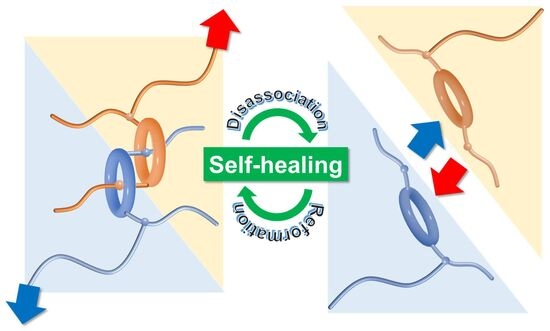
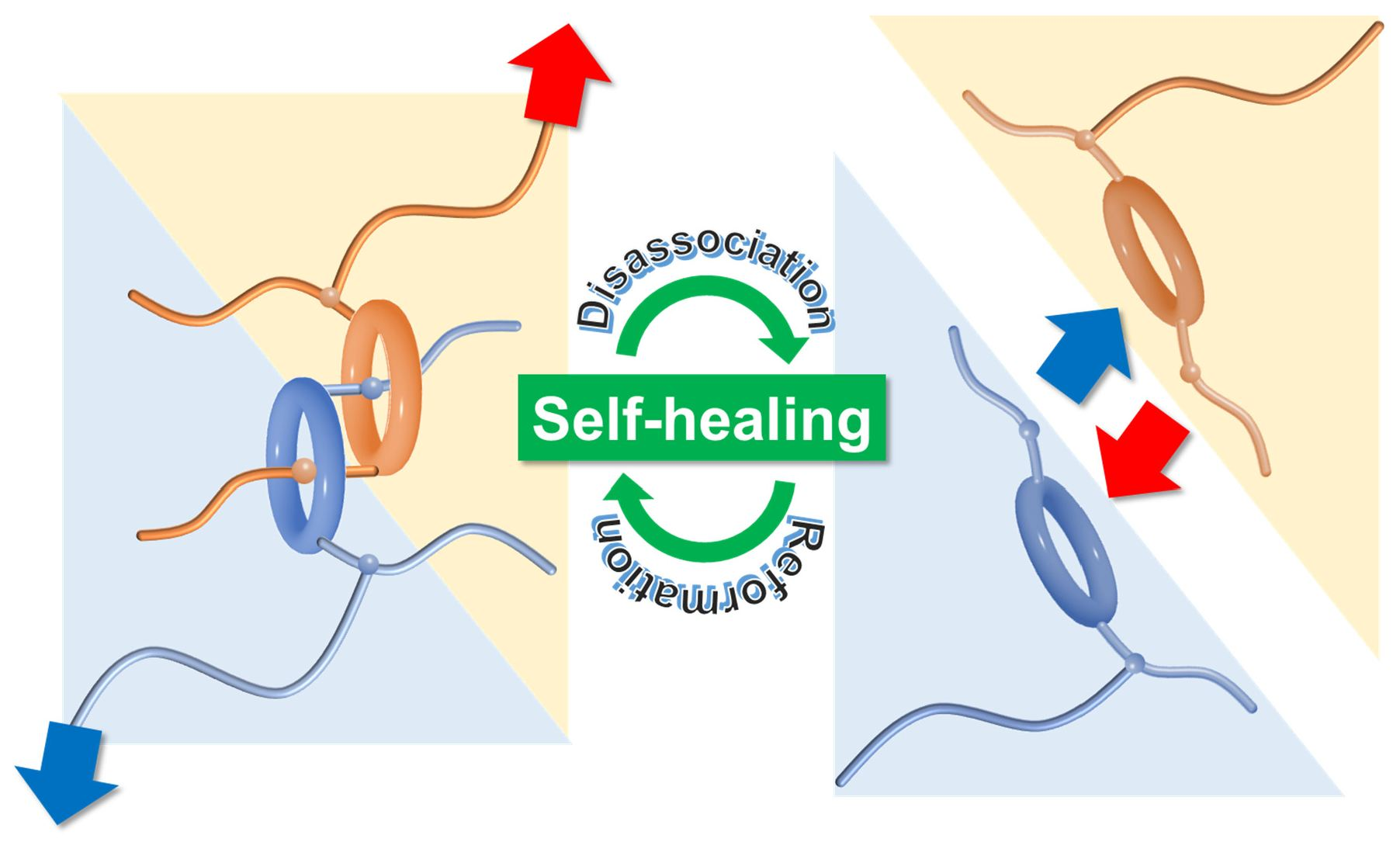
To develop self-healing materials with mechanical strength, we designed a three-dimensional network polymer primarily composed of [c2]daisy-chain rotaxanes. Although polymeric materials incorporating [c2]daisy-chain rotaxanes have been reported, they all exhibit topological properties based on the non-dissociative nature of the rotaxane structure and do not undergo reversible host–guest association and dissociation. In this study, we designed a novel self-healing polymer that enables the reversible formation and dissociation of [c2]daisy-chain rotaxane. Specifically, a diacrylate containing a [c2]daisy-chain rotaxane was synthesized from a symmetrical Guest–Host–Guest (GHG) compound, in which two secondary ammonium salt units (Guests) were introduced into a single 24-membered dibenzo-crown ether (Host) unit. Subsequent Michael addition with a tetrafunctional thiol afforded a network polymer exhibiting reversible inclusion complex in response to various external stimuli. For example, under heating and cooling conditions, the gel underwent a gel-to-sol transition. In addition, the resulting organogel was readily remoldable after fracture and exhibited mechanical strength comparable to that before fracture. Furthermore, when the network polymer in either the dry or wet state was cut and the resulting surfaces were brought into contact, the fractured surfaces re-adhered. These results suggest the potential of this network polymer as a novel recyclable material.

Graphical Abstract

1. Introduction

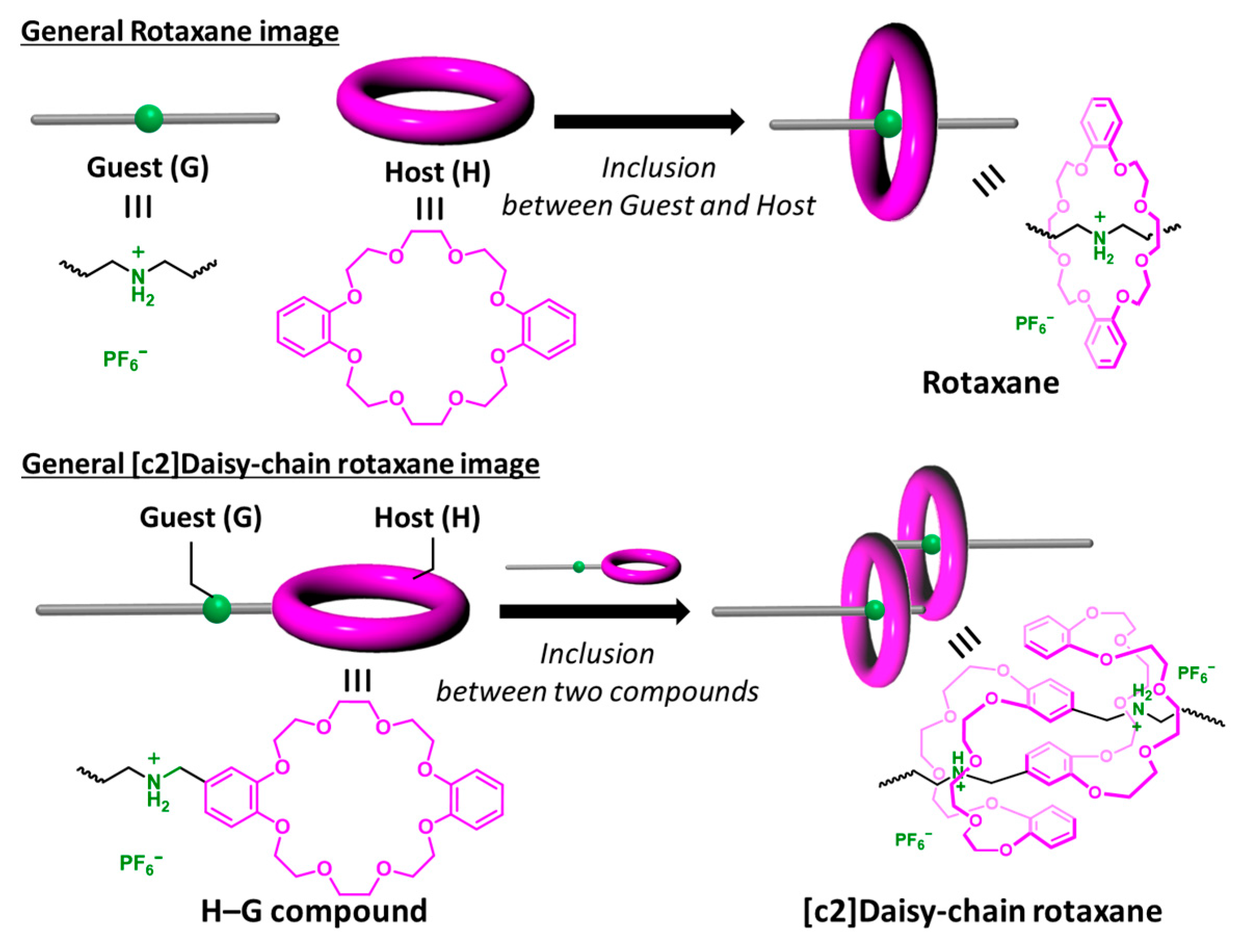
Rotaxanes are well-known mechanically interlocked supramolecular architectures in which a cyclic molecule encircles a linear molecule. The spontaneous formation of the inclusion complex is thermodynamically favored because complementary host–guest interactions, including electrostatic interactions, hydrogen bonding, hydrophobic interactions, and π–π interactions, provide both enthalpic and entropic stabilization [1,2,3,4,5,6,7,8,9,10]. Rotaxanes have also attracted considerable attention as functional materials. For example, slide-ring gels composed of poly(ethylene glycol) and cyclodextrins exhibit excellent stress-relaxation properties and are widely recognized as highly tough polymeric materials [11,12,13,14,15]. On the other hand, a new class of rotaxane architectures, namely [c2]daisy-chain rotaxanes, has been reported [16,17,18,19,20,21,22,23,24,25]. Unlike conventional rotaxanes, a [c2]daisy-chain rotaxane is a supramolecular architecture in which two Host–Guest (H–G) compounds, each containing covalently linked host (H) and guest (G) units in close proximity, form an intermolecular inclusion complex between two H–G compounds without undergoing intramolecular inclusion (Figure 1). In the H–G compound, the host (H) and guest (G) units are covalently linked at a distance that prevents intramolecular inclusion, thereby selectively promoting the formation of a highly symmetrical inclusion complex.
Particularly, when an H–G compound composed of dibenzo-24-crown-8 (DB24C8) as the host and a secondary ammonium salt as the guest is employed, the stability of the resulting complex is enhanced by π–π interactions between the aromatic rings in addition to electrostatic interactions and hydrogen bonding, compared with systems in which the host and guest components are independent. Consequently, the [c2]daisy-chain rotaxane is formed selectively and quantitatively in organic solvents. These [c2]daisy-chain rotaxanes can reversibly modulate the distance between the two DB24C8 host macrocycles in response to external stimuli, such as temperature, pH, solvents, and mechanical stress, making them promising building blocks for topological polymeric materials with high mechanical toughness [26,27,28,29,30].
For example, Qu et al. reported a network polymer with a three-dimensional network structure and high mechanical strength, prepared by the radical thiol–ene reaction of a [c2]daisy-chain rotaxane with a tetrathiol compound [28]. By exploiting the topological characteristics of the rotaxane structure, they demonstrated a shape-memory material. In our previous studies, we also developed linear and three-dimensional network polymers incorporating [c2]daisy-chain rotaxane units and demonstrated their promising applications as polymer gel electrolytes for rechargeable batteries [31,32] (Scheme 1).
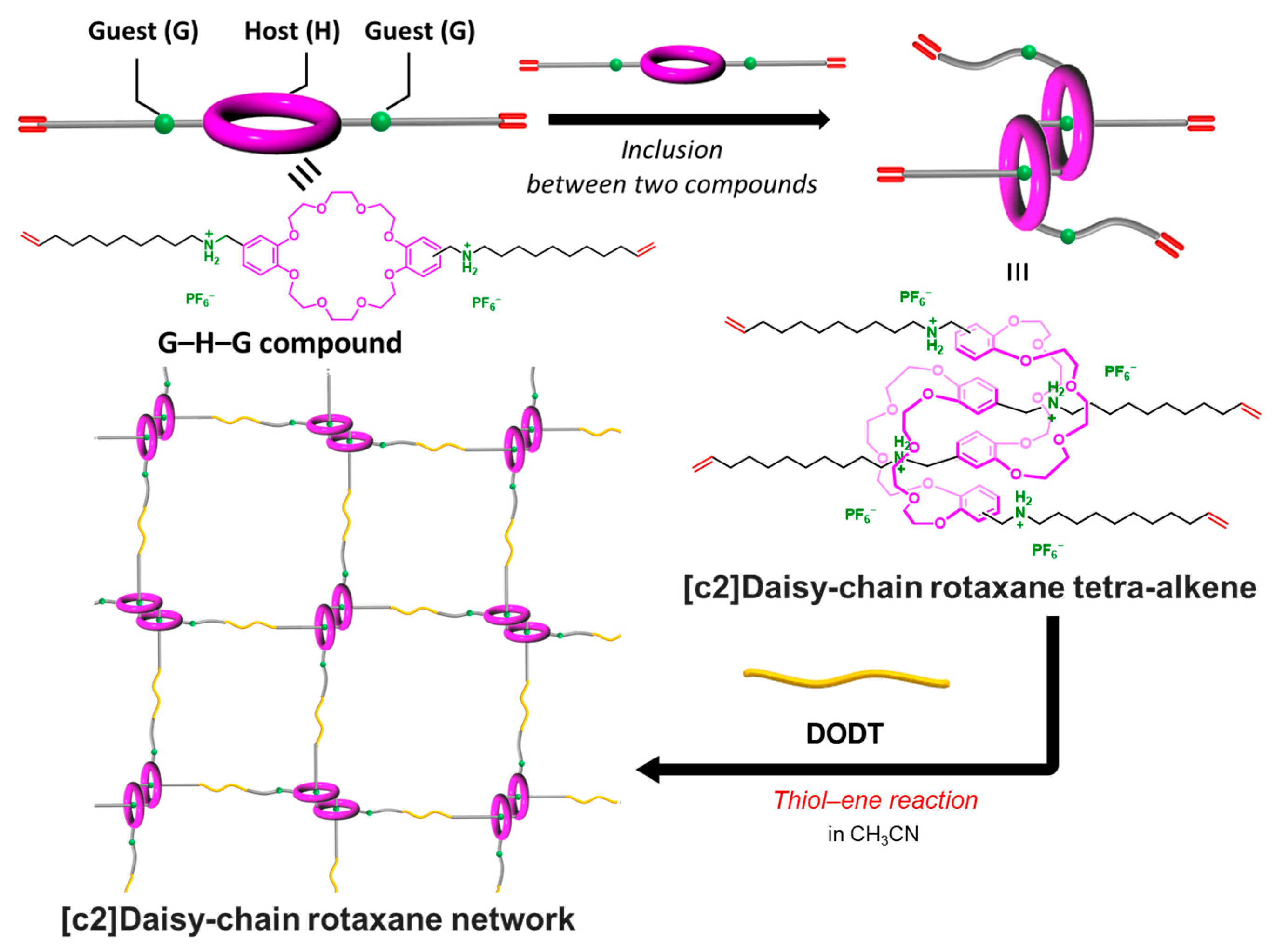
However, the synthesis of [c2]daisy-chain rotaxanes is highly challenging and requires multiple synthetic steps to obtain the target compounds. In the case of the widely used dibenzo-24-crown-8 (DB24C8), a secondary ammonium salt must be introduced onto only one of the two benzene rings, resulting in a complicated synthetic procedure. Consequently, this limitation presents challenges for large-scale production and improving the overall yield, representing a major obstacle to the practical application of [c2]daisy-chain rotaxanes. To address this issue, we recently proposed a novel molecular design involving a Guest–Host–Guest (G–H–G) compound, in which a secondary ammonium salt guest (G) unit is introduced onto each of the two benzene rings of the host (H), dibenzo-24-crown-8 (DB24C8) (Scheme 2) [33]. This design significantly simplified the synthetic procedure and improved the overall yield, while also enabling greater flexibility in molecular design. In this system, the [c2]daisy-chain rotaxane derived from a G–H–G compound bearing long-chain alkene units at both termini functions as a tetraalkenyl cross-linker. Through the thiol–ene reaction with dithiol compounds, we successfully introduced topological characteristics into the resulting network polymers. Despite their high cross-linking density, these polymers exhibited excellent mechanical toughness even below the glass transition temperature, where molecular mobility is significantly restricted, and displayed good shape-memory properties.
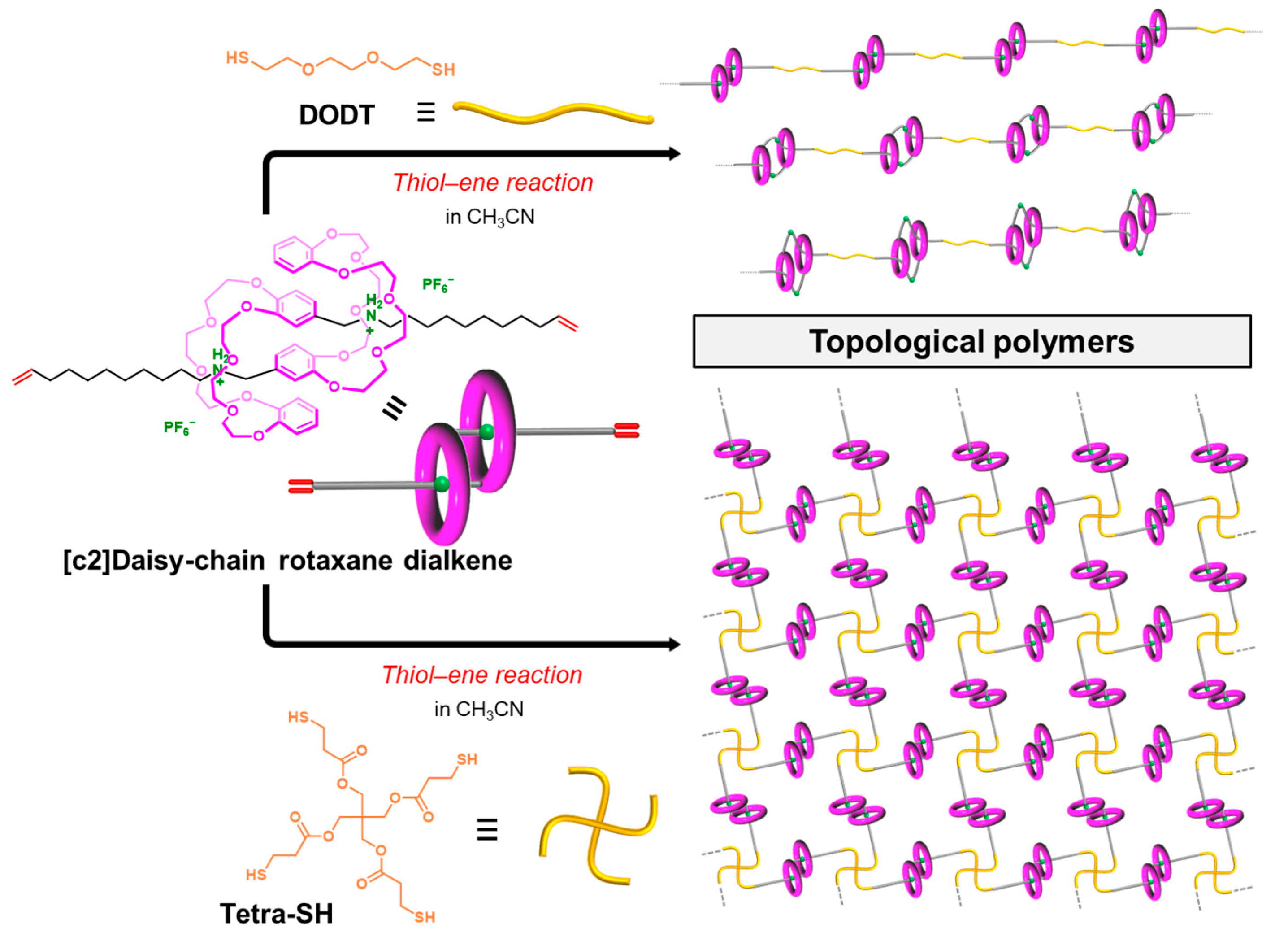
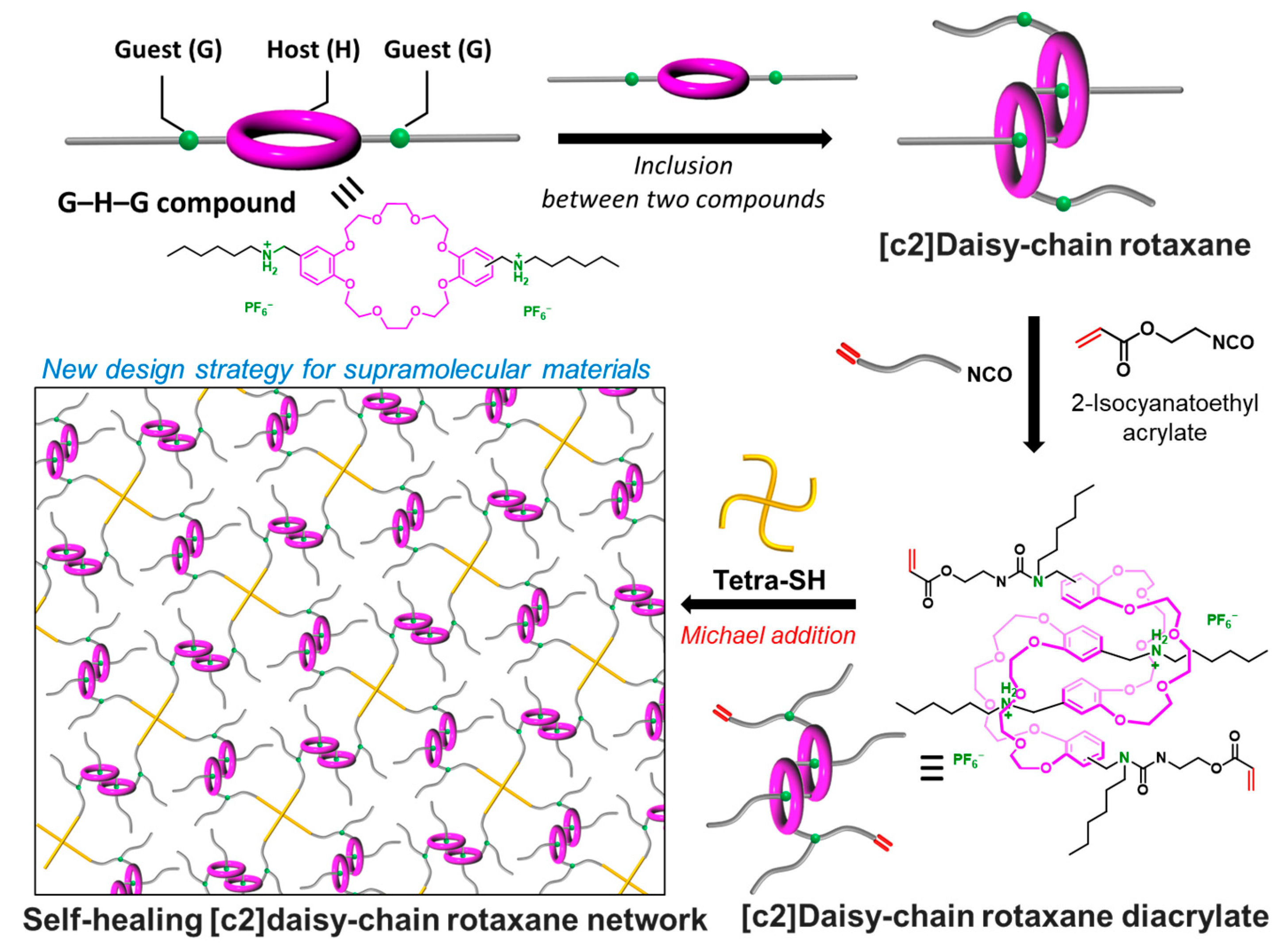
To further explore the potential of the G–H–G compound, we report, for the first time, the synthesis of a novel self-healing network polymer incorporating a pseudo-[c2]daisy-chain rotaxane structure capable of reversible formation and dissociation through host–guest inclusion between DB24C8 and secondary ammonium salt units (Scheme 3). In all previously reported polymers incorporating conventional [c2]daisy-chain rotaxane structures, the rotaxane units retain their topological architecture without complete dissociation. In contrast, the polymer developed in this study is a supramolecular polymer in which the pseudo-[c2]daisy-chain rotaxane structures can reversibly dissociate and re-form. Specifically, we demonstrate a novel self-healing material by employing a diacrylate derivative, in which the remaining secondary ammonium salt unit of the [c2]daisy-chain rotaxane derived from the G–H–G compound is selectively functionalized, followed by Michael addition with pentaerythritol tetra(3-mercaptopropionate) (Tetra-SH).

2. Experimental Section

2.1. Materials and Instruments

General organic solvents (ethyl acetate, acetone, diethyl ether, 2-propanol, acetonitrile, and sulfolane) were purchased as reagent-grade chemicals from FUJIFILM Wako Pure Chemical Corporation (Osaka, Japan) and used without further purification. 2-Isocyanatoethyl acrylate (AOI), triethylamine, dimethyl sulfoxide-d6 (DMSO-d6), and deuterated acetonitrile (CD3CN) were purchased from Tokyo Chemical Industry Co., Ltd. (Tokyo, Japan). Pentaerythritol tetrakis(3-mercaptopropionate) (Tetra-SH) was purchased from Sigma-Aldrich Japan (Tokyo, Japan).
NMR spectra (1H at 500 MHz; 13C at 270 MHz) were recorded on a JNM-LA500 spectrometer (JEOL Ltd., Tokyo, Japan) using tetramethylsilane (TMS) as an internal standard in DMSO-d6 or CD3CN. Differential scanning calorimetry (DSC) measurements were performed using a DSC7020 instrument (Hitachi High-Tech Corporation, Tokyo, Japan) at a heating rate of 10 °C min−1 over the specified temperature range. Tensile and compression tests were carried out using a FORCE TESTER MCT-1150 (A&D Co., Ltd., Tokyo, Japan) at 25 °C with a crosshead speed of 10 mm min−1. Accurate mass measurements with electrospray ionization time-of-flight (ESI-TOF) mass were conducted using a Waters Xevo (TM) G2-XS QTof (Milford, MA, USA).

2.2. Syntheses

2.2.1. Synthesis of G–H–G Monoacrylate

The G–H–G compound (0.500 g, 0.260 mmol) (see Scheme S1 and Figures S1–S3) was dissolved in CH3CN (7.5 mL), and 2-isocyanatoethyl acrylate (0.657 g, 4.65 mmol) was added dropwise. The reaction mixture was stirred at 70 °C in an oil bath for 22 h. After concentration under reduced pressure, the crude product was dissolved in a small amount of methanol and precipitated by the addition of 2-propanol. The resulting precipitate was collected by filtration, washed with diethyl ether, and dried to afford G–H–G monoacrylate as a brown solid (0.428 g, 85.5% yield).
1H NMR (DMSO-d6) δ (ppm from TMS): 7.12–6.70 (m, 6H, Ph), 6.52–5.96 (m, 3H, CH2=CH-), 4.34–4.22 (m, 2H, PhCH2-N((CH2)5CH3)-CO-), 4.15–3.98 (m, 12H, PhCH2NH2+-, -OCNH-CH2CH2-, -CH2CH2O-Ph), PhCH2NH2+-), 3.82–3.60 (m, 16H, -CH2CH2O-), 3.31–3.28 (m, 2H, -OCNH-CH2CH2-), 3.08–3.02 (t, 2H, PhCH2-N(CH2(CH2)4CH3)-CO-)), 2.90–2.82 (t, 2H, -NH2+-CH2CH2-), 1.61–1.12 (m, 16H, CH3-(CH2)4-), 0.90–0.88 (t, 6H, -CH3).
13C NMR (270 MHz, DMSO-d6) δ(ppm from TMS): 166.04, 157.90, 149.44, 148.70, 147.85, 132.03, 128.86, 128.42, 124.85, 123.48, 120.37, 115.89, 113.98, 70.94, 69.58, 69.30, 63.90, 61.39, 50.36, 49.11, 46.82, 46.06, 38.46, 31.64, 31.22, 28.05, 26.42, 26.14, 25.87, 22.61, 22.40, 14.44, 14.37 (See Figure S4).
The IR spectra was shown in Figure S5. ESI-TOF-MS: m/z calculated for C44H69N3O11Na [M + Na]+ 838.4830; found [M + Na]+ 838.4830.

2.2.2. [c2]Daisy-Chain Rotaxane Network (Dry State)

G–H–G monoacrylate (0.575 g, 0.580 mmol), pentaerythritol tetrakis(3-mercaptopropionate) (70.9 mg, 0.145 mmol), and triethylamine (49.9 mg, 0.493 mmol) were dissolved in CH3CN (0.3 mol/L for G–H–G monoacrylate) and stirred for 1 h. The resulting solution was cast onto a glass plate and allowed to stand for 3 h to evaporate the solvent. After solidification, the obtained polymer film was washed with acetone and ethyl acetate to afford a brown transparent resin sheet.

2.3. Measurements

2.3.1. Tensile Test

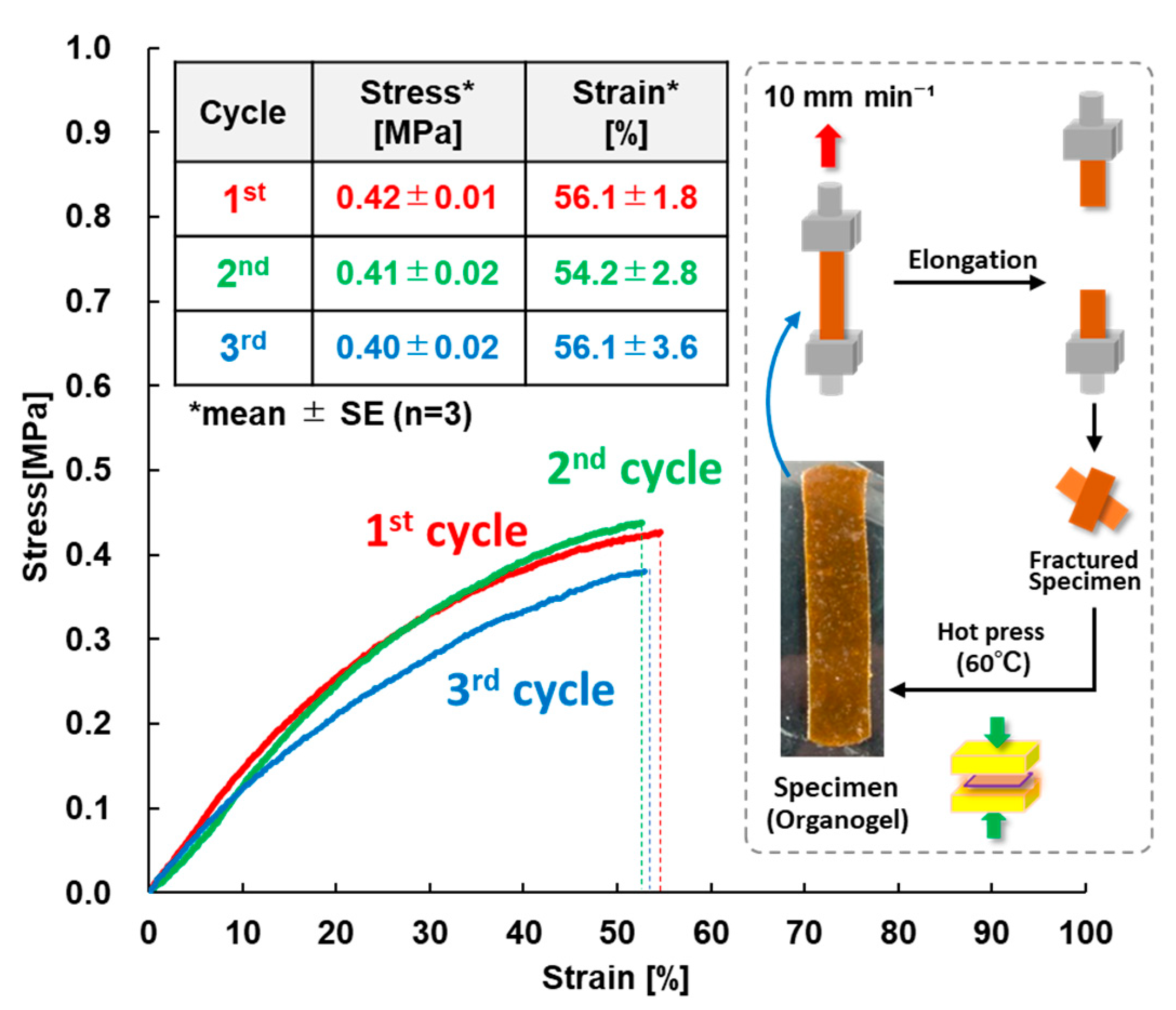
The dried [c2]daisy-chain rotaxane network polymer prepared according to the procedure described in Section 2.2.2 was swollen with sulfolane to give an organogel with a polymer content of 80 wt%. The organogel was subsequently hot-pressed at 60 °C to prepare a specimen with dimensions of 20 mm in length, 10 mm in width, and 0.60 mm in thickness. Tensile testing was performed at 25 °C with a crosshead speed of 10 mm min−1. After fracture, the specimen was reprocessed by hot-pressing at 60 °C to reproduce the same dimensions and subjected to tensile testing again. This procedure was repeated for a total of three cycles.

2.3.2. Compression Test

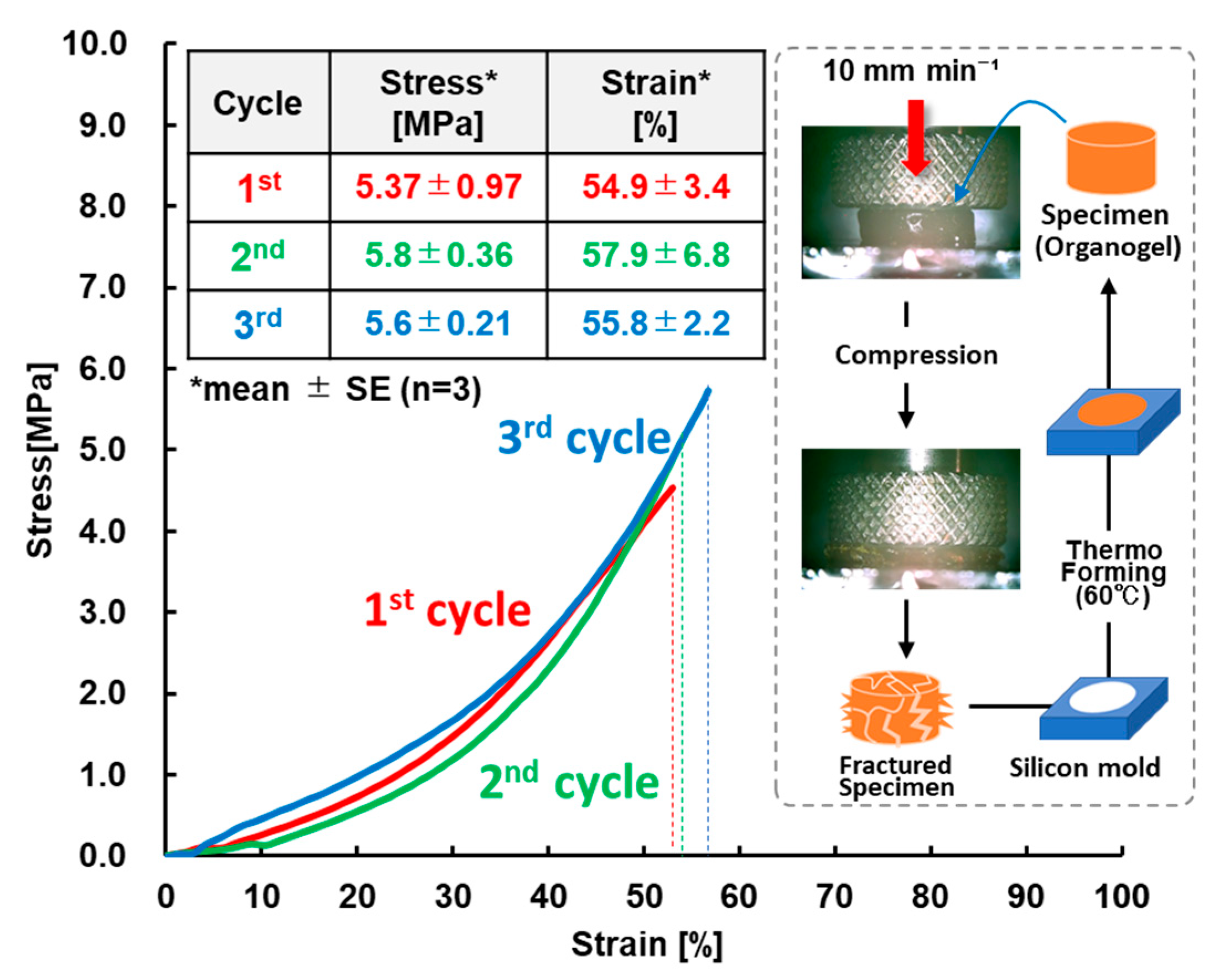
The reaction mixture prepared with the same composition as described in Section 2.2.2 was poured into a silicone mold to afford a cylindrical resin specimen (9.8 mm in diameter and 2.8 mm in thickness). After drying, the specimen was swollen with sulfolane to prepare a self-supporting organogel with a polymer content of 60 wt%. Compression tests were carried out at 25 °C with a compression speed of 10 mm min−1 and a maximum load capacity of 500 N. After fracture, the specimen was returned to the silicone mold and thermally remolded at 60 °C, followed by repeated compression testing. This procedure was repeated for a total of three cycles.

3. Results and Discussion

3.1. Synthesis of G–H–G Compound and Its Asymmetric Monoacrylate

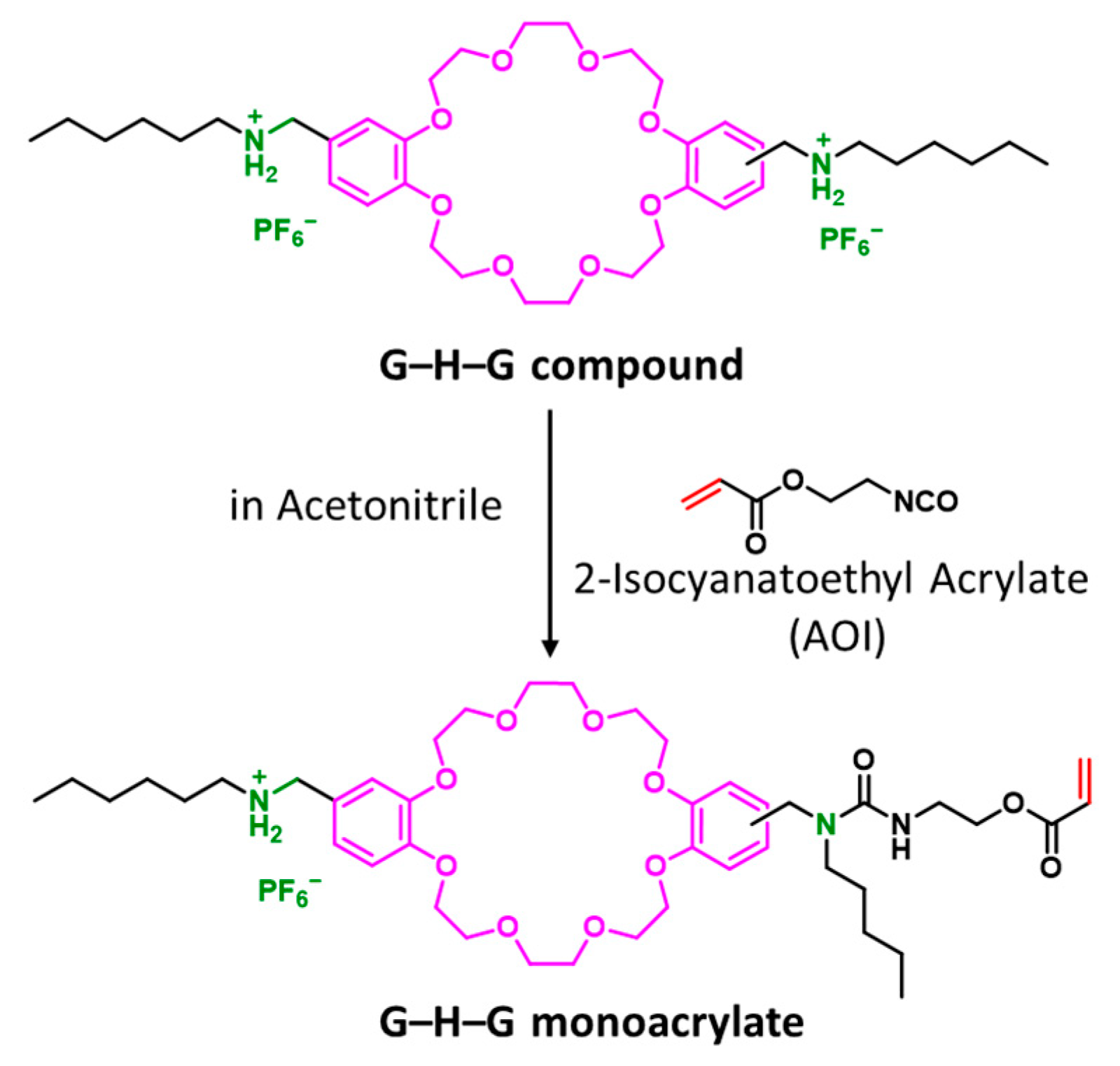
In this study, a symmetric G–H–G compound was synthesized by introducing two secondary ammonium salt guest units DB24C8 (Scheme S1). Subsequently, selective acrylation of the secondary ammonium salt unit not involved in host–guest inclusion afforded an asymmetric monoacrylate derivative (G–H–G acrylate, Scheme 4).
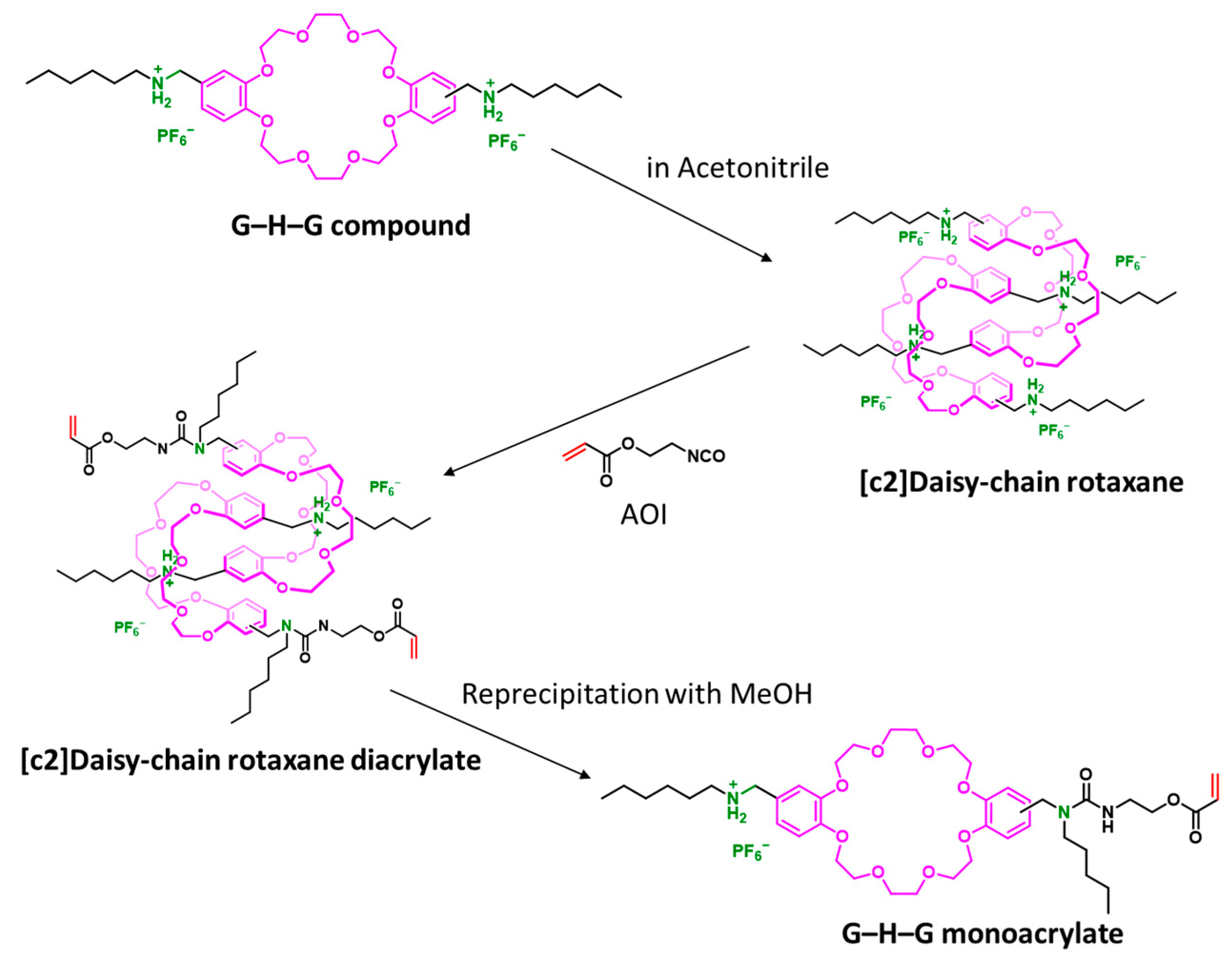
Selective chemical modification of one of the two secondary ammonium salt guest units in the symmetric G–H–G compound is highly challenging. In general, when two identical functional groups are present within the same molecule, selective modification of only one of them can be achieved by controlling the stoichiometric ratio of the reagents. However, this approach is often inefficient in terms of both product isolation and overall yield. To overcome this limitation, we developed a new strategy for the selective modification of secondary ammonium salt units via the transient formation of a [c2]daisy-chain rotaxane. In this approach, the [c2]daisy-chain rotaxane was transiently formed, allowing the secondary ammonium salt units involved in host–guest inclusion to be protected by the crown ether moieties, while an acrylate unit was selectively introduced onto the remaining free secondary ammonium salt unit (Figure 2). The purified G–H–G monoacrylate was readily obtained in high yield by reprecipitation from methanol.
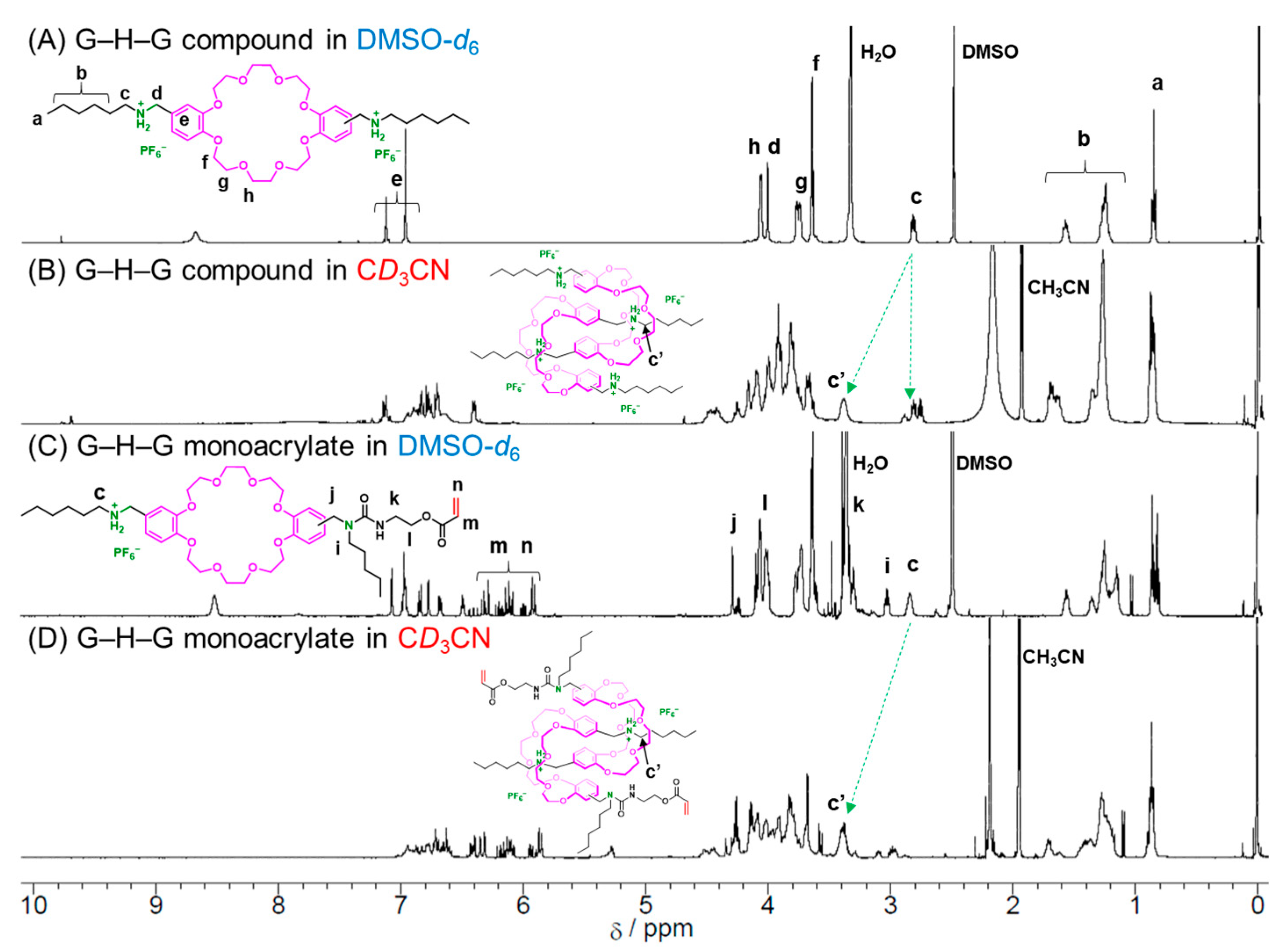
Figure 3 shows the 1H NMR spectra of (Figure 3A) the G–H–G compound, (Figure 3B) its [c2]daisy-chain rotaxane, (Figure 3C) the G–H–G monoacrylate, and (Figure 3D) the [c2]daisy-chain rotaxane diacrylate. Figure 3A,B show the 1H NMR spectra of the G–H–G compound before and after host–guest inclusion, respectively. In DMSO-d6 (Figure 3A), the proton signals of the non-included G–H–G compound appeared as sharp peaks, allowing straightforward signal assignment consistent with its highly symmetric molecular structure. In contrast, in CD3CN (Figure 3B), all proton signals of the DB24C8 unit became broadened and appeared as characteristic multiplets. Furthermore, the integral of the methylene proton c (ca. 2.8 ppm) adjacent to the secondary ammonium salt decreased to half of its original value, and the corresponding decrease appeared as a new peak assigned to the methylene proton c’ adjacent to the urea group at ca. 3.4 ppm. Together, these observations confirm the formation of a [c2]daisy-chain rotaxane in which one of the two secondary ammonium salt units is involved in host–guest inclusion. Subsequently, selective introduction of an acrylate group via urea bond formation at one of the secondary ammonium salt units with 2-isocyanatoethyl acrylate (AOI) resulted in the decrease of half of the methylene proton c (ca. 2.8 ppm) adjacent to the secondary ammonium salt, and the corresponding missing intensity appeared as a new peak assigned to the methylene proton i adjacent to the urea group at ca. 3.1 ppm (Figure 3C). On the other hand, in CD3CN (Figure 3D), as observed in spectrum (Figure 3B), a peak c′ appeared at ca. 3.4 ppm, suggesting that the [c2]daisy-chain rotaxane was reversibly formed. These results reveal that the acrylate group was selectively introduced into one of the two secondary ammonium salt units of the G–H–G compound.
Furthermore, mass spectrometric analysis of the G–H–G compound and its monoacrylate derivative gave the expected molecular ions, further supporting their proposed structures. Moreover, in the IR spectrum of the acrylate derivative obtained by the reaction of the G–H–G compound with AOI, the relative intensity of the absorption band at 833 cm−1, attributed to PF6−, decreased compared with that of the unreacted G–H–G compound. In addition, new absorption bands appeared at 1720 cm−1, assigned to the C=O stretching vibration of the ester group, and at 1615 cm−1 and 1592 cm−1, assigned to the C=O stretching vibration and NH bending vibration of the urea group, respectively (Figure S5). Collectively, these results demonstrate a highly selective strategy for the synthesis of monoacrylate derivatives from symmetric compounds bearing two identical secondary ammonium salt units through transient protection by a [c2]daisy-chain rotaxane.

3.2. Synthesis of a Self-Healing [c2]Daisy-Chain Rotaxane Network

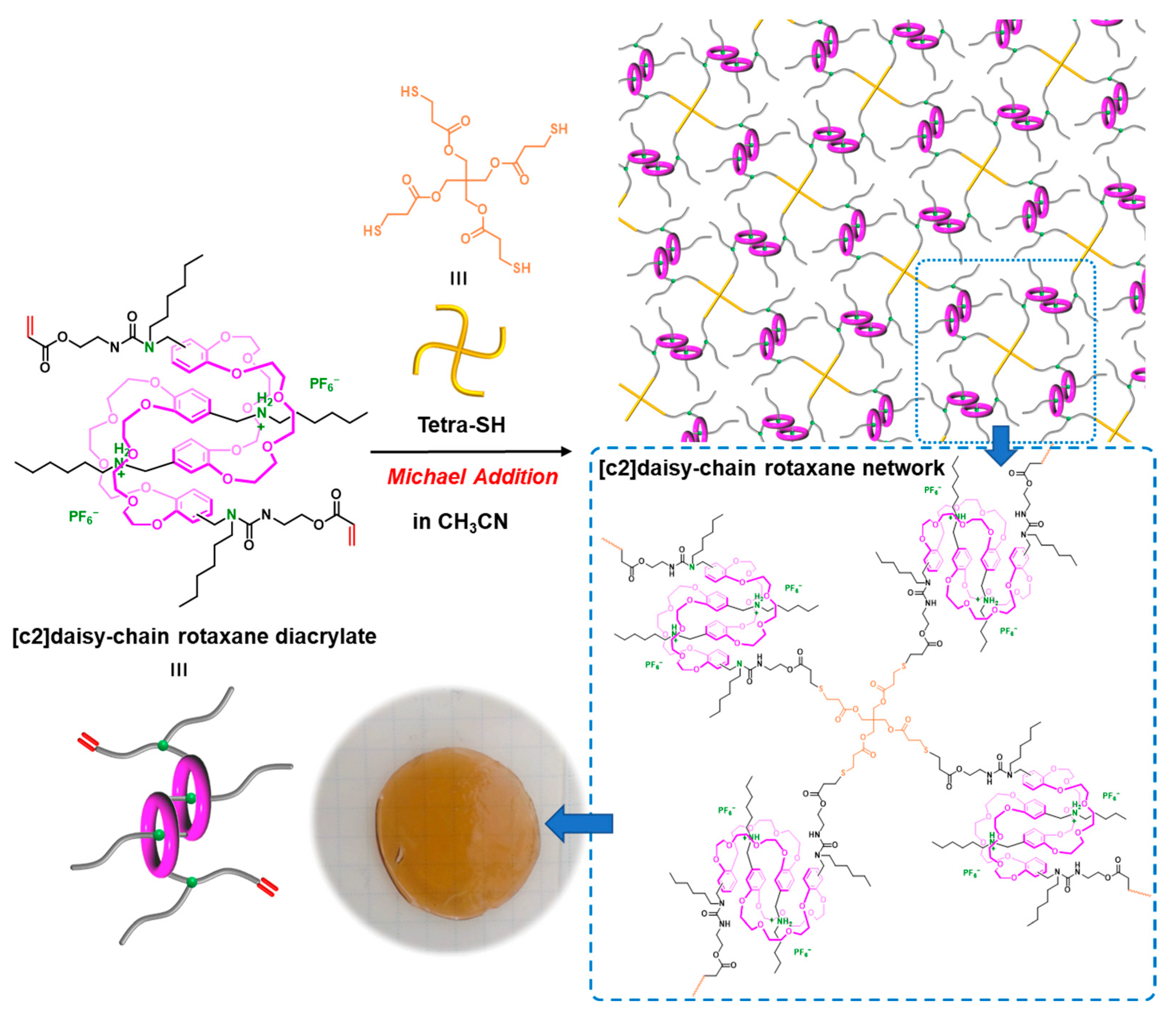
The three-dimensional network polymer incorporating the pseudo-[c2]daisy-chain rotaxane structure was synthesized via Michael addition between the [c2]daisy-chain rotaxane diacrylate and pentaerythritol tetra(3-mercaptopropionate) (Tetra-SH). Acetonitrile, which served as both the host–guest inclusion medium and the reaction solvent, was employed. The reaction mixture was stirred at 25 °C before being poured into a silicone mold. Subsequent evaporation of the solvent afforded a brown elastomer (Scheme 5). The obtained elastomer was dissolved in DMSO-d6 and analyzed by 1H NMR spectroscopy. Quantitative disappearance of the proton signals arising from the C=C bonds of the G–H–G monoacrylate, which were observed at around 5.8–6.4 ppm, was confirmed, indicating the progress of the reaction (Figure S6).
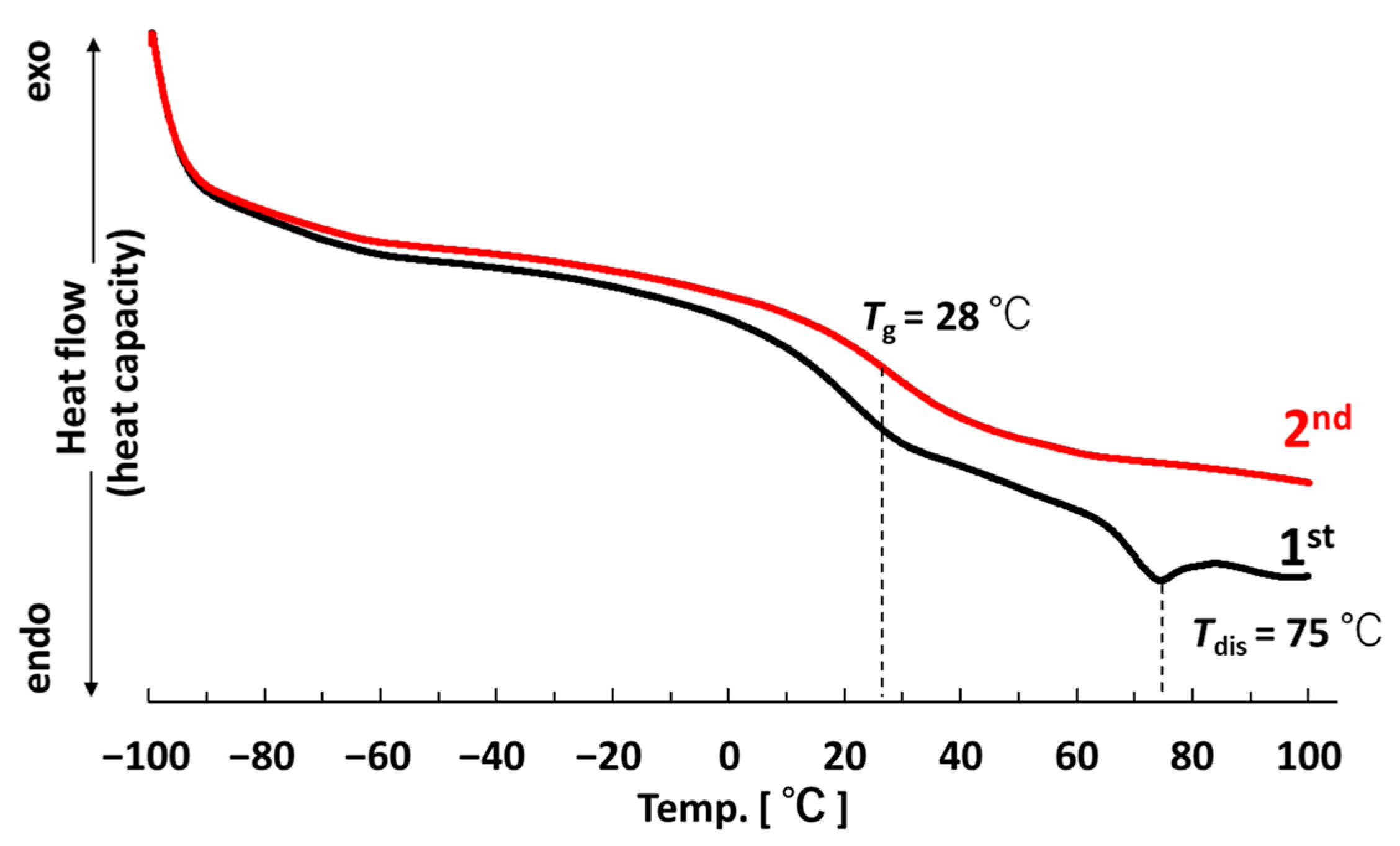
The glass transition temperature (Tg) of the dried polymer was determined to be 28 °C by differential scanning calorimetry (DSC) (Figure 4). Furthermore, an endothermic peak was observed at 75 °C, suggesting the dissociation of the pseudo-[c2]daisy-chain rotaxane inclusion structure. This thermal behavior was consistent with that previously reported for polymers incorporating conventional [c2]daisy-chain rotaxane structures [33]. Moreover, this endothermic peak was not observed during the second heating cycle, suggesting that re-formation of the host–guest inclusion structure may not occur in the solid state.

3.3. Sol–Gel Transition of [c2]Daisy-Chain Rotaxane Network

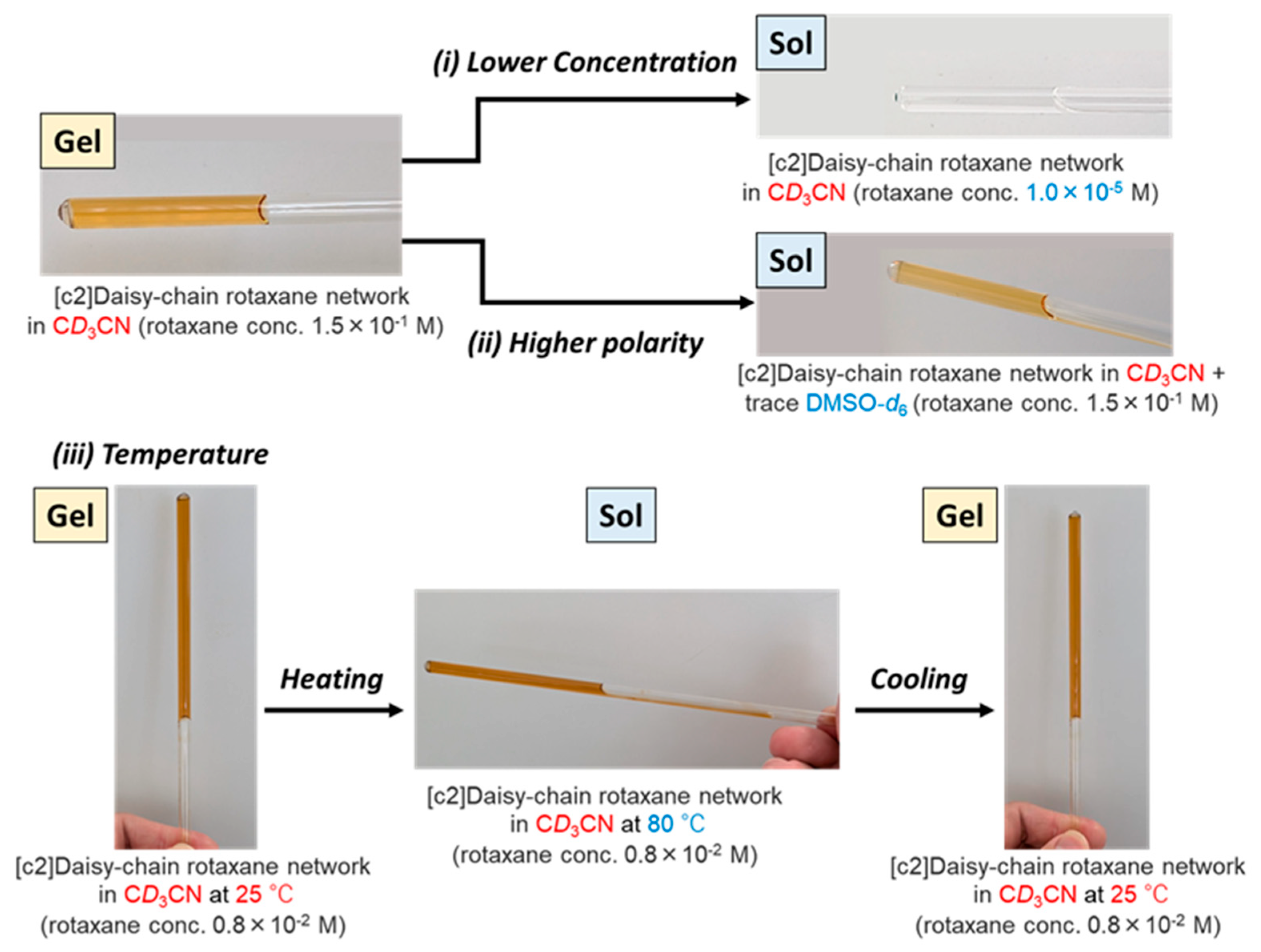
Next, organogels were prepared using organic solvents. Acetonitrile, which enables host–guest inclusion, was employed as the solvent, and the appearance of the resulting samples was examined at different concentrations of the pseudo-[c2]daisy-chain rotaxane network polymer. Gelation was observed at rotaxane concentration of 1.5 × 10⁻¹ M, whereas samples with lower polymer concentration underwent a gel-to-sol transition, demonstrating a clear concentration dependence (Figure 5(i)). This behavior is attributed to the stability of the host–guest inclusion structure, suggesting that dilution with acetonitrile shifts the host–guest equilibrium toward dissociation. In contrast, when a small amount of DMSO-d6, a highly polar solvent, was added to the CD3CN organogel formed by the [c2]daisy-chain rotaxane network polymer, an immediate gel-to-sol transition was observed (Figure 5(ii)). Furthermore, the 1H NMR spectra of the gel and sol states exhibited characteristic chemical shift changes corresponding to the formation and dissociation of the [c2]daisy-chain rotaxane structure, similar to those observed in Figure 3, indicating that the reversible host–guest interaction is directly reflected in the observed sol–gel transition (Figure S7). Furthermore, the reversible stimulus responsiveness to heating and cooling was investigated. The sample that formed a gel at 25 °C, underwent a gel-to-sol transition at 80 °C, whereas subsequent cooling to 25 °C, resulted in the re-formation of the gel. At 80 °C, the stability of the host–guest inclusion structure is considered to decrease, leading to its dissociation and the resulting gel-to-sol transition. Upon subsequent cooling to 25 °C, the host–guest inclusion structure may re-form, resulting in the recovery of the gel state.

3.4. Thermal Reprocessability of Organogels Using [c2]Daisy-Chain Rotaxane Network

Organogels were also prepared from the pseudo-[c2]daisy-chain rotaxane network polymer to evaluate their mechanical properties and thermal reprocessability. The prepared organogels were subjected to tensile (80 wt% polymer) and compression (60 wt% polymer) tests to determine their mechanical strength up to fracture. The fractured organogels were then remolded into their original shape and subjected to repeated mechanical testing. In the tensile tests, the organogels elongated to approximately 160% of their original length before fracture, and comparable elongation and stress were maintained in the subsequent test cycles (Figure 6). In the compression tests, the organogels fractured at a compressive strain of ca. 60% during the first cycle and exhibited similar compression performance in the subsequent cycles (2nd and 3rd cycles) (Figure 7). These organogels were able to effectively accommodate external mechanical stimulus, including tensile and compressive deformation, suggesting that this behavior is enabled by the reversible formation and dissociation of the pseudo-[c2]daisy-chain rotaxane structures.
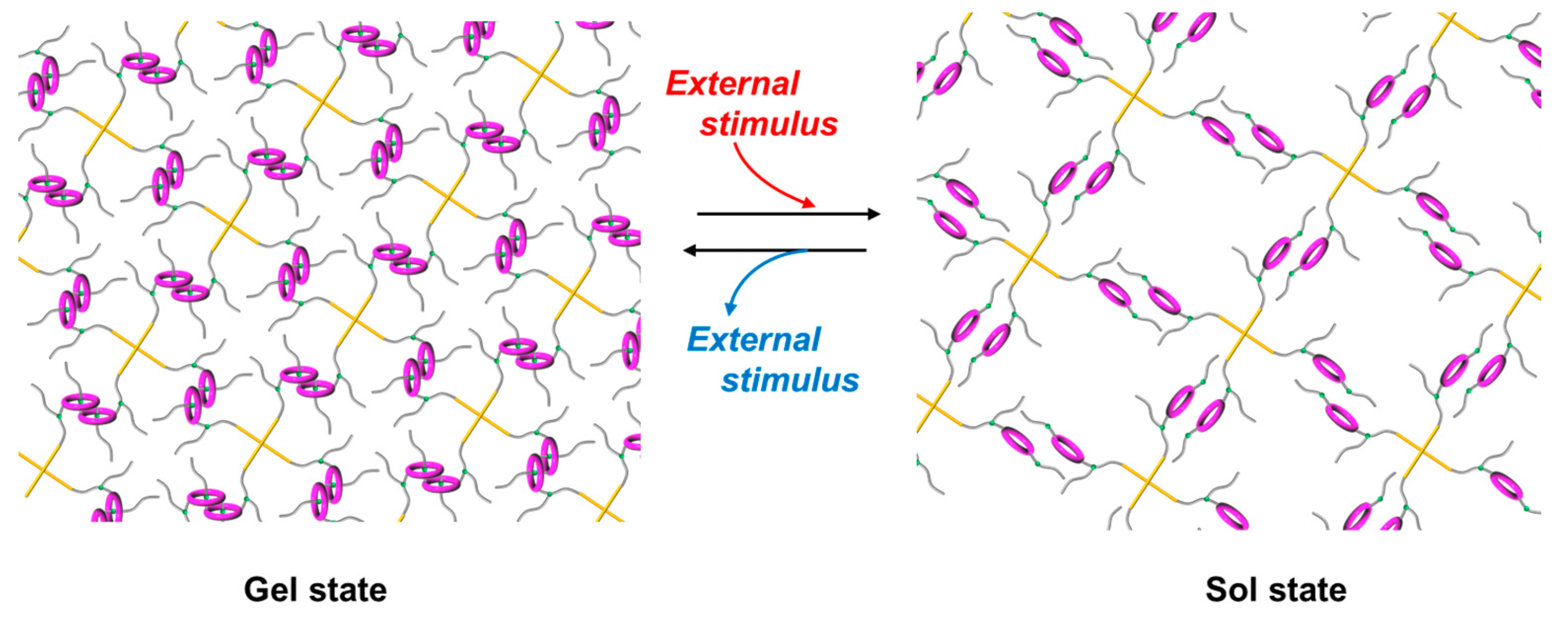
These results suggest that, upon application of mechanical stress, the pseudo-[c2]daisy-chain rotaxane structures serving as cross-linking points reversibly dissociate to relieve the applied stress. Once the stress is removed, the host–guest inclusion structures are re-formed, thereby restoring the network structure. Furthermore, even when the organogel was fractured under excessive mechanical stress, remolding by heating enabled self-healing of the network structure, thereby recovering mechanical strength comparable to that before fracture (Figure 8).

3.5. Self-Healing Property of Organogels Using [c2]Daisy-Chain Rotaxane Network

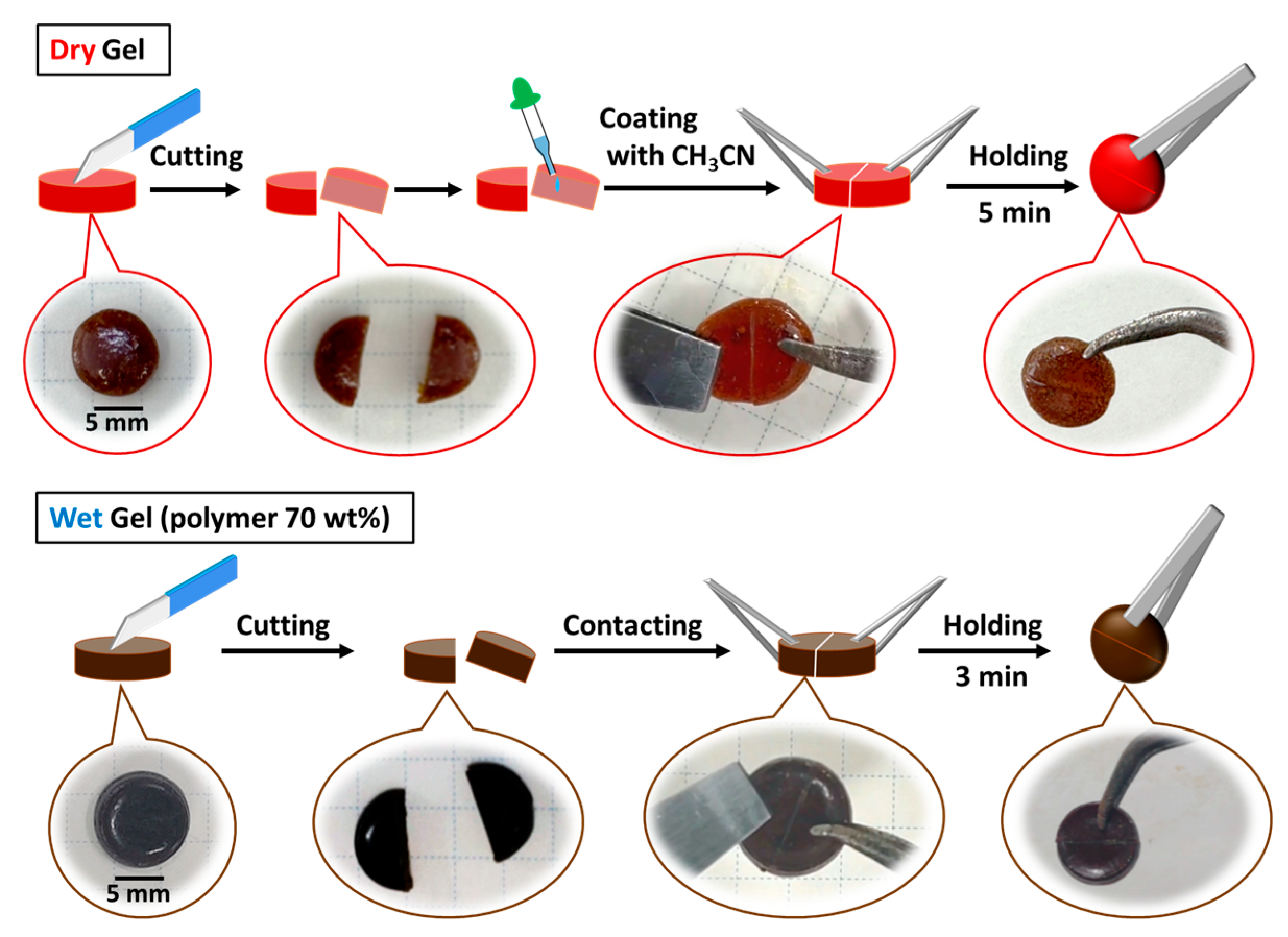
Based on the results of the mechanical strength tests described above, the self-healing behavior of the network polymer was further investigated (Figure 9). Cylindrical specimens of the dry gel and wet gel (70 wt% polymer) were used for the evaluation. Each specimen was cut in half, and the re-adhesion behavior of the two surfaces at room temperature was observed. For the dry gel, no adhesion occurred between the surfaces in the completely dried state. However, adhesion was observed when a small amount of acetonitrile was applied to one of the cut surfaces and the two surfaces were subsequently brought into contact. In contrast, the wet gel readily adhered when the surfaces were brought back into contact. Furthermore, in both gels, the two sides of the specimen were grasped with tweezers on either side of the joint interface and pulled apart, but the bonded interface did not separate. These results suggest that the observed self-healing likely occurs through the re-formation of the [c2]daisy-chain rotaxane structures at the cut interface.

4. Conclusions

In this study, we synthesized a G–H–G compound bearing two secondary ammonium salt units on the two benzene rings of DB24C8 and successfully obtained a monoacrylate derivative by selectively introducing an acryloyl group into the free secondary ammonium salt unit that does not participate in host–guest inclusion during the formation of the [c2]daisy-chain rotaxane. This strategy simplifies the synthesis of [c2]daisy-chain rotaxanes while enabling greater flexibility in molecular design.
Moreover, a [c2]daisy-chain rotaxane-based diacrylate was prepared from the monoacrylate derivative, followed by Michael addition with a tetrathiol to afford a three-dimensional network polymer incorporating reversibly dissociable and re-formable host–guest inclusion structures. The resulting network polymer exhibited reversible sol–gel transitions depending on the type and concentration of the organic solvent.
Furthermore, the network polymer exhibited good thermal reprocessability, with mechanical properties comparable to those before fracture being recovered after thermal remolding. In addition, direct observation of the cut surfaces after they were brought into contact provided evidence of self-healing behavior in both the dry and wet gels. These characteristics are expected to contribute to the development of adhesive and plastic materials that enable material recycling and repeated closed-loop recycling, thereby promoting long-term sustainable use. We are currently investigating the effects of increasing the mobility of the DB24C8 units within the [c2]daisy-chain rotaxane and expanding the network structure on the mechanical and thermal properties toward the development of tough self-healing supramolecular materials.

Supplementary Materials

The following supporting information can be downloaded at https://www.mdpi.com/article/10.3390/reactions7040053/s1: Scheme S1: Synthesis route of G–H–G compound; Figure S1: 1H NMR spectrum of DFB24C8 in CDCl3; Figure S2: 1H NMR spectrum of G–H–G compound in DMSO-d6; Figure S3: 13C NMR spectrum of G–H–G compound in DMSO-d6; Figure S4: 13C NMR spectrum of G–H–G monoacrylate; Figure S5: IR spectra of (A) G–H–G compound and (B) G–H–G monoacrylate; Figure S6: 1H NMR spectra of [c2]Daisy-chain rotaxane network in DMSO-d6; Figure S7: 1H NMR spectra of [c2]Daisy-chain rotaxane network (A) in CD3CN (3.0 × 10⁻¹ M) and (B) in CD3CN + trace DMSO-d6 (3.0 × 10⁻¹ M).

Author Contributions

Conceptualization, K.O. and K.Y.; synthesis and structural analysis, Y.S., Y.K. and M.K.; writing—original draft preparation, K.Y. All authors have read and agreed to the published version of the manuscript.

Funding

This research was funded by the Electric Technology Research Foundation of Chugoku.

Data Availability Statement

The data presented in this study are available upon request from the corresponding author. The data are not publicly available because of the lack of a dedicated server.

Conflicts of Interest

The authors declare no conflicts of interest.

References

  1. Power, M.J.; Morris, D.T.J.; Vitorica-Yrezabal, I.J.; Leigh, D.A. Compact Rotaxane Superbases. J. Am. Chem. Soc. 2023, 145, 8593–8599. [Google Scholar] [CrossRef] [Scilit] [PubMed]
  2. Li, W.-J.; Xu, W.-T.; Wang, X.-Q.; Jiang, Y.; Zhu, Y.; Zhang, D.-Y.; Xu, X.-Q.; Hu, L.-R.; Wang, W.; Yang, H.-B. Photoresponsive Rotaxane-Branched Dendrimers: From Nanoscale Dimension Modulation to Macroscopic Soft Actuators. J. Am. Chem. Soc. 2023, 145, 14498–14509. [Google Scholar] [CrossRef] [Scilit] [PubMed]
  3. Puigcerver, J.; Zamora-Gallego, J.M.; Marin-Luna, M.; Martinez-Cuezva, A.; Berna, J. Urea-Based [2]Rotaxanes as Effective Phase-Transfer Organocatalysts: Hydrogen-Bonding Cooperative Activation Enabled by the Mechanical Bond. J. Am. Chem. Soc. 2024, 146, 22887–22892. [Google Scholar] [CrossRef] [Scilit] [PubMed]
  4. Wang, C.; Yun, T.; You, W.; Ding, Y.; Fan, Z.; Liu, G.; Yu, W.; Yan, X. Mechanical-Bond-Toughened Epoxy Resins. Angew. Chem. Int. Ed. 2025, 64, e202516283. [Google Scholar] [CrossRef] [Scilit] [PubMed]
  5. Lee, C.K.; Violi, J.P.; Donald, W.A.; Stoddart, J.F.; Kim, D.J. Controlled assembly of rotaxane translational isomers using dual molecular pumps. Nat. Commun. 2025, 16, 5922. [Google Scholar] [CrossRef] [Scilit] [PubMed]
  6. Jaiswal, M.; Dasgupta, S. [23]Crown Ether Incorporating Metastable [2]Rotaxanes and Pseudo[2]rotaxanes: Selective and Sensitive Fluoride Anion Detection with 4-Isopropylphenyl Stoppered [2]Rotaxane. Chem. Asian J. 2025, 20, e01680. [Google Scholar] [CrossRef] [Scilit] [PubMed]
  7. Petryczkiewicz, K.D.; Kootstra, J.; Le Cacheux, M.; Tsygankov, A.; Sneep, J.L.; ter Harmsel, M.; Harutyunyan, S.R. Autonomous Dynamic Control of Crown Ether Cargo Release from [2]Rotaxane Carriers in a Piperidine Oscillator. J. Am. Chem. Soc. 2025, 147, 22883–22891. [Google Scholar] [CrossRef] [Scilit] [PubMed]
  8. Jaiswal, M.; Dasgupta, S. Anion-Induced Shuttling of Macrocycles in Pyrene- and Anthracene-Stoppered [2]Rotaxane-Based Molecular Switches: X23C7 Shuttling-Induced Superior Fluorescence Enhancement. J. Org. Chem. 2026, 91, 3826–3840. [Google Scholar] [CrossRef] [Scilit] [PubMed]
  9. Kumari, A.; Dasgupta, S. Dihydrogen Phosphate Anion-Templated Supramolecular Assembly with Bistable [3]Rotaxane: Application in Selective and Sensitive Picric Acid Detection. Org. Lett. 2026, 28, 283–288. [Google Scholar] [CrossRef] [Scilit] [PubMed]
  10. Ormson, J.; Nicolas-Garcia, T.; De Bo, G. Template-Controlled Mechanochemical Dissociation of a Rotaxane. Angew. Chem. Int. Ed. 2026, 65, e21995. [Google Scholar] [CrossRef] [Scilit] [PubMed]
  11. Murakami, T.; Schmidt, B.V.K.J.; Brown, H.R.; Hawker, C.J. One-Pot “Click” Fabrication of Slide-Ring Gels. Macromolecules 2015, 48, 7774–7781. [Google Scholar] [CrossRef] [Scilit]
  12. Cafagno, D.; Silvi, S.; Tibbitt, M.W.; Mommer, S. Photoresponsive Slide-Ring Gels Enable Modulation of Sliding Dynamics. Angew. Chem. Int. Ed. 2025, 64, e202507073. [Google Scholar] [CrossRef] [Scilit] [PubMed]
  13. Duan, M.; Wu, M.; Jin, Q.; Liang, Y.; Hou, J.; Zhang, R.; Sun, P.; Wang, X. Mechanism for Energy Dissipation of Slide-Ring Elastomer Explored by Solid-State NMR and Rheology. Macromolecules 2025, 58, 9171–9181. [Google Scholar] [CrossRef] [Scilit]
  14. Zeng, Q.; Qiao, B.; Xiao, X.; Li, L. Self-Adhesive Gelatin/Slide-Ring Double-Network Hydrogel for Human Motion Sensing and Morse Code Communication. Small 2025, 21, 2412665. [Google Scholar] [CrossRef] [Scilit] [PubMed]
  15. Huang, W.; Xiong, X.; Sun, Q.; Lai, X.; Cai, L.; Chen, Y.; Wang, L.; Jia, Y.-G. Construction of Skin-Adaptable Slide-Ring Hydrogels Based on Bile Acids Derived Polyrotaxanes for Smart Wound Dressing. Adv. Sci. 2026, 13, e20750. [Google Scholar] [CrossRef] [Scilit] [PubMed]
  16. Bruns, C.J.; Frasconi, M.; Iehl, J.; Hartlieb, J.K.; Schneebeli, T.S.; Cheng, C.; Stupp, S.I.; Stoddart, J.F. Redox Switchable Daisy Chain Rotaxanes Driven by Radical-Radical Interactions. J. Am. Chem. Soc. 2014, 136, 4714–4723. [Google Scholar] [CrossRef] [Scilit] [PubMed]
  17. Bruns, C.J.; Li, J.; Frasconi, M.; Schneebeli, T.S.; Iehl, J.; Jacquot de Rouville, H.-P.; Stupp, S.I.; Voth, G.A.; Stoddart, J.F. An Electrochemically and Thermally Switchable Donor-Acceptor [c2]Daisy Chain Rotaxane. Angew. Chem. Int. Ed. 2014, 53, 1953–1958. [Google Scholar] [CrossRef] [Scilit] [PubMed]
  18. Waeles, P.; Riss-Yaw, B.; Coutrot, F. Synthesis of a pH-Sensitive Hetero[4]Rotaxane Molecular Machine that Combines [c2]Daisy and [2]Rotaxane Arrangements. Chem. Eur. J. 2016, 22, 6837–6845. [Google Scholar] [CrossRef] [Scilit] [PubMed]
  19. Li, W.-J.; Wang, W.; Wang, X.-Q.; Li, M.; Ke, Y.; Yao, R.; Wen, J.; Yin, G.-Q.; Jiang, B.; Li, X.; et al. Daisy Chain Dendrimers: Integrated Mechanically Interlocked Molecules with Stimuli-Induced Dimension Modulation Feature. J. Am. Chem. Soc. 2020, 142, 8473–8482. [Google Scholar] [CrossRef] [Scilit] [PubMed]
  20. Trung, N.T.; Nhien, P.Q.; Cuc, T.T.K.; Wu, C.-H.; Hue, B.T.B.; Wu, J.I.; Li, Y.-K.; Lin, H.-C. Controllable Aggregation-Induced Emission and Forster Resonance Energy Transfer Behaviors of Bistable [c2] Daisy Chain Rotaxanes for White-Light Emission and Temperature-Sensing Applications. ACS Appl. Mater. Interfaces 2023, 15, 15353–15366. [Google Scholar] [CrossRef] [Scilit] [PubMed]
  21. Carmona-Vargas, C.C.; Faour, L.; Tokunaga, S.; Constantin, D.; Fleith, G.; Moulin, E.; Giuseppone, N. Molecular Actuation of a Bistable Liquid-Crystalline [c2]Daisy Chain Rotaxane. ChemistryEurope 2024, 2, e202300069. [Google Scholar] [CrossRef] [Scilit]
  22. Tsuda, S.; Yasumura, N.; Fujiwara, S.; Nishiyama, Y. Synthesis of an Insulated Oligo(phenylene ethynylene) Dimer Through Cyclodextrin-Based [c2]Daisy Chain Rotaxane. Molbank 2024, 4, M1906. [Google Scholar] [CrossRef] [Scilit]
  23. Tsuda, S.; Yano, Y.; Yamaguchi, M.; Fujiwara, S.; Nishiyama, Y. Simultaneous Hydrogenation of an Insulated Diarylacetylene Dimer Incorporated as Axle Molecules in a Cyclodextrin-Based [c2]Daisy Chain Rotaxane. Chem. Eur. J. 2024, 30, e202403523. [Google Scholar] [CrossRef] [Scilit] [PubMed]
  24. Cuc, T.T.K.; Hung, C.-H.; Wu, T.-C.; Nhien, P.Q.; Khang, T.M.; Hue, B.T.B.; Chuang, W.-T.; Lin, H.-C. Force-activated ratiometric fluorescence switching of tensile mechano-fluorophoric polyurethane elastomers with enhanced toughnesses improved by mechanically interlocked [c2] daisy chain rotaxanes. Chem. Eng. J. 2024, 485, 149694. [Google Scholar] [CrossRef] [Scilit]
  25. Park, B.; Nierengarten, I.; Nierengarten, J.-F. Mechanochemical Synthesis of Pillar[5]arene-based [c2]Daisy Chain Rotaxanes. ChemistryEurope 2025, 3, e202500002. [Google Scholar] [CrossRef] [Scilit]
  26. Goujon, A.; Mariani, G.; Lang, T.; Moulin, E.; Rawiso, M.; Buhler, E.; Giuseppone, N. Controlled Sol-Gel Transitions by Actuating Molecular Machine-Based Supramolecular Polymers. J. Am. Chem. Soc. 2017, 139, 4923–4928. [Google Scholar] [CrossRef] [Scilit] [PubMed]
  27. Goujon, A.; Lang, T.; Mariani, G.; Moulin, E.; Fuks, G.; Raya, J.; Buhler, E.; Giuseppone, N. Bistable [c2] Daisy Chain Rotaxanes as Reversible Muscle-like Actuators in Mechanically Active Gels. J. Am. Chem. Soc. 2017, 139, 14825–14828. [Google Scholar] [CrossRef] [Scilit] [PubMed]
  28. Zhou, S.-W.; Zhou, D.; Gu, R.; Ma, C.-S.; Yu, C.; Qu, D.-H. Mechanically interlocked [c2]daisy chain backbone enabling advanced shape-memory polymeric materials. Nat. Commun. 2024, 15, 1690. [Google Scholar] [CrossRef] [Scilit] [PubMed]
  29. Cuc, T.T.K.; Lai, Y.-C.; Khang, T.M.; Chuang, W.-T.; Wu, T.-K.; Rotomskis, R.; Steponkiene, S.; Lin, H.-C. Effective Sliding Motions of Vibration-Induced Emission Stoppers in Mechanically Interlocked Molecules as Artificial Muscle Tougheners and In Situ Molecular Shuttling Sensors for Self-Healable Mechano-Fluorescent Polyurethane Organogels. Adv. Funct. Mater. 2026, 36, e19737. [Google Scholar] [CrossRef] [Scilit]
  30. Cuc, T.T.K.; Wu, T.-C.; Quoc Nhien, P.; Khang, T.M.; Shunmuga Nainar, S.N.; Hue, B.T.B.; Chuang, W.-T.; Chen, H.-H.; Kohout, M.; Lin, H.-C. Ratiometric Mechano-Fluorescent Elastomers Dually Promoted via Effective Force-Triggered Radicals and Preeminent Toughnesses/Stretchabilities by Unconventional Shuttling Dimensions of Tetraphenylethylene-Suspended [c2] Daisy Chain Rotaxanes. ACS Mater. Au 2026, 6, 222–235. [Google Scholar] [CrossRef] [Scilit] [PubMed]
  31. Kamoto, R.; Onimura, K.; Yamabuki, K. One-Pot Synthesis of Stable Poly([c2]Daisy-chain Rotaxane) with Pseudo-Stopper via Metathesis Reaction and Thiol-Ene Reaction. Reactions 2023, 4, 448–464. [Google Scholar] [CrossRef] [Scilit]
  32. Kamoto, R.; Onimura, K.; Yamabuki, K. One-Pot Syntheses of [c2]Daisy-Chain Rotaxane Networks via Thiol-Ene Reaction and Its Application to Gel Electrolyte for Secondary Battery. Reactions 2024, 5, 800–811. [Google Scholar] [CrossRef] [Scilit]
  33. Kawashima, Y.; Koda, M.; Onimura, K.; Yamabuki, K. Novel Design of [c2]Daisy-Chain Rotaxane Crosslinkers Bearing Long-Chain Alkenes and Development of Tough Topological Polymer. Reactions 2025, 6, 62. [Google Scholar] [CrossRef] [Scilit]
Figure 1. General design of a rotaxane (top) and a H–G compound for [c2]daisy-chain rotaxane (bottom) composed of 24-crown-8 ether (H) and secondary ammonium salt units (G).
Reactions 07 00053 g001
Scheme 1. One-pot syntheses of poly([c2]daisy-chain rotaxane) and its network with a H–G compound and thiols (our previous work [31,32]).
Reactions 07 00053 sch001
Scheme 2. One-pot synthesis of a [c2]daisy-chain rotaxane network via a thiol–ene reaction using a G–H–G compound and a dithiol (our previous work [33]).
Reactions 07 00053 sch002
Scheme 3. Synthetic strategy for a self-healing [c2]daisy-chain rotaxane network via Michael reaction using a G–H–G compound and a Tetra-SH (this work).
Reactions 07 00053 sch003
Scheme 4. Synthesis of G–H–G monoacrylate with AOI.
Reactions 07 00053 sch004
Figure 2. Selective acrylation of G–H–G compound via a [c2]daisy-chain rotaxane.
Reactions 07 00053 g002
Figure 3. 1H NMR spectra of G–H–G compound in (A) DMSO-d6, (B) CD3CN, G–H–G monoacrylate in (C) DMSO-d6, and (D) CD3CN (Conc. 3 × 10⁻¹ M for G–H–G compound).
Reactions 07 00053 g003
Scheme 5. Synthesis of a [c2]daisy-chain rotaxane network via Michael addition with Tetra-SH.
Reactions 07 00053 sch005
Figure 4. DSC curves of the [c2]daisy-chain rotaxane network.
Reactions 07 00053 g004
Figure 5. Sol–gel transition phenomena depending on (i) polymer concentration in CH3CN, (ii) solvent polarity, and (iii) temperature.
Reactions 07 00053 g005
Figure 6. Tensile test of the organogel with the [c2]daisy-chain rotaxane network polymer (80 wt% polymer) [n = 3, median curve shown].
Reactions 07 00053 g006
Figure 7. Compression test of the organogel with the [c2]daisy-chain rotaxane network polymer (60 wt% polymer) [n = 3, median curve shown].
Reactions 07 00053 g007
Figure 8. Proposed self-healing mechanism of the organogel with the [c2]daisy-chain rotaxane network polymer.
Reactions 07 00053 g008
Figure 9. Observation of the self-healing behavior of dry and wet gels based on [c2]daisy-chain rotaxanes.
Reactions 07 00053 g009
Disclaimer/Publisher’s Note: The statements, opinions and data contained in all publications are solely those of the individual author(s) and contributor(s) and not of MDPI and/or the editor(s). MDPI and/or the editor(s) disclaim responsibility for any injury to people or property resulting from any ideas, methods, instructions or products referred to in the content.