1. Introduction
Ceramic insulators operating in humid tropical environments are highly susceptible to moisture-assisted surface conduction and discharge activity, which can accelerate contamination processes and reduce surface resistance under wet operating conditions [
1,
2,
3,
4,
5,
6,
7]. To mitigate these effects, room-temperature-vulcanized (RTV) silicone coatings have been widely applied because of their inherent hydrophobicity and their ability to suppress continuous water-film formation on ceramic surfaces in polluted and high-humidity environments [
8,
9,
10,
11,
12,
13].
Recent studies have investigated the incorporation of TiO
2 and SiO
2 nanoparticles into RTV matrices to improve surface wettability, hydrophobic stability, and resistance to moisture-assisted surface conduction in outdoor insulation systems [
14,
15,
16,
17]. However, most published studies primarily emphasize contact-angle enhancement, pollution flashover performance, or long-term ageing behavior [
18,
19,
20]. Only limited attention has been given to the immediate post-event surface condition following a controlled flashover exposure, particularly under humid tropical conditions. In addition, many reports discuss filler–matrix mechanisms beyond what can be directly supported by contact-angle data, SEM images, or EDS spectra alone. Accordingly, the present study defines its scope more narrowly and avoids mechanistic claims that are not directly supported by the experimental dataset.
The present study provides a controlled comparison of uncoated, TiO2-RTV-coated, and SiO2-RTV-coated 150 kV ceramic surfaces by quantifying static contact angles before and after controlled flashover exposure under high-humidity tropical conditions and by qualitatively examining surface morphology and elemental presence using SEM–EDS. The discussion is intentionally limited to observable wettability changes and qualitative surface features, whereas mechanistic chemical interpretations and long-term degradation behavior are deliberately excluded because of the scope and nature of the experimental dataset.
Unlike previous studies that primarily emphasize long-term electrical performance or mechanistic interpretation, this work provides a controlled short-term comparative assessment of TiO2-RTV and SiO2-RTV nanocomposite coatings applied to 150 kV ceramic insulators under tropical flashover pre-stress. The novelty of this study lies in the following:
(1) the use of a single, controlled flashover event as a surface pre-conditioning step;
(2) the direct comparison of post-flashover wettability retention between TiO2-RTV and SiO2-RTV coatings under identical environmental conditions; and
(3) the strictly qualitative interpretation of surface morphology and elemental presence without invoking unmeasured electrical or chemical mechanisms. This approach provides focused experimental insight into the short-term surface degradation behavior of RTV-based coatings relevant to humid tropical environments.
In addition to electrical insulation reliability, surface wettability is closely associated with moisture-driven surface degradation processes because it governs moisture retention, thin electrolyte-film formation, and contaminant ion accumulation on exposed ceramic surfaces [
1,
2,
3]. Hydrophilic or poorly stabilized surfaces facilitate persistent water layers that act as conductive electrolytes, thereby promoting ionic transport and progressive surface deterioration under humid or polluted environments [
4,
5,
6,
7,
8,
9,
10]. In this context, wettability behavior is not merely a surface property, but a key controlling factor in moisture-assisted degradation pathways that precede persistent electrolyte-film formation and long-term ageing phenomena.
From the perspective of surface degradation and environmental ageing, the present study focuses on early-stage surface stabilization by correlating coating morphology, qualitative surface condition, and wettability response. Rather than directly quantifying long-term material deterioration, this work emphasizes the initial surface condition that governs moisture retention and electrolyte-film persistence, both of which are recognized as critical precursors to moisture-driven surface degradation. This surface-focused approach provides an experimental basis for comparing early-stage surface degradation behavior without extending the interpretation beyond the measured evidence.
In outdoor high-voltage insulation systems, surface wettability plays a critical role in governing moisture retention and water-film continuity, which directly influence moisture-driven surface degradation processes. Under humid and contaminated conditions, increased wettability promotes sustained moisture residence on ceramic insulator surfaces, accelerating degradation pathways that can lead to persistent electrolyte-film formation and progressive surface deterioration. Therefore, evaluating wettability behavior provides a surface-sensitive indicator for assessing early-stage degradation mechanisms relevant to moisture-driven surface deterioration in outdoor insulation environments.
3. Results and Discussion
The observed changes in surface wettability following flashover exposure reflect alterations in moisture–surface interactions that are closely associated with moisture-driven surface degradation mechanisms. Reduced contact-angle stability indicates enhanced moisture retention on the ceramic surface, facilitating physicochemical surface processes that contribute to surface deterioration under humid conditions. From a surface-degradation perspective, wettability evolution serves as an indirect yet sensitive marker of surface-condition degradation, linking flashover-induced surface modification to persistent electrolyte-film formation and moisture-assisted surface conductivity under tropical environmental stress.
3.1. Hydrophobicity Enhancement
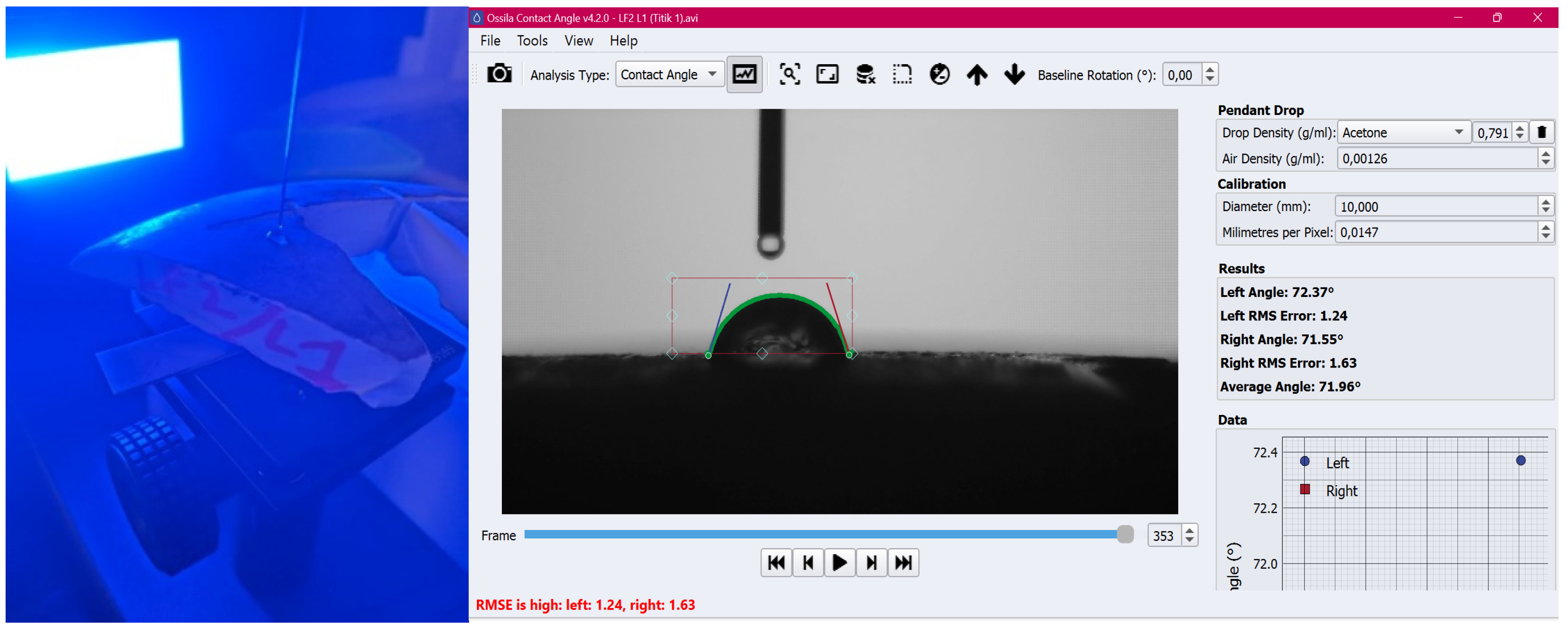
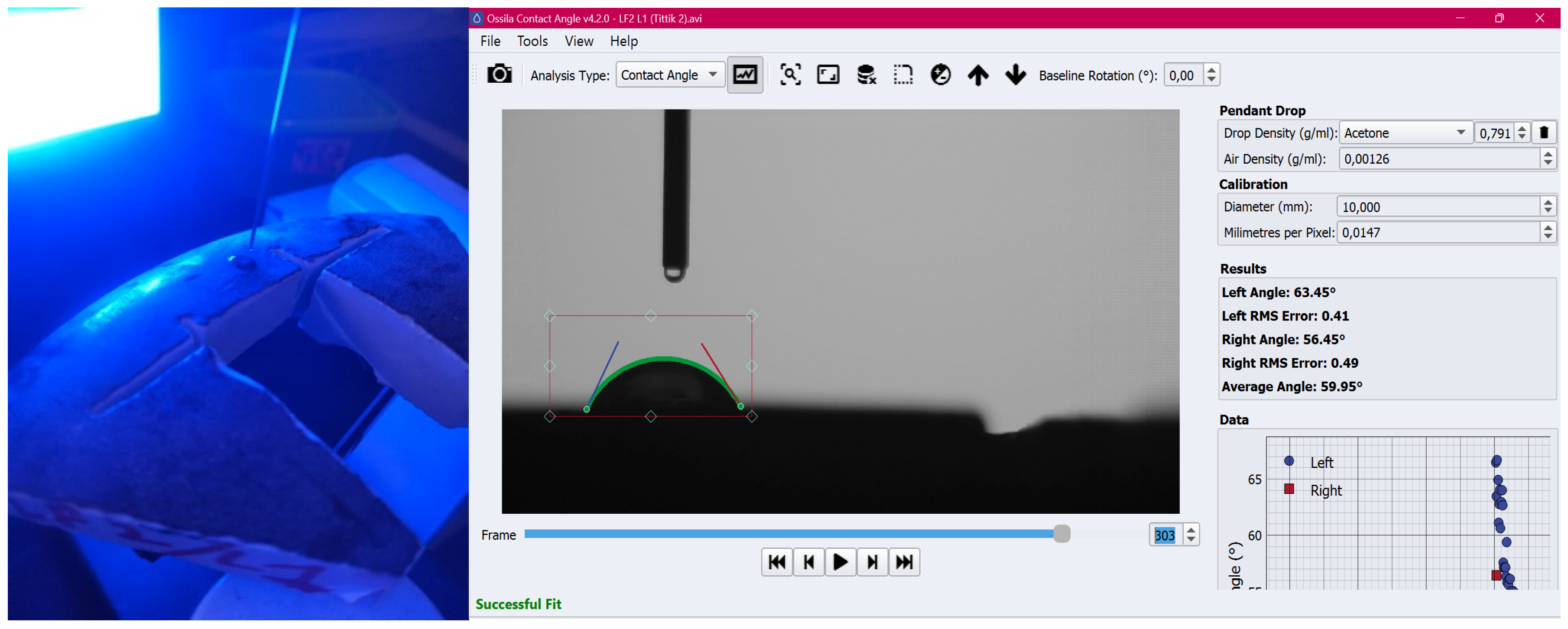
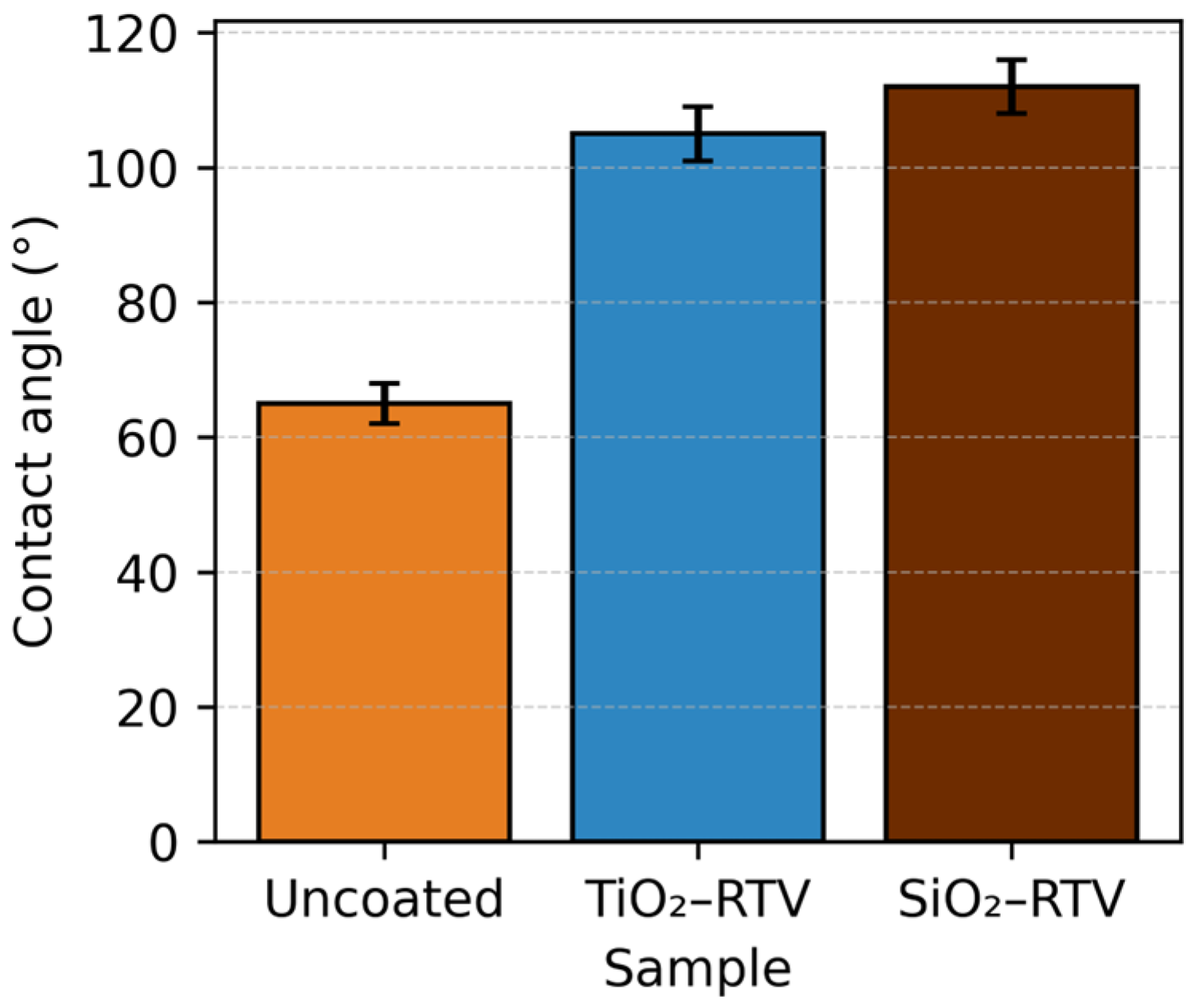
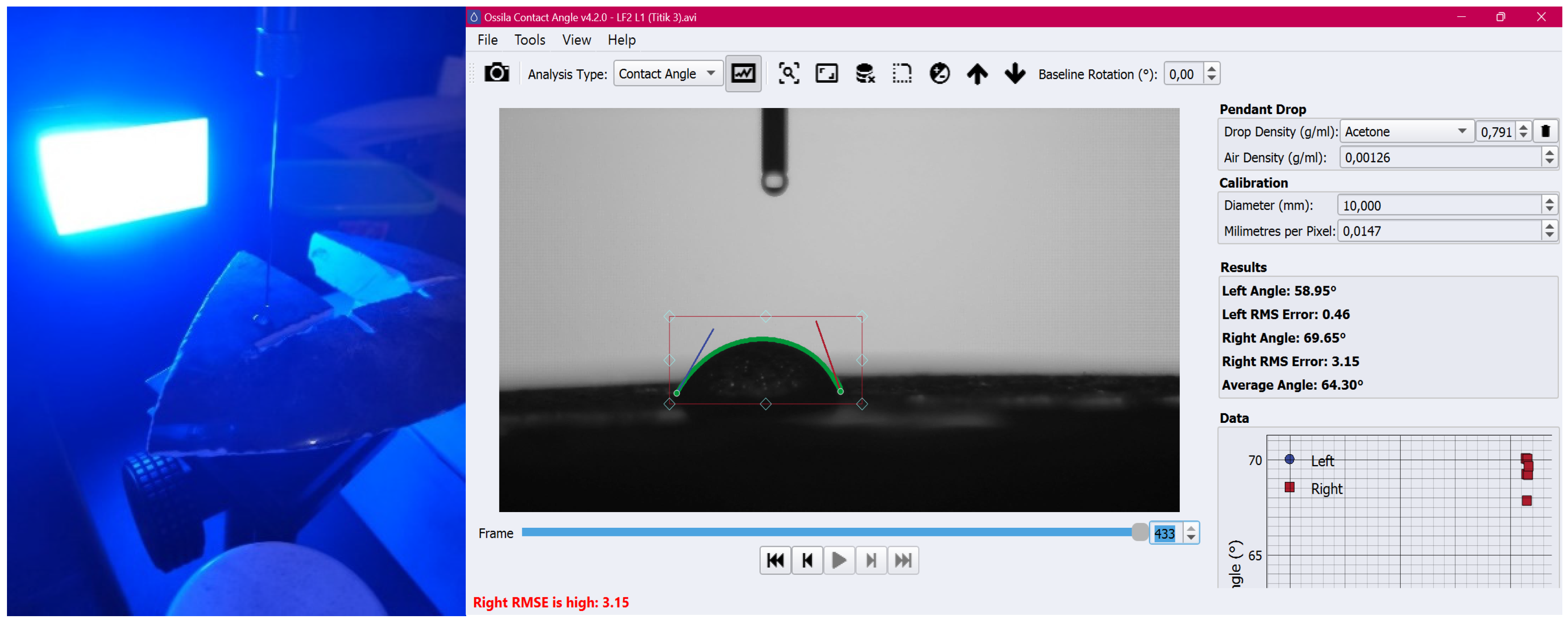
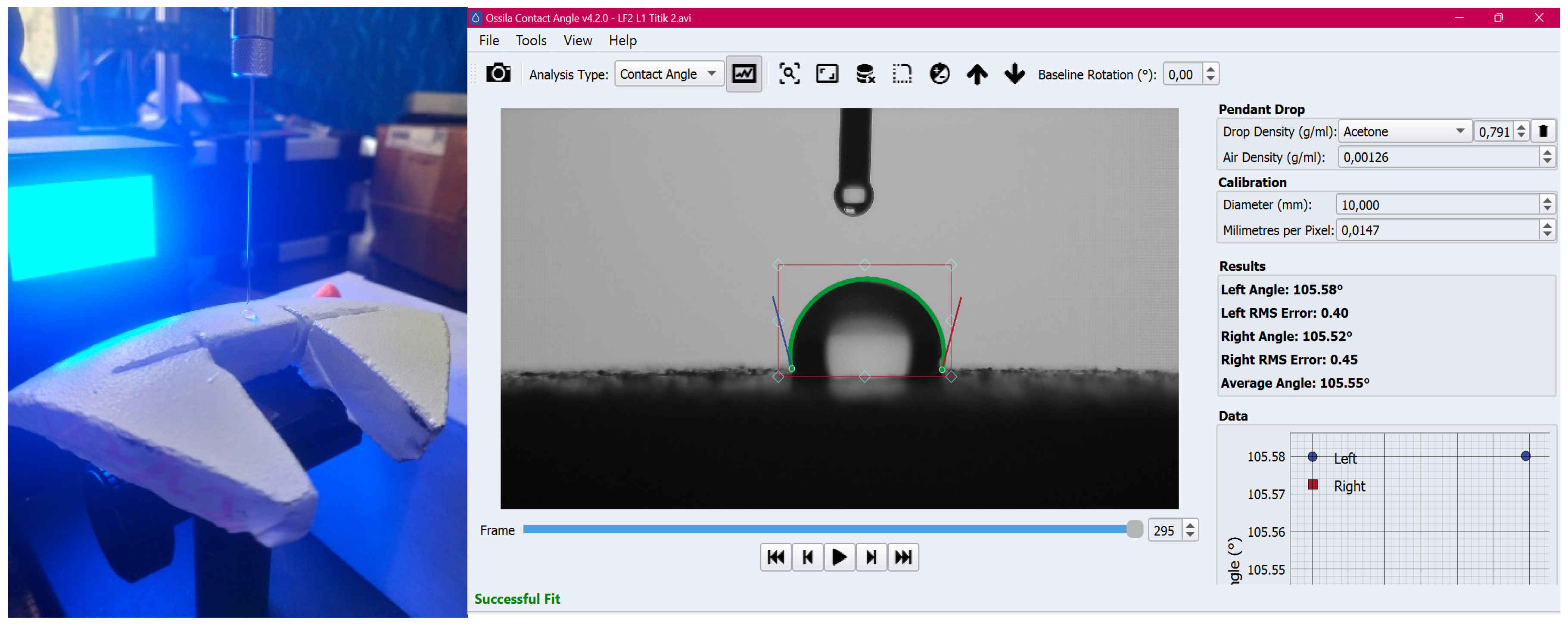
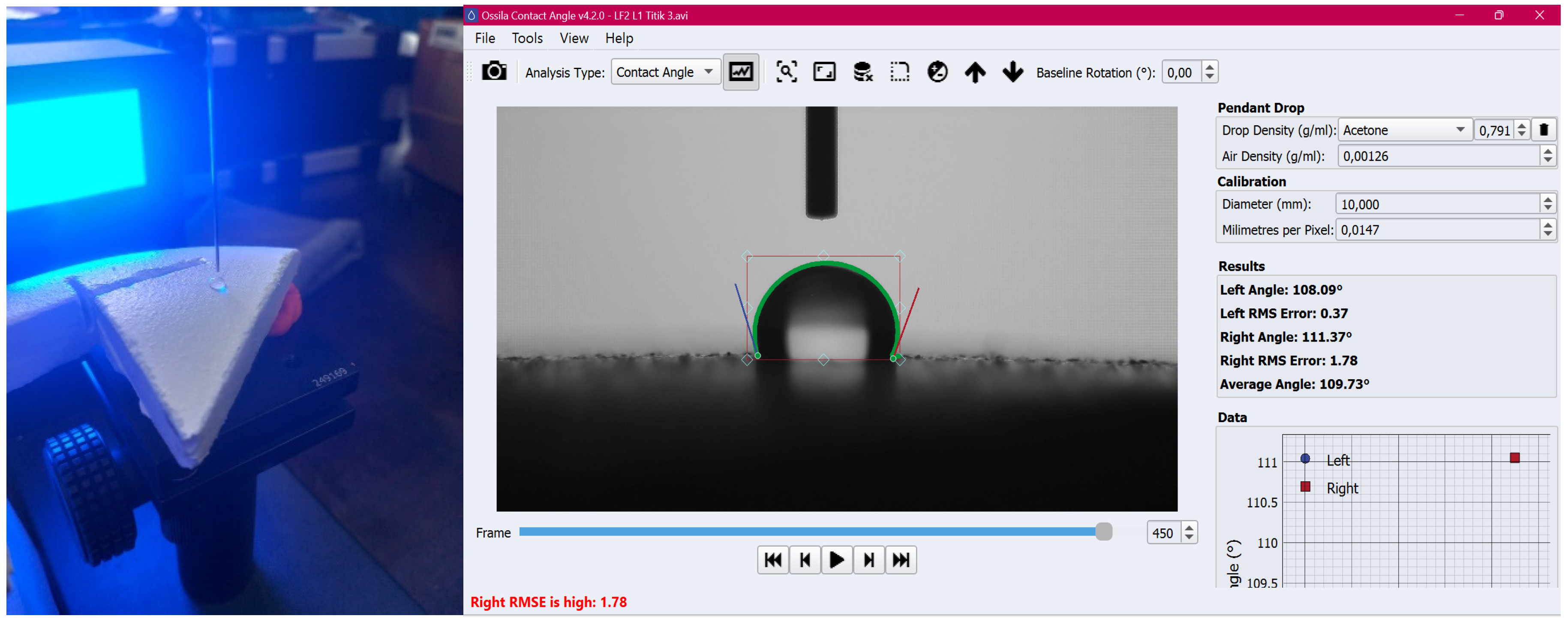
Contact-angle measurements demonstrate a clear improvement in surface hydrophobicity following the application of TiO
2-RTV and SiO
2-RTV nanocomposite coatings. The uncoated ceramic surface exhibits hydrophilic behavior, with contact-angle values ranging from 62° to 70°, which is consistent with previously reported characteristics of unprotected ceramic insulators exposed to humid tropical environments. Such hydrophilic behavior increases surface susceptibility to moisture accumulation under wet conditions, facilitating the formation of continuous surface water films along the insulator surface [
6,
12].
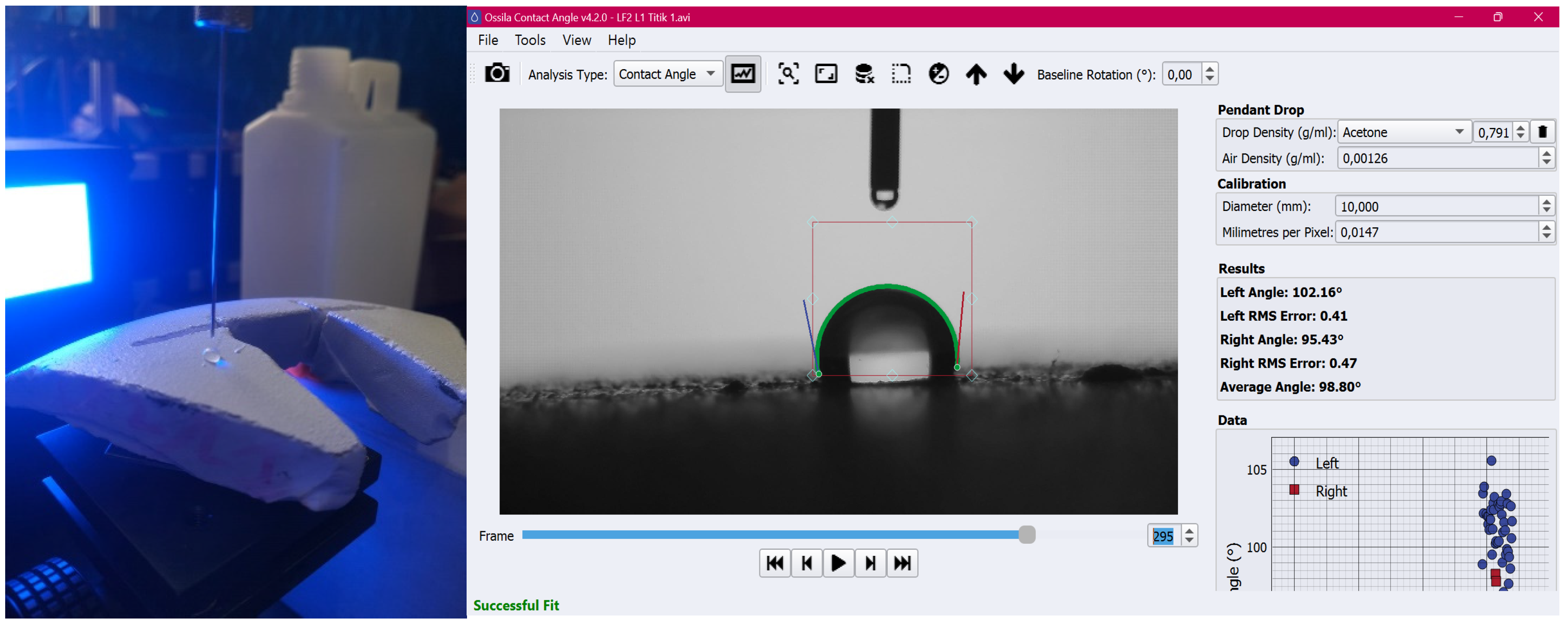
After coating application, both nanocomposite systems exhibit a distinct transition to hydrophobic surface behavior. The TiO
2-RTVcoated samples achieve an average contact angle of 105° ± 3°, while the SiO
2-RTV-coated samples show slightly higher values of 110° ± 2°. The relatively narrow standard deviations indicate consistent surface modification across all prepared specimens, suggesting uniform coating coverage and stable short-term wettability enhancement [
27,
28].
Following flashover exposure, hydrophobicity remains above 95° for both coated systems, whereas the uncoated ceramic surface experiences a pronounced reduction in contact angle. This post-flashover hydrophobic retention reflects reduced surface wettability under humid conditions rather than any form of performance enhancement beyond surface-related behavior. The observed trends are consistent with previous studies reporting improved moisture-shedding characteristics of RTV-based coatings and additive-assisted surface enhancement on ceramic and porcelain insulators in high-humidity environments [
7,
20,
23,
29].
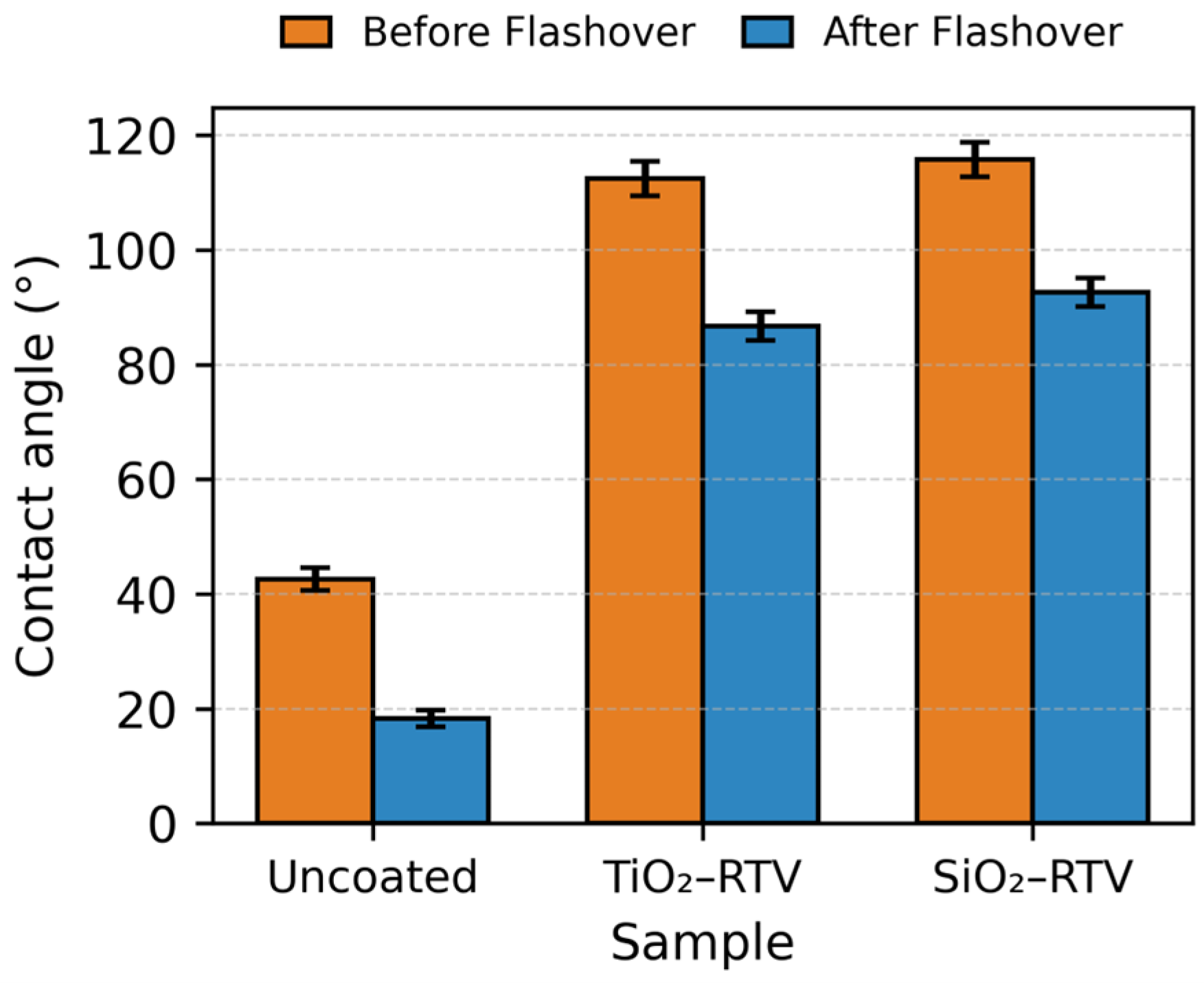
Figure 3 presents the statistical distribution of contact-angle measurements obtained before and after flashover exposure. Although all samples experience some degree of contact-angle reduction following flashover, the decline is most pronounced for the uncoated ceramic surface. Among the coated specimens, the SiO
2-RTV system retains the highest post-flashover contact-angle values, followed by the TiO
2-RTV system. These differences reflect variations in short-term surface wettability and are consistent with the qualitative surface features observed in subsequent SEM micrographs (
Figure 4 and
Figure 5), without implying predictive behavior beyond the measured surface properties.
Overall, the contact-angle results confirm that both TiO2-RTV and SiO2-RTV nanocomposite coatings provide measurable enhancement in short-term surface hydrophobicity relative to uncoated ceramic insulators. The findings presented in this section are limited to observable wettability behavior under the controlled tropical flashover conditions employed in this study and do not extend to long-term aging, durability, or mechanistic interpretations.
3.2. Surface Morphology and Elemental Distribution
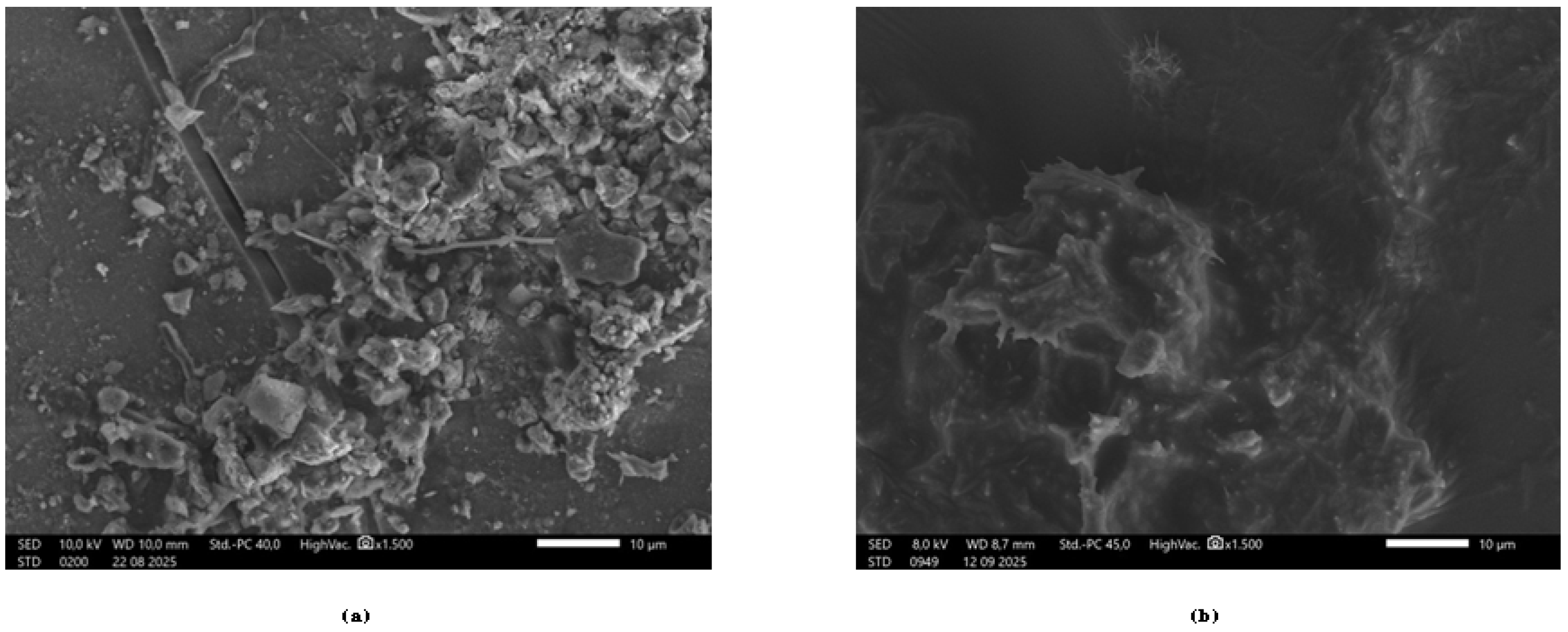
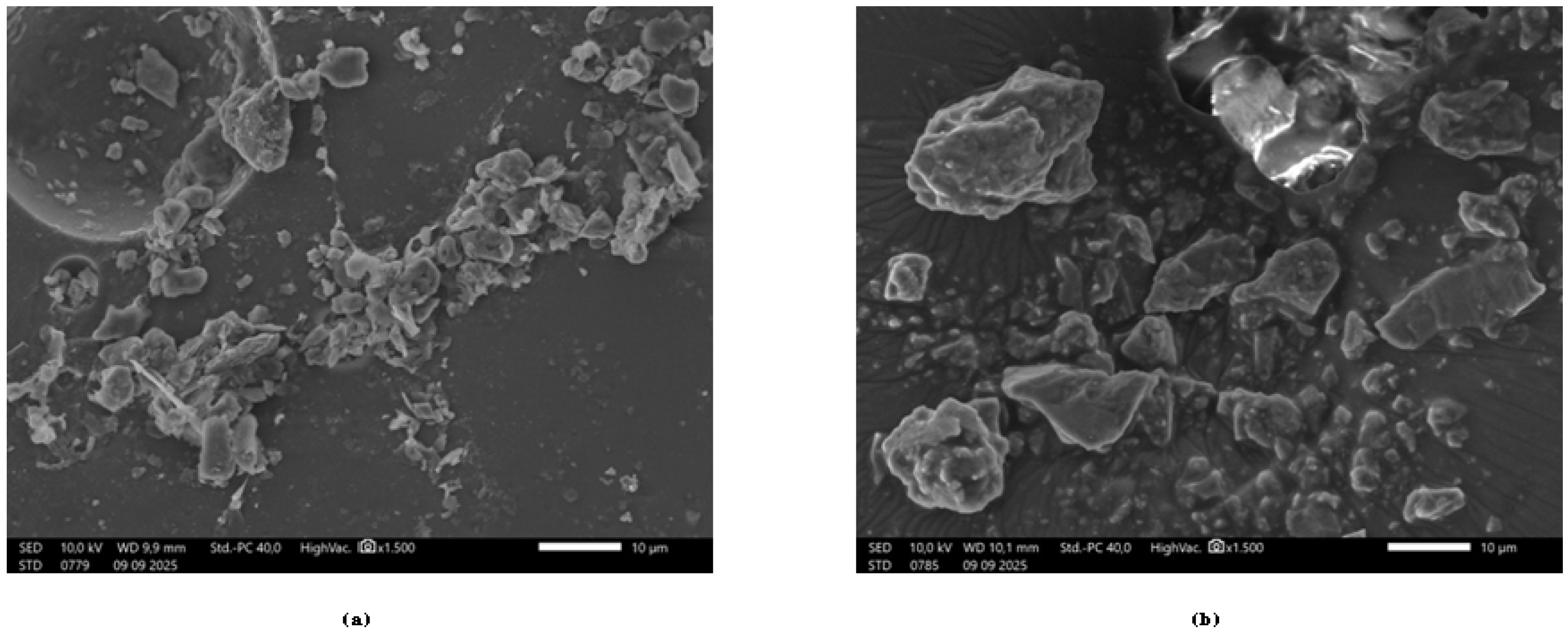
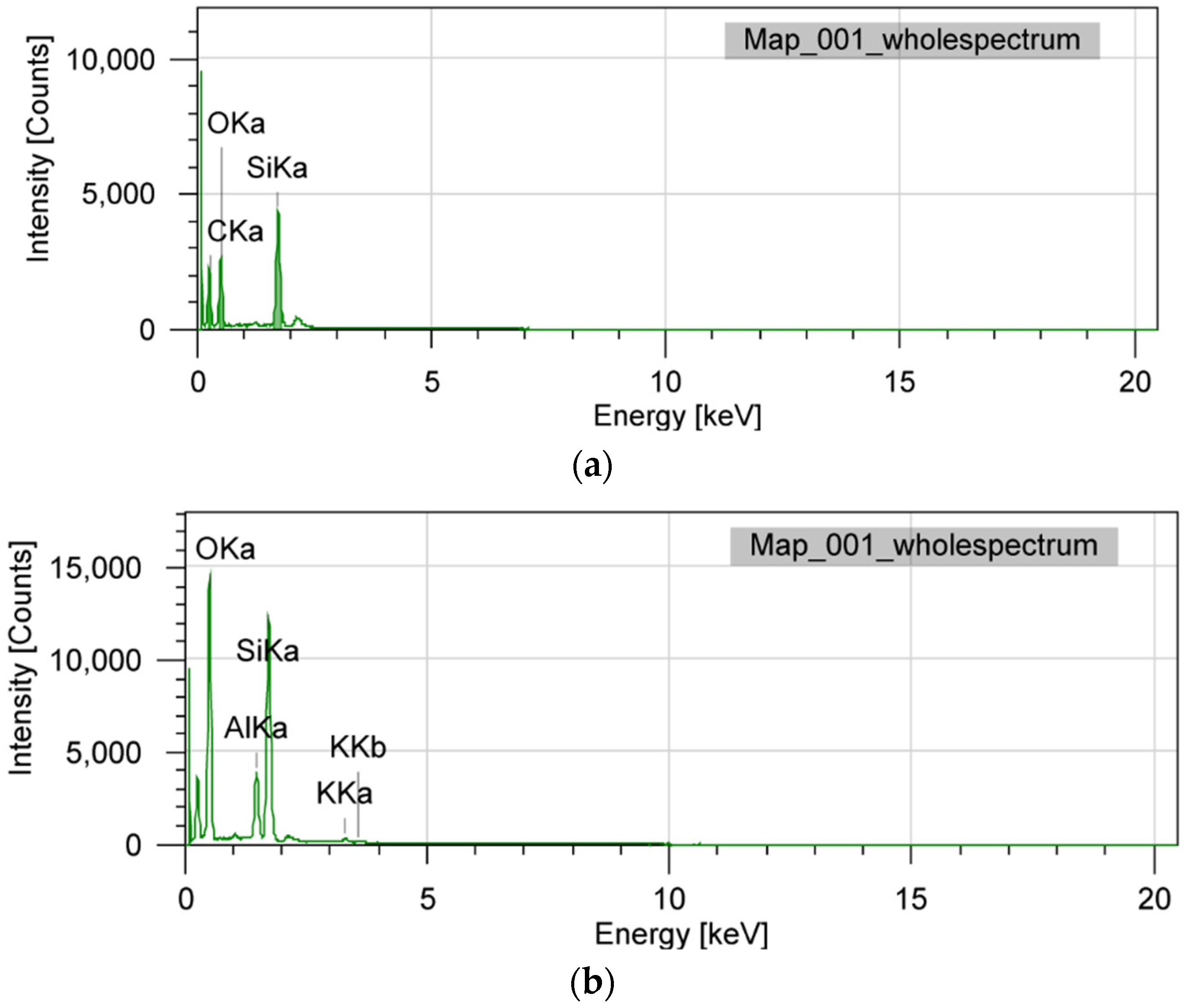
Figure 4,
Figure 5 and
Figure 6 provide experimental evidence that a single controlled flashover event induces distinct surface-condition states on ceramic insulators, depending on the presence and type of RTV-based nanocomposite coating. In this study, SEM–EDS is employed not as a microstructural characterization tool, but as a qualitative diagnostic method to identify post-flashover surface-condition differentiation relevant to wettability behavior under humid tropical environments.
As shown in
Figure 4, the TiO
2-RTV-coated surface retains a largely continuous polymeric layer after flashover exposure. The SEM micrographs reveal limited development of open pores or interconnected microcracks, indicating that the RTV matrix remains structurally intact following electrical pre-stress. Although localized surface irregularities are visible at higher magnification, these features do not expose the underlying ceramic substrate. From a surface-condition perspective, this morphology suggests a reduced density of preferential moisture-adsorption sites, which is consistent with previously reported suppression of continuous water-film formation on RTV-coated insulators operating under humid conditions [
7,
20,
24,
27].
In contrast,
Figure 5 shows that the SiO
2-RTV-coated surface exhibits an even more uniform post-flashover morphology, with fewer observable surface discontinuities compared with the TiO
2-RTV system. The smoother and more homogeneous surface texture indicates enhanced resistance of the coating layer to flashover-induced electro-thermal stress. This morphological stability provides experimental support for the higher post-flashover wettability retention observed for the SiO
2-RTV coating (
Section 3.3), establishing a direct link between surface continuity and short-term hydrophobic stability under humid conditions. Similar correlations between surface smoothness and improved moisture repellency have been reported for silica-modified RTV coatings in polluted and high-humidity environments [
16,
20,
30,
31].
By contrast, the uncoated ceramic surface exhibits pronounced surface heterogeneity after flashover exposure, including open pores, microcracks, and heterogeneous deposits. Such features are widely recognized as surface-condition indicators associated with enhanced moisture adsorption and the formation of continuous surface water films, which precede leakage-current development and secondary discharge activity under humid conditions [
6,
12,
20,
32]. The absence of a protective polymeric layer allows flashover-induced stress to directly impact the ceramic substrate, resulting in irreversible surface-condition degradation.
The elemental information provided in
Figure 6 further supports this surface-condition differentiation. The EDS spectra confirm the presence of Si and O associated with the RTV silicone matrix and Ti associated with the TiO
2 nanofiller, both before and after flashover exposure. Following flashover, increased C- and O-related signals are detected, which are attributed to discharge-related residues and environmental contamination rather than chemical modification or degradation of the coating material [
20,
30]. Importantly, no abrupt reduction or disappearance of coating-related elemental signals is observed, indicating that the coating layer remains present and continuous after flashover exposure. Consistent with the intrinsic limitations of EDS analysis, these results are interpreted solely as confirmation of elemental presence and not as evidence of uniform nanoparticle dispersion or chemical interaction [
7,
17,
33,
34].
Taken together, the SEM–EDS results demonstrate that flashover pre-stress produces three experimentally distinguishable surface-condition states:
- (i)
severe surface disruption and moisture-susceptible morphology on uncoated ceramic surfaces;
- (ii)
partially preserved surface continuity on TiO2-RTV-coated surfaces; and
- (iii)
the most stable and uniform surface condition on SiO2-RTV-coated surfaces.
This differentiation is experimentally significant because it provides a physical surface-condition basis for interpreting the wettability degradation trends discussed in
Section 3.3 and
Section 3.4, without invoking unmeasured electrical performance or chemical degradation mechanisms.
The novelty of this section lies in repositioning SEM–EDS from serving as a descriptive imaging technique to a surface-condition diagnostic framework for short-term flashover assessment. Unlike previous studies that emphasize long-term aging, electrical flashover voltage, or mechanistic filler–matrix interactions [
13,
20], the present work demonstrates that early-stage flashover-induced surface-condition differentiation can be experimentally identified through qualitative surface continuity analysis and directly correlated with wettability retention metrics. This surface-focused diagnostic approach provides practical relevance for post-event condition assessment of ceramic insulators operating in humid tropical environments, where rapid identification of surface vulnerability is critical.
3.3. Wettability Response as an Experimental Signature of Post-Flashover Surface Condition
The wettability response quantified through static contact-angle measurements provides direct experimental evidence of flashover-induced surface-condition differentiation.
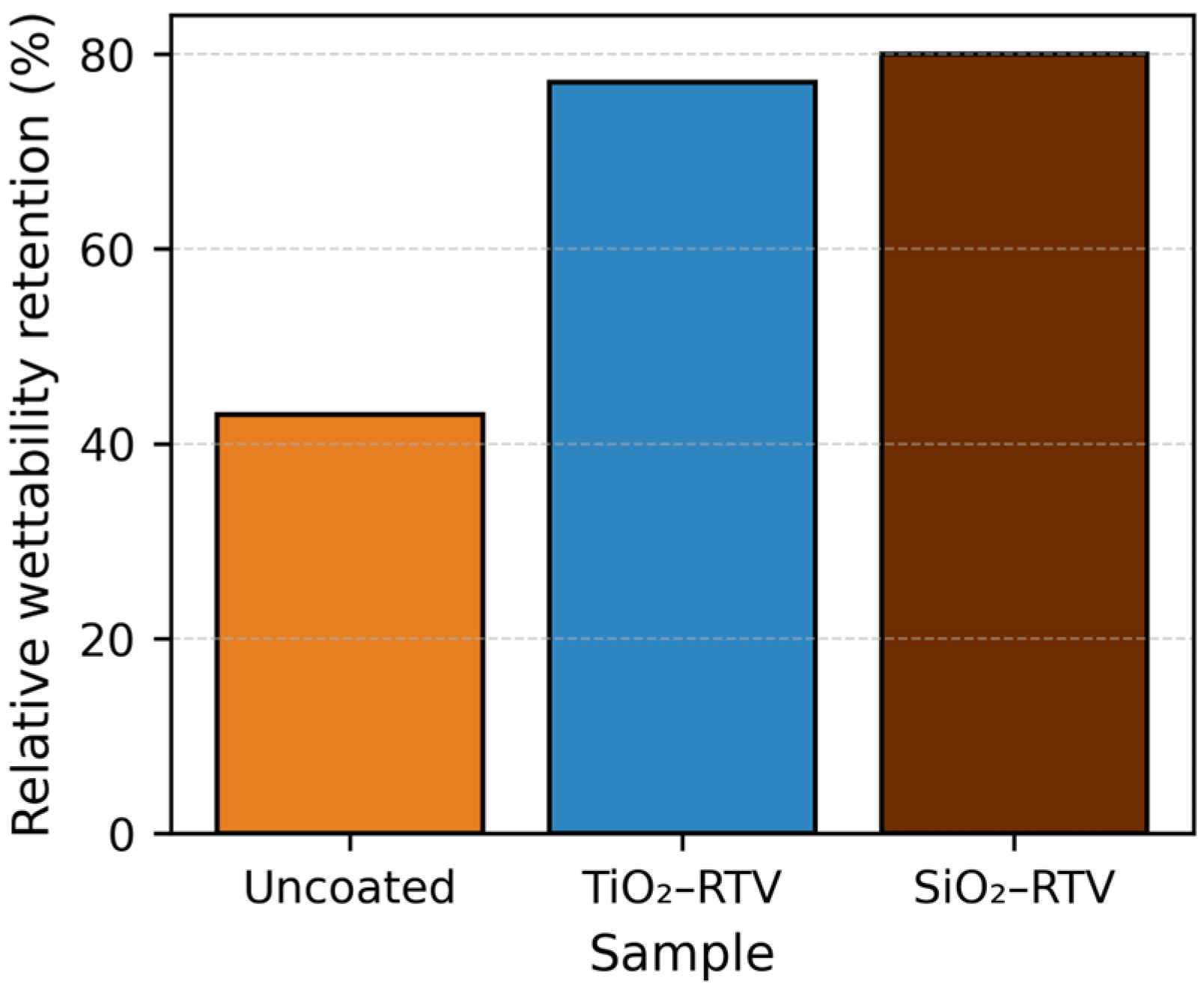
Figure 7 and
Figure 8 present the contact-angle values measured before and after flashover exposure, emphasizing that the observed trends originate from experimentally measurable surface behavior rather than qualitative visual interpretation.
As shown in
Figure 7, the uncoated ceramic surface undergoes a pronounced reduction in static contact angle following flashover pre-stress. This abrupt wettability collapse signifies a rapid transition toward moisture continuity on the ceramic surface. From an experimental perspective, such a transition represents a critical surface-condition shift, as continuous water-film formation on ceramic insulators is widely recognized as an early-stage precursor to leakage-current escalation and surface discharge activity under humid operating conditions [
6,
12,
20,
32]. The magnitude of contact-angle reduction observed here reflects irreversible surface-condition deterioration, consistent with the extensive surface disruption and pore exposure identified in SEM observations (
Section 3.2).
In contrast, the TiO
2-RTV- and SiO
2-RTV-coated samples retain substantially higher post-flashover contact-angle values, as illustrated in
Figure 7. This retained hydrophobicity experimentally confirms that the RTV-based coatings preserve the ability to disrupt continuous water-film formation even after electrical surface stressing. From a surface-condition standpoint, this behavior indicates delayed progression toward moisture-assisted conduction pathways, in agreement with previous studies on RTV-coated insulators subjected to humid and contaminated environments [
7,
20,
24,
27].
A more explicit comparison of short-term wettability stability is provided in
Figure 8, which highlights the relative retention of post-flashover contact angles among the tested surfaces. The consistently higher retained contact-angle values for the coated samples demonstrate that surface protection fundamentally alters the post-flashover wettability response. Notably, the SiO
2-RTV coating exhibits the highest wettability retention, indicating the superior short-term stability of surface hydrophobicity under combined electrical and humid stress. Although the absolute difference between the two coating systems is moderate, its reproducibility across all specimens indicates that filler type influences early-stage surface-condition resilience rather than long-term material performance [
16,
20,
30,
31].
Importantly, the wettability response presented in
Figure 7 and
Figure 8 is interpreted here not as an intrinsic material property but as an experimental signature of post-flashover surface condition. When evaluated alongside SEMEDS evidence (
Section 3.2), the contact-angle results establish a coherent experimental framework linking flashover-induced surface disruption, surface continuity, and short-term moisture interaction. This integrated interpretation advances wettability measurements beyond descriptive hydrophobicity reporting and positions them as a surface-condition diagnostic indicator for early-stage assessment following flashover events.
The novelty of this section lies in the experimental use of post-flashover wettability response as a diagnostic marker of short-term surface-condition change. Unlike conventional studies that employ contact-angle measurements primarily to describe material hydrophobicity or long-term aging behavior [
13,
20], the present work demonstrates that contact-angle retention immediately after flashover exposure can differentiate degradation states of coated and uncoated ceramic insulators under tropical humidity. By explicitly correlating wettability trends (
Figure 7 and
Figure 8) with surface-condition evidence from SEM-EDS, this study introduces a surface-focused, event-based diagnostic perspective relevant to post-flashover condition assessment.
3.4. Quantitative Interpretation of Short-Term Wettability Degradation Based on Normalized Indicators
This section strictly interprets post-flashover wettability changes as surface-condition indicators relevant to moisture-driven degradation, without invoking chemical bonding, spectroscopic evidence, or bulk material transformation. These post-flashover changes are relevant to moisture-driven surface degradation because they may promote localized conductive pathways and persistent electrolyte-film formation on contaminated ceramic surfaces. Flashover events impose localized electrical and thermal stresses that disturb surface continuity, increase micro-scale defect density, and alter water–surface interaction behavior, thereby influencing moisture retention without inducing bulk material transformation [
1,
2,
3,
6]. These surface-level modifications govern the formation and persistence of thin electrolyte films under humid tropical environments, which are widely recognized as precursors to moisture-driven surface deterioration [
4,
5,
6].
From a degradation perspective, reduced contact-angle stability indicates enhanced moisture residence time on the insulator surface. Persistent moisture films act as conductive electrolytes, facilitating ionic transport and physicochemical surface processes that accelerate surface deterioration under humid and polluted conditions [
4,
5,
6,
12,
32]. Consequently, wettability evolution serves as an indirect yet sensitive indicator of early-stage surface degradation linked to persistent electrolyte-film formation and moisture-assisted surface conductivity, particularly for ceramic insulation systems operating in tropical environments where moisture-assisted degradation dominates long-term performance loss [
1,
6,
32].
The improved wettability stability observed for TiO
2-RTV and SiO
2-RTV nanocomposite coatings after flashover exposure indicates enhanced resistance to moisture-driven surface degradation. The reduced dispersion of post-flashover contact-angle values suggests a more homogeneous surface response to water interaction, suppressing localized moisture accumulation sites that typically initiate degradation progression and moisture-assisted surface damage [
7,
8,
9,
16,
20]. This stabilization effect highlights the role of RTV-based nanocomposite coatings in maintaining surface continuity and limiting electrolyte-film formation immediately following electrical surface stress. These results should be interpreted strictly as surface-condition indicators rather than direct evidence of corrosion or bulk material degradation.
To quantitatively resolve these short-term surface-condition changes, normalized wettability indicators were employed. Relative Wettability Retention (RWR) captures the ability of the surface to preserve hydrophobicity after flashover exposure, while the Wettability Degradation Index (WDI) represents the severity of surface destabilization due to moisture interaction. As summarized in
Table 1, the uncoated ceramic surface exhibits the lowest RWR and the highest WDI, confirming severe surface degradation and high susceptibility to moisture-assisted deterioration. In contrast, both TiO
2-RTV and SiO
2-RTV coatings maintain higher RWR values and lower WDI values, indicating improved post-flashover surface stability. Among them, the SiO
2-RTV coating exhibits the most favorable normalized performance, which is consistent with its superior contact-angle stability and more uniform surface response after flashover exposure.
Importantly, the present interpretation is strictly based on surface-condition diagnostics derived from wettability behavior and qualitative surface morphology observations, without invoking chemical bonding analysis, spectroscopic interpretation, or bulk compositional changes. By adopting an event-based, surface-focused diagnostic framework, this study provides a practical methodology for evaluating early-stage degradation mechanisms without reliance on long-term aging tests as the primary assessment approach. The normalized wettability indicators therefore offer a simple but effective quantitative basis for comparing coating effectiveness under short-term flashover-induced surface stress in humid outdoor environments.
Relative Wettability Retention (RWR, %):
Wettability Degradation Index (WDI):
3.5. Extended Experimental Validation Using Flashover and Leakage-Current Measurements
To further support the surface-condition evaluation, supplementary flashover-voltage and leakage-current measurements were considered under controlled wet and dry conditions. These additional electrical results were not intended to replace the primary surface-based framework of the study, but rather to provide limited supporting evidence for comparison with the wettability- and morphology-based observations discussed in previous sections [
1,
2,
3,
20,
35,
36,
37]. The summarized results are presented in
Table 2 and
Table 3.
As shown in
Table 2, the wet-condition flashover-voltage measurements indicate only limited electrical separation among the uncoated and coated samples under the investigated conditions. Although the TiO
2-RTV-coated sample shows a slightly higher flashover-voltage value than the uncoated ceramic, the overall variation remains small, and the SiO
2-RTV-coated sample does not exhibit a higher flashover-voltage value than the uncoated condition. In addition, the recorded leakage-current values at 50% of flashover voltage are identical for all tested samples. Accordingly, these supplementary wet-condition electrical results should be interpreted cautiously and should not be taken as the dominant basis for performance ranking among the coating systems. Under the present wet-condition measurements, the electrical data mainly indicate that the differences among the tested surfaces remain limited at this stage of evaluation [
20].
The dry-condition results summarized in
Table 3 also show a relatively narrow variation in flashover response among the tested samples. The flashover-voltage values remain within a close range, indicating that the application of TiO
2-RTV and SiO
2-RTV coatings does not fundamentally change the intrinsic dielectric breakdown threshold of the ceramic substrate under dry conditions. These observations are consistent with the interpretation that the principal role of the RTV-based nanocomposite coatings is associated more strongly with surface-related moisture behavior than with substantial modification of the intrinsic bulk electrical strength of the ceramic body [
8,
9,
10,
20,
35,
36].
Overall, the supplementary electrical results remain broadly consistent with the contact-angle-based and morphology-based interpretation presented in this study. Although the electrical separation among samples is limited under the present wet-condition measurements, the results still support the interpretation that the main contribution of the RTV-based nanocomposite coatings lies in improving surface moisture behavior rather than fundamentally changing the intrinsic dielectric strength of the ceramic body [
4,
5,
6,
7,
16,
20].
3.6. Integrated Interpretation of Short-Term Surface Stability After Flashover Pre-Stress
The combined experimental evidence obtained from surface morphology observations (
Section 3.2), static contact-angle measurements (
Section 3.3), and normalized wettability indicators (
Section 3.4) enables an integrated interpretation of short-term surface stability following flashover pre-stress. Rather than treating wettability degradation as an isolated parameter, the present results demonstrate that flashover-induced surface response is governed by the ability of the surface to maintain morphological continuity and suppress rapid moisture spreading immediately after electrical stressing, as reported in previous studies on electrically stressed ceramic insulators and RTV-coated systems [
1,
2,
3].
For the uncoated ceramic insulator, the convergence of SEM observations, contact-angle reduction, and extreme normalized degradation indices indicates a coherent degradation pathway. The presence of open pores and microcracks observed after flashover (
Section 3.2) directly corresponds to a sharp decrease in contact angle (
Figure 7) and the lowest RWR combined with the highest WDI (
Table 1). This consistency confirms that flashover exposure rapidly transforms the surface into a moisture-favorable state, leading to irreversible loss of short-term wettability resistance under humid conditions, in agreement with earlier investigations on untreated ceramic insulators subjected to electrical and environmental stress [
3,
4,
5].
In contrast, RTV-based nanocomposite coatings fundamentally modify this surface-response trajectory. Despite exposure to identical flashover pre-stress, both TiO
2-RTV and SiO
2-RTV coatings maintain substantially higher post-flashover contact angles and exhibit significantly lower degradation severity as quantified by RWR and WDI. This behavior indicates that nanocomposite coatings do not merely delay wetting but actively stabilize the post-flashover surface condition by preserving surface continuity and limiting the formation of moisture-conductive pathways, consistent with the hydrophobic stabilization mechanisms reported for RTV-based coatings [
6,
7,
8].
A key experimental distinction emerges between the two nanocomposite systems. While both coatings provide effective short-term protection, the SiO
2-RTV coating consistently demonstrates superior surface stability across all evaluation metrics. Its higher RWR and lower WDI values, together with smoother post-flashover morphology, indicate that silica-reinforced RTV coatings offer enhanced resistance to flashover-induced surface destabilization. Importantly, this distinction is observable immediately after a single flashover event, highlighting the sensitivity of the adopted experimental framework to early-stage surface degradation phenomena, which are often obscured in long-term aging studies [
7,
8,
9].
The novelty of this study lies in establishing an event-based, surface-condition-oriented assessment framework for ceramic insulators subjected to flashover stress. Unlike conventional studies that emphasize long-term aging, pollution accumulation, or electrical endurance testing, the present work demonstrates that short-term surface stability can be quantitatively resolved using normalized wettability indices directly linked to experimentally observed morphology. This approach enables rapid discrimination between coating formulations based on their immediate post-flashover surface response, providing a practical and reproducible methodology for evaluating coating effectiveness under humid tropical conditions [
1,
2,
6].
By integrating morphological evidence with normalized wettability metrics, this study advances a surface-focused experimental paradigm that bridges the gap between qualitative surface observation and quantitative degradation assessment. The results confirm that early-stage surface-condition integrity following flashover exposure is a critical determinant of wettability behavior and can be effectively captured using the proposed methodology.
4. Conclusions
This study demonstrates that TiO2-RTV and SiO2-RTV nanocomposite coatings significantly improve the short-term surface wettability retention of 150 kV ceramic insulators following a single flashover pre-stress under humid tropical conditions. By integrating static contact-angle measurements, qualitative surface morphology, and normalized wettability indicators, including relative wettability retention (RWR) and the wettability degradation index (WDI), an event-based framework was established to quantitatively evaluate early-stage flashover-induced surface-condition degradation.
Among the tested coating systems, the SiO2-RTV coating exhibited the most stable post-flashover wettability retention, indicating superior resistance to moisture-assisted surface degradation under the investigated conditions. The supplementary flashover-voltage and leakage-current results were consistent with the wettability- and morphology-based interpretation, confirming that the primary contribution of the RTV-based nanocomposite coatings lies in improving surface moisture behavior and suppressing conductive film continuity, rather than fundamentally altering the intrinsic dielectric strength of the ceramic substrate.
Overall, the findings support the use of nanoparticle-modified RTV coatings, particularly SiO2-RTV, as promising candidates for rapid post-event surface-performance screening of ceramic insulators in humid outdoor service environments. The proposed surface-focused, event-based framework provides a practical experimental basis for evaluating short-term degradation behavior associated with flashover-induced surface-condition changes, without requiring long-term aging experiments as the primary assessment approach. This study focuses on early-stage surface-condition changes associated with flashover-induced wettability response and does not directly investigate corrosion processes. Because the experiments were performed on a controlled n = 3 dataset per group, the present results should be interpreted as comparative laboratory evidence and should be further validated in larger-scale studies.




 ,
,