
Dietary Approaches to Obstructive Sleep Apnea: Translating Mechanistic Pathways into Clinical Practice



Abstract
1. Introduction
2. Methodology
2.1. Study Design and Purpose
2.2. Databases and Search Period
2.3. Search Strategy
2.4. Eligibility Criteria
2.5. Study Selection Process
2.6. Evidence Appraisal
2.7. Data Synthesis
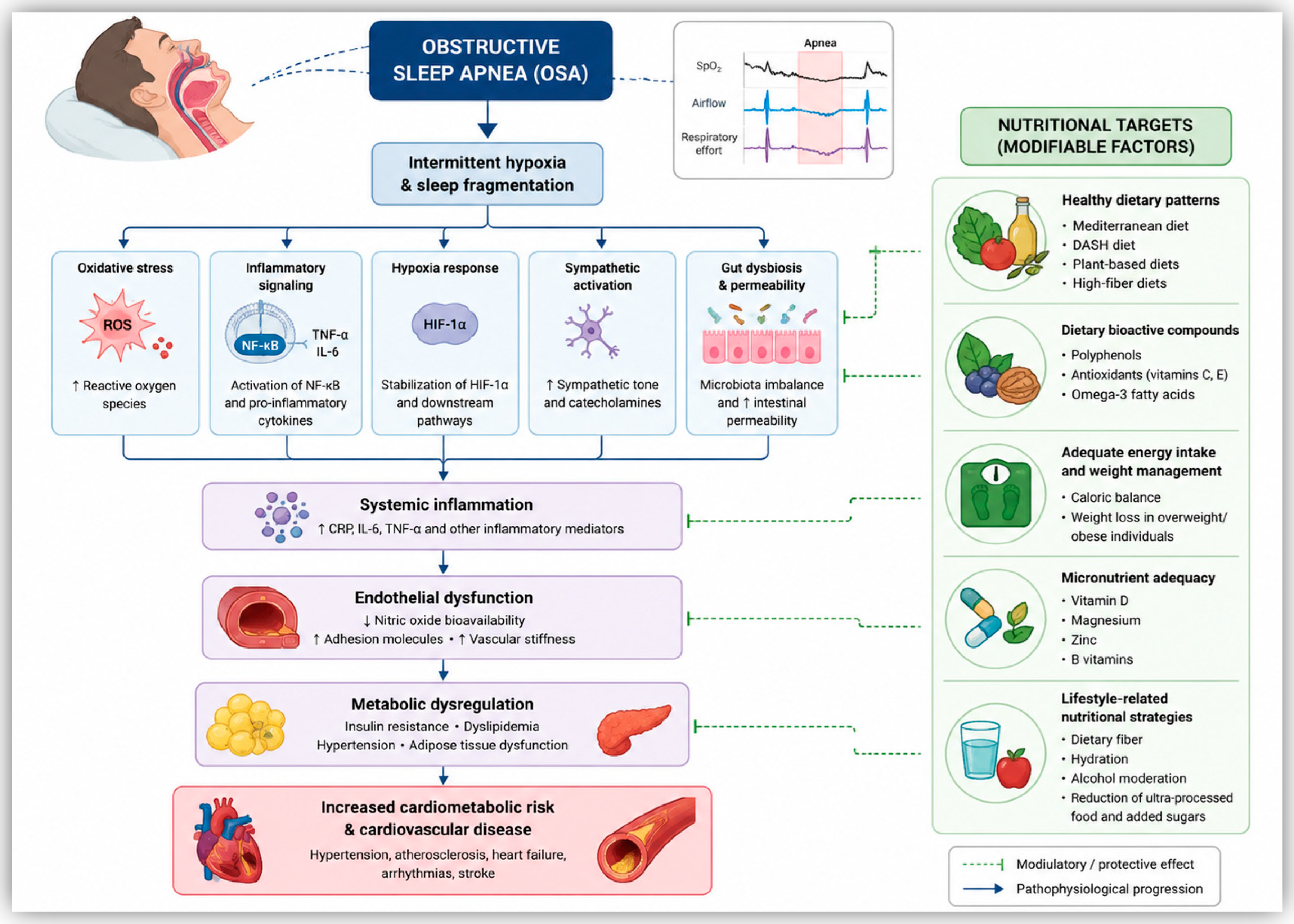
3. Nutritional Mechanisms in the Pathophysiology of Obstructive Sleep Apnea
3.1. Obesity, Body Fat Distribution, and Upper Airway Anatomy
3.2. Chronic Low-Grade Inflammation
3.3. Oxidative Stress and Endothelial Dysfunction
3.4. Insulin Resistance and Metabolic Dysfunction
3.5. Adipokines and Neuroendocrine Regulation
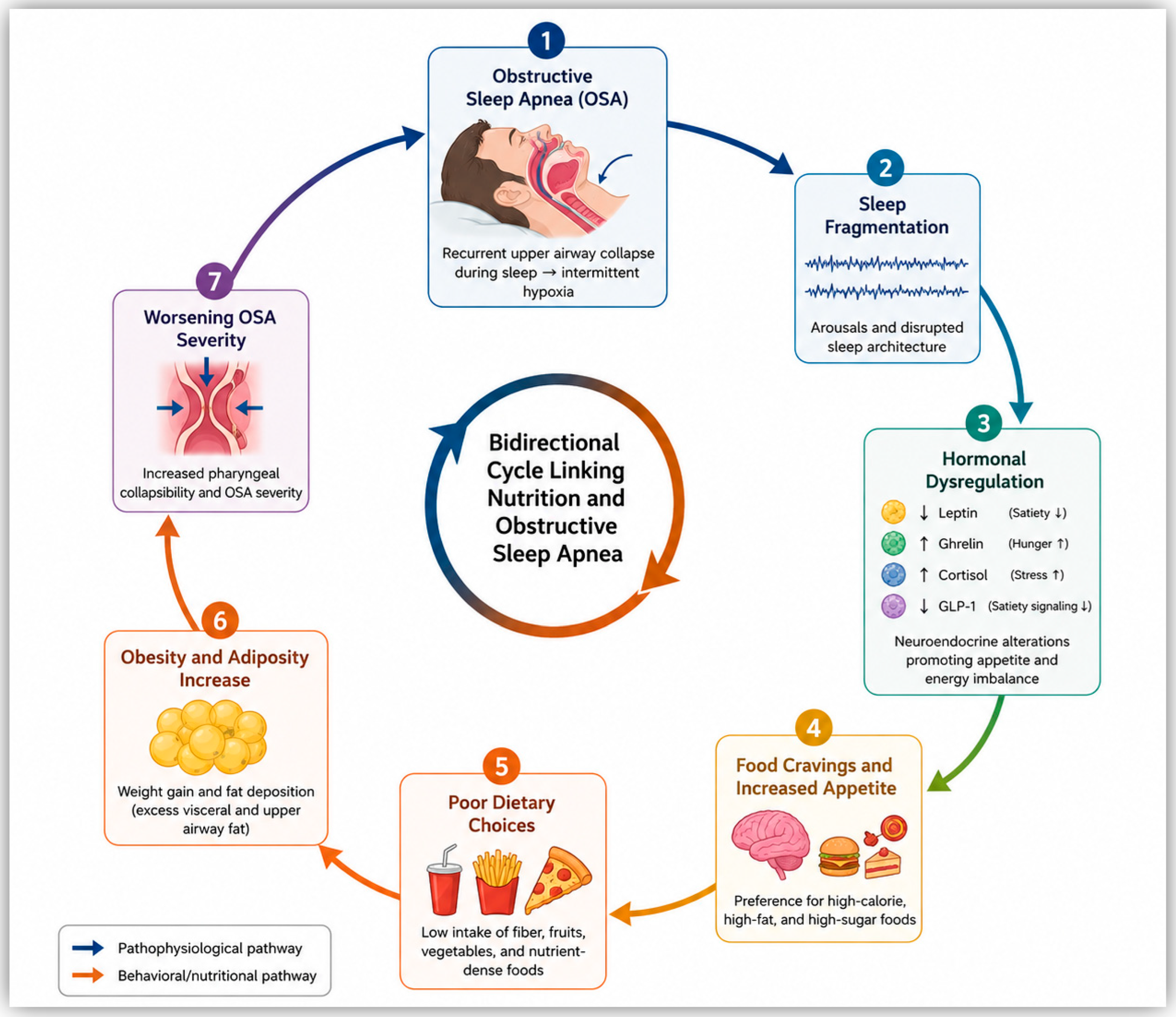
4. The Bidirectional Relationship Between Nutrition and Obstructive Sleep Apnea
4.1. Sleep Fragmentation and Appetite Dysregulation
4.2. Food Preferences and Eating Behavior
4.3. Circadian Rhythm Disruption and Chrononutrition
4.4. Physical Inactivity, Energy Expenditure, and Weight Gain
4.5. Effects of OSA Treatment on Dietary Behavior
4.6. Sleep Hygiene, Environmental Stimuli, and Behavioral Nutrition in OSA
5. Dietary Patterns and Clinical Evidence in Obstructive Sleep Apnea
5.1. Mediterranean Diet
5.2. Dietary Approaches to Stop Hypertension (DASH) Diet
5.3. Plant-Based Dietary Patterns
5.4. Low-Carbohydrate and Ketogenic Diets
5.5. Chrononutrition and Time-Restricted Eating
5.6. Western Dietary Patterns and Ultra-Processed Foods
5.7. Comparative Perspective
6. Micronutrients and Bioactive Compounds: Emerging Targets for Nutritional Management of OSA
6.1. Vitamin D
6.2. Omega-3 Polyunsaturated Fatty Acids
6.3. Dietary Fiber and Short-Chain Fatty Acids
6.4. Polyphenols and Other Dietary Antioxidants
6.5. Magnesium
6.6. Vitamin B6 and Sleep Neurotransmitter Synthesis
6.7. Iron and Upper Airway Muscle Tone
6.8. N-Acetylcysteine: Antioxidant and Mucolytic Effects Relevant to OSA
6.9. Emerging Nutritional Compounds
6.10. Clinical Perspective
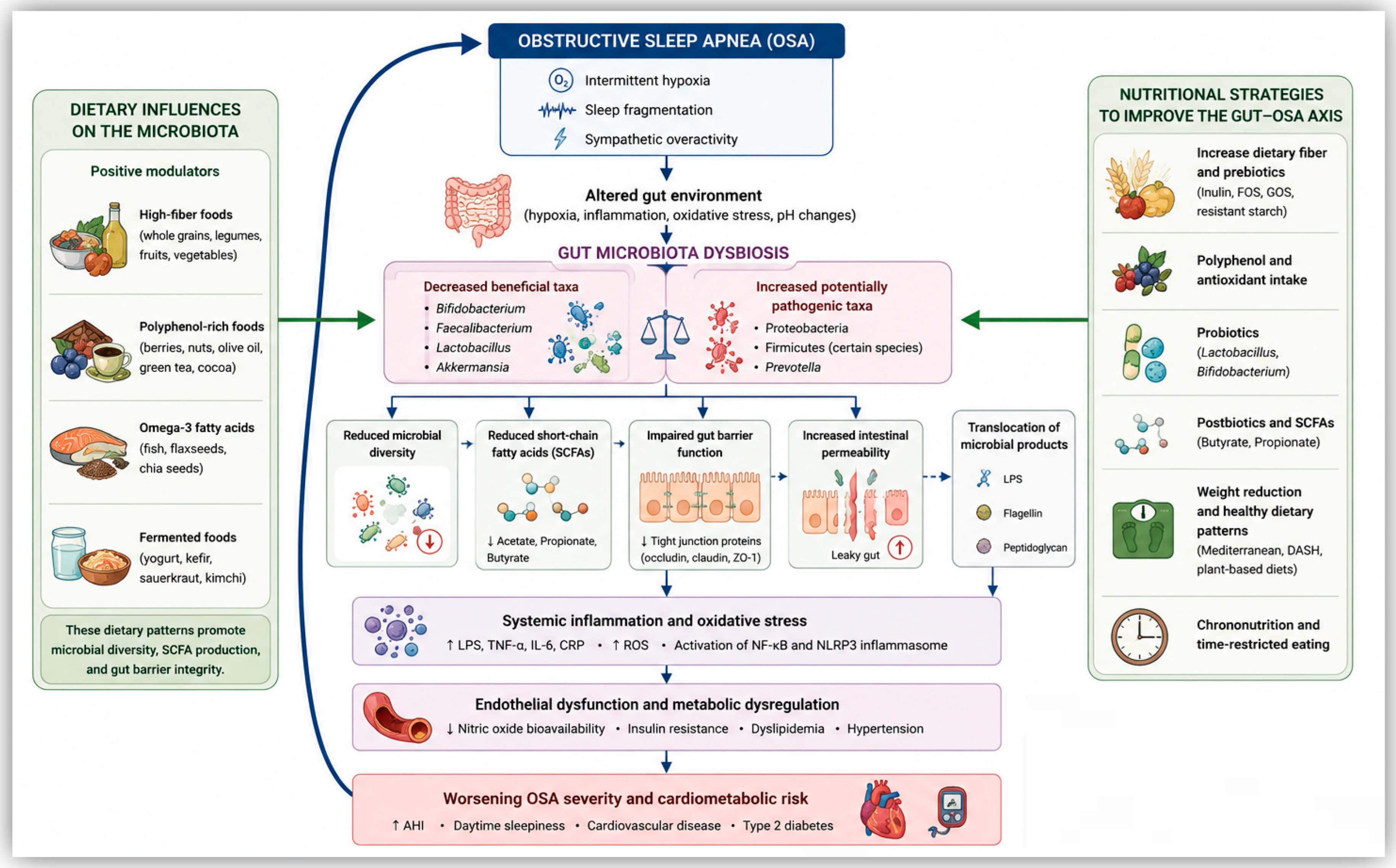
7. Gut Microbiota: A Novel Link Between Nutrition and Obstructive Sleep Apnea
7.1. Intermittent Hypoxia Induces Gut Dysbiosis
7.2. Increased Intestinal Permeability and Metabolic Endotoxemia
7.3. Short-Chain Fatty Acids as Key Mediators
7.4. Diet, Microbiota, and OSA
7.5. The Gut–Lung Axis in OSA
7.6. Probiotics, Prebiotics, and Synbiotics
7.7. Future Perspectives: Toward Microbiome-Based Precision Nutrition
8. Precision Nutrition and Incretin-Based Therapies: Toward Personalized Management of Obstructive Sleep Apnea
8.1. Precision Nutrition: Concept and Clinical Relevance
8.2. OSA Phenotypes and Nutritional Implications
8.3. Incretin-Based Therapies: A New Era in OSA Management
8.4. Integrating Nutrition with Incretin Therapy
8.5. Biomarkers for Personalized Nutritional Care
8.6. Artificial Intelligence and Digital Nutrition
8.7. Future Perspective
9. Clinical Implications: Integrating Nutrition into the Multidisciplinary Management of Obstructive Sleep Apnea
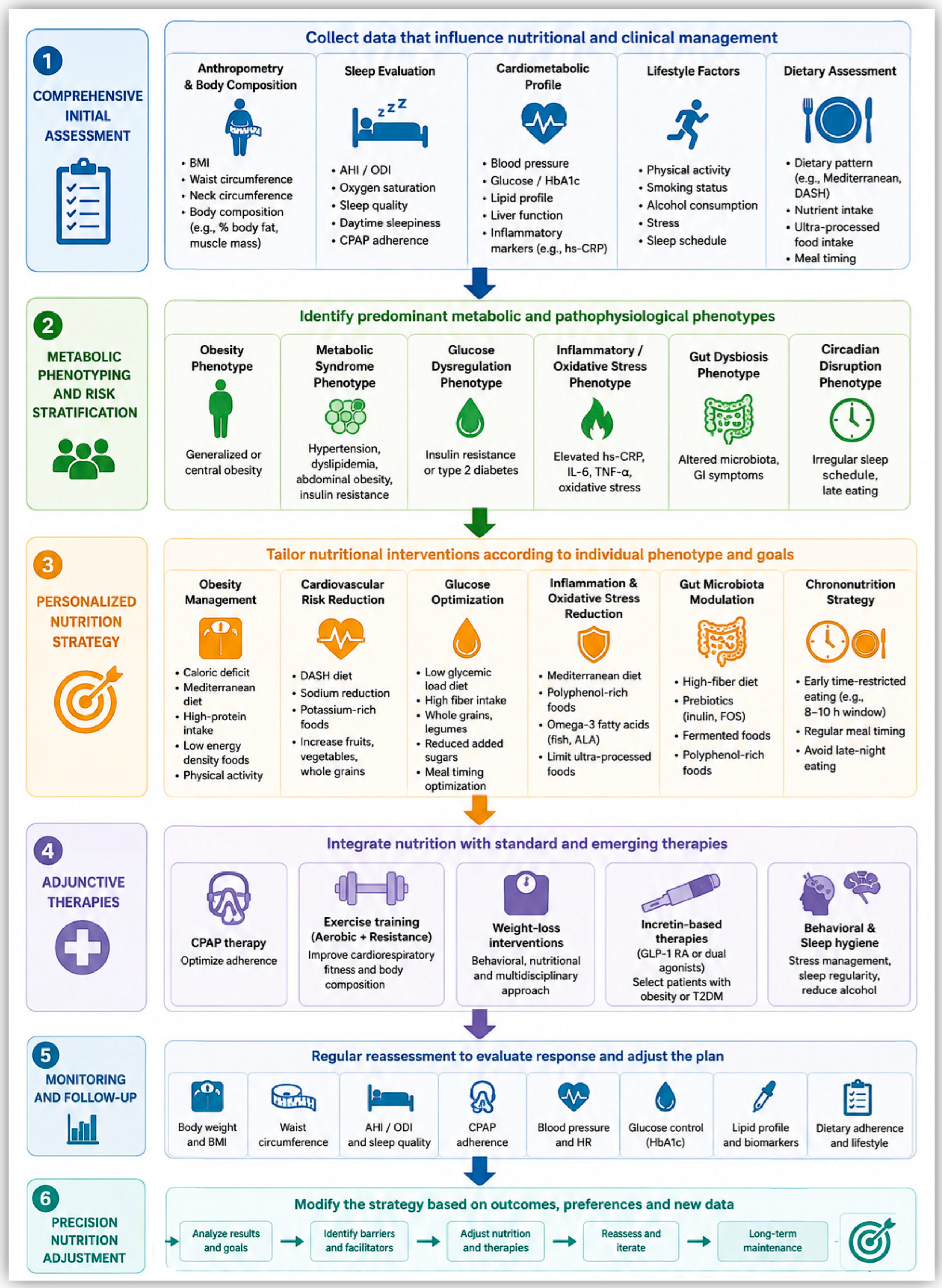
9.1. Nutritional Assessment Should Become Routine in OSA Care
9.2. Individualized Nutritional Interventions
9.3. Combining Nutritional Therapy with CPAP and Pharmacological Treatment
9.4. Monitoring Treatment Response
9.5. Current Challenges
9.6. Proposed Clinical Framework
- Perform comprehensive nutritional assessment, including body composition, dietary quality, metabolic risk factors, and eating behaviors.
- Prioritize healthy dietary patterns, particularly Mediterranean and DASH diets, instead of focusing exclusively on caloric restriction.
- Reduce consumption of ultra-processed foods, sugar-sweetened beverages, and saturated fats.
- Increase dietary fiber intake through fruits, vegetables, legumes, whole grains, and nuts to improve gut microbiota composition and metabolic health.
- Individualize nutritional therapy according to obesity phenotype, metabolic profile, comorbidities, and patient preferences.
- Integrate nutrition with CPAP, exercise, and pharmacological therapy, particularly incretin-based medications when indicated.
- Monitor multidimensional clinical outcomes, including respiratory, metabolic, inflammatory, and behavioral parameters.
10. Future Directions
11. Conclusions
Supplementary Materials
Author Contributions
Funding
Data Availability Statement
Acknowledgments
Conflicts of Interest
Abbreviations
| AHI | Apnea–Hypopnea Index |
| AI | Artificial Intelligence |
| BMI | Body Mass Index |
| CPAP | Continuous Positive Airway Pressure |
| CRP | C-Reactive Protein |
| DASH | Dietary Approaches to Stop Hypertension |
| DHA | Docosahexaenoic Acid |
| DXA | Dual-Energy X-ray Absorptiometry |
| EPA | Eicosapentaenoic Acid |
| GLP-1 | Glucagon-Like Peptide-1 |
| GLP-1RAs | Glucagon-Like Peptide-1 Receptor Agonist |
| GIP | Glucose-Dependent Insulinotropic Polypeptide |
| IL | Interleukin |
| LPS | Lipopolysaccharide |
| MASLD | Metabolic Dysfunction-Associated Steatotic Liver Disease |
| NF-κB | Nuclear Factor-Kappa B |
| Nrf2 | Nuclear Factor Erythroid 2-Related Factor 2 |
| OSA | Obstructive Sleep Apnea |
| PUFAs | Polyunsaturated Fatty Acids |
| RCT | Randomized Controlled Trial |
| REM | Rapid Eye Movement |
| ROS | Reactive Oxygen Species |
| SCFAs | Short-Chain Fatty Acids |
| TLR4 | Toll-Like Receptor 4 |
| TNF-α | Tumor Necrosis Factor-Alpha |
References
- Giblin, K.; Kaplan, L.M.; Somers, V.K.; Le Roux, C.W.; Hunter, D.J.; Wu, Q.; Lalonde, A.; Ahmad, N.; Bethel, M.A. Retatrutide for the treatment of obesity, obstructive sleep apnea and knee osteoarthritis: Rationale and design of the TRIUMPH registrational clinical trials. Diabetes Obes. Metab. 2026, 28, 83–93. [Google Scholar] [CrossRef] [Scilit] [PubMed]
- Minari, T.P.; Pisani, L.P. Unraveling the Connection between the Mediterranean Diet and Sleep Health: From Biological Mechanisms to Clinical Implications. Sleep Breath. 2025, 29, 369. [Google Scholar] [CrossRef] [Scilit] [PubMed]
- Zhou, T.; Chen, S.; Mao, J.; Zhu, P.; Yu, X.; Lin, R. Association between obstructive sleep apnea and visceral adiposity index and lipid accumulation product: NHANES 2015–2018. Lipids Health Dis. 2024, 23, 100. [Google Scholar] [CrossRef] [Scilit] [PubMed]
- Archontogeorgis, K.; Nena, E.; Steiropoulos, P. Roles of vitamins and nutrition in obstructive sleep apnea. Expert. Rev. Respir. Med. 2025, 19, 145–163. [Google Scholar] [CrossRef] [Scilit] [PubMed]
- Carneiro-Barrera, A.; Amaro-Gahete, F.J.; Guillén-Riquelme, A.; Jurado-Fasoli, L.; Sáez-Roca, G.; Martín-Carrasco, C.; Buela-Casal, G.; Ruiz, J.R. Effect of an interdisciplinary weight loss and lifestyle intervention on obstructive sleep apnea severity: The INTERAPNEA randomized clinical trial. JAMA Netw. Open 2022, 5, e228212. [Google Scholar] [CrossRef] [Scilit] [PubMed]
- Liu, P.Y.; Reddy, R.T. Sleep, testosterone and cortisol balance, and ageing men. Rev. Endocr. Metab. Disord. 2022, 23, 1323–1339. [Google Scholar] [CrossRef] [Scilit] [PubMed]
- Roberts, S.B.; Silver, R.E.; Das, S.K.; Fielding, R.A.; Gilhooly, C.H.; Jacques, P.F.; Kelly, J.M.; Mason, J.B.; McKeown, N.M.; Reardon, M.A.; et al. Healthy aging—Nutrition matters: Start early and screen often. Adv. Nutr. 2021, 12, 1438–1448, Correction in Adv. Nutr. 2021, 12, 1597–1598. https://doi.org/10.1093/advances/nmab032. [Google Scholar] [CrossRef] [Scilit] [PubMed]
- Janmohammadi, P.; Raeisi, T.; Zarei, M.; Nejad, M.M.; Karimi, R.; Mirali, Z.; Zafary, R.; Alizadeh, S. Adipocytokines in obstructive sleep apnea: A systematic review and meta-analysis. Respir. Med. 2023, 208, 107122. [Google Scholar] [CrossRef] [Scilit] [PubMed]
- Minari, T.P.; Vilela-Martin, J.F.; Yugar-Toledo, J.C.; Pisani, L.P. Correlations Between Coffee Intake, Glycemic Control, Cardiovascular Risk, and Sleep in Type 2 Diabetes and Hypertension: A 12-Month Observational Study. Biomedicines 2025, 13, 1875. [Google Scholar] [CrossRef] [Scilit] [PubMed]
- Perger, E.; Bertoli, S.; Lombardi, C. Pharmacotherapy for obstructive sleep apnea: Targeting specific pathophysiological traits. Expert. Rev. Respir. Med. 2023, 17, 663–673. [Google Scholar] [CrossRef] [Scilit] [PubMed]
- Tao, X.; Niu, R.; Lu, W.; Zeng, X.; Sun, X.; Liu, C. Obstructive sleep apnea (OSA) is associated with increased risk of early-onset sarcopenia and sarcopenic obesity: Results from NHANES 2015–2018. Int. J. Obes. 2024, 48, 891–899. [Google Scholar] [CrossRef] [Scilit] [PubMed]
- Zeng, X.; Wang, S.; Zhang, P. Association between obstructive sleep apnea and reflux disease: A systematic review and meta-analysis. Nat. Sci. Sleep. 2025, 17, 2165–2183. [Google Scholar] [CrossRef] [Scilit] [PubMed]
- Hedner, J.; Zou, D. Drug therapy in obstructive sleep apnea. Sleep Med. Clin. 2018, 13, 203–217. [Google Scholar] [CrossRef] [Scilit] [PubMed]
- Li, M.; Li, X.; Lu, Y. Obstructive sleep apnea syndrome and metabolic diseases. Endocrinology 2018, 159, 2670–2675. [Google Scholar] [CrossRef] [Scilit] [PubMed]
- Sheu, J.Y.; Chang, L.Y.; Chen, J.Y.; Chuang, M.H.; Wu, V.C.; Chueh, J.S. The prevalence of obstructive sleep apnea in patients with primary aldosteronism. J. Clin. Endocrinol. Metab. 2024, 109, 2681–2691. [Google Scholar] [CrossRef] [Scilit] [PubMed]
- Malhotra, A.; Bednarik, J.; Chakladar, S.; Dunn, J.P.; Weaver, T.; Grunstein, R.; Fietze, I.; Redline, S.; Azarbarzin, A.; Sands, S.A.; et al. Tirzepatide for the treatment of obstructive sleep apnea: Rationale, design, and sample baseline characteristics of the SURMOUNT-OSA phase 3 trial. Contemp. Clin. Trials 2024, 141, 107516. [Google Scholar] [CrossRef] [Scilit] [PubMed]
- Abdul Jafar, N.K.; Al Balushi, A.; Subramanian, A.; Lee, S.I.; Bennett, C.J.; Moran, L.J.; Mousa, A.; Tay, C.T.; Teede, H.J.; Mansfield, D.R. Obstructive sleep apnea syndrome in polycystic ovary syndrome: A systematic review and meta-analysis. Front. Endocrinol. 2025, 16, 1532519. [Google Scholar] [CrossRef] [Scilit] [PubMed]
- Beibei, C.; Junhai, Z.; Zongbiao, T.; Fang, P. Obstructive sleep apnea and metabolic-associated fatty liver disease risk: Insights from National Health and Nutrition Examination Survey and Mendelian randomization analysis. Nutr. Metab. Cardiovasc. Dis. 2026, 36, 104265. [Google Scholar] [CrossRef] [Scilit] [PubMed]
- Minari, T.P.; Pisani, L.P. Melatonin supplementation: New insights into health and disease. Sleep Breath. 2025, 29, 169. [Google Scholar] [CrossRef] [Scilit] [PubMed]
- Lee, K. Spousal sleep behaviors and obstructive sleep apnea risk: Effects on couples’ self-rated health. Sleep Breath. 2024, 29, 7. [Google Scholar] [CrossRef] [Scilit] [PubMed]
- Kim, E.; Lee, M.; Park, I. Risk of obstructive sleep apnea, chronic dizziness, and sleep duration. Nurs. Res. 2024, 73, 313–319. [Google Scholar] [CrossRef] [Scilit] [PubMed]
- Wang, C.; Shi, M.; Xie, L.; Qin, Z.; Li, W.; Wang, D.; Peng, W.; Wu, J.; Li, Y. Association between obstructive sleep apnea and tinnitus in the United States: NHANES 2005–2020. Sleep Breath. 2025, 29, 86. [Google Scholar] [CrossRef] [Scilit] [PubMed]
- Koh, H.E.; van Vliet, S.; Cao, C.; Patterson, B.W.; Reeds, D.N.; Laforest, R.; Gropler, R.J.; Ju, Y.S.; Mittendorfer, B. Effect of obstructive sleep apnea on glucose metabolism. Eur. J. Endocrinol. 2022, 186, 457–467. [Google Scholar] [CrossRef] [Scilit] [PubMed]
- Gao, J.; Shi, L.; Zhu, X.; Liu, J. Association of obstructive sleep apnea with cardiometabolic diseases and cardiovascular mortality. Clin. Respir. J. 2023, 17, 764–770. [Google Scholar] [CrossRef] [Scilit] [PubMed]
- Yang, S.; Su, X. Association between hs-CRP–triglyceride glucose index and obstructive sleep apnea: A study from NHANES 2015–2018. Respir. Med. 2025, 248, 108412. [Google Scholar] [CrossRef] [Scilit] [PubMed]
- Cui, M.; Xiao, X.; Zhao, X.; Gang, X.; Wang, G. Association between cardiometabolic index and self-reported symptoms of obstructive sleep apnea: A cross-sectional study. Sci. Rep. 2025, 15, 28655. [Google Scholar] [CrossRef] [Scilit] [PubMed]
- Yang, Y.; Pan, Y.; Cao, F.; Chen, H.; Wang, L. Stroke patients with obstructive sleep apnea: Risk of cardiovascular diseases—A systematic review and meta-analysis. Sleep Med. 2025, 134, 106667. [Google Scholar] [CrossRef] [Scilit] [PubMed]
- Hoff, E.; Zou, D.; Schiza, S.; Demir, Y.; Grote, L.; Bouloukaki, I.; Beydemir, Ş.; Eskandari, D.; Stenlöf, K.; Hedner, J. Carbonic anhydrase, obstructive sleep apnea and hypertension: Effects of intervention. J. Sleep Res. 2020, 29, e12956. [Google Scholar] [CrossRef] [Scilit] [PubMed]
- Adekolu, O.; Zinchuk, A. Sleep deficiency in obstructive sleep apnea. Clin. Chest Med. 2022, 43, 353–371. [Google Scholar] [CrossRef] [Scilit] [PubMed]
- Tang, Y.; Liu, J.; Zhang, J.; Zhu, Y.; Zhou, J. Association of serum uric acid-to-high-density lipoprotein cholesterol ratio with obstructive sleep apnea: A cross-sectional study. Lipids Health Dis. 2025, 24, 188. [Google Scholar] [CrossRef] [Scilit] [PubMed]
- van Durme, C.; Spaetgens, B.; Driessen, J.; Nielen, J.; Sastry, M.; Boonen, A.; de Vries, F. Obstructive sleep apnea and the risk of gout: A population-based case-control study. Arthritis Res. Ther. 2020, 22, 92. [Google Scholar] [CrossRef] [Scilit] [PubMed]
- Kurnool, S.; McCowen, K.C.; Bernstein, N.A.; Malhotra, A. Sleep apnea, obesity, and diabetes—An intertwined trio. Curr. Diab. Rep. 2023, 23, 165–171. [Google Scholar] [CrossRef] [Scilit] [PubMed]
- Blackman, A.; Foster, G.D.; Zammit, G.; Rosenberg, R.; Aronne, L.; Wadden, T.; Claudius, B.; Jensen, C.B.; Mignot, E. Effect of liraglutide 3.0 mg in individuals with obesity and moderate or severe obstructive sleep apnea: The SCALE Sleep Apnea randomized clinical trial. Int. J. Obes. 2016, 40, 1310–1319. [Google Scholar] [CrossRef] [Scilit] [PubMed]
- Barros, D.; García-Río, F. Obstructive sleep apnea and dyslipidemia: From animal models to clinical evidence. Sleep 2019, 42, zsy236. [Google Scholar] [CrossRef] [Scilit] [PubMed]
- Minari, T.P.; Manzano, C.F.; Yugar, L.B.T.; Sedenho-Prado, L.G.; de Azevedo Rubio, T.; Tácito, L.H.B.; Pires, A.C.; Vilela-Martin, J.F.; Cosenso-Martin, L.N.; Ludovico, N.D.; et al. Demystifying Obesity: Understanding, Prevention, Treatment, and Stigmas. Nutr. Rev. 2025, 83, e1983–e2008. [Google Scholar] [CrossRef] [Scilit] [PubMed]
- Rokou, A.; Eleftheriou, A.; Tsigalou, C.; Apessos, I.; Nena, E.; Dalamaga, M.; Voulgaris, A.; Steiropoulos, P. Effect of the implementation of a structured diet management plan on the severity of obstructive sleep apnea: A systematic review. Curr. Nutr. Rep. 2023, 12, 26–38. [Google Scholar] [CrossRef] [Scilit] [PubMed]
- Ji, Y.; Liang, Y.; Mak, J.C.W.; Ip, M.S.M. Obstructive sleep apnea, intermittent hypoxia and non-alcoholic fatty liver disease. Sleep. Med. 2022, 95, 16–28. [Google Scholar] [CrossRef] [Scilit] [PubMed]
- Xue, J.; Allaband, C.; Zuffa, S.; Poulsen, O.; Meadows, J.; Zhou, D.; Dorrestein, P.C.; Knight, R.; Haddad, G.G. Gut microbiota and derived metabolites mediate obstructive sleep apnea–induced atherosclerosis. Gut Microbes 2025, 17, 2474142. [Google Scholar] [CrossRef] [Scilit] [PubMed]
- Huang, T. What should the recommendations be for lifestyle factors in obstructive sleep apnea? Expert Rev. Respir. Med. 2022, 16, 601–604. [Google Scholar] [CrossRef] [Scilit] [PubMed]
- Minari, T.P.; Pisani, L.P. Time-Restricted Eating in Metabolic and Clinical Health: A Current Evidence and Mechanistic Insights. J. Nutr. 2026, 156, 101269. [Google Scholar] [CrossRef] [Scilit] [PubMed]
- Minari, T.P.; Pisani, L.P. The Role of Gut Microbiota in Chronic Noncommunicable Diseases: An Overview of the Last Decade. Nutr. Rev. 2025, nuaf200. [Google Scholar] [CrossRef] [Scilit] [PubMed]
- Minari, T.P.; Manzano, C.F.; Yugar, L.B.T.; Sedenho-Prado, L.G.; de Azevedo Rubio, T.; Tácito, L.H.B.; Pires, A.C.; Vilela-Martin, J.F.; Cosenso-Martin, L.N.; Ludovico, N.D.; et al. The Effect of Breakfast Skipping and Sleep Disorders on Glycemic Control, Cardiovascular Risk, and Weight Loss in Type 2 Diabetes. Clin. Nutr. ESPEN 2025, 65, 172–181. [Google Scholar] [CrossRef] [Scilit] [PubMed]
- Minari, T.P.; Pisani, L.P. Skipping Breakfast and Its Wide-Ranging Health Consequences: A Systematic Review from Multiple Metabolic Disruptions to Socioeconomic Factors. Nutr. Res. 2025, 141, 34–45. [Google Scholar] [CrossRef] [Scilit] [PubMed]
- Kim, B.; Choi, J.H. Weight Loss for Obstructive Sleep Apnea: Pharmacological and Surgical Management. J. Rhinol. 2023, 30, 1–5. [Google Scholar] [CrossRef] [Scilit] [PubMed]
- Dredla, B.K.; Castillo, P.R. Cardiovascular consequences of obstructive sleep apnea. Curr. Cardiol. Rep. 2019, 21, 137. [Google Scholar] [CrossRef] [Scilit] [PubMed]
- Wanitcharoenkul, E.; Chirakalwasan, N.; Amnakkittikul, S.; Charoensri, S.; Saetung, S.; Chanprasertyothin, S.; Chailurkit, L.O.; Panburana, P.; Bumrungphuet, S.; Ongphiphadhanakul, B.; et al. Obstructive Sleep Apnea and Diet-Controlled Gestational Diabetes. Sleep Med. 2017, 39, 101–107. [Google Scholar] [CrossRef] [Scilit] [PubMed]
- Quan, S.F.; Drescher, A.A.; Vasquez, M.M.; Goodwin, J.L. Poor Quality Diet in Obstructive Sleep Apnea. Sleep 2019, 42, zsz058. [Google Scholar] [CrossRef] [Scilit] [PubMed]
- Rodriguez, L.R.; Sharma, S. The Interplay between Asthma, Obesity, and Obstructive Sleep Apnea. Semin. Respir. Crit. Care Med. 2025, 46, 98–106. [Google Scholar] [CrossRef] [Scilit] [PubMed]
- Jehan, S.; Zizi, F.; Pandi-Perumal, S.R.; McFarlane, S.I.; Jean-Louis, G.; Myers, A.K. Obstructive Sleep Apnea, Hypertension, Resistant Hypertension and Cardiovascular Disease. Sleep Med. Disord. Int. J. 2020, 4, 67–76. [Google Scholar]
- Fiori, C.Z.; Martinez, D.; Montanari, C.C.; Lopez, P.; Camargo, R.; Sezerá, L.; Gonçalves, S.C.; Fuchs, F.D. Diuretic or Sodium-Restricted Diet for Obstructive Sleep Apnea—A Randomized Trial. Sleep 2018, 41, zsy016. [Google Scholar] [CrossRef] [Scilit] [PubMed]
- Mashaqi, S.; Badr, M.S. The Impact of Obstructive Sleep Apnea and Positive Airway Pressure Therapy on Metabolic Peptides Regulating Appetite, Food Intake, Energy Homeostasis, and Systemic Inflammation: A Literature Review. J. Clin. Sleep Med. 2019, 15, 1037–1050. [Google Scholar] [CrossRef] [Scilit] [PubMed]
- Zuo, W.; Yang, X. Joint Association of Diet Quality and Physical Activity with Obstructive Sleep Apnea: A Cross-Sectional Study. Prev. Med. 2025, 192, 108226. [Google Scholar] [CrossRef] [Scilit] [PubMed]
- Arnaud, C.; Dematteis, M.; Pepin, J.L.; Baguet, J.P.; Lévy, P. Obstructive Sleep Apnea, Immuno-Inflammation, and Atherosclerosis. Semin. Immunopathol. 2009, 31, 113–125. [Google Scholar] [CrossRef] [Scilit] [PubMed]
- Reid, M.; Maras, J.E.; Shea, S.; Wood, A.C.; Castro-Diehl, C.; Johnson, D.A.; Huang, T.; Jacobs, D.R., Jr.; Crawford, A.; St-Onge, M.P.; et al. Association between Diet Quality and Sleep Apnea in the Multi-Ethnic Study of Atherosclerosis. Sleep 2019, 42, zsy194. [Google Scholar] [CrossRef] [Scilit] [PubMed]
- Kee, K.; Naughton, M.T. Obstructive Sleep Apnea: Should Weight Loss Be Prescribed? Expert Rev. Respir. Med. 2013, 7, 1–3. [Google Scholar] [CrossRef] [Scilit] [PubMed]
- Dayal, S.; Huynh, N.; DelRosso, L.M. Is Consuming Red Meat Associated with Obstructive Sleep Apnea? A Systematic Review. Sleep Med. Rev. 2024, 78, 101998. [Google Scholar] [CrossRef] [Scilit] [PubMed]
- Dobrosielski, D.A.; Papandreou, C.; Patil, S.P.; Salas-Salvadó, J. Diet and Exercise in the Management of Obstructive Sleep Apnoea and Cardiovascular Disease Risk. Eur. Respir. Rev. 2017, 26, 160110. [Google Scholar] [CrossRef] [Scilit] [PubMed]
- Ni, W.; Niu, Y.; Cao, S.; Fan, C.; Fan, J.; Zhu, L.; Wang, X. Intermittent Hypoxia Exacerbates Anxiety in High-Fat Diet-Induced Diabetic Mice by Inhibiting TREM2-Regulated IFNAR1 Signaling. J. Neuroinflamm. 2024, 21, 166. [Google Scholar] [CrossRef] [Scilit] [PubMed]
- St-Onge, M.P.; Jelic, S. Diet as Adjunctive Therapy for Sleep Apnea Risk: Not Only How Much but Also What to Eat. J. Clin. Sleep Med. 2022, 18, 1487–1489. [Google Scholar] [CrossRef] [Scilit] [PubMed]
- Lombard, R.M., Jr.; Zwillich, C.W. Medical Therapy of Obstructive Sleep Apnea. Med. Clin. N. Am. 1985, 69, 1317–1335. [Google Scholar] [CrossRef] [Scilit] [PubMed]
- Torres San Miguel, G.P.; Sevilla González, M.L.; López Ramírez, E.; Flores López, M.F.; Velázquez López, L. Effect of a Mediterranean Diet Adapted to the Mexican Population on Indicators of Metabolic Risk in Patients with Obstructive Sleep Apnea: Protocol for a Randomized Controlled Trial. JMIR Res. Protoc. 2025, 14, e72513. [Google Scholar] [CrossRef] [Scilit] [PubMed]
- Araghi, M.H.; Chen, Y.F.; Jagielski, A.; Choudhury, S.; Banerjee, D.; Hussain, S.; Thomas, G.N.; Taheri, S. Effectiveness of Lifestyle Interventions on Obstructive Sleep Apnea (OSA): Systematic Review and Meta-Analysis. Sleep 2013, 36, 1553–1562E. [Google Scholar] [CrossRef] [Scilit] [PubMed]
- Miralles-Llumà, L.; Vilarrasa, N.; Monasterio, C.; López-Padrós, C.; Alves, C.; Planas, R.; Arribas, L.; Montserrat, M.; Pérez-Ramos, S.; Pallarès, N.; et al. Effects of a One-Year Intensified Weight Loss Program on Body Composition Parameters in Patients with Severe Obesity and Obstructive Sleep Apnea (OSA): A Randomized Controlled Trial. Nutrients 2024, 16, 4255. [Google Scholar] [CrossRef] [Scilit] [PubMed]
- Tuomilehto, H.; Seppä, J.; Uusitupa, M. Obesity and Obstructive Sleep Apnea—Clinical Significance of Weight Loss. Sleep Med. Rev. 2013, 17, 321–329. [Google Scholar] [CrossRef] [Scilit] [PubMed]
- Jiang, B.C.; Villareal, D.T. The Benefits of Exercise Training in Combination with Weight Loss Therapies. Diabetes 2025, 74, 2199–2206. [Google Scholar] [CrossRef] [Scilit] [PubMed]
- Jhamb, M.; Unruh, M. Bidirectional Relationship of Hypertension with Obstructive Sleep Apnea. Curr. Opin. Pulm. Med. 2014, 20, 558–564. [Google Scholar] [CrossRef] [Scilit] [PubMed]
- Liu, Y.; Tabung, F.K.; Stampfer, M.J.; Redline, S.; Huang, T. Overall Diet Quality and Proinflammatory Diet in Relation to Risk of Obstructive Sleep Apnea in 3 Prospective US Cohorts. Am. J. Clin. Nutr. 2022, 116, 1738–1747. [Google Scholar] [CrossRef] [Scilit] [PubMed]
- Seetho, I.W.; Parker, R.J.; Craig, S.; Duffy, N.; Hardy, K.J.; Wilding, J.P.H. Obstructive Sleep Apnea Is Associated with Increased Arterial Stiffness in Severe Obesity. J. Sleep Res. 2014, 23, 700–708. [Google Scholar] [CrossRef] [Scilit] [PubMed]
- Panossian, L.A.; Veasey, S.C. Daytime Sleepiness in Obesity: Mechanisms beyond Obstructive Sleep Apnea—A Review. Sleep 2012, 35, 605–615. [Google Scholar] [CrossRef] [Scilit] [PubMed]
- Franklin, K.A.; Lindberg, E.; Svensson, J.; Larsson, C.; Lindahl, B.; Mellberg, C.; Sahlin, C.; Olsson, T.; Ryberg, M. Effects of a Palaeolithic Diet on Obstructive Sleep Apnoea Occurring in Females Who Are Overweight after Menopause—A Randomised Controlled Trial. Int. J. Obes. 2022, 46, 1833–1839. [Google Scholar] [CrossRef] [Scilit] [PubMed]
- Andersen, M.L.; Gozal, D.; Pires, G.N.; Tufik, S. Exploring the Potential Relationships among Obstructive Sleep Apnea, Erectile Dysfunction, and Gut Microbiota: A Narrative Review. Sex. Med. Rev. 2023, 12, 76–86. [Google Scholar] [CrossRef] [Scilit] [PubMed]
- Dunietz, G.L.; Chervin, R.D.; Tauman, R.; Shaklai, S.; Sankari, A. OSA in Women: Associations With Reproductive Aging and Screening Challenges. Chest 2026, 169, 803–812. [Google Scholar] [CrossRef] [Scilit] [PubMed]
- Wang, R.; Feng, W.; Wang, Y.; Jiang, Y.; Lin, Y.; Chen, X. Maternal Obstructive Sleep Apnea Aggravates Metabolic Dysfunction-Associated Fatty Liver Disease via HMGB1-TLR4 Signaling-Mediated Endoplasmic Reticulum Stress in Male Offspring Rats. Biochim. Biophys. Acta Mol. Basis Dis. 2024, 1870, 166889. [Google Scholar] [CrossRef] [Scilit] [PubMed]
- Zhang, H.; Lei, S.; Zhuo, H.; Xu, Y.; Ye, Y.; Luo, Y. TRIM24 Up-Regulates ORM2 to Alleviate Abnormal Lipid Metabolism, Inflammation, and Oxidative Stress in Mice with Obstructive Sleep Apnea Syndrome and Metabolic Dysfunction-Associated Steatotic Liver Disease. Am. J. Pathol. 2024, 194, 2091–2105. [Google Scholar] [CrossRef] [Scilit] [PubMed]
- Georgoulis, M.; Yiannakouris, N.; Kechribari, I.; Lamprou, K.; Perraki, E.; Vagiakis, E.; Kontogianni, M.D. Sustained Improvements in the Cardiometabolic Profile of Patients with Obstructive Sleep Apnea after a Weight-Loss Mediterranean Diet/Lifestyle Intervention: 12-Month Follow-Up (6 Months Post-Intervention) of the “MIMOSA” Randomized Clinical Trial. Nutr. Metab. Cardiovasc. Dis. 2023, 33, 1019–1028. [Google Scholar] [CrossRef] [Scilit] [PubMed]
- Georgoulis, M.; Yiannakouris, N.; Kechribari, I.; Lamprou, K.; Perraki, E.; Vagiakis, E.; Kontogianni, M.D. Dose-Response Relationship between Weight Loss and Improvements in Obstructive Sleep Apnea Severity after a Diet/Lifestyle Interventions: Secondary Analyses of the “MIMOSA” Randomized Clinical Trial. J. Clin. Sleep Med. 2022, 18, 1251–1261. [Google Scholar] [CrossRef] [Scilit] [PubMed]
- Locke, B.W.; Gomez-Lumbreras, A.; Tan, C.J.; Nonthasawadsri, T.; Veettil, S.K.; Patikorn, C.; Chaiyakunapruk, N. The Association of Weight Loss from Anti-Obesity Medications or Bariatric Surgery and Apnea-Hypopnea Index in Obstructive Sleep Apnea. Obes. Rev. 2024, 25, e13697. [Google Scholar] [CrossRef] [Scilit] [PubMed]
- Borel, A.L. Sleep Apnea and Sleep Habits: Relationships with Metabolic Syndrome. Nutrients 2019, 11, 2628. [Google Scholar] [CrossRef] [Scilit] [PubMed]
- Brown, R.B. Hypertension, Anxiety and Obstructive Sleep Apnea in Cardiovascular Disease and COVID-19: Mediation by Dietary Salt. Diseases 2022, 10, 89. [Google Scholar] [CrossRef] [Scilit] [PubMed]
- Farabi, S.S.; Barbour, L.A.; Heiss, K.; Hirsch, N.M.; Dunn, E.; Hernandez, T.L. Obstructive Sleep Apnea Is Associated with Altered Glycemic Patterns in Pregnant Women with Obesity. J. Clin. Endocrinol. Metab. 2019, 104, 2569–2579. [Google Scholar] [CrossRef] [Scilit] [PubMed]
- Wang, S.; Cui, H.; Zhu, C.; Wu, R.; Meng, L.; Yu, Q.; Huang, X.; Xiao, M.; Wang, S. Obstructive Sleep Apnea Causes Impairment of the Carotid Artery in Patients with Hypertrophic Obstructive Cardiomyopathy. Respir. Med. 2019, 150, 107–112. [Google Scholar] [CrossRef] [Scilit] [PubMed]
- Batool-Anwar, S.; Haynes, P.L.; Panchal, A.; Quan, S.F. Associations between Insomnia and Obstructive Sleep Apnea with Nutritional Intake after Involuntary Job Loss. Southwest J. Pulm. Crit. Care Sleep 2023, 26, 47–57. [Google Scholar] [CrossRef] [Scilit] [PubMed]
- Gunes, F.E.; Agan, K.; Aktac, S.; Karadeniz, D.; Sunter, G.; Vural, E.; Benbir-Senel, G. Assessment of Impact of Dietary Patterns on Obstructive Sleep Apnea Patients. Sleep Sci. 2024, 17, e82–e89. [Google Scholar] [CrossRef] [Scilit] [PubMed]
- Feng, K.; Yang, J.; Liu, K. Shared Genetic Associations and Aetiology between Obstructive Sleep Apnoea and Cardiovascular Diseases: A Genome-Wide Cross-Trait Analysis and Bidirectional Mendelian Randomization Analysis. Eur. J. Prev. Cardiol. 2025, 32, 1470–1481. [Google Scholar] [CrossRef] [Scilit] [PubMed]
- Meliante, P.G.; Zoccali, F.; Cascone, F.; Di Stefano, V.; Greco, A.; de Vincentiis, M.; Petrella, C.; Fiore, M.; Minni, A.; Barbato, C. Molecular pathology, oxidative stress, and biomarkers in obstructive sleep apnea. Int. J. Mol. Sci. 2023, 24, 5478. [Google Scholar] [CrossRef] [Scilit] [PubMed]
- Kalam, F.; Gabel, K.; Cienfuegos, S.; Ezpeleta, M.; Wiseman, E.; Varady, K.A. Alternate Day Fasting Combined with a Low Carbohydrate Diet: Effect on Sleep Quality, Duration, Insomnia Severity and Risk of Obstructive Sleep Apnea in Adults with Obesity. Nutrients 2021, 13, 211. [Google Scholar] [CrossRef] [Scilit] [PubMed]
- Schiavo, L.; Pierro, R.; Asteria, C.; Calabrese, P.; Di Biasio, A.; Coluzzi, I.; Severino, L.; Giovanelli, A.; Pilone, V.; Silecchia, G. Low-Calorie Ketogenic Diet with Continuous Positive Airway Pressure to Alleviate Severe Obstructive Sleep Apnea Syndrome in Patients with Obesity Scheduled for Bariatric/Metabolic Surgery: A Pilot, Prospective, Randomized Multicenter Comparative Study. Obes. Surg. 2022, 32, 634–642. [Google Scholar] [CrossRef] [Scilit] [PubMed]
- Romera-Vilchez, M.; Montero-Vilchez, T.; Herrero-Fernandez, M.; Rodriguez-Pozo, J.A.; Jimenez-Galvez, G.; Morales-Garcia, C.; Buendia-Eisman, A.; Arias-Santiago, S. Impact of Exposome Factors on Epidermal Barrier Function in Patients with Obstructive Sleep Apnea Syndrome. Int. J. Environ. Res. Public Health 2022, 19, 659. [Google Scholar] [CrossRef] [Scilit] [PubMed]
- Kechribari, I.; Kontogianni, M.D.; Georgoulis, M.; Lamprou, K.; Critselis, E.; Vagiakis, E.; Yiannakouris, N. Association of Adherence to the Mediterranean Diet and Physical Activity Habits with the Presence of Insomnia in Patients with Obstructive Sleep Apnea. Sleep Breath. 2022, 26, 89–97. [Google Scholar] [CrossRef] [Scilit] [PubMed]
- Carratù, P.; Dragonieri, S.; Quaranta, V.N.; Resta, O.; Portincasa, P.; Palmieri, V.O.; Carpagnano, G.E. One Year Follow-Up Assessment of Impact of Rigorous Diet Regimen and Adequate C-PAP Therapy on Obese Patients with Obstructive Sleep Apnea Syndrome: A Retrospective Study. J. Clin. Med. 2024, 13, 6360. [Google Scholar] [CrossRef] [Scilit] [PubMed]
- Roche, J.; Gillet, V.; Perret, F.; Mougin, F. Obstructive Sleep Apnea and Sleep Architecture in Adolescents with Severe Obesity: Effects of a 9-Month Lifestyle Modification Program Based on Regular Exercise and a Balanced Diet. J. Clin. Sleep Med. 2018, 14, 967–976. [Google Scholar] [CrossRef] [Scilit] [PubMed]
- Altree, T.J.; Bartlett, D.J.; Marshall, N.S.; Hoyos, C.M.; Phillips, C.L.; Birks, C.; Kanagaratnam, A.; Mullins, A.; Serinel, Y.; Wong, K.K.H.; et al. Predictors of Weight Loss in Obese Patients with Obstructive Sleep Apnea. Sleep Breath. 2022, 26, 753–762. [Google Scholar] [CrossRef] [Scilit] [PubMed]
- Lin, X.; Liu, D.; Sun, W.; Xu, W.; Wang, A.; Lv, J.; Qiu, C.; Xu, S. Comparative Effects of Weight-Loss Diet, Exercise Training, Respiratory Muscle Training, and Oropharyngeal Muscle Training in Obstructive Sleep Apnea: A Systematic Review and Network Meta-Analysis. Front. Med. 2026, 13, 1789371. [Google Scholar] [CrossRef] [Scilit] [PubMed]
- Ghitea, T.C.; Aleya, L.; Tit, D.M.; Behl, T.; Stoicescu, M.; Sava, C.; Iovan, C.; El-Kharoubi, A.; Uivarosan, D.; Pallag, A.; et al. Influence of Diet and Sport on the Risk of Sleep Apnea in Patients with Metabolic Syndrome Associated with Hypothyroidism—A 4-Year Survey. Environ. Sci. Pollut. Res. 2022, 29, 23158–23168. [Google Scholar] [CrossRef] [Scilit] [PubMed]
- Malhotra, A.; Grunstein, R.R.; Fietze, I.; Weaver, T.E.; Redline, S.; Azarbarzin, A.; Sands, S.A.; Schwab, R.J.; Dunn, J.P.; Chakladar, S.; et al. SURMOUNT-OSA Investigators. Tirzepatide for the Treatment of Obstructive Sleep Apnea and Obesity. N. Engl. J. Med. 2024, 391, 1193–1205, Correction in N. Engl. J. Med. 2024, 391, 1464. https://doi.org/10.1056/NEJMoa2404881. [Google Scholar] [CrossRef] [Scilit] [PubMed]
- Kanu, C.; Shinde, S.; Chakladar, S.; Dennehy, E.B.; Weaver, T.E.; Poon, J.L.; Malhotra, A. Effect of tirzepatide treatment on patient-reported outcomes among SURMOUNT-OSA participants with obstructive sleep apnea and obesity. Sleep Med. 2025, 134, 106719. [Google Scholar] [CrossRef] [Scilit] [PubMed]
- Beccuti, G.; Bioletto, F.; Parasiliti-Caprino, M.; Benso, A.; Ghigo, E.; Cicolin, A.; Broglio, F. Estimating Cardiovascular Benefits of Tirzepatide in Sleep Apnea and Obesity: Insight from the SURMOUNT-OSA Trials. Curr. Obes. Rep. 2024, 13, 739–742. [Google Scholar] [CrossRef] [Scilit] [PubMed]
- Lopes, T.V.C.; Borba, M.E.S.; Lopes, R.V.C.; Fisberg, R.M.; Paim, S.L.; Teodoro, V.V.; Zimberg, I.Z.; Araújo, L.B.; Shivappa, N.; Hébert, J.R.; et al. Association between Inflammatory Potential of the Diet and Sleep Parameters in Sleep Apnea Patients. Nutr. 2019, 66, 5–10. [Google Scholar] [CrossRef] [Scilit] [PubMed]
- Georgoulis, M.; Yiannakouris, N.; Kechribari, I.; Lamprou, K.; Perraki, E.; Vagiakis, E.; Kontogianni, M.D. The Effectiveness of a Weight-Loss Mediterranean Diet/Lifestyle Intervention in the Management of Obstructive Sleep Apnea: Results of the “MIMOSA” Randomized Clinical Trial. Clin. Nutr. 2021, 40, 850–859. [Google Scholar] [CrossRef] [Scilit] [PubMed]
- Riachy, M.; Najem, S.; Iskandar, M.; Choucair, J.; Ibrahim, I.; Juvelikian, G. Factors Predicting CPAP Adherence in Obstructive Sleep Apnea Syndrome. Sleep Breath. 2017, 21, 295–302. [Google Scholar] [CrossRef] [Scilit] [PubMed]
- de Melo, C.M.; Dos Santos Quaresma, M.V.L.; Del Re, M.P.; Ribeiro, S.M.L.; Moreira Antunes, H.K.; Togeiro, S.M.; Tufik, S.; de Mello, M.T. One-Month of a Low-Energy Diet, with No Additional Effect of High-Protein, Reduces Obstructive Sleep Apnea Severity and Improves Metabolic Parameters in Obese Males. Clin. Nutr. ESPEN 2021, 42, 82–89. [Google Scholar] [CrossRef] [Scilit] [PubMed]
- Shi, Y.; Xu, J.; Yi, S.; Xu, C.; Yu, F.; Gu, W.; Zhang, J.; Ye, L. Effects of High Dietary Carbohydrate Intake in Patients with Obstructive Sleep Apnea. Sleep Breath. 2024, 29, 20. [Google Scholar] [CrossRef] [Scilit] [PubMed]
- Reda, D. Narrative Review of Metabolic Syndrome and Its Relationships with Non-Alcoholic Fatty Liver Disease, Gonadal Dysfunction and Obstructive Sleep Apnea. Diabetol. Metab. Syndr. 2025, 17, 353. [Google Scholar] [CrossRef] [Scilit] [PubMed]
- Loube, D.I.; Loube, A.A.; Mitler, M.M. Weight Loss for Obstructive Sleep Apnea: The Optimal Therapy for Obese Patients. J. Am. Diet. Assoc. 1994, 94, 1291–1295. [Google Scholar] [CrossRef] [Scilit] [PubMed]
- Georgoulis, M.; Yiannakouris, N.; Kechribari, I.; Lamprou, K.; Perraki, E.; Vagiakis, E.; Kontogianni, M.D. Cardiometabolic Benefits of a Weight-Loss Mediterranean Diet/Lifestyle Intervention in Patients with Obstructive Sleep Apnea: The “MIMOSA” Randomized Clinical Trial. Nutrients 2020, 12, 1570. [Google Scholar] [CrossRef] [Scilit] [PubMed]
- Insalaco, G.; Braghiroli, A.; Buzzi, F.; Cappellano, S.; Castelli, A.; Castelnuovo, A.; Fanfulla, F.; Ferini Strambi, L.; Lo Bue, A.; Marelli, S.; et al. Excessive Daytime Sleepiness and Sex-Related Differences in the Clinical Presentation of Obstructive Sleep Apnea in Italian Patients. Sleep Med. 2025, 136, 106819. [Google Scholar] [CrossRef] [Scilit] [PubMed]
- Roy, B.; Vacas, S.; Kang, D.W.; Aysola, R.S.; Kumar, R. Regional brain iron mapping in obstructive sleep apnea adults. Sleep Med. 2025, 126, 211–217. [Google Scholar] [CrossRef] [Scilit] [PubMed]
- Pugliese, G.; Barrea, L.; Laudisio, D.; Salzano, C.; Aprano, S.; Colao, A.; Savastano, S.; Muscogiuri, G. Sleep Apnea, Obesity, and Disturbed Glucose Homeostasis: Epidemiologic Evidence, Biologic Insights, and Therapeutic Strategies. Curr. Obes. Rep. 2020, 9, 30–38. [Google Scholar] [CrossRef] [Scilit] [PubMed]
- Salinas-Roca, B.; Sánchez, E.; Bermúdez-López, M.; Valdivielso, J.M.; Farràs-Sallés, C.; Pamplona, R.; Torres, G.; Mauricio, D.; Castro, E.; Fernández, E.; et al. ILERVAS Project. Association between Adherence to the Mediterranean Diet, Physical Activity, and Sleep Apnea-Hypopnea Syndrome (SAHS) in a Middle-Aged Population with Cardiovascular Risk: Insights from the ILERVAS Cohort. Sleep Med. 2024, 116, 19–26. [Google Scholar] [CrossRef] [Scilit] [PubMed]
- Grandner, M.A.; Min, J.S.; Saad, R.; Leary, E.B.; Eldemir, L.; Hyman, D. Health-Related Impact of Illness Associated with Excessive Daytime Sleepiness in Patients with Obstructive Sleep Apnea. Postgrad. Med. 2023, 135, 501–510. [Google Scholar] [CrossRef] [Scilit] [PubMed]
- Loh, H.H.; Lim, Q.H.; Kang, W.H.; Yee, A.; Yong, M.C.; Sukor, N. Obstructive sleep apnea and vitamin D: An updated systematic review and meta-analysis. Hormones 2023, 22, 563–580. [Google Scholar] [CrossRef] [Scilit] [PubMed]
- Conde, S.V.; Martins, F.O.; Dias, S.S.; Pinto, P.; Bárbara, C.; Monteiro, E.C. Dysmetabolism and Sleep Fragmentation in Obstructive Sleep Apnea Patients Run Independently of High Caffeine Consumption. Nutrients 2022, 14, 1382. [Google Scholar] [CrossRef] [Scilit] [PubMed]
- Baldwin, C.M.; Bootzin, R.R.; Schwenke, D.C.; Quan, S.F. Antioxidant nutrient intake and supplements as potential moderators of cognitive decline and cardiovascular disease in obstructive sleep apnea. Sleep Med. Rev. 2005, 9, 459–476. [Google Scholar] [CrossRef] [Scilit] [PubMed]
- Ge, L.; Luo, J.; Zhang, L.; Kang, X.; Zhang, D. Association of Pyridoxal 5′-Phosphate with Sleep-Related Problems in a General Population. Nutrients 2022, 14, 3516. [Google Scholar] [CrossRef] [Scilit] [PubMed]
- Protasiewicz-Timofticiuc, D.C.; Bădescu, D.; Moța, M.; Ștefan, A.G.; Mitrea, A.; Clenciu, D.; Efrem, I.C.; Roșu, M.M.; Vladu, B.E.; Gheonea, T.C.; et al. Back to Roots: Dysbiosis, Obesity, Metabolic Syndrome, Type 2 Diabetes Mellitus, and Obstructive Sleep Apnea—Is There an Objective Connection? A Narrative Review. Nutrients 2024, 16, 4057. [Google Scholar] [CrossRef] [Scilit]
- Paschou, S.A.; Bletsa, E.; Saltiki, K.; Kazakou, P.; Kantreva, K.; Katsaounou, P.; Rovina, N.; Trakada, G.; Bakakos, P.; Vlachopoulos, C.V.; et al. Sleep Apnea and Cardiovascular Risk in Patients with Prediabetes and Type 2 Diabetes. Nutrients 2022, 14, 4989. [Google Scholar] [CrossRef] [Scilit] [PubMed]
- Saruhan, E.; Sertoglu, E.; Unal, Y.; Bek, S.; Kutlu, G. The role of antioxidant vitamins and selenium in patients with obstructive sleep apnea. Sleep Breath. 2021, 25, 923–930. [Google Scholar] [CrossRef] [Scilit] [PubMed]
- Shiina, K.; Takata, Y.; Takahashi, T.; Kani, J.; Nakano, H.; Takada, Y.; Yazaki, Y.; Satomi, K.; Tomiyama, H. Nutritional Status and Sleep Quality Are Associated with Atrial Fibrillation in Patients with Obstructive Sleep Apnea: Results from Tokyo Sleep Heart Study. Nutrients 2023, 15, 3943. [Google Scholar] [CrossRef] [Scilit] [PubMed]
- Siopi, D.; Steiropoulos, P. The Influence of CPAP Therapy on Basal Metabolic Rate and Physical Activity in Obese Patients with Obstructive Sleep Apnea. Nutrients 2023, 15, 4446. [Google Scholar] [CrossRef] [Scilit] [PubMed]



| Physiological Domain | Mechanistic Link to OSA | Nutritional Factors/Interventions | Potential Clinical Relevance | Evidence Type |
|---|---|---|---|---|
| Adiposity and airway anatomy [8,10,33]. | Visceral and upper-airway adiposity increase pharyngeal collapsibility and reduce respiratory reserve | Calorie-controlled dietary patterns; Mediterranean/DASH diets; weight management | Reduction in body weight and visceral adiposity may reduce OSA severity | OSA clinical studies; indirect evidence |
| Inflammation [2,8,33,38,74,85]. | Intermittent hypoxia and adiposity promote NF-κB signaling and inflammatory cytokines | Mediterranean/plant-based diets; fiber; polyphenol-rich foods | May improve systemic inflammatory and cardiometabolic profiles | Mechanistic + observational + clinical evidence |
| Oxidative stress [2,8,33,38,74,85]. | Hypoxia–reoxygenation increases ROS and reduces nitric oxide bioavailability | Polyphenols; antioxidant-rich foods; omega-3 fatty acids | Potential improvement in oxidative and endothelial function | Mechanistic + indirect human evidence |
| Insulin resistance and metabolic dysfunction [32,42,46,65,80]. | Intermittent hypoxia and obesity impair insulin signaling and glucose metabolism | Mediterranean/DASH diets; dietary fiber; weight loss | May improve metabolic health and indirectly reduce OSA burden | OSA and obesity clinical evidence |
| Gut microbiota [38,41,71]. | Dysbiosis may contribute to inflammation, metabolic dysfunction, and endotoxemia | Fiber; prebiotics; probiotics; minimally processed diets | Potential modulation of metabolic and inflammatory pathways | Preclinical + limited human evidence |
| Endothelial dysfunction [28,49,66,74,78,79]. | Oxidative stress and inflammation reduce NO availability and impair vascular function | Mediterranean/DASH diets; omega-3-rich foods; nitrate-rich vegetables | Potential improvement in vascular and cardiometabolic risk | Mechanistic + clinical/indirect evidence |
| Circadian regulation [2,33,38,78]. | Irregular meal timing and nighttime eating may disrupt metabolic and circadian signaling | Regular meal timing; avoidance of large late-night meals; time-restricted eating | Potential improvement in metabolic and sleep-related outcomes | Indirect human + limited OSA-specific evidence |
| Sleep-related neuroendocrine regulation [2,4,33,38,40,41,78]. | Leptin, ghrelin, orexin, tryptophan/serotonin/melatonin pathways link nutrition with sleep regulation | Adequate protein/tryptophan; vitamin B6-containing foods; regular feeding schedules | Potential support for sleep quality and circadian alignment | Mechanistic + indirect human evidence |
| Dietary Pattern | Main Mechanism/Target | Evidence Directly Available in OSA | Main Limitation |
|---|---|---|---|
| Mediterranean [2,5,17]. | Cardiometabolic and inflammatory pathways | OSA-specific clinical and observational evidence | Few controlled OSA-specific trials |
| DASH [40,42]. | Blood pressure and cardiometabolic regulation | OSA-specific and indirect cardiometabolic evidence | Limited OSA-specific intervention studies |
| Plant-based [54,56]. | Dietary quality and weight/metabolic regulation | Mainly observational and indirect evidence | Predominantly non-randomized evidence |
| Low-carbohydrate [86,87]. | Weight and metabolic regulation | OSA-specific and indirect evidence | Heterogeneous dietary protocols and follow-up |
| Ketogenic [5,104]. | Weight and metabolic regulation | Limited OSA-specific clinical evidence | Small studies and uncertainty regarding long-term applicability |
| Time-restricted eating [5,17,40,42,54,56,86,87,104,108,109,110,111,112,113,114,115]. | Circadian and metabolic regulation | Preliminary human and indirect evidence | Few OSA-specific intervention studies |
| Compound | Main Biological Pathway | Evidence in OSA | Practical Interpretation |
|---|---|---|---|
| Vitamin D [2,4,19,23,24,25]. | Immune regulation, skeletal muscle function, inflammation | Observational human evidence; intervention evidence remains heterogeneous | Correct documented deficiency; routine supplementation specifically for OSA is not established |
| Omega-3 fatty acids [2,19,47,51,52,99]. | Inflammation, endothelial and autonomic regulation | Mainly observational and indirect evidence; few OSA-specific intervention studies | Prefer dietary sources such as oily fish, nuts, and seeds |
| Dietary fiber [105,109,110,111,112,113,114,115,116,117,118]. | Gut microbiota, SCFA production, metabolic regulation | Indirect human and mechanistic evidence; limited OSA-specific intervention data | Encourage fiber-rich foods as part of healthy dietary patterns |
| Polyphenols [2,51,52,99,105,109,110,111,112,113,114,115,116,117,118]. | Antioxidant, anti-inflammatory, endothelial and microbiota-related pathways | Mechanistic and indirect human evidence | Prefer food-based sources; OSA-specific respiratory efficacy remains uncertain |
| Magnesium [2,4,19,23,24,25,27,47,51]. | Neuromuscular and metabolic regulation | Observational and indirect evidence | Ensure adequate dietary intake; supplementation should be clinically indicated |
| Melatonin [2,4,19,23,24,25,27,47,51,52,99,105,109,110,111,112,113,114,115,116,117,118]. | Circadian regulation and antioxidant pathways | Mechanistic and limited clinical evidence in OSA | Not recommended as routine OSA therapy based solely on current evidence |
| Vitamin B6 [2,4,19,25,27]. | Tryptophan metabolism and neurotransmitter synthesis | Mechanistic and nutritional evidence; limited OSA-specific clinical evidence | Ensure adequate intake; supplementation should be based on nutritional indication |
| Iron [2,4,19,107]. | Oxygen transport, mitochondrial and neuromuscular function | Indirect and nutritional evidence; OSA-specific evidence is limited | Assess and correct documented deficiency |
| N-acetylcysteine [2,4,19,85]. | Glutathione synthesis and antioxidant pathways | Preliminary mechanistic and clinical evidence; few OSA-specific trials | Investigational; insufficient evidence for routine OSA use |
| OSA Phenotype/ Endotype | Candidate Biomarkers/ Characteristics | Potential Nutritional Strategy | Main Therapeutic Target | Evidence Basis | Main Uncertainty |
|---|---|---|---|---|---|
| Obesity-related OSA with visceral adiposity [5,79,80,81,82,83,84,85,86,87,88,89,90,91]. | BMI, waist circumference, body composition, visceral adipose tissue | Energy-controlled Mediterranean or DASH dietary pattern | Weight reduction and metabolic improvement | OSA-specific and indirect clinical evidence | Independent contribution of diet beyond weight loss |
| OSA with insulin resistance/metabolic dysfunction [5,79,80,81,82,83,84,85,86,87,88,89,90,91,95,96,97,98,99]. | Fasting insulin, HOMA-IR, HbA1c, triglycerides, HDL-C | Mediterranean/DASH pattern and individualized energy restriction | Insulin sensitivity and cardiometabolic risk | OSA and indirect metabolic evidence | Phenotype-specific respiratory benefit |
| OSA with systemic inflammatory profile [5,79,80,81,82,83,84,85,86,87,88,89,90,91,95,96,97,98,99,102,104,105,119]. | CRP, IL-6, TNF-α, adipokines | Fiber-rich, minimally processed, plant-rich dietary pattern | Inflammatory regulation | Mechanistic and observational evidence | Effect on objective respiratory outcomes |
| OSA with circadian or behavioral misalignment [79,80,81,82,83,84,85,86,87,88,89,90,91,95,96,97,98,99,102,104,105,119]. | Sleep timing, meal timing, light exposure, sleep regularity | Regular daytime-centered meals and avoidance of large late meals; circadian alignment strategies | Circadian and metabolic regulation | Mechanistic, observational, and preliminary intervention evidence | Lack of standardized OSA-specific protocols |
| OSA with suspected gut dysbiosis [5,79,80,81,82,83,84,85,86,87,88,89,90,91,102,104,105,119]. | Microbiome composition, SCFAs, metabolic markers | Increased dietary fiber and minimally processed plant foods | Gut barrier and metabolic regulation | Mechanistic, animal, and observational human evidence | No validated microbiome-guided treatment algorithm |
| OSA with normal body weight and predominantly anatomical susceptibility [5,79,80,81,82,83,84,85,86,87,88,89,90,91,95,96,97,98,99,102,104,105,119]. | Body composition, craniofacial features, respiratory phenotype | Avoid unnecessary caloric restriction; focus on overall dietary quality | Cardiometabolic health and treatment support | Limited direct evidence | Nutritional effect on anatomical OSA mechanisms remains uncertain |
| OSA treated with incretin-based pharmacotherapy [95,96,97,98,99]. | Body weight, body composition, glycemic markers | Nutritional counseling emphasizing adequate protein, dietary quality, and preservation of lean mass | Weight loss, metabolic health, treatment adherence | OSA-specific pharmacological evidence plus indirect nutritional evidence | Optimal combined nutritional protocols remain undefined |
Disclaimer/Publisher’s Note: The statements, opinions and data contained in all publications are solely those of the individual author(s) and contributor(s) and not of MDPI and/or the editor(s). MDPI and/or the editor(s) disclaim responsibility for any injury to people or property resulting from any ideas, methods, instructions or products referred to in the content. |
© 2026 by the authors. Licensee MDPI, Basel, Switzerland. This article is an open access article distributed under the terms and conditions of the Creative Commons Attribution (CC BY) license.
Share and Cite
Minari, T.P.; Vilela-Martin, J.F.; Pisani, L.P. Dietary Approaches to Obstructive Sleep Apnea: Translating Mechanistic Pathways into Clinical Practice. Clocks & Sleep 2026, 8, 58. https://doi.org/10.3390/clockssleep8040058
Minari TP, Vilela-Martin JF, Pisani LP. Dietary Approaches to Obstructive Sleep Apnea: Translating Mechanistic Pathways into Clinical Practice. Clocks & Sleep. 2026; 8(4):58. https://doi.org/10.3390/clockssleep8040058
Chicago/Turabian StyleMinari, Tatiana Palotta, José Fernando Vilela-Martin, and Luciana Pellegrini Pisani. 2026. "Dietary Approaches to Obstructive Sleep Apnea: Translating Mechanistic Pathways into Clinical Practice" Clocks & Sleep 8, no. 4: 58. https://doi.org/10.3390/clockssleep8040058
APA StyleMinari, T. P., Vilela-Martin, J. F., & Pisani, L. P. (2026). Dietary Approaches to Obstructive Sleep Apnea: Translating Mechanistic Pathways into Clinical Practice. Clocks & Sleep, 8(4), 58. https://doi.org/10.3390/clockssleep8040058