Article

Precipitation Assessment and Attribution Based on LBGM Ensemble Forecast for the Extreme Rainstorm on 20 July 2021 in Zhengzhou

College of Meteorology and Oceanography, National University of Defense Technology, Changsha 410073, China
*
Authors to whom correspondence should be addressed.
Forecasting 2026, 8(2), 22; https://doi.org/10.3390/forecast8020022

Submission received: 30 December 2025 / Revised: 9 February 2026 / Accepted: 10 February 2026 / Published: 6 March 2026
(This article belongs to the Section Weather and Forecasting)

Abstract

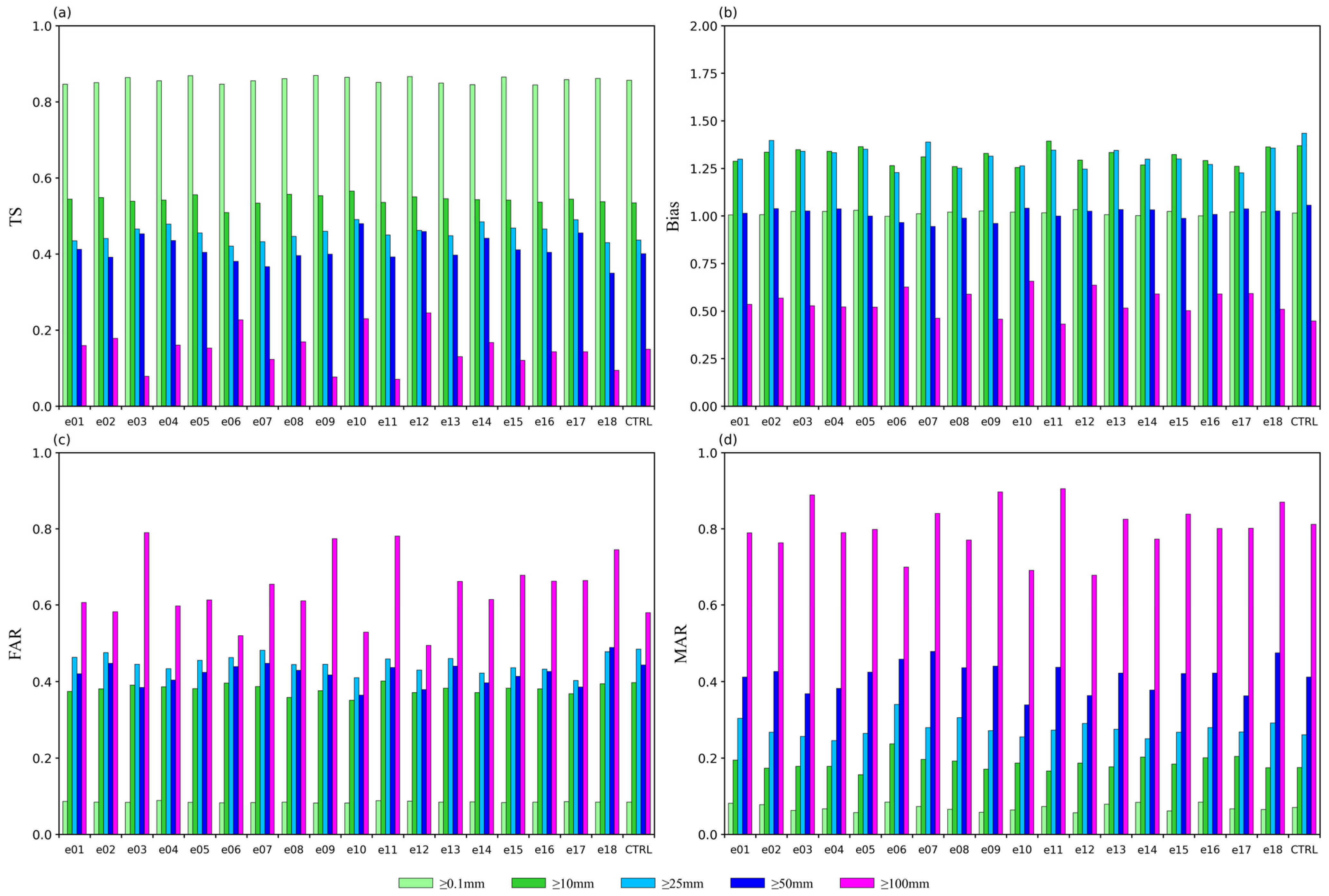
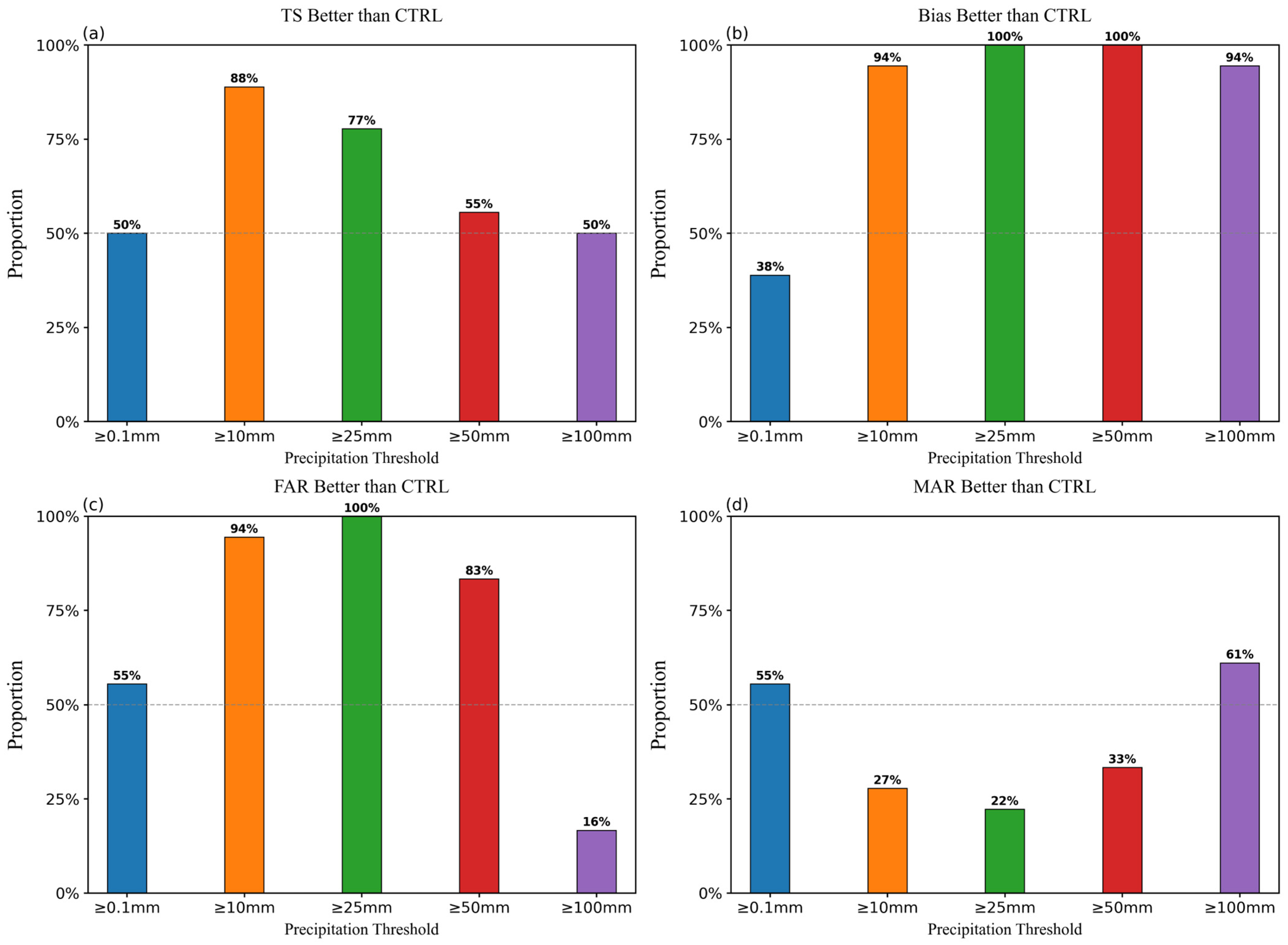
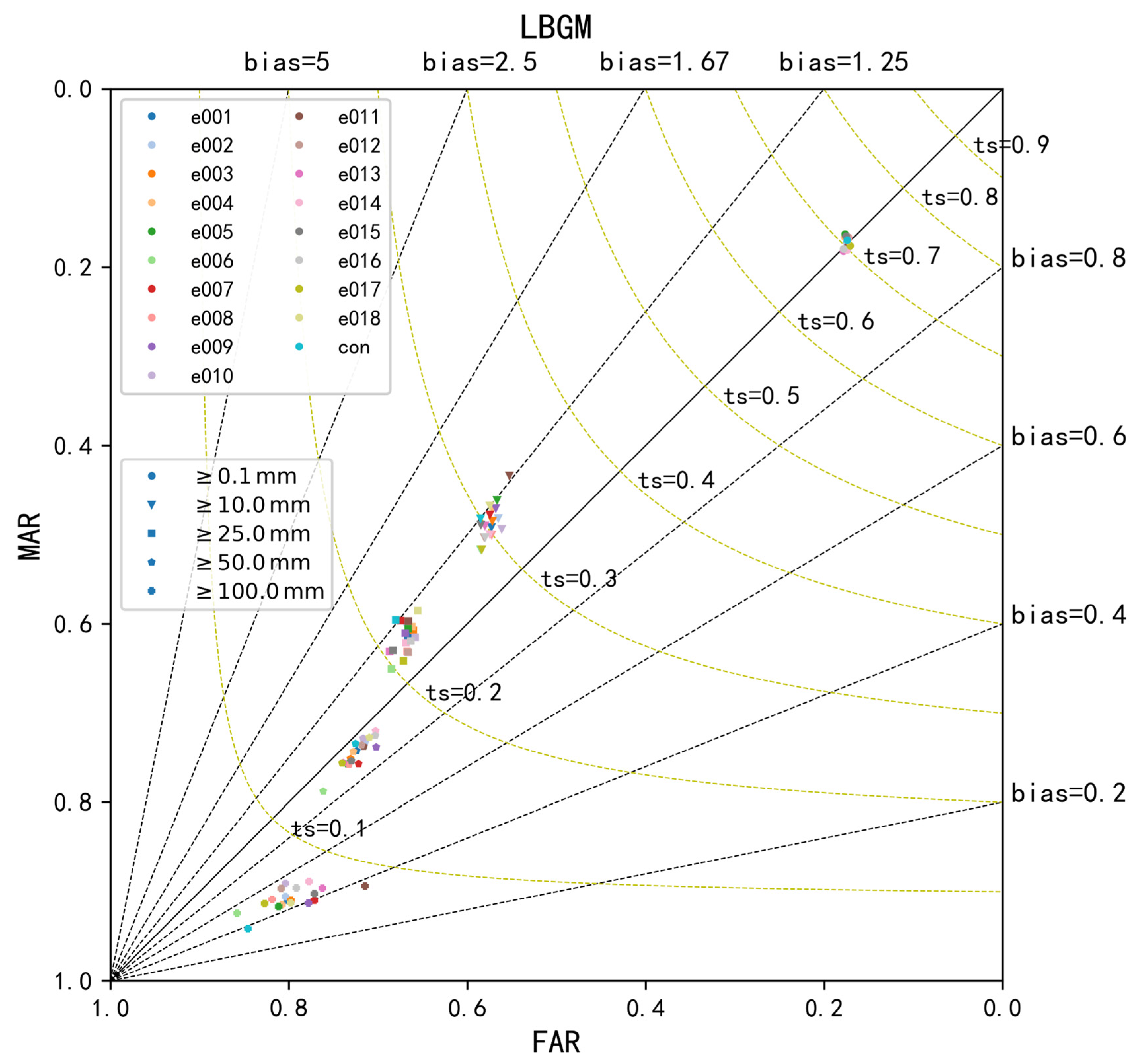
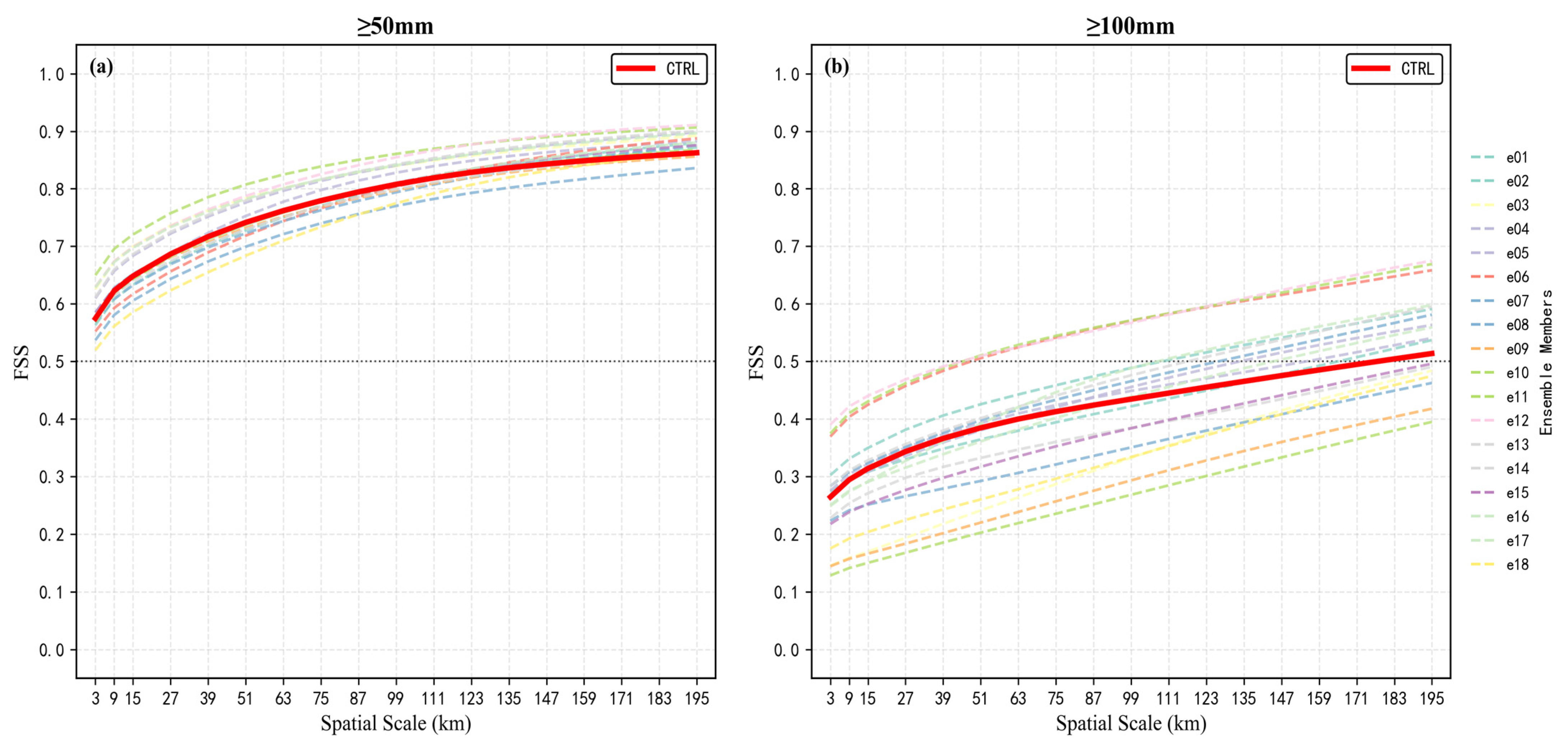
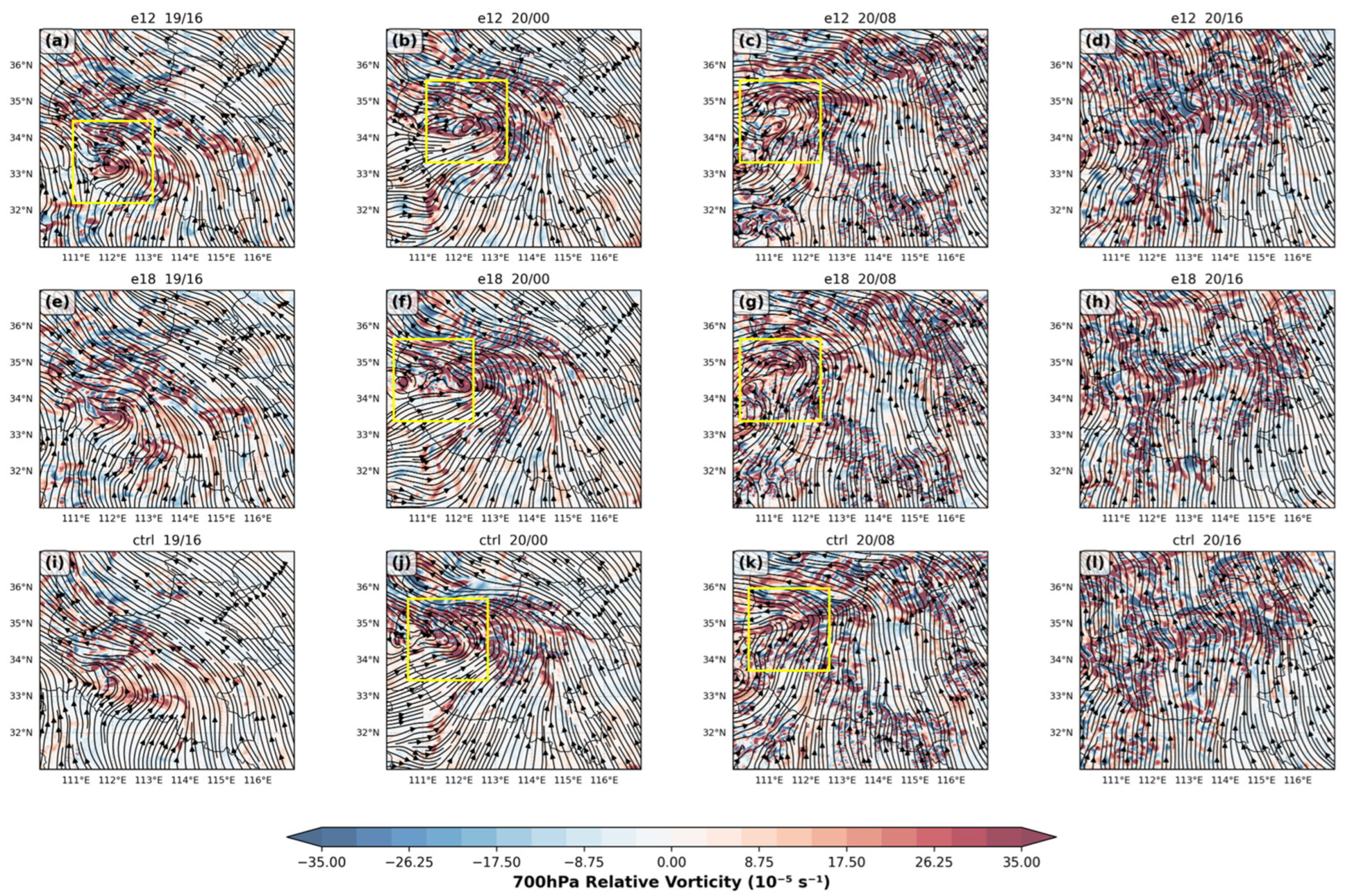
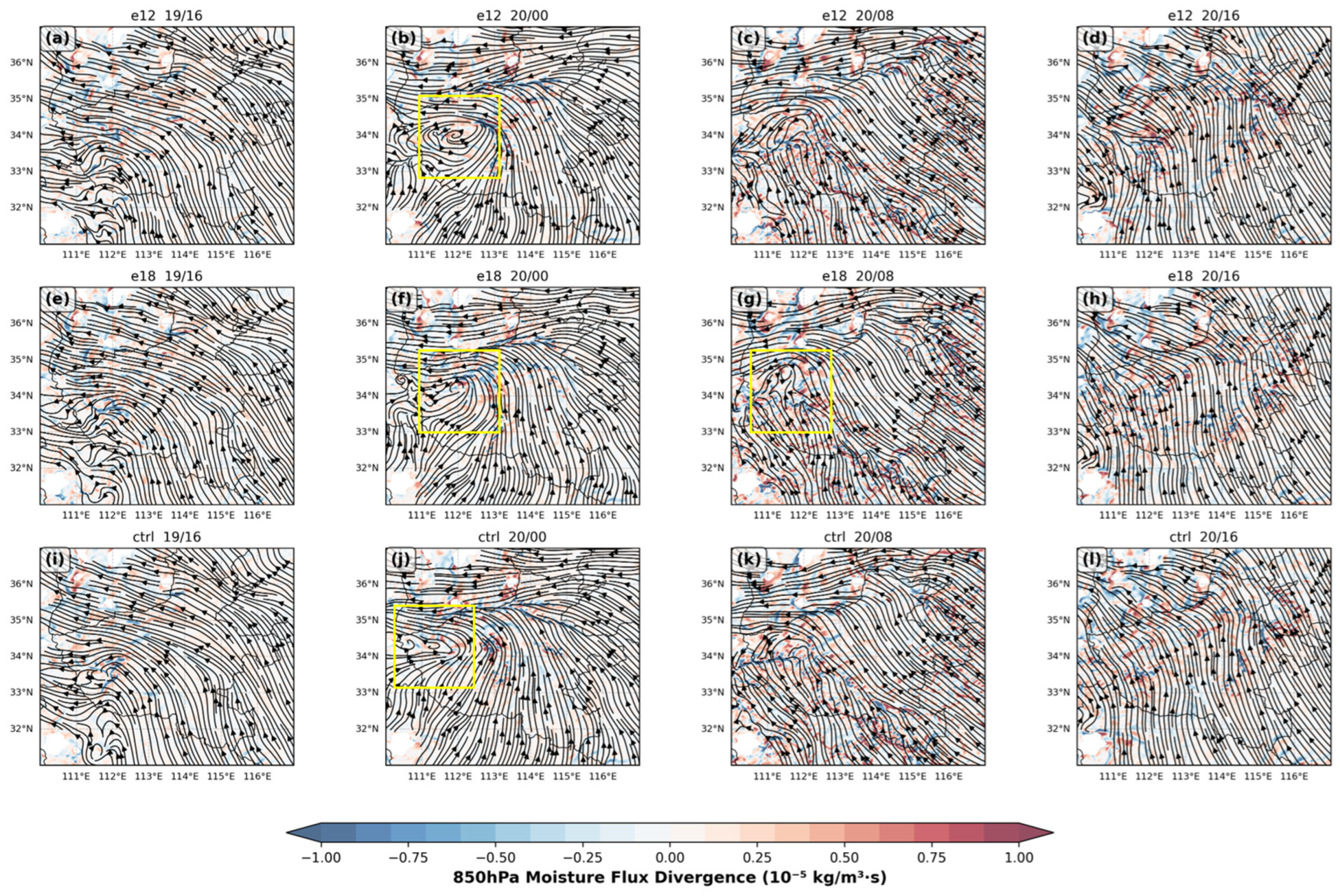
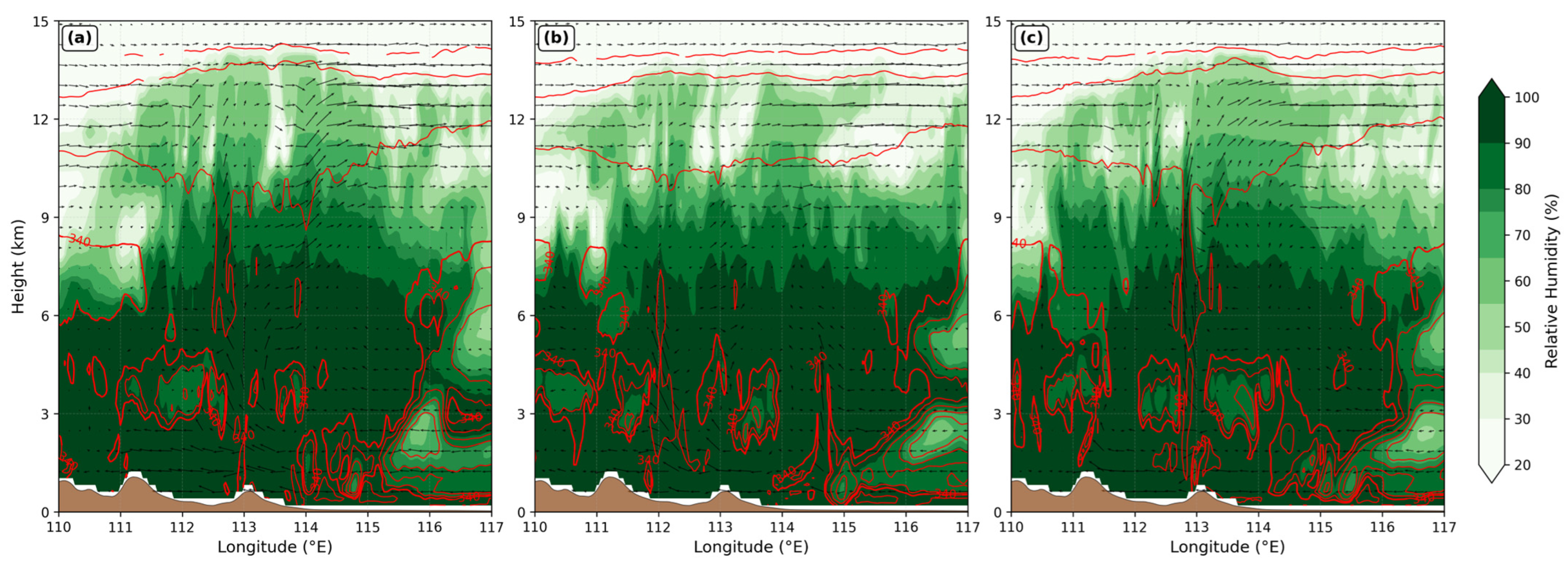
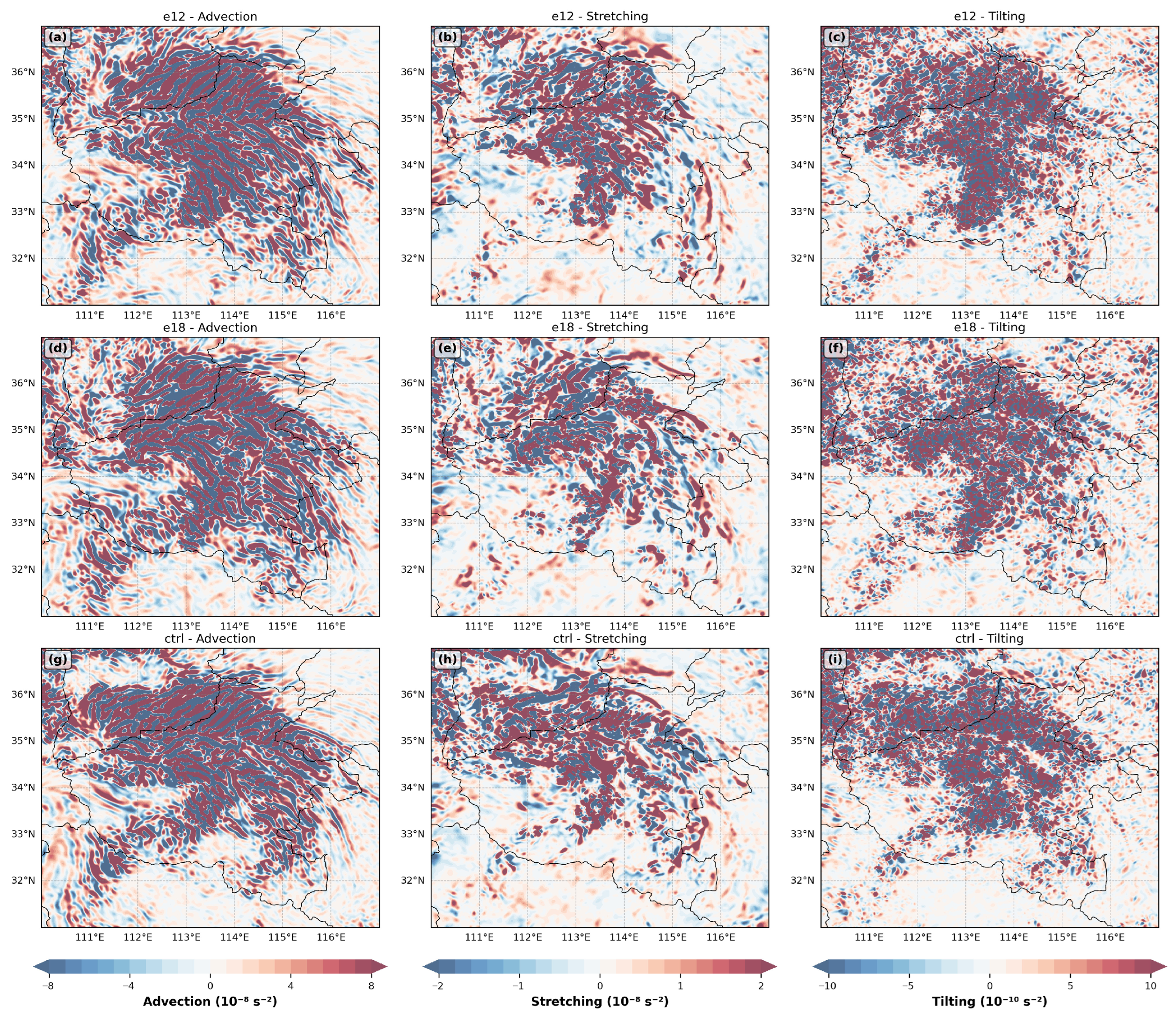
In the context of global warming, the prediction of extreme precipitation events faces great challenges, especially the ensemble forecast of convective-scale heavy precipitation. Taking the heavy rainstorm in Zhengzhou on 20 July 2021 as an example, this paper aims to explore the performance of the convective-scale ensemble forecasting system based on the local breeding model cultivation method (LBGM) in extreme precipitation forecasting, and reveal the key physical mechanisms affecting the quality of forecasting. The traditional scoring (TS, Bias), neighborhood FSS and Contiguous Rain Area (CRA) methods were used to systematically evaluate the precipitation forecast, and the superior and inferior forecast members were diagnosed and analyzed by combining physical quantities such as isentropy vortex, relative vorticity, and water vapor flux divergence. The results show that: (1) the LBGM-EPS system can better capture the spatial distribution and intensity of heavy precipitation, which is better than the single deterministic forecast; (2) The CRA method is better than the traditional score in describing the spatial structure and intensity of precipitation, and can effectively identify the good and bad members of the forecast. (3) The reason why the dominant forecast members perform better is that the simulation of the dynamic-thermal structure of the mesoscale convective vortex is more reasonable, especially the coupling mechanism of the downward transmission of the high-level vortex and the convergence of water vapor at the lower level is better. The preliminary application of convective-scale ensemble forecasting based on the LBGM in this study has reference value for improving the prediction ability of extreme precipitation.
Keywords: ensemble forecast; local breeding growth mode; convective discernible scale; CRA; mesoscale convective vortex ensemble forecast; local breeding growth mode; convective discernible scale; CRA; mesoscale convective vortex