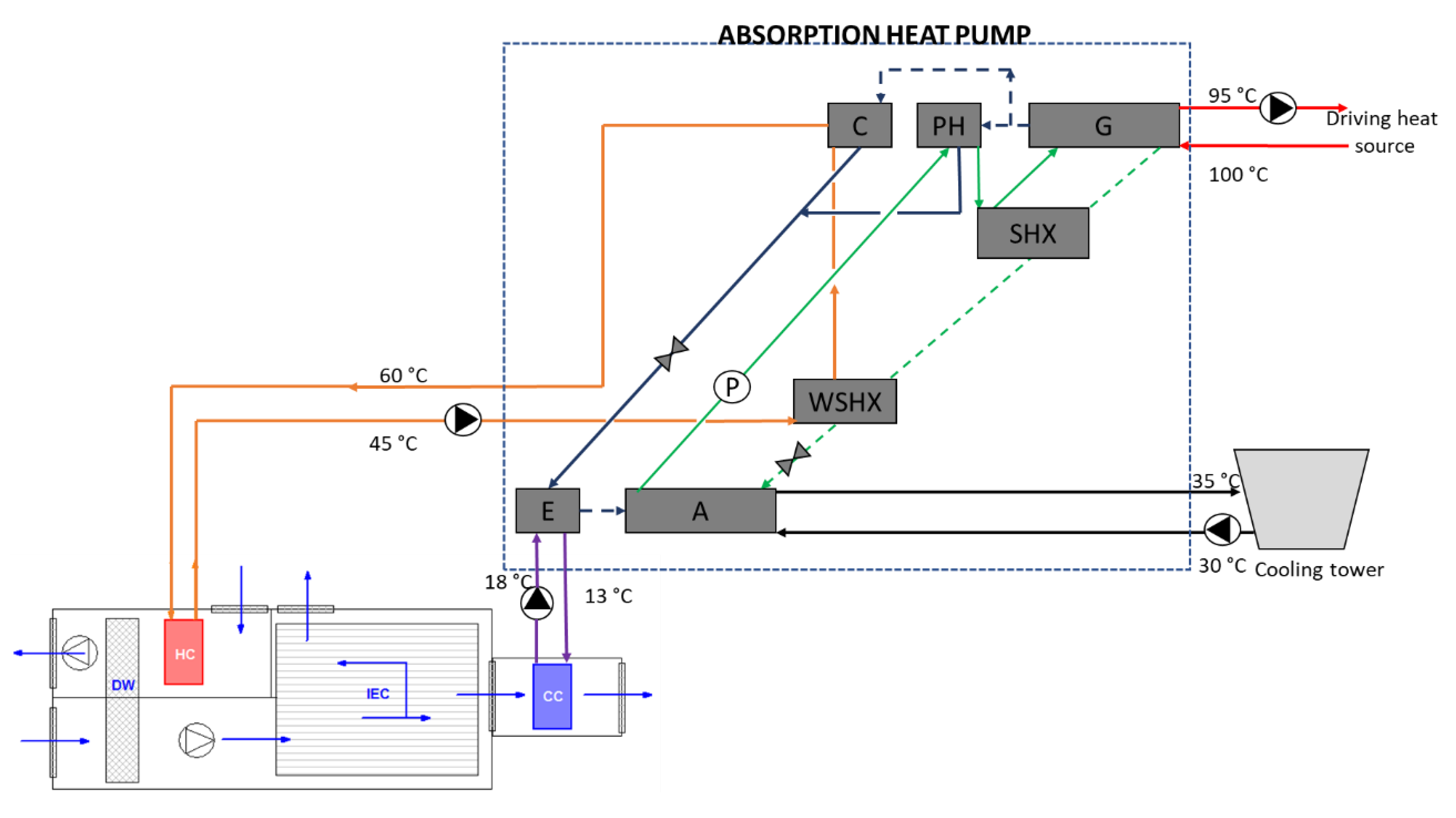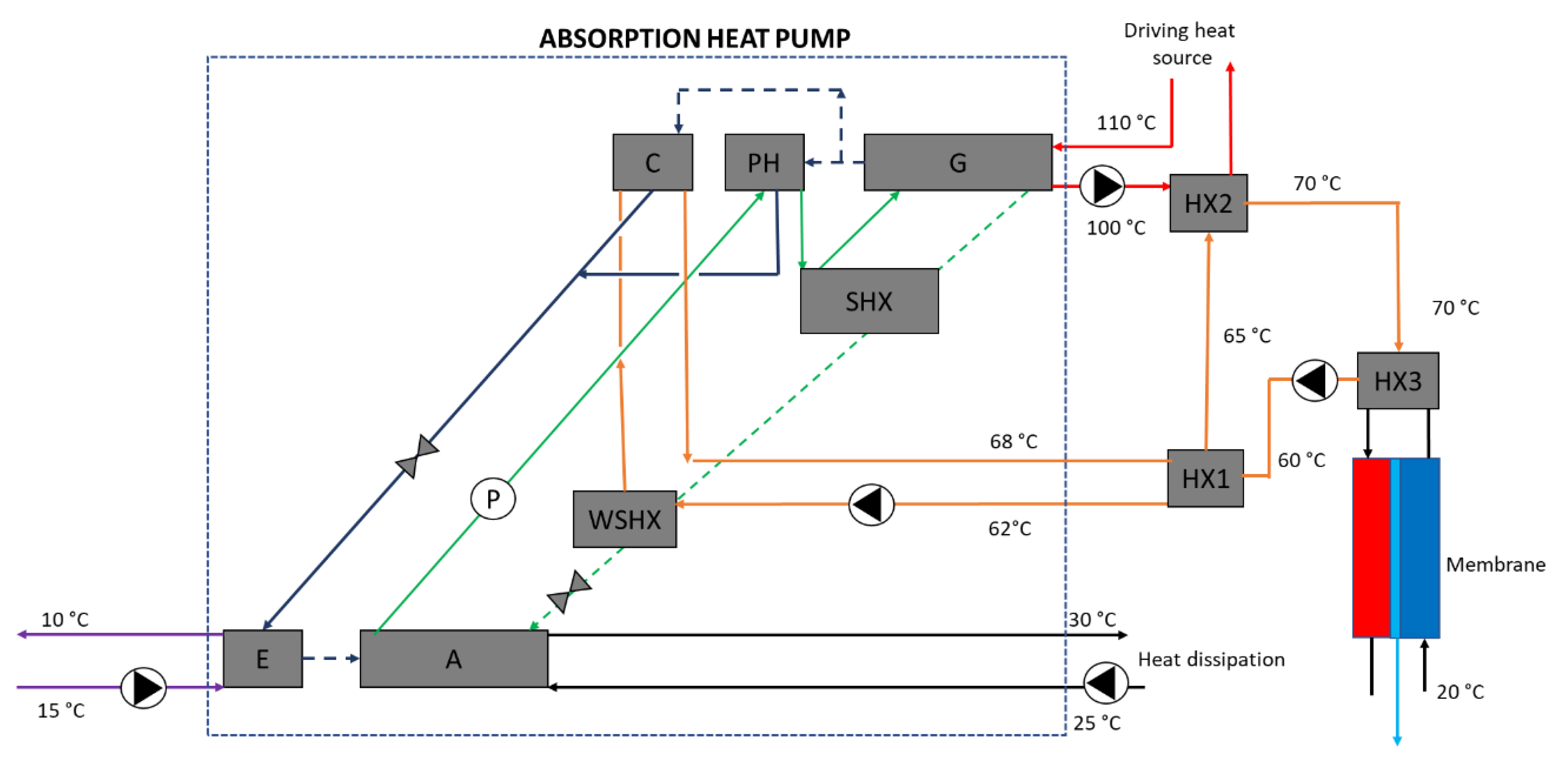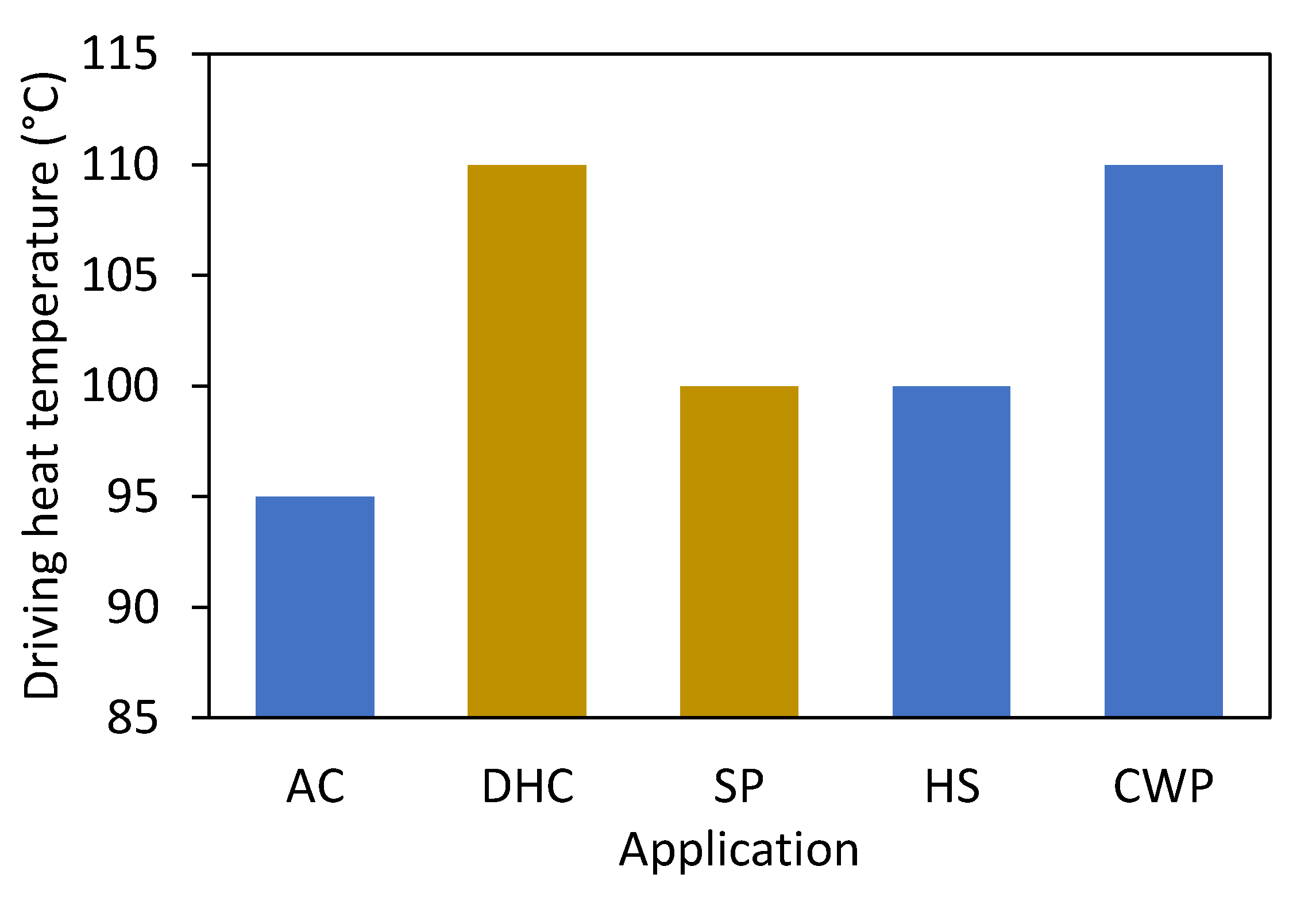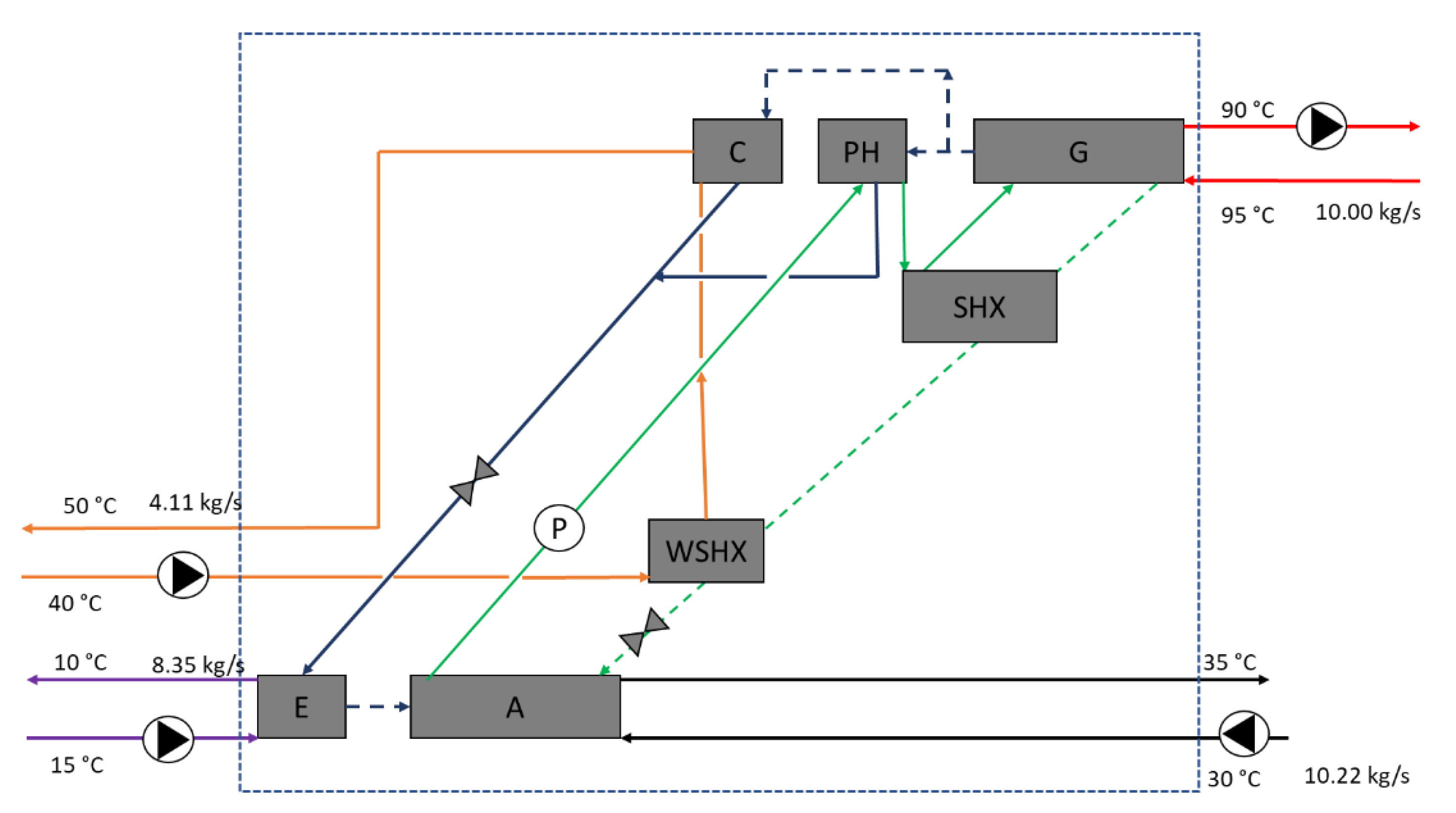

A Novel H2O/LiBr Absorption Heat Pump with Condensation Heat Recovery for Combined Heating and Cooling Production: Energy Analysis for Different Applications



Abstract
Share and Cite
Prieto, J.; Ayou, D.S.; Coronas, A. A Novel H2O/LiBr Absorption Heat Pump with Condensation Heat Recovery for Combined Heating and Cooling Production: Energy Analysis for Different Applications. Clean Technol. 2023, 5, 51-73. https://doi.org/10.3390/cleantechnol5010004
Prieto J, Ayou DS, Coronas A. A Novel H2O/LiBr Absorption Heat Pump with Condensation Heat Recovery for Combined Heating and Cooling Production: Energy Analysis for Different Applications. Clean Technologies. 2023; 5(1):51-73. https://doi.org/10.3390/cleantechnol5010004
Chicago/Turabian StylePrieto, Juan, Dereje S. Ayou, and Alberto Coronas. 2023. "A Novel H2O/LiBr Absorption Heat Pump with Condensation Heat Recovery for Combined Heating and Cooling Production: Energy Analysis for Different Applications" Clean Technologies 5, no. 1: 51-73. https://doi.org/10.3390/cleantechnol5010004
APA StylePrieto, J., Ayou, D. S., & Coronas, A. (2023). A Novel H2O/LiBr Absorption Heat Pump with Condensation Heat Recovery for Combined Heating and Cooling Production: Energy Analysis for Different Applications. Clean Technologies, 5(1), 51-73. https://doi.org/10.3390/cleantechnol5010004