Article

A Unified Surrogate Framework for Data-Driven Reliability Analysis of Mechanical Systems from Low to Multi-DOF


1
Laboratory of Tribology and Dynamics of Systems, Ecole Centrale Lyon, 69130 Ecully, France
2
Computer Science Laboratory for Image Processing and Information Systems, Ecole Centrale Lyon, 69134 Ecully, France
3
Institut Camille Jordan, Ecole Centrale de Lyon, 69134 Ecully, France
*
Author to whom correspondence should be addressed.
Vibration 2025, 8(1), 7; https://doi.org/10.3390/vibration8010007

Submission received: 16 January 2025 / Revised: 10 February 2025 / Accepted: 18 February 2025 / Published: 20 February 2025

Abstract

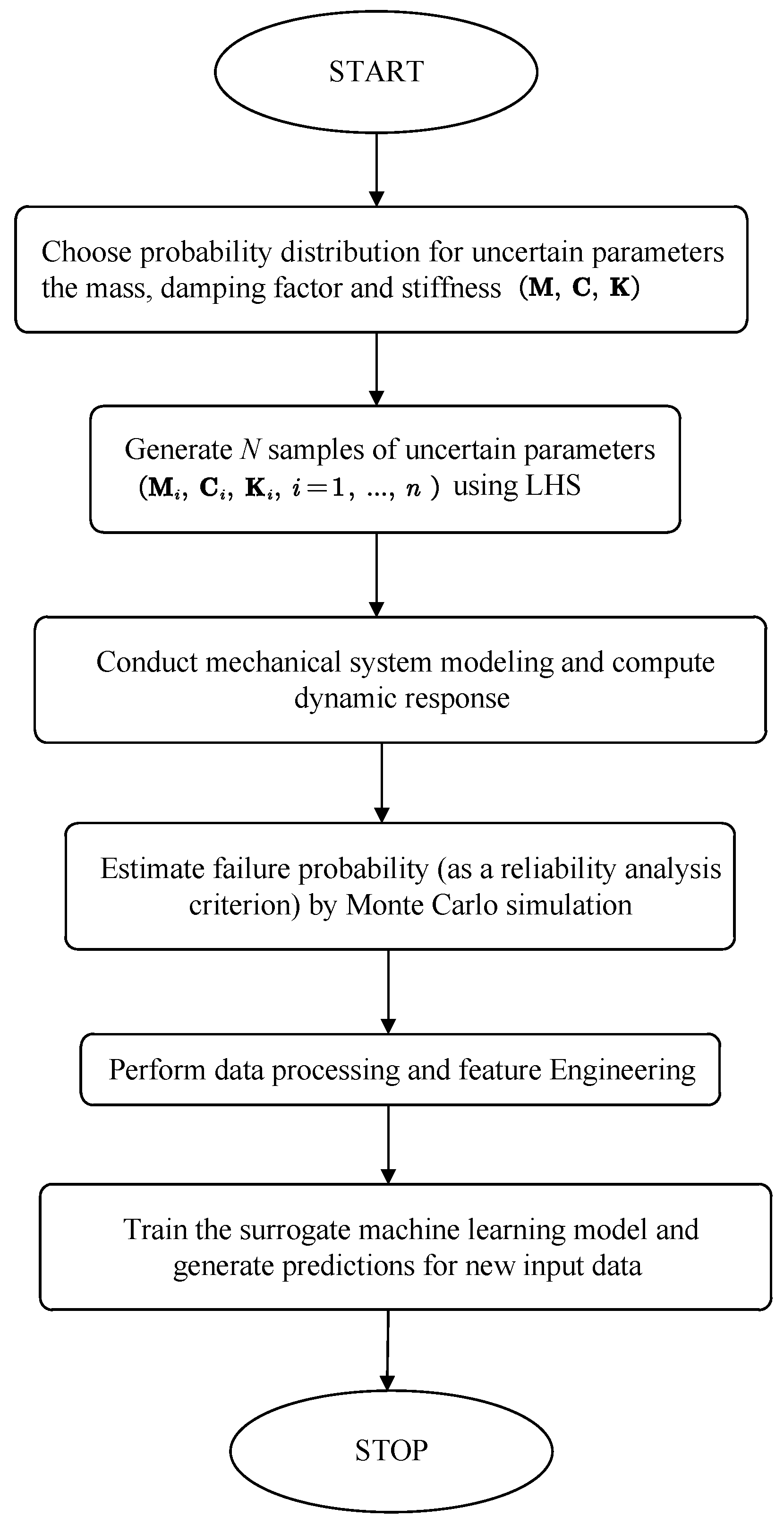
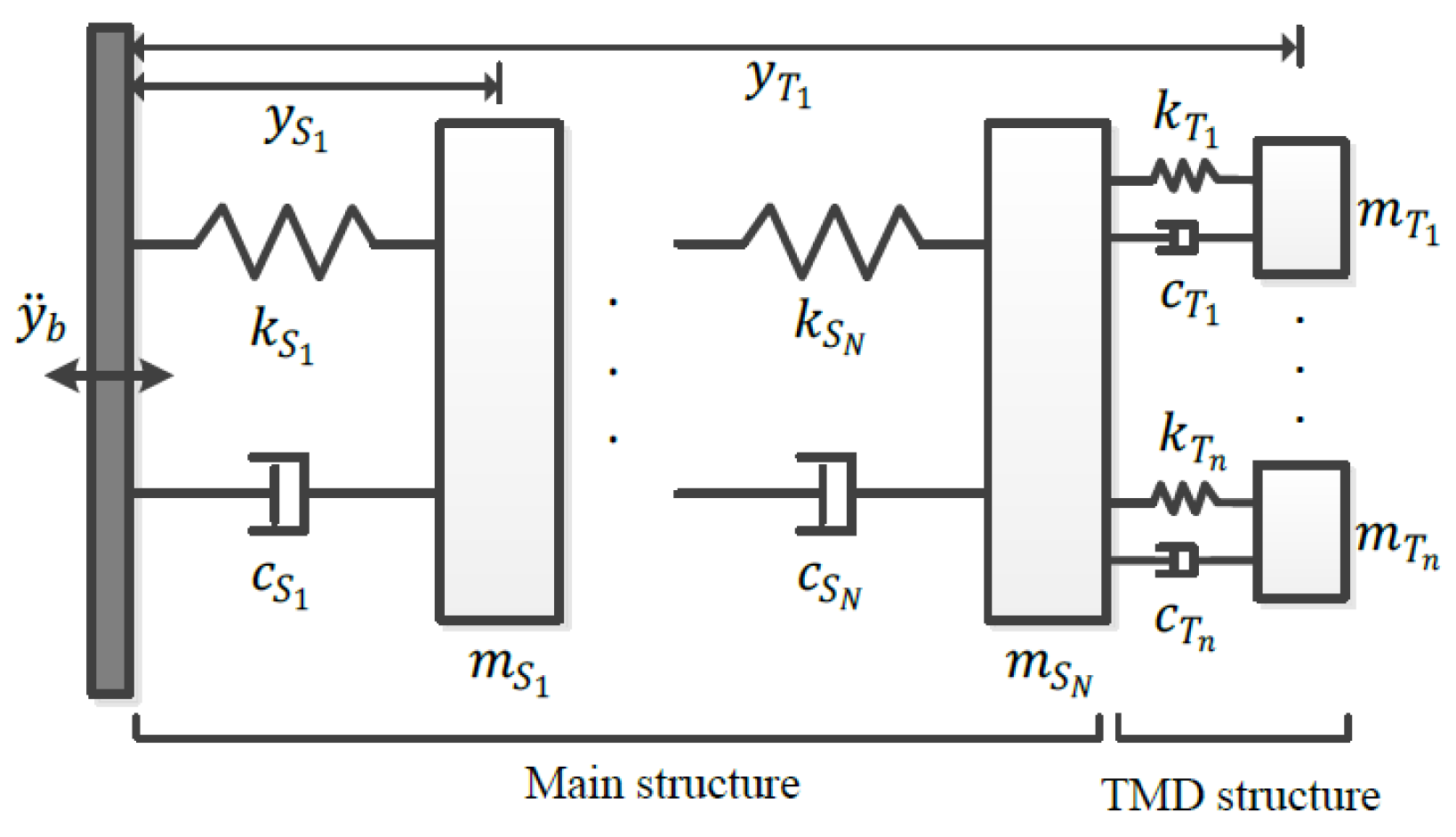
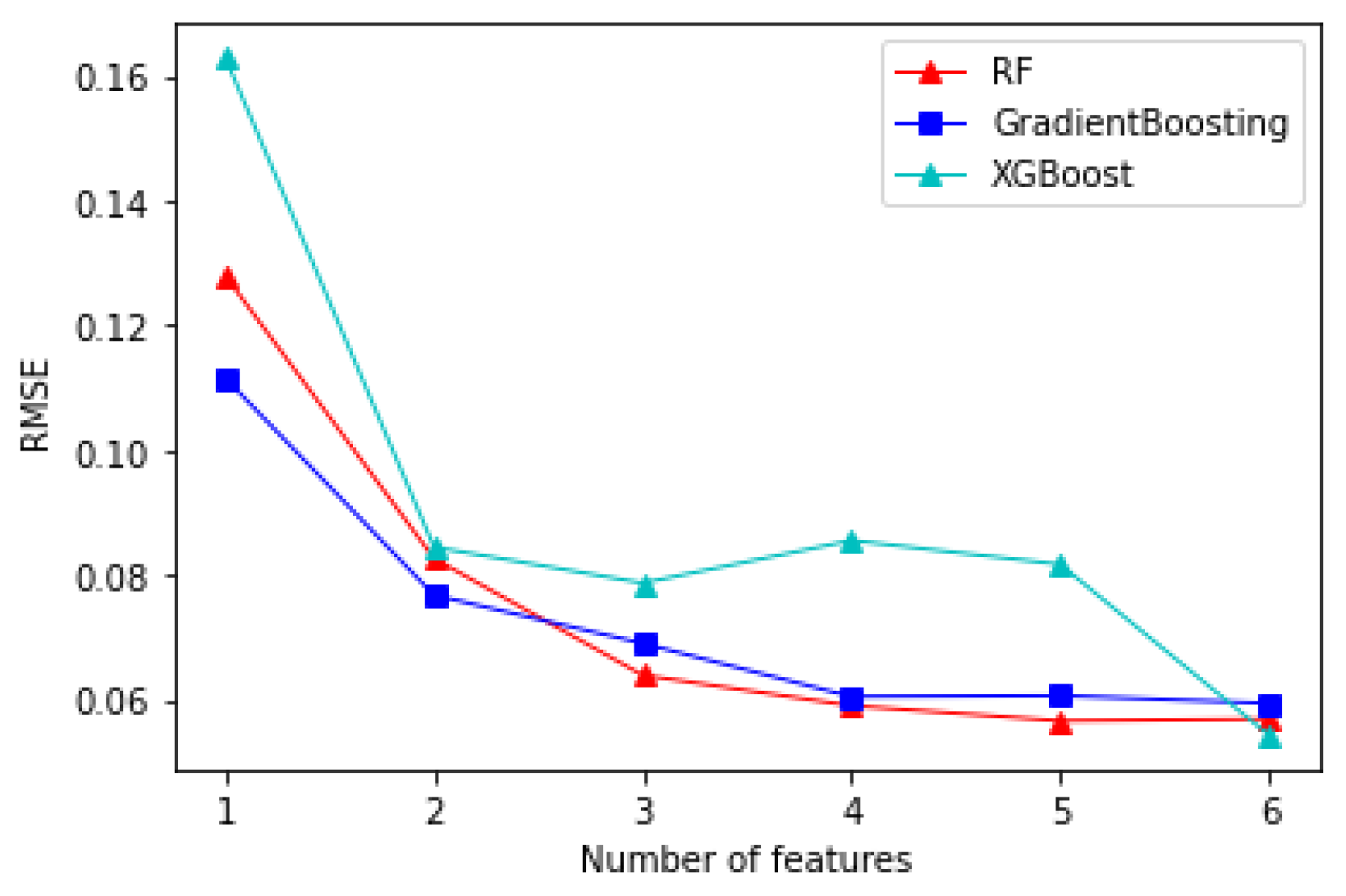
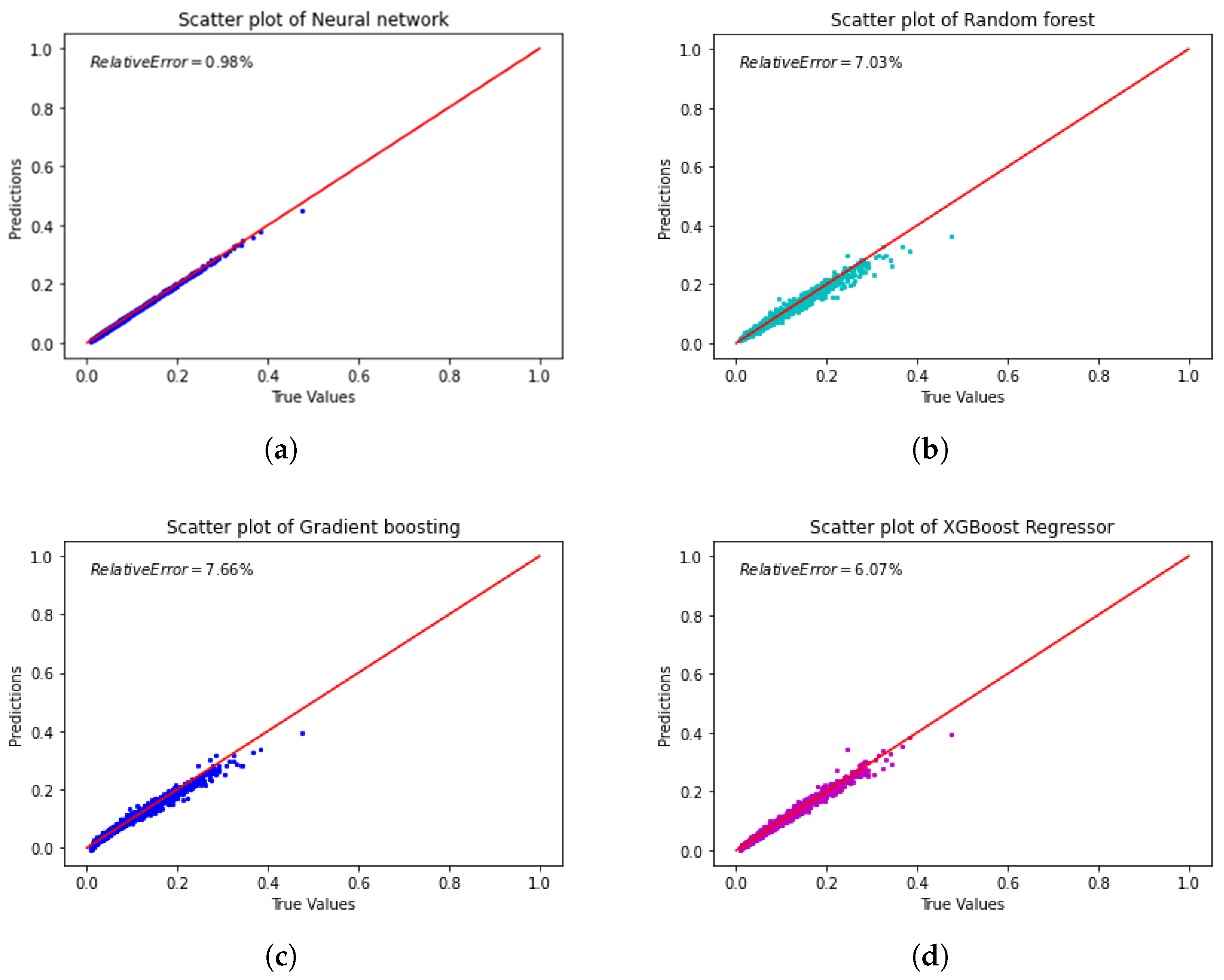
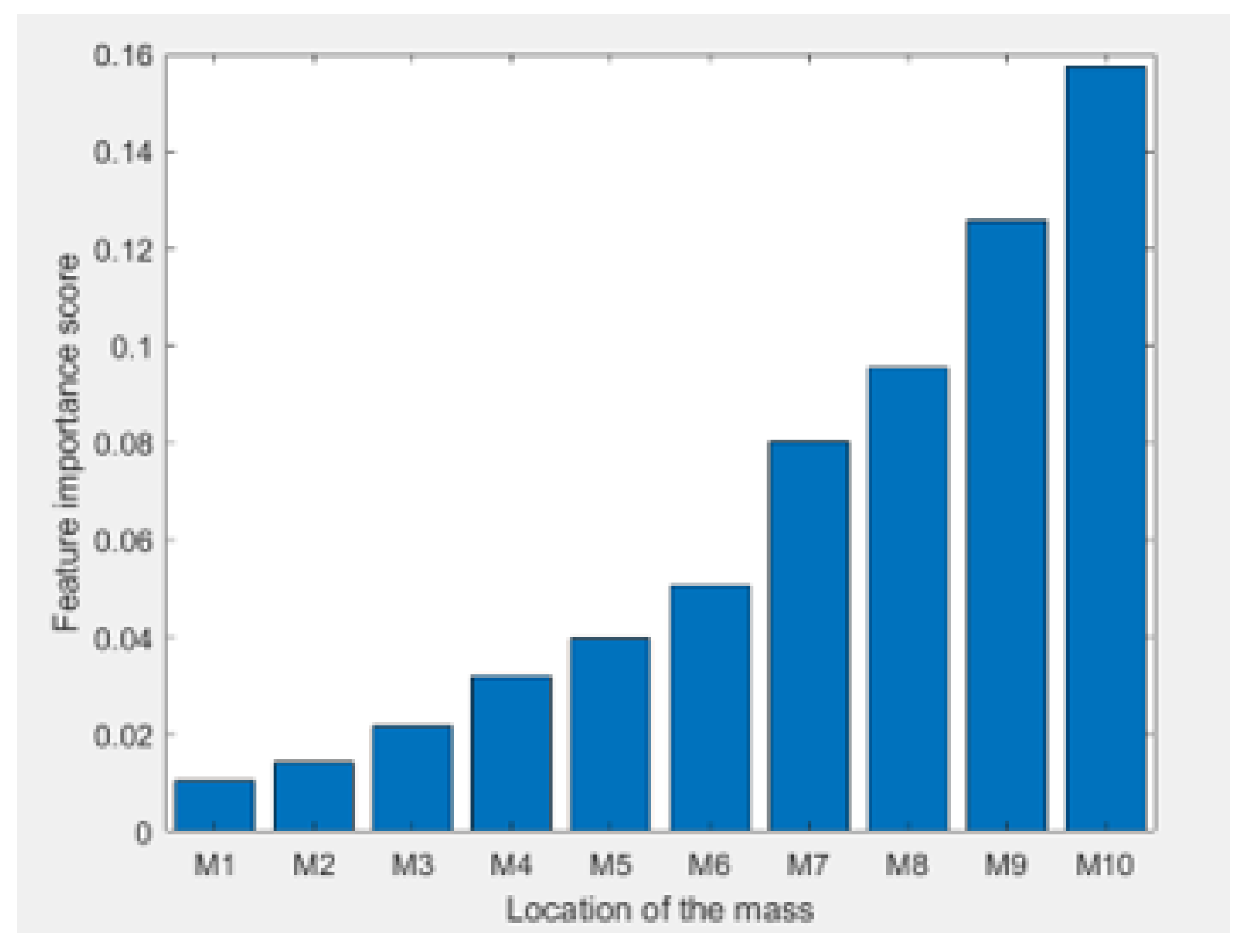
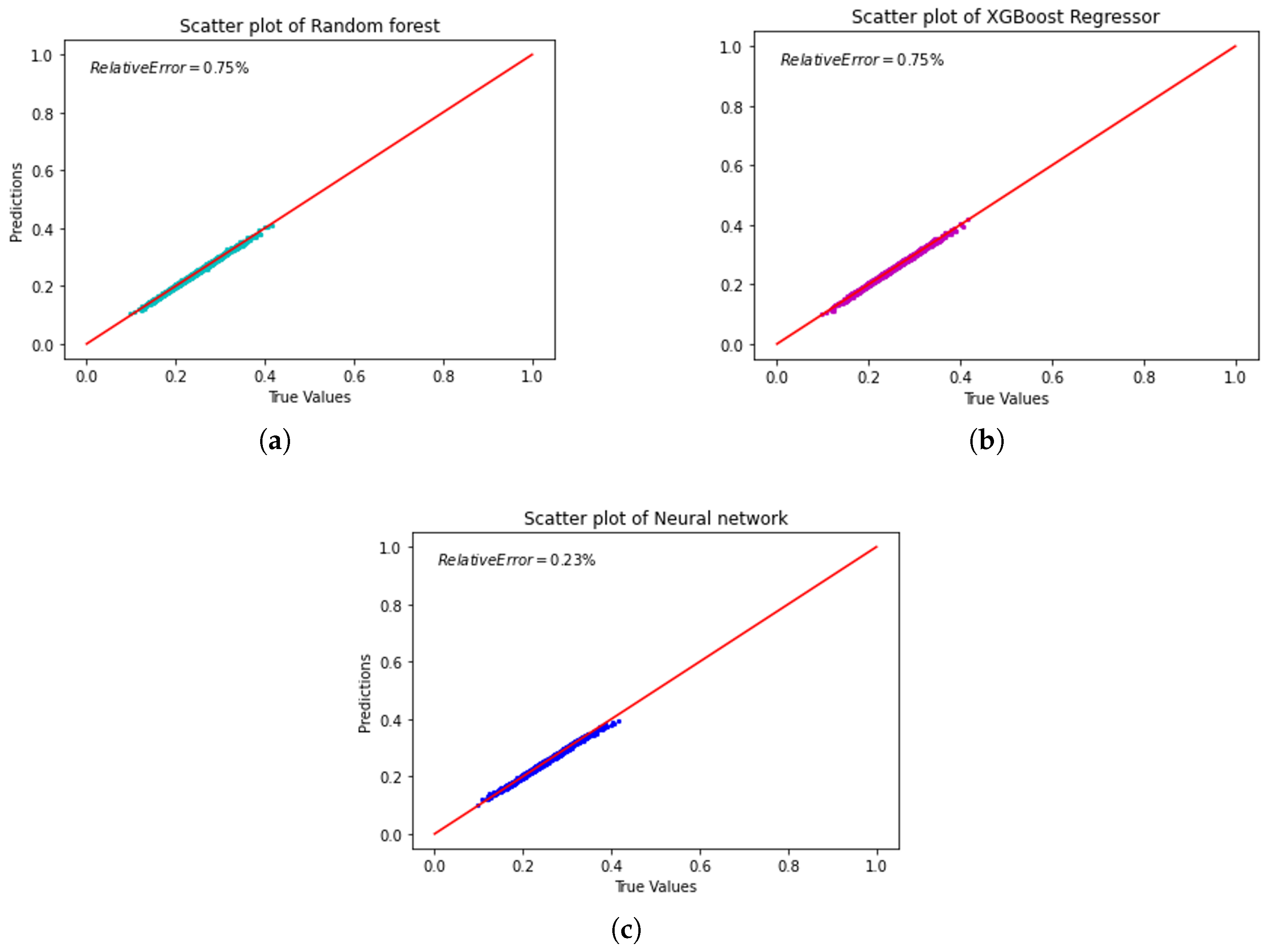
This paper proposes a unified reliability analysis framework for mechanical and structural systems equipped with Tuned Mass Dampers (TMDs), encompassing single-degree-of-freedom (1-DOF), two-degrees-of-freedom (2-DOF), and ten-degrees-of-freedom (10-DOF) configurations. The methodology integrates four main components: (i) probabilistic uncertainty modeling for mass, damping, and stiffness, (ii) Latin Hypercube Sampling (LHS) to efficiently explore parameter variations, (iii) Monte Carlo simulation (MCS) for estimating failure probabilities under stochastic excitations, and (iv) machine learning models, including Random Forest (RF), Gradient Boosting (GB), Extreme Gradient Boosting (XGBoost), and Neural Networks (NNs), to predict structural responses and failure probabilities. The results demonstrate that ensemble methods, such as RF and XGBoost, provide high accuracy and can effectively identify important features. Neural Networks perform well for capturing nonlinear behavior, although careful tuning is required to prevent overfitting. The framework is further extended to a 10-DOF structure, and the simulation results confirm that machine learning-based models are highly effective for large-scale reliability analysis. These findings highlight the synergy between simulation methods and data-driven models in enhancing the reliability of TMD systems under uncertain inputs.
Keywords: structural reliability; tuned mass damper; machine learning; multi-degree-of-freedom; surrogate modeling structural reliability; tuned mass damper; machine learning; multi-degree-of-freedom; surrogate modeling