1. Introduction
Coal has long been a vital energy source in China, and the coal industry remains closely linked to the nation’s economic lifeline and energy security [
1]. During coal exploration and mining, accidents such as coal and gas outbursts, fires, and water inrushes occur frequently, among which mine fires pose a particularly severe threat to coal mine safety [
2]. Statistical data show that over 90% of coal seams in China are susceptible to spontaneous combustion [
3]. Among 657 key coal mines, 54.9% exploit coal seams with a natural tendency toward spontaneous ignition, and more than half have a minimum spontaneous combustion period of less than three months. Spontaneous combustion accounts for 85–90% of all mine fires, with over 60% originating from residual coal in mined-out areas [
4,
5]. In recent years, the increasing mining depth and intensity, along with the expansion of goaf areas, have resulted in greater accumulations of residual coal and more severe air leakage. These factors have led to more frequent spontaneous combustion incidents and recurrent gas combustion and explosion accidents in goafs [
6]. Therefore, the prevention of spontaneous coal combustion is of critical importance to ensuring mine safety and sustainable coal production [
7,
8,
9,
10].
At present, both domestic and international practices commonly employ fire prevention and control technologies such as slurry-in, plugging, pressure equalization, inert gas injection, and gel application [
11] to mitigate spontaneous coal combustion. Among these, gel-based fire prevention technology has advanced rapidly. Traditional fire-extinguishing gels are generally classified as either organic or inorganic. Inorganic gels typically exhibit poor water retention and are prone to dehydration-induced failure, whereas organic gels offer superior water retention but often suffer from high viscosity and limited fluidity, restricting their effectiveness in large fire-prone areas such as goafs. Nevertheless, temperature-sensitive gels possess excellent fluidity and water retention at ambient temperatures. Upon reaching their lower critical solution temperature, they rapidly undergo phase transition, absorb heat, and effectively isolate the coal body from oxygen, thereby inhibiting the oxidation process and suppressing spontaneous combustion [
12]. Consequently, temperature-sensitive gels have attracted considerable attention as a novel material for coal mine fire prevention. Jiang et al. synthesized chitosan-grafted poly(acrylic acid-co-N-methylpropionamide) copolymers via aqueous solution polymerization, demonstrating that chitosan grafting enhanced water absorption and retention without compromising thermal stability [
13]. Nabipour et al. developed an environmentally friendly phosphorus-modified methylcellulose/silica hybrid hydrogel by grafting poly(acrylic acid-co-N-methylpropionamide) onto chitosan and incorporating 9,10-dihydro-9-oxa-10-phosphaphenanthrene-10-oxide (DOPO) and silica nanoparticles. Fire suppression tests revealed that this hybrid gel required lower dosage and shorter extinguishing time compared to conventional gels [
14]. Han et al. prepared a novel biomass-based sodium alginate (SA) gel foam (SC-GF) using SA, calcium lactate (CL), alkyl glycoside (APG), and tea saponin (TS), and investigated its inhibitory performance against coal spontaneous combustion [
15]. However, previous studies have mainly focused on improving the flame retardancy, water retention, and stability of polymeric materials through functional modification. In contrast, limited attention has been paid to the precise phase-transition design of thermosensitive hydrogels tailored to coal’s inherent low-temperature oxidation characteristics. Moreover, the safety, environmental friendliness, economic feasibility, and scalability of hydrogels remain crucial factors determining their potential for large-scale mining applications.
In summary, temperature-sensitive gels exhibit broad application potential in fire prevention and suppression [
16]. They have been successfully applied in various fire-control scenarios, including coal mine fires [
17], liquid fires [
18], forest fires [
19], building fires [
20], and lithium battery fires [
21]. However, several challenges remain, such as high viscosity and poor fluidity at low temperatures, delayed phase transition upon reaching the critical temperature, insufficient mechanical strength for effective coal seam adhesion, and complex preparation processes that may pose health and environmental risks. To address these issues, this study employs hydroxypropyl methylcellulose (HPMC), a thermosensitive cellulose characterized by abundant natural reserves, low cost, and environmental safety, together with the organic flame-retardant SA to develop a novel fire-suppression heat-sensitive gel. The microstructural features and macro-level fire suppression and cooling performance of the hydrogel were systematically investigated. HPMC provides precisely tunable temperature-responsive phase-transition behavior, enabling the hydrogel to respond intelligently at specific temperatures, while SA imparts excellent flame retardancy to hydrogel, and its application in coal mine fire prevention and extinguishing is still in the research and testing phase. The hydrogel’s inherent advantages of high efficiency, safety, environmental friendliness, and low cost give it excellent potential for engineering applications. Although the application of such hydrogels in the field of coal mine fire prevention is still in the research and experimental stage, the developed high-efficiency hydrogel has shown great potential due to its high efficiency, safety, environmental compatibility and cost-effectiveness, providing important prospects for future engineering applications.
2. Experiments
2.1. Materials
The experimental materials included Hydroxypropyl methylcellulose (HPMC) and sodium alginate (SA). HPMC is derived from cellulose through methylation, hydroxypropylation, and etherification modifications. Its chemical structure results from replacing hydroxyl groups on cellulose glucose rings with methoxy (–OCH3) and hydroxypropoxy (–OCH2CH(OH)CH3) groups, exhibiting pronounced thermosensitive properties. SA, on the other hand, is a sodium salt of a linear polysaccharide composed primarily of β-D-mannuronic acid (M units) and α-L-guluronic acid (G units) linked by 1,4-glycosidic bonds. It is a natural polysaccharide extract from brown algae cell walls and can be grafted onto phase-change polymers to impart excellent flame-retardant properties.
This study employed medium-viscosity hydroxypropyl methylcellulose (HPMC) produced by Aladdin Company in Shanghai, China, and food-grade sodium alginate (SA) manufactured by Qingdao Mingyue Algae Industry Group Co., Ltd. in Shandong, China. The apparent viscosity of HPMC was 400 mPa·s, while that of SA was 480 mPa·s.
2.2. Preparation Method
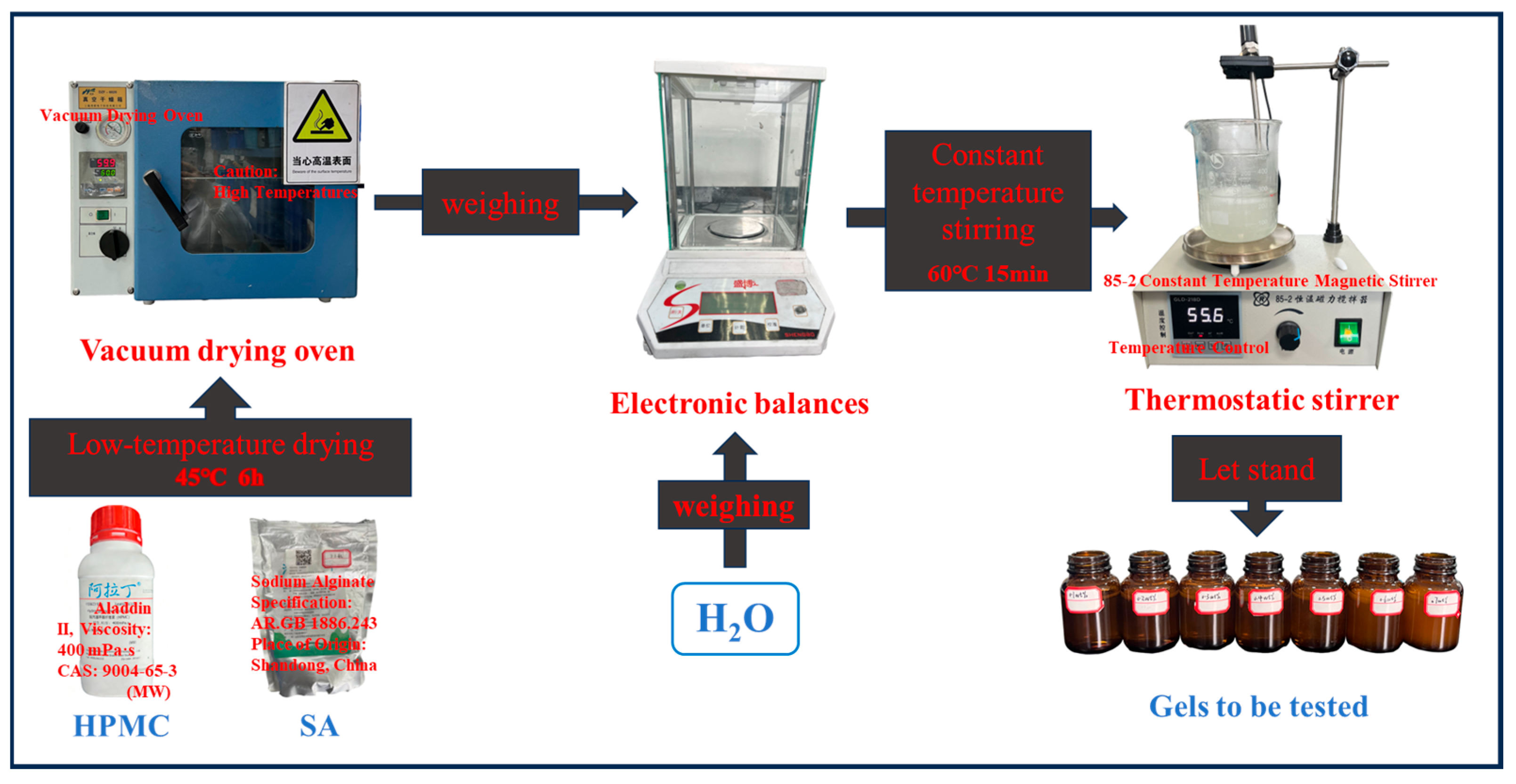
First, the test range for the gel matrix material HPMC was designed to be 1 wt% to 3 wt%, with 0.5 wt% as the gradient interval. Prepare five test HPMC solutions labeled #1 to #5, conduct the material ratio tests on each, and determine the optimal HPMC ratio. Next, using the optimal HPMC ratio, the test range for the flame-retardant material SA was set at 0.1 wt–0.7 wt%. With 0.1 wt% as the gradient variable, seven test solutions of HPMC and SA mixtures were prepared, labeled #6–#12. The material ratio tests were repeated to determine the optimal SA ratio. Finally, the optimal HPMC and SA ratios were selected to prepare the test HPMC and SA mixed solutions for subsequent performance characterization and testing. The experimental preparation workflow is illustrated in
Figure 1.
2.3. Material Proportion Test
2.3.1. Determine the Viscosity
Residual coal in mined-out areas is highly susceptible to spontaneous combustion. The resulting fire zones are often widely distributed and concealed, typically requiring the injection of hydrogel materials via pumping or infusion. Therefore, the hydrogel must exhibit sufficient fluidity at ambient temperature. Viscosity measurements were conducted using an NDJ-5S digital display viscometer manufactured by Shanghai Jingqi Co., Ltd., China., with appropriate rotor and rotational speed selected based on sample properties. To improve measurement accuracy, each sample was tested three times, and the average value was recorded, ensuring that the measured torque percentage remained within the 20–80% range. Due to the substantial initial viscosity variation observed in the freshly prepared solution, measurements were performed after 6 h of natural cooling at room temperature to obtain representative viscosity values. The measurement procedure involved initial viscometer calibration, followed by sequential testing of different gel formulations at ambient temperature, with the corresponding viscosity values recorded. The resulting viscosity variation trends were then analyzed to optimize the material concentrations in the formulation.
2.3.2. Determination of the Critical Solution Temperature (CST)
To determine the critical solution temperature of the hydrogel corresponding to the critical spontaneous ignition temperature of coal, the critical solution temperature was measured using an HH-1 constant-temperature water bath and the test tube inversion method [
22,
23]. A small quantity of the test solution was placed into test tubes, which were then sealed with rubber stoppers and properly labeled. The tubes were placed in the water bath, initially set at 50 °C. After equilibrating for 10 min, each tube was removed sequentially to observe the solution state and flow behavior upon inversion. If the solution remained flowable, the water bath temperature was increased by 1 °C, and the procedure was repeated until the solution no longer flowed or formed a semi-solid state upon inversion. This temperature was recorded as the critical solution temperature [
24,
25]. If the solution continued to flow at temperatures up to 70 °C, it was recorded as having no observable phase transition within that range.
2.3.3. Determination of the Water Retention Ratio
The water retention ratio is a key parameter for evaluating the water-holding capacity of hydrogel materials. To assess the water retention performance and stability of the hydrogel, the water retention ratio of the solution samples was measured at 30 °C, 70 °C, and 100 °C using the drying function of a DZF-6020 vacuum oven under atmospheric pressure. The formula for calculating the permeability of the hydrogel solution is given in Equation (1) [
26]:
In the equation, K represents the permeability of the solution, in units of %; m1 is the mass of the solution that flows into the beaker, in units of g; m0 is the total mass of the solution injected into the coal sample, in units of g.
2.4. Scanning Electron Microscopy (SEM) Analysis
To characterize the microstructure of the hydrogel, a VEGA COMPACT SEM (Czech Republic, Manufacturer 120-0150) was used to observe and analyze the micromorphology of the samples at magnifications ranging from 2× to 1,000,000×. Sample S-1 consisted of dried hydrogel with a composition of 2.5 wt% HPMC and 0.3 wt% SA, while Sample S-2 comprised coal particles coated with the hydrogel and subsequently dried to form a surface-adhered thin film. The samples were dried at a low temperature of 45 °C in a vacuum drying oven for 48 h. Prior to imaging, all samples were sputter-coated with a thin layer of gold to improve electrical conductivity. SEM imaging was then performed under varying magnifications, with fine focus adjustments made to optimize image clarity and resolution. Representative regions of each sample were captured and recorded for further microstructural analysis.
2.5. Fourier Transform Infrared Spectroscopy (FTIR) Analysis
As an organic polymer material, the hydrogel requires evaluation of its potential interactions with coal during underground applications, particularly regarding any influence on coal quality. To examine the effect of hydrogel on the functional groups of coal, a Bruker VERTEX 80V FTIR Spectrometer (Manufactured in Germany) was employed to analyze the characteristic functional group distributions of two samples. Sample H-1 represented untreated coal, whereas Sample H-2 consisted of coal thoroughly mixed with the hydrogel, dried, and subsequently pulverized. Both samples were dried at 45 °C for 48 h and ground to 200 mesh, after which 50 g aliquots were prepared for analysis. Spectroscopic measurements were performed in the wavenumber range of 400–8000 cm−1 with a resolution of 2 cm−1 and a scanning speed of 64 scans per second. Prior to sample testing, background spectra were obtained using KBr pellets pre-baked for 10 min to eliminate moisture, ensuring maximum light intensity. The sample spectra were then recorded under continuous air flow (30 mL/min) with optimized absorption intensity for accurate functional group analysis.
2.6. Evaluation of Fire Extinguishing and Cooling Characteristics
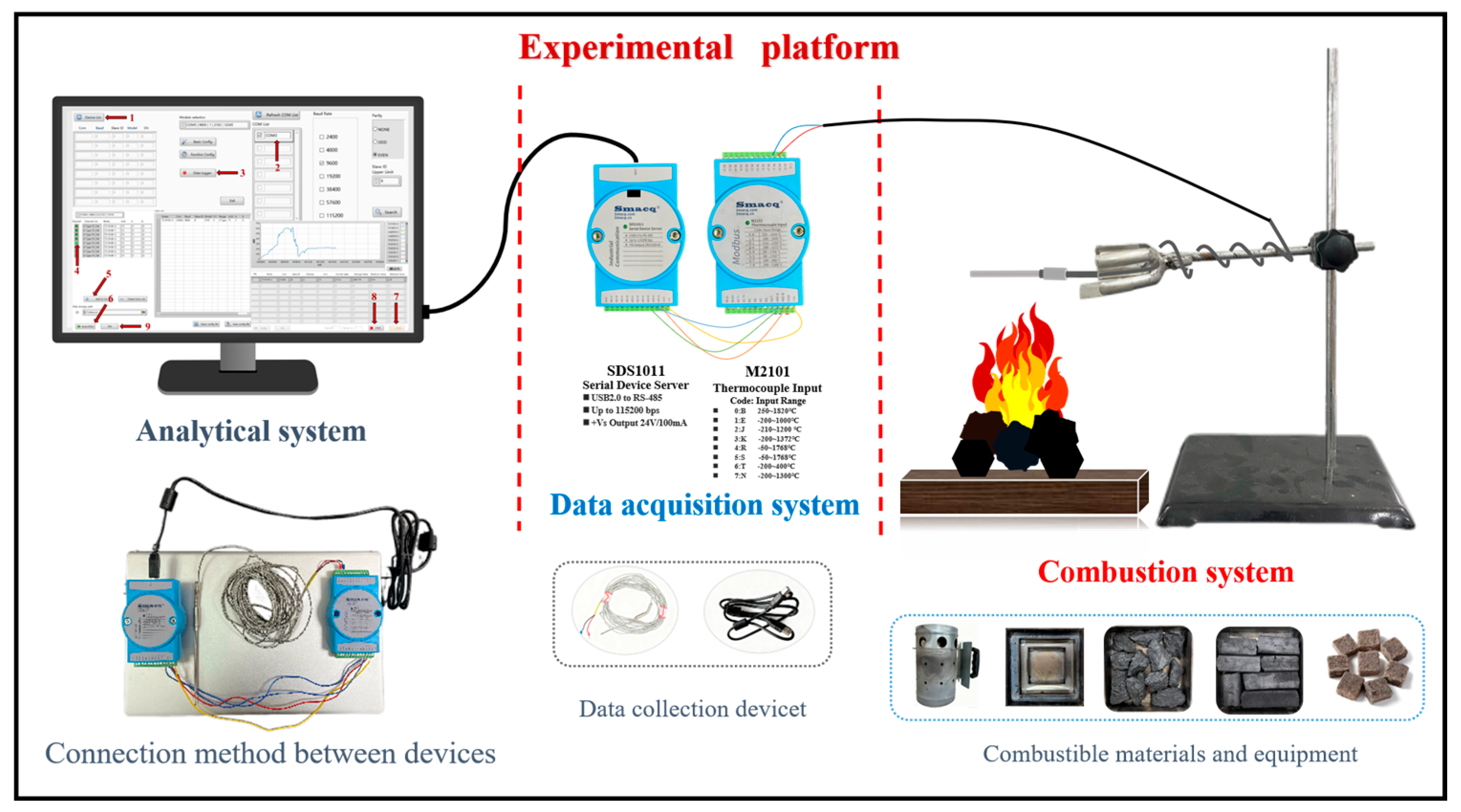
To evaluate the fire suppression and cooling performance of the hydrogel in mitigating coal spontaneous combustion, an experimental platform was established, consisting of a combustion system, data acquisition system, and analytical system (
Figure 2). In this experiment, coal served as the primary fuel, supplemented by charcoal and paraffin wax. A total of 3 kg of coal from the C3 thin seam of Yongfeng Mine in Yanjin County was used. This anthracite coal, classified as WY03, featured a relatively fine particle size ranging from powder to granular form. The combustion experiments were conducted in an outdoor environment. Paraffin wax was used to ignite the charcoal, which subsequently ignited the coal. Once a stable combustion state was achieved, the fire-extinguishing agent was applied directly onto the burning coal to perform the fire suppression test.
Each experiment was performed twice, and the results were comprehensively analyzed to minimize experimental variability. The experimental procedure included the following steps: (1) Temperature sensors were positioned to monitor the central surface temperature of the burning coal samples at 1 s intervals using a real-time data acquisition system. (2) Comparative fire suppression tests were conducted by applying 500 g aliquots of three different extinguishing agents, deionized water, a 20 wt% calcium chloride solution, and HPMC and SA mixed solution, to identical burning coal samples. When preparing the fire-extinguishing materials, the use of an equivalent amount of the mixed solution reduced costs by approximately 71.6% compared with the 20 wt% calcium chloride solution. (3) Fire suppression performance was evaluated through systematic analysis of combustion state transitions and temperature decay profiles following the application of each extinguishing agent.
3. Results and Discussion
3.1. Analysis of Experimental Results of Material Formulation
3.1.1. Results and Analysis of the Optimal HPMC Formulation Experiment
- (1)
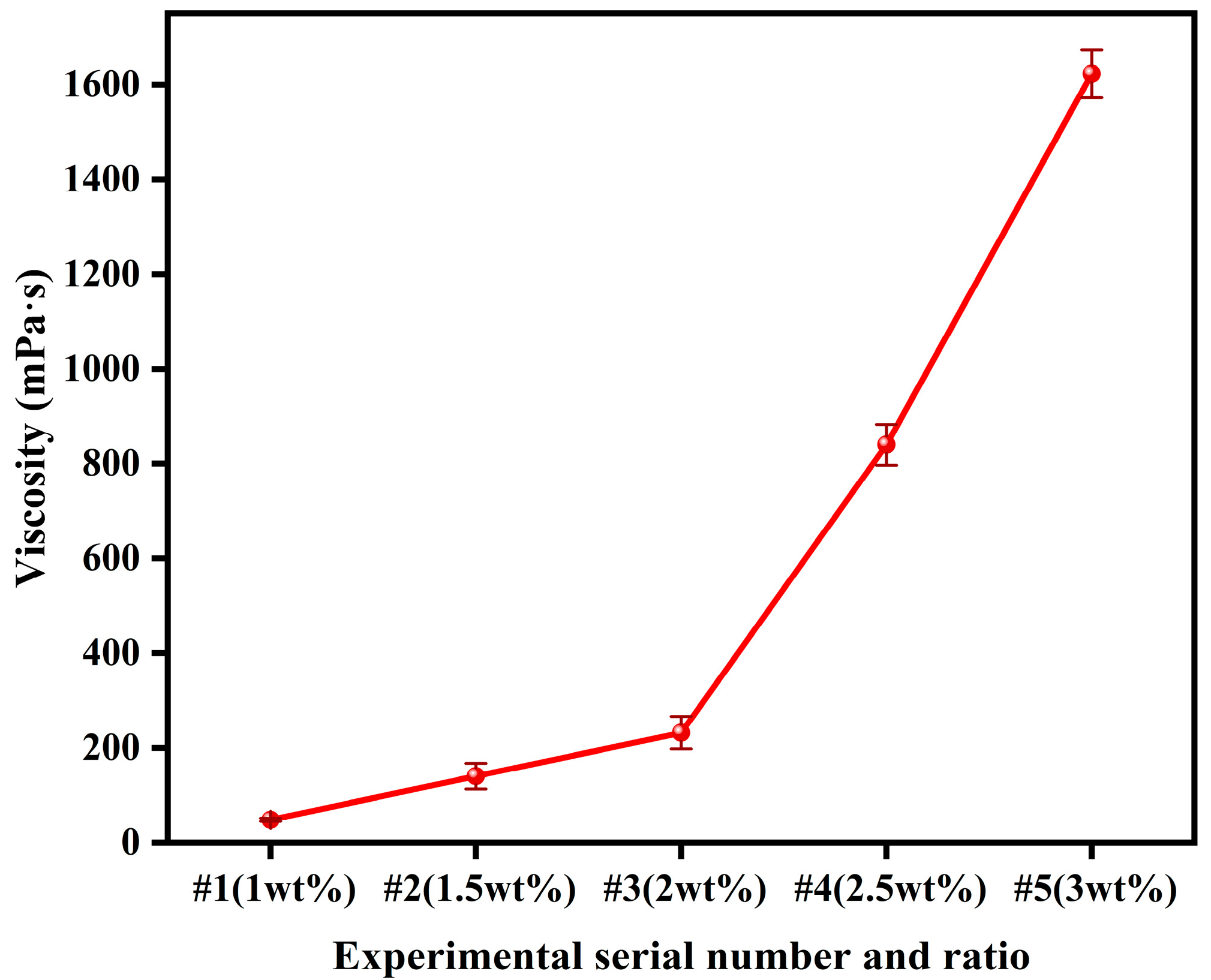
Figure 3 shows the effect of matrix material concentration on the viscosity of the gel. As the HPMC concentration increased from 1 wt% to 3 wt%, the viscosity rose markedly from 48.47 (±2.93) mPa·s to 1623 (±50.11) mPa·s, indicating that HPMC concentration has a significant influence on gel viscosity at room temperature. The viscosity exhibited a clear positive correlation with HPMC concentration. Within this concentration range, all HPMC solution samples maintained relatively low viscosities and demonstrated good fluidity at ambient temperature.
- (2)
The critical solution temperature (CST) test results for each gel formulation are summarized in
Table 1. Samples #3, #4, and #5 exhibited the critical solution temperature values of 62 °C, 62 °C, and 61 °C, respectively, whereas samples #1 and #2 showed no phase transition even at 70 °C. These findings indicate that the HPMC concentration significantly affects the gel’s phase transition behavior, with no transition occurring at lower concentrations. The critical solution temperatures of samples #3–#5 (~61 °C) were close to the critical spontaneous ignition temperature of coal (approximately 70 °C). Therefore, when the coal temperature approaches this threshold, the gel can effectively inhibit or delay spontaneous combustion.
- (3)
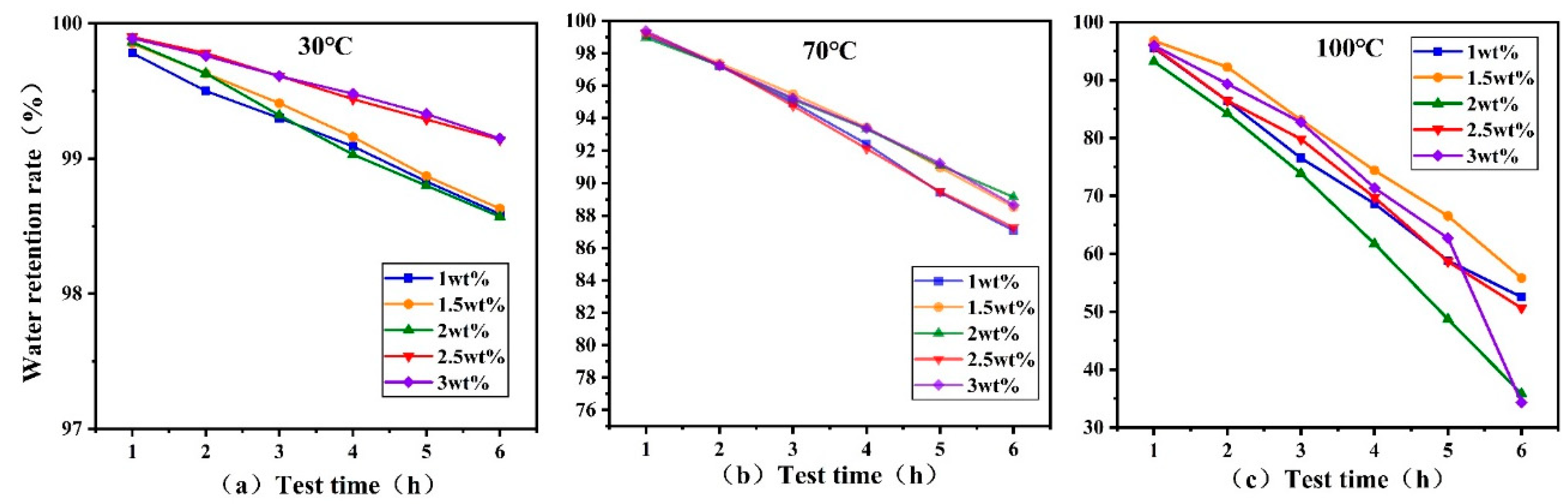
Figure 4 illustrates the effects of matrix material concentration and testing temperature on the water retention ratio of the HPMC solution. The results show that the water retention ratio decreases progressively with increasing test duration under all conditions, with higher temperatures accelerating this decline. These findings indicate that the gel’s water retention capacity is influenced by both time and temperature, with temperature exerting a more pronounced effect. Therefore, water retention assessments conducted at elevated temperatures yield more representative and meaningful results.
In this study, the water retention ratios of all HPMC solutions of different concentrations were comparable at 30 °C and 70 °C. However, at 100 °C, the formulations with 1 wt%, 1.5 wt%, and 2.5 wt% HPMC concentrations-maintained water retention ratio exceeding 50%, demonstrating superior thermal stability and moisture retention performance, while the other two formulations exhibited poor retention. The strong water retention capability allows the gel’s three-dimensional network structure to retain substantial amounts of water, thereby improving fluidity and coal surface wetting at ambient temperatures. Moreover, at elevated temperatures, water vaporization facilitates heat absorption, and the resulting steam further enhances coal cooling, collectively contributing to effective fire suppression.
In summary, all HPMC solutions exhibited low viscosity and satisfactory fluidity at room temperature. Among them, the 1 wt%, 1.5 wt%, and 2.5 wt% formulations demonstrated superior water retention performance. However, the optimal matrix material concentration was identified as 2.5 wt%, since the 1 wt% and 1.5 wt% HPMC solutions did not undergo phase transition even at 70 °C.
3.1.2. Results and Analysis of the Optimal SA Ratio Experiment
After establishing 2.5 wt% HPMC as the optimal concentration for the gel matrix, flame-retardant proportioning experiments were conducted.
- (1)
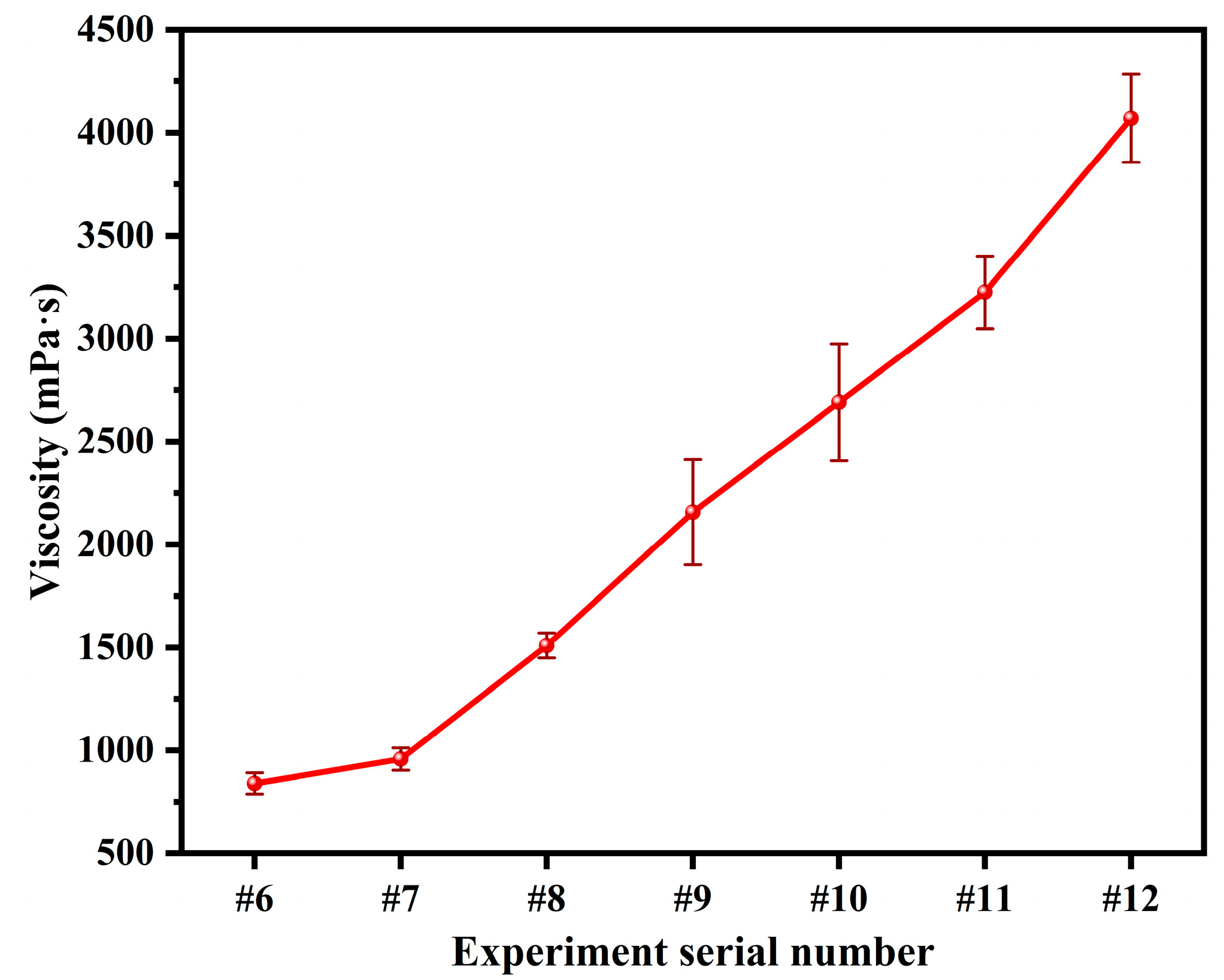
Figure 5 illustrates the effect of the flame-retardant (SA) concentration on HPMC and SA mixed solution viscosities. The test results show that adding 0.1 wt% SA to the 2.5 wt% HPMC base did not significantly affect viscosity, which remained at 840.1 (±51.67) mPa·s, indicating that very low SA concentrations exert a negligible influence on mixed solution viscosities. However, as the SA concentration increased from 0.1 wt% to 0.7 wt%, viscosity rose markedly from 840.1 (±51.67) mPa·s to 4070 (±213.29) mPa·s. This demonstrates that the addition of SA to the HPMC base notably enhances viscosity at room temperature, with viscosity exhibiting a direct positive correlation with SA concentration.
- (2)
Table 2 presents the phase transition temperature test results for each gel formulation. The data indicate that all gel samples exhibited a phase transition at approximately 58 °C upon incorporating different concentrations of SA into the 2.5 wt% HPMC matrix.
- (3)
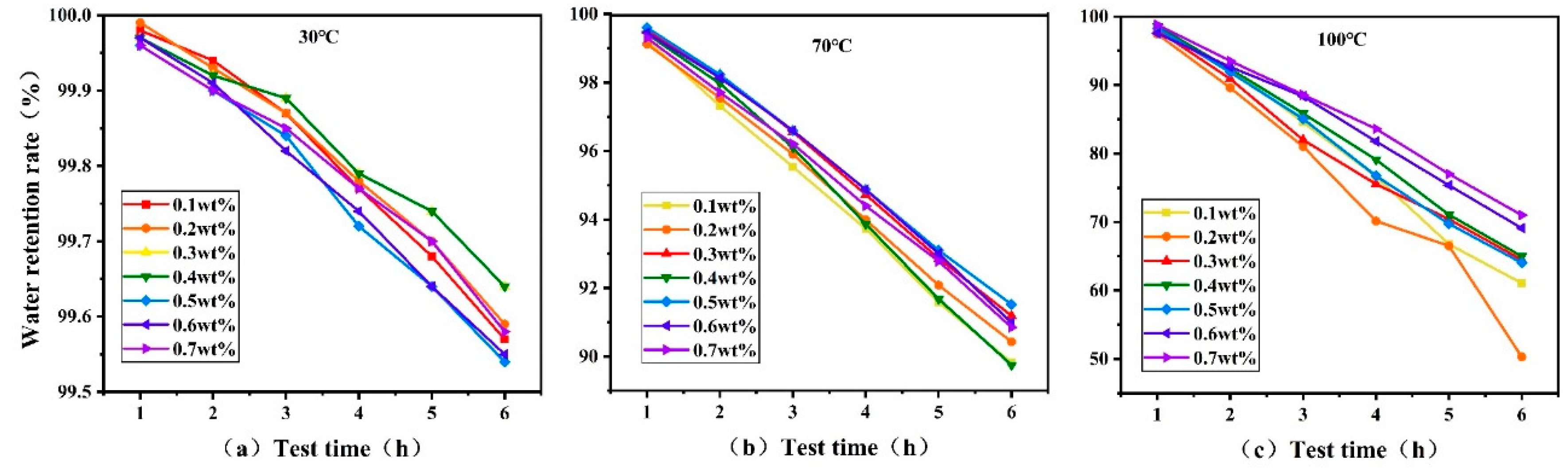
Figure 6 illustrates the effects of flame-retardant material concentration and test temperature on the water retention behavior of the mixed solutions. The water retention ratio was found to depend on temperature, duration, and material concentration. Analysis of the curves indicates that at 30 °C, all tested formulations maintained a water retention ratio above 99%, with the 0.3 wt% sample exhibiting the best performance. At 50 °C, all mixed solutions retained over 89% of their water content, with the 0.3 wt% and 0.5 wt% formulations achieving rates above 91%. Remarkably, at 100 °C, the 0.7 wt% formulation maintained a 71.01% water retention ratio, representing the highest performance under elevated temperature conditions.
In summary, based on a 2.5 wt% HPMC matrix, formulations containing 0.3 wt% and 0.5 wt% SA both demonstrated excellent water retention capacity. However, their viscosities differed significantly, measuring 1510 (±60.62) mPa·s and 4070 (±213.29) mPa·s, respectively. In practical applications within coal mine goaf areas, the gel must possess high fluidity at low temperatures to ensure complete surface coverage of the coal seam and deep penetration into fissures, thereby forming a continuous and compact fire barrier. Considering the hydrogel’s viscosity at room temperature, water retention performance across different temperatures, and overall economic feasibility, the optimal SA concentration was determined to be 0.3 wt%.
3.1.3. Comparative Analysis of HPMC and SA Mixed Solutions Ratio Experimental Results
The viscosity, phase transition temperature, and water retention properties of the temperature-sensitive HPMC and SA mixed solutions prepared by incorporating 0.3 wt% SA into 2.5 wt% HPMC were evaluated, and the corresponding test results are summarized in
Table 3.
From
Table 3, it can be observed that incorporating 0.3 wt% SA into 2.5 wt% HPMC increased the mixed solution’s viscosity at room temperature from 840.1 (±43.18) mPa·s to 1510 (±60.62) mPa·s. Although the viscosity increased slightly, the mixed solution maintained good fluidity under ambient conditions. A comparison of the phase transition temperatures revealed a minor decrease after adding the flame-retardant component. Moreover, the addition of SA significantly enhanced the gel’s water retention capacity at 30 °C, 70 °C, and 100 °C, with retention rates progressively improving as the test temperature increased. This indicates that the incorporation of the flame retardant notably strengthens the water retention performance, particularly at elevated temperatures.
Therefore, based on the above experimental findings, the optimal composition of the material was determined to be 2.5 wt% HPMC and 0.3 wt% SA. Compared with conventional water-based gels used for coal mine fire prevention and suppression, the hydrogel undergoes phase transition at 58 °C, which is 12 °C lower than the spontaneous ignition temperature of coal (70 °C), allowing for earlier thermal response and fire prevention. At ambient temperature, its moderate viscosity of 1510 mPa·s ensures excellent low-temperature fluidity, facilitating uniform coverage of coal seams and preventing the pipeline blockage issues often encountered with traditional hydrogels. Meanwhile, its superior water retention capacity effectively mitigates the dehydration and failure commonly observed in inorganic gels, thereby substantially extending the effective fire prevention duration.
3.2. Analysis of SEM Test Results
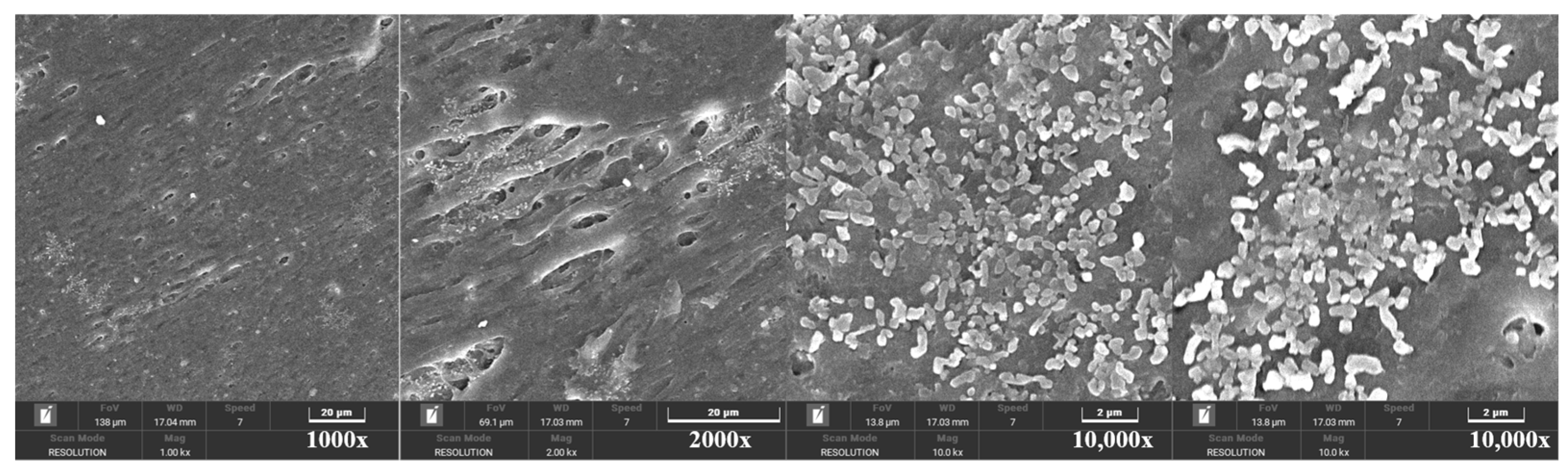
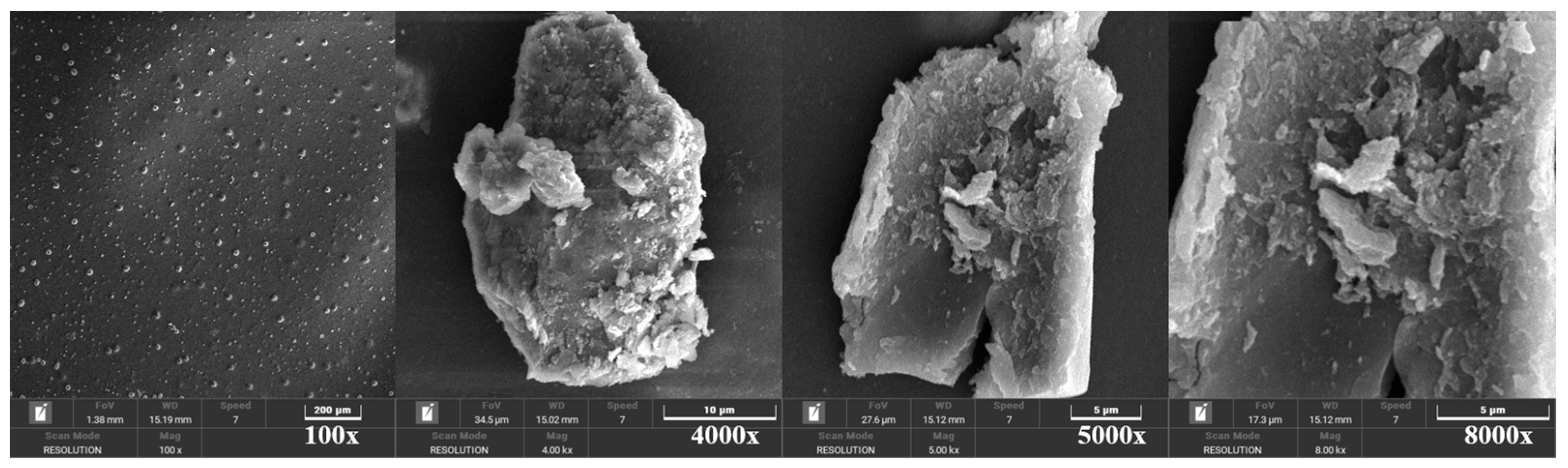
Figure 7 presents the SEM image of sample S-1, illustrating that the surface structure of the dried hydrogel membrane is uniform and relatively smooth, with pores of varying sizes distributed across its surface. This morphology results from the gradual disruption of hydrogen bonds between the gel matrix and water molecules during drying, leading to water loss and gas generation. The subsequent evaporation of water and gases produces numerous surface pores. These pores enhance the gel’s water absorption and retention capacities without impeding water vapor release, thereby improving its heat absorption and cooling performance. At higher magnifications, the gel appears to consist of densely packed and uniformly distributed particles forming a compact three-dimensional interpenetrating network. This dense and homogeneous microstructure provides the gel with strong mechanical integrity, enabling long-term shape stability, effective oxygen isolation, and improved water retention capability.
Figure 8 displays the scanning electron microscope image of sample S-2. The complete encapsulation of coal particles by the gel and the filling of micro-cracks demonstrate the material’s excellent flowability and permeability during wet coating. The dense, continuous coating formed after drying confirms strong adhesion between the gel and the coal surface. This structural feature transforms into an effective physical oxygen barrier in humid environments. This demonstrates that under wet conditions, the thermosensitive gel not only effectively encapsulates coal particles, enveloping the coal matrix, but also permeates and fills microcracks within the coal structure while simultaneously providing bonding and reinforcement.
Based on the natural combustion mechanisms of coal and the factors contributing to spontaneous combustion of residual coal in goaf areas, it is understood that goafs are confined spaces compacted by fallen rock and fragmented coal, making them highly susceptible to heat accumulation and elevated coal temperatures. Furthermore, the fragmented coal remaining in goafs exhibits characteristics such as small particle size, large specific surface area, numerous active molecules, and strong oxidative activity. Finally, fissures in the overlying strata, fractured coal pillars, and ventilation pressure differentials create leakage pathways that supply oxygen to the goaf under mine ventilation conditions. Under these combined conditions, coal in the goaf becomes highly susceptible to spontaneous combustion. Hydrogels, by covering the coal seam and encapsulating coal particles, reduce both the surface area exposed to oxygen and the porosity of the coal mass while lowering surface temperatures. This dual effect decreases the spontaneous combustion rate and delays the onset of natural ignition.
3.3. Analysis of the Test Results of FTIR
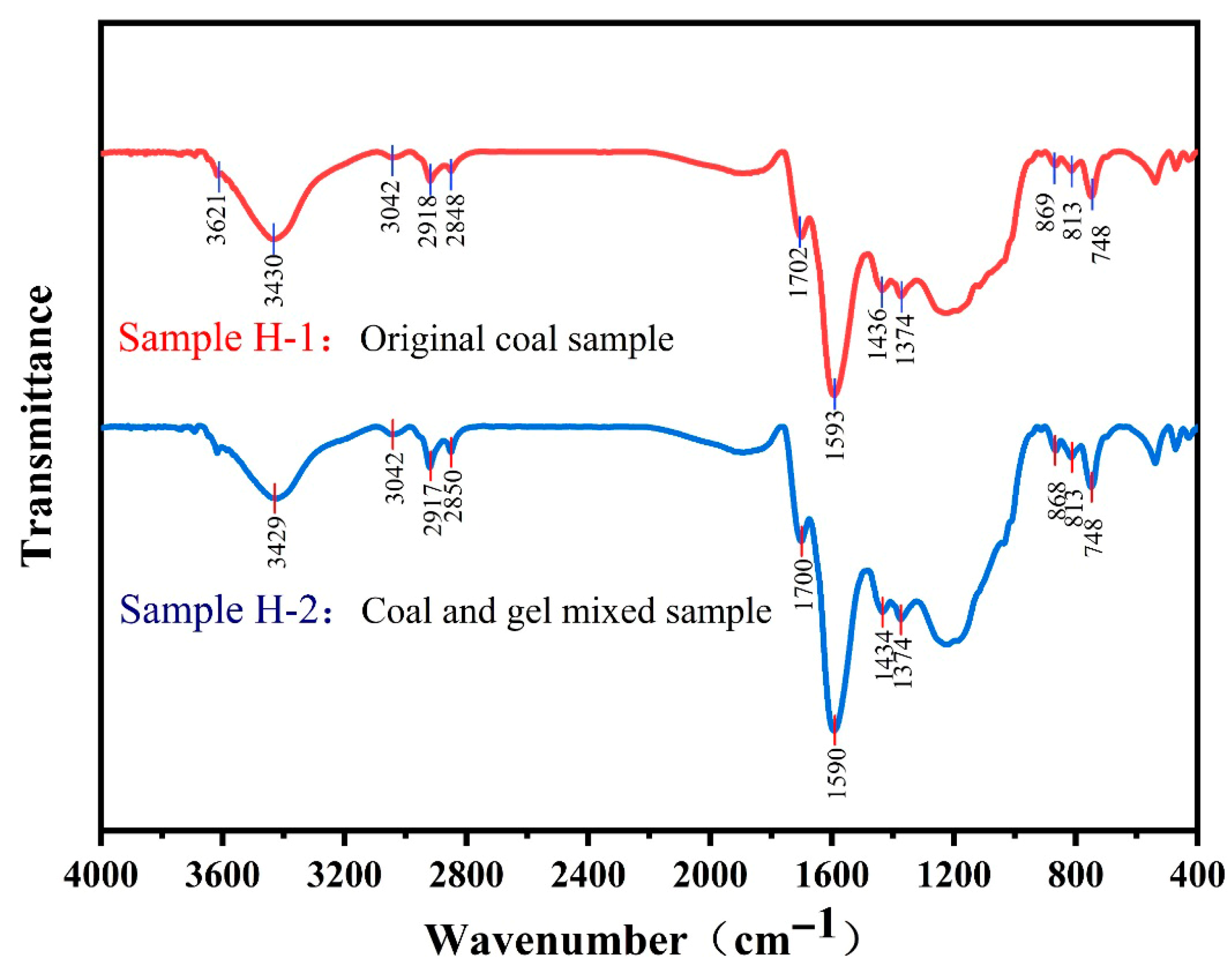
Figure 9 presents the FTIR spectra of both samples.
In the H-1 raw coal sample, the symmetric and asymmetric stretching vibration peaks of methyl groups (–CH3) were observed at 2848 cm−1 and 2918 cm−1, respectively, while their corresponding bending vibrations appeared at 1374 cm−1 and 1436 cm−1. The characteristic peak of unsaturated –CH was detected at 3042 cm−1, and the carbon–carbon double bond (–C=C–) exhibited an absorption peak at 1593 cm−1, corresponding to the benzene ring skeletal vibration. In the fingerprint region (700–900 cm−1), three distinct peaks associated with benzene ring substitution were identified, indicating disubstituted aromatic rings. The hydroxyl (–OH) stretching vibrations appeared at 3430 cm−1 and 3621 cm−1, while a peak at 1043 cm−1 confirmed the presence of hydroxymethyl (–CH2OH) groups. Additionally, a carbonyl (–C=O) stretching vibration peak was observed at 1702 cm−1, signifying oxygen-containing functional groups within the coal matrix.
In the H-2 gel-treated coal sample, the symmetric and asymmetric stretching vibration peaks of –CH3 appeared at 2850 cm−1 and 2917 cm−1, respectively, while their corresponding bending vibrations were observed at 1374 cm−1 and 1434 cm−1. The characteristic peak of unsaturated (–CH) was detected at 3042 cm−1, and the –C=C–) exhibited an absorption peak at 1590 cm−1. Additionally, three distinct peaks were observed in the fingerprint region (700–900 cm−1), associated with benzene ring vibrations, confirming disubstituted aromatic ring structures. The –OH stretching vibration appeared at 3429 cm−1, while a peak at 1112 cm−1 indicated the presence of secondary alcohol groups (–CHOH). Furthermore, a –C=O stretching vibration peak was observed at 1700 cm−1, consistent with oxygen-containing functional groups within the coal matrix.
Analysis of
Figure 9 reveals that the infrared spectra of both samples display nearly identical patterns, with no emergence of new absorption peaks and only slight variations in peak intensities and positions. This indicates that the thermosensitive hydrogel does not chemically react with coal or generate new compounds, nor does it alter the intrinsic functional group composition of the coal. These results confirm that the application of hydrogel preserves the fundamental chemical properties of coal, thereby supporting its safe and reliable use in underground coal mine environments.
3.4. Analysis of the Materials Fire Extinguishing and Temperature Reduction Performance
Figure 10 illustrates the coal combustion process and the fire suppression performance of the hydrogel on high-temperature coal. (a) paraffin first ignites charcoal, which subsequently ignites the coal; (b) shows the phase transition behavior of the hydrogel upon contact with high-temperature coal, continuously observed over 15 min. It can be observed that upon contact with the heated coal surface, the hydrogel rapidly flows and spreads, swiftly covering the coal and infiltrating its fissures. Hydrogels possess exceptional water retention capabilities, enabling their structures to contain up to 97–99% water content. Upon contact with burning coal, the water rapidly evaporates, absorbing significant heat and effectively lowering the coal’s temperature. This is followed by a rapid phase transition and expansion, resulting in the formation of a milky-white semi-solid layer that coats the surface and fills internal fissures. This layer performs multiple functions, absorbing heat, blocking oxygen, sealing cracks, and cooling the material, thereby effectively suppressing combustion. Consequently, the hydrogel achieves a rapid temperature reduction and complete extinguishment of the fire source within a short time frame.
To evaluate the fire suppression and cooling performance of water, CaCl
2 solution, and the hydrogel on high-temperature coal, real-time surface temperature monitoring was conducted using a temperature recording system (
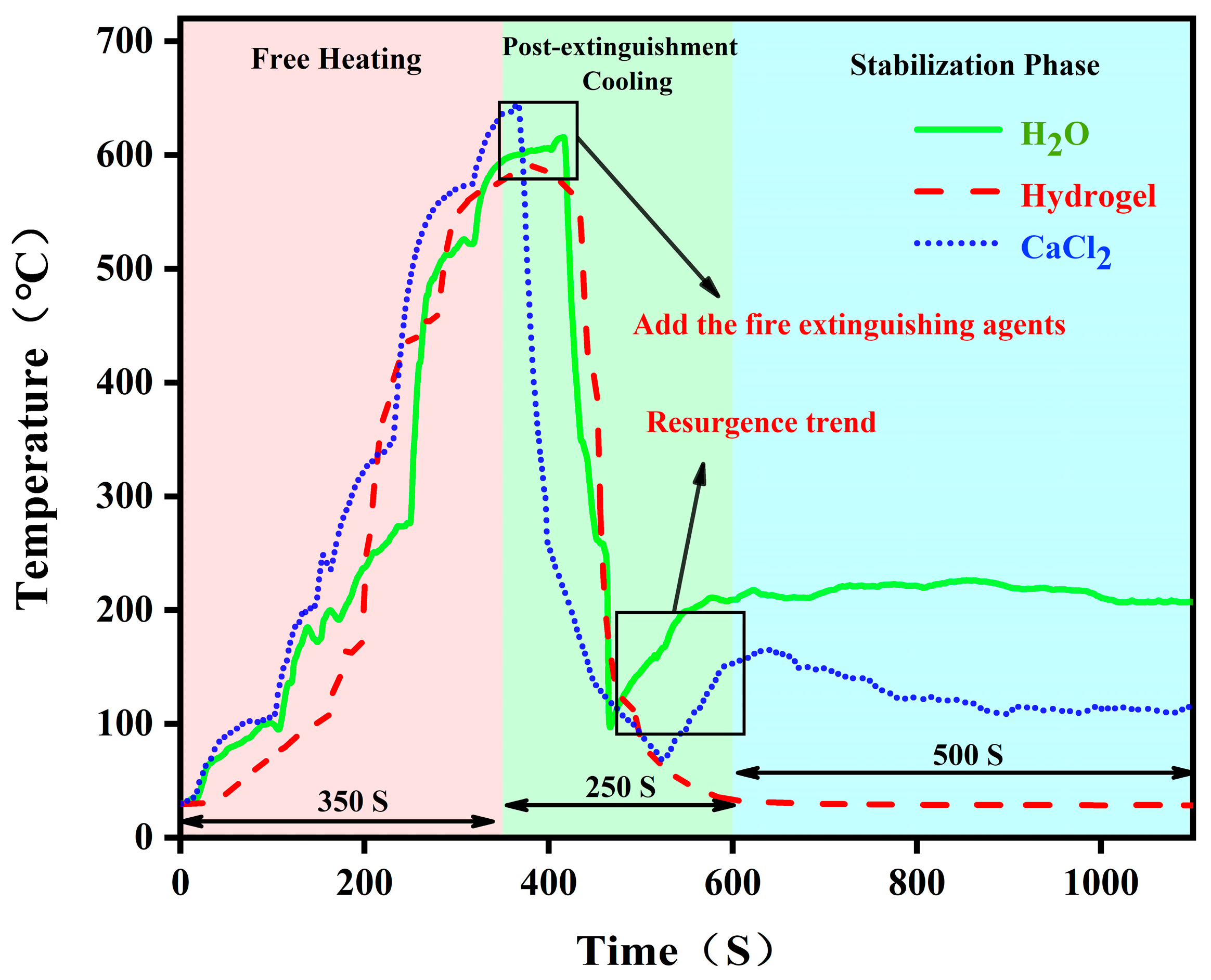
Figure 11). As shown in
Figure 11, the coal exhibited free-burning behavior before 350 s, with its surface temperature rising rapidly and continuously accelerating. When the extinguishing agents were applied at approximately 350 s, the coal surface temperature dropped sharply, indicating that all three agents effectively inhibited combustion and provided significant cooling effects.
Analysis of the fire-extinguishing temperature curves reveals that upon contact with high-temperature coal, the hydrogel rapidly released a substantial amount of water, effectively absorbing heat and reducing the fire source temperature. Simultaneously, its prompt phase transition generated a protective layer that enveloped the coal surface, isolating it from oxygen and sustaining combustion suppression. As a result, the coal temperature decreased to 28 °C and remained stable. In comparison, the CaCl2 solution and water reduced coal temperatures to 70 °C and 100 °C, respectively. However, due to their high fluidity and rapid evaporation upon contact with hot coal, both agents experienced significant water loss, leading to temperature rebound and a tendency for reignition. Water exhibited more pronounced temperature fluctuations and a stronger reignition tendency than the CaCl2 solution. After 600 s, the final stabilized temperatures were 210 °C for water, 110 °C for the CaCl2 solution, and 28 °C for the hydrogel. These findings demonstrate that the hydrogel exhibits superior fire suppression and cooling performance, rapidly lowering the coal temperature and maintaining it below 30 °C for prolonged stability.
4. Conclusions
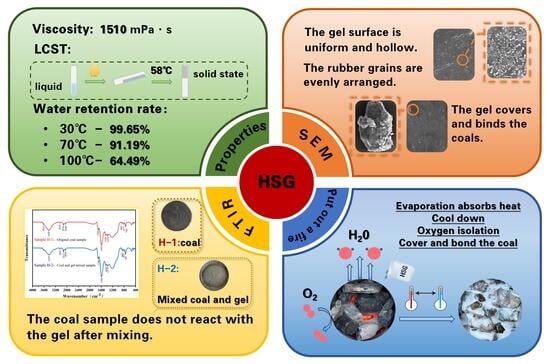
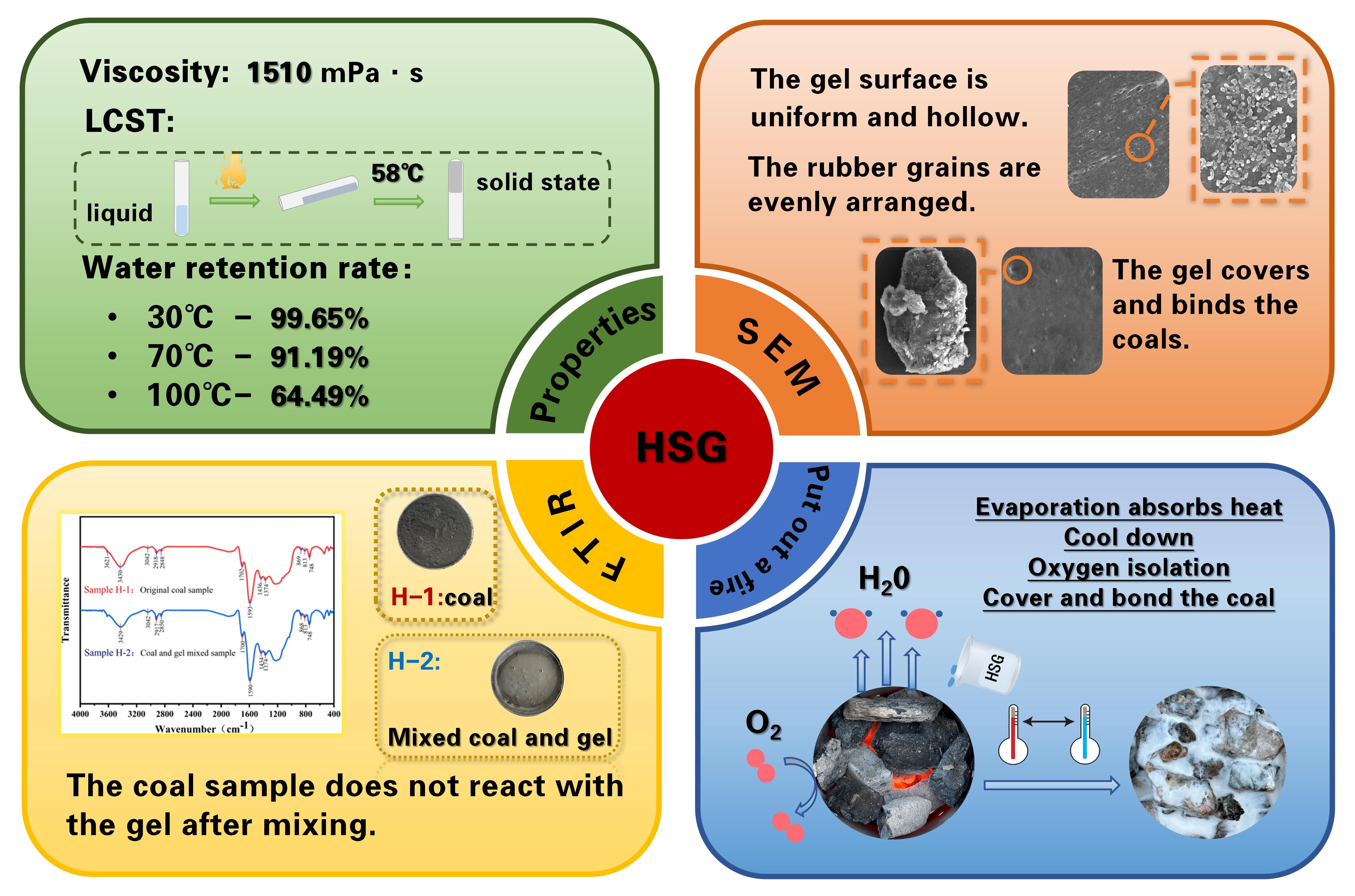
The optimal formulation of the hydrogel was determined to be 2.5 wt% HPMC and 0.3 wt% SA. The hydrogel exhibited a viscosity of 1510 mPa·s at room temperature and a critical solution temperature of 58 °C. Water retention performance was excellent, maintaining 99.65% at 30 °C, 91.19% at 70 °C, and 64.49% at 100 °C.
SEM revealed that the dried gel possessed a uniform, smooth surface with heterogeneously distributed pores. The colloidal structure consisted of tightly packed gel particles forming a compact three-dimensional interpenetrating network. When applied to coal, the hydrogel formed a dense and homogeneous membrane that effectively coated the coal surface and encapsulated individual particles, providing strong adhesion and reinforcement while significantly reducing the potential for spontaneous combustion. FTIR spectroscopy showed nearly identical spectral profiles between raw and gel-treated coal samples, with only minor variations in peak intensity and position, confirming that the hydrogel did not chemically alter the coal or generate new substances.
In fire suppression and cooling experiments, the hydrogel exhibited rapid heat absorption upon contact with high-temperature coal, resulting in a sharp temperature decrease. The hydrogel then underwent a rapid phase transition, forming a semi-solid layer that covered the coal surface and filled its fissures. This process facilitated continuous heat absorption, oxygen isolation, and effective cooling, thereby extinguishing the fire. Within a short period, the temperature of the coal was reduced to below 30 °C and remained stable, demonstrating excellent and sustained fire suppression capability.
In summary, in practical coal mine applications, the thermo-responsive hydrogel can be transported through pipelines into abandoned or mined-out coal seam areas. Its excellent low-temperature fluidity ensures smooth transport, uniform surface coverage, and deep penetration into high-temperature coal layers while preventing pipeline blockages. Upon reaching high-temperature zones, the gel undergoes phase transition, absorbing heat, sealing voids, and reducing the likelihood of spontaneous coal combustion. Its superior water retention extends its effective fire prevention and suppression duration. Furthermore, the hydrogel is cost-effective and composed of safe, environmentally friendly, non-toxic, and harmless raw materials, highlighting its strong potential for large-scale application in coal mine fire control. However, as SA technology remains in the experimental stage for such applications, current hydrogel research is also at an early developmental phase. This study primarily investigates the material’s physicochemical properties and its fire prevention and suppression performance. Future research will focus on exploring its synergistic effects and underlying reaction mechanisms to further optimize its formulation and practical effectiveness.




 ,
,