
Article

A Deep Learning Framework for Real-Time Prediction of Thermal and Structural Responses in Car Park Fires


Department of Bridge Engineering, School of Transportation, Southeast University, Nanjing 211100, China
*
Author to whom correspondence should be addressed.
Fire 2025, 8(12), 470; https://doi.org/10.3390/fire8120470
Submission received: 23 October 2025 / Revised: 22 November 2025 / Accepted: 28 November 2025 / Published: 2 December 2025
(This article belongs to the Special Issue Fire Risk Management and Emergency Prevention)

Abstract

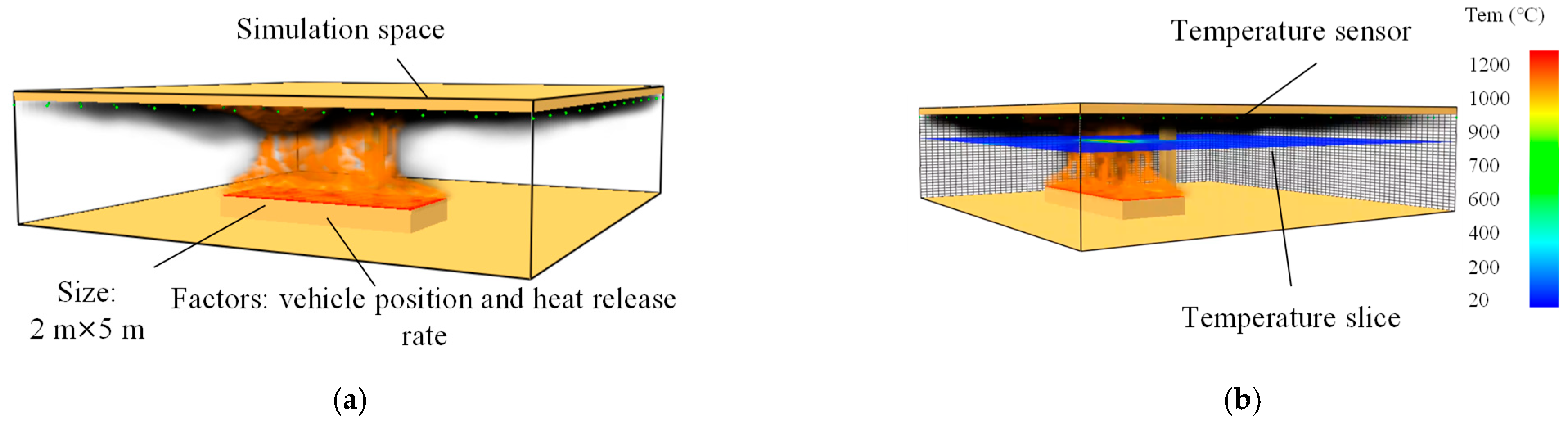
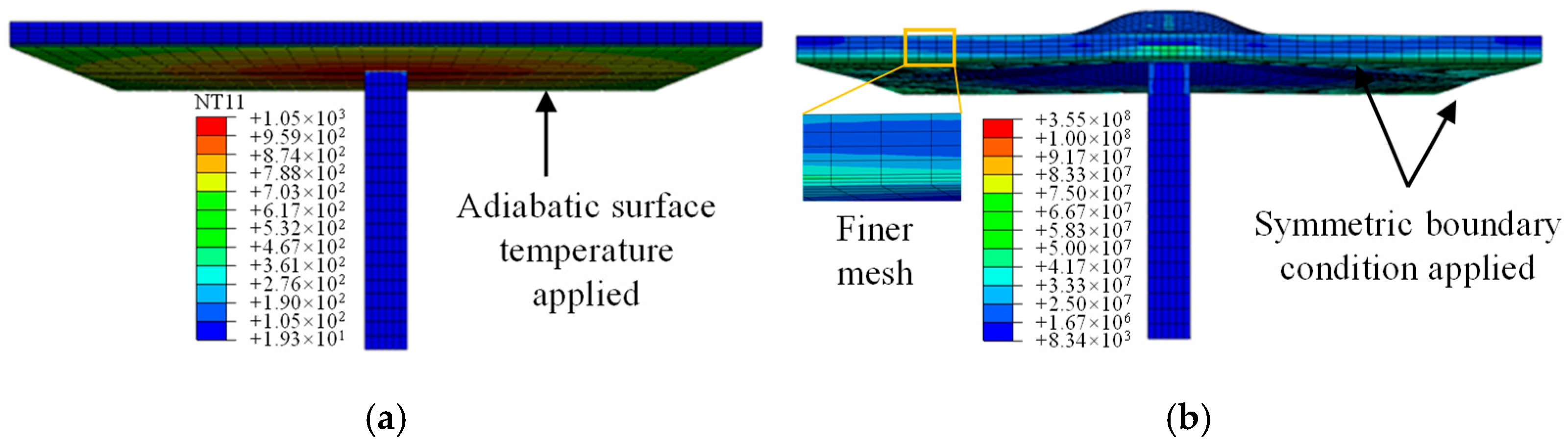
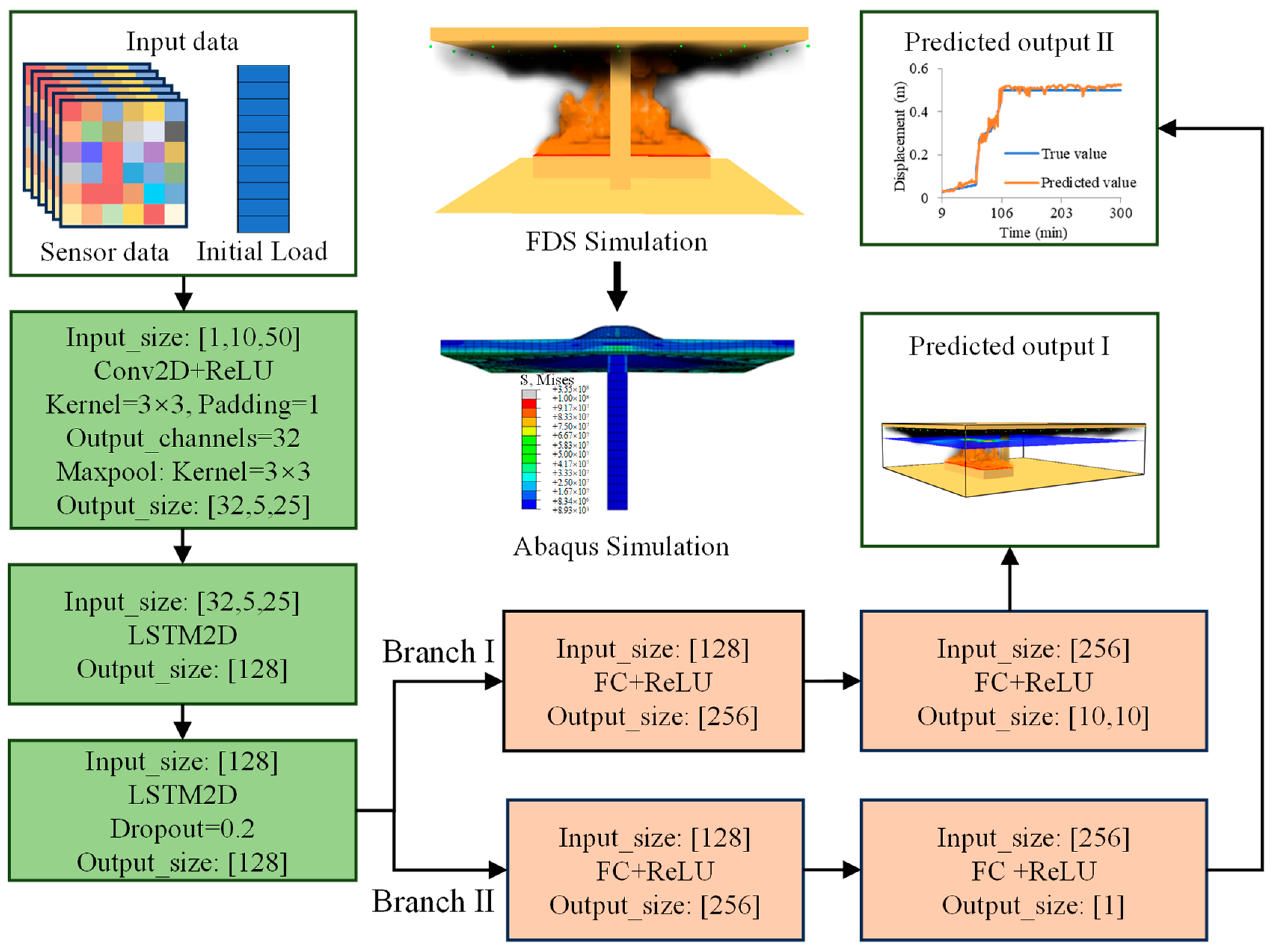
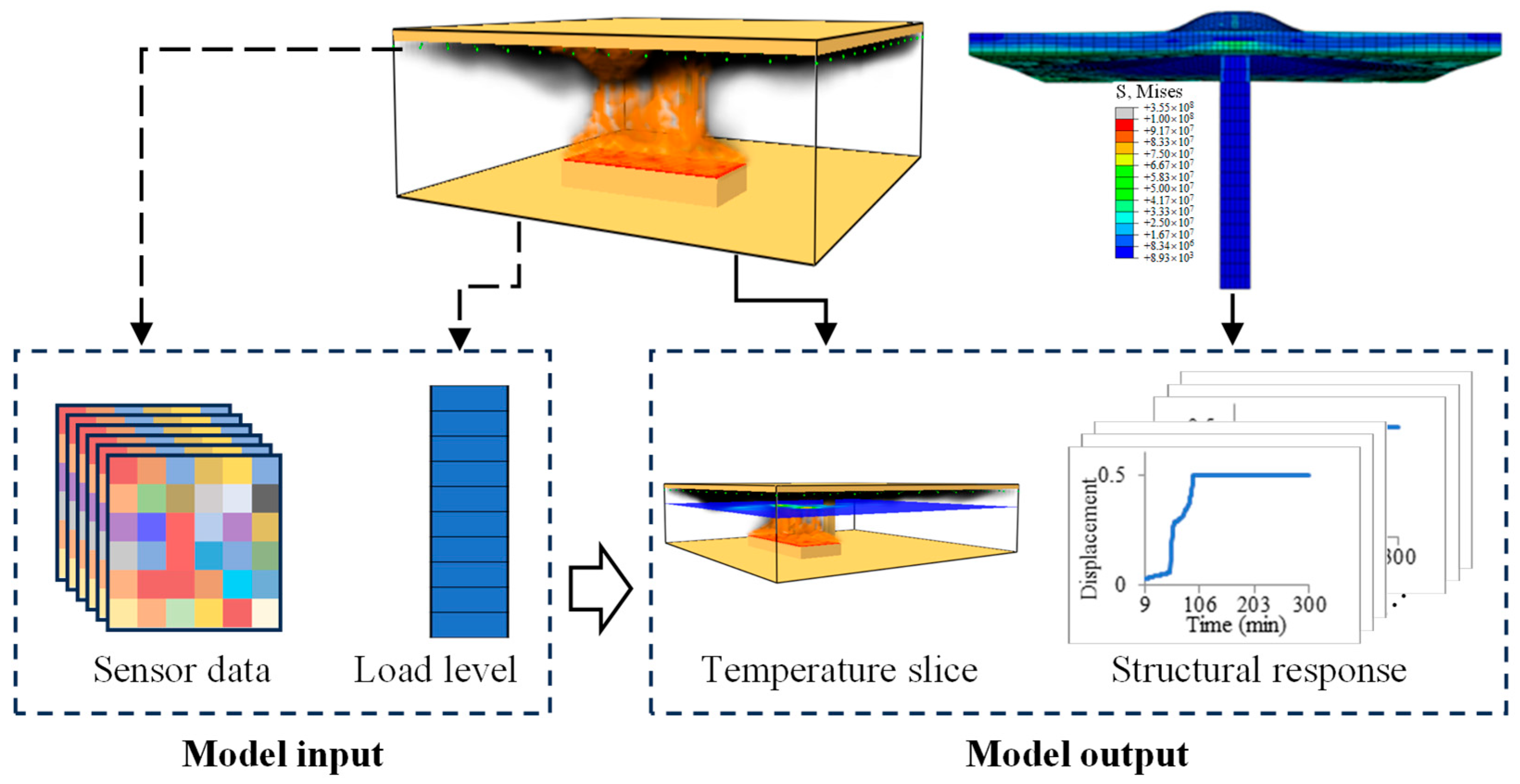
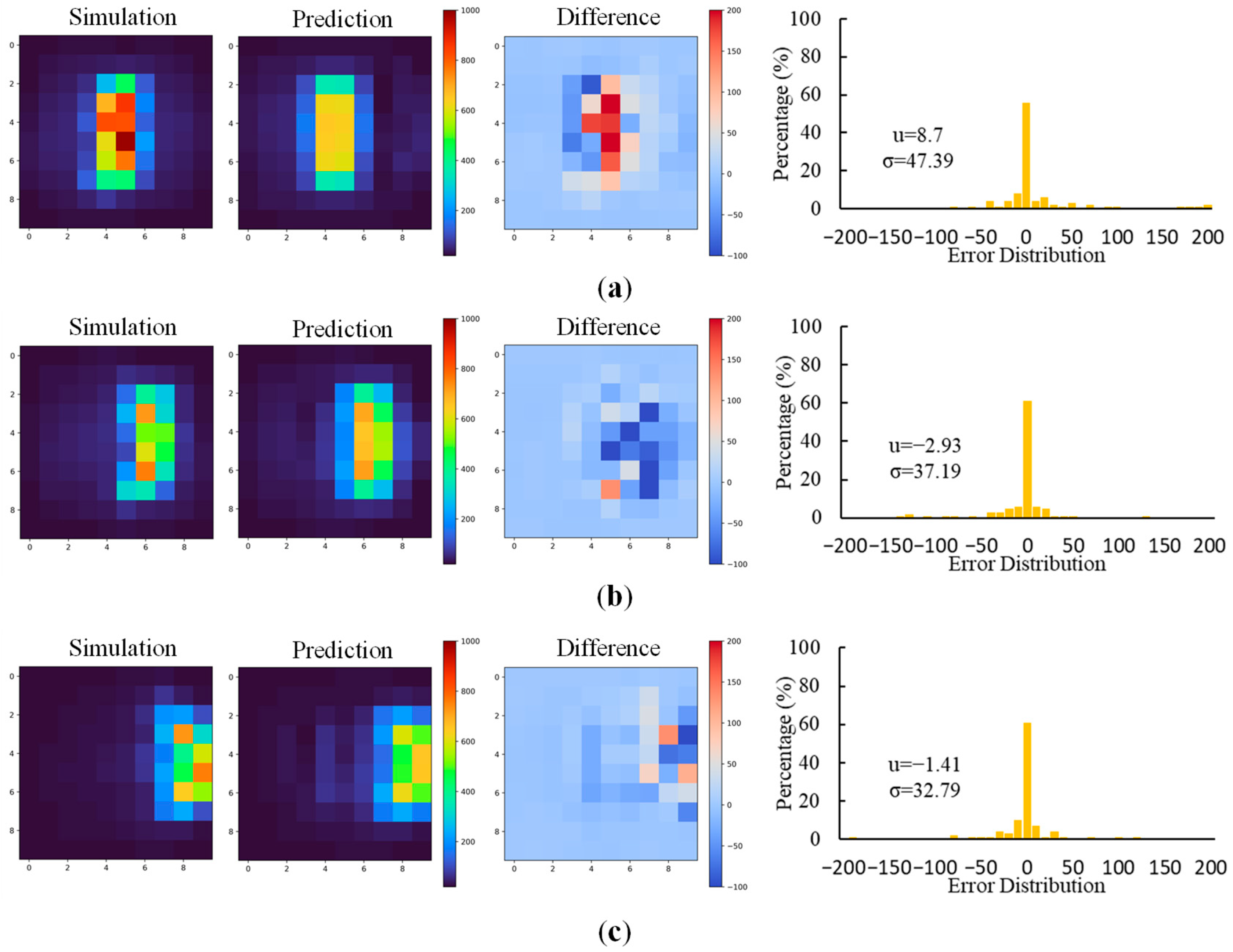
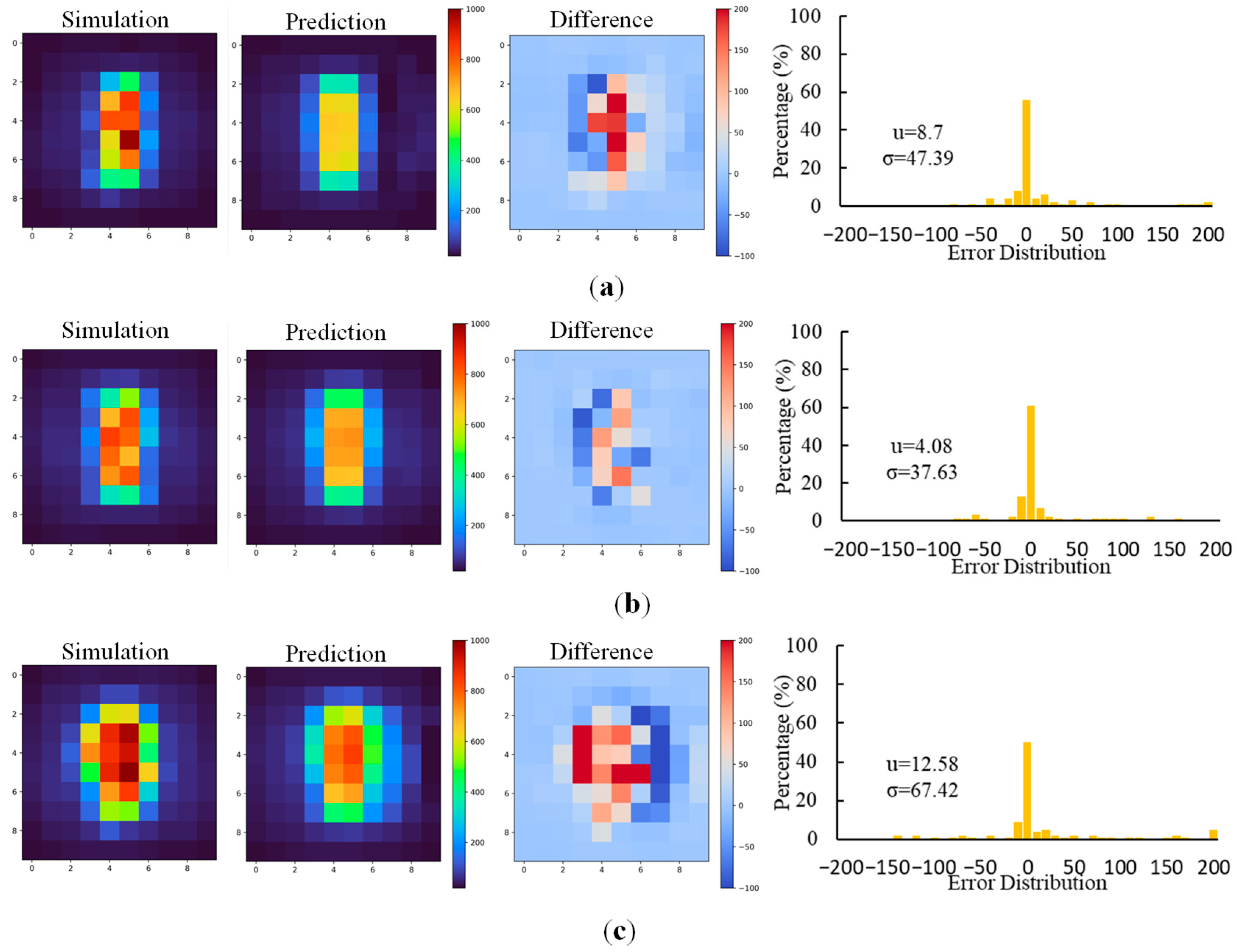
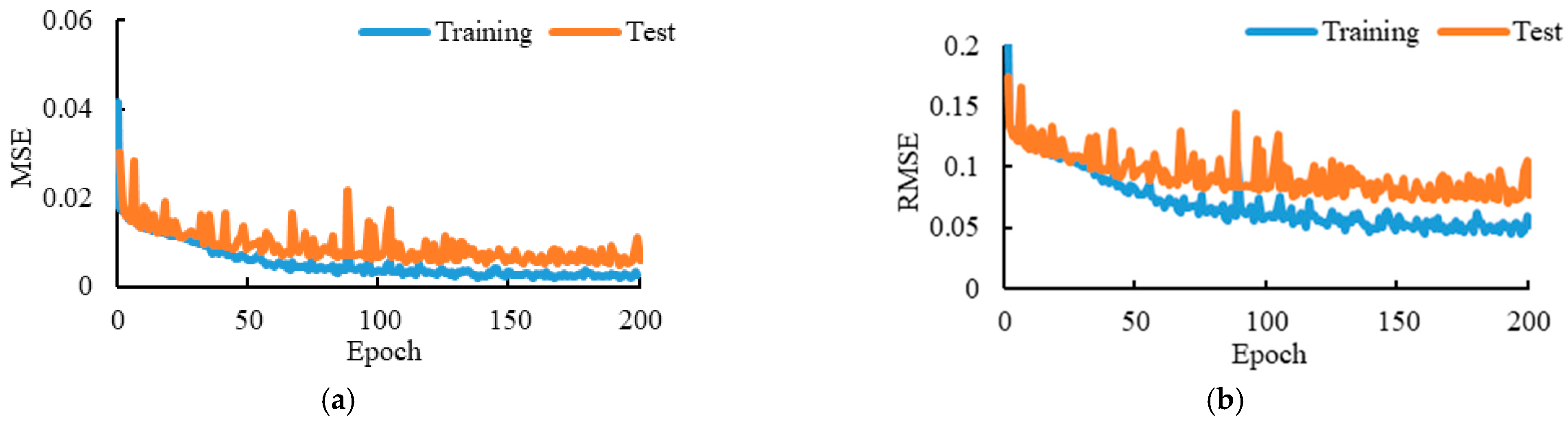
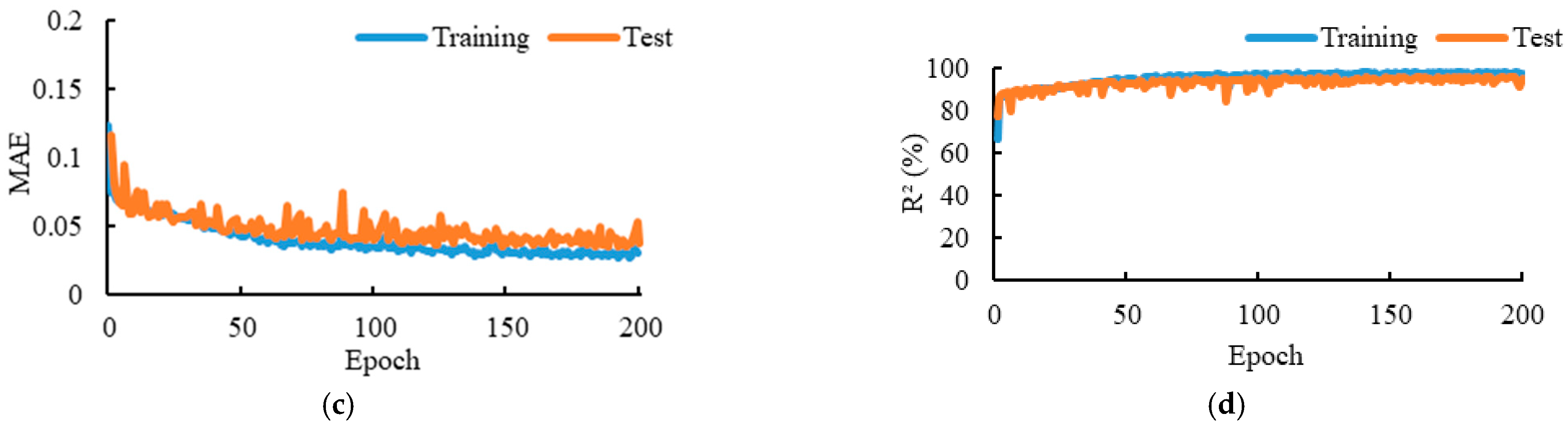
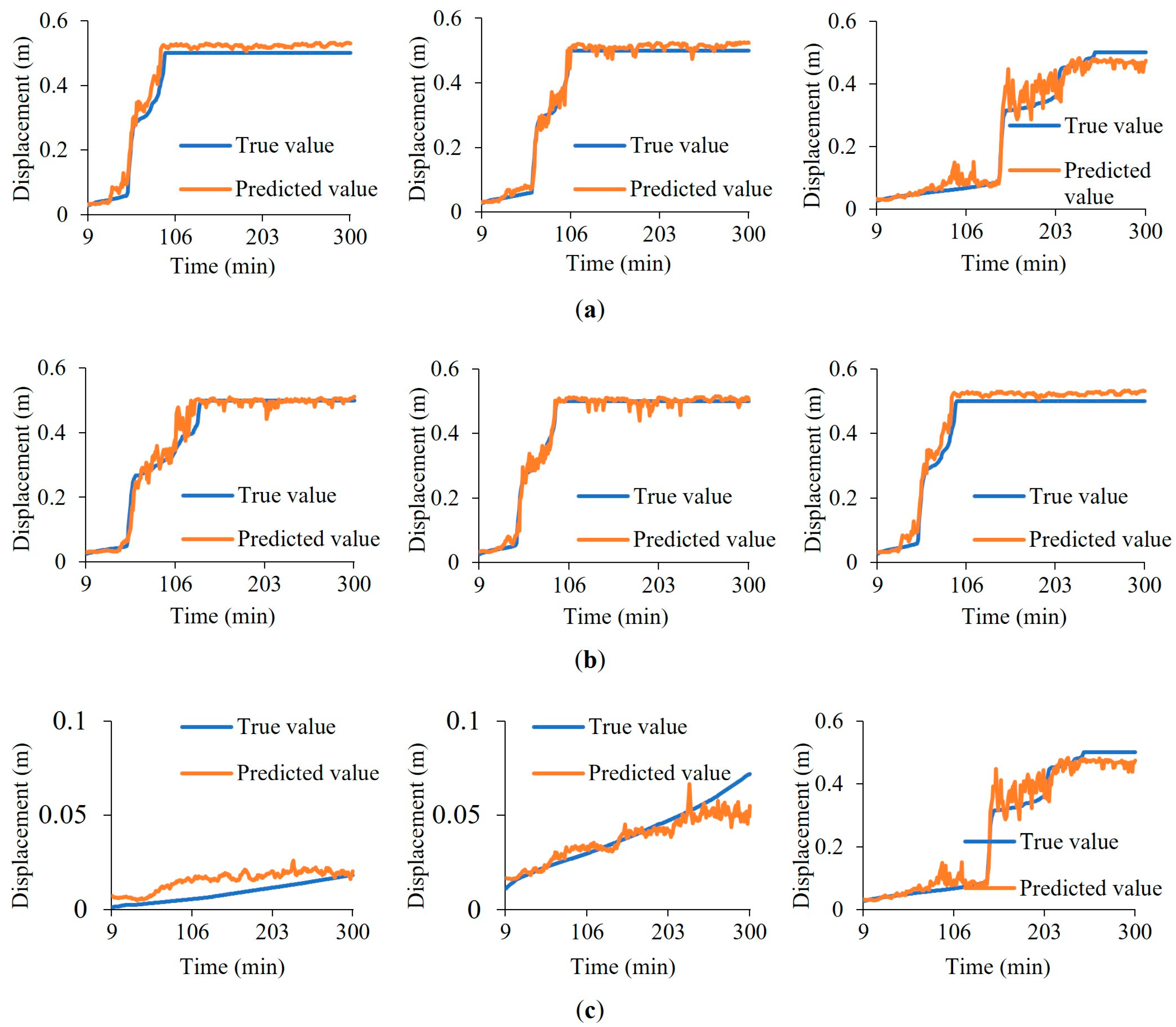
Car parks are a vital component of infrastructure in modern cities. However, fire in car park buildings may lead to significant structural damage and casualties, highlighting the urgent need for fast forecasting methods. Traditional simulation methods are computationally prohibitive for immediate decision-making during a fire incident. This study develops a unified deep learning architecture for a real-time prediction of both the temperature distribution and structural response in car park fires. A numerical database was established using FDS and Abaqus, considering key variables including fire size, fire location and load level. A deep learning model based on the convolutional neural network and long short-term memory networks was proposed. The model takes a 10 s history of gas temperatures from ceiling sensors and the applied load level as input to give predictions on the spatial temperature distribution at a 2 m height 3 min into the future and the vertical deflection of the slab edge for up to 5 h after fire ignition. The model achieved high accuracy, with R2 values of 92% for temperature prediction and 95% for deflection prediction. This study provides a new approach for real-time fire and structural safety early warning.
Keywords: car park fire; structures in fire; fire dynamics simulation; finite element modelling; deep learning algorithms car park fire; structures in fire; fire dynamics simulation; finite element modelling; deep learning algorithms