
Article

Simulation-Based Investigations of the Load-Bearing Behavior of Concrete Hollow Sphere Slabs Exposed to Fire

Institute for Lightweight Structures and Conceptual Design, University of Stuttgart, 70569 Stuttgart, Germany
*
Authors to whom correspondence should be addressed.
Fire 2022, 5(6), 197; https://doi.org/10.3390/fire5060197
Submission received: 22 September 2022 / Revised: 2 November 2022 / Accepted: 12 November 2022 / Published: 22 November 2022
(This article belongs to the Special Issue Structures in Fire: Focus on Steel and Composite Structures)

Abstract

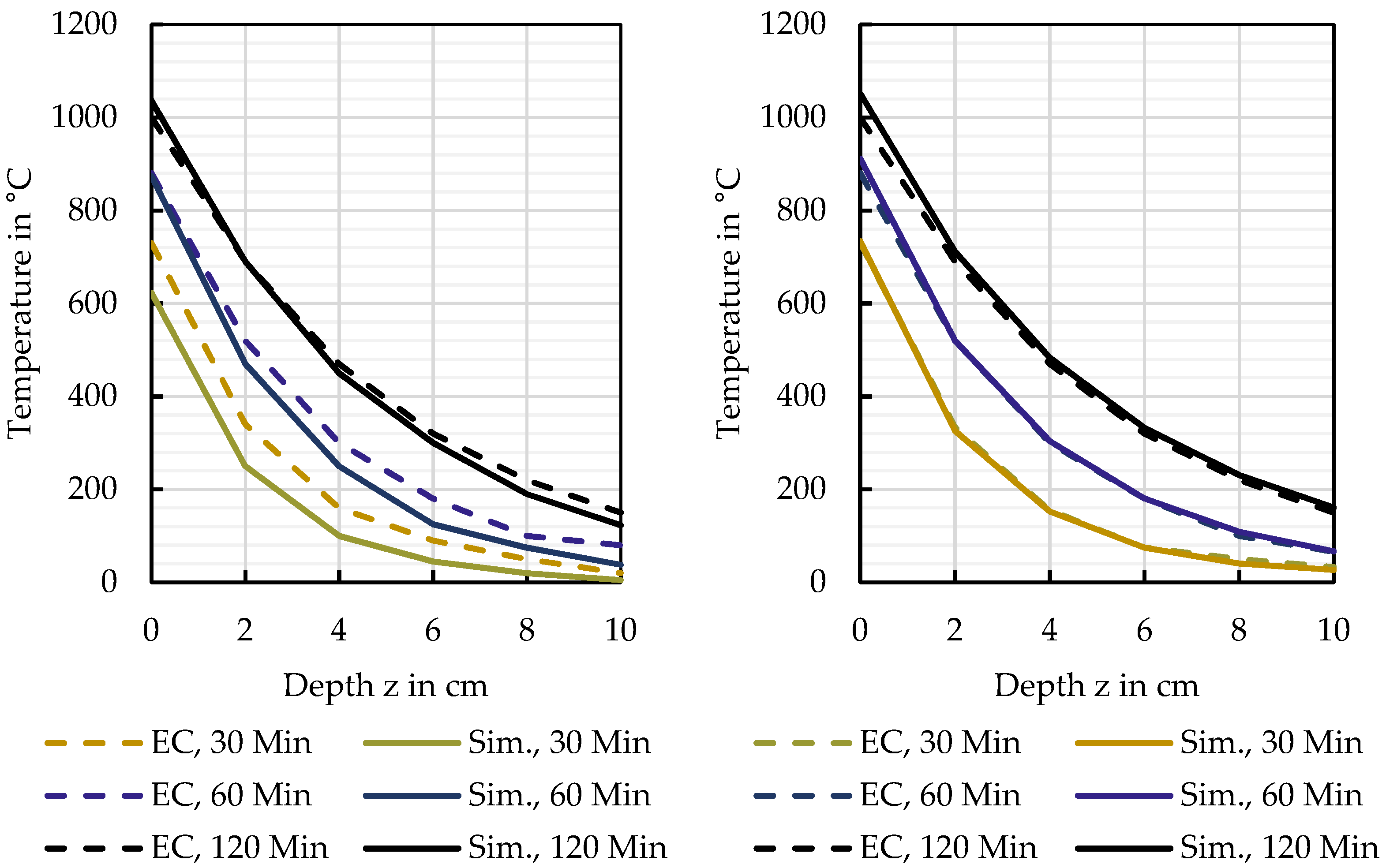
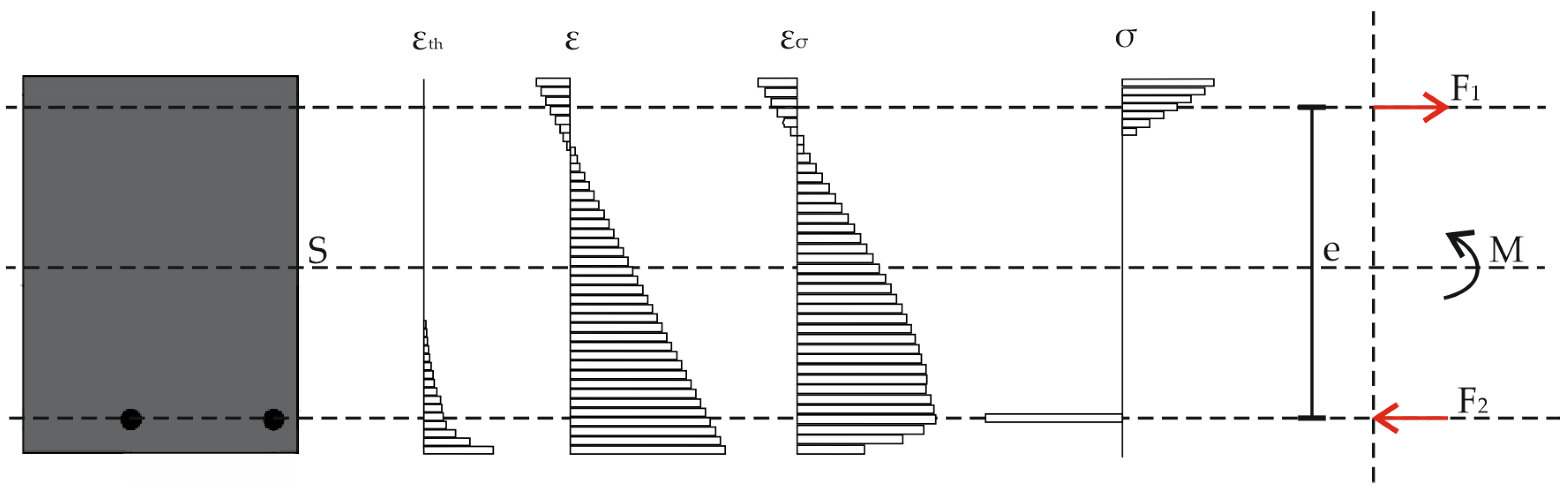
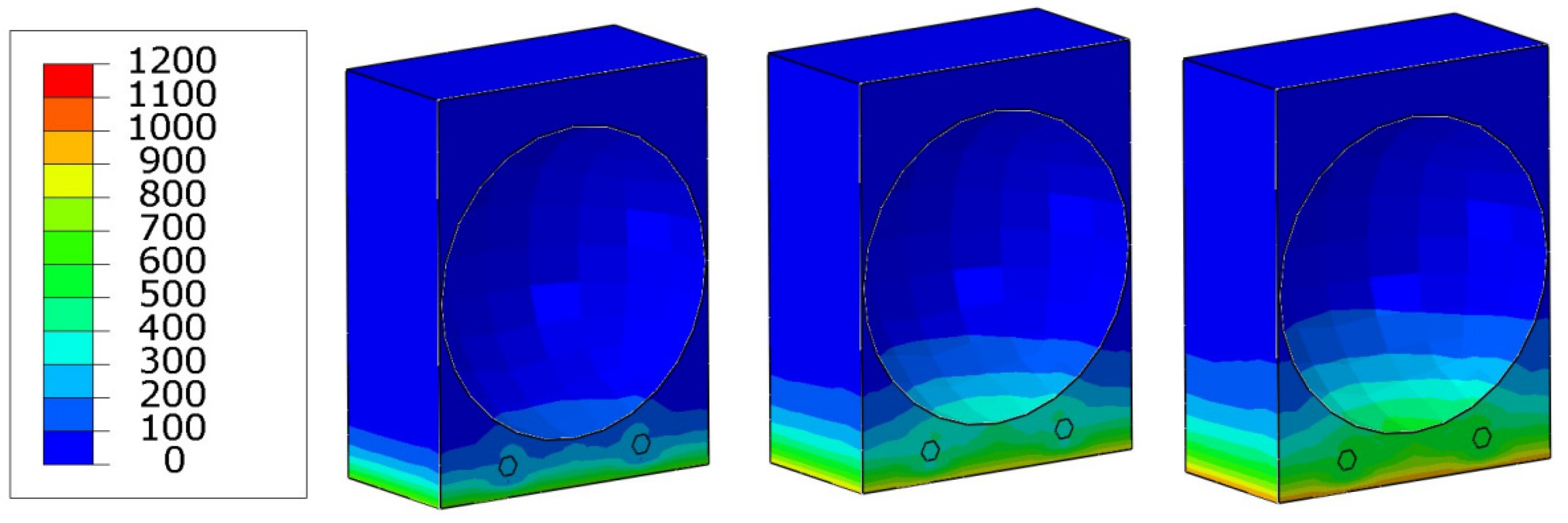
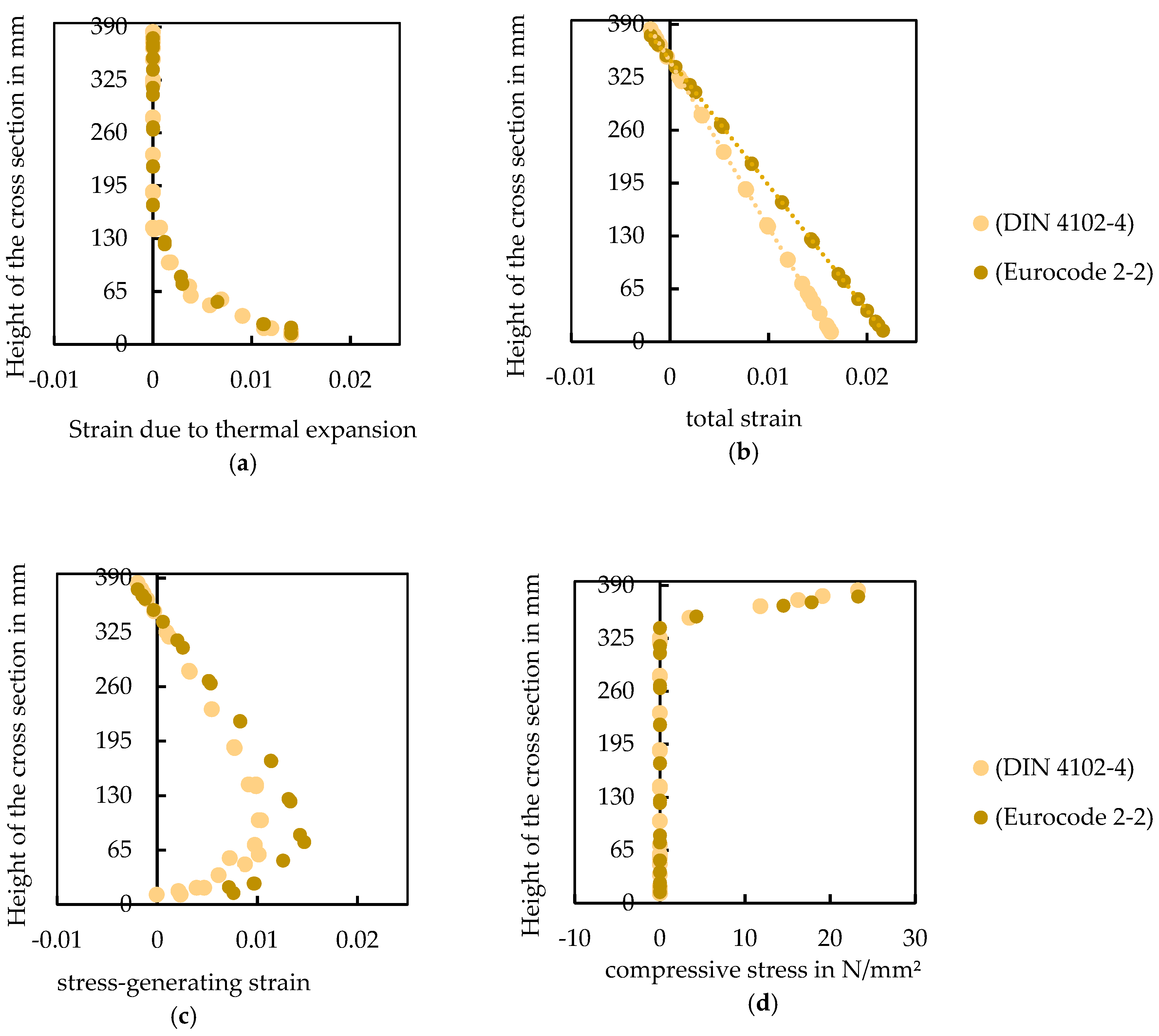
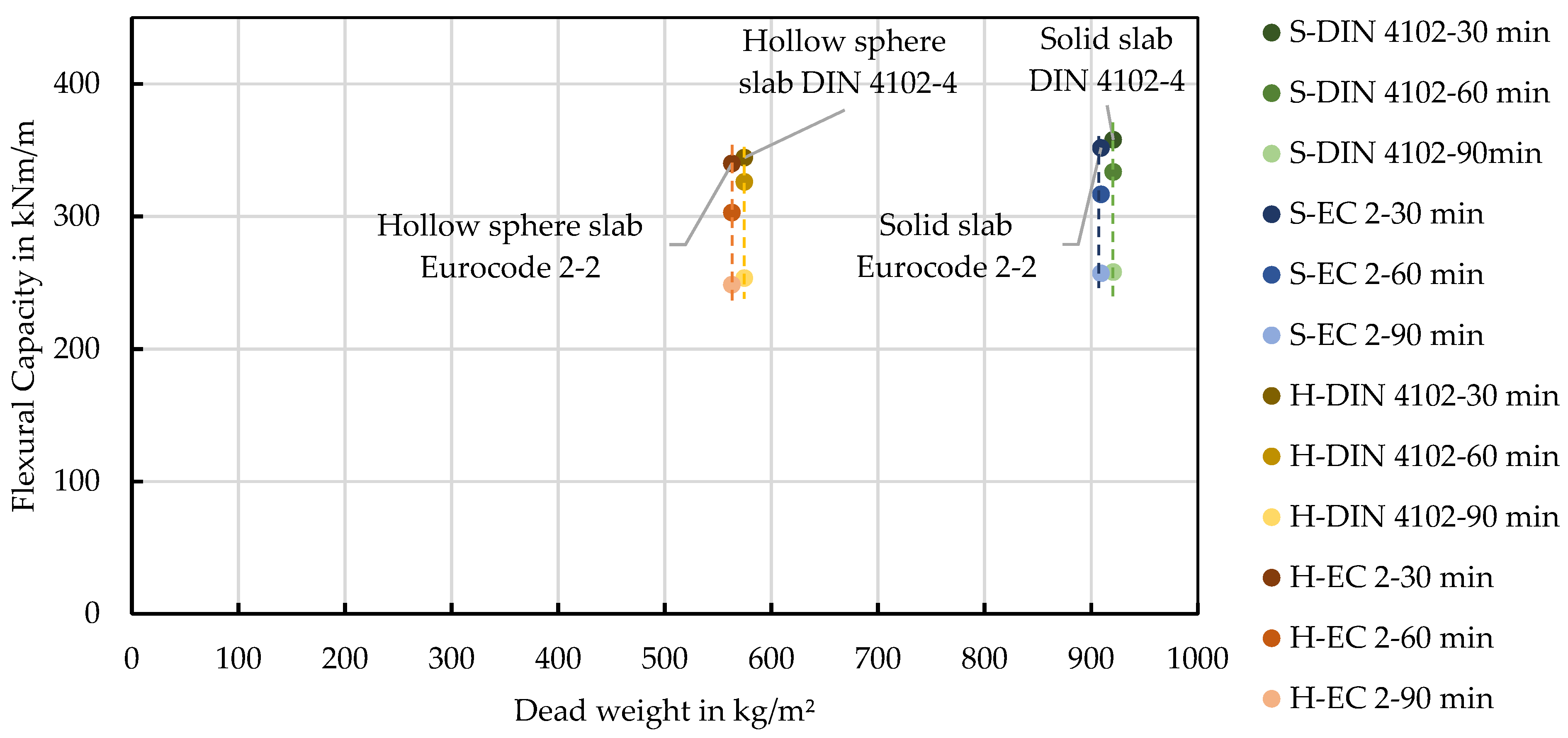
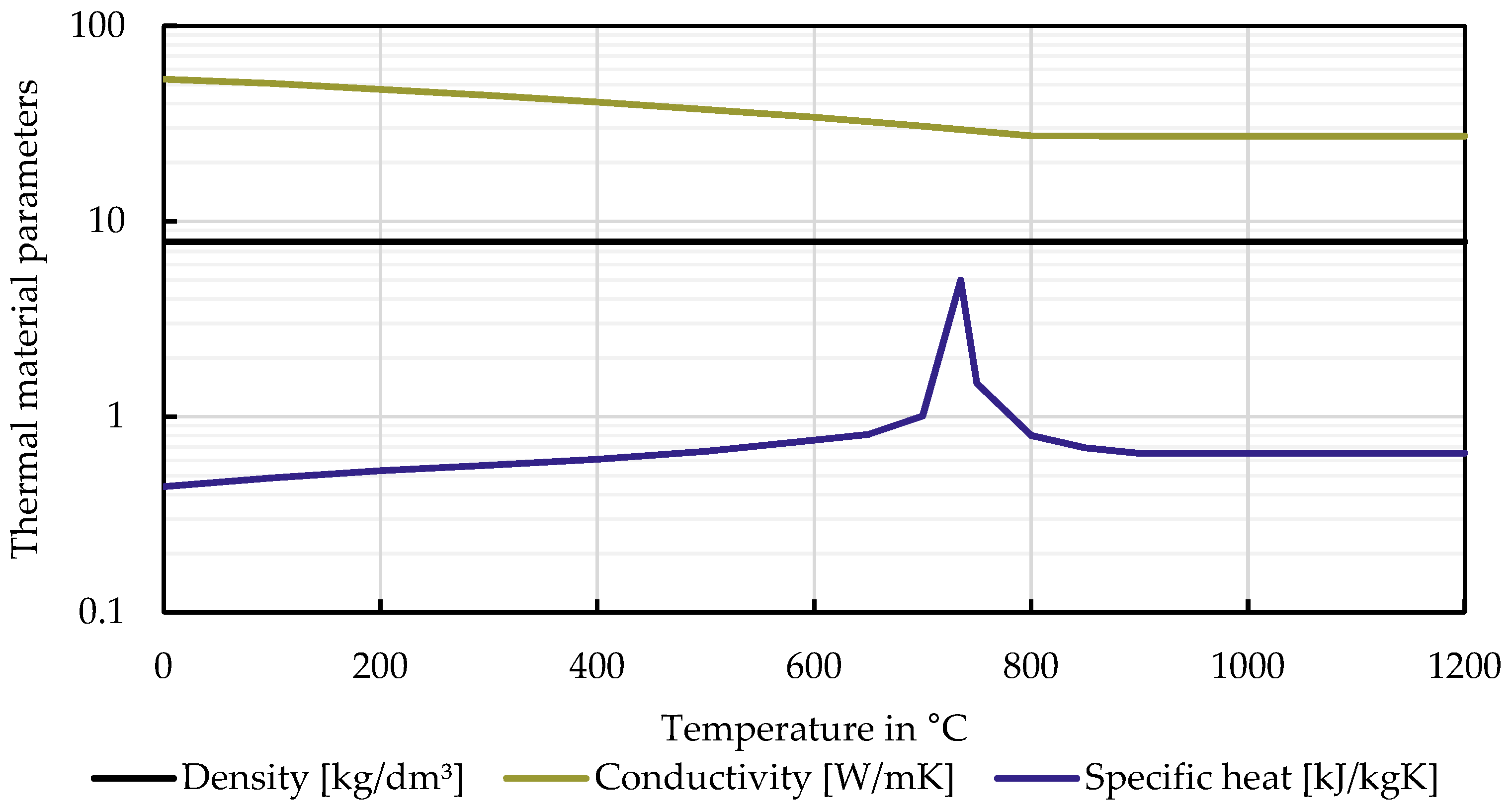
This paper concerns the investigations of the flexural capacity of concrete slabs with integrated concrete hollow spheres that are subjected to fire and their mass saving potential compared to solid slabs. (1) Background: The overuse of concrete in construction contributes considerably to global CO2 emissions; therefore, the potential for mass reduction in structural components must be fully exploited. However, the design regulations for weight-minimized components, particularly slabs with internal voids, are often not explicitly covered by standards, such as the fire design standard relevant to this paper. (2) Methods: Based on the design guidelines for statically determinate structures in Eurocode 2-2 and DIN 4102-4, a solid slab and a concrete slab with concrete hollow spheres are designed and evaluated with regard to their weight and flexural capacity when subjected to fire. The temperature profiles within the slab cross-section exposed to fire are simulated using ABAQUS finite element software, considering the physically nonlinear, temperature-dependent material behavior of concrete and steel. Using these results, the strain distribution corresponding to the maximum flexural moment is iteratively determined at the weakest cross-section, which exhibits the largest void. (3) Results: All components show sufficient flexural capacity for the target fire duration of 90 min. (4) Conclusion: In the context of this study, the design guidelines according to Eurocode 2-2 and DIN 4102-4 are proven to be fully applicable also for concrete hollow sphere slabs.
Keywords: fire analysis; structural analysis; lightweight structures; graded concrete; concrete hollow spheres fire analysis; structural analysis; lightweight structures; graded concrete; concrete hollow spheres