Next Article in Journal
Slash-and-Burn Practices Decrease Arbuscular Mycorrhizal Fungi Abundance in Soil and the Roots of Didierea madagascariensis in the Dry Tropical Forest of Madagascar
Previous Article in Journal
Grass Canopy Architecture Influences Temperature Exposure at Soil Surface
 
 
Correction published on 6 December 2020, see Fire 2020, 3(4), 69.
Article

Assessing the Impact of Climate Variability on Wildfires in the N’Zi River Watershed in Central Côte d’Ivoire


by
Jean-Luc Kouakou Kouassi
1,*,
Narcisse Eboua Wandan
1 and
Cheikh Mbow
2
1
Laboratoire Science, Société & Environnement, Unité Mixte de Recherche et d’Innovation (UMRI) Sciences Agronomiques et Génie Rural, Institut National Polytechnique Félix Houphouët-Boigny (INP-HB), P.O. Box 1093, Yamoussoukro, Côte d’Ivoire
2
START International Secretariat, 1440 G Street NW, Washington, DC 20005, USA
*
Author to whom correspondence should be addressed.
Submission received: 30 July 2018 / Revised: 19 September 2018 / Accepted: 25 September 2018 / Published: 28 September 2018

Abstract

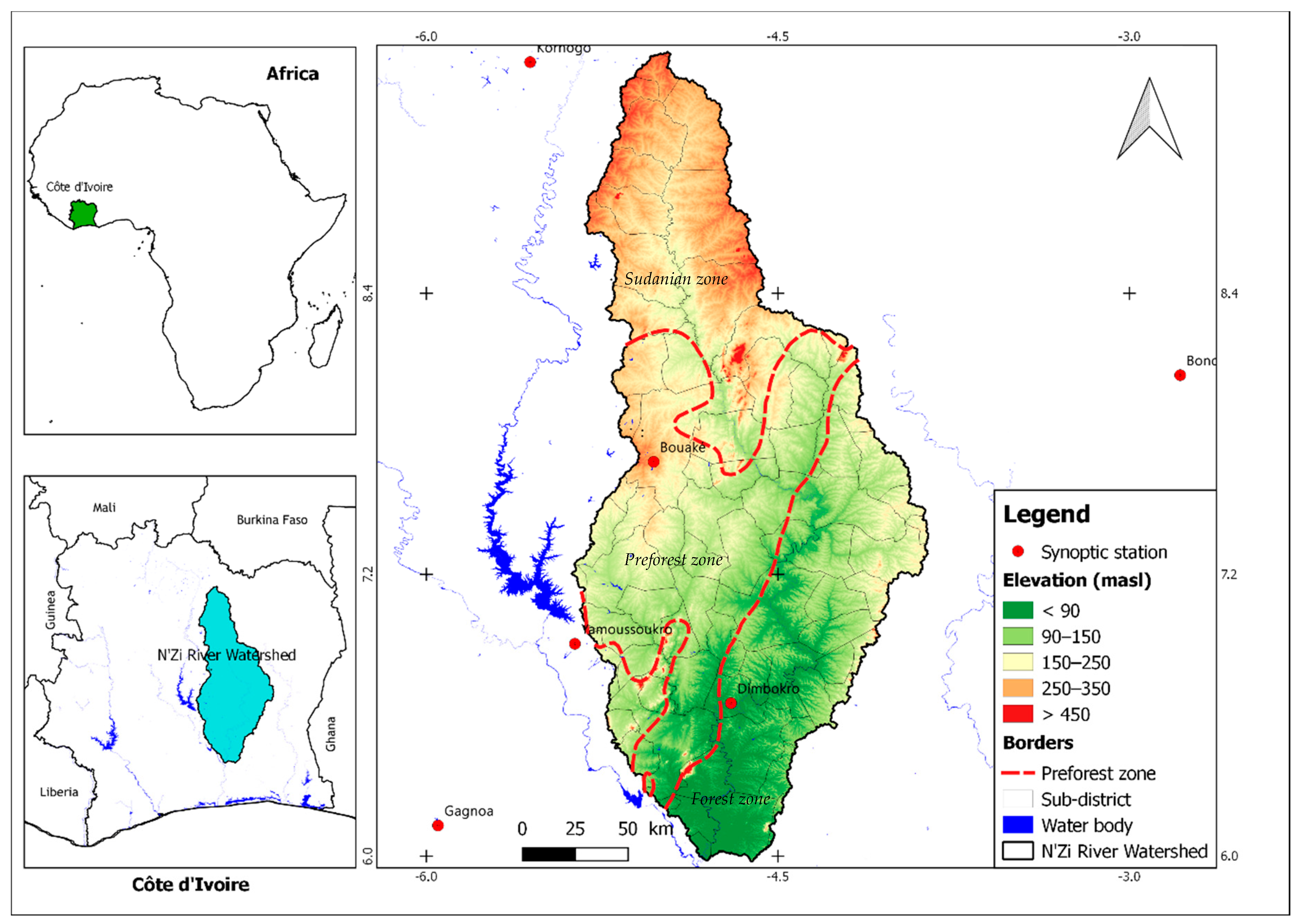
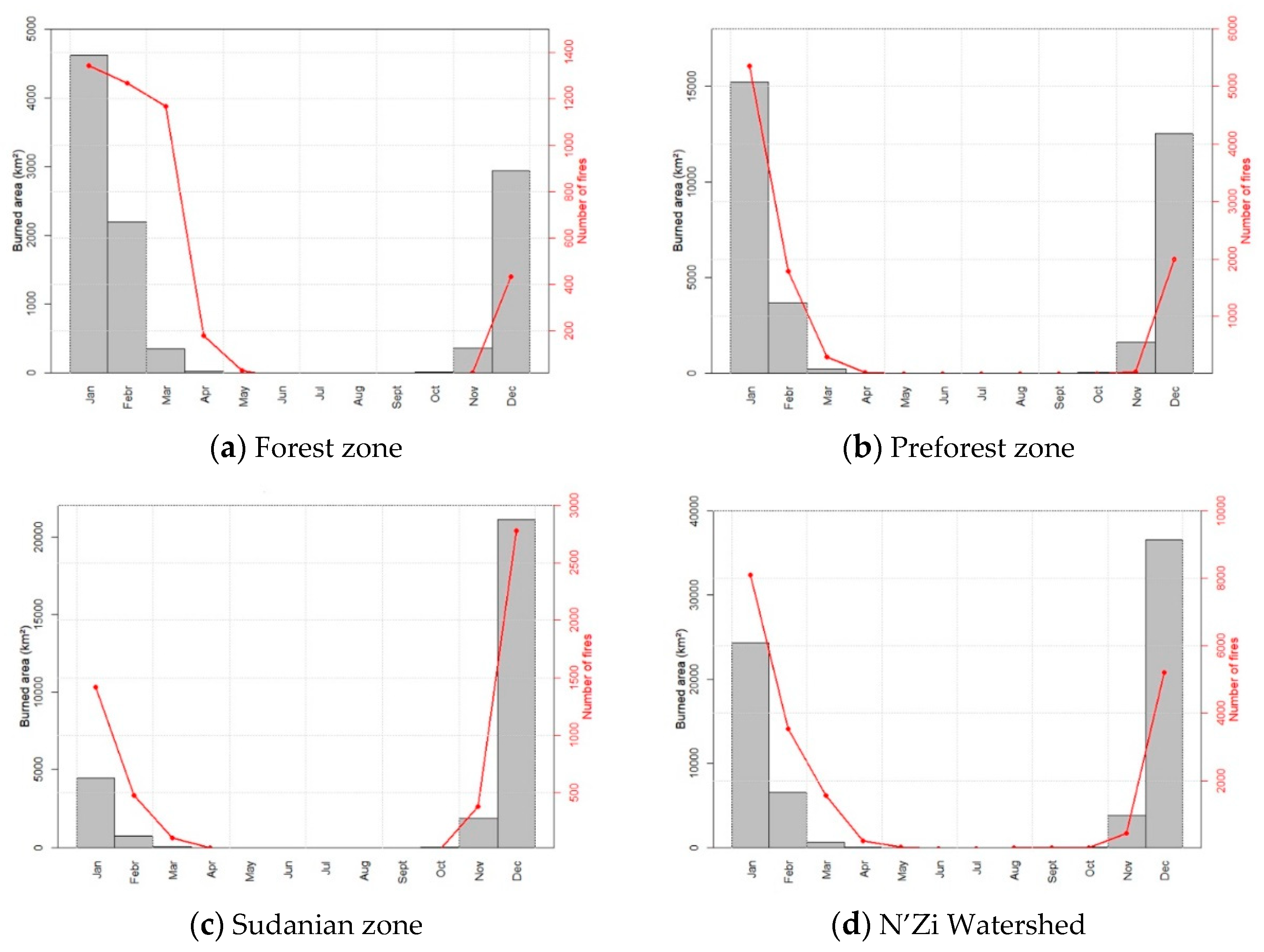
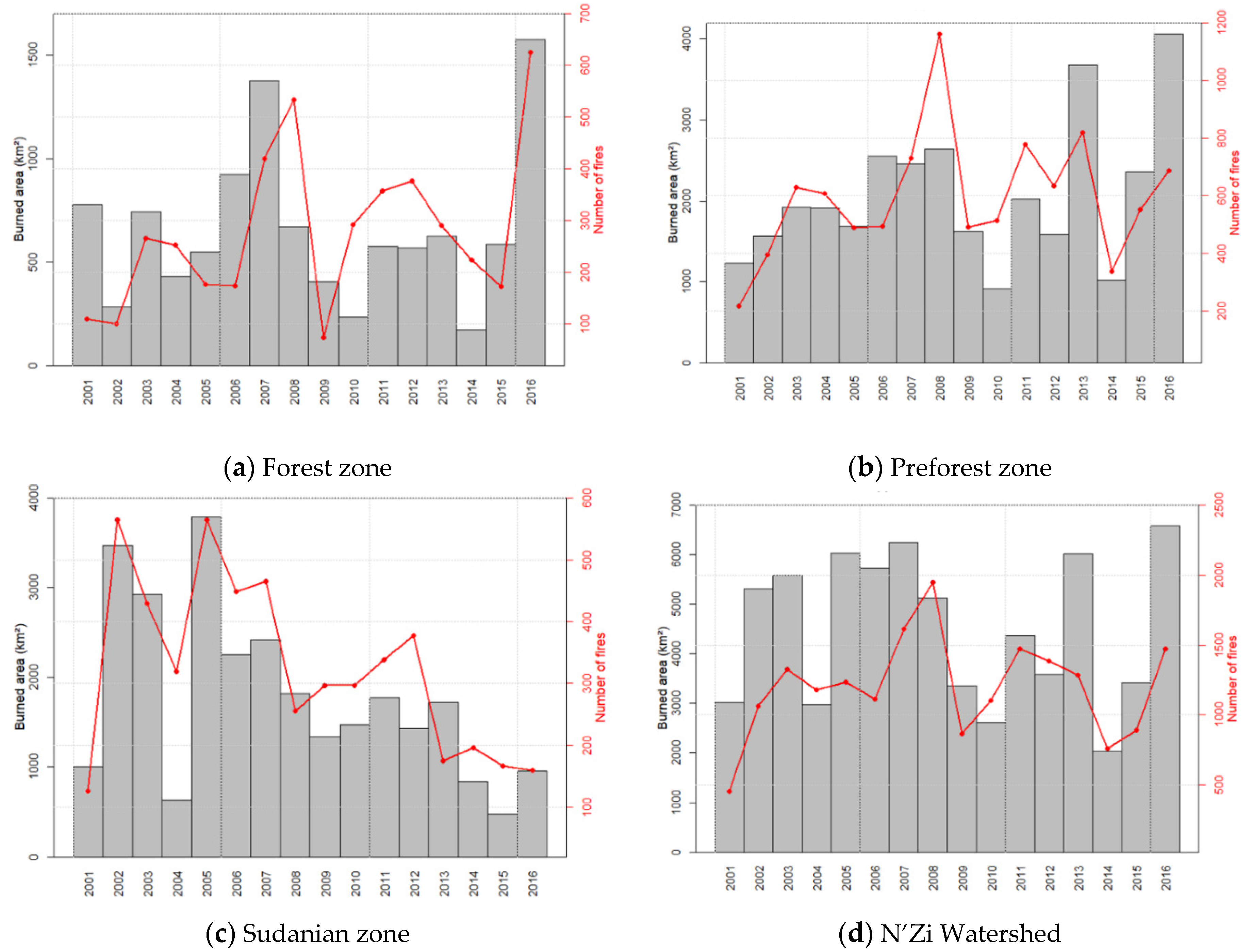
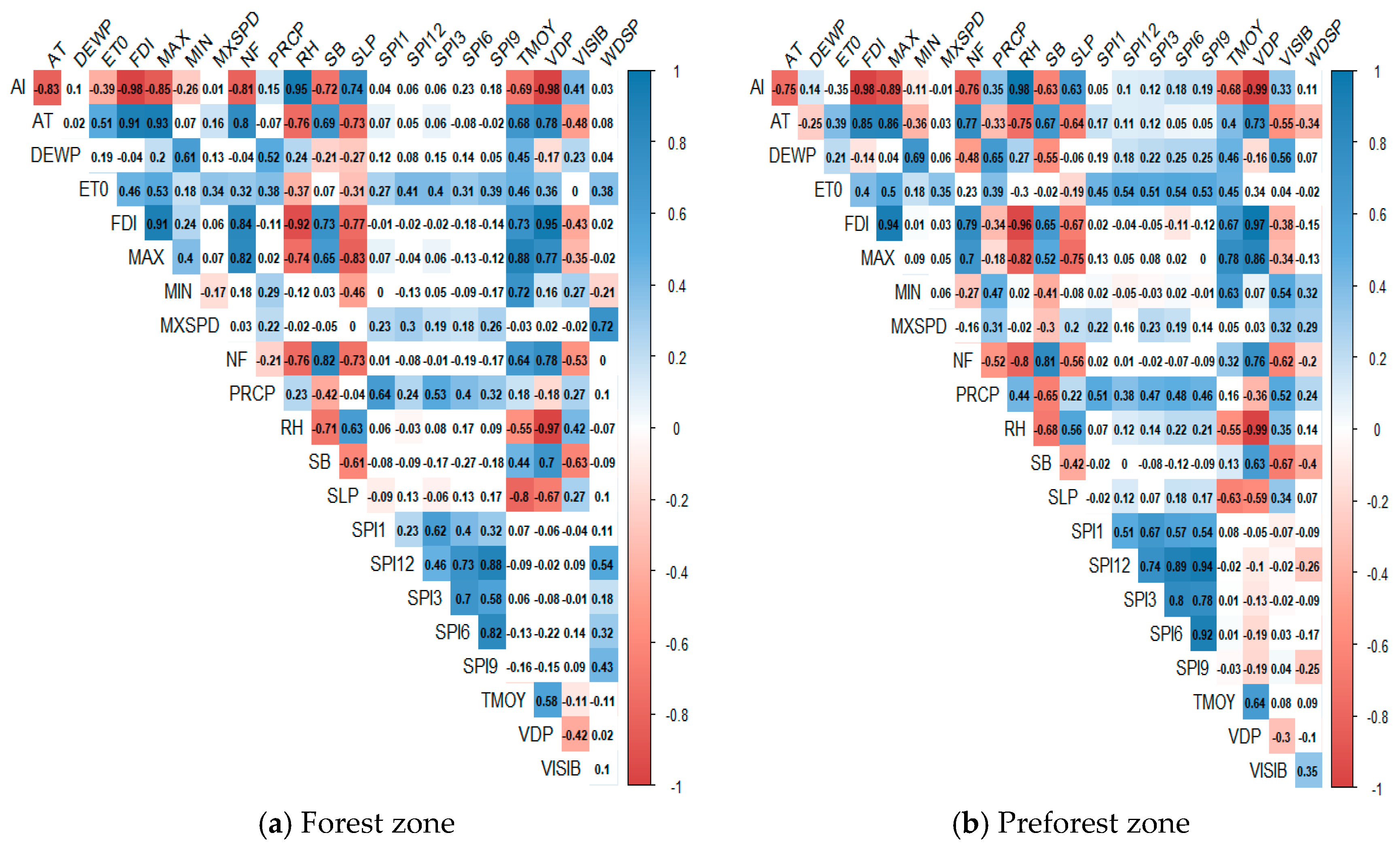
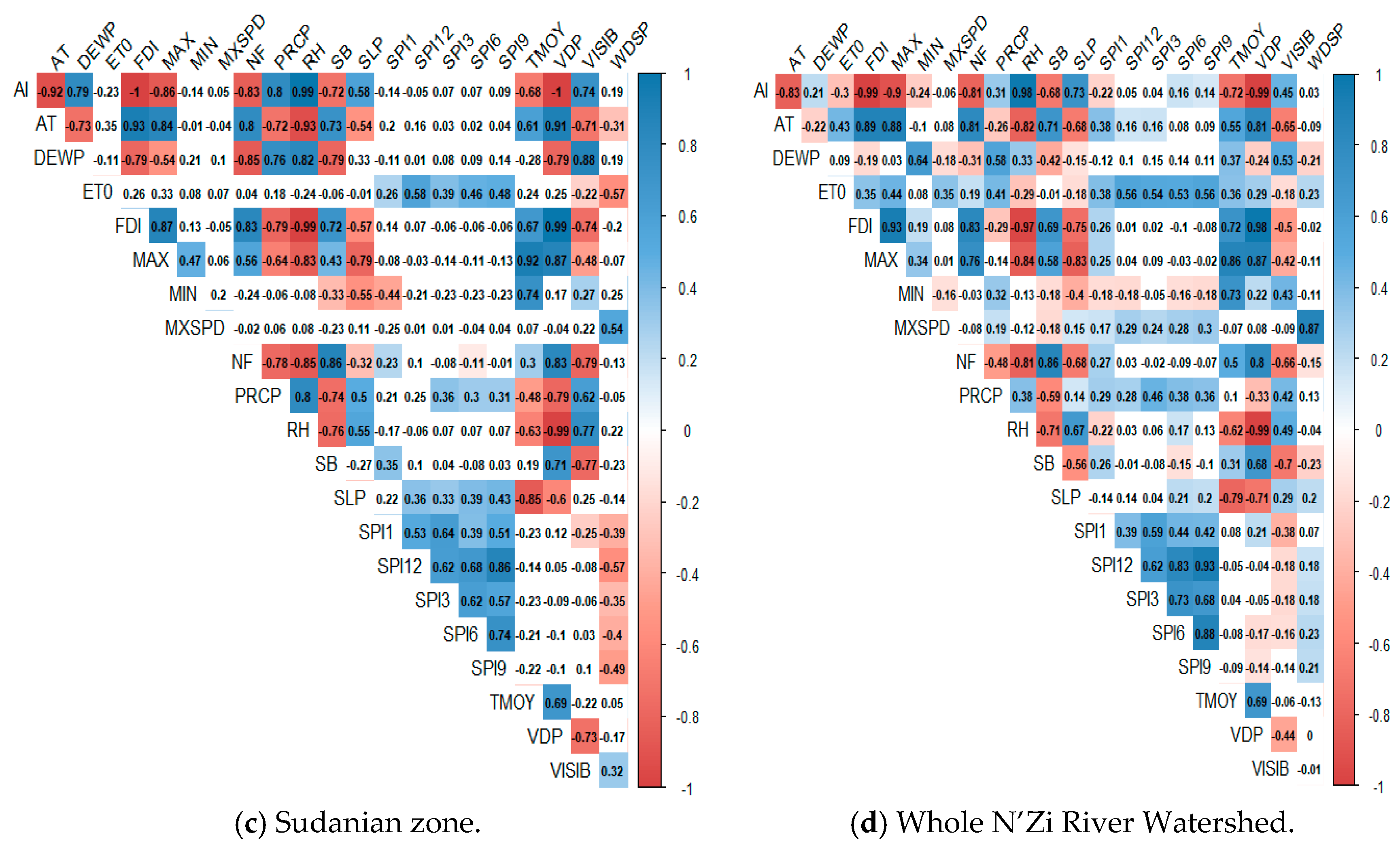
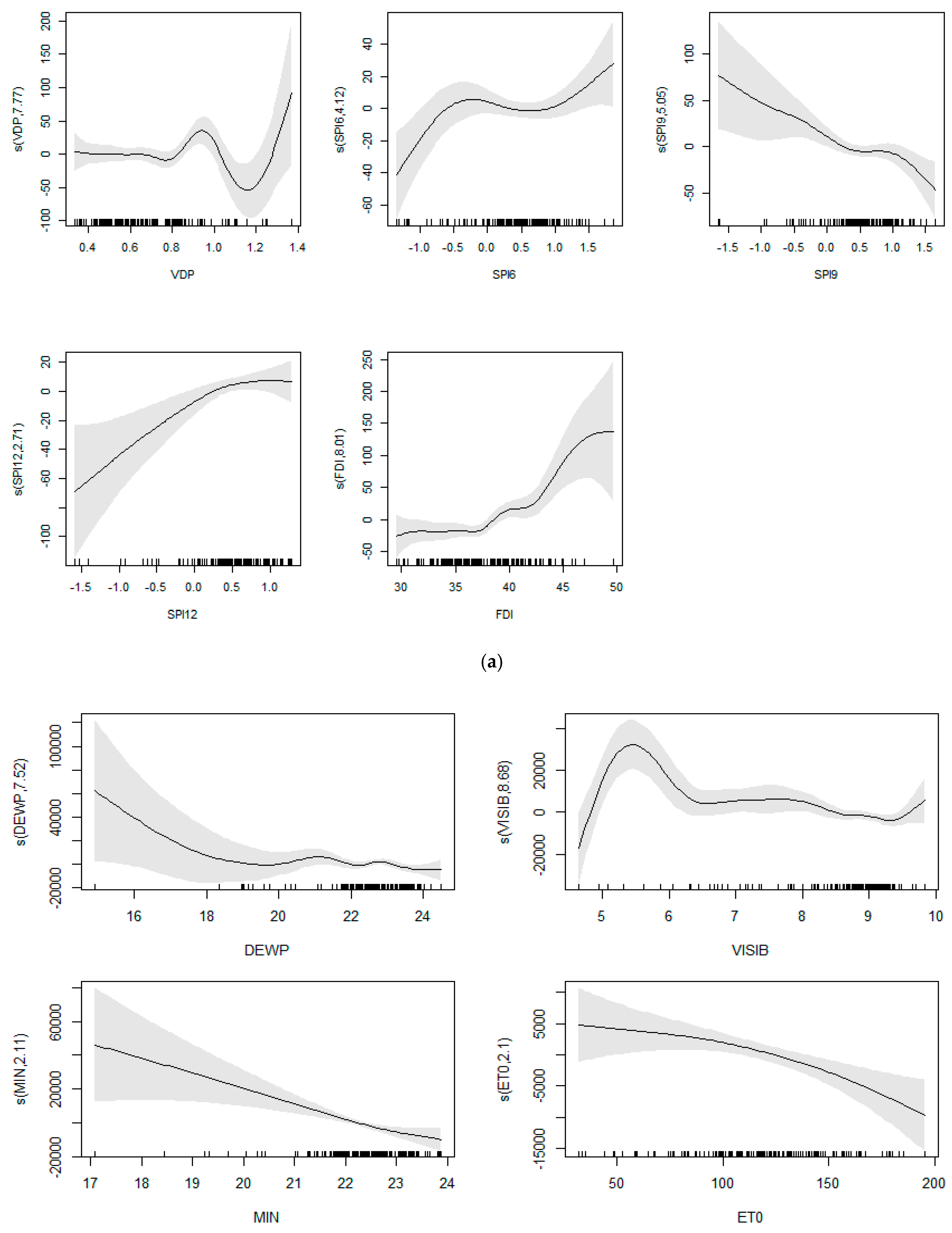
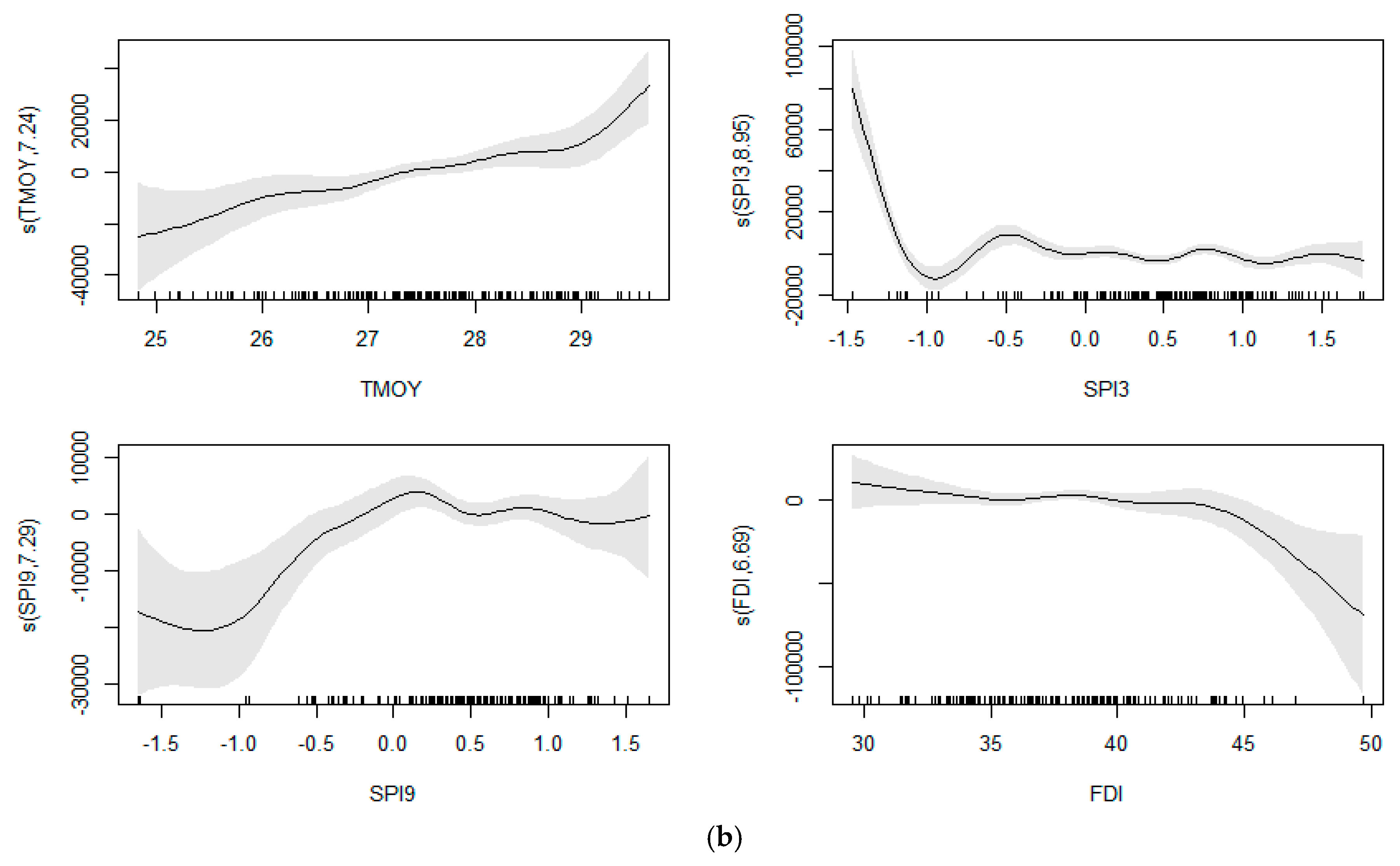
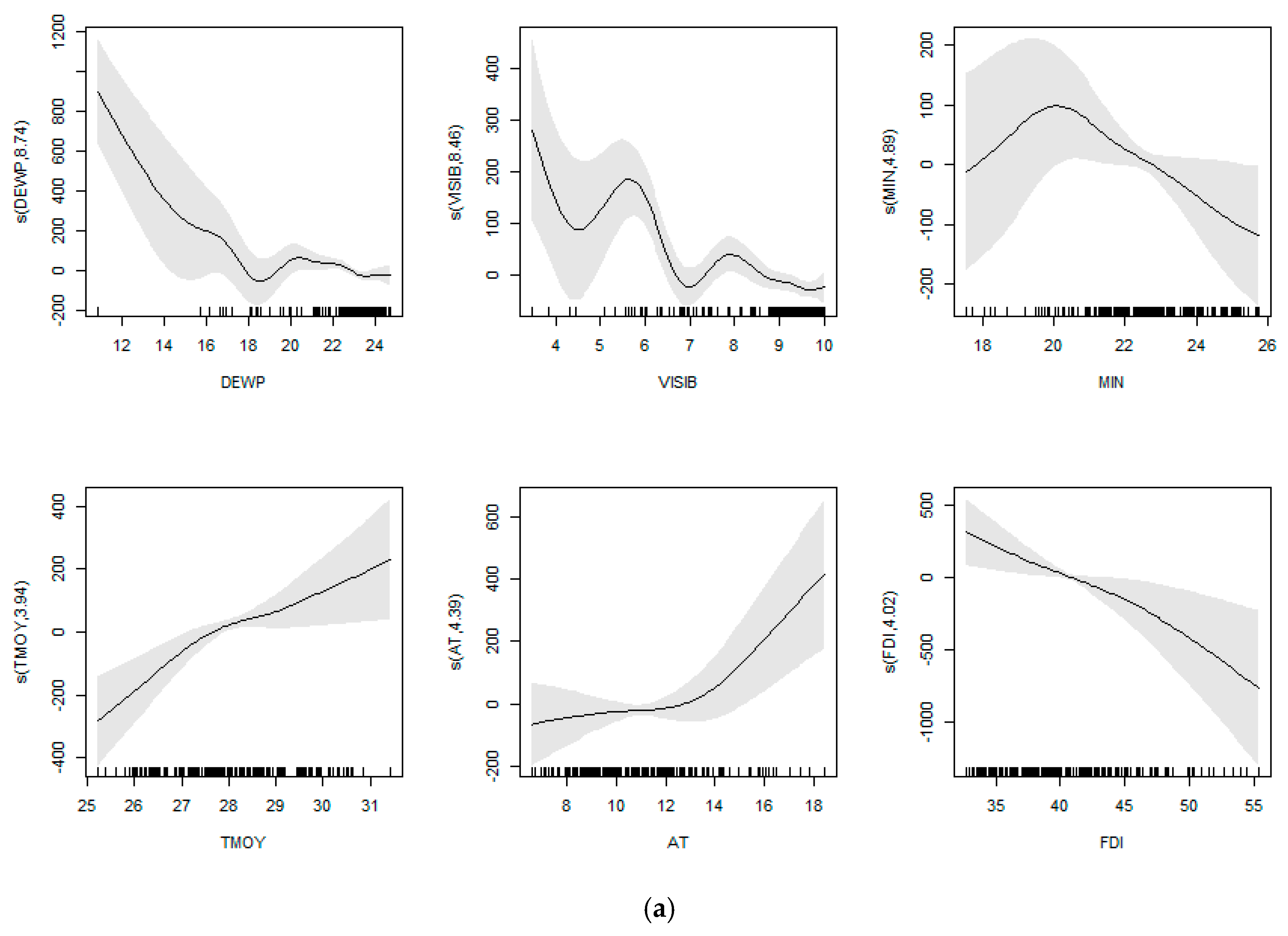
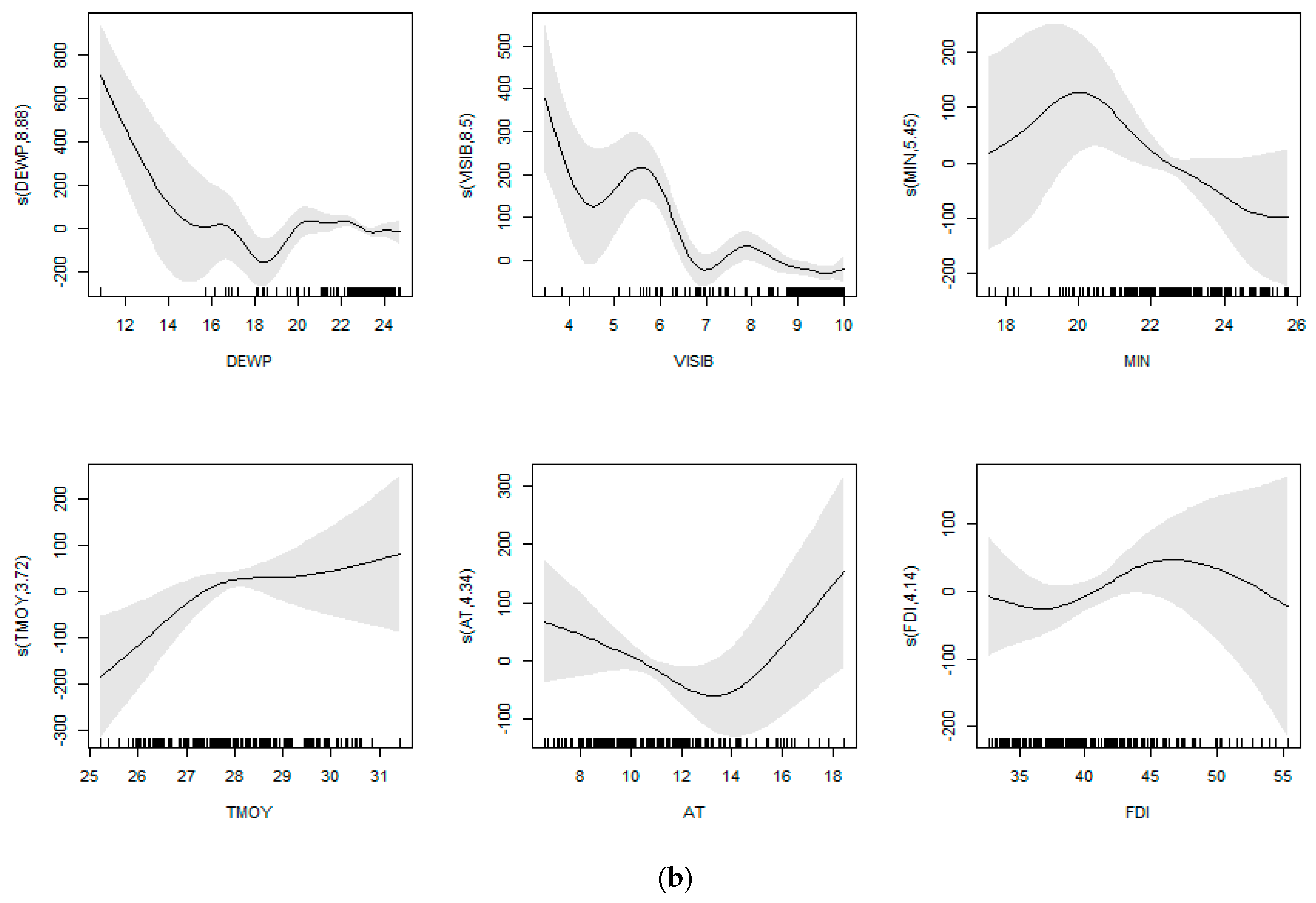
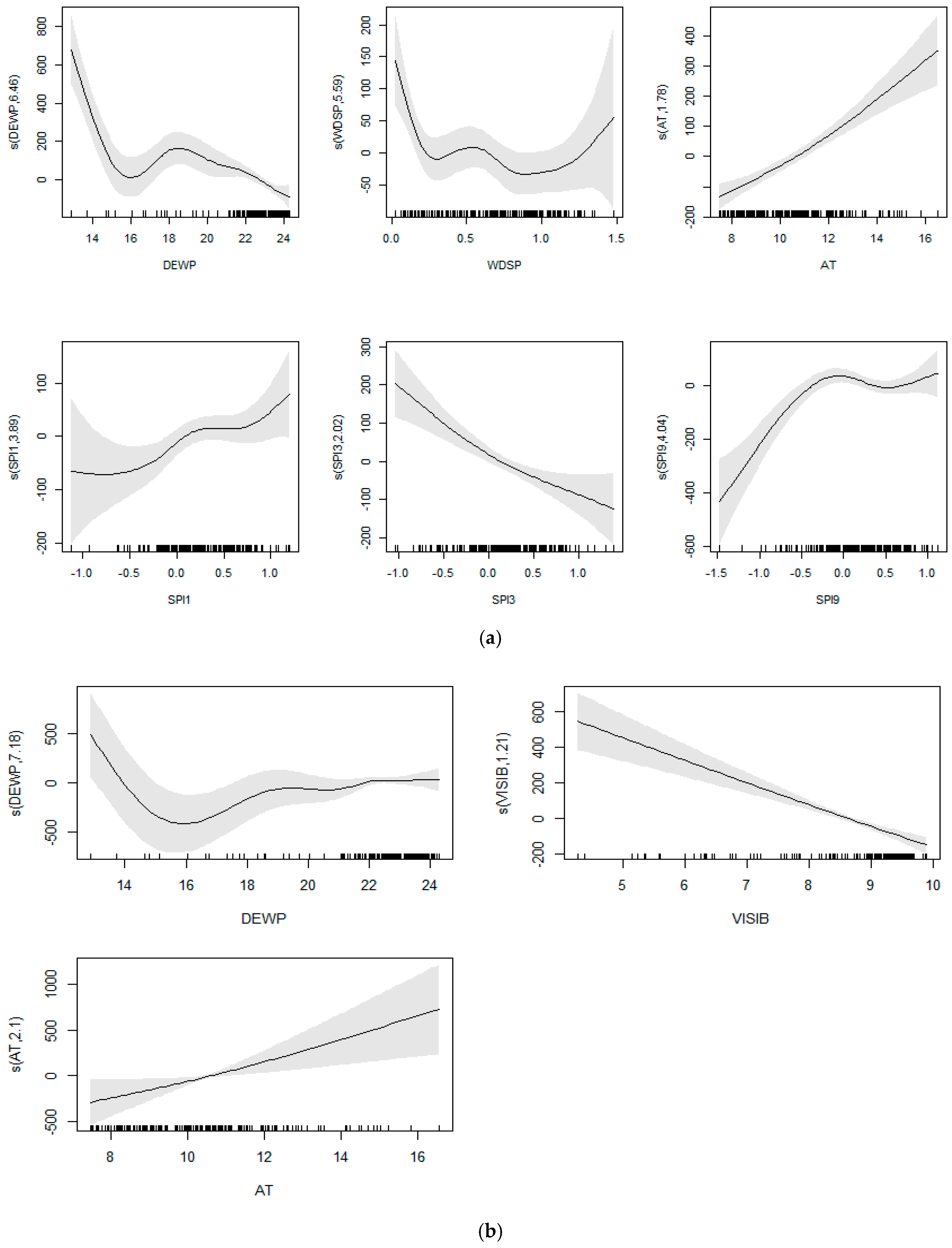
This study evaluates the impact of climate variability on wildfire regime in the N’Zi River Watershed (NRW) in central Côte d’Ivoire. For that purpose, MODIS active fire and monthly burned area data are used to evaluate wildfire occurrence, impacts and trends. Wildfire data are compared to past trends of different climatic parameters extracted from long-term meteorological records. Generalized additive models and Spearman correlations are used to evaluate the relationships between climate variables and wildfire occurrence. Seasonal Kendall and Sen’s slope methods were used for trend analysis. Results showed that from 2001 to 2016, 19,156 wildfire occurrences are recorded in the NRW, of which 4443 wildfire events are observed in forest, 9536 in pre-forest, and 5177 in Sudanian zones. The burned areas are evaluated at 71,979.7 km2, of which 10,488.41 km2 were registered in forest, 33,211.96 km2 in pre-forest, and 28,279.33 km2 in Sudanian zones. A downward trend is observed in fire records. The results indicates a strong correlation between some climatic variables and wildfire regime in this ecoregion. These correlations can be used to develop models that could be used as prediction tools for better management of fire regimes and support decision-making in the NRW.
Keywords: wildfire; climate variability; correlation; seasonal Kendall test; generalized additive model (GAM); N’Zi River Watershed (NRW) wildfire; climate variability; correlation; seasonal Kendall test; generalized additive model (GAM); N’Zi River Watershed (NRW)