1. Introduction
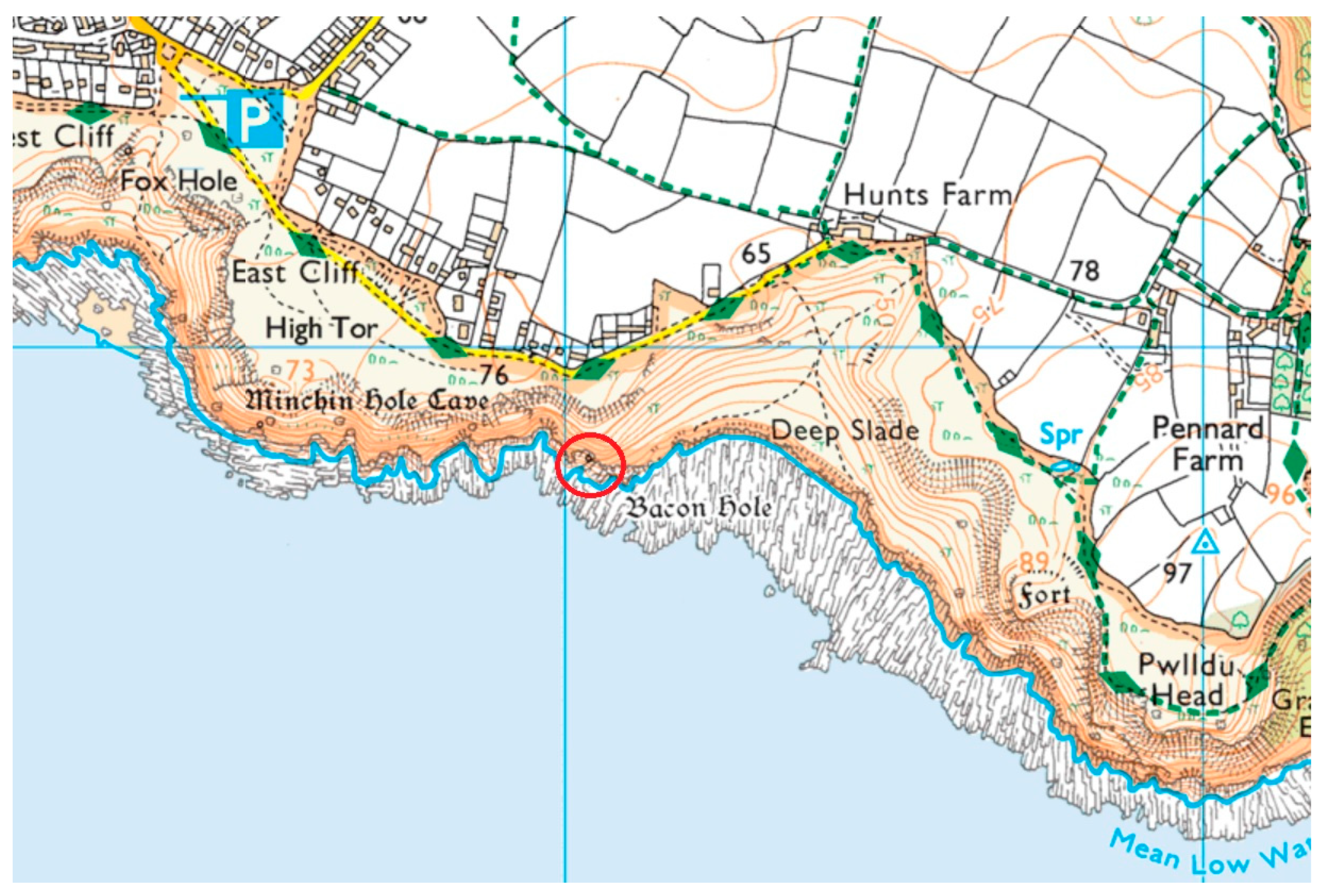
Bacon Hole is located within the parish of Pennard at NGR SS 5604 8682 (
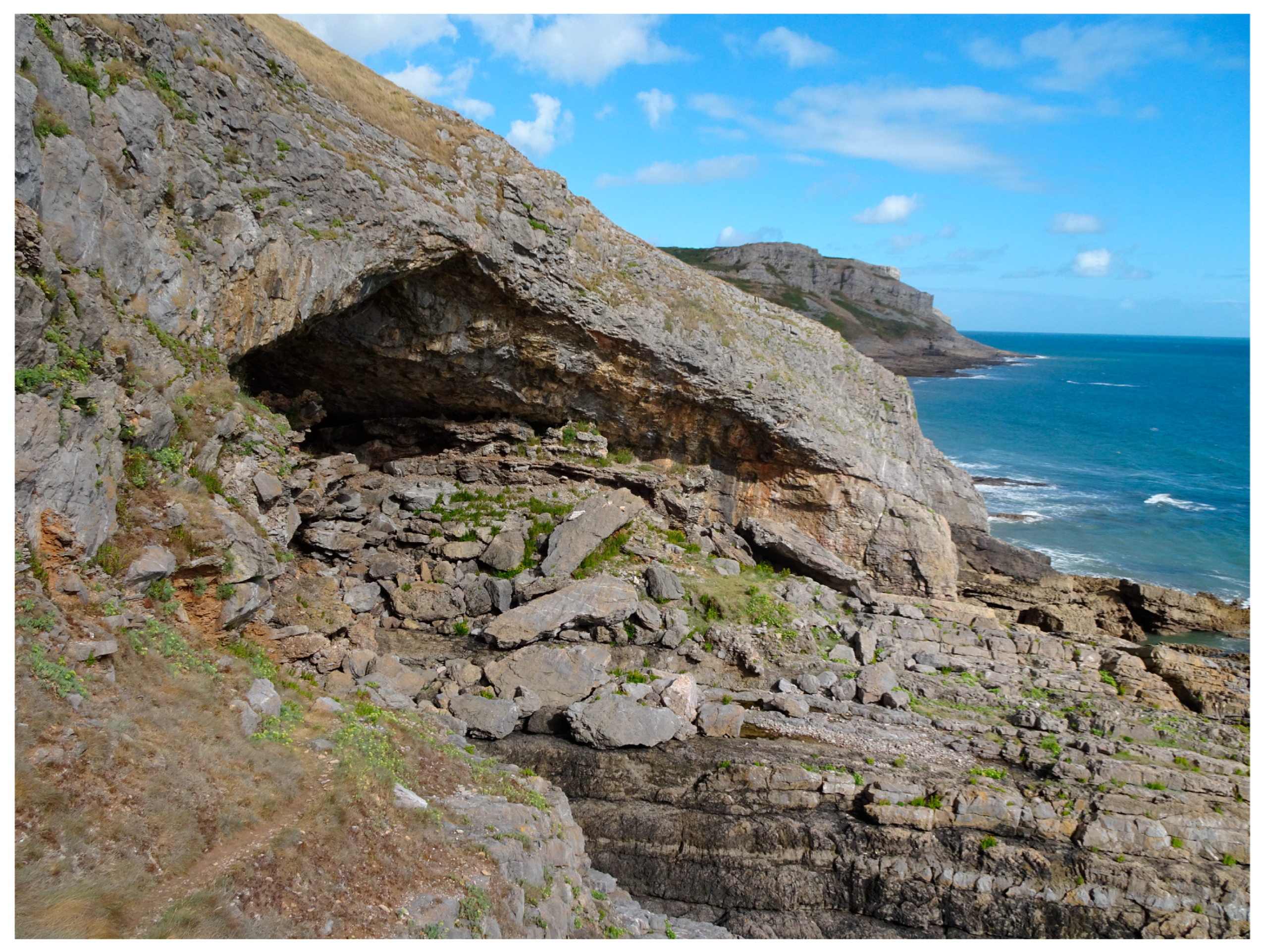
Figure 1), within the limestone cliffs of south Gower, overlooking the Bristol Channel (Plate 1). The site is included in Heneb’s (formally, the Glamorgan-Gwent Archaeological Trust (GGAT)) Historic Environment Record (PRN 00306w). Bacon Hole is not a Scheduled Monument; however, the site is located in an Area of Outstanding Natural Beauty (AONB) and is designated a Site of Special Scientific Interest (SSSI).
Bacon Hole represents a site of considerable archaeological and geomorphological significance. The cave is under the custodianship of the National Trust. Although the cave has not yet been designated a Scheduled Monument, the site’s current protection status reflects both its natural and cultural heritage value.
In 1912, a significant discovery was made in a side chamber situated east of the cave’s main gallery: a painted panel comprising a series of eleven horizontal lines. This artwork, referred to as rock art in the absence of a more precise term, was initially interpreted as the first known example of [Upper] Palaeolithic rock art in the British Isles. However, by 1928, the authenticity and significance of the markings were largely dismissed. This scepticism may have stemmed from the panel being obscured by flowstone deposits, which cover much of the chamber wall and rendered the art difficult to access or study. The panel remained largely forgotten until its rediscovery in September 2022. Upon confirmation of its re-emergence, the National Trust and the Welsh Heritage Agency Cadw were promptly notified. Recognizing the potential importance of the find, both the owner, the National Trust, and the Bradshaw Foundation awarded funding to support scientific investigation of the panel. The main objectives were to identify the composition of the pigments used and to attempt chronological dating of the artwork.
The cave has a long archaeological history and contains one of the most complex palaeoenvironmental sequences recorded in the western British Isles [
1,
2]. Bacon Hole lies close to several cave sites that have yielded Upper Palaeolithic archaeology and palaeoenvironmental evidence, including Goat Hole (Paviland) and neighbouring Minchin Hole. In terms of archaeological and palaeoenvironmental research on Bacon Hole, the first investigations began in 1850 by Col. E.R. Wood who excavated somewhere within the main gallery and discovered Pleistocene deposits, including faunal remains. Wood did not publish anything pertaining to Bacon Hole, but his notes were transcribed and reported by Benson [
3], Falconer [
4] and Garrod [
5]. The site was later investigated by Rutter and Mason between 1948 and 1956. It was from this excavation programme where much of the later prehistoric and historic material was uncovered. In recent times, the cave was excavated using modern archaeological techniques, first by a team from the Natural History Museum, directed by Stringer during the early to mid-1970s [
6,
7], followed by Bowen during the early 1980s [
8], exposing a complex stratigraphy. In 2017, the National Trust commissioned GGAT to undertake an archaeological investigation within a small opening where several shells were recovered but no cultural artefacts identified [
9]. Up until late September 2025, there was full access to the cave, including the side chamber where the painted panel is located. However, the side chamber is now protected by a steel grille that extends across its entrance, protecting both the fragile archaeology and the rare bat populations that roost in this part of the cave between September and April each year.
Rock art of the Upper Palaeolithic, along with mobiliary art, is a rare occurrence in the British Isles. The first significant dated discovery occurring in Church Hole Cave, Creswell Crags (Nottinghamshire), in 2003 revealed a small assemblage of engraved animal figures that possessed a minimum date range between 13 and 11.8 ka [
10]. Later, in 2010, an engraved cervid was discovered inside Cathole Cave (Parkmill), located 4.1 km to the NW of Bacon Hole, and was successfully dated with a minimum date range of between 14.5 and 12.5 ka [
11,
12]. Both cave sites were located several kilometres south of the Devensian ice sheet.
The First Art Team, based at the Geosciences Centre in Portugal, and a dating team from the University of Southampton were commissioned by the landowners, the National Trust, to undertake a fieldwork and sampling programme within Bacon Hole. The fieldwork methodology and results were reported in July 2023 [
13]. As of May 2024, further sampling of the panel has been undertaken, along with a strategy to protect the side gallery with the construction of a steel grille [
14].
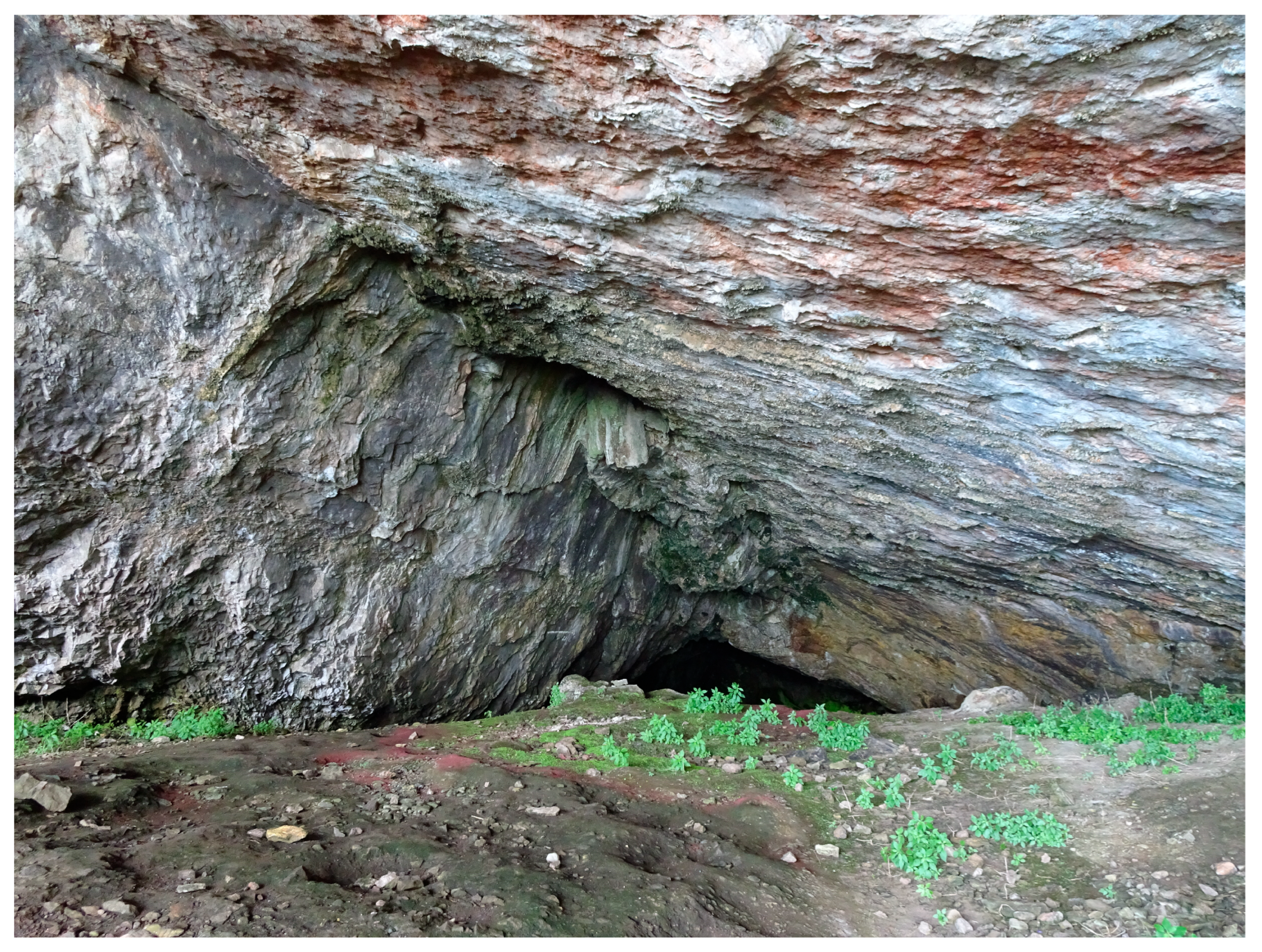
Over the past 220 years, Bacon Hole has been the focus of several excavations, sedimentological and palaeontological studies and a discovery and rediscovery of potential LUP rock art. Bacon Hole has a large SW-facing entrance, 18 m wide, 6 m high and around 9 m above the high-water mark [
15]. The entrance has, over the millennia, retreated to its current position due to weathering and erosional processes, ranging from freeze–thaw in cold (peri-)glacial conditions to the dissolution of the limestone geology and sea inundation in warmer and wetter interglacial conditions (
Figure 2 and
Figure 3).
The name of Bacon Hole apparently derives from a feature on a large stalagmite within the rear section of the main gallery much resembling rashers of bacon (as described by Oldisworth [
16]). Since initial scientific interest, the cave has witnessed numerous investigations, revealing a complex sequence of Pleistocene and Holocene stratigraphy, including an assemblage of extinct fauna (now housed at the National Museum of Wales, Cardiff). Later archaeological material indicates a Roman, early medieval, and late medieval presence.
The cave can be divided into two areas: the principal gallery (with its associated entrance) and a smaller eastern side chamber. The principal gallery extends c. 56 m deep into the cliff face. The side chamber leads off to the NE side of the principal gallery and measures c. 3 m wide by 5.15 m in length at its entrance] and c. 7.5 m long. A small niche at the end of this side chamber extends a further c. 1 m, with its surfaces covered with a deep red haematite secretion.
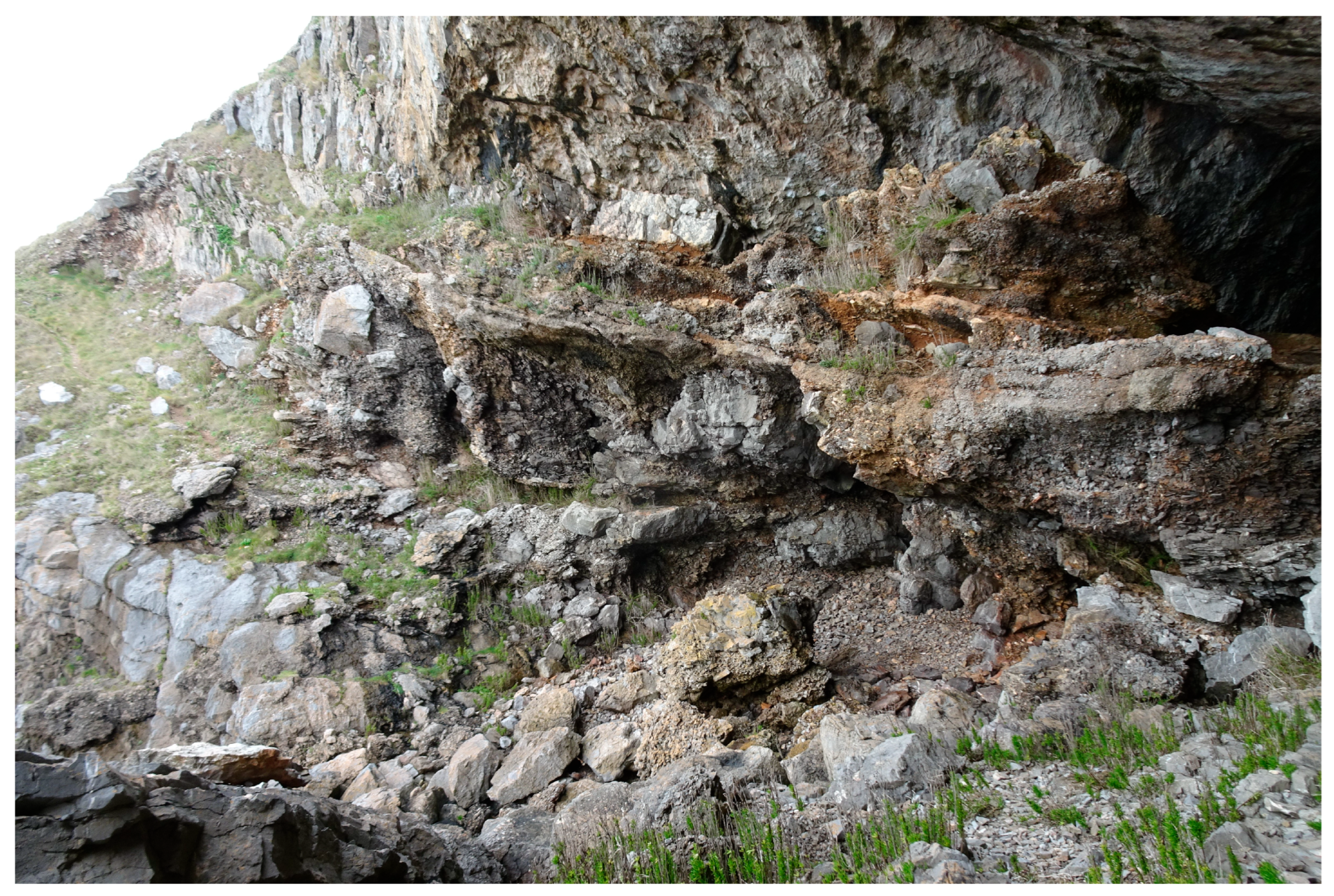
The cave overlooks the Bristol Channel to the south and southeast (and has been done since around 8.5 ka BP). The size and extent of the original pre-glacial entrance are unknown. Based on the remnants of an extensive rockfall south of the current entrance, it is probable that the cave may have extended at least a further 30–50 m to the south. Currently, the cave entrance stands at c. 40 m from the high-water mark. To the east of the cave are the remnants of an interglacial raised beach (known as the Patella beach, and which has been dated to the Ipswichian or Marine Isotope Stage 5e, while to the west is Minchin Hole (NGR SS 5553 8688), another famous Gower cave. Access to the Bacon Hole cave is rather precarious and is via an E-W footpath that is approached from East Cliff Lane. The footpath extends over the top of the entrance, with a sharp incline to the west. Access to the entrance is via a climb past an extensive breccia deposit covering much of the entrance area and directly underneath a former calcite floor deposit (
Figure 4).
The principal gallery has an inverted V-shaped roof that extends to the various current floor levels. Both areas of the cave reveal evidence of relatively recent disturbance, probably the result of archaeological activity, in particular within the rear section of the principal gallery. A substantial cave earth deposit, plus penetrating light from the entrance, has encouraged vegetation to cross much of the surface of the principal gallery. However, no vegetation is present within the side chamber; instead, the floor is covered by frost-shattered stone. In both chambers, speleothems from both the ceiling and floor surfaces are active.
The cave was first investigated in 1850 by Colonel Wood. Later in 1913, W.L. Morgan provided a detailed account of both the art and its geological context, along with the first photographic image of the painted panel [
17]. Later, in 1943, Allen and Rutter, and later still, between 1974 and 1984, Currant, Stringer and Collcutt undertook substantial investigations [
18].
The various excavations revealed a well-stratified sequence of cave deposits containing a wealth of Pleistocene faunal remains. The cave stratigraphy has been interpreted as representing successive marine and terrestrial episodes reflecting the large swings in sea levels associated with the transition from the last interglacial period (Ipswichian), when the sea level was several metres higher than today, to the last glacial period (Devensian), when during its maximum extent, the southern limit of the British ice sheet ran across Gower and the Bristol Channel was dry land (see e.g., [
19,
20]). Stringer et al. [
2] correlated a sandy “breccio-conglomerate”, tentatively interpreted as a storm beach deposit, with the Patella beach, which thus provides a reliable stratigraphic marker. Its faunal assemblage (e.g., wood mouse, red deer) and independent dating confirm full interglacial conditions at the time of deposition (Ipswichian, OIS 5e, c. 122 ka BP) [
2]. The basal sandy units underlying this storm beach contain marine sands and molluscs and are thought to represent the onset of interglacial conditions, whereas higher up in the sequence, clayey, silty and sandy deposits with a faunal assemblage (e.g., wolf, spotted hyena and straight-tusked elephant) would be indicative of a cooler and dryer climate. This is thought to reflect a gradual change to more terrestrial conditions and falling sea levels. U-series dating suggests deposition of these upper layers occurred around 80–90 ka BP [
21]. The youngest date obtained from a cemented breccia, interpreted as scree, and containing cold climate species such as reindeer and wolverine, is c. 13 ka BP, i.e., Late Devensian in age.
Based on successive archaeological investigations at Bacon Hole, the limited material evidence recovered from the cave suggests a broad chronological span. Polished ivory objects, identified by Griffiths [
22], have been attributed to the Upper Palaeolithic; however, this interpretation has been challenged by Currant [
1]. Additionally, during 19th-century excavations (including those conducted by Colonel Wood), Iron Age potsherds were uncovered, with a radiocarbon date of approximately 300 BCE. Later discoveries include a Roman cooking potsherd, a Romano-British bone pin, a bronze brooch of Irish origin dating to the 7th century, several Saxon-style beads, a medieval cooking potsherd, and a bone flute that may date to the late Norman period. These findings suggest episodic short-term domestic occupation or visitation to the cave during later prehistory and into the early historic period [
23,
24,
25]. However, to date, no Upper Palaeolithic lithics have been recovered.
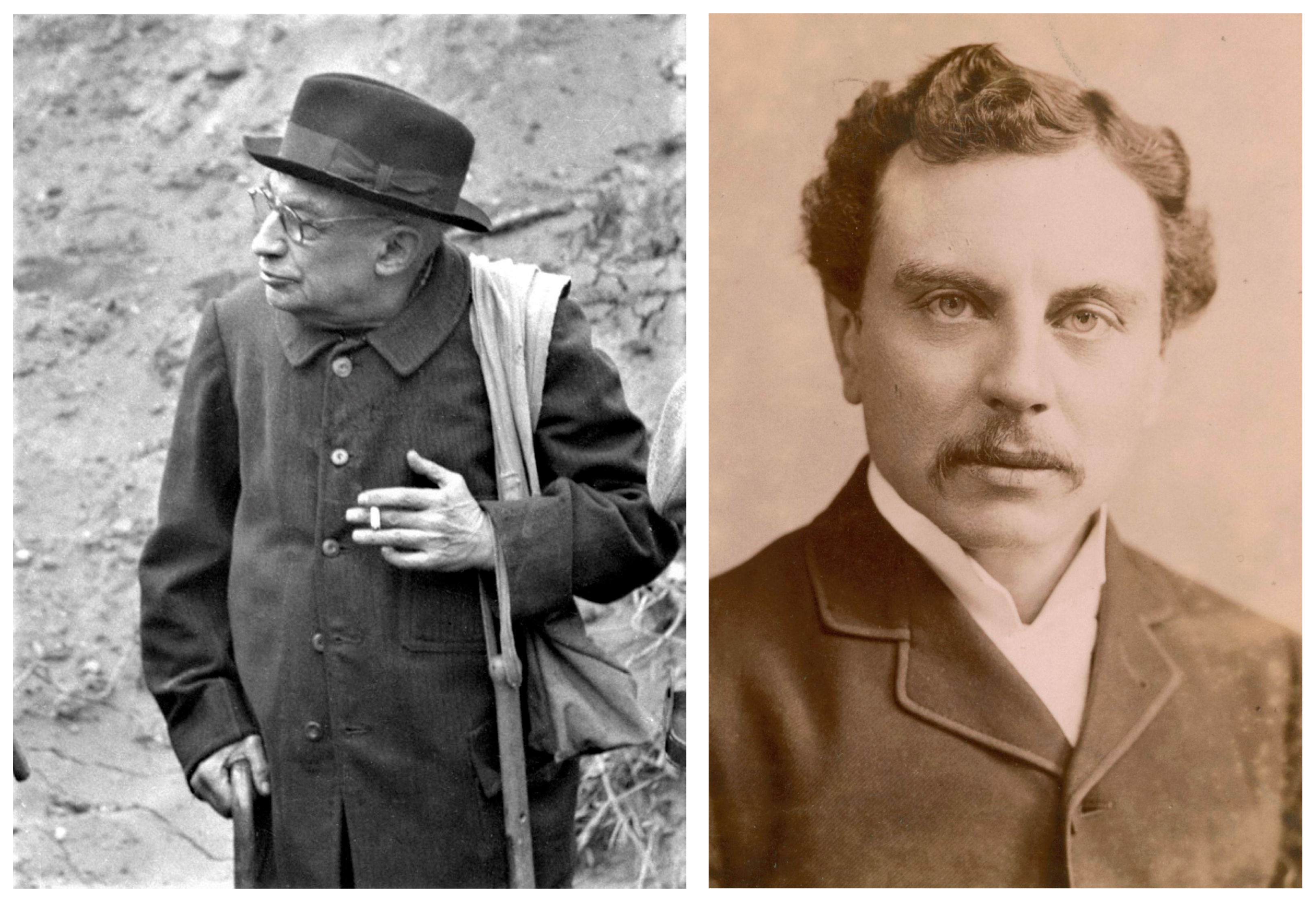
The discovery of Upper Palaeolithic rock art was made by Professor William Sollas and Henri Breuil in 1912 (
Figure 5). The discovery included a series of ten or more horizontal bands that were made by red pigment. This panel was located on the rear eastern wall of the side chamber. However, this discovery was later considered to be a natural phenomenon and was dismissed by 1928. Indeed, Wheeler [
26] and later Rutter [
25] considered those horizontal bands as natural. Rutter stated that “Gower’s claim to the only British mural cave-art cannot be substantiated” [
25].
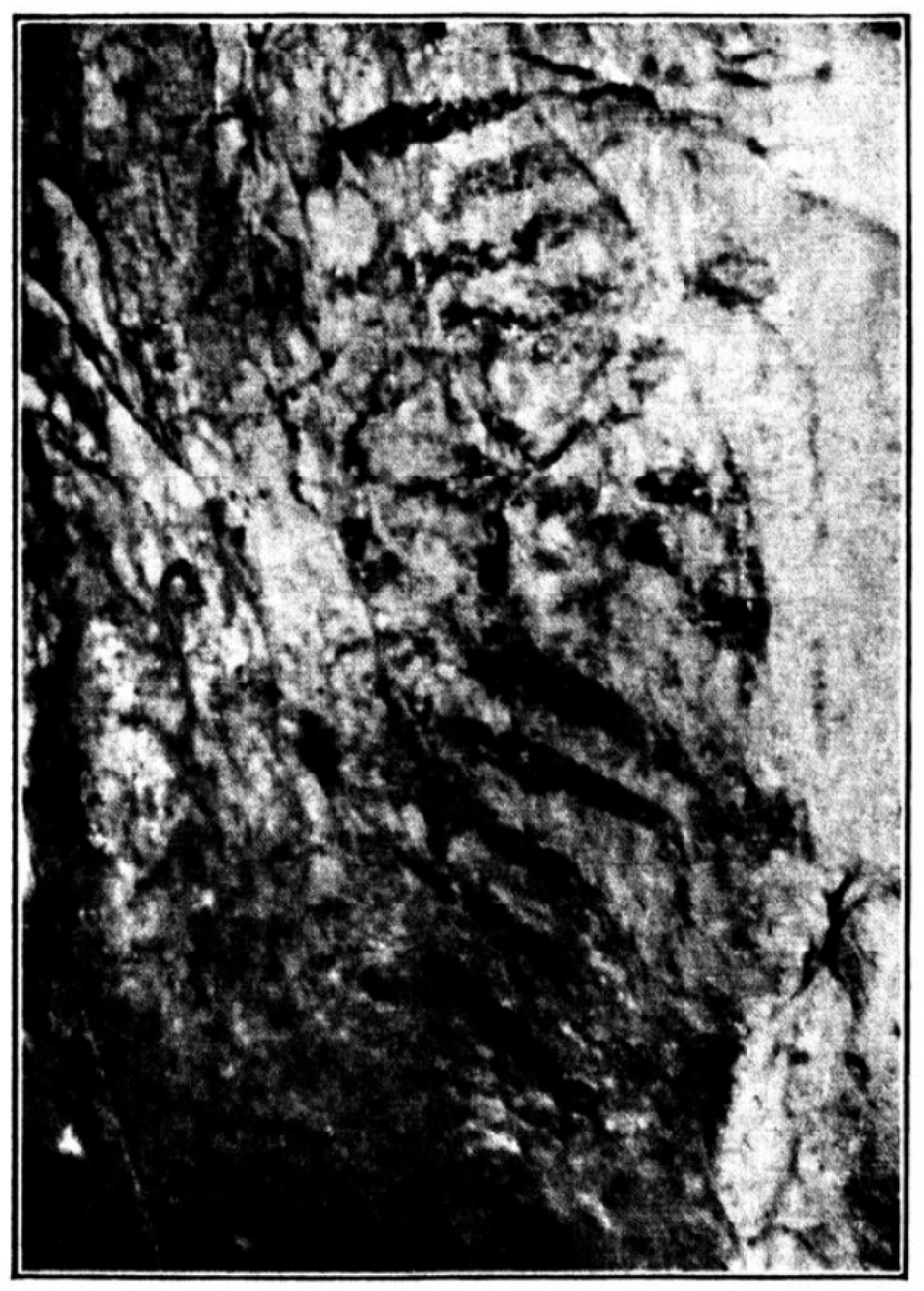
As far as the First Art team is aware, Breuil and Sollas did not produce an accurate plan detailing the specific location of the rock art. Nevertheless, their discovery garnered significant national and international attention, as reported by outlets such as the Manchester Guardian and The New York Times. In 1913, W.L. Morgan published a largely supportive discussion of the Breuil and Sollas panel, which included the first photographic evidence—a close-up monochrome image depicting the painted bands [
17] (
Figure 6).
Morgan [
17] noted that the floor of the side chamber had been excavated in 1850, probably by Col. E. Woods and again in 1858. Neither excavation had identified the painted imagery. According to Sollas [
27], the panel consisted of a series of ten horizontal lines, although much of it was obscured by a white, opaque calcite flowstone that covered much of the chamber wall. At the time of discovery, the full extent of the painted imagery, including that concealed beneath the calcite flowstone, was not fully understood. In addition to the calcite covering, the walls of the side chamber were, at the time of discovery, heavily graffitied.
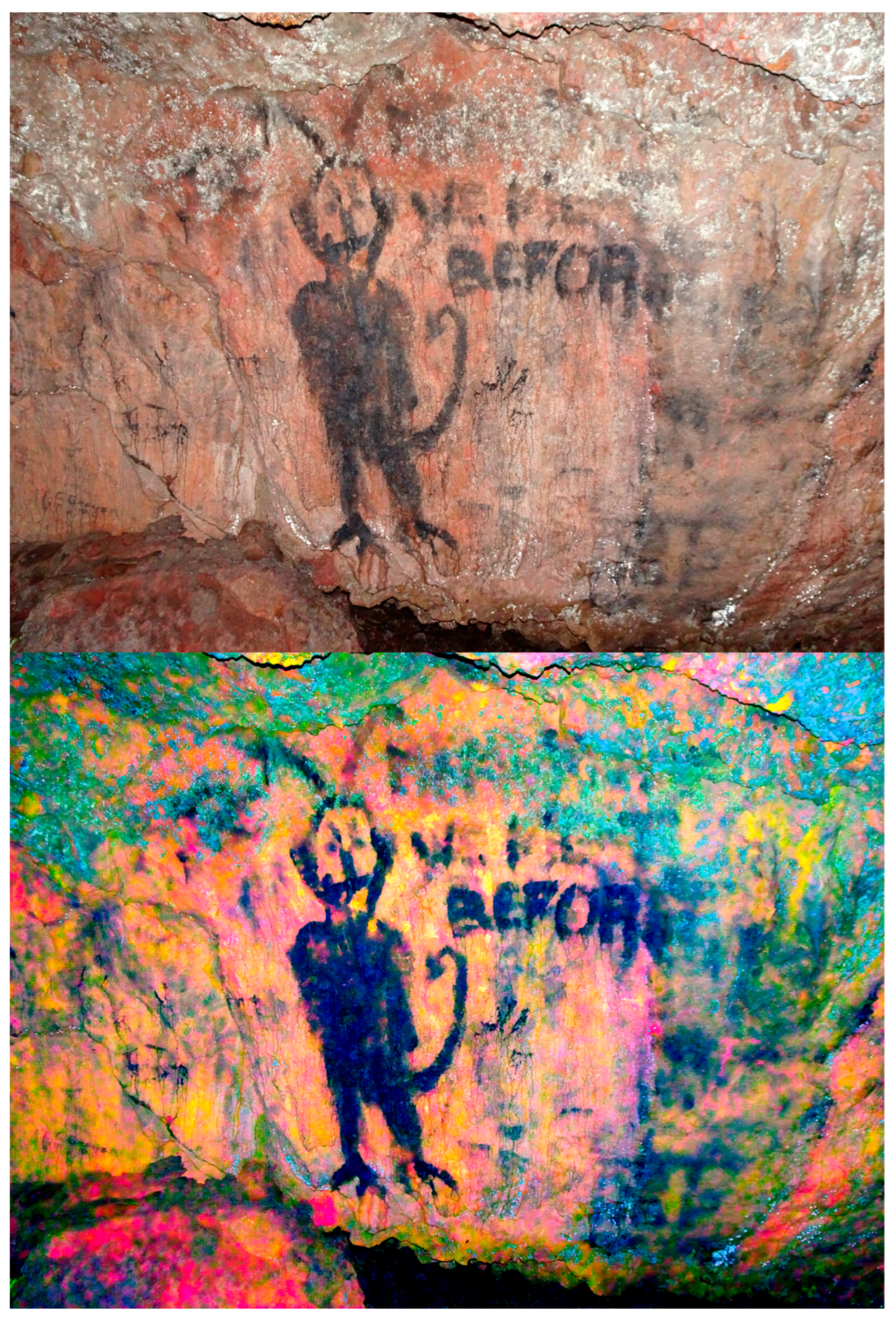
Surviving graffiti within the cave includes both historic textual and pictorial elements, notably including the artistic work of Jonny Bates, a local fisherman from nearby Oystermouth. In 1894, Bates painted images on the western wall of the chamber and a figure near the eastern side, close to the side chamber entrance. Additionally, personal textual graffiti, written in graphite pencil, is dispersed across much of the chamber’s walls, revealing names and dates. It is possible that some of the painted graffiti, including that of Jonny Bates from 1894, may obscure earlier historic and prehistoric painted imagery (
Figure 7).
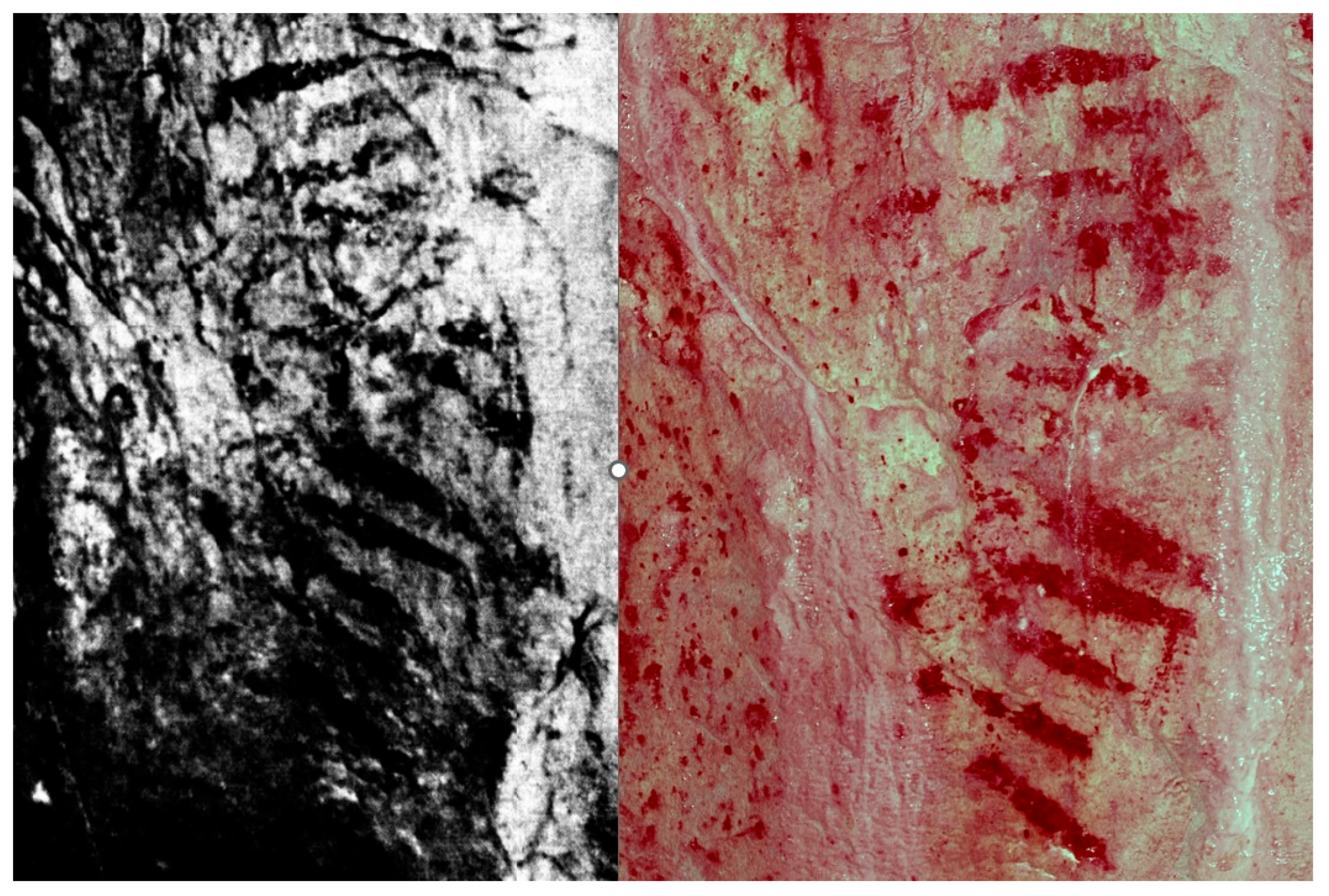
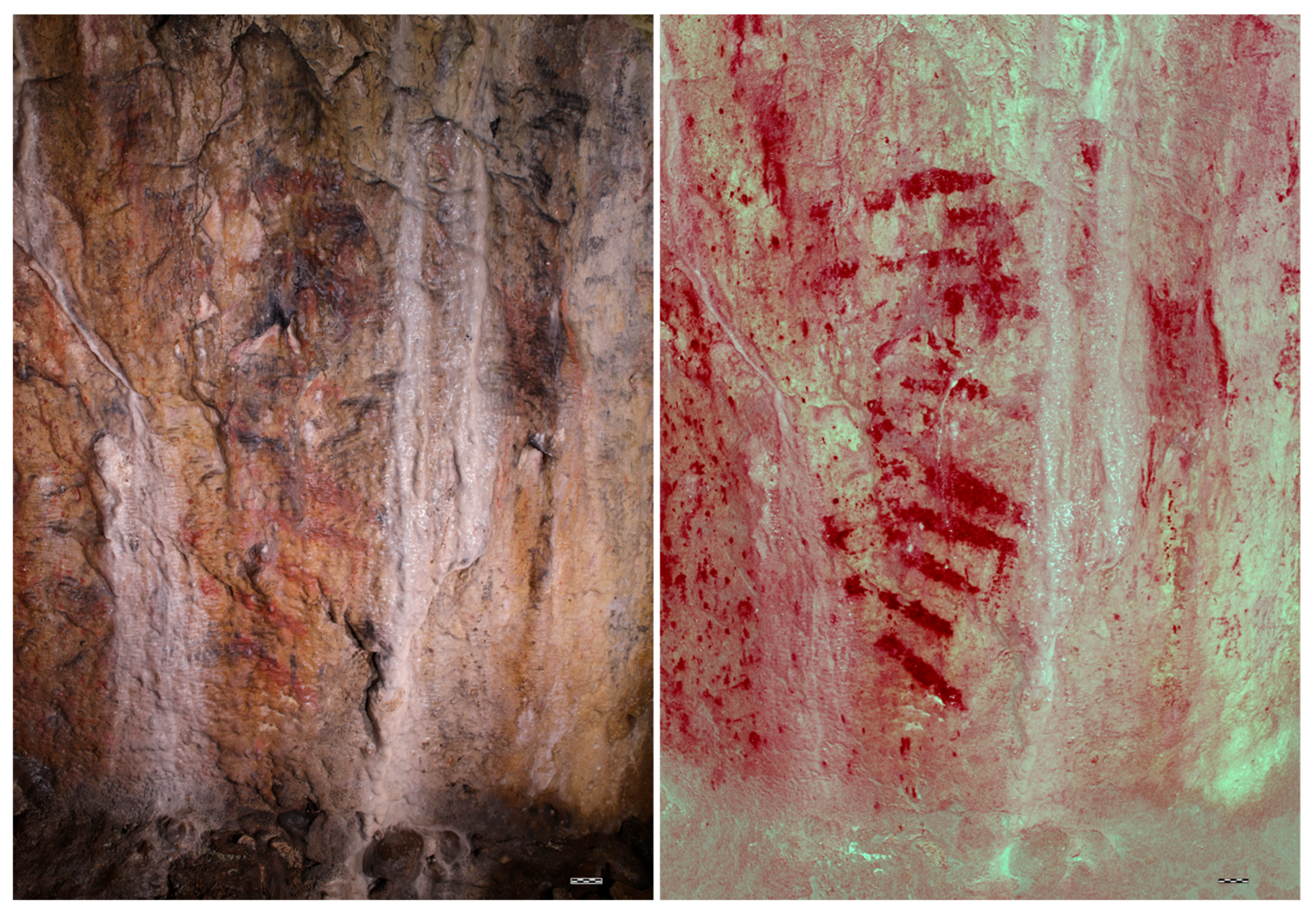
As a result of the initial survey in August 2022, several potential areas within both chambers were identified for potential ancient painted imagery. Of particular interest was the Breuil and Sollas panel. The rediscovery was made by colleague Dr. Barbara Oosterwijk (University of Exeter) during our initial visit. As well as the Breuil and Sollas panel, there were other haematite markings, the probable result of human agency, including lines, geometric forms, finger dots and spreads of pigment, the result of projected spitting or blowing paint onto the chamber wall. It was within this area of the cave where the First Art team took samples for ATR-FTIR spectroscopy and Micro-Raman (m-Raman) spectroscopy, the results of which are presented below. The University of Southampton dating team took several samples of calcite covering the horizontal lines that occupy the lower part of the panel. This sampling strategy was later repeated in March 2024 when the First Art team sampled other areas of the painted panel. The samples were later analysed and dated by colleagues from Nanjing Normal University, China. The initial photographic survey, undertaken by the authors, used a desk-based colour filter algorithm called Decorrelation-Stretch (shortened to D-Stretch) [
28]. To make sense of this unique assemblage, all visible paint in both chambers was photographed. Using a variety of photographic techniques, including high-resolution digital photography and D-Stretch, the team identified potential hidden haematite spreads that had hitherto passed undiscovered during previous investigations (
Figure 8 and
Figure 9).
2. Materials and Methods
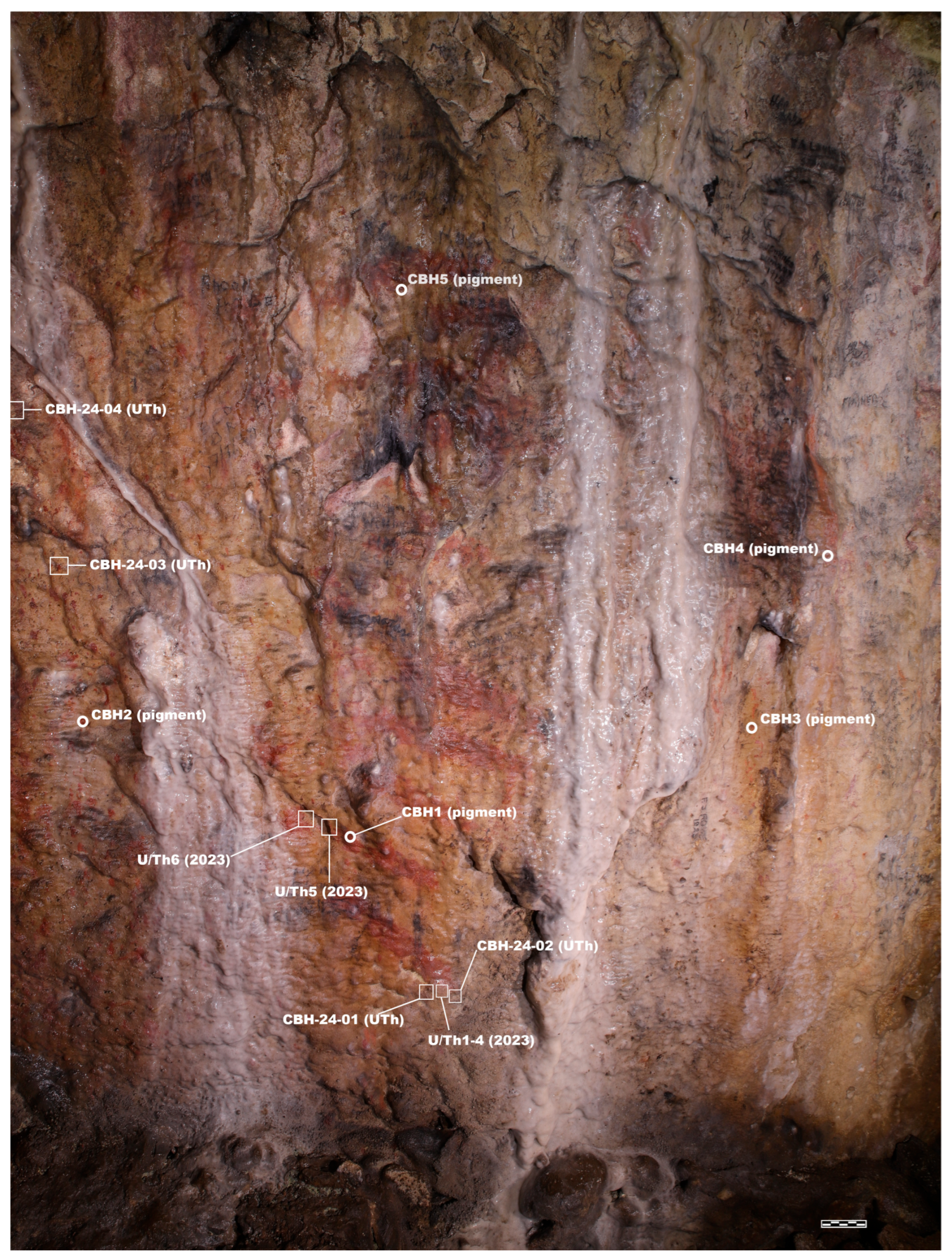
Following the rediscovery of the painted panel in 2022, the First Art team, in collaboration with dating specialists from the University of Southampton, conducted two expeditions to Bacon Hole in 2023 and 2024. Both visits were commissioned by the National Trust and scheduled outside the bat hibernation season (October to April). The primary aim of these site visits was to create a photographic record of the wall sections within the eastern side chamber, focusing particularly on the area surrounding the painted panel. Historic paintings and textual graffiti in the chamber were also documented photographically. In addition to the photographic survey, the painted surfaces originally discovered by Breuil and Sollas in 1912 were sampled to establish potential minimum and maximum date ranges. A total of twelve samples (six from each expedition) were collected. These included samples for both dating purposes (calcite overlapping pigments) and pigment geochemical analysis (
Figure 10). The latter aimed to identify potential organic and inorganic binders using Attenuated Total Reflectance Fourier Transform Infrared (ATR-FTIR) spectroscopy and Micro-Raman (µ-Raman) analysis.
Prior to the sampling programme in April 2023, and later, in May 2024, the walls of the side chamber were recorded photographically, along with a photographic essay of the sampling programme. The photographic survey employed a camera system that contained an inbuilt D-Stretch programme that could convert RGB imagery into files that were sensitive to certain colours, in particular, red and its hues, shades and tints.
Uranium–thorium dating (U-Th) is an absolute dating method that measures the ratio of uranium and thorium isotopes, in this case in calcite crust samples, to determine the minimum age ranges for directly associated anthropogenic pigments. As mentioned earlier, twelve samples (six samples from each of two visits) were taken from calcite that covered the painted sections of the panel. Two sampling campaigns were made in Bacon Hole cave (one in 2023 and the second in 2024). The first one was conducted in 2023, during which AWGP and CS undertook sampling of carbonate crusts. The sampling methodology is outlined in detail in Hoffmann et al. [
29].
In terms of the applied haematite spreads in the side chamber, selected areas where carbonate formation directly overlay pigment were identified. The surface was then cleaned by scraping with a scalpel. Further carbonate scrapings were then collected in a pre-cleaned sample tube. Once a few milligrams of carbonate had been collected, a second tube was used to collect the next aliquot, and so on, to provide a sequence of subsamples that progressed deeper into the carbonate stratigraphy. Photographs were taken for each subsample, and the area was inspected to identify the presence of pigment below. The sampling of carbonate ceased before reaching the upper surface of a pigment layer. Samples (
Table 1) were submitted for analysis to the Department of Geochemistry and Isotope Geology at Georg-August-Universität Göttingen, Germany.
To ensure high-quality control in U-Th dating of the carbonate samples, specifically their relevance to the age of painted areas, a clear stratigraphic relationship with the pigment layer was established. This involved confirming that each sample was entirely above or below the pigment. Sample locations were carefully examined and documented in the field to verify this relationship. Any sample with uncertain stratigraphy (e.g., U-Th BH 1) was excluded. Additionally, all sample powders were screened under a microscope for traces of pigment. The presence of pigment indicates a compromised stratigraphic relationship, suggesting the sample may include a mix of younger carbonate from above and older carbonate from below the pigment. Such samples were also discarded; for instance, sample U-Th BH 6 was rejected on this basis. U-Th dates on carbonates (e.g., calcite) are only reliable if the system has remained closed, that is, there has been no loss or gain of uranium since initial carbonate precipitation, which would give inaccurately older or younger dates. This can occur if there is in situ dissolution and reprecipitation of the carbonate. While this phenomenon seems relatively rare, it has been observed (e.g., [
30] and is characterized by sequential samples giving U-Th dates out of their stratigraphic order. For this reason, where possible, we attempt to take multiple subsamples, broadly along the growth axis of the carbonate crust, and reject dates that fall out of stratigraphic order. Other issues of quality control (e.g., correction for detrital contamination) are detailed in Hoffmann et al. [
31].
A second campaign was authorized in 2024. This sampling was carried out by the First Art team, and the lab work was carried out at Nanjing Normal University in China. In order to constrain the minimum age of the cave art, two secondary carbonate samples (CBH-24-01 and CBH-24-04) were directly superimposed over several surfaces where clear paintings were identified. The samples were collected using a very fine chisel to carefully cut out tiny, cauliflower-shaped pieces of calcite for U-series dating. The stratigraphic relationship with the pigment was confirmed by the associated pigment on the cutting surfaces. No damage was made to the art (see
Supplementary Materials). The two samples measured ~5 mm in diameter, and both had a light coloration and a globular [botryoidal] morphology. The detrital contaminations were visible on the surfaces. Given the small quantity and the impurity, high-resolution in situ laser ablation (LA) U-series dating was performed on the two samples.
The LA system (RESOlution-LR, Applied Spectra, USA) used operates on a Coherent COMPex Pro102 ArF excimer laser source (Coherent, Germany) operating at a wavelength of 193 nm and equipped with an S155 large-format sample pool. For determining a U-series age, a pair of closely spaced spots (measuring ~40 microns apart) were ablated, with one spot for measuring the isotopic ratio of
234U/
238U and another for
230Th/
238U. The isotope of
232Th, seen as a proxy of detrital contamination, was monitored simultaneously during the
234U/
238U measurement. The spots were ablated with a 380 μm spot size, a 10 Hz pulse repetition and 5 J/cm
2 energy fluence. The aerosols generated by the laser ablation process were transported by a mixture of Ar (0.7 L/min) and He (0.8 L/min) gases to the high-temperature ICP (inductively coupled plasma, ~6000 K) for ionization, which were subsequently extracted for isotope analyses using a MC-ICPMS (multiple-collector inductively coupled plasma mass spectrometer). The isotopes of
230Th and
234U were measured on an SEM (secondary electron multiplier), and the isotopes of
232Th,
235U and
238U were measured in Faraday cups. The signals measured 60 s before starting ablation were used as the gas blank. A standard-sample bracketing (SSB) approach was used to obtain the data correction factors (e.g., mass bias, SEM yield, and elemental fractionation). The used carbonate standard (RM-C1), prepared from a stalagmite, has an average
238U concentration of 17.3 ± 1.0 μg/g, a
232Th concentration < 5 ng/g, a
234U/
238U activity ratio of 1.0116 ± 0.0006, and a
230Th/
238U activity ratio of 0.9525 ± 0.0013, determined by isotope-dilution U-series analyses via MC-ICPMS [
32]. A slice of the stalagmite Wu87 recorded the D/O 19 climate-change event with a known age of ~70 ka and was used as a secondary standard to monitor accuracy [
32]. The measured atom ratios of
232Th/
238U,
234U/
238U and
230Th/
238U were corrected by the SSB method and filtered by boxplot analysis to exclude outliers. The derived mean and standard error of these ratios were used for U-series age calculations by Monte Carlo simulations [
33], using half-lives of 75,584 years for
230Th [
34], 245,620 years for
234U [
34], 1.4 × 10¹⁰ years for
232Th [
35] and 4.47 × 10⁹ years for
238U [
36].
The sampling process was undertaken in 2024 and included the removal of nine samples (samples CBH-01 to CBH-09). Five samples were collected from the panel with paintings, one sample from a nearby natural iron-oxide deposit vein and three samples regarding the cave rock support (see the
Supplementary Materials). The samples sourced from Bacon Hole cave underwent analysis utilizing Attenuated Total Reflection-Fourier Transform Infrared (ATR-FTIR) spectroscopy and Micro-Raman (µ-Raman) spectroscopy.
Fourier Transform Infrared (FTIR) spectroscopy is an analytical technique that uses infrared light to identify the chemical composition and molecular structure of materials. It measures the material’s unique absorption and emission spectra, capturing specific wavelengths that correspond to distinct molecular bonds. These spectral signatures allow for the identification of both organic and inorganic compounds.
For ATR-FTIR, a Bruker Alpha FT-IR instrument with Opus 7.5 software was employed for data collection. The spectrometer utilized an Attenuated Total Reflection (ATR) sampling device, featuring a global source with a KBr beam splitter and a Deuterated Lanthanum-doped Triglycine Sulphate detector and was used at room temperature. The ATR sampling device incorporated a diamond internal reflection element (IRE) in a single-reflection configuration. Spectra were recorded within the spectral range of 400–4000 cm−1 at a resolution of 4 cm−1, with 24 scans per sample. Due to the minute sample sizes, microstratigraphic studies were not feasible.
Micro-Raman (µ-Raman) spectroscopy was utilized to identify the raw material used in the preparation of the pigment. The µ-Raman spectroscopic analysis was conducted using a LabRam HR800 spectrometer (Horiba Group, Oberursel, Taunus, Germany) with an 800 mm focal length, coupled with an Olympus BXFM optical microscope and equipped with a digital camera. The spectrometer featured an air-cooled CCD detector (1024 × 256 pixels) set at 70 °C, utilizing 600 and 1800 grooves/mm gratings. The excitation source was a He-Ne laser emitting at 632.8 nm, with a maximum laser power of 17 mW, focused on the sample using ND filters. Raman spectra were recorded within the range of 100–1800 cm−1. Exposure time, beam power, and accumulations were optimized for each sample to obtain informative spectra while minimizing any potential alteration of the sample. The wavelength scale was calibrated using a silicon standard (520.5 cm−1), and the acquired spectra were processed using LabSpec 6 software and compared with the BioRad spectral database using “KnowItAll” spectroscopy software.
4. Discussion
Regarding the first campaign results in 2023, the calcite crusts available for sampling were typically very thin. This resulted in very small samples (<1 mg). The analytical uncertainties produced by small samples prevent us from giving a precise age for the younger phase of speleothem formation. The mean age (±1 s.e.) of the subsamples of U-Th BH 2 and BH 3 is 1.66 ± 0.46 ka. If we assume these samples represent a single phase of carbonate formation, it follows that this occurred within the last 2570 years (at 95% confidence). If we look at the range of individual dates for the four subsamples and consider the youngest ages of 0.96 ± 1.84 ka BP and 1.16 ± 0.74 ka BP, we can tentatively suggest that both may represent formation prior to the earliest recognized onset of the Little Ice Age in Europe [
40,
41]. In fact, these dates would both be compatible with the timings of the relatively warm and wet period known as the Medieval Climate Anomaly [
42]. The older dates in the range (1.51 ± 0.61 ka BP and 2.99 ± 0.81 ka BP) fall within a period that—in Europe—would normally be characterized as relatively warm and dry [
43], with the younger of the two dates tentatively falling into the period known as the Roman Warm Period [
42,
44]. In any case, it would not be unexpected that speleothems formed during any of these warmer periods.
Sample U-Th BH 4 is notably different. While subsample U-Th BH 4a shows results similar to U-Th BH 2 and BH 3, subsample U-Th BH 4b gives a significantly older age of 17.0 ± 1.3 ka. Interestingly, this agrees with a date of 13.0 ± 3.0 ka from a stalagmite floor capping the deposits in the platform at the present entrance to Bacon Hole [
2], making our result consistent with an apparent period of speleothem formation elsewhere in the cave. Taking the oldest date of c. 17 ka BP at face value, this speleothem would have formed at a time when Britain was out of the last glacial period, during which—at its maximum—an ice sheet would have covered part of the Gower peninsula [
19,
20]. The climate at the time was recovering, and it is believed that speleothems may have started to form under certain conditions. Panitz et al. [
45] have suggested that the peak of speleothem growth in the post-LGM British Isles occurred just after the Younger Dryas Stadial, at c. 10 ka BP. In this context, the 17.1 and 13.0 ka Bacon Hole ages are relatively early in the deglaciation phase; however, growth in southern Britain may have started a bit earlier than elsewhere given that the ice sheet had “retreated” over a significant distance and that the area had been ice-free since at least 22 ka BP [
46].
On the face of it, the age of U-Th BH 4b represents a minimum age for the painting of 15.7 ka (at 95% confidence). However, we must maintain caution when accepting this date, which is currently based on a single analysis. While the ages of subsamples BH 4a and BH 4b clearly fall in stratigraphic order, we would ideally require at least three subsamples. Where it is not possible to take more than two subsamples, dates from different locations on a motif that are in agreement could serve to provide further confidence in the dating results (e.g., [
47]. At present our results meet either of these criteria and should therefore be treated as preliminary. Both the 3.2 and the 2.7 ka BP dates, obtained by the second campaign via in situ LA U-series analyses, are in the same range as the U-Th BH 3a and U-Th BH 4a dates discussed above. All would fall in the Late Bronze Age, a period which was relatively warm [
48] and which, in Britain, is also known to have seen a significant, sudden change to wetter climates around 800 yr BCE [
49,
50]. Again, this could conceivably have led to a period of speleothem formation, which may support the interpretation of our initial dating. Analytical results for Bacon Hole pigments indicate that the substrate comprises mainly calcite (in the form of a limestone). The samples also revealed traces of clay and lichen activity. The analysed pigment constituent (forming the painted panel) is predominantly haematite, along with a varying quantity of aluminosilicate residues. The observed subtle variations suggest the utilization of at least two distinct recipes in creating the red hues within the applied haematite. Moreover, it is worth emphasizing that the composition of the floor and the rear section of the side chamber may have been the source of the raw materials present within the pigments.
The original panel consists of a series of parallel horizontal lines. This type of spatial arrangement (rhythm and parallelism) is a classic indicator of human symbolic behaviour and has no equivalent in natural mineral precipitation processes. In addition to the lines, finger dots and splashes of pigment were identified, suggesting the use of the spitting or blowing technique. These techniques leave patterns of dispersion (pigment mist) that are morphologically distinct from the natural runoff of iron oxides.
ATR-FTIR and Micro-Raman analyses confirmed that the pigment is applied haematite. If the material were a natural secretion of the rock (autochthonous), the haematite would be present diffusely or following geological veins. Instead, it is confined to the areas of the paintings.
The pigment is sealed beneath layers of calcite flowstone. During sampling for U-Th dating, the removal of the surface layers of calcite revealed the pigment beneath, confirming that the “paint” was applied to a clean rock surface before being covered by subsequent geological processes.
5. Conclusions
In 1912, a painted panel comprising a series of at least ten horizontal lines was discovered. This painted imagery was initially interpreted as the first known example of Upper Palaeolithic rock art in the British Isles. However, by 1928, the painted lines had been largely dismissed, possibly due to the panel being obscured by opaque flowstone deposits, which cover much of the chamber wall. The panel remained largely forgotten until its rediscovery in September 2022.
If the dating sequence is accurate, around 17.1 ka Wales was emerging from a severe cold phase of the Devensian glaciation. During this period, the climate was gradually shifting from a near-uninhabitable frozen landscape to a treeless periglacial environment with sparse vegetation. The area now occupied by the Bristol Channel, where Bacon Hole lies along the northern shoreline, would likely have served as a favourable catchment for migratory megafauna grazing during the summer months. At the same time, Bacon Hole and other caves along what is now the southern coastline of the Gower Peninsula would have offered suitable habitation sites for hunter–fisher–gatherer groups, although no evidence of occupation has yet been identified in or around the cave. Although evidence for Late Upper Palaeolithic habitation is absent from Bacon Hole, the artistic endeavour is present, occupying a discrete area of the rear section of the cave.
Based on the evidence gathered from the two fieldwork visits, we concur with the original interpretation proposed by Breuil and Sollas in 1912 and subsequently discussed by Morgan [
17], that the horizontal lines (or streaks) represent anthropogenic activity. The painted lines are arranged horizontally and are equidistant from one another, indicating a deliberate and structured pattern. Furthermore, the haematite used to produce the ten lines likely derives from a single source, probably located at the rear of the side chamber. We also observe that no comparable block patterning occurs on the eastern wall or elsewhere within the side chamber or the main gallery.
The aims and main objectives by the team were to identify the composition of the pigments, to attempt chronological dating of the artwork and to determine if they were anthropogenic.
Archaeometric analysis of sampling from both visits indicates that the wall substrate primarily consists of calcite, consistent with the limestone geology of the region. Additional microscopic analysis revealed the presence of clay particles and evidence of lichen activity on the surface. Crucially, the pigments used in the painted lines were found to be haematite-rich, with variable amounts of clay residues incorporated into the pigment recipe. Based on both field observations by the First Art team and laboratory examination of the pigment samples, it is evident that the pigmented lines were intentionally created by human agency, rather than resulting from natural processes.
In terms of the dating programme, the teams from the University of Southampton and First Art/Nanjing Normal University successfully extracted samples from the panel and duly provided reliable date ranges. It is hoped that in the near future, further sampling may reveal a similar dating sequence to the sampling programmes made in 2023 and 2024. The dating using D-Stretch, along with pigment analysis and the photogrammetric survey, will reveal further evidence of anthropogenic activity. It should be noted that other sections within the side chamber and main gallery require further study as well.
As a result, the rediscovery of painted imagery in Bacon Hole further underscores the panel’s importance as an authentic example of early symbolic behaviour in the Upper Palaeolithic of the British Isles.




 ,
,