
Article

Mechanism of Imidazole Collectors in the Hydrophobic Agglomeration and Flotation Behavior of Quartz

1
School of Minerals Processing & Bioengineering, Central South University, Changsha 410083, China
2
Zijin Mining Group Co., Ltd., Zoning Road, Shanghang, Longyan 364200, China
3
School of Geosciences and Info-Physics, Central South University, Changsha 410083, China
4
Shunshui Environmental Governance Co., Ltd., Lingwu 424300, China
*
Authors to whom correspondence should be addressed.
Colloids Interfaces 2026, 10(3), 44; https://doi.org/10.3390/colloids10030044
Submission received: 10 April 2026 / Revised: 15 May 2026 / Accepted: 26 May 2026 / Published: 29 May 2026
(This article belongs to the Special Issue Colloids and Interfaces in Mineral Processing and Resource Recovery)

Abstract

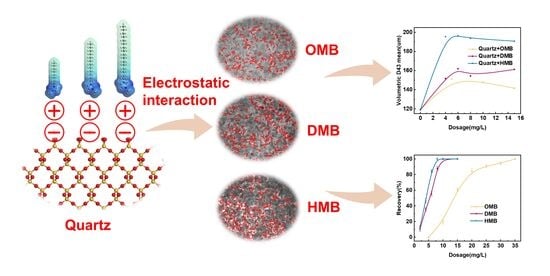
Imidazole-based ionic liquids hold immense potential in the field of mineral flotation due to their tunable properties. In this study, three imidazole-based ionic liquids with varying carbon chain lengths (OMB, DMB, and HMB) were selected as collectors for quartz flotation to systematically investigate the microscopic mechanisms by which carbon chain length influences the agglomeration and flotation behavior of quartz. Flotation tests and online particle-bubble monitoring (PBM) results indicate that the elongation of the collector’s carbon chain significantly enhances its collecting ability and reduces the required reagent dosage. To achieve the complete recovery of quartz in a neutral system, a dosage of 35 mg/L is required for OMB, whereas HMB requires only 8 mg/L. As the carbon chain lengthens, the optimal pH range for highly efficient flotation shifts from alkaline to neutral-acidic. Interfacial measurements and mechanistic analyses (Zeta potential and FTIR spectroscopy) confirm that the imidazole ring of the collector physically adsorbs onto the quartz surface through the synergistic action of electrostatic forces and hydrogen bonding, thereby inducing the hydrophobic agglomeration of particles. Notably, in a strongly alkaline system (pH = 11), the long-chain HMB promotes the formation of oversized quartz agglomerates. This leads to a depletion of free reagents in the liquid phase and destabilizes the bubble liquid film, ultimately triggering a sharp decline in recovery. Density functional theory (DFT) calculations further corroborate the structure–activity relationship at the molecular level: the extension of the carbon chain increases the highest occupied molecular orbital (HOMO) energy and electron-donating ability. The adsorption energy of HMB on the quartz (001) surface reached −350.2 kJ/mol, exhibiting the strongest solid–liquid interfacial affinity. This study elucidates the competitive mechanism of carbon chain length in regulating electrostatic adsorption, hydrophobic agglomeration, and froth stability, providing a solid theoretical foundation for the molecular design of novel green flotation reagents for quartz.

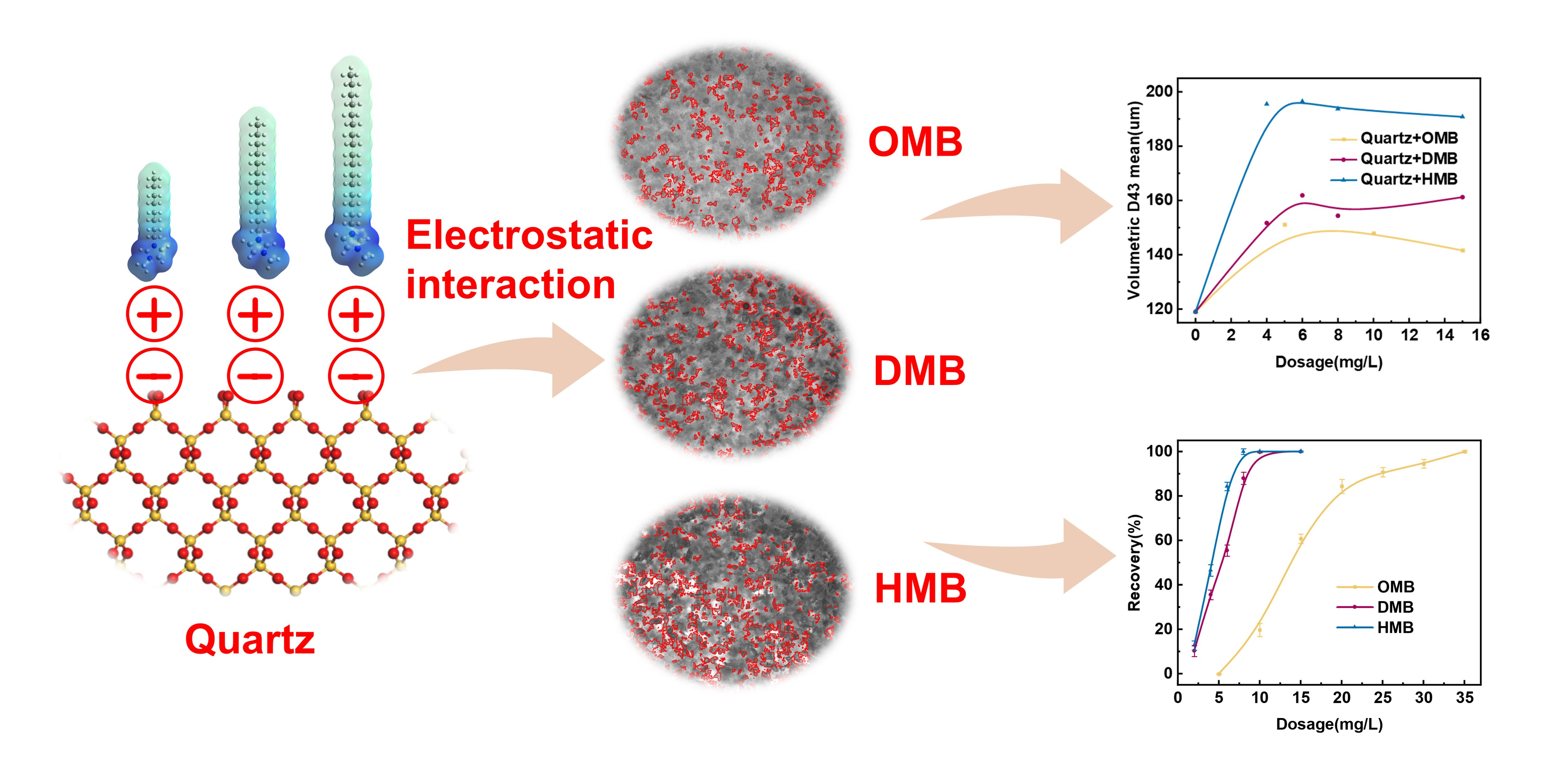
Graphical Abstract

1. Introduction

Quartz is a crucial non-metallic mineral resource. Characterized by its acid and corrosion resistance, high thermal stability, superior hardness, and low coefficient of thermal expansion, it is extensively utilized in various fields, including glass manufacturing, construction materials, optical instruments, and the electronics industry [1,2,3,4]. As the demand for quartz continues to surge across diverse industries, its efficient separation and beneficiation have become increasingly imperative [5,6].Flotation is a critical process for removing impurities and upgrading mineral quality, the success of which fundamentally relies on the selection of flotation reagents with excellent collecting ability and selectivity [7]. Although physical separation is applied for preliminary processing, flotation remains the most effective technique for upgrading quartz to high-purity grades. Furthermore, highly efficient quartz collectors are not only crucial for the direct flotation of high-purity quartz, but are equally vital for reverse flotation desilication systems (e.g., separating quartz from hematite, apatite, or magnesite). Therefore, understanding the interaction mechanisms between novel collectors and the quartz surface has broad implications across various mineral processing scenarios. Dodecylamine (DDA), as the most representative cationic collector, is widely applied in the flotation of quartz, silicates, and potash ores. However, DDA exhibits environmental toxicity and is highly irritating, which poses safety risks and fails to meet modern stringent environmental regulations [8,9]. Therefore, the development of highly selective and environmentally friendly green reagents is of profound significance for the efficient utilization of quartz resources.
Ionic liquids (ILs) are green solvents characterized by their non-toxic, odorless, and non-flammable nature [10,11]. Their vast structural diversity and high designability offer extensive opportunities for reagent development in the field of mineral flotation, demonstrating broad application prospects [12]. The highly tunable nature of their molecular structures allows for the highly efficient collection of specific minerals by modulating the length of the hydrophobic alkyl chain or precisely designing the combination of anions and cations. Compared to traditional primary amine collectors such as DDA, which strictly rely on protonation in the aqueous environment to form surface-active cations (R-NH3+), ILs are inherently composed of pre-formed, permanently charged anion–cation pairs. This permanent charge, combined with the extensive charge delocalization across the bulky, asymmetric imidazole ring, frees ILs from the strict pH-dependent protonation limitations of primary amines. Consequently, this unique structural nature endows ILs with exceptional interfacial activity and distinctive self-assembly behaviors at the solid–liquid interface. This structural characteristic endows ILs with unique physicochemical properties, including negligible vapor pressure, exceptional thermal stability, and high chemical stability. In our previous study, the ionic liquid 1-dodecyl-3-methylimidazolium bromide (DMB) was introduced as a novel collector into the quartz-feldspar flotation system. DMB exhibited excellent selective collecting performance for quartz, successfully enabling the efficient separation of quartz from feldspar under neutral pH conditions [13]. Extensive research in interfacial chemistry has demonstrated that the length of the hydrophobic carbon chain is a core parameter determining the interfacial activity of collectors. For instance, Guo et al. [14] investigated the impact of hydrophobic chain length on the flotation performance of amine surfactants by selecting four reagents with varying chain lengths: decylamine (DA), dodecylamine (DDA), tetradecylamine (TDA), and hexadecylamine (HDA). Their results indicated that as the carbon chain length increased, the collecting ability of the reagents exhibited a trend of initially strengthening and subsequently weakening. Similarly, Wen et al. [15] systematically studied the effect of the substituent chain length on the benzene ring on coke flotation through a combination of experimental and theoretical calculations, revealing that the extension of the chain length significantly enhanced flotation efficiency. These studies clearly indicate that the carbon chain length directly dictates the properties of the reagents, ultimately influencing both flotation recovery and selectivity. Building upon these findings, the present study aims to further investigate the influence of the carbon chain length of imidazole-based ionic liquid collectors on the hydrophobic agglomeration and flotation behavior of quartz.
In this study, three imidazole-based ionic liquid collectors with varying carbon chain lengths—namely, 1-octyl-3-methylimidazolium bromide (OMB), 1-dodecyl-3-methylimidazolium bromide (DMB), and 1-hexadecyl-3-methylimidazolium bromide (HMB)—were selected. The collecting performance of these three reagents on quartz was evaluated through flotation experiments, and the agglomeration behavior of quartz particles induced by the collectors was monitored using an online particle-bubble monitoring (PBM) system. Subsequently, the interaction mechanisms between the collectors and the quartz surface were further explored through zeta potential measurements, Fourier transform infrared (FTIR) spectroscopy, and fluorescence probe techniques. Finally, density functional theory (DFT) calculations were performed to elucidate the impact of carbon chain length on the collector’s performance at the molecular level. This study aims to systematically reveal the mechanisms underlying the effect of chain length extension on the adsorption behavior and hydrophobic association capabilities of the collectors. The findings provide systematic experimental evidence and theoretical guidance for the application of imidazole-based ionic liquids in quartz flotation, which is of great significance for the development of novel, highly efficient collectors for quartz flotation.

2. Materials and Methods

2.1. Materials and Reagents

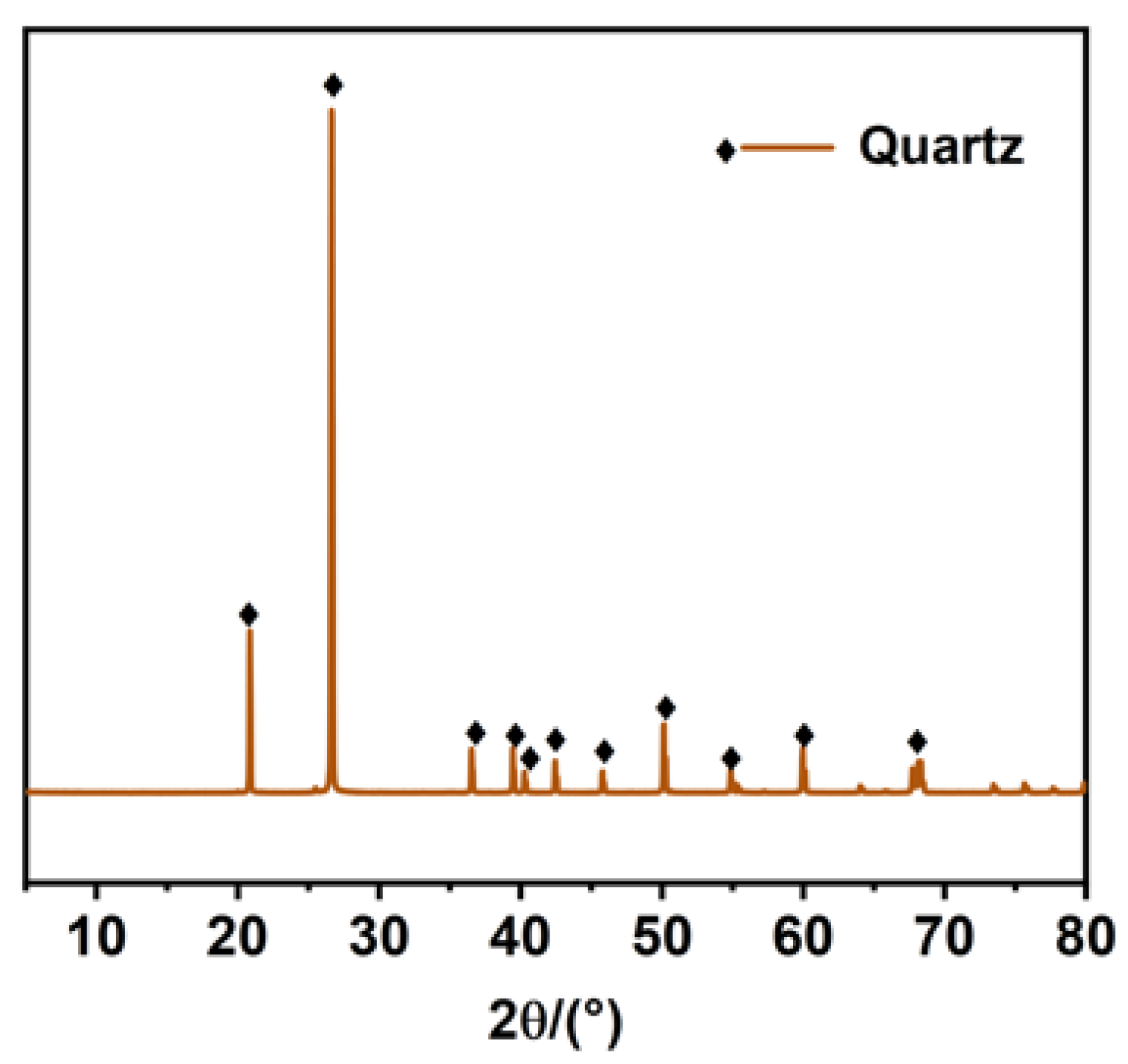
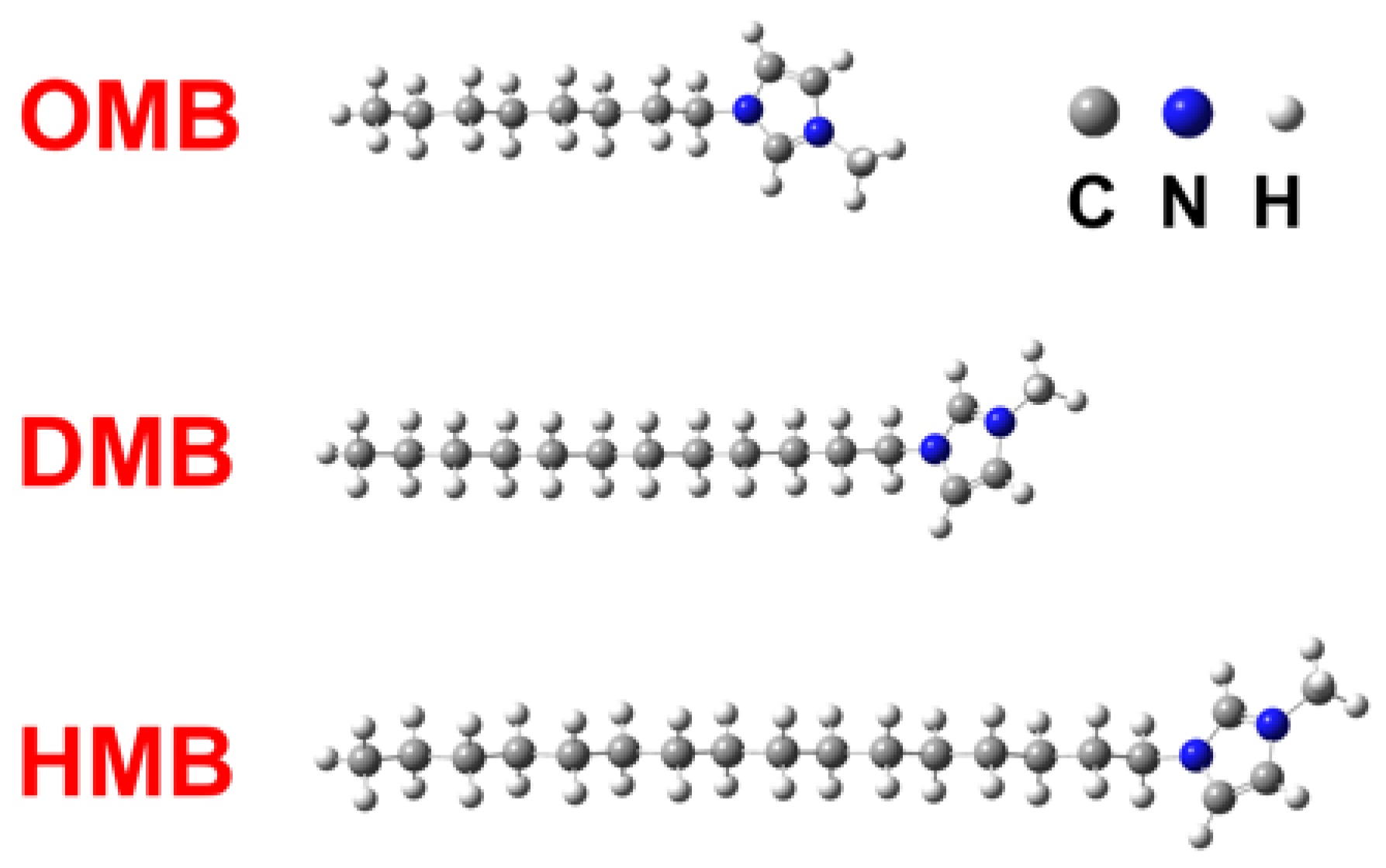
The quartz mineral sample used in this study was obtained from Yunnan Province, China. The raw ore was crushed, ground, and sieved to obtain quartz particles with a size fraction of −74 + 38 μm for flotation experiments and online PBM monitoring. The −38 μm size fraction was further ground for 1.5 h using a three-head grinder to obtain a −5 μm fine sample for Fourier transform infrared (FTIR) spectroscopy and zeta potential measurements. The chemical elemental analysis and X-ray diffraction (XRD) results of the sample are presented in Table 1 and Figure 1, respectively, indicating that the purity of the quartz was 98.5%, which strictly meets the requirements for the flotation tests. All reagents used in the experiments, including pH regulators (hydrochloric acid and sodium hydroxide) and collectors (OMB, DMB, HMB, and DDA), were of analytical grade and purchased from Shanghai Macklin Biochemical Co., Ltd., Shanghai, China. The molecular structures of these collectors are illustrated in Figure 2. Deionized (DI) water prepared in the laboratory was used throughout all experiments.

2.2. Flotation Experiments

The micro-flotation experiments were conducted using an XFG-type laboratory flotation machine (Shunze Mining and Metallurgy Machinery Manufacturing Co., Ltd., Changsha, China). In each test, a 2.0 g quartz sample was mixed with 40 mL of deionized (DI) water. The mixture was stirred at an impeller speed of 1996 rpm for 2 min to prepare a homogeneous pulp suspension. Subsequently, the pulp pH was adjusted to the target value using pH regulators, followed by 2 min of conditioning. Then, the designated collector was introduced into the suspension and conditioned for an additional 2 min. Finally, flotation was carried out, and the froth was manually scraped at a constant interval of every 4 s for a total of 1 min. The collected froth product (concentrate) and the remaining pulp in the cell (tailings) were separately filtered, dried, and weighed to calculate the flotation recovery. All micro-flotation tests were independently repeated three times, and the final results are expressed as the mean ± standard deviation.

2.3. Online Particle-Bubble Monitoring (PBM)

Quartz agglomeration was monitored in situ using a Pixscope 19-300 (Haiferg Technology Co., Ltd., Beijing, China) imaging system (outer diameter: 19 mm; depth of field: ±200 μm) at a frame rate of 10 fps. To mirror the micro-flotation environment, 2.0 g of quartz was dispersed in 40 mL of DI water (5% w/w) within a 100 mL beaker and agitated at a constant 600 rpm. The probe was immersed into the circulating pulp to capture images for 2 min following collector addition. While the 5% w/w density leads to inevitable 2D optical overlap, this specific concentration was strictly maintained to simulate the actual pulp concentration of the flotation tests. Consequently, the derived volumetric mean diameter was utilized as a qualitative indicator to assess relative agglomeration trends.

2.4. Fluorescence Measurements

Fluorescence measurements were conducted using an F-7000 fluorescence spectrophotometer (Hitachi, Tokyo, Japan). The sample preparation procedure was carried out as follows: pyrene was added to the collector solutions at specified concentrations, and the pH of the solutions was subsequently adjusted. The quartz samples were then introduced into the solutions, and the mixtures were agitated on a mechanical shaker for 30 min to obtain the pyrene-containing pulp. Finally, the fluorescence spectra of the pulp under various pH conditions were recorded.

2.5. Zeta Potential Measurements

The zeta potential of the mineral samples was measured using a Nano ZS90 Zetasizer (Malvern Instruments, Worcestershire, UK). For each measurement, 20 mg of quartz particles (with a size fraction of −5 μm) was placed in a beaker and dispersed in 40 mL of DI water by stirring for 2 min. Subsequently, the pulp pH was adjusted to the desired value using pH regulators. A predetermined dosage of the collector was then added, followed by 5 min of conditioning. After allowing the suspension to stand for 5 min, the supernatant was collected for zeta potential testing. Each data point was measured in triplicate to ensure accuracy and reproducibility.

2.6. FTIR Measurements

Fourier transform infrared (FTIR) spectroscopy measurements were performed using an IRAffinity-1 spectrometer (Shimadzu, Kyoto, Japan). The sample preparation procedure was as follows: 2.0 g of quartz sample was placed in a beaker with 40 mL of DI water, and the collector was added, followed by 1.5 h of continuous stirring. Subsequently, the sample was filtered and dried in a vacuum drying oven at 45 °C. Finally, the dried sample was mixed with spectroscopic-grade potassium bromide (KBr) at a mass ratio of 1:100. The mixture was then ground in an agate mortar until homogeneous, pressed into a pellet, and placed in the FTIR spectrometer for analysis.

2.7. DFT Calculations

To predict the adsorption modes of the collectors on the quartz (001) surface, density functional theory (DFT) calculations were performed using the CASTEP module in Materials Studio 2020. The adsorption energies were calculated, and the adsorption configurations of the collectors on the quartz (001) surface were optimized. The crystallographic data for quartz were obtained from the American Mineralogist Crystal Structure Database. The computational parameters were set as follows: exchange–correlation functional GGA-PBE; dispersion correction via the DFT-D method; a kinetic energy cut-off of 450 eV; and a k-point sampling grid of 2 × 2 × 1. The convergence criteria for geometric optimization were defined as follows: a maximum force of 0.03 eV/Å, a maximum displacement of 0.001 Å, and a maximum stress of 0.05 GPa. The adsorption energy was calculated using the following formula:
Δ E a d s o r p t i o n = E t o t a l E m i n e r a l E r e a g e n t
where Δ E a d s o r p t i o n is the adsorption energy, E t o t a l is the total energy of the adsorption model (kJ/mol), E m i n e r a l and E r e a g e n t are the energy of minerals or atoms and reagents (kJ/mol).
Furthermore, to investigate the intrinsic properties of the collectors, first-principles calculations were performed using GaussView 6.0 and Gaussian 09W software. Within the framework of DFT, geometric structure optimizations of the collector molecules were conducted at the B3LYP/6-31G(d) level. This analysis yielded critical electronic properties, including the electrostatic potential surfaces and frontier molecular orbitals. All quantum chemical computations in this study were carried out using the High-Performance Computing Platform of Central South University.

3. Results

3.1. Effect of Imidazole-Based Collectors on the Flotation and Agglomeration Behavior of Quartz

The effects of imidazole-based collectors with varying carbon chain lengths on the flotation and agglomeration behavior of quartz were investigated through flotation experiments and online PBM monitoring.

3.1.1. Effect of Collectors on the Flotation Behavior of Quartz

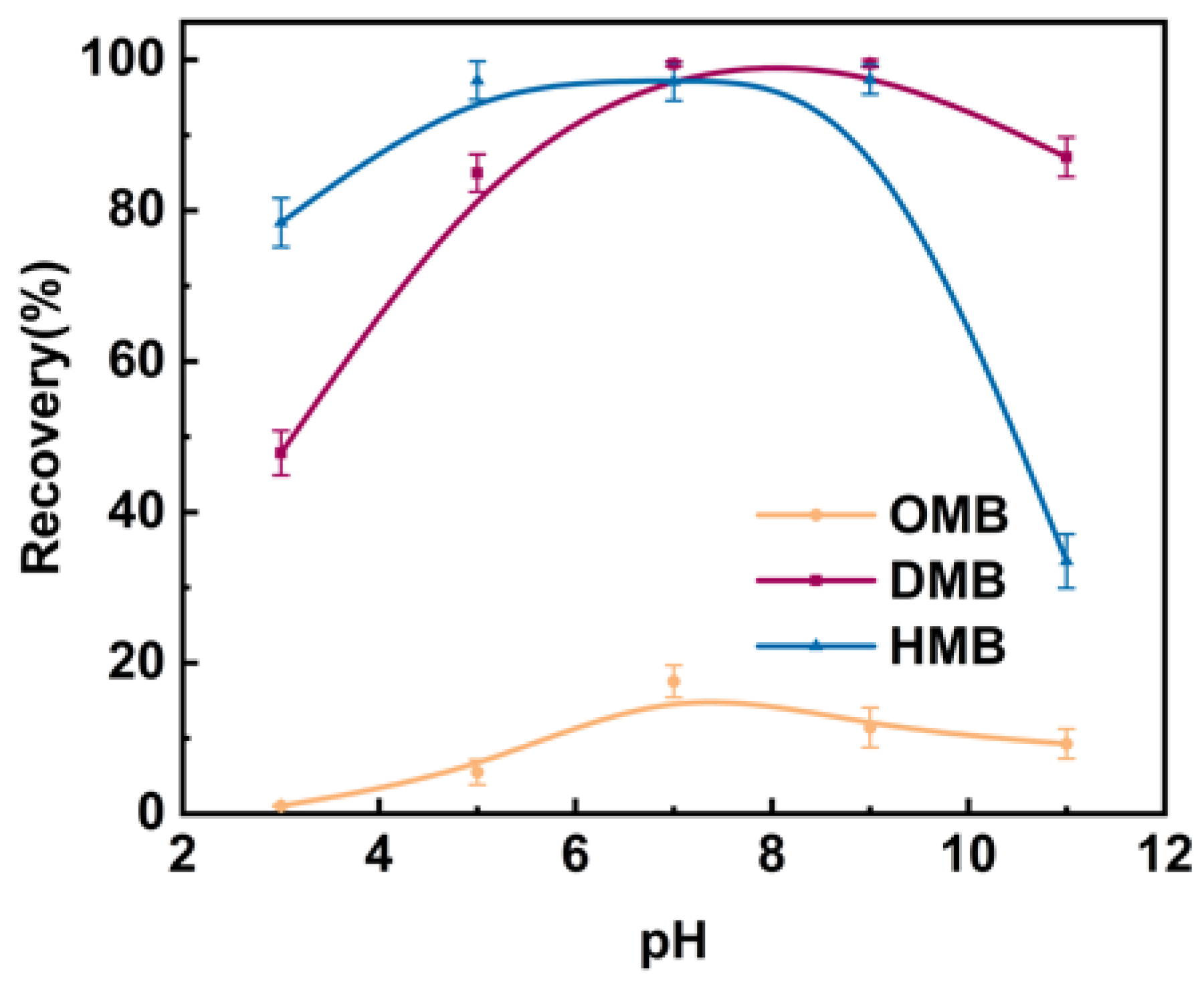
To elucidate the impact of imidazole-based collectors on the flotation behavior of quartz, this section systematically investigates the relationship between flotation performance and two key parameters: collector dosage and pH. The effect of pH on the flotation recovery of quartz under the action of the three different collectors is illustrated in Figure 3.
As shown in the figure, the collecting performance of the three collectors exhibited a significant pH dependency. HMB showed high recovery under acidic to neutral conditions, reaching a peak at approximately pH 7. However, as the pH increased beyond 9, its recovery decreased sharply, eventually dropping to 33.5% at pH 11.0. In contrast, the recovery of DMB remained at a relatively high level within the pH range of 7–9, while it was significantly lower under acidic conditions. The flotation trend of OMB as a function of pH was similar to that of DMB, with higher recovery achieved in alkaline environments compared to acidic ones. Collectively, the optimal flotation pH for all three collectors was identified as 7. Consequently, the pH was fixed at 7 for subsequent experiments to investigate the effect of collector dosage on the flotation recovery of quartz, and the results are presented in Figure 4.
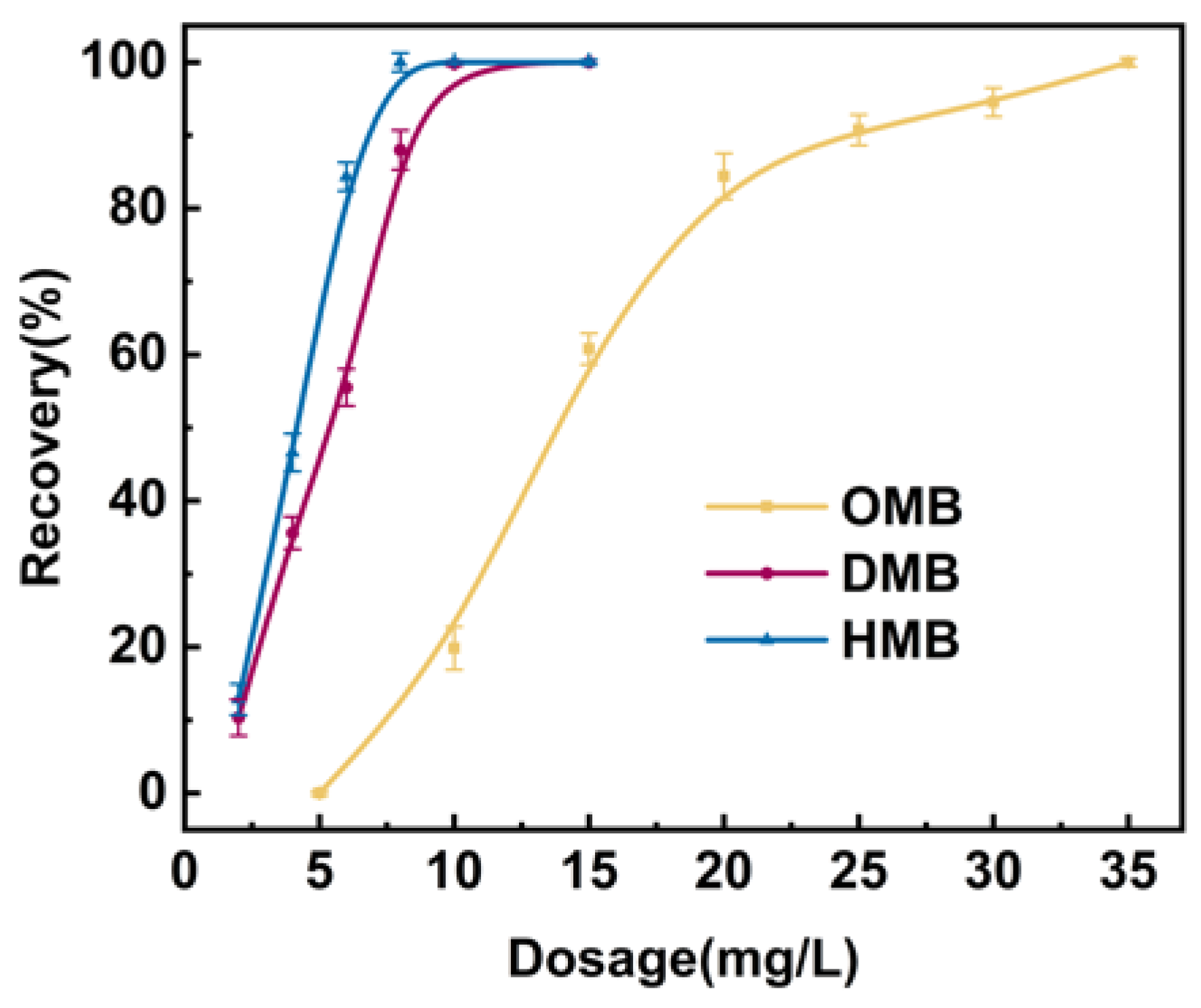
As illustrated in the figure, all three collectors exhibited excellent collecting performance for quartz. With the increase in collector concentration, the flotation recovery of quartz rose progressively, eventually achieving complete flotation (100% recovery) for all three reagents. Notably, the recovery increased most rapidly under the action of HMB, followed by DMB, while OMB showed the slowest rate of increase. Specifically, when the HMB dosage was increased from 2 mg/L to 8 mg/L, the quartz recovery surged from 12.8% to 100%; beyond this point, further increases in dosage resulted in a recovery plateau. For DMB, the recovery increased from 10.3% to 87.9% as the dosage rose from 2 mg/L to 8 mg/L, reaching the maximum value of 100% at a dosage of 10 mg/L. In contrast, the recovery under OMB increased much more gradually, requiring a concentration of 35 mg/L to achieve complete recovery. These results demonstrate that the collecting ability of the three collectors follows the order HMB > DMB > OMB. It is evident that a longer alkyl chain significantly enhances the collecting capacity of the imidazole-based collectors, thereby effectively reducing the required reagent dosage.

3.1.2. Effect of Collectors on the Agglomeration Behavior of Quartz

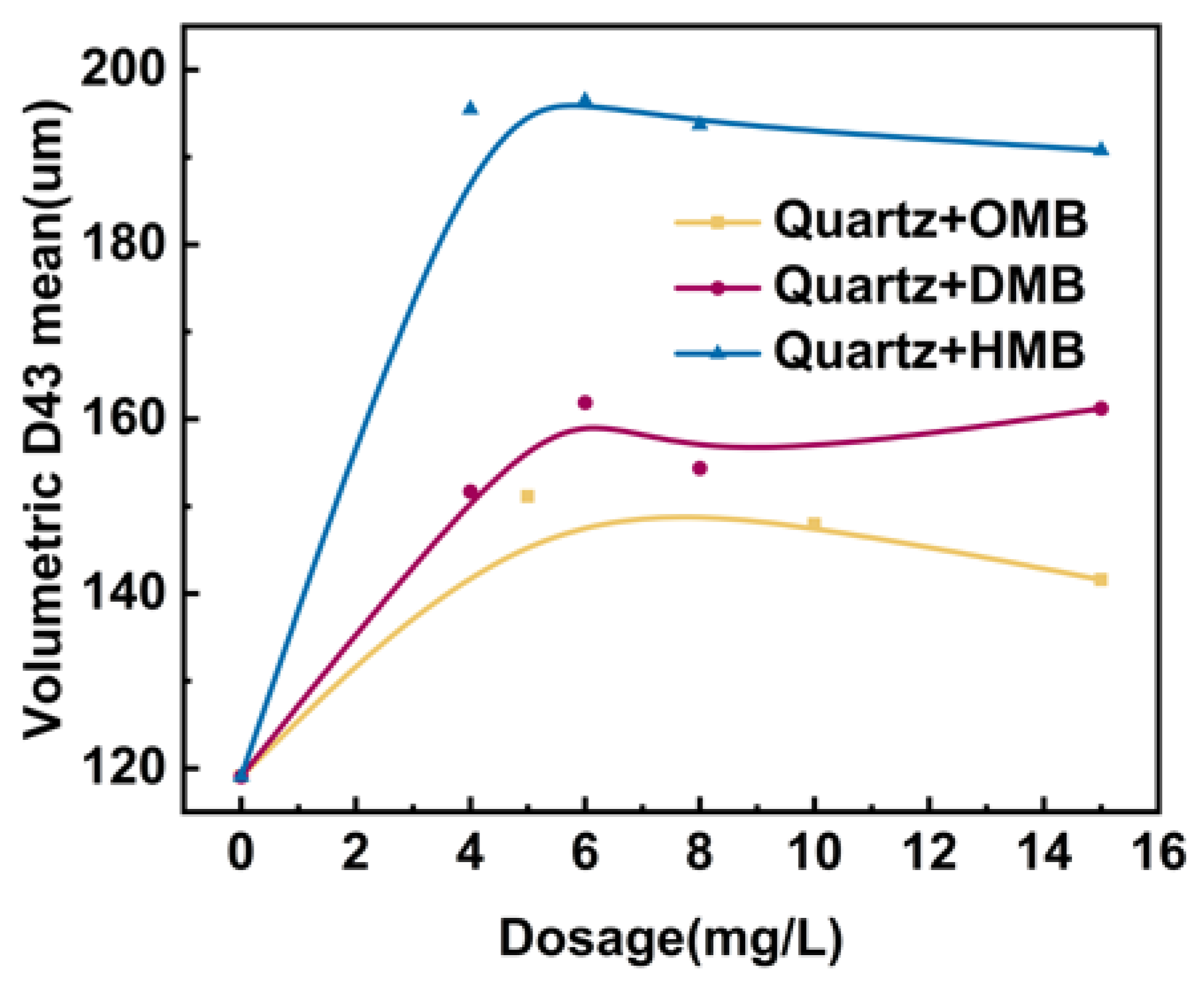
Particle-bubble monitoring (PBM) is a crucial technique for the direct observation and investigation of the microscopic interactions among mineral particles, bubbles, and reagents [16]. By integrating high-speed imaging, microscopy, and advanced image analysis, PBM enables the real-time, in situ monitoring of flotation processes at the micrometer scale [17]. In this study, PBM was employed to monitor the agglomeration behavior of quartz particles. The variations in the volume-weighted mean diameter of quartz particles as a function of collector concentration under the action of different collectors are illustrated in Figure 5.
As illustrated in Figure 5, the initial volume-weighted mean diameter of quartz in the absence of any collector was 119 μm. Upon the addition of collectors, the mean diameter increased significantly, reaching a peak at a certain concentration, beyond which it remained relatively constant. Notably, HMB induced the most rapid increase in agglomerate size and yielded the highest maximum diameter. Specifically, at an HMB concentration of 6 mg/L, the volume diameter reached 196.5 μm. In contrast, the maximum diameters achieved with DMB and OMB were 161.8 μm and 151.1 μm, respectively, which were considerably smaller than that observed for HMB. These PBM findings are in good agreement with the flotation results, further confirming that the interaction efficiency of HMB with quartz is superior to that of DMB and OMB.
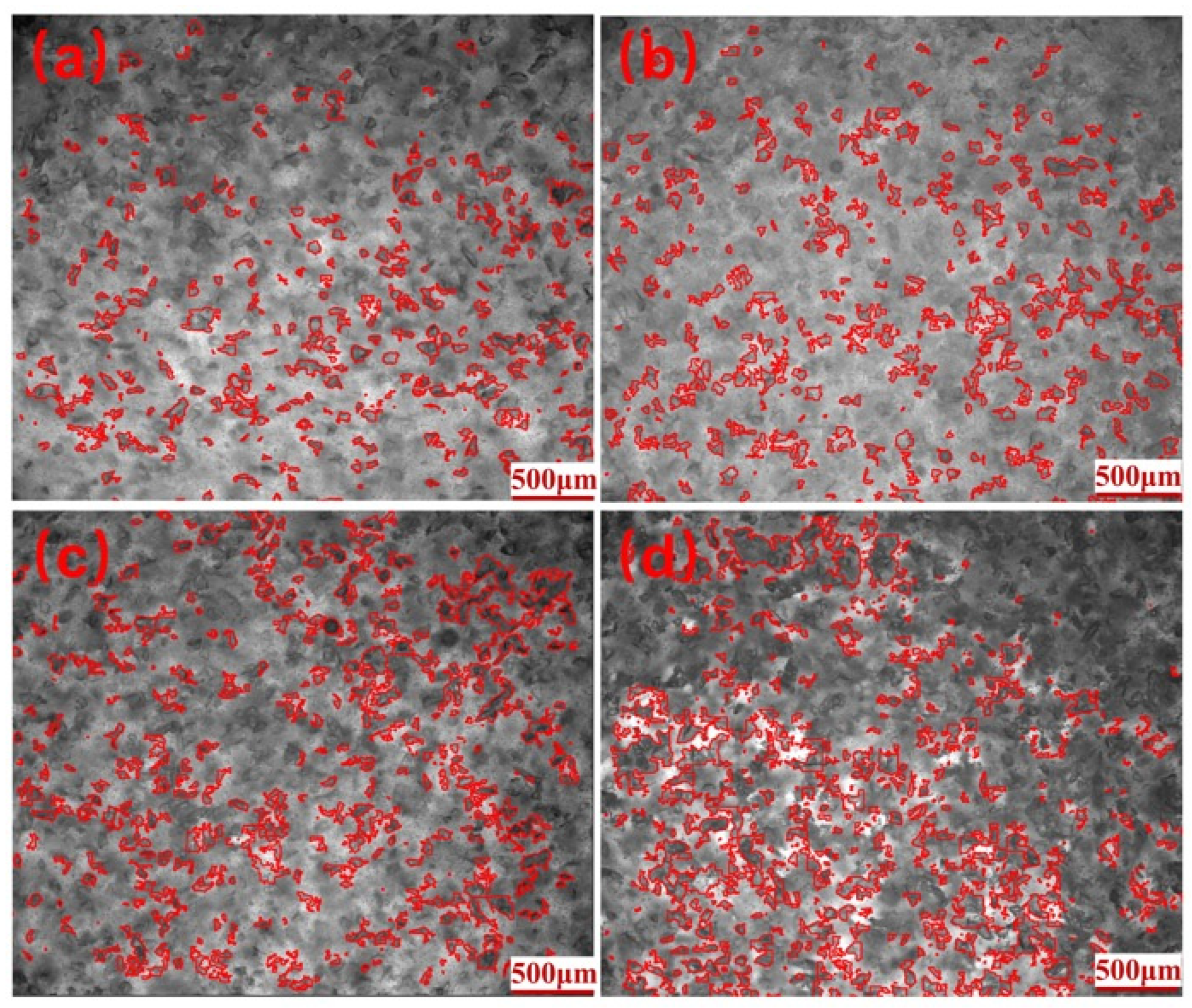
Figure 6a–d displays the microscopic images of quartz particles in the absence and presence of different collectors, where the red borders represent the particle edges automatically identified by the system. As shown in Figure 6a, the quartz particles were uniformly dispersed without any visible agglomeration in the absence of collectors. This is attributed to the negative charge of the hydroxylated quartz surface in the aqueous solution, which leads to strong electrostatic repulsion between the particles. Significant changes in the suspension characteristics were observed upon the addition of collectors. Figure 6b shows that the quartz particles remained largely dispersed under the action of OMB, with only a few small agglomerates formed. The greyish tone and low light transmittance of the image indicate a negligible agglomeration effect for OMB. In Figure 6c, the presence of DMB resulted in more distinct quartz agglomerates, accompanied by increased image brightness and optical transparency. As depicted in Figure 6d, HMB induced massive agglomeration and non-uniform dispersion, characterized by the formation of large aggregates. The appearance of numerous white light spots in the image reflects a substantial reduction in suspension turbidity and a significant increase in light transmittance due to extensive particle aggregation [18].
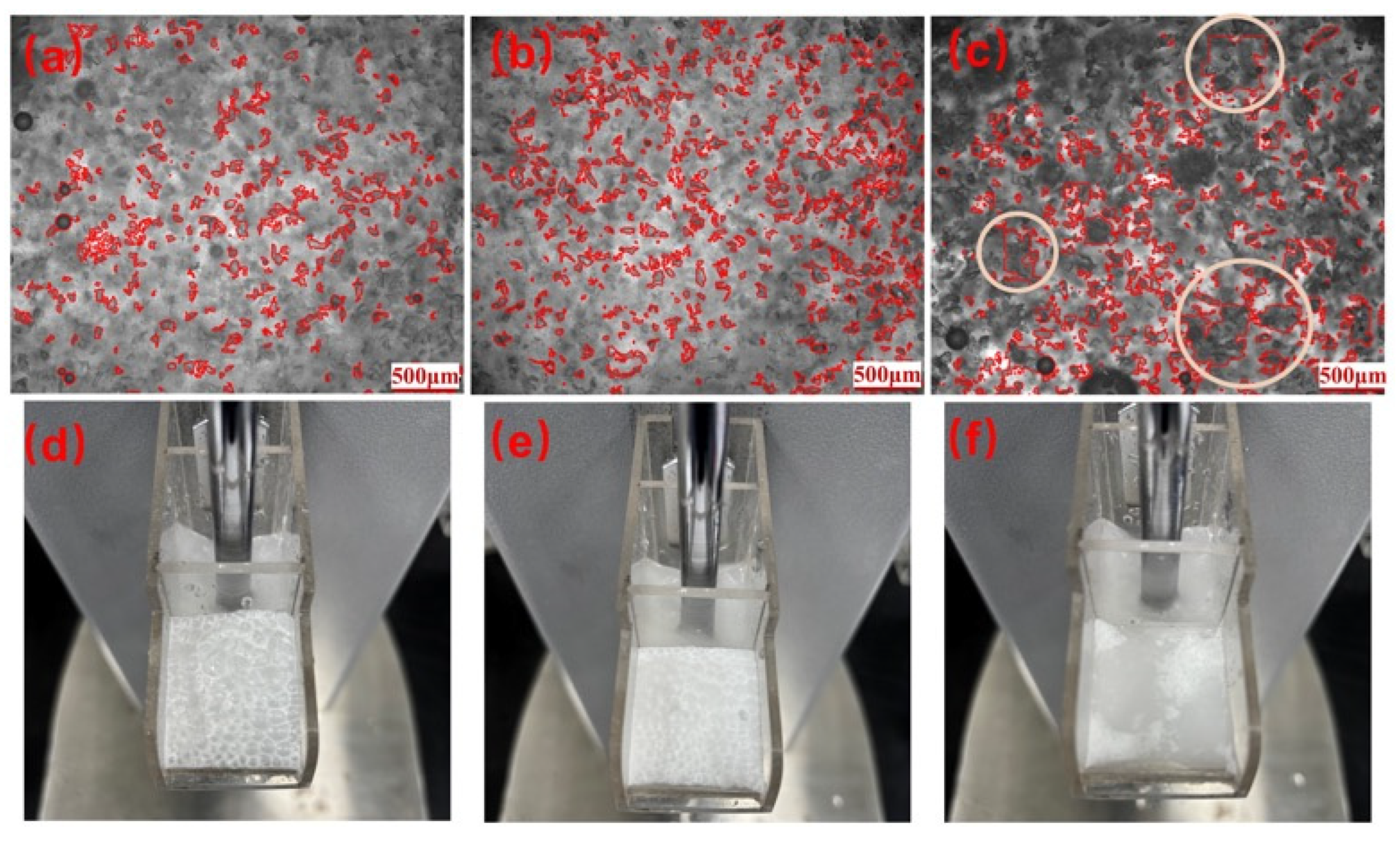
To elucidate the mechanism behind the drastic decrease in HMB performance under highly alkaline conditions, the agglomeration behavior of quartz and the state of the mineralized froth layer at pH 11.0 were further monitored, as shown in Figure 7 below.
It was observed that at pH 11.0, quartz particles under the action of HMB underwent significant agglomeration, forming super-large aggregates. However, a stable mineralized froth layer failed to form during the flotation process. This phenomenon suggests that under highly alkaline conditions, HMB molecules adsorb extensively onto the negatively charged quartz surface. The ultra-long hexadecyl carbon chains (C16) exposed to the aqueous phase drive intense hydrophobic association between the quartz particles to minimize the interfacial free energy of the system [19,20]. This results in the formation of massive hydrophobic agglomerates, and consequently, a severe depletion of free HMB molecules in the bulk solution. When bubbles are generated through aeration and agitation, they collide with these giant quartz aggregates. The bubble liquid films are highly susceptible to rupture upon contact with such large, hydrophobic surfaces [21]. Due to the lack of sufficient free HMB molecules to stabilize the gas–liquid interface, bubbles undergo extensive coalescence or bursting before reaching the pulp surface. The absence of a stable mineralized froth layer ultimately leads to the drastic decline in flotation recovery observed at high pH [22].

3.2. Mechanisms Underlying the Influence of Collectors on Quartz Flotation and Agglomeration Behavior

To elucidate the interaction mechanisms between the collectors and the quartz surface and to clarify the underlying causes of the pH-dependent variations in flotation recovery, the mechanisms governing the effects of the collectors on the flotation and agglomeration behavior of quartz were systematically investigated.

3.2.1. Zeta Potential Analysis

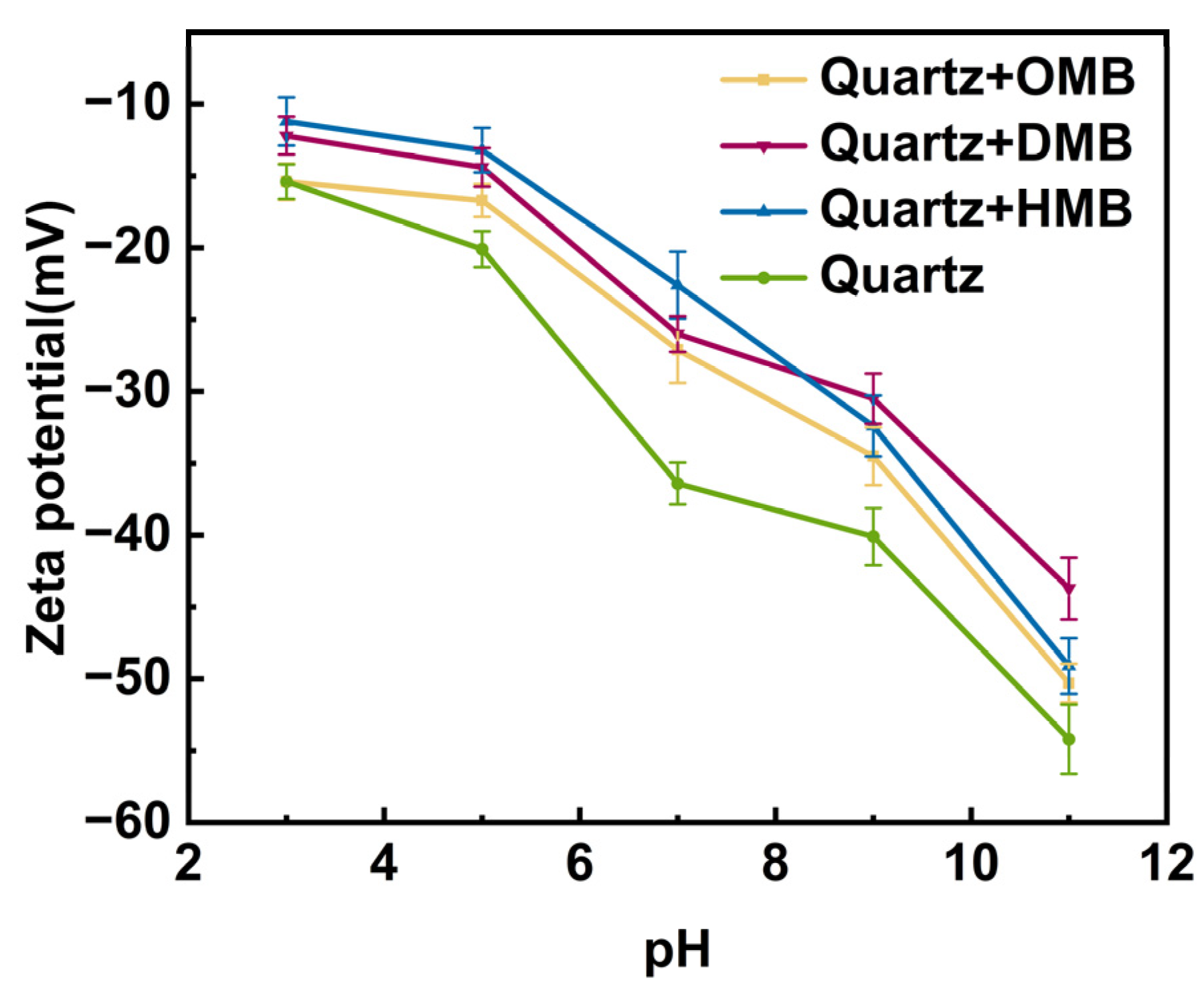
The surface potentials of quartz were measured in both the absence and presence of the three collectors. The variations in the zeta potential of the quartz surface as a function of pH, before and after treatment with the collectors, are illustrated in Figure 8.
As illustrated in the figure, the bare quartz surface was negatively charged across the investigated pH range, and the magnitude of this negative potential increased with rising pH. Specifically, the zeta potential of pure quartz was −15.4 mV at pH 3.0 and decreased significantly to −54.2 mV at pH 11.0. Notably, upon the addition of the three collectors (HMB, DMB, and OMB), the zeta potential of the quartz surface underwent a distinct shift toward the positive direction. At pH 7.0, the positive shifts induced by HMB, DMB, and OMB were 13.8 mV, 10.4 mV, and 9.3 mV, respectively. It has been widely reported that the magnitude of the zeta potential variation is positively correlated with the adsorption density of the collectors on the mineral surface [23]. Therefore, the significant positive displacement observed here indicates that the cationic collectors adsorb onto the quartz surface, thereby increasing its surface potential. Furthermore, the positive shift becomes more pronounced as the collector’s alkyl chain length increases. This trend is in good agreement with the flotation results, providing robust evidence for the enhanced adsorption capacity of longer-chain collectors on the quartz surface.

3.2.2. FTIR Spectroscopy Analysis

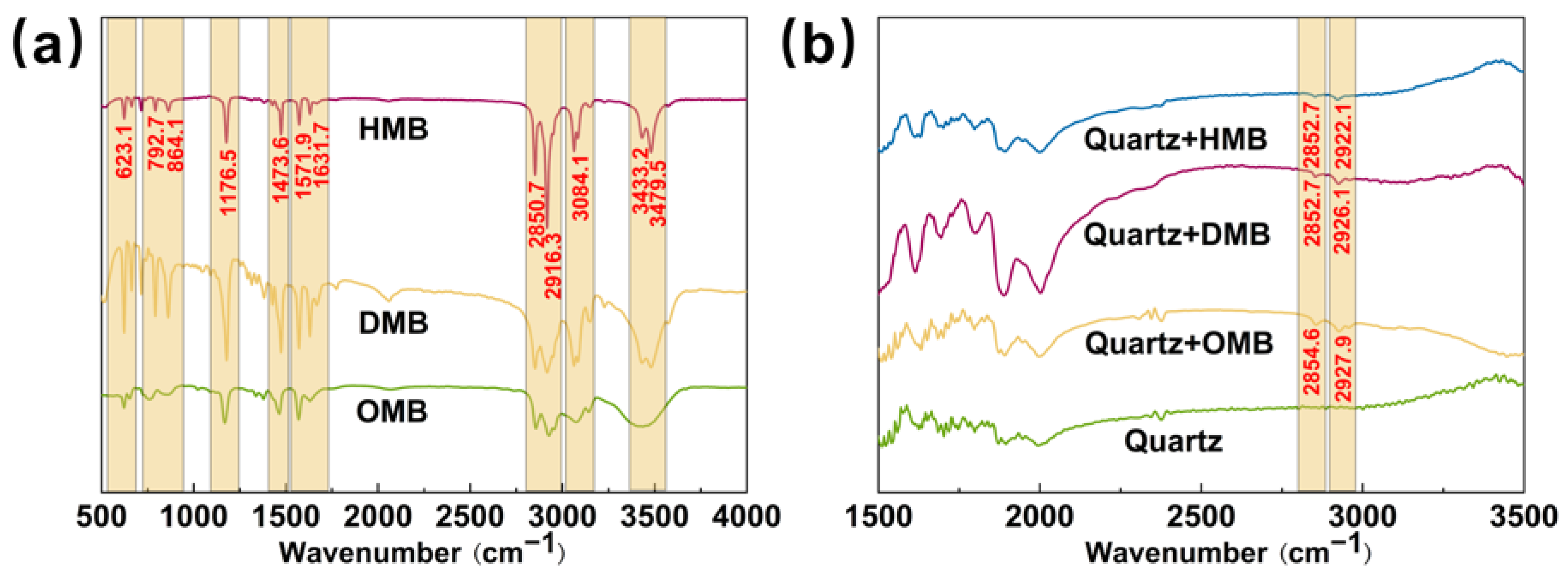
To further elucidate the adsorption mechanism of the collectors on the quartz surface, FTIR spectroscopy was employed to analyze the surface functional groups. The FTIR spectra of quartz before and after interaction with the three different collectors are presented in Figure 9.
Figure 9a shows the FTIR spectra of the three collectors. The characteristic peak at 3433.2 cm−1 was assigned to the N-H stretching vibration. The stretching vibration of the methyl group on the imidazole ring was observed at 3084.1 cm−1. The peaks at 2916.3 cm−1 and 2850.7 cm−1 corresponded to the asymmetric and symmetric stretching vibrations of the methyl (-CH) and methylene (-CH2) groups, respectively [5,24]. The C=N and C=C stretching vibrations of the conjugated imidazole ring appeared at 1631.7 cm−1 and 1571.9 cm−1. Additionally, the peak at 1176.5 cm−1 was identified as the C-N stretching vibration, confirming the linkage between the imidazole ring and the long alkyl chain. The peaks at 864.1 cm−1 and 792.7 cm−1 were attributed to the C-H out-of-plane bending vibrations of the imidazole ring [13]. These characteristic peaks collectively confirm the molecular structures of the synthesized collectors. Figure 9b presents the FTIR spectra of quartz before and after treatment. Following the interaction with the collectors, two new characteristic peaks appeared in the quartz spectra, which are highly consistent with the -CH3 and -CH2 stretching vibrations of the collectors. This confirms that all three collectors successfully adsorbed onto the quartz surface. Notably, compared to the spectra of the pure collectors, these alkyl stretching peaks in the collector-treated quartz spectra exhibited a slight red shift. This suggests the existence of hydrogen bonding interactions between the collectors and the quartz surface [25]. Since no significant shifts or new peaks related to chemical bonding were observed, it can be concluded that the adsorption is primarily driven by physical adsorption rather than chemical interaction.

3.2.3. Fluorescence Measurements

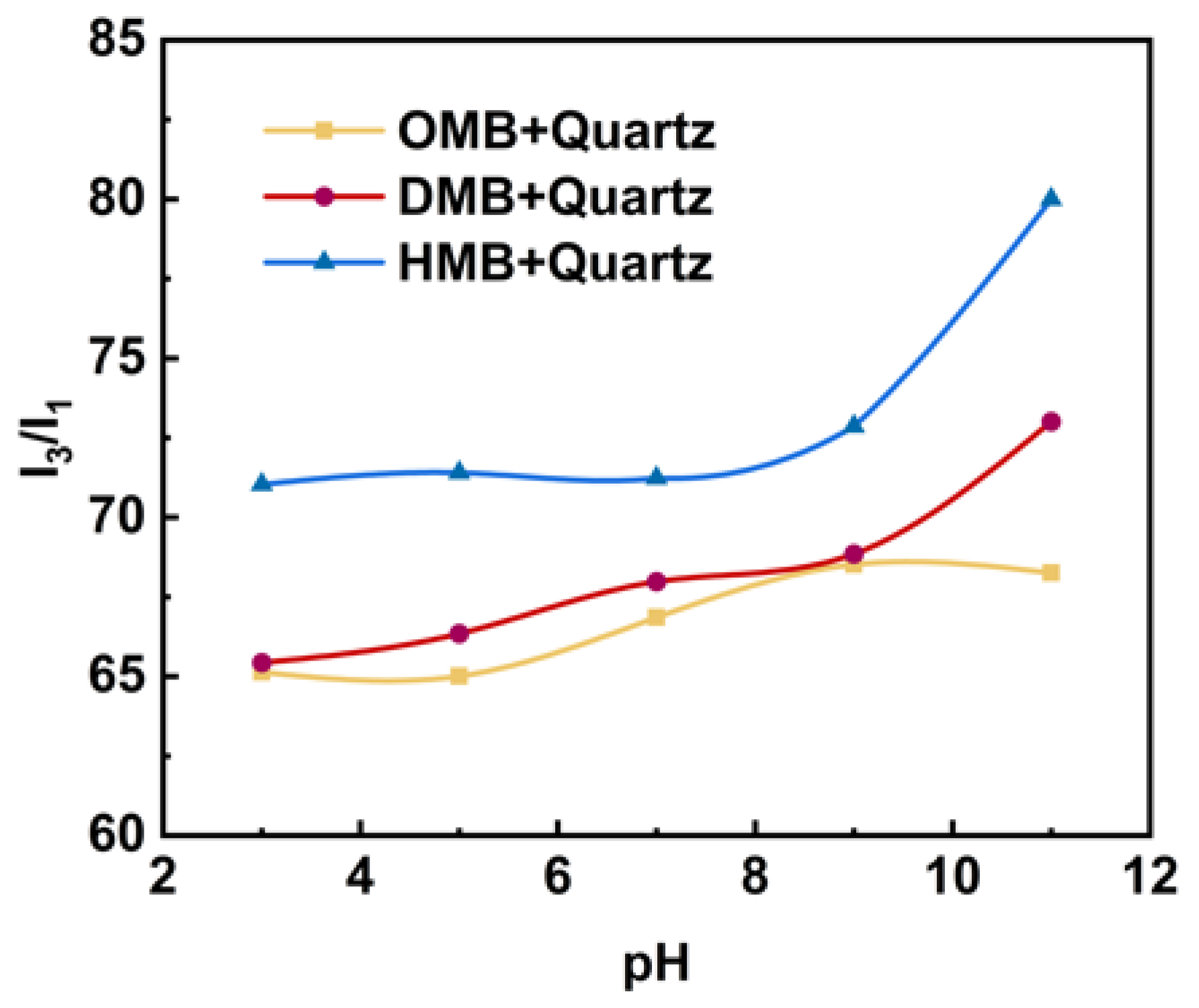
Fluorescence probe technology has been widely employed to investigate the structure of reagent adsorption layers at solid–liquid interfaces [26]. The intensity ratio of the third to the first vibronic peaks (I3/I1) in the pyrene emission spectrum is highly sensitive to the polarity of the surrounding medium and is commonly referred to as the polarity parameter [27]. To further elucidate the fundamental reasons behind the pH-dependent flotation behavior of quartz and to characterize the variations in micropolarity at the mineral–reagent interface, the fluorescence emission spectra of the pulp were recorded under various pH conditions. The resulting I3/I1 values, which reflect the changes in the local environment of the mineral surface, are presented below.
As shown in Figure 10, the I3/I1 values of the pulp treated with HMB were consistently the highest among the three collectors. At pH 7.0, the I3/I1 values for HMB, DMB, and OMB were 71.23, 67.97, and 66.85, respectively, indicating that HMB yielded the lowest micropolarity and the strongest hydrophobicity at the mineral–water interface. As the pH decreased, the I3/I1 value for HMB remained nearly constant, whereas those for DMB and OMB declined to 65.43 and 65.13, respectively. This suggests that the performance of DMB and OMB weakens under acidic conditions. This phenomenon occurs because as the pH approaches the point of zero charge (PZC) of quartz, the surface potential increases, leading to reduced electrostatic attraction for cationic collectors. However, the strong hydrophobic association provided by the longer alkyl chain allows HMB to undergo self-assembly at the mineral–water interface, forming hemimicelle structures even when electrostatic forces are insufficient. This hemimicelle adsorption effectively compensates for the weakened electrostatic attraction, enhancing surface hydrophobicity and maintaining excellent flotation performance in acidic media. Notably, the I3/I1 value for HMB exhibited a sharp escalation under alkaline conditions. At pH 11.0, the I3/I1 values followed the order HMB > DMB > OMB. Since pyrene molecules are highly hydrophobic and spontaneously partition into the regions of lowest polarity, this abrupt mutation in I3/I1 signifies intense hydrophobic association of the long C16 chains exposed to the aqueous phase. At this point, the adsorption of HMB on the quartz surface transitions from discrete monomeric adsorption to the formation of dense surface micelles or hemimicelle layers. The fluorescence data directly confirm that HMB undergoes extensive self-assembly on the quartz surface under strongly alkaline conditions. This results in dense hydrophobic microdomains that induce massive particle agglomeration; however, the subsequent exhaustion of free HMB in the bulk solution makes it difficult to stabilize the mineralized froth layer, ultimately leading to the observed cliff-like drop in quartz flotation recovery [18].

3.2.4. Calculation of Hydrophobic Association Energy

The two-dimensional self-assembly capacity of collectors at the solid–liquid interface serves as the thermodynamic foundation for their flotation efficiency. In this study, the recovery–concentration (R–C) curves were utilized to quantitatively analyze the phase transition behavior of the collectors during hydrophobic association at the quartz interface [28,29]. The hydrophobic association energy was calculated based on these R–C relationships. By extrapolating the sharply rising portion of the flotation recovery curve to R = 0, the concentration at which hemimicelles begin to form, defined as the critical hemimicelle concentration (Cm), was determined. Theoretically, a linear relationship exists between logCm and the number of carbon atoms in the alkyl chain (n), where the slope reflects the energy contribution of each methylene group and is φ 2.303 R T . The hydrophobic association energy is calculated using the following expression:
ΔG = nφ
where φ represents the hydrophobic association energy per CH2 group. The calculated Cm and ΔG values for the three imidazole-based collectors with different chain lengths are summarized in Table 2.
As indicated in Table 2, as the alkyl chain extends from octyl to hexadecyl, the Cm decreased significantly from 5.02 mg/L to 1.41 mg/L. The magnitude of the hydrophobic association energy follows the order HMB > DMB > OMB. The extension of the carbon chain amplifies the lateral van der Waals interactions between the adsorbed collector molecules. Consequently, the increased chain length enhances the hydrophobic association capacity, facilitating the formation of hemimicelles on the quartz surface at lower concentrations. These thermodynamic results are in high agreement with the previous findings from fluorescence spectroscopy and PBM monitoring, further confirming the superior collection efficiency of HMB from a molecular assembly perspective.

3.3. DFT Calculation Results

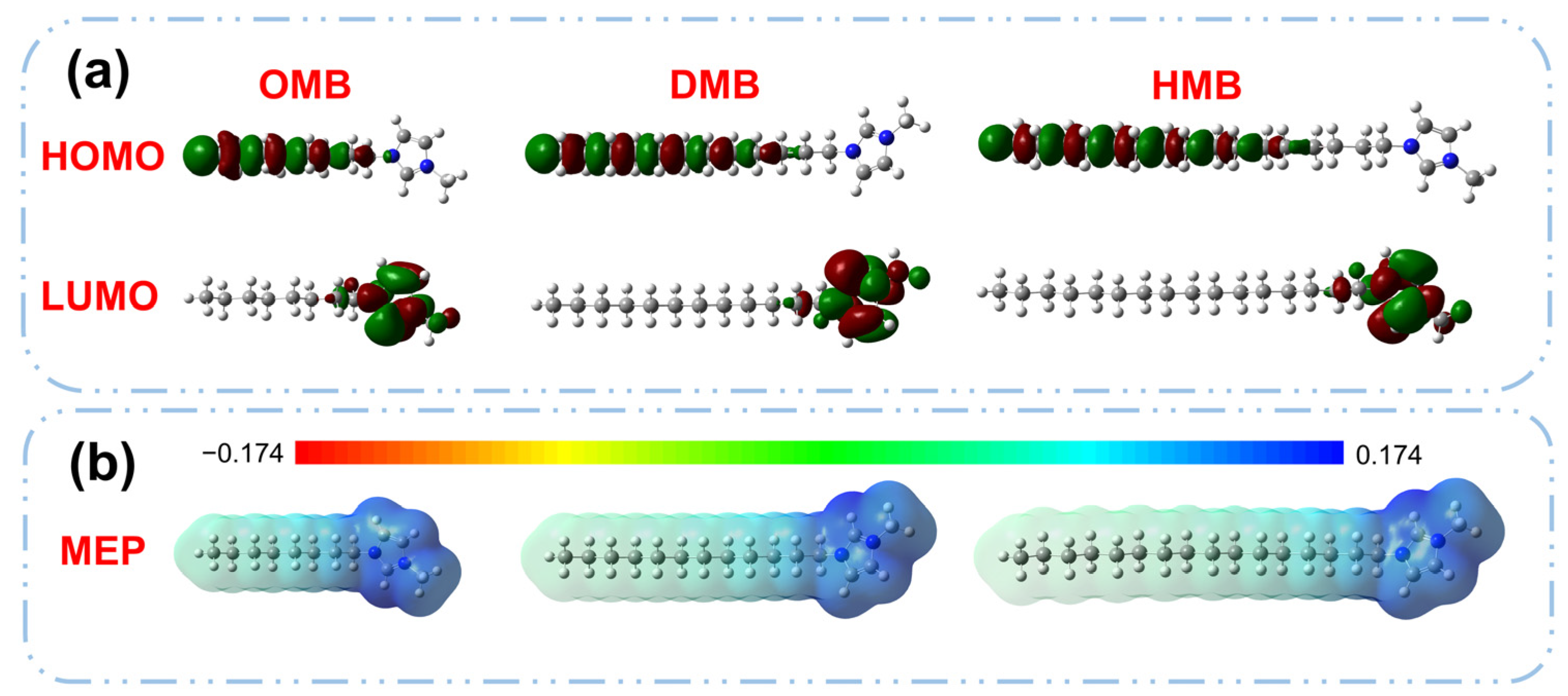
To elucidate the influence of carbon chain length on collector performance at the molecular level, first-principles calculations were performed using GaussView 6.0 and Gaussian 09W software. The molecular electrostatic potential (MEP) of the three collectors were obtained, as illustrated in Figure 11.
As shown in Figure 11a, the frontier molecular orbital analysis reveals that the HOMO is primarily localized on the alkyl carbon chain, whereas the LUMO is predominantly distributed on the imidazole ring. The MEP in Figure 11b further indicates that the imidazole ring in the collector molecules exhibits a strong positive potential. This specific electronic structure confirms that the electropositive imidazole ring serves as an active electron acceptor center, which facilitates strong electrostatic interactions with the negatively charged quartz surface [30]. Furthermore, the energy levels of the HOMO and LUMO, along with the energy gap (ΔE), are among the most critical parameters for evaluating the chemical reactivity, stability, and electronic characteristics of the molecules. The calculated orbital energy values and the corresponding energy gaps for the three collectors with varying alkyl chain lengths are summarized in Table 3.
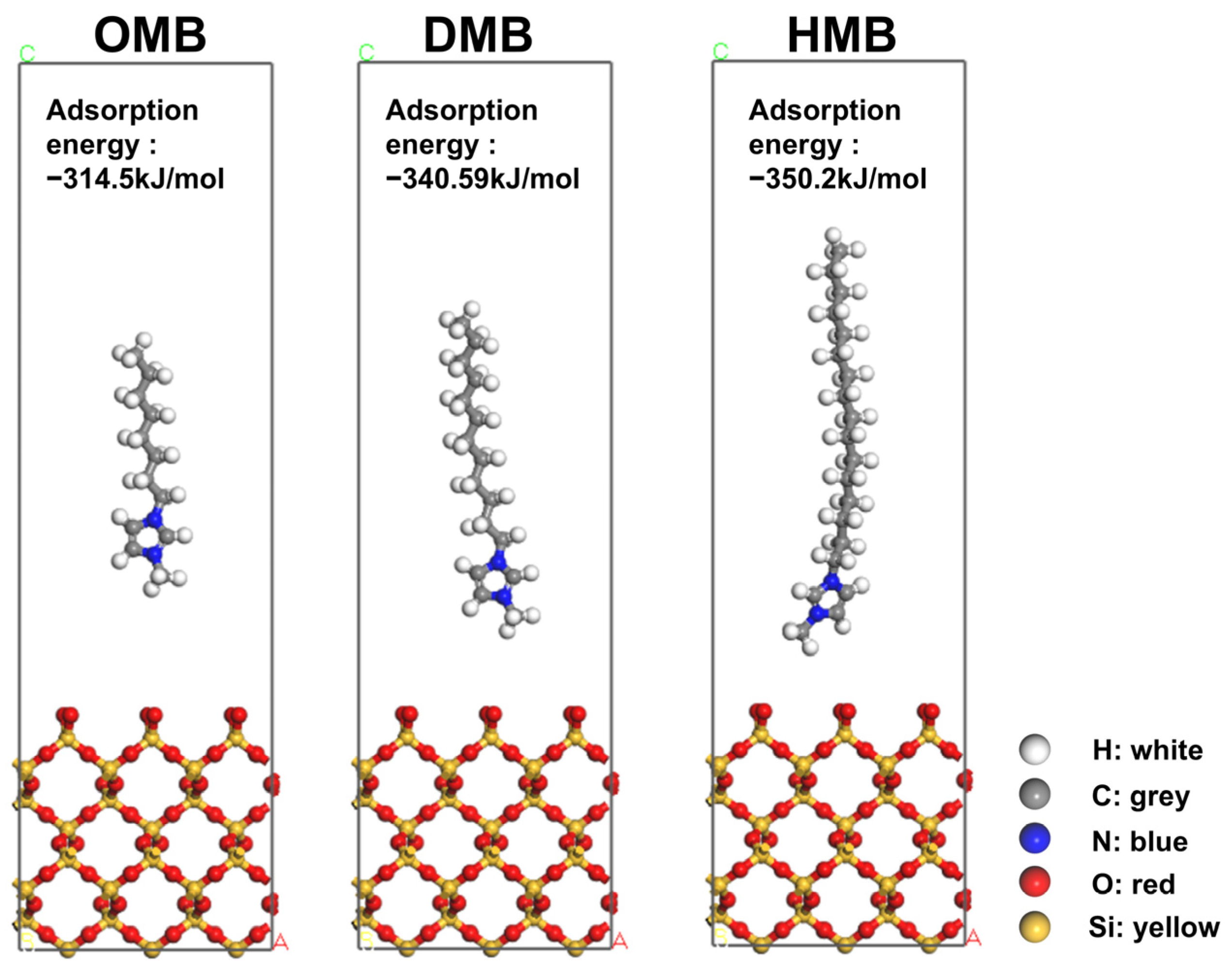
The orbital energies and the corresponding energy gaps for the three collectors are summarized in Table 3. It can be observed that the LUMO energy levels of the three collectors were relatively similar, suggesting that the alkyl chain length has a negligible impact on the LUMO. In contrast, the HOMO energy levels exhibited significant differences, following the order HMB > DMB > OMB. The energy gap between the HOMO and LUMO is a key indicator of molecular chemical stability and reactivity; a smaller ΔE signifies higher chemical reactivity. As shown in Table 3, the energy gaps followed the order ΔEHMB < ΔEDMB < ΔEOMB, indicating that HMB possessed the highest reactivity among the three collectors. These results demonstrate that a longer alkyl chain increases the HOMO energy level, thereby enhancing the electron-donating ability and chemical reactivity of the collector [31]. This enhancement promotes stronger adsorption on the mineral surface, which is in high agreement with the flotation experimental results. To further investigate the microscopic interaction, the adsorption configurations of the collectors on the quartz surface were optimized using the CASTEP module in Materials Studio 2020. The adsorption energies on the quartz (001) surface were subsequently calculated, and the results are illustrated in Figure 12.
As illustrated in Figure 12, the calculated adsorption energies for HMB, DMB, and OMB on the quartz surface were −350.2 kJ/mol, −340.59 kJ/mol, and −314.5 kJ/mol, respectively. It is widely documented in the literature that a more negative adsorption energy value signifies a more thermodynamically favorable adsorption process and a higher interaction strength between the collector and the mineral surface. Therefore, the DFT results demonstrate that HMB possesses a superior adsorption intensity on quartz compared to DMB and OMB. These findings reveal that as the alkyl chain length of the collector increases, the adsorption energy becomes increasingly negative, leading to more pronounced collection efficiency. This computational trend exhibits excellent consistency with the experimental observations, providing a robust theoretical foundation for the structure–activity relationship of these imidazole-based collectors. Note that the DFT calculations employed a simplified bare SiO2 surface, excluding explicit aqueous solvation and pH-dependent silanol states. This model serves strictly as a standardized substrate to isolate the intrinsic structural effects of the alkyl chain extension. Consequently, the calculated adsorption energies indicate a relative trend of interaction strength among the homologous collectors rather than absolute interfacial thermodynamic values.

4. Discussion

The length of the alkyl chain determines the capacity of the collectors for hydrophobic association at the solid–liquid interface, serving as the core structural parameter for achieving efficient quartz flotation [32]. As the alkyl chain extends from octyl (OMB) to hexadecyl (HMB), the negative value of the hydrophobic association energy increases sharply [33]. This is further corroborated by the fluorescence polarity parameter, which confirms that the HMB-treated quartz exhibits the lowest micropolarity, indicating the formation of a robust hydrophobic microenvironment. This phenomenon is attributed to the extensive adsorption of collectors on the quartz surface, forming hemimicelle layers that promote particle agglomeration and reduce local surface polarity. Notably, extreme agglomeration behavior can be detrimental to the stability of mineralized bubbles, which is the fundamental reason for the deteriorated flotation performance of long-chain collectors in highly alkaline systems. PBM monitoring results reveal that HMB induces the formation of abnormally large flocs at high pH. Due to the severe deficiency of free HMB molecules, bubbles are prone to extensive coalescence or bursting before reaching the pulp surface, making it difficult to maintain a stable mineralized froth layer. Consequently, the flotation recovery undergoes a drastic decline [34,35]. In summary, the flotation behavior of imidazole-based collectors is not governed by a single mechanism; rather, it is the result of the synergetic effect of electrostatic interaction, hydrophobic agglomeration, and mineralized bubble stability.
The flotation deterioration induced by the long-chain collector HMB under highly alkaline conditions provides a novel micro-dynamic perspective for a comprehensive understanding of the collector chain-length effect. Guo et al. [14] macroscopically noted that the efficiency of amine-based collectors tends to follow a parabolic trend—increasing and then decreasing—as the alkyl chain extends. Conversely, Wen et al. [15] emphasized the unidirectional promotion of interfacial activity by chain extension. The PBM monitoring and fluorescence data in this study further revealed the micro-physicochemical mechanism underlying this “increase-then-decrease” phenomenon: while the intense hydrophobic association energy from chain extension significantly enhances solid–liquid interfacial affinity, the macroscopic flotation efficiency is strictly governed by the competitive constraint between agglomerate size and froth stability [36,37]. In neutral systems, moderate hydrophobic association facilitates quartz flotation. However, under extreme alkaline conditions, HMB-induced hydrophobic agglomeration exceeds a critical size threshold. These oversized flocs not only lead to an acute depletion of free collector molecules in the aqueous phase, but also disrupt the equilibrium between particle gravitational torque and bubble surface tension. This imbalance directly destabilizes the liquid film of the mineralized bubbles, resulting in a cliff-like drop in recovery [38,39]. This discovery, from the micro-dynamic perspective of the gas–liquid–solid tri-phase interface, refines previous empirical laws regarding the performance decline of long-chain collectors. Furthermore, it points the way for the future molecular design of imidazole-based green reagents: beyond merely pursuing adsorption, it is essential to achieve precise regulation of the hemimicelle assembly threshold and the resulting agglomerate size.

5. Conclusions

In this study, the mechanisms by which the alkyl chain length of imidazole-based collectors influences the hydrophobic agglomeration and flotation behavior of quartz were systematically investigated. The main conclusions are as follows:
(1)
The extension of the alkyl chain fundamentally enhances the intrinsic hydrophobic association capability of the collectors. This structural modification exponentially strengthens the inter-molecular van der Waals interactions, resulting in more robust interfacial self-assembly and significantly larger hydrophobic agglomerates of quartz particles, thereby drastically reducing the required collector dosage for optimal flotation.
(2)
The interaction between the imidazole-based collectors and the quartz surface is governed by a synergistic mechanism of electrostatic attraction and hydrogen bonding. The delocalized positive charge on the bulky imidazole ring serves as a highly active electron-acceptor center, facilitating strong physisorption onto the electronegative silanol sites.
(3)
While extending the alkyl chain length enhances the collecting power, excessive elongation triggers extreme hydrophobic agglomeration. These oversized flocs not only cause a depletion of free collector molecules in the aqueous phase, but also disrupt the equilibrium between the particles and the bubble surface tension, thereby destabilizing the liquid film of the mineralized bubbles and ultimately leading to the deteriorated performance of long-chain collectors.
In summary, the alkyl chain length is a critical parameter for modulating the flotation performance of collectors. By integrating structure–activity relationship analysis with in-depth adsorption mechanism elucidation, this study provides a direct theoretical basis for the molecular design and application of imidazole-based ionic liquid collectors. These findings offer significant guidance for the development of novel, eco-friendly reagents for quartz flotation.

Author Contributions

Conceptualization, G.G. and Y.C.; methodology, G.G. and S.C.; software, X.Y. and S.C.; formal analysis, Y.C. and G.G.; resources, G.G. and Y.Y.; data curation, S.C.; writing—original draft preparation, S.C.; writing—review and editing, G.G. and Y.W.; visualization, S.Y. and B.L.; supervision, G.G. and C.O.; project administration, G.G. and Y.C. All authors have read and agreed to the published version of the manuscript.

Funding

This research was funded by the Provincial Special Project for the Construction of the National Sustainable Development Agenda Innovation Demonstration Zone in Chenzhou (No. 2023sfq49) and The National Natural Science Foundation of China (No. 52074358).

Data Availability Statement

The original contributions presented in this study are included in the article. Further inquiries can be directed to the corresponding authors.

Acknowledgments

We thank the laboratory staff at Central South University for their technical assistance with the experiments.

Conflicts of Interest

Authors Yuankun Yang, Yanming Wu, Shengli Yu, Bingchao Lv, and Chongzhong Ouyang were employed by the Zijin Mining Group Co., Ltd., and Yuan Chen was employed by the Shunshui Environmental Governance Co., Ltd. The authors declare that the research was conducted in the absence of any commercial or financial relationships that could be construed as potential conflicts of interest.

References

  1. Ban, X.Q.; Yao, J.; Yin, W.Z.; Xie, Y.; Du, W.F.; Zhang, T.Z.; Wang, Y.L. High-efficiency reverse flotation separation of magnesite from quartz using a novel collector, N-3-(Isodecyloxy)propyl propane-1,3-diamine: Mechanistic Insights into surface selective adsorption. Appl. Surf. Sci. 2025, 704, 163478. [Google Scholar] [CrossRef]
  2. Li, W.C.; Ma, Z.J.; Zhao, L.; Cheng, L.; Zheng, Y.S.; Xing, H.L. Mechanism of Quartz Flotation Enhanced by Calcium Ion. JOM 2025, 77, 2656–2665. [Google Scholar] [CrossRef]
  3. Rong, K.; Luo, D.W.; Deng, J.B.; Sun, S.N.; Song, S.S.; Jiang, B.W.; Yu, Z.X.; Zhao, K. An environmentally friendly strategy for the preparation of high-purity quartz using combined collector reverse flotation coupled with acid-leaching technology. Miner. Eng. 2025, 227, 109274. [Google Scholar] [CrossRef]
  4. Yang, Y.; Wang, X.; Li, B.; Wei, Y.G.; Wang, H. Novel dodecylphosphonic acid collectors for the selective flotation of cassiterite from quartz: Flotation performance and DFT study. Appl. Surf. Sci. 2026, 719, 165091. [Google Scholar] [CrossRef]
  5. Yin, X.M.; Yao, J.; Yang, B.; Yin, W.Z.; Song, N.B.; Xie, Y.; Liu, J.Y. Inhibition effect and mechanism of actinolite dissolution characteristics on quartz flotation. Miner. Eng. 2025, 232, 109491. [Google Scholar] [CrossRef]
  6. Zhang, H.L.; Sun, W.; Chen, D.X.; Lin, S.Y.; Zhang, C.Y. Effects of Interfacial Hydroxylation Microstructure on Quartz Flotation by Sodium Oleate. Langmuir 2023, 39, 2182–2191. [Google Scholar] [CrossRef] [PubMed]
  7. O’Connor, C.; Hu, Y.H.; Han, L. Review of the recent history and current status of flotation practice in China. Miner. Eng. 2026, 235, 109829. [Google Scholar] [CrossRef]
  8. Zhang, S.Y.; Ye, Z.H.; Cheng, Q.; Wan, W.H.; Liu, S.; Liu, G.Y. Understanding the mechanism of N-(2-aminoethyl) amide collector on improving flotation separation of lepidolite from albite and quartz. Appl. Surf. Sci. 2026, 717, 164806. [Google Scholar] [CrossRef]
  9. Zhang, W.D.; Ren, Q.L.; Tu, R.Y.; Liu, S.; Qiu, F.H.; Guo, Z.H.; Liu, P.; Xu, S.H.; Sun, W.; Tian, M.J. The application of a novel amine collector, 1-(dodecylamino)-2-propanol, in the reverse flotation separation of apatite and quartz. J. Mol. Liq. 2024, 399, 124377. [Google Scholar] [CrossRef]
  10. Kaur, G.; Kumar, H.; Singla, M. Diverse applications of ionic liquids: A comprehensive review. J. Mol. Liq. 2022, 351, 118556. [Google Scholar] [CrossRef]
  11. Sharma, P.; Sharma, S.; Kumar, H. Introduction to ionic liquids, applications and micellization behaviour in presence of different additives. J. Mol. Liq. 2024, 393, 123447. [Google Scholar] [CrossRef]
  12. Wang, Y.X.; Yang, S.Y.; Wang, Q.Q.; Chen, B.; Bao, S.X.; Li, W.B.; Liu, C. Synthesis and application of a quaternary ammonium ionic liquid collector for flotation separation of fluorite and bastnaesite. J. Rare Earths 2026, 44, 946–956. [Google Scholar] [CrossRef]
  13. Chen, S.Y.; Chen, Y.; Gu, G.H.; Yao, X.; Hu, H.X. Influence and Mechanism of 1-Dodecyl-3-methylimidazolium Bromide on the Flotation Behavior of Quartz and Feldspar in a Neutral System. Minerals 2025, 15, 1235. [Google Scholar] [CrossRef]
  14. Guo, Y.; Liu, W.; Liu, W.; Bao, L. Influence of hydrophobic carbon chain length on flotation performance of amine surfactants. J. Cent. South Univ. (Sci. Technol.) 2024, 55, 4175−4183. [Google Scholar]
  15. Wen, L.; Lu, X.L.; Zhang, D.K.; Wang, Y.S. Effect of Benzene Ring Alkyl Chain Length on the Flotation Recovery of Coking Coal. Acs Omega 2025, 10, 56110–56119. [Google Scholar] [CrossRef]
  16. Yang, X.S.; Feng, B.; Guo, W.; Liao, W.D.; Ke, Z. Effects and mechanisms of charged microbubbles and sodium hexametaphosphate in the flotation separation of lepidolite and albite. Colloids Surf. A-Physicochem. Eng. Asp. 2026, 728, 138610. [Google Scholar] [CrossRef]
  17. Yan, W.P.; Zhang, B.Y.; Yang, Y.H.; Deng, J.; Li, W.S. The Cavitation Characteristics of Micro-Nanobubbles and Their Effects on the Flotation Recovery of Fine-Grained Ilmenite. Minerals 2025, 15, 628. [Google Scholar] [CrossRef]
  18. Zhang, Z.Y.; Cui, Z.K.; Wei, Q.; Jiao, F. Mechanisms of surface dissolution-regulated selective hydrophobic agglomeration and bubble-mediated flotation for fine-grained lepidolite. Miner. Eng. 2026, 242, 110201. [Google Scholar] [CrossRef]
  19. Du, Y.S.; Meng, Q.Y.; Yuan, Z.T.; Han, C.; Li, L.X.; Lu, J.W.; Liu, T. Impact of acid surface pretreatment on the hydrophobic agglomeration of micro-fine ilmenite and titanaugite in flotation. Miner. Eng. 2024, 218, 109050. [Google Scholar] [CrossRef]
  20. Li, W.; Cui, Y.F.; Pan, Z.C.; Jiao, F.; Yang, C.R.; Wang, X.; Zhang, Z.Q.; Qin, W.Q. Hydrophobic agglomeration flotation of fine cassiterite induced by kerosene and sodium oleate. Powder Technol. 2024, 432, 119015. [Google Scholar] [CrossRef]
  21. Li, Y.C.; Xia, Y.C.; Zhang, D.K.; Li, A.; Liu, H.; Avid, B.; Xing, Y.W.; Gui, X.H. New insights into enhancing flotation performance of low-rank coal by adding surfactant Triton X-100: Interparticle hydrophobic agglomeration and its interaction. Powder Technol. 2026, 469, 121885. [Google Scholar] [CrossRef]
  22. Shen, Z.H.; Wang, J.L.; Zhang, H.; Liang, Q.X.; Mao, S.; Xie, H. New insights into synergistic mechanism of oleic acid-kerosene in enhancing hydrophobic agglomeration of fine rhodochrosite. Miner. Eng. 2026, 235, 109823. [Google Scholar]
  23. Ouyang, L.Y.; Wu, J.J.; Huang, Z.Q.; Burdonov, A.E.; Vchislo, N.V.; Wang, H.L.; He, G.C.; Yu, X.Y.; Ma, J.P.; Li, W.Y. A novel 3-tetradecylamine propyl amidoxime collector for highly efficient flotation of fine kaolinite. Powder Technol. 2024, 445, 120125. [Google Scholar] [CrossRef]
  24. Gong, W.Q.; He, J.F.; Yang, B.; Xu, H.L.; Shan, Y.H.; Fu, L.X.; Wu, J.W. Interfacial synergistic mechanism of an effective combined collector sodium oleate/cetyltrimethyl ammonium chloride and its enhanced flotation separation of K-feldspar and quartz. Surf. Interfaces 2025, 60, 106017. [Google Scholar] [CrossRef]
  25. Ma, J.P.; Wu, J.J.; Chen, Y.; Zhong, H.; Chen, X.P.; Huang, Z.Q.; Burdonov, A.E.; Vchislo, N.V.; Bavuu, C.; Ouyang, L.Y. Adsorption Mechanism of 3-Tetradecylamine Propyl Amidoxime in the Reverse Flotation Separation of Quartz from Magnetite. Langmuir 2025, 41, 21021–21031. [Google Scholar] [CrossRef] [PubMed]
  26. Xu, L.; Jiao, F.; Jia, W.H.; Pan, Z.C.; Hu, C.Q.; Qin, W.Q. Selective flotation separation of spodumene from feldspar using mixed anionic/nonionic collector. Colloids Surf. A-Physicochem. Eng. Asp. 2020, 594, 124605. [Google Scholar] [CrossRef]
  27. Cao, Z.; Cheng, Z.Y.; Wang, J.L.; Cao, Y.D. Synergistic depression mechanism of Ca2+ ions and sodium silicate on bastnaesite flotation. J. Rare Earths 2022, 40, 988–995. [Google Scholar] [CrossRef]
  28. Wang, D.; Hu, Y. Solution Chemistry of Flotation; Hunan Science and Technology Press: Changsha, China, 1988. (In Chinese) [Google Scholar]
  29. Liu, A.; Fan, M.Q.; Li, Z.H.; Fan, J.C. Non-polar oil assisted DDA flotation of quartz I: Interfacial interaction between dodecane oil drop and mineral particle. Int. J. Miner. Process. 2017, 168, 1–8. [Google Scholar] [CrossRef]
  30. Cheng, C.; Zeng, G.S.; Huang, Z.Q. Benzohydroxamic acid derivatives: Structure-activity relationships in the malachite flotation. Sep. Purif. Technol. 2025, 360, 130923. [Google Scholar] [CrossRef]
  31. Ma, J.P.; Wu, J.J.; Chen, Y.; Zhong, H.; Chen, X.P.; Huang, Z.Q.; Burdonov, A.E.; Vchislo, N.V.; Bavuu, C.; Ouyang, L.Y. Study on the mechanism of froth flotation separation and enrichment of magnesite ore using a novel anionic Gemini surfactant. Powder Technol. 2025, 461, 121112. [Google Scholar] [CrossRef]
  32. Jin, S.Z.; Shi, Q.; Ou, L.M. Hydrophobic Flocculation of Fine Cassiterite Using Alkyl Hydroxamic Acids with Different Carbon Chain Lengths as Collectors. Molecules 2023, 28, 3911. [Google Scholar] [CrossRef]
  33. Lu, Y.X.; Huang, L.; Jia, W.H.; Zhong, H.; Chen, W. pH-driven selective flotation of scheelite using a tailored hydroxamate collector: Mechanistic insights from surface coordination and dissolution. Miner. Eng. 2025, 234, 109754. [Google Scholar] [CrossRef]
  34. Lei, D.S.; Zhu, Y.G.; Zhang, X.L.; Gao, X.Y.; Li, D.L.; Liu, W.B.; Peng, X.Y. Enhancing apatite flotation efficiency via foam fluidity optimization: Interfacial assembly Controlled by mixed anionic/cationic collectors. Appl. Surf. Sci. 2026, 725, 165856. [Google Scholar] [CrossRef]
  35. Yuan, T.Y.; Guo, Y.; Su, C.; Wang, Z.Y.; Zuo, A.Y.; Xu, L.H.; Tian, J.; Wang, Z.J.; Shu, K.Q.; Wang, D.H.; et al. A new perspective on flotation performance of different particle sizes spodumene in NaOL/DDA: Foam properties and underlying mechanisms. Miner. Eng. 2026, 237, 109978. [Google Scholar] [CrossRef]
  36. Long, Q.R.; He, Q.; Cui, W.Y.; Zhu, Y.G. Hydrophobic agglomeration of different types of collectors in the separation of fine tenorite from quartz. Miner. Eng. 2025, 232, 109539. [Google Scholar] [CrossRef]
  37. Shen, Z.H.; Zhang, Q. Mechanistic insight of hydrophobic agglomeration of rhodochrosite fines Co-enhanced by Oleic-Kerosene emulsion and static magnetic field. Sep. Purif. Technol. 2023, 310, 123017. [Google Scholar] [CrossRef]
  38. Li, S.W.; Chen, L.Y.; Sun, Z.Q.; Liu, X. Effect of the hydrodynamic wedge on the intervening liquid film between a bubble and a particle and the implication on froth flotation. Miner. Eng. 2026, 237, 109982. [Google Scholar] [CrossRef]
  39. Zhao, L.A.; Zhang, Q. A significant review of froth stability in mineral flotation. Chem. Eng. Sci. 2025, 302, 120738. [Google Scholar] [CrossRef]
Figure 1. XRD pattern of quartz.
Colloids 10 00044 g001
Figure 2. Molecular structures of the three imidazole-based collectors with different carbon chain lengths.
Colloids 10 00044 g002
Figure 3. Effect of pulp pH on the flotation recovery of quartz (c = 10 mg/L).
Colloids 10 00044 g003
Figure 4. Effect of collector concentration on the flotation recovery of quartz (pH 7.0).
Colloids 10 00044 g004
Figure 5. Effect of collector concentration on the volume-weighted mean diameter of quartz agglomerates.
Colloids 10 00044 g005
Figure 6. Microscopic images of quartz suspension before and after the addition of collectors: (a) quartz; (b) quartz + OMB; (c) quartz + DMB; (d) quartz + HMB (pH 7.0, c = 15 mg/L).
Colloids 10 00044 g006
Figure 7. Microscopic and flotation images of quartz suspension at pH 11.0: (a,d) quartz + 35 mg/L OMB; (b,e) quartz + 10 mg/L DMB; (c,f) quartz + 8 mg/L HMB.
Colloids 10 00044 g007
Figure 8. Zeta potential of the quartz surface before and after treatment with collectors.
Colloids 10 00044 g008
Figure 9. FTIR spectra of (a) collectors and (b) quartz before and after treatment with collectors.
Colloids 10 00044 g009
Figure 10. Relationship between the I3/I1 ratio of pyrene in the pulp and pH (collector dosage = 10 mg/L).
Colloids 10 00044 g010
Figure 11. Frontier molecular orbitals (a) and molecular electrostatic potential (MEP) (b) maps of the collectors.
Colloids 10 00044 g011
Figure 12. Optimized adsorption configurations and adsorption energies of the collectors on the quartz surface.
Colloids 10 00044 g012
Table 1. Chemical elemental analysis of the quartz sample.
SampleSiO2Al2O3Na2OK2OFe2O3
Quartz98.520.460.290.070.07
Table 2. Critical hemimicelle concentrations (Cm) and hydrophobic association energies (ΔG) of the collectors.
OMBDMBHMB
Cm (mg/L)5.022.001.41
ΔG (Kcal/mol)−3.648−5.472−7.296
Table 3. Frontier molecular orbital energies and energy gaps of the collectors.
HOMOLUMOΔE
OMB−0.37995−0.181370.19858
DMB−0.34644−0.181270.16517
HMB−0.32777−0.181070.1467
Disclaimer/Publisher’s Note: The statements, opinions and data contained in all publications are solely those of the individual author(s) and contributor(s) and not of MDPI and/or the editor(s). MDPI and/or the editor(s) disclaim responsibility for any injury to people or property resulting from any ideas, methods, instructions or products referred to in the content.