

Tuning Antigen–Adjuvant Interactions by Modulating the Physicochemical Properties of Aluminum Hydroxide Nanoparticles for Improved Antigen Stability


Abstract
1. Introduction
2. Materials and Methods
2.1. Materials
2.2. Synthesize of Aluminum Hydroxide Nanoparticles
2.3. Transmission Electron Microscopy (TEM)
2.4. Synchrotron X-Ray Diffraction (SXRD) Analysis
2.5. Hydroxyl Content of the Aluminum Hydroxide Nanoparticles Measured by Potentiometric Titrations
2.6. Hydration Level Characterization
2.7. Differential Scanning Calorimetry Analysis
2.8. Isothermal Titration Calorimetry Analysis
3. Result and Discussion
3.1. Morphological Characterization of Aluminum Hydroxide Nanoparticles Synthesized Under Various pH Conditions
3.2. Crystallinity of the Hydroxide Nanoparticles Synthesized at Different pH
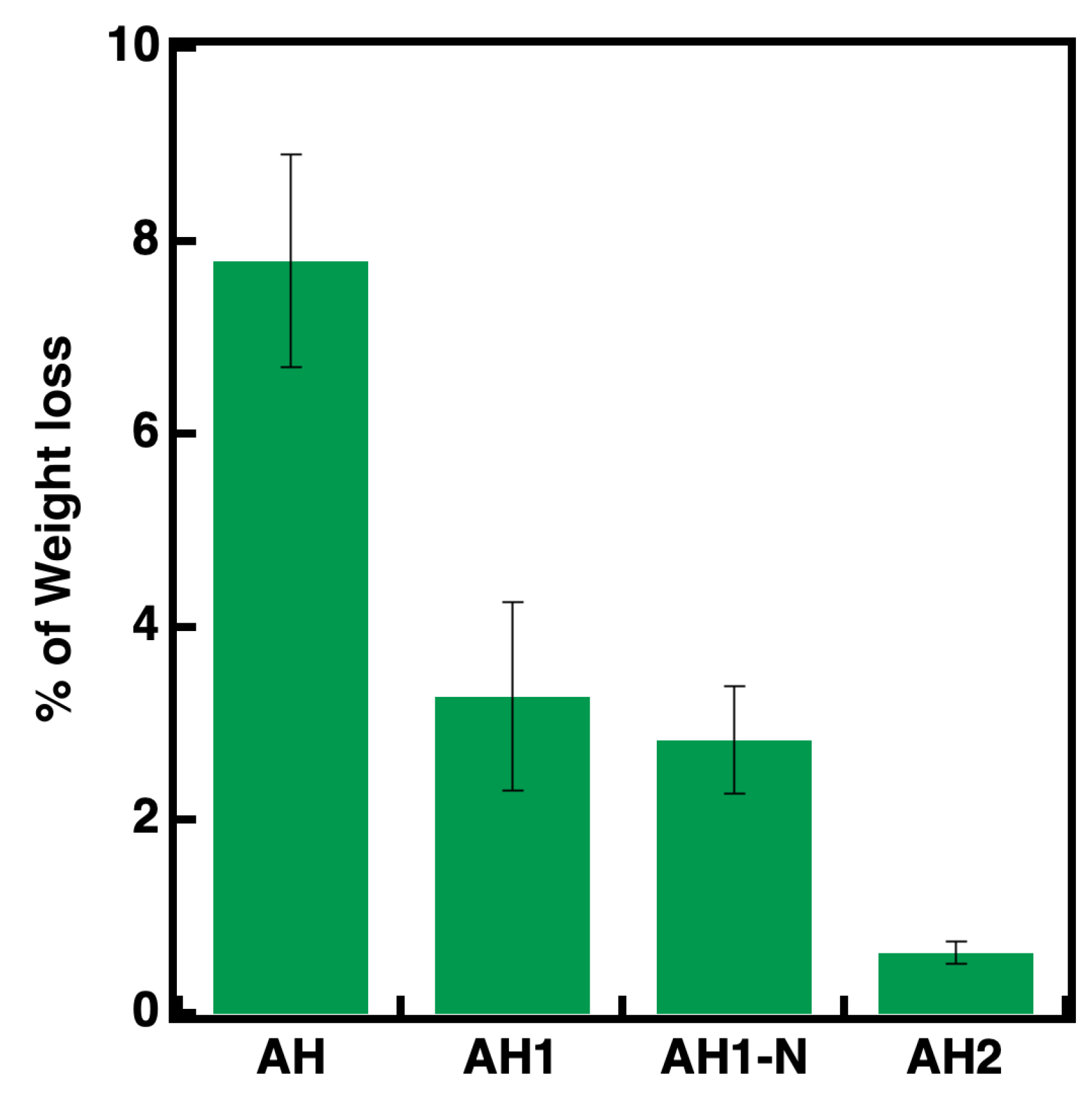
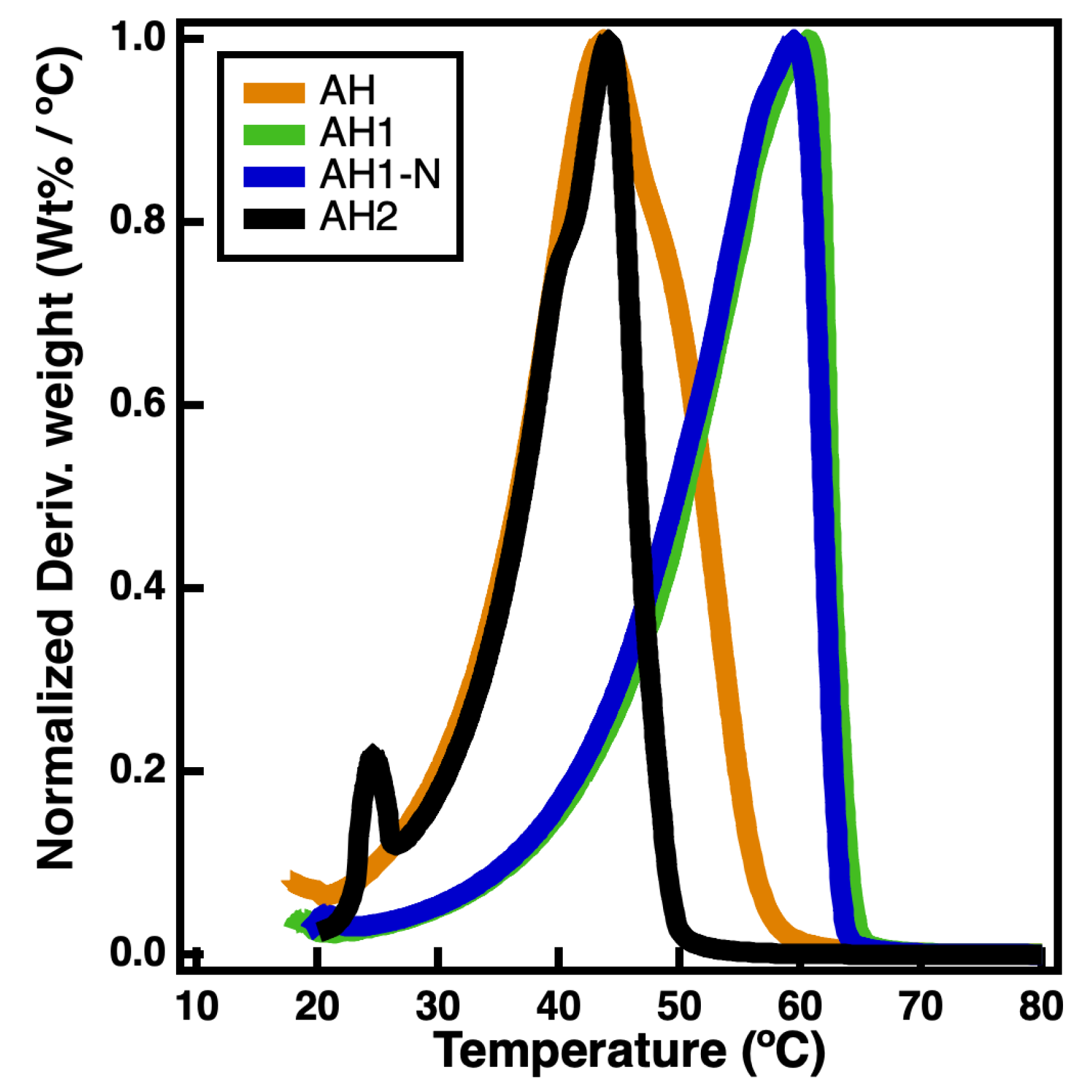
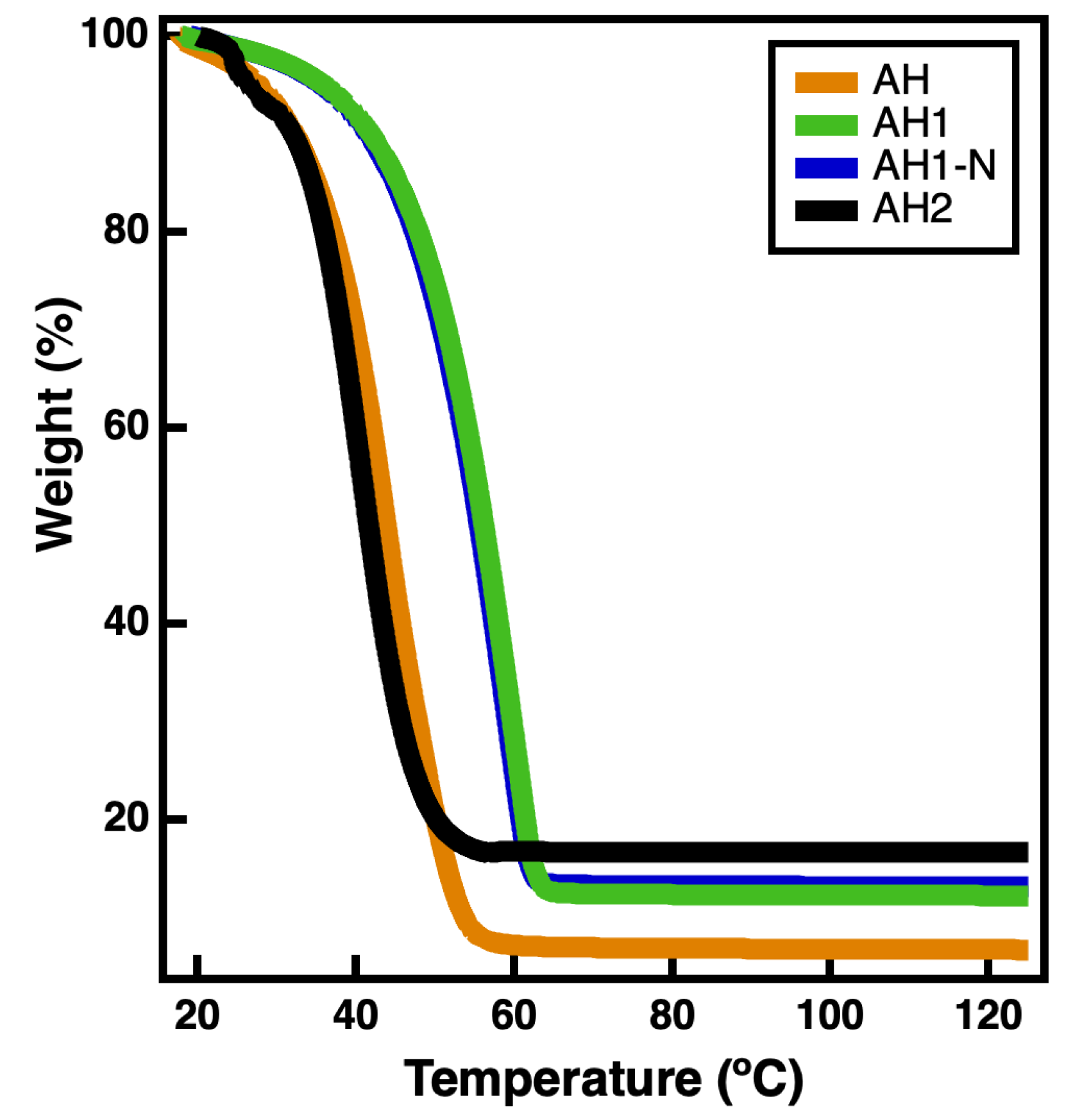
3.3. Effects of Synthesis pH on Hydroxyl Group Density and Surface Hydration of Aluminum Hydroxide Nanoparticles
3.4. Stability of Model Antigens upon Adsorption to Hydroxide Nanoparticles
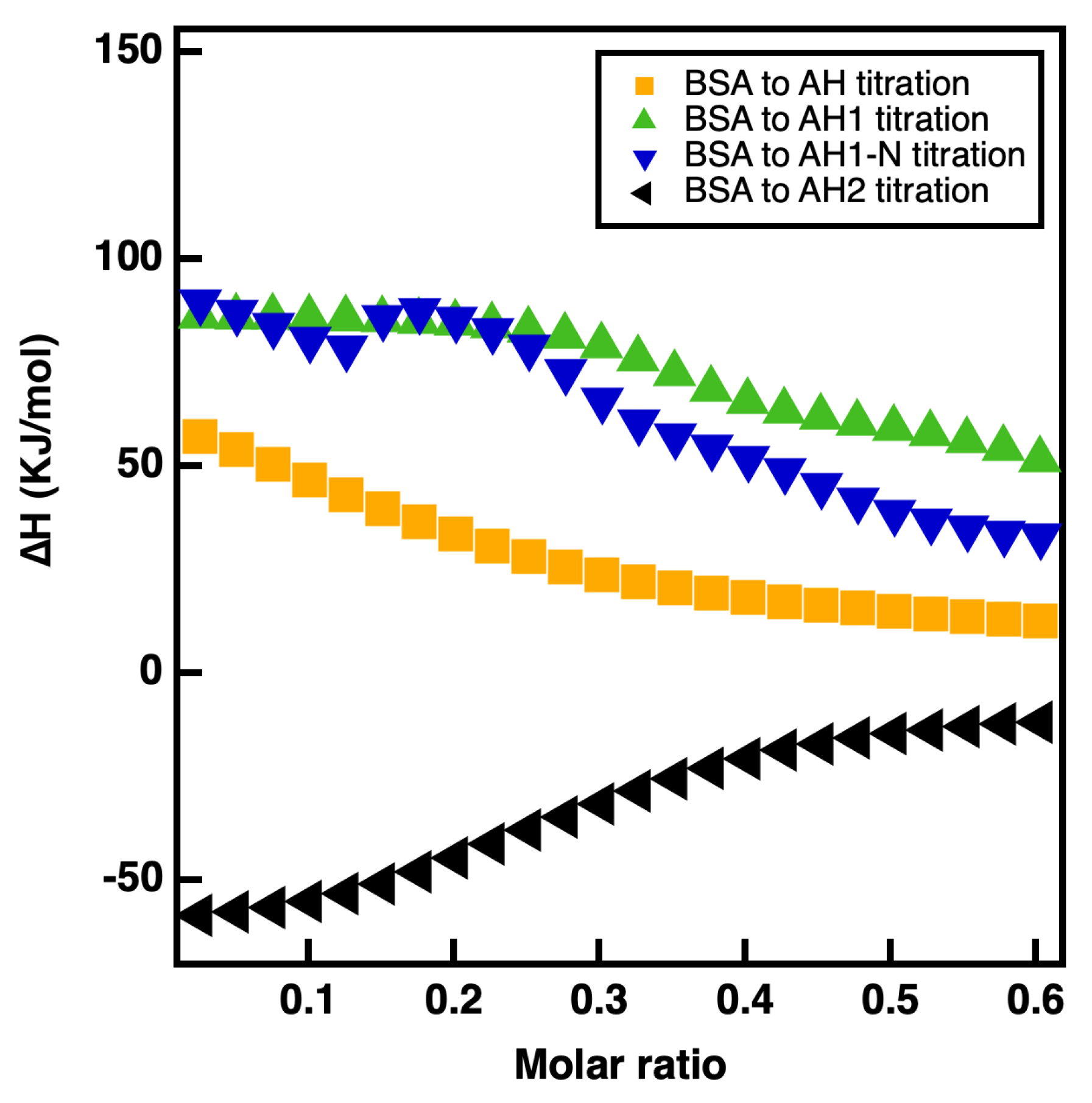
3.5. Interaction of BSA with Aluminum Hydroxide Nanoparticles Assessed by ITC
4. Conclusions
Supplementary Materials
Author Contributions
Funding
Data Availability Statement
Acknowledgments
Conflicts of Interest
References
- Shirodkar, S.; Hutchinson, R.L.; Perry, D.L.; White, J.L.; Hem, S.L. Aluminum compounds used as adjuvants in vaccines. Pharm. Res. 1990, 7, 1282–1288. [Google Scholar] [CrossRef]
- Gupta, R.K. Aluminum compounds as vaccine adjuvants. Adv. Drug Deliv. Rev. 1998, 32, 155–172. [Google Scholar] [CrossRef] [PubMed]
- Mark, A.; Bjorksten, B.; Granstrom, M. Immunoglobulin E responses to diphtheria and tetanus toxoids after booster with aluminium-adsorbed and fluid DT-vaccines. Vaccine 1995, 13, 669–673. [Google Scholar] [CrossRef] [PubMed]
- Glenny, A.T.; Pope, C.G.; Waddington, H.; Wallace, U. Immunological notes. XVII–XXIV. J. Pathol. Bacteriol. 2005, 29, 31–40. [Google Scholar] [CrossRef]
- O’Hagan, D.T.; van der Most, R.; Lodaya, R.N.; Coccia, M.; Lofano, G. “World in motion”—Emulsion adjuvants rising to meet the pandemic challenges. NPJ Vaccines 2021, 6, 158. [Google Scholar] [CrossRef]
- Tretiakova, D.S.; Vodovozova, E.L. Liposomes as Adjuvants and Vaccine Delivery Systems. Biochem. Suppl. Ser. A Membr. Cell Biol. 2022, 16, 1–20. [Google Scholar] [CrossRef]
- Jeon, D.; Hill, E.; McNeel, D.G. Toll-like receptor agonists as cancer vaccine adjuvants. Hum. Vaccin. Immunother. 2024, 20, 2297453. [Google Scholar] [CrossRef]
- Whitaker, J.A.; Ovsyannikova, I.G.; Poland, G.A. Adversomics: A new paradigm for vaccine safety and design. Expert Rev. Vaccines 2015, 14, 935–947. [Google Scholar] [CrossRef]
- Watkinson, A.; Soliakov, A.; Ganesan, A.; Hirst, K.; Lebutt, C.; Fleetwood, K.; Fusco, P.C.; Fuerst, T.R.; Lakey, J.H. Increasing the potency of an alhydrogel-formulated anthrax vaccine by minimizing antigen-adjuvant interactions. Clin. Vaccine Immunol. 2013, 20, 1659–1668. [Google Scholar] [CrossRef][Green Version]
- Laera, D.; HogenEsch, H.; O’Hagan, D.T. Aluminum Adjuvants-‘Back to the Future’. Pharmaceutics 2023, 15, 1884. [Google Scholar] [CrossRef]
- Regnier, M.; Metz, B.; Tilstra, W.; Hendriksen, C.; Jiskoot, W.; Norde, W.; Kersten, G. Structural perturbation of diphtheria toxoid upon adsorption to aluminium hydroxide adjuvant. Vaccine 2012, 30, 6783–6788. [Google Scholar] [CrossRef] [PubMed]
- Wang, Z.; Li, S.; Shan, P.; Wei, D.; Hao, S.; Zhang, Z.; Xu, J. Improved Aluminum Adjuvants Eliciting Stronger Immune Response When Mixed with Hepatitis B Virus Surface Antigens. ACS Omega 2022, 7, 34528–34537. [Google Scholar] [CrossRef] [PubMed]
- Lee, S.H. Detection of human papillomavirus (HPV) L1 gene DNA possibly bound to particulate aluminum adjuvant in the HPV vaccine Gardasil. J. Inorg. Biochem. 2012, 117, 85–92. [Google Scholar] [CrossRef] [PubMed]
- Baylor, N.W.; Egan, W.; Richman, P. Aluminum salts in vaccines—US perspective. Vaccine 2002, 20, S18–S23. [Google Scholar] [CrossRef]
- Lindblad, E.B. Aluminium adjuvants—In retrospect and prospect. Vaccine 2004, 22, 3658–3668. [Google Scholar] [CrossRef]
- Ralbovsky, N.M.; Zhang, Y.; Williams, D.M.; McKelvey, C.A.; Smith, J.P. Machine Learning and Hyperspectral Imaging for Analysis of Human Papillomaviruses (HPV) Vaccine Self-Healing Particles. Anal. Chem. 2024, 96, 17118–17127. [Google Scholar] [CrossRef]
- Zhao, T.; Cai, Y.; Jiang, Y.; He, X.; Wei, Y.; Yu, Y.; Tian, X. Vaccine adjuvants: Mechanisms and platforms. Signal Transduct. Target. Ther. 2023, 8, 283. [Google Scholar] [CrossRef]
- Lan, J.; Feng, D.; He, X.; Zhang, Q.; Zhang, R. Basic Properties and Development Status of Aluminum Adjuvants Used for Vaccines. Vaccines 2024, 12, 1187. [Google Scholar] [CrossRef]
- Ghimire, T.R. The mechanisms of action of vaccines containing aluminum adjuvants: An in vitro vs in vivo paradigm. SpringerPlus 2015, 4, 181. [Google Scholar] [CrossRef]
- AWATE, S.; Babiuk, L.A.; Mutwiri, G. Mechanisms of Action of Adjuvants. Front. Immunol. 2013, 4, 114. [Google Scholar] [CrossRef]
- Ong, G.H.; Lian, B.S.X.; Kawasaki, T.; Kawai, T. Exploration of pattern recognition receptor agonists as candidate adjuvants. Front. Cell. Infect. Microbiol. 2021, 11, 745016. [Google Scholar] [CrossRef] [PubMed]
- Ghimire, T.R.; Benson, R.A.; Garside, P.; Brewer, J.M. Alum increases antigen uptake, reduces antigen degradation and sustains antigen presentation by DCs in vitro. Immunol. Lett. 2012, 147, 55–62. [Google Scholar] [CrossRef] [PubMed]
- Brewer, J.M.; Conacher, M.; Satoskar, A.; Bluethmann, H.; Alexander, J. In interleukin-4-deficient mice, alum not only generates T helper 1 responses equivalent to freund’s complete adjuvant, but continues to induce T helper 2 cytokine production. Eur. J. Immunol. 1996, 26, 2062–2066. [Google Scholar] [CrossRef] [PubMed]
- Sokolovska, A.; Hem, S.L.; HogenEsch, H. Activation of dendritic cells and induction of CD4(+) T cell differentiation by aluminum-containing adjuvants. Vaccine 2007, 25, 4575–4585. [Google Scholar] [CrossRef]
- Li, H.; Willingham, S.B.; Ting, J.P.; Re, F. Cutting edge: Inflammasome activation by alum and alum’s adjuvant effect are mediated by NLRP3. J. Immunol. 2008, 181, 17–21. [Google Scholar] [CrossRef]
- Bo, C.; Wei, X.; Wang, X.; Ji, W.; Yang, H.; Zhao, Y.; Wang, H. Physicochemical properties and adsorption state of aluminum adjuvants with different processes in vaccines. Heliyon 2023, 9, e18800. [Google Scholar] [CrossRef]
- Badran, G.; Angrand, L.; Masson, J.D.; Crepeaux, G.; David, M.O. Physico-chemical properties of aluminum adjuvants in vaccines: Implications for toxicological evaluation. Vaccine 2022, 40, 4881–4888. [Google Scholar] [CrossRef]
- Gogoi, H.; Mani, R.; Aggarwal, S.; Malik, A.; Munde, M.; Bhatnagar, R. Crystalline and Amorphous Preparation of Aluminum Hydroxide Nanoparticles Enhances Protective Antigen Domain 4 Specific Immunogenicity and Provides Protection Against Anthrax. Int. J. Nanomed. 2020, 15, 239–252. [Google Scholar] [CrossRef]
- Ruwona, T.B.; Xu, H.; Li, X.; Taylor, A.N.; Shi, Y.C.; Cui, Z. Toward understanding the mechanism underlying the strong adjuvant activity of aluminum salt nanoparticles. Vaccine 2016, 34, 3059–3067. [Google Scholar] [CrossRef]
- Liang, Z.; Wang, X.; Yu, G.; Li, M.; Shi, S.; Bao, H.; Chen, C.; Fu, D.; Ma, W.; Xue, C.; et al. Mechanistic understanding of the aspect ratio-dependent adjuvanticity of engineered aluminum oxyhydroxide nanorods in prophylactic vaccines. Nano Today 2022, 43, 101445. [Google Scholar] [CrossRef]
- Sun, B.; Ji, Z.; Liao, Y.P.; Wang, M.; Wang, X.; Dong, J.; Chang, C.H.; Li, R.; Zhang, H.; Nel, A.E.; et al. Engineering an effective immune adjuvant by designed control of shape and crystallinity of aluminum oxyhydroxide nanoparticles. ACS Nano 2013, 7, 10834–10849. [Google Scholar] [CrossRef]
- Rinee, K.C.; Patton, Z.E.; Gillilan, R.E.; Huang, Q.; Pingali, S.V.; Heroux, L.; Xu, A.Y. Elucidating the porous structure of aluminum adjuvants via in-situ small-angle scattering technique. Vaccine 2025, 50, 126813. [Google Scholar] [CrossRef] [PubMed]
- Wittayanukulluk, A.; Jiang, D.; Regnier, F.E.; Hem, S.L. Effect of microenvironment pH of aluminum hydroxide adjuvant on the chemical stability of adsorbed antigen. Vaccine 2004, 22, 1172–1176. [Google Scholar] [CrossRef] [PubMed]
- Sturgess, A.W.; Rush, K.; Charbonneau, R.J.; Lee, J.I.; West, D.J.; Sitrin, R.D.; Hennessy, J.P., Jr. Haemophilus influenzae type b conjugate vaccine stability: Catalytic depolymerization of PRP in the presence of aluminum hydroxide. Vaccine 1999, 17, 1169–1178. [Google Scholar] [CrossRef] [PubMed]
- Yu, G.; Liang, Z.; Yu, Z.; Li, M.; Yang, W.; Zhang, Y.; Zhao, Y.; Yang, C.; Xue, C.; Shi, L.; et al. Engineering the hydroxyl content on aluminum oxyhydroxide nanorod for elucidating the antigen adsorption behavior. NPJ Vaccines 2022, 7, 62. [Google Scholar] [CrossRef]
- Wu, Y.; Gandhi, Z.; Rossi, D.; Guo, W.; Chen, X.; Gomez, F.; Lu, T.; Smith, J.P.; Deng, J.Z.; Chen, Z. Investigating Interfacial Interactions between the Adjuvant and Antigens in Pneumococcal Conjugate Vaccine In Situ at the Molecular Level. Anal. Chem. 2025, 97, 20361–20371. [Google Scholar] [CrossRef]
- D’Souza, A.J.; Mar, K.D.; Huang, J.; Majumdar, S.; Ford, B.M.; Dyas, B.; Ulrich, R.G.; Sullivan, V.J. Rapid deamidation of recombinant protective antigen when adsorbed on aluminum hydroxide gel correlates with reduced potency of vaccine. J. Pharm. Sci. 2013, 102, 454–461. [Google Scholar] [CrossRef]
- Colaprico, A.; Senesi, S.; Ferlicca, F.; Brunelli, B.; Ugozzoli, M.; Pallaoro, M.; O’Hagan, D.T. Adsorption onto aluminum hydroxide adjuvant protects antigens from degradation. Vaccine 2020, 38, 3600–3609. [Google Scholar] [CrossRef]
- Jones, L.S.; Peek, L.J.; Power, J.; Markham, A.; Yazzie, B.; Middaugh, C.R. Effects of adsorption to aluminum salt adjuvants on the structure and stability of model protein antigens. J. Biol. Chem. 2005, 280, 13406–13414. [Google Scholar] [CrossRef]
- Kang, Y.; Li, X.; Tu, Y.; Wang, Q.; Ågren, H. On the Mechanism of Protein Adsorption onto Hydroxylated and Nonhydroxylated TiO2 Surfaces. J. Phys. Chem. C 2010, 114, 14496–14502. [Google Scholar] [CrossRef]
- Ilavsky, J.; Zhang, F.; Andrews, R.N.; Kuzmenko, I.; Jemian, P.R.; Levine, L.E.; Allen, A.J. Development of combined microstructure and structure characterization facility for in situ and operando studies at the Advanced Photon Source. J. Appl. Crystallogr. 2018, 51, 867–882. [Google Scholar] [CrossRef]
- Zhang, F.; Ilavsky, J. Bridging length scales in hard materials with ultra-small angle X-ray scattering—A critical review. IUCrJ 2024, 11, 675–694. [Google Scholar] [CrossRef]
- Ilavsky, J.; Jemian, P.R. Irena: Tool suite for modeling and analysis of small-angle scattering. J. Appl. Crystallogr. 2009, 42, 347–353. [Google Scholar] [CrossRef]
- Ilavsky, J. Nika: Software for two-dimensional data reduction. J. Appl. Crystallogr. 2012, 45, 324–328. [Google Scholar] [CrossRef]
- Chen, X.Y.; Lee, S.W. pH-Dependent formation of boehmite (γ-AlOOH) nanorods and nanoflakes. Chem. Phys. Lett. 2007, 438, 279–284. [Google Scholar] [CrossRef]
- Bokhimi, X.; Toledo-Antonio, J.A.; Guzmán-Castillo, M.L.; Hernández-Beltrán, F. Relationship between Crystallite Size and Bond Lengths in Boehmite. J. Solid State Chem. 2001, 159, 32–40. [Google Scholar] [CrossRef]
- Stachurski, Z.H. On Structure and Properties of Amorphous Materials. Materials 2011, 4, 1564–1598. [Google Scholar] [CrossRef]
- Chiche, D.; Digne, M.; Revel, R.; Chanéac, C.; Jolivet, J.-P. Accurate Determination of Oxide Nanoparticle Size and Shape Based on X-Ray Powder Pattern Simulation: Application to Boehmite AlOOH. J. Phys. Chem. C 2008, 112, 8524–8533. [Google Scholar] [CrossRef]
- Tompsett, G.A.; Panzarella, B.A.; Conner, W.C.; Bennett, S.; Jones, K.W. In situ SAXS and WAXS of zeolite microwave synthesis. Nucl. Instrum. Methods Phys. Res. Sect. B Beam Interact. Mater. At. 2007, 261, 863–866. [Google Scholar] [CrossRef]
- Wang, Z.; Li, X.; Pöselt, E.; Eling, B.; Wang, Z. Melting behavior of polymorphic MDI/BD-block TPU investigated by using in-situ SAXS/WAXS and FTIR techniques. Hydrogen bonding formation causing the inhomogeneous melt. Polym. Test. 2021, 96, 107065. [Google Scholar] [CrossRef]
- Sassi, M.; Wang, Z.; Walter, E.D.; Zhang, X.; Zhang, H.; Li, X.S.; Tuladhar, A.; Bowden, M.; Wang, H.-F.; Clark, S.B.; et al. Surface Hydration and Hydroxyl Configurations of Gibbsite and Boehmite Nanoplates. J. Phys. Chem. C 2020, 124, 5275–5285. [Google Scholar] [CrossRef]
- Guirado, F.; Galí, S.; Chinchón, J.S. Thermal Decomposition of Hydrated Alumina Cement (CAH10). Cem. Concr. Res. 1998, 28, 381–390. [Google Scholar] [CrossRef]
- Chen, I.; Hwang, S.K.; Chen, S. Chemical kinetics and reaction mechanism of thermal decomposition of aluminum hydroxide and magnesium hydroxide at high temperature (973-1123 K). Ind. Eng. Chem. Res. 2002, 28, 738–742. [Google Scholar] [CrossRef]
- Raghuwanshi, V.S.; Yu, B.; Browne, C.; Garnier, G. Reversible pH Responsive Bovine Serum Albumin Hydrogel Sponge Nanolayer. Front. Bioeng. Biotechnol. 2020, 8, 573. [Google Scholar] [CrossRef]
- Engelhardt, K.; Weichsel, U.; Kraft, E.; Segets, D.; Peukert, W.; Braunschweig, B. Mixed layers of beta-lactoglobulin and SDS at air-water interfaces with tunable intermolecular interactions. J. Phys. Chem. B 2014, 118, 4098–4105. [Google Scholar] [CrossRef]
- Privalov, P.; Monaselidze, D.; Mrevlishvili, G.; Magaldadze, V. Intramolecular heat of fusion of macromolecules. Sov. Phys. JTP 1965, 20, 1393–1395. [Google Scholar]
- Murayama, K.; Tomida, M. Heat-induced secondary structure and conformation change of bovine serum albumin investigated by Fourier transform infrared spectroscopy. Biochemistry 2004, 43, 11526–11532. [Google Scholar] [CrossRef]
- Matsarskaia, O.; Buhl, L.; Beck, C.; Grimaldo, M.; Schweins, R.; Zhang, F.; Seydel, T.; Schreiber, F.; Roosen-Runge, F. Evolution of the structure and dynamics of bovine serum albumin induced by thermal denaturation. Phys. Chem. Chem. Phys. 2020, 22, 18507–18517. [Google Scholar] [CrossRef]
- Yamasaki, M.; Yano, H.; Aoki, K. Differential scanning calorimetric studies on bovine serum albumin: I. Effects of pH and ionic strength. Int. J. Biol. Macromol. 1990, 12, 263–268. [Google Scholar] [CrossRef]
- Moyano, D.F.; Ray, M.; Rotello, V.M. Nanoparticle–protein interactions: Water is the key. MRS Bull. 2014, 39, 1069–1073. [Google Scholar] [CrossRef]


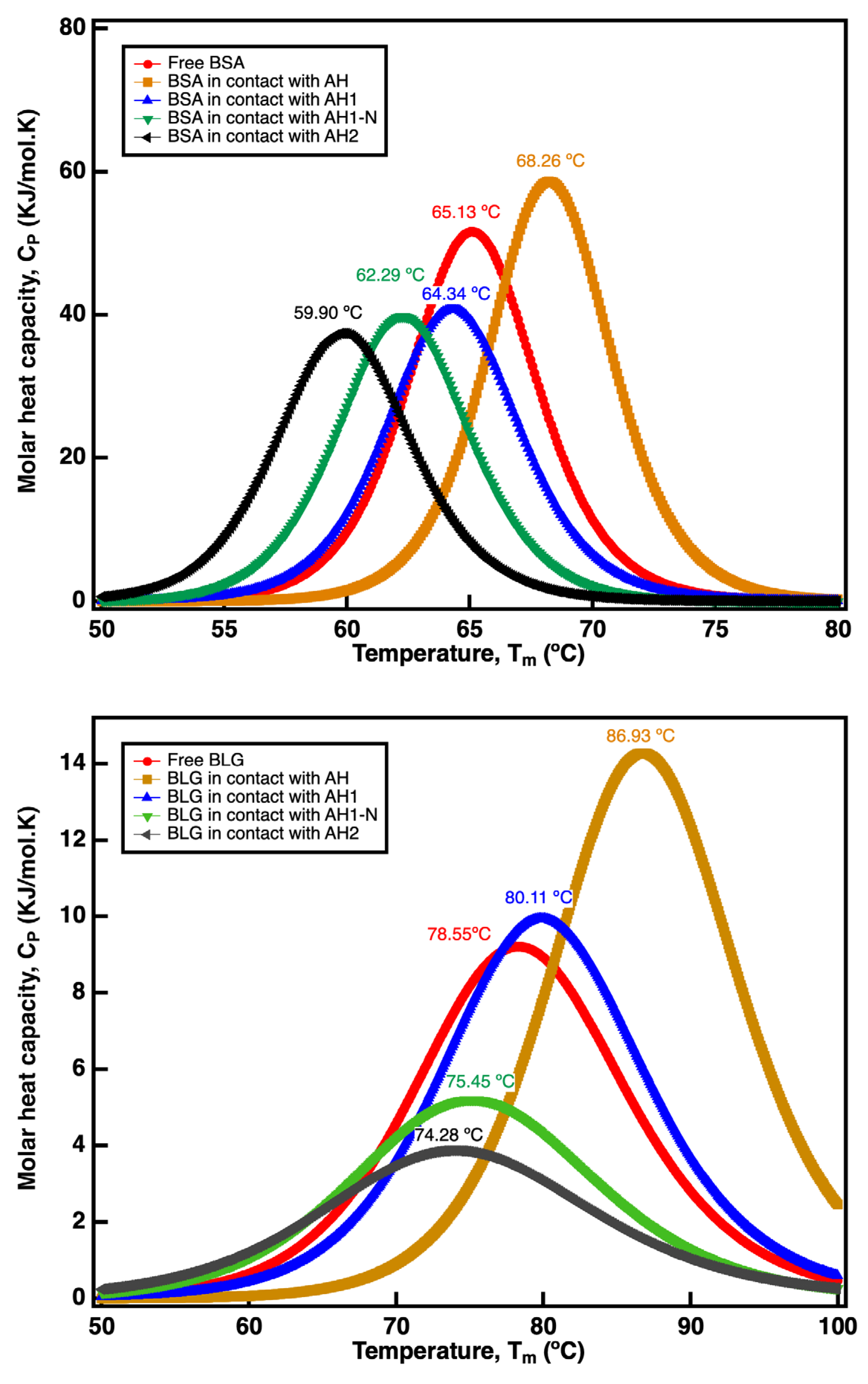


| Sample Name | BSA ∆H (KJ/mol) | BLG ∆H (KJ/mol) |
|---|---|---|
| Free protein | 544.20 ± 5.55 | 215.55 ± 5.30 |
| AH | 579.70 ± 5.30 | 255.20 ± 3.14 |
| AH1 | 525.60 ± 2.16 | 224.35 ± 4.21 |
| AH1-N | 522.90 ± 2.19 | 185.00 ± 5.65 |
| AH2 | 502.60 ± 1.42 | 165.00 ± 3.16 |
Disclaimer/Publisher’s Note: The statements, opinions and data contained in all publications are solely those of the individual author(s) and contributor(s) and not of MDPI and/or the editor(s). MDPI and/or the editor(s) disclaim responsibility for any injury to people or property resulting from any ideas, methods, instructions or products referred to in the content. |
© 2026 by the authors. Licensee MDPI, Basel, Switzerland. This article is an open access article distributed under the terms and conditions of the Creative Commons Attribution (CC BY) license.
Share and Cite
Rinee, K.C.; Ilavsky, J.; Kuzmenco, I.; Zuo, X.; Xu, A.Y. Tuning Antigen–Adjuvant Interactions by Modulating the Physicochemical Properties of Aluminum Hydroxide Nanoparticles for Improved Antigen Stability. Colloids Interfaces 2026, 10, 16. https://doi.org/10.3390/colloids10010016
Rinee KC, Ilavsky J, Kuzmenco I, Zuo X, Xu AY. Tuning Antigen–Adjuvant Interactions by Modulating the Physicochemical Properties of Aluminum Hydroxide Nanoparticles for Improved Antigen Stability. Colloids and Interfaces. 2026; 10(1):16. https://doi.org/10.3390/colloids10010016
Chicago/Turabian StyleRinee, Khaleda C., Jan Ilavsky, Ivan Kuzmenco, Xiaobing Zuo, and Amy Y. Xu. 2026. "Tuning Antigen–Adjuvant Interactions by Modulating the Physicochemical Properties of Aluminum Hydroxide Nanoparticles for Improved Antigen Stability" Colloids and Interfaces 10, no. 1: 16. https://doi.org/10.3390/colloids10010016
APA StyleRinee, K. C., Ilavsky, J., Kuzmenco, I., Zuo, X., & Xu, A. Y. (2026). Tuning Antigen–Adjuvant Interactions by Modulating the Physicochemical Properties of Aluminum Hydroxide Nanoparticles for Improved Antigen Stability. Colloids and Interfaces, 10(1), 16. https://doi.org/10.3390/colloids10010016