1. Introduction
Fiber-reinforced polymers (FRPs) represent an innovative class of construction materials that have transitioned from specialized applications in the aerospace industry to a growing role in civil infrastructure [
1,
2]. Over the past two decades, their application in civil engineering has expanded significantly, introducing both new opportunities and challenges for designers and researchers. Among various types of FRPs, PFRPs have gained particular attention due to their high strength-to-weight ratio, corrosion resistance, and ease of fabrication.
PFRP composites are now widely employed in corrosive environments such as cooling towers, mining operations, petrochemical facilities, and water and wastewater treatment plants, as well as in offshore construction [
3]. Despite their increasing use in such harsh environments, the most commercially available PFRP products were originally developed for relatively low-stress applications. Only in recent years have composite materials begun to be considered for more demanding structural applications—such as load-bearing components in buildings and bridges—where higher stress levels and stricter performance criteria apply. However, key knowledge gaps remain for PFRP beam–column joints: (i) the lack of a systematic FEM quantification of how connection stiffening, bolt diameter, washer diameter, and clamping force govern joint stiffness, moment capacity, and bolt-hole stress concentrations within the elastic range; and (ii) the absence of simple, design-oriented predictive equations to support routine sizing and optimization of these connections.
As PFRP composites have become more prevalent, considerable research efforts have been directed toward understanding the structural behavior of PFRP frame connections. An early landmark study by Morris et al. [
2] investigated column-to-base connections using both composite and metal connectors [
4]. In their work, PFRP angles and bolts were used to connect a steel column to the base plate, though the rationale for not using a PFRP column was not explained. Three configurations were tested: (1) PFRP bolts with steel angles, (2) steel bolts with PFRP angles, and (3) all-composite assemblies using pultruded angles and threaded rods. Four angle sizes, coupled with 1/2 inch (12.7 mm) bolts and nuts, were evaluated. All tests induced bending about the weak axis of the column, and failure was typically associated with longitudinal cracking in the PFRP angles, especially near the inside corners.
One of the most influential studies in this domain was conducted by Mosallam, who undertook an extensive experimental and theoretical investigation of the short- and long-term performance of PFRP portal frames under both quasi-static and sustained loading [
5]. This research laid the groundwork for further exploration. In 1992, Mosallam, Bank, and McCoy expanded this work by testing various PFRP connection types that used structural profiles as connecting components [
6]. Recognizing the need to increase joint stiffness, Mosallam later introduced a novel triangular gusset plate, known as the “Universal Connector,” made from molded glass fiber reinforced with vinyl ester resin [
7]. This connector significantly enhanced joint stiffness; however, it remains unavailable commercially. Importantly, the research also highlighted a critical issue: using overly stiff connectors without reinforcing the adjoining members (beams and columns) could transfer failure to those components, requiring a holistic approach to joint and member design.
In addition to experimental efforts, analytical modeling of PFRP frame behavior has seen progress. Mottram and Zheng [
8], along with Turvey [
9], developed analytical models for beams with semi-rigid end connections. Their studies incorporated rotational stiffness data derived from physical tests and demonstrated that beam deflections could be reduced by 10–40% compared to those with simply supported conditions. Zheng and Mottram further extended these concepts to two-dimensional frame systems, illustrating the broader benefits of semi-rigid connections in composite structures [
10,
11].
J. Qureshi contributed additional experimental data by characterizing the moment-rotation behavior of beam–column joints in simple pultruded frames [
12]. Later, Qureshi modified the connection design by replacing composite web cleats with steel cleat angles, allowing for a comparative study of hybrid versus fully composite joints [
13].
Finite element modeling has also been employed to simulate the behavior of PFRP connections. In 2001, A.M. Harte developed a two-dimensional FEM to analyze semi-rigid PFRP joints [
14]. The model incorporated several complexities, including detailed representations of bolted assemblies, prestressing effects, and the interaction between contact surfaces. Despite its potential, finite element analysis of full-scale PFRP connections remains relatively underexplored in the literature. The model described by Harte was calibrated using the test data from Qureshi’s experimental work [
13]. These gaps translate into specific engineering challenges: selecting connector stiffening that enhances rotational stiffness without shifting damage demand to adjoining members; choosing bolt and washer sizes that mitigate local bearing and bypass stresses at bolt holes; and representing clamping force and contact in anisotropic PFRP joints with sufficient fidelity for elastic design checks.
In this paper, a comprehensive parametric study was performed using the numerical model to examine how variables such as bolt diameter, washer size, and clamping force influence connection performance. The results include key relationships describing the moment-rotation capacity, rotational stiffness, and stress concentration zones of the connection parameters essential for designing reliable PFRP structural systems. To address these challenges, this study develops an elastic finite element model that isolates and quantifies the effects of connection stiffening, bolt diameter, washer diameter, and clamping force on moment–rotation response and local stress fields and derives regression equations to provide design-ready guidance for PFRP beam–column joints. This elastic FEM parametric study is conceived as a preliminary uncertainty-quantification (UQ) screening and surrogate-building step: under nominal (deterministic) assumptions, we systematically quantify parameter effects and produce regression equations intended for later use in uncertainty quantification, global sensitivity analysis, and reliability assessment.
2. Numerical Modeling
A comprehensive 3D FEM was developed using ANSYS 15.0 to investigate the structural behavior of PFRP beam–column connections. This numerical simulation aimed to capture the complex interaction between the different connection components under applied loads. Details regarding the element types, material modeling, contact definitions, boundary conditions, and loading schemes are presented in the subsequent section.
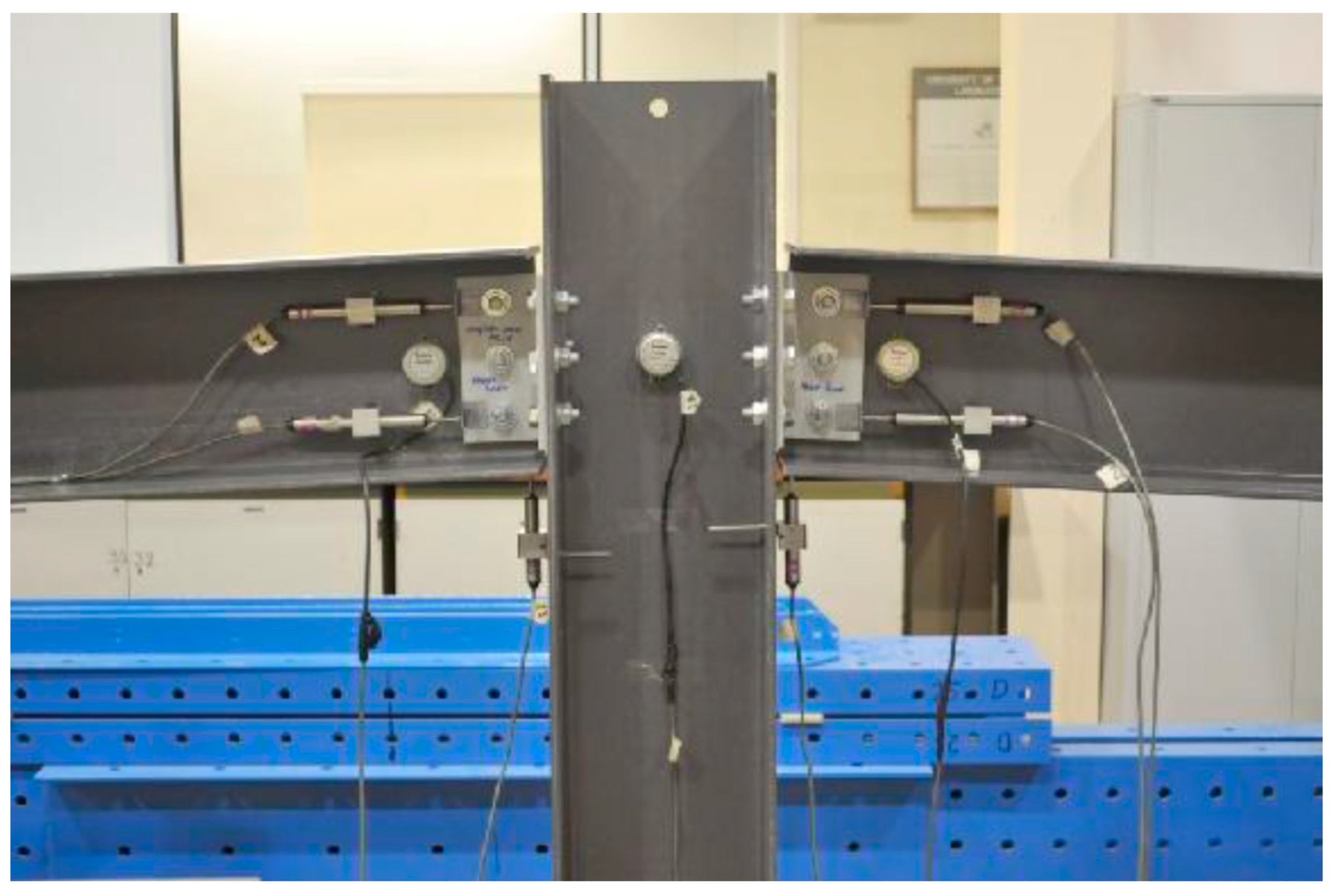
To achieve a realistic representation of the connection behavior in three dimensions, a series of FEMs were constructed, each comprising a pultruded beam, a pultruded column, angle connectors, bolts, and washers. The geometric configuration and connection details were based on the experimental setup proposed by J. Qureshi [
13], as illustrated in
Figure 1. These models were designed to replicate the actual physical assembly and accurately simulate the interaction between the structural components, including contact friction, bolt pretension, and potential stress concentrations at critical interfaces.
The numerical modeling approach employed in ANSYS sought not only to reproduce the global load-deformation behavior but also to capture local failure mechanisms such as bolt hole bearing, shear-out, and stress concentrations at the angle flanges and bolt zones [
15]. This 3D FEM modeling framework serves as a valuable tool for conducting parametric studies and optimizing connection performance by varying key parameters such as bolt diameter, washer size, clamping force, and angle thickness.
The connection assembly under investigation comprises two wide-flange pultruded isophthalic polyester composite sections with nominal dimensions of 254 × 254 × 9.53 mm, conforming to the Pultex™ 1525 profile manufactured by Creative Pultrusions, Inc. (Alum Bank, PA, USA) [
1]. These pultruded I-sections serve as the beam and column members. To facilitate the connection, 4 in. × 4 in. × 3/8 in. pultruded angle cleats were used at the top, bottom, and web regions of the joint. These angles were mechanically fastened to both the beam and column using M16 Grade 8.8 steel bolts and 3 mm thick steel washers, in accordance with standard bolted connection practices. All frame members are Pultex™ 1525 SuperStructural profiles (isophthalic polyester, Class-1 FR). The laminate consists of alternating 0° unidirectional (UD) E-glass rovings in the pultrusion direction and triaxial stitched fabric mats with internal +45°/90°/−45° sub-plies over a chopped-strand backing. The exterior faces include a thin polyester surfacing veil for environmental protection (non-structural).
The joint was designed to function as a nominally pinned connection, achieved through the use of bolted web-cleat connections and the intentional introduction of a 10 mm clearance between the end of the beam and the column flange. This gap minimizes unintended moment transfer through direct bearing, thereby allowing a more accurate representation of the intended connection behavior under loading.
All structural components in the connection—including the pultruded beams, columns, and angle cleats—were modeled using SOLID186, a 20-node 3D higher-order solid element available in ANSYS [
15]. This element type is well suited for capturing stress concentrations and nonlinear deformation behavior in complex geometries. The composite materials were defined using an orthotropic linear elastic material model, reflecting the directional stiffness and strength characteristics of pultruded FRP profiles.
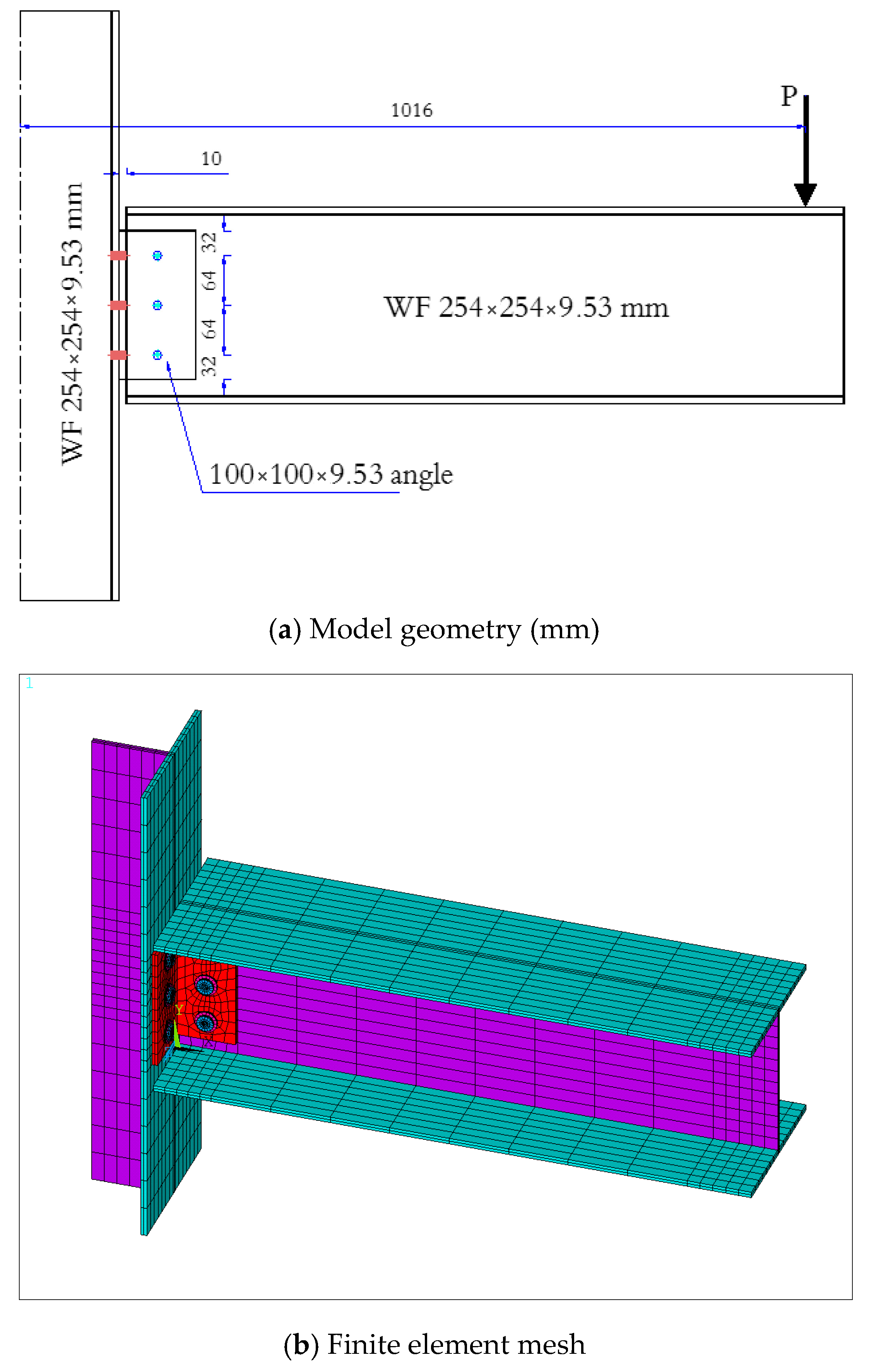
To improve computational efficiency without compromising accuracy, symmetry boundary conditions were applied to the FEM, allowing the analysis to be performed on only half of the connection geometry. This symmetry-based modeling approach significantly reduces the total number of elements and degrees of freedom. The modeling domain, symmetric constraints, and boundary conditions are illustrated in
Figure 2a, while the corresponding finite element (FE) mesh is shown in
Figure 2b. The mesh was refined in critical regions, particularly around bolt holes and angle cleats, to accurately capture local stress gradients and deformation patterns.
To accurately simulate the mechanical interaction between the various components of the connection assembly, surface-to-surface contact definitions were implemented at all relevant interfaces. These included the contact zones between the bolt heads and the cleat/beam/column plates, nuts and plates, washers and plates, angle cleats and structural members, as well as the interaction between the bolt shank and the bolt holes. The realistic modeling of these contacts was essential for capturing the nonlinear behavior of the joint, including local stress concentrations, load redistribution, and potential slip or separation under applied loads.
In the ANSYS [
15] FEM platform, each contact interface was modeled using contact element pairs, specifically the CONTA174 (contact element) and TARGE170 (target element). These elements simulate both normal and tangential interactions across surfaces, and they support a wide range of contact behaviors such as bonded, frictional, or sliding. For this model, frictional contact was assumed with an appropriate coefficient of friction (μ) (typically ranging from 0.2 to 0.3 for steel-to-composite interfaces), ensuring a realistic representation of load transfer mechanisms through bearing and friction. A no-clearance (interference fit) condition was assumed between the bolt shank and the bolt hole, implying that the bolt fully bears against the surrounding hole throughout the loading process. This assumption represents a snug-fit installation and is commonly used in structural applications to ensure maximum shear transfer capacity and to minimize joint deformation due to bolt slippage.
The material properties of the composite elements, including the wide-flange beam, column, and pultruded angle cleats, were defined using an orthotropic linear elastic model. The anisotropic nature of pultruded FRP materials was captured by specifying distinct elastic moduli, shear moduli, and Poisson’s ratios in the principal material directions (longitudinal, transverse, and through-thickness). The orthotropic stiffness properties used in the analysis are summarized in
Table 1 and were obtained from manufacturer datasheets or derived from standardized coupon tests. Incorporating these orthotropic properties is essential to accurately simulate the structural response of FRP components, as their strength and stiffness characteristics differ significantly along different axes due to fiber orientation.
3. Parametric Study
The connection between beams and columns represents one of the most critical and structurally demanding joints in framed construction systems, particularly when subjected to combined moment and shear forces. In this study, eight distinct beam–column connections were modeled numerically using the FEM within the ANSYS 15.0 environment [
15]. Each model consisted of approximately 61,545 nodes and 66,357 elements, ensuring a high level of mesh refinement and computational accuracy suitable for capturing localized stress concentrations and nonlinear contact interactions.
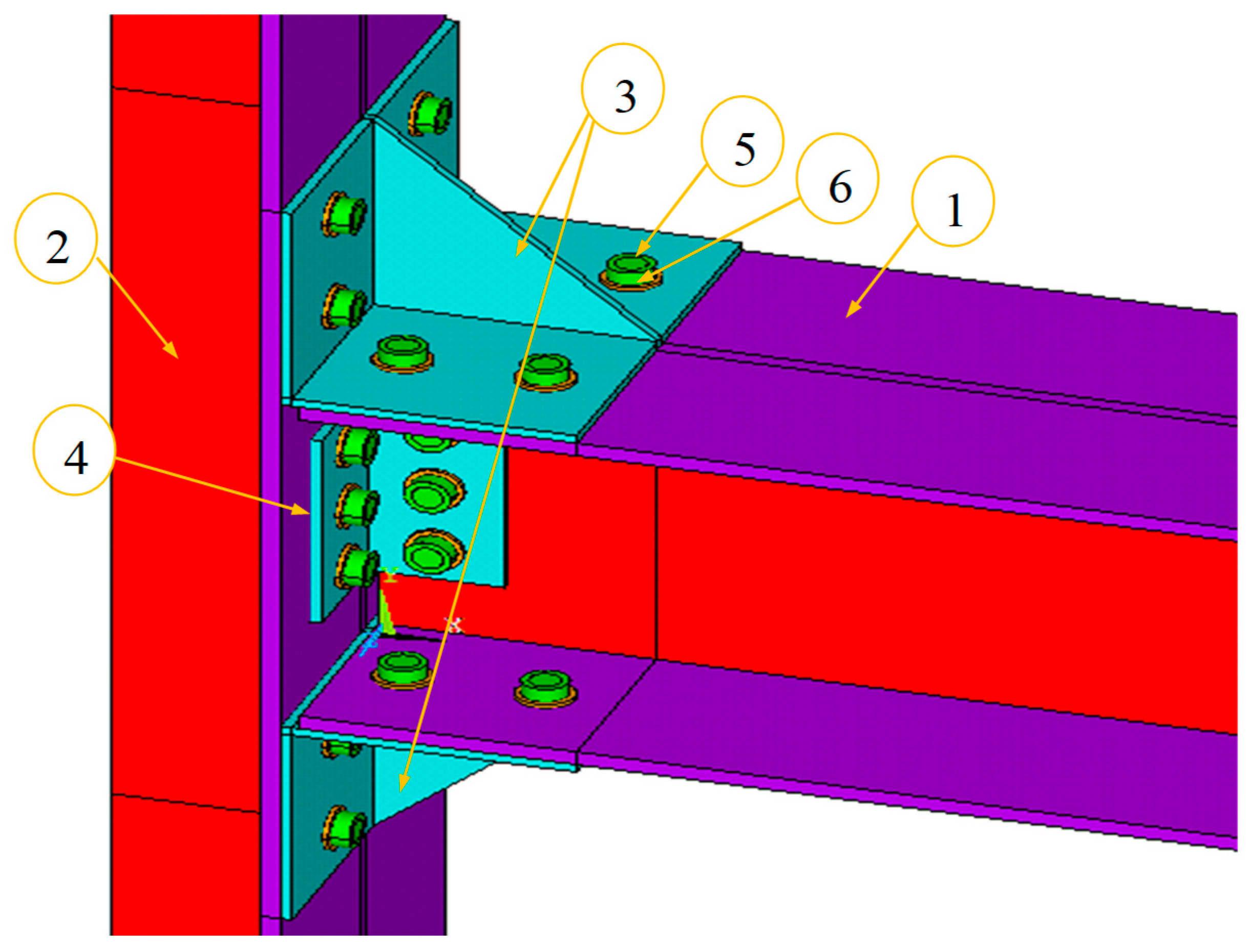
The geometric configuration of the modeled connections, illustrated in
Figure 3, was consistent across all cases and included the following components:
Beam: A wide-flange pultruded composite section with nominal dimensions of 8 × 8 × 3/8 in. (203.2 mm × 203.2 mm × 9.53 mm).
Column: The column member used the same section and material properties as the beam, providing geometric and material symmetry in the joint configuration.
Stiffened angle cleats: These consisted of 6 × 6 × 1/2 in. (153 mm × 153 mm × 12.75 mm) pultruded FRP angles, arranged conventionally as top cleats, bottom (seat) cleats, and an additional triangular gusset plate with a thickness of 6.0 mm to enhance rotational stiffness and resist local bending effects [
1].
Web cleats: These were fabricated from 3 × 3 × 1/4 in. (76 mm × 76 mm × 6.0 mm) pultruded FRP angles and are bolted to the web of the beam and column to provide lateral restraint and shear transfer.
Bolts: Steel bolts of varying diameters (10 mm, 12 mm, and 16 mm) and strength grade 4.6 were used in different configurations to assess their influence on joint stiffness, load-carrying capacity, and failure modes.
Washers: Steel washers with varying outer diameters (26 mm, 30 mm, and 40 mm) were included to study their role in reducing local bearing stresses and improving load distribution around bolt holes.
The triangular gusset plate was sized based on the bearing capacity of the bolted connection, which governs pultruded FRP joints. Using the LRFD checks in ASCE/SEI 74-23 [
16,
17] (bearing, net-tension, shear-out) and adopting lower-bound pin-bearing strengths for pultruded E-glass/polyester (≈150 MPa parallel and 90 MPa transverse to pultrusion), the minimum thickness satisfying the factored demand with the selected bolt diameter was t = 6.0 mm. Thinner t = 4 mm would not provide adequate bearing margin for the same edge distances and bolt size, while t = 8 mm offered only marginal gains in ultimate capacity (governed instead by bolt or net-section) and increased weight. The 6 mm choice also corresponds to standard, readily available FRP plate stock (¼ in), aiding fabrication and replacement.
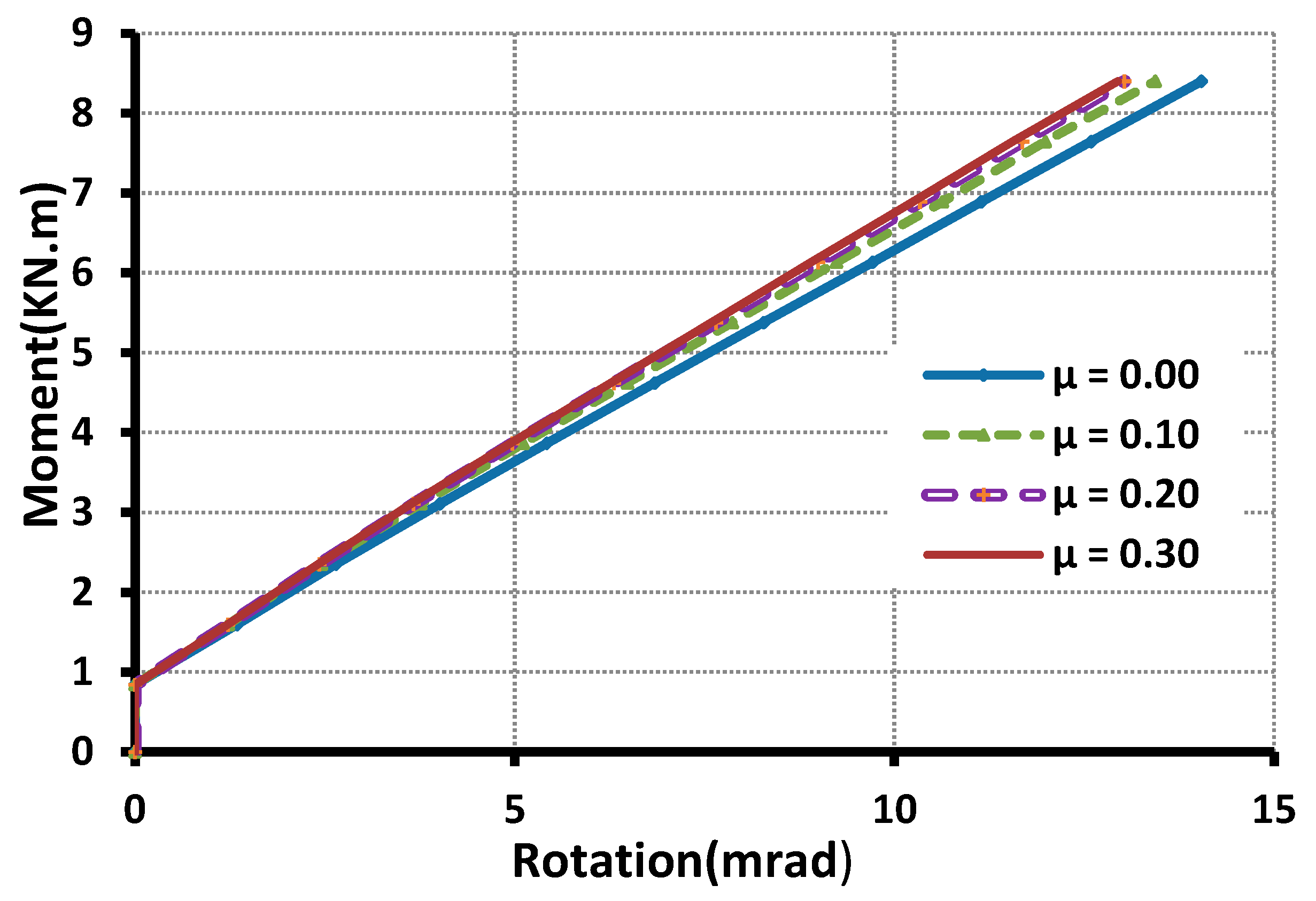
To simulate the interaction between contacting surfaces, a Coulomb friction model was employed, as supported by the ANSYS contact algorithm. A coefficient of friction of 0.1 was adopted for all steel-to-composite and composite-to-composite interfaces, representing conservative and realistic assumptions for polymer-based structural systems. To assess sensitivity, we repeated the 8 kN loading case (after applying 38% of the maximum bolt pretension) for μ = {0, 0.10, 0.20, 0.30}.
These detailed FEMs were used to investigate the structural performance of PFRP connections under various parameters, with the aim of evaluating moment-rotation behavior, identifying critical stress zones, and optimizing joint design for enhanced structural reliability and ductility.
4. Results and Discussion
This section presents the results of the numerical study, including the validation of the FEMs and an investigation of the effects of key design parameters on the performance of pultruded FRP beam–column connections.
4.1. Validations of the Finite Element Model
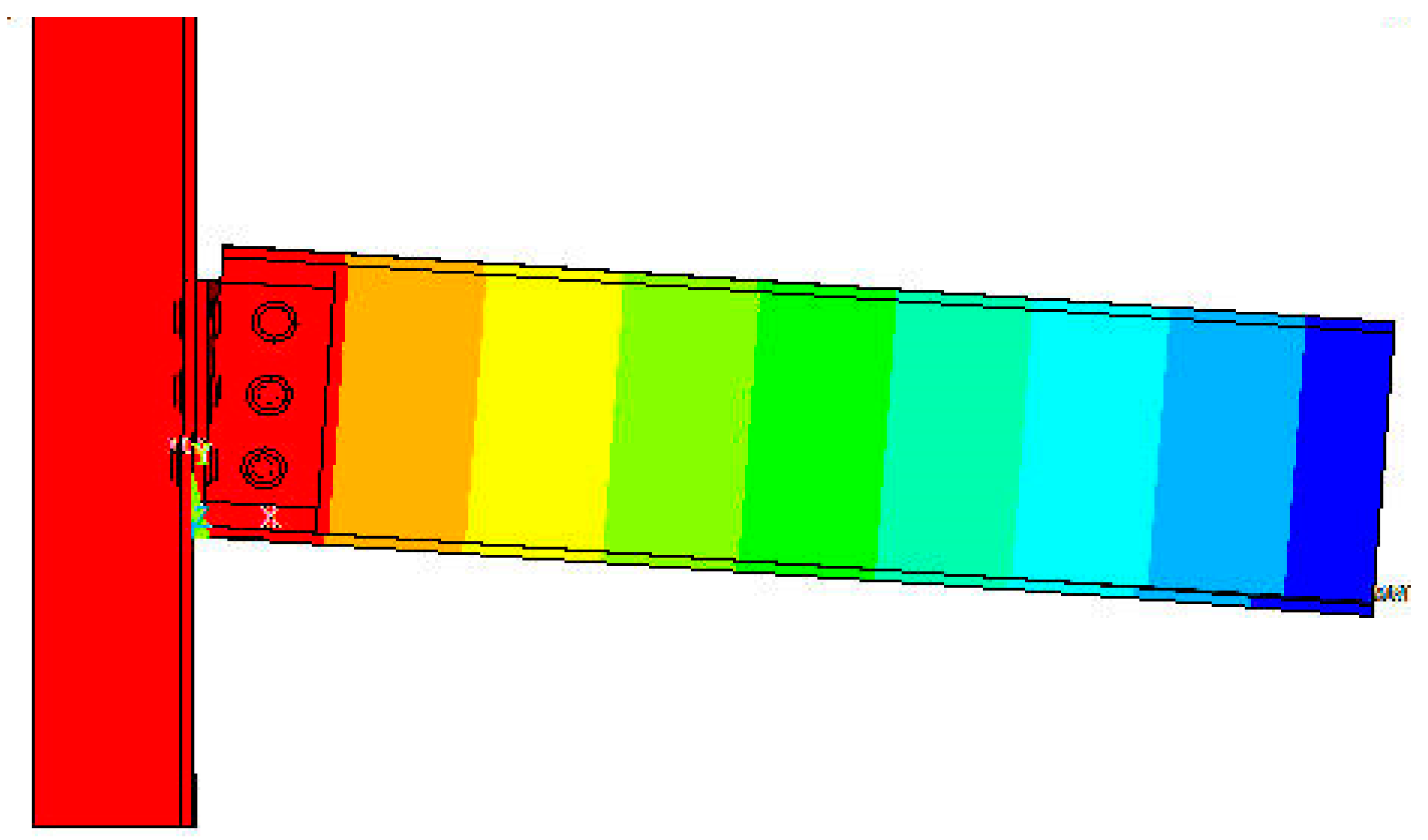
The finite element method outlined in the previous section was used to simulate the structural behavior of the beam–column joint under vertical loading. A concentrated vertical load of 2.0 kN was applied at the free end of the beam to induce bending and shear forces in the connection region, replicating realistic service conditions. The applied load was intended to evaluate the elastic performance of the joint, including the initial stiffness, deformation response, and stress distribution within the joint assembly.
Figure 4 illustrates the resulting deformed shape of the connection model under the applied load. The deformation pattern provides insight into the structural response of the joint, including deflection at the beam edge and rotation at the connection. These results serve as a preliminary validation of the model’s ability to capture realistic joint behavior.
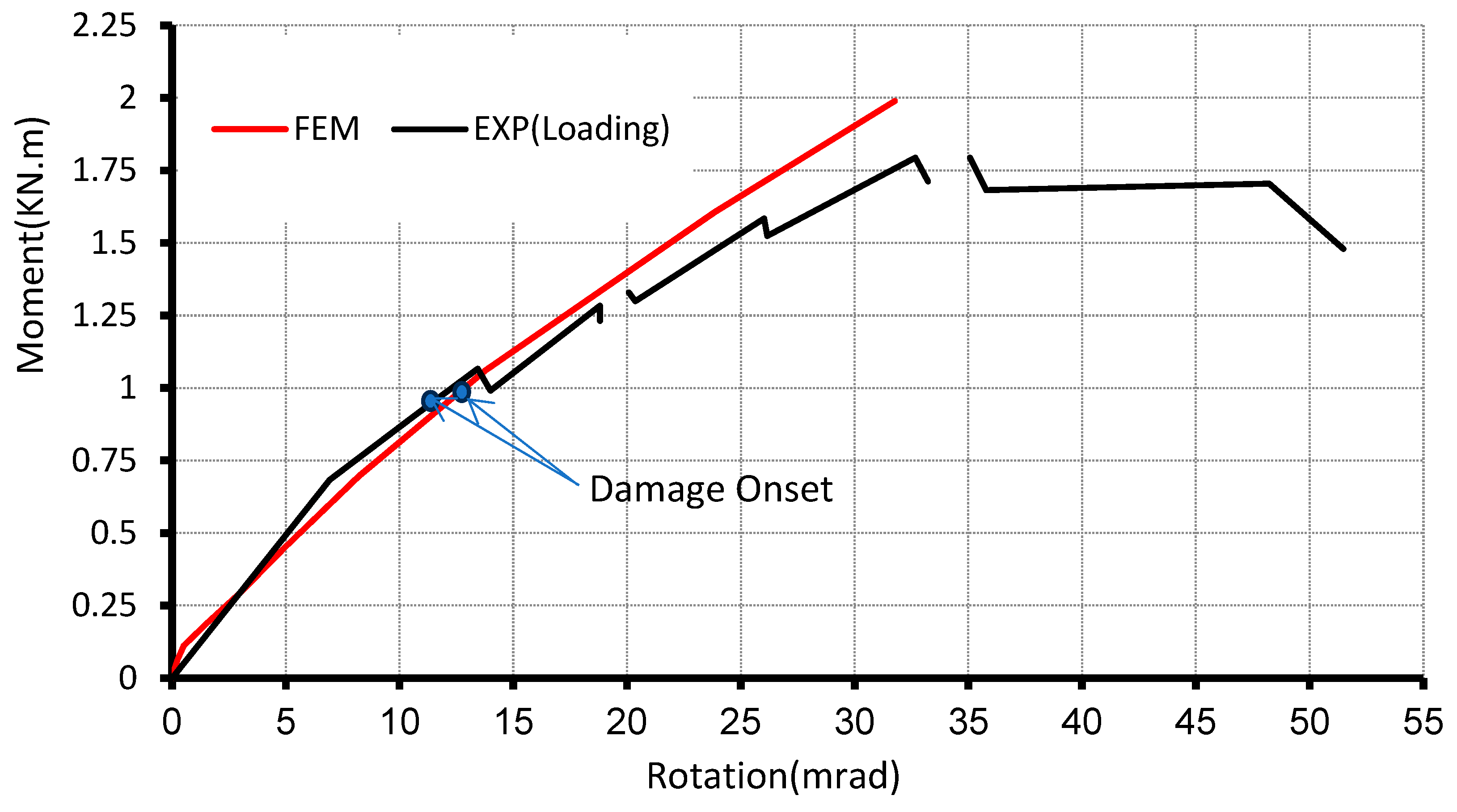
Figure 5 presents a comparison between the results of the current FEM and the experimental data previously reported by J. Qureshi [
13]. The comparison focuses on the moment–rotation behavior of the pultruded FRP beam–column connection, which is a critical indicator of joint performance under bending loads.
Overall, the numerical model demonstrates good agreement with the experimental results across the full loading range. While minor discrepancies were observed at certain points along the curves, these can be attributed to the inherent idealizations and assumptions involved in the FEM simulation. For instance, the material stiffness properties used in the model were selected based on typical manufacturer-provided ranges rather than direct material testing of the exact specimens used in the physical experiments. Additionally, the time-dependent effects captured during the experimental work were not explicitly modeled in the simulation.
Despite these differences, the overall shape and slope of the numerical and experimental curves align closely, validating the ability of the developed FEM to accurately represent the joint’s structural behavior.
Beyond the global moment–rotation match,
Figure 5 identifies damage initiation on the moment–rotation curves for both EXP (as reported by Qureshi [
13]) and FEM; initiation is defined by the Hashin intralaminar failure criterion as the first activation of any mode, which coincides with strain hot spots in the vicinity of the bolt line.
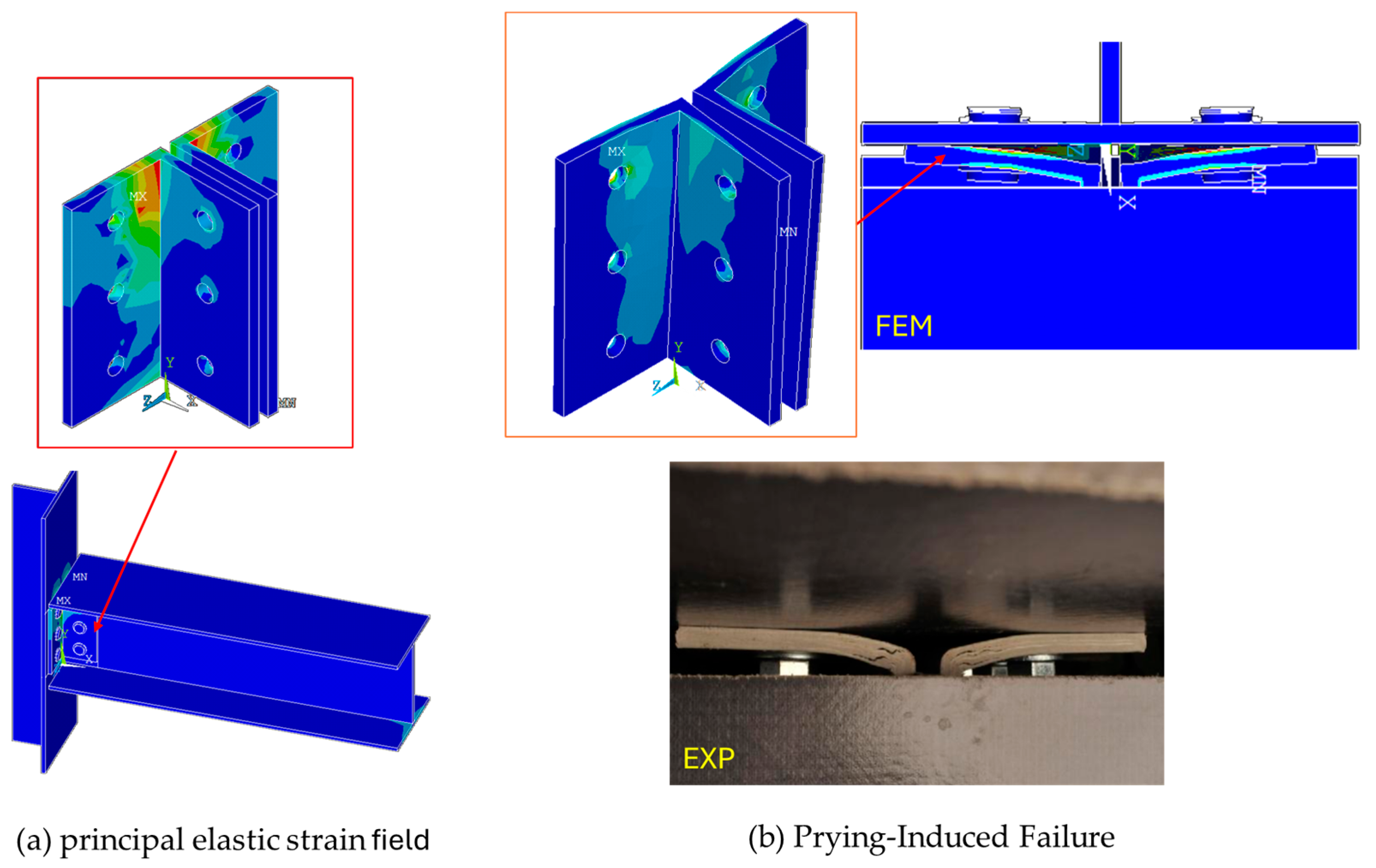
Figure 6 benchmarks local fields and the failure morphology. The FEM solution reproduces a prying-controlled mechanism: the end plates rotate about the bolt line and lift at the free edge, producing tensile-strain localization around the inner corner and the first bolt row. The predicted peak strain regions coincide with the observed first damage in the test, and the section view of the vertical displacement field maps a prying gap whose location and shape mirror the experimental photograph. The agreement in failure mode, strain distribution, and displacement field supports the model’s predictive fidelity.
4.2. Effect of Stiffening Upper and Lower Angles
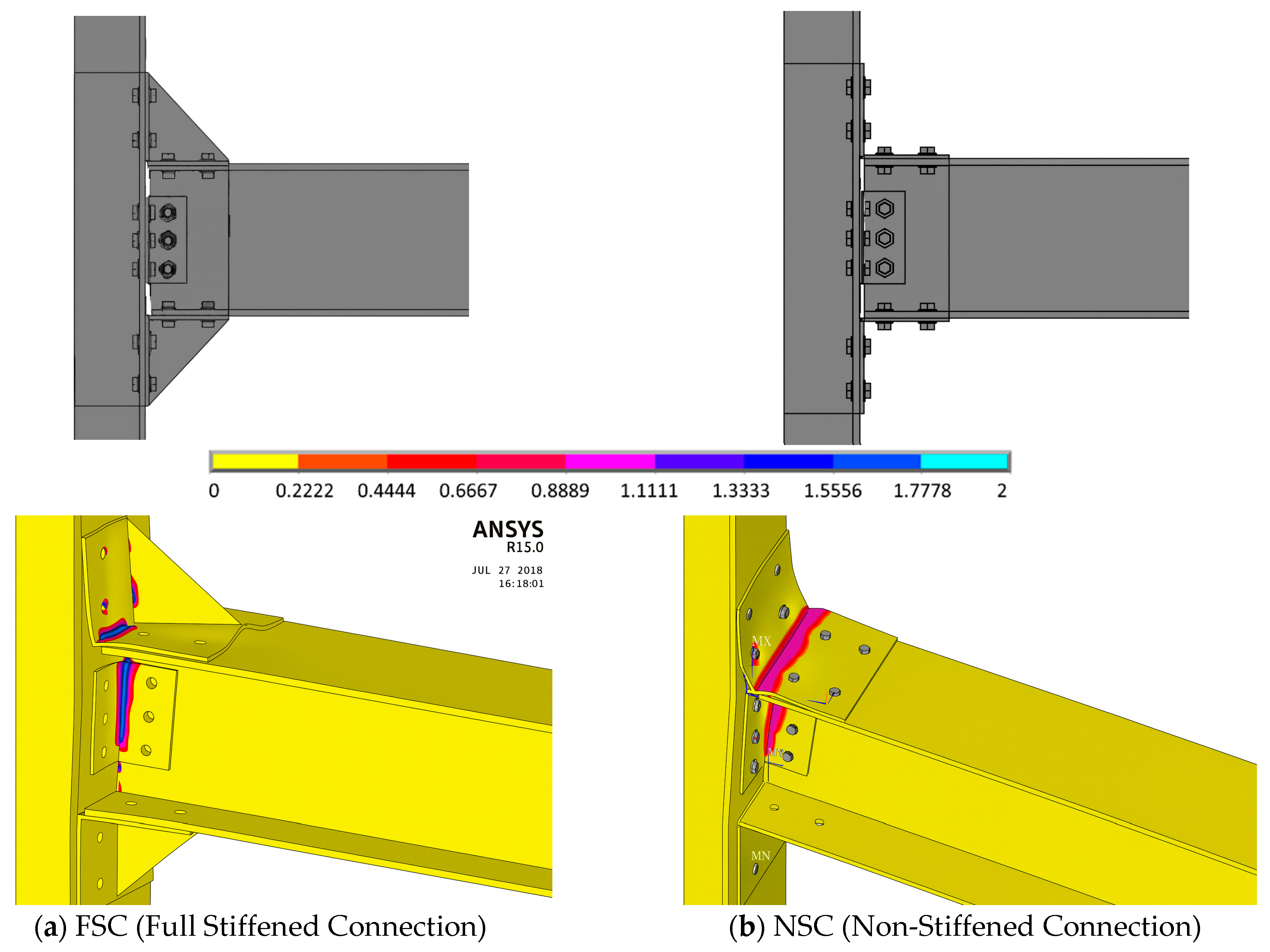
Figure 6a illustrates a fully stiffened connection (FSC) configuration, in which the joint is reinforced by the addition of triangular gusset plates at both the top and bottom cleat locations. These gussets increase rotational stiffness and delay local deformations in the angle cleats, thereby improving the overall performance of the connection under applied loads. In contrast,
Figure 6b presents a non-stiffened connection (NSC) configuration, where no additional stiffening elements are used, leaving the angle cleats solely responsible for load transfer. In both connection types, the angles were mechanically fastened to the beam and column sections using M16 steel bolts of Grade 4.6, along with standard steel washers measuring 30 mm in diameter and 3 mm in thickness. These fastening components were modeled in the FEM simulations with appropriate contact definitions and preload assumptions.
To evaluate damage initiation and progression in the composite angle cleats, the Hashin failure criteria for orthotropic fiber-reinforced composites were applied [
16]. All failure modes—fiber tension, fiber compression, matrix tension, and matrix compression—were included in the model. A damage degradation factor of 0.950 was used across all failure mechanisms to simulate the progressive stiffness reduction in the material post-failure initiation. Contact interactions between joint components were modeled using the Coulomb friction model, supported by ANSYS [
15], with a coefficient of friction set to 0.1, representing a typical value for composite-to-steel interfaces. Damage modeling was limited in scope: Hashin indices were employed to flag initiation only; model outputs after initiation were interpreted qualitatively to identify likely failure paths. No damage-evolution law, cohesive delamination, bolt plasticity, or element deletion was activated, and post-failure capacity was not calibrated.
Figure 7 also displays the resulting damage contours for both the stiffened and non-stiffened connection models, highlighting the locations and extent of failure. In the FSC, initial cracking occurred at an applied load of 12.12 kN, and ultimate failure of the connection occurred at 13.70 kN. Conversely, in NSC, cracks initiated at a significantly lower load of 7.08 kN, with complete connection failure occurring at 9.37 kN. These results demonstrate the effectiveness of gusset plate stiffening in enhancing both the load-carrying capacity and failure resistance of pultruded FRP connections.
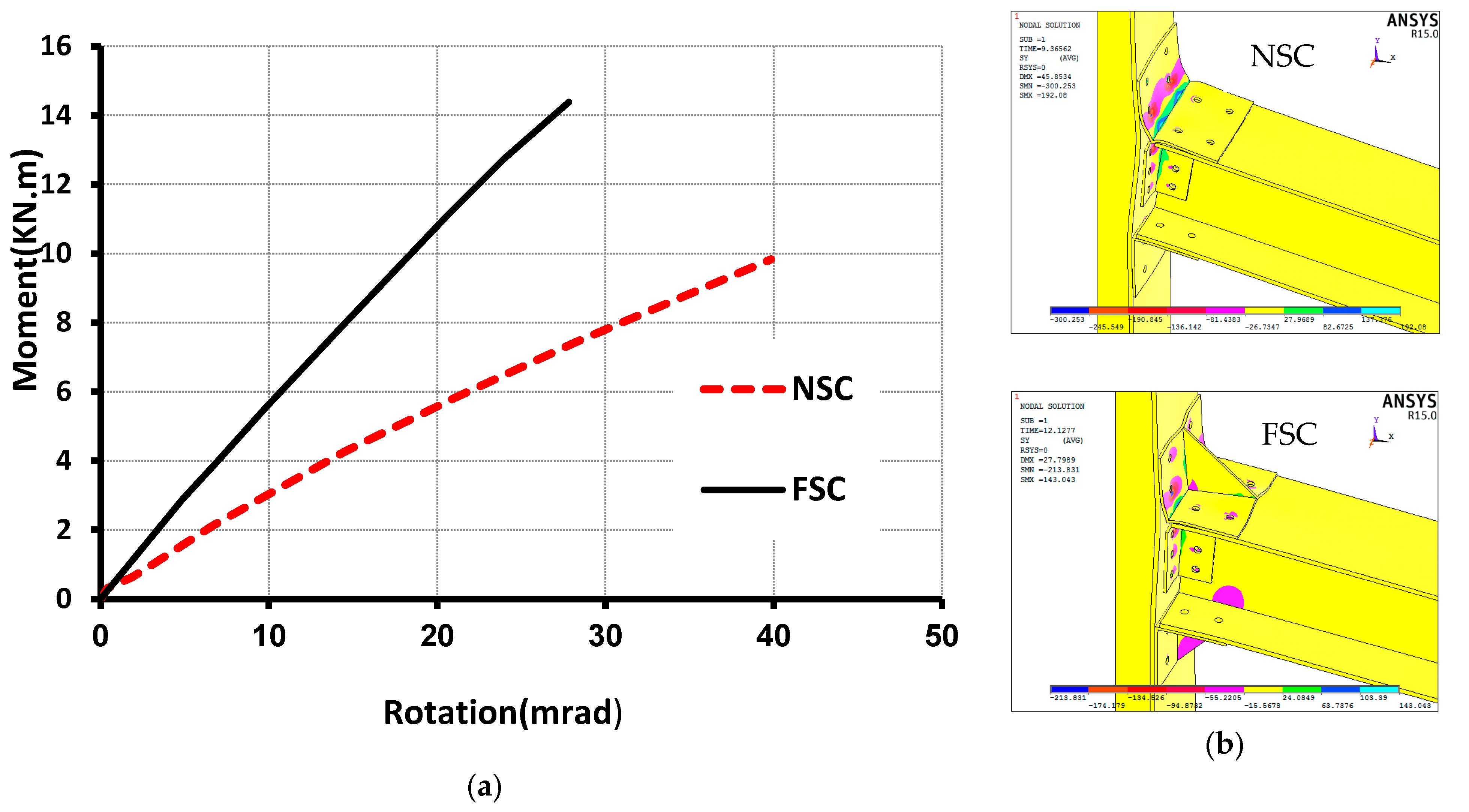
Figure 8a presents the moment–rotation relationships for the different connection models analyzed in this study , while
Figure 8b illustrates the corresponding Y-direction stress contour distribution. The curves provide a clear comparison of the structural response of fully stiffened connections versus non-stiffened connections (NSC) under increasing bending moments.
Although the composite material used in the pultruded members was modeled as a linear orthotropic elastic material, the moment–rotation curves exhibit a slightly nonlinear trend, particularly in the early loading stages. This nonlinearity is primarily attributed to interface friction between the contacting surfaces of the joint components—such as between the bolts, washers, angles, and beam/column flanges—as well as the progressive engagement of the bolt hole clearances and contact stiffness variations during load application.
At failure, the beneficial effect of gusset plate stiffening is evident. FSC exhibits a 46.26% increase in moment capacity compared to the non-stiffened counterpart. Additionally, the rotation at peak load was reduced by approximately 30.20%, indicating a significant improvement in joint stiffness and deformation control. These enhancements confirm that the use of stiffening elements not only increases the load-carrying capacity of the connection but also limits undesirable joint flexibility, which is critical for serviceability and structural integrity in framed systems.
4.3. Effect of Bolt Diameter
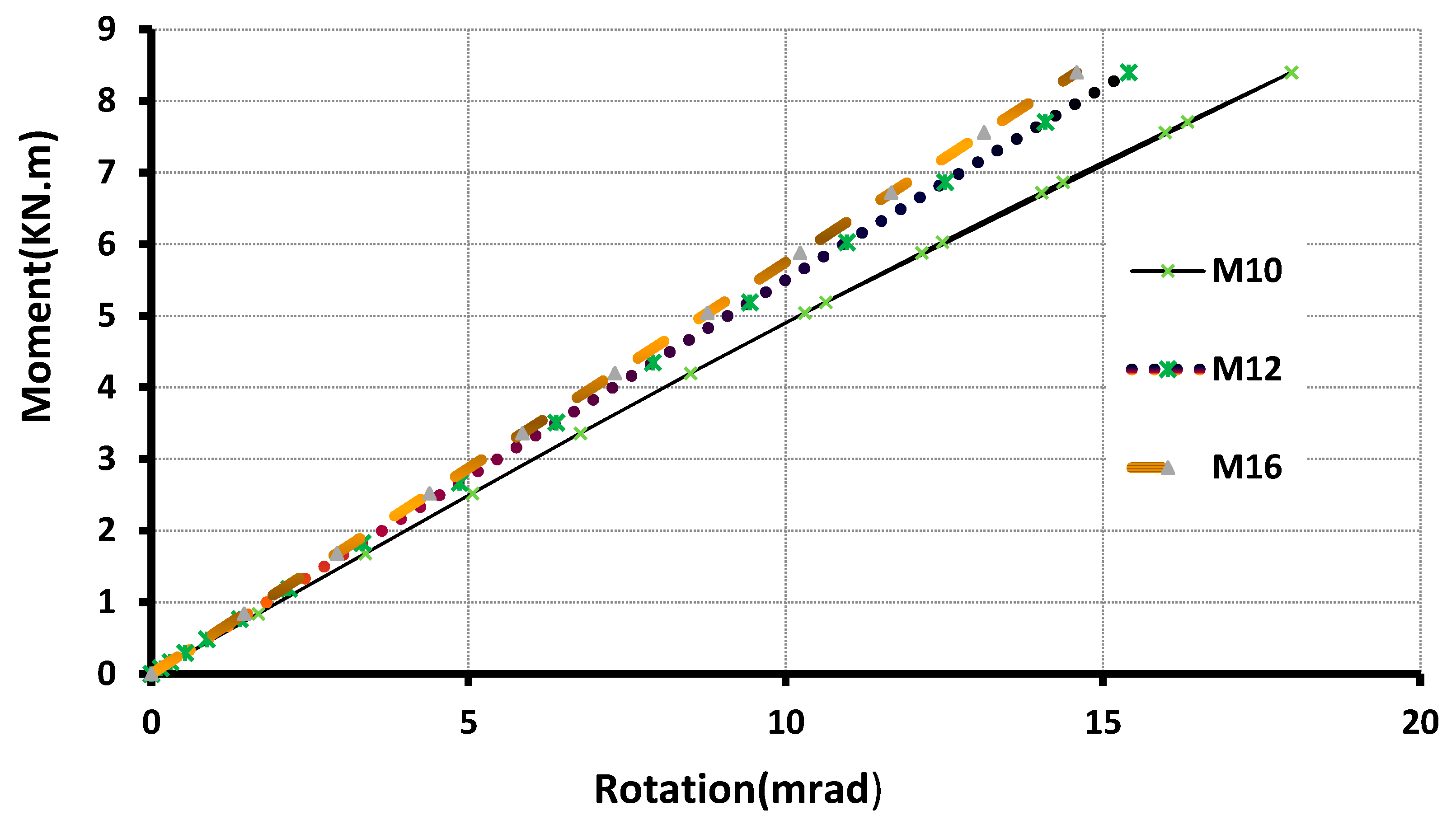
Figure 9 illustrates the moment–rotation relationship for connection models incorporating different bolt diameters—specifically 10 mm, 12 mm, and 16 mm—under a load of 8 kN. The curves provide insight into how bolt size influences the rotational stiffness and overall rigidity of the beam–column connection.
Although the pultruded composite material was modeled using a linear orthotropic elastic material model, the moment–rotation response exhibits nonlinear behavior across all bolt configurations. This nonlinearity is primarily attributed to the complex contact interactions within the joint, including frictional resistance between the interfaces and slight clearance or deformation between the bolt shanks and bolt holes. As the load increases, these contact effects become more pronounced, leading to gradual stiffness changes in the joint response.
The results show that increasing bolt diameter significantly affects the connection’s rotational performance. When the bolt diameter is increased from 10 mm to 12 mm, the joint rotation decreased by approximately 14.30%, indicating a significant enhancement in joint stiffness. A further increase in diameter from 12 mm to 16 mm results in an additional, though smaller, 5.30% reduction in rotation. This trend suggests that while increasing bolt diameter improves connection rigidity, the marginal gains in stiffness become less pronounced beyond a certain point.
Overall, the findings confirm that larger bolt diameters contribute to increased connection rigidity by providing greater bearing area, reducing local deformation, and enhancing load transfer efficiency. However, the improvement rate declines as bolt size continues to increase, indicating the presence of diminishing returns in stiffness enhancement for very large bolts within this connection configuration.
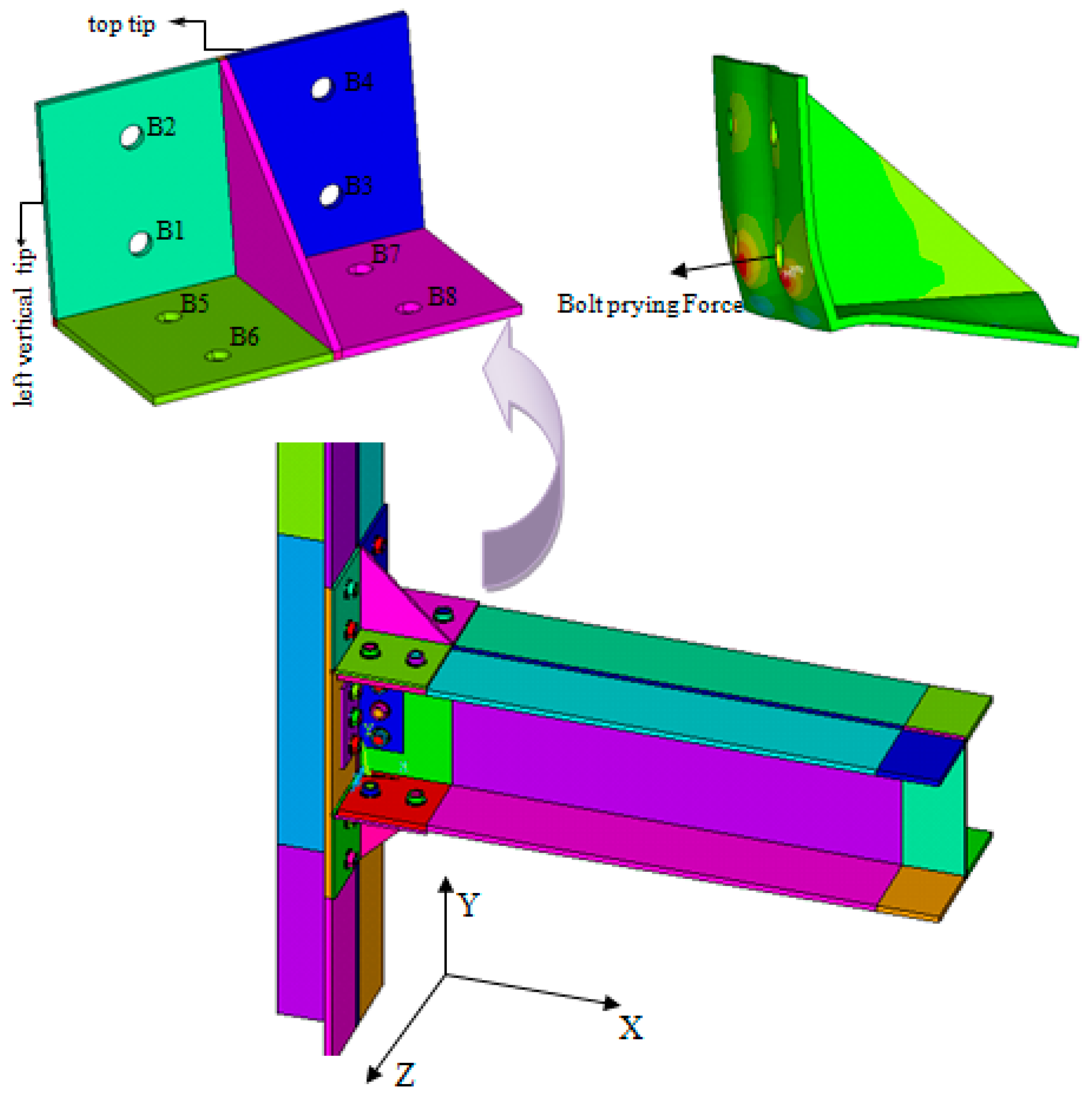
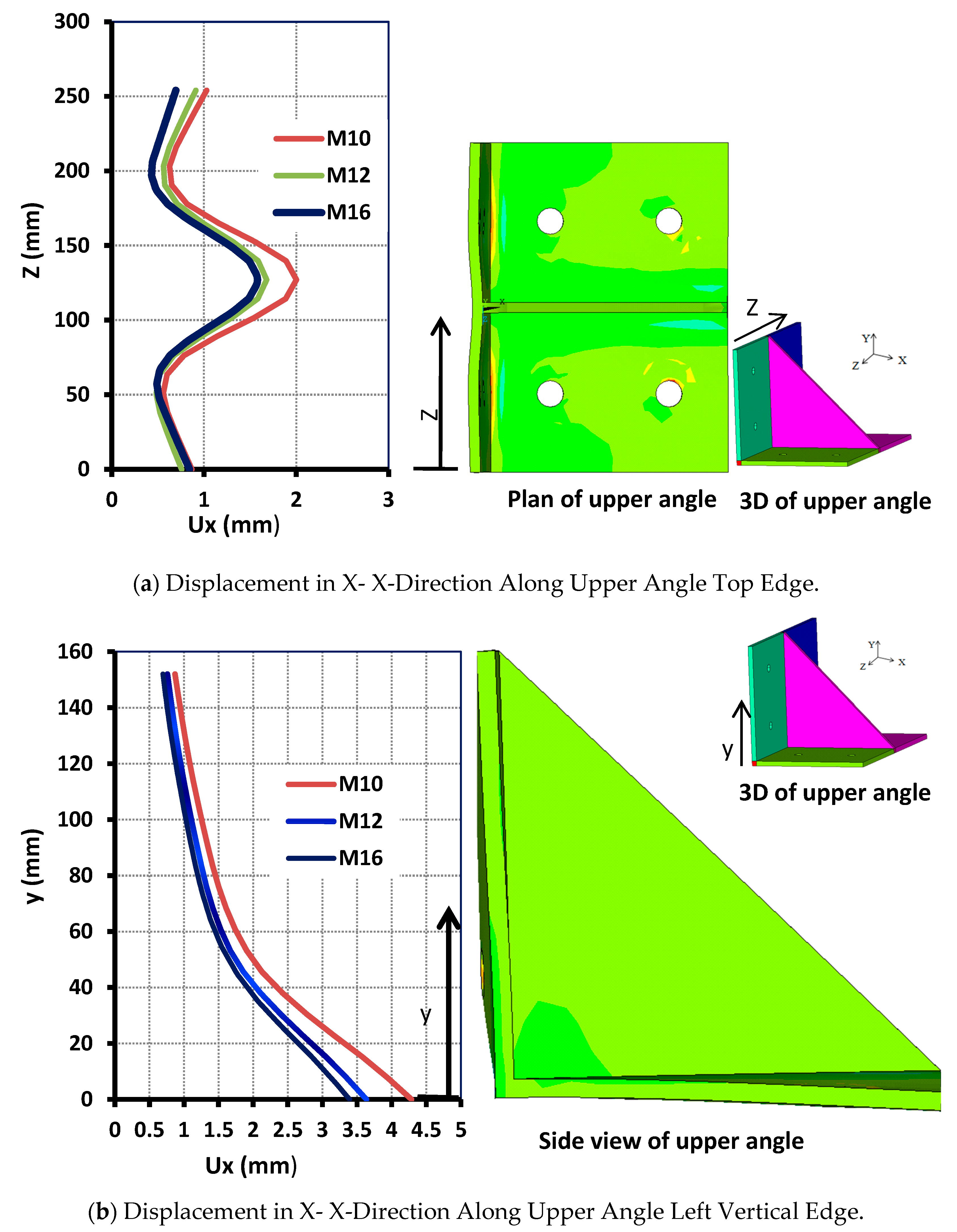
Figure 10 shows the typical bolt arrangement and the selected regions on the upper angle cleat examined in this study. To assess the displacement behavior of the upper angle cleat, two measurement strips were defined: one along the left vertical edge connected to the column, and the other along the horizontal top edge attached to the beam. These strips, as indicated in the figure, were used to track displacements and evaluate deformation patterns in response to loading.
Figure 11a presents the distribution of horizontal displacement in the X-direction along the horizontal top edge of the upper angle cleat. This region is directly connected to the beam flange and plays a significant role in transferring bending-induced forces to the supporting column. The results clearly show that as the bolt diameter increases, the horizontal displacement decreases, indicating improved restraint and stiffness in the joint. Similarly,
Figure 11b displays the horizontal displacement in the X-direction along the vertical left edge of the upper angle cleat, which interfaces with the column web. A consistent trend is observed here as well—larger bolt diameters lead to a reduction in horizontal displacement, reflecting enhanced anchorage and reduced flexibility in the joint components. The overall observation from both displacement profiles is that increasing the bolt diameter leads to a noticeable increase in connection rigidity. Larger bolts provide a greater contact area, improved bearing capacity, and reduced local deformation at the bolt hole interface, all of which contribute to limiting unwanted displacements and enhancing structural performance.
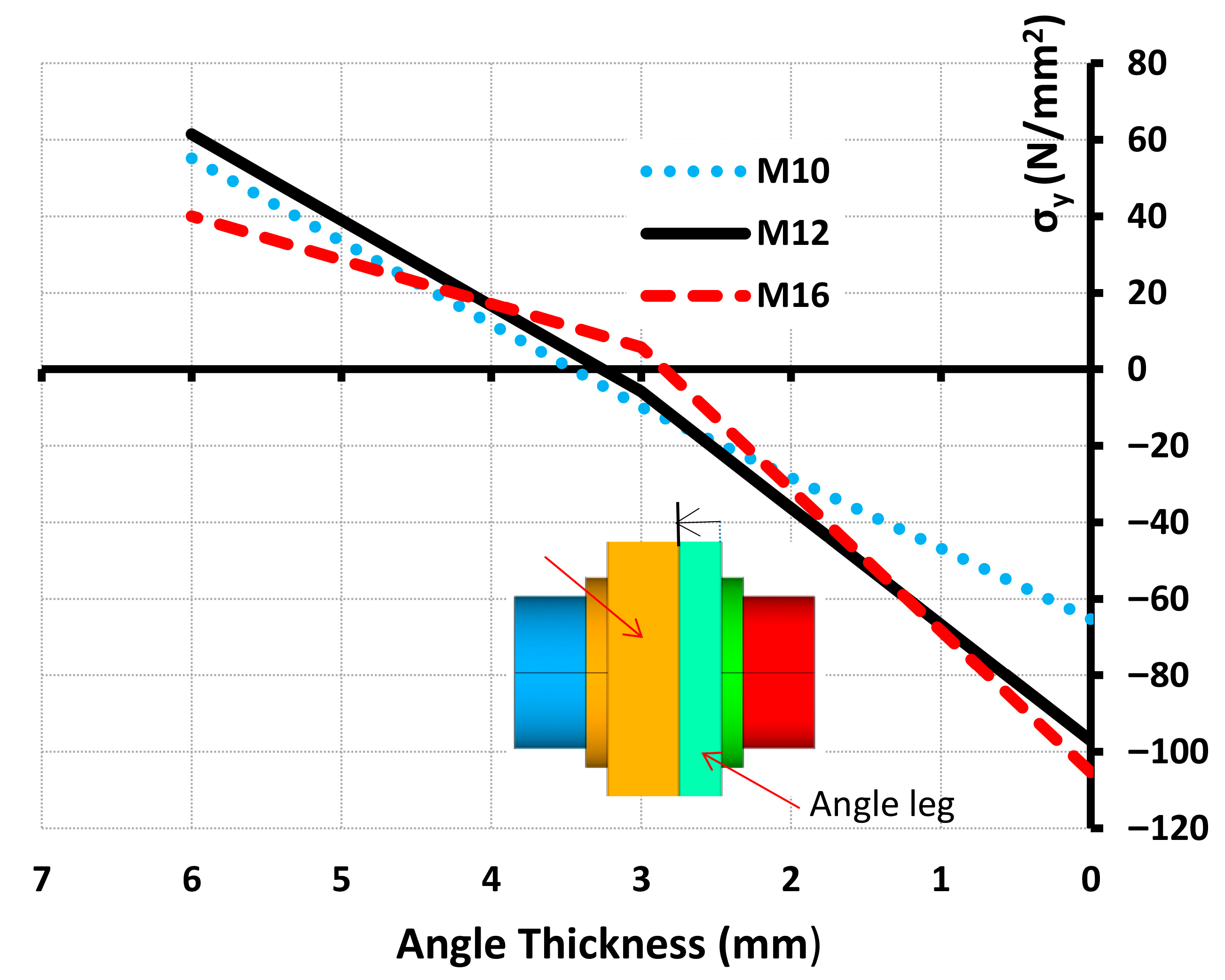
The stress distribution beneath the bolt shank plays a critical role in determining the strength and long-term performance of bolted composite joints. High local compressive stresses at the bolt–plate interface can lead to damage mechanisms such as matrix crushing, fiber kinking, or progressive delamination, particularly in pultruded fiber-reinforced polymer (FRP) composites.
Figure 12 illustrates the variation in compressive stress through the thickness of the composite angle directly beneath the bolt shank. This through-thickness stress profile provides insight into how contact pressure is distributed across the plate’s top, middle, and bottom surfaces for different bolt diameters.
The results show that increasing the bolt diameter has a significant influence on stress magnitude and distribution. When the bolt diameter is increased from 10 mm to 12 mm, the compressive stress at the outer (top) face of the composite plate increases by approximately 33%. This is primarily due to improved contact engagement and a more uniform load transfer over a larger bearing area, which reduces stress concentration around the bolt hole edge. A further increase in bolt diameter from 12 mm to 16 mm results in a more modest increase of about 8% in the compressive stress at the same location. This smaller gain suggests diminishing returns, where further enlarging the bolt size yields only marginal improvements in load transfer efficiency. However, even this slight increase can be beneficial in delaying local failure mechanisms and enhancing the joint’s ultimate capacity. These findings emphasize the importance of selecting an appropriate bolt size in FRP connections—not only to improve global joint stiffness but also to optimize local stress distribution and mitigate premature bearing failure in the composite material.
4.4. Effect of Bolts Clamping Force
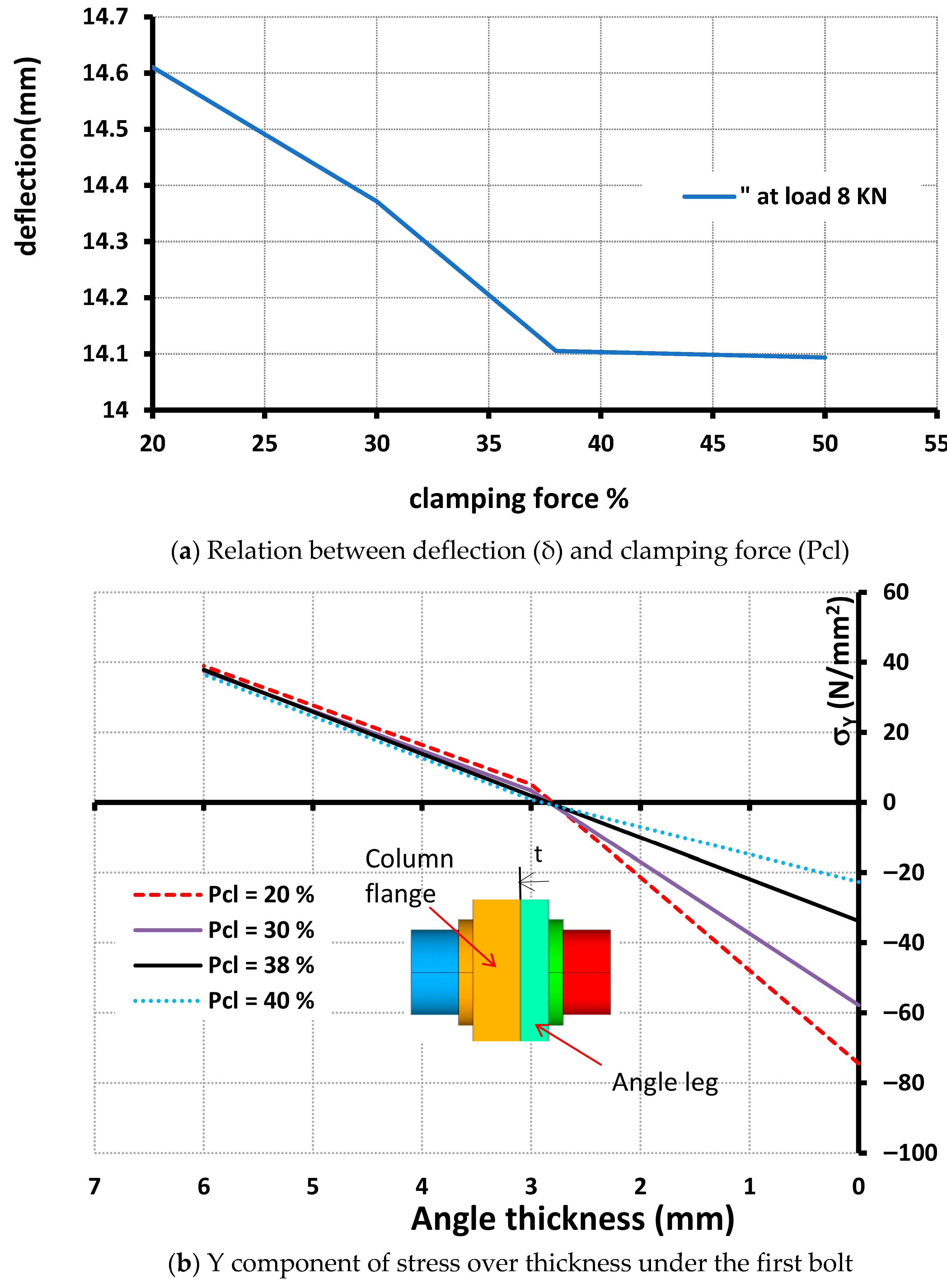
Figure 13a illustrates the relationship between clamping force and the deflection at the free end of the cantilever beam for various connection models. The clamping force was varied as a percentage of the bolt’s maximum recommended pretension. The results indicate that increasing the clamping force from 20% to 38% of the maximum pretension reduced the beam edge deflection by approximately 0.50 mm, corresponding to a 3.4% reduction in total deflection. This relatively small change suggests that, under the current loading conditions, the clamping force has only a minor influence on global joint stiffness and vertical displacement. Furthermore, increasing the clamping force beyond 38% produced no noticeable change in deflection, indicating a threshold effect beyond which additional pretension provides negligible structural benefit. Overall, the influence of clamping force on deflection behavior was limited and becomes insignificant at higher pretension levels.
Figure 13b presents the effect of clamping force on the compressive stress distribution beneath the bolt shank, measured through the thickness of the composite plate. In contrast to its limited impact on deflection, the clamping force had a significant effect on local stress fields at the bolt–plate interface. As the clamping force increases, the stress becomes more evenly distributed, and peak values near the outer surface decreased, reducing the risk of local material failure. Increasing the clamping force from 20% to 30% results in a 22.97% reduction in compressive stress at the outer face of the composite plate. A further increase from 30% to 38% leads to an additional 42% reduction in compressive stress. Increasing the clamping force from 38% to 50% continued this trend, yielding a 33.3% decrease in compressive stress at the outer face.
These findings demonstrate that higher clamping forces enhance the stress distribution beneath the bolt shank, reducing concentrated loading and promoting a more uniform transfer of load through the thickness of the FRP angle. This improvement helps prevent localized crushing, matrix failure, and delamination—common failure modes in composite joints under concentrated bearing loads. In summary, while clamping force has a marginal effect on global deflection, it plays a significant role in improving local stress behavior, contributing to the durability and long-term reliability of bolted FRP connections.
4.5. Effect of Washer Diameter
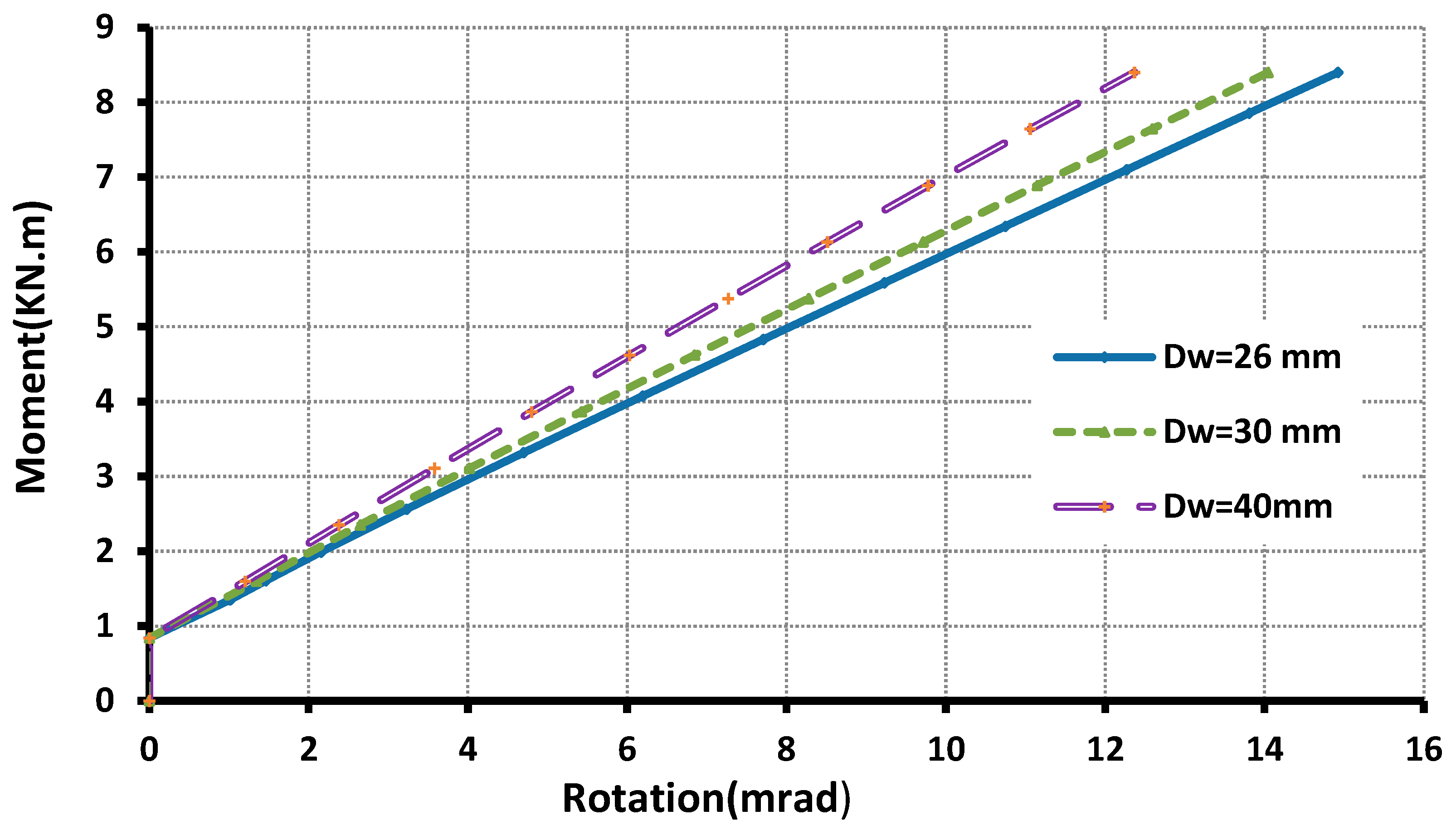
Figure 14 illustrates the moment–rotation relationship for beam–column connections fitted with different washer diameters—specifically 26 mm, 30 mm, and 40 mm. This analysis evaluates the effect of washer size on the rotational stiffness and overall rigidity of pultruded FRP bolted joints. The results show that increasing the washer diameter from 26 mm to 30 mm reduced the connection rotation of approximately 5.87%. While this change is relatively small, it indicates a modest improvement in joint stiffness due to better load distribution around the bolt hole. A further increase in washer diameter from 30 mm to 40 mm produced a more noticeable reduction in rotation of about 11.93%, reflecting a greater improvement in joint performance.
The general trend observed is that larger washers slightly increase the connection rigidity. This is because larger washers distribute the clamping force over a broader area of the composite material, reducing localized compressive stress concentrations and minimizing deformation around the bolt holes. As a result, the angle cleats experience less distortion, leading to enhanced rotational stiffness of the joint. Although the overall effect of washer diameter on moment–rotation behavior is not as significant as bolt diameter or stiffener configuration, the results suggest that using larger washers (e.g., 40 mm) can contribute to improved load transfer efficiency and structural reliability, particularly in high-load applications or where local material failure is a concern.
4.6. Stress Concentration and Secondary Stresses Effect
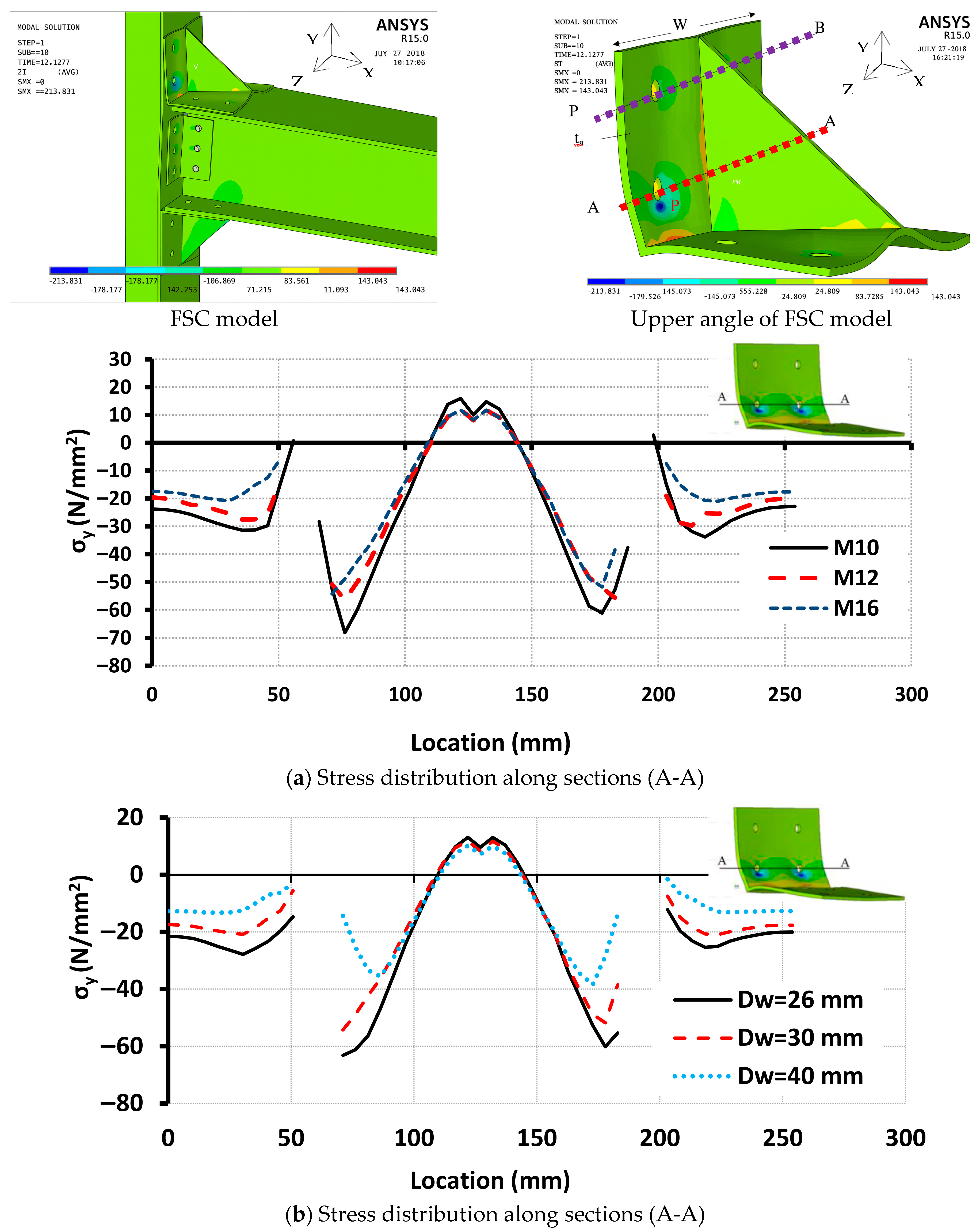
Figure 15 presents the distribution of normal stress in the Y-direction (σ
y) within the upper angle cleat of FSC model. The analysis reveals that higher stress concentrations occurred in the upper angle—particularly around the bolt holes—compared to the lower angle cleat, which experiences significantly lower stress levels. Notably, the edge of the bolt hole exhibited elevated stress magnitudes, indicating a potential region of localized failure or damage initiation, warranting further investigation. To better understand the stress concentration behavior, a horizontal strip (Section A–A) was defined along the outer face of the vertical leg of the upper angle that connects to the column flange, aligned at the level of the lower bolt row. This strip was used to extract stress data and examine how different connection details influence local stress distribution.
Figure 15a shows a comparison of σ
y stress values along Section A–A for models with varying bolt diameters. The results demonstrate that increasing the bolt diameter reduced the stress concentration at the bolt hole edge. This is attributed to the larger bearing area provided by bigger bolts, which distributes the applied load more effectively and lowers local deformation.
Figure 15b presents a similar comparison for models with varying washer diameters. Increasing the washer diameter from 26 mm to 30 mm leads to a moderate reduction in stress concentration of approximately 18.18%, suggesting a minor benefit in stress distribution. However, a further increase from 30 mm to 40 mm resulted in a much more substantial reduction of about 62%, clearly indicating that larger washers substantially reduce stress concentration in the composite material beneath the bolt head.
In summary, the findings confirm that both bolt diameter and washer size influence the stress distribution in FRP joints, particularly near bolt holes. While bolt diameter contributes primarily to load transfer capacity, washer diameter plays a critical role in mitigating localized stress peaks, which is essential for preventing delamination, cracking, or crushing in composite structures.
4.7. Load Transfer
The beam–column joints were subjected to a load applied in the Y-direction (vertical), which subsequently produced two force components in the bolts, vertical and horizontal, each contributing to different internal force mechanisms within the connection.
The total vertical force, equal in magnitude to the applied load, primarily induced shear forces in the bolts connected to the column face and bearing stresses in the vertical legs of the angle cleats that interface with the column. These forces transferred the vertical load transfer between the beam and the column through the angle connection.
The horizontal force, which arises from the applied bending moment, is approximated by the moment divided by the beam depth (M/h). This component introduced significant shear forces in the bolts connecting the angle cleats to the beam flanges, as well as tensile forces in the bolts fastened to the column flange. These tensile forces resulted from the couple formed by the eccentric load path in moment-resisting joints.
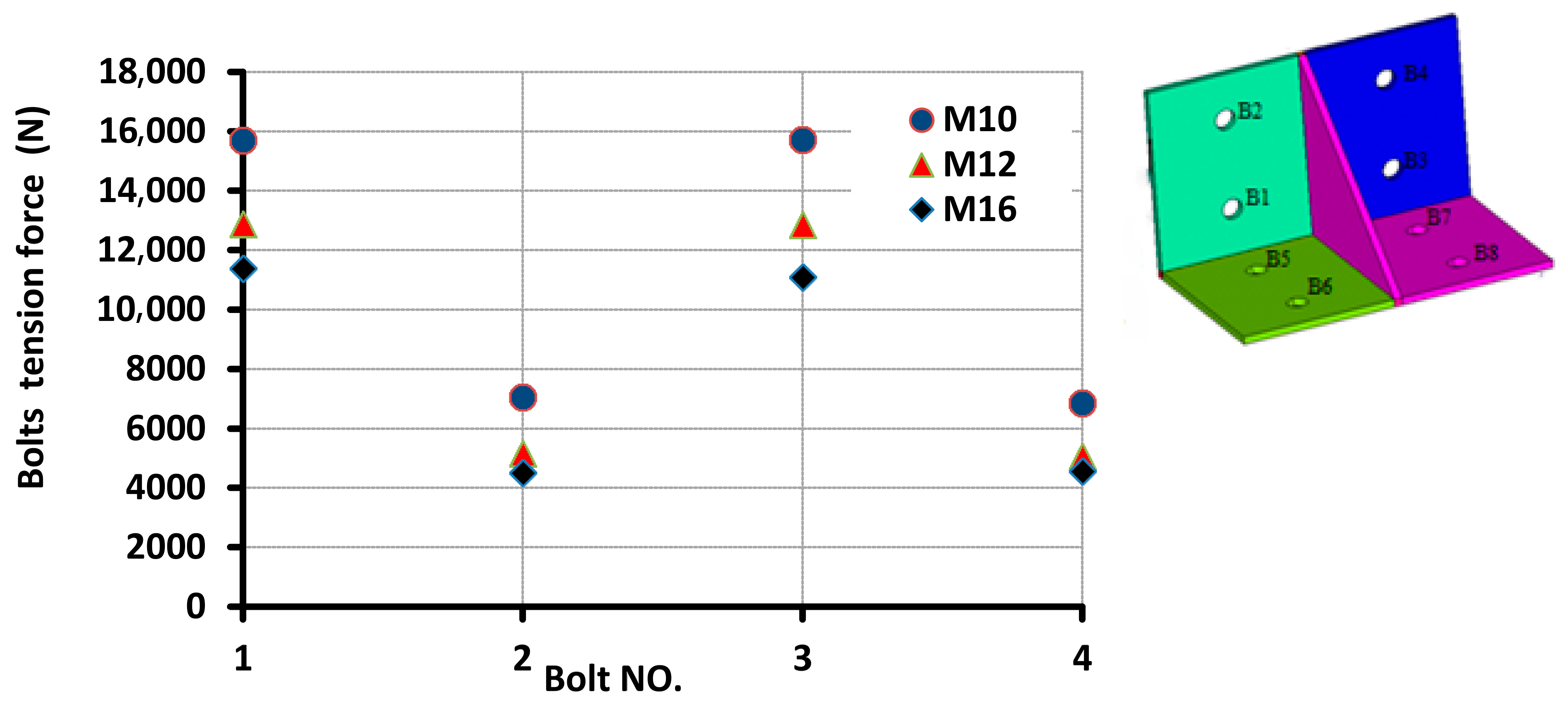
Figure 16 presents the tensile force values in the bolts identified in
Figure 9, which are used to monitor force distribution within the joint. The results reveal a non-uniform load distribution among the bolts. Specifically, bolts 1 and 3 carried approximately 70% of the total tensile force, while bolts 2 and 4 resisted the remaining 30%. This disparity was attributed to load eccentricity, bolt geometry, and local deformation of the angle cleats, which affect how the load is distributed among the fasteners.
These findings underscore the importance of considering uneven bolt force distribution in the design and analysis of FRP connections, as overlooking these effects may lead to premature bolt failure or localized damage in the composite material near highly stressed bolts.
Bolt-group mechanics and load path. In FSC, the stiffened top angle reduces leg bending (prying) and shifts compliance toward bolt hole bearing and the group’s eccentric tension. Under the joint moment, the compression resultant forms near the seat cleat; the two bolts with the larger moment arm to this compression line (bolts 1 and 3) therefore attract the majority of tensile force. The uneven tension raises local bearing and net-section demand at bolts 1 and 3 and is expected to precipitate (i) bearing/indentation damage at the cleat around these holes and, if end distance is small, (ii) net-tension/tear-out toward the free edge; bolt tensile fracture is unlikely to govern for grade-4.6 fasteners in PFRP. Design guidance consistent with the modeled trends: prefer larger washer Dw or backing plates to spread compression, maintain generous end/edge distances and gage, and avoid layouts that place the most heavily loaded bolts closest to the free edge. Increasing clamping force reduces slip but does not eliminate the basic eccentric-tension pattern.
Based on the FEM principal-strain hot-spots at the inner filet and the outer bolt row (
Figure 8) and the Section A–A stress paths (
Figure 15), the most plausible progression within the studied range is: (i) bearing/ovalization of the upper-angle holes followed by local net-tension/tear-out toward the free edge, with demand concentrated in bolts 1 and 3 for FSC as indicated by the reported bolt-force distribution; (ii) localized compression under the washer seat when Dw is small, which is alleviated by larger Dw; and (iii) bolt tensile fracture is unlikely for grade-4.6 fasteners at the service moments considered, although slip or shank bending may hasten ovalization when end/edge distances are small. These inferences are drawn from the elastic fields shown in
Figure 11 and
Figure 15; no progressive-damage evolution is modeled here.
Design implications. To reduce post-initiation risk: use larger washer Dw or backing plates to spread contact pressure; maintain generous end/edge distances and gage to delay net-tension/tear-out; prefer larger bolt diameter to lower bearing stress; and in FSC layouts avoid placing the most heavily loaded bolts nearest the free edge.
The present work isolates parameter effects within a fixed, symmetric 2 × 2 bolt layout. A dedicated robustness study varying bolt-group geometry (gage, pitch, end/edge distances) and introducing controlled load/fit eccentricities is warranted.
Figure 17.
Moment–rotation for friction coefficients μ = {0, 0.10, 0.20, 0.30} at 8 kN.
Figure 17.
Moment–rotation for friction coefficients μ = {0, 0.10, 0.20, 0.30} at 8 kN.
Figure 17 shows the effect of the friction coefficient on the corresponding moment–rotation curves at 8 kN; the connection rotation decreases from 14.04 mrad (μ = 0) to 13.43 mrad (μ = 0.10; −4.3%) and to 13.03 mrad (μ = 0.20; an additional −3.0%, 7.2% total vs. μ = 0). Increasing μ to 0.30 produces no further reduction (13.03 mrad). Thus, friction modestly reduces rotation up to μ ≈ 0.20, beyond which the interface remains in stick and global stiffness is controlled by leg bending and local bearing and contact compliance.
4.8. Regression Equation
A regression analysis was conducted to derive an empirical equation that characterizes the relationship between connection rotation and key parameters, including applied moment, bolt diameter, washer diameter, and clamping force. Based on the results, a regression equation was formulated to represent the combined effect of these variables on the joint’s rotational response. The proposed equation, which was served for further analytical evaluation, is expressed as follows:
where
M = Moment Capacity, KN.m
θ = Rotation, mmrad.
D = Bolts diameter.
Dw = Washer’s diameter.
Pcl = Clamping force as a percentage of the maximum pretension force.
To enhance the practical applicability of the study, the results have been interpreted to provide recommendations for bolt sizing, washer selection, clamping force, and the use of stiffening configurations. Increasing the bolt diameter D is the most effective means of reducing rotation, as indicated by the strong negative coefficient (–0.407 mrad/mm) in the regression model. For typical serviceability limits of θlim = 10–12 mrad, the required bolt diameter can be estimated from the equation:
where r is the washer-to-bolt diameter ratio (D
w/D). In practice, adopting D
w ≈ 2.5D offers a good balance between bearing stress distribution and rotation control, with increases toward 3.0D recommended for softer substrates or where prying forces are anticipated. While higher clamping forces (P
cl) also reduce rotation, their influence is less pronounced than bolt or washer diameter, and practical values of 0.6–0.7 of the maximum pretension are advised to avoid relaxation or long-term slip. When the calculated bolt or washer size becomes impractically large, designers should instead consider stiffening measures such as increasing cleat or angle thickness, adding gusset plates or transverse stiffeners near the bolt line, using continuous washer plates to spread the load, or reducing the prying lever arm by optimizing bolt placement within code limits.