Abstract
This study investigated the mechanical properties of a cementitious material used to prepare irregular-shaped brick masonry structures (PG-ISBs) from industrial solid wastes, including phosphogypsum, calcium powder, cementitious agents, and construction brick debris. The hydration products, microstructure, and elemental composition of the system were analyzed using X-ray diffraction (XRD) and scanning electron microscopy (SEM). Based on the experimental stress–strain relationship curves, a constitutive model for the cementitious material was established. The results show that the compressive strength of the PG-ISB cementitious material meets the requirements for filling retaining walls. SEM observations reveal a significant number of micro-pores within the PG-ISB cementitious material, which are important factors affecting its strength. An empirical constitutive model for the uniaxial compression of the specimen was established based on the experimental stress–strain full curves, and the fitting curves showed good agreement with the experimental data.
1. Introduction
Irregular bricks are commonly used for the masonry of specific structures, such as filling barriers in underground mines. These bricks need to possess a certain compressive strength and durability to adapt to the complex underground environment. In the design of filling barriers in underground mines, the stress analysis of barriers is of great importance. The barrier needs to withstand the lateral pressure of the filling slurry and the vertical pressure from the roof of the tunnel. Therefore, the design of the barrier must comprehensively consider factors such as compressive strength, shear strength, and impermeability.
The main types of underground filling barriers include concrete barriers, green brick mortar walls, recyclable lightweight sealing barriers, and piled barriers [1]. Traditional reinforced concrete rigid barriers, although performing well in terms of load-bearing capacity, are costly and have complex construction processes. With the continuous research on filling barriers, various new structural forms have emerged, such as prefabricated flexible dewatering filling barriers [2] and metal component prefabricated filling barriers [3]. Prefabricated flexible dewatering filling barriers adopt an arc-shaped grid-like curved structure, which can adapt to changes in tunnel specifications and have the characteristic of full-section dewatering. Metal component prefabricated filling barriers use an arc-shaped steel frame to replace the traditional concrete structure, effectively reducing the amount of cement used. Although the new filling barriers have made significant progress in terms of dewatering effects and economic efficiency, they still face issues such as poor strength stability, low environmental adaptability, high construction difficulty, and poor economic performance.
Phosphogypsum is an industrial solid waste generated during the wet process production of phosphoric acid. It has been reported that the global annual discharge of phosphogypsum reaches 280 million tons, with China contributing 50 million tons, accounting for approximately 20% of the world’s annual phosphogypsum emissions [4]. In the past, phosphogypsum was primarily stored on the surface through natural accumulation. Long-term observation and research have revealed that phosphogypsum contains phosphates, fluorides, and other toxic chemicals, which cause severe pollution in the surrounding environment and groundwater [3]. With the increasing strictness of phosphogypsum management, the government of Guizhou Province was the first to introduce a “production determined by waste” policy. The treatment of phosphogypsum waste has become a crucial issue for the sustainable development of social ecological civilization.
Phosphogypsum filling and re-lithification technology provides an effective, low-cost, and large-scale method for consuming industrial solid waste, supporting the “production determined by waste” policy. It also offers a reference solution for coal mining and the management of mine goafs. This technology involves conveying phosphogypsum in the form of a mixed fluid (60% water) through pipelines into a mine [5,6,7,8]. To prevent the leakage and uncontrolled flow of the phosphogypsum filling slurry and to avoid its entry into non-filling areas, a permeable filling barrier is generally installed at the entrance of the filling mine.
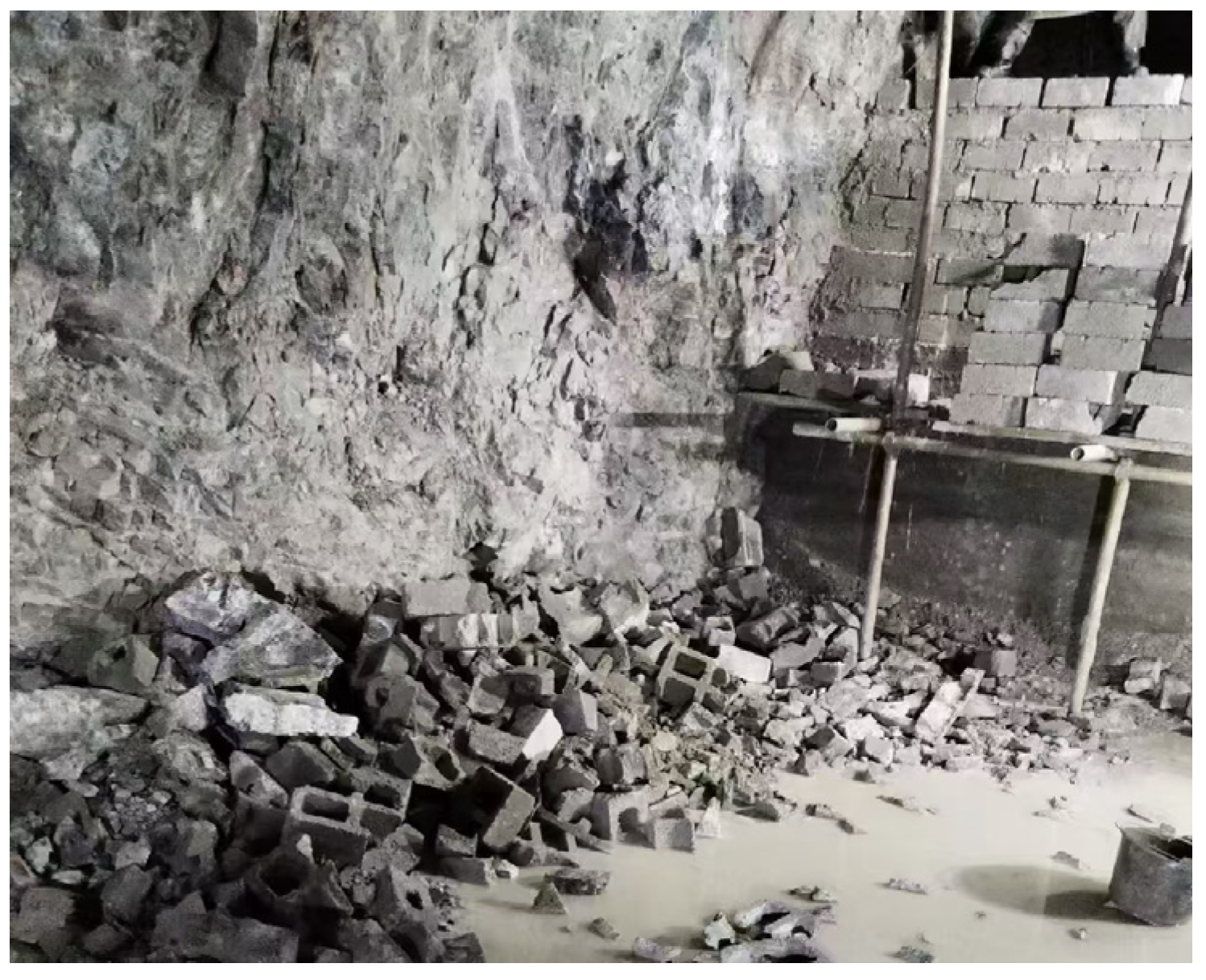
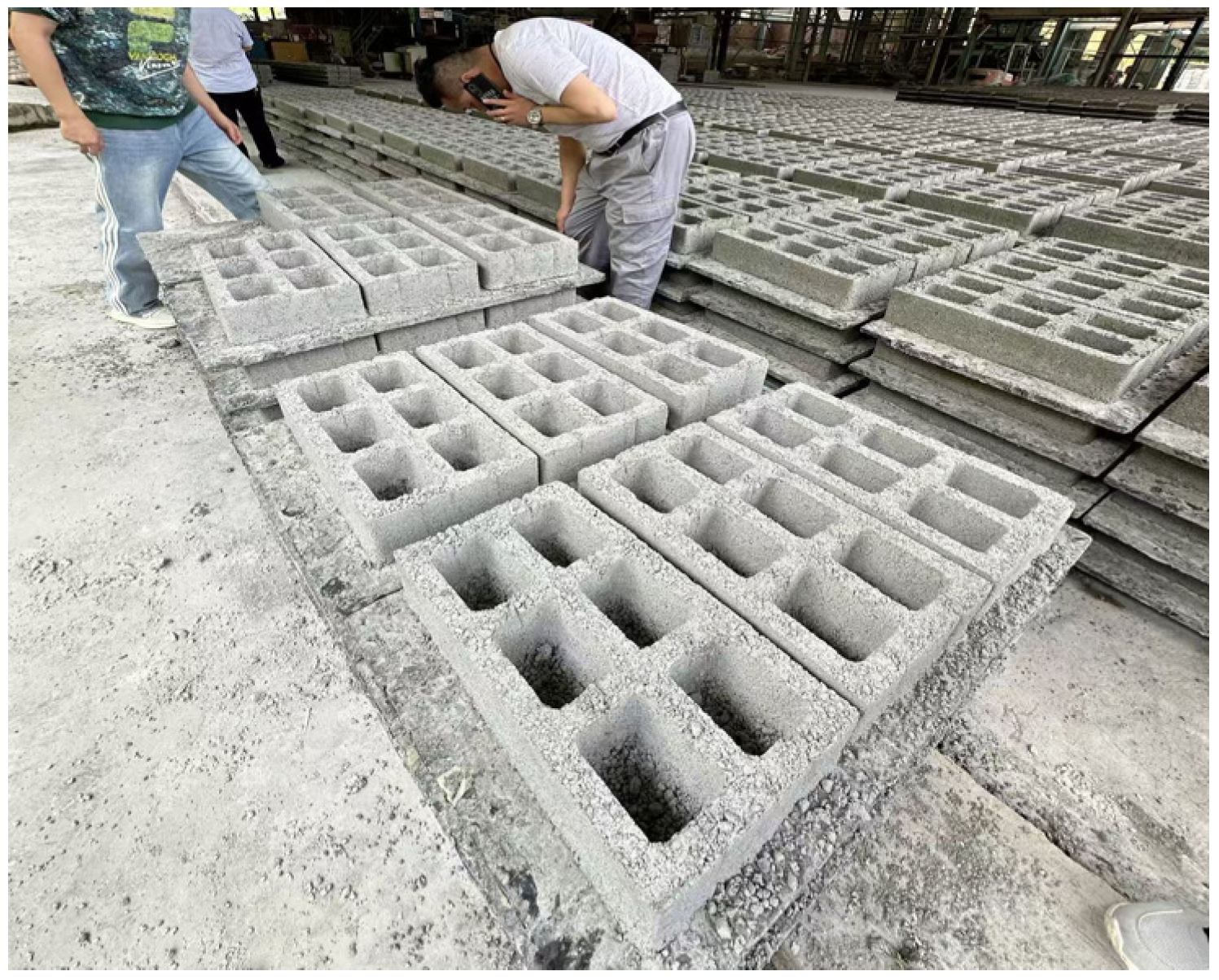
This paper focuses on the materials and properties of irregular bricks used for filling masonry barriers in underground mines, as shown in Figure 1 and Figure 2. This study uses calcined phosphogypsum as the main material and incorporates an appropriate amount of calcium powder, fly ash, cementitious agents, and construction brick debris to prepare a cementitious material. The adaptability and mechanical properties of this cementitious material as a filling barrier block are investigated. Scanning electron microscopy (SEM) is employed to observe the internal morphology and distribution characteristics of micro-pores in the samples. A universal servo-hydraulic press (100 kN) is used to apply vertical loads to obtain stress–strain curves, failure modes, deformation characteristics, and the elastic modulus. Based on these results, a uniaxial compression constitutive model for the cementitious material of the irregular bricks is proposed. This study provides theoretical support for the engineering application of environmentally friendly cementitious materials for irregular brick masonry barriers that fully utilize solid waste materials.
Figure 1.
Structure of irregular-shaped bricks for underground filling retaining wall.
Figure 2.
Filling Retaining Wall No. 34N.
2. Experimental Materials and Methods
2.1. Experimental Materials
The materials used for the masonry of irregular bricks include the following: calcined raw phosphogypsum, calcium powder, cementitious agent, construction brick debris, and water. Calcined gypsum was provided by Guizhou Phosphorous Chemicals Group, Guiyang, China and is a grayish-white powder. The calcium powder is a gray-brown powdery substance with a specific surface area of 604 m2/kg. A powdered cementitious agent with a specific surface area of 604 m2/kg was used. Mechanism sand, with a particle size of 5–10 mm, was provided by Guizhou Panstone Building Materials Co., Ltd, Guiyang, China. The main chemical components of the cementitious material are shown in Table 1 [9].
Table 1.
The main chemical composition of cementitious materials.
2.2. Specimen Mix Ratio
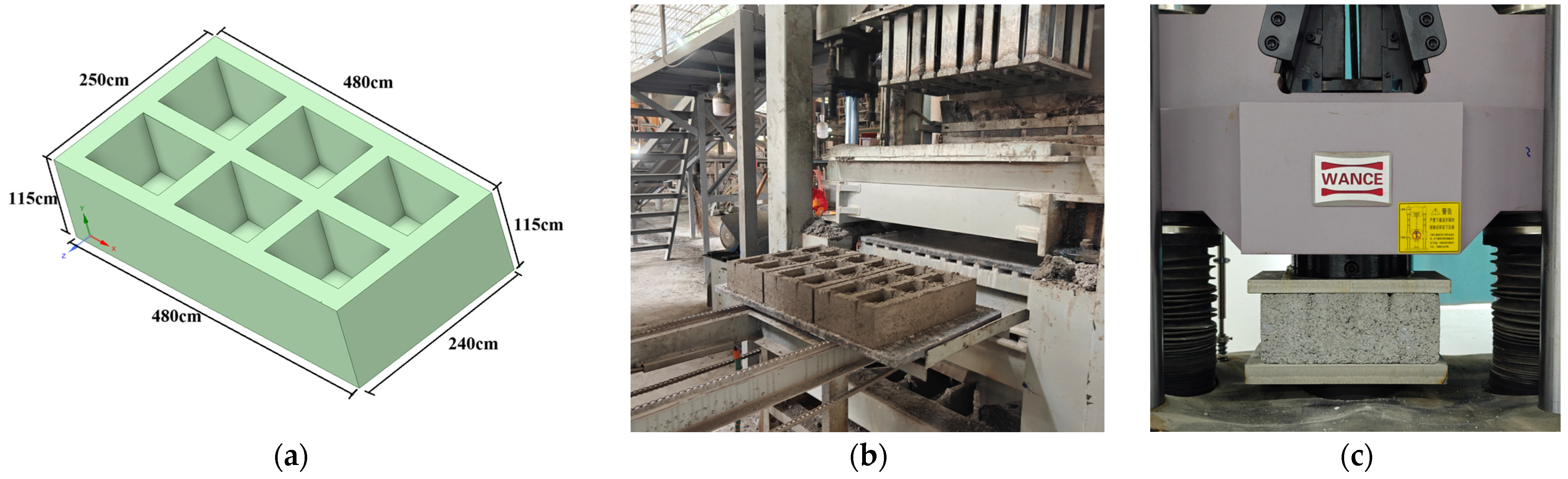
The dimensions of the test specimens are shown in Figure 3a, and the mix proportion of PG-ISBs is presented in Table 2. The molding process of the test specimens is illustrated in Figure 3b and was completed in the laboratory of Guizhou Phosphorous Chemicals Green Environmental Protection Industry Company. In accordance with the requirements of the building materials industry standard GB/T 23456-2018 [10] for phosphogypsum, the test specimens were immediately subjected to standard curing for 28 days after the initial setting of the phosphogypsum-based cementitious material was completed.
Figure 3.
The molding of PG-ISB specimens and the dimensions of the irregular-shaped bricks. (a) The dimensions of the test specimens. (b) The molding of the test specimens. (c) The measurement of the compressive strength of PG-ISB specimens.
Table 2.
Proportions of PG-ISBs for underground backfill masonry wall.
2.3. SEM Observations and Compressive Strength
The internal pore parameters, grain size, and morphology of the solidified products within the specimens were observed using scanning electron microscopy (SEM) technology. The stress–strain curves of the PG-ISB specimens were measured using a microcomputer-controlled hydraulic pressure testing machine, YAW–2000B (100 kN). The system is equipped with a built-in sensor that can directly display the stress–strain curve of the specimen, as shown in Figure 3c.
2.4. Determination of Elastic Modulus
Before testing the elastic modulus, two surfaces of the specimen were ground to a flat state, and the cross-sectional area \( A\) was measured precisely. Subsequently, a 100 kN microcomputer-controlled electro-hydraulic servo universal testing machine was used for loading. The loading rate was set at 0.1 kN/s until reaching 0.2 times the ultimate compressive strength of the specimen (which is the ultimate compressive strength), and the loading state was maintained for 30 s.
The elastic modulus of PG-ISBs is calculated according to Equation (1):
is the elastic modulus of the PG-ISB specimen;
is the cross-sectional area of the specimen (mm2);
is the pressure on the PG-ISB specimen when the stress reaches 0.2 (kN);
is the initial load value when the stress reaches 0.1 (kN);
is the deformation of the specimen when the load is applied to (mm);
is the height of the specimen (mm).
3. Experimental Results and Discussion
3.1. Scanning Electron Microscopy (SEM) and Energy-Dispersive X-Ray Spectroscopy (EDX) Results
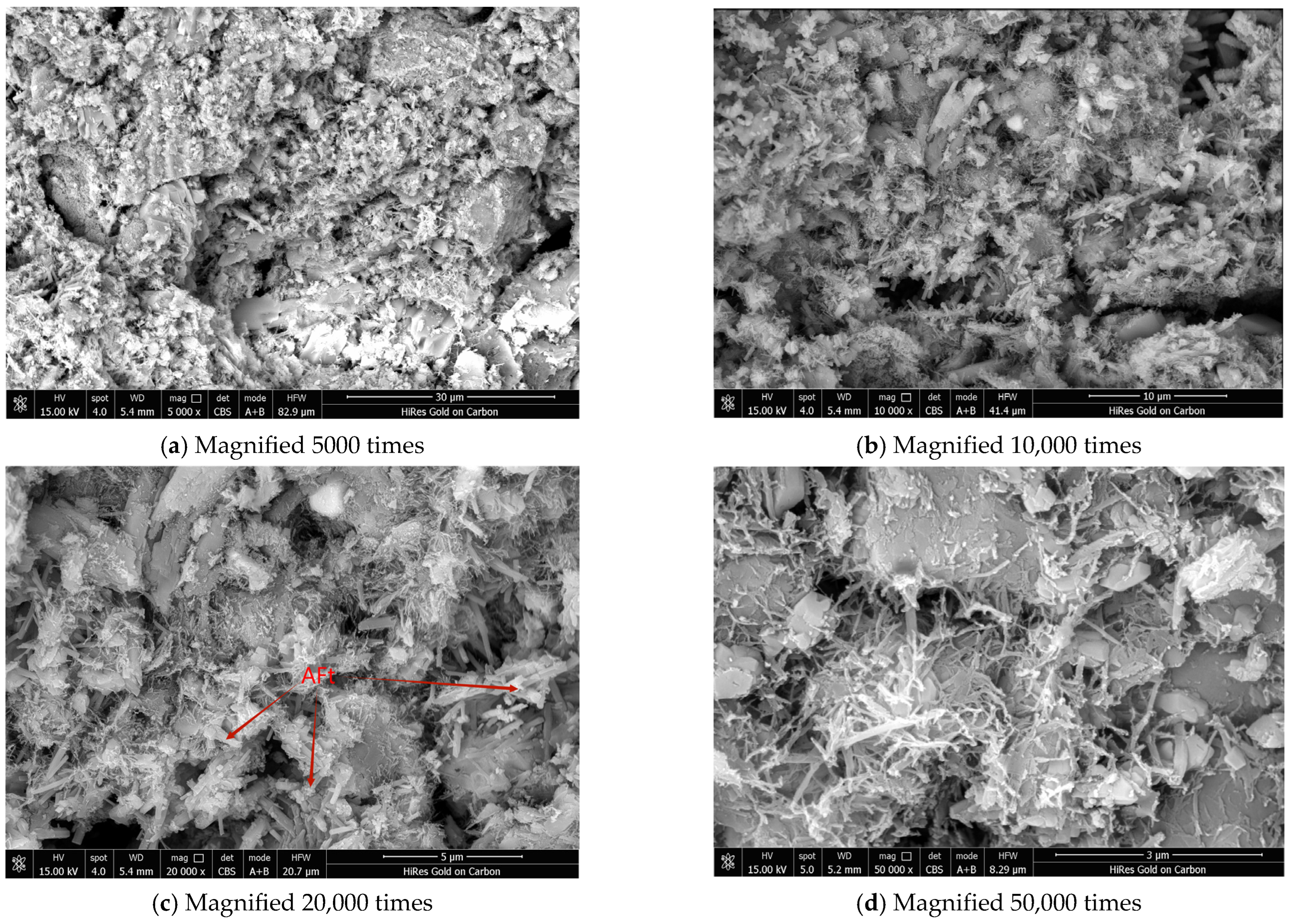
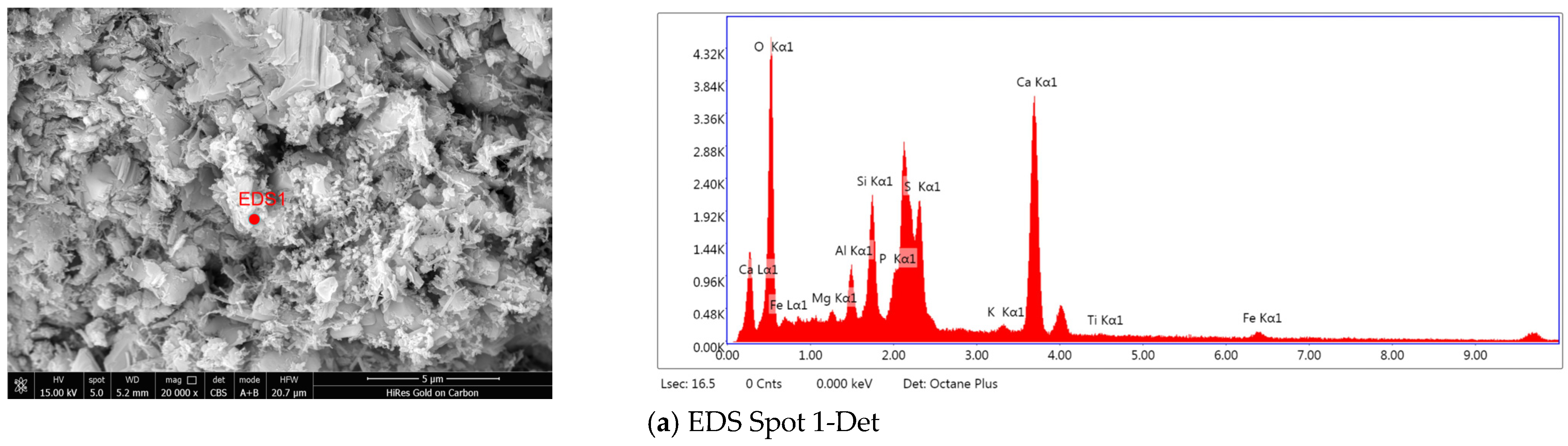
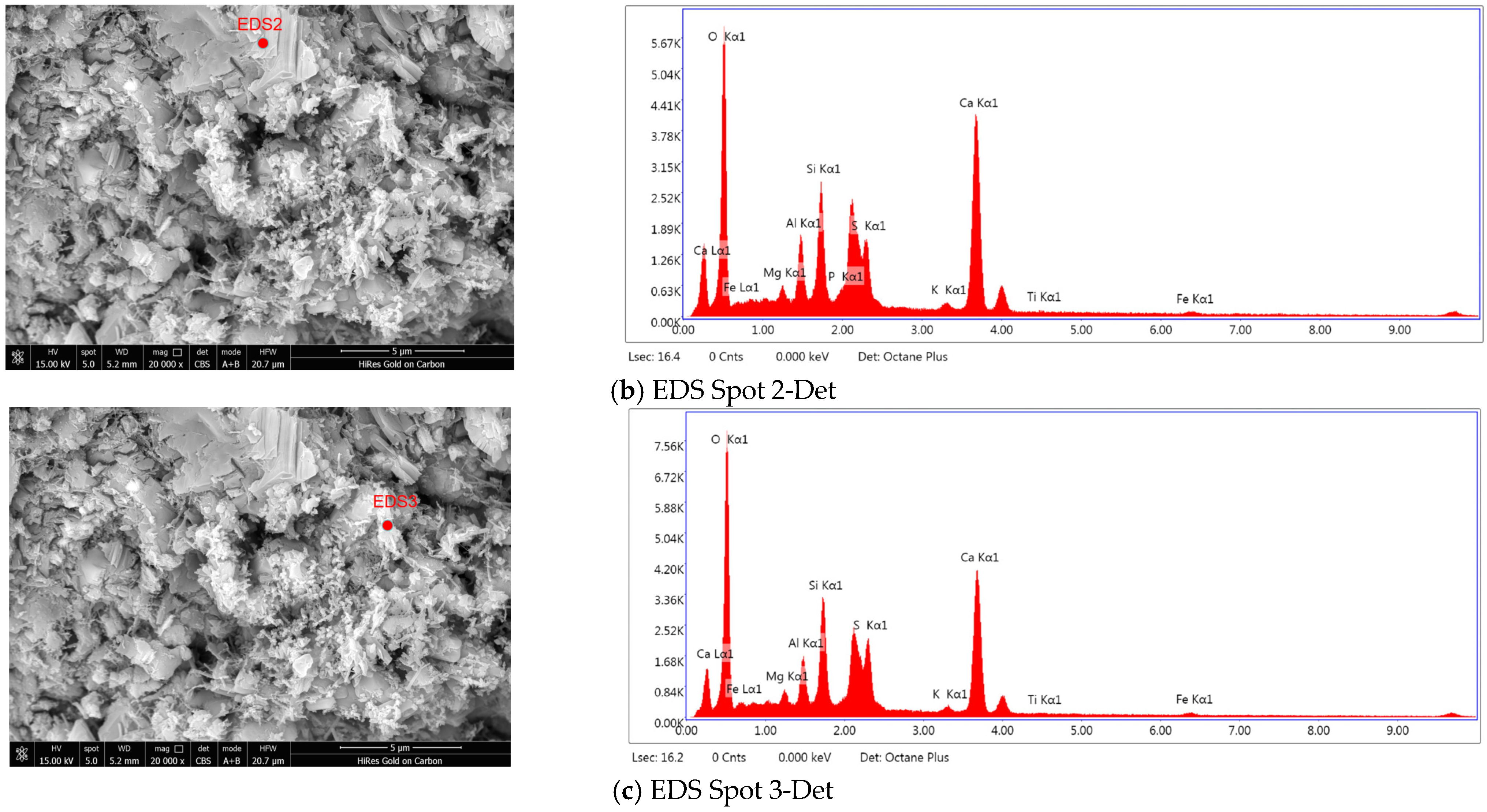
Figure 4 shows the SEM images of the cementitious material of the irregular-shaped bricks in this experiment, while Figure 5 presents the EDX analysis results at selected locations.
Figure 4.
SEM images and EDS point identification of PG-ISB sample.

Figure 5.
EDX analysis results of detection points.
As shown in Figure 4, when the sample is magnified 50,000 times, large pores and fissures in the cementitious material can be observed. When magnified 10,000 times, the internal porous structure and fissures ranging from 0.5 to 1 μm can be preliminarily identified. Under external forces, these weak points of the pores or sharp corners may continue to expand, leading to structural failure. When the sample is magnified 20,000 times, ettringite crystal structures and calcium sulfate crystal structures can be observed. When magnified 50,000 times, distinct reticular structures and calcite lamellar structures are visible.
As shown in the EDX analysis results in Figure 5, the three detection points yielded similar results. Among them, the content of O (oxygen) is the highest, followed by Ca (calcium), S (sulfur), and Si (silicon). Elements such as Al (aluminum) and Mg (magnesium) are also present in relatively high amounts.
3.2. X-Ray Diffraction (XRD) Results
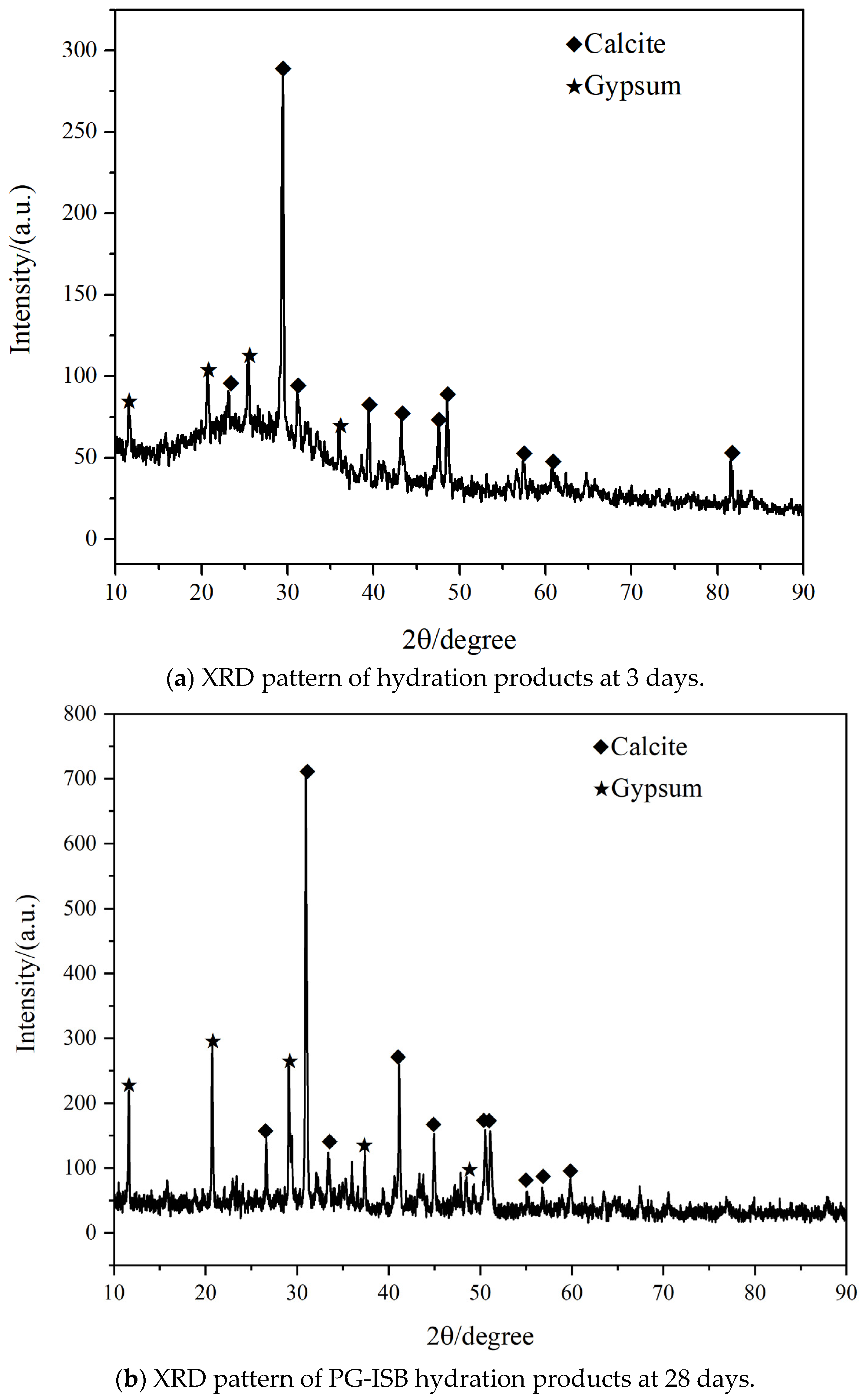
Figure 6 shows the XRD patterns of PG-ISB specimens at 3 and 28 days of curing age. A strong diffraction peak appears at a diffraction angle (2θ) of 29.5°, mainly originating from the physical phase of CaSO4·2H2O. Additionally, smaller diffraction peaks are observed at diffraction angles of approximately 21°, 25°, and 36°, which mainly originate from newly formed AFt, C-S-H gel, and calcium carbonate in the specimens. At 28 days of curing age, the diffraction peak intensities of AFt and C-S-H gel are significantly stronger compared to those at 3 days, indicating that the formation of C-S-H increases with the extended hydration time. C-S-H is one of the main contributors to the strength of PG-ISB specimens.
Figure 6.
XRD patterns of PG-ISB hydration products.
3.3. Compressive Strength and Elastic Modulus
The uniaxial compressive strength is an important indicator for characterizing the mechanical properties of solid structures. The 28-day uniaxial compressive strength values of the PG-ISB samples are shown in Table 3.
Table 3.
Uniaxial compressive test results of phosphogypsum concrete specimens.
As shown in Table 3, the compressive strength of the test specimens in this experiment exceeded that of MU15 bricks (6.30 MPa) and the strength of MU20 blocks (9.08 MPa). Therefore, the compressive strength of PG-ISBs is sufficient to meet the strength requirements for underground filling barriers.
Taking 0.2 times the average ultimate load as the loading standard for the static elastic modulus, the static elastic modulus of PG-ISBs is calculated based on 0.2 and 0.1 times the average ultimate compressive strength. The elastic modulus of the specimens is shown in Table 4.
Table 4.
Static elastic modulus of phosphogypsum concrete specimens.
In Table 4, Em is the elastic modulus of the PG-ISB specimen, and Nu is the average value of the ultimate compressive strength.
4. PG-ISB Uniaxial Compression Constitutive Model
4.1. PG-ISB Stress–Strain Curve
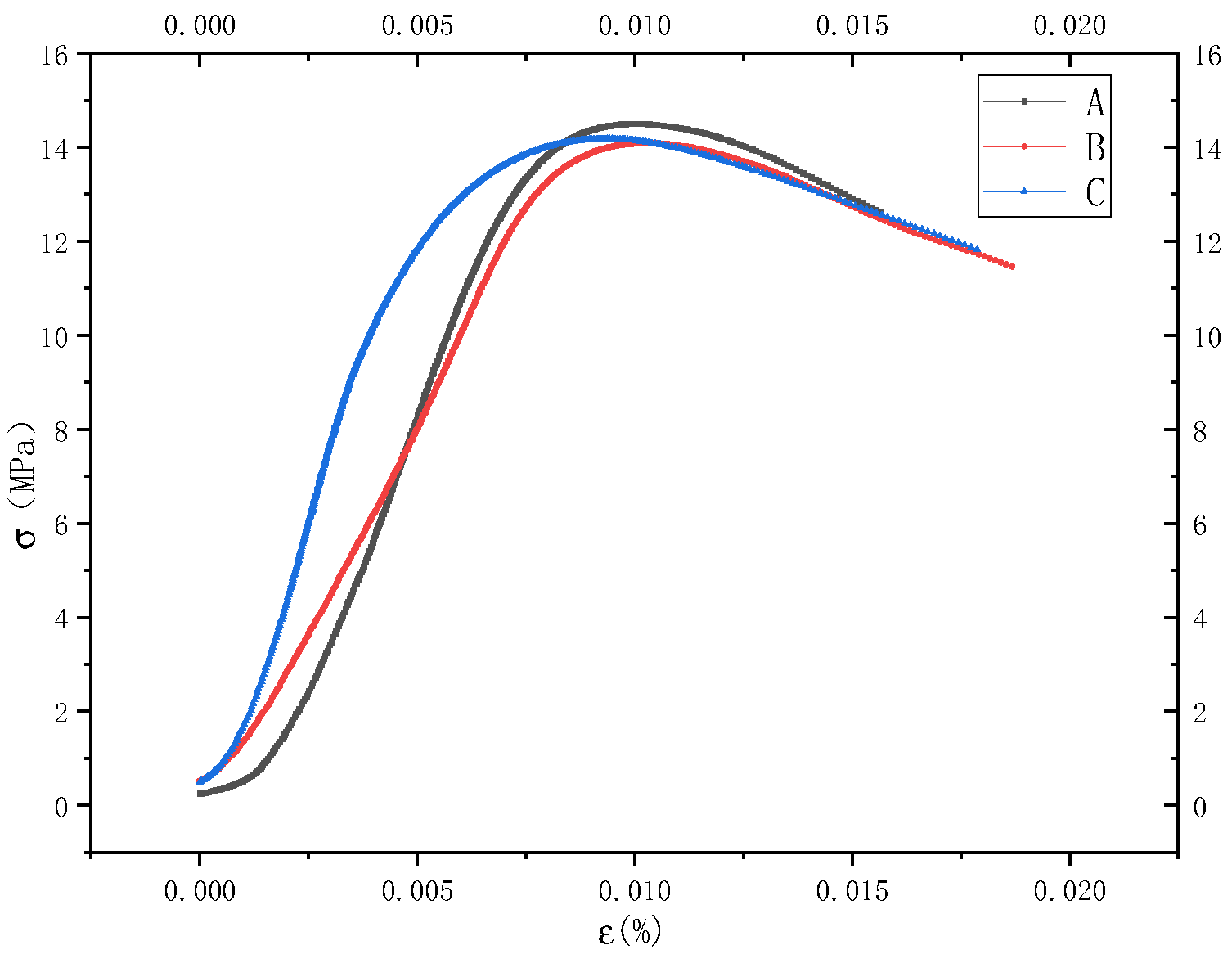
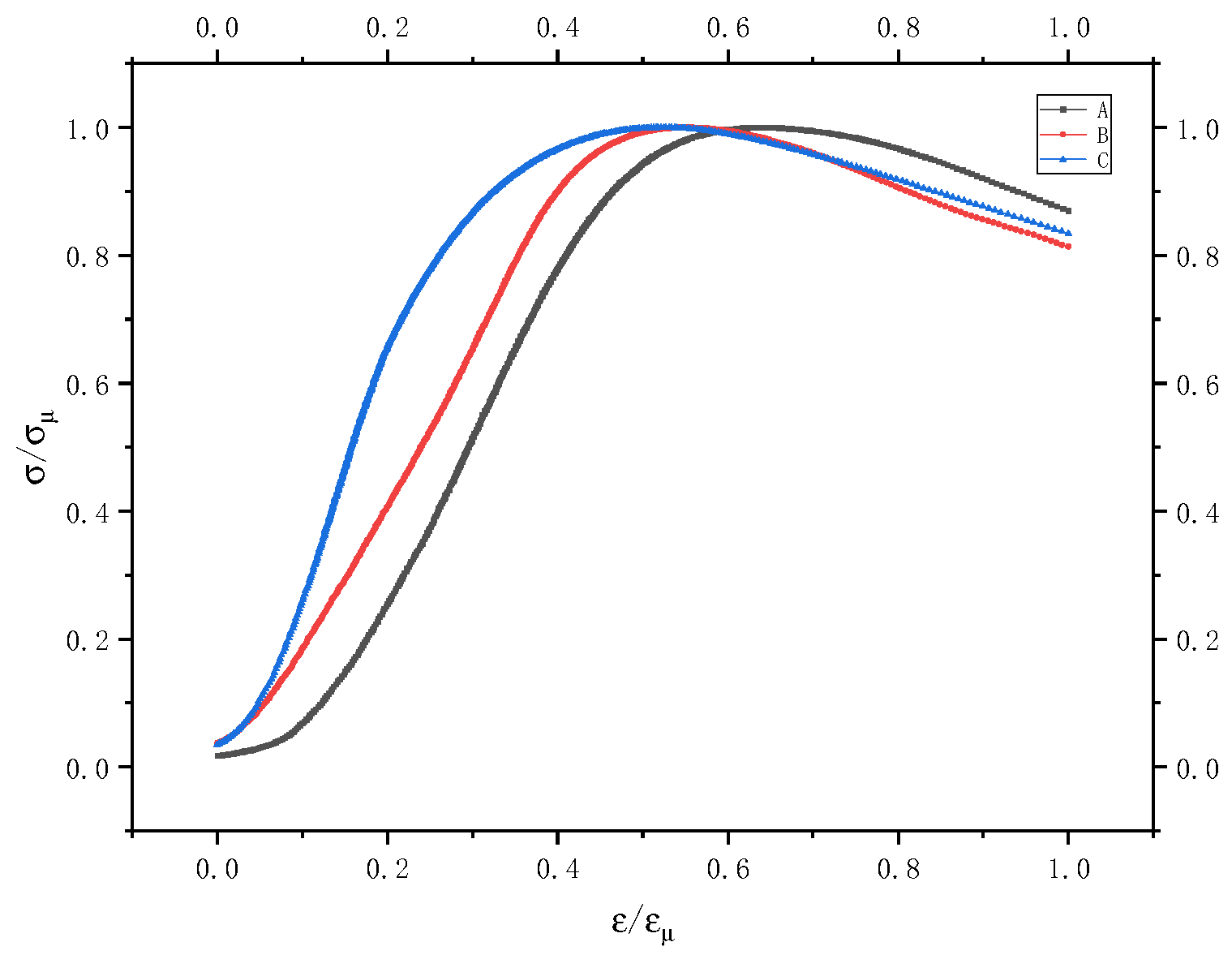
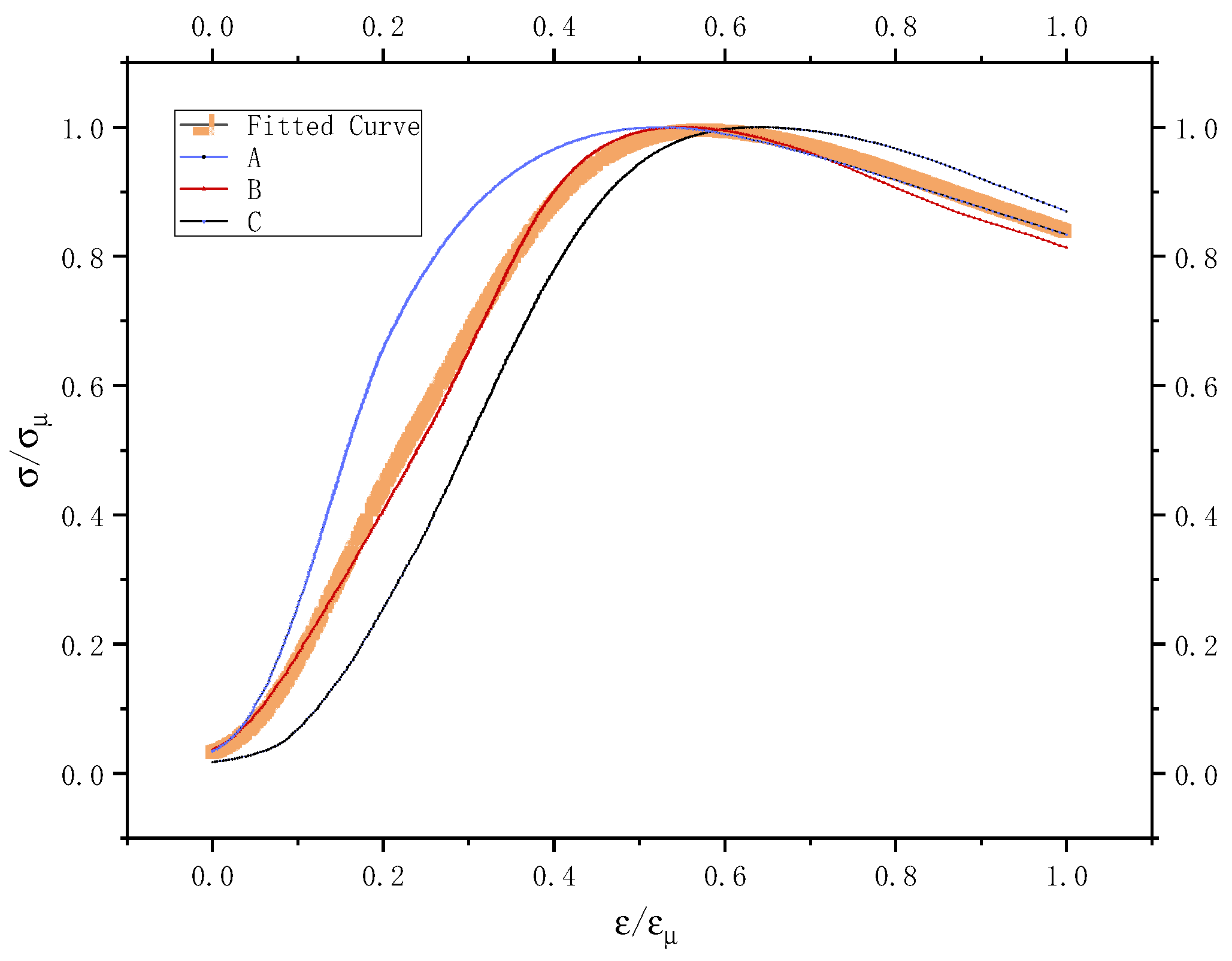
The stress–strain curve is an important indicator for characterizing the deformation characteristics and mechanical properties of solid structures. In this paper, a uniaxial compression test method was used. The uniaxial compressive stress–strain curves of three PG-ISB specimens were obtained using the YAW-2000B (100 kN) testing system, as shown in Figure 7. The three curves were then normalized for processing, as shown in Figure 8.
Figure 7.
Stress–strain curve under uniaxial compression.
Figure 8.
Stress–strain relationship.
By comparing the three curves in Figure 7 (A), (B), and (C), it can be seen that the uniaxial compression of PG-ISB specimens can be divided into four stages: The first is the compaction stage. As the load is applied, the pores within the material gradually close, leading to a relatively rapid increase in stress. The second is the linear elastic stage. In this stage, the growth of stress and strain shows an approximately linear relationship, and the elastic modulus can be calculated based on the stress–strain relationship in this segment. The third is the plastic stage. In this stage, the growth rate of stress slows down, while the growth rate of strain accelerates. The fourth is the failure stage. After reaching the peak stress, the load-bearing capacity of the specimen decreases, and cracks rapidly expand and interconnect, leading to the splitting failure of the specimen.
The measured stress–strain full curves of the three groups of specimens were non-dimensionalized to obtain the normalized stress–strain full process curves, as shown in Figure 8, where is the peak stress (MPa), and is the peak strain.
4.2. PG-ISBs Segmented Expression Method
To determine the constitutive model of the PG-ISB cementitious structure under uniaxial compression, the stress–strain relationship in Figure 8 is approximated using the curve in Figure 9. It is difficult to precisely represent the curve characteristics in Figure 9 with a single complete mathematical expression. Therefore, this paper adopts a segmented expression method, dividing Figure 9 into two segments, each described by a formula.
Figure 9.
Approximate simulation diagram.
The mathematical characteristics of the curve in Figure 9 are as follows:
For , , the slope of the curve increases monotonically, , and the curve is convex upwards without any inflection points.
When , , which is the single peak value.
When , , and there is an inflection point in the descending segment.
When , , and .
For the entire curve, , and .
In summary, based on the geometric characteristics of the uniaxial compressive stress–strain curve of the PG-ISB specimen, a cubic polynomial can be used for the following:
The curve is continuous at the point ; substituting the boundary conditions and into Equations (2) and (3) yields the following:
The expression for the ascending segment of the curve is as follows:
The expression for the descending segment of the curve is as follows:
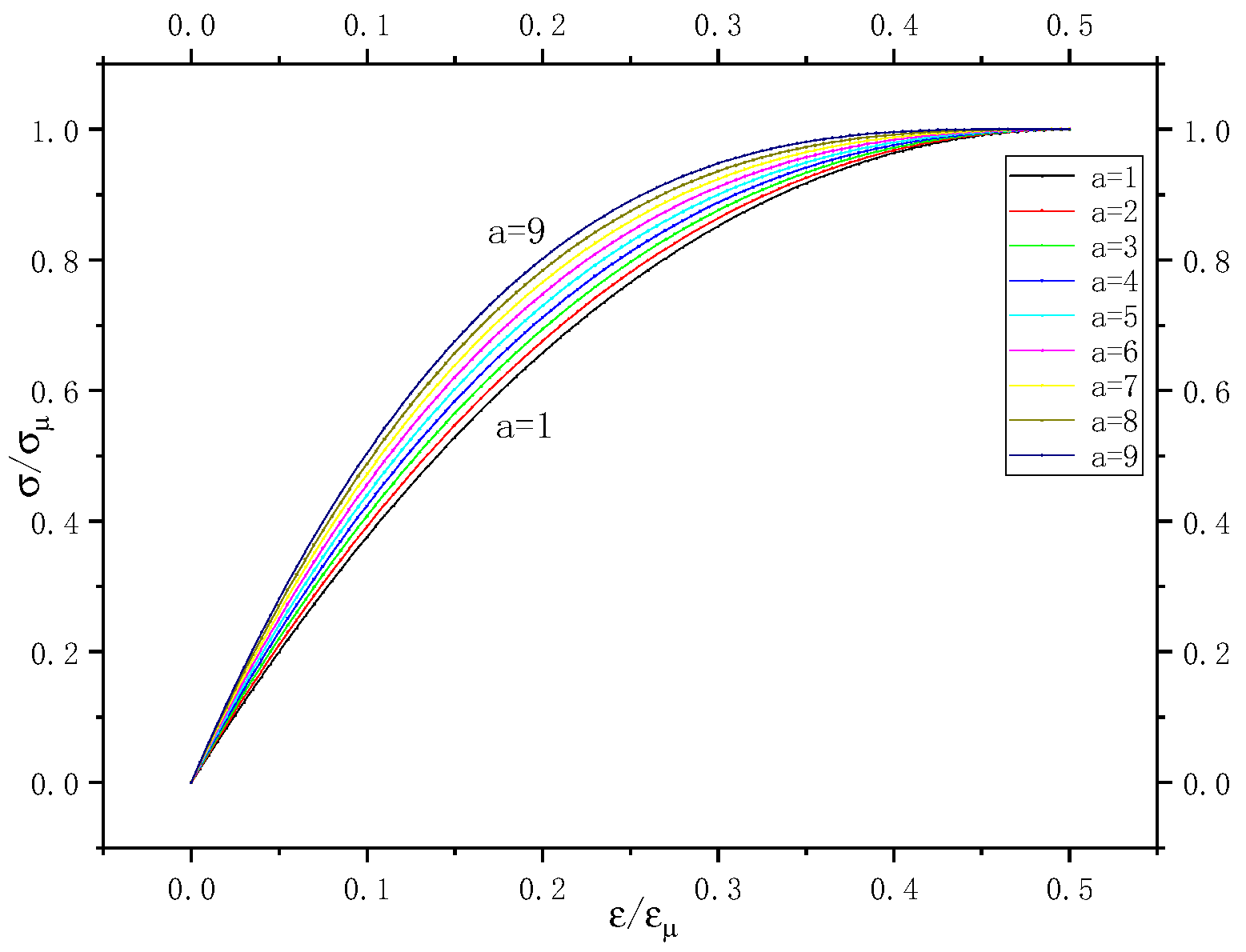
For the ascending segment parameter , when , :
From this, it can be known that the value of is the ratio of the initial elastic modulus of PG-ISBs to the peak secant modulus. Therefore, . Also, it is known that when , , and we obtain . Thus, the value of is as follows: . The values of the parameter are shown in Figure 10.
Figure 10.
The curve of the rising segment and the relationship curve of parameter .
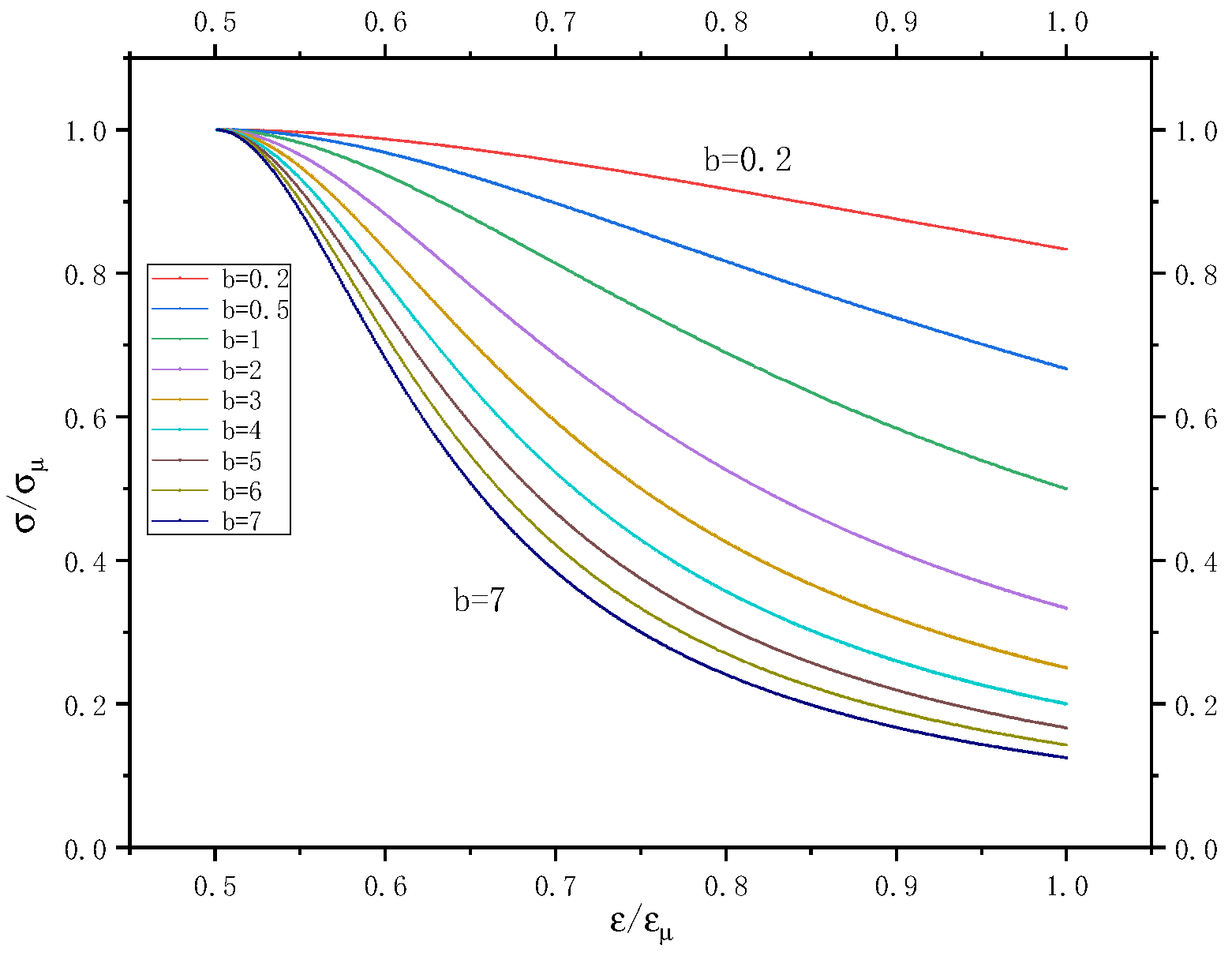
Regarding the value of parameter , it is known from the given conditions that . From Figure 9, when , corresponds to the descending segment of the curve, which does not significantly differ from the experimental results. It is recommended that during the descending phase of the curve, the control parameter .
From Figure 10 and Figure 11, it can be seen that changes in parameters and can lead to significant changes in the shape of the curve. For different samples, selecting appropriate values for parameters and can yield theoretical curves that closely match the experimental results.
Figure 11.
The curve of the falling segment and the relationship curve of parameter .
Using Formula (7), the correlation between the theoretical curves calculated with different parameters and and the experimental results can be determined.
The range of r is distributed in the range [−1, 1]. When r = 1, it indicates that the two sets of data are perfectly positively correlated. When r = −1, it indicates that the two sets of data are perfectly negatively correlated. When r = 0, it indicates that there is no linear correlation between the two sets of data.
Here, is the number of data points, and are the -th data points in the two sets of data, and and are the sample means of the two sets of data.
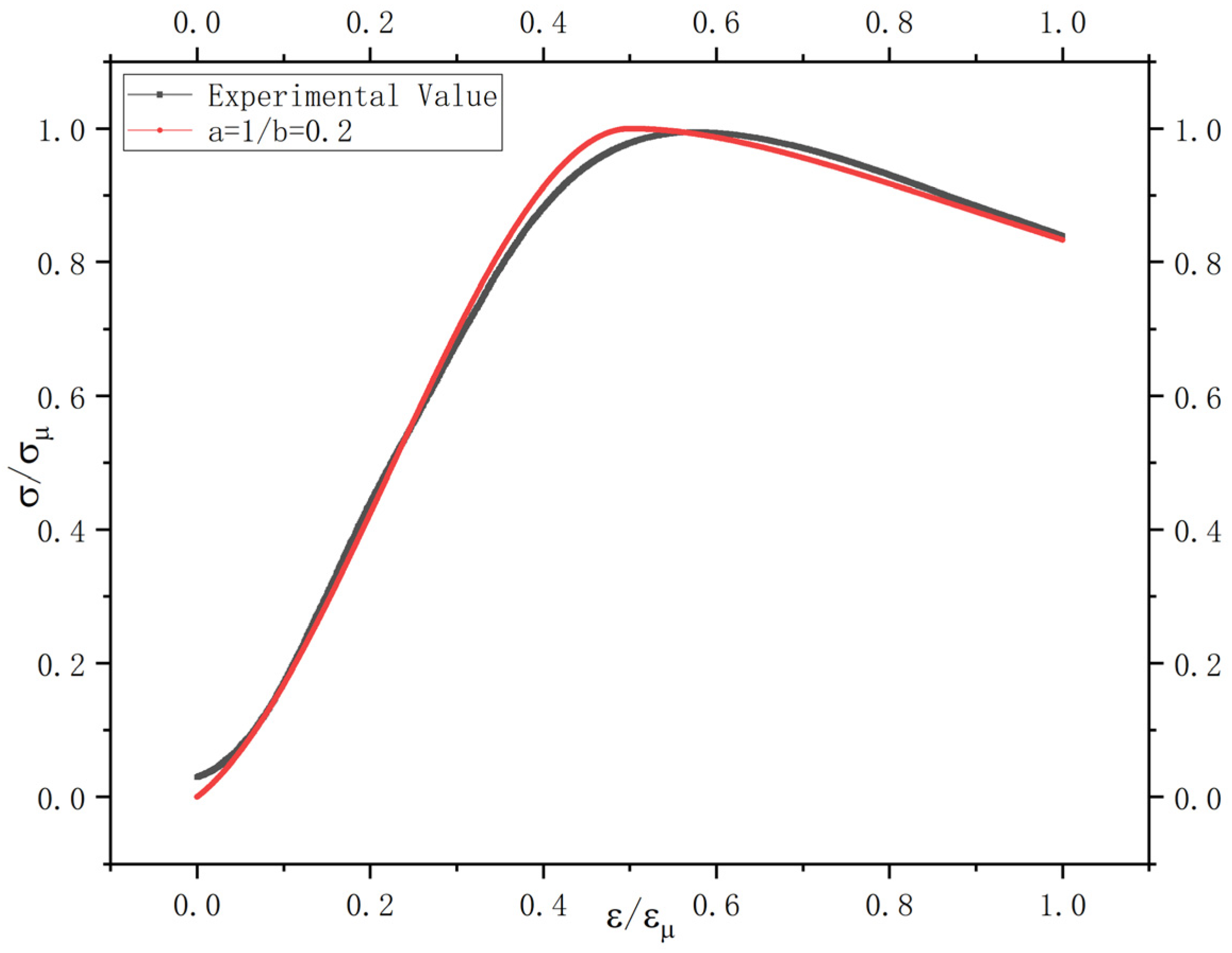
By comparing the correlation calculation results provided in Table 5, it can be seen that when and , the experimental curve and the theoretical curve have a good correlation. In conjunction with Figure 12, which shows the stress–strain fitting curve closely matching the experimental curve [11], it can be concluded that the parameters and can serve as the control parameters for the ascending and descending segments of the PG-ISB constitutive model, respectively.
Table 5.
Comparison of constitutive model parameters for samples.
Figure 12.
Comparison between experimental curve and theoretical curve.
The constitutive relationship of the PG-ISB cementitious structure can be expressed as follows:
5. Conclusions
(1) The calcination of phosphogypsum yields Type II anhydrous gypsum powder, which eliminates the adverse effects of harmful impurities. When mixed with other solid wastes (such as construction waste sand) to prepare masonry materials for underground filling retaining walls, it can replace a portion of cement. This not only achieves the high-value utilization of phosphogypsum but also significantly reduces carbon dioxide emissions during production and use, playing an important role in promoting the early achievement of “carbon peak and carbon neutrality” in the construction industry.
(2) The prepared PG-ISB cementitious material has a compressive strength that meets the requirements for filling retaining walls.
(3) Scanning electron microscopy observations reveal a large number of micro-pore structures within the PG-ISB cementitious material. The presence of these micro-pores is an important factor affecting the strength of the PG-ISB cementitious material.
(4) Based on the uniaxial compressive stress–strain full curves of the tested specimens, an empirical constitutive model for the uniaxial compression of the specimens was established. The fitted curves match the experimental data well. Suggested values for the segmental control parameters of the constitutive model are provided for reference in engineering applications and finite element analysis.
Author Contributions
J.J.: Formal analysis, Investigation, Writing—original draft. G.X. and Z.Z.: Validation, Supervision, Writing—review & editing. H.L. and M.H.: Experimental design, Methodology. W.W. and Z.C.: Compilation. All authors have read and agreed to the published version of the manuscript.
Funding
This research was supported by the Guiyang City Science and Technology Plan Project (Zhu Ke Contract [2024]-1-8), Natural Science Foundation of Guizhou Province (Project Code: QIAN KE HEJICHU-ZK [2022]-027; ZK [2021] YIBAN 284), the National Natural Science Foundation of China (Project Code, 52268065), Guizhou Province innovative high-level talent project (Project Code:QIAN KE HE Platform Talents-GCC [2023] 053), and Qiankehe Talent CXTD [2025] No. 042.
Data Availability Statement
The data of the manuscript has not been made public. If necessary, please contact the corresponding author.
Acknowledgments
This study was supported by the Guiyang City Science and Technology Plan Project (Zhu Ke Contract [2024]-1-8), Natural Science Foundation of Guizhou Province (Project Code: QIAN KE HEJICHU-ZK [2022]-027; ZK [2021] YIBAN 284), the National Natural Science Foundation of China (Project Code, 52268065), Guizhou Province innovative high-level talent project (Project Code: QIAN KE HE Platform Talents-GCC [2023] 053), and Qiankehe Talent CXTD [2025] No. 042. We thank Guizhou Province Rail Transit Infrastructure Operation & Maintenance (OM) and Digital Twin Applications (DTA) Team References for their support.
Conflicts of Interest
.Author Wenqi Wu was employed by the company Guizhou AVIC Precision Co., Ltd. The remaining authors declare that the research was conducted in the absence of any commercial or financial relationships that could be construed as a potential conflict of interest.
References
- Luo, H.; Huang, J. Optimization and Application of Filling Proportion of Phosphogypsum in a Phosphate Mine. Mod. Min. 2024, 40, 185–188. [Google Scholar] [CrossRef]
- Xu, X.; Kong, L.; Li, X.; Lei, B.; Sun, B.; Li, X.; Qu, F.; Pang, B.; Dong, W. Energy conservation and carbon emission reduction of cold recycled petroleum asphalt concrete pavement with cement-stabilized phosphogypsum. Constr. Build. Mater. 2024, 433, 136696. [Google Scholar] [CrossRef]
- Lan, W.; Wu, A.; Wang, Y.; Li, J. Experiments on the Influencing Factors of Filling Strength of Hemihydrate Phosphogypsum. J. Harbin Inst. Technol. 2019, 51, 128–135. [Google Scholar] [CrossRef]
- Qi, C.; Liu, L.; Huang, X.; Wu, Q.; Zhao, X.; Xue, F. Research on the Filling Performance of Undisturbed Phosphogypsum Consolidated by Phosphogypsum-based Cementitious Materials. Non-Met. Mines 2023, 46, 30–34. [Google Scholar] [CrossRef]
- Zhang, H.; Liu, F. Research on Rational Structural Parameters of Filling Retaining Wall and Its Application. Chem. Miner. Process. 2014, 43, 33–35. [Google Scholar]
- Cheng, A.; Du, A.; Yin, D.; Shi, J.; Wang, P. Research on the Determination Method of Filling Retaining Wall Thickness and the Stress Distribution Law Considering the Influence of Boundary Constraints. Met. Mines 2024, 6, 199–211. [Google Scholar] [CrossRef]
- Hao, X.; Liu, H.; Zhao, L.; Yang, H.; Chai, H. Stress Analysis of Filling Retaining Walls in Open Stope Subsequent Filling and Engineering Practice of Construction. Gold 2023, 44, 21–27. [Google Scholar] [CrossRef]
- Deng, G.; Zheng, B.; Li, X. Research on the Construction Technology of Underground Filling Retaining Walls. Min. Technol. 2018, 18, 26–30. [Google Scholar] [CrossRef]
- Li, Z.; Guo, L.; Peng, X.; Zhao, Y.; Yu, B. Flexible Sealing Method and Application of Stope Filling in Underground Mines. J. Min. Saf. Eng. 2024, 41, 86–94. [Google Scholar] [CrossRef]
- GB/T 23456-2018; National Technical Committee for Standardization of Lightweight and Decorative Building Materials (SAC/TC 195). China Standard Press: Beijing, China, 2018.
- Xu, G.; Li, Y.; Pang, R.; Chen, Z.; Ren, X. Constitutive model analysis of Chang’e-5 simulated lunar regolith solidified bodies under compression. Case Stud. Constr. Mater. 2024, 21, e03704. [Google Scholar]
Disclaimer/Publisher’s Note: The statements, opinions and data contained in all publications are solely those of the individual author(s) and contributor(s) and not of MDPI and/or the editor(s). MDPI and/or the editor(s) disclaim responsibility for any injury to people or property resulting from any ideas, methods, instructions or products referred to in the content. |
© 2025 by the authors. Licensee MDPI, Basel, Switzerland. This article is an open access article distributed under the terms and conditions of the Creative Commons Attribution (CC BY) license (https://creativecommons.org/licenses/by/4.0/).