
Article

Facile Synthesis of Cellulose Whisker from Cotton Linter as Filler for the Polymer Electrolyte Membrane (PEM) of Fuel Cells

by
Ronaldo P. Parreño, Jr.
*,
Reynaldo A. Badua, Jr.
,
Jowin L. Rama
and
Apollo Victor O. Bawagan
Fuel Cell R&D and Testing Center, Chemicals and Energy Division, Industrial Technology Development Institute (ITDI), Department of Science and Technology (DOST), Taguig 1631, Philippines
*
Author to whom correspondence should be addressed.
J. Compos. Sci. 2025, 9(12), 670; https://doi.org/10.3390/jcs9120670 (registering DOI)
Submission received: 19 June 2025 / Revised: 12 August 2025 / Accepted: 27 August 2025 / Published: 3 December 2025
(This article belongs to the Section Polymer Composites)

Abstract

Hybrid membranes are promising alternatives for various applications, combining a continuous polymer phase with a dispersed filler phase to achieve synergistic functional benefits. The ideal fillers should possess well-defined structures and unique properties for multi-functionality, as well as being sourced from renewable, biodegradable materials for sustainability purposes. This study explored the potential of using cellulose-based renewable materials as fillers for hybrid polymer electrolyte membranes (PEMs) in fuel cells. Cellulose whiskers (CWs), known for their high crystallinity and elastic modulus, were effectively synthesized via optimized sequential alkali treatment and acid hydrolysis. Subsequent functionalization with citric acid was performed to enhance their reinforcing properties and overall performance. Initial characterization using ATR-FTIR and XRD confirmed the CWs’ structural composition, high crystallinity, and the presence of reactive groups (sulfate and hydroxyl). The functionalization process introduced new carbonyl groups (C=O), which was verified by ATR-FTIR, while maintaining high hydrophilicity. Morphological analysis revealed that the crosslinked CWs created a denser and more compact microstructure within the membrane, leading to a significant enhancement in mechanical strength. The modifications to the cellulose whiskers not only improved structural integrity but also boosted the membrane’s ion exchange capacity (IEC) and proton conductivity compared to membranes with unmodified CWs. Initial experiments demonstrated CWs’ compatibility as a filler in a polysulfone (PSU) matrix, forming hybrid membranes suitable for fuel cell applications.

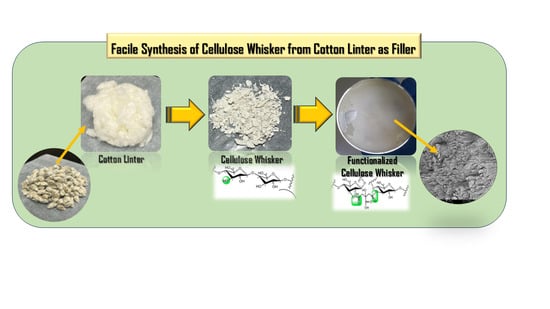
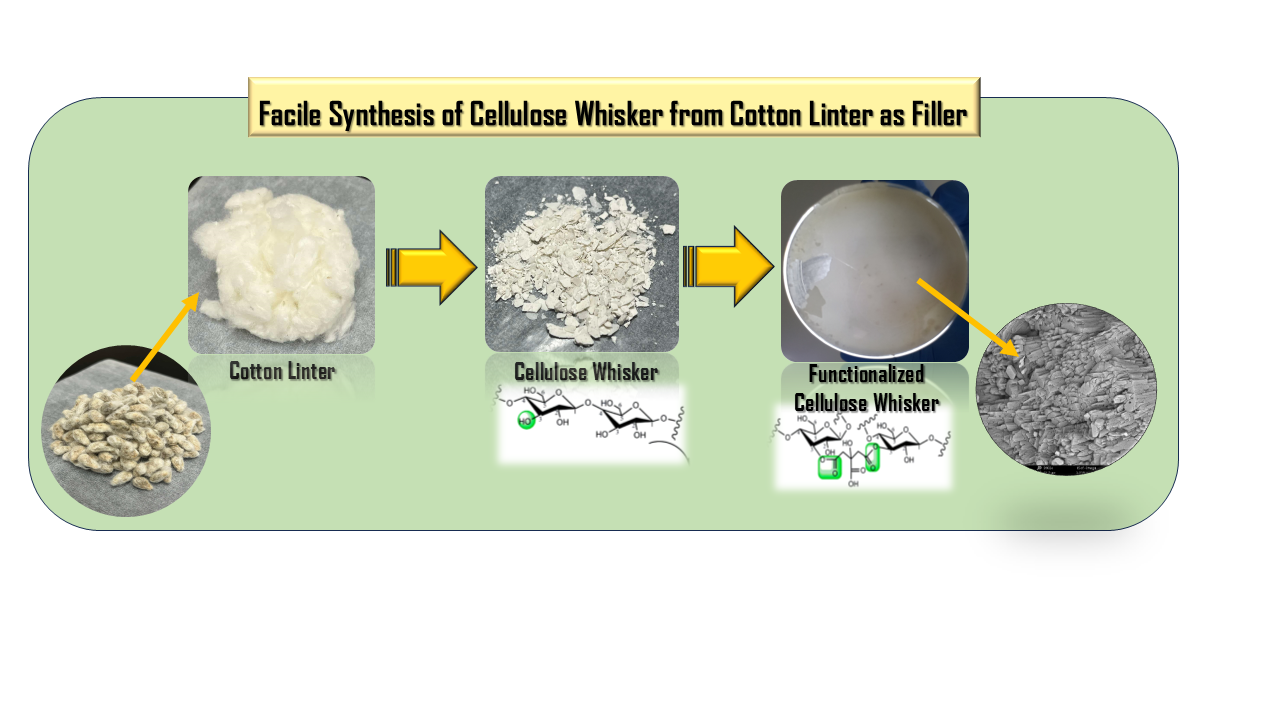
Graphical Abstract

1. Introduction

Innovative processing methods have provided new solutions to meet sustainability requirements in material development for high-performance applications, e.g., electrochemical processes for energy conversion and storage such as fuel cells and batteries. However, advancements in material research, aimed at innovative properties and tailored functionalities, have led to more complex processing methods with unintended environmental consequences. For instance, the conversion of raw materials for manufacturing energy conversion and storage devices such as fuel cells, batteries and solar cells makes a significant contribution to energy costs and greenhouse gas emissions [1,2]. Likewise, the process of producing typical carbon nanomaterials requires harsh synthetic conditions and fossil-fuel-based molecules as precursors, which directly harm the environment [3]. Exacerbating the problem, these materials possess properties that are detrimental to the environment and resistant to biodegradation, resulting in long-term ecological impacts. Commercial membranes such as Nafion, employed in fuel cells, highlight this concern, as they are not only prohibitively expensive but also involve the utilization of harmful substances during production [4]. Right now, the development of new membrane materials as a replacement or substitute for the polymer electrolyte membrane (PEM) will determine the successful commercialization of fuel cells and their adoption by industry.
The growing demand for sustainable alternatives to synthetic materials is driving research into bio-based materials, prioritizing biodegradability, eco-friendliness, and renewability [5,6,7,8,9]. Plant-derived “green” materials offer a sustainable solution compared to finite conventional resources [10]. The current trend focuses on re-purposing renewable biomass, including agricultural and industrial wastes, into environmentally beneficial materials [11,12,13,14]. Biomass is abundant, renewable, eco-friendly, and cost effective. Nanotechnology further enables the conversion of agro-industrial by-products into high-value products [15,16]. Cellulose, the most abundant natural polymer derived from biomass, is an excellent raw material for synthesizing diverse nanostructured materials, offering greener and simpler production methods for wide-ranging applications [17,18].
This study utilized cotton linters, a short, cellulose-rich cotton waste, as a sustainable raw material for the facile synthesis of cellulose whiskers (CWs) [19]. These CWs were used as active fillers for hybrid membranes in fuel cells. Unlike many fillers that offer limited property enhancements [20], these cotton-derived CWs actively contribute functional groups as proton transfer agents. The choice of cotton linters, coupled with a simple, resource-conserving synthesis method for the CWs, significantly enhances the hybrid membrane’s sustainability by reducing chemical usage, waste, and the overall carbon footprint [21]. This approach optimizes processing by repurposing waste into a high-value material.

2. Materials and Methods

2.1. Materials

Cotton linters were provided by the Philippine Fiber Industry Development Authority (PhilFIDA) of the Department of Agriculture (DA) and Philippine Textile Research Institute (PTRI) of the Department of Science and Technology (DOST). Concentrated H2SO4 (RCI Labscan, AR 98%), sodium hydroxide (micropearls RCI Labscan, AR 99%) and citric acid (RCI Labscan, AR grade) were purchased from Belman Laboratories and Dimethylsulfoxide (DMSO) (ACS grade, Echo, 99.9%), and Tetrahydrofuran (THF) (inhibitor free, high purity, Tedia, 99.8%) were purchased from Theo-pam Trading Corp., Pasay City, Metro Manila, Philippines, and they were used as received. Polysulfone (PSU) (transparent pellets Sigma-Aldrich, average Mw ~35,000 by LS, average Mn ~16,000 by MO) was procured from Chemline Scientific Corp., Quezon City, Metro Manila, Philippines and was also used as received.

2.2. Alkali Treatment

The alkali treatment method was based on the procedure from the previous report of Zheng et al., [22] with minor adaptations. The desired amount of cotton wastes was weighed based on the statistical design of experiment in Table 1. Then, the NaOH aqueous solutions were prepared based on the concentrations (5, 10, and 15%). Cotton linters were added in the alkali solution using a solid to liquid ratio of 1:33 (cotton linter/NaOH solution) and heated to 60 °C for 6 h under constant stirring at fixed speed of 200–300 rpm. The extracted cellulose was filtered and then washed repeatedly with distilled water until the pH was near neutral. The cellulose material was dried in the drying oven (Jeio Tech, ON-02G, Daejeon, Republic of Korea) at 60 °C until reaching a constant weight to ensure that moisture content was removed.

2.3. Acid Hydrolysis

Acid hydrolysis using sulfuric acid is the simplest approach for a highly effective cellulose whisker (CW) preparation [16]. The procedure for acid hydrolysis was described in the previous reports [23,24,25] with modifications. The desired amount of dried cellulose was weighed based on the design of experiment in Table 2. Then, the cellulose was added to the H2SO4 solution using a solid to liquid ratio of 1:10 (cellulose/acid solution) and heated to 45 °C under a constant stirring speed of 200 rpm for the desired reaction time (45 min and 60 min) and acid concentration (55 wt% and 60 wt%) based on the statistical experimental design. The solid materials were filtered from the hydrolyzed colloidal suspension, separating the spent acid portion. The material was washed with deionized (DI) water repeatedly using a refrigerated microcentrifuge (DLab, D1254R, Shunyi District, Beijing, China) at 10,000 rpm and a temperature of 10 °C for 5 min until the pH was near neutral (constant between 5 and 6). The neutralized colloidal suspension was homogenized using an ultrasonic homogenizer (Cole-Parmer, Stuart SHM3, Vernon Hills, IL, USA) at 10,000 rpm for 30 min. The cellulose whiskers were dried in the oven (Jeio Tech, ON-02G, Daejeon, Republic of Korea) at 60 °C for 6–8 h or until weight beame constant to completely removed moisture. Then, the samples were stored in an air-tight container prior to further processing.

2.4. Functionalization

The desired amount of cellulose whiskers (CW) was weighed. DI water was added to the cellulose whisker at 5 wt% concentration and homogenized for 15 min at room temperature (RT) under constant stirring (450 rpm). Then, the CW suspension was combined with citric acid solution (CA) (5 wt%) at a CW to CA ratio of 50:50. The CW/CA blended solution was homogenized using an ultrasonic homogenizer (Cole-Parmer, Stuart SHM3, Vernon Hills, IL, USA) at 5000 rpm for 5 min. Then, the blended solution was placed in a Petri dish for drying in the oven (Jeio Tech, ON-02G, Daejeon, Republic of Korea) at 35 °C until completely dry. Additional thermal treatment was carried out for 10 min at 120 °C for the curing and crosslinking of the cellulose whiskers. After curing, the CW was washed until no residuals of acid were detected when the pH became constant (pH ≥ 5). The CWs were dried in the oven at 35 °C until completely dried. Then, they were stored for utilization in the hybrid membrane fabrication.

2.5. Characterization of Cellulose and Cellulose Whiskers

The cellulose and cellulose whiskers (CWs) produced were characterized for their structural compositions using a Fourier Transform Infrared (FTIR) spectrometer (Shimadzu, IR Tracer-100, Kyoto, Japan) with an Attenuated Total Reflectance (ATR) accessory to confirm the functional groups present in the cellulose material. Samples were directly analyzed in the ATR accessory without any sample preparation. All measurements were performed at the range of 4000–400 cm−1 with a resolution of 4 cm−1. The spectra were correlated to the peaks associated with amorphous and crystalline structures to the total crystallinity index (TCI) of the synthesized cellulose materials. ATR-FTIR spectroscopy is an effective method for determining the TCI because the molecular vibrations within a polymer’s structure produce different absorption bands depending on whether they are in an ordered, crystalline region or a disordered, amorphous region. For cellulose materials, the calculation is commonly based on the ratio of the absorbance bands at approximately 1372 cm−1 and 2900 cm−1 [26]. The formula for the Total Crystallinity Index (TCI) is:
T C I =   A 1372 A 2900
where A1372 is the absorbance (intensity) of the peak around 1372 cm−1, which is often assigned to the C-H bending or C-O bending vibration in the crystalline region of the cellulose I structure, while A2900 is the absorbance (intensity) of the peak around 2900 cm−1, which corresponds to C-H stretching vibrations and is generally considered to be representative of both the crystalline and amorphous regions.
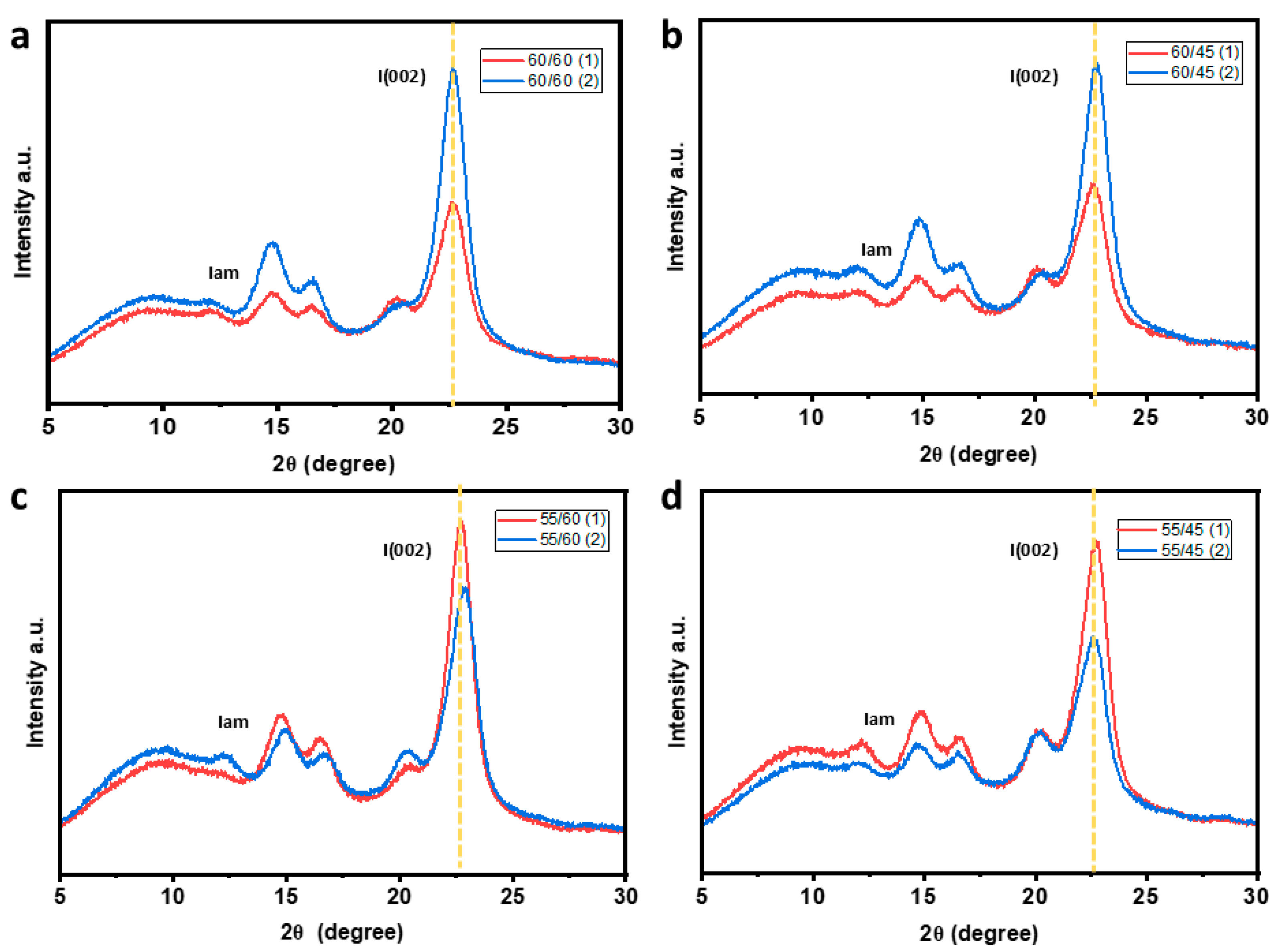
The crystallinity index (CrI) was further validated by performing X-ray Diffraction (XRD) analysis on the samples after converting the cotton cellulose into cellulose whiskers (CWs). The diffractograms were recorded using a diffractometer (Shimadzu, LabX XRD-6000, Kyoto, Japan) with Cu Kα radiation, a voltage of 40 kV and a current of 30 mA. The scanning range was from 2θ = 5° to 30° at a scanning speed of 1° per minute. The Crystallinity Index (CrI) is a measure of the proportion of crystalline material in a sample. It is often calculated using methods such as the Segal method, which uses the intensities of specific crystalline peaks (I002 at around 2θ = 22–23°) and the intensity of the amorphous background (Iam) [26]. The general formula for CrI is:
r I =   ( I c r y s t a l l i n e   ( 002 )     I a m o r p h o u s   ( a m ) ) I c r y s t a l l i n e   ( 002 )     ×   100 %
In addition to these properties, the effects of process variables were analyzed for the recovery of cellulose and cellulose whiskers in terms of % yield. Calculating the yield of a material after synthesis and purification is a crucial step in determining how efficient and effective the synthesis process was in converting the starting material into the desired product. The yield compares the amount of a new product produced (the “actual yield”) to the maximum amount that could have been made based on the chemical equation (the “theoretical yield”). The calculation is based on a simple formula using Equation (3):
%   Y i e l d =   A c t u a l   Y i e l d T h e o r e t i c a   Y i e l d     ×   100
Electrochemical capacity indicators such as ion exchange capacity (IEC) were determined using the modified back titration procedure described in the work of Huang et al. [27]. Prior to the back titration procedure, the membrane sample was prepared by neutralization in 0.01 M NaOH aqueous solution for 72 h at a sample to alkali solution ratio of 0.025 g/10 mL. This fully converted the membrane sample into its sodium salt form. Then, diluted sulfuric acid with a concentration of 0.003 M was employed to back titrate the NaOH aqueous solution that was partially neutralized by the membrane sample. The neutral point in the back titration was predicted using a phenolphthalein indicator. The volume of the sulfuric acid in the titration was used to obtain the IEC of the samples using Equation (4):
I E C   = V N / m d r y
where IEC (meq/g) is the ion exchange capacity (on a dry sample weight basis), V (ml) is the volume and N (mol/L) is the normality of the sulfuric acid titrating solution and mdry (g) is the dry mass of the membrane sample.
Surface wettability was measured according to the contact angle of the sessile drop of deionized water (volume 5 μL) on the CW surface using a contact angle measurement device, an Optical Tensiometer (Attension Theta Lite, AAU112015, Gothenburg, Sweden), equipped with a camera (2068 FPS; performs precise analyses with 1280 × 1024 pixel resolution) and drop-shape analysis using OneAttension software. Five measurements were conducted for each sample of the cellulose whiskers as indicators of its suitability as a polymer electrolyte membrane (PEM).
The morphology and microstructure of the cellulose whiskers and functionalized cellulose whiskers were analyzed using a Scanning Electron Microscope (SEM) (Thermo Scientific™, Phenom™ XL G2 Desktop, Waltham, MA, USA) to determine the geometric aspect ratio of the material using Image J software (version 7.0.0).
The tensile strength test was performed using a Universal Testing Machine (UTM) (Shimadzu, AGS-50NX, Kyoto, Japan) following the standard method ASTM D882-02; Standard Test Method for Tensile Properties of Thin Plastic Sheeting, American Society for Testing Material (ASTM) International, West Conshohocken, PA, USA, 2010. Two (2) sample replicates for each hybrid membrane were cut into dumbbell-shaped samples of uniform width (10 mm), placed in the grips of the machine, and tested at a strain rate of 5 mm/min.
The proton conductivities of the membranes were characterized with electrochemical impedance spectroscopy (EIS) using an electrochemical workstation (Biologic SP-150e, Seyssinet-Pariset, France) for a frequency range of 1 MHz to 10 µHz in a wet state at 25 °C. The membrane sample was soaked in deionized water to achieve a fully hydrated and reproducible swelling state before the test. The proton conductivity (σ) can be calculated as follows:
σ =   L ( R   ×   A )
where A is the effective test cross-sectional area (1 cm2), L is the thickness of the membrane and R is the resistance (Ω) of the membrane. The ohmic resistance (R) of the membrane or electrolyte is determine by analyzing the Nyquist plot using ZView version 3.2b software. Impedance spectra were modeled using an electrical circuit model that consists of an active electrolyte resistance RS in series with the parallel combination of the double-layer capacitance Cdl and an impedance (Zw) of a faradaic reaction. The equivalent Randles Circuit model in Figure 1, representing an electrode/electrolyte interface, was used to determine the value of the real impedance (Z’) at a high-frequency intercept, which can be analogous to a membrane’s ohmic resistance (Rs) and used to calculate the ionic conductivity (σ) in Equation (3).

2.6. Hybrid Membrane Preparation

The hybrid membrane was fabricated by blending the polymer matrix, polysulfone (PSU), with functionalized cellulose whiskers (fCWs) at the desired amount based on filler loading (3, 5 and 8%). fCW was added to the binary solvent of tetrahydrofuran (THF) and dimethylsulfoxide (DMSO) (ratio of 3 THF:1 DMSO) based on the 20% concentration of the PSU solution. Then, the fCW in THF/DMSO solvent was homogenized using an ultrasonic homogenizer (Cole-Parmer, Stuart, SHM3, Vernon Hills, IL, USA) for 10 min at RT and 10,000 rpm. Afterwards, PSU was added to the solution and stirred continuously for at least 24 h until the polymer was fully dissolved with the fCW. The fabrication of the hybrid membrane was carried out via solution casting in a glass plate using a manual film applicator. Then, the membrane was air dried at RT for at least 24 h to remove the residual solvents. Then, it was placed in the convection oven (Jeio Tech, ON-02G, Daejeon, Republic of Korea) at 60 °C to further cure the membrane.

2.7. Statistical Experimental Design and Analysis

Statistical experimental design was utilized throughout the study to assess the influence of process variables and their interactions on the observed responses. For the synthesis of cellulose from cotton wastes using alkali treatment, the experimental design used was “one-factor at a time”, with the concentration (wt%) of NaOH as the independent variable and the resulting structural composition and % yield as response variables. To handle potential sources of error, the experimental runs were implemented in two (2) independent replicates. The experimental design is summarized in Table 1.
In the further synthesis of cellulose whiskers via acid hydrolysis, the statistical design employed was 22 full factorials with acid concentration (wt%) and reaction time (min) as independent variables, while crystallinity and structural composition, as well as the % yield, were the dependent variables. The statistical design of the experiment is shown in Table 2.
To handle potential sources of error, the experiments were implemented in two (2) independent replicates and in a completely randomized block design. The experimental runs were conducted in accordance with the randomized sequence of treatments generated using Design Expert software (version 7.0.0) with blocking design.

3. Results and Discussions

3.1. Material Selection and Profiling of Biomass Wastes

The suitability of various biomass waste streams as starting materials was thoroughly assessed through a rigorous material selection and profiling phase preceding synthesis. This preliminary investigation focused on optimizing processing methodologies to minimize resource consumption and cost, thereby improving overall material sustainability. Key chemical compositions, including cellulose, lignin, and moisture content, were quantified for common biomass sources. The chemical composition of each biomass sample was determined by the Chemical Testing Laboratory of Philippine Textile Research Institute (PTRI) of the Department of Science and Technology (DOST) through a series of standardized analyses conducted in triplicate. Extractives were first removed according to TAPPI T204. A gravimetric method, per TAPPI T222, was then used to determine the lignin content. Total cellulose content was quantified using TAPPI Useful Method 249. Lastly, moisture content was measured using a gravimetric method as specified in TAPPI T264. The chemical compositions of the different biomass wastes are presented in Table 3. Of the samples evaluated, cotton seed fibers, notably cotton lint and linter, demonstrated exceptional suitability due to their remarkably high cellulose content (approximately 95–97%) and the complete absence of lignin. This unique composition streamlines the extraction and purification of cellulose, negating the requirement for a delignification step.
In addition, comprehensive material profiling was undertaken to ascertain the applicability of the starting materials’ properties for the intended application. The selection criteria for these materials were predicated on their potential for conductive properties, inherent material sustainability, and capacity to serve as a renewable polymer source. Among the evaluated biomass-derived options, cellulose obtained from cotton linter proved most appropriate for the facile synthesis of the filler. This was primarily due to its advantageous chemical composition and intrinsic properties, which are highly amenable to subsequent processing and functionalization. Furthermore, its organic nature and low cost presented significant benefits.

3.2. Effects of Alkali Treatment on Cellulose Recovery and Conversion

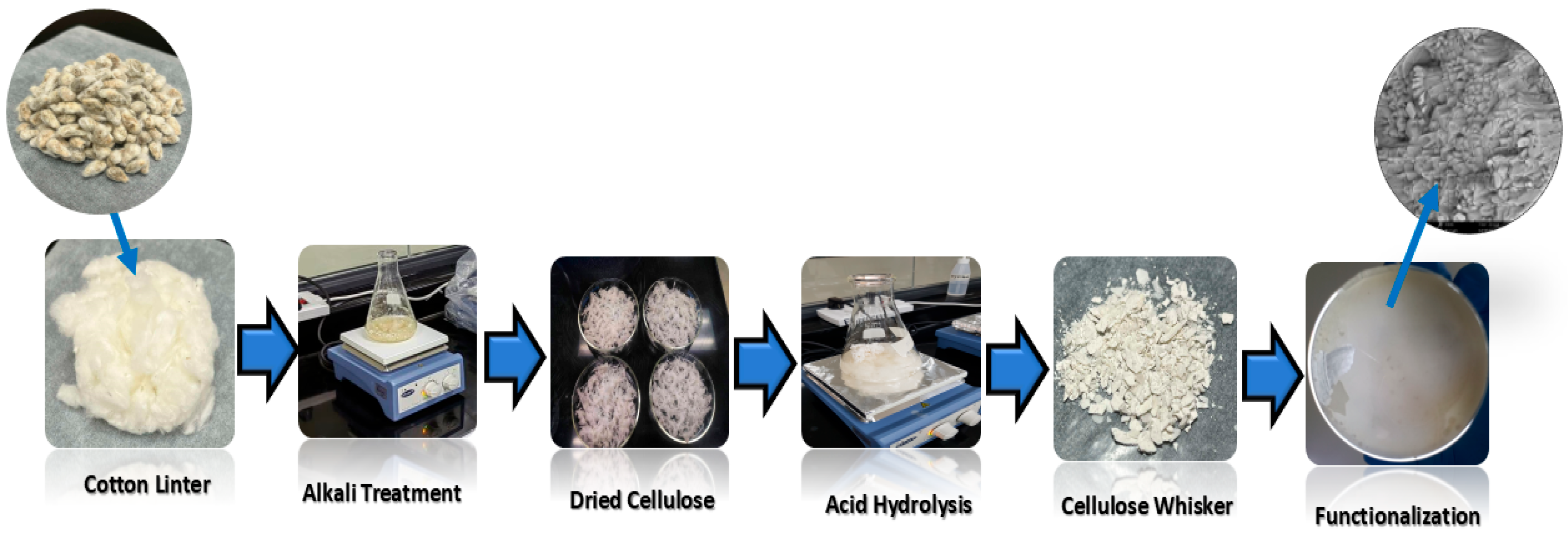
Alkali treatment, using NaOH as the reagent, successfully produced cellulose from cotton linter. According to Teo and Wahab [16], NaOH solution is considered the ultimate choice of alkali because it is cost effective. It is also proven from reports that the NaOH treatment method is the most effective technique in removing non-cellulosic polymers, which are composed mainly of amorphous heteropolymers that are insoluble to water [28,29]. According to Klijun et al. [26], conducting alkali treatments at higher alkali concentrations produces the desired cellulose II polymers from the breakdown of intermolecular and intramolecular hydrogen bonds. The most important consideration in the synthesis of the cotton cellulose was the % yield obtained with varying concentration of NaOH (5 to 15 wt%). Based on the results for the % yield, the primary purpose of the alkali treatment is to remove non-cellulosic components, such as lignin, hemicellulose, and other unwanted components. These components act as a binder around the cellulose fibers. By dissolving and removing them, the treatment leaves behind a material that has a higher proportion of cellulose. The complete process of the conversion of cotton cellulose into functionalized cellulose whiskers is summarized in Figure 2.
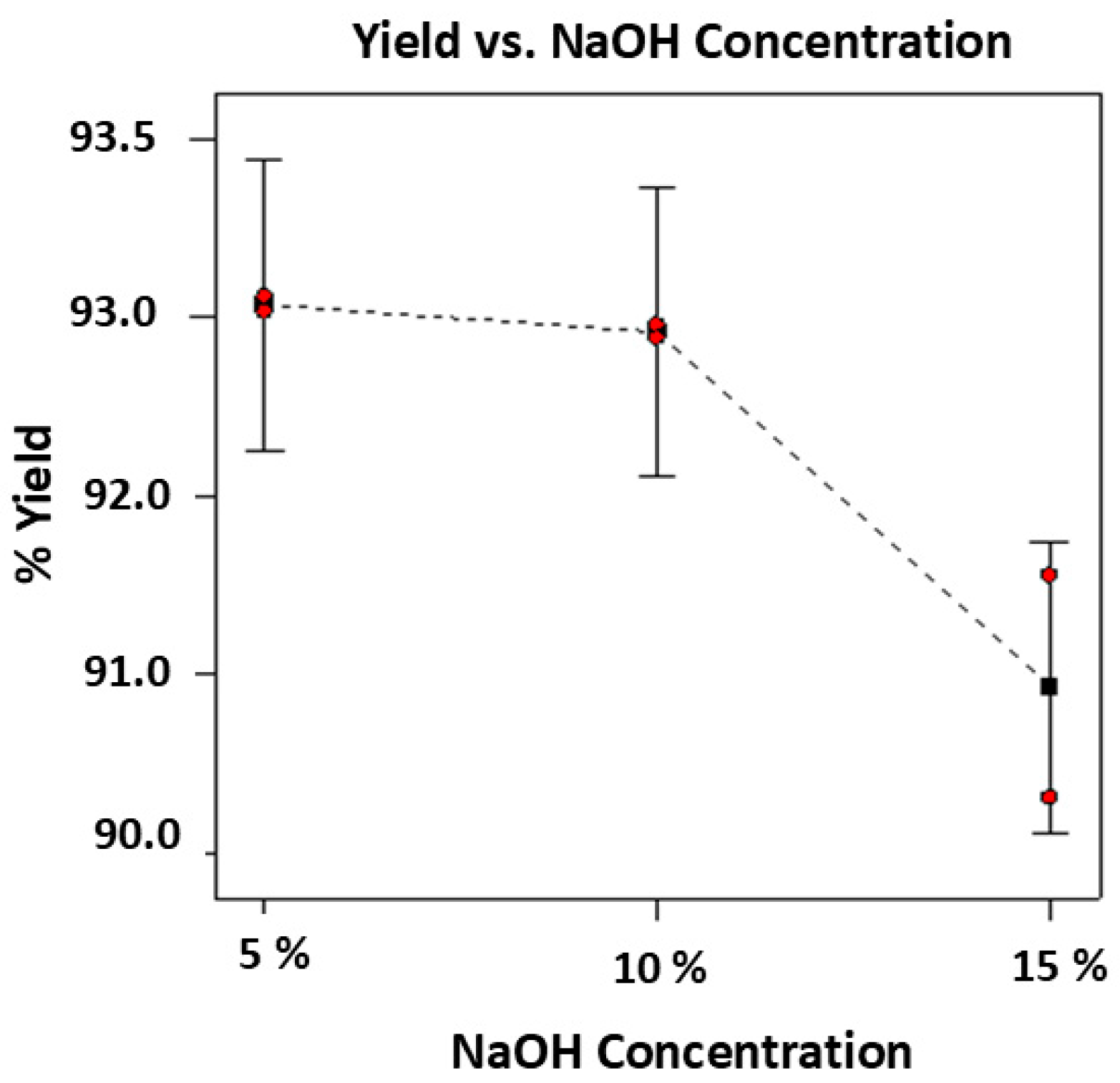
Based on the experimental runs, the higher concentration of NaOH at 15% showed an average yield of 90.97%, which was lower compared to the 5% and 10% concentrations, with average yields of 92.74% and 92.61%, respectively.
The statistical analysis of the significant effects of varying the NaOH concentration was carried out using one-way ANOVA (with replicates). Based on the analysis, the NaOH concentration had a significant effect on the % yield with an F-value (10.95) greater than the F-critical (9.55) at a p-value of 0.042, which is less than 0.05. The graphical analysis of the two variables as shown in Figure 3 shows that, at a higher concentration of 15% NaOH, the lowest yield of 90.97% was obtained. Thus, based on this result, the higher the concentration of NaOH, the more purified the cellulose materials extracted after alkali treatment, which removed almost all unwanted components, retaining only the more purified and the desired cellulose II polymers.
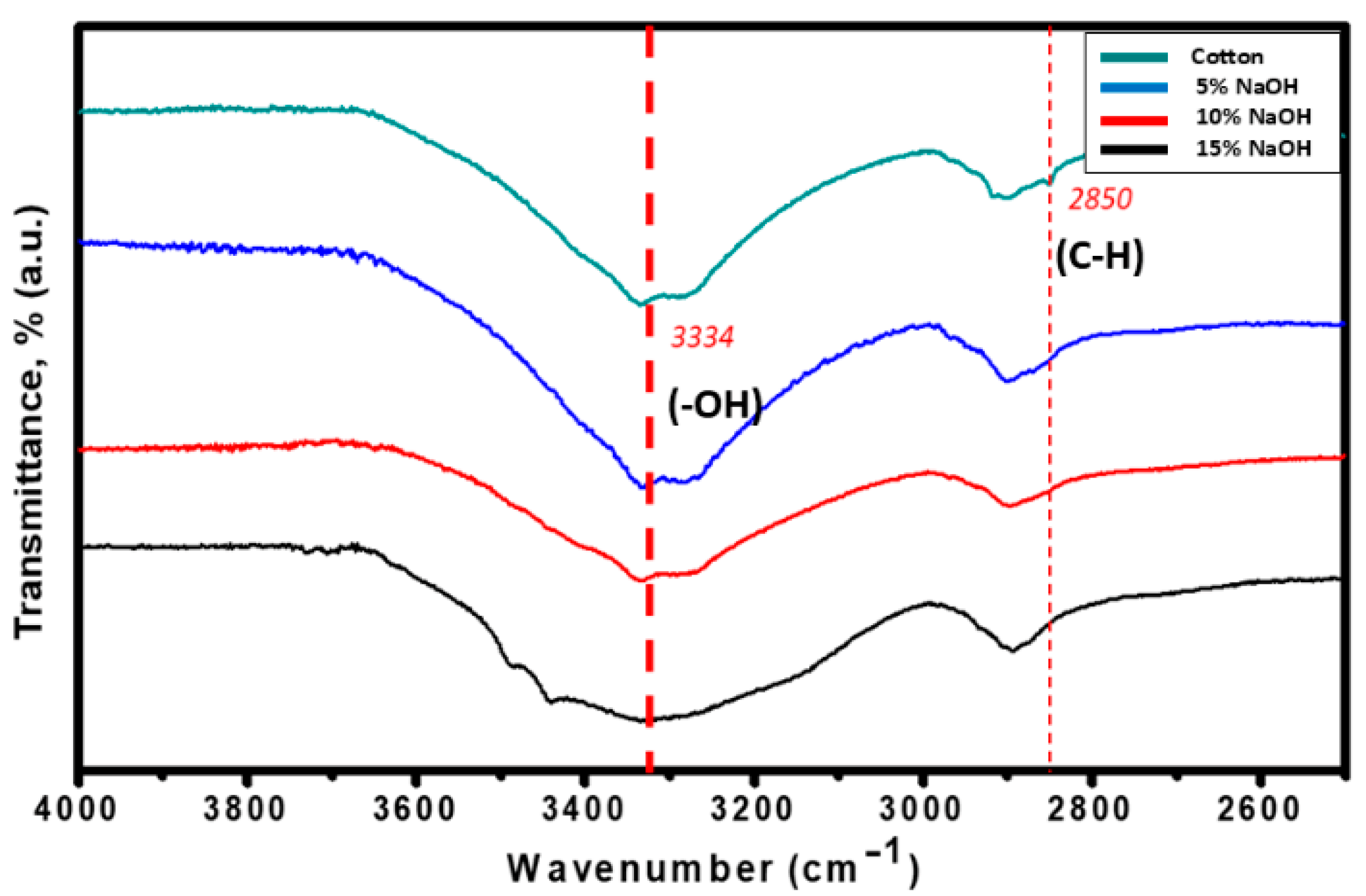
The structural composition of the cotton cellulose compared to the starting material was confirmed by the ATR-FTIR spectra. Based on Figure 4, the presence of the broad band at 3200–3500 cm1 showed the hydroxyl (O-H) group of the cellulose [30]. The broader it becomes, the more visible the cellulose is. All spectra exhibited peaks at 2800–3000 cm1, which indicated the characteristic of the C-H stretching vibration consisting of cellulose components [23]. Thus, the occurrence in the reduction in intensity at 2850 cm1 showed that the alkali treatment with a 15% NaOH concentration was very effective in eliminating undesired impurities and unwanted non-cellulosic components.
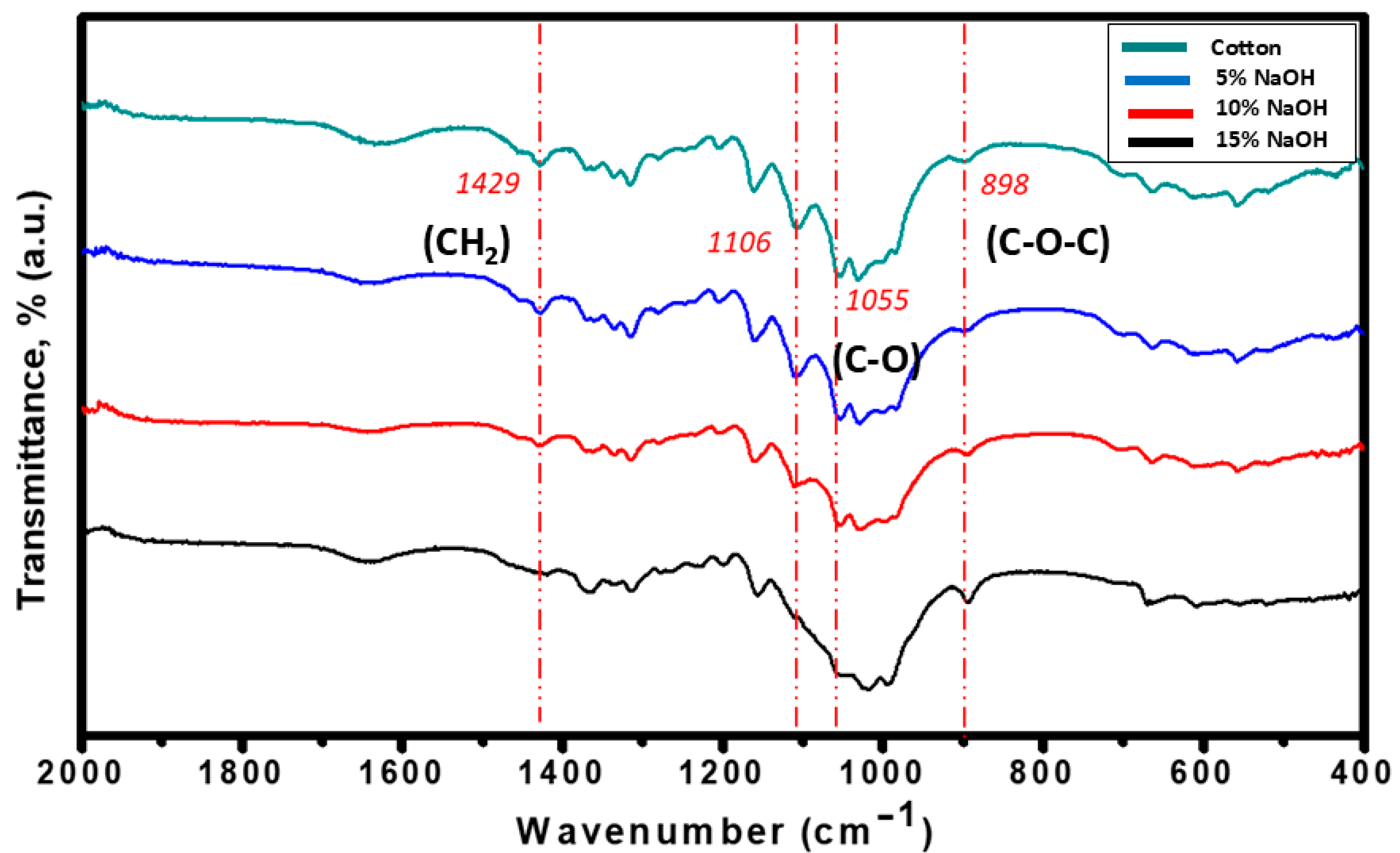
Further analysis of the IR spectra shown in Figure 5 revealed the peak at 1429 cm1 related to the stretching of the CH2 group from the scissoring vibration of cellulose and hemicellulose and symmetric bending in cellulose [30,31]. The C-O stretching at 1050–1120 cm1 confirmed the presence of hemicellulose [32]. The presence of the band at 898 cm1 assigned to C–O–C stretching at β-(1-4)-glycosidic linkages is an amorphous region [30,31]. Based on these IR spectra analyses for the alkali-treated cellulose at 15% NaOH concentration, the lignin, hemicellulose and amorphous components have all disappeared while the cellulose II polymers’ functional groups became more evident, achieving the desired composition of the material as higher-purity cotton cellulose.

3.3. Effects of Acid Hydrolysis on Cellulose Whisker Conversion

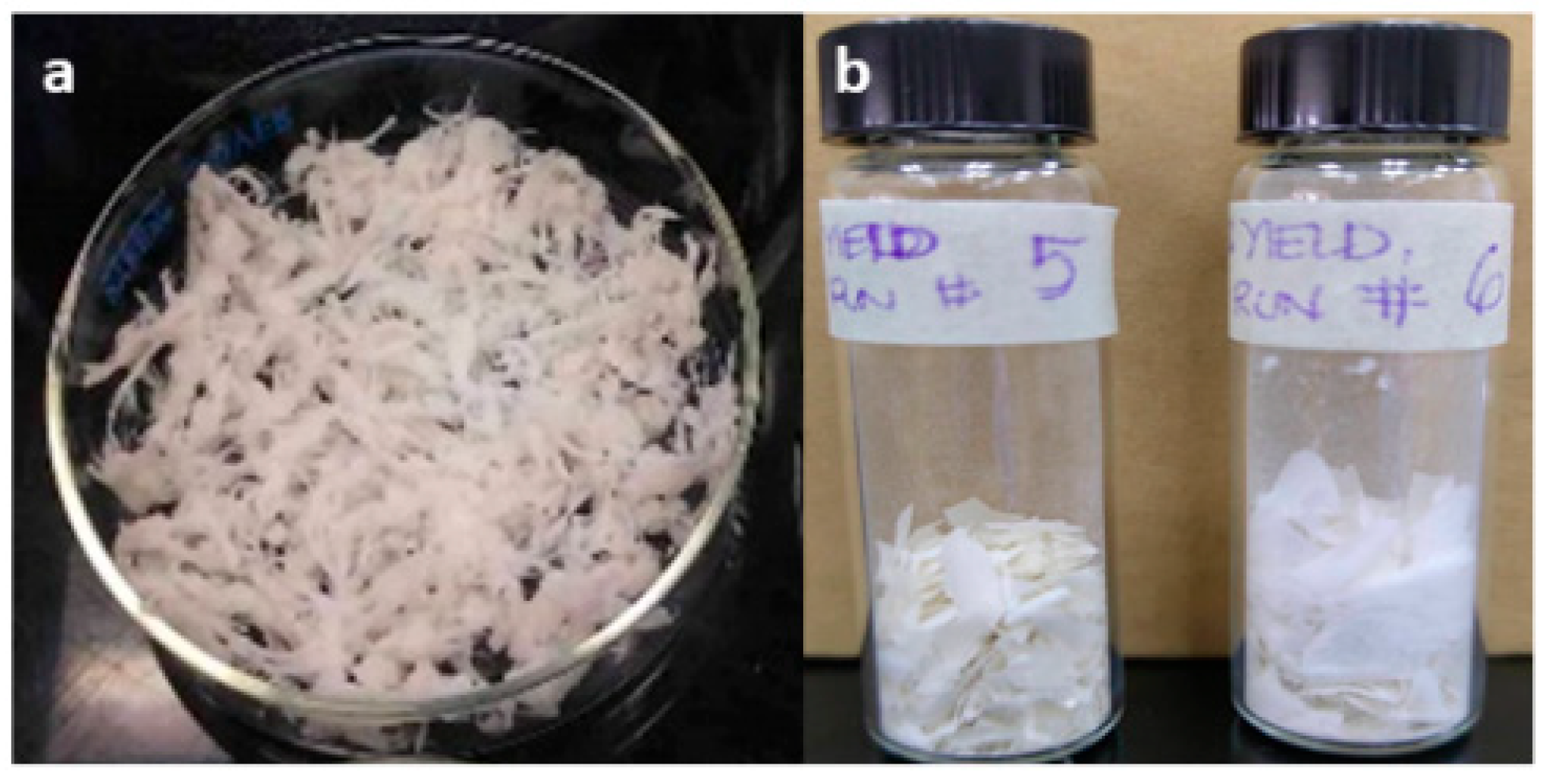
The simplest approach for a highly effective cellulose whisker conversion from cellulose is carried out using acid hydrolysis via the mechanism of hydrolytic cleavage of glycosidic bonds of the disordered regions in the polymer [16]. Important parameters that were optimized in acid hydrolysis of cellulose are the type and concentration of acid, reaction time, and temperature. Sulfuric acid hydrolysis is the most widely used method, offering the shortest reaction time [33]. It yields nanocellulose with the highest crystallinity index and forms stable colloidal suspensions due to the esterification of hydroxyl groups by sulfate ions [33]. Acid hydrolysis generally necessitates 60–65% sulfuric acid, temperatures between 40 and 50 °C, and reaction times of 30–60 min, but excessive degradation under these conditions leads to an unacceptably low yield (less than 30 wt%) [34]. One possible solution is to optimize the process conditions, whereby the yield of cellulose whiskers could be significantly improved by decreasing the concentration of sulfuric acid and prolonging reaction time [35]. Although temperature is another important factor, conventionally, dilute acid hydrolysis operates at low temperature (close to 40 °C) [36]. The main reason for this is that the effect of the combination of a high temperature and diluted acid solution can significantly increase the corrosion rate, resulting in higher operational and maintenance expenses [37]. This study opted to use process conditions with diluted H2SO4 concentrations (55–60 wt%) and longer reaction times (45–60 min) but at a lower temperature of 45 °C. The highest yield of 92% was recorded for the treatment combination of 55% acid concentration and 60 min reaction time, while the lowest yield was reported for the combination of 60% acid concentration and 45 min reaction time. This validates previous findings that a lower acid concentration (55%) and longer reaction time (60 min) significantly improve the cellulose whisker yield. The cellulose whisker produced from cotton cellulose is shown in Figure 6.
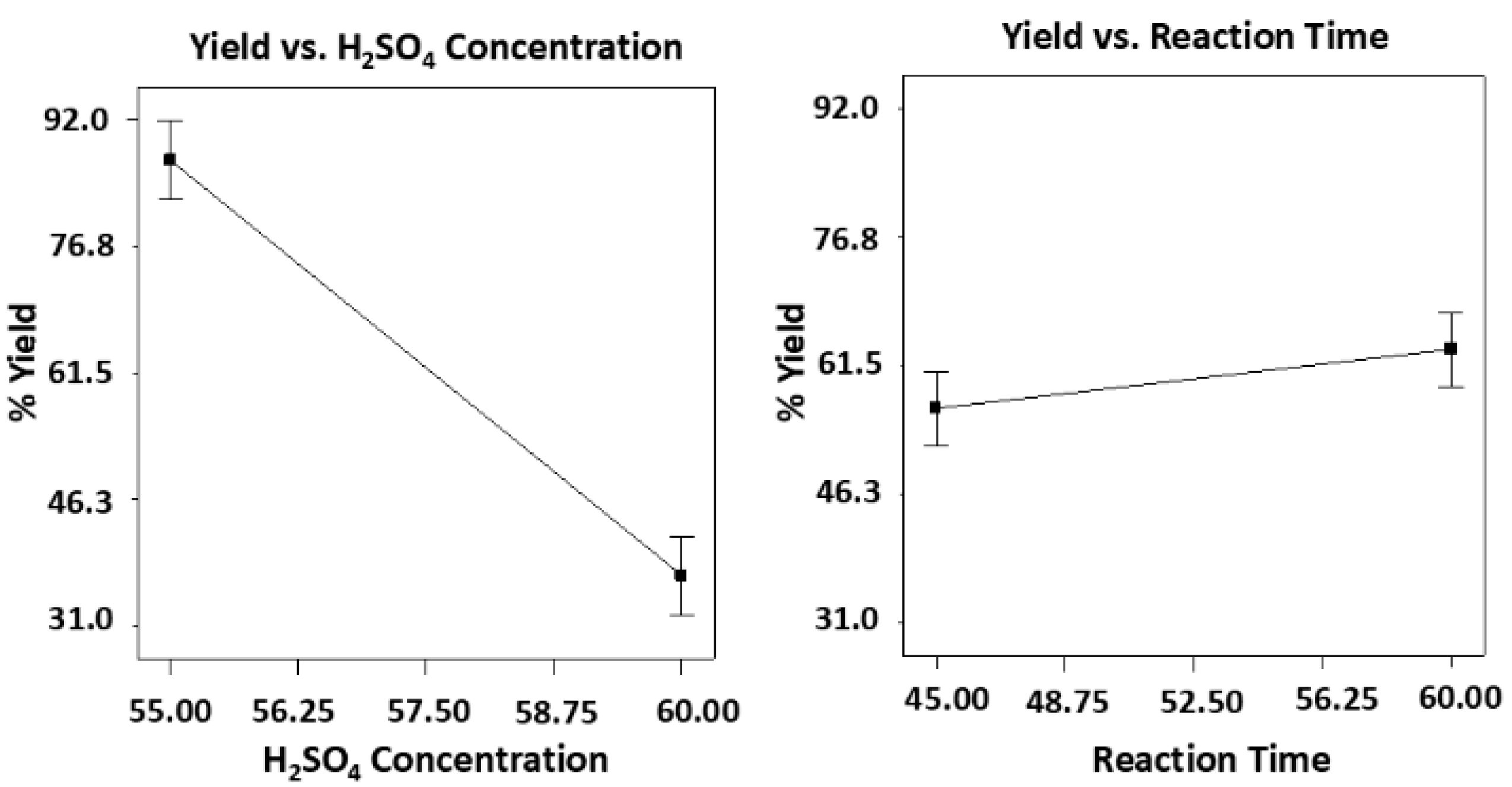
The significant effects of the individual factors such as acid concentration (55% and 60%) and reaction time (45 min and 60 min) on % yield were analyzed using two-way ANOVA (with replicates). Based on the results, acid concentration as an individual factor has a significant effect on yield (p-value < 0.0001), while reaction time had no significant effect on yield (p-value = 0.095). For the interaction of both factors, there was no significant effect. Overall, the model for the correlation between the two factors and yield (Yield = 612.38 − 10.05 Concentration + 0.48 Reaction Time) was significant with a p-value of less than 0.0001.
To further validate the results, graphical analysis revealed the extent of the effects of the two variables on the % yield as shown in Figure 7. The increase in acid concentration from 55% to 60% showed a sharp decrease in yield from 77–92% to 31–43%. For the reaction time between 45 and 60 min, there was no significant change in yield from 30.5 to 39% at 60% acid concentration and from 82 to 88% at 55% acid concentration. Thus, an acid concentration of 55% had the most effect on yield with reaction time either 45 min or 60 min.

3.4. Effects of Acid Hydrolysis on Structural Composition of CWs

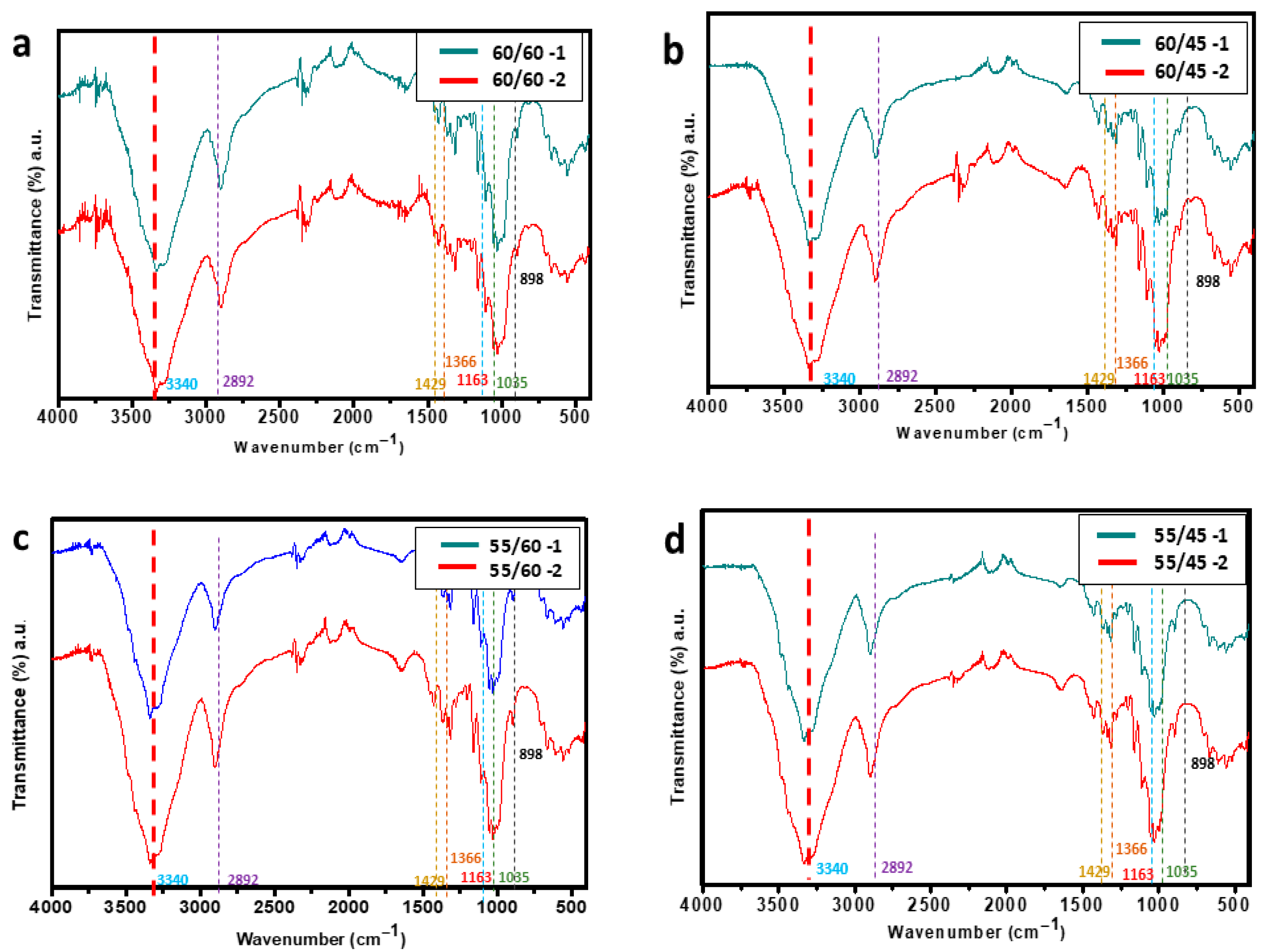
The structural composition of the cellulose whiskers synthesized using acid hydrolysis from cellulose was confirmed using ATR-FTIR. Based on the results shown in Figure 8, the characteristic peaks at 1163 cm1 and 1035 cm1 were both present and were attributed to the SO2 symmetric and asymmetric stretching vibration, which are both primary indicators of the effective conversion of cellulose into CWs. Hydrolysis of cellulose with sulfuric acid introduces anionic sulfate groups onto the CWs, resulting in a stable, negatively charged aqueous suspension [38,39]. These sulfate groups endowed a negative charge on the CWs, creating an electrostatic repulsion that enhances their dispersion in water [33]. These charges come from the reaction between sulfuric acid and surface hydroxyl groups of cellulose and induce repulsive forces between negatively charged CWs, leading to colloidal stability and dispersion in water [40]. Other prominent peaks of CWs at wavenumbers of 1429, 1366 and 898 cm1 were associated with C-H2 group, C-O stretching and C-H bending, respectively. The peak associated with 2892 cm1 confirms the presence of cellulose II polymers from the glycosidic linkages.
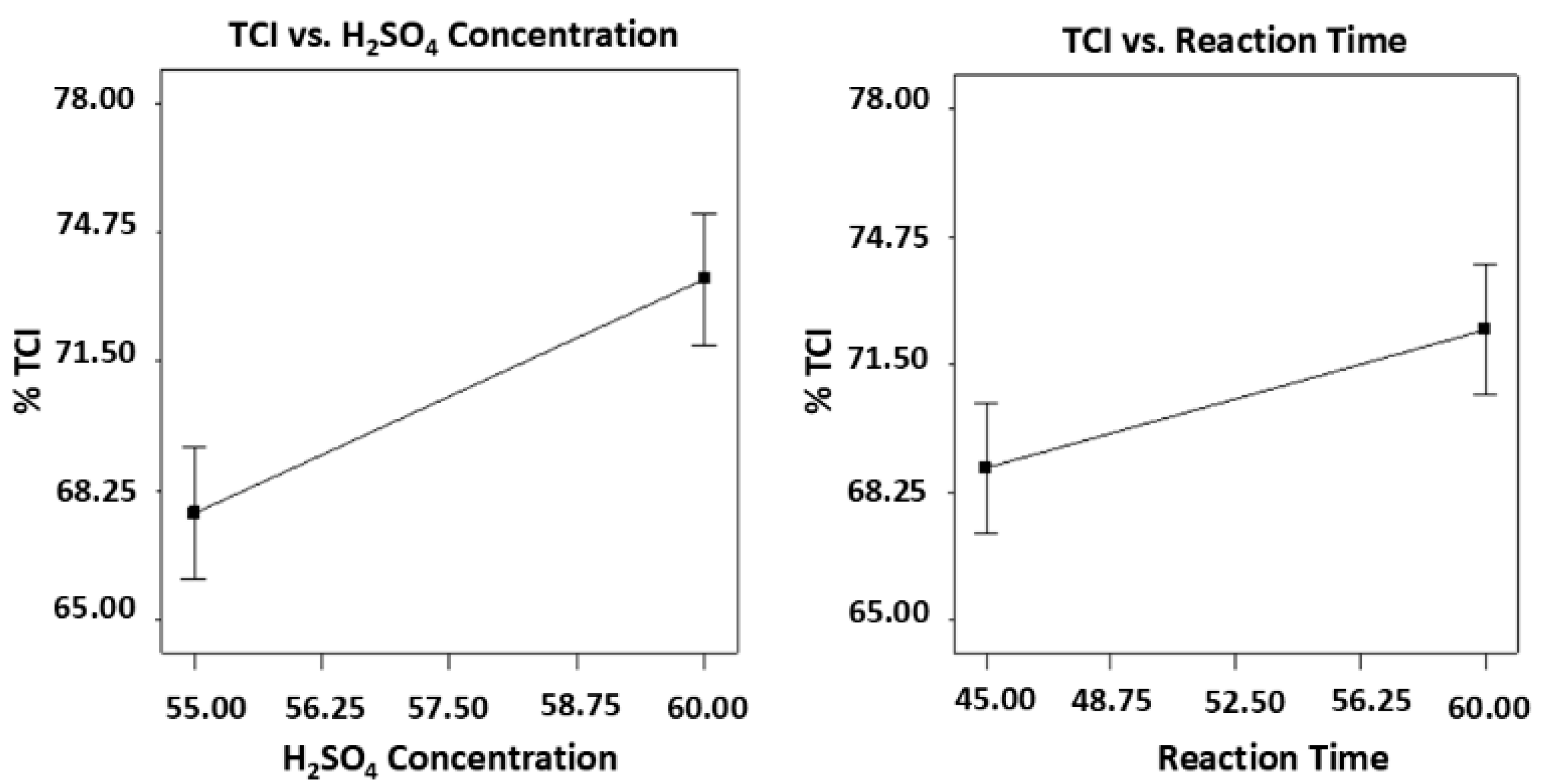
Cellulose is the predominant structural polymer within plant cell walls, responsible for their exceptional strength and stiffness [41]. This arises from the extensive network of hydrogen bonds, both intra- and intermolecularly, which enables the formation of crystalline structures characterized by parallel-aligned, elongated chains [41]. In hybrid membranes, the polymer-filler composite forms the two-phased material in which the polymer is amplified by the presence of the filler material that magnifies the polymer’s effectiveness in relation to mechanical strength and durability [42,43]. The total crystallinity index (TCI) of cellulose whisker was calculated using Segal’s method based on the peaks associated with the crystalline components of the cellulose whiskers obtained from the ATR-FTIR spectra. The evaluation involved applying baseline correction to normalize the absorbance spectra and then determining the relevant peak heights (A) of the crystalline components at specific wavelengths to calculate the TCI. Based on the results of the TCI estimation, the acid concentration of 55% to 60% and reaction time of 45 min to 60 min resulted in TCI ranging from 65.67% to 77.61%. The highest TCI of 77.61% was reported for the treatment combination of 60% acid concentration and 60 min reaction time, while the lowest TCI of 65.67% was recorded for the treatment combination of 55% acid concentration and 45 min reaction time.
The results were further analyzed using two-way ANOVA (with replicates), revealing that both the acid concentration (p-value = 0.0038) and reaction time (p-value = 0.0220) were significant factors that affect the TCI. Overall, the model for the correlation between the two factors and TCI (TCI = 1.22 Concentration + 0.24 Reaction Time − 12.37) was significant, with a p-value of less than 0.0056.
Based on the graphical statistics shown in Figure 9, the results were validated: both the acid concentration and reaction time have significant effects on TCI. Increasing both factors resulted in a significant increase in the % TCI of the cellulose whisker, as indicated by the steep trend line for both factors.
The crystallinity index (CrI) was also evaluated using XRD analysis to compare and confirm the crystallinity of the CW based on the ATR-FTIR results. The XRD diffractograms are shown in Figure 10. The crystallinity index (CrI) was calculated using XRD diffractogram of the CWs, which showed a sharp peak at 2θ between 22 and 23°, confirming the presence of the cellulose type II crystals in the CWs. The CrI was calculated based on the I002 maximum intensity, which represents the crystalline material, while Iam refers to the maximum intensity of the amorphous background or region in an XRD diffractogram. In Figure 9, the broad, diffuse hump or baseline represents the amorphous (non-crystalline) content of the sample, which is called the “background” signal, excluding the sharp peak corresponding to the crystalline phase.
Comparing the calculated values of TCI and CrI summarized in Table 4 shows that the two sets of values have no significant differences, with low deviations in the data range. Thus, the crystallinity index (CrI) values obtained from the same samples using XRD were statistically the same with the TCI ranging from 69.5–72.4%. This comparison validated the results of obtaining the total crystallinity index (TCI) based on the peaks associated with the crystalline components of the cellulose whiskers from the ATR-FTIR spectra. Thus, the CW synthesized via acid hydrolysis has considerably high crystallinity compared to previous study [22]. This validated that cellulose whiskers can have a perfect crystalline structure (about 65–95% crystallinities), which represents high strength, rigidity, and a higher modulus [39,44,45,46]. According to Samir et al. [47], cellulose whiskers added as fillers can reduce the crystallinity of the host polymer in a composite, especially at certain concentrations, which enhances the overall ionic conductivity of the composite, as it creates more amorphous pathways for ion transport. The crystalline structure of the CWs that were functionally modified improves the interaction with various polymer matrices.

3.5. Effects of Functionalization on the Structure, Surface Wettability and Morphology of CWs

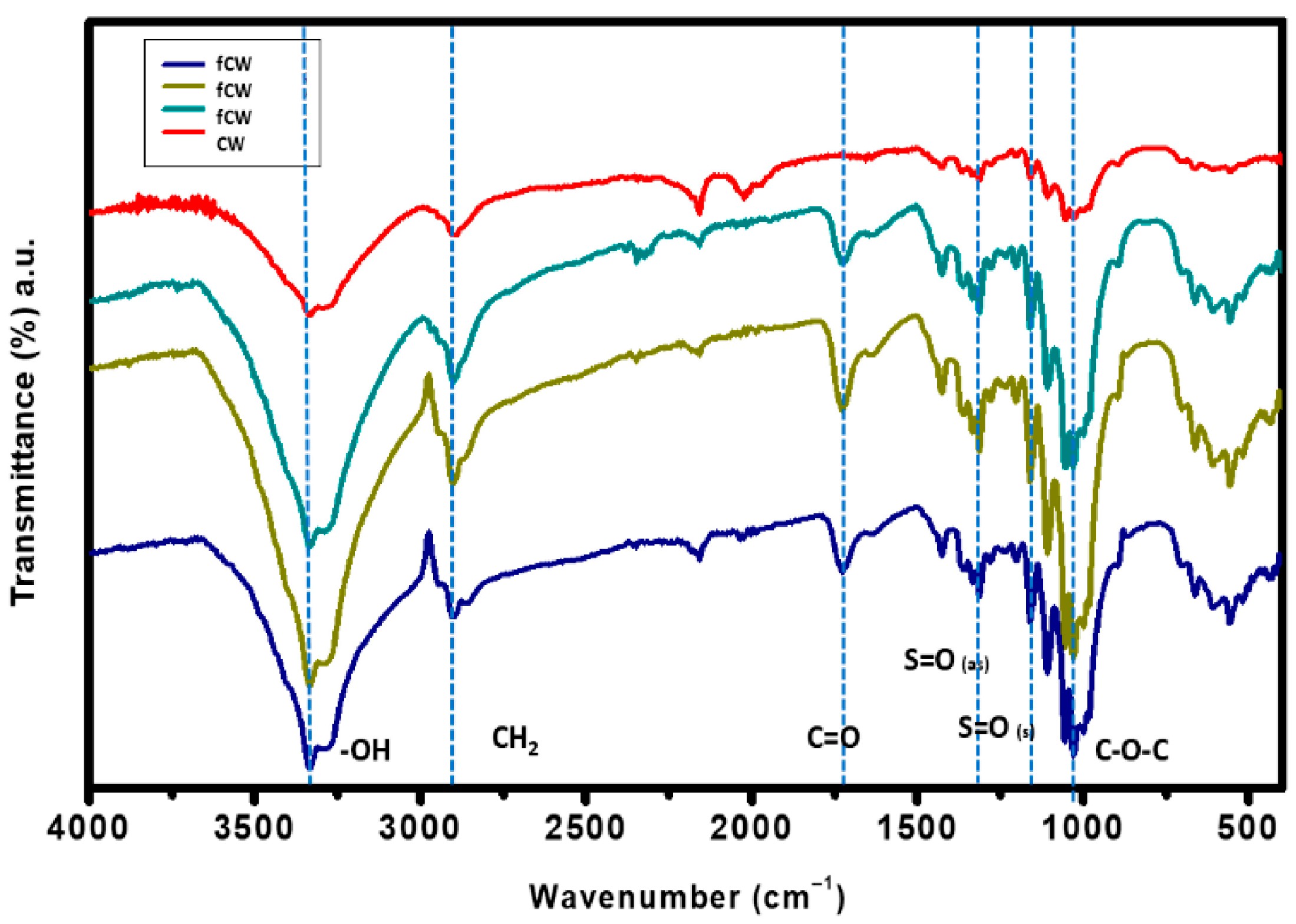
The functionalization of the CWs was initially confirmed by the modification of structural composition using ATR-FTIR, as shown in Figure 11. The functionalized CW exhibited a new peak at 1726 cm1 in the three samples, which was assigned to the C=O carbonyl stretching vibration of the formed ester groups and unreacted carboxylic groups [9]. It was reported in previous studies that the carbonyl stretching arose from the ester linkages, which indicates cross-linked CWs [48,49]. With the modification in structure of the CW, the SO2 symmetric and asymmetric stretching (which are important functional groups for the functionalized CW as fillers) were not compromised during the functionalization. Other peaks associated with the structure of the CW, such as C-O-H and C-O-C bonds, as well as -OH stretching, remained in the chemical structure of the CWs.
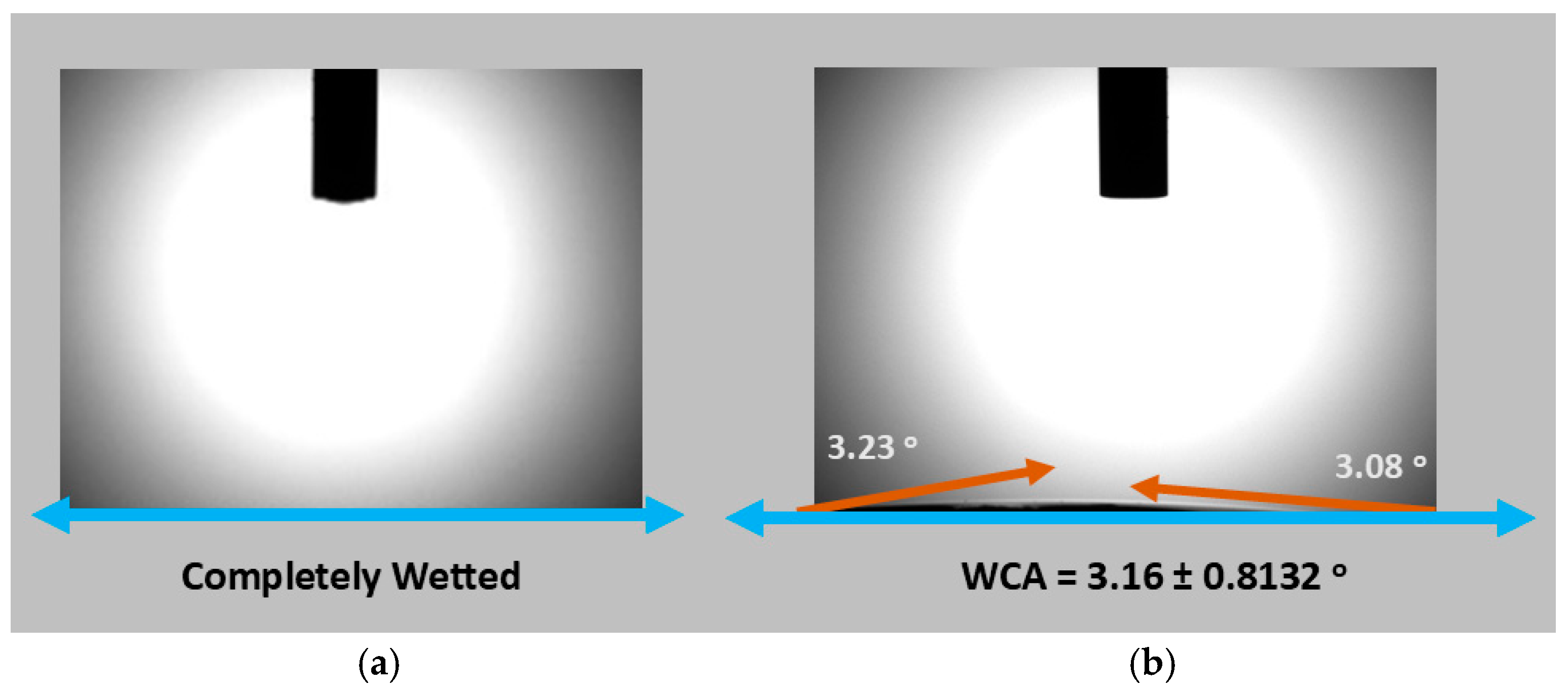
One important property of CWs suitable for PEM is their surface wettability. After functionalization, the surface chemistry of the CWs remained highly hydrophilic based on the water contact angle (WCA). As shown in Figure 12, the resulting water contact angle showed the completely wetted surface of the CWs and a water contact angle of 3.16° after functionalization. CWs with a highly hydrophilic surface indicates good water transport properties.
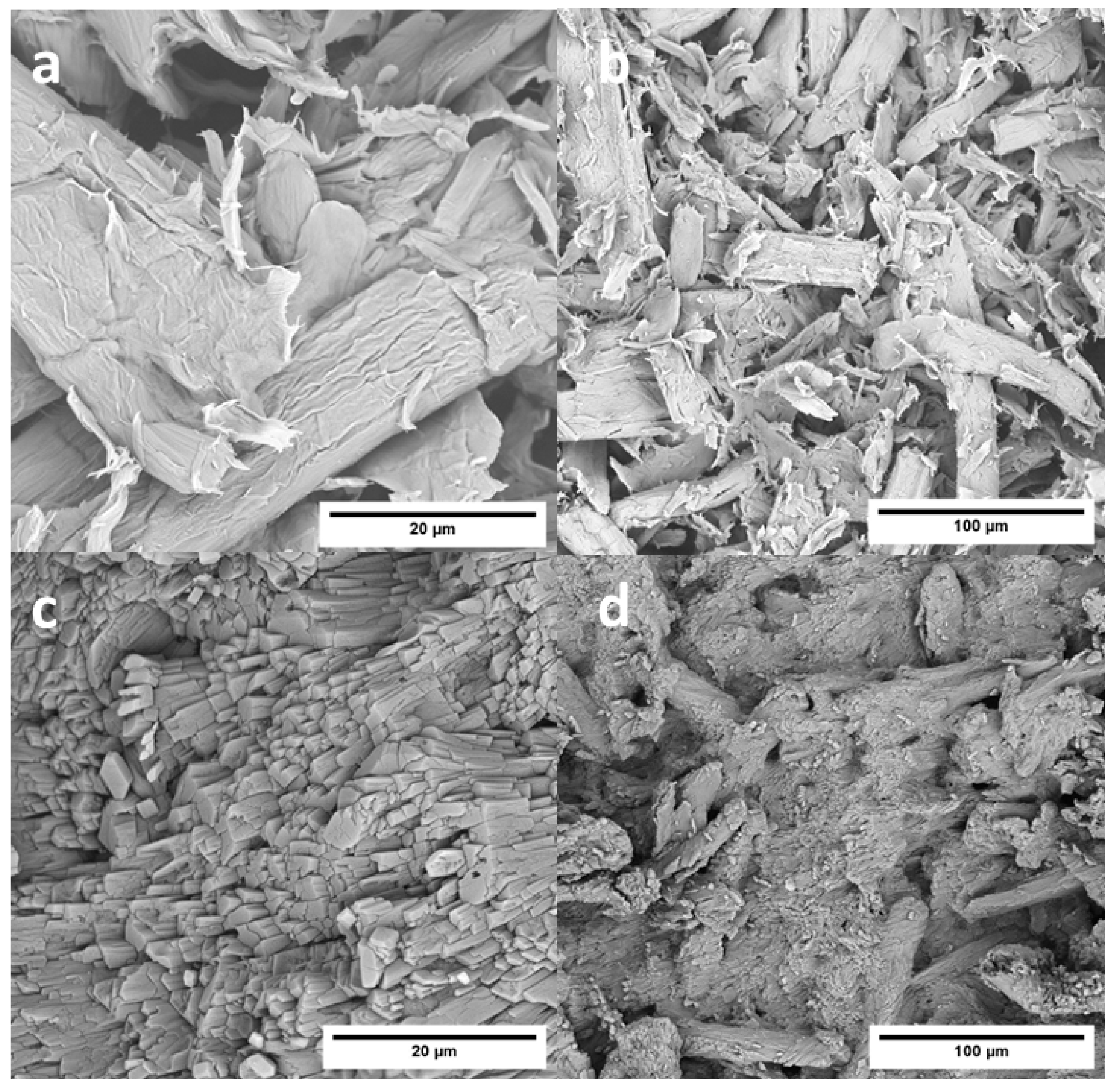
The microstructure and morphology of CWs compared to functionalized CWs are presented in the SEM images in Figure 13. A significant difference in terms of structural appearance and morphology was observed. It showed that, from the randomly oriented rod-shaped cellulose whiskers in Figure 13a,b, the structure became more aligned in stacks of bundled rods, more compacted, and denser after functionalization, as depicted in Figure 13c,d. These results confirmed the crosslinked structure of the CWs, which positively impacts its mechanical properties. Further analyzing the SEM images using Image J software (version 7.0.0) showed the average fiber diameter (D) of 6.16 μm and length (L) of 2977 μm. The aspect ratio (L/D) was calculated as 483.27, which is higher than the usual range of 5–50 for the aspect ratio. The higher aspect ratio opens up many possibilities for creating new materials and facilitating chemical processes such as functionalization, due to the surface energy and potentially lower agglomeration level than unmodified cellulose whiskers.

3.6. Electrochemical Capacity of Cellulose Whisker

An important indicator of the electrochemical capacity of a material is the ion exchange capacity (IEC) based on the number of ions present as active sites. The presence of sulfonate groups (-SO3) in the CWs directly impacts the electrochemical reaction driving proton transport within the PEM. The electrochemical capacity of CW was determined by its ion exchange capacity (IEC), which is directly influenced by its water absorption capacity (i.e., hydrophilicity). For IEC, the unmodified CW had an IEC value of 0.314 meq/g, while the calculated IEC of the functionalized CW ranged from 1.51–1.78 meq/g. This showed that the CWs retained their -SO3 functional groups, as shown in Table 5. Thus, the functionalization of CWs had no effect on the IEC after changes in structural composition, microstructure and morphology due to surface modification.
In relation to the electrochemical properties, the conductivity properties of the functionalized CWs and unmodified CWs were calculated based on the Nyquist plots. This depicts the impedance graph that represents the correlated bulk resistance (R) of the synthesized and functionalized CWs based on the equivalent Randles Circuit model fitted to the plots used for the calculation of the ionic or proton conductivity. The values of R from the fitted curves of CWs and functionalized CWs were 6.61 and 1.27 Ω, respectively. The calculated ionic conductivity based on Equation (3) for CWs and functionalized CWs was 0.0064 S/cm and 0.016 S/cm, respectively. The functionalization of the CWs resulted in higher ionic conductivity after changes in structural composition and morphology due to modification. These results prove that CWs could provide added functionalities to the hybrid PEM.

3.7. Hybrid Membrane with Cellulose Whisker as Filler

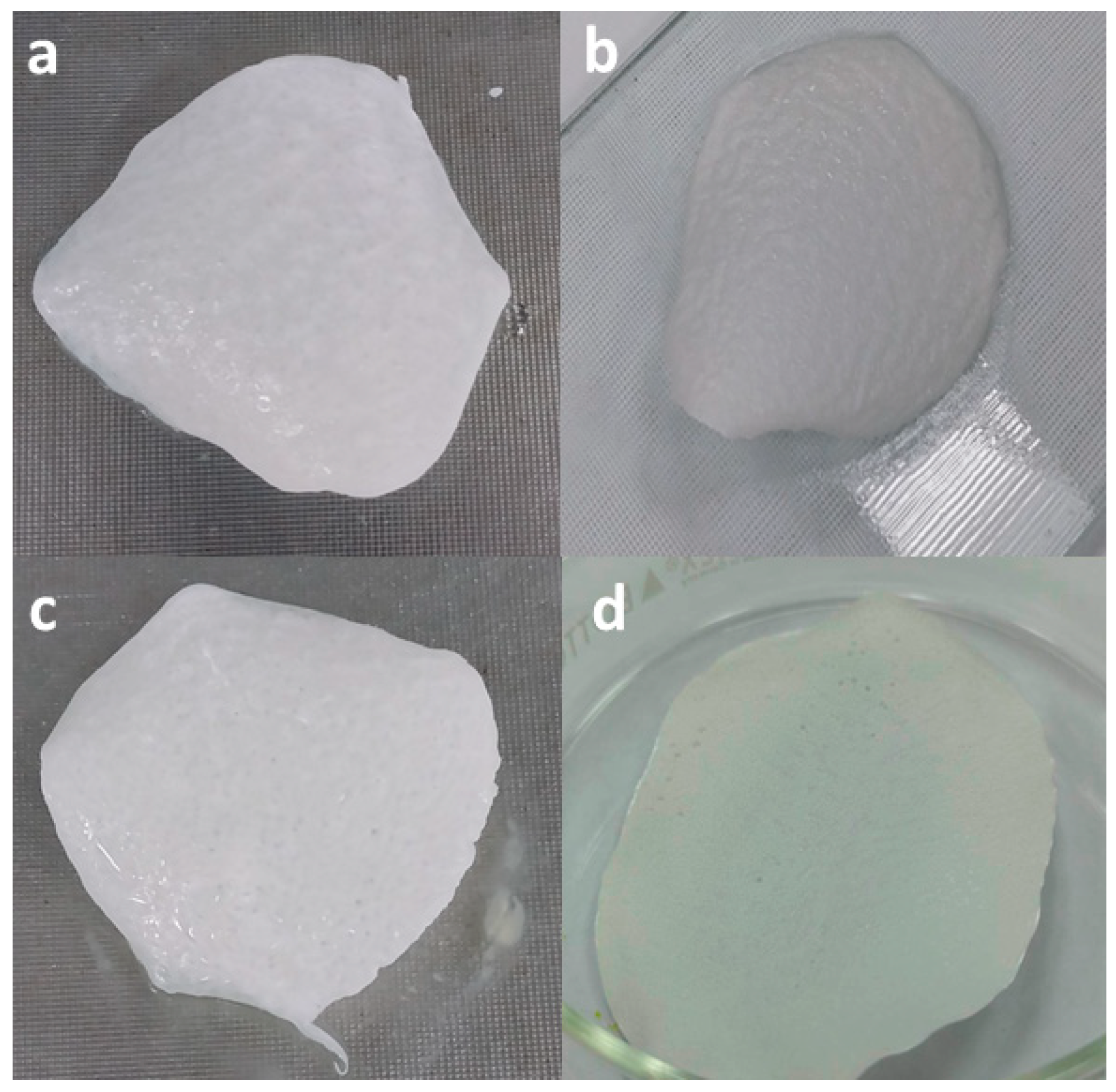
The fabrication of the hybrid membrane was initiated by screening various solvents and binary solvent systems to optimize the polysulfone (PSU) dissolution process. PSU was employed as the polymer matrix, owing to its status as a viable, high-performance, and cost-effective alternative to Nafion ionomers for the development of proton exchange membranes (PEMs). The polymer–filler solution was prepared at a total solid concentration of 20 wt% within a 1 DMSO/3 THF binary solvent system. The filler loading was systematically varied at 3, 5, and 8 wt%, relative to the total weight of the polymer. The casted hybrid membranes are depicted in Figure 14.
In order to test the structural stability of the hybrid membrane with the addition of filler, the tensile strength of the hybrid membrane was determined using UTM. The average thickness of the hybrid membrane with 0 to 8% filler loading ranged from 0.21–0.22 mm. The results of the tests are summarized in Table 6. They show that there was slight improvement in the tensile strength of the hybrid membrane from 13.5 to 13.8 MPa for 0, 3 and 5% filler loading. The enhancement from the addition of filler was not yet significant considering that the filler loading was still low. However, in the 8% filler loading, the tensile strength decreased to 9.33 MPa, which was low compared to the other membrane samples. CWs with a rod-like shape are anisotropic because their length is much greater than their diameter, resulting in a higher aspect ratio. When used as filler, they form a percolated network, which is a continuous network or pathway throughout the entire polymer matrix at low loading [50]. However, the filler loading at 5–8% is a very high concentration to reach percolation, which might indicate that there are limitations affecting the CWs’ ability to form a continuous network due to poor dispersion and other issues. These results are not conclusive, since the loading of the filler is still at a low level and further testing of samples is needed in the next phase of the study, where filler loading will be increased up to 15%.
The key aspect of CW loading in the polymer membrane is the enhanced functionalities. The proton conductivity of the pristine PSU and membrane with different % of CW loading was measured using an Electrochemical Impedance Spectrometer (EIS) with Nyquist plots to obtain the impedance graph for the estimation of bulk resistance. The proton conductivity values of the four samples with the corresponding R values from the fitted curves are summarized in Table 7. The highest proton conductivity was recorded at 0.0192 S/cm for the membrane with 5% CW, which also had the highest incremental change of 10.9% compared to the pristine PSU membrane. The membranes with 3% and 8% CW have proton conductivities of 0.0182 and 0.0189 S/cm, respectively. Although the results showed an increase in proton conductivity by adding the CW into the PSU, the proton conductivities of the three membranes are statistically the same. This means that the addition of 3–8% of CW contributed to the enhancement of the proton conductivity, but they were statistically the same values. With these results, although further optimization is needed, it has been proven that CWs could be synthesized and utilized as filler for membranes. The next iteration of the study will further increase the filler loading up to 15–20% to determine whether there will still be significant enhancement in the properties; this will include the investigation of the agglomeration and dispersion of CWs in the morphology of hybrid membranes with higher loading. Based on previous reports, each cellulose unit possesses three hydroxyl groups, and CWs exhibit a high surface area, resulting in a high density of surface hydroxyls [51,52]. This leads to CW agglomeration, poor compatibility, and weak interfacial interactions with nonpolar matrices [44,53], particularly at loadings exceeding 3 wt.% [54].

4. Conclusions

This study utilized cotton linters in the conversion of more useful advanced materials with value-adding properties in the fabrication of a polymer electrolyte membrane (PEM) for fuel cells. The physical composition of the cotton linter was cellulose with high crystallinity due to high cellulose II content, with microstructures that are suitable for tailoring diverse functionalities. Through the application of a facile alkali treatment and acid hydrolysis, the cellulosic materials were synthesized into cellulose whiskers with functional groups present that were chemically reactive for functionalization. The chemical purification of cotton cellulose was achieved by higher alkali concentrations, removing unwanted non-cellulose contents, while acid hydrolysis was employed at optimal treatment conditions of 60% acid concentration and 60 min of reaction time to produce a highly crystalline material. The functionalization led to the effective modification of the surface properties of the CWs and provided the desired electrochemical capacity to convert it into an active filler material. Using cellulose whiskers as filler offers several advantages over other types of filler, mainly because of their organic origin and relatively low cost. In the fabrication of the hybrid membrane with cellulose whiskers as filler, the hybrid membrane showed enhancement in the desired key property, proton conductivity, with the addition of a small amount of filler material (3 to 5%) into the polymer matrix. This demonstrated the enhanced performance of the polymer composite with considerable CWs added. Initially, the small amount was used to investigate the compatibility of the fillers with the polymer matrix to form a homogenized polymer-filler blend solution. These results require the further optimization of the amount of CW loading, which could possibly give the material optimal properties. Further investigations of the dispersion and occurrence of agglomeration in the polymer matrix is also needed to determine the percolation threshold. Thus, the fabrication of a hybrid polymer electrolyte membrane (PEM) with the addition of cellulose-based filler provides the necessary incremental improvement for polymer membranes that could possibly serve as electrolytes in electrochemical reactions of the membrane electrode of fuel cells. The results serve as preliminary research bases for more advanced studies of cellulose whiskers as a sustainable filler option for membranes, which could be further improved by using other membrane fabrication methods.

5. Patents

This study has produced two (2) patents: Green-Modified Crosslinked Filler from Cellulose Whisker of Cotton Linter as Energy Material, and Highly Crystalline Cellulose Whisker from Cotton Linter as Green Nanofiller of Hybrid Composite Membrane; both were filed at the Intellectual Property Office of the Philippines (IPOPhil) in 2024.

Author Contributions

Conceptualization, R.P.P.J.; methodology, R.P.P.J.; formal analysis, R.P.P.J.; investigation, R.P.P.J., and R.A.B.J.; data curation and analysis, R.P.P.J., R.A.B.J. and J.L.R.; resources, R.P.P.J. and A.V.O.B.; writing—original draft preparation, R.P.P.J.; writing—review and editing, R.P.P.J.; funding acquisition, R.P.P.J. and A.V.O.B. All authors have read and agreed to the published version of the manuscript.

Funding

This research was funded by the Department of Energy (DOE) through a Memorandum of Agreement (MOA) dated August 31, 2021 signed in Taguig City, Philippines, with the Department of Science and Technology—Industrial Technology Development Institute (DOST-ITDI).

Data Availability Statement

The original contributions presented in this study are included in the article. Further inquiries can be directed to the corresponding author.

Acknowledgments

This work was supported by the Industrial Technology Development Institute (ITDI) of the Department of Science and Technology (DOST) and Energy Utilization Management Bureau (EUMB) of the Department of Energy (DOE) through the project titled “Establishment of Fuel Cell R&D and Testing Facility”. The authors thank Annabelle V. Briones, Director of ITDI, and Patrick T. Aquino, Director of EUMB, for their full support to the project. We also thank Reynaldo L. Esguerra and Janet L. Quizon, Deputy Directors of ITDI, the Material Science Division (MSD) of ITDI, for conducting additional tests on the samples, and the Alternative Fuels and Energy Technology Division (AFETD) of DOE for their full cooperation and assistance on the project.

Conflicts of Interest

The authors declare no conflicts of interest.

References

  1. Philippot, M.; Alvarez, G.; Ayerbe, E.; Van Mierlo, J.; Messagie, M. Eco-Efficiency of a Lithium-Ion Battery for Electric Vehicles: Influence of Manufacturing Country and Commodity Prices on GHG Emissions and Costs. Batteries 2019, 5, 23. [Google Scholar] [CrossRef]
  2. Allwood, J.M.; Cullen, J.M. Sustainable Materials: With Both Eyes Open; UIT Cambridge Ltd.: Cambridge, UK, 2012. [Google Scholar]
  3. Deng, J.; Li, M.; Wang, Y. Biomass-derived carbon: Synthesis and applications in energy storage and conversion. Green Chem. 2016, 18, 4824–4854. [Google Scholar] [CrossRef]
  4. Kreuer, K.D. On the development of proton conducting polymer membranes for hydrogen and methanol fuel cells. J. Membr. Sci. 2001, 185, 29–39. [Google Scholar] [CrossRef]
  5. Correa, J.P.; Montalvo-Navarrete, J.M.; Hidalgo-Salazar, M.A. Carbon footprint considerations for biocomposite materials for sustainable products: A review. J. Clean. Prod. 2019, 208, 785–794. [Google Scholar] [CrossRef]
  6. Adekomaya, O.; Jamiru, T.; Sadiku, R.; Huan, Z. A review on the sustainability of natural fiber in matrix reinforcement—A practical perspective. J. Reinf. Plast. Compos. 2015, 35, 3–7. [Google Scholar] [CrossRef]
  7. Milner, H.R.; Woodard, A.C. Sustainability of engineered wood products. In Sustainability of Construction Materials; Woodhead Publishing: London, UK, 2016; pp. 159–180. [Google Scholar]
  8. D’AMato, D.; Gaio, M.; Semenzin, E. A review of LCA assessments of forest-based bioeconomy products and processes under an ecosystem services perspective. Sci. Total. Environ. 2020, 706, 135859. [Google Scholar] [CrossRef]
  9. Bergman, R.D.; Puettmann, M.; Taylor, A.; Skog, K.E. The Carbon Impacts of Wood Products. For. Prod. J. 2014, 64, 220–231. [Google Scholar] [CrossRef]
  10. Shaharuzaman, M.A.; Sapuan, S.M.; Mansor, M.R. Sustainable materials selection: Principles and applications. Des. Sustain. Green Mater. Process. 2021, 57–84. [Google Scholar]
  11. Sheldon, R.A. Green chemistry, catalysis and valorization of waste biomass. J. Mol. Catal. A Chem. 2016, 422, 3–12. [Google Scholar] [CrossRef]
  12. Clark, J.H.; Matharu, A.S. Issues in Environmental Science and Technology: Waste as a Resource; Hester, R.E., Harrison, R.M., Eds.; Royal Society: London, UK, 2013; Volume 37, pp. 66–82. [Google Scholar]
  13. Mekonnen, T.; Mussone, P.; Bressler, D. Valorization of rendering industry wastes and co-products for industrial chemicals, materials and energy: Review. Crit. Rev. Biotechnol. 2016, 36, 120–131. [Google Scholar] [CrossRef]
  14. Worthington, M.J.H.; Kucera, R.L.; Chalker, J.M. Green chemistry and polymers made from sulfur. Green Chem. 2017, 19, 3358–3393. [Google Scholar] [CrossRef]
  15. Li, Y.; He, G.; Wang, S.; Yu, S.; Pan, F.; Wu, H.; Jiang, Z. Recent advances in the fabrication of advanced composite membranes. J. Mater. Chem. A 2013, 1, 10058–10077. [Google Scholar] [CrossRef]
  16. Teo, H.L.; Wahab, R.A. Towards an eco-friendly deconstruction of agro-industrial biomass and preparation of renewable cellulose nanomaterials: A review. Int. J. Biol. Macromol. 2020, 161, 1414–1430. [Google Scholar] [CrossRef]
  17. Klemm, D.; Heublein, B.; Fink, H.-P.; Bohn, A. Cellulose: Fascinating biopolymer and sustainable raw material. Angew. Chem. Int. Ed. 2005, 44, 3358–3393. [Google Scholar] [CrossRef] [PubMed]
  18. Tang, X.; Liu, D.; Wang, Y.-J.; Cui, L.; Ignaszak, A.; Yu, Y.; Zhang, J. Research advances in biomass-derived nanostructured carbons and their composite materials for electrochemical energy technologies. Prog. Mater. Sci. 2021, 118, 100770. [Google Scholar] [CrossRef]
  19. Morais, J.P.S.; Rosa, M.F.; Filho, M.M.S.; Nascimento, L.D.; Nascimento, D.M.; Cassales, A.R. Extraction and characterization of nanocellulose structures from raw cotton linter. Carbohydr. Polym. 2013, 91, 229–235. [Google Scholar] [CrossRef]
  20. Gu, G.X.; Takaffoli, M.; Hsieh, A.J.; Buehler, M.J. Biomimetic additive manufactured polymer composites for improved impact resistance. Extreme Mech. Lett. 2016, 9, 317–323. [Google Scholar] [CrossRef]
  21. Clark, G.; Kosoris, J.; Hong, L.N.; Crul, M. Design for Sustainability: Current Trends in Sustainable Product Design and Development. Sustainability 2009, 1, 409–424. [Google Scholar] [CrossRef]
  22. Zheng, Q.; Zhou, T.; Wang, Y.; Cao, X.; Wu, S.; Zhao, M.; Wang, H.; Xu, M.; Zheng, B.; Zheng, J.; et al. Pretreatment of wheat straw leads to structural changes and improved enzymatic hydrolysis. Sci. Rep. 2018, 8, 1321. [Google Scholar] [CrossRef]
  23. Rosa, S.M.L.; Rehman, N.; de Miranda, M.I.G.; Nachtigall, S.M.B.; Bica, C.I.D. Chlorine-free extraction of cellulose from rice husk and whisker isolation. Carbohydr. Polym. 2012, 87, 1131–1138. [Google Scholar] [CrossRef]
  24. Karaaslan, M.A.; Tshabalala, M.A.; Yelle, D.J.; Buschle-Diller, G. Nanoreinforced biocompatible hydrogels from wood hemicelluloses and cellulose whiskers. Carbohydr. Polym. 2011, 86, 192–201. [Google Scholar] [CrossRef]
  25. Bendahou, A.; Habibi, Y.; Kaddami, H.; Dufresne, A. Physico-chemical characterization of palm from phoenix dactylifera–L, preparation of cellulose whiskers and natural rubber–based nanocomposites. J. Biobased Mater. Bioenergy 2009, 3, 81–90. [Google Scholar] [CrossRef]
  26. Kljun, A.T.W.M.; Benians, T.A.S.; Goubet, F.; Meulewaeter, F.; Knox, J.P.; Blackburn, R.S. Comparative analysis of crystallinity changes in cellulose I polymers using ATR-FTIR, X-ray diffraction, and carbohydrate-binding module probes. BioMacromolecules 2011, 12, 4121–4126. [Google Scholar] [CrossRef]
  27. Huang, R.Y.M.; Shao, P.; Burns, C.M.; Feng, X. Sulfonation of Poly (Ether Ether Ketone) (PEEK): Kinetic Study and Characterization. J. Appl. Polym. Sci. 2001, 82, 2651–2660. [Google Scholar] [CrossRef]
  28. Hendriks, A.; Zeeman, G. Pretreatments to enhance the digestibility of lignocellulosic biomass. Bioresour. Technol. 2009, 100, 10–18. [Google Scholar] [CrossRef]
  29. Li, M.; Wang, J.; Yang, Y.Z.; Xie, G.H. Alkali-based pretreatments distinctively extract lignin and pectin for enhancing biomass saccharification by altering cellulose features in sugar-rich Jerusalem artichoke stem. Bioresour. Technol. 2016, 208, 31–41. [Google Scholar] [CrossRef]
  30. Vârban, R.; Crișan, I.; Vârban, D.; Ona, A.; Olar, L.; Stoie, A.; Stefan, R. Comparative FTIR Prospecting for Cellulose in Stems of Some Fiber Plants: Flax, Velvet Leaf, Hemp and Jute. Appl. Sci. 2021, 11, 8570. [Google Scholar] [CrossRef]
  31. Ciolacu, D.; Ciolacu, F.; Popa, V.I. Amorphous cellulose: Structure and characterization. Cellul. Chem. Technol. 2011, 45, 13–21. [Google Scholar]
  32. Theivasanthi, T.; Christma, F.L.A.; Toyin, A.J.; Gopinath, S.C.B.; Ravichandran, R. Synthesis and characterization of cotton fiber-based nanocellulose. Int. J. Biol. Macromol. 2018, 109, 832–836. [Google Scholar] [CrossRef] [PubMed]
  33. Mohomane, S.M.; Motloung, S.V.; Koao, L.F.; Motaung, T.E. Effects of Acid Hydrolysis on the Extraction of Cellulose Nanocrystals (CNCS): A Review. Cellul. Chem. Technol. 2022, 56, 691–703. [Google Scholar] [CrossRef]
  34. Shailaja, A.K.; Ragini, B.P. Nanocellulose: Preparation, Characterization and Applications. J. Pharm. Pharmacol. Res. 2022, 5, 1–15. [Google Scholar]
  35. Cheng, Q.; Wang, S.; Rials, T.G. Poly(vinyl alcohol) nanocomposites reinforced with cellulose fibrils isolated by high intensity ultrasonication. Compos. Part A Appl. Sci. Manuf. 2009, 40, 218–224. [Google Scholar] [CrossRef]
  36. Taherzadeh, M.J.; Karimi, K. Enzyme-based hydrolysis processes for ethanol from lignocellulosic materials: A review. BioResources 2007, 2. [Google Scholar] [CrossRef]
  37. Kumar, D.; Singh, B.; Korstad, J. Utilization of lignocellulosic biomass by oleaginous yeast and bacteria for production of biodiesel and renewable diesel. Renew. Sustain. Energy Rev. 2017, 73, 654–671. [Google Scholar] [CrossRef]
  38. Zhong, T.; Dhandapani, R.; Liang, D.; Wang, J.; Wolcott, M.P.; Van Fossen, D.; Liu, H. Nanocellulose from recycled indigo-dyed denim fabric and its application in composite films. Carbohydr. Polym. 2020, 240, 116283. [Google Scholar] [CrossRef] [PubMed]
  39. Silvério, H.A.; Neto, W.P.F.; Dantas, N.O.; Pasquini, D. Extraction and characterization of cellulose nanocrystals from corncob for application as reinforcing agent in nanocomposites. Ind. Crop. Prod. 2013, 44, 427–436. [Google Scholar] [CrossRef]
  40. Habibi, Y.; Lucia, L.A.; Rojas, O.J. Cellulose nanocrystals: Chemistry, self-assembly, and applications. Chem. Rev. 2010, 110, 3479–3500. [Google Scholar] [CrossRef]
  41. Jakob, M.; Mahendran, A.R.; Gindl-Altmutter, W.; Bliem, P.; Konnerth, J.; Müller, U.; Veigel, S. The strength and stiffness of oriented wood and cellulose-fibre materials: A review. Prog. Mater. Sci. 2022, 125. [Google Scholar] [CrossRef]
  42. Sumita, M.; Sakata, K.; Asai, S.; Miyasaka, K.; Nakagawa, H. Dispersion of fillers and the electrical conductivity of polymer blends filled with carbon black. Polym. Bull. 1991, 25, 265–271. [Google Scholar] [CrossRef]
  43. Shaari, N.; Kamarudin, S.K. Recent advances in additive-enhanced polymer electrolyte membrane properties in fuel cell applications: An overview. Int. J. Energy Res. 2019, 43, 2756–2794. [Google Scholar] [CrossRef]
  44. Lu, P.; Hsieh, Y.-L. Preparation and properties of cellulose nanocrystals: Rods, spheres, and network. Carbohydr. Polym. 2010, 82, 329–336. [Google Scholar] [CrossRef]
  45. Shi, J.; Shi, S.Q.; Barnes, H.M.; Pittman, J.C.U. A chemical process for preparing cellulosic fibers hierarchically from kenaf bast fibers. BioResources 2011, 6, 879–890. [Google Scholar] [CrossRef]
  46. Nakagaito, A.N.; Fujimura, A.; Sakai, T.; Hama, Y.; Yano, H. Production of microfibrillated cellulose (MFC)-reinforced polylactic acid (PLA) nanocomposites from sheets obtained by a papermaking-like process. Compos. Sci. Technol. 2009, 69, 1293–1297. [Google Scholar] [CrossRef]
  47. Samir, M.A.S.A.; Alloin, F.; Sanchez, J.-Y.; Dufresne, A. Cross-Linked Nanocomposite Polymer Electrolytes Reinforced with Cellulose Whiskers. Macromolecules 2004, 37, 4839–4844. [Google Scholar] [CrossRef]
  48. Selyanchyn, O.; Bayer, T.; Klotz, D.; Selyanchyn, R.; Sasaki, K.; Lyth, S.M. Cellulose Nanocrystals Crosslinked with Sulfosuccinic Acid as Sustainable Proton Exchange Membranes for Electrochemical Energy Applications. Membranes 2022, 12, 658. [Google Scholar] [CrossRef]
  49. Goetz, L.; Mathew, A.; Oksman, K.; Gatenholm, P.; Ragauskas, A.J. A novel nanocomposite film prepared from crosslinked cellulosic whiskers. Carbohydr. Polym. 2009, 75, 85–89. [Google Scholar] [CrossRef]
  50. Kim, S.-U.; Kim, J.-Y. Monte Carlo Investigation of Orientation-Dependent Percolation Networks in Carbon Nanotube-Based Conductive Polymer Composites. Physchem 2025, 5, 27. [Google Scholar] [CrossRef]
  51. Lee, S.-H.; Teramoto, Y.; Endo, T. Cellulose nanofiber-reinforced polycaprolactone/polypropylene hybrid nanocomposite. Compos. Part A Appl. Sci. Manuf. 2011, 42, 151–156. [Google Scholar] [CrossRef]
  52. Zhang, W.; Yang, X.L.; Li, C.Y.; Liang, M.; Lua, C.H.; Deng, Y.L. Mechanochemical activation of cellulose and its thermoplastic polyvinyl alcohol ecocomposites with enhanced physicochemical properties. Carbohydr. Polym. 2011, 83, 257–263. [Google Scholar] [CrossRef]
  53. Kabir, M.A.; Huque, M.M.; Islam, M.R.; Bledzki, A.K. Mechanical properties of jute fiber reinforced polypropylene composite: Effect of chemical treatment by benzenediazonium salt in alkaline medium. BioResources 2009, 5, 1618–1625. [Google Scholar] [CrossRef]
  54. Nandi, S.; Guha, P. A Review on Preparation and Properties of Cellulose Nanocrystal-Incorporated Natural Biopolymer. J. Packag. Technol. Res. 2018, 2, 149–166. [Google Scholar] [CrossRef]
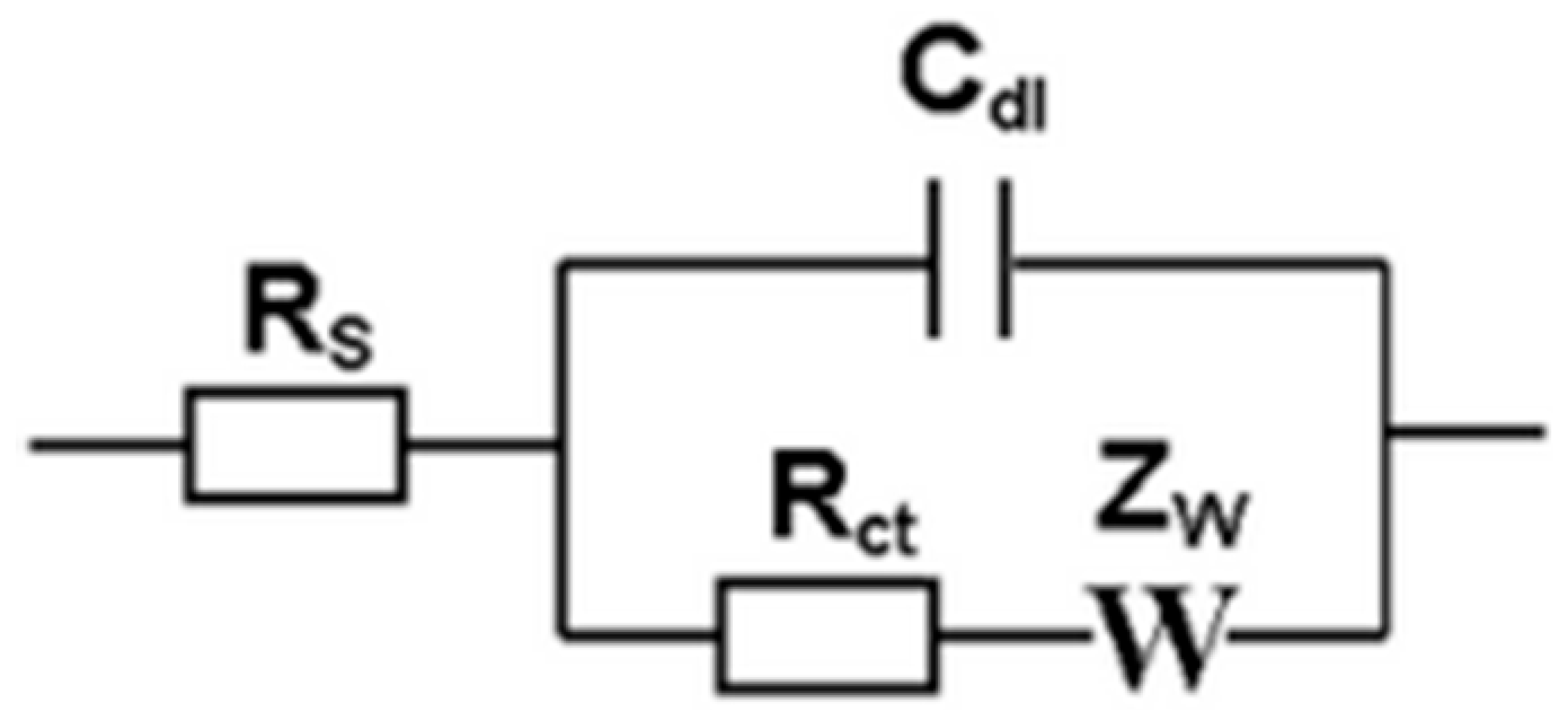
Figure 1. Randles Circuit as the equivalent circuit model.
Jcs 09 00670 g001
Figure 2. Process flow diagram of conversion of cotton wastes into functionalized cellulose whiskers.
Jcs 09 00670 g002
Figure 3. Interaction plots showing how the effect of one independent variable (NaOH concentration) changes the level of the dependent variable (yield).
Jcs 09 00670 g003
Figure 4. ATR-FTIR spectra with the presence of O-H groups and C-H stretching vibration of cellulose.
Jcs 09 00670 g004
Figure 5. ATR-FTIR spectra of more crystalline material of cotton cellulose.
Jcs 09 00670 g005
Figure 6. Cotton linters converted from (a) cellulose to (b) cellulose whiskers.
Jcs 09 00670 g006
Figure 7. Interaction plots showing the effects of independent variables (H2SO4 concentration and reaction time) on the changes in the level of the dependent variable (yield).
Jcs 09 00670 g007
Figure 8. ATR-FTIR spectra of the cellulose whiskers at different treatment combinations, (a) 60/60, (b) 60/45, (c) 55/60 and (d) 55/45.
Jcs 09 00670 g008
Figure 9. Interaction plots showing the effects of independent variables (H2SO4 concentration and reaction time) on the changes of the level of the dependent variable (% TCI).
Jcs 09 00670 g009
Figure 10. XRD diffractograms of cellulose whiskers at different treatment combinations, (a) 60/60, (b) 60/45, (c) 55/60 and (d) 55/45.
Jcs 09 00670 g010
Figure 11. ATR-FTIR spectra of the functionalized cellulose whiskers.
Jcs 09 00670 g011
Figure 12. Water contact angle of (a) CW and (b) functionalized CW.
Jcs 09 00670 g012
Figure 13. SEM micrographs of (a,b) CWs and (c,d) functionalized CWs: (magnification: 5000× and 10,000×; scale bar: 20 and 100 μm).
Jcs 09 00670 g013
Figure 14. Hybrid composite with CW at (a) 0%, (b) 3%, (c) 5% and (d) 8% loading.
Jcs 09 00670 g014
Table 1. Experimental design for alkali treatment.
Independent Variable/FactorLevelsDependent
Variables/Responses
LowMidHigh
NaOH Concentration, wt%51015Yield, ATR-FTIR
Table 2. Experimental design for acid hydrolysis.
Independent Variables/FactorsLevelsDependent Variables/
Responses
LowHigh
H2SO4 Concentration, wt%5560Yield, TCI, ATR-FTIR
Reaction Time, min4560
Table 3. Composition of common biomass wastes.
Biomass MaterialCompositionCellulose, %Lignin, %Moisture, %
Coconut FiberJcs 09 00670 i00143.445.810.8
Saw DustJcs 09 00670 i00254.335.89.9
Cotton LintJcs 09 00670 i00379.6-20.4
Cotton Linter *Jcs 09 00670 i00496.5-3.5
Cotton Linter **Jcs 09 00670 i00594.9-5.1
Cotton Linter *Jcs 09 00670 i00695.5-4.5
* Cotton linter from commercial cotton fiber for textile processing provided by PTRI. ** Cotton linter obtained from cottonseeds provided by PhilFIDA.
Table 4. Comparison of CrI and TCI for CW samples.
SampleCrI, %TCI, %Std Dev
60/6072.475.62.2
55/6069.569.10.2
60/4570.971.50.4
55/4570.065.92.9
Table 5. Ion exchange capacity (IEC) of CW samples.
CW SampleIEC, meq/g
Average
CW 11.78 ± 0.0354
CW 21.68 ± 0.0919
CW 31.51 ± 0.1273
Table 6. Tensile strength of hybrid membrane at different % CW loading.
Tensile Strenght, Mpa
Filler Loading, %0358
Replicate 113.3614.3214.3710.60
Replicate 213.6113.13 13.158.05
Average13.513.713.89.3
Table 7. Proton conductivity of hybrid membrane at different % CW loading.
MembraneResistance (Ω)Conductivity (S/cm)% Change
Pure PSU4.510.0173-
3% fCW/PSU5.600.01825.2
5% fCW/PSU4.800.019210.9
8% fCW/PSU3.710.01899.3
Disclaimer/Publisher’s Note: The statements, opinions and data contained in all publications are solely those of the individual author(s) and contributor(s) and not of MDPI and/or the editor(s). MDPI and/or the editor(s) disclaim responsibility for any injury to people or property resulting from any ideas, methods, instructions or products referred to in the content.