
Article

Biopolymer-Based Nanocomposite Scaffolds: Methyl Cellulose and Hydroxyethyl Cellulose Matrix Enhanced with Osteotropic Metal Carbonate Nanoparticles (Ca, Zn, Mg, Cu, Mn) for Potential Bone Regeneration

1
Department of Functional Materials and Engineering Construction, Institute of Advanced Engineering, North Caucasus Federal University, Stavropol 355000, Russia
2
Department of Pathological Physiology, Stavropol State Medical University, Stavropol 355000, Russia
3
Department of Biochemistry, Russian Scientific Center of Surgery Named After Academician B.V. Petrovsky, Moscow 119435, Russia
*
Author to whom correspondence should be addressed.
J. Compos. Sci. 2025, 9(12), 655; https://doi.org/10.3390/jcs9120655 (registering DOI)
Submission received: 23 September 2025 / Revised: 26 November 2025 / Accepted: 1 December 2025 / Published: 1 December 2025
(This article belongs to the Special Issue Biomedical Composite Applications)

Abstract

Bone fractures are a serious health problem worldwide, and up to 10% of emergency department visits are related to such injuries. The development of effective materials for bone repair remains an urgent need of modern medicine. The aim of this study was to develop new scaffolds based on biopolymers (methyl cellulose and hydroxyethyl cellulose) modified with carbonate nanoparticles (CaCO3, MgCO3, ZnCO3, MnCO3, CuCO3) for potential applications in bone tissue engineering. FTIR spectroscopy confirmed the successful formation of stable composite structures: characteristic absorption bands of the functional groups of the molecules that make up the scaffold, as well as specific fluctuations in metal-oxygen bonds (Ca–O, Zn–O, Cu–O), were revealed. Stability tests revealed the most stable samples when changing the pH and the ionic strength of the solution. The developed scaffold matrices had a high porosity in the range from 93.3% to 98.0%, and their moisture absorption capacity ranged from 858% to 1402%. Specific gravity measurements ranged from 0.050 g/cm3 to 0.067 g/cm3, indicating optimal material density for potential biomedical applications. Biological evaluation demonstrated different cytotoxic effects depending on the type of nanoparticles. Thus, matrices with minimal toxicity and promising biocompatibility (modified CaCO3), as well as with significant toxic effects (modified ZnCO3 and CuCO3) were found. As a result, it was found that CaCO3-modified scaffolds have the most favorable combination of structural, physical, and biological properties for potential applications in bone tissue engineering. The developed innovative materials are porous scaffolds in which nanoparticles of carbonates of osteotropic elements are embedded, which presumably contribute to the acceleration of bone tissue regeneration. However, this study provides encouraging preliminary data, and further in-depth biological and functional studies are needed to fully confirm the osteogenic potential and regenerative efficacy of the scaffolds.

1. Introduction

Bone fractures are one of the most common traumatic injuries worldwide, accounting for approximately 7–10% of all emergency department visits per year [1]. This condition is a significant socio-economic burden, while in severe cases the level of long-term disability reaches 30% [2,3]. This problem is particularly acute for two demographic groups: the pediatric and geriatric populations, which are most vulnerable due to the unique features of their bone tissue [4,5]. It is noteworthy that the statistics of the winter season show a significantly higher incidence of fractures compared to the summer months [6,7], which once again underlines the urgent need for effective treatment methods. The main goal of fracture treatment is to ensure complete, correct and rapid consolidation of bone fragments while restoring lost functions [8]. Despite the wide range of available treatment methods, including both conservative and surgical approaches, up to 40% of fracture cases lead to unsatisfactory results [9,10]. These statistics highlight the urgent need for innovative solutions to combat fracturing.
Modern treatment approaches have evolved significantly, and osteosynthesis has become a widespread method that ensures reliable fixation and minimizes the risk of secondary displacement, thereby reducing the healing time of fractures [11,12]. Intramedullary or internal osteosynthesis has also become a modern treatment method involving the insertion of pins directly into the bone marrow cavity of long bones, which helps minimize tissue injury and blood loss [13]. It is worth noting that surgical methods remain the main method of fracture treatment [14]. However, combined treatment strategies are increasingly being used, including both surgical interventions and pharmacological drugs that strengthen bone tissue. Preparations based on glycosaminoglycans, which are important components of the bone extracellular matrix and can accelerate fracture healing, are particularly promising [15,16].
Recent studies have demonstrated the high efficiency of composite scaffolds in bone tissue regeneration [17,18,19,20]. Studies have shown that composite matrices with mesenchymal stem cells can regenerate bone tissue, while increasing bone mineralization [21,22]. To improve the properties of hydroxyapatite-based materials, they are often combined with natural and synthetic polymers to create scaffolds that support the restoration and adhesion of bone tissue [23].
The elemental composition of bone tissue is quite diverse. The bone mainly consists of a collagen matrix impregnated with Ca3(PO4)2 nanoparticles (NPs) in the form of hydroxyapatite [24,25]. In addition, bone tissue contains various elements such as Na, K, Mg, Zn, Si, Fe, Sr, Ni, Al, Cr, Ba, Ti, Cu, Co, Mn, Sn, V, Pb, and Sr [26]. It is noteworthy that some of these elements have antioxidant and antimicrobial properties that are crucial for tissue regeneration processes [27]. Recent advances in nanotechnology have revolutionized bone regeneration strategies. Nanomaterials, especially those with a high surface-to-volume ratio, exhibit enhanced biological interactions and promote excellent cellular responses [28]. Among them, nanocomposite frameworks containing carbonate NPs of osteotropic elements (Zn, Mn, Mg, and Ca) have demonstrated significant potential [29]. Notably, osteotropic elements specifically target bone tissue and actively participate in bone metabolism. These elements possess unique properties that make them particularly suitable for bone regeneration applications. They can enhance bone formation by promoting osteoblast proliferation and differentiation, improving mineralization, and modulating bone remodeling processes. Their ability to interact with bone cells and matrix components, combined with their bioactive properties, creates a favorable environment for bone tissue regeneration [30,31].
The unique properties of nanomaterials are due to their ability to interact at the cellular and molecular levels. NPs promote osteoconductivity by providing a favorable material for the deposition of minerals in bone tissue and enhancing cellular adhesion [32,33]. They also have osteoinductive properties, stimulating the differentiation of mesenchymal stem cells into osteoblasts [34]. In addition, the anti-inflammatory effects of these nanomaterials help to modulate the inflammatory response, thereby promoting tissue healing [35]. Antimicrobial activity is another important advantage of some nanomaterial compositions, which significantly reduce the risk of infection, a common complication in fracture healing [36,37,38]. The mechanical reinforcement provided by nanocomposites increases the structural integrity of the scaffolds, ensuring their functionality in vivo [32,39]. Experimental models have demonstrated that nanocomposite scaffolds can improve bone tissue integration by enhancing angiogenesis and accelerated mineralization [40]. These materials also reduce inflammatory reactions and increase the mechanical stability of the repaired bone, contributing to more effective fracture healing.
The combination of biopolymer matrices with specially selected NPs compositions deserves special attention. For instance, the incorporation of polycaprolactone, hydroxyapatite, and carbon nanotubes has been shown to increase material strength while reducing inflammatory reactions [41]. Similarly, the stabilization of CuCO3 NPs with biological macromolecules has shown promising results in terms of biocompatibility and controlled release properties [42]. It is worth noting that materials based on cellulose derivatives with the inclusion of metal NPs, metal oxides and various inorganic compounds are promising research objects. Notably, such materials have increased antibacterial activity, the ability to regenerate bone and tissue, and cell proliferation [43,44,45,46]. While current bone tissue regeneration materials predominantly consist of calcium hydroxyapatite, emerging research on carbonate NPs of various trace elements (Ca, Mg, Mn, Cu, Zn) shows promise for bone restoration [47,48,49,50]. Despite these advancements, there remains an urgent need for innovative materials that can effectively combine mechanical stability with biological activity. Current solutions often fail to provide a balanced combination of essential properties required for successful bone regeneration, including optimal mechanical strength, controlled degradation, and biocompatibility.
Therefore, this study directly addresses this research gap and aims to develop novel biopolymer-based scaffolds modified with NPs of osteotropic elements (carbonates of Ca, Mg, Mn, Zn, Cu), offering a promising solution for improving fracture healing outcomes. To achieve this aim, the research objectives were focused on comprehensive material development and evaluation, including synthesis, characterization, and biological assessment of novel scaffolds. The proposed approach integrates several critical advantages: controlled release of bioactive factors, enhanced cell proliferation and differentiation, improved mechanical properties, tailorable porosity for tissue ingrowth, and optimal biocompatibility and biodegradability. These features make nanocomposite scaffolds a highly promising platform for next-generation bone tissue engineering applications.

2. Materials and Methods

2.1. Materials and Chemicals

For the synthesis, analytical grade reagents and class «A» glassware were utilized. The purity of the experimental setup was ensured by using distilled water with conductivity below 1 μS/cm. The core precursors for NPs synthesis included metal acetates: Zn(CH3COO)2, Ca(CH3COO)2, Mn(CH3COO)2, Cu(CH3COO)2, and Mg(CH3COO)2, supplied by LenReaktiv (Saint Petersburg, Russia). Ammonium carbonate ((NH4)2CO3), also provided by LenReaktiv (Saint Petersburg, Russia) served as the precipitating agent in the synthesis process. To stabilize the formed NPs, 736.7 g/mol hydroxyethyl cellulose (HEC) and 658.7 g/mol methyl cellulose (MC) were employed as stabilizing agents, obtained from StavReakhim (Stavropol, Russia). Additionally, the following reagents were purchased from DIA-M (Moscow, Russia) for the experimental procedures: phosphoric acid (H3PO4) for pH adjustment and buffer preparation, acetic acid (CH3COOH) as a component of the acid mixture, boric acid (H3BO3) for buffer solutions, sodium hydroxide (NaOH) for pH regulation, sodium chloride (NaCl) for ionic strength studies. The biological evaluation component of the study utilized Dulbecco’s Modified Eagle Medium (DMEM-1640), 10% fetal bovine serum, antibiotics (penicillin and streptomycin), MTT reagent (3-(4,5-dimethylthiazol-2-yl)-2,5-diphenyltetrazolium bromide), trypsin–versene solution and dimethyl sulfoxide (DMSO), obtained from Sigma-Aldrich (St. Louis, MO, USA).
Daphnia magna Straus was obtained from Evropolytest (Moscow, Russia) to conduct acute toxicity assessment. For cytotoxicity assessment, cells of immortalized fibroblasts WI-26 (human embryo pulmonary fibroblasts), cancer cells HeLa-123 (human cervical epithelioid carcinoma cell line, subclone M) and non-cancerous Vero-102 cells (African green monkey renal epithelial cells) were purchased from Algimed (Moscow, Russia).

2.2. Synthesis of NPs

The synthesis procedure for individual carbonate compounds followed a protocol schematically presented in Figure 1. In a 500 mL beaker, a 100 mL solution of 0.8 M metal precursor was prepared. A 1% (w/w) aqueous stabilizer solution was added and stirred at 500 rpm for 10–15 min until complete dissolution. Subsequently, a separate 100 mL solution of 0.8 M precipitant was prepared and added dropwise to the precursor-stabilizer mixture. The synthesis was conducted at room temperature. After precipitant addition, the mixture underwent centrifugation in a MicroCL 17R centrifuge (Thermo FS, Waltham, MA, USA) for 5 min at 3000 rpm. The supernatant was decanted while preserving the precipitate. The centrifuged solution was refilled with distilled water and stirred with a glass rod until complete dissolution, followed by another 5 min centrifugation at 3000 rpm. This centrifugation process was repeated 5 times. The resulting precipitate was dried in a VT 6025 drying oven (Thermo FS, Waltham, MA, USA) at 110 °C for 8 h. Throughout the synthesis process, strict adherence to procedural parameters ensured the production of high-quality NPs with consistent characteristics. The combination of controlled precipitation, thorough purification via centrifugation, and precise drying conditions contributed to the development of well-defined nanomaterial structures suitable for further application in biomedical scaffolds.

2.3. Synthesis of the Biopolymer Scaffold Matrices Modified with NPs

As shown in Figure 1, the synthesis of NPs was followed by scaffold preparation. The synthesis of the biopolymer scaffold matrices modified with NPs of ostreotropic elements was carried out in several stages. Initially, suspensions were prepared by dispersing 0.75 g of metal carbonate NPs (Ca, Zn, Mg, Cu and Mn) in 100 mL of deionized water. Subsequently, a 3% aqueous solution was prepared by mixing MC and HEC in a 1:1 ratio. The prepared NPs suspension was then incorporated into this biopolymer mixture. The resulting composite solution was poured into sterile metal molds and subjected to cryogenic treatment. Freezing was performed at −50 °C for 20 h, ensuring uniform solidification of the matrix. Following the freezing stage, the samples underwent freeze-drying in a vacuum chamber for 20 h. This process was critical for complete removal of residual moisture while preserving the structural integrity of the scaffold matrix. During this process, ice crystals formed within the frozen matrix created a temporary structure that defined the primary pore architecture. As sublimation occurred, these ice crystals transformed into interconnected pores of varying sizes, creating a hierarchical porosity. The temperature gradient across the sample influenced the rate and direction of ice crystal formation, which in turn affected pore morphology and distribution. The duration of the freeze-drying process determined the extent of pore development and the overall porosity of the final scaffold [40]. The obtained scaffold samples were put in vials and sterilized by autoclaving at 120 °C for 20 min in an SPVA-75-NN steam sterilizer (Trans-Signal, Nizhniy Novgorod, Russia).
Following the synthesis of biopolymer scaffold matrices modified with NPs, the prepared samples were stored in a refrigerator at 0–4 °C until their subsequent use in experimental procedures. As illustrated in Figure 1, the experimental workflow encompassed a comprehensive range of methodologies, including material characterization techniques and toxicity assessment protocols.

2.4. Characterization Methods

The microstructure of the obtained samples was studied by scanning electron microscopy (SEM) on MIRA3-LMH device (Tescan, Brno, Czech Republic). Samples were carefully mounted on conductive stubs using double-sided carbon tape, ensuring stable adhesion and electrical conductivity. A crucial preparatory step was the application of a conductive coating to prevent charging artifacts during imaging. Samples received a uniform layer of approximately 10 nm using a QR 150 sputtering system (Tescan, Brno, Czech Republic), optimizing both conductivity and preservation of sample integrity. Prior to imaging, the microscope system was purged with nitrogen gas to create an optimal environment for observation. The imaging parameters were carefully selected to capture both macro- and micro-level details. The SEM analysis operated under the following optimized conditions: accelerating voltage set at 10 kV for optimal resolution, working distance maintained at 4.9 mm, in-beam secondary electron detector employed for detailed surface imaging. Scanning was performed at magnification 250× [40].
The elemental composition of the synthesized samples was analyzed using a scanning electron microscope MI-RA3-LMH (Tescan, Brno, Czech Republic) equipped with an energy-dispersive X-ray spectroscopy system AZtecEnergy Standard/X-max 20 (standard configuration).
The stability assessment of scaffolds was conducted to evaluate its chemical resistance under various environmental conditions. The primary focus of the investigation was to study the impact of solution pH on the material’s chemical stability. The experimental protocol involved incorporating solutions with varying pH levels into 0.5 g samples of the biopolymer matrix. Initially, a mixed acid solution was created by combining H3PO4, CH3COOH, and H3BO3, each at a concentration of 0.04 M. The preparation process began with a 2 L volumetric flask serving as the primary vessel. Precise measurements of 5.49 mL H3PO4, 4.58 mL CH3COOH, and 4.95 g H3BO3 were added sequentially. The mixture was then diluted to the final volume of 2 L using distilled water to ensure uniform concentration. A separate 0.2 M NaOH solution was prepared with a volume of 700 mL. To achieve the desired pH levels, a calculated volume of NaOH solution was gradually added to 100 mL of the prepared acid mixture. The pH adjustment process was carefully monitored to maintain accurate solution composition. The relationship between the volume of added NaOH and the resulting pH was systematically documented, allowing for the creation of a series of buffer solutions with defined pH levels. The prepared buffer solutions were then used to investigate the material’s response to varying pH levels. The values of the NaOH volumes with the corresponding pH values are shown in Table 1.
To further investigate the stability of the biopolymer scaffold matrix under varying ionic conditions, a series of NaCl solutions was prepared with concentrations ranging from 0.1 M to 1.0 M. For the 0.1 M solution, 0.029 g of NaCl was dissolved in distilled water. To prepare the 0.25 M solution, the amount of NaCl was increased to 0.073 g. The 0.5 M solution required 0.146 g of NaCl, while the 0.75 M solution contained 0.219 g. The most concentrated solution (1.0 M) was prepared using 0.29 g of NaCl. Each prepared solution was thoroughly mixed to ensure complete dissolution of the salt. The resulting solutions were then used in stability testing procedures, where 0.5 g of the scaffold sample was incubated in 25 mL of each solution. This experimental setup allowed for the systematic evaluation of how varying ionic strengths affected the structural integrity and chemical stability of the modified scaffold matrix.
Scaffold were characterized by the method of Bartoš et al. (2018) [51]. In brief, the scaffold sample sized (6.0 ± 1) × (0.5 ± 0.1) cm weighing 0.04 ± 0.001 g was placed in a 10 mL-graduated glass cylinder; ethanol was used as a filling liquid at a temperature of 30 °C. The scaffold was placed in the cylinder, which was filled two third full of ethanol and kept for 5 min with occasional stirring. Then, the cylinder was filled to the mark with ethanol and weighed. The moisture capacity of scaffolds was determined according to the method of Kutlusoy et al. (2017) [52].
Calculations of indicators was carried out according to Equations (1)–(7):
% Porosity: P = Vp/(Vp + Vs) = [(W2 − W3 − Ws)/(W1 − W3)] × 100%
Volume of the scaffold pore: Vp = (W2 − W3 − Ws)/pe, cm3
Volume of the scaffold skeleton: Vs = (W1 − W2 + Ws)/pe, cm3
Density of scaffold skeleton: Pss = Ws/Vs, g/cm3
Scaffold density: Ps = Ws/(Vp + Vs), g/cm3
Volume–mass index: V = Vp/Ws, cm3/g
% Swelling: S = [(W − Ws)/Ws] × 100%
where P is the %porosity, Vp is the volume of the scaffold pore in cm3, Vs is the volume of the scaffold skeleton in cm3, Pss is the density of scaffold skeleton in g/cm3, Ps is the scaffold density in g/cm3, V is the volume-mass index in cm3/g, W is the scaffold mass with absorbed ethanol in g, W1 is the mass of ethanol in a cylinder filled to the mark in g, W2 is the mass of ethanol with scaffold in the cylinder in g, W3 is the mass of ethanol in the cylinder after removing the ethanol-saturated scaffold in g, Ws is the mass of scaffold in g, pe is the ethanol density in g/cm3, and S is % swelling.

2.5. Acute Toxicity Assessment

The assessment of acute toxicity of synthesized NPs was performed using a standardized biological testing method based on the mortality rate of Daphnia magna Straus [53]. The experimental protocol involved preparing aqueous dispersions of metal carbonate NPs at specific concentrations: 100 mg/L, 10 mg/L, 1 mg/L, 0.1 mg/L, 0.01 mg/L, and 0.001 mg/L. Test organisms were divided into experimental groups exposed to these concentrations and a control group maintained in NPs-free medium. The research utilized a specialized cultivator KVM-08 (Evropolytest, Moscow, Russia), which provided precise control over experimental conditions including temperature, light intensity, aeration, mixing, and convection flow simulation to replicate natural aquatic environments. This system ensured uniform distribution of NPs and consistent exposure conditions for all test organisms. The acute toxic effect was evaluated by monitoring the mortality rate of Daphnia magna over a 22 h exposure period. Mortality assessment was conducted using microscopic examination by Axio Vert A1 (Carl Zeiss Microscopy, Oberkochen, Germany) at 200× magnification to accurately determine the number of surviving organisms. The observation period was selected to capture immediate toxic responses while minimizing long-term adaptation effects [54].

2.6. Cytotoxicity Assessment of NPs in Scaffold Matrices

The comprehensive toxicity evaluation involved two sequential stages: assessment of NPs cytotoxicity followed by evaluation of modified scaffold matrices. The study employed a standardized approach to determine the biocompatibility of synthesized materials [55]. The initial stage focused on evaluating the cytotoxic potential of individual NPs. Immortalized WI-26 fibroblast cells were seeded into a 96-well plate at a density of 5000 cells per well using DMEM-1640 medium supplemented with 10% fetal bovine serum. After a 24 h incubation period, the medium was replaced with a solution containing metal carbonate NPs. The cells were incubated with NPs for 2 h, followed by medium replacement and further incubation for 48 h. Cytotoxicity assessment was performed using the MTT assay, where 10 μL of MTT reagent was added to each well. After a 2 h incubation period, the medium was removed, and formazan crystals were dissolved in 100 μL of DMSO. Optical density was measured using the SuPerMax 3100 Multi-Mode Microplate Reader (Flash Spectrum, Shanghai, China), with untreated cells serving as the 100% viability control. All measurements were normalized to the negative control (100% viability) and corrected for inter-well variability, plate-to-plate differences, day-to-day variations.
The second stage involved evaluating the cytotoxic effects of modified scaffold matrices. Matrix extracts were prepared under sterile conditions using DMEM culture medium supplemented with 10% fetal bovine serum, 0.17 M penicillin, and 0.058 M streptomycin [56]. Matrix samples (0.5 cm × 0.5 cm) were autoclaved in SPVA-75-1NN steam sterilizer (Trans-Signal, Nizhny Novgorod, Russia) for 10 min at 110 °C and incubated with 1 mL of culture medium at 37 °C for 24 h. The resulting matrix extracts are presented in Figure S1. Two cell lines were used for testing: HeLa (cervical carcinoma) and Vero-102 (African green monkey kidney cells). Cells were cultured in 25 cm2 culture vials put into MCO-19AIC incubator (Sanyo, Tokyo, Japan) under standard conditions (37 °C, 5% CO2) until reaching 80–90% confluence. After detachment using trypsin-versene solution, cells were seeded into 96-well plates (SPL Lifesciences, Gyeonggi-do, Republic of Korea) at a concentration of 4 × 10⁴ cells per well, calculated by Countess 3 FL (Thermo Fisher Scientific, Waltham, MA, USA). Following a 24 h incubation period, the culture medium was replaced with matrix extracts (100 μL per well), and cells were incubated for another 24 h. Cytotoxicity was assessed using the MTT assay. After incubation with extracts, cells were washed with DPBS buffer to remove matrix particles. MTT reagent (0.012 M in PBS, 10 μL per well) was added to wells containing complete culture medium (100 μL), followed by 2 h incubation. The medium was then removed, and 100 μL of DMSO was added to each well. The plate was placed in a PST-60HL thermoshaker (Biosan, Riga, Latvia) at 37 °C and 300 rpm for 15 min to dissolve formazan crystals. Optical density was measured using the Varioskan LUX microplate reader (Thermo Fisher Scientific, Waltham, MA, USA) at 570 nm.
The experimental design included both negative and positive controls to validate the results. The negative control consisted of cells cultivated on the same medium, while positive control included cells cultivated on the same medium with addition of MC:HEC extract without NPs. Cell viability was calculated relative to control cells cultured in complete medium. Results were presented as average cell survival percentages based on 5 replicates for each sample. Morphological assessment of cell cultures was performed using an Axio Vert A1 inverted microscope (Carl Zeiss Microscopy, Oberkochen, Germany) at 400× magnification after 24 h of incubation with matrix extracts. Images were obtained using ZEN 3 Pro software (Carl Zeiss Microscopy, Oberkochen, Germany), allowing for detailed evaluation of cell morphology and viability.

2.7. Statistical Data Processing

Biological and analytical experiments were repeated three to five times to assess the reproducibility of the measurements. Results are expressed as the mean ± standard error of the mean. Statistical analyses were performed with GraphPad Prism v. 6.01 (GraphPad Software, Boston, MA, USA). Data were subjected to one-way variance analysis (ANOVA). The normality and uniformity of the variance were checked using Pearson’s chi-squared criterion. Differences were considered significant at p ≤ 0.05.

3. Results and Discussion

3.1. Characterization of Samples

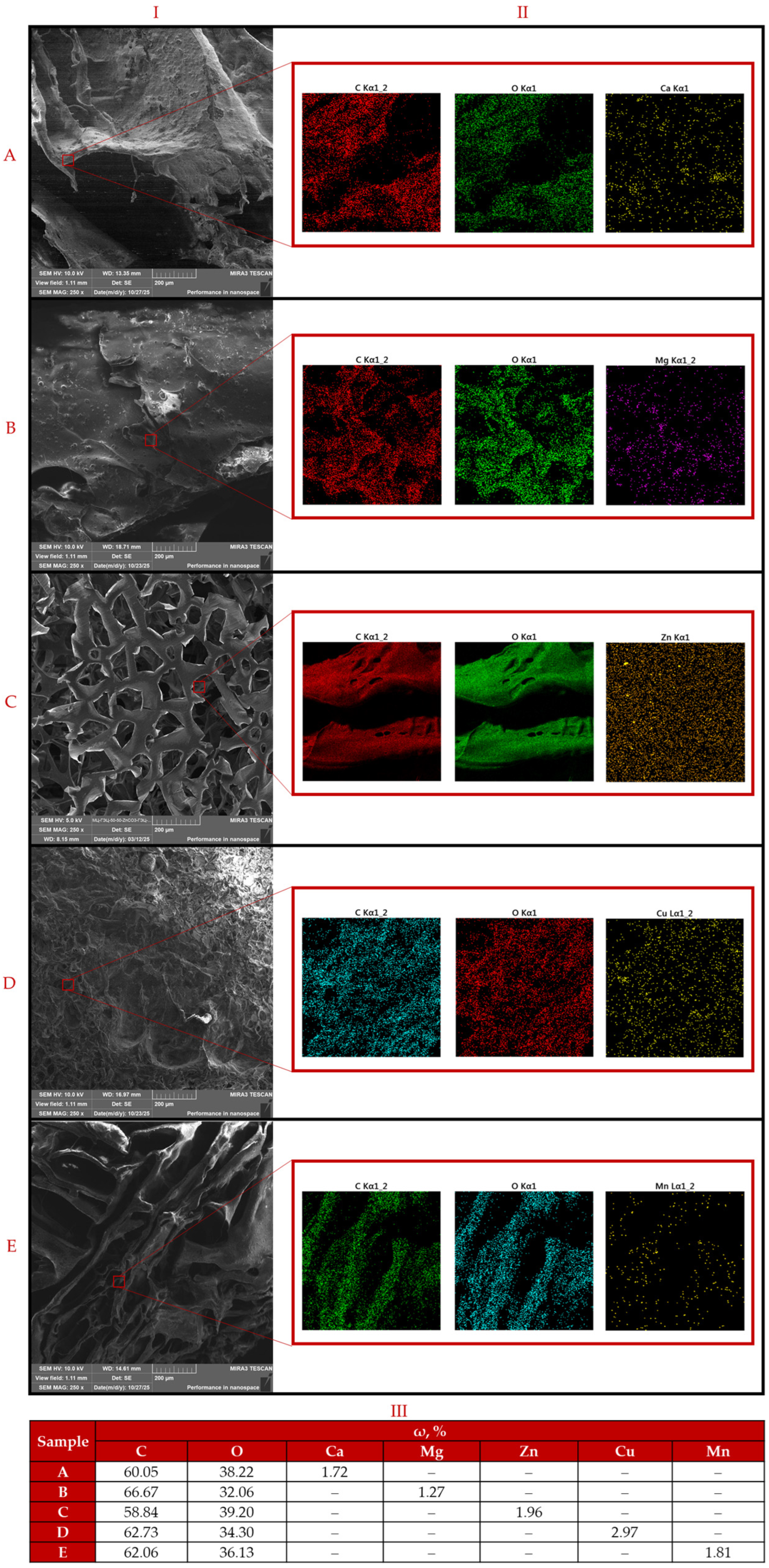
The microstructural characteristics of the developed scaffolds were thoroughly investigated using SEM, providing valuable insights into the morphology and composition of the synthesized materials. The SEM analysis revealed distinct microstructural features for each type of carbonate NPs-modified scaffold (Figure 2). The CaCO3 NPs modified scaffold exhibited a unique morphology characterized by spherical primary particles ranging from 50 to 500 nm in size. These NPs aggregated into larger clusters measuring 10–30 µm in diameter. The material demonstrated an interconnected porous network with well-defined through pores throughout the structure. The MgCO3 NPs modified scaffold displayed a different microstructural arrangement. The NPs formed spherical particles with a size distribution between 100 and 500 nm. The material exhibited high NPs dispersion, resulting in a uniform structure with consistent particle distribution across the entire polymer matrix. The microstructure showed minimal agglomeration and a homogeneous distribution of pores. The MnCO3 NPs modified scaffold presented a distinctive morphology with spherical particles measuring 60–300 nm in diameter. These NPs formed larger agglomerates ranging from 10 to 20 µm, creating porous architecture characterized by parallel-oriented layers. The CuCO3 NPs modified scaffold showed spherical NPs ranging from 40 to 300 nm in size. These particles aggregated into larger structures measuring 10–20 µm, resulting in a porous microstructure with a uniform distribution of pores throughout the material. The ZnCO3 NPs modified scaffold displayed spherical primary particles measuring 80–300 nm, which formed smaller agglomerates ranging from 3 to 10 µm. This formulation exhibited a well-developed porous structure with a distinct distribution of NPs within the polymer matrix. These microstructural differences contribute to the unique properties of each scaffold formulation, influencing their potential biological responses and mechanical characteristics. The observed variations in NPs size, distribution, and pore morphology suggest that each material may exhibit distinct behavior in biological environments [57,58,59].
The analysis of elemental composition distribution maps demonstrated a homogeneous distribution of carbon (C) and oxygen (O) elements across the matrix surface, along with the presence of various metal elements. Quantitative evaluation of the elemental composition revealed that the samples contained carbon with a mass fraction ranging from 58.84% to 66.67%, oxygen with a mass fraction varying between 32.06% and 39.20%, and metal elements (Ca, Mg, Zn, Cu, Mn) present in concentrations from 1.27% to 2.97%. These findings confirm the uniform distribution of major elements and provide quantitative confirmation of the presence of trace metal elements within the specified concentration ranges throughout the sample matrix.
Next step evaluated the chemical stability and structural characteristics of biopolymer scaffold matrices modified with metal carbonate NPs. This comprehensive analysis was essential for understanding the potential applications of these materials in biomedical fields [60,61]. Visual analysis of the obtained samples, presented in Figures S2–S6, provided valuable insights into the materials’ behavior under different environmental conditions. The results revealed significant differences in stability among the modified samples. Notably, the scaffold matrix incorporating ZnCO3 NPs demonstrated resistance to both pH and solution ionic strength. After 60 min of exposure, this sample maintained its original form without any signs of dissolution. Samples modified with CuCO3 and MnCO3 NPs exhibited intermediate stability, retaining their shape only in acidic environments. In contrast, matrices containing MgCO3 and CaCO3 NPs displayed the lowest stability across all tested conditions.
Following the stability assessment, a comprehensive microstructural analysis was performed on all obtained scaffold matrices. This analysis provided detailed insights into the materials’ structural characteristics, with results summarized in Table 2.
The investigation of matrix porosity demonstrated a direct influence of carbonate type on the structural properties of the scaffolds. The structural and physical properties of the developed scaffolds demonstrate a clear correlation between the type of incorporated nanoparticles and the resulting material characteristics. The specific gravity of the scaffolds shows a direct relationship with the density of incorporated nanoparticles. The highest specific gravity (0.067 g/cm3) is observed in the MnCO3-modified scaffold, which correlates with the higher density of MnCO3. Conversely, the ZnCO3-modified scaffold exhibits the lowest specific gravity (0.050 g/cm3), reflecting the lower density of ZnCO3. The porosity varied significantly across different formulations, ranging from a minimum of 93.3% observed in the MnCO3-modified matrix to a maximum of 98.0% in the CaCO3-modified variant. Notable, the average porosity across all samples consistently exceeded 95%, indicating an optimal porous architecture conducive to cellular ingrowth and tissue integration [62,63]. The density measurements indicate that ZnCO3-modified matrices have the lowest density (0.050 g/cm3), while MgCO3-modified matrices exhibit the highest density (0.067 g/cm3). These variations in density correlate with differences in NPs distribution and matrix structure. The moisture absorption capacity exhibited notable differences among the tested matrices. The highest values were recorded in ZnCO3-modified matrices (1402 ± 23.8%) and CuCO3-modified matrices (1192.0 ± 20.2%). This elevated moisture absorption capability suggests enhanced potential for nutrient delivery and metabolic exchange within the matrix structure [64,65]. The volume-mass index reflects the relationship between the material’s structure and its mass. The ZnCO3-modified scaffold shows the highest value (19.9 cm3/g), suggesting a more open structure with larger pores. The lower values in other samples (ranging from 15.3 to 17.7 cm3/g) indicate variations in pore size distribution and matrix density. Thickness measurements range from 1.43 mm (CaCO3-modified scaffold) to 2.5 mm (control sample).
These physical characteristics have important implications for the potential biomedical applications of the developed scaffolds. For instance, high porosity (>93%) ensures adequate cell penetration and tissue ingrowth. Optimal specific gravity (0.050–0.067 g/cm3) indicates suitable mechanical properties for bone tissue engineering. Variations in swelling capacity reflect differences in moisture absorption and nutrient delivery capabilities. Thickness measurements provide information about structural stability and potential load-bearing capacity [40]. Based on the observed structural and functional properties, matrices modified with ZnCO3, CaCO3, and CuCO3 demonstrate the most promising regenerative characteristics. The superior performance of ZnCO3-modified matrices can be attributed to the unique combination of high porosity and high moisture absorption capacity, which collectively enhance cellular interaction and metabolic activity [66]. CaCO3-modified matrices benefit from their biocompatibility and structural stability, closely mimicking natural bone composition [67]. CuCO3-modified matrices exhibit an optimal balance between porosity and moisture absorption properties [68].

3.2. Acute Toxicity Assessment

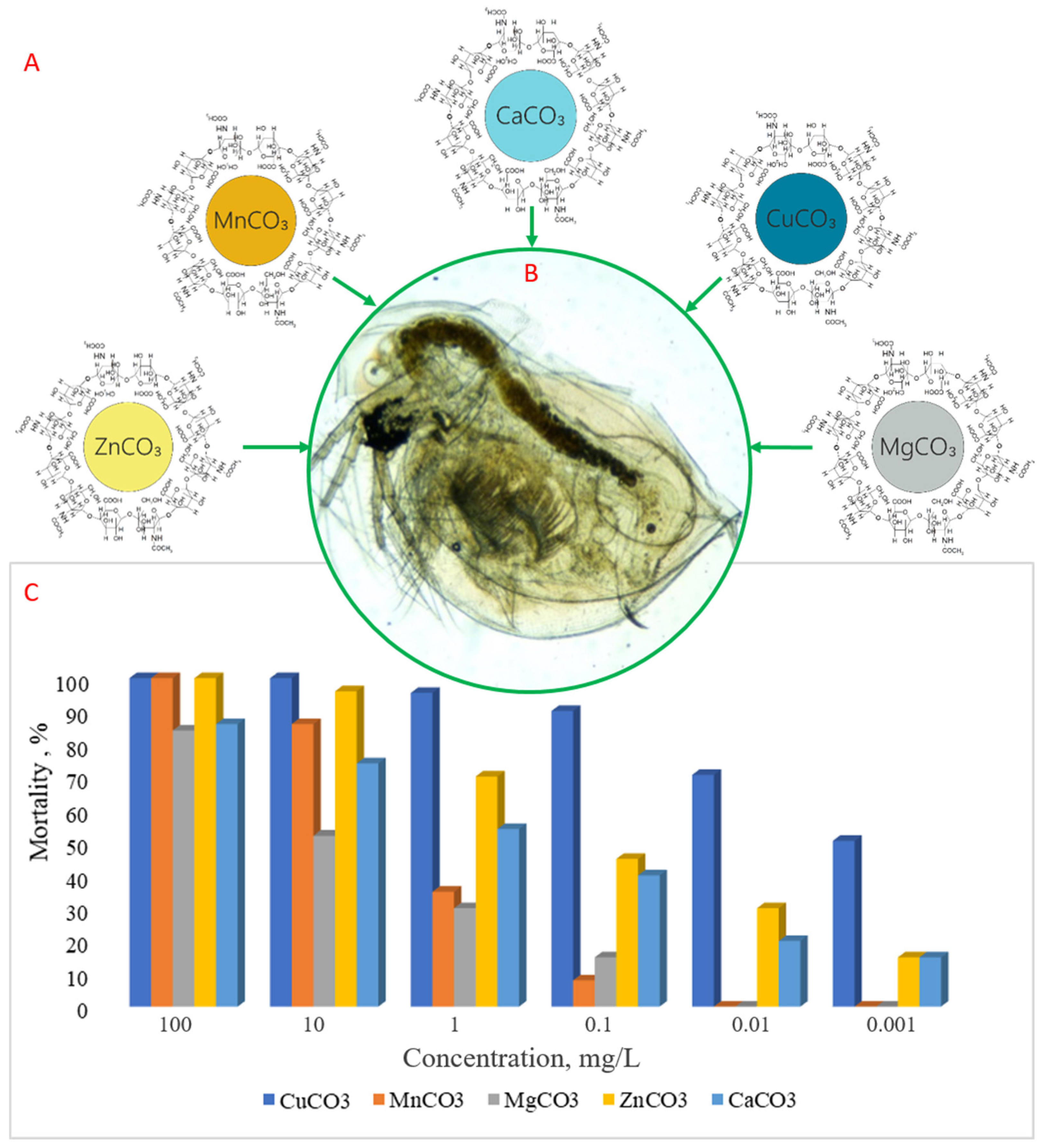
Having thoroughly evaluated the structural and physical properties of the developed materials, the subsequent phase of the investigation focused on assessing biological safety of synthesized NPs (Figure 3A) through acute toxicity testing. The acute toxicity assessment was conducted using Daphnia magna Straus as a test organism (Figure 3B). The study employed a range of concentrations (100 mg/L to 0.001 mg/L) to determine dose-dependent effects. The results obtained are shown in Figure 3C.
The experimental findings revealed significant differences in toxicity among the tested NPs. Notably, CuCO3 and ZnCO3 NPs exhibited pronounced acute toxic effects, demonstrating the highest mortality rates among all tested materials. This heightened toxicity can be attributed to the higher solubility and bioavailability of Cu2+ and Zn2+ ions in aqueous media, which interfere with cellular metabolic processes [69]. Notably, the results obtained are in the line with data of similar tests on ZnO and CuO NPs towards Daphnia magna [70,71]. In contrast, CaCO3 NPs showed moderate toxicity, which is likely due to their biological relevance and controlled release of Ca2+ ions [72,73]. Remarkably, MgCO3 and MnCO3 NPs demonstrated minimal toxic effects, with mortality rates not exceeding 20% at concentrations of ≤1 mg/L. Notable, both MgCO3 and MnCO3 NPs have relatively lower solubility in water, which limits the release of Mn2+ and Mg2+ ions into the environment. Furthermore, Mg2+ ions are essential for many biological processes and are naturally present in living organisms, which reduces their toxic potential [74]. Mn2+ ions, although less common than Mg2+, are also biocompatible and have a lower tendency to disrupt cellular functions [75]. The observed concentration-dependent response provides critical insights into the materials’ safety profiles. At higher concentrations (100 mg/L and 10 mg/L), significant toxic effects were consistently observed across all NPs. However, as the concentration decreased to 1 mg/L, 0.1 mg/L, and 0.01 mg/L, the mortality rate of test organisms decreased proportionally, indicating a clear dose–response relationship.

3.3. Cytotoxicity Assessment of NPs in Scaffold Matrices

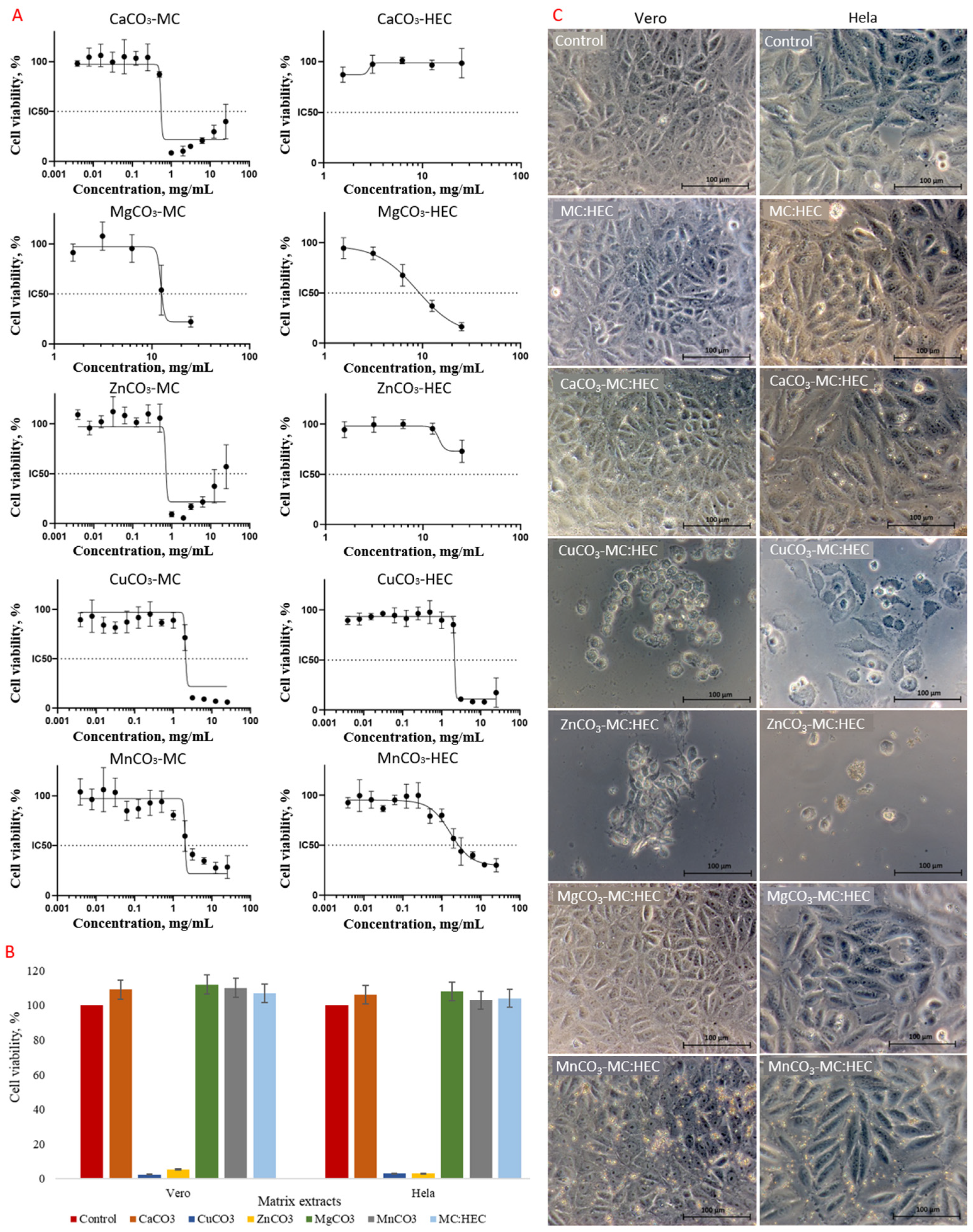
The comprehensive cytotoxicity evaluation of carbonate NPs involved a multi-stage experimental design to assess material biocompatibility under different conditions. The initial phase focused on investigating individual stabilizers (MC and HEC) to determine their independent effects on NPs behavior and cellular response of WI-26 fibroblasts. This approach allowed to isolate the specific contributions of each stabilizing agent to the overall biocompatibility profile. Consequently, the cytotoxicity evaluation of MC- and HEC-based scaffolds modified with carbonate NPs revealed significant differences in cellular response depending on the type of metal ion and stabilizing agent (Figure 4A).
The obtained IC50 values provide quantitative confirmation of the observed cytotoxic effects, with significant differences noted between various formulations. The MC:HEC control scaffold demonstrated excellent biocompatibility with IC50 values exceeding 25 mg/mL, indicating a safe polymer matrix foundation. The most pronounced cytotoxic effects were observed for CaCO3 NPs stabilized with MC (IC50 = 0.5444 mg/mL) and ZnCO3 NPs stabilized with MC (IC50 = 0.6995 mg/mL). Conversely, CaCO3 and ZnCO3 NPs stabilized with HEC exhibited no significant cytotoxic effects, with IC50 values exceeding 25 mg/mL. This suggests that the HEC stabilizer may effectively form a protective layer around the NPs, reducing their interaction with cellular membranes and mitigating cytotoxic effects, as was shown by Mansfield et al. [76] and Motelica et al. [77]. The intermediate cytotoxicity observed for other samples, ranging from 1.51 mg/mL for MnCO3 stabilized with HEC to 12.66 mg/mL for MgCO3 stabilized with MC, confirmed a complex relationship between type of stabilizing agent (MC vs. HEC), metal ion release kinetics, NPs-polymer interactions, and surface properties of modified scaffolds. The differences in cytotoxic potential can be attributed to variations in NPs surface properties, aggregation behavior, and cellular uptake mechanisms [78].
These findings have important implications. The low cytotoxicity of CaCO3 and ZnCO3 NPs stabilized with HEC, combined with the biological relevance of these elements, suggests their potential for use in regenerative materials. Ca, being a major component of bone, and Zn, playing an important role in enzyme activity, can contribute to bone regeneration processes [79,80]. MC stabilization may lead to more efficient cellular uptake and metal ion release, resulting in higher cytotoxicity. In contrast, HEC stabilization likely provides a protective barrier that minimizes NPs-cell interactions. However, MC possesses several critical advantages that justify its inclusion in the composite stabilizer system. MC contributes significantly to the structural integrity and mechanical stability of the NPs formulations. Its ability to enhance particle dispersion stability and provide optimal surface properties for biomedical applications cannot be overlooked [81]. The combination of MC with HEC in a mixed stabilizer system aims to leverage these strengths while mitigating the cytotoxic effects observed with MC alone.
Subsequent cytotoxicity testing employed a combination of MC:HEC stabilizers to evaluate the synergistic effects of the stabilizing system, which more closely mimics the final formulation intended for biomedical applications. The decision to proceed with MC:HEC mixtures for further testing on HeLa and Vero cell lines is based on the hypothesis that the synergistic effects of the combined stabilizers may result in a more favorable biocompatibility profile while preserving the essential material properties required for biomedical applications.
The results of MTT assay, presented in Figure 4B, reveals significant differences in cellular response to various carbonate matrix formulations. The study demonstrates a striking dichotomy in cytotoxic effects, with matrices containing CuCO3 and ZnCO3 exhibiting severe toxicity, while those with CaCO3, MgCO3, and MnCO3 showing minimal to no adverse effects. The extreme cytotoxicity observed with CuCO3 matrices is particularly noteworthy, as these formulations reduced Vero cell viability to just 2.5% and HeLa cell viability to 3% compared to the control group. Similarly, ZnCO3 matrices demonstrated substantial toxicity, decreasing Vero cell viability to 5.5% and HeLa cell viability to 3%. This severe response can be attributed to the unique biochemical properties of Cu2+ and Zn2+ ions, which at elevated concentrations disrupt essential cellular processes [82]. Cu2+ ions are known to interfere with cellular metabolism and induce oxidative stress through reactive oxygen species generation [83], while Zn2+ ions, despite their essential biological role, can become toxic at high concentrations by disrupting cellular signaling pathways and enzyme function [84].
In stark contrast, matrices containing CaCO3, MgCO3, and MnCO3, along with the control MC:HEC formulation, exhibited remarkably different behavior. The viability of Vero cells exposed to these matrices ranged from 107% to 112%, while HeLa cell viability ranged from 103% to 108%. These results suggest either a lack of significant cytotoxic effects or a mild stimulatory response that may fall within the assay’s margin of error.
Micrographs, presented in Figure 4C, confirms preservation of normal cellular morphology in cultures exposed to extracts from matrices containing CaCO3, MgCO3, and MnCO3. The observed cell morphology remained identical to that of the positive control (MC:HEC) and the negative control with complete culture medium. This morphological consistency indicates the absence of any disruptive effects on cellular structure and confirms the non-cytotoxic nature of these formulations. At the same time, extracts from matrices containing CuCO3 and ZnCO3 NPs demonstrated profound morphological alterations in both cell lines. The most notable changes included the formation of small cell clusters and the presence of isolated cells detaching from the substrate. These morphological changes are indicative of advanced stages of cell damage leading to cell death [85], which correlates with the pronounced cytotoxic effects observed in these samples. Thus, the morphological analysis provides visual confirmation of the cytotoxic effects observed in the viability assays and offers additional insights into the mode of action of these materials.
The dual nature of CuCO3 and ZnCO3 NPs effects presents both opportunities and challenges for their potential therapeutic application. While their ability to selectively target cancer cells (HeLA) is promising, the concomitant effect on normal cells (Vero) requires careful consideration. Further research is needed to develop strategies that maximize their antitumor potential while minimizing cytotoxic effects on healthy tissues. Considering the primary aim of this study, general analysis of the results obtained revealed that CaCO3 NPs are most suitable for modification of MC:HEC scaffolds for bone regenerations. At the same time, this study demonstrates that CuCO3 and ZnCO3 NPs integrated in MC:HEC matrix could serve as a basis for developing anticancer agents, but their current formulation requires significant optimization to achieve selective cytotoxicity and minimize side effects on normal cells.
Presumably, the increased porosity of the developed materials can create a kind of environment for bone and vascular growth, moisture capacity can ensure the supply of essential nutrients, and durability determines the stability and integrity of the structure [40]. As osteotropic elements, Ca, Zn, Mg, Cu and Mn can promote accelerated bone tissue growth due to proliferation and differentiation of osteoblasts and antibacterial effect [86,87]. Solubility and redox properties play important roles in determining the behavior and toxicity of metal carbonates. Solubility measures how readily metal ions detach from a compound, while redox ability indicates the aggressiveness and stability of a reagent [88]. The differences in these properties explain the varying behavior of the materials studied. Notably, Ca, Zn and Mg carbonates exhibit low solubility and high stability, making them resistant to oxidation and reduction processes. This inherent stability results in minimal toxicity, which makes these compounds suitable for biomedical applications [89]. In contrast, Cu and Mn compounds demonstrate higher solubility levels. As known, Cu participates in the generation of superoxide anions and reactive radicals [90], while Mn undergoes oxidation to the trivalent state [91]. These properties contribute to the observed toxicity of materials containing these elements. This distinction in material behavior directly correlates with the cytotoxic effects observed during biological testing, where Ca-based materials exhibited minimal toxicity, while Cu- and Zn-based materials showed more pronounced toxic effects. Understanding these relationships between solubility, redox properties, and toxicity is essential selecting appropriate materials in bone tissue engineering applications.
The results of this study demonstrate that the incorporation of Ca, Mg, Mn, Zn, and Cu carbonate NPs into the structure of a biopolymer scaffold enables targeted modification of its key physicochemical parameters. The observed improvement in mechanical strength and controlled degradation is consistent with literature data on the role of mineral fillers in polymer matrices. Furthermore, the absence of a cytotoxic effect and the high viability of cells in direct contact with the material indicate its preliminary cytocompatibility. It is important to emphasize that these data form the necessary fundamental basis for subsequent experiments.

4. Conclusions

A comprehensive study has demonstrated the successful development and characterization of new biopolymer scaffolds modified with carbonate NPs. Structural analysis confirmed the formation of stable structures with preserved functional groups, as evidenced by characteristic IR spectra describing the positions and presence or absence of characteristic functional groups. Stability tests have shown high resistance of ZnCO3-modified matrices to acidic environments, which makes it possible to maintain structural integrity in difficult conditions. This property opens up new possibilities for their potential application in specific biomedical fields. The structural and physical and mechanical characteristics of the frames were investigated, and based on the results obtained, samples with the most favorable parameters (high porosity and moisture absorption capacity) were determined. The porosity level reached 93.3–98.0%, and the moisture absorption capacity ranged from 858% to 1402%. These parameters are highly favorable for potential biomedical applications.
Biological evaluation revealed significant differences in cytotoxic effects between different types of NPS and cell lines. Evaluation of the cytotoxicity of MC and HEC scaffolds modified with carbonate NPS in relation to WI-26 fibroblasts revealed significant differences in the cellular response depending on the type of metal ion and stabilizing agent. Stabilization of MC can lead to more efficient uptake by cells and release of metal ions, which leads to increased cytotoxicity. On the contrary, HEC stabilization probably provides a protective barrier that minimizes the interaction of NPs with cells. However, MC has a number of important advantages that justify its inclusion in the integrated stabilization system. The combination of MC with HEC in a mixed stabilizing system aims to take advantage of these advantages while reducing the cytotoxic effects observed only with MC. Notably, the modified CaCO3 matrices demonstrated minimal cytotoxicity with up to 112% HeLa and Vero cell viability and promising biocompatibility. On the contrary, ZnCO3 and CuCO3 preparations showed a pronounced cytotoxic effect against these cell lines, reducing cell viability to only 2.5–3%.
The developed biopolymer scaffolds represent a significant advancement in bone tissue engineering, offering a novel platform that combines several critical advantages. The unique combination of natural polymers with osteotropic metal carbonates creates a biomimetic material with optimal porosity (93.3–98.0%) and controlled degradation rates, which are essential for successful bone integration and tissue regeneration. The material’s ability to provide controlled release of bioactive ions opens new possibilities for enhancing bone regeneration processes, offering a dual therapeutic effect through mechanical support and biological activity. The favorable mechanical properties and biocompatibility of CaCO3-modified scaffolds make them particularly promising for clinical applications, with potential use in fracture repair and bone defect filling. This innovative approach addresses several critical challenges in bone tissue engineering, including the need for biocompatible, osteoconductive, and mechanically stable materials with controlled degradation rates and bioactive properties. The successful integration of these components provides a versatile platform for developing next-generation bone graft substitutes with enhanced regenerative potential, capable of meeting the unmet clinical needs in bone tissue engineering.
However, the current study has certain limitations that should be considered. The study was mainly conducted in vitro, which may affect the live broadcast of the results in vivo. In addition, long-term biodegradation profiles and mechanical properties under dynamic conditions have not been fully studied. The potential long-term effects of metal ion leaching also require further assessment. Therefore, future research directions should focus on conducting in vivo studies to assess biocompatibility and biodegradability. Studying long-term metal ion release profiles and optimizing mechanical properties for specific clinical applications are important next steps. Studying the potential of ZnCO3 and CuCO3 drugs in antitumor therapy, as well as studying the synergistic effects between different combinations of carbonates, may open up new possibilities for use in biomedicine.
These preliminary results open a promising area of research into biopolymer-based osteogenic materials. Overall, the study provides compelling preliminary evidence for the potential of this approach. However, final confirmation of the bone-regenerative potential of the developed scaffolds requires additional functional studies, including an assessment of osteogenic differentiation in vitro and regeneration of bone defects in in vivo models.

Supplementary Materials

The following supporting information can be downloaded at: https://www.mdpi.com/article/10.3390/jcs9120655/s1, Figure S1. Extraction of matrix samples with a complete culture medium; Figure S2. Stability of biopolymer scaffold matrices modified with CaCO3 nanoparticles; Figure S3. Stability of biopolymer scaffold matrices modified with MnCO3 nanoparticles; Figure S4. Stability of biopolymer scaffold matrices modified with CuCO3 nanoparticles; Figure S5. Stability of biopolymer scaffold matrices modified with MgCO3 nanoparticles; Figure S6. Stability of biopolymer scaffold matrices modified with ZnCO3 nanoparticles.

Author Contributions

Conceptualization, A.B. and A.N.; methodology, A.B. and Z.R.; software, D.G.; validation, A.B., Z.R. and M.S.; formal analysis, A.N.; investigation, Z.R., M.S., A.A., D.G., A.M.S., N.B., N.R., E.K. and I.R.; resources, A.B. and M.S.; data curation, Z.R.; writing—original draft preparation, Z.R., M.S., A.A., A.M.S., N.B., N.R., E.K. and I.R.; writing—review and editing, A.B. and A.N.; visualization, D.G. and A.N.; supervision, A.B.; project administration, A.N.; funding acquisition, A.B. All authors have read and agreed to the published version of the manuscript.

Funding

The work was financially supported by the Ministry of Science and Higher Education of the Russian Federation (project FSRN-2023-0037).

Data Availability Statement

All raw data are available upon request from the corresponding author.

Acknowledgments

During the preparation of this manuscript, the authors used YandexGPT 5.1 Pro for the purposes of improving the grammatical structure and language clarity of the text. The authors have thoroughly reviewed and edited the output, taking full responsibility for the content of this publication.

Conflicts of Interest

The authors declare that they have no known competing financial interests or personal relationships that could have appeared to influence the work reported in this paper.

References

  1. Wu, A.-M.; Bisignano, C.; James, S.L.; Abady, G.G.; Abedi, A.; Abu-Gharbieh, E.; Alhassan, R.K.; Alipour, V.; Arabloo, J.; Asaad, M.; et al. Global, Regional, and National Burden of Bone Fractures in 204 Countries and Territories, 1990–2019: A Systematic Analysis from the Global Burden of Disease Study 2019. Lancet Healthy Longev. 2021, 2, e580–e592. [Google Scholar] [CrossRef]
  2. Farr, J.N.; Melton, L.J., III; Achenbach, S.J.; Atkinson, E.J.; Khosla, S.; Amin, S. Fracture Incidence and Characteristics in Young Adults Aged 18 to 49 Years: A Population-Based Study. J. Bone Miner. Res. 2017, 32, 2347–2354. [Google Scholar] [CrossRef] [PubMed]
  3. Faris, M.; Lystad, R.P.; Harris, I.; Curtis, K.; Mitchell, R. Fracture-Related Hospitalisations and Readmissions of Australian Children ≤16 Years: A 10-Year Population-Based Cohort Study. Injury 2020, 51, 2172–2178. [Google Scholar] [CrossRef]
  4. Ciancia, S.; van Rijn, R.R.; Högler, W.; Appelman-Dijkstra, N.M.; Boot, A.M.; Sas, T.C.J.; Renes, J.S. Osteoporosis in Children and Adolescents: When to Suspect and How to Diagnose It. Eur. J. Pediatr. 2022, 181, 2549–2561. [Google Scholar] [CrossRef]
  5. Smit, A.E.; Meijer, O.C.; Winter, E.M. The Multi-Faceted Nature of Age-Associated Osteoporosis. Bone Rep. 2024, 20, 101750. [Google Scholar] [CrossRef]
  6. Ogliari, G.; Ong, T.; Marshall, L.; Sahota, O. Seasonality of Adult Fragility Fractures and Association with Weather: 12-Year Experience of a UK Fracture Liaison Service. Bone 2021, 147, 115916. [Google Scholar] [CrossRef]
  7. Jedynasty, K.; Zięba, M.; Adamski, J.; Czech, M.; Głuszko, P.; Gozdowski, D.; Szypowska, A.; Śliwczyński, A.; Walicka, M.; Franek, E. Seasonally Dependent Change of the Number of Fractures after 50 Years of Age in Poland—Analysis of Combined Health Care and Climate Datasets. Int. J. Environ. Res. Public Health 2022, 19, 9467. [Google Scholar] [CrossRef]
  8. LeBoff, M.S.; Greenspan, S.L.; Insogna, K.L.; Lewiecki, E.M.; Saag, K.G.; Singer, A.J.; Siris, E.S. The Clinician’s Guide to Prevention and Treatment of Osteoporosis. Osteoporos. Int. 2022, 33, 2049–2102. [Google Scholar] [CrossRef] [PubMed]
  9. Vabo, S.; Steen, K.; Brudvik, C.; Hunskaar, S.; Morken, T. Patient-Reported Outcomes after Initial Conservative Fracture Treatment in Primary Healthcare—A Survey Study. BMC Prim. Care 2022, 23, 191. [Google Scholar] [CrossRef]
  10. Pommier, B.; Ollier, E.; Pelletier, J.-B.; Castel, X.; Vassal, F.; Tetard, M.-C. Conservative versus Surgical Treatment for Odontoid Fracture: Is the Surgical Treatment Harmful? Systematic Review and Meta-Analysis. World Neurosurg. 2020, 141, 490–499.e2. [Google Scholar] [CrossRef] [PubMed]
  11. Kang, H.-T.; Jo, Y.-H.; Kang, H.-J. Comparison of Minimally Invasive Plate Osteosynthesis (MIPO) and Open Reduction and Internal Fixation (ORIF) for the Treatment of Radial Shaft Fractures: A Retrospective Study. BMC Musculoskelet Disord 2025, 26, 320. [Google Scholar] [CrossRef] [PubMed]
  12. Mori, Y.; Kamimura, M.; Ito, K.; Koguchi, M.; Tanaka, H.; Kurishima, H.; Koyama, T.; Mori, N.; Masahashi, N.; Aizawa, T. A Review of the Impacts of Implant Stiffness on Fracture Healing. Appl. Sci. 2024, 14, 2259. [Google Scholar] [CrossRef]
  13. Wang, P.; Gong, Y.; Zhou, G.; Ren, W.; Wang, X. Biodegradable Implants for Internal Fixation of Fractures and Accelerated Bone Regeneration. ACS Omega 2023, 8, 27920–27931. [Google Scholar] [CrossRef]
  14. Baertl, S.; Alt, V.; Rupp, M. Surgical Enhancement of Fracture Healing—Operative vs. Nonoperative Treatment. Injury 2021, 52, S12–S17. [Google Scholar] [CrossRef] [PubMed]
  15. Menezes, R.; Vincent, R.; Osorno, L.; Hu, P.; Arinzeh, T.L. Biomaterials and Tissue Engineering Approaches Using Glycosaminoglycans for Tissue Repair: Lessons Learned from the Native Extracellular Matrix. Acta Biomater. 2023, 163, 210–227. [Google Scholar] [CrossRef]
  16. Salbach-Hirsch, J.; Samsonov, S.A.; Hintze, V.; Hofbauer, C.; Picke, A.-K.; Rauner, M.; Gehrcke, J.-P.; Moeller, S.; Schnabelrauch, M.; Scharnweber, D.; et al. Structural and Functional Insights into Sclerostin-Glycosaminoglycan Interactions in Bone. Biomaterials 2015, 67, 335–345. [Google Scholar] [CrossRef]
  17. Farjaminejad, S.; Farjaminejad, R.; Hasani, M.; Garcia-Godoy, F.; Abdouss, M.; Marya, A.; Harsoputranto, A.; Jamilian, A. Advances and Challenges in Polymer-Based Scaffolds for Bone Tissue Engineering: A Path Towards Personalized Regenerative Medicine. Polymers 2024, 16, 3303. [Google Scholar] [CrossRef]
  18. Todd, E.A.; Mirsky, N.A.; Silva, B.L.G.; Shinde, A.R.; Arakelians, A.R.L.; Nayak, V.V.; Marcantonio, R.A.C.; Gupta, N.; Witek, L.; Coelho, P.G. Functional Scaffolds for Bone Tissue Regeneration: A Comprehensive Review of Materials, Methods, and Future Directions. J. Funct. Biomater. 2024, 15, 280. [Google Scholar] [CrossRef]
  19. Zhu, L.; Luo, D.; Liu, Y. Effect of the Nano/Microscale Structure of Biomaterial Scaffolds on Bone Regeneration. Int. J. Oral Sci. 2020, 12, 6. [Google Scholar] [CrossRef]
  20. Carvalho, M.S.; Cabral, J.M.S.; da Silva, C.L.; Vashishth, D. Bone Matrix Non-Collagenous Proteins in Tissue Engineering: Creating New Bone by Mimicking the Extracellular Matrix. Polymers 2021, 13, 1095. [Google Scholar] [CrossRef]
  21. Shang, F.; Yu, Y.; Liu, S.; Ming, L.; Zhang, Y.; Zhou, Z.; Zhao, J.; Jin, Y. Advancing Application of Mesenchymal Stem Cell-Based Bone Tissue Regeneration. Bioact. Mater. 2021, 6, 666–683. [Google Scholar] [CrossRef]
  22. Chen, J.; Liu, Q.; Wan, J.; Cao, Q.; Guo, Z.; Tang, K.; Chen, X.; Lou, Q.; Xu, X.; Fu, Y.; et al. Mineralized Extracellular Matrix Composite Scaffold Incorporated with Salvianolic Acid A Enhances Bone Marrow Mesenchymal Stem Cell Osteogenesis and Promotes Calvarial Bone Regeneration. Biomater. Adv. 2025, 175, 214327. [Google Scholar] [CrossRef]
  23. Lin, X.; Patil, S.; Gao, Y.-G.; Qian, A. The Bone Extracellular Matrix in Bone Formation and Regeneration. Front. Pharmacol. 2020, 11, 757. [Google Scholar] [CrossRef] [PubMed]
  24. Zhang, Y.; Li, J.; Mouser, V.H.M.; Roumans, N.; Moroni, L.; Habibovic, P. Biomimetic Mechanically Strong One-Dimensional Hydroxyapatite/Poly(D,L-Lactide) Composite Inducing Formation of Anisotropic Collagen Matrix. ACS Nano 2021, 15, 17480–17498. [Google Scholar] [CrossRef] [PubMed]
  25. Tavoni, M.; Dapporto, M.; Tampieri, A.; Sprio, S. Bioactive Calcium Phosphate-Based Composites for Bone Regeneration. J. Compos. Sci. 2021, 5, 227. [Google Scholar] [CrossRef]
  26. Shah, F.A. Revisiting the Physical and Chemical Nature of the Mineral Component of Bone. Acta Biomater. 2025, 196, 1–16. [Google Scholar] [CrossRef]
  27. Von Euw, S.; Wang, Y.; Laurent, G.; Drouet, C.; Babonneau, F.; Nassif, N.; Azaïs, T. Bone Mineral: New Insights into Its Chemical Composition. Sci. Rep. 2019, 9, 8456. [Google Scholar] [CrossRef]
  28. Kurul, F.; Turkmen, H.; Cetin, A.E.; Topkaya, S.N. Nanomedicine: How Nanomaterials Are Transforming Drug Delivery, Bio-Imaging, and Diagnosis. Next Nanotechnol. 2025, 7, 100129. [Google Scholar] [CrossRef]
  29. Blinov, A.; Rekhman, Z.; Slyadneva, K.; Askerova, A.; Mezentsev, S.; Lukyanov, G.; Kirichenko, I.; Djangishieva, S.; Gamzatova, A.; Suptilnaya, D.; et al. Advanced Strategies for the Selection and Stabilization of Osteotropic Micronutrients Using Biopolymers. J. Chem. Rev. 2025, 7, 83–107. [Google Scholar] [CrossRef]
  30. Wang, Y.; Jan, H.; Zhong, Z.; Zhou, L.; Teng, K.; Chen, Y.; Xu, J.; Xie, D.; Chen, D.; Xu, J.; et al. Multiscale Metal-Based Nanocomposites for Bone and Joint Disease Therapies. Mater. Today Bio 2025, 32, 101773. [Google Scholar] [CrossRef]
  31. Bauer, L.; Antunović, M.; Ivanković, H.; Ivanković, M. Biomimetic Scaffolds Based on Mn2+-, Mg2+-, and Sr2+-Substituted Calcium Phosphates Derived from Natural Sources and Polycaprolactone. Biomimetics 2024, 9, 30. [Google Scholar] [CrossRef] [PubMed]
  32. Farjaminejad, S.; Farjaminejad, R.; Garcia-Godoy, F. Nanoparticles in Bone Regeneration: A Narrative Review of Current Advances and Future Directions in Tissue Engineering. J. Funct. Biomater. 2024, 15, 241. [Google Scholar] [CrossRef]
  33. Zhang, G.; Zhen, C.; Yang, J.; Wang, J.; Wang, S.; Fang, Y.; Shang, P. Recent Advances of Nanoparticles on Bone Tissue Engineering and Bone Cells. Nanoscale Adv. 2024, 6, 1957–1973. [Google Scholar] [CrossRef]
  34. Elkhenany, H. Emerging Nanomaterials Capable of Effectively Facilitating Osteoblast Maturation. Nanomedicine 2025, 20, 1603–1619. [Google Scholar] [CrossRef]
  35. Liu, J.; Liu, Z.; Pang, Y.; Zhou, H. The Interaction between Nanoparticles and Immune System: Application in the Treatment of Inflammatory Diseases. J. Nanobiotechnol. 2022, 20, 127. [Google Scholar] [CrossRef]
  36. Zhang, H.; Qiao, W.; Liu, Y.; Yao, X.; Zhai, Y.; Du, L. Addressing the Challenges of Infectious Bone Defects: A Review of Recent Advances in Bifunctional Biomaterials. J. Nanobiotechnol. 2025, 23, 257. [Google Scholar] [CrossRef]
  37. Zhang, M.; Xu, F.; Cao, J.; Dou, Q.; Wang, J.; Wang, J.; Yang, L.; Chen, W. Research Advances of Nanomaterials for the Acceleration of Fracture Healing. Bioact. Mater. 2024, 31, 368–394. [Google Scholar] [CrossRef]
  38. Sui, J.; Hou, Y.; Chen, M.; Zheng, Z.; Meng, X.; Liu, L.; Huo, S.; Liu, S.; Zhang, H. Nanomaterials for Anti-Infection in Orthopedic Implants: A Review. Coatings 2024, 14, 254. [Google Scholar] [CrossRef]
  39. Janmohammadi, M.; Nazemi, Z.; Salehi, A.O.M.; Seyfoori, A.; John, J.V.; Nourbakhsh, M.S.; Akbari, M. Cellulose-Based Composite Scaffolds for Bone Tissue Engineering and Localized Drug Delivery. Bioact. Mater. 2023, 20, 137–163. [Google Scholar] [CrossRef] [PubMed]
  40. Rzhepakovsky, I.; Piskov, S.; Avanesyan, S.; Sizonenko, M.; Timchenko, L.; Anfinogenova, O.; Nagdalian, A.; Blinov, A.; Denisova, E.; Kochergin, S.; et al. Composite of Bacterial Cellulose and Gelatin: A Versatile Biocompatible Scaffold for Tissue Engineering. Int. J. Biol. Macromol. 2024, 256, 128369. [Google Scholar] [CrossRef]
  41. Feng, P.; Wang, K.; Shuai, Y.; Peng, S.; Hu, Y.; Shuai, C. Hydroxyapatite Nanoparticles in Situ Grown on Carbon Nanotube as a Reinforcement for Poly (ε-Caprolactone) Bone Scaffold. Mater. Today Adv. 2022, 15, 100272. [Google Scholar] [CrossRef]
  42. Blinov, A.; Nagdalian, A.; Rzhepakovsky, I.; Rekhman, Z.; Askerova, A.; Agzamov, V.; Kayumov, U.; Tairov, D.; Ibrahimov, S.; Sayahov, I. Assessment of Biocompatibility and Toxicity of Basic Copper Carbonate Nanoparticles Stabilized with Biological Macromolecules. J. Med. Pharm. Chem. Res. 2025, 7, 1747–1762. [Google Scholar] [CrossRef]
  43. Kumari, S.; Sapna, D.; Kaur, B.; Baljinder. Cellulose-based nanocomposite hydrogels with metal nanoparticles. In Cellulose-Based Hydrogells; Elsevier: Amsterdam, The Netherlands, 2025; pp. 113–139. [Google Scholar] [CrossRef]
  44. Wang, Q.; Yusoff, M.; Khairuddin, N.A.A.C.M.; Roslan, N.A.; Razali, M.H. Antibacterial TiO2 Nanoparticles and Hydroxyapatite Loaded Carboxymethyl Cellulose Bio-Nanocomposite Scaffold for Wound Dressing Application. Mater. Chem. Phys. 2025, 340, 130835. [Google Scholar] [CrossRef]
  45. Chahal, S.; Hussain, F.S.J.; Kumar, A.; Rasad, M.S.B.A.; Yusoff, M.M. Fabrication, Characterization and in Vitro Biocompatibility of Electrospun Hydroxyethyl Cellulose/Poly (Vinyl) Alcohol Nanofibrous Composite Biomaterial for Bone Tissue Engineering. Chem. Eng. Sci. 2016, 144, 17–29. [Google Scholar] [CrossRef]
  46. Saikia, N. Inorganic-Based Nanoparticles and Biomaterials as Biocompatible Scaffolds for Regenerative Medicine and Tissue Engineering: Current Advances and Trends of Development. Inorganics 2024, 12, 292. [Google Scholar] [CrossRef]
  47. Aslam, M.W.; Sabri, S.; Umar, A.; Khan, M.S.; Abbas, M.Y.; Khan, M.U.; Wajid, M. Exploring the Antibiotic Potential of Copper Carbonate Nanoparticles, Wound Healing, and Glucose-Lowering Effects in Diabetic Albino Mice. Biochem. Biophys. Res. Commun. 2025, 754, 151527. [Google Scholar] [CrossRef]
  48. Douglas, T.E.L.; Łapa, A.; Samal, S.K.; Declercq, H.A.; Schaubroeck, D.; Mendes, A.C.; der Voort, P.V.; Dokupil, A.; Plis, A.; De Schamphelaere, K.; et al. Enzymatic, Urease-Mediated Mineralization of Gellan Gum Hydrogel with Calcium Carbonate, Magnesium-Enriched Calcium Carbonate and Magnesium Carbonate for Bone Regeneration Applications. J. Tissue Eng. Regen. Med. 2017, 11, 3556–3566. [Google Scholar] [CrossRef]
  49. Popova, V.K.; Pyshnyi, D.V.; Dmitrienko, E.V. Biomedical Applications of Calcium Carbonate Nanoparticles: A Review of Recent Advances. ACS Biomater. Sci. Eng. 2025, 11, 6359–6385. [Google Scholar] [CrossRef] [PubMed]
  50. Abd-Elkawi, M.; Sharshar, A.; Misk, T.; Elgohary, I.; Gadallah, S. Effect of Calcium Carbonate Nanoparticles, Silver Nanoparticles and Advanced Platelet-Rich Fibrin for Enhancing Bone Healing in a Rabbit Model. Sci. Rep. 2023, 13, 15232. [Google Scholar] [CrossRef]
  51. Bartoš, M.; Suchý, T.; Foltán, R. Note on the Use of Different Approaches to Determine the Pore Sizes of Tissue Engineering Scaffolds: What Do We Measure? BioMed. Eng. Online 2018, 17, 110. [Google Scholar] [CrossRef]
  52. Kutlusoy, T.; Oktay, B.; Apohan, N.K.; Süleymanoğlu, M.; Kuruca, S.E. Chitosan-Co-Hyaluronic Acid Porous Cryogels and Their Application in Tissue Engineering. Int. J. Biol. Macromol. 2017, 103, 366–378. [Google Scholar] [CrossRef]
  53. Olaru, I.I.; Mihai, D.P.; Olaru, O.T.; Gird, C.E.; Zanfirescu, A.; Stancov, G.; Andrei, C.; Luta, E.-A.; Nitulescu, G.M. Comparative Toxicological Evaluation of Solubilizers and Hydrotropic Agents Using Daphnia Magna as a Model Organism. Environments 2025, 12, 172. [Google Scholar] [CrossRef]
  54. Qin, F.; Zhao, N.; Yin, G.; Wang, T.; Jv, X.; Han, S.; An, L. Rapid Response of Daphnia Magna Motor Behavior to Mercury Chloride Toxicity Based on Target Tracking. Toxics 2024, 12, 621. [Google Scholar] [CrossRef]
  55. de la Fuente-Jiménez, J.L.; Rodríguez-Rivas, C.I.; Mitre-Aguilar, I.B.; Torres-Copado, A.; García-López, E.A.; Herrera-Celis, J.; Arvizu-Espinosa, M.G.; Garza-Navarro, M.A.; Arriaga, L.G.; García, J.L.; et al. A Comparative and Critical Analysis for In Vitro Cytotoxic Evaluation of Magneto-Crystalline Zinc Ferrite Nanoparticles Using MTT, Crystal Violet, LDH, and Apoptosis Assay. Int. J. Mol. Sci. 2023, 24, 12860. [Google Scholar] [CrossRef]
  56. Wang, L.; Sun, L.; Gu, Z.; Li, W.; Guo, L.; Ma, S.; Guo, L.; Zhang, W.; Han, B.; Chang, J. N-Carboxymethyl Chitosan/Sodium Alginate Composite Hydrogel Loading Plasmid DNA as a Promising Gene Activated Matrix for in-Situ Burn Wound Treatment. Bioact. Mater. 2022, 15, 330–342. [Google Scholar] [CrossRef]
  57. Mukasheva, F.; Adilova, L.; Dyussenbinov, A.; Yernaimanova, B.; Abilev, M.; Akilbekova, D. Optimizing Scaffold Pore Size for Tissue Engineering: Insights across Various Tissue Types. Front. Bioeng. Biotechnol. 2024, 12, 1444986. [Google Scholar] [CrossRef] [PubMed]
  58. Picado-Tejero, D.; Mendoza-Cerezo, L.; Rodríguez-Rego, J.M.; Carrasco-Amador, J.P.; Marcos-Romero, A.C. Recent Advances in 3D Bioprinting of Porous Scaffolds for Tissue Engineering: A Narrative and Critical Review. J. Funct. Biomater. 2025, 16, 328. [Google Scholar] [CrossRef]
  59. Yapa, P.; Munaweera, I. Functionalized Nanoporous Architectures Derived from Sol–Gel Processes for Advanced Biomedical Applications. J. Mater. Chem. B 2025, 13, 10715–10742. [Google Scholar] [CrossRef] [PubMed]
  60. Suamte, L.; Tirkey, A.; Barman, J.; Jayasekhar Babu, P. Various Manufacturing Methods and Ideal Properties of Scaffolds for Tissue Engineering Applications. Smart Mater. Manuf. 2023, 1, 100011. [Google Scholar] [CrossRef]
  61. Sarkhosh-Inanlou, R.; Shafiei-Irannejad, V.; Azizi, S.; Jouyban, A.; Ezzati-Nazhad Dolatabadi, J.; Mobed, A.; Adel, B.; Soleymani, J.; Hamblin, M.R. Applications of Scaffold-Based Advanced Materials in Biomedical Sensing. TrAC Trends Anal. Chem. 2021, 143, 116342. [Google Scholar] [CrossRef] [PubMed]
  62. Gao, M.; Zhang, J.; Li, C.; Guo, C.; Wang, X.; Hu, Y.; Xu, W. Progress in Pore Design within 3D Orthopedic Scaffold Printing and an Assessment of Osseointegration—Overview Review and Critical Review. Mater. Today Commun. 2025, 48, 113551. [Google Scholar] [CrossRef]
  63. Coburn, B.; Salary, R.R. Mechanical Characterization of Porous Bone-like Scaffolds with Complex Microstructures for Bone Regeneration. Bioengineering 2025, 12, 416. [Google Scholar] [CrossRef] [PubMed]
  64. Shuai, C.; Yang, W.; Feng, P.; Peng, S.; Pan, H. Accelerated Degradation of HAP/PLLA Bone Scaffold by PGA Blending Facilitates Bioactivity and Osteoconductivity. Bioact. Mater. 2021, 6, 490–502. [Google Scholar] [CrossRef] [PubMed]
  65. Li, S.; Dan, X.; Chen, H.; Li, T.; Liu, B.; Ju, Y.; Li, Y.; Lei, L.; Fan, X. Developing Fibrin-Based Biomaterials/Scaffolds in Tissue Engineering. Bioact. Mater. 2024, 40, 597–623. [Google Scholar] [CrossRef]
  66. Kamrani, A.; Nasrabadi, M.H.; Halabian, R.; Ghorbani, M. A Biomimetic Multi-Layer Scaffold with Collagen and Zinc Doped Bioglass as a Skin-Regeneration Agent in Full-Thickness Injuries and Its Effects in Vitro and in Vivo. Int. J. Biol. Macromol. 2023, 253, 127163. [Google Scholar] [CrossRef]
  67. Yuan, Z.; Wu, S.; Fu, L.; Shafiq, M.; Liang, Y.; Li, P.; Wang, X.; Feng, H.; Hashim, R.; Lou, S.; et al. Composite Scaffolds Based on Egg Membrane and Eggshell-Derived Inorganic Particles Promote Soft and Hard Tissue Repair. Compos. Part B Eng. 2025, 292, 112071. [Google Scholar] [CrossRef]
  68. Almaghamsi, H. Antibacterial, and Biocompatible Nanocomposites of CuCO3/MgO and Chitosan via Ball-Milling. Ceram. Int. 2025, 51, 5998–6010. [Google Scholar] [CrossRef]
  69. Sharma, A.K.; Pavlova, S.T.; Kim, J.; Kim, J.; Mirica, L.M. The Effect of Cu2+ and Zn2+ on the Aβ42 Peptide Aggregation and Cellular Toxicity. Metallomics 2013, 5, 1529. [Google Scholar] [CrossRef]
  70. Fu, Z.; Wu, F.; Chen, L.; Xu, B.; Feng, C.; Bai, Y.; Liao, H.; Sun, S.; Giesy, J.P.; Guo, W. Copper and Zinc, but Not Other Priority Toxic Metals, Pose Risks to Native Aquatic Species in a Large Urban Lake in Eastern China. Environ. Pollut. 2016, 219, 1069–1076. [Google Scholar] [CrossRef]
  71. Xiao, Y.; Vijver, M.G.; Chen, G.; Peijnenburg, W.J.G.M. Toxicity and Accumulation of Cu and ZnO Nanoparticles in Daphnia Magna. Environ. Sci. Technol. 2015, 49, 4657–4664. [Google Scholar] [CrossRef]
  72. Trushina, D.B.; Borodina, T.N.; Belyakov, S.; Antipina, M.N. Calcium Carbonate Vaterite Particles for Drug Delivery: Advances and Challenges. Mater. Today Adv. 2022, 14, 100214. [Google Scholar] [CrossRef]
  73. Zhao, P.; Tian, Y.; You, J.; Hu, X.; Liu, Y. Recent Advances of Calcium Carbonate Nanoparticles for Biomedical Applications. Bioengineering 2022, 9, 691. [Google Scholar] [CrossRef] [PubMed]
  74. Liu, T.; Wang, L.; Pei, S.; Yang, S.; Wu, J.; Liu, W.; Wu, Q. Biological Functions and Detection Strategies of Magnesium Ions: From Basic Necessity to Precise Analysis. Analyst 2025, 150, 2979–2999. [Google Scholar] [CrossRef]
  75. Bracci, B.; Torricelli, P.; Panzavolta, S.; Boanini, E.; Giardino, R.; Bigi, A. Effect of Mg2+, Sr2+, and Mn2+ on the Chemico-Physical and in Vitro Biological Properties of Calcium Phosphate Biomimetic Coatings. J. Inorg. Biochem. 2009, 103, 1666–1674. [Google Scholar] [CrossRef]
  76. Mansfield, E.D.H.; Pandya, Y.; Mun, E.A.; Rogers, S.E.; Abutbul-Ionita, I.; Danino, D.; Williams, A.C.; Khutoryanskiy, V.V. Structure and Characterisation of Hydroxyethylcellulose–Silica Nanoparticles. RSC Adv. 2018, 8, 6471–6478. [Google Scholar] [CrossRef] [PubMed]
  77. Motelica, L.; Ficai, D.; Petrisor, G.; Oprea, O.-C.; Trușcǎ, R.-D.; Ficai, A.; Andronescu, E.; Hudita, A.; Holban, A.M. Antimicrobial Hydroxyethyl-Cellulose-Based Composite Films with Zinc Oxide and Mesoporous Silica Loaded with Cinnamon Essential Oil. Pharmaceutics 2024, 16, 1225. [Google Scholar] [CrossRef]
  78. Sun, H.; Jiang, C.; Wu, L.; Bai, X.; Zhai, S. Cytotoxicity-Related Bioeffects Induced by Nanoparticles: The Role of Surface Chemistry. Front. Bioeng. Biotechnol. 2019, 7, 414. [Google Scholar] [CrossRef] [PubMed]
  79. Molenda, M.; Kolmas, J. The Role of Zinc in Bone Tissue Health and Regeneration—A Review. Biol. Trace Elem. Res. 2023, 201, 5640–5651. [Google Scholar] [CrossRef]
  80. Ciosek, Ż.; Kot, K.; Rotter, I. Iron, Zinc, Copper, Cadmium, Mercury, and Bone Tissue. Int. J. Environ. Res. Public Health 2023, 20, 2197. [Google Scholar] [CrossRef]
  81. Vlad, R.-A.; Pintea, A.; Pintea, C.; Rédai, E.-M.; Antonoaea, P.; Bîrsan, M.; Ciurba, A. Hydroxypropyl Methylcellulose—A Key Excipient in Pharmaceutical Drug Delivery Systems. Pharmaceutics 2025, 17, 784. [Google Scholar] [CrossRef]
  82. Rishikesan, S.; Basha, M.A.M. Synthesis, Characterization and Evaluation of Antimicrobial, Antioxidant & Anticancer Activities of Copper Doped Zinc Oxide Nanoparticles. Acta Chim. Slov. 2020, 67, 235–245. [Google Scholar] [CrossRef]
  83. Gao, L.; Zhang, A. Copper-Instigated Modulatory Cell Mortality Mechanisms and Progress in Oncological Treatment Investigations. Front. Immunol. 2023, 14, 1236063. [Google Scholar] [CrossRef]
  84. Lekki-Porębski, S.A.; Rakowski, M.; Grzelak, A. Free Zinc Ions, as a Major Factor of ZnONP Toxicity, Disrupts Free Radical Homeostasis in CCRF-CEM Cells. Biochim. Et Biophys. Acta (BBA)—Gen. Subj. 2023, 1867, 130447. [Google Scholar] [CrossRef]
  85. Khalef, L.; Lydia, R.; Filicia, K.; Moussa, B. Cell Viability and Cytotoxicity Assays: Biochemical Elements and Cellular Compartments. Cell Biochem. Funct. 2024, 42, e4007. [Google Scholar] [CrossRef]
  86. Jia, B.; Yang, H.; Han, Y.; Zhang, Z.; Qu, X.; Zhuang, Y.; Wu, Q.; Zheng, Y.; Dai, K. In Vitro and in Vivo Studies of Zn-Mn Biodegradable Metals Designed for Orthopedic Applications. Acta Biomater. 2020, 108, 358–372. [Google Scholar] [CrossRef]
  87. Taskozhina, G.; Batyrova, G.; Umarova, G.; Issanguzhina, Z.; Kereyeva, N. The Manganese–Bone Connection: Investigating the Role of Manganese in Bone Health. J. Clin. Med. 2024, 13, 4679. [Google Scholar] [CrossRef]
  88. Sato, D.; Wu, Z.; Fujita, H.; Lindsey, J. Design, Synthesis, and Utility of Defined Molecular Scaffolds. Organics 2021, 2, 161–273. [Google Scholar] [CrossRef]
  89. Ivănescu, M.C.; Munteanu, C.; Cimpoeșu, R.; Istrate, B.; Lupu, F.C.; Benchea, M.; Șindilar, E.V.; Vlasa, A.; Stamatin, O.; Zegan, G. The Influence of Ca on Mechanical Properties of the Mg–Ca–Zn–RE–Zr Alloy for Orthopedic Applications. J. Funct. Biomater. 2025, 16, 170. [Google Scholar] [CrossRef] [PubMed]
  90. Zhang, J.; Wang, S.; Wu, Y.; Ma, J. Strongly Enhanced Persulfate Activation by Bicarbonate Accelerated Cu(iii)/Cu(i) Redox Cycles. Environ. Sci. Water Res. Technol. 2024, 10, 1785–1794. [Google Scholar] [CrossRef]
  91. Zhao, W.; Duan, Z.; Zheng, Z.; Li, B. Efficient Diclofenac Removal by Superoxide Radical and Singlet Oxygen Generated in Surface Mn(II)/(III)/(IV) Cycle Dominated Peroxymonosulfate Activation System: Mechanism and Product Toxicity. Chem. Eng. J. 2022, 433, 133742. [Google Scholar] [CrossRef]
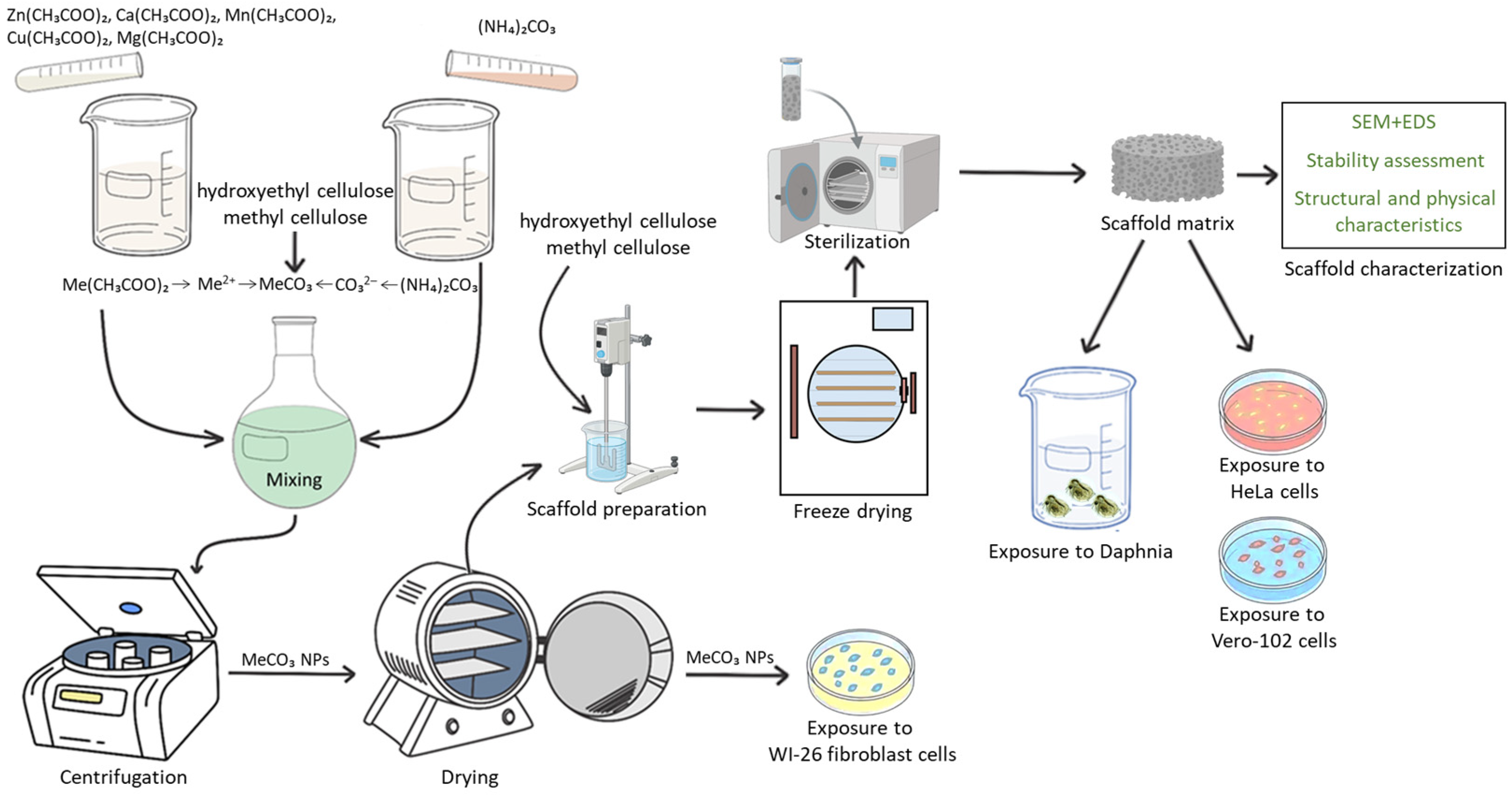
Figure 1. Schematic representation of the experimental workflow. Note: NPs is nanoparticles, SEM is scanning electron microscopy, EDS is energy dispersive X-ray spectroscopy.
Jcs 09 00655 g001
Figure 2. SEM micrographs at 250× (I), element distribution maps (II) and element distribution data (III) for carbonate NPs modified MC-HEC scaffolds for CaCO3 (A), MgCO3 (B), ZnCO3 (C), CuCO3 (D), MnCO3 (E).
Jcs 09 00655 g002
Figure 3. Acute toxicity assessment of synthesized NPs towards Daphnia magna Straus. (A)—schematic presentation of NPs. (B)—representative microphotography of Daphnia magna Straus at 200× magnification. (C)—the effect of NPs on Daphnia magna Straus mortality at different concentrations. Note: mortality in control group was 0%.
Jcs 09 00655 g003
Figure 4. Cytotoxicity assessment of NPs in scaffold matrices. (A)—WI-26 fibroblasts viability. (B)—MTT assay of Vero and Hela. (C)—micrographs of Vero and Hela cells, 400×.
Jcs 09 00655 g004
Table 1. NaOH volumes with the corresponding pH.
NaOH Volume, mLpH
01.81
102.21
203.29
304.56
405.72
506.8
607.96
709.15
8010.38
9011.58
10011.98
Table 2. Structural and physical characteristics of scaffold matrices.
NPsSpecific Gravity, g/cm3Porosity, %Swelling, %Volume-Mass Index, cm3/gThickness, mmDensity, g/cm3
MgCO30.058 ± 0.00393.3 ± 2.41083.0 ± 1816.3 ± 0.497.7 ± 0.230.119 ± 0.006
CaCO30.056 ± 0.00398.0 ± 2.51089.0 ± 1917.0 ± 0.511.43 ± 0.040.073 ± 0.003
ZnCO30.050 ± 0.002595.6 ± 2.41402.0 ± 2419.9 ± 0.61.67 ± 0.050.079 ± 0.004
MnCO30.067 ± 0.003393.9 ± 2.4858.0 ± 1515.3 ± 0.461.66 ± 0.050.092 ± 0.005
CuCO30.060 ± 0.00395.8 ± 2.41192.0 ± 2016.2 ± 0.492.38 ± 0.070.085 ± 0.004
control0.066 ± 0.003395.3 ± 2.41359.0 ± 2317.7 ± 0.532.5 ± 0.080.087 ± 0.004
Disclaimer/Publisher’s Note: The statements, opinions and data contained in all publications are solely those of the individual author(s) and contributor(s) and not of MDPI and/or the editor(s). MDPI and/or the editor(s) disclaim responsibility for any injury to people or property resulting from any ideas, methods, instructions or products referred to in the content.