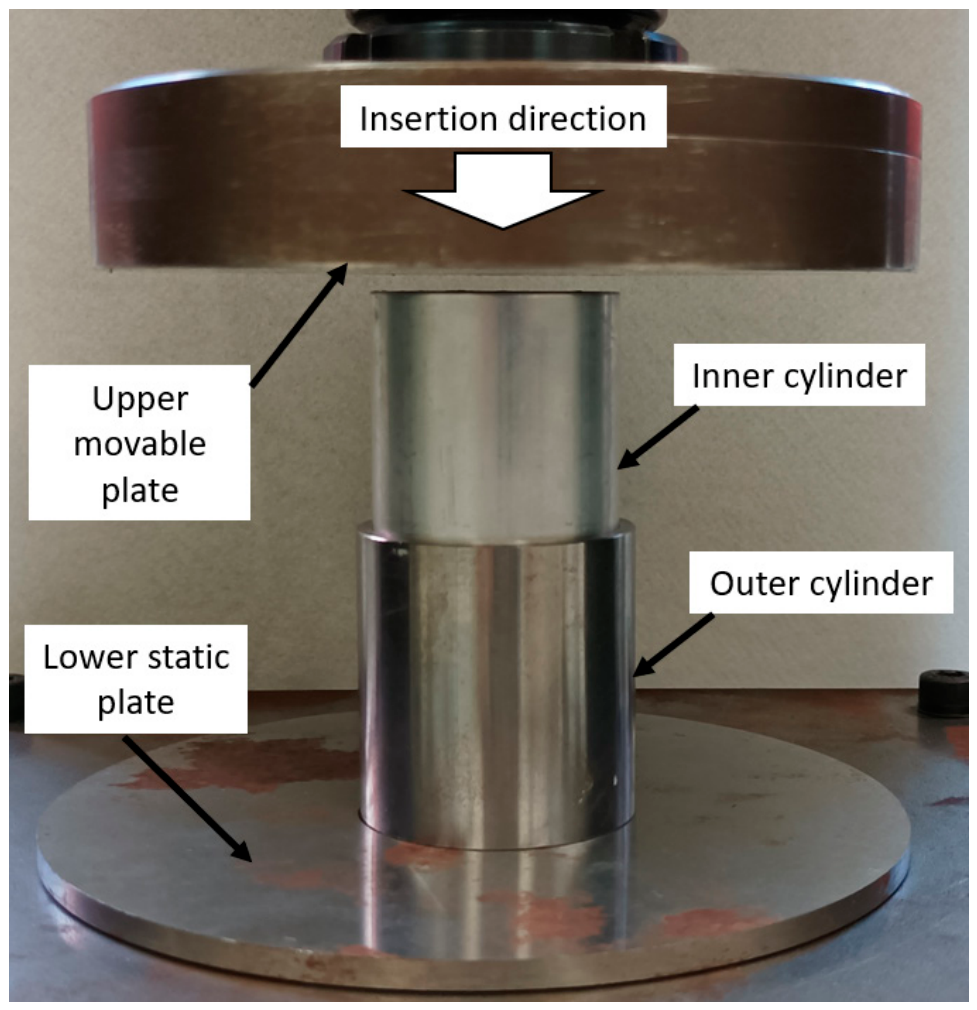
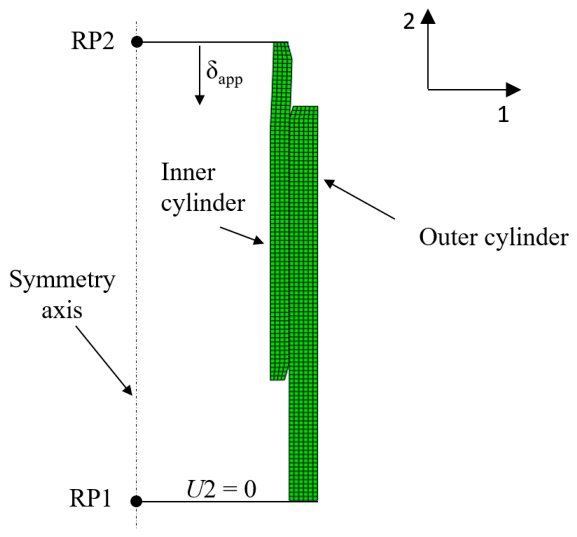
This chapter is divided into two main sections. The first section focuses on the analysis of the force curve that was generated during the insertion process. Based on the force curve, the dynamic of the insertion process is explained, and the mechanical response of both cylinders during the insertion is described. Next, a specific analysis is carried out on the maximum insertion force value that was obtained, as this value represents the quality of the final assembly. To finish the first section, the capacities of both the analytical model and the FEM model to capture the insertion force curve are analysed. The second section presents the results of the geometrical analysis that was carried out once the cylinders were mounted. This section is divided into two sub-sections. First, the geometrical analysis of the mounted cylinders is explained. This analysis serves to prove the mechanical response of the cylinders during the insertion process, which is presented in the previous section. Finally, the capacity of the FEM model to capture the geometry of the cylinders is analysed.
4.1. Insertion Force Curve
This section is divided into three sub-sections, as mentioned previously. All the results are given.
Insertion force curve analysis:
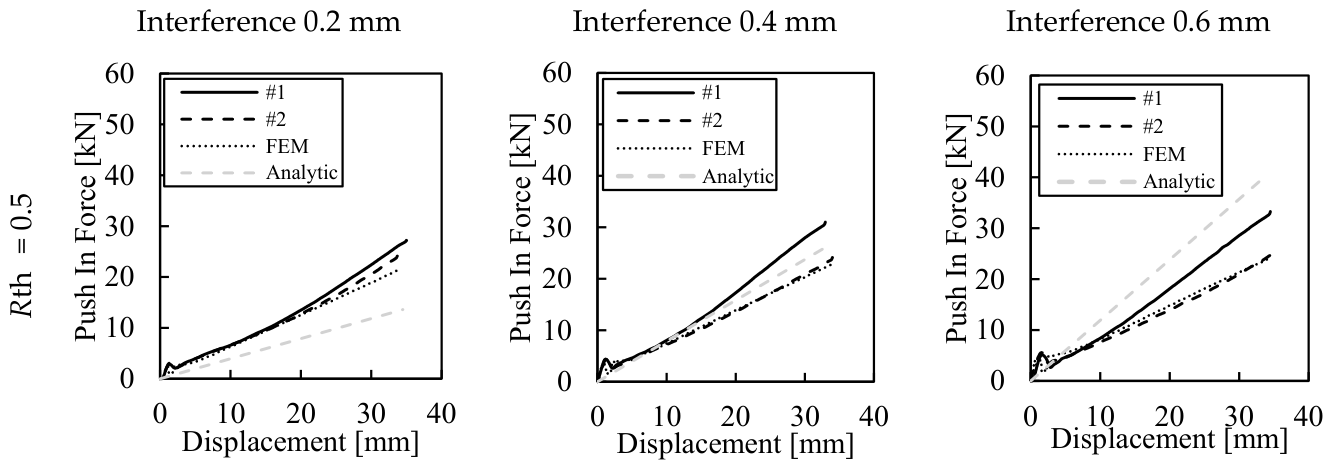
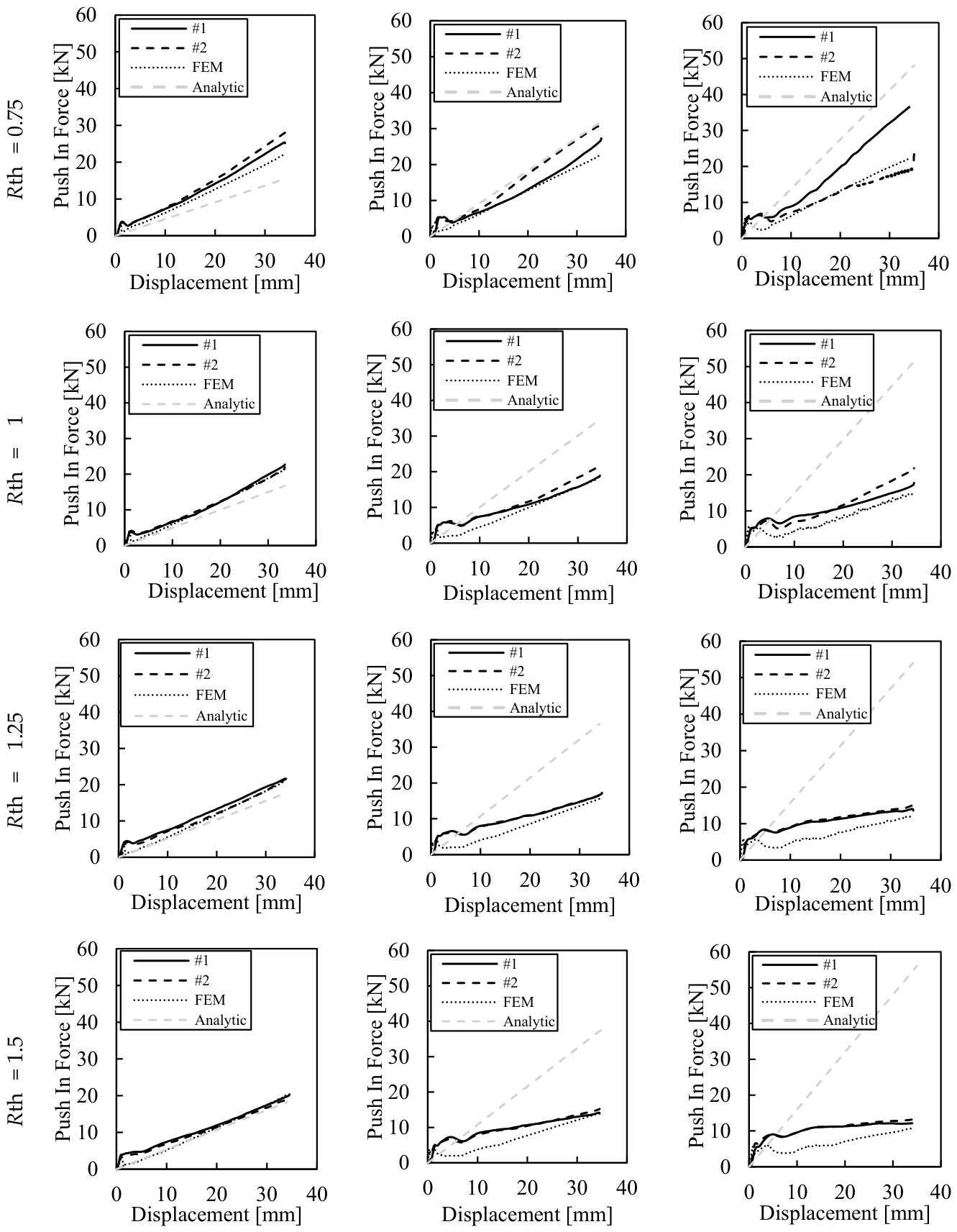
Figure 6 illustrates the insertion force curves over the insertion displacement of the experimental campaign. This figure summarises the experimental results (two repetition per condition, #1 and #2) that were obtained during the insertion process of the cylinders, as well as the results that were predicted using the analytical model and the FEM model. Each column represents a different diametral interference (from 0.2 mm on the left to 0.6 mm on the right), while each row corresponds to a different thickness ratio (
Rth) between the outer cylinder and the inner cylinder.
In relation to the experimental results and following the procedure that is explained in
Table 2, a total of 15 different combinations were tested. Upon examining the experimental insertion force curves presented in
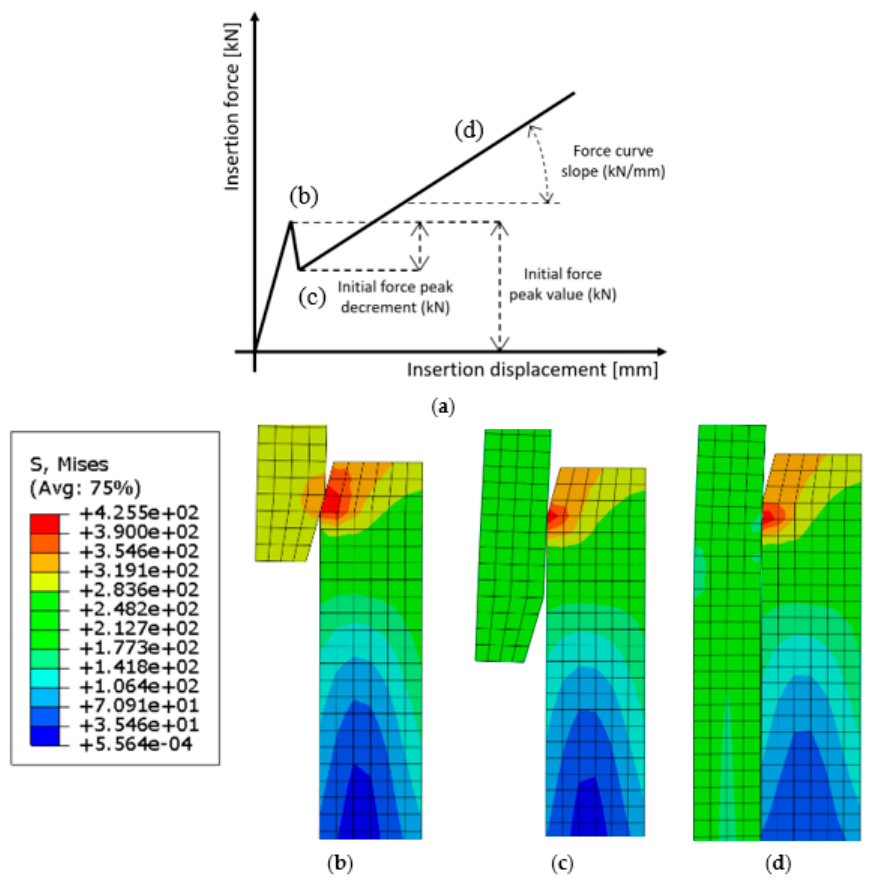
Figure 6, two different behaviours were observed. Initially, there was a sudden increase in force during the initial displacement, and after that, the curve’s slope changed, becoming less steep (see
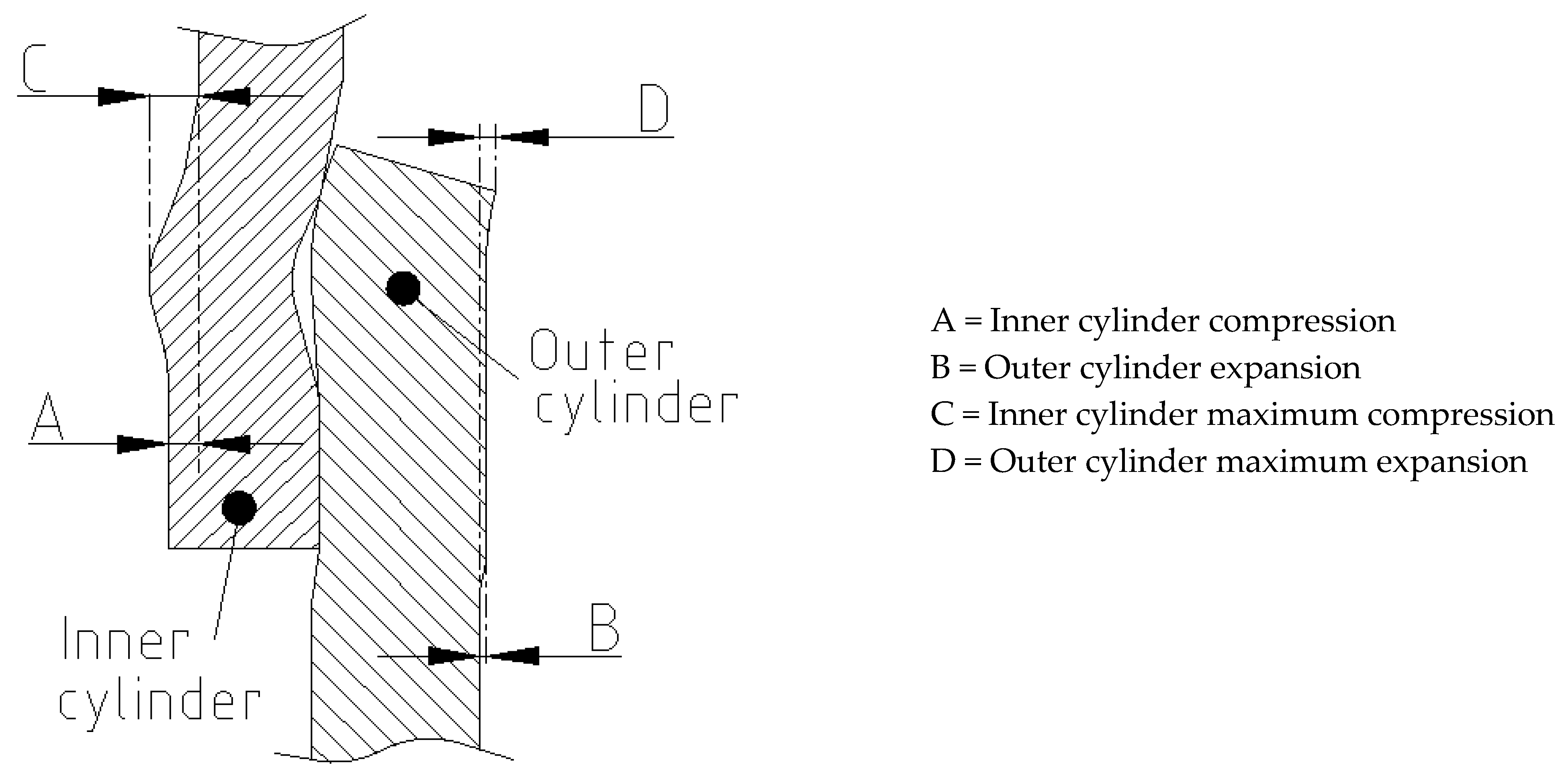
Figure 7a for a schematic representation formulated based on the observation of experimental curves). These two different behaviours corresponded with the different mechanics that occurred during the insertion process. At the outset, the inner cylinder chamfer collided with the outer cylinder chamfer (see
Figure 7b), which created an impact that resulted in a sudden force increase. This initial shock caused the compression of the inner cylinder, which led to a decrease in its diameter (see
Figure 7c). Furthermore, an expansion of the upper edge of the outer cylinder was also generated due to a border effect, especially when its thickness was low (this is also illustrated in
Figure 7c). Consequently, a decrease in force was observed after the initial peak. As the insertion process continued, the inner cylinder elastically recovered, which increased its diameter and exerted pressure against the internal surface of the outer cylinder (see
Figure 7d). This pressure, combined with the friction, generated a force that increased as the insertion proceeded. The slope of the second part of the force curve was used to measure the friction that was generated between the surfaces of the cylinders during the initial impact. The steps that were taken during the insertion process are illustrated in
Figure 7. Furthermore, the final geometry of the mounted tubes is presented in the next section to support this argumentation.
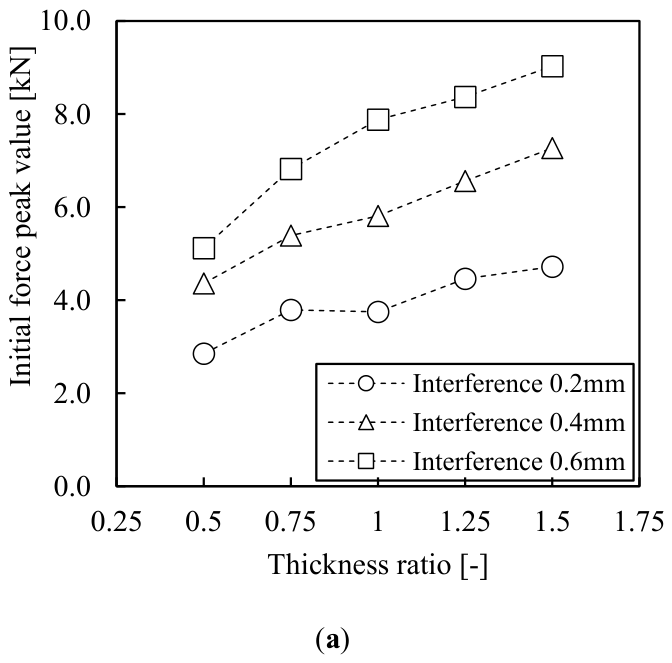
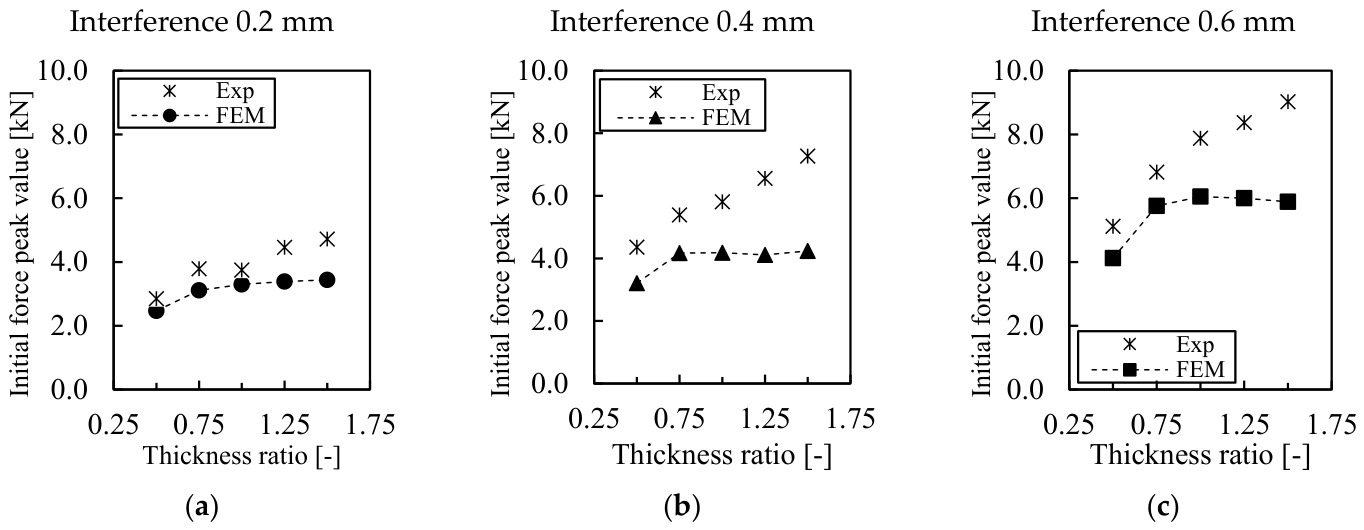
Upon analysing the different parameter combinations in the experimental insertion force curves, the following observations were made. The initial peak force depended on both the interference that was generated between the cylinders and the thickness ratio between the cylinders. As the interference increased, the force that could be observed at the initial peak also increased (as depicted in
Figure 8a). This relates to the fact that higher interference causes more deformations in the cylinders, which in turn requires greater force to overcome. The thickness ratio also played a key role in the value of the initial peak force.
Figure 8a demonstrates that, for all the interferences, the greater the thickness ratio was, the greater the initial peak force was. This is because the greater the thickness ratio was, the less the outer cylinder expanded; in this way, the collision between the cylinders became more aggressive and incrementally increased the insertion force at this stage of the process. A quantitative comparison of the effects of both variables on the initial peak force reveals quite similar sensitivities. Across all thickness ratios, increasing the interference from its lowest to its highest value results in an average peak force increase of 189%. In the same way, when increasing the thickness ratio from its minimum to its maximum value, the average peak force increment across all interference levels is 169%. Second, it was also observed that the force peak decreased less as the thickness ratio increased (as illustrated in
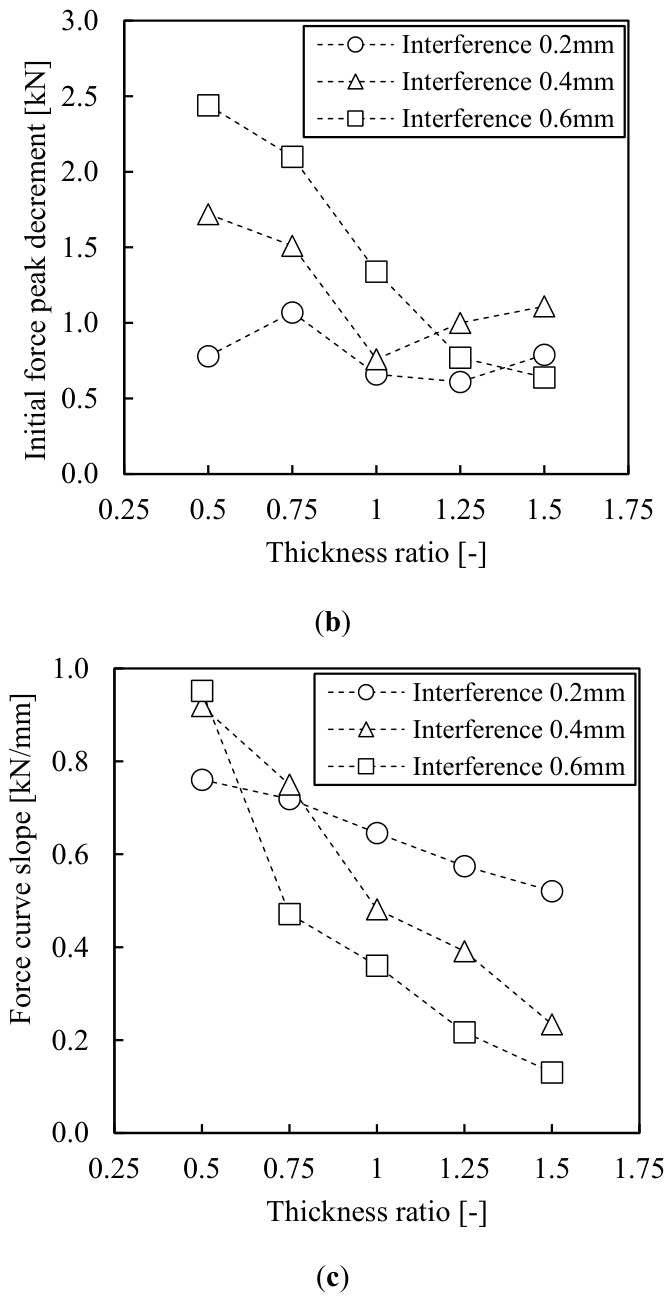
Figure 8b). This is because when small thickness ratios are involved, the outer cylinder undergoes a diametrical expansion at its upper edge and therefore cannot grip the inner cylinder. However, when the thickness ratios are higher, which means that the outer cylinder is thicker, then the outer cylinder does not deform as much and is able to continue exerting pressure against the inner cylinder. From a quantitative perspective, a remarkably different trend is observed in this case. At the lower interference value, the effect of the thickness ratio is almost negligible, showing a minor variation of only 1.2% when moving from its minimum to its maximum value. Conversely, the same analysis for the maximum interference value reveals a substantial drop of 73.8% as the thickness ratio transitions across the same range. The influence of the thickness ratio when operating at different interference levels is equally remarkable. At the lowest thickness ratio, varying the interference from its minimum to its maximum value generates a drastic variation of 312% in the response. Conversely, the same analysis carried out at the highest thickness ratio reveals a significantly subdued impact, resulting in a change of only 19%. This also relates to the geometrical analysis of the assembled cylinders that is discussed in the next section.
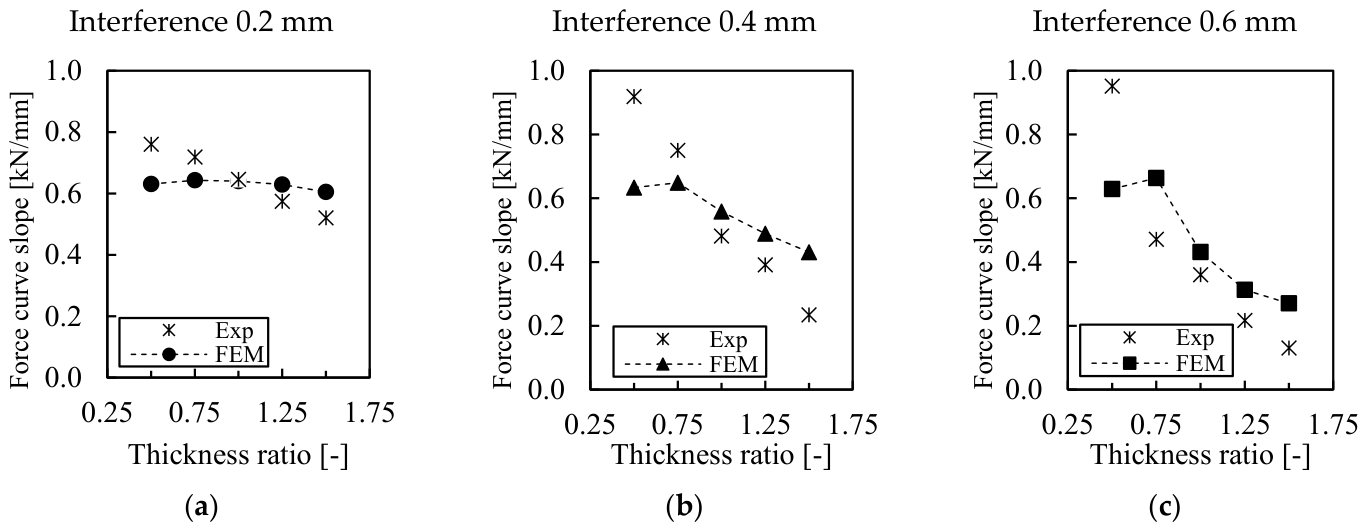
Finally, it was also observed that the slope of the curve in the second phase mainly depended on the thickness ratio
Rth (see
Figure 8c). As the
Rth increased, the slope of the curve decreased, which resulted in a lower maximum force value at the end of the insertion. Furthermore, the change in the slope is also dependent on the interference level, becoming significantly more pronounced at higher interferences. Quantitatively speaking, increasing the thickness ratio from its minimum to its maximum value reduces the slope of the curve by 31.5% for the lowest interference value, by 74.5% for the intermediate interference, and by 86.2% for the highest interference level. It could be concluded based on this observation that, regarding the force evolution in the second phase, the compression that was generated in the inner cylinder at the beginning of insertion was more important than the expansion that was generated in the outer cylinder due to the initial impact. This observation is reasonable because the expansion, which led to the reduction in the initial force peak, was experienced by the outer cylinder and only occurred at the upper edge of the cylinder. In contrast, the compression that was generated in the inner cylinder occurred throughout the height of the entire cylinder because the entire inner cylinder collided with the outer cylinder at the outer cylinder’s upper zone as the insertion process proceeded.
Maximum insertion force value:
Beyond the analysis of the evolution of the insertion force curve, the most important parameter of such a curve is its maximum value. This value is an indicator of the quality of the insertion that is being performed, and that is why it was decided to analyse it in more detail.
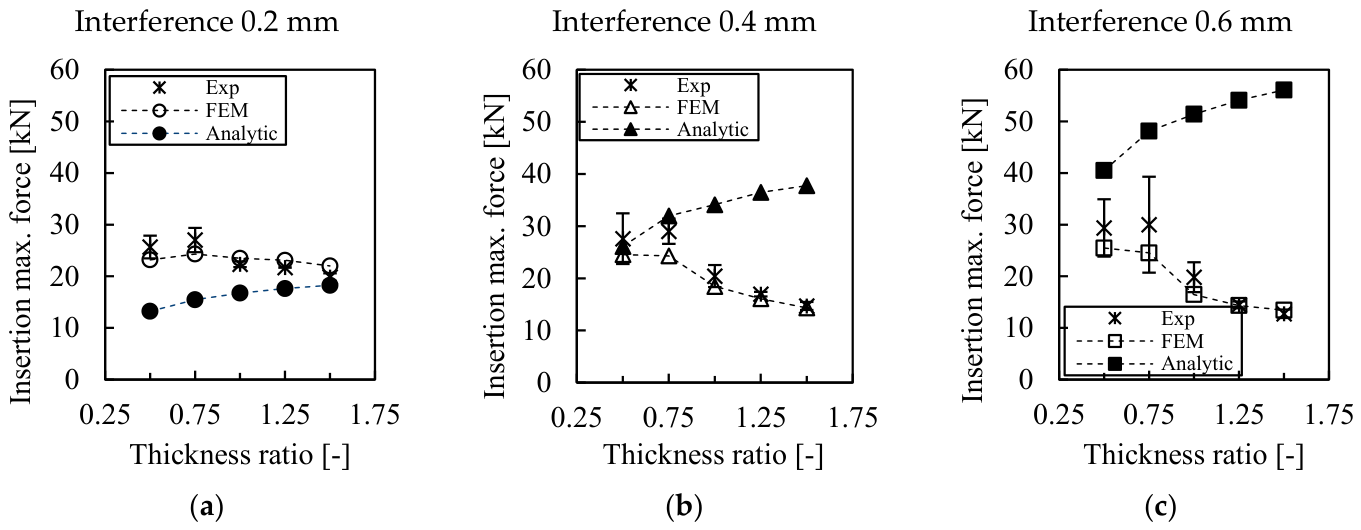
Figure 9 presents a comparison between the maximum insertion force values measured experimentally, those predicted by using the numerical model, and those predicted by using the analytical model. The three figure parts,
Figure 9a–c, represent, from left to right, show the diametral interference variable in ascending order.
Given the experimental results, it was concluded that both variables, the interference and the thickness ratio, had an effect on the generated maximum insertion force. The interference between the cylinders had a direct relationship with the insertion force as greater interference generally results in a higher insertion force. However, the change in force was not very relevant, and this trend was not observed in all cases. In this sense it is important to note that the
Rth parameter also played a crucial role. As the thickness ratio increased and the outer cylinder became more rigid, the maximum insertion force decreased. This is more relevant in cases that involve medium and high interferences. This happened because the outer cylinder became so rigid that its deformation was very low in the upper region where the initial impact occurred, which caused the inner cylinder to deform significantly. As a result the inner cylinder was not able to recover elastically enough to make positive contact with the outer cylinder, and the slope of the second part of the force curve was considerably reduced, as illustrated in
Figure 8c. Quantitatively speaking, the impact of the thickness ratio on the maximum force varies depending on the interference level. For the lowest interference value, transitioning from the minimum to the maximum thickness ratio reduces the peak force by 25.2%. At the intermediate interference level, this reduction becomes more pronounced, reaching 54.4%. Finally, under the maximum interference condition, the maximum force is decreased by 63.5%. On the other hand, the impact of interference across the different thickness ratios is also highly significant. At the lowest thickness ratio, increasing the interference from 0.2 mm to 0.6 mm leads to a 22.2% increase in the maximum force. Conversely, at the highest thickness ratio, the same interference increment results in a 40.2% decrease in the maximum force.
Another noteworthy aspect is the repeatability of the tests. While there were some cases in which the repeatability was lower, such as the combination of an interference of 0.6 mm and a thickness ratio of 0.75, the tests generally exhibited high repeatability. It was also observed that the repeatability became lower as the interference became higher and as the thickness ratio became lower. The presence of higher interferences meant that the deformations introduced in both the inner cylinder and the outer cylinder were higher and that the probability of experiencing distortions in the process was also higher. Simultaneously, the presence of lower thickness ratios meant that the second part of the force curves had higher importance in the final insertion force; this is the area where the main differences were observed.
Analytical and FEM models’ reliability:
For the next step in the research process, the capacity of the analytical model to predict the force–displacement curves for the different cases was analysed (see
Figure 6). First, it was observed that the analytical model cannot be used to capture the nonlinearities observed in the experimental force curves. Due to its simplicity and the assumption that the material behaviour is linear-elastic, the analytical model assumes that force increases linearly with insertion depth, which significantly deviates from reality. It should be noted that the two main nonlinearities that the analytical model failed to capture were material yielding during insertion and the nonlinearities that were associated with the presence of tribological phenomena.
While focusing on the predictability of the maximum force value, a general trend in the analytical model but not in the experimental results was observed: as the thickness ratio became greater, the maximum insertion force values also became greater (see
Figure 9). This occurred because the analytical model assumed a higher deformation of the inner cylinder as the thickness ratio increased and because the insertion force was calculated based on the deformation that was generated in the inner cylinder. When analysing the results as a function of interference, the analytical model underestimated the maximum insertion force at low interference values, predicting forces that were, on average, 28.58% lower than the experimental data. Conversely, the analytical model overestimated the maximum insertion force at medium and high interference levels, yielding values that were, on average, 68.8% and 174.27% higher than the experimental ones, respectively. It was concluded that the analytical model could not be used to capture the evolution of the force curve or the maximum force value of the insertion process.
Therefore, capturing the nonlinearities of the insertion process, material yielding, and tribological phenomena became essential to accurately predicting the insertion forces. The previously described FEM model was developed to do so.
Figure 6 depicts the ability of the developed numerical model to predict the insertion forces. It was observed how numerical prediction could be used to capture the mechanics of insertion from the perspective of the evolution of the insertion force curve. The numerical results predicted the initial force peak and the subsequent decrease up to the final progressive increase in force. Regarding the prediction of the initial force peak, the numerical model was used to capture the shape that the force curve described in the first millimetres for most cases. However, it was observed that the use of the numerical prediction resulted in the underestimation of the value of the initial force peak (see
Figure 10). This effect was more noticeable as the interference and thickness ratio increased. Thus, for cases with low interference and low thickness ratios, the initial peak force values could be better predicted. For cases that combined high interference and high thickness ratios, the prediction of the initial peak force values was further underestimated.
Regarding the last part of the curve, it was observed that, in general, the numerical model could be used to correctly capture the slope of the curve (see
Figure 11). This means that the numerical model could be used to fairly accurately predict the existing contact pressure between the inner cylinder and the outer cylinder and correctly compute the evolution of frictional forces due to this contact. The numerical model accurately could be used to capture the trend of the decreasing slope of the curve as the thickness ratio increased. This had already been observed in the experimental results, and the numerical model was used to capture it correctly.
It is also noteworthy that the numerical model could be used to correctly replicate the evolution of the curves in some of the analysed cases in which the curves described strange patterns of behaviour. This was observed in cases with higher interferences and higher thickness ratios (see
Figure 6). However, analysing the causes of such strange patterns of behaviour for this research has not been covered in this research. Still, the ability of the numerical model to capture them is noteworthy. If the prediction of the entire force curve is analysed, it can be observed that the numerical model was capable of predicting force values that were very close to the experimental ones.
Finally, regarding the capability of the numerical model to predict the maximum insertion force value (see
Figure 9), it has been observed that the numerical model could be used to accurately predict the maximum insertion force values and simultaneously capture the tendency of the values for the different interferences and thickness ratios. In terms of interference values, a positive correspondence has been observed between the experimental results and the numerical predictions for all the interferences. Quantitatively speaking, the numerical model exhibits varying levels of accuracy depending on the interference range. The average error for low interference cases is a minimal 0.6%, whereas it rises to 8.92% for medium interference scenarios, and stabilises at 8.72% for high interference conditions. Regarding the thickness ratio, a relationship between the thickness ratio and the accuracy of the numerical predictions has been observed. For reduced thickness ratios, specifically 0.5 and 0.75, the numerical predictions underestimated the maximum insertion force value with errors lower than 14.83%. It must also be noted that the errors were greater when the interference values were also greater. For medium and high thickness ratios, the numerical predictions were more accurate, with errors lower than 7.09%.
These differences may have been caused by the different contact pressures that existed in the lower zones of the surfaces that were in contact. A priori, the contact pressures should have been higher for small thickness ratios. In these situations, and due to the fact that the outer cylinder was able to deform and the initial deformation of the inner cylinder was minimal, both cylinders were capable of generating high contact pressures in the lower zones of the surfaces in contact. On the contrary, when the thickness ratios were high, the inner cylinder experienced high diameter reductions after the initial impact, was unable to recover the contact with the outer cylinder correctly, and generated reduced contact pressures in the lower zone of the surfaces in contact. With this in mind, it should be noted that the coefficient of friction that exists between two surfaces depends on, among other variables, the contact pressure that exists between them [
26]. This aspect was not considered in the developed numerical model, and that may be the reason for the differences between the numerical predictions and the experimental values. It should also be considered that, as Ramamoorthy et al. pointed out, the surface of the materials was altered due to the high contact pressures that were present in the impact zone. In their work, they observed that soft material underwent a deformation of its roughness, which resulted in its pronounced loss [
15,
27]. Other authors, such as Buczkowski et al., have argued that the level of the surface roughness directly affects the strength of the assembly [
9]. The importance of introducing a variable coefficient of friction to better capture the insertion force remains an open issue for future researchers to explore.
4.2. Assembled Tubes Geometry Analysis
In this second section, the geometry of the mounted cylinders is analysed. Initially, a geometrical analysis of the mounted cylinders once mounted is presented. This analysis serves to prove the mechanical response of the cylinders during the insertion process that is presented in the previous section. Then, the capacity of the FEM model to capture the geometry of the cylinders is analysed.
Analysis of the geometry of the mounted cylinders:
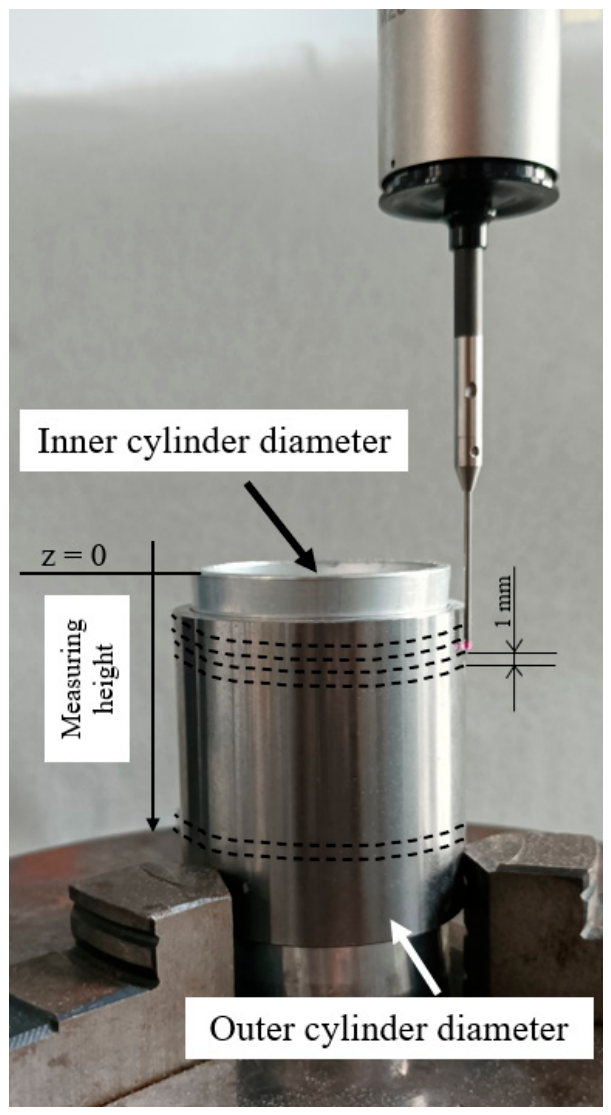
To better understand the trends observed in the insertion force curves as a function of the interference and the thickness ratios, the geometry of the cylinders was analysed. For this purpose, and as explained in the methodology chapter, the geometry of both cylinders was measured once they had been inserted.
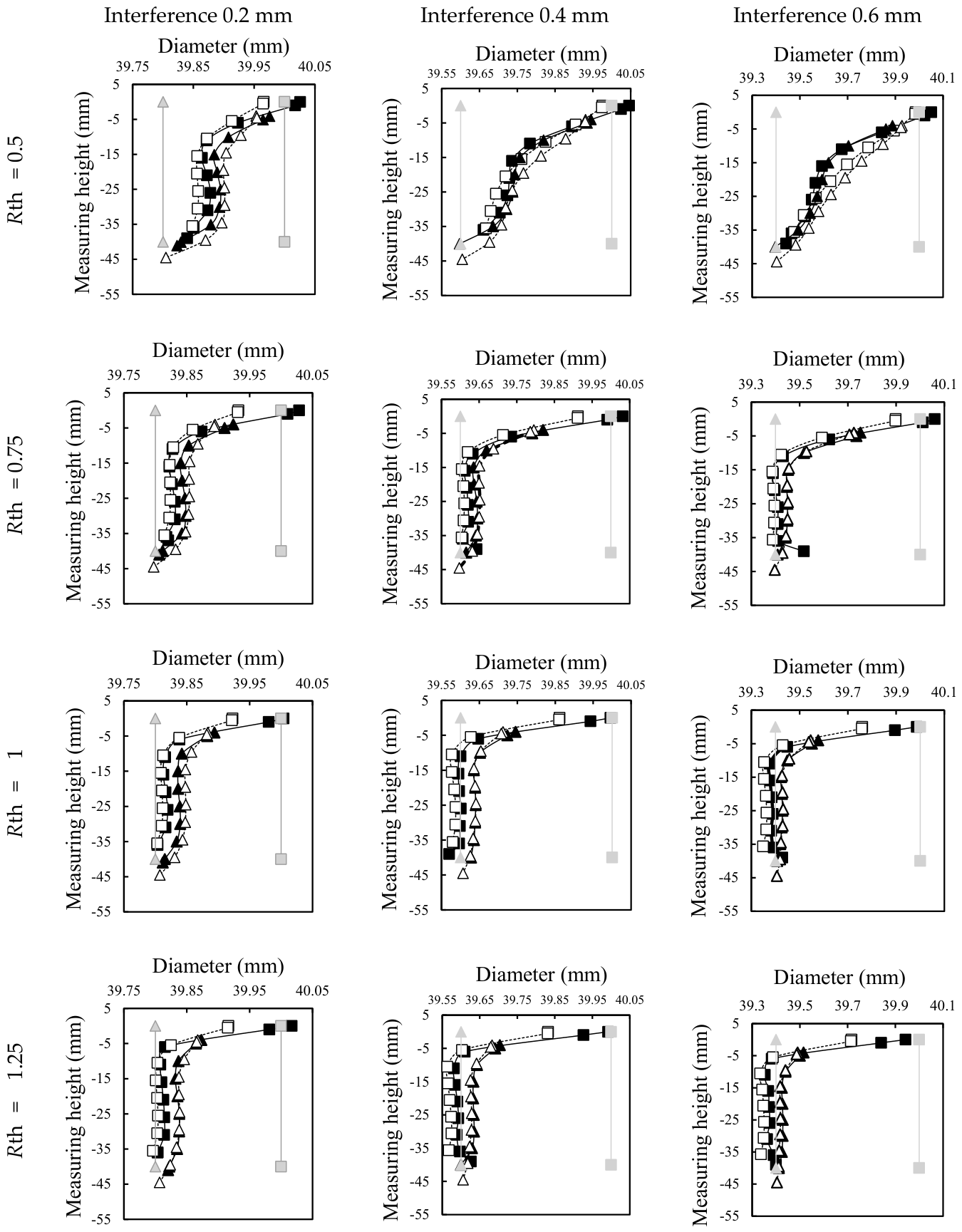
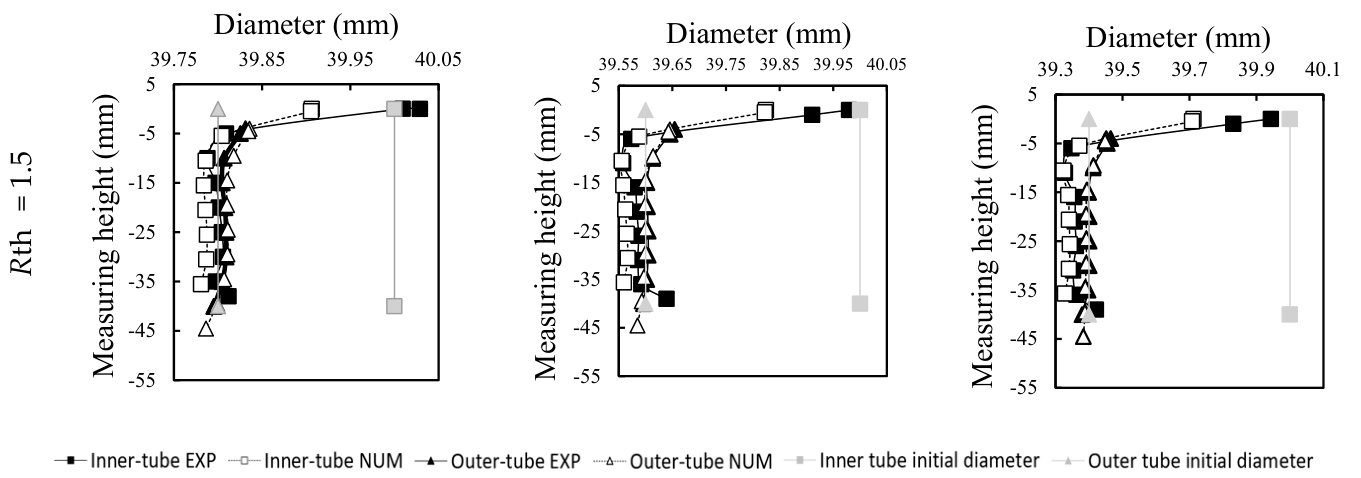
Figure 12 depicts the evolution of the diameter of both the inner cylinder and the outer cylinder as a function of the measurement height for the different interference and thickness ratios that were analysed. Each column represents a different diametral interference (from 0.2 mm on the left to 0.6 mm on the right), while each row corresponds to a different thickness ratio (
Rth) between the outer cylinder and the inner cylinder.
Regarding the experimental results, a contraction of the inner cylinder’s diameter and an expansion of the outer cylinder’s diameter were observed for all the analysed cases. By analysing the evolution of each diameter along the measuring height, several aspects were observed. On the one hand, by analysing the evolution of the diameter of the inner cylinder, it was observed that in the upper part of the cylinder, there was a zone in which the diameter was reduced significantly. The height at which this phenomenon occurred was between −5 mm and −15 mm. Notably, the point of contact between the inner cylinder and the outer cylinder was at the measuring height of −4 mm. It was therefore concluded that the mentioned zone was the zone in which the inner cylinder was greatly reduced in diameter due to the initial impact with the outer cylinder. As mentioned previously, due to the initial impact, the inner cylinder was circumferentially compressed, which reduced its diameter. In the case of the outer cylinder, it was observed that in the upper zone where the initial impact occurred, the diameter of the cylinder significantly increased due to the edge effect that was present on its upper end. By reducing the measuring height, it was observed how the diameter of the inner cylinder became capable of increasing again due to the elastic recovery of the material.
Combining these results with the insertion force curves that are presented in the previous section, the following conclusions were obtained. In the initial contact zone, the outer cylinder expanded considerably while the inner cylinder also contracted considerably. The contact between both cylinders in this area comprised a circular ring contact at a defined height, the height at which the initial impact between the cylinders occurred. This area occurred between the measurement heights of 0 mm and −10 mm and is where the initial peak force curved due to the insertion force. The high contraction of the inner cylinder’s diameter (up to the height of −15 mm) was responsible for the decrease in force in the insertion curves after the initial peak force. As the measurement height evolved, the inner cylinder was able to expand again due to the elastic recovery of the material, but the outer cylinder did not undergo such large deformations due to the distance from its upper edge. That is why both cylinders were able to come into contact again, which generated contact pressure and thus caused the insertion force curve to increase again.
It should also be noted that in every case, the geometries of both tubes were similar and copied each other after the area of the initial impact, which indicates contact between them. The small difference between the values of the inner cylinder’s and the outer cylinder’s diameters may be due to measurement errors or the assumption that there was no thinning in the tubes. However, the similar evolution of the diameters along the measurement height indicates that both were in contact. This is also supported by the observed increase in force in the second part of the insertion force curves. For the upward evolution of the force curve in the second phase to occur, the walls of the tubes had to make contact.
When analysing the effect of the interference and the thickness ratios, it was also observed that both variables had a direct impact on the responses of the cylinders.
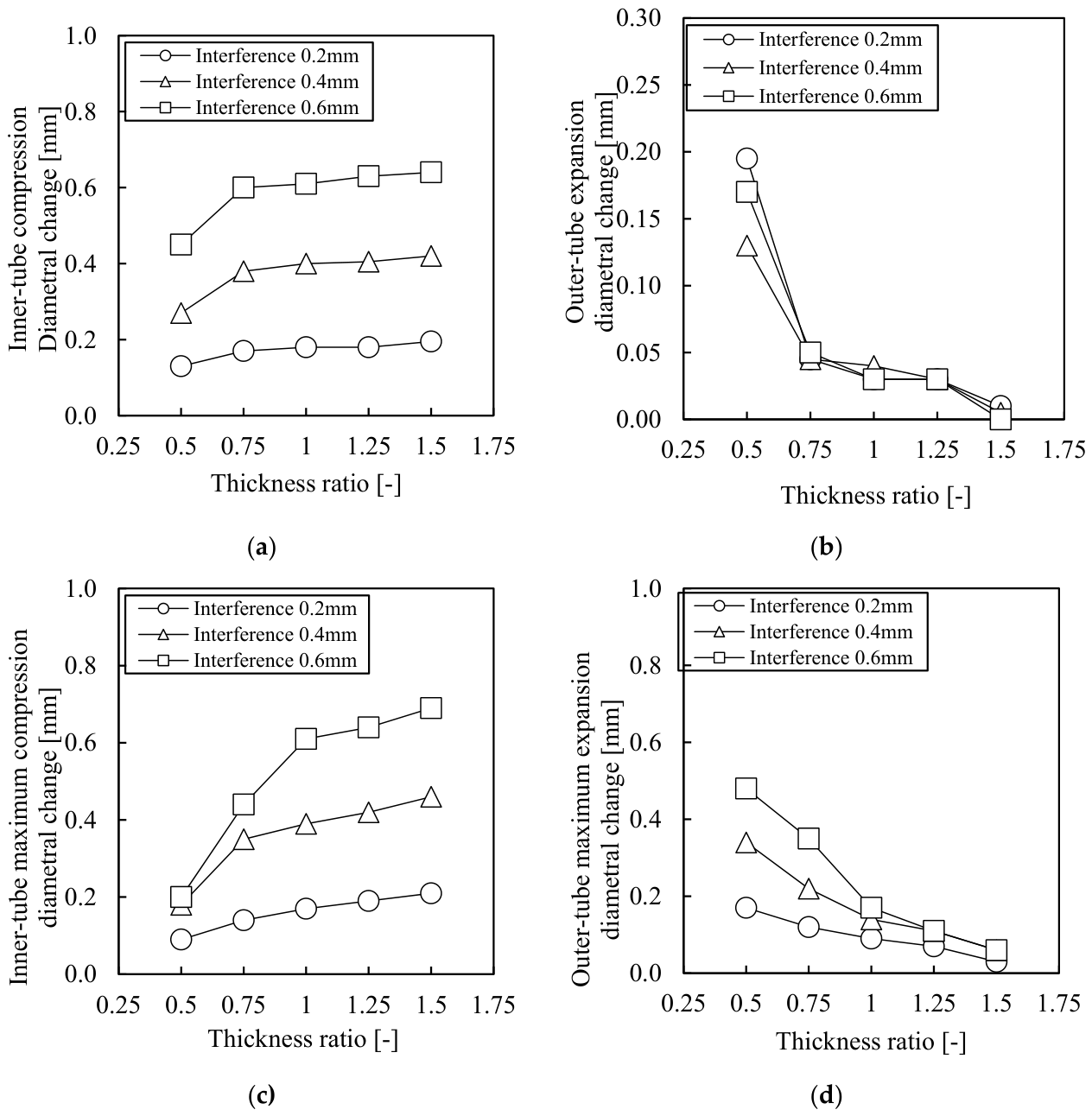
Figure 13 provides the measurements that are displayed in
Figure 14.
Figure 14a,b depict the changes in the diameters of the inner cylinders and outer cylinders, which were measured at an intermediate height of −25 mm to avoid the border effect. On the one hand, the greater the interference was, the greater the deformation of the cylinders was. On the other hand, and for each interference, the degree of deformation experienced by each cylinder was strongly influenced by the thickness ratio between them. Thus, as the thickness ratio increased, the outer cylinder underwent less deformation (
Figure 14b); conversely, the inner cylinder underwent greater deformation (
Figure 14a). This evolution was clear for the three interferences.
To analyse
Figure 14 in more detail, it must be noted that the evolution of the deformation that was experienced by both cylinders was not linear with the thickness ratio. An initial large jump was observed between the thickness ratio value of 0.5 and the thickness ratio value of 0.75. At the thickness ratio of 0.5, a more balanced equilibrium was achieved between the compression of the inner cylinder and the expansion of the outer cylinder. It should be noted that although the thickness of the outer cylinder was half that of the inner cylinder in this condition, in the present study, the material of the outer cylinder was stiffer and more resistant as it was steel. For the rest of the thickness ratios, it was observed that the stiffness of the outer cylinder was higher, which resulted in it experiencing less deformation than the inner cylinder did.
Concerning the area where the initial impact between the cylinders took place, two aspects were observed. In this area, both cylinders experienced deformation, but the degree of deformation that was experienced by each cylinder directly related to the thickness ratio between the cylinders. In this way, as the thickness ratio increased and the outer cylinder became more rigid, the expansion of the outer cylinder decreased. The expansion of the outer cylinder that was measured at a height of 0 mm is depicted in
Figure 14d. As a direct consequence of this occurrence, the compression of the inner cylinder increased. The compression of the inner cylinder that was measured at a height of −8 mm is depicted in
Figure 14c. This process occurred for each of the three interferences.
FEM model’s reliability:
As part of our research, the numerical model’s ability to predict the geometry of the tubes after insertion was also analysed.
Figure 12 demonstrates that the numerical model was capable of accurately predicting the deformations that were experienced by both tubes. In general, the numerical predictions were similar to the experimentally measured values. Starting with the inner cylinders, the numerical model predicted greater deformations as the thickness ratios increased. This is consistent with what was observed experimentally. The numerical model captured the shape of the diameter evolution along the measurement height well, although it generally predicted slightly higher deformations than those that were observed experimentally. It should be noted that the numerical model could be used to capture the significant reductions in diameter that occurred after the initial impact between both cylinders. This is linked to the numerical model’s ability to predict the initial peak force and subsequent force drop that was observed in relation to the insertion force curve. After measuring the significant reduction in diameter that occurred after the initial impact between both cylinders, the numerical model was used to predict the elastic recovery of the material, which resulted in an increase in the diameter of the inner cylinder. However, it was observed that the numerical model predicted a lower elastic recovery, which resulted in diameters that were smaller than those that were measured experimentally. This may be why the discrepancies that we observed in the comparison between the numerical and experimental insertion forces at the second phase of the insertion force curve occurred. In general, it can be stated that the numerical model could be used to adequately capture the deformations that were experienced by each inner cylinder during the insertion process.
When analysing the outer cylinders, it was observed that, in general, the numerical predictions were more accurate than they were for the inner cylinders. Overall, the numerical model was able to accurately capture the deformations of the outer cylinders and in most cases correctly reproduce the evolution of the diameter along the measurement height. However, it was observed that when comparing the different cases, the numerical predictions were more accurate for cases that involved a high thickness ratio—that is, those cases in which the outer cylinder underwent less deformation. For cases that involved reduced thickness ratios in which the outer cylinder had a lower thickness, the numerical model overestimated the deformation values that were experienced by the outer cylinder. This could be why the underestimation of the insertion force that was observed previously for cylinders with low thickness ratios occurred.




 ,
,