


Abstract
Intelligent manufacturing requires strategic performance indicators that link shop-floor performance with productivity and sustainability goals. This study examines Overall Equipment Effectiveness (OEE) as a strategic key performance indicator and applies it to a hydraulic plastic injection-moulding machine producing an automotive component. Production data captured through a PLC-and-SQL-integrated digital monitoring system over 14 months were used to calculate monthly Availability, Performance, Quality, and OEE values and to identify the main sources of efficiency loss. The baseline period showed low OEE, driven mainly by unplanned downtime, minor stoppages, and cycle times above the 45 s target, whereas Quality remained consistently close to 100%. A diagnostic analysis combining production logs, downtime stratification, cycle-time records, and consultations with plant personnel was then used to define improvement actions. The implemented measures included preventive and predictive maintenance, process-parameter optimisation, operator training, and wider use of digital monitoring and analytics. In the post-improvement period, OEE increased markedly, downtime decreased, and cycle-time stability improved, reaching values close to world-class performance. The results confirm that OEE can function as a unifying KPI for intelligent manufacturing, supporting data-driven decision-making, continuous improvement, and more sustainable production.
1. Introduction
Manufacturing firms need performance indicators that do more than report output retrospectively. In digitally monitored production environments, the value of a KPI lies in its ability to connect machine-level events with operational decisions on maintenance, process control, and loss reduction [1]. The rise in intelligent manufacturing and Industry 4.0 has introduced advanced digital technologies—ranging from the Internet of Things (IoT) to data analytics and automation—that enable real-time monitoring and optimisation of production processes [2]. However, to take strategic advantage of these innovations, companies require robust performance metrics that align operational improvements with business goals. Overall Equipment Effectiveness (OEE) has gained recognition as a ‘gold standard’ KPI for measuring manufacturing productivity and is widely used to diagnose and improve operational efficiency across industries [3,4]. OEE provides a single composite measure by combining three fundamental components, Availability, Performance, and Quality, thereby capturing the extent to which equipment produces conforming output at the designed speed without interruption. This broad scope makes OEE a strategic KPI for intelligent manufacturing systems, linking operational performance with higher-level objectives such as cost reduction and sustainability.
The literature indicates that an ideal OEE of 100% (for instance, no stoppages, full-speed operation, and zero defects) is practically unattainable; in practice, 85% is commonly regarded as a world-class benchmark for discrete manufacturing. Values well below this threshold signal substantial productivity losses and significant opportunities for improvement. One of OEE’s main strengths is its ability to identify and quantify the ‘six big losses’ in manufacturing [5,6], equipment failures, setup and adjustment time, idling and minor stops, reduced speed, process defects, and start-up rejects, each of which maps to one of the three OEE factors. By measuring these losses, OEE helps managers diagnose the root causes of inefficiency and design targeted responses. For example, a low Availability score may indicate excessive downtime due to breakdowns or changeovers, whereas Performance losses often reflect speed reductions or small stoppages, and Quality losses reflect scrap and rework. This diagnostic capability makes OEE not merely an operational metric but also a strategic tool for continuous improvement [7] and Total Productive Maintenance (TPM) initiatives [8,9,10]. Indeed, OEE originated within the TPM framework and remains a principal metric for evaluating production-system performance and guiding maintenance strategy [11].
Recent studies underscore the strategic importance of OEE in the era of digitalised manufacturing. Mouhib et al. [12] provide a comprehensive review of OEE’s evolution and applications, showing that it has been widely used for productivity improvement, maintenance optimisation, and even supply-chain analysis. OEE has also been adapted to novel contexts such as additive manufacturing and production logistics. Importantly, researchers have linked improvements in OEE to broader sustainability outcomes. Durán and Durán [13], for example, show that prioritising maintenance on the basis of OEE can improve both business performance and environmental sustainability by reducing waste and energy use. Similarly, Ghafoorpoor Yazdi et al. [14] reported a positive relationship between OEE and manufacturing sustainability, suggesting that higher OEE is associated with more efficient resource utilisation in Industry 4.0 settings. These findings position OEE not only as a measure of equipment efficiency but also as a lever for sustainable manufacturing in intelligent factories.
Furthermore, OEE is increasingly being considered through the lens of Industry 4.0 and smart manufacturing. Advanced digital technologies enable real-time OEE tracking and analysis, thereby improving responsiveness to performance issues. For example, IoT-based systems can automatically capture downtime events and cycle counts and feed dashboards showing current OEE and its components across a factory. Such visibility allows managers and, increasingly, algorithms to react immediately to emerging losses, in line with the Quality 4.0 paradigm of data-driven performance management. Veile et al. [15] note that integrating lean manufacturing principles such as OEE monitoring with digitalisation is a key success factor for Industry 4.0 adoption because it links technology investments to measurable performance improvements. Field evidence supports this view: one study reported up to an 18% increase in OEE after lean-digitisation initiatives were introduced in a manufacturing environment. Other researchers have combined OEE with techniques such as value-stream mapping and Six Sigma to improve efficiency systematically. For example, Aziz et al. [1] applied OEE alongside Visual Stream Mapping in a garments factory, obtaining significant waste reduction and a stronger culture of continuous improvement. Likewise, Chikwendu et al. [16] improved OEE in a pharmaceutical production line by identifying the main losses and addressing them through a structured improvement project, achieving substantial reductions in downtime and defects. These examples illustrate how OEE can serve as a focal KPI that integrates maintenance scheduling, operator training, and IoT-based predictive analytics under a shared objective of operational excellence [17].
Building on these insights, this paper develops a theoretical framework for treating OEE as a strategic KPI in intelligent, Industry 4.0-enabled manufacturing systems and demonstrates its application through an in-depth case study [18]. The case concerns a hydraulic plastic injection-moulding machine producing an automotive component. This machine was selected because of its critical role in production and the company’s recent efforts to digitalise data collection. By analysing this case, we aim to show how continuous OEE monitoring can diagnose efficiency losses and guide improvements that align with both productivity and sustainability objectives [19,20]. The study addresses a gap in the literature concerning OEE in small-scale, high-precision manufacturing contexts within Industry 4.0, since many previous studies have focused on large production lines or other industrial sectors [21]. The findings are relevant both to practitioners seeking to use digital tools for performance improvement and to researchers interested in the intersection of lean metrics and smart manufacturing.
Within this context, the present implementation should be understood as a data backbone for a future digital twin rather than as a fully closed-loop digital twin itself. The system synchronised shop-floor events, production counters, downtime categories, and defect records in a structured database, thereby creating a digital representation of machine behaviour that supported monitoring, diagnosis, and improvement decisions. In this sense, OEE acted as the operational performance layer through which the physical process was interpreted in digital form [15,19,22,23].
The contribution of this study does not lie in proposing a new OEE formula, but in showing how a digitally structured, long-horizon industrial dataset can be used to connect OEE values with specific loss categories in a high-precision injection-moulding context. The novelty is therefore threefold: (i) the use of a 14-month dataset built from more than 400 production records integrated through PLC/SQL and operator-assisted traceability; (ii) the joint analysis of OEE with downtime stratification, cycle-time behaviour, and defect typology; and (iii) the translation of those findings into a plant-level improvement roadmap for a digitally monitored SME environment.
To strengthen the analytical focus of this case study, the work is guided by the following research questions:
RQ1. How can a digitally monitored production dataset be used to calculate and interpret OEE in a high-precision plastic injection-moulding process?
RQ2. Which loss categories associated with Availability, Performance, and Quality contribute most to the observed variation in OEE over time?
RQ3. To what extent can a structured diagnostic analysis, based on digitally recorded production data, support improvement actions in a small- and medium-sized manufacturing environment?
These questions frame the manuscript as an in-depth industrial case study aimed at linking digital production monitoring with OEE-based diagnosis and decision support.
The scientific contribution of this paper lies in the methodological articulation of OEE within a digitally monitored industrial case, rather than in proposing a new OEE metric. More specifically, the paper contributes by combining longitudinal production records, downtime stratification, cycle-time analysis, and defect categorisation into a single interpretive framework for diagnosing efficiency loss in a high-precision injection-moulding environment. Its industrial contribution lies in showing how this framework can support practical improvement decisions in a digitally evolving SME.
The remainder of the paper is organised as follows. Section 2 describes the industrial case, the data-acquisition system, the observed variables, and the analytical procedure. Section 3 presents the machine’s OEE performance over time, including monthly OEE values and the constituent Availability, Performance, and Quality metrics. Section 4 discusses the causes of the observed OEE shortfalls, analyses cross-relationships among the three components, and examines the improvement measures implemented. Section 5 outlines further improvement proposals to sustain high OEE, and Section 6 summarises the main findings and identifies directions for future research.
2. Materials and Methods
2.1. Industry and Case Background
The case study was conducted at Grávalos Group, a Spanish SME that manufactures precision plastic components for the automotive sector. The analysis focused on a single but critical machine: a hydraulic injection-moulding machine used to produce an automotive pump component with tight quality requirements. The machine operates in a high-mix, medium-volume production environment typical of automotive suppliers. Before this study, the company had launched a digitalisation initiative and implemented a data-acquisition system to monitor machine performance. This created an excellent opportunity to collect detailed production data for OEE analysis in an Industry 4.0 environment. The study covers approximately 14 months of operation, from December 2024 to March 2026, allowing analysis of both baseline performance and the effects of the improvement actions introduced in late 2025.
2.2. Data Acquisition and Digital Monitoring System
Figure 1 summarises the data pipeline used in this study. Shop-floor events were captured through the machine interface and operator-assisted digital records, temporarily stored in a local buffer, and then consolidated in the plant SQL server. This architecture ensured event traceability and provided the data required to compute Availability, Performance, Quality, and OEE. Grávalos Group employed a custom digital data-acquisition system integrated with the machine’s PLC and the factory’s SQL database. Each production run (shift) generated a data file logging key parameters, which were automatically consolidated in the database (Figure 1).
Figure 1.
Data flow and digital architecture used for shop-floor data capture, local buffering, SQL consolidation, and OEE computation.
The system recorded:
- Machine runtime and downtime, with timestamps and categorised reasons for stops when entered by the operator;
- Cycle time for each shot;
- Parts produced, including conforming and defective units;
- Relevant operator annotations (e.g., comments on issues encountered).
This setup provided basic Manufacturing Execution System (MES) functionality and enabled continuous monitoring of machine performance [22]. Because the data were digitally captured, both reliability and granularity were high, and the final analytical dataset comprised more than 400 production records covering 14 months of operation, with each record corresponding to a complete production interval structured by date, shift, counters, operating time, stoppages, and defect categories. The availability of time-stamped downtime events and per-cycle data was crucial for accurate OEE calculation and for root-cause analysis of losses. The study, therefore, exemplifies the use of digital production data for performance analysis in line with contemporary intelligent-manufacturing practices, including real-time OEE monitoring.
The data flow combined automatic and operator-assisted records. Cycle-related production data were captured during each production run, whereas downtime events, defect counts, and operator comments were time-stamped at the moment of registration on the shop-floor tablet. A production record was generated for each run/shift and then consolidated in the SQL database. Monthly indicators were subsequently obtained by aggregating more than 400 validated production records across the 14-month study period. In operational terms, data entry occurred at the event level for stoppages, defects, and comments, whereas consolidation and validation were performed at the run/shift level before monthly aggregation.
2.3. Observed Variables and OEE Component Calculation
2.3.1. OEE Dimensions and Observed Variables
The key variables observed correspond to the standard OEE definition: Availability, Performance, and Quality. All variables were digitally collected, time-stamped, and consolidated through SQL-linked production records structured by production shift. For each month in the study period, the three components were calculated as follows.
- In this study, Availability was operationalised using the plant’s production-accounting structure. Specifically, the scheduled production window was first defined at the plant level, and recorded stoppages were then subtracted to obtain operating time. Because the factory logged preventive maintenance together with other stoppage categories in the same production database, these events were retained in the stoppage accounting used for the case analysis. This choice reflects the plant’s digital traceability structure and is reported here explicitly so that the calculation can be interpreted in its operational context. Availability was defined as:
Operating time [h] = Total production time [h] − Downtime [h]
Downtime [h] = Breakdowns [h] + Planned maintenance [h]
Here, Operating time is the total production time minus all downtime (including both planned stoppages, such as maintenance, and unplanned stops, such as breakdowns), whereas Planned production time is the nominal scheduled runtime for the month (e.g., total shift hours).
Availability, therefore, measures the percentage of scheduled time during which the machine was actually producing.
For each production interval, the following related variables were recorded:
- Date: Production date in DD/MM/YYYY format.
- Start/End Time: Boundaries of each manufacturing session.
- Shift: Day, evening, or night shift, enabling shift-level performance comparison.
- YearMonth: Monthly code (2504 for April 2025) used for aggregation.
- Total operation time (h): Planned machine usage time after excluding holidays and maintenance.
- Downtime (h): Total downtime from unplanned stops, including:
- (a)
- Machine failure.
- (b)
- Mould failure.
- (c)
- Auxiliary equipment failure.
- (d)
- Material/component shortage.
- (e)
- Preventive maintenance.
- Performance was calculated by relating the theoretical production time at the ideal cycle to the actual operating time. Because the mould had two active cavities, the total part count was converted into equivalent moulding cycles before the calculation. Accordingly, Performance (%) was computed as:
This expression is equivalent to comparing theoretical output with actual output during operating time and was used to quantify reduced speed and micro-stoppages not recorded as formal downtime. This factor captures micro-stoppages, parameter reductions, and speed inefficiencies not registered as formal downtime.
The following variables were monitored:
- ContIni/ContFin: Counter readings at the start and end of the shift, used to compute:
Manufactured parts = ContFin − ContIni
- Actual cycle time (s): Average cycle time measured for the shift.
- Target cycle time (s): Ideal cycle time (fixed at 45 s for the analysed part).
- Theoretical production time (h): Time required to produce all parts at the ideal cycle time.
- Number of active cavities: Fixed at 2 for this mould and used to convert part count into effective cycles.
- Quality is the yield rate, that is, the proportion of output that meets quality specifications. Any defective units, including those scrapped during start-up or process tuning, count against Quality. A Quality score of 100% indicates that no defects or rework were generated.
Quality was assessed as the ratio of good parts to total output, where total output equals the number of OK units plus the number of NOK units. Rejection causes were classified for diagnostic purposes as follows:
- OK/NOK Units: Conforming and defective counts, respectively.
- Defect Types:
- Burrs: Flashing caused by mould misalignment or excessive injection.
- Underfilling: Short shot.
- Breakage: Structural integrity failure.
- Strikes: Surface damage.
- Start-up parts during thermal stabilisation.
- Oxidised or burnt parts.
- NOK Units: Units automatically rejected by the vision system.
Each defect was time-stamped and traceable to a specific cavity, allowing systematic quality degradation to be identified.
Additionally, the following fields were used to support cross-analysis:
- Operator comments: Short notes recorded during production.
- Downtime stop types: Selected by the operator from a drop-down menu (e.g., mechanical, material, or maintenance).
- Operator and shift: Variables enabling analysis of human factors (training impact and shift variability).
- Material and batch: Traceability of defects to specific raw-material batches.
2.3.2. OEE Calculation
Once the three dimensions and their related variables had been established, OEE was defined as follows and expressed as a percentage [23]:
OEE (%) = Availability (%) · Performance (%) · Quality (%)
This compound metric indicates the fraction of planned production time during which the machine produced good parts at the ideal rate. For example, an OEE of 60% could result from 0.9 Availability × 0.9 Performance × 0.9 Quality, indicating that losses were present in all three categories.
The intention was not to redefine the classical OEE concept, but to apply it transparently to the traceability logic of the case company. For this reason, all formulas should be interpreted as case-specific operational definitions consistent with the plant database and reported so as to preserve reproducibility.
These metrics were calculated for each month using the digital data. Table 1 presents a sample of the raw production data and the calculated indicators for one month (December 2024). The data columns include total parts manufactured, defective parts, time measures, and the resulting OEE components.
Table 1.
Sample production data and calculated OEE for December 2024.
This procedure was repeated for each month. Months with negligible productive time caused by extended shutdowns for retooling or overhaul were retained in the raw dataset but excluded from the comparative monthly trend discussion when their operating duration was too limited to be considered representative of normal production conditions. In contrast, months with short but non-negligible activity were preserved in the descriptive tables and figures but explicitly flagged as low-representativeness periods. This distinction was introduced to reduce interpretation bias while preserving data transparency.
2.4. Analysis Procedure
The analytical procedure followed a DMAIC-inspired logic adapted to an industrial case-study context. In the Define stage, the study scope was limited to one critical hydraulic injection-moulding machine and one reference product. In the Measure stage, digitally recorded production data were consolidated to calculate Availability, Performance, Quality, and OEE. In the Analyse stage, downtime categories, cycle-time behaviour, and defect typologies were examined to identify the main sources of efficiency loss. In the Improve stage, plant-level interventions were selected on the basis of the diagnosed losses. Finally, in the Control stage, subsequent OEE evolution was monitored to assess whether the implemented actions were associated with sustained operational improvement. This structure provides a formal analytical backbone while remaining consistent with the practical conditions of the case.
The analysis combined quantitative and qualitative steps. Quantitatively, monthly OEE and component values were plotted to visualise performance trends over time. Control charts were used to identify clearly when major improvements occurred, and summary statistics (average OEE before and after improvement, as well as best- and worst-month values) were calculated to quantify the performance gap. Qualitatively, the analysis drilled down into the data to identify the main losses by examining downtime logs for major causes (for instance, mechanical failure, mould change, and material shortage), reviewing scrap reports to identify dominant defect types, and checking cycle-time records for patterns, such as prolonged warm-up periods or gradual cycle drift. Cross-correlation analysis was used to explore relationships between variables, for example, whether months with higher downtime also exhibited higher scrap rates, which would suggest start-up scrap after frequent stops, or whether faster cycle times were associated with quality issues. Although the number of monthly observations is small for formal statistical inference, the observed patterns were noted and cross-checked against operator comments and technical reports from the maintenance team.
The analytical dataset was extracted from the plant SQL server and consisted of more than 400 production records covering the period from December 2024 to March 2026. Before aggregation, the records were screened for consistency. Duplicate entries and incomplete records were removed, planned stoppages were excluded from productive-time calculations, and cycle-time outliers exceeding three standard deviations from the corresponding mean were filtered out. The cleaned records were then consolidated by month in order to obtain the indicators analysed in this paper. This preprocessing workflow was intended to improve traceability, internal consistency, and reproducibility of the reported OEE values. Because the source data combined automated machine-linked records and operator-entered events, validation focused on consistency between counters, time windows, stoppage logs, and defect totals before monthly aggregation.
In addition to the production records, the analysis was contextualised through consultation with plant personnel, including operators, a maintenance engineer, and a production manager. These inputs were used to interpret observed loss patterns and to support the practical formulation of improvement actions, but not as a stand-alone qualitative research dataset. These consultations provided insights into operator practices such as response times to alarms, maintenance policies including the preventive-maintenance schedule and recent changes to it, and external factors such as raw-material quality or ambient temperature that could affect the process. These qualitative inputs supported the diagnosis of inefficiencies and informed the formulation of practical improvement proposals. To strengthen research rigour, the evidence was triangulated so that each recommendation, such as predictive maintenance or additional operator training, addressed root causes identified in the OEE analysis.
Overall, the methodology followed a diagnostic-prescriptive approach: measure performance through OEE, diagnose the main loss categories (Availability, Performance, and Quality), and then prescribe targeted improvements. This mirrors established industrial continuous-improvement cycles and allows the case study both to validate expectations from the literature and to generate actionable knowledge for the company. The next section presents the quantitative results before discussing their causes and implications.
Given the limited number of monthly observations, the quantitative treatment in this study was primarily descriptive and exploratory rather than fully inferential. The analysis focused on temporal trends, component decomposition, downtime stratification, cycle-time evolution, and exploratory correlation patterns. Accordingly, the statistical interpretation is intended to support diagnosis within the case study rather than to establish broad causal claims.
The reported OEE values were treated as point estimates derived from validated production records. However, the authors acknowledge that industrial data of this type are subject to measurement uncertainty arising from operator-entered events, machine-sensor tolerance, and aggregation effects. These uncertainty sources were not modelled explicitly in the present manuscript and should therefore be considered when interpreting small month-to-month differences.
3. Results
The OEE of the injection-moulding machine varied substantially over the 14-month study period. Monthly fluctuations in Availability, Performance, and Quality reveal both systematic inefficiencies and the impact of the targeted interventions.
3.1. Availability
Figure 2 presents the monthly evolution of OEE and Availability. It shows a clear upward trend in overall efficiency after the implementation of structured improvement initiatives in late 2025.
Figure 2.
Monthly evolution of OEE and Availability (December 2024–March 2026).
In early 2025, OEE remained consistently below 70%, with the lowest value recorded in January (approximately 53.9%). This low point coincided with a major mechanical failure and slow recovery, as reflected in the spike in recorded downtime during that month. The sharp increase in OEE during Q4 2025, peaking at 95.8% in December, was associated with improved Availability, as unplanned stoppages were almost eliminated.
Figure 3 provides a detailed breakdown of monthly downtime causes and highlights the contribution of different failure modes to time losses.
Figure 3.
Categorisation of downtime causes over time.
Notably, mould adjustment and auxiliary-equipment failures were frequent in the pre-improvement period. After the introduction of predictive-maintenance protocols and better scheduling of material supply, both categories declined markedly. This highlights the value of downtime stratification as a diagnostic input for OEE improvement.
3.2. Quality
Figure 4 compares monthly OEE values with the percentage of good parts produced. Although Quality remained consistently above 99%, March 2026 showed a noticeable dip to approximately 99.24%, accompanied by a corresponding reduction in OEE.
Figure 4.
Monthly evolution of OEE and Quality over the 14-month production period.
Although Quality was not the main driver of OEE variation, it exerted a secondary influence during periods with elevated defect rates, particularly after restarts following unplanned downtime. This pattern reinforces the idea that stable production conditions contribute both to lower defect rates and to better time-based performance. Across the 14 periods analysed, the most frequent defect categories are shown in Figure 5.
Figure 5.
Frequency of quality defects.
These defects were closely associated with restarts after shutdowns and with mould cleaning or maintenance. The high incidence of defects associated with white parts was attributed to gas entrapment in the mould caused either by dirt in the gas outlets or by insufficient venting in the mould design.
3.3. Performance
Figure 6 reports the monthly average cycle times and was designed to show the long-horizon deviation of the process from the 45 s target. However, the figure does not capture shot-to-shot variability within each month. As a result, it is informative for trend interpretation but not sufficient on its own to characterise short-term process stability. A higher-resolution analysis based on shift-level or cycle-level dispersion metrics would be required for that purpose.
Figure 6.
Monthly average actual cycle time, ideal cycle time, and corresponding Performance values. The figure summarises long-term trends and does not display within-month variance.
Figure 6 shows that, in many months, the actual cycle time deviated substantially from the ideal value, with effective cycle durations ranging from 53 to 60 s in the worst-performing months. The impact of cycle-time reduction strategies, including parameter re-optimisation and mould refurbishment, becomes visible from November 2025 onwards, when average cycle times moved closer to the target.
3.4. OEE Performance Overview
Figure 7 combines the three OEE components—Availability, Performance, and Quality—and shows their joint contribution to monthly OEE. This stacked representation clarifies which component was most limiting in each month.
Figure 7.
Monthly OEE and its components (Availability, Performance, and Quality) for the injection-moulding machine from Dec 2024 to March 2026. Note: No production in Jun 2025 and Oct 2025 (data gaps). Anomaly in Nov 2025 due to only 2 production days.
The figure shows that, in the early months, Performance was consistently below benchmark and thus represented the primary bottleneck. By contrast, in early 2026, all three components exceeded 90%, enabling world-class OEE values.
The main observations regarding OEE are summarised below:
- Initial Period (until half 2025): OEE remained at relatively low levels. In December 2024, OEE was 73.5%, with Availability of about 87% and Performance of about 85% (Table 1), indicating moderate downtime and cycle speeds below the ideal, while Quality remained high (99.6% yield). In January 2025, OEE fell to 53.9%, the lowest value observed, driven by excessive downtime (Availability 75.6%) and very low Performance (71.4%). In practical terms, the machine stopped frequently and, even when running, achieved only about 71% of its ideal throughput. Quality in February 2025 remained almost perfect (only two defects out of 15,544 parts), indicating that poor OEE was due almost entirely to time losses. In March 2025, OEE rebounded to 64.1% as Availability improved to 85% and defects remained negligible (Quality 100%). In April 2025, OEE decreased again to 60.4%, coinciding with the highest defect count in the period (50 defective parts; Quality 99.1%) and low Availability (73.4%). Overall, these early months show that Availability losses (downtime) and Performance losses (speed) were the main causes of low OEE, whereas Quality had only a limited direct effect. OEE remained in the 58–65% range through mid-2025 (for instance, May 65.4%, July 58.1%, and September 64.1%), with Quality above 99% throughout. The machine, therefore, produced good parts when running but suffered from frequent interruptions and slow cycles.
- Notable Anomalies: In July 2025, OEE rose to 69.3%, representing a relative improvement driven mainly by Availability, which increased to above 91%, indicating that downtime was substantially reduced in that month. Performance remained at 76%, similar to previous months, so the improvement in OEE resulted mainly from keeping the machine running for more of the scheduled time. Conversely, an OEE of 90.0% was recorded in September 2025, which appears unusually high relative to the broader trend. However, as noted above, the September result is based on only two operating days because a planned overhaul took place mid-month. During those two days, the machine recorded no downtime (Availability 100%), maintained 90.7% Performance, and achieved 99.3% Quality. The calculated OEE is therefore better interpreted as an exceptionally favourable short run than as a stable level of performance. In the first full month after the overhaul, November 2025, OEE fell back to 70.3%, with Availability of 91.7% and Performance of 76.8%. This suggests that, by late 2025, uptime had improved substantially, but cycle-time losses were still limiting OEE. Quality remained excellent.
- Improvement Phase (2025): From December 2025 onwards, a step change in performance is evident. OEE reached 95.8% in December 2025, the highest value observed for this machine and well above the world-class benchmark of 85%. This result was achieved through near-maximal scores in all three components: Availability 98.0% (virtually no unplanned downtime), Performance 97.7% (an average cycle only 2–3% slower than the ideal 45 s), and Quality 99.99% (only one reject out of 11,535 parts). These figures indicate that, following the interventions implemented in late 2025, the machine was operating close to its optimum. In January 2026, OEE remained high at 89.94%, with only minor downtime and a small reduction in speed (Availability 96.8%, Performance 92.9%). In February 2026, OEE was 86.9%, and in March 2026, it was 84.1%, representing a gentle decline but still remaining in the 84–87% range. In these months, Availability fell to around 91% in March and Performance to around 93%, while Quality remained around 99.2%. The slight reduction in March was associated with a rise in the defect count (133 defects; Quality 99.24%), which is discussed later. Overall, the first four months of 2026 show a marked improvement, with average OEE increasing to 89% compared with 64% in January–September 2025. Availability and Performance both remained above 90%, indicating that the main causes of downtime and speed loss had been effectively mitigated, while Quality remained consistently high.
In summary, the results show a clear before-and-after pattern. Initially, the machine’s potential was constrained by frequent downtime and slow cycle times, with minor stops and idling partially absorbed into the Performance metric. After the improvement actions, both factors improved substantially, and OEE rose accordingly. Comparing the worst full month (January 2025, 53.9% OEE) with the best month (December 2025, 95.8% OEE), the effective value-added output of the machine increased dramatically without any additional equipment, illustrating the hidden capacity that can be unlocked through focused efficiency improvement. On average, the machine moved from utilising roughly two-thirds of its potential to using almost nine-tenths of it.
Taken together, the figures provide a nuanced view of the temporal dynamics of the process and support data-driven decision-making. They also reinforce the role of OEE as a unifying KPI for smart-manufacturing interventions.
3.5. Detailed Component Breakdown
To facilitate deeper analysis, Table 2 reports the values of Availability, Performance, Quality, and OEE for selected months (one from each quarter and the post-improvement period). This comparison highlights the relative contribution of each component to overall OEE in different phases.
Table 2.
OEE components by selected month. January 2025 represents the low-OEE case (very low uptime and speed), whereas December 2025 represents the peak-performance case (near-optimal operation). Quality remained consistently high (99–100%), except for a slight dip in March 2026.
Table 2 shows a clear pattern. In early 2025, especially in January, both Performance and Availability were problematic, compounding to produce very low OEE despite near-perfect Quality. By late 2025, Availability had improved to above 90%, while Performance still remained between 76% and 79%, yielding an OEE of about 70%. Quality was almost constant and therefore did not differentiate performance substantially, except in March 2026, when a drop from 100% to 99.24% reduced OEE slightly. December 2025 was exceptional because both Availability and Performance were simultaneously close to their optimum. In practical terms, the machine was almost never unexpectedly idle (98% Availability), ran close to its intended speed, and produced almost no scrap.
3.6. Production Volume and Defect Rates
Production volume also deserves contextualisation. It was observed that low OEE does not necessarily imply low absolute output; rather, it indicates inefficient use of the available time. This is one reason why OEE is valuable: it reveals how much additional output could be achieved with the same equipment and resources. By increasing OEE from approximately 54% to approximately 96%, the company can now produce the same output in far less time or accommodate substantially higher demand with the same machine.
Defect rates, as the Quality component, remained below 0.5% for most of the study. The highest monthly scrap rates were 0.94% in March 2025 (50 defects out of 5310 parts) and 0.75% in March 2026 (133 defects out of 17,609 parts). Although the absolute number of rejects was small, even minor quality losses affect OEE through its multiplicative formulation. For example, the 0.75% scrap rate in March 2026 reduced OEE from about 84.7% to 84.1%. Quality was therefore not the primary concern in this case, but, as discussed below, quality issues still had indirect effects by triggering troubleshooting stops and process instability.
Overall, the results establish a clear before-and-after picture: initially, the machine’s potential was undermined by frequent downtime and slower cycles; after the interventions, both factors improved markedly, and OEE rose towards benchmark levels. These results form the basis for the following discussion of inefficiency drivers and the measures that led to the observed gains.
4. Discussion
4.1. Diagnosis of Efficiency Losses
The OEE analysis shows that the main inefficiencies in the injection process were related to equipment Availability and Performance rather than to product Quality, consistent with the observations of Ullah et al. [17]. Despite the demanding quality requirements of the automotive component, the scrap rate remained consistently below 1%, indicating robust process capability and effective quality control. The main opportunities for improvement, therefore, lie in reducing downtime and increasing effective production speed. Our investigation identified several causes of these losses.
- Equipment Downtime (Availability Losses): Detailed downtime logs showed that the machine experienced both frequent short stoppages and occasional long breakdowns during the initial period. The most common causes recorded were as follows:
- Mould jams and resets—minor stoppages in which the mould failed to close or open correctly, or an ejector pin became stuck, requiring operator intervention. These events were frequent but usually lasted only a few minutes.
- Machine adjustments and setup, especially during shift changes or after idle periods. These activities included material purging, barrel-temperature stabilisation, and process-setting adjustments, and typically lasted 10–30 min.
- Mechanical failures. Notably, a hydraulic pump failure during one of the worst-performing early months caused about 8 h of unplanned downtime and was a major contributor to the low Availability observed in that period. A cooling-circuit leak in another early production month caused an additional multi-hour stoppage.
- Peripheral issues, such as an empty material hopper or a fault in the robot arm used to pick parts, also occasionally halted production. Many of these issues correspond to the classic OEE loss categories of breakdowns, setup, and minor stops. The absence of a structured preventive-maintenance plan also contributed to breakdowns, because maintenance was largely reactive. For example, the hydraulic failure in February 2025 was traced to a worn sealing component that had exceeded its service life without prior replacement. This suggests that a preventive or predictive-maintenance strategy could have prevented at least part of the downtime. The measures introduced in late 2025 addressed this point directly.
- Speed Losses (Performance Losses): The Performance factor, which hovered around 75–85% throughout most of 2025, indicates that the machine often ran more slowly than the ideal 45 s cycle. The cycle-time data showed average values in the range of 53–60 s for much of 2025.
Consultations with operators and engineering staff suggested several practical reasons for this behaviour. First, mould warm-up and daily start-up often took longer than expected. Early shots were sometimes produced at more conservative settings to ensure correct filling while the mould approached thermal equilibrium, and some initial parts (‘white parts’) were scrapped until the process stabilised. These start-up rejects affect both Quality and, indirectly, Performance, because the machine does not reach full-rate production immediately after a stop. Second, operators sometimes reduced the injection speed or prolonged the cooling time to cope with process variability. For example, in mid-2025, a slight warping issue was observed in the pump component; to maintain part conformance, the technician increased cooling time, which slowed the cycle. This is a clear example of the trade-off between Performance and Quality. Third, micro-stops, such as brief pauses to remove a stuck sprue or clean a sensor, were not always logged as downtime if they remained below the reporting threshold and thus appeared as reduced output per operating hour. Chikwendu et al. [16] reported similar effects, showing that minor stoppages and suboptimal settings can silently erode Performance. In the present case, once the underlying problems, such as mould condition and process tuning, were addressed, the machine could operate much closer to its design speed, as reflected in the 2026 Performance values of 93–98%.
- Quality Losses: Although Quality remained high overall, the small fraction of defects observed still provided useful diagnostic information. The main defect types were start-up rejects (the first few shots after machine start-up or after a long stoppage, which often failed dimensional requirements) and occasional short shots (parts that were incompletely filled because of momentary pressure loss or inadequate melt temperature). Plant personnel consistently indicated that, after significant stoppages (for example, longer than 30 min), the first few parts were often scrapped until stable conditions were restored. This links Quality to Availability: frequent stops lead to more restarts and therefore to more scrap. Indeed, months with more stops, such as March 2025, showed slightly higher defect counts, suggesting a cross-relationship between Availability and Quality. This is consistent with the start-up loss category within the ‘six big losses’, which straddles both time loss and quality loss. Short shots, by contrast, were symptomatic of machine wear or suboptimal process settings. When they occurred, operators typically stopped the machine to troubleshoot the problem, further linking quality issues to downtime. Although Quality had only a limited direct effect on OEE because yields remained close to 99%, it had indirect effects on both Availability and Performance. Huang et al. [24] similarly note that optimising injection moulding for both speed and quality requires careful control because shorter cycles can increase defect risk. Our case confirms this trade-off: when cycle time was reduced too aggressively during trials, the defect rate increased.
4.2. Cross-Relationships Between OEE Components
The preceding analysis highlights important cross-relationships among the three OEE dimensions. The main relationships are summarised below.
- Availability vs. Quality: Frequent machine stoppages tended to increase scrap during restart, whereas persistent quality problems could themselves force production stops. In March 2026, for example, an emerging flash defect led to several short stoppages for inspection, affecting both Quality (133 rejects) and Availability (inspection-related downtime). The data suggest only a modest relationship between downtime and quality at the monthly level because defect rates were generally low; however, from an operational perspective, the link was clear. Operators consistently reported that every significant stop was followed by a small number of rejected parts during restart. Improving Availability can therefore also improve effective yield by reducing the number of restarts.
- Availability vs. Performance: A second relationship was observed between Availability and Performance. In principle, a machine may have low Availability because of many stops while still running at full speed when it operates. In our data, however, months with low Availability often also showed low Performance, as in January 2025. This occurred because some stoppages were very short and went unrecorded, or because the machine was operating under suboptimal conditions around those stops. Conversely, once breakdowns, mould issues, and micro-stops were reduced, the process became stable enough to sustain higher speed. This interpretation is consistent with Piran et al. [25], who argue that improving OEE usually requires a holistic approach because actions that reduce minor stops often improve both Availability and Performance simultaneously.
- Performance vs. Quality: In this case, the relevant issue was not simply “running faster” but narrowing the process window through changes in cooling time, thermal stabilisation, and machine settings. When cycle-time reduction was attempted before the process had fully stabilised, defect risk increased; once mould condition and process parameters were improved, the machine could operate closer to the target cycle without compromising conformity [24]. March 2026 is informative in this respect: a slight drop in Quality coincided with somewhat lower Performance than in December 2025, suggesting that the process was approaching its operational limit. OEE is useful here because it helps identify the optimum balance: if a small gain in speed produces a disproportionate increase in defects, overall OEE may decline rather than improve.
Overall, the cross-analysis confirms that losses in one OEE dimension can trigger losses in the others. A systems perspective is therefore required when implementing improvements. In the present case, improving Availability alone would have raised OEE only partially; OEE approached its highest values only when cycle-time losses were also addressed. The direct effect of Quality losses was limited, but stable quality remained a prerequisite for safely increasing speed and uptime.
To complement the qualitative interpretation, an exploratory correlation heatmap was generated from the monthly aggregated indicators (Figure 8). Its purpose was to compare the relative co-variation of OEE with Availability, Performance, and Quality within the 14-month monthly aggregated dataset analysed in this case study. Because the number of observations was limited and the data were aggregated by month, the resulting coefficients are presented only as descriptive evidence supporting the diagnostic interpretation. They should not be read as statistically conclusive relationships in the absence of formal significance testing. In this dataset, Performance showed the strongest association with overall OEE (r ≈ 0.93), followed by Availability (r ≈ 0.91), whereas Quality showed a weak negative association (r ≈ −0.13) due to its minimal variability. These coefficients are reported to compare relative association strength within the case dataset and should not be interpreted as evidence of statistically confirmed effect size.
Figure 8.
Exploratory correlation heatmap of OEE and its components based on monthly aggregated observations. The figure is intended for descriptive comparison of association patterns and not as stand-alone inferential evidence.
4.3. Improvement Measures Implemented
The improvement phase should be interpreted as a bundled plant intervention rather than as a controlled experiment. Several actions related to maintenance, process adjustment, operator practice, and planning were introduced within the same operational period [26]. Consequently, the post-improvement OEE gains are discussed here as the result of a coordinated improvement package and not as isolated causal effects attributable to a single measure.
Based on the OEE diagnosis, the company implemented several improvement initiatives in late 2025, which together explain the performance jump observed in 2026. The main measures and their links to the identified inefficiencies are outlined below.
- Predictive Maintenance and Downtime Reduction: The present monitoring system does not directly identify wear-prone components at the component level. Instead, it captures indirect symptoms of deterioration, such as repeated mould-related stoppages, auxiliary-equipment failures, prolonged cycle times, or recurring start-up defects. These indicators can support maintenance prioritisation, but they do not by themselves constitute component-level wear diagnosis. Maintenance practices were overhauled, and the company introduced a preventive-maintenance schedule for the injection machine, including regular inspection and replacement of wear-prone components (hydraulic seals, heater bands, and thermocouples) during planned downtime. It also introduced basic condition monitoring: an oil-quality sensor was used to detect hydraulic oil degradation, and vibration sensors on the pump motor were used to detect misalignment or bearing wear. These predictive-maintenance measures were intended to reduce unexpected breakdowns. Indeed, from October 2025 onwards, no breakdown-related stoppages were recorded. McKinsey [27] reports that predictive maintenance can reduce unplanned downtime by up to 50%, and the present results are consistent with that estimate. In addition, the mould underwent one-off refurbishment in September–October 2025, including cavity polishing and cleaning of clogged vents. A well-maintained mould runs more smoothly, reducing minor stoppages due to mould jams or part-ejection problems. This likely contributed to the reduction in short stops and to the improvement in both Availability and Performance [28,29,30].
- Process Optimisation and Cycle-Time Reduction: Cycle-time reduction was not achieved by monitoring alone. It resulted from deliberate process changes, including parameter re-optimisation, mould refurbishment, cleaning of cooling channels, and improved thermal control. The role of the digital monitoring system was to reveal where time losses were occurring and to verify the effect of those process changes on subsequent performance. A series of trials based on Design of Experiments was conducted on clamp pressure, injection-speed profile, and cooling time to identify settings that would minimise cycle time without causing defects. As a result, by November 2025, the cycle time had been reduced towards the ideal 45 s. One important change was the adoption of a scientific moulding approach in which cavity-pressure sensors were used to determine the optimal switchover point from fill to pack, ensuring complete filling without overpacking. As recent research also suggests [31], this change improved part consistency and allowed a slight reduction in pack-and-hold time. Cooling was also optimised by cleaning the mould cooling channels and increasing the coolant flow rate, which removed several seconds from the cooling phase without adverse effects. More broadly, digital tools and production data were used to refine the process by analysing cycle-by-cycle variation and identifying stages in which time was being lost. By December 2025, the machine was consistently operating at approximately 46–48 s per cycle (97% Performance), compared with about 58 s in the earlier period. This demonstrates how a data-driven approach can unlock substantial performance gains without sacrificing quality, consistent with Silva et al. [32].
- Improved Production Planning (Reducing Idling): Another important change concerned production scheduling. Previously, the machine sometimes remained idle while waiting for mould changes or materials for the next order. In late 2025, management adjusted the production plan to group campaigns more effectively and ensure that the machine had the next job ready in sequence. Although planned idling is not directly included in OEE when it falls outside scheduled production time, this change reduced the number of warm-ups and restarts, and therefore, indirectly reduced start-up scrap and unmeasured inefficiencies.
- Operator Training and Human Factors: Recognising the role of operators in responding to stoppages and maintaining throughput, the company introduced targeted training in late 2025. Operators were trained in quick-changeover techniques based on SMED principles [33] to shorten setup and restart times. They were also trained to interpret the new OEE dashboards displayed on the shop floor. This increased awareness and fostered a sense of ownership of efficiency. Operators became more diligent in logging the reasons for stops and took proactive measures such as pre-staging materials and tools to minimise minor stoppages. Response times to minor faults also improved; for example, sensor faults were resolved more quickly and were less likely to escalate into full stops. Previous studies have shown that operator competence can significantly affect scrap and downtime [34], and our observations support this conclusion.
- Digitalisation and Data Utilisation: In the present study, digitalisation and data utilisation were achieved through a concrete sequence: shop-floor events were recorded through the machine interface and operator tablets, temporarily stored in a structured buffer, consolidated in the SQL database, and then transformed into monthly indicators of OEE, downtime causes, cycle-time deviation, and defect categories. These outputs were not treated as passive records; they were used to identify recurring losses, compare periods, and prioritise maintenance and process actions at the plant level. During the improvement phase, OEE analytics were used to identify patterns such as spikes in minor stoppages at certain hours or shifts; one such pattern was linked to an inexperienced operator and led to targeted coaching. The company also set up email and SMS alerts for maintenance when repetitive short stops or temperature deviations occurred, enabling pre-emptive intervention. This is consistent with Industry 4.0 practices in which real-time data triggers real-time action [35]. OEE also became a shared language across management, engineering, and operations. For example, management set the target of reaching 85% OEE by year-end, providing a clear performance goal that could be tracked daily. In this way, digital OEE monitoring created a rapid feedback loop: whenever OEE fell on a given day, the team investigated immediately. This fast feedback was likely important in sustaining the improvements. Wali et al. [36] similarly reported that digitised visual management of KPIs such as OEE can lead to substantial performance gains.
Taken together, these measures addressed the root causes identified in the diagnosis. Maintenance reduced breakdowns and therefore improved Availability; process optimisation and sensor-based control reduced cycle time and improved Performance while maintaining Quality; and training combined with digital feedback eliminated many small delays, improving both Availability and Performance. It was the synergy among these measures that allowed OEE to approach, and in some cases exceed, 90%. This holistic improvement approach reflects good practice in operational-excellence programmes and underscores the strategic role of OEE: it helped focus attention on the most important losses and provided a way to quantify the effect of each intervention.
4.4. Sustainability and Broader Impacts
An important question is how improved OEE affected broader outcomes such as sustainability and energy efficiency, both of which are strategic priorities in intelligent manufacturing. Higher OEE means greater output from the same resources and therefore typically implies lower energy consumption per unit and less waste. By reducing scrap to negligible levels, the company also reduced material waste (for example, from 71 defects in December 2024 to only 1 in December 2025 for comparable output volumes). Yeh and Wu [37] showed that parameter optimisation in injection moulding can reduce energy consumption by almost 30%. In the present case, shorter cycle times meant that motors and heaters operated for fewer hours to produce the same quantity, thereby lowering total energy use. Rough estimates based on machine specifications suggested that increasing OEE from 65% to 90% reduced electricity consumption per good part by 20–25%. Fewer breakdowns also avoided energy waste associated with machines remaining hot but idle for long periods. These improvements align operational efficiency with the sustainability goals of Industry 4.0. Company management also noted that the OEE improvement supported their ISO 50001 energy-management targets [38] by reducing kilowatt-hours per part.
A second broader impact concerns organisational culture. Before the project, efficiency losses were often accepted as ‘normal’ or attributed to external factors. The OEE programme introduced a stronger sense of accountability because every percentage loss had to be explained, whether it originated in the machine, the process, or human action. Over time, a cultural shift became visible: operators and technicians took pride in the improving results and began proposing ideas proactively. For example, one operator suggested using a different mould-release spray to reduce minor stops caused by parts sticking to the mould; the proposal was tested and helped reduce a recurrent nuisance stoppage. This kind of empowerment and data-driven mindset is a hallmark of intelligent manufacturing organisations and illustrates that technology alone is insufficient without workforce engagement and management commitment [39].
4.5. Remaining Challenges and Trade-Offs
The findings must be interpreted within the limits of a single-case design. The study focuses on one machine, one product family, and one company-specific digital traceability environment. For that reason, the results should not be generalised directly to all injection-moulding operations or all intelligent-manufacturing settings. Instead, the contribution of the paper lies in showing how OEE can be operationalised and interpreted in a digitally monitored SME context, from which transferability may depend on process stability, data architecture, and maintenance maturity.
Despite the success of the improvement programme, some challenges remain. By March 2026, OEE had declined slightly to 84%, which is still excellent but below the December peak. This decrease was partly associated with a small rise in the defect rate and with some additional downtime, leaving Availability at about 91%. Continuous improvement is rarely linear: once a process approaches an optimum, maintaining that level requires sustained effort. Operating close to full capacity can accelerate wear, making continued predictive maintenance essential. The slight rise in defects observed in March may indicate an emerging issue, such as mould wear or variability in the raw-material batch, and this will need to be addressed before it develops into a larger quality problem.
There is also a trade-off between utilisation and flexibility. Because the machine was optimised for the pump component considered in this study, switching rapidly to other products may still reduce performance in the short term. If the machine is required to produce a different part with different settings and a different ideal cycle time, OEE may initially decline while the new process is stabilised. Intelligent manufacturing environments often demand rapid product changeovers, which can temporarily affect OEE. The company should therefore generalise the procedures developed here, maintenance routines, setup practices, and process recipes, so that high OEE can be sustained across multiple products rather than only in long, steady production runs. One possible approach would be to store standard setup recipes in the MES and combine them with further training in quick changeovers.
Finally, from a strategic-KPI perspective, OEE should be interpreted together with other indicators such as on-time delivery, inventory turns, and energy use. A narrow focus on OEE can create risks (for example, overproduction if the machine is kept running simply to maintain a high utilisation rate). In the present case, demand was sufficient, and this was not a problem, but in larger systems, OEE should be balanced with sustainability indicators and human-centred KPIs to provide a more complete view of performance.
Overall, the discussion shows that analysing OEE provided rich insight into where inefficiencies arose and how improvements in one area affected the others. The cross-relationship analysis confirmed that a systemic strategy was required, combining maintenance, process improvement, workforce development, and digital support. This interdisciplinary approach is characteristic of Industry 4.0 implementation, in which technological and organisational improvements are integrated to maximise effect [40,41]. The next section builds on these findings by proposing structured actions that could help sustain and generalise the gains achieved.
The manuscript should also be read in light of two methodological limits: first, the statistical interpretation is based on a small monthly aggregated dataset and is therefore exploratory; second, the human-factor component was used as contextual support for the quantitative diagnosis rather than as a formally coded qualitative study. These limitations do not invalidate the operational findings of the case, but they do delimit the strength of the academic claims.
5. Improvement Proposals
Building on the diagnostic findings and the positive outcomes achieved, a set of further actions is proposed to enhance or sustain the machine’s OEE. These proposals are framed within Industry 4.0 principles, with emphasis on digitalisation, proactive management, and workforce development. Although they are derived from the pump injection process studied here, most can be generalised to similar manufacturing contexts.
- Implement Advanced Predictive Maintenance: The predictive-maintenance programme should be expanded through additional IoT sensing and more advanced analytics. Relevant examples include real-time monitoring of temperature, hydraulic-line pressure, and motor current, together with machine learning algorithms capable of anticipating failure before it occurs. For instance, vibration analysis of the injection screw drive could provide early warning of mechanical deterioration. Deloitte [42] reports that AI-enabled predictive maintenance can reduce breakdowns substantially, which is consistent with the direction of the present results. By detecting anomalies early—such as a subtle increase in cycle-time variability or a drift in clamp-force readings—maintenance can be scheduled at convenient times and unplanned stops can be avoided. The company could also explore a digital-twin approach to simulate the condition of the injection process and optimise maintenance scheduling further. For these tools to be useful in practice, future AI-based maintenance systems should not operate as opaque alarm generators. They should support maintenance staff with interpretable outputs, such as anomaly localisation, physically meaningful feature trends, and machine-condition explanations that can be checked against shop-floor evidence. In this way, the value of predictive analytics would lie not only in anticipating failure, but also in helping technicians understand why an alert was triggered and how it relates to observable process behaviour [28,29,30,42].
- Enhance Digital OEE Dashboards and Analytics: The current OEE monitoring system could be developed into a more comprehensive manufacturing analytics platform. For example, either a commercial solution or an enhanced in-house dashboard could provide not only real-time OEE values but also automatic breakdowns by loss category. These insights would support faster and more targeted interventions. Benchmarking functions could also be incorporated to compare OEE across machines or shifts and identify best practices or outliers. Integration of the OEE dashboard with ERP and MESs would further align production scheduling with efficiency, for example, by assigning more demanding jobs to the most experienced operators. In essence, the objective is to convert the available data into actionable intelligence.
- Sustain and Deepen Operator Training: The human factor remains critical. Operators should continue to be trained to address the root causes of the six big losses, including how to prevent minor stops and how to adjust machine settings to avoid quality drift. Particular emphasis should be placed on empowering operators to solve small problems before they escalate. As Iberahim et al. [43] note, an efficiency-oriented culture can significantly improve manufacturing performance. Cross-training would also reduce dependence on a small number of specialists and ensure that each shift includes personnel capable of first-line troubleshooting. Management may also consider recognition or incentive schemes linked to continuous improvement in OEE.
- Process Innovation and Automation: To move Performance closer to 100% without compromising Quality, automation upgrades could be considered [44]. Beyond static end-of-line vision inspection, a more advanced direction would be the use of time-dependent sensor streams for in-process quality monitoring. In injection moulding, variables such as cavity pressure, thermal evolution, cycle signatures, and transient deviations during filling and packing can provide dynamic information about process state. Combined with machine learning or deep learning models, these temporal signals could support rapid classification of unstable production conditions and earlier detection of defect formation. This approach is consistent with recent work on AI-assisted quality prediction in injection moulding and with sensor-based diagnosis using in-cavity measurements [32,45]. Automated material handling, such as an IoT-enabled resin feeder, could also prevent hopper-empty events and the associated starvation stops.
- Extend OEE Tracking to Factory Level and the Supply Chain: Now that OEE has been established for this critical machine, the methodology should be extended to other equipment and, where appropriate, to upstream and downstream processes [46]. The longer-term objective could be a factory-wide view of OEE or a similar composite indicator that identifies system-level bottlenecks. For example, if the injection machine now operates above 85% OEE but a downstream assembly station remains at 50%, the bottleneck has simply shifted. Sharing OEE information with maintenance and supply-chain functions could also improve planning. Maintenance resources could be prioritised according to OEE impact, while production planning could ensure that higher OEE does not translate into overproduction by aligning output with demand.
- Sustainability and Energy-Efficiency Initiatives: To complement OEE improvement, the company could formalise the measurement of energy and environmental gains. Installing a dedicated energy metre on the machine and correlating energy per part with OEE would provide additional evidence for management and support sustainability reporting. The company could also explore recycling or rework loops for the small amount of scrap still produced. Because high OEE naturally aligns with lean and green objectives, making this link explicit would help maintain strategic support for the programme [47].
Collectively, these proposals are intended to consolidate the gains achieved and push performance further within a smart-manufacturing framework. As the process stabilises at a high level, the focus may shift from major losses to more marginal gains or to secondary KPIs, such as setup reduction. An ongoing continuous-improvement team should therefore oversee these efforts so that OEE remains high and any deterioration is detected early.
In summary, the proposed roadmap centres on digitalisation (sensors, analytics, and automation), proactive practices (predictive maintenance and real-time control), and people development (training and culture). This triad aligns closely with the core pillars of Industry 4.0 transformation: technology, process, and people [48].
6. Conclusions
This study has demonstrated the strategic role that OEE can play in intelligent manufacturing systems, particularly when combined with data-driven methods. The findings show that OEE is not merely an operational metric but a strategic indicator capable of guiding continuous improvement in complex production environments. Through a detailed case study of an injection-moulding machine producing a pump component, the paper has shown how OEE can diagnose hidden inefficiencies and support targeted interventions in maintenance, process optimisation, and human factors.
The case study revealed that, before the improvement actions, machine performance was constrained primarily by downtime and suboptimal cycle times. Despite consistently high-quality levels, OEE remained below the 70% threshold during much of 2025. After structured improvements, including predictive maintenance, process-parameter refinement, and enhanced operator training, OEE increased steadily and exceeded 90% in early 2026. These results show that targeted action on Availability and Performance can yield substantial gains in efficiency, throughput, and reliability.
The findings also highlight the interdependence of the three OEE components. Frequent stoppages increased start-up scrap, while cycle-time adjustments intended to protect quality occasionally reduced Performance. This systemic understanding reinforces the need for holistic optimisation strategies, particularly in Industry 4.0 contexts, where real-time data, operator responsiveness, and technological agility must operate together.
From a practical perspective, OEE proved to be an effective unifying KPI for an SME undergoing digital transformation. Its structured use as both a monitoring and decision-support tool allowed the company to align daily operations with strategic objectives such as waste reduction, productivity improvement, and sustainability. The case also shows that even a modest digital infrastructure, when combined with disciplined performance tracking, can support operational excellence without requiring major capital investment.
Accordingly, the paper should be read as an in-depth industrial case study with analytical transfer value rather than as a universally generalisable model. Transferability of the workflow may be expected in other discrete manufacturing settings with comparable data traceability, whereas the specific process windows, mould interventions, and parameter adjustments reported here remain case-specific.
Future work should focus on extending the approach to additional machines and product families in order to test its generalisability. Promising directions include the integration of machine learning techniques for predictive analytics, energy-consumption modelling, and factory-level OEE aggregation. In addition, the human dimension of OEE implementation deserves deeper investigation, particularly the behavioural and cultural changes required to sustain improvement over time. Treating OEE as a strategic compass rather than a retrospective report can help manufacturers meet the demands of smart, sustainable, and agile production.
A further limitation is that the statistical treatment was performed on monthly aggregated observations. Although this level was sufficient for longitudinal diagnosis in the present case, it restricts inferential strength. Future work should extend the analysis to higher-frequency records, such as shift-level or daily data, in order to enable more robust hypothesis testing, tighter confidence bounds, and stronger temporal modelling. Another limitation is the absence of a formal uncertainty model for the calculated indicators. Future work should quantify the sensitivity of OEE values to cycle-time dispersion, event-registration variability, and possible discrepancies between machine-linked and operator-entered records. Because the interventions were implemented in an operational production environment and not under staged experimental conditions, the manuscript cannot isolate the individual contribution of each action to the observed OEE increase.
Author Contributions
Conceptualisation, S.V.; methodology, S.V.; formal analysis, S.V. and N.J.; investigation, S.V. and N.J.; writing—original draft preparation, S.V., N.J. and M.P.L.; writing—review and editing, S.V., M.P.L. and N.J.; supervision, S.V. and N.J. All authors have read and agreed to the published version of the manuscript.
Funding
This research received no external funding.
Data Availability Statement
The dataset used in this study contains industrial production records provided by the company and cannot be released publicly in full for confidentiality reasons. The aggregated indicators used in the manuscript and the information necessary to reproduce the reported OEE calculations are available from the corresponding author and/or through the cited Zenodo repository under controlled access, https://doi.org/10.5281/zenodo.16084082. (accessed on 20 March 2026).
Acknowledgments
Group DGA: GIFMA, Manufacturing Engineering and Advanced Metrology Group. The authors gratefully acknowledge Grávalos Group for facilitating access to the industrial case study and the production data used in this work.
Conflicts of Interest
The authors declare no conflicts of interest.
References
- Aziz, A.; Talapatra, S.; Belal, H.M. Improving equipment effectiveness through visual stream mapping: Some exploratory research findings in the ready-made garment sector. Glob. J. Flex. Syst. Manag. 2024, 25, 303–324. [Google Scholar] [CrossRef] [Scilit]
- Tambare, P.; Meshram, C.; Lee, C.C.; Ramteke, R.J.; Imoize, A.L. Performance measurement system and quality management in data-driven Industry 4.0: A review. Sensors 2021, 22, 224. [Google Scholar] [CrossRef] [Scilit]
- Lindberg, C.F.; Tan, S.; Yan, J.; Starfelt, F. Key performance indicators improve industrial performance. Energy Procedia 2015, 75, 1785–1790. [Google Scholar] [CrossRef] [Scilit]
- Susilawati, A. Productivity enhancement: Lean manufacturing performance measurement based multiple indicators of decision making. Prod. Eng. 2021, 15, 343–359. [Google Scholar] [CrossRef] [Scilit]
- Singh, S.; Khamba, J.S.; Singh, D. Analyzing the role of six big losses in OEE to enhance the performance: Literature review and directions. In Advances in Industrial and Production Engineering: Select Proceedings of FLAME 2020; Springer: Singapore, 2021; pp. 411–421. [Google Scholar]
- Sumasto, F.; Safitri, I.N.; Imansuri, F.; Pratama, I.R.; Wulansari, I.; Solih, E.S.; Dzulfikar, A. Enhancing overall equipment effectiveness in Indonesian automotive SMEs: A TPM approach. J. Eur. Syst. Autom. 2024, 57, 2. [Google Scholar] [CrossRef] [Scilit]
- Imai, M. Kaizen; Random House Business Division: New York, NY, USA, 1986. [Google Scholar]
- Ngoy, K.R.; Israel, K. The strategy of successful total productive maintenance (TPM): Implementation and benefits of TPM (literature review). Int. J. Innov. Res. Eng. Multidiscip. Phys. Sci. 2021, 9, 43–52. [Google Scholar]
- Zlatić, M. TPM–Total productive maintenance. Proc. Eng. Sci. 2019, 1, 581–590. [Google Scholar] [CrossRef] [Scilit]
- Tortorella, G.L.; Fogliatto, F.S.; Cauchick-Miguel, P.A.; Kurnia, S.; Jurburg, D. Integration of Industry 4.0 technologies into total productive maintenance practices. Int. J. Prod. Econ. 2021, 240, 108224. [Google Scholar] [CrossRef] [Scilit]
- Lucantoni, L.; Antomarioni, S.; Ciarapica, F.E.; Bevilacqua, M. A data-driven framework for supporting the total productive maintenance strategy. Expert Syst. Appl. 2025, 268, 126283. [Google Scholar] [CrossRef] [Scilit]
- Mouhib, Z.; Gallab, M.; Merzouk, S.; Soulhi, A.; Elbhiri, B. Towards a generic framework of OEE monitoring for driving effectiveness in digitalization era. Procedia Comput. Sci. 2024, 232, 2508–2520. [Google Scholar] [CrossRef] [Scilit]
- Durán, O.; Durán, P.A. Prioritization of physical assets for maintenance and production sustainability. Sustainability 2019, 11, 4296. [Google Scholar] [CrossRef] [Scilit]
- Ghafoorpoor Yazdi, P.; Azizi, A.; Hashemipour, M. An empirical investigation of the relationship between overall equipment efficiency (OEE) and manufacturing sustainability in Industry 4.0 with time-study approach. Sustainability 2018, 10, 3031. [Google Scholar] [CrossRef] [Scilit]
- Veile, J.W.; Müller, J.M.; Voigt, K.-I. Lessons learned from Industry 4.0 implementation in the German manufacturing industry. J. Manuf. Technol. Manag. 2020, 31, 977–997. [Google Scholar] [CrossRef] [Scilit]
- Chikwendu, C.O.; Chima, A.S.; Mgbemena, C.A. The optimization of overall equipment effectiveness factors in a selected pharmaceutical company. Heliyon 2020, 6, e03796. [Google Scholar] [CrossRef] [Scilit]
- Ullah, M.R.; Molla, S.; Siddique, I.M.; Siddique, A.A.; Abedin, M.M. Optimizing performance: A deep dive into overall equipment effectiveness (OEE) for operational excellence. J. Ind. Mech. 2023, 8, 26–40. [Google Scholar] [CrossRef] [Scilit]
- Kumarasamy, R.; Sankaranarayanan, B.; Ali, S.M.; Priyanka, R. Improving organizational performance: Leveraging the synergy between Industry 4.0 and Lean Six Sigma to build resilient manufacturing operations. OPSEARCH 2025, 1–30. [Google Scholar] [CrossRef] [Scilit]
- Aleš, Z.; Pavlů, J.; Legát, V.; Mošna, F.; Jurča, V. Methodology of overall equipment effectiveness calculation in the context of Industry 4.0 environment. Eksploat. Niezawodn. 2019, 21, 411–418. [Google Scholar] [CrossRef] [Scilit]
- Calandreli, P.R.; Valle, P.D.; Deschamps, F. Maximizing operational efficiency with Industry 4.0 technology: Integrating OEE as a performance indicator. Int. J. Adv. Manuf. Technol. 2025, 138, 855–872. [Google Scholar] [CrossRef] [Scilit]
- Seyedzadeh, S.; Christodoulou, V.; Turner, A.; Lotfian, S. Optimising manufacturing efficiency: A data analytics solution for machine utilisation and production insights. J. Manuf. Mater. Process. 2025, 9, 210. [Google Scholar] [CrossRef] [Scilit]
- Mantravadi, S.; Møller, C. An overview of next-generation manufacturing execution systems: How important is MES for Industry 4.0? Procedia Manuf. 2019, 30, 588–595. [Google Scholar] [CrossRef] [Scilit]
- Hwang, G.; Lee, J.; Park, J.; Chang, T.-W. Developing performance measurement system for Internet of Things and smart factory environment. Int. J. Prod. Res. 2017, 55, 2590–2602. [Google Scholar] [CrossRef] [Scilit]
- Huang, W.T.; Tsai, C.L.; Ho, W.H.; Chou, J.H. Application of intelligent modeling method to optimize the multiple quality characteristics of the injection molding process of automobile lock parts. Polymers 2021, 13, 2515. [Google Scholar] [CrossRef] [Scilit] [PubMed]
- Piran, F.A.S.; Lacerda, D.P.; Rodriguez, C.M.T.; Casas Rui, L.M. Overall equipment effectiveness and process industry performance: A systematic literature review. Int. J. Prod. Res. 2020, 58, 4481–4500. [Google Scholar]
- Virk, S.I.; Khan, M.A.; Lakho, T.H.; Indher, A.A. Review of total productive maintenance (TPM) & overall equipment effectiveness (OEE) practices in manufacturing sectors. In Proceedings of the International Conference on Industrial & Mechanical Engineering and Operations Management, Dhaka, Bangladesh, 26–28 December 2020; Volume 2. [Google Scholar]
- McKinsey & Company. Predictive Maintenance: Transforming Industrial Operations. McKinsey Analytics Report 2020. Available online: https://www.mckinsey.com/capabilities/operations/our-insights/prediction-at-scale-how-industry-can-get-more-value-out-of-maintenance (accessed on 20 March 2026).
- Lee, S.M.; Lee, D.; Kim, Y.S. The quality management ecosystem for predictive maintenance in the Industry 4.0 era. Int. J. Qual. Innov. 2019, 5, 4. [Google Scholar] [CrossRef] [Scilit]
- Sang, G.M.; Xu, L.; De Vrieze, P.; Bai, Y.; Pan, F. Predictive maintenance in Industry 4.0. In Proceedings of the 10th International Conference on Information Systems and Technologies, Lecce, Italy, 4–5 June 2020; pp. 1–11. [Google Scholar]
- Nordal, H.; El-Thalji, I. Modeling a predictive maintenance management architecture to meet Industry 4.0 requirements: A case study. Syst. Eng. 2021, 24, 34–50. [Google Scholar] [CrossRef] [Scilit]
- Bielenberg, C.; Stommel, M.; Karlinger, P. From manual to automated: Exploring the evolution of switchover methods in injection molding processes—A review. Polymers 2025, 17, 1096. [Google Scholar] [CrossRef] [Scilit]
- Silva, B.; Marques, R.; Faustino, D.; Ilheu, P.; Santos, T.; Sousa, J.; Rocha, A.D. Enhance the injection molding quality prediction with artificial intelligence to reach zero-defect manufacturing. Processes 2023, 11, 62. [Google Scholar] [CrossRef] [Scilit]
- Celis-Gracia, O.; García Alcaraz, J.L.; Estrada-Orantes, F.J.; Hermosillo Villalobos, F. Single-minute exchange of die (SMED). In Lean Manufacturing in Latin America: Concepts, Methodologies and Applications; Springer Nature: Cham, Switzerland, 2024; pp. 285–308. [Google Scholar]
- Kumaraswamymba, N.; Rewankar, R.M. Quality hindering factors in TPM and importance of skill application in injection molding process. Turk. Online J. Qual. Inq. 2021, 12, 6. [Google Scholar]
- Mishra, D.; Priyadarshi, A.; Das, S.M.; Shree, S.; Gupta, A.; Pal, S.K.; Chakravarty, D. Industry 4.0 application in manufacturing for real-time monitoring and control. J. Dyn. Monit. Diagn. 2022, 1, 176–187. [Google Scholar] [CrossRef] [Scilit]
- Wali, A.; Mufti, N.A.; Ali, M.A. Enhancing overall equipment effectiveness through lean digitization: A longitudinal study in tractor manufacturing. Int. J. Prod. Perform. Manag. 2025, 74, 2584–2621. [Google Scholar] [CrossRef] [Scilit]
- Yeh, C.-L.; Wu, C.-H. Parameter analysis of multi-objective optimization for energy efficiency and quality in injection molding. Int. J. Adv. Manuf. Technol. 2024, 135, 4471–4490. [Google Scholar] [CrossRef] [Scilit]
- ISO 50001:2018; Energy management systems—Requirements with guidance for use. International Organization for Standardization: Geneva, Switzerland, 2018.
- Bondin, A.; Zammit, J.P. Education 4.0 for Industry 4.0: A mixed reality framework for workforce readiness in manufacturing. Multimodal Technol. Interact. 2025, 9, 43. [Google Scholar] [CrossRef] [Scilit]
- Bajic, B.; Rikalovic, A.; Suzic, N.; Piuri, V. Industry 4.0 implementation challenges and opportunities: A managerial perspective. IEEE Syst. J. 2020, 15, 546–559. [Google Scholar] [CrossRef] [Scilit]
- Nayernia, H.; Bahemia, H.; Papagiannidis, S. A systematic review of the implementation of Industry 4.0 from the organisational perspective. Int. J. Prod. Res. 2022, 60, 4365–4396. [Google Scholar] [CrossRef] [Scilit]
- Deloitte. Using AI-Enabled Predictive Maintenance to Help Maximize Asset Value. 2021. Available online: https://www.deloitte.com/content/dam/assets-zone3/us/en/docs/services/consulting/2024/us-ai-institute-using-ai-in-predictive-maintenance.pdf (accessed on 20 March 2026).
- Iberahim, H.; Yusoff, N.; Zulkifli, N. Improving manufacturing performance with overall equipment effectiveness (OEE) as key indicator: A Malaysian SME case study. J. Ind. Eng. Manag. 2020, 13, 33–50. [Google Scholar]
- Xu, L.; Xu, E.; Li, L. Industry 4.0: State of the art and future trends. Int. J. Prod. Res. 2018, 56, 2941–2962. [Google Scholar] [CrossRef] [Scilit]
- Araújo, C.; Pereira, D.; Dias, D.; Marques, R.; Cruz, S. In-cavity pressure measurements for failure diagnosis in the injection moulding process and correlation with numerical simulation. Int. J. Adv. Manuf. Technol. 2023, 126, 291–300. [Google Scholar] [CrossRef] [Scilit]
- Zennaro, I.; Battini, D.; Tesi, A.; Sgarbossa, F. Improving operation of automated flow lines through overall equipment effectiveness (OEE): A case in food industry. Int. J. Prod. Res. 2018, 56, 5940–5954. [Google Scholar]
- Madreiter, T.; Ansari, F. From OEE to OSEE: How to reinforce production and maintenance management indicator systems for sustainability? IFAC-PapersOnLine 2024, 58, 204–209. [Google Scholar] [CrossRef] [Scilit]
- Zizic, M.C.; Mladineo, M.; Gjeldum, N.; Celent, L. From Industry 4.0 towards Industry 5.0: A review and analysis of paradigm shift for the people, organization and technology. Energies 2022, 15, 5221. [Google Scholar] [CrossRef] [Scilit]
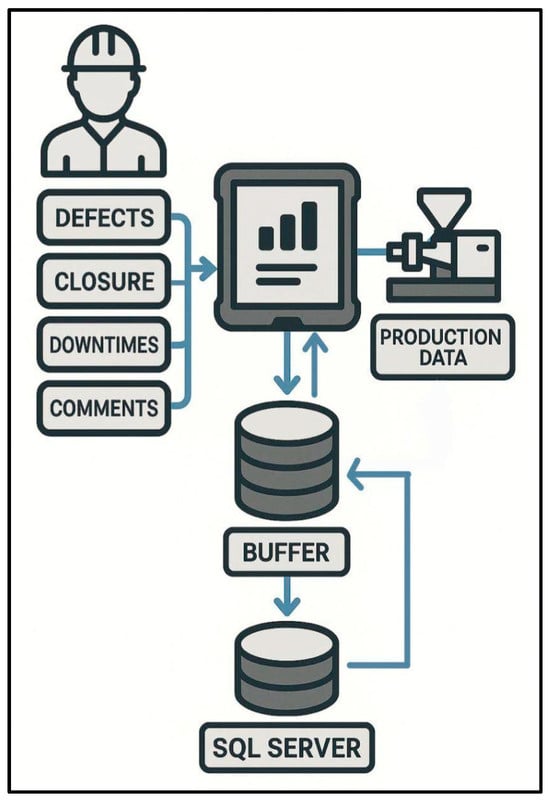
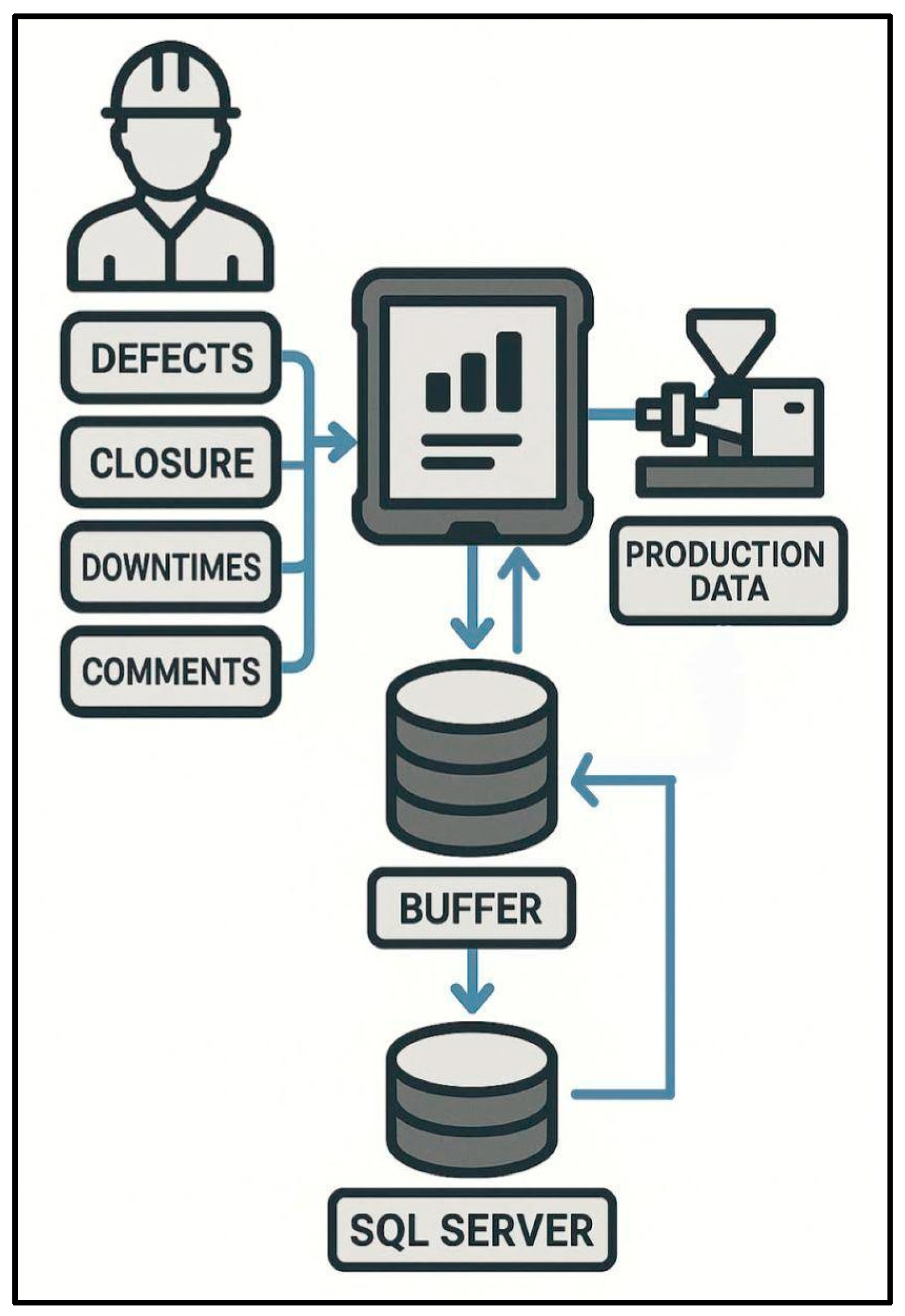
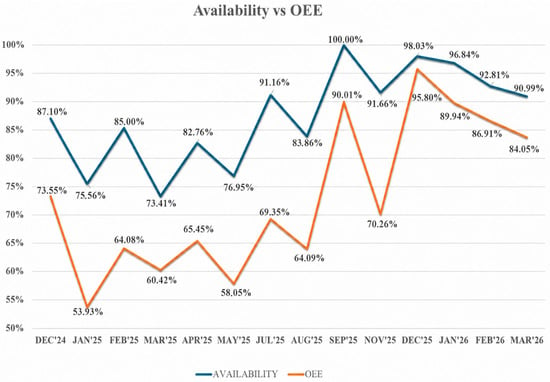
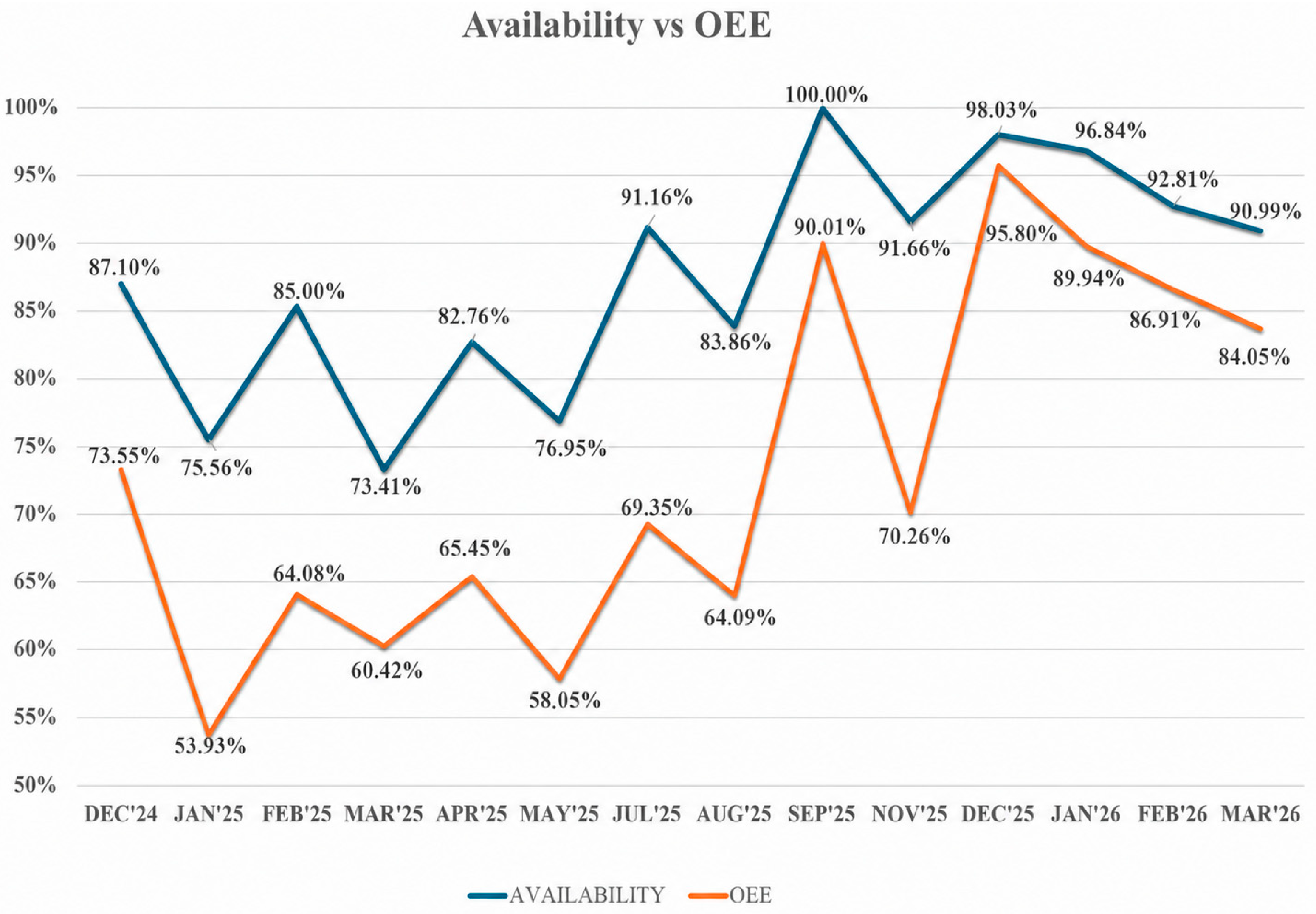
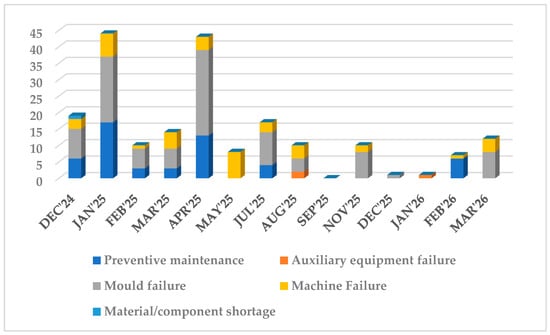
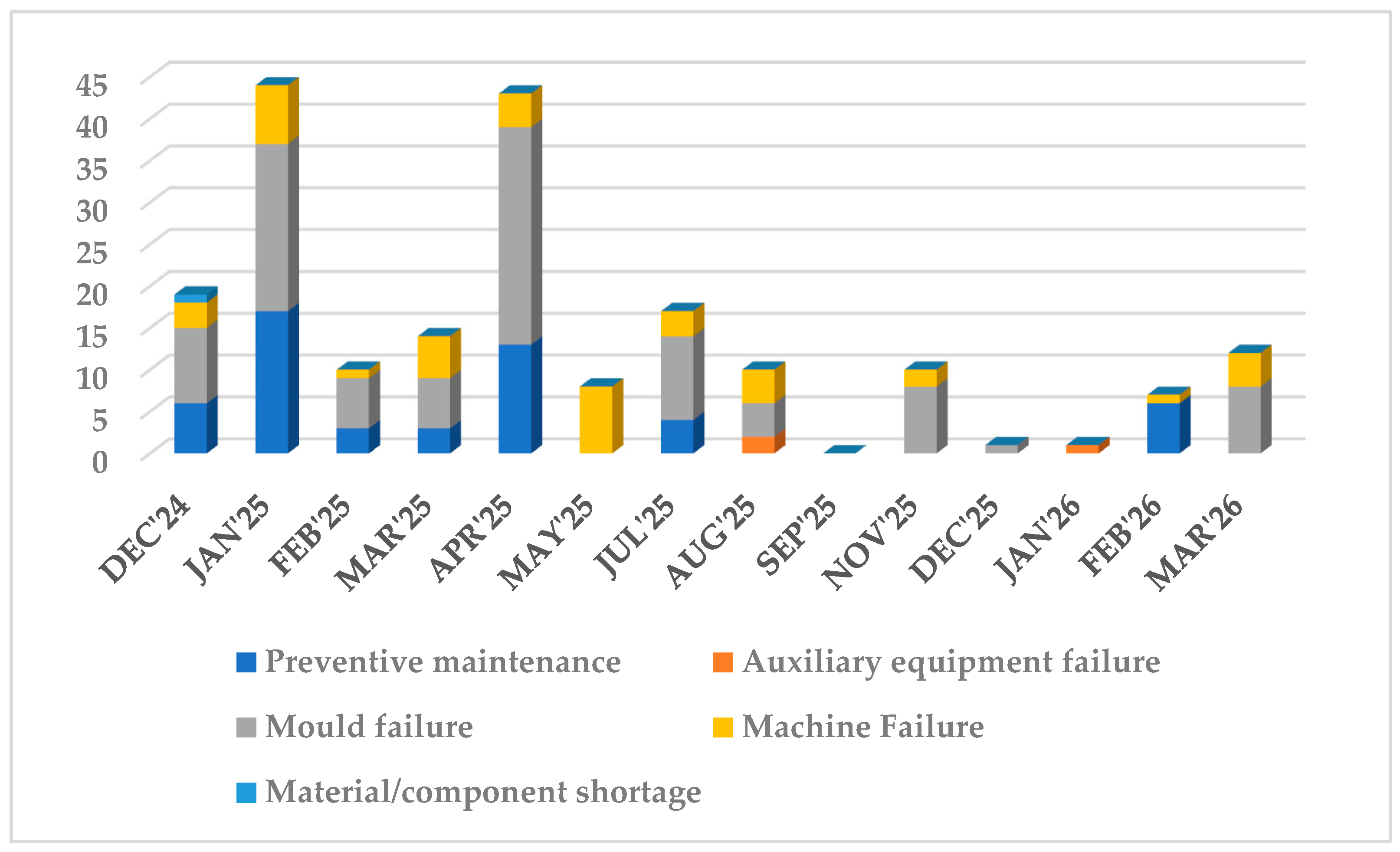
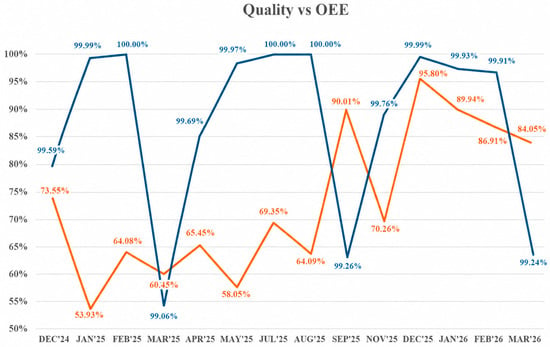
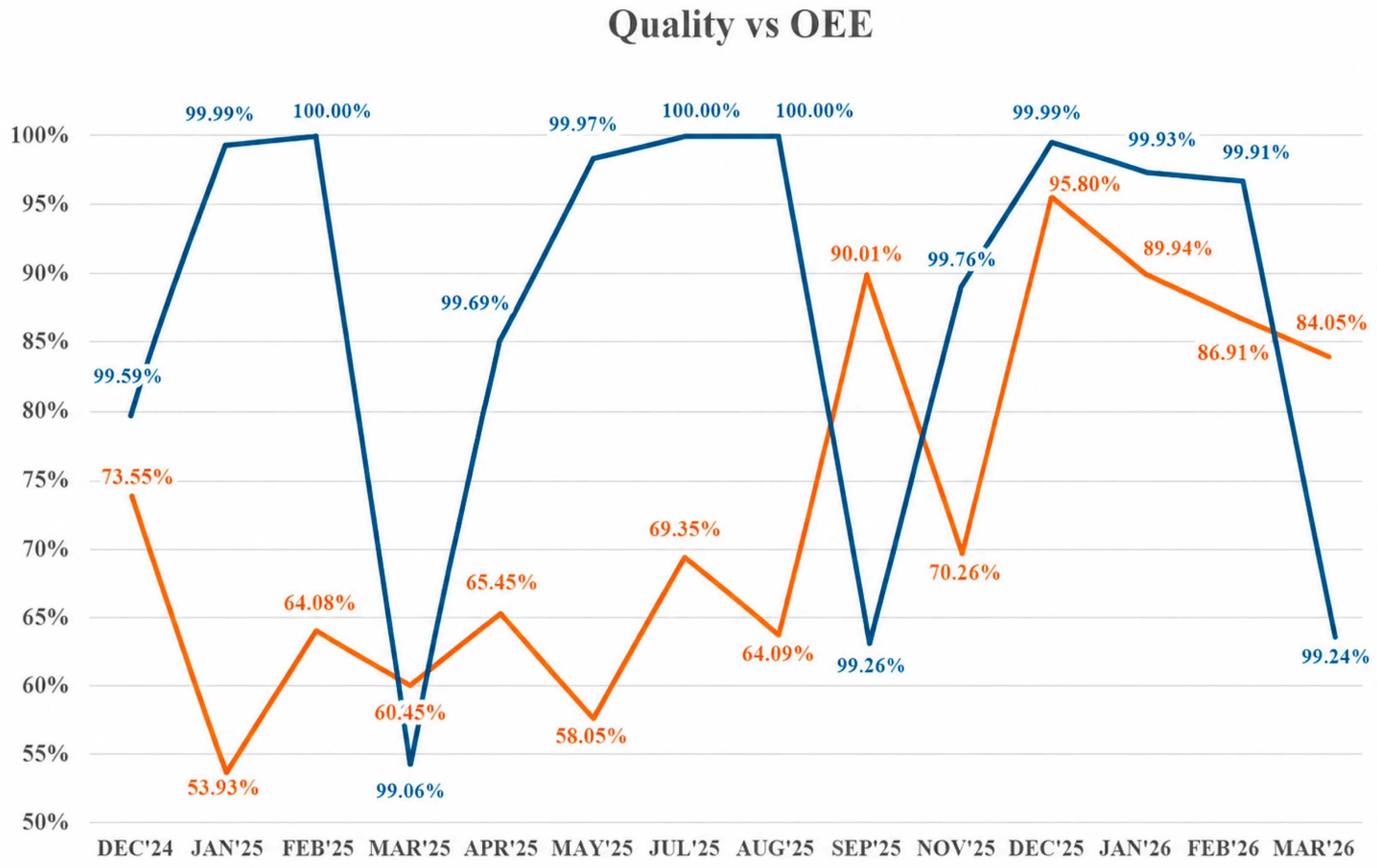
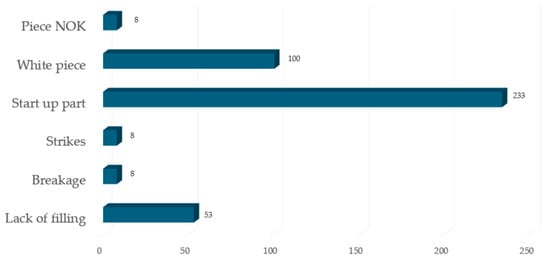
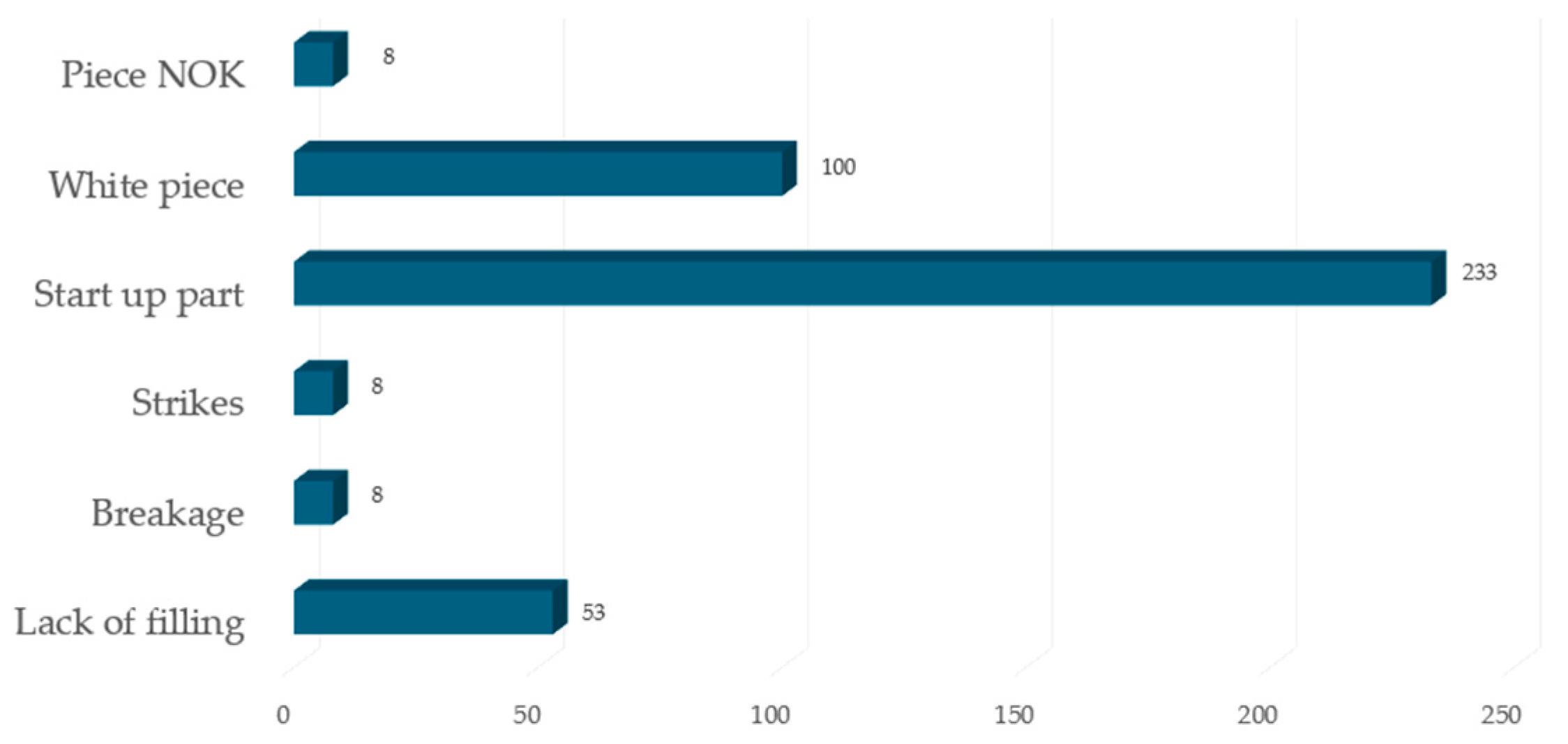
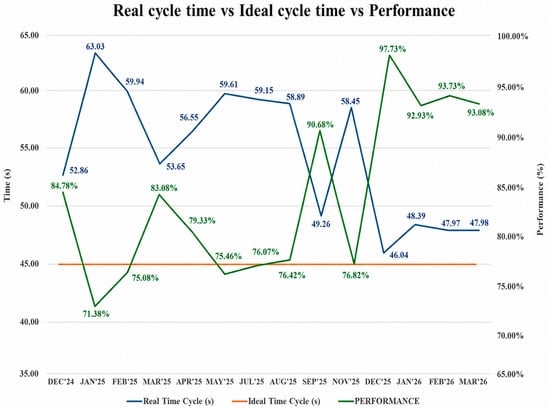
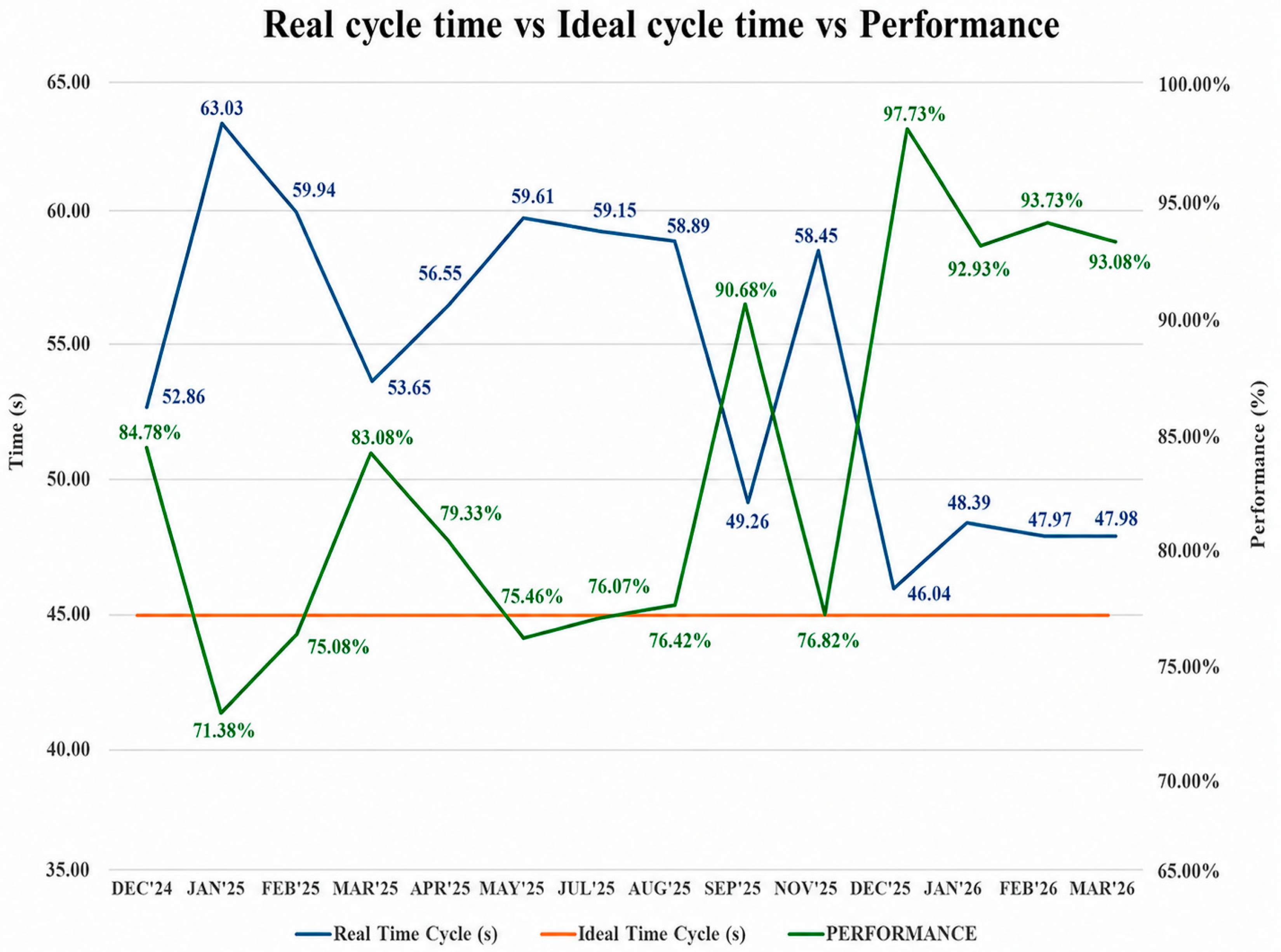
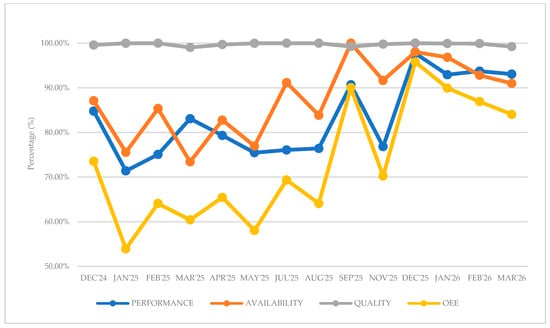
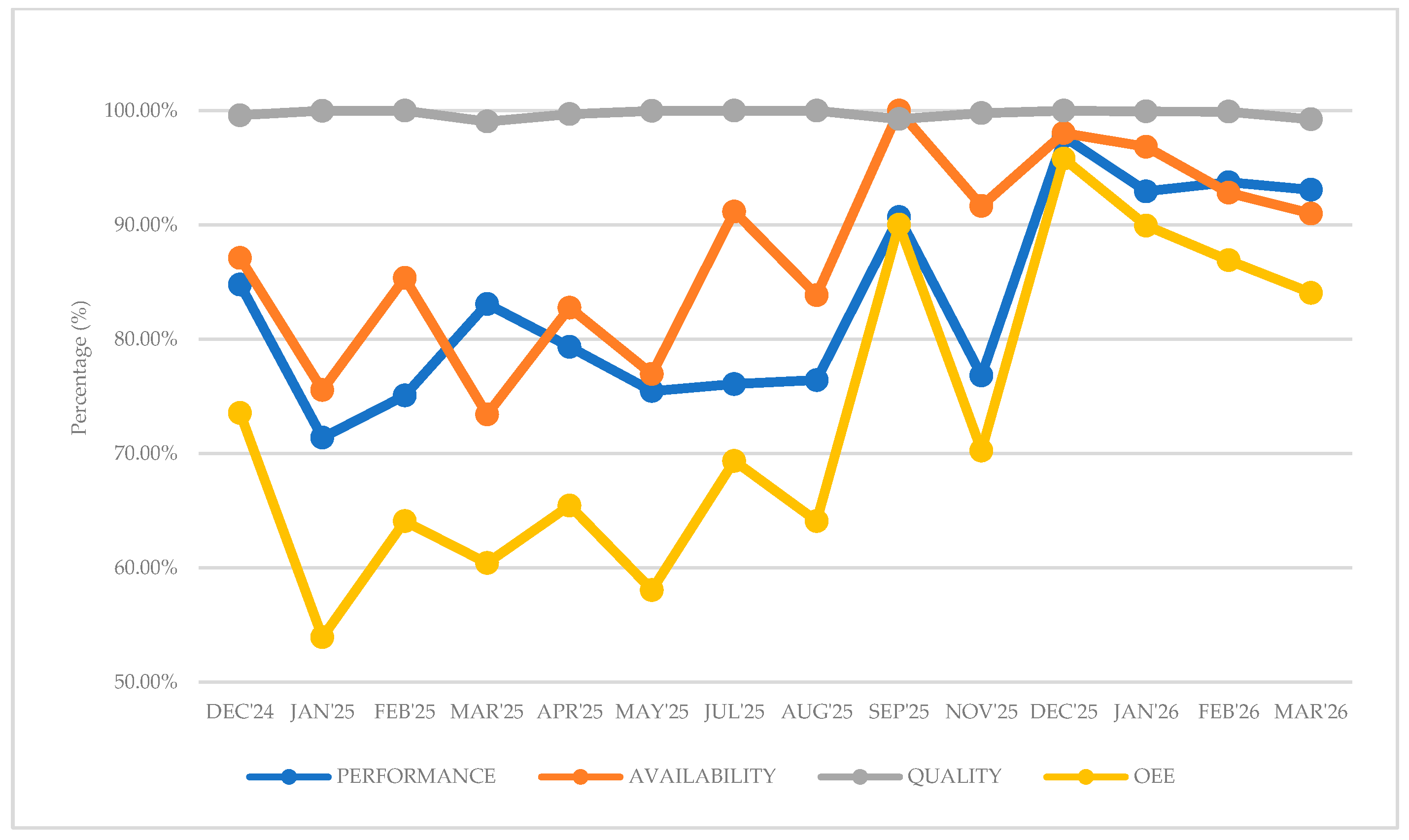
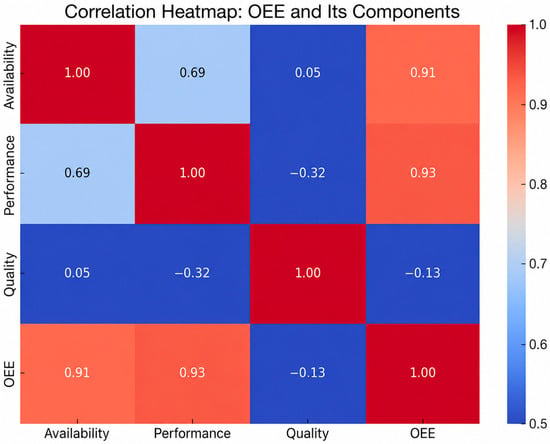
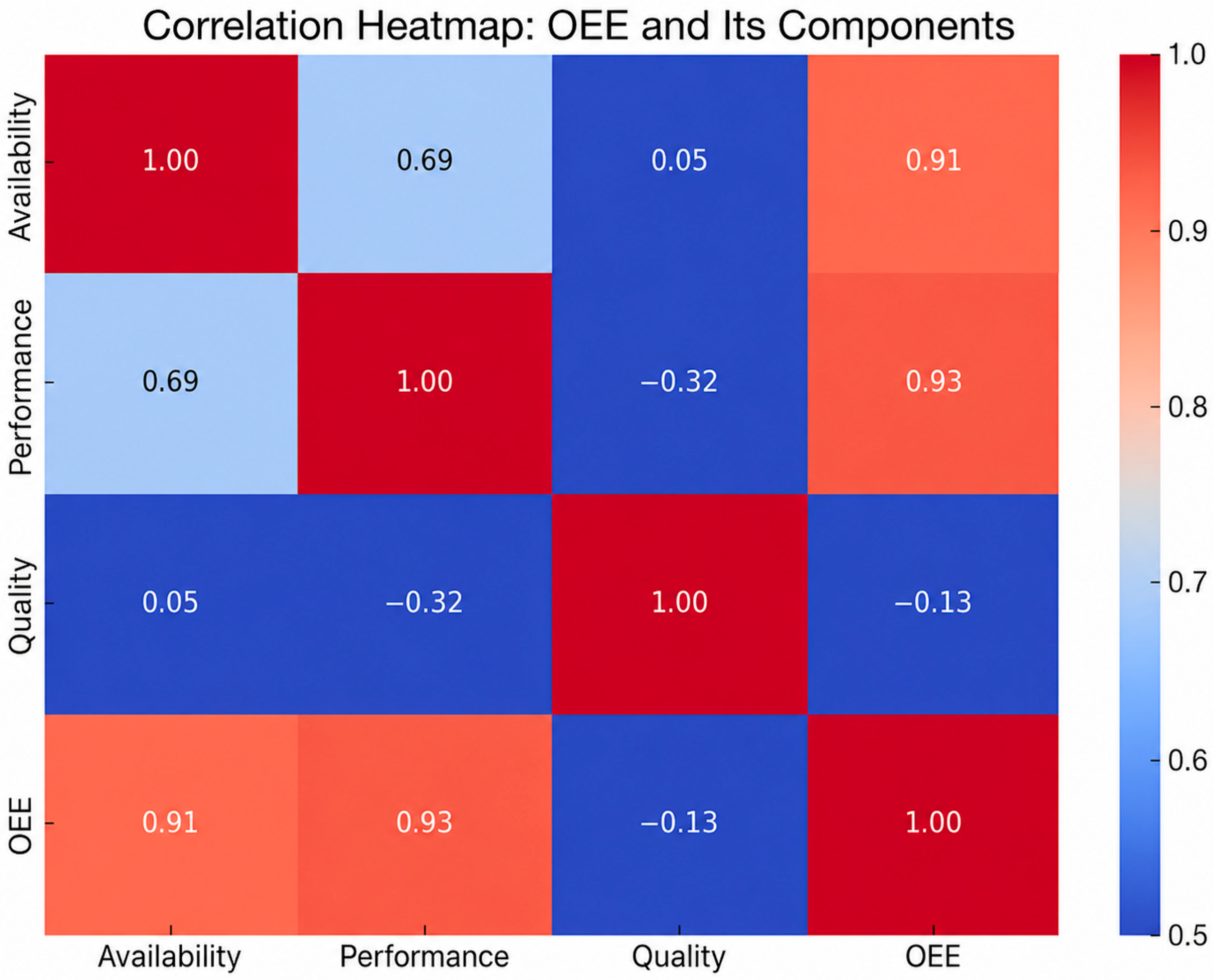

Disclaimer/Publisher’s Note: The statements, opinions and data contained in all publications are solely those of the individual author(s) and contributor(s) and not of MDPI and/or the editor(s). MDPI and/or the editor(s) disclaim responsibility for any injury to people or property resulting from any ideas, methods, instructions or products referred to in the content. |
© 2026 by the authors. Licensee MDPI, Basel, Switzerland. This article is an open access article distributed under the terms and conditions of the Creative Commons Attribution (CC BY) license.