1. Introduction
The use of fan blades is essential in various technical fields, including cooling systems, aerodynamic applications, and industrial equipment, due to their crucial role in controlling airflow and thermal management [
1]. Additive manufacturing (AM) has emerged as a promising approach to fabricating fan blades because it enables complex geometries, intricate internal cooling channels, and weight optimization [
2,
3]. In this study, polymer Selective Laser Sintering (SLS) was selected not as an alternative to metallic AM but as a practical manufacturing route for rapid prototyping. The fan blade serves as a test article for aerodynamic experiments rather than a high-load industrial component, and SLS enables fast, cost-efficient fabrication of lightweight prototypes with sufficient stiffness for laboratory testing.
Extensive research efforts have focused on manufacturing fan blades using AM techniques such as SLM and Electron Beam Melting (EBM). These methods allow for creating intricate internal cooling passages, significantly enhancing thermal management capabilities and prolonging blade lifespan [
2,
4,
5,
6]. Researchers have also worked extensively on AM-compatible superalloys tailored for high-temperature applications, addressing common issues like residual stresses and surface finish [
4,
5].
Despite these advancements, the AM production of fan blades faces challenges related to size constraints. Most studies and industrial applications focus on monolithic fan blades produced in one piece, limited by the build volume of AM systems. Large fan blades, such as those required for wind tunnel applications, exceed typical AM build capacities, prompting a need for modular designs where blades are segmented and subsequently assembled. Such modularity could significantly reduce production costs while maintaining the benefits associated with additive manufacturing.
Joining segmented AM parts is thus a critical area of research. Among various methods, adhesive bonding has been extensively explored. According to authors [
7,
8,
9,
10,
11,
12,
13], adhesive joints can achieve excellent load-bearing capacities when combined with surface modifications and optimized joint geometries. Proper surface pre-treatment techniques, such as plasma activation and mechanical roughening, have been identified as essential for enhancing adhesive joint strength [
14,
15,
16].
In contrast, screw and threaded joints have shown limitations in AM applications. According to authors [
17,
18], these methods are often less favourable due to their complexity, the precision required for threaded features, and stress concentrations, making them less suitable for rapid or large-scale AM production.
Mechanical interlocking has emerged as a highly effective method for joining AM components, providing enhanced strength and load distribution. For instance, Molino et al. [
19] demonstrated that joints utilizing cylindrical pins or puzzle-like interlocking designs exhibited significantly higher tensile and yield strengths compared to simple adhesive or flat joints. Studies highlight the importance of optimizing interlocking geometries, such as dovetails and stepped profiles, to achieve robust mechanical performance [
16,
20,
21,
22,
23,
24,
25,
26].
Hybrid joints, combining mechanical interlocking with adhesives or welding, also show significant promise. According to authors [
9,
17,
22,
27], hybrid joints benefit from the combined strengths of mechanical and adhesive methods, offering superior mechanical performance, reliability, and adaptability for complex, multi-material assemblies.
This study focuses on the design and experimental evaluation of a mechanical joining method for segmented fan blades intended for a large-scale additively manufactured impeller. The research was motivated by the need to develop a new impeller prototype for the experimental aerodynamic wind tunnel at the University of Žilina. Additive manufacturing (AM), specifically polymer SLS, offers significant advantages in this context due to its low cost, rapid design iteration capability, and production of lightweight components. However, the limited build volume of the SLS system prevents the fabrication of a full-size blade as a single monolithic part, making segmentation unavoidable.
Previous studies on AM fan and turbine blades have predominantly relied on metal-based SLM processes to manufacture monolithic impellers or continuous blades [
4,
5]. Although König et al. [
17] introduced a segmentation and hybrid joining approach, their concept—based on re-bonding thin outer-wall segments using adhesive and locating pins—was not suitable for the present application. For large-diameter impellers operating at higher rotational speeds, the resulting structural stiffness may be insufficient, particularly under combined centrifugal and bending loads. Moreover, no previous study has evaluated the mechanical performance of segmented SLS polymer blades of comparable scale.
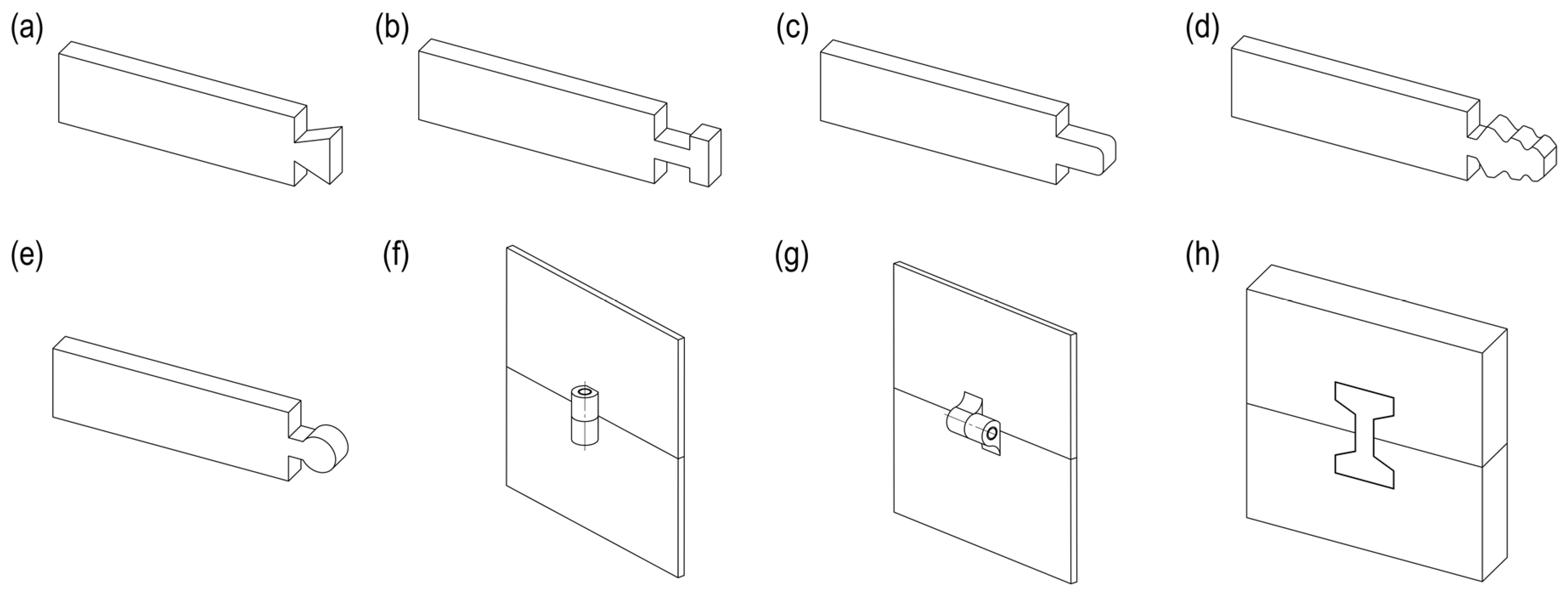
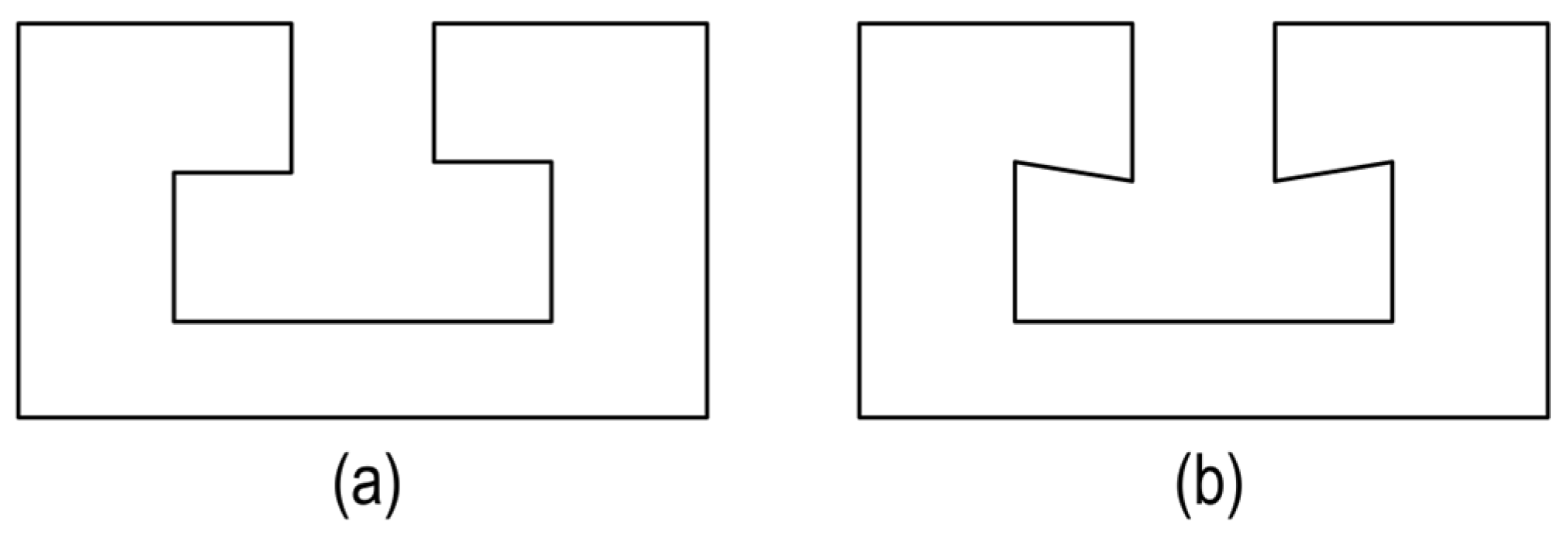
A mechanical interlock based on a T-slot concept was therefore selected and adapted to join the individual blade segments. While similar interlocking joints have been studied before [
2,
12,
17,
19,
21,
22], prior research has focused almost exclusively on tensile loading. The behaviour of such joints under bending—one of the dominant load cases for rotating fan blades—remains largely unexplored. This represents a key gap in the existing literature. Accordingly, the present study modifies the T-slot geometry to improve performance under both centrifugal and bending loads, ensures precise segment alignment, and preserves the possibility of disassembly without damaging components.
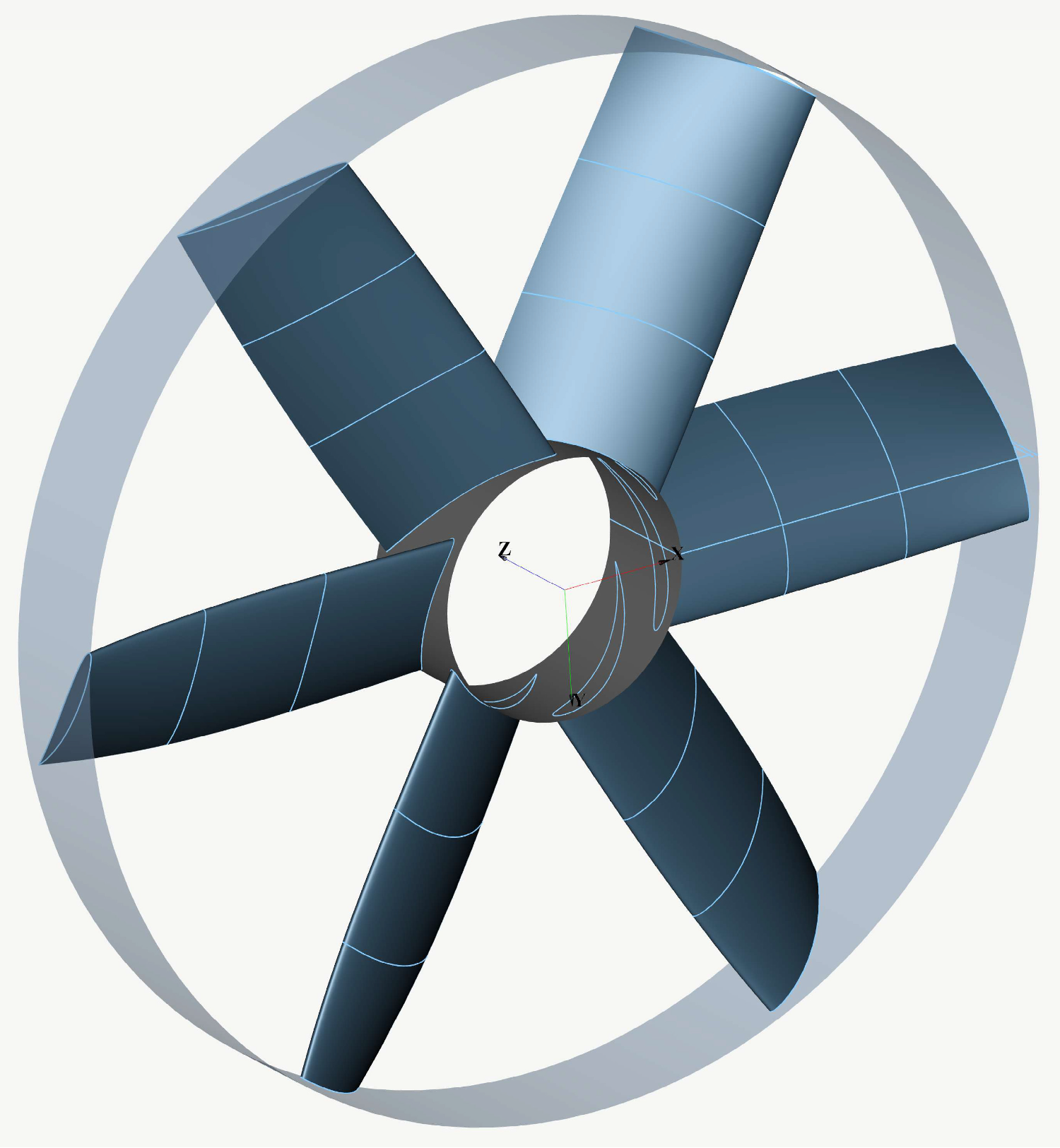
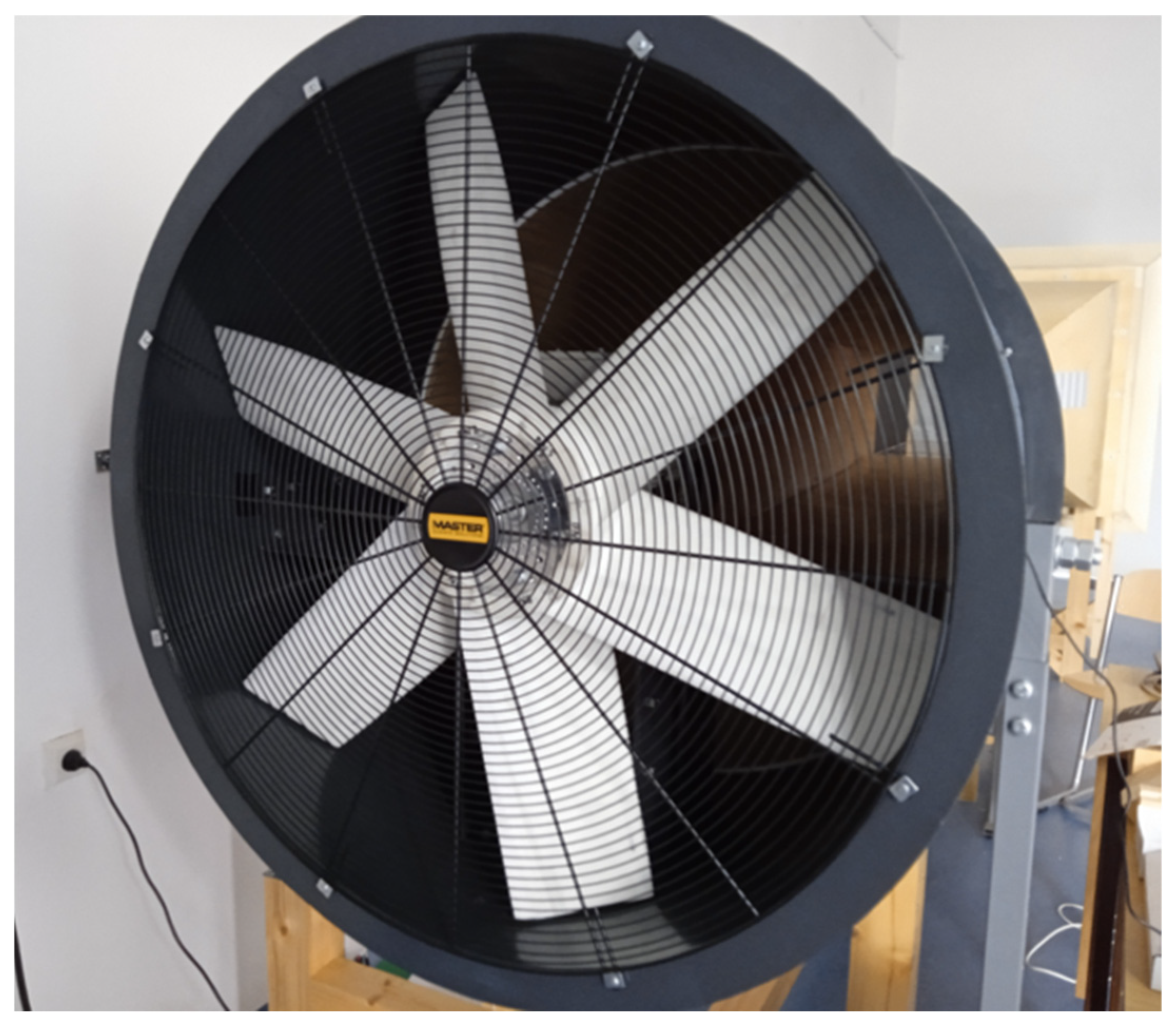
The modified design was experimentally validated through tensile and three-point bending tests, and the final joint configuration was implemented on the full blade geometry. The dimensions of the impeller reflect the operational requirements of the aerodynamic wind tunnel—namely the drum diameter and the need to maximise blade length for aerodynamic efficiency. The resulting impeller measures 920 mm in outer diameter and 230 mm in inner diameter, as illustrated schematically in
Figure 1. The outcome of this work may offer valuable insight for other large-scale polymer AM components requiring reliable mechanical joining.
3. Iterative Design and Experimental Evaluation
It was anticipated that the highest stress concentrations would occur in the internal corners of the slot, which are likely to initiate crack propagation under tensile loading. While such stress risers can be analysed using finite element simulations, the inherent advantage of additive manufacturing lies in its ability to rapidly produce design iterations. Therefore, the authors adopted a stepwise iterative development strategy. For each geometry variant, two specimens were fabricated and tested. Based on the mechanical performance observed, the design was adjusted and reprinted. Once an optimal shape was identified, a larger set of identical specimens was tested to statistically validate the results.
The primary design requirement for the interlocking slot was to ensure sufficient load-bearing capacity to withstand the centrifugal force acting on the fan blade during operation. For the targeted impeller geometry, this force was preliminarily estimated at 3375 N. The aim of the development was therefore to optimise the slot’s shape and dimensions to maximise the ultimate failure force of the connection.
3.1. Design Constraints and Material Selection
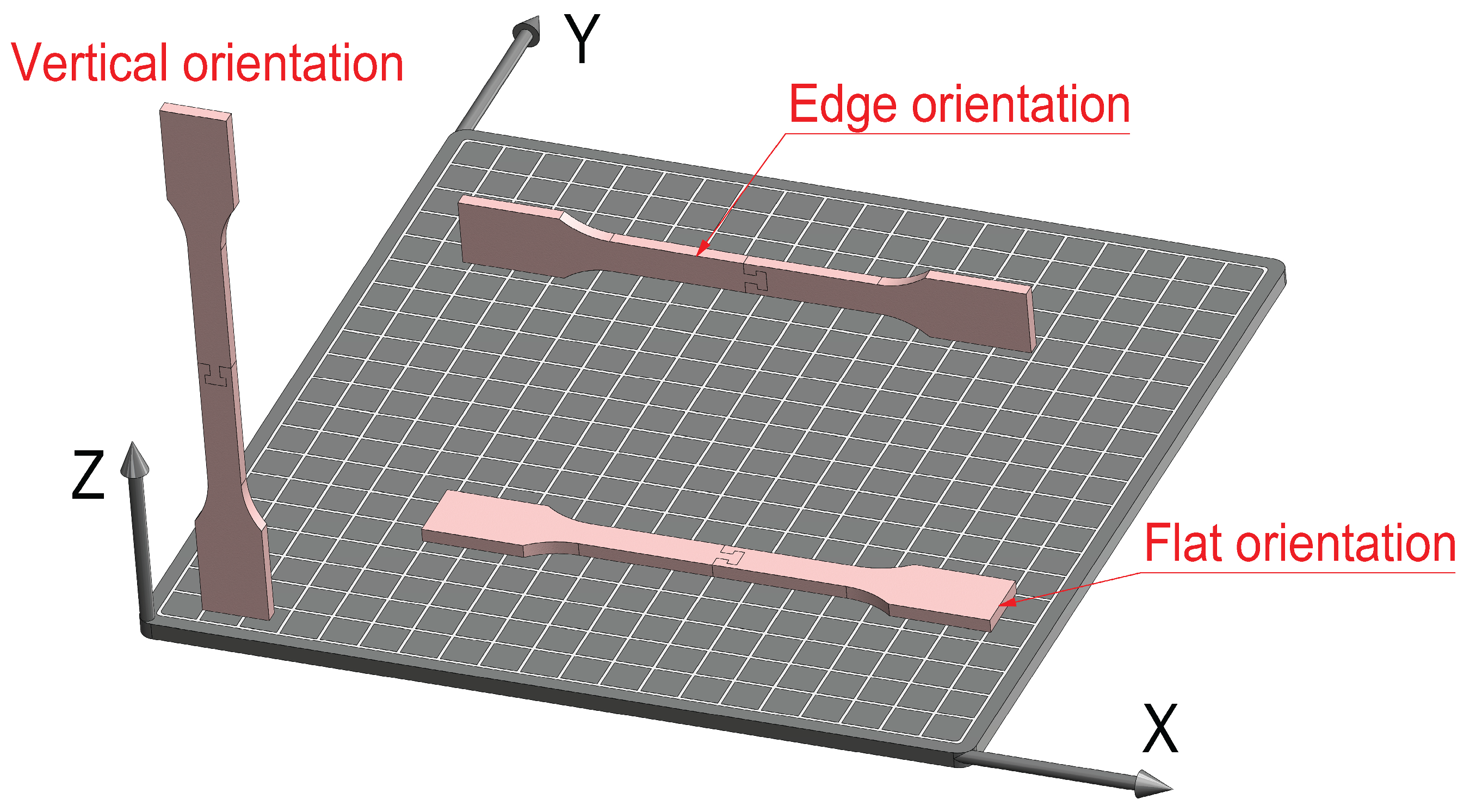
Since the specimens were produced using SLS, the resulting parts were inherently anisotropic. Besides identifying stress-critical regions, the first design iteration also determined the optimal build orientation (see
Figure 4). All manufacturing parameters and environmental conditions used in this study are summarised in
Table 2 for clarity.
According to the technical datasheet for the PA 2200 material [
32], the tensile strength in the X and Y directions should be equivalent, while the Z-direction is expected to be approximately 13% weaker. All material properties specified by the manufacturer are listed in
Table 3.
Although initial tests generally supported this trend, orientation testing was repeated during the second iteration to verify consistency. Based on the results of both iterations, the flat build orientation was selected as optimal (
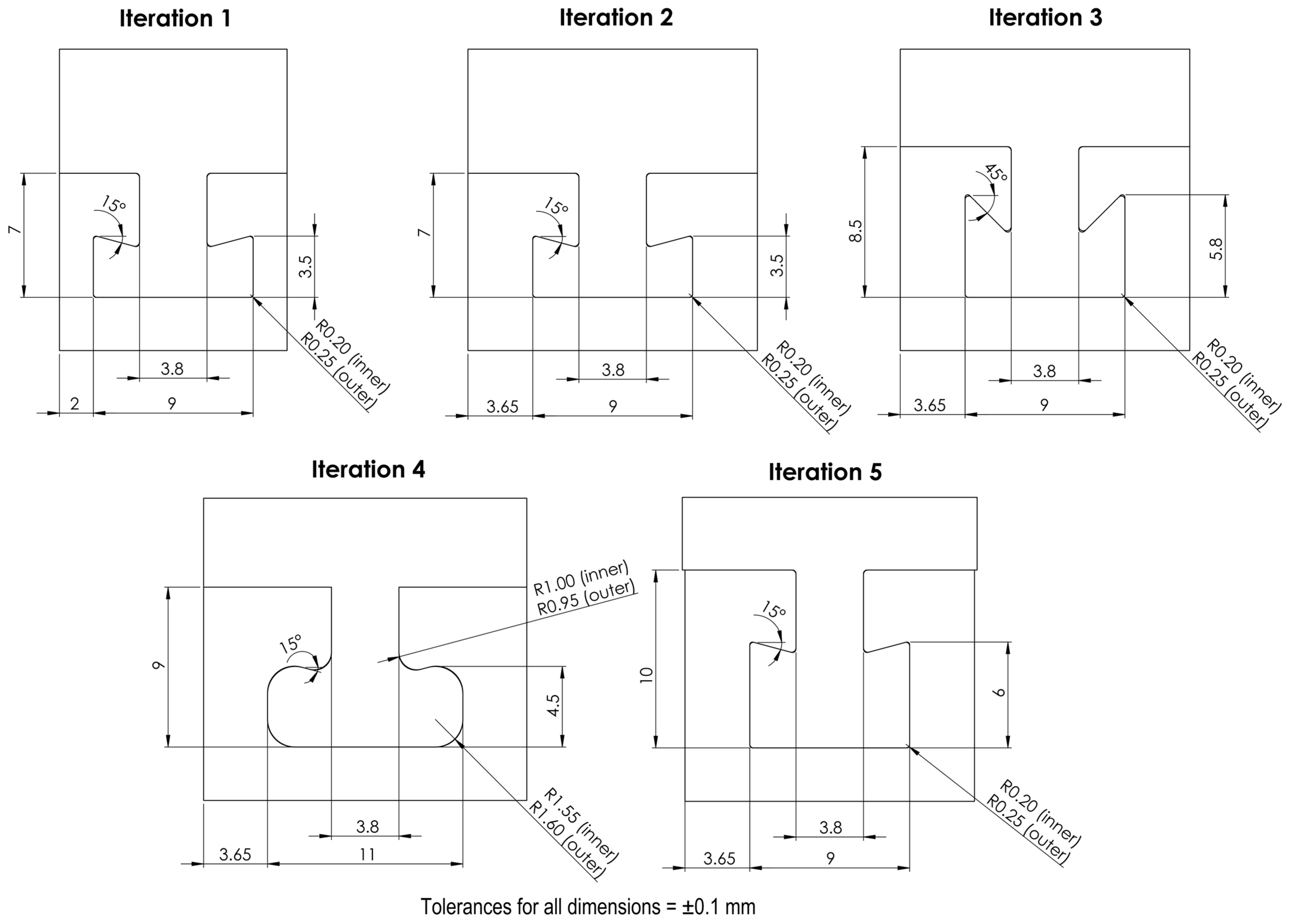
Figure 4). Once the optimal orientation was determined, further iterations were conducted to modify the slot’s shape and dimensions. All tested variants are summarised in
Figure 5.
3.2. Tensile Testing Procedure
A standard tensile test was performed in accordance with EN ISO 527 [
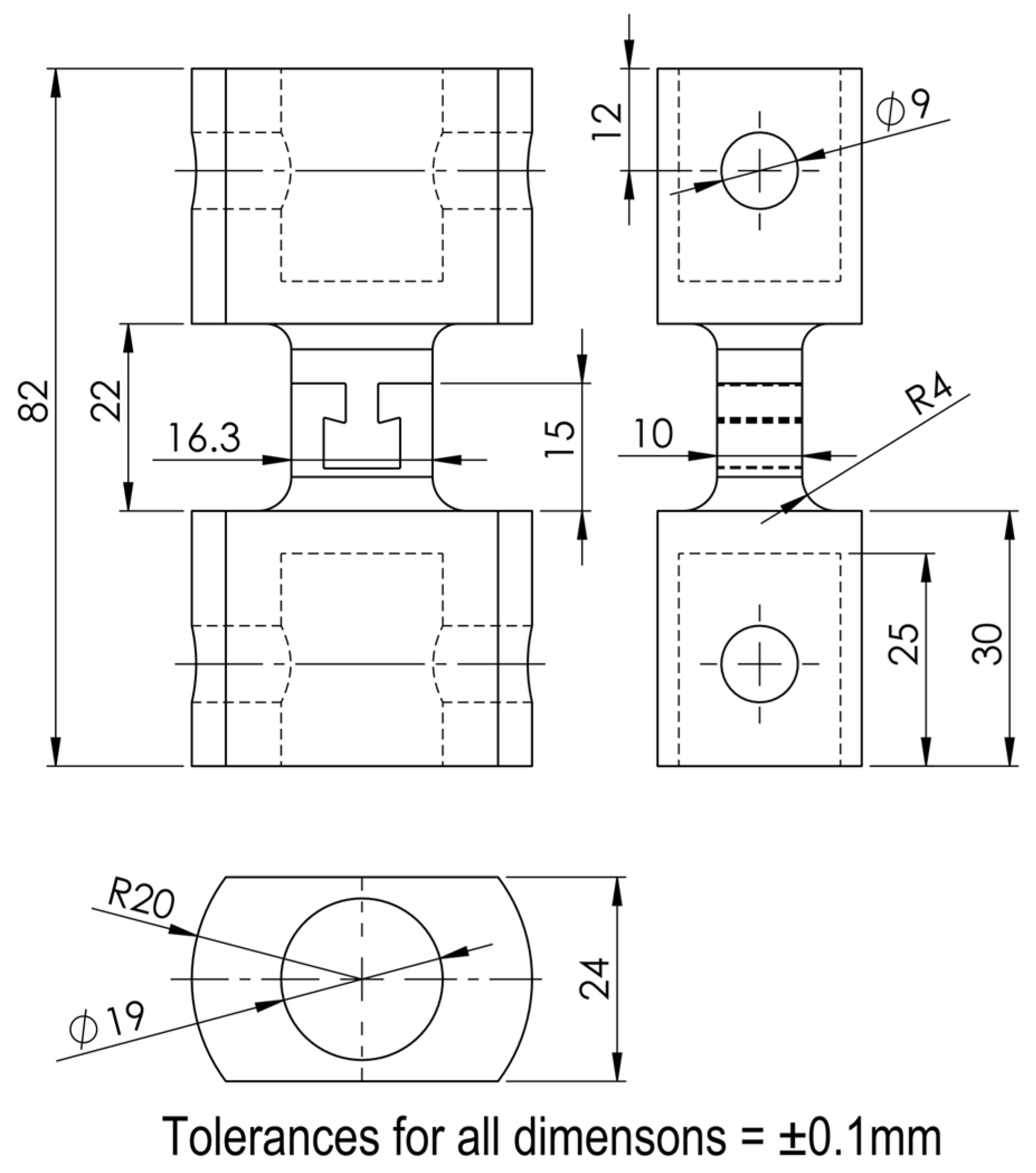
35]. During preliminary trials, we used standard dog-bone specimens with typical ISO-specified thicknesses of 1–4 mm to evaluate the initial behaviour of the joint. With these thin standardized specimens, the T-slot interface exhibited slight sliding under load, caused by a combination of minor as-printed curvature and small grip misalignment. To eliminate this artefact and ensure a pure tensile load path, we adopted a custom pin-loaded specimen in place of conventional wedge grips (see
Figure 6). The pin loading prevented relative motion along the slot interface and improved repeatability. The specimen geometry is shown in
Figure 6. Because SLS manufacturing applies uniform process parameters across the entire build, the resulting dimensional accuracy of approximately ±0.1 mm (for EOS Formiga P 100) is inherent to the technology and cannot be selectively relaxed for non-functional surfaces. Consequently, even the external, non-critical walls of the specimen exhibit the same level of precision, as local adjustment of tolerances is not feasible without altering the global process settings and potentially compromising the quality of the functional joint features.
All remaining test particulars—machine and calibration, environmental conditions, displacement measurement method, crosshead rate, pin/hole fits, specimen dimensions, and sample counts—are summarised in
Table 4 for clarity.
Statistical processing of the experimental data, including the calculation of means, standard deviations, and coefficients of variation, as well as the generation of box-and-whisker plots presented in this study, was performed using MATLAB R2025a (The MathWorks, Inc., Natick, MA, USA).
3.3. Iterative Redesign and Optimization
An overview of the individual design iterations and their corresponding variants is presented in
Table 5.
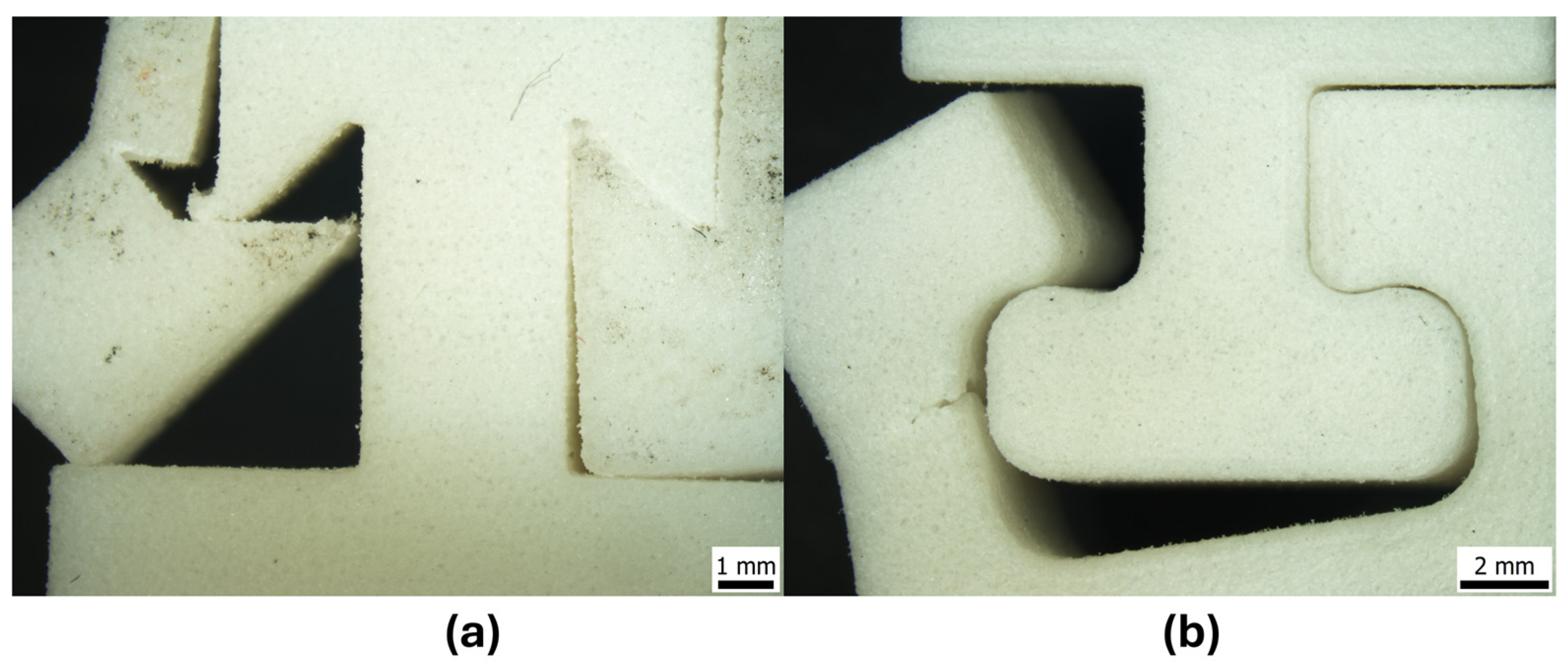
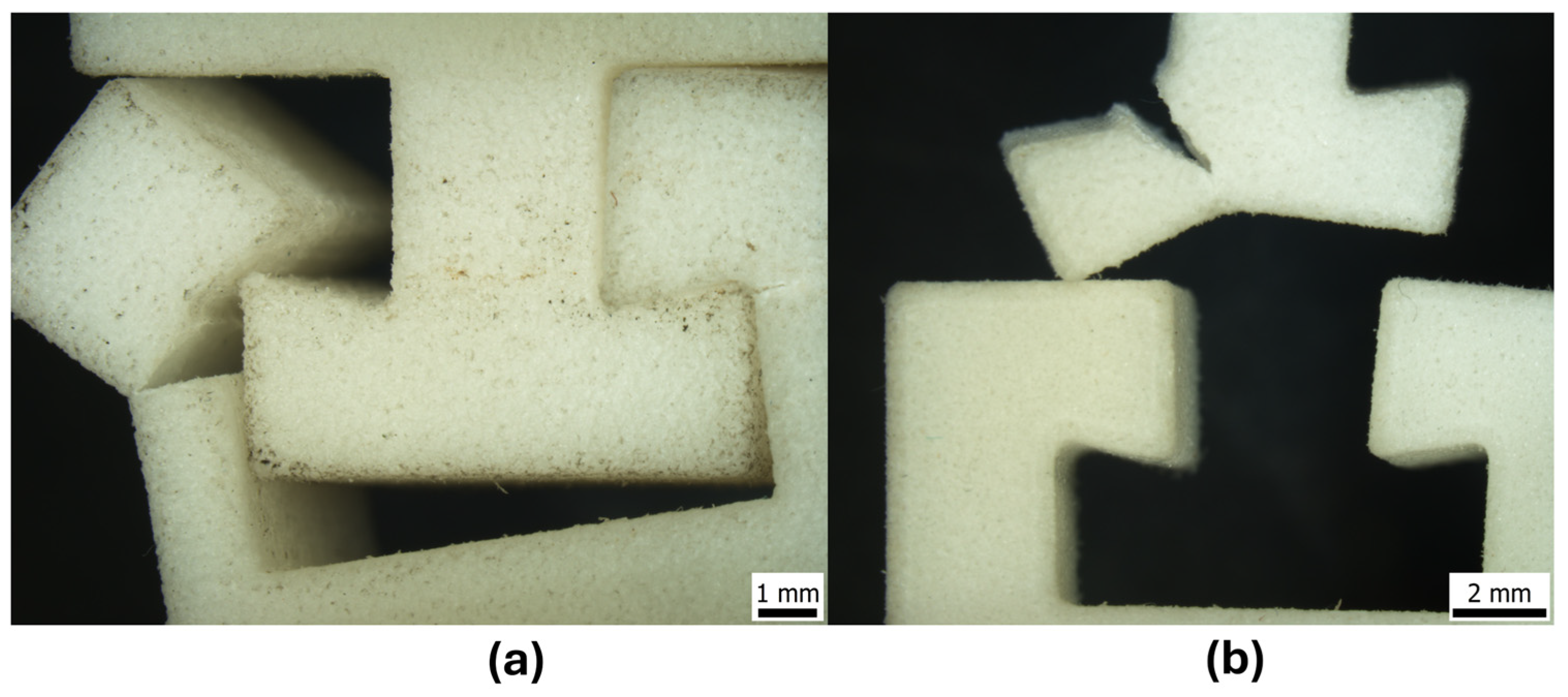
The first iteration (specimens A, B, and C) resulted in premature failure due to cracking along the outer wall of the specimen (
Figure 7a). Based on this observation, the side wall thickness of the slot was increased in the second iteration (see
Figure 5). The tensile tests for the second iteration (specimens D, E, and F) confirmed the effectiveness of this modification: the maximum load capacity increased, and the failure location shifted to the second critical area—the neck region near the sharp internal corner (
Figure 7b).
Fracture analysis of the Iterations 1 and 2 samples (
Figure 7a) reveals a predominantly brittle failure with minimal macroscopic deformation near the stress concentrator. Microscopic examination of the fracture surface shows relatively smooth areas interspersed with small pores—typical of the SLS process due to incomplete particle fusion in high-stress gradient zones.
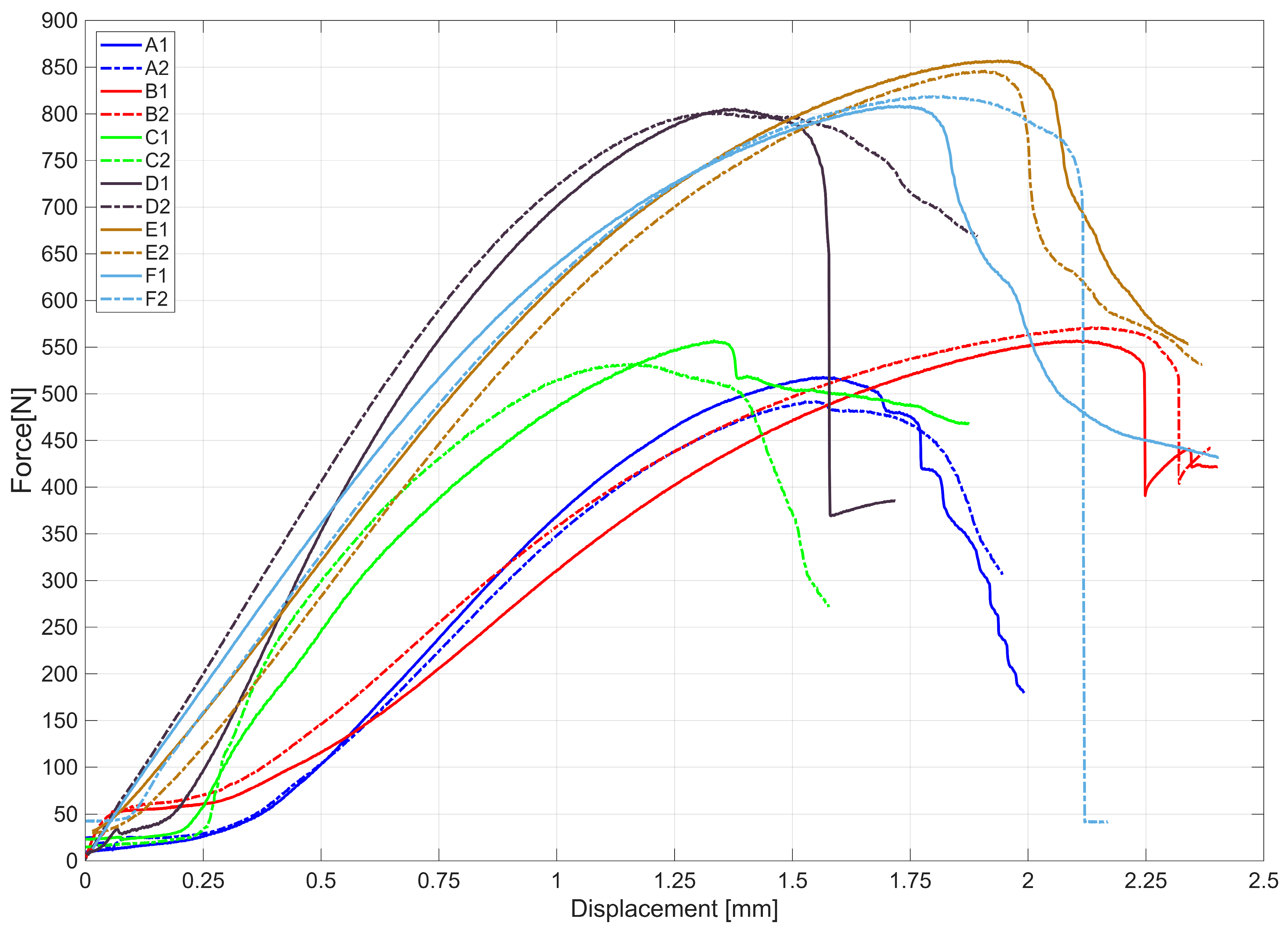
Figure 8 shows the tensile test results for the first two iterations. A secondary objective of these tests was to determine the optimal build orientation. In both iterations, the flat orientation consistently produced the highest failure loads. As a result, all subsequent iterations were printed using this orientation.
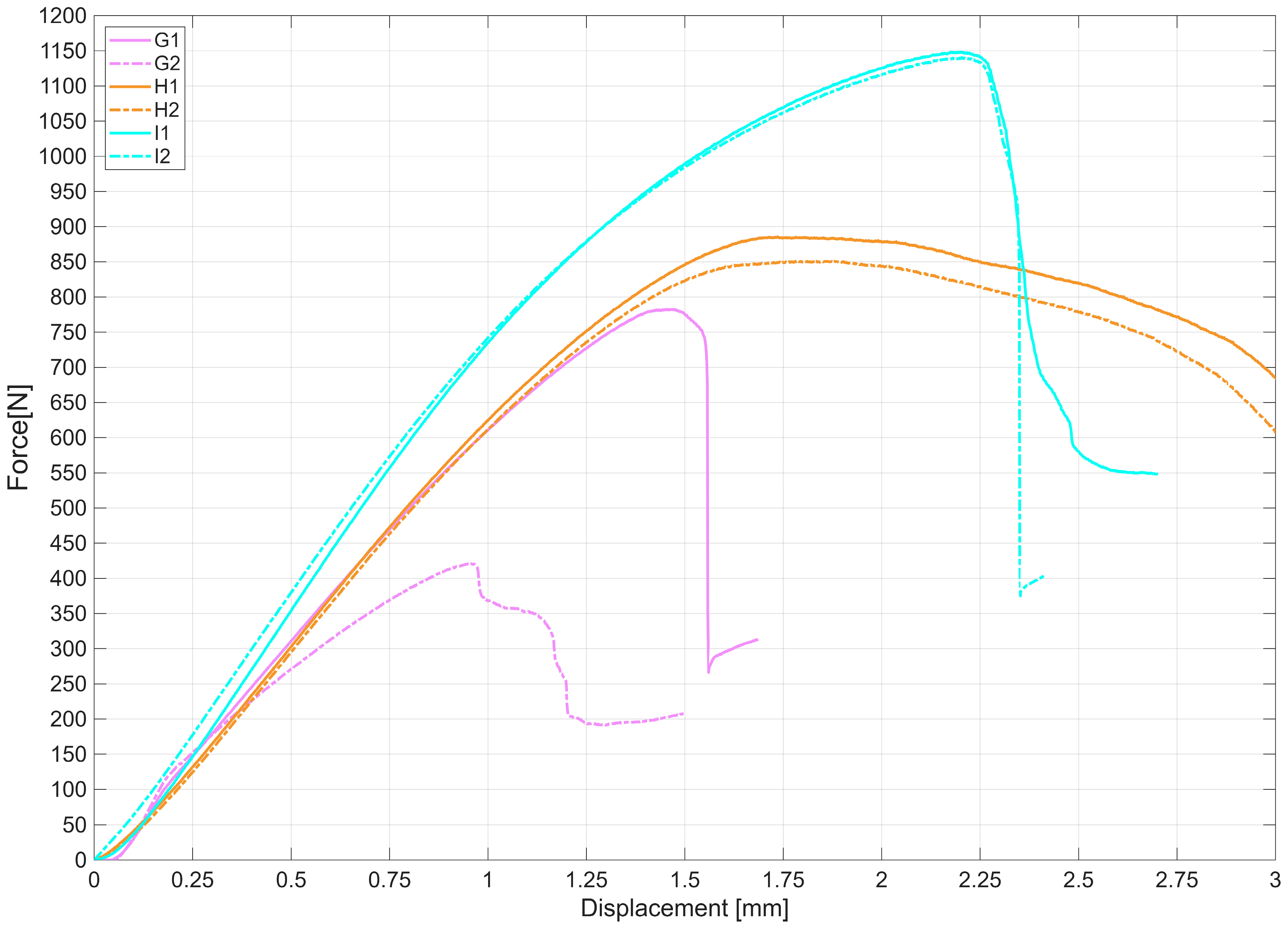
The third iteration investigated whether increasing the taper angle of the upper slot surfaces from 15° to 45° could reduce the sliding effect, whereby the male part gradually slid out of the joint due to plastic deformation rather than fracturing. In other words, the goal was to enhance the self-locking effect of the geometry. The fourth iteration explored the hypothesis that significantly increasing the fillet radius at the internal corners of the slot would reduce stress concentration and thereby increase the overall load capacity of the joint. The results of these tests are summarised in
Figure 9.
The results of the third iteration revealed that the intended improvement in the self-locking effect did not materialise. Instead, increasing the taper angle significantly amplified the local stress concentration, leading to premature fracture along the outer wall—similarly to the failure mode observed in the first iteration (
Figure 10a). In the case of specimen G2, fracture occurred at a noticeably lower force compared to the other tests.
The Iteration 4 samples (
Figure 10b) display a significantly different morphology characterized by polymer chain stretching and micro-voids, confirming a transition to a ductile failure mechanism. This shift validates that the optimized groove geometry successfully redistributed local stresses, allowing the PA2200 material to reach its full plastic deformation capacity prior to rupture.
In contrast, the fourth iteration showed a moderate increase in maximum load. However, the enlarged internal fillets caused the slot to deform under loading, resulting in a gradual opening of the slot and progressive sliding of the male element. Ultimately, this deformation led to crack formation, but the crack location (
Figure 10b) was positioned lower than in previous cases. Additionally, there was no abrupt force drop following the onset of fracture, suggesting a more ductile failure progression.
The fifth iteration (variant I) reverted to the original slot geometry but modified the neck thickness in the region where failure had previously occurred in the second iteration. This adjustment led to an increase in peak tensile force (
Figure 9, variants I1 and I2), and the failure location returned to the side wall, as in iteration 1 (
Figure 7a). The iterative design process was concluded with Iteration 5, as this configuration successfully met all predefined structural requirements while respecting aerodynamic constraints. Further geometric thickening was intentionally avoided to maintain the airfoil’s original t/c (thickness-to-chord) ratio and prevent the aerodynamic drag penalties associated with thicker profiles [
43,
44,
45].
Consequently, Iteration 5 was selected as the final design for comprehensive experimental validation and numerical correlation.
3.4. Final Design Validation
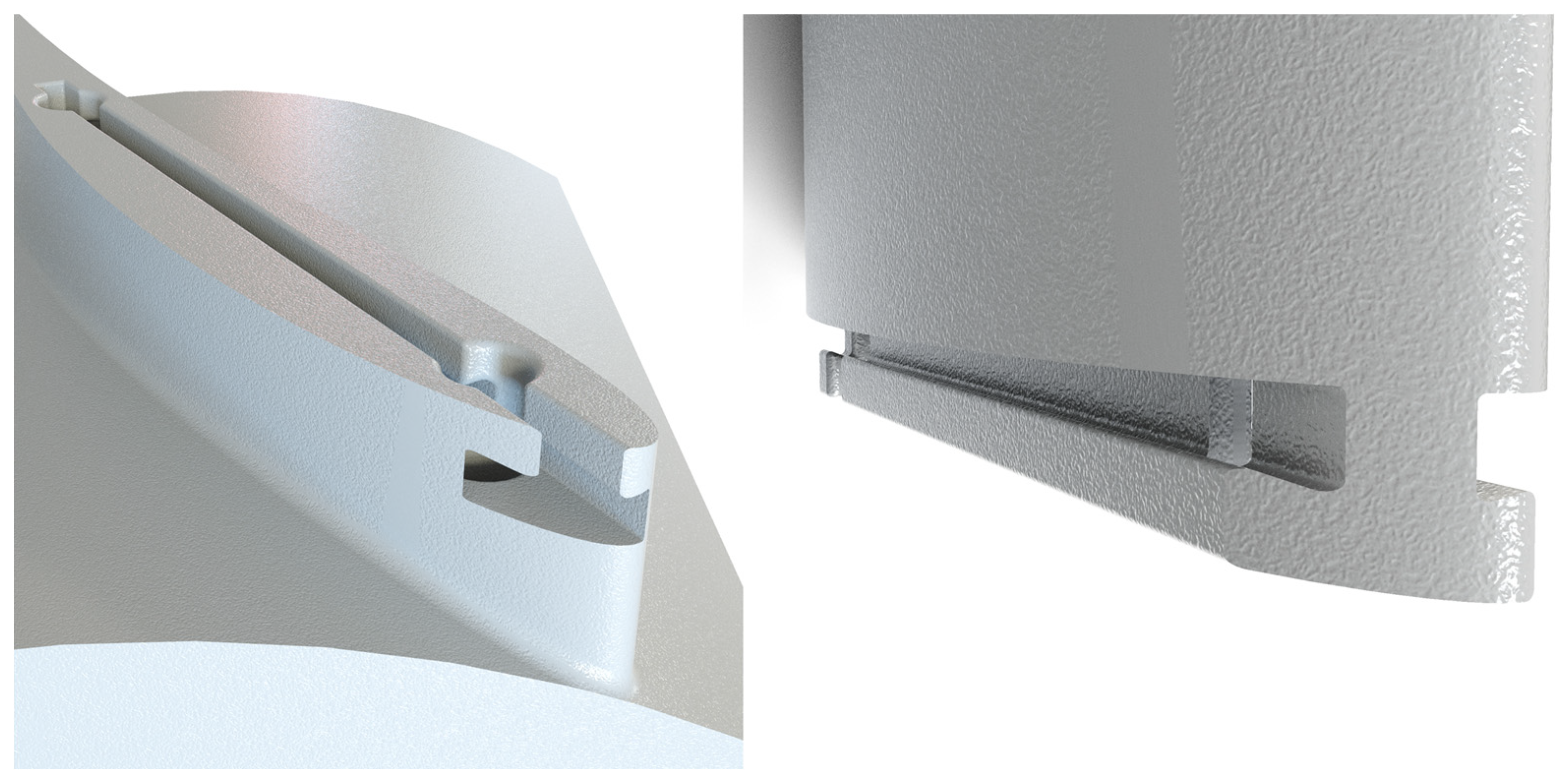
Based on the final slot dimensions, the blade profile was designed and the selected slot geometry was integrated into the component (
Figure 11).
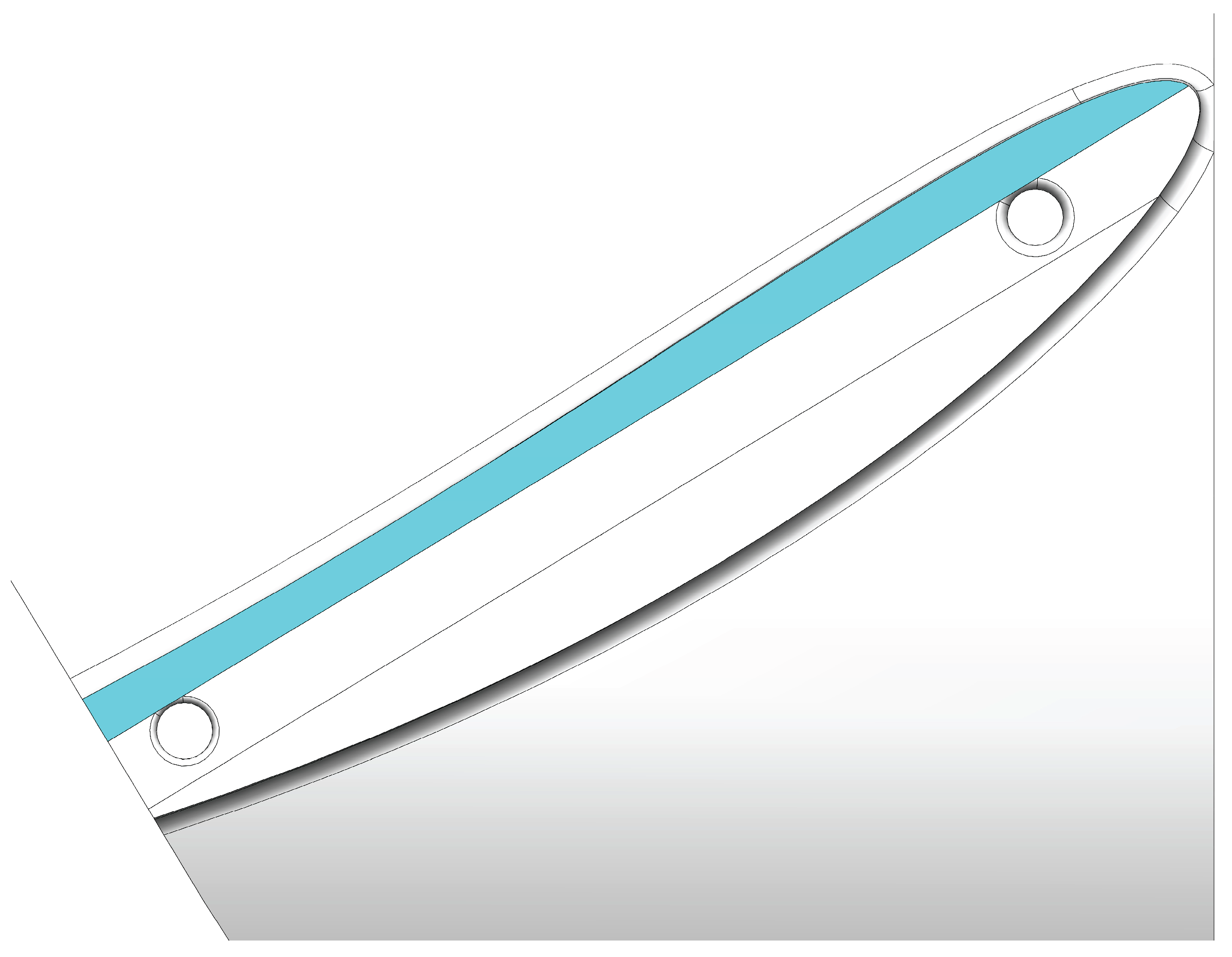
Using CAD software (SolidWorks 2024), the area of the side wall—identified as the critical region prone to failure (according to
Figure 7a)—was measured. The surface area of this region was found to be 307.83 mm
2 (highlighted in blue in
Figure 11). The stress acting on this surface was then obtained by substituting the estimated centrifugal force into the governing relation. The centrifugal force was preliminarily estimated as:
where
is the mass of the blade portion above the joint (estimated from the supplied blade geometry using the density of PA 2200 [
32]);
is the radial distance of the centroid of that portion from the rotation axis (centroid determined in CAD; the first segmentation plane is approximately 132 mm from the axis); and
is the angular velocity corresponding to the maximum motor speed of 1435 RPM. This force
was subsequently used to evaluate the nominal stress on the measured critical surface for comparison against the design requirement.
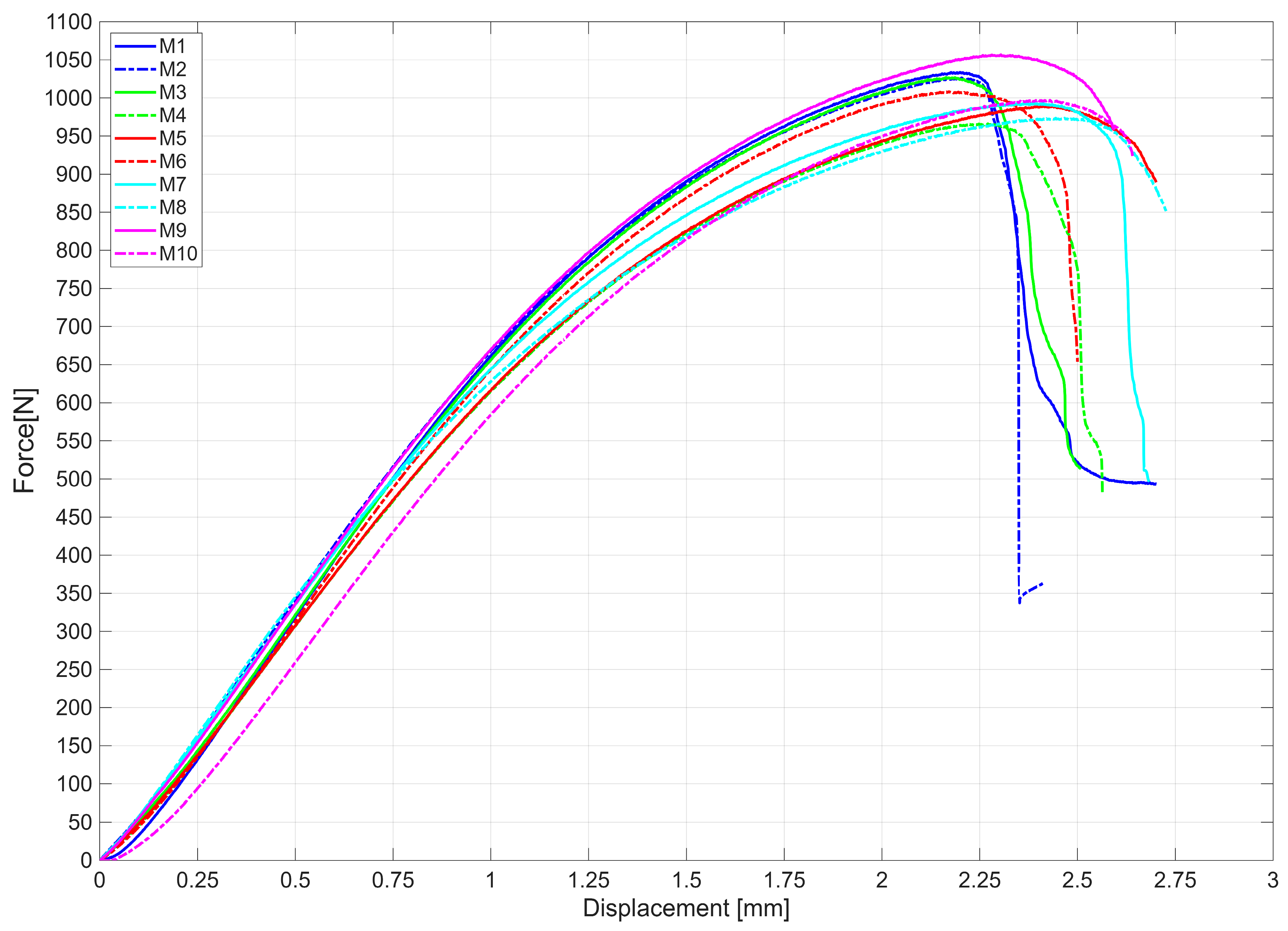
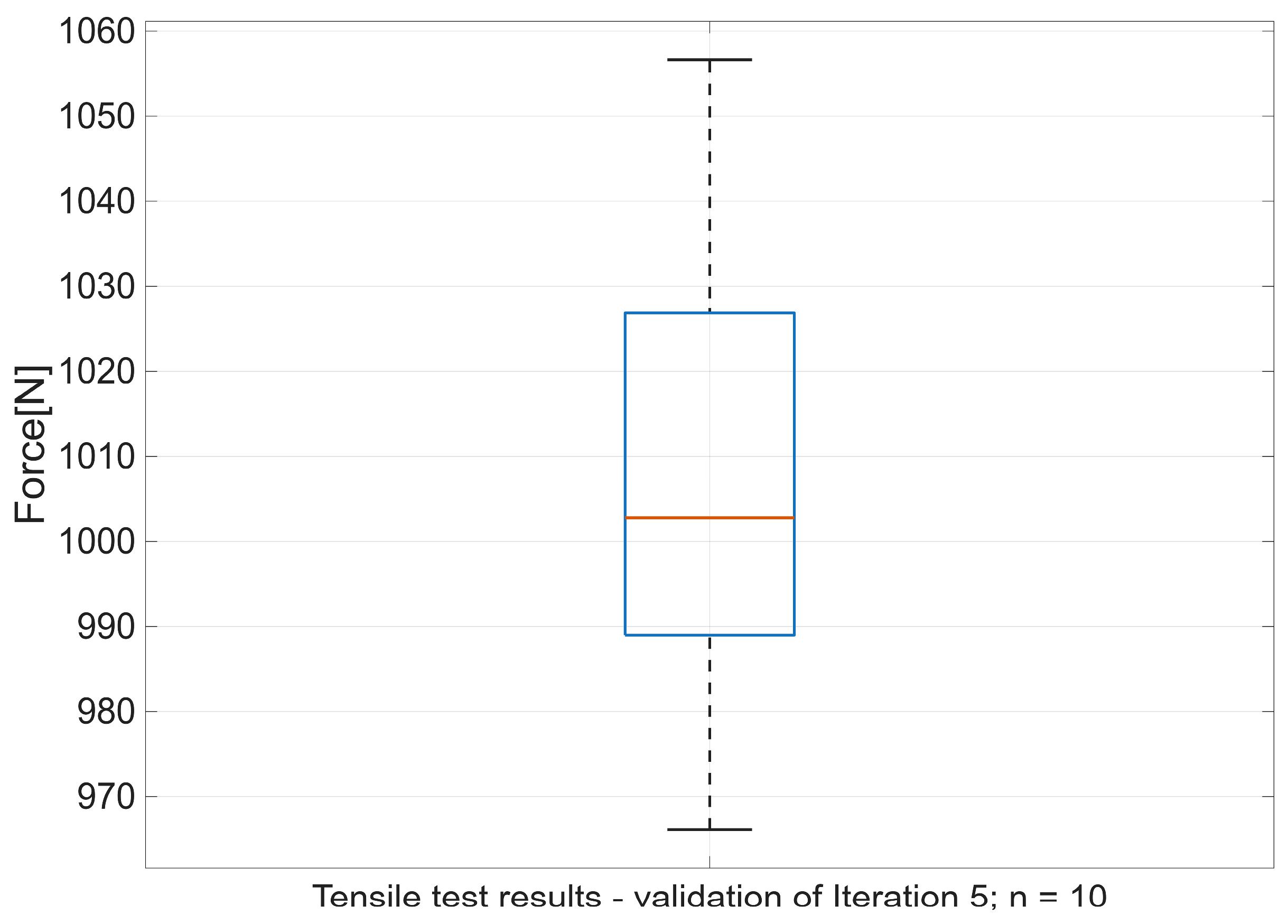
Assuming a safety factor of 2, the failure stress of the T-slot joint must exceed 21.92 MPa. To account for potential manufacturing variability, ten specimens of the fifth design iteration were fabricated and tested. To minimise the influence of manufacturing variability, a larger statistical batch of specimens was also produced for the final validation phase. In addition to the two specimens tested within each design iteration, a separate set of ten specimens—manufactured using the final optimised geometry from Iteration 5—was prepared and tested. The results of this statistical series (samples M1–M10), shown in
Figure 12, confirm the trends observed in the preceding iteration tests and provide a more robust assessment of reproducibility. A Box-and-Whisker plot of the measured maximum forces is provided in
Figure 13.
The average maximum force recorded was 1007.1 N, with a sample standard deviation of 28.6 N. The coefficient of variation was calculated as 2.83%, indicating excellent repeatability of the manufacturing and testing process, especially considering the nature of additive manufacturing. Previous studies have reported typical coefficients of variation for SLS-fabricated PA 2200 parts in the range of 5–10% [
46,
47,
48,
49]. Additionally, all ten specimens exhibited failure in the same location—on the outer wall near the inner corner of the T-slot. This observation reinforces the hypothesis that the inner corner acts as a stress concentrator and is a critical location for failure initiation.
Table 6 summarises the maximum forces measured across all design iterations, including the final test series using the selected configuration.
The average peak force obtained from the final test series (1007.1 N) was used to calculate the stress acting on the critical section:
Safety factor is then calculated as the ratio between the stress that joint is capable of withstanding (σ
joint) and the stress induced in the joint due to estimated centrifugal force (σ
crit):
3.5. FEA Analysis of the Tensile Test (Iteration 5)
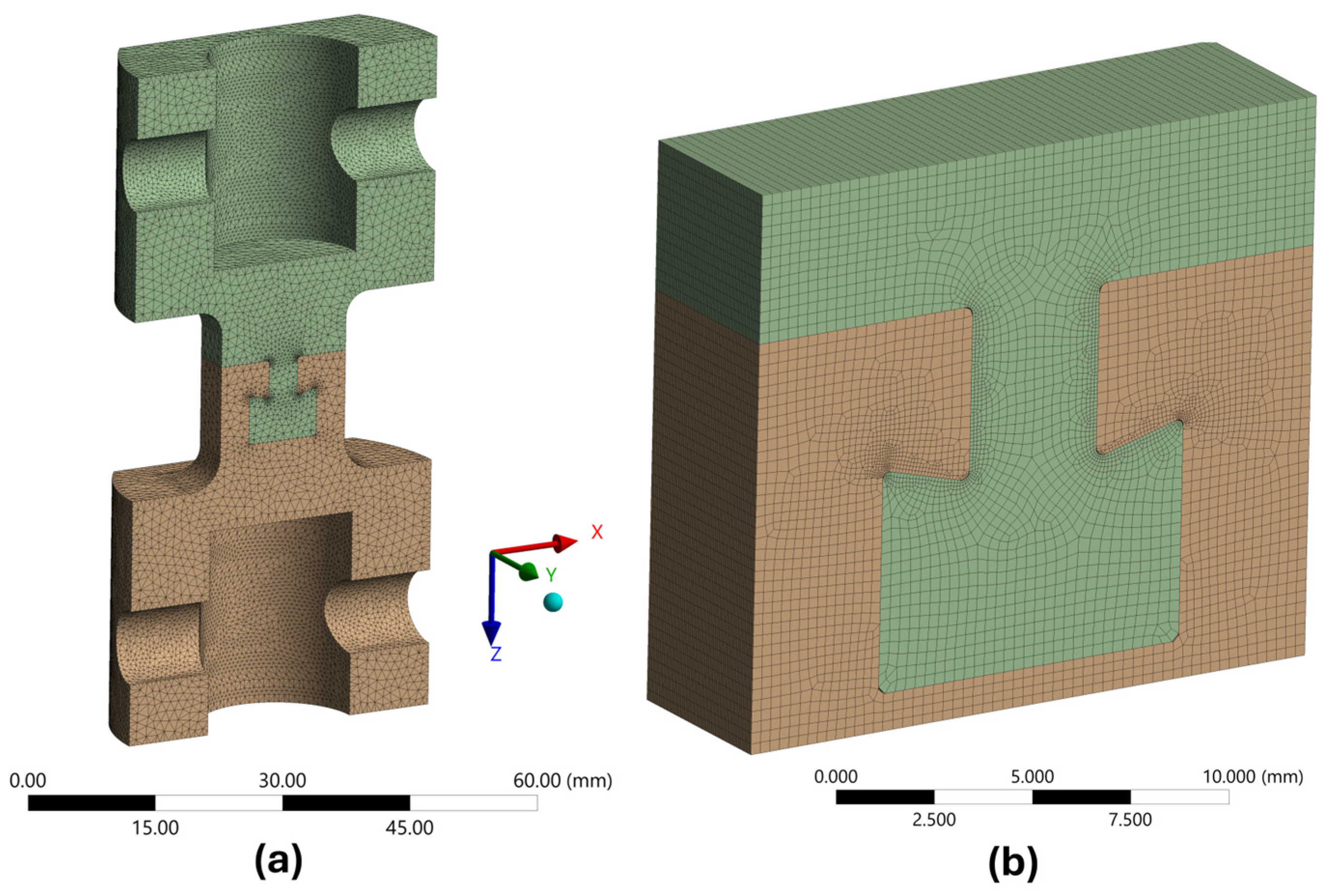
To evaluate the structural behaviour of the T-slot joint (Iteration 5) under tensile loading, a finite element analysis (FEA) was performed. The primary objective was to localize stress concentrations and correlate the numerical results with the failure modes observed in the experimental specimens. A submodeling approach was adopted to balance computational efficiency with high-fidelity resolution in critical regions. Initially, a global simulation encompassing the entire specimen geometry (
Figure 6) was conducted using a coarser tetrahedral mesh. Subsequently, a refined submodel focusing exclusively on the T-slot joint and its immediate vicinity was analyzed. This strategy facilitated the implementation of hexahedral elements in the critical joint area, which proved computationally prohibitive in the global model due to the extremely high element density required to maintain acceptable element quality and aspect ratios.
The numerical analysis was executed using Ansys Mechanical Enterprise Academic Research 2025 R1 (Ansys, Inc., Canonsburg, PN, USA). Linear tetrahedral elements (SOLID285) were utilized for the global model. To ensure accurate contact representation, a face sizing of 0.3 mm was applied to the lateral contact surfaces of the slot, while the corner radii were further refined using the refinement tool. Symmetry boundary conditions were applied to optimize computational performance. The final mesh configuration consisted of 120,453 elements and 31,243 nodes (
Figure 14a). The contact interaction within the joint was modeled as frictional, with a static friction coefficient of 0.4 [
50]. This value was specifically selected as the cited literature focuses directly on the tribological properties of SLS-manufactured components, thereby accounting for the characteristic surface roughness and granular texture of PA2200, which differ significantly from those of injection-molded parts. The boundary conditions replicated the experimental setup: a Fixed Support was assigned to the bottom cylindrical surface (Ø9 mm) representing the fixed pin, while a Displacement was prescribed to the top cylindrical surface representing the moving crosshead. To ensure stable numerical convergence, the load was applied incrementally over 18 load steps, reaching a total Z-axis displacement of 2.2 mm at 18 s, which corresponds to the onset of failure observed in the initial experimental tests (
Figure 12).
The material model for the PA2200 polymer was determined iteratively through numerical calibration. Although technical data sheets typically indicate anisotropic behaviour due to the layer-wise SLS build process, the material was modeled as isotropic. In the analyzed loading configuration, the build direction corresponds to the Y-axis, which has a negligible influence on the resulting stress state under the prescribed displacement. Literature sources [
32,
51,
52] generally report a Young’s modulus for SLS-printed PA2200 in the range of 1500–1700 MPa and a Poisson’s ratio between 0.38 and 0.40. However, these studies predominantly utilize specimens manufactured from virgin powder or a standard 80/20 (virgin/used) ratio. In this study, a 50/50 powder ratio was employed—a common industrial practice for cost reduction that is less frequently documented in scientific literature. Consequently, standard literature values served as initial estimates, while final properties were calibrated to align the simulated reaction forces with experimental data. With a Poisson’s ratio of 0.39 and an iteratively determined Young’s modulus of 710 MPa, the simulated reaction force reached 1068.88 N. This represents a 6% increase compared to the average measured peak force (
Table 5), which was considered an acceptable deviation for the purposes of this study.
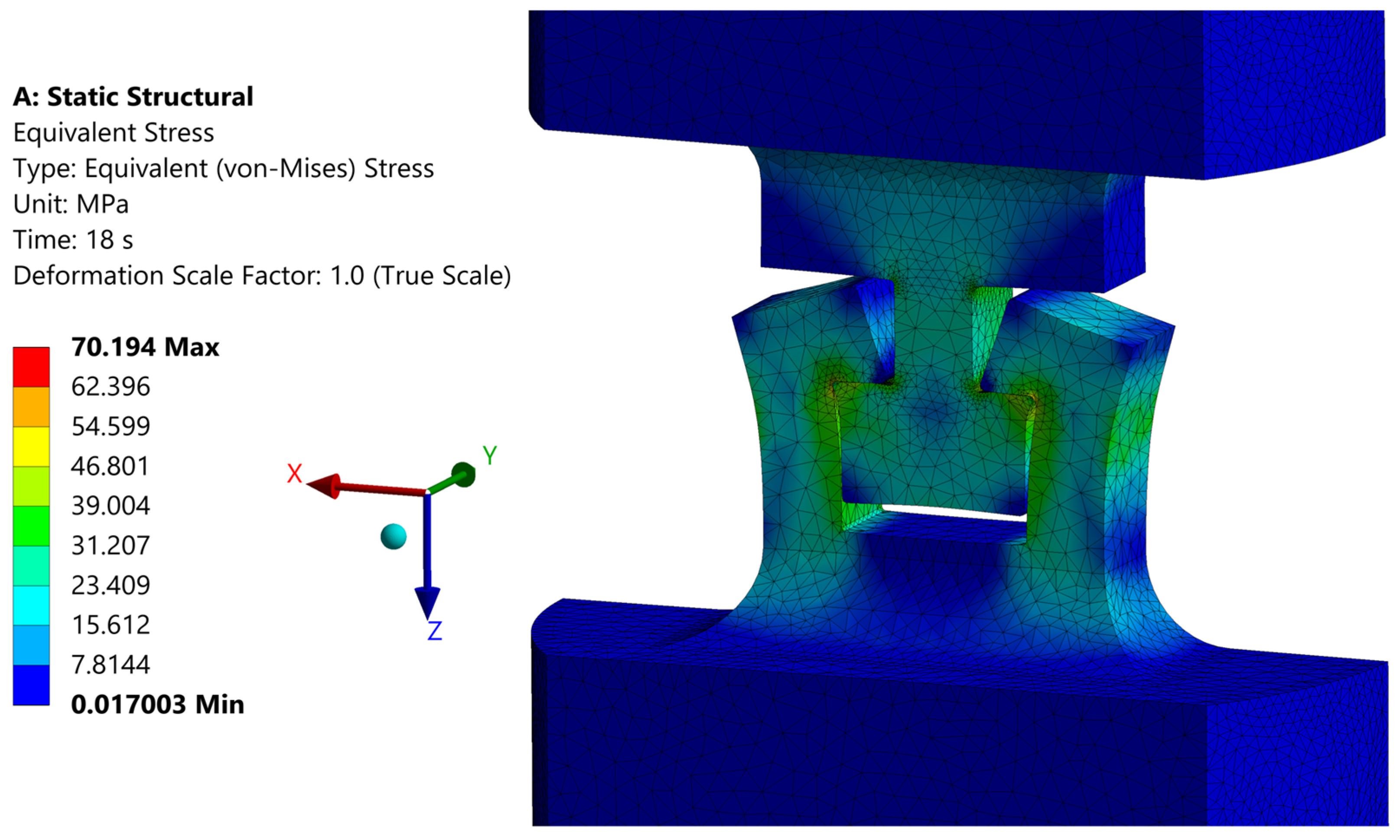
Figure 15 illustrates the global equivalent stress distribution, while detailed stress analyses were subsequently performed on the refined submodel.
For the submodel analysis, linear hexahedral elements (SOLID185) were employed. A face sizing of 0.1 mm was applied to the contact surfaces, while a global element size of 0.3 mm was maintained for the remainder of the geometry. The corner radii of the T-slot were further refined using edge sizing with seven divisions to accurately capture peak stresses. Consistent with the global model, symmetry boundary conditions were utilized, resulting in a mesh comprising 226,650 elements and 249,543 nodes.
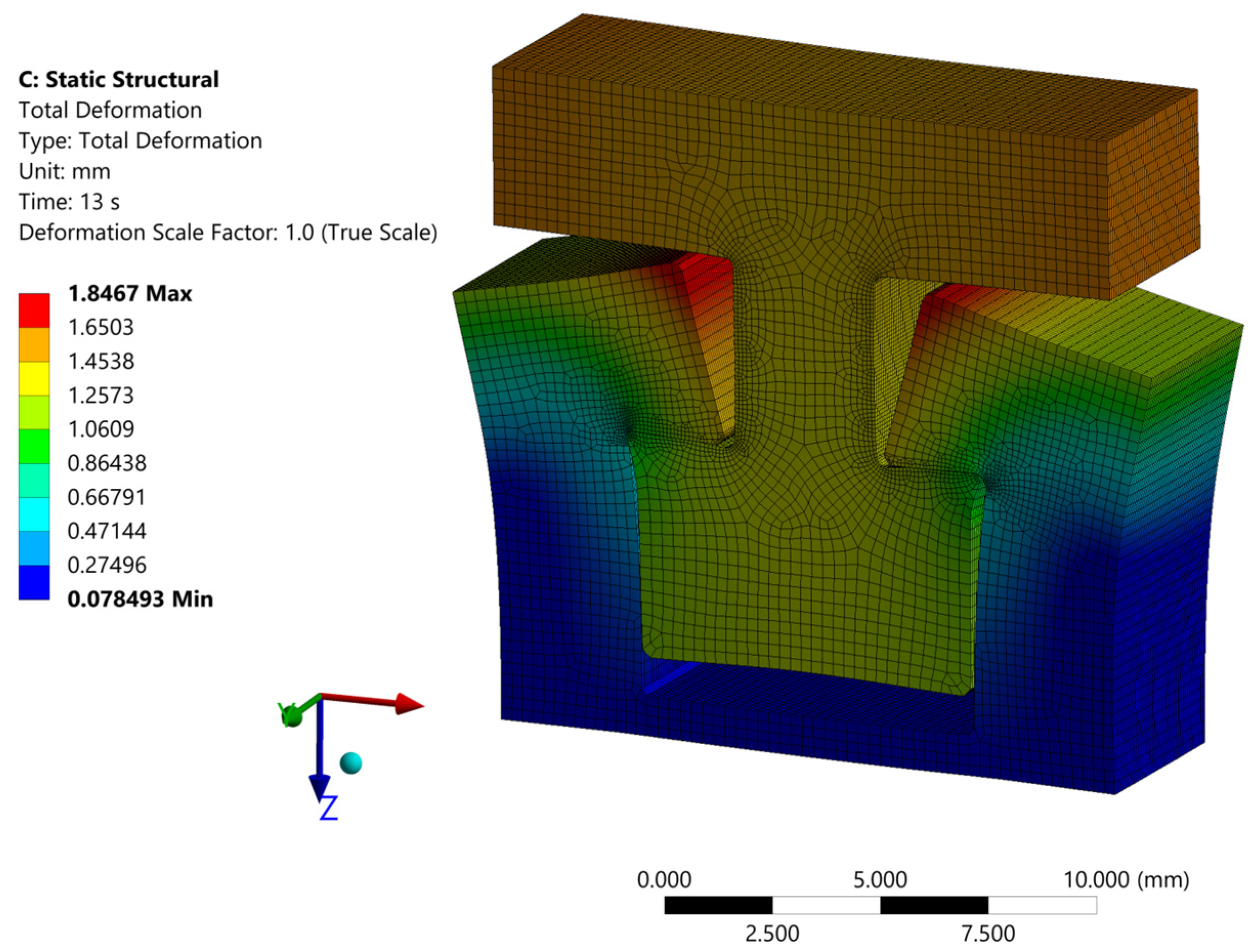
The numerical results regarding total and directional displacements revealed significant opening of the T-slot (
Figure 16). This structural deformation correlates closely with the experimental observations during the tensile tests, further validating the contact definitions and material behaviour implemented in the model.
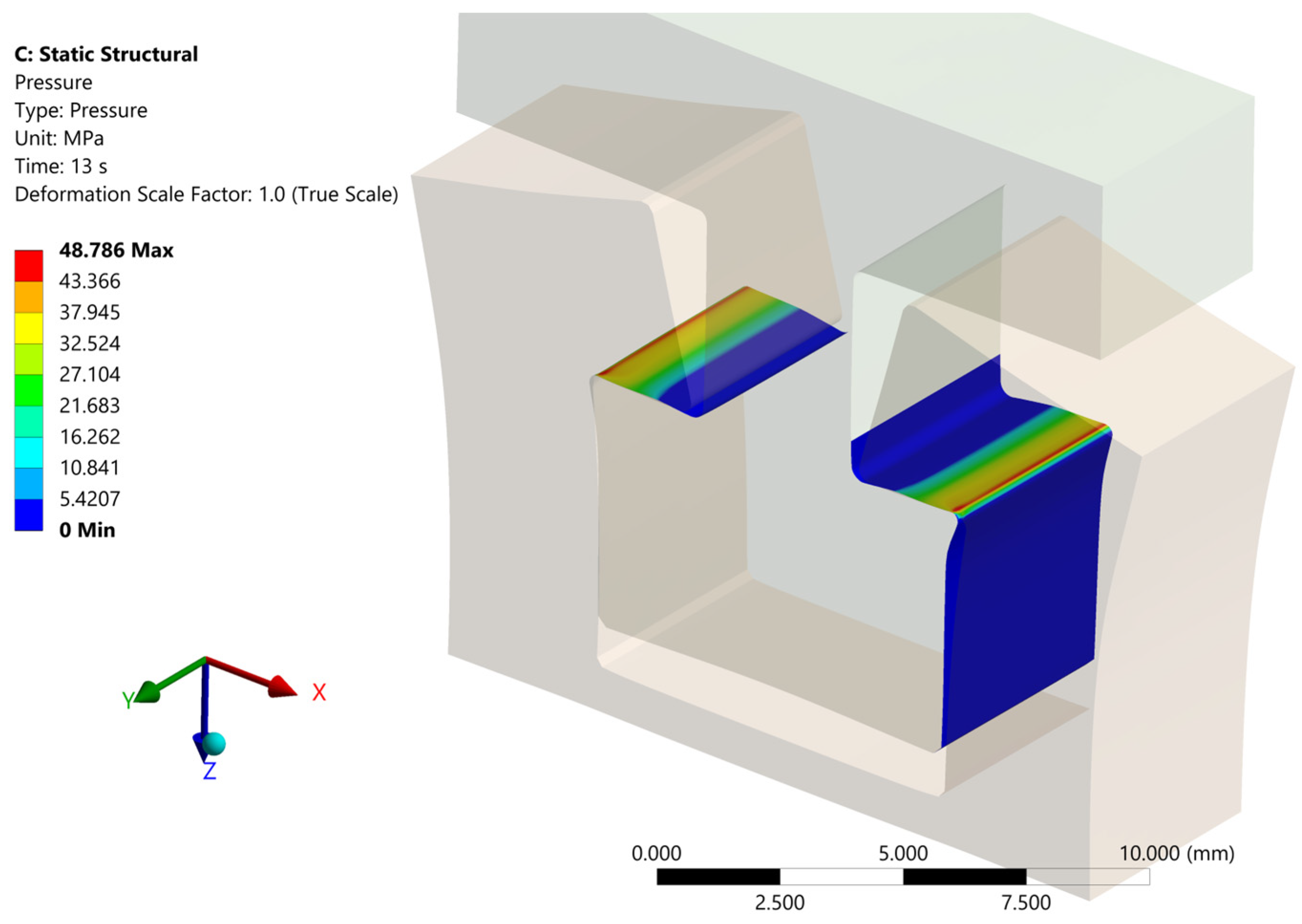
The contact pressure distribution (
Figure 17) revealed peak stresses of 48 MPa localized at the slot corners, aligning with structural expectations. This stress accumulation is further corroborated by secondary numerical indicators. To assess the load distribution within the connection, stresses were analyzed independently for the male and female joint components.
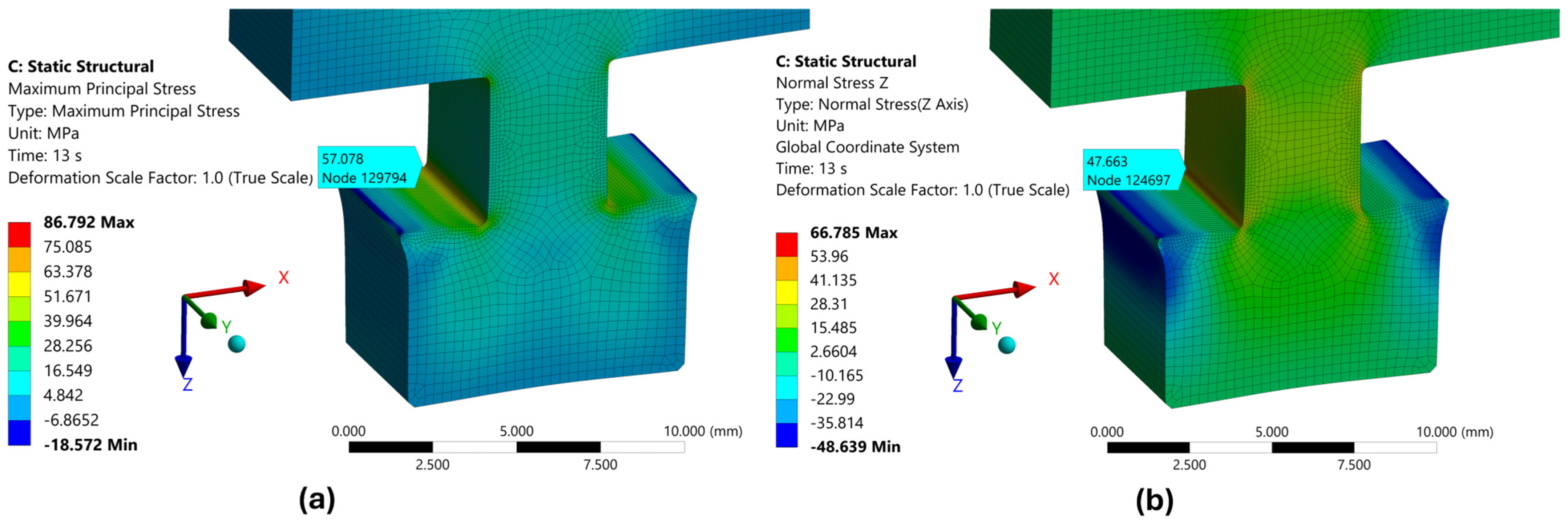
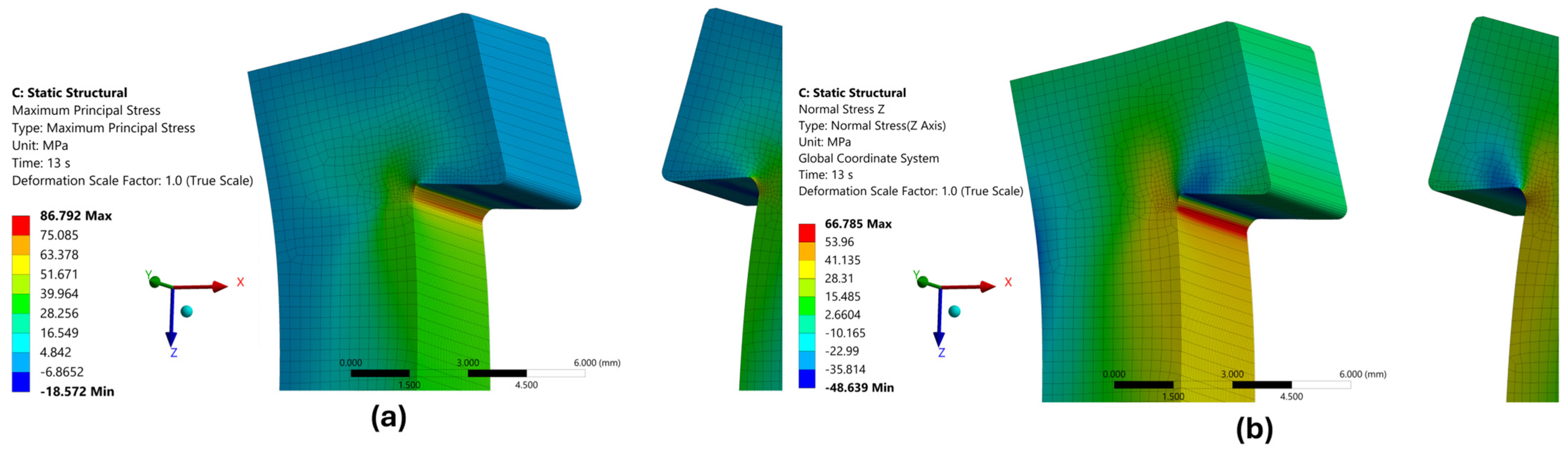
Analysis of the Maximum Principal Stress and Normal Stress along the Z-axis (
Figure 18) indicates that the highest stresses in the male component are concentrated at the internal corners adjacent to the neck. Notably, these stress levels remained significantly lower than those observed in the female component of the joint.
Within the female component, the Maximum Principal Stress at the slot corners reached 74 MPa, while the Normal Stress (Z-axis) was calculated at 65 MPa. Both values significantly exceed the ultimate tensile strength of the PA2200 material, which is specified as 48 MPa in the manufacturer’s data sheet. The spatial distribution of these critical stresses is illustrated in
Figure 19. This numerical finding confirms that the female part of the joint serves as the primary site for crack initiation, providing a theoretical basis for the failure modes observed during the experimental tensile tests.
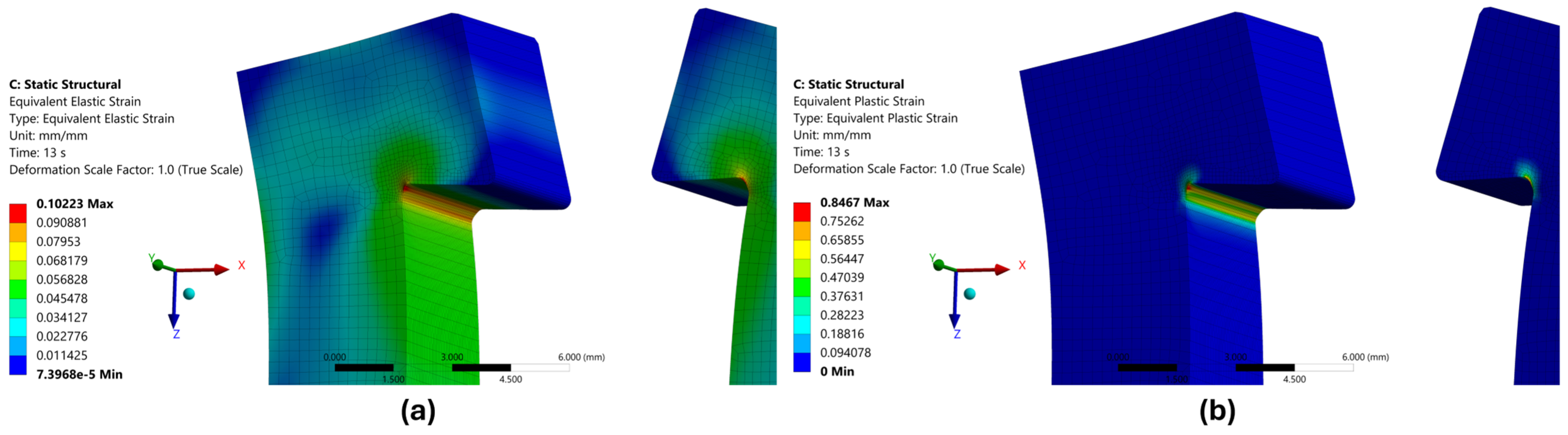
As a result of these elevated stress levels, significant strains were observed, localized within the deformed regions of the corner radii (
Figure 20). Elastic strains in these areas reach 8–9%, with the local maximum occurring at the specimen’s edge, where notable outward material bulging in the Y-axis direction is evident. At this specific location, the equivalent plastic strain reaches values as high as 84%. Along the longitudinal path of the slot, the plastic strain magnitude consistently ranges between 60% and 65%, as indicated by the yellow regions in
Figure 20b.
To ensure the reliability of the reported localized plastic strains, which reached values exceeding 80% at the critical joint fillets, a mesh sensitivity study was performed. The 0.2 mm fillet radii were discretized using seven divisions along the arc as a baseline. Further refinement to nine divisions resulted in a peak strain variation of less than 3%, confirming numerical convergence within these high-gradient zones. This indicates that the reported peak equivalent plastic strains are a result of the material’s localized hardening behaviour and the geometric concentration effect rather than an artifact of the mesh resolution.
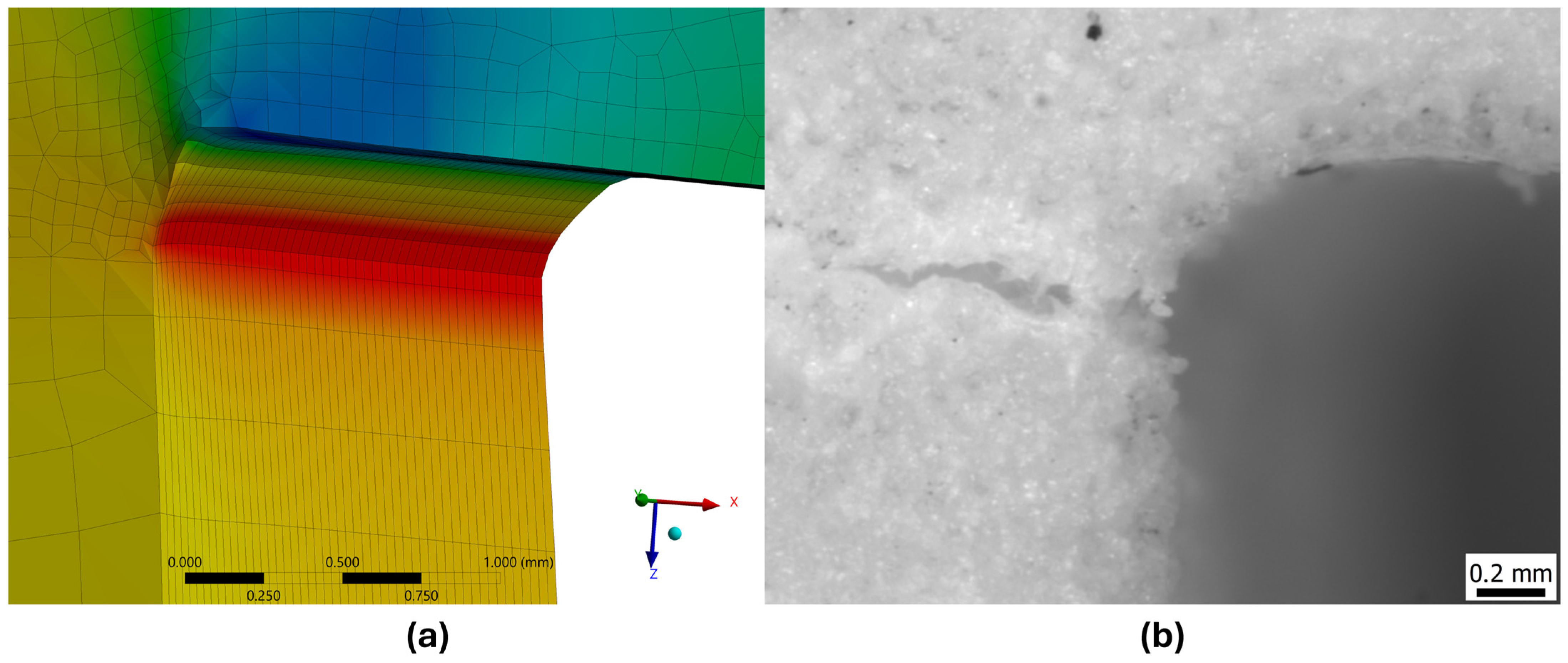
The calculated stress magnitudes and strain distributions confirm that the corner radius represents the critical site of the entire joint assembly. This numerical finding is in excellent agreement with the experimental results, which identified these specific locations as the primary regions for crack initiation.
Figure 21 provides a detailed profile of the normal stresses (Z-direction) across the radius, complemented by a micrograph that directly compares the simulated stress concentration with the actual fracture site on a physical specimen.
4. Bending Test and Stiffening Strategy
Similar to an aircraft wing, a fan blade generates lift, which imposes bending loads on its structure. To verify whether the developed joint can withstand such loading conditions, a bending test was conducted. The experimental setup included two configurations.
4.1. Initial Bending Test: Solid vs. Jointed Sample
The first configuration consisted of a solid, monolithic specimen without a T-slot connection, serving as a reference to represent the native mechanical properties of the PA 2200 material. The second configuration involved a specimen segmented in half and reconnected using the T-slot joint. The geometry and dimensions of the joint were identical to the final variant selected from the tensile test campaign.
The three-point bending tests were carried out in accordance with ISO 178:2019 [
37] using a LabTest 5.20ST (LaborTech s.r.o., Opava, Czech Republic) universal testing machine calibrated to ISO 7500-1:2018 [
40]. Standard laboratory conditions were maintained (ISO 291:2008) [
42]. Deformation was measured indirectly via crosshead displacement (ISO 9513, class 2) [
41].
Standard ISO dimensions (80 × 10 × 4 mm) were not sufficient to accommodate the selected T-slot geometry. To avoid slot-induced slipping and to match the joint from Iteration 5, the specimen size was increased and the optimised build orientation preserved (see
Figure 5). All test conditions and dimensions are summarised in
Table 7.
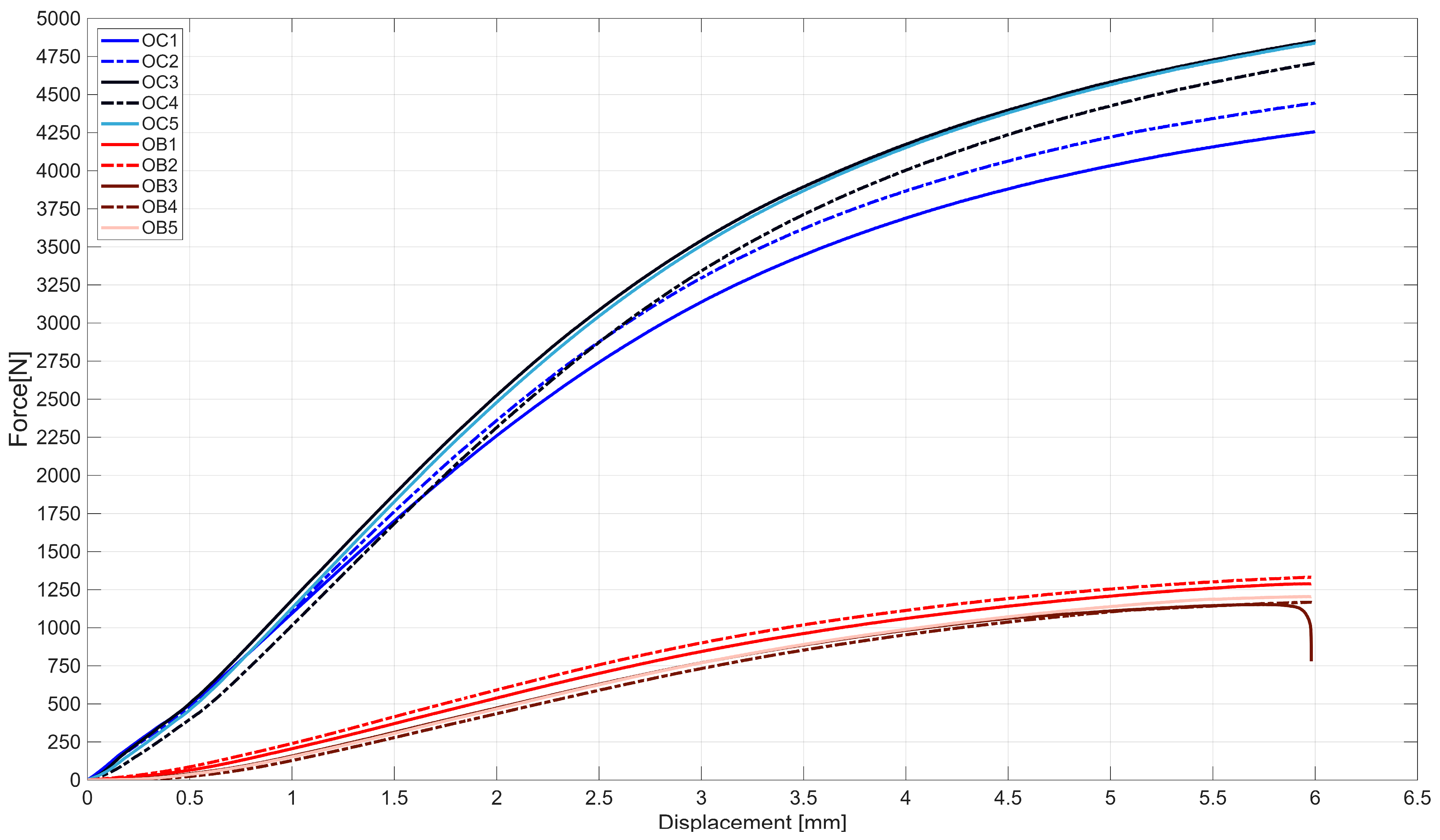
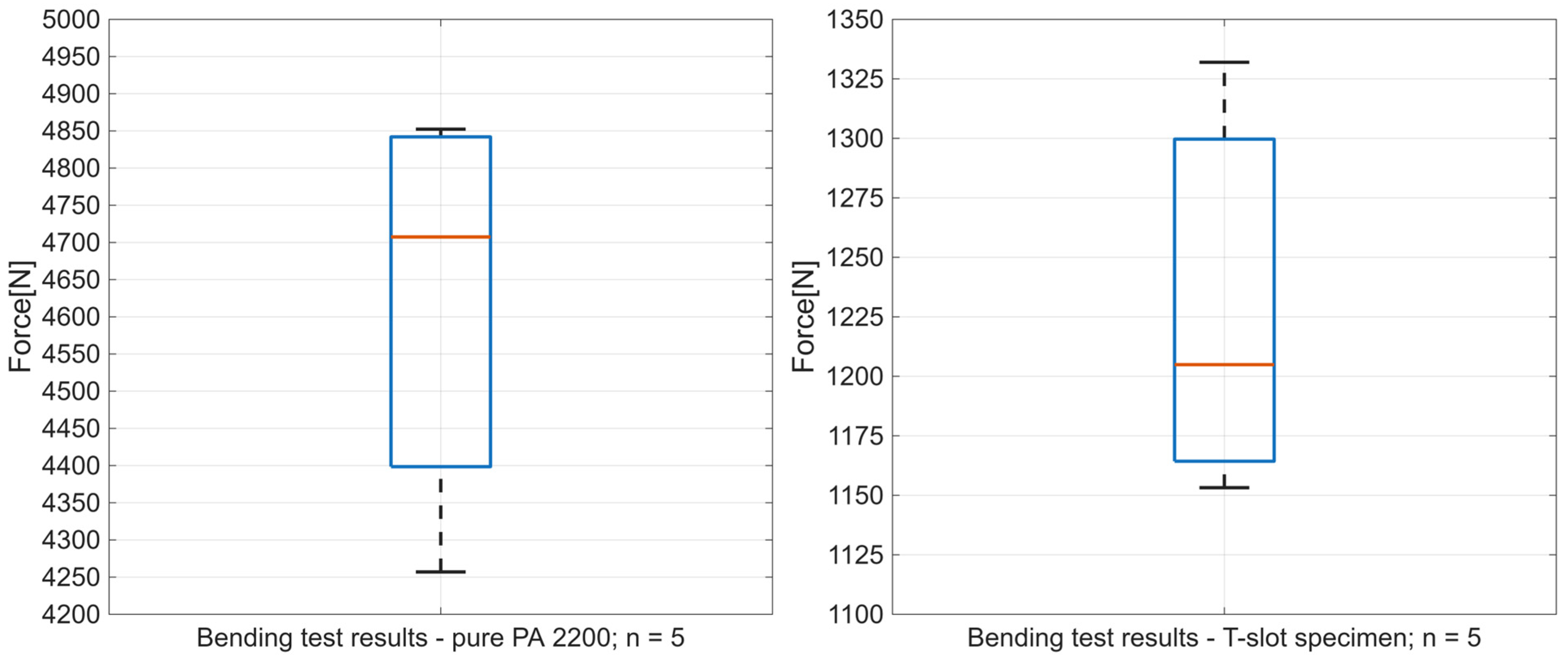
The bending test results are presented in
Figure 22, with the corresponding Box-and-Whisker plot shown in
Figure 23. The average maximum force recorded for the solid PA2200 specimens was 4620.2 N, with a sample standard deviation of 260.5 N and a coefficient of variation of 5.64%. In contrast, the T-slot joint specimens reached an average maximum force of only 1229.4 N, with a standard deviation of 77.8 N and a coefficient of variation of 6.33%. These results indicate that the T-slot specimens exhibited significantly lower bending strength, with a 73.4% reduction in peak force compared to the solid material. In one case, the jointed specimen fractured prematurely during testing.
The slightly higher coefficient of variation observed in this test series may also be attributed to minor indentation effects. At elevated loads, the steel rollers and loading nose of the test fixture began to imprint into the specimen surface, which could have introduced additional variability and affected the measurement accuracy.
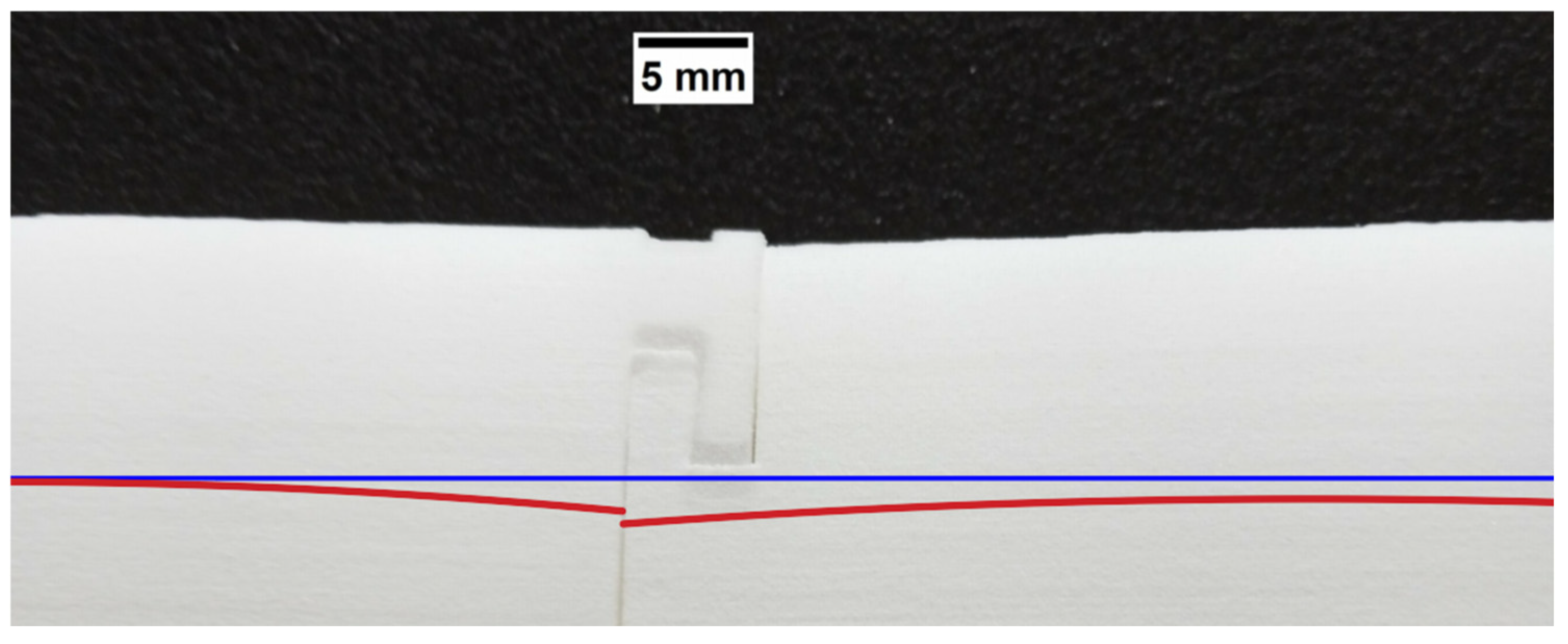
In addition to the observed reduction in bending strength, another issue emerged during testing. Despite consistent manufacturing parameters, slight dimensional deviations were noted across specimens. In some cases, the slot geometry deviated marginally from the nominal dimensions, resulting in a minor clearance within the joint. This clearance introduced a small angular misalignment between the two connected segments. Such misalignment is expected to become even more pronounced in the actual fan blade application, where the connected components are considerably longer than the laboratory-scale specimens. This factor likely contributed to the increased coefficient of variation observed in the bending test, compared to the tensile test, which yielded more consistent results.
4.2. Numerical Simulation of the Three-Point Bending Test for the T-Slot Joint
Numerical simulations for the three-point bending configuration were likewise conducted using Ansys Mechanical Enterprise Academic Research 2025 R1 (Ansys, Inc., Canonsburg, PN, USA). Consistent with the tensile analysis, symmetry and submodeling strategies were implemented to enhance computational efficiency. The material properties for the PA2200 were adopted from the iterative calibration performed during the tensile simulations. Contact interactions within the joint were again modeled as frictional with a coefficient of 0.4. The support and loading rollers were defined as structural steel, with their contact interfaces with the specimen assigned a frictional coefficient of 0.3 [
53].
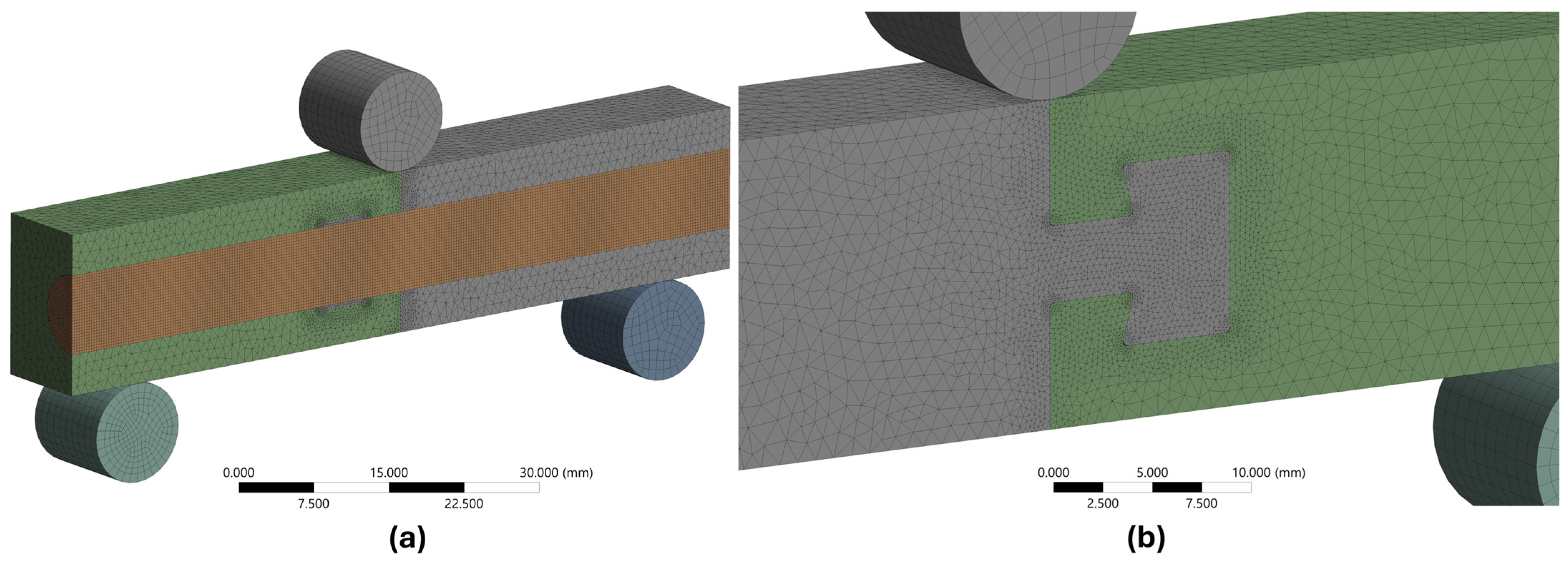
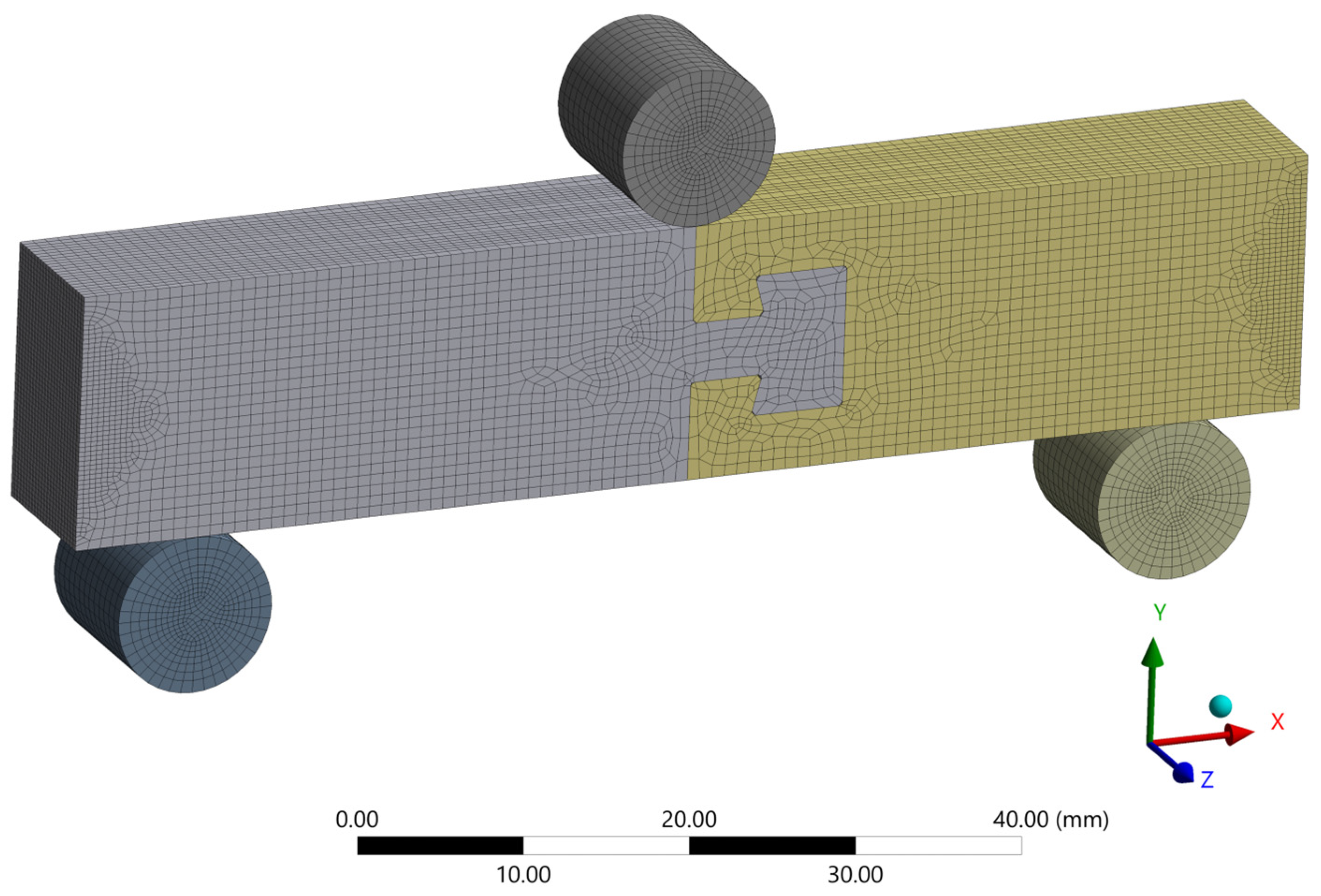
In the global model, a baseline element size of 0.8 mm was established, supplemented by a contact sizing of 0.5 mm at the interface between the male and female slot components. The resulting mesh comprised 77,083 hexahedral elements (SOLID185) and 86,030 nodes (
Figure 24).
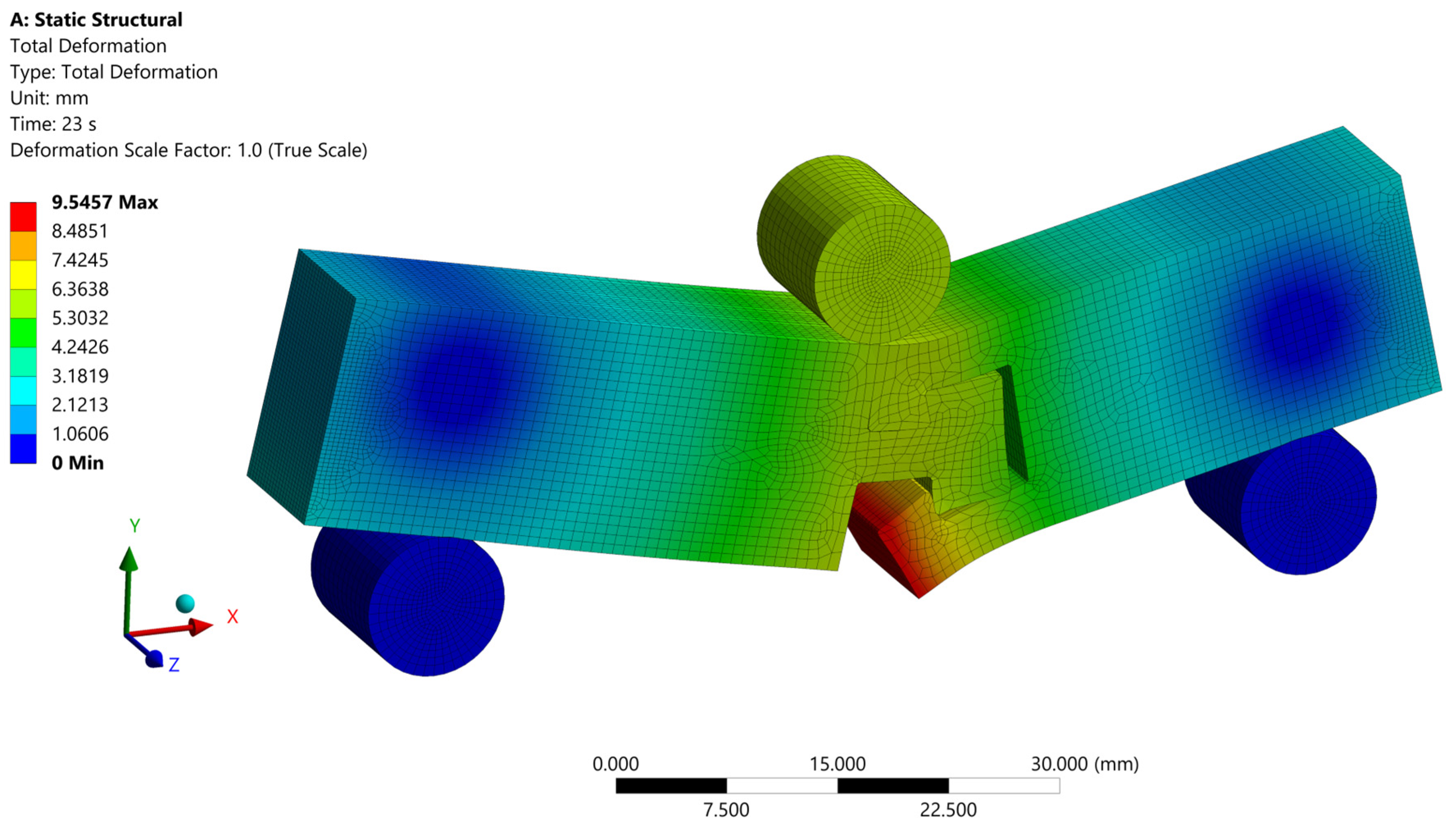
Boundary conditions were prescribed to replicate the experimental parameters. The lower rollers were assigned Fixed Supports, while a displacement-controlled load (X = 0, Z = 0, Y = −6 mm) was applied to the upper roller. Out-of-plane displacement (Z-axis) was constrained for both specimen segments. To ensure numerical convergence, the loading sequence was divided into multiple load steps. Specifically, the final millimeter of displacement required significantly reduced increments to address the convergence and mesh stability challenges associated with large deformations, particularly within the submodel. The simulation concluded at a time of 23 s.
Figure 25 illustrates the total displacement distribution of the global model. The predicted reaction force at 6 mm displacement was 1317.8 N, demonstrating high correlation and accuracy relative to the experimental findings.
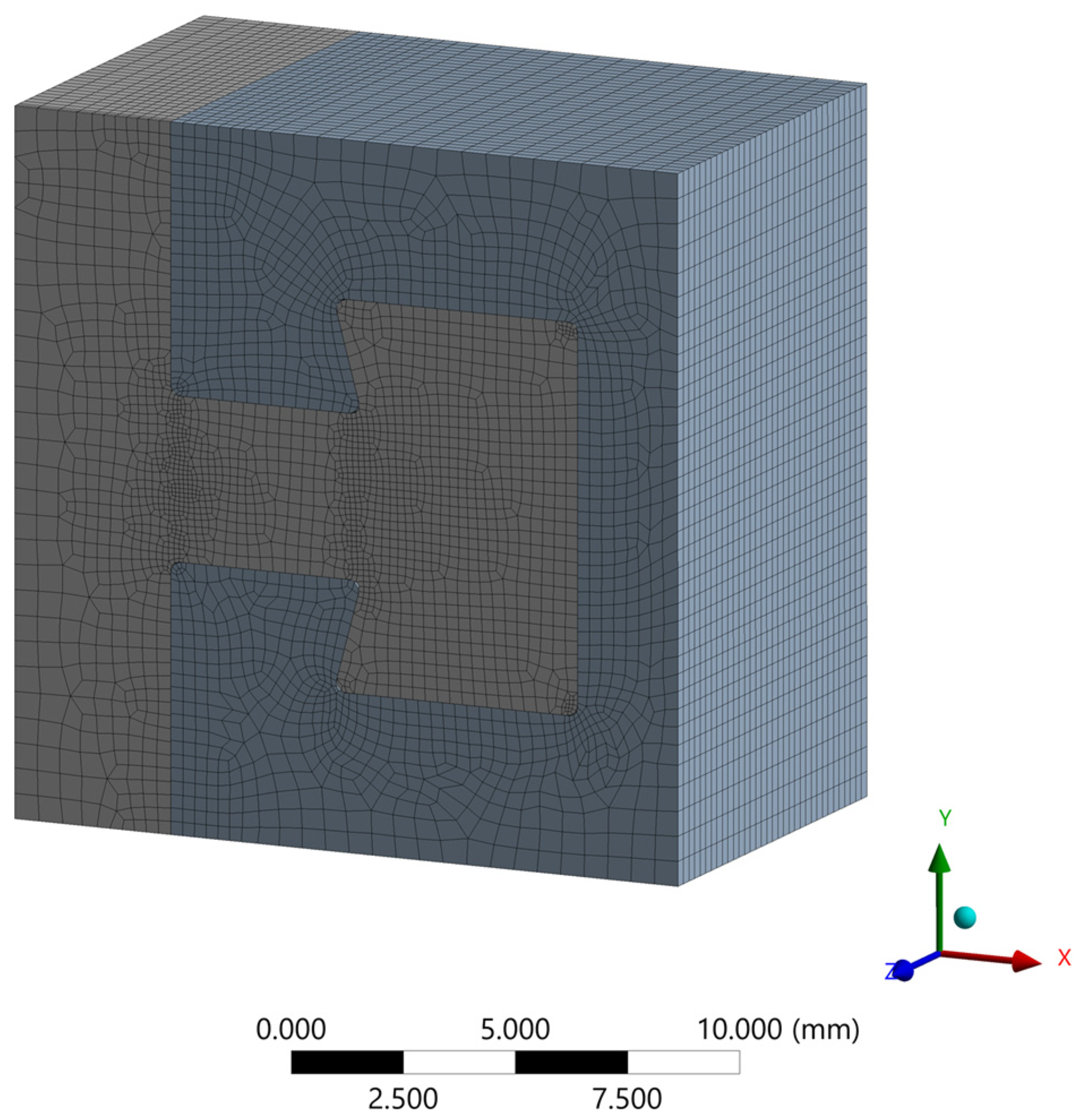
The results from the global bending model were applied as boundary conditions for the refined submodel analysis. The submodel was discretized using linear hexahedral elements (SOLID185) with a baseline mesh size of 0.6 mm. To accurately capture the interaction at the specimen interfaces, a contact sizing of 0.3 mm was implemented, while the corner radii were further discretized using edge sizing with three divisions. It is important to note that further mesh refinement in these critical regions led to numerical instabilities during large deflections; extreme element distortion resulted in negative Jacobian values, preventing convergence. The final mesh configuration for the submodel comprised 123,663 elements and 123,182 nodes (
Figure 26).
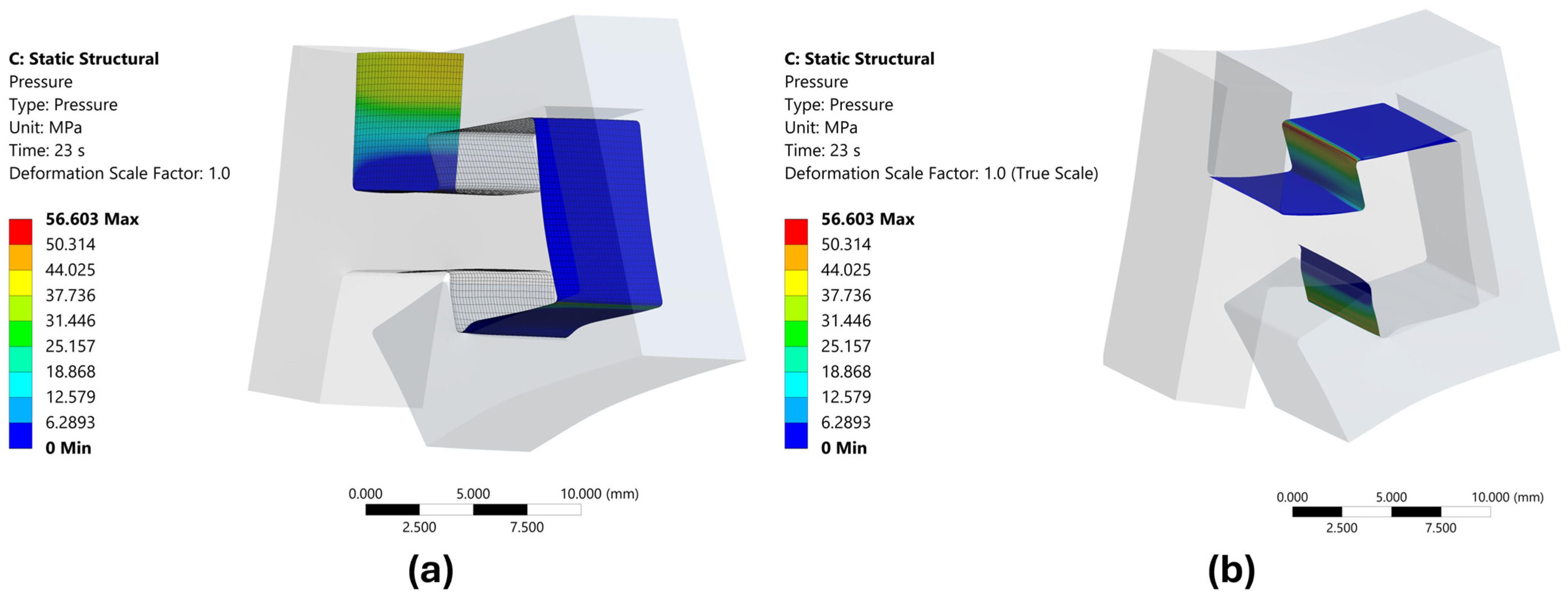
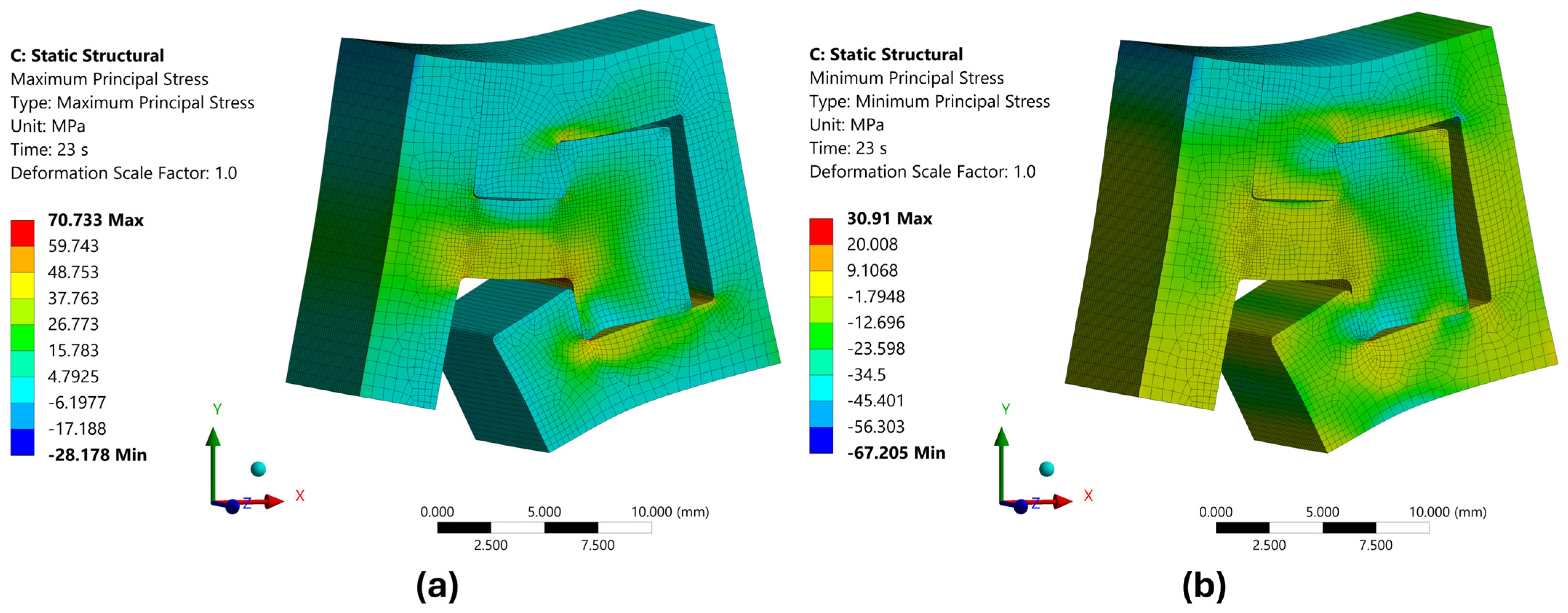
Analysis of contact pressures, as well as maximum and minimum principal stresses, confirms that stress accumulation is concentrated within the corners of the T-slot joint (
Figure 27 and
Figure 28). Consistent with the tensile test methodology, the components were evaluated separately to determine the load-sharing distribution between the male and female joint segments.
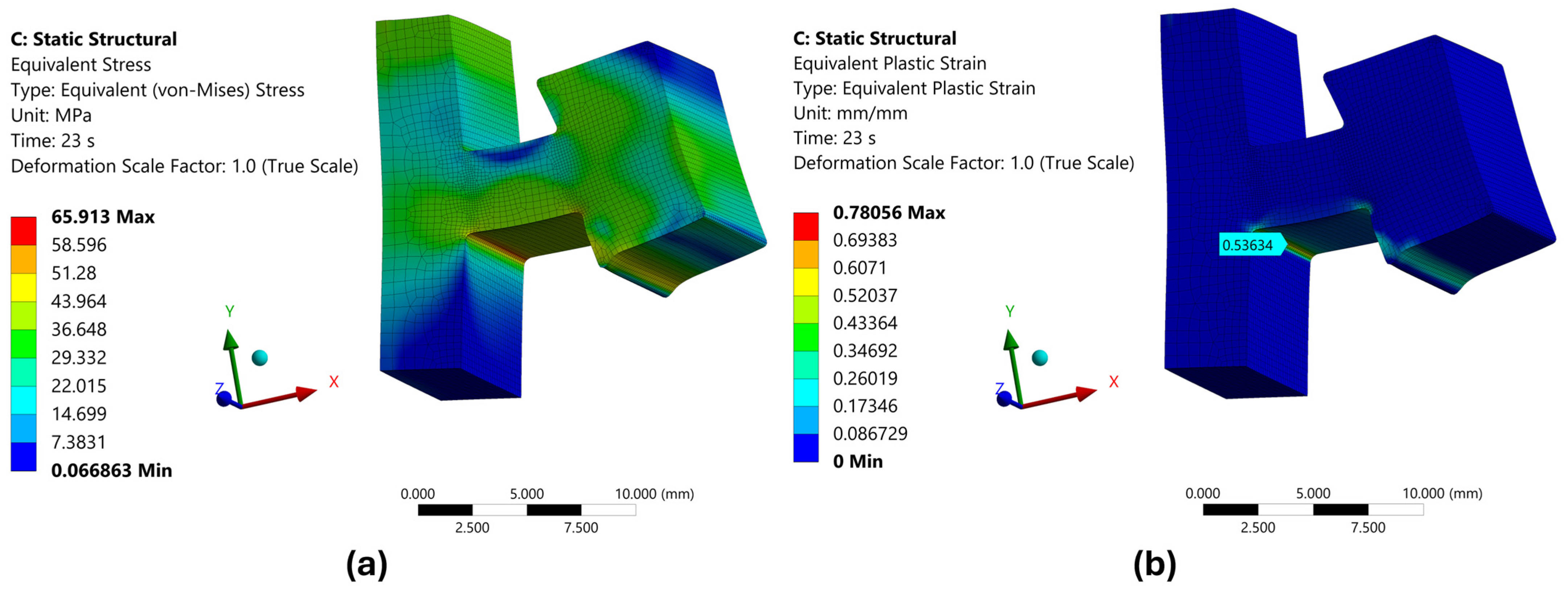
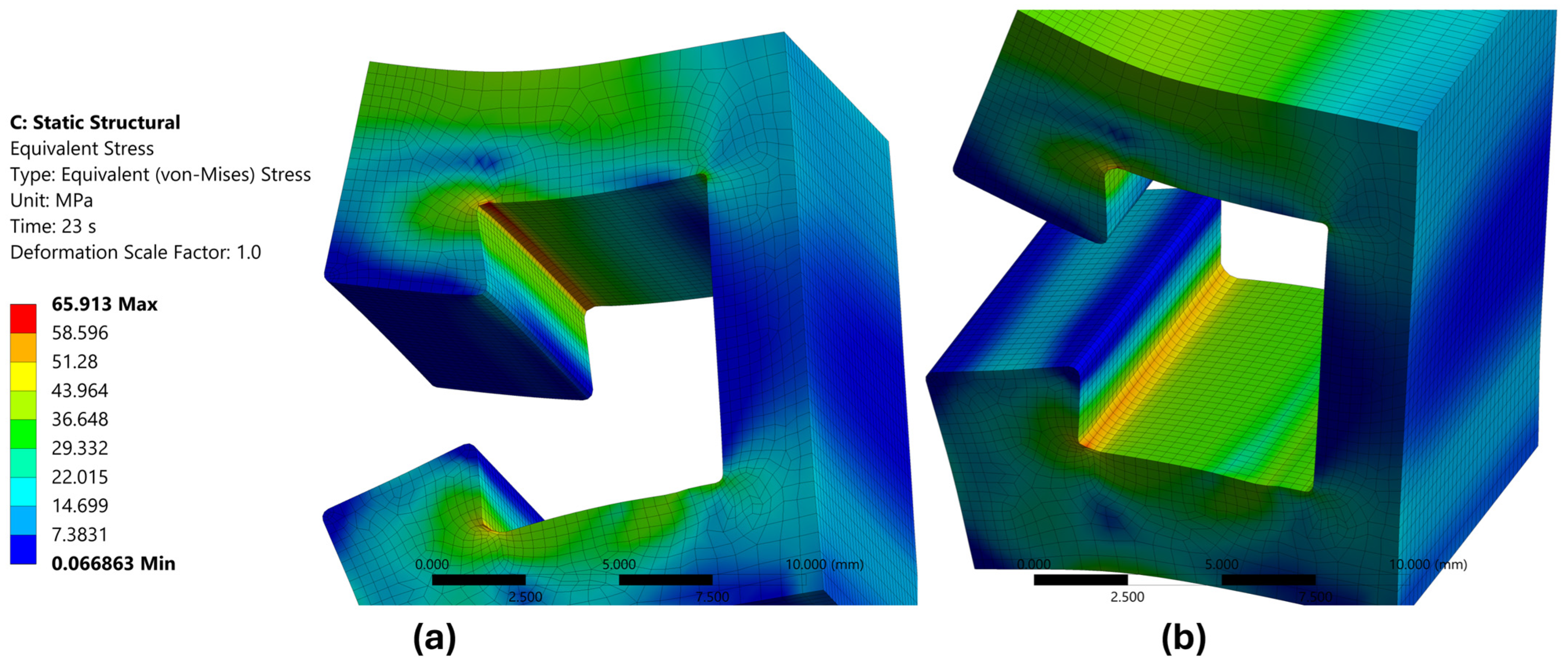
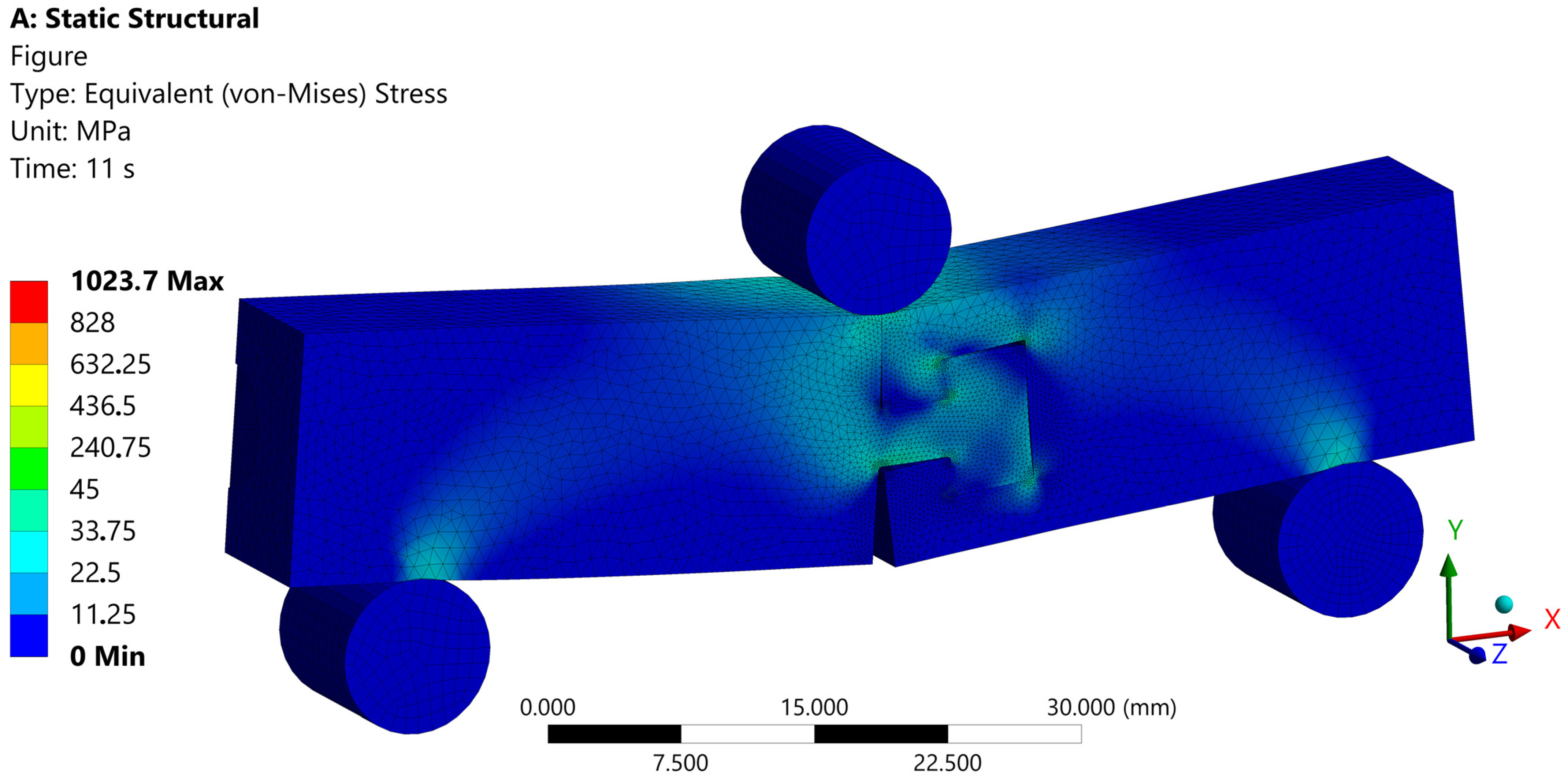
The stress comparison indicates that the critical regions for both components are situated within the slot corners. Although the maximum equivalent (Von-Mises) stress (
Figure 29 and
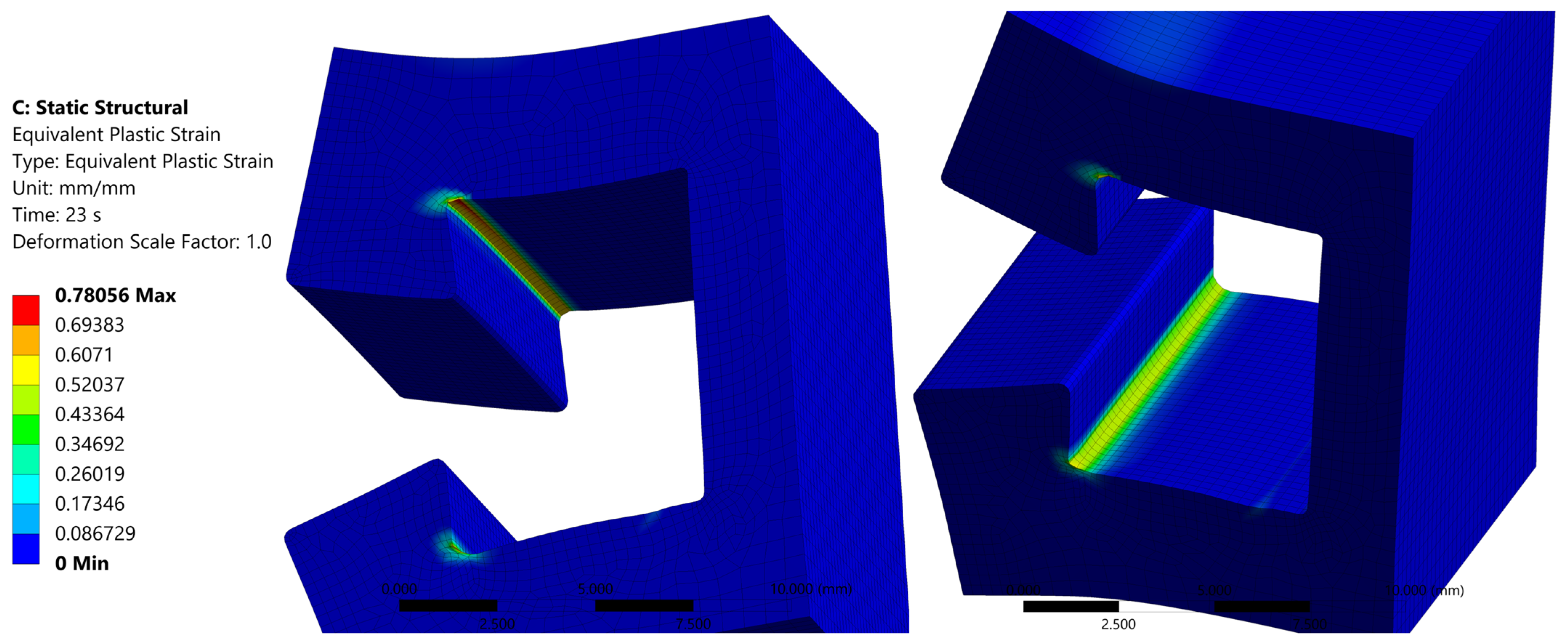
Figure 30) reached 70.7 MPa in the male component and 67.0 MPa in the female component—a difference of only approximately 5%—the strain distributions revealed a more significant disparity in material degradation. The female component exhibited substantially higher plastic strain, reaching a localized peak of 78%.
Furthermore, significant stress concentrations were identified at the neck of the male component where it transitions into the main body, resulting in equivalent plastic strains of up to 53.6% (
Figure 31).
In summary, the numerical analysis indicates that this joint configuration possesses multiple critical regions, specifically one corner radius within the male component and two corresponding radii within the female slot.
Furthermore, the calculated stresses at various locations across the assembly significantly exceed the material’s declared ultimate tensile strength of 48 MPa [
32]. The identification of these high-stress zones highlights the necessity for a reinforcement strategy to mitigate stress concentrations and enhance the overall load-bearing capacity of the joint. This finding provides the primary justification for the implementation of the carbon fiber reinforcement explored in the subsequent section of this study.
4.3. Reinforced Joint with Carbon Rod
To address this issue, a reinforcement strategy was introduced by integrating a carbon rod into the assembly. A through-hole was modelled along the entire length of the specimen, into which an 8 mm carbon rod was inserted. The rod diameter was selected based on the final T-slot geometry: with a slot width of 9 mm, an 8 mm rod represented the largest feasible option that did not compromise the surrounding wall thickness. A 10 mm rod was evaluated but rejected for this reason. The use of a steel rod was also considered; however, its significantly higher mass would increase the rotor inertia, and its rigidity could lead to assembly difficulties in cases of minor hole misalignment. By contrast, the carbon rod offered low mass, sufficient stiffness, good availability, and—critically—a slight degree of flexibility that allowed it to compensate for small deviations in coaxiality between segments.
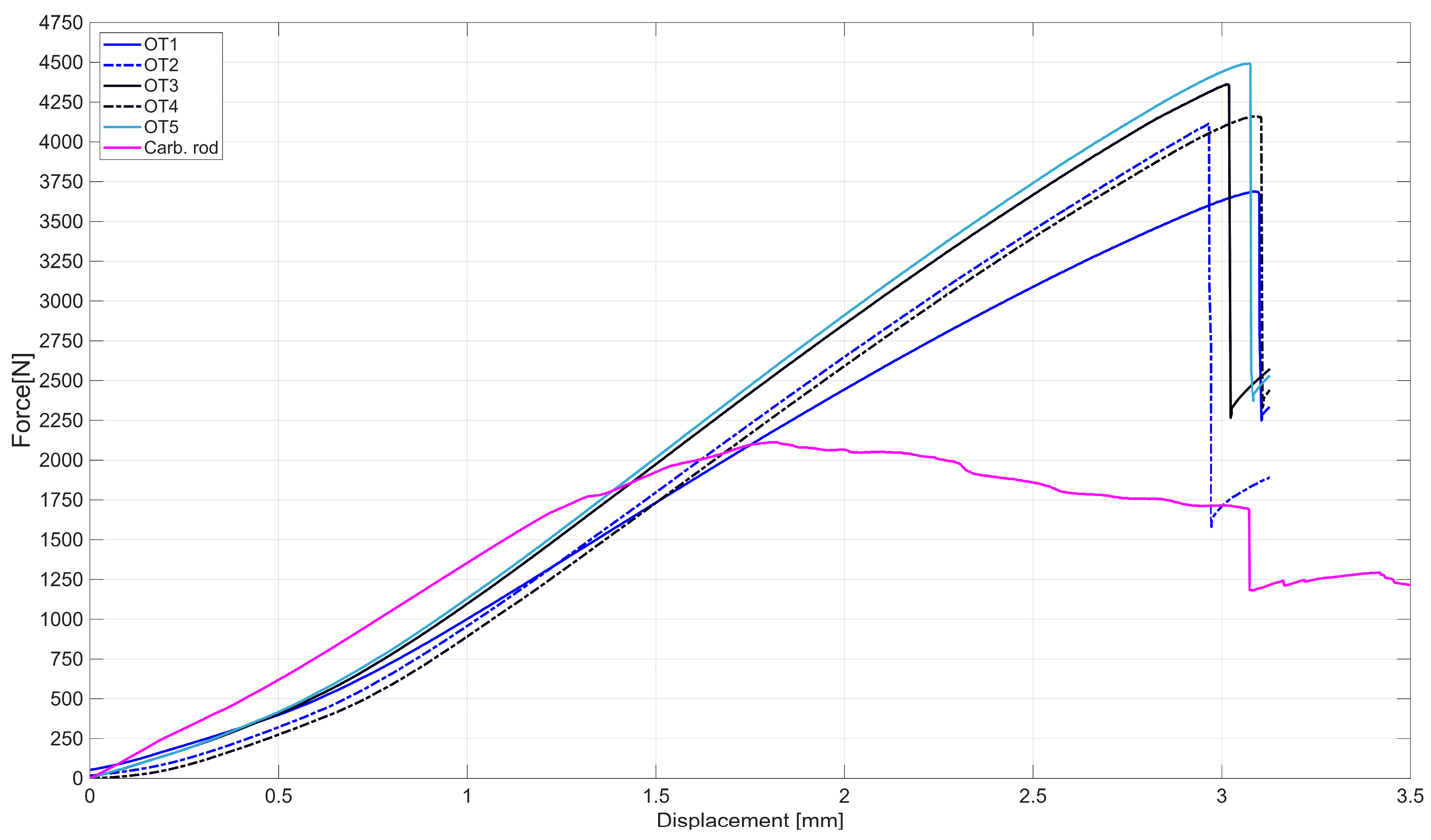
Upon insertion, it was immediately evident that the clearance-related misalignment in the T-slot assembly was eliminated. To evaluate the mechanical effect of the reinforcement, additional bending tests were conducted using five reinforced specimens. For reference, a single bare carbon rod was also tested under identical conditions. The results are shown in
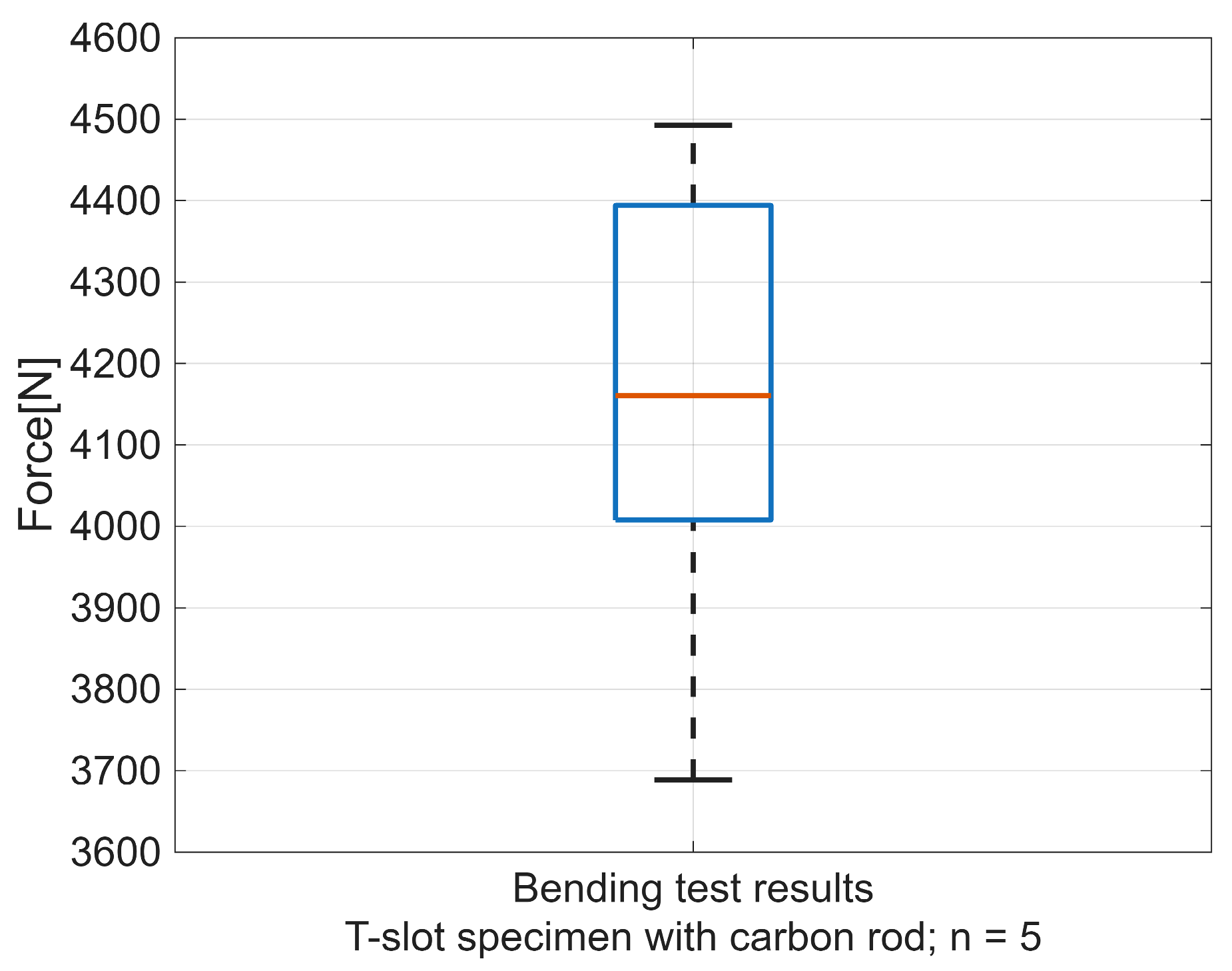
Figure 32, and the corresponding box-and-whisker plot for this measurement series is presented in
Figure 33.
The test results indicate a substantial improvement in joint performance. The average maximum force recorded was 4163.6 N, with a standard deviation of 568.7 N and a coefficient of variation of 7.35%. Although this value is approximately 9.9% lower compared to the solid PA2200 specimens, it represents a significant improvement of 238.7% over the non-reinforced T-slot specimens. This demonstrates a substantial enhancement in joint performance due to the integration of the carbon rod.
However, failure occurred in the carbon rod itself, and at a lower deflection than observed in the unreinforced specimens. The graph also shows that the carbon rod, when tested alone, failed at significantly lower loads. This behaviour is attributed to surface tension stresses induced during the bending test, which initiated cracking of the outermost carbon fibres near the compressive surface.
The diameter of the hole in the PA 2200 specimens was adjusted to achieve an interference fit. As a result, inserting the carbon rod required moderate force—occasionally assisted with a rubber mallet. This type of interference fit proved advantageous, as it prevented the rod from slipping out and ensured consistent contact between the rod and the surrounding polymer. Direct contact between materials is essential to improve load transfer efficiency; it ensures that the polymer does not begin to deform before the rod contributes to load bearing. Moreover, the load is more evenly distributed along the interface compared to testing the rod alone, where high surface stress concentrations led to premature failure. This improved load distribution significantly enhanced the mechanical performance of the reinforced joint.
Unfortunately, after the carbon rod fractured during testing, it was not possible to remove it from the specimen. As a result, a more detailed visual inspection could not be performed to identify the exact fracture location or to assess whether other surface deformations had occurred along the rod.
4.4. FEM Analysis of the Carbon-Reinforced T-Slot Joint Under Three-Point Bending
The numerical investigation of the carbon-reinforced joint was conducted using Ansys Mechanical Enterprise Academic Research 2025 R1. The material model for the PA2200 matrix remained identical to the one utilized in the tensile simulations. Since the pultruded carbon fiber rod was obtained from a commercial hobby-grade source, guaranteed mechanical specifications were unavailable. Consequently, baseline values for carbon-epoxy composites were sourced from literature and subsequently calibrated through iterative simulations to align the predicted reaction forces on the loading roller with experimental data. The initial estimates and the final determined properties for the carbon reinforcement are summarized in
Table 8. Symmetry was exploited to optimize computational performance. Boundary conditions were assigned to replicate the experimental setup (
Figure 32), with Fixed Supports applied to the lower rollers and a prescribed Displacement of −3 mm applied to the loading roller. The loading sequence was discretized into 11 incremental load steps.
The complex intersection of the T-slot geometry and the circular aperture for the rod presented significant meshing challenges. Maintaining sufficient mesh quality using purely hexahedral elements proved computationally prohibitive for the joint region. Therefore, a hybrid meshing strategy was implemented: the primary joint components (male and female PA2200 segments) were discretized using linear tetrahedral elements (SOLID285), while the carbon rod and steel rollers were meshed with linear hexahedral elements (SOLID185). A baseline element size of 1 mm was established, with localized sizing of 0.3 mm applied to the carbon rod and contact interfaces. The corner radii within the slot were further improved using the refinement function. The final mesh (
Figure 34) configuration consisted of 134,150 nodes and 321,249 elements.
Contact interactions were defined using a frictional model. A friction coefficient of 0.2 was assigned to the interface between the PA2200 matrix and the carbon rod. Consistent with previous simulations, a coefficient of 0.4 was utilized for the PA2200 internal joint contacts, while the interface between the PA2200 specimen and the steel rollers was modeled with a friction coefficient of 0.3.
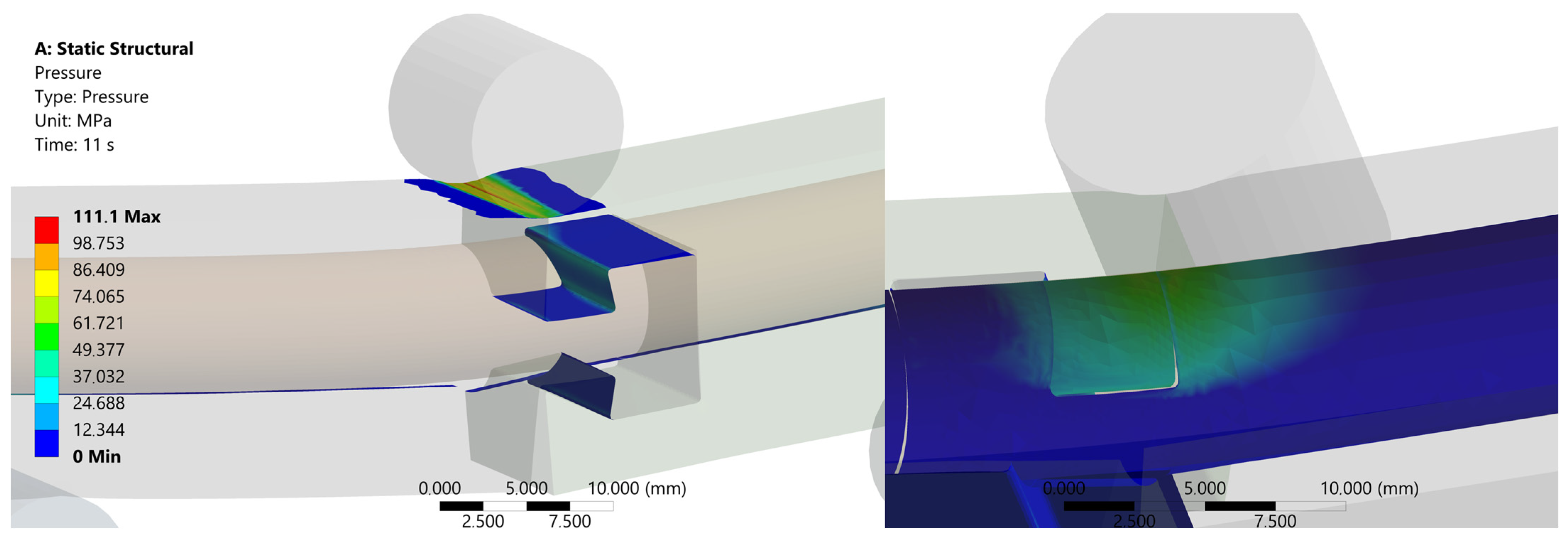
A comparison of the contact pressure distributions (
Figure 35) with the previous unreinforced configuration indicates a significant reduction in stress levels within the slot corners. The peak contact pressure is now localized at the upper section of the joint, specifically at the interface with the loading roller.
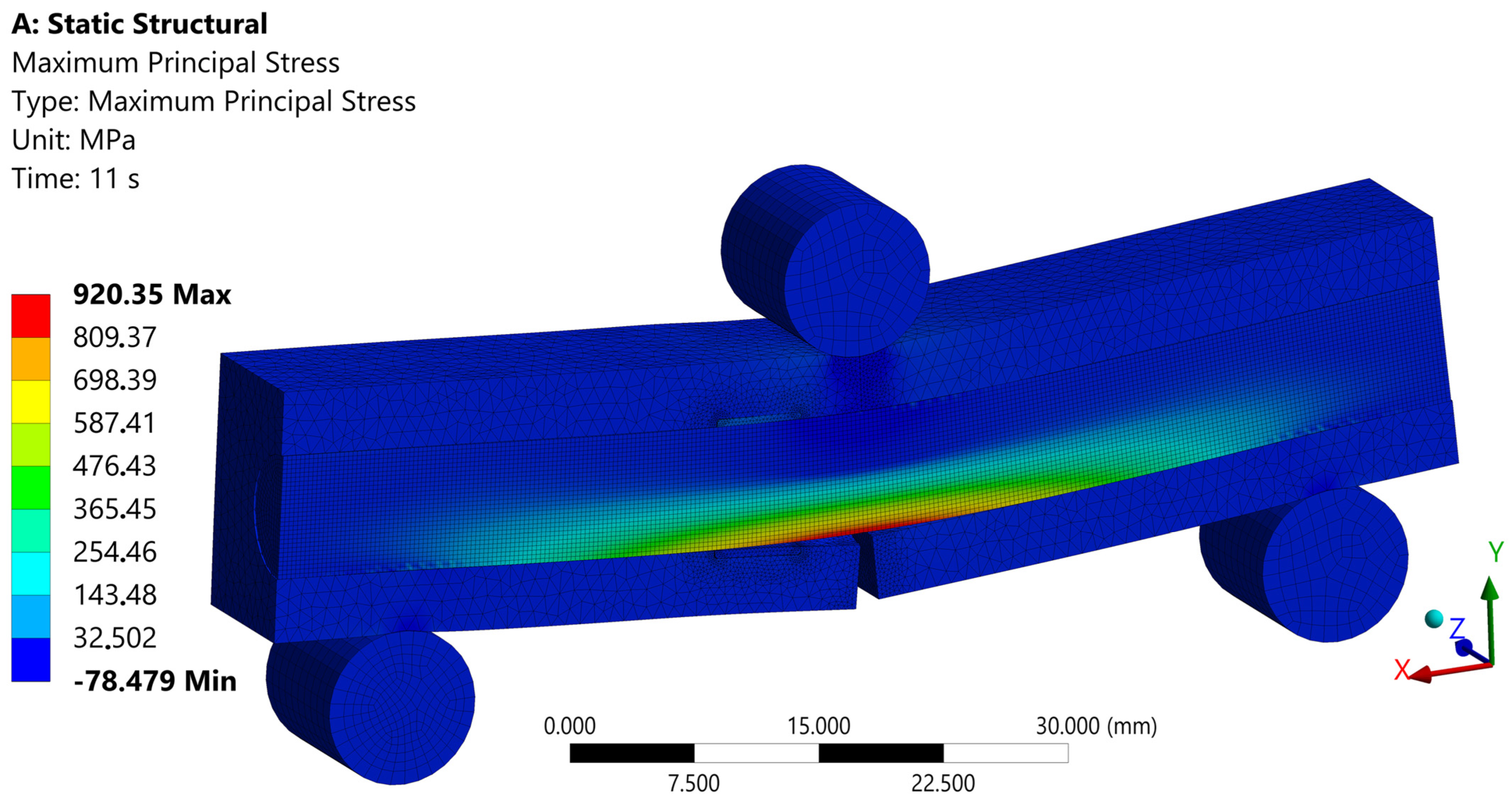
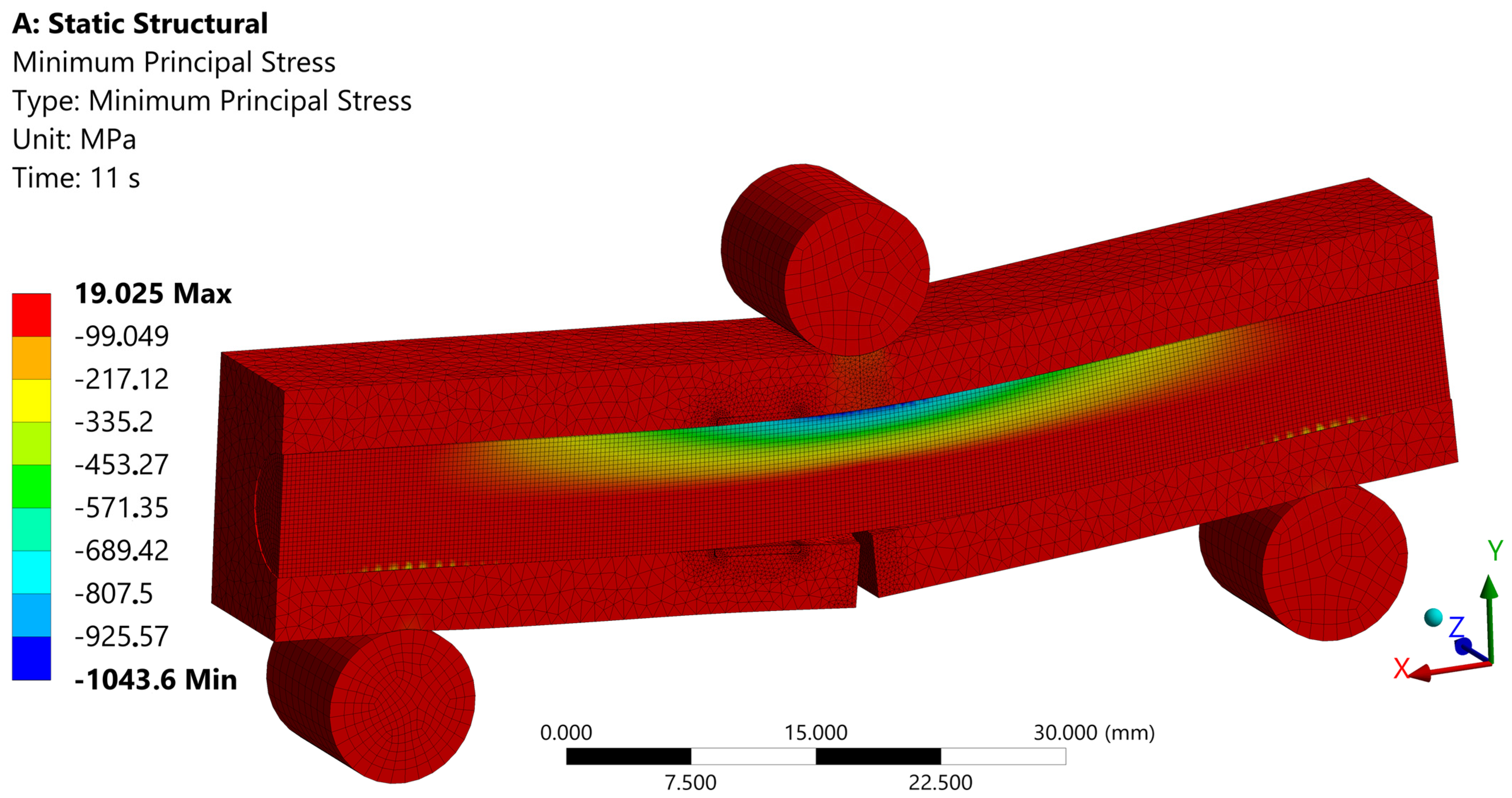
The maximum and minimum principal stress distributions (
Figure 36 and
Figure 37) demonstrate that the carbon fiber rod supports the applied load in a manner consistent with conventional bending theory.
The elevated stress magnitudes observed at the rod’s peripheral regions suggest that fracture initiation—specifically the failure of internal carbon fibers—occurred within these highly stressed zones.
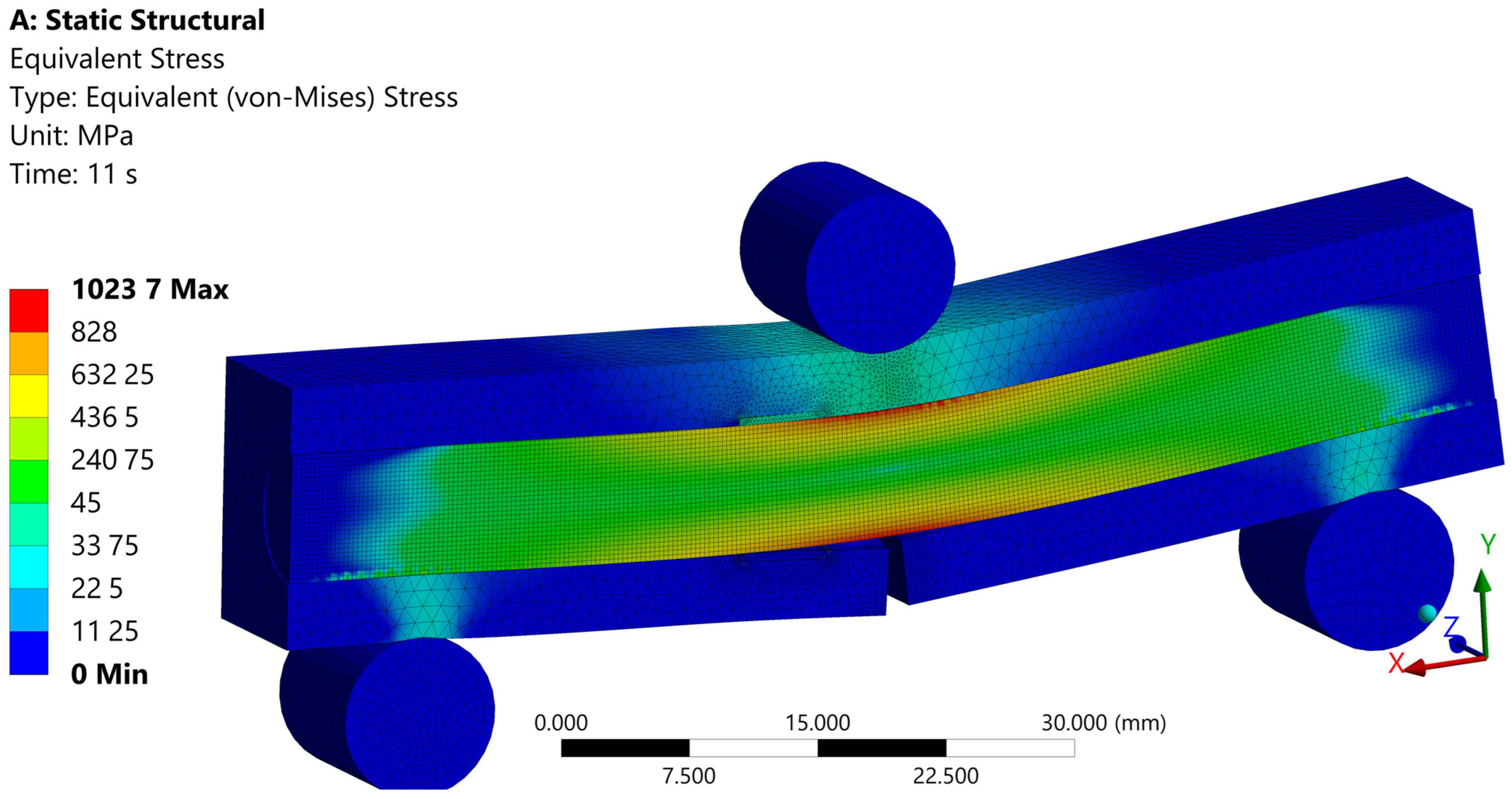
The equivalent (Von-Mises) stress plots (
Figure 38 and
Figure 39) corroborate the principal stress findings and confirm a substantial mitigation of stress levels within both joint components. Notably, the equivalent stresses in the rounded corners of the slot, which were identified as critical failure sites in the unreinforced specimens, have decreased to levels below the material’s declared ultimate strength. The strain distribution aligns with the equivalent stress patterns, with the maximum values occurring directly under the loading roller due to localized material indentation.
4.5. Anti-Sliding Functionality of the Rod
Inserting a carbon rod into the joint offers an additional functional advantage: it prevents relative sliding of the interlocked components. This ensures that the joint remains securely engaged during operation, eliminating the risk of loosening over time.
Moreover, the hole for the rod was designed as a blind bore—it does not pass entirely through the blade (or specimen). As a result, the centrifugal force acting on the rod presses it against the closed end of the bore, preventing unintentional ejection during rotation.
6. Discussion
The iterative design process was central to developing a joint with sufficient mechanical performance for the intended application. This stepwise approach provided a deep analysis of the joint’s deformation modes and failure mechanisms, allowing for targeted management of stress concentrations.
The development process offered a clear history of the joint’s failure evolution. In Iteration 1, fracture was consistently observed on the side wall of the female specimen (
Figure 7a). This failure was orientation-dependent: specimens printed vertically failed adhesively at the inter-layer boundaries, a common behaviour for AM parts, while the ‘flat’ and ‘edge’ orientations exhibited cohesive, brittle fracture. Notably, although the dominant crack formed on a single side wall, faint crack initiation was also observable on the opposite wall, indicating a bilateral stress field concentrated around the inner slot corners. This consistent failure location, regardless of orientation, highlighted a significant stress concentrator near the sharp slot corner, caused by insufficient filleting.
Consequently, Iteration 2 strengthened this vulnerable side wall by increasing its thickness. This modification successfully increased the maximum load-bearing capacity and, critically, shifted the failure location. The fracture migrated to the neck region of the male component (
Figure 7b). This failure mode, originating from the inner corner, was identified as a plastic collapse, eliminating the premature brittle fracture seen in the first iteration.
Iteration 3 attempted to enhance the self-locking effect by increasing the taper angle of the upper wall to 45°. This change proved counterproductive; the steeper angle resulted in a sharper corner, creating an even more pronounced stress concentrator and causing a return to brittle fracture on the female side wall (
Figure 10a).
Conversely, Iteration 4 aimed to mitigate stress concentrations by applying large fillets to the internal corners. This was only partially successful. While it prevented brittle fracture, it introduced a completely different deformation mode: significant plastic deformation. The large fillets allowed the female slot to visibly open under load, leading to a gradual ‘sliding’ of the male part rather than a distinct fracture. This ductile behaviour is clearly reflected in the Force–Displacement curves for specimens H1 and H2 (
Figure 9), which show a long, gradual decline in force after the peak instead of a sudden drop, indicating progressive stretching and “flowing” of the material. This ultimately led to a ductile tear (
Figure 10b).
Therefore, Iteration 5 returned to the successful geometry of Iteration 2 but strategically reinforced the male part’s neck, which had been identified as the previous weak point. This final design adjustment shifted the failure location back to the female side wall (similar to
Figure 7a), but the failure was now more ductile rather than brittle. The decision to conclude the iterative process at this stage was informed by both structural and aerodynamic considerations. Although failure was again localized at the outer wall of the female component, further increasing the wall thickness would have directly thickened the blade profile, potentially compromising the aerodynamic performance of the blade. Any further increase in the wall thickness of the female component would have necessitated an increase in the airfoil’s maximum thickness. From an aerodynamic perspective, increasing the thickness-to-chord ratio t/c is well-documented to result in an increased drag penalty and potential flow instability [
43,
44,
45]. Since the achieved joint strength of 27.6 MPa already exceeded the required safety factor of 2.5 under centrifugal loading, additional geometric reinforcement was considered unjustified within these design constraints. Consequently, Iteration 5 was selected for final validation, although the fine-tuning of fillet radii and wall dimensions remains a possibility for future optimization.
The tensile test simulations revealed several critical factors regarding the joint’s mechanical integrity. First, the iteratively determined Young’s modulus for the PA2200 material was significantly lower than the values reported in the literature or manufacturer data sheets—710 MPa compared to the standard 1500 MPa [
32,
41,
52].
The observed discrepancy between the calibrated Young’s modulus (710 MPa) and the literature values for virgin PA2200 is noteworthy. While a definitive root-cause analysis was beyond the scope of this study’s methodology, several hypotheses can be proposed. The 50/50 powder refresh ratio may contribute to material degradation, potentially increasing melt viscosity and hindering inter-particle fusion.
Furthermore, inherent porosity or hardware-related factors—such as the gradual wear of the laser system or optical lenses—could also play a role in reducing the overall stiffness. However, these points remain conjectures, as a precise determination of the primary cause would require a dedicated experimental setup to systematically isolate and evaluate each individual variable.
It should be noted that the tensile tests in this study relied on crosshead displacement for strain estimation rather than local strain measurement. While this approach served the study’s primary goal of understanding the structural mechanics and failure modes within the custom-shaped T-slot joints, it introduces inherent limitations for precise material property calibration. For a more rigorous determination of the PA2200 constitutive model for FEA, standardized test specimens (e.g., ISO 527 [
35]) and local strain tracking would be required. In this work, the FEA calibration was utilized as a comparative tool to correlate the overall stiffness and peak reaction forces of the segmental assemblies.
Second, the numerical model confirmed that stress concentrations are predominantly localized within the slot corner radii. The accumulation of high stresses within the female component’s fillets directly correlates with the observed fracture patterns.
Figure 21 illustrates this stress concentration and provides a direct comparison with a micrograph of an actual specimen, demonstrating that the FEA model identifies the failure initiation points with high spatial accuracy.
A secondary critical zone was identified at the internal corner of the male component (
Figure 17). This region was the primary site of failure for specimens in Iteration 2. However, the subsequent increase in neck thickness proved sufficient to mitigate this stress concentration, ensuring that the joint no longer failed at this location.
While the simulation predicted a nearly symmetrical opening of the slot, experimental observations indicated a slight asymmetry, with one side of the slot often exhibiting more pronounced deformation before fracture. This discrepancy is likely caused by the experimental setup; the pin-mounting assembly can introduce minor misalignments between the upper and lower supports. Such imperfections generate a parasitic torque, leading to the non-symmetrical opening of the joint observed in the laboratory.
Furthermore, the plots (e.g.,
Figure 16) indicate that even at large deformations, the self-locking angle (
Figure 3) was not exceeded. This suggests that a smaller or non-existent locking angle would have likely resulted in joint slippage rather than material fracture at these displacement levels.
This validated final design was then evaluated under bending loads. In these tests, failure occurred in only one specimen containing the T-slot joint without reinforcement. All remaining specimens—both with and without the reinforcing rod—showed no signs of crack initiation, even in the sharp corners of the slot geometry. Upon unloading after 6 mm of imposed deflection, the specimens exhibited slight permanent deformation. The residual curvature ranged between 1.0 mm and 1.4 mm relative to the monolithic reference specimen, highlighting the favourable flexibility of PA 2200 under bending loads.
The three-point bending simulations validated the material properties derived from the tensile analysis, as the predicted reaction forces showed excellent agreement with experimental data. The female component again emerged as the most critical part of the assembly, with stress concentrations localized in the same corner radii as in the tensile tests. A second critical region in the male component was identified at the transition between the slot geometry and the ‘full’ material section, rather than near the neck. Despite localized equivalent plastic strains reaching up to 78%, only one out of five experimental specimens exhibited total fracture, indicating significant energy absorption capacity.
The implementation of a carbon fiber rod proved to be an effective reinforcement strategy. Numerical results illustrate that the rod assumed the majority of the bending load, causing the equivalent stresses in the critical corner radii of the PA2200 matrix to drop below the ultimate tensile strength. This stress mitigation is a key success of the design. Additionally, the reduction in contact pressures within the joint is largely due to the limited overall deflection, as the carbon reinforcement reached its failure limit at a displacement of approximately 3 mm.
The calculated tensile and compressive stresses within the carbon rod ranged from 900 to 1050 MPa. These magnitudes are near the failure threshold for commercial pultruded composites, explaining the internal fiber breakage observed upon disassembly.
The advantages of the proposed T-slot and rod-based joint include its stiffness, bending strength, and the ability to be disassembled and reassembled. The main disadvantage lies in the presence of stress concentrators—which the iterative process sought to manage rather than eliminate—reducing the ultimate load-bearing capacity compared to a monolithic part. Furthermore, dimensional deviations observed in the SLS process led to minor clearances within the joint, which could compromise consistency and alignment. This finding was the primary motivation for introducing the carbon rod, which effectively solved the alignment issue.
Compared to the design presented in [
17], the current solution offers a simpler assembly process. However, the multi-directional interlocking capability of the solution in [
17] allows for greater flexibility in joining components of various sizes and orientations. Despite this, for rotating components such as fan blades, uniaxial assembly can be advantageous—it reduces the number of alignment operations, simplifies manufacturing jigs, and minimises imbalance risks. While several previous studies [
20,
22,
25,
26] have examined the tensile performance of T-slot or similar mechanical joints, they have largely overlooked behaviour under bending loads, a gap this study helps to address.
Beyond its structural contribution, the integration of the carbon rod also raises the question of whether the added mass could affect the blade’s balance and rotational behaviour. Measurements performed on the bending specimens showed that the pure PA2200 sample weighed 25.66 g, whereas the reinforced sample weighed 26.99 g, indicating only a minor mass increase. In contrast, the SLS-manufactured blade segments themselves exhibited inherent mass variability of up to approximately 3%, caused by local dimensional deviations and porosity effects. Since the carbon rods were highly consistent in mass and geometry, the dominant source of imbalance in the assembled impeller originates from the polymer components rather than the reinforcement. Consequently, the shift in the centre of gravity introduced by the rod is negligible relative to this existing variability. In any real application, the assembled impeller must undergo a balancing procedure; thus, the rod does not introduce any additional constraint or limitation in terms of rotational characteristics.
The applicability of this joint design extends beyond fan blade manufacturing. Its modularity and ease of integration make it suitable for a broad range of components and assemblies. Nevertheless, future applications must consider the direction and magnitude of the operational loads. The performance of this joint under shear or torsional loading has not yet been investigated and should be addressed in subsequent studies.