Article

Control of Unmanned Aerial Vehicle Swarms to Cruise and Cluster While Considering Rhythmless Coupled Oscillation


by
Yonggang Li
1,*,
Peide Fu
1,
Ang Gao
1 and
Longjiang Li
2
1
The School of Communications and Information Engineering, Chongqing University of Posts and Telecommunications, Chongqing 400065, China
2
The School of Information and Communication Engineering, University of Electronic Science and Technology of China, Chengdu 611731, China
*
Author to whom correspondence should be addressed.
Drones 2025, 9(4), 271; https://doi.org/10.3390/drones9040271
Submission received: 24 February 2025 / Revised: 25 March 2025 / Accepted: 31 March 2025 / Published: 2 April 2025

Abstract

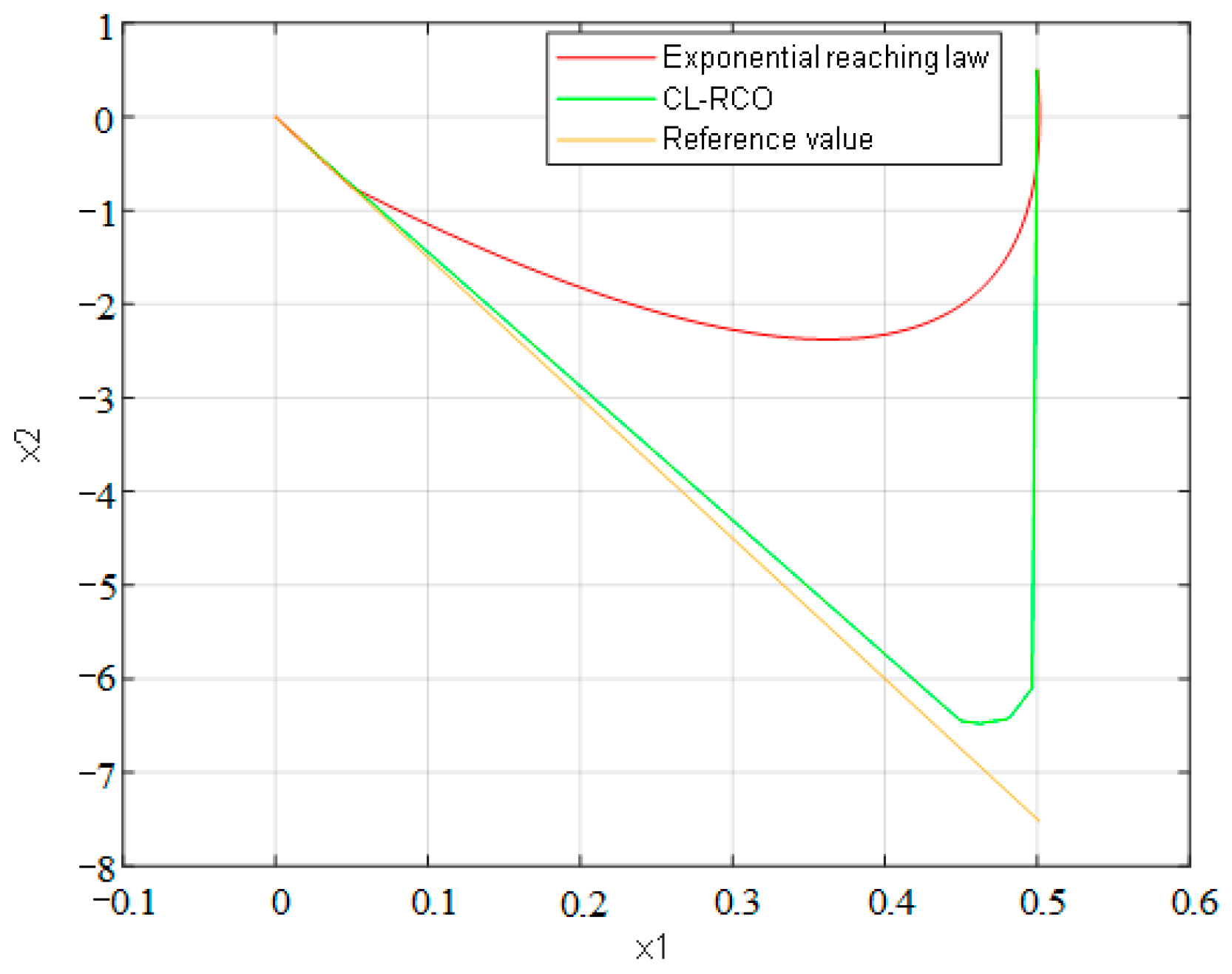
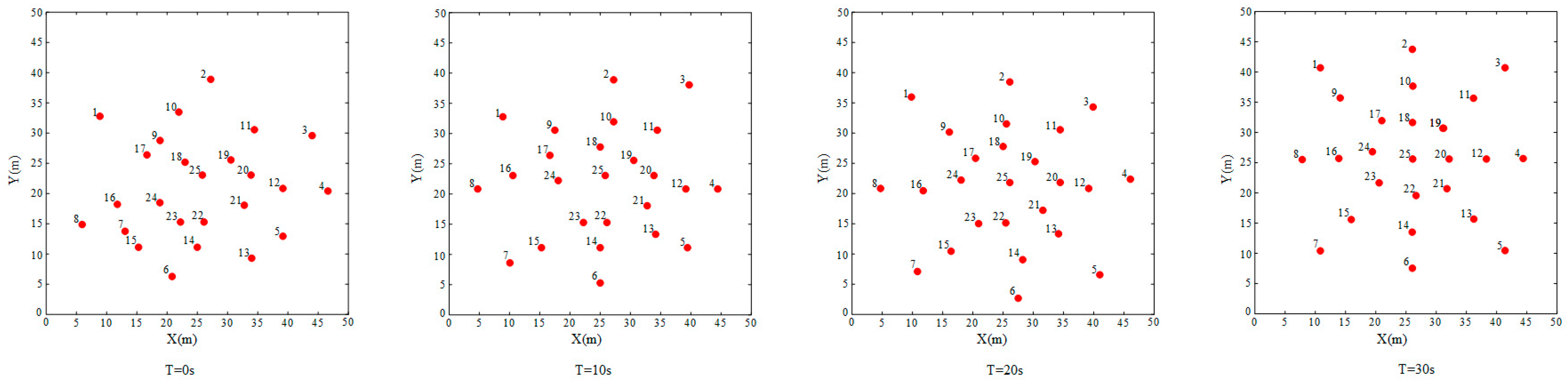
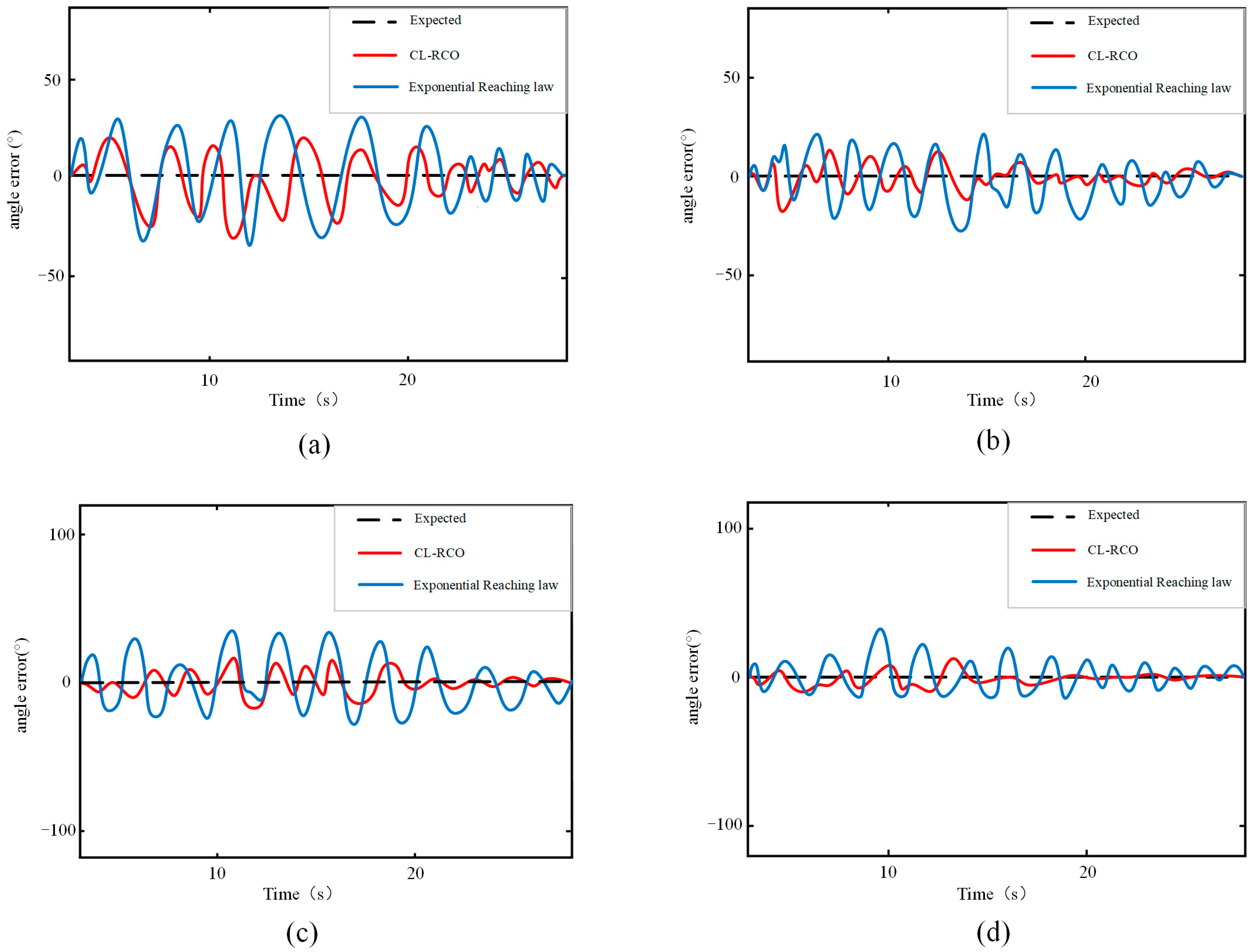
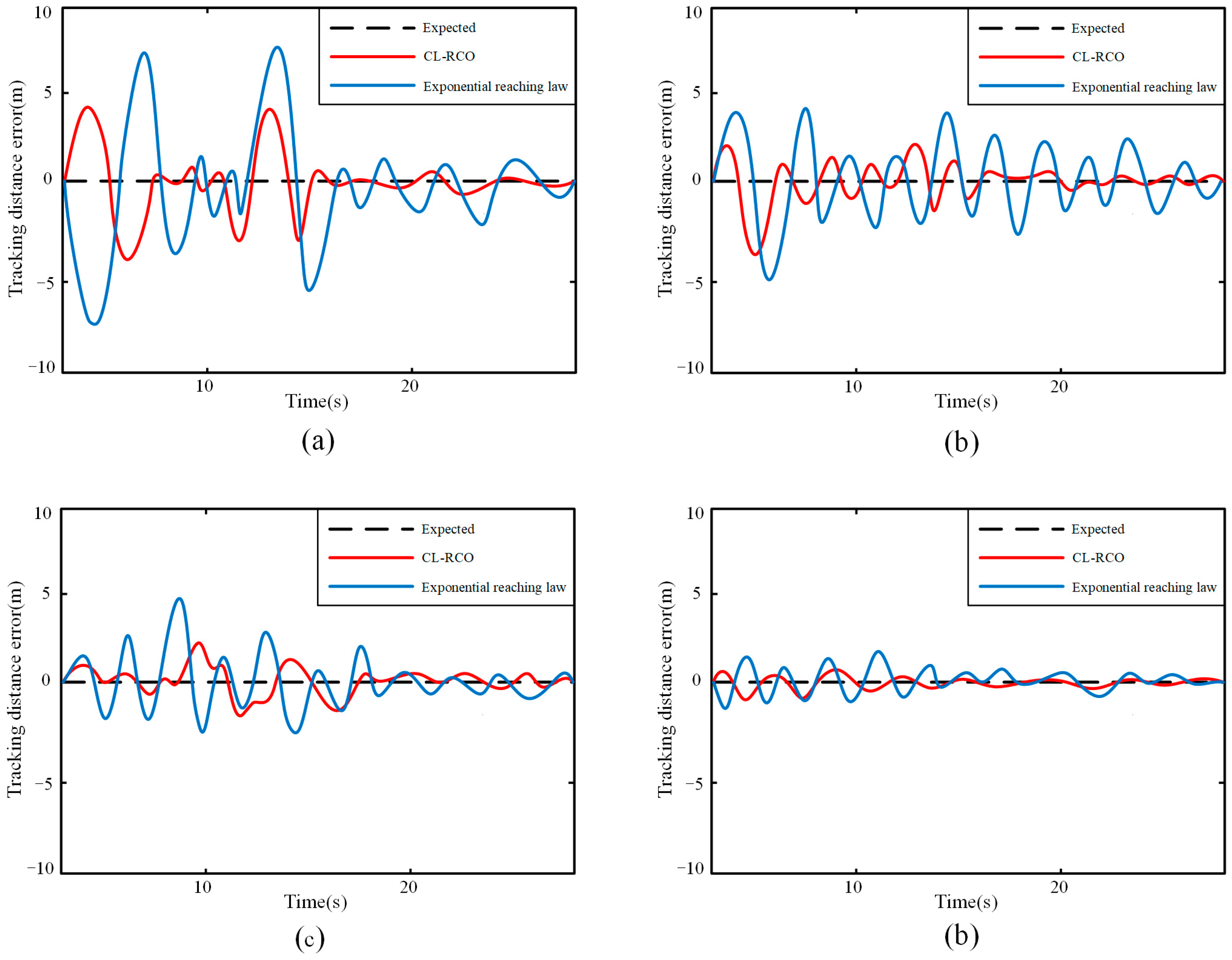
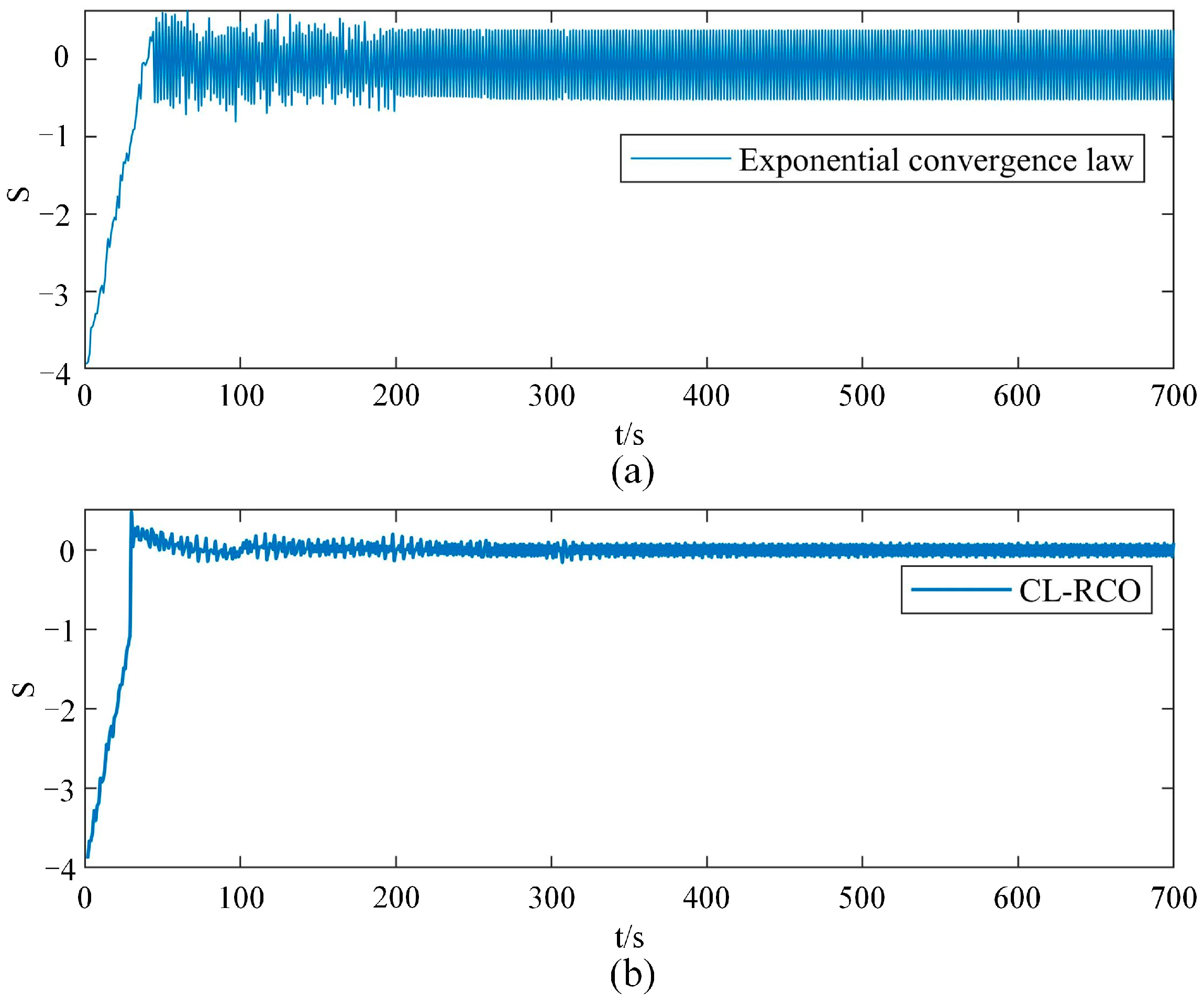
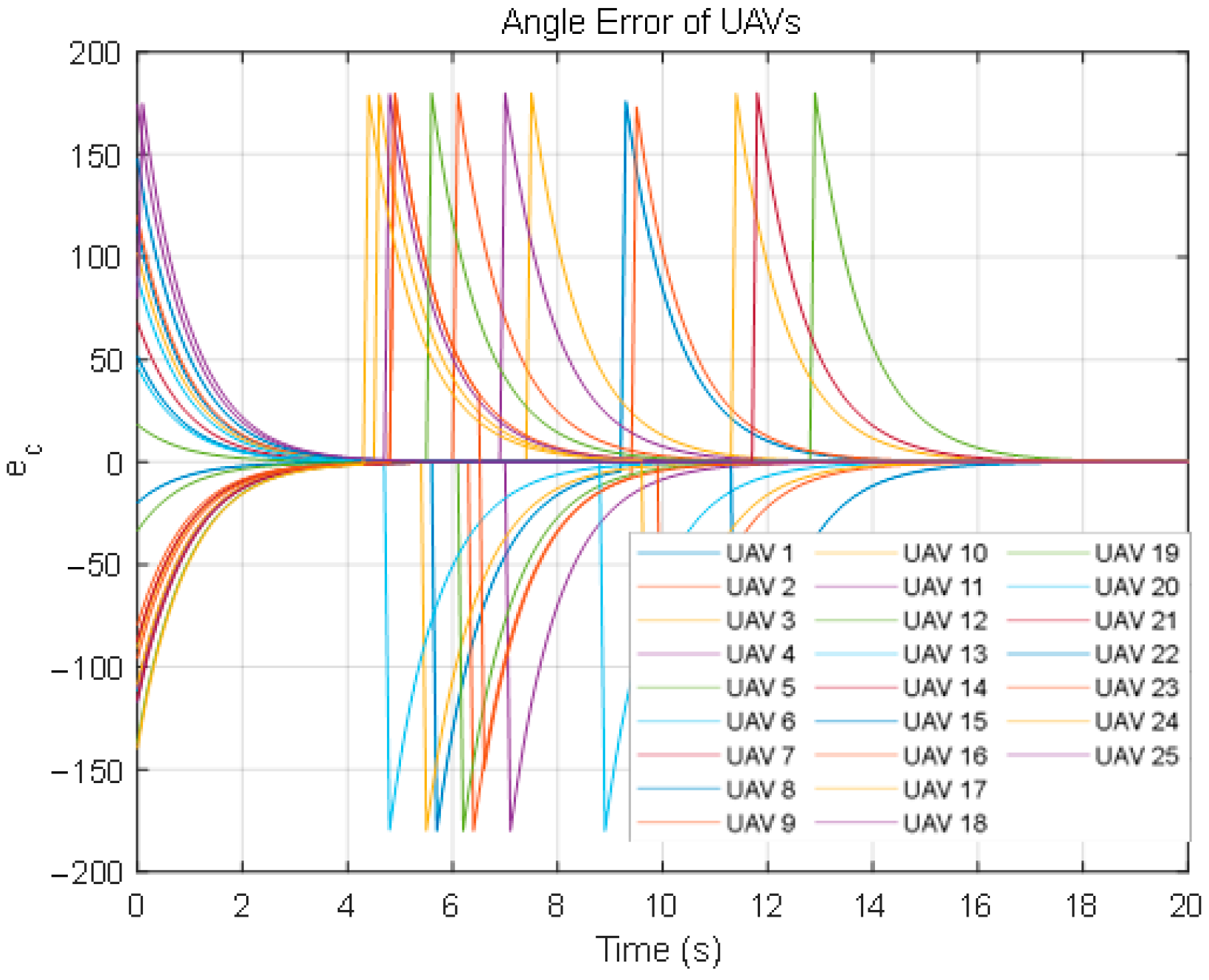
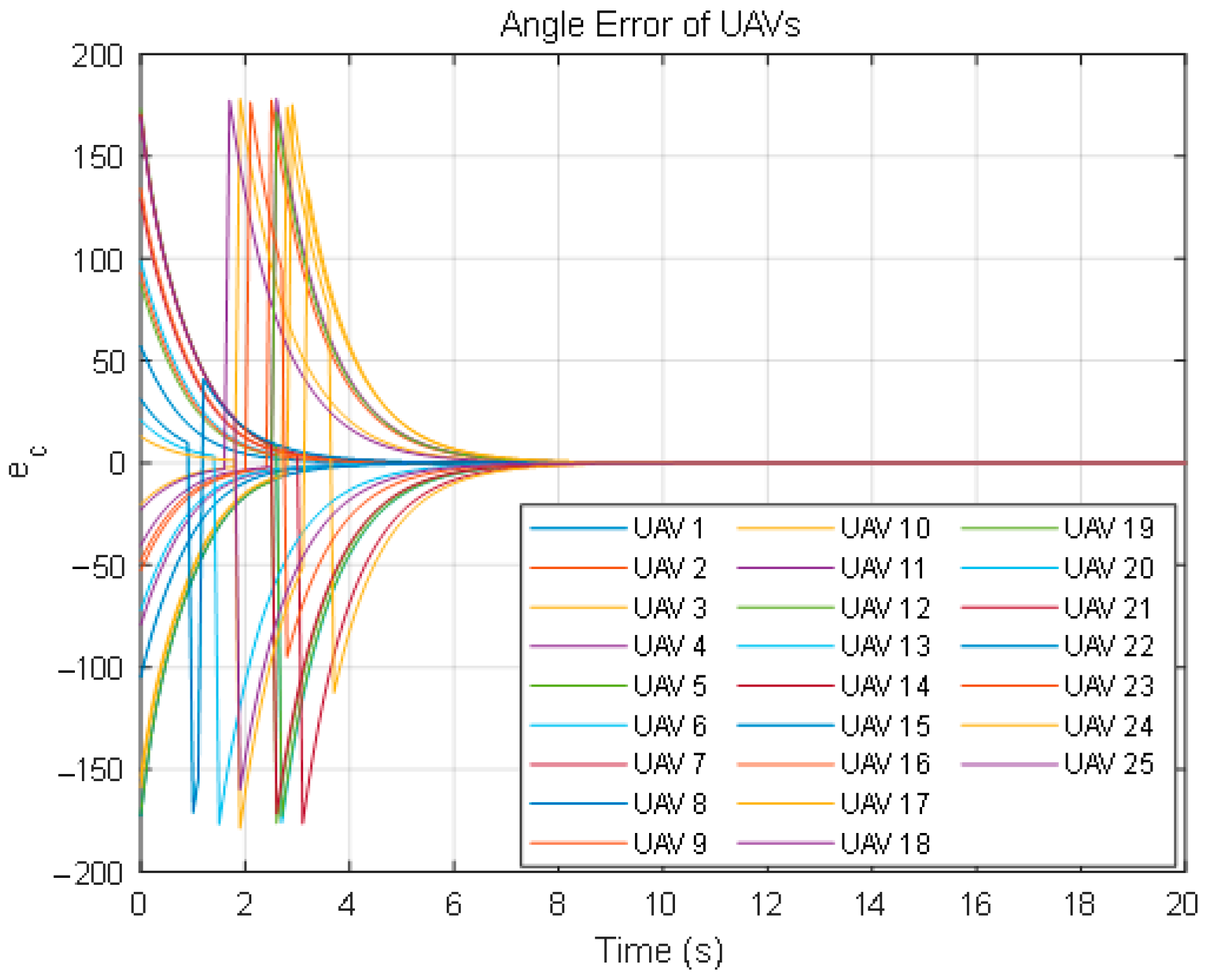
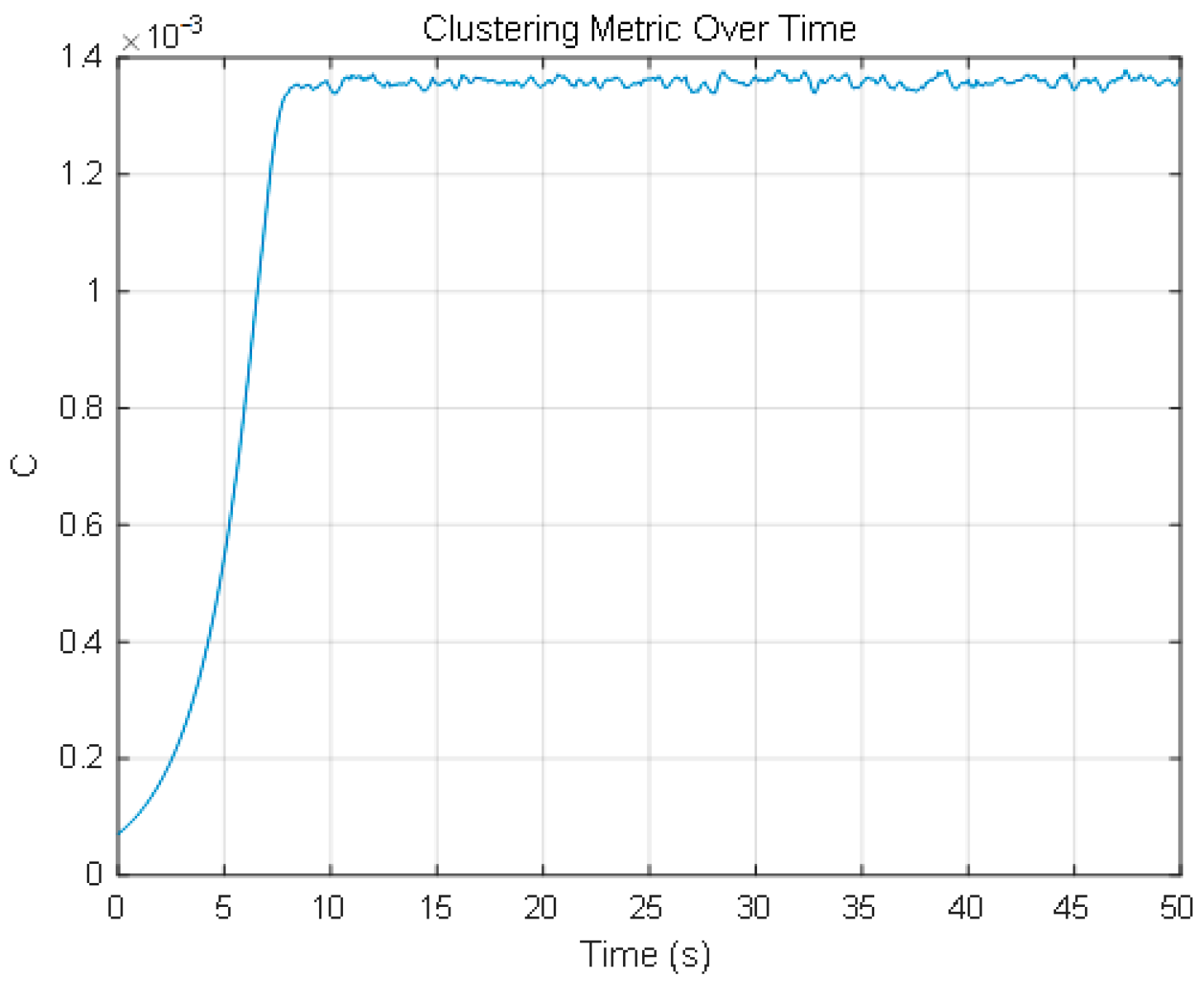
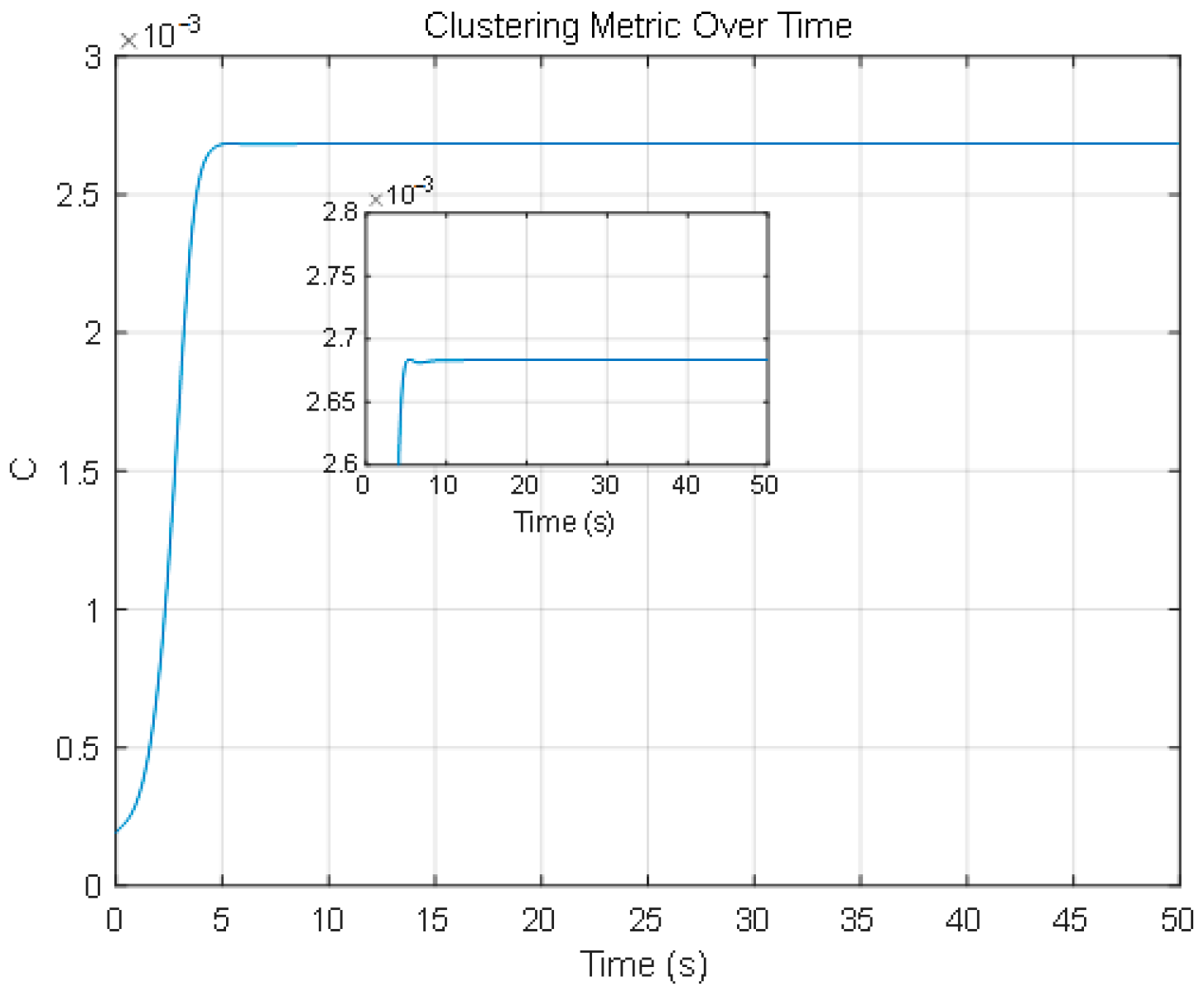
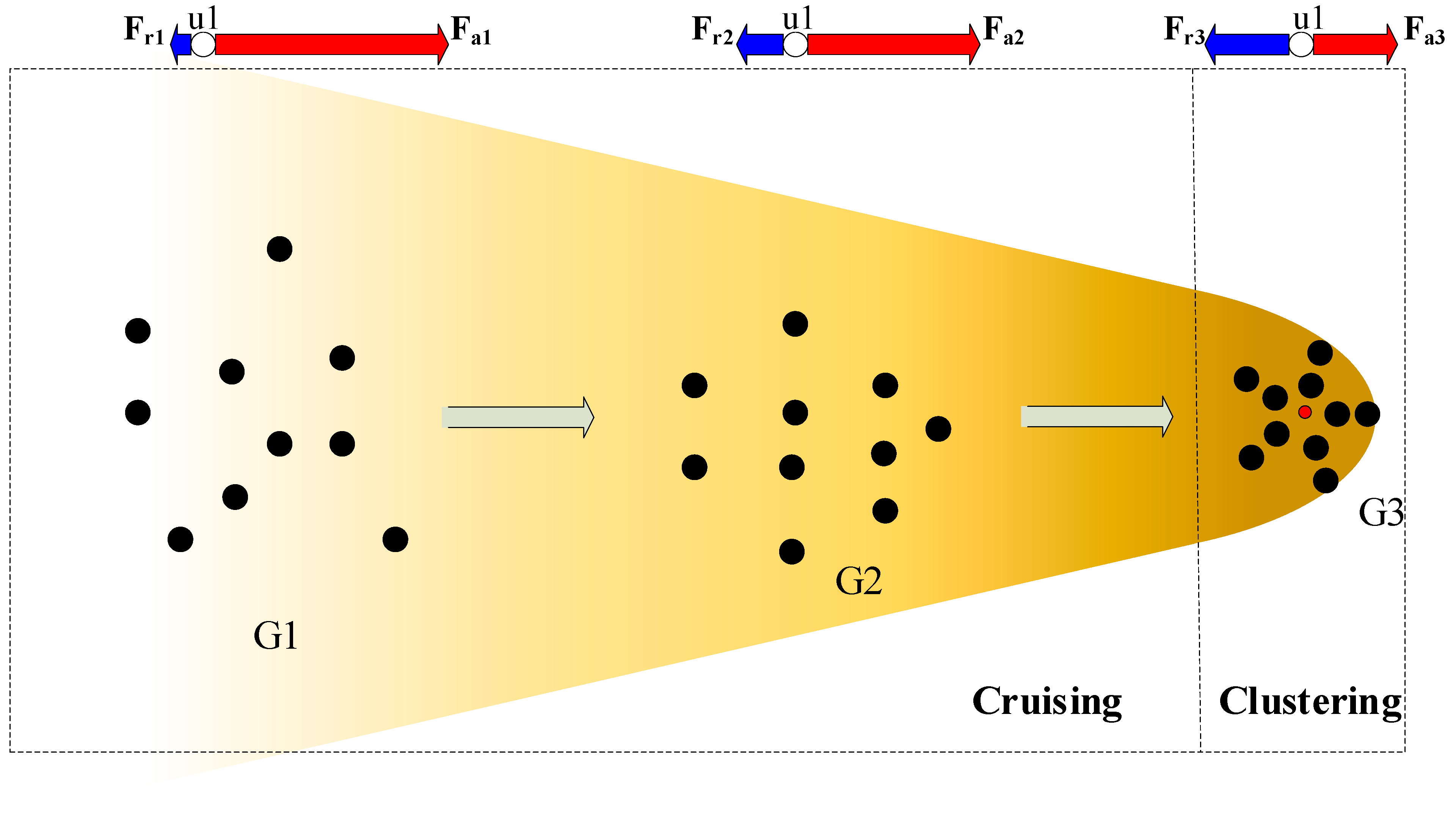
When multiple unmanned aerial vehicles (UAVs) form a cluster, their flight process is divided into two phases. The first phase is the cruising stage, during which UAVs move from random positions toward the target, gradually forming a spherical topology. In the initial cruising phase, to address the oscillation phenomenon in traditional sliding mode control, we propose a new reaching law to overcome the typical residual oscillations present in conventional reaching laws, called the Control Law for Residual Chattering Oscillation Elimination (CL-RCO). Based on this proposed new law, we have designed an artificial potential field-based sliding mode formation controller for UAVs to manage the formation control of UAVs. The second stage is the clustering phase, which focuses on overcoming oscillations to establish a stable topology. In this phase, we design a controller that combines artificial potential fields with variable repulsion coefficients and backstepping control. This method addresses the persistent residual oscillations in formations maintained solely by artificial potential fields during the clustering phase. Lyapunov stability analysis is employed to confirm the feasibility of the designed controller. Eventually, numerical simulations and comparative analyses are performed, successfully demonstrating the proposed method’s effectiveness.
Keywords: UAVs; sliding mode control; artificial potential fields; oscillation elimination; formation control UAVs; sliding mode control; artificial potential fields; oscillation elimination; formation control