Article

Performance Analysis and Flow Mechanism of Close-Range Overlapping Rotor in Hover

1
National Key Laboratory of Unmanned Aerial Vehicle Technology, Northwestern Polytechnical University, Xi’an 710072, China
2
Unmanned System Research Institute, Northwestern Polytechnical University, Xi’an 710072, China
3
Nanjing Opatiya Information Technology Co., Ltd. (Nanjing), Nanjing 210000, China
*
Author to whom correspondence should be addressed.
Drones 2025, 9(4), 269; https://doi.org/10.3390/drones9040269
Submission received: 10 February 2025 / Revised: 20 March 2025 / Accepted: 28 March 2025 / Published: 1 April 2025
(This article belongs to the Section Drone Design and Development)

Abstract

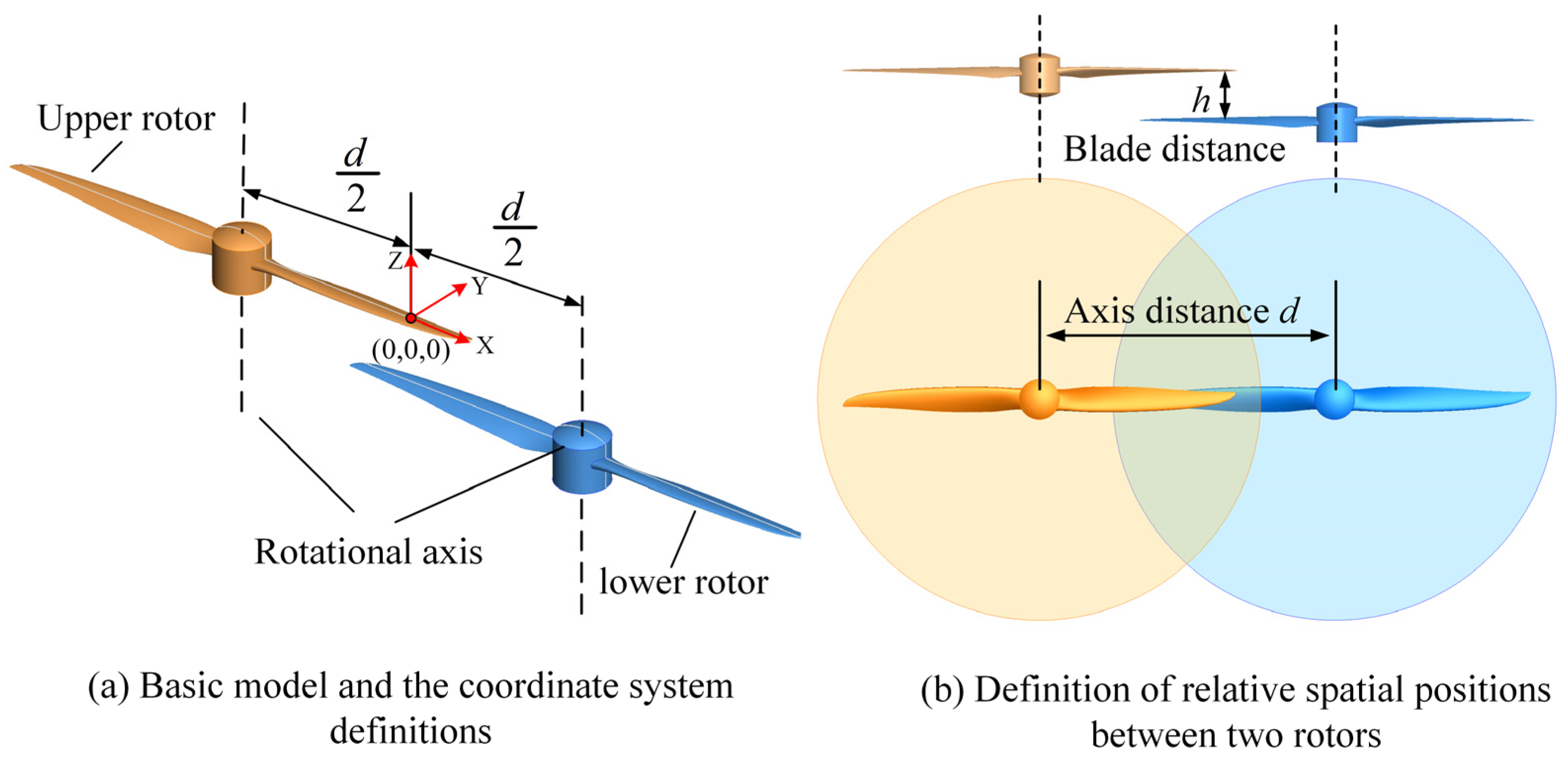
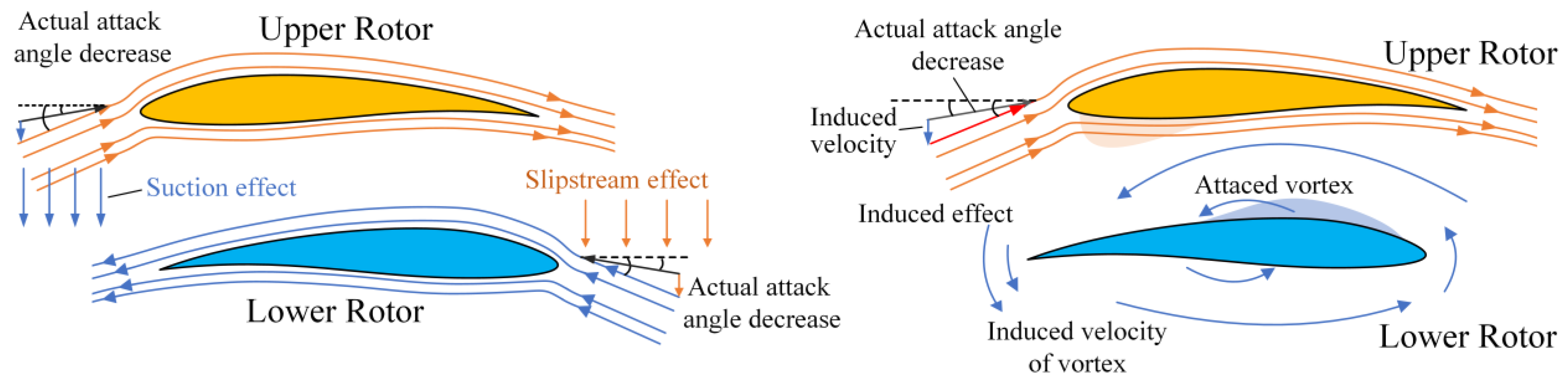
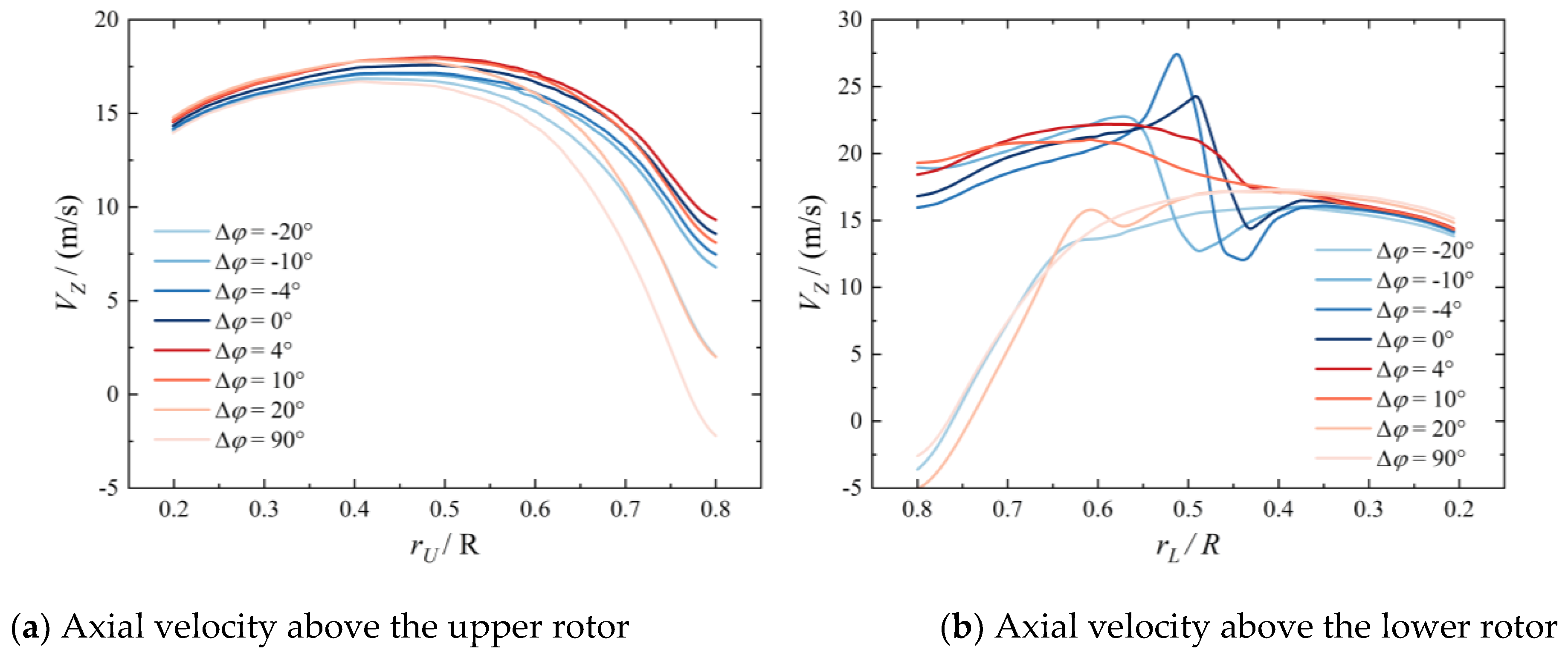
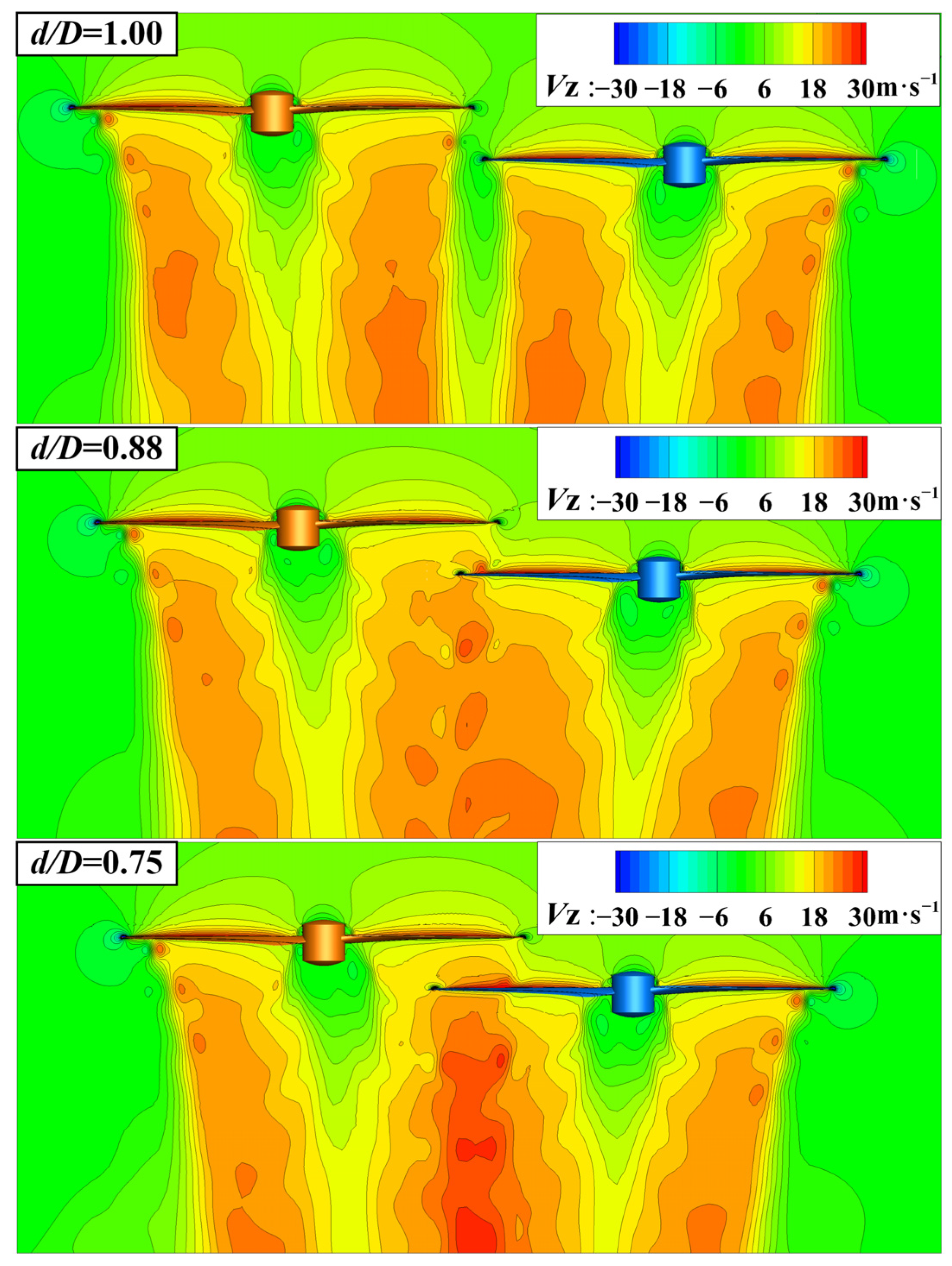
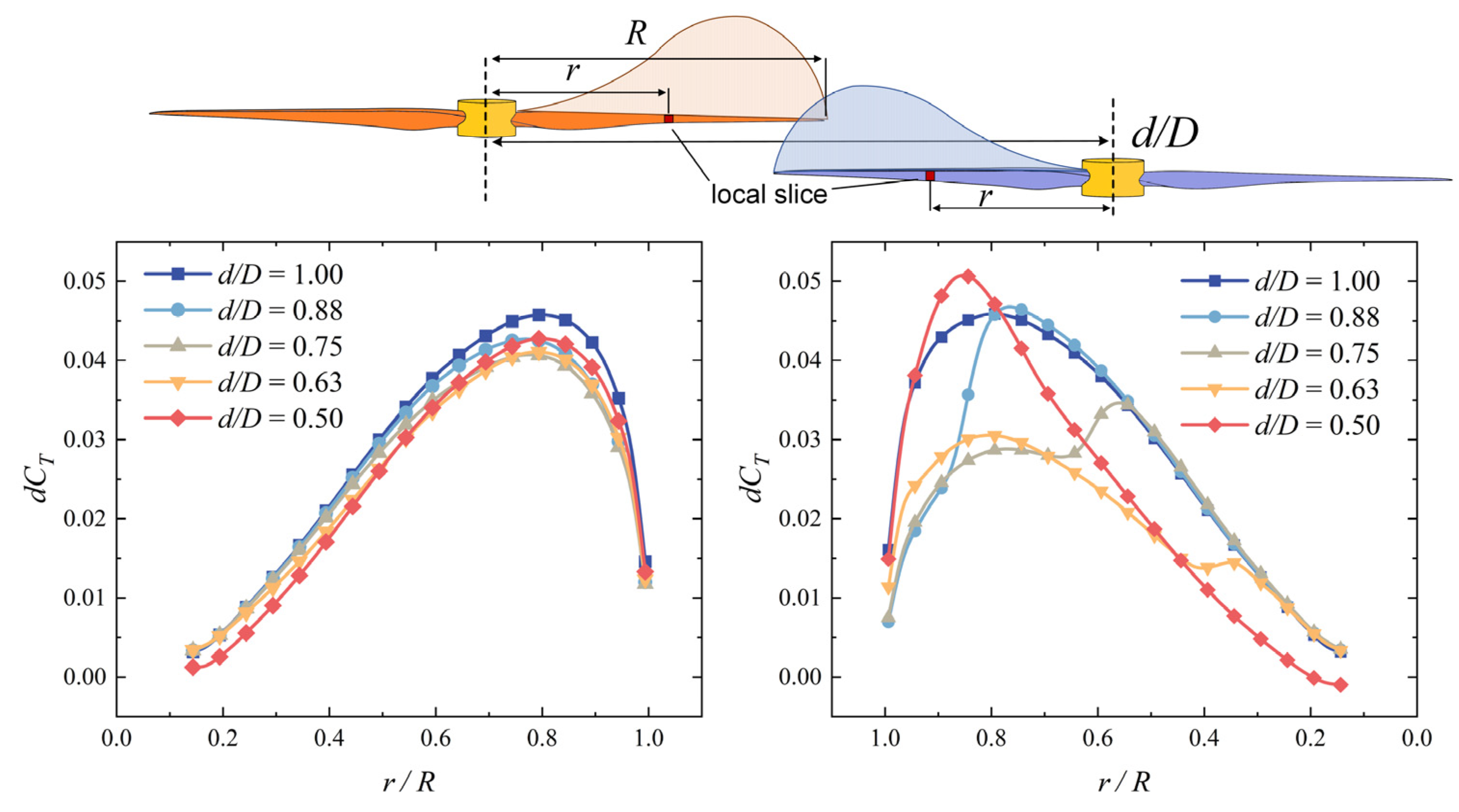
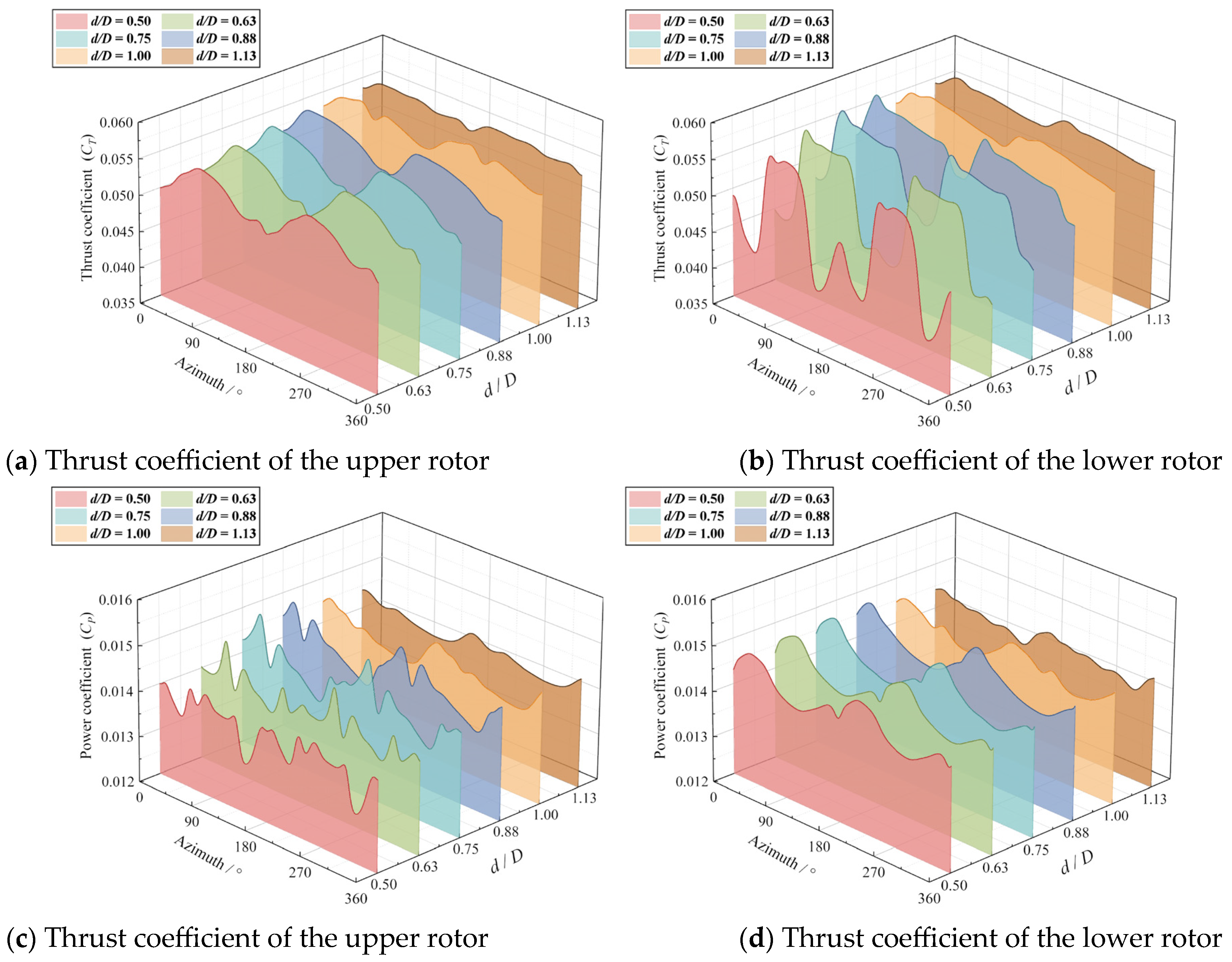
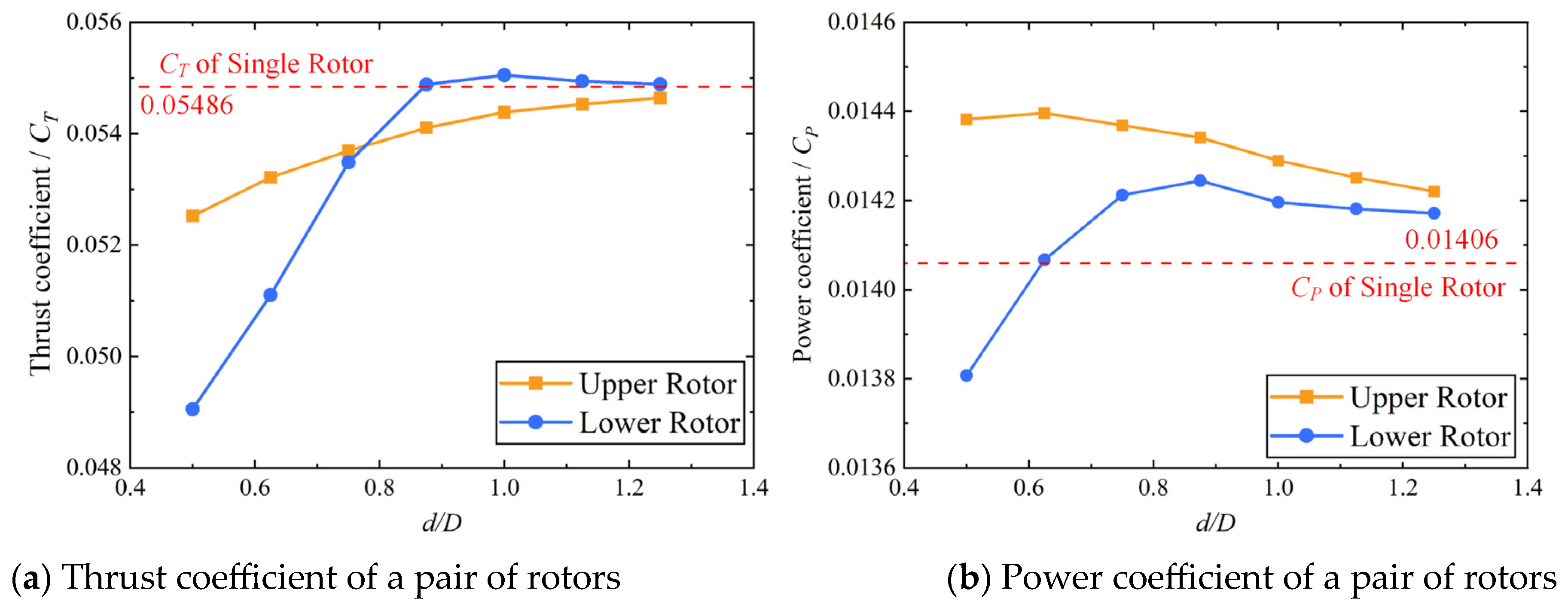
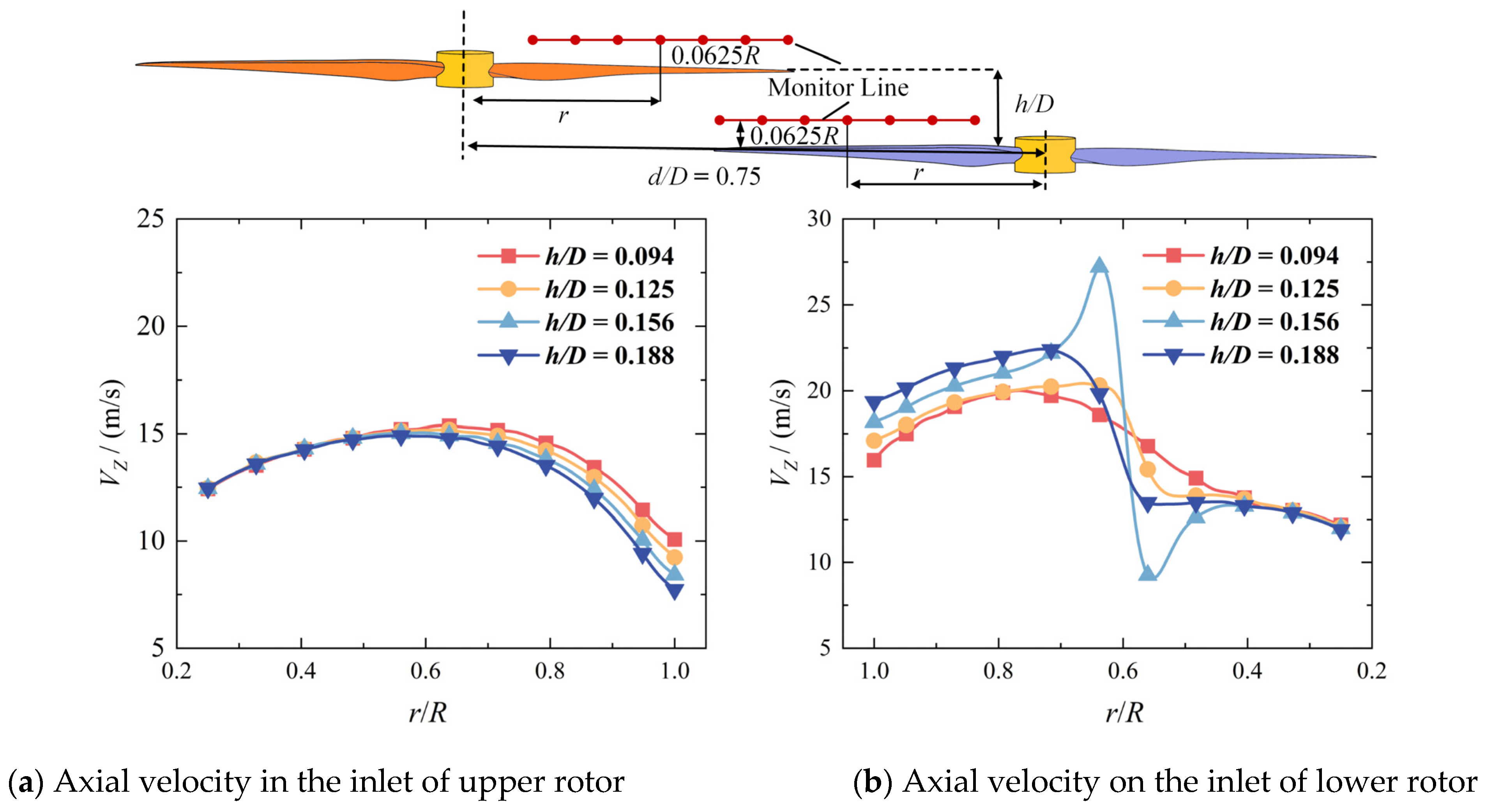
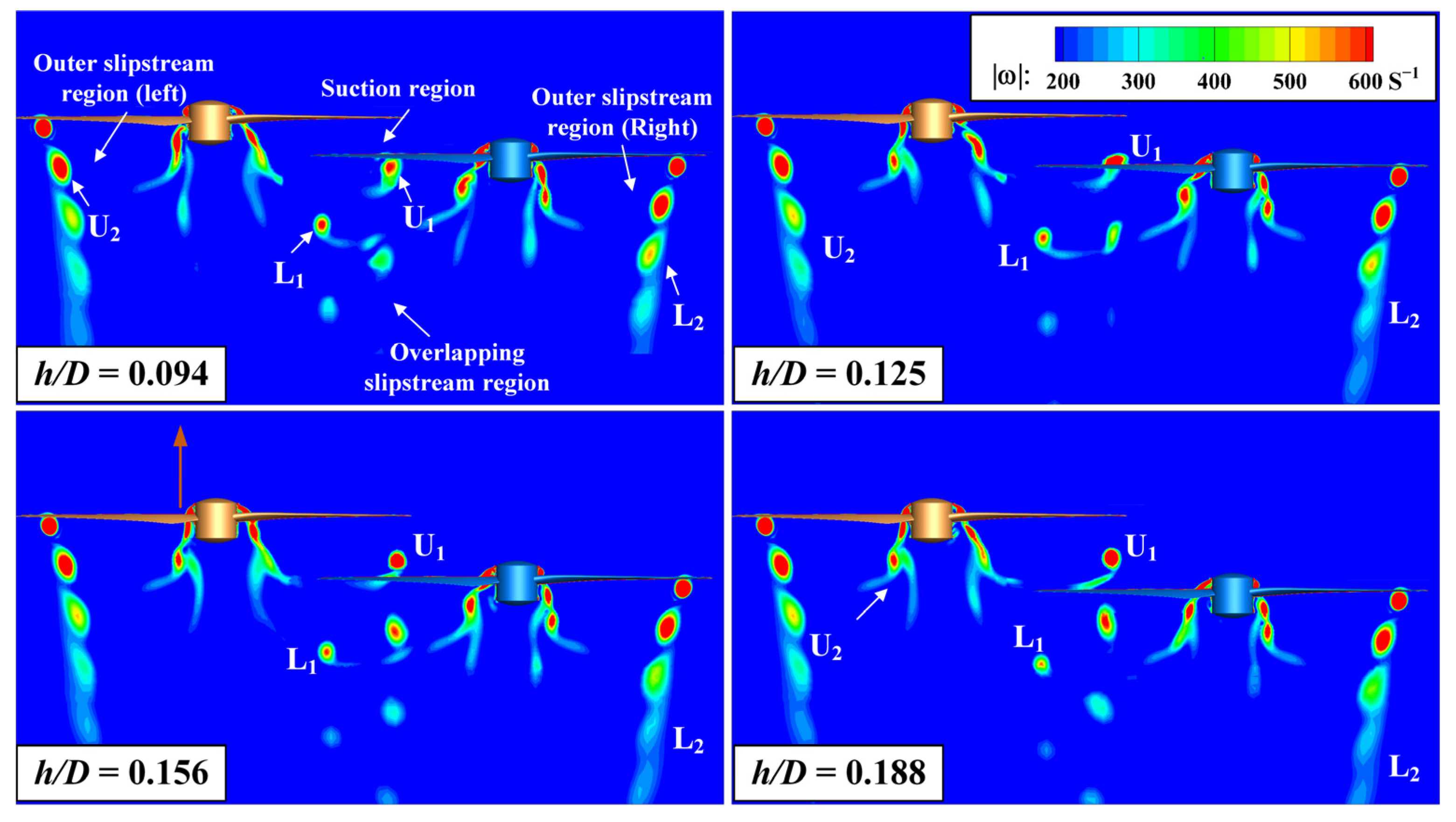
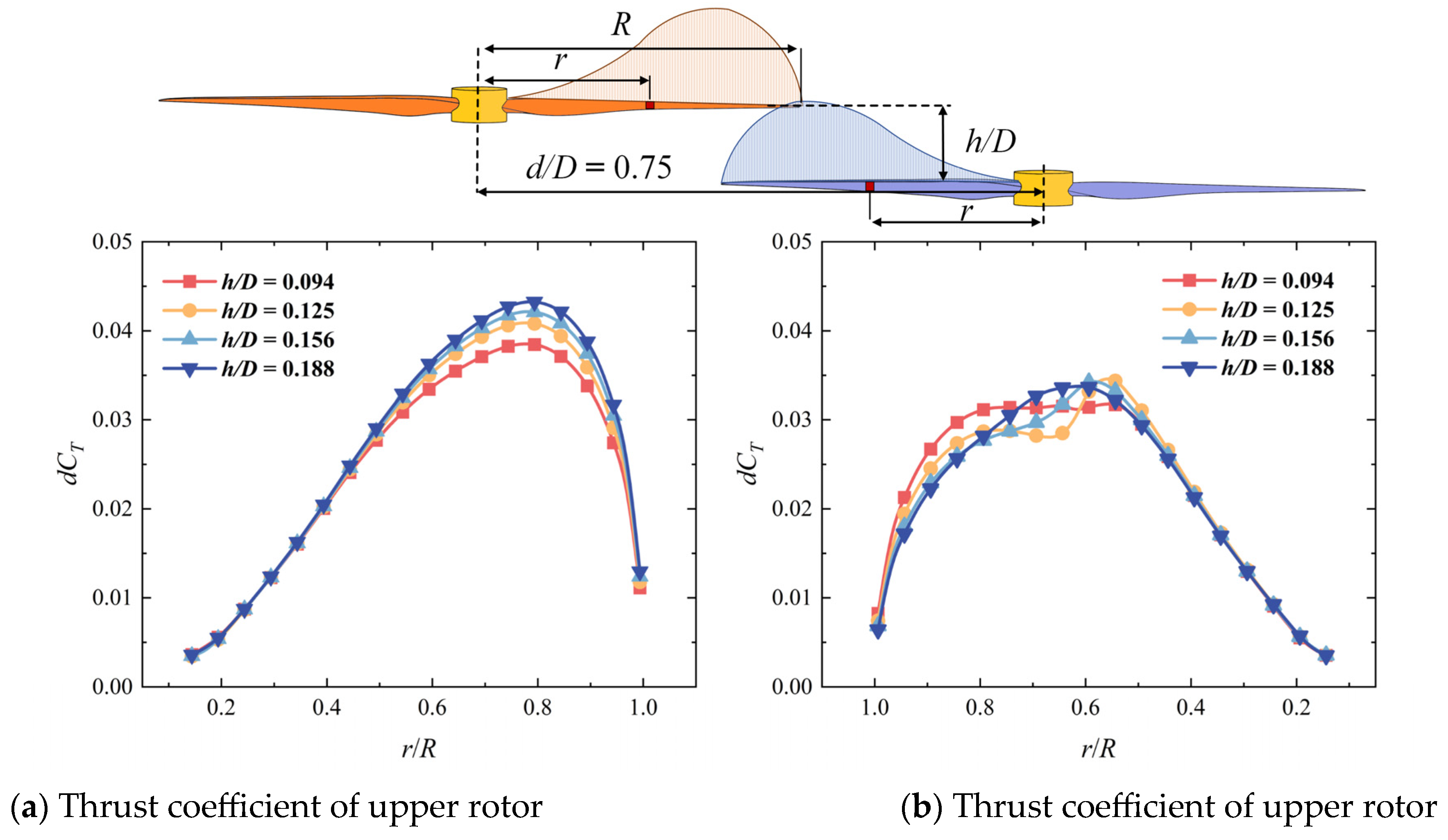
High payload capacity multi-rotor aerial vehicles are typically configured with multiple propellers to achieve the required aerodynamic lift. However, this design approach often results in an increased overall dimensional envelope, which introduces significant operational limitations in confined spatial environments such as urban airspace. By utilizing a limited overlap rotor configuration, the spatial utilization rate of an aircraft can be greatly improved, ensuring a sufficient thrust of rotor while simultaneously reducing the size of the aircraft. However, the slipstreams of two rotors overlap, which may create a significant aerodynamic interface. This paper utilizes numerical simulation based on the unsteady RANS (Reynolds-averaged Navier–Stokes) method to analyze the influence of parameters such as distance, blade distance, and rotation direction on the interference flow field of overlapping rotors. Research indicates that aerodynamic interference only affects the overlapping area between two rotors at the inner blade, leading to the offset of loading distribution on the blade, which can be explained by the slipstream effect, suction effect, and induced effects generated by two rotors. As the axis distance between two rotors decreases, the strengthening of the slipstream and suction effects leads to a rapid decrease in the aerodynamic efficiency of the two rotors. When the blade between the two rotors increases, the weakening of the suction effect and induced effects causes the load on the lower rotor to translate to the upper rotor. Moreover, the variation in the spatial distribution of the blade tip–vortex leads to blade–vortex interaction, which causes a change in the spanwise distribution of the load on the lower blade.
Keywords: multi-rotor aircraft; overlap rotor; lift enhancement; load distribution; flow mechanism multi-rotor aircraft; overlap rotor; lift enhancement; load distribution; flow mechanism